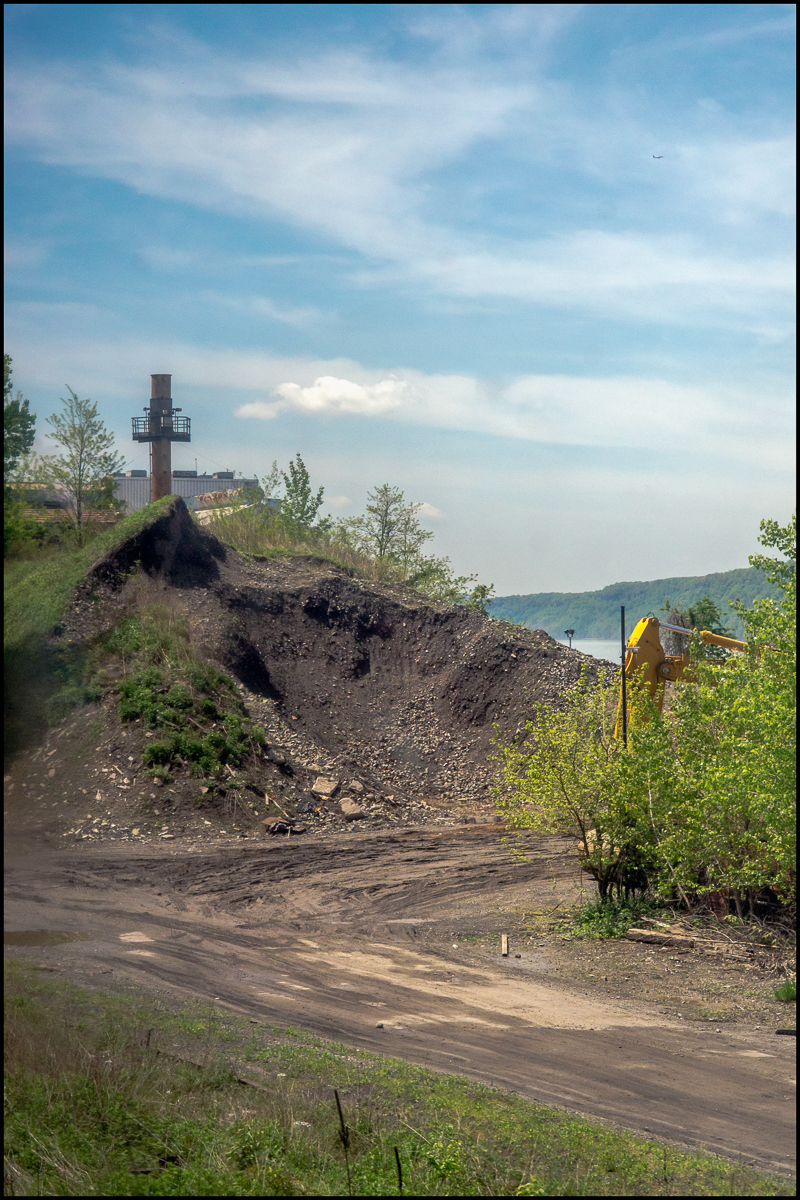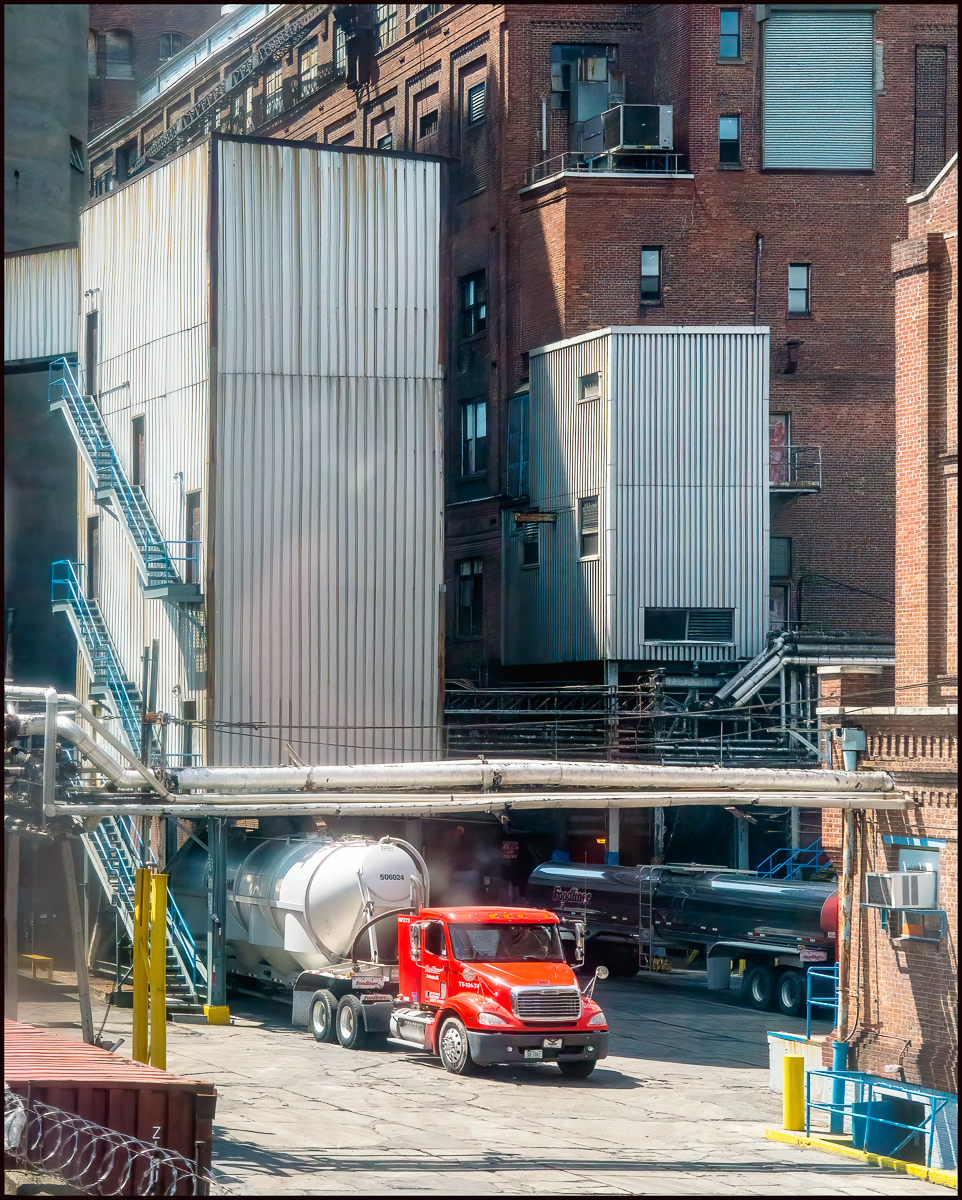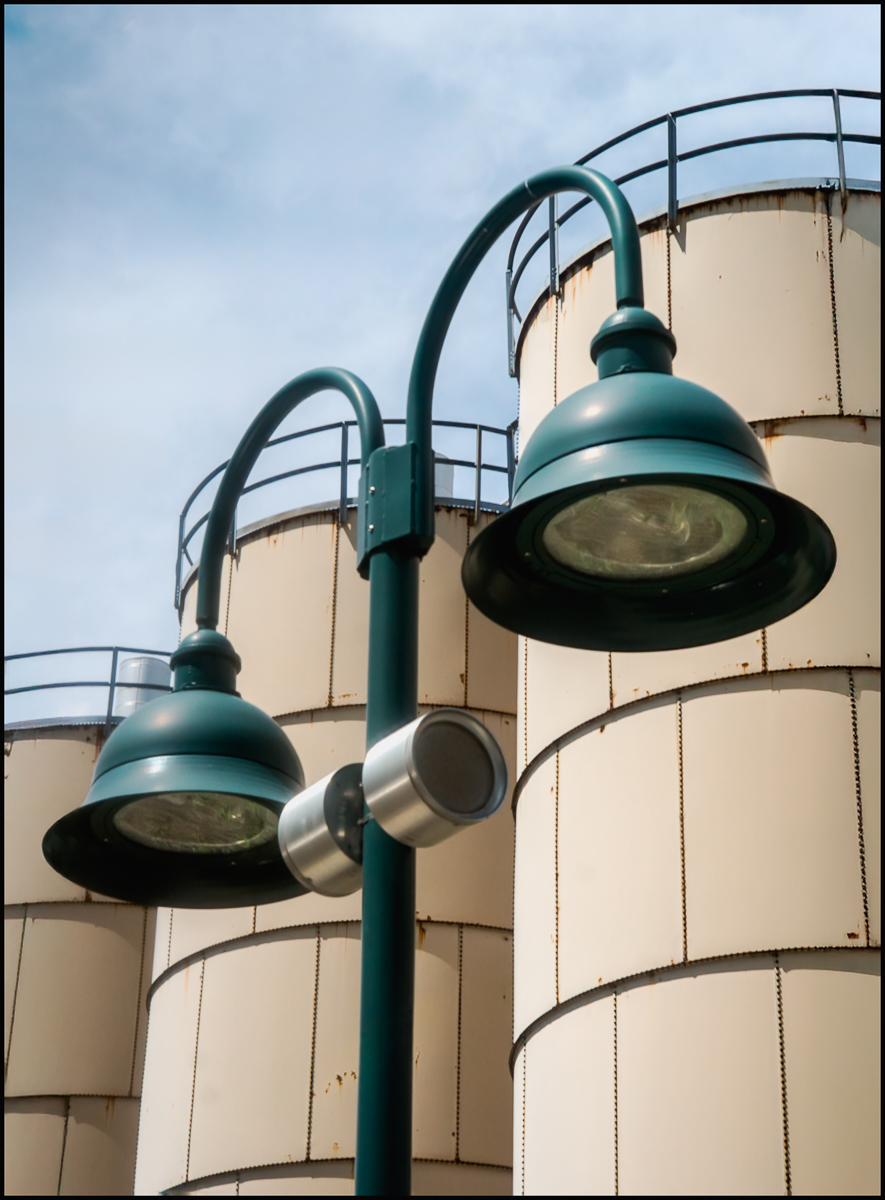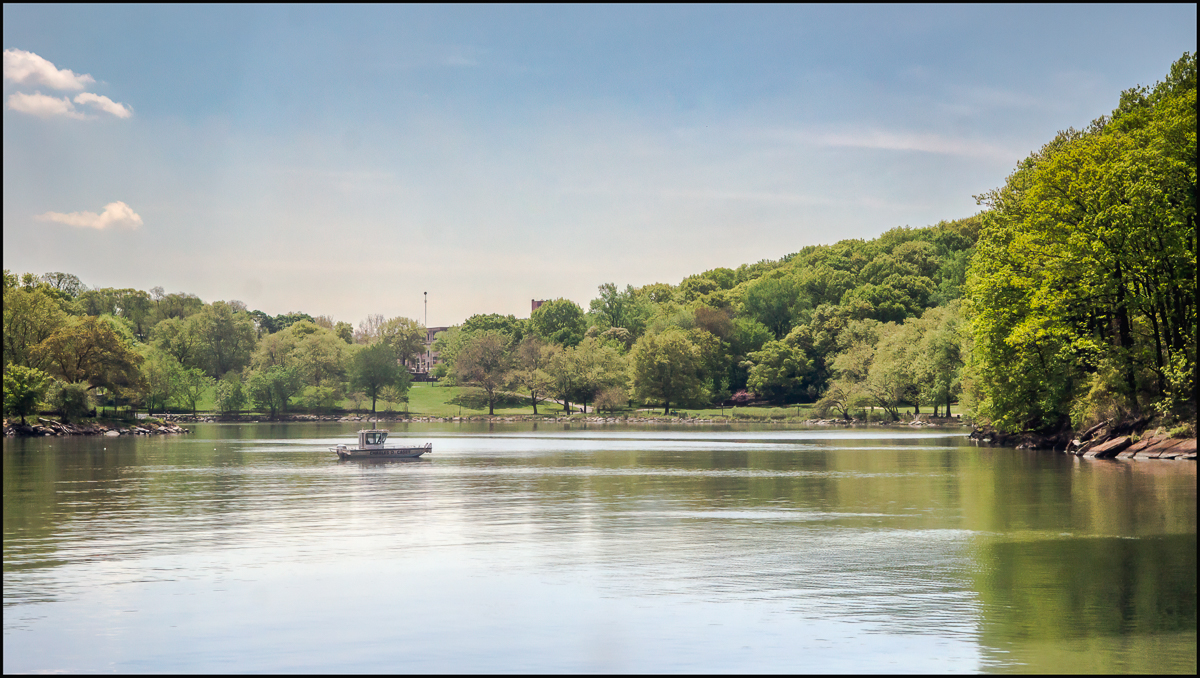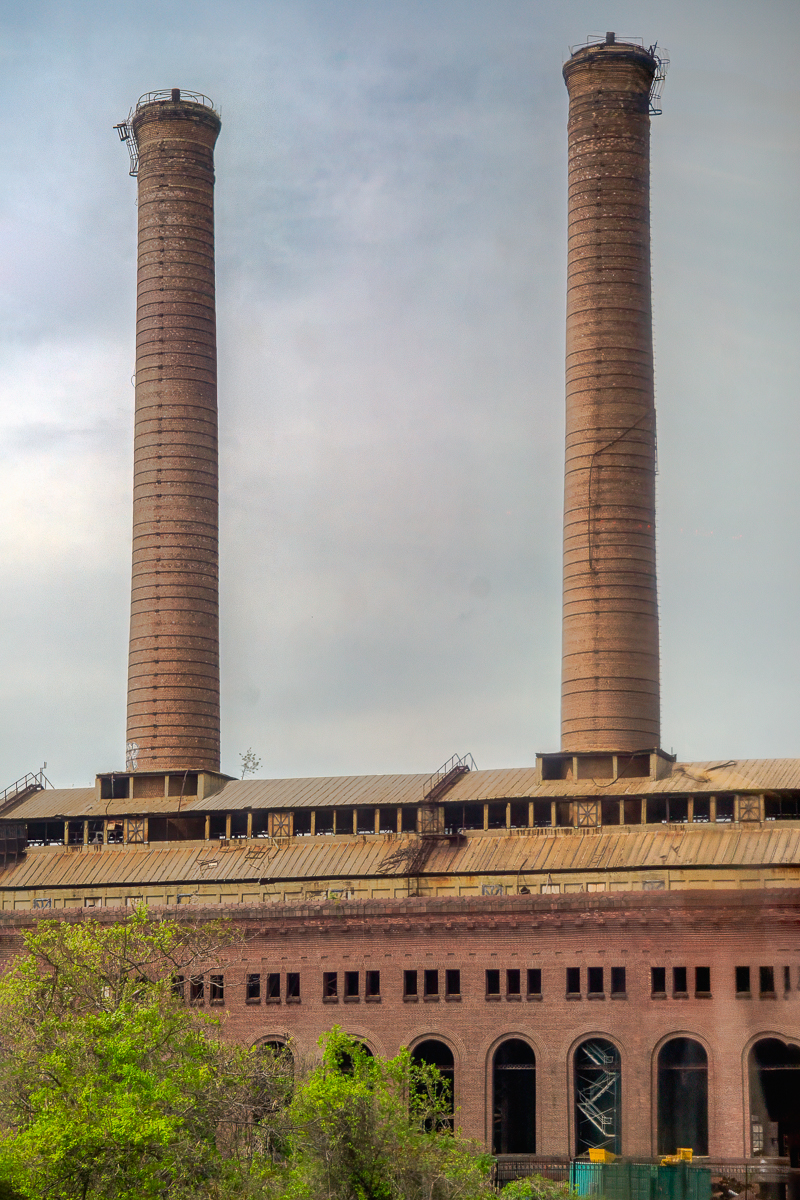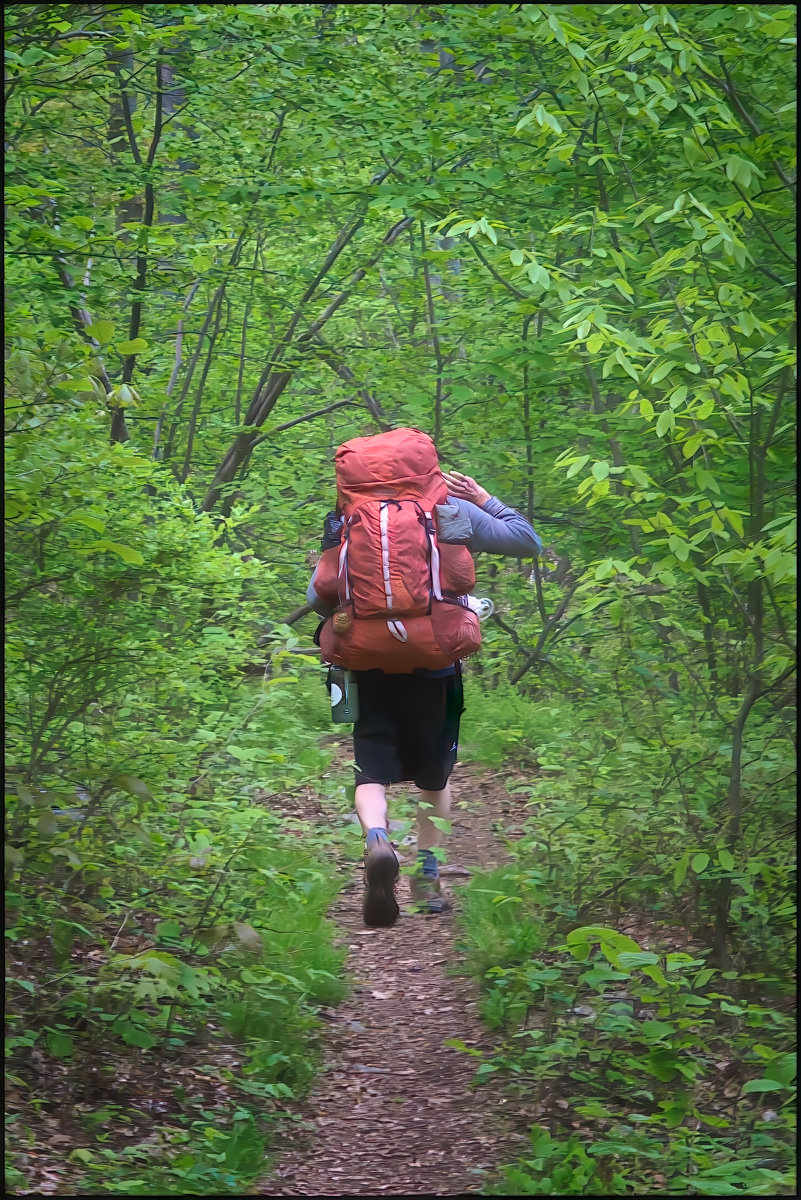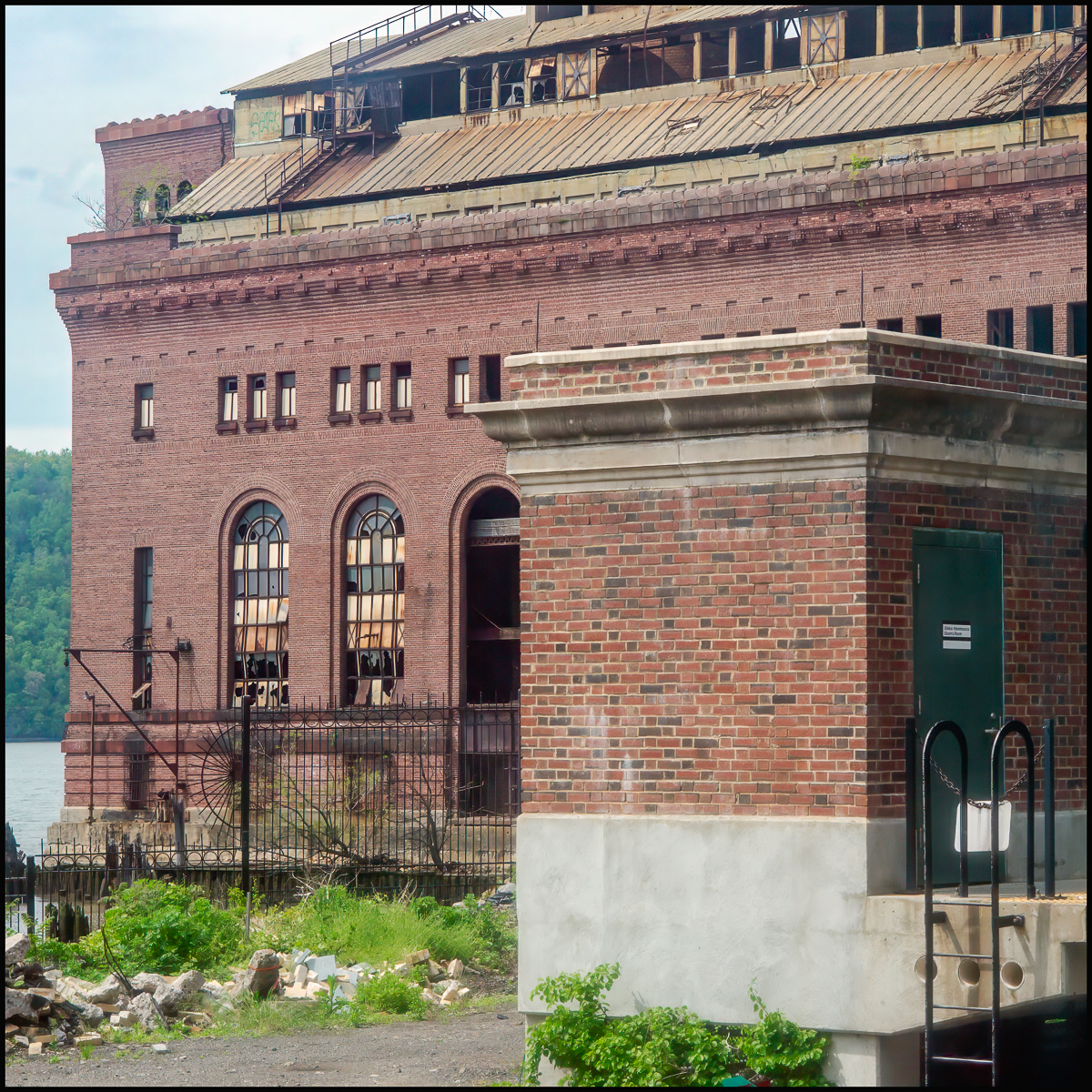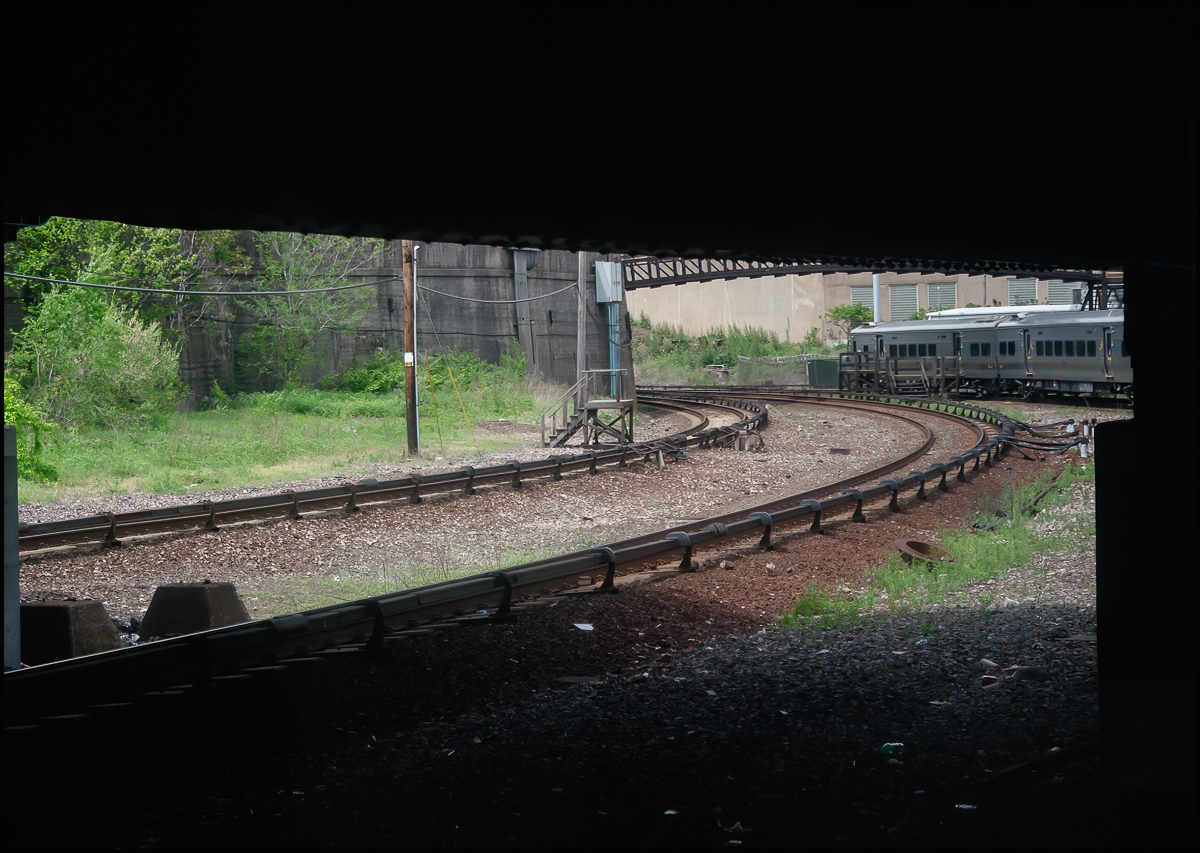
A Vintage Lens – Probably an Industar 22?

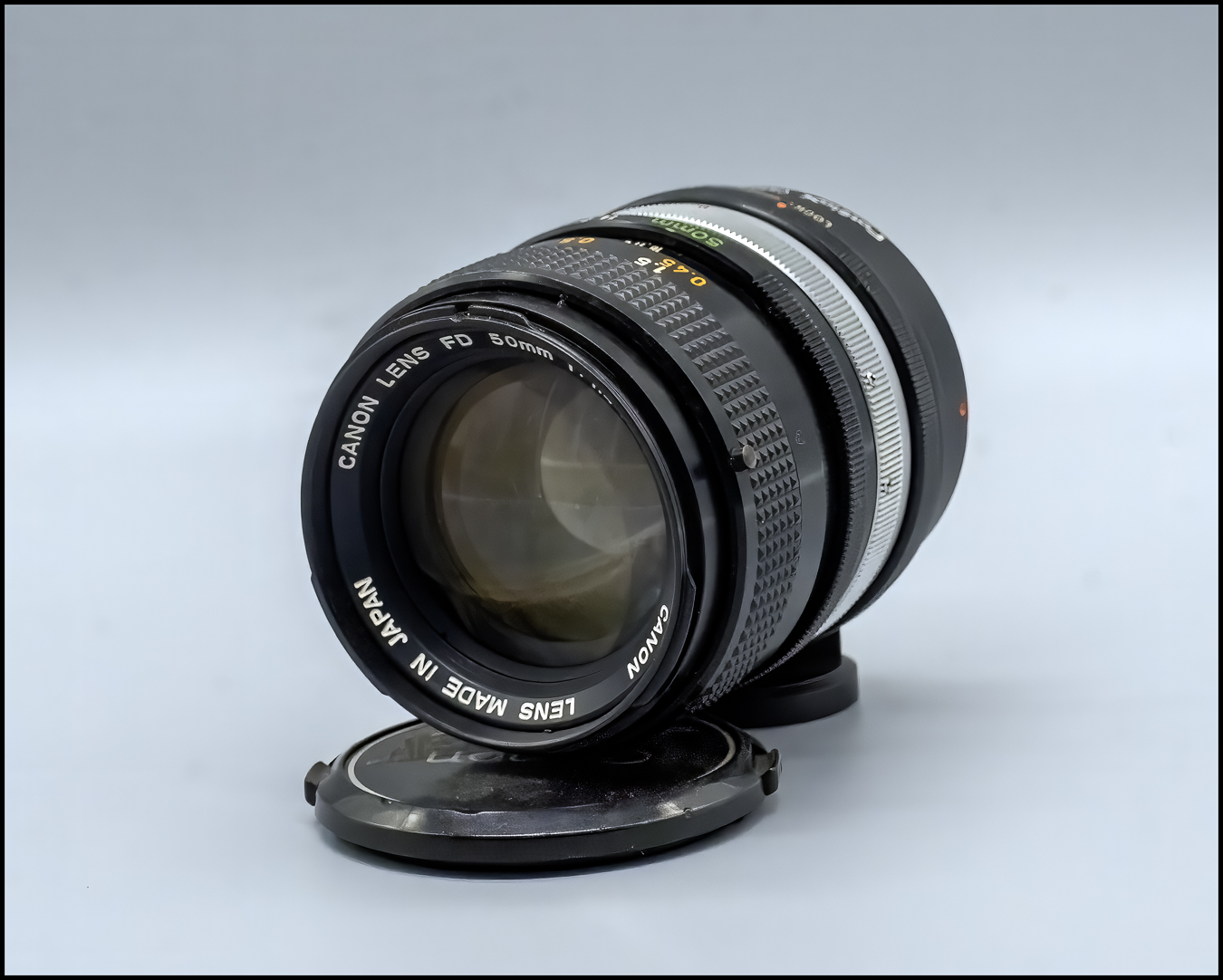
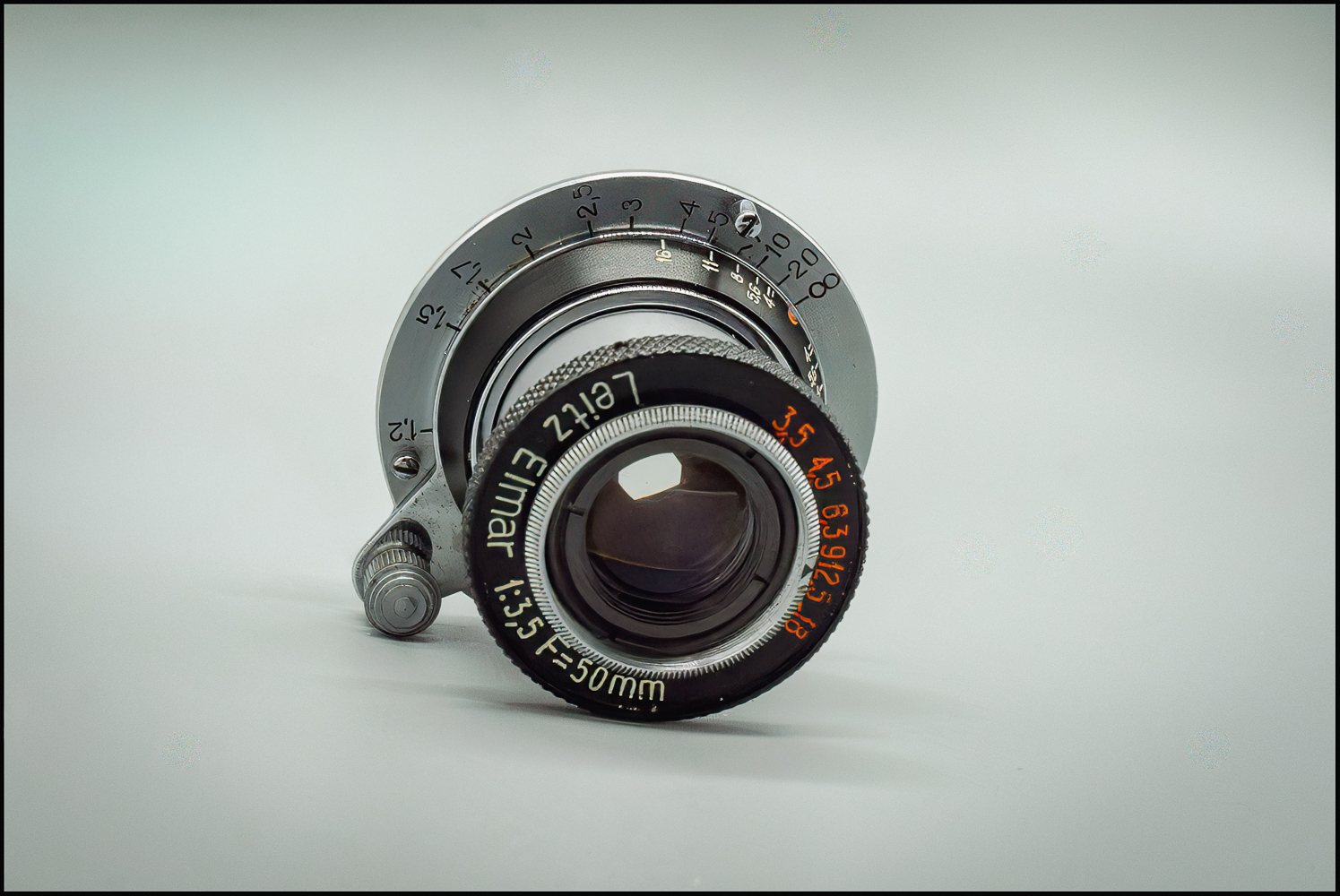
I took these pictures before the recent snowfall. So why probably an Industar 22? Well, it came attached to an obviously fake Leica. So, the one thing I’m pretty sure of is that it’s almost certainly not a Leitz (i.e. Leica) Elmar as it says on the front plate. After a bit of research, I think it’s probably an Industar 22. This lens was produced for a number of 35 mm cameras made by KMZ in the Soviet Union from 1948 into the 1950s. I can’t say exactly when it was made as that would require looking at the serial number, which has conveniently, and not surprisingly, disappeared from this one. It is a 5 cm f/3.5 Tessar-formula lens. It was first made as a collapsible lens in Leica 39 mm screw-mount, for the Fed and Zorki rangefinders. It resembles Leica’s collapsible 5cm f/3.5 Elmar. Apparently about 20,000 were made.
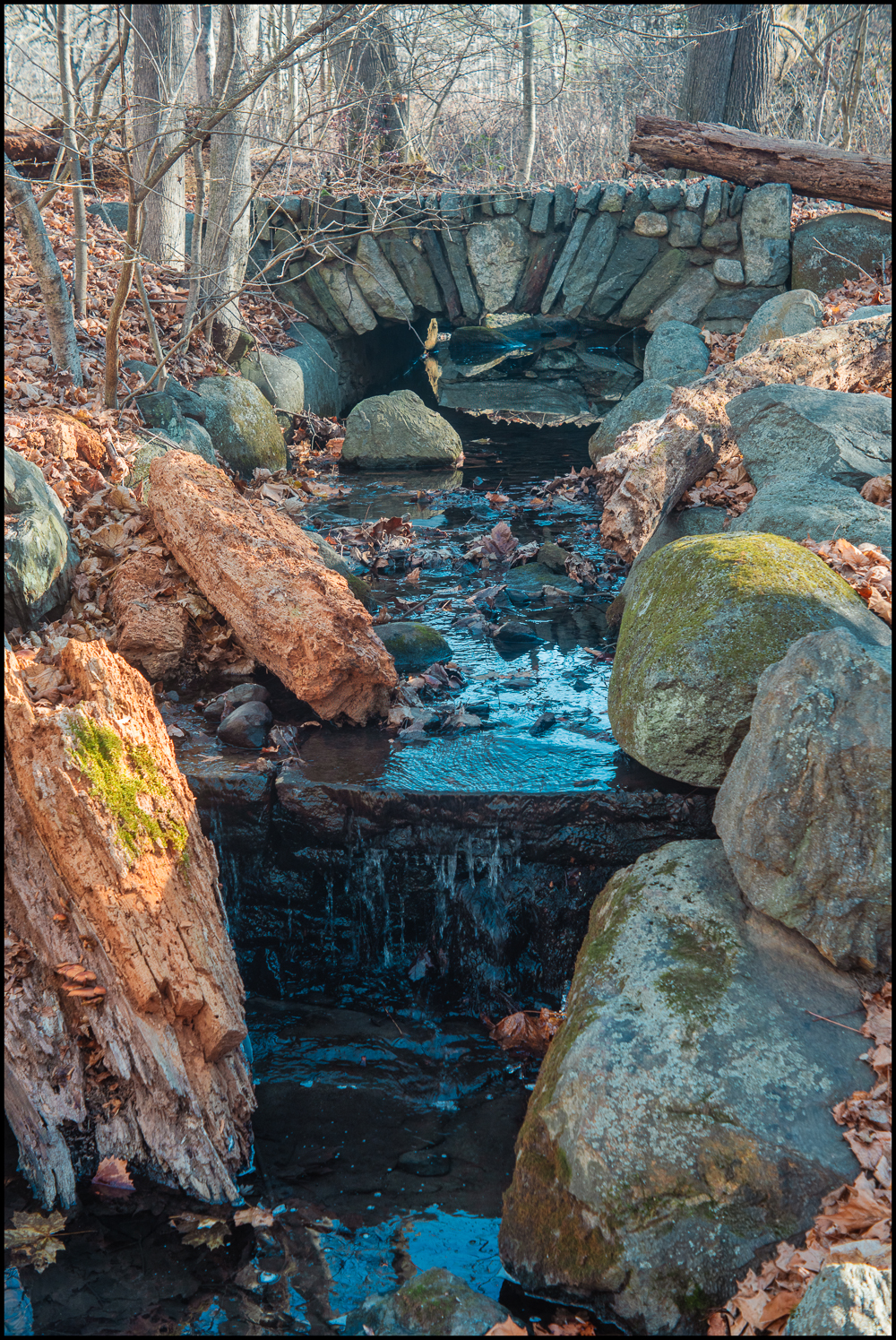
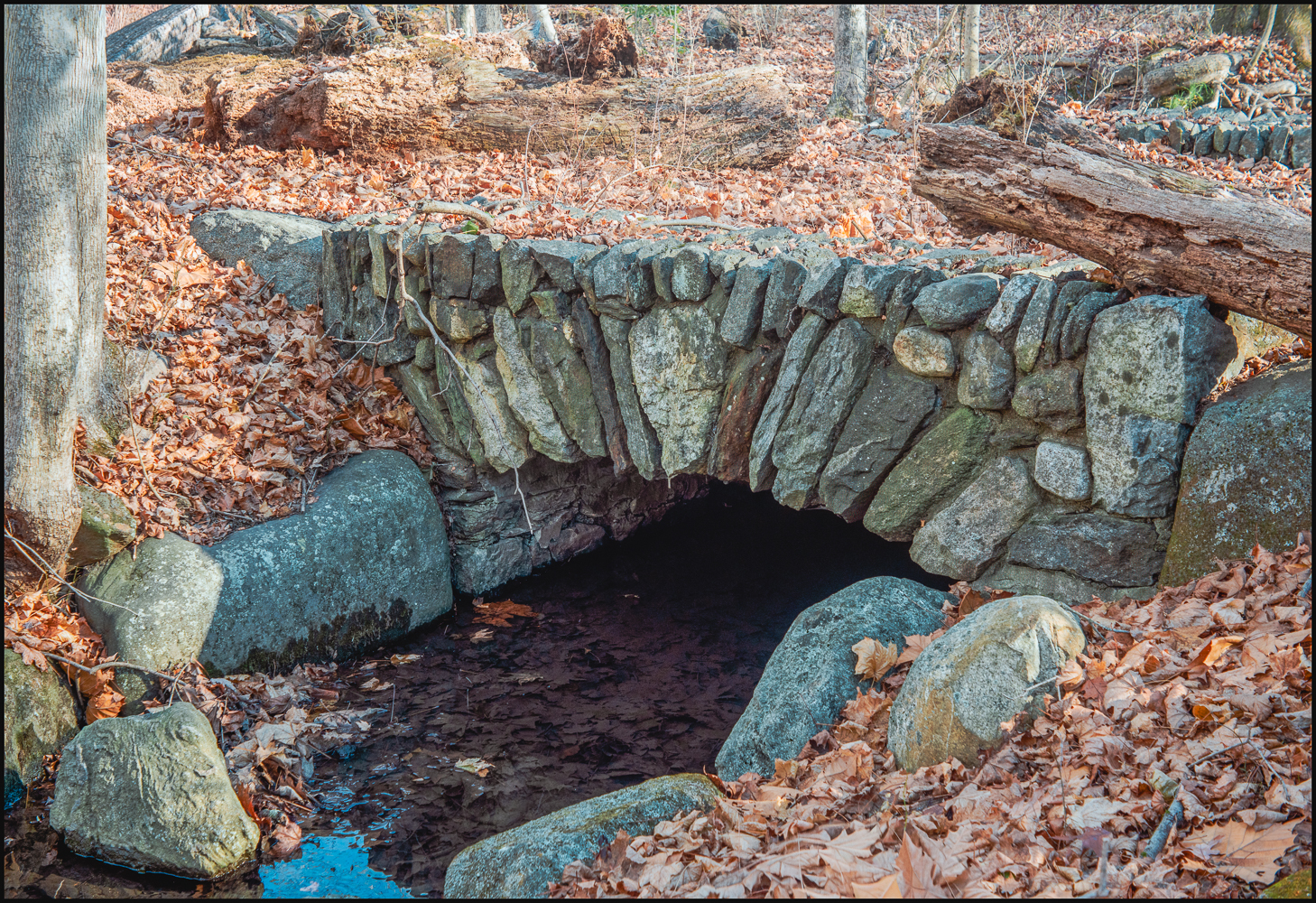
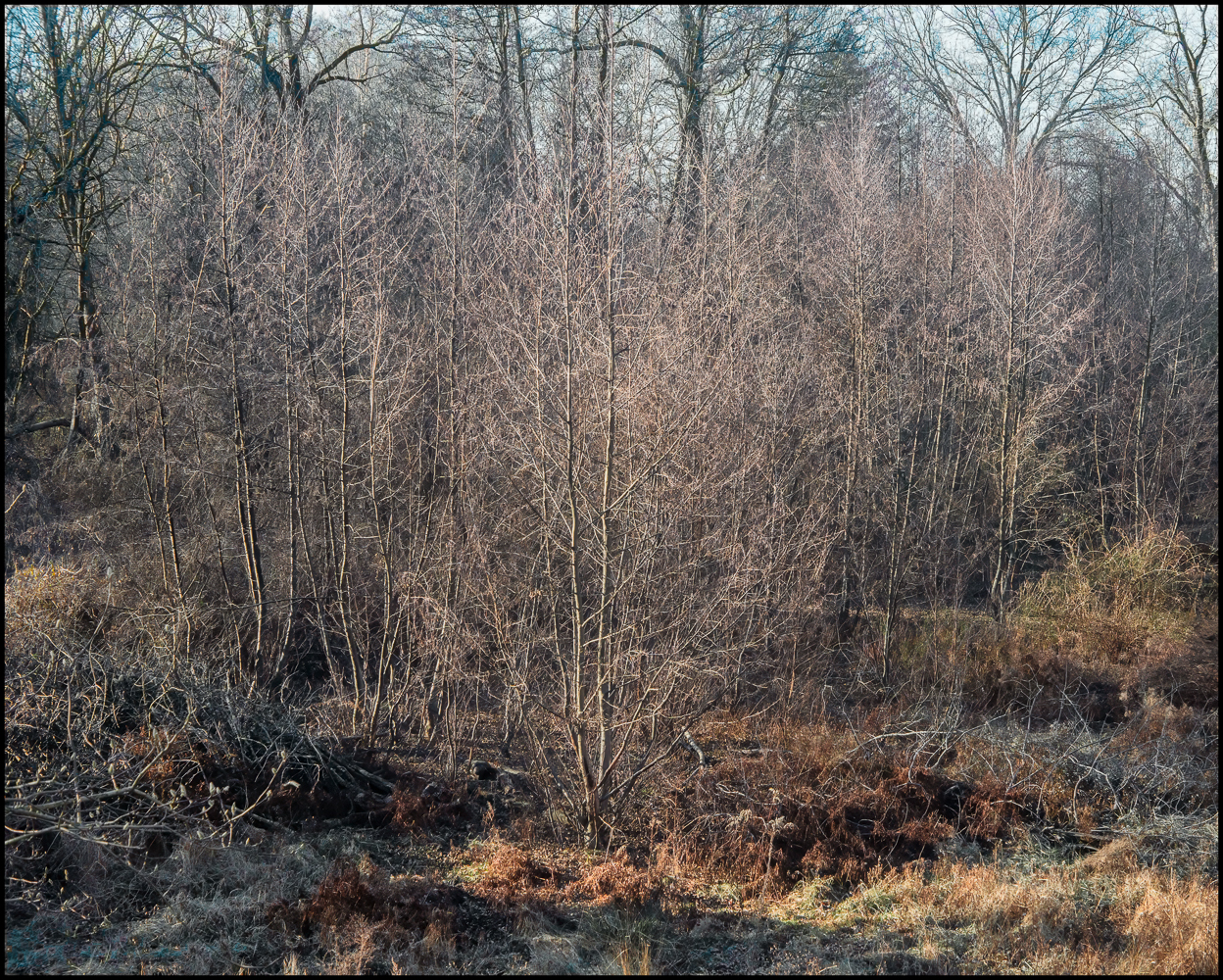


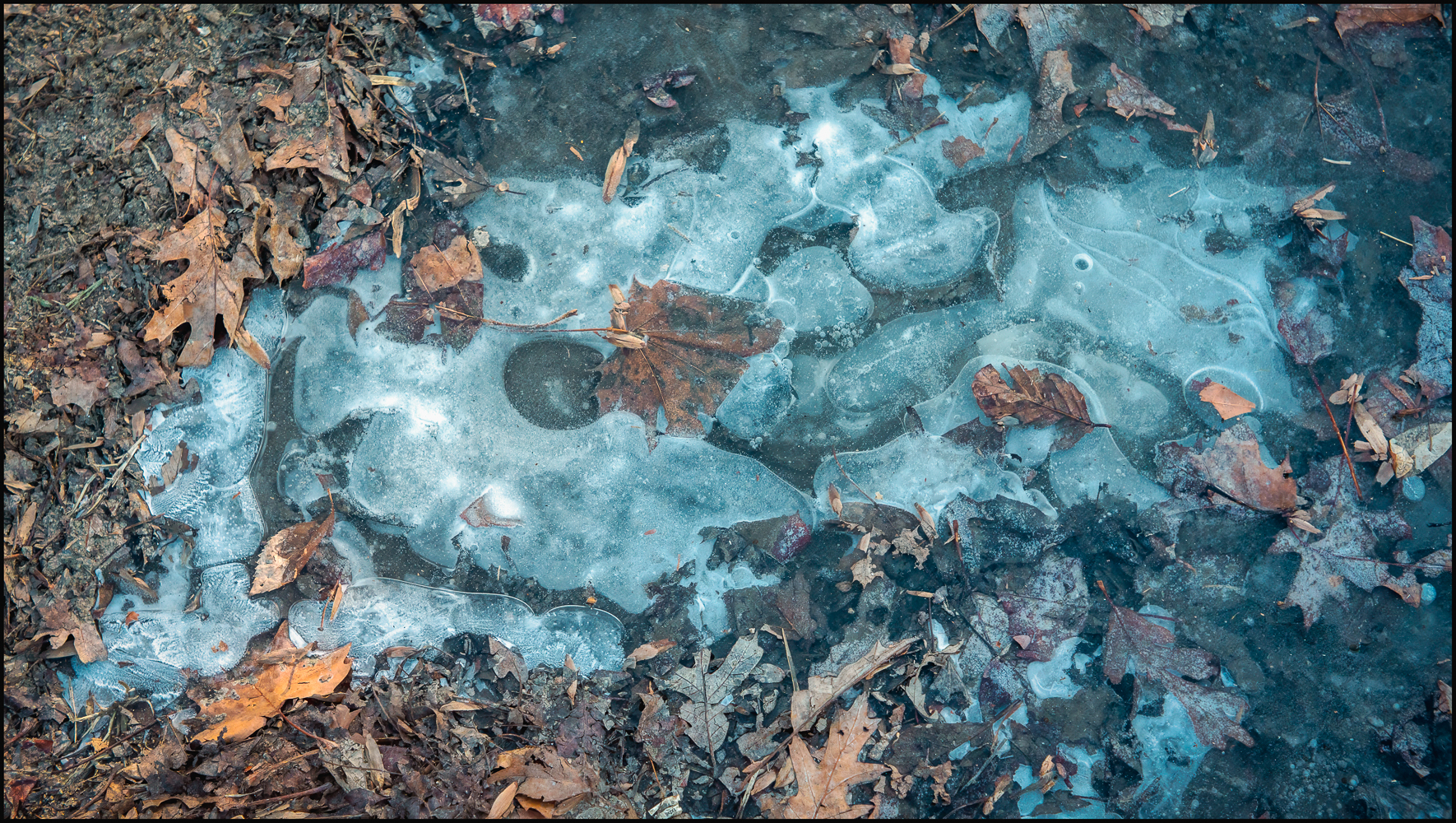
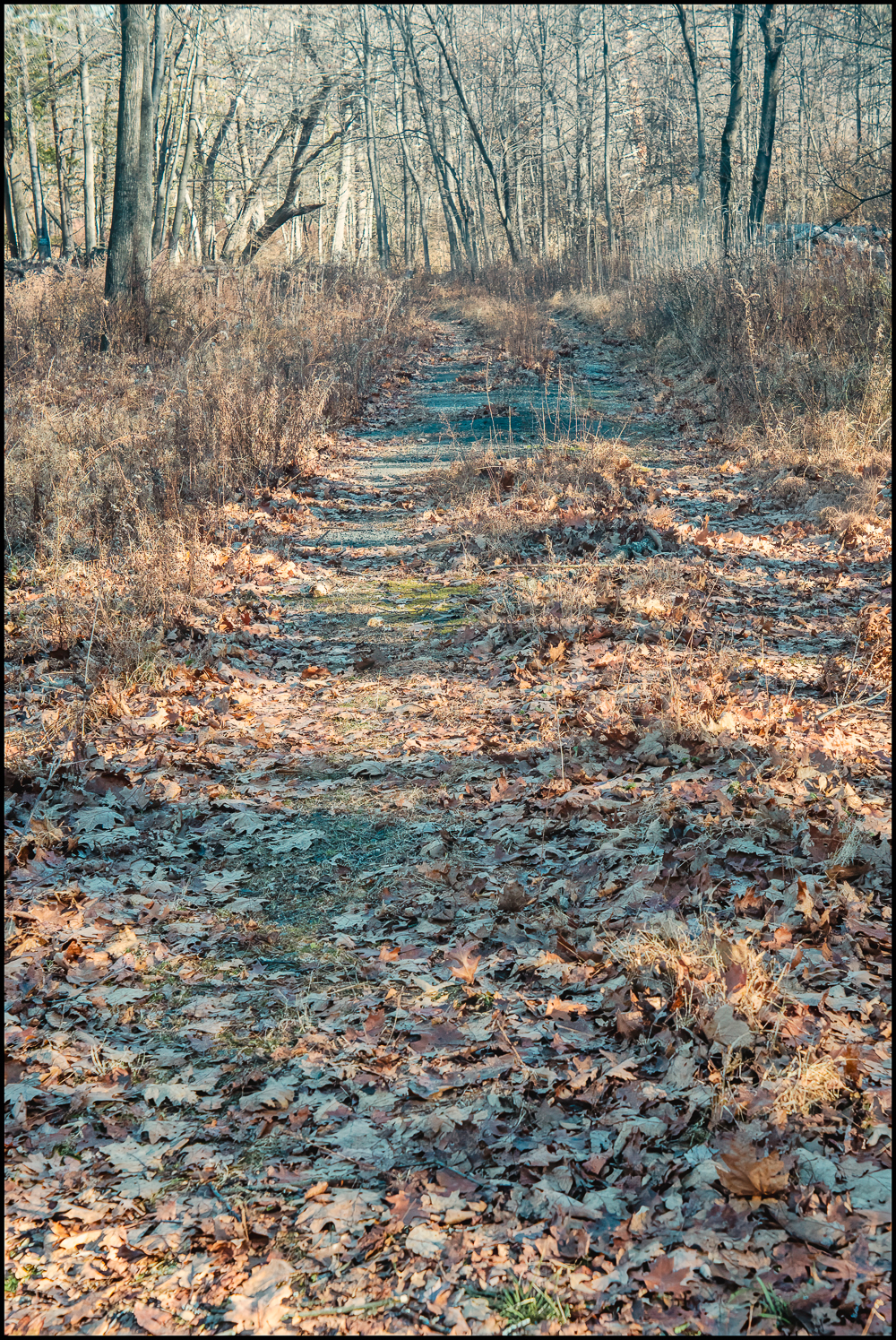
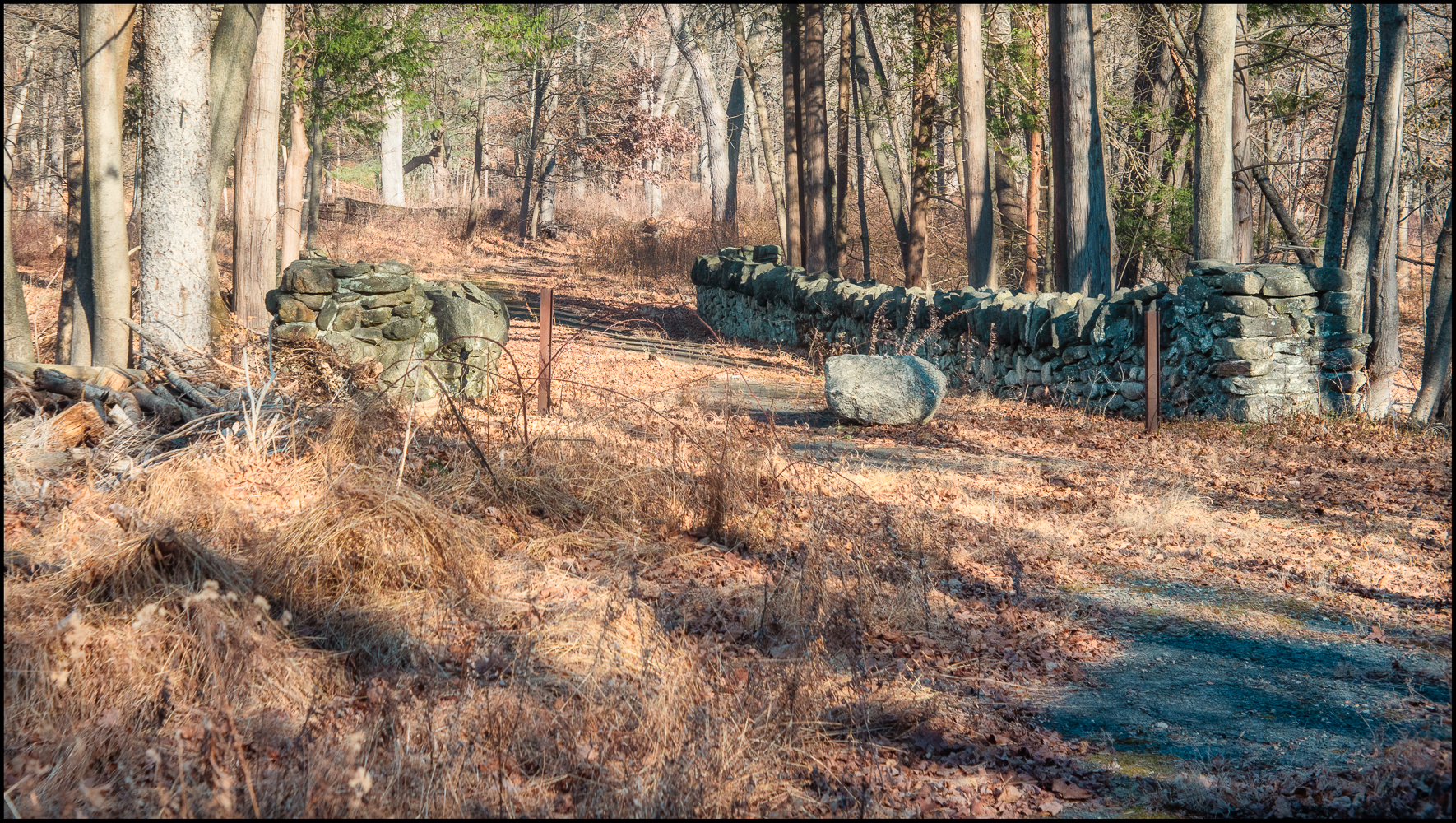
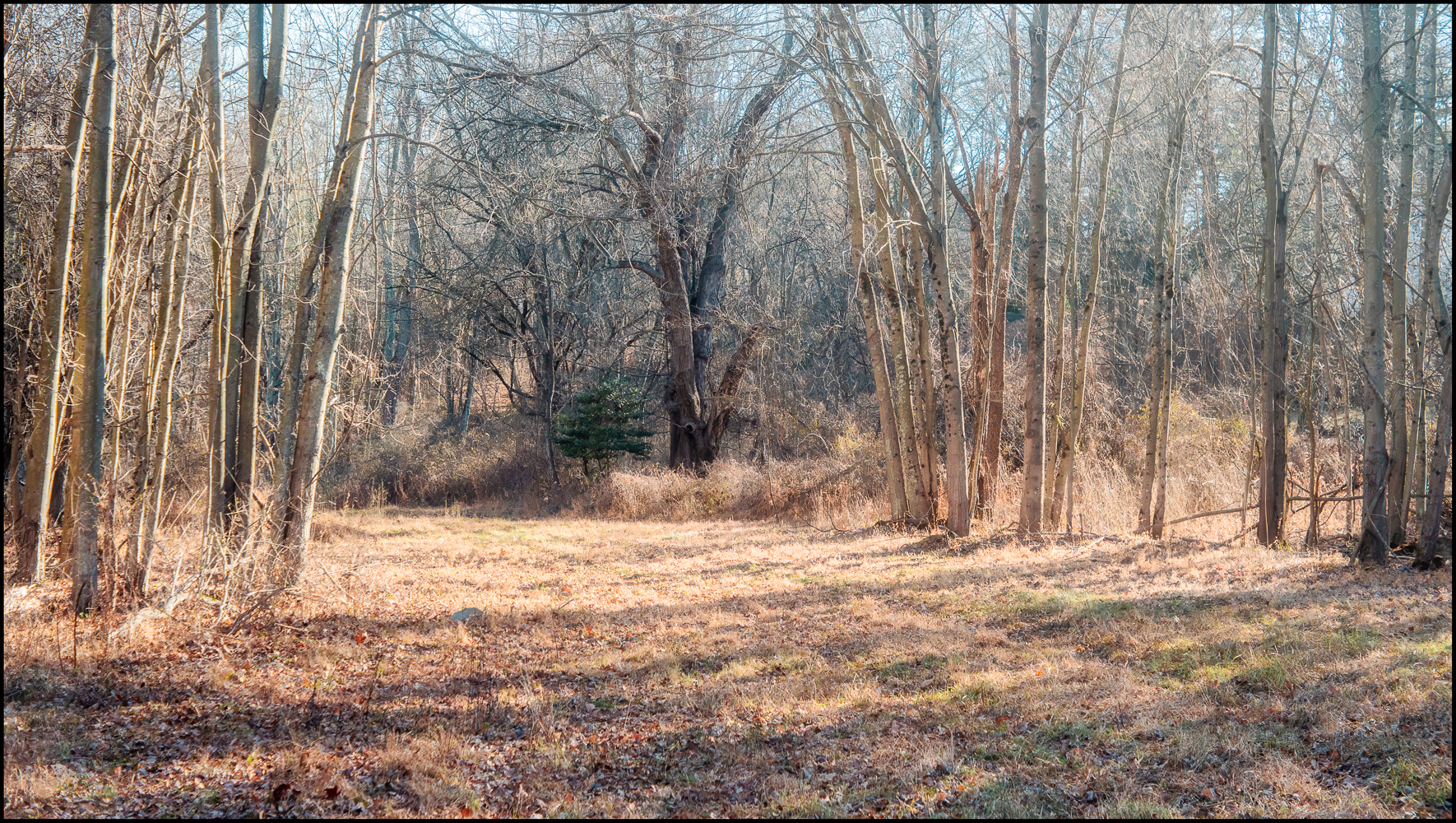
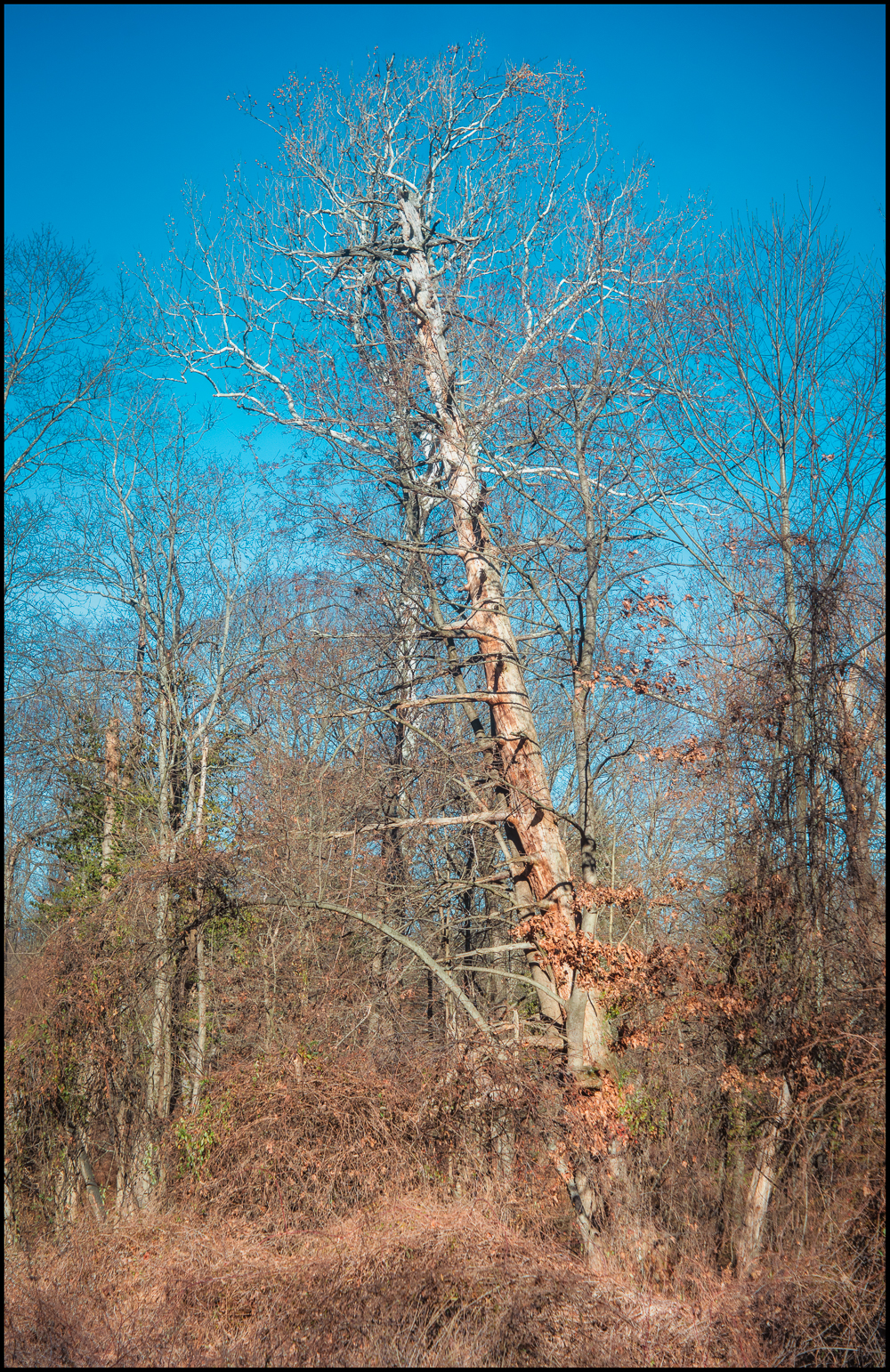
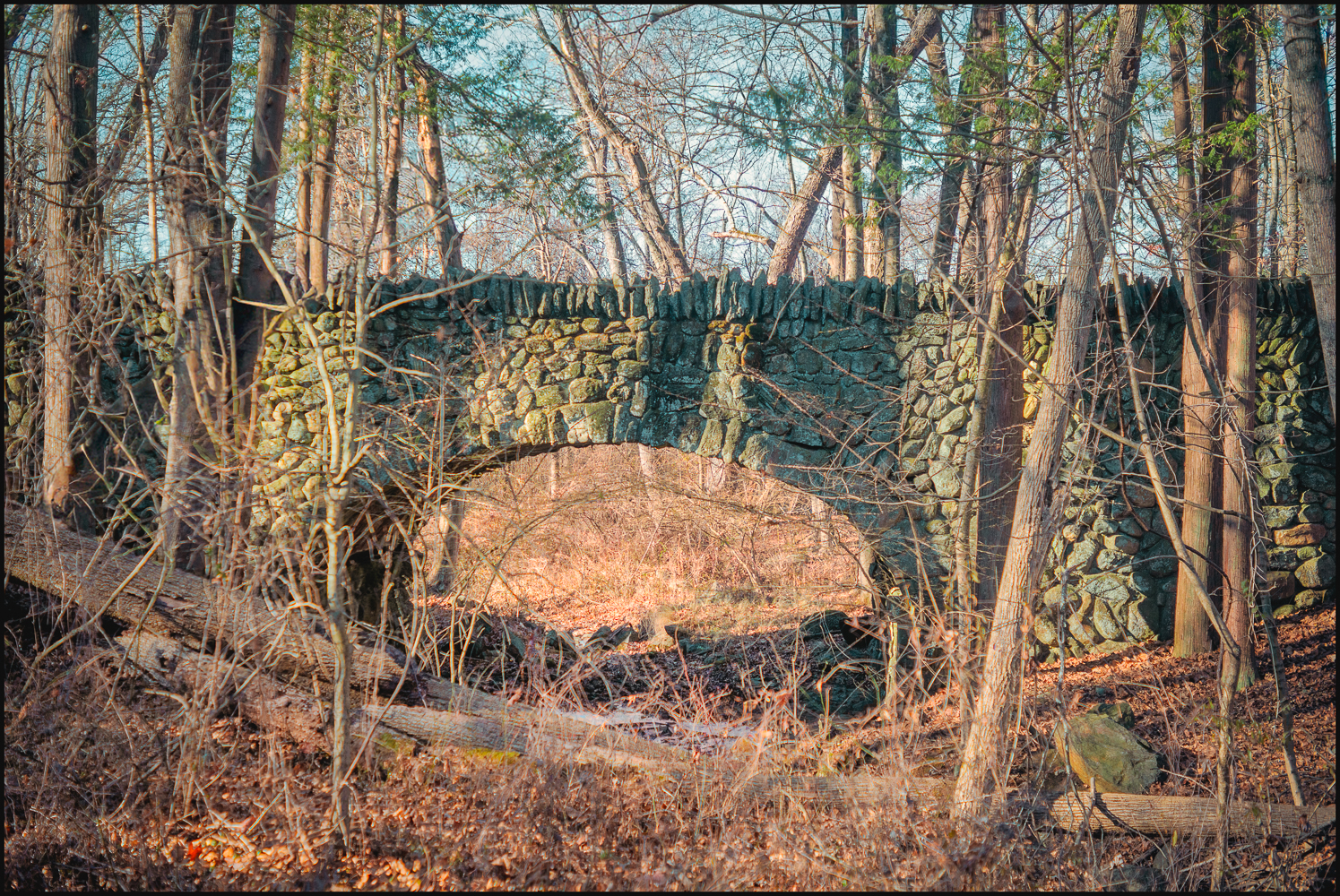
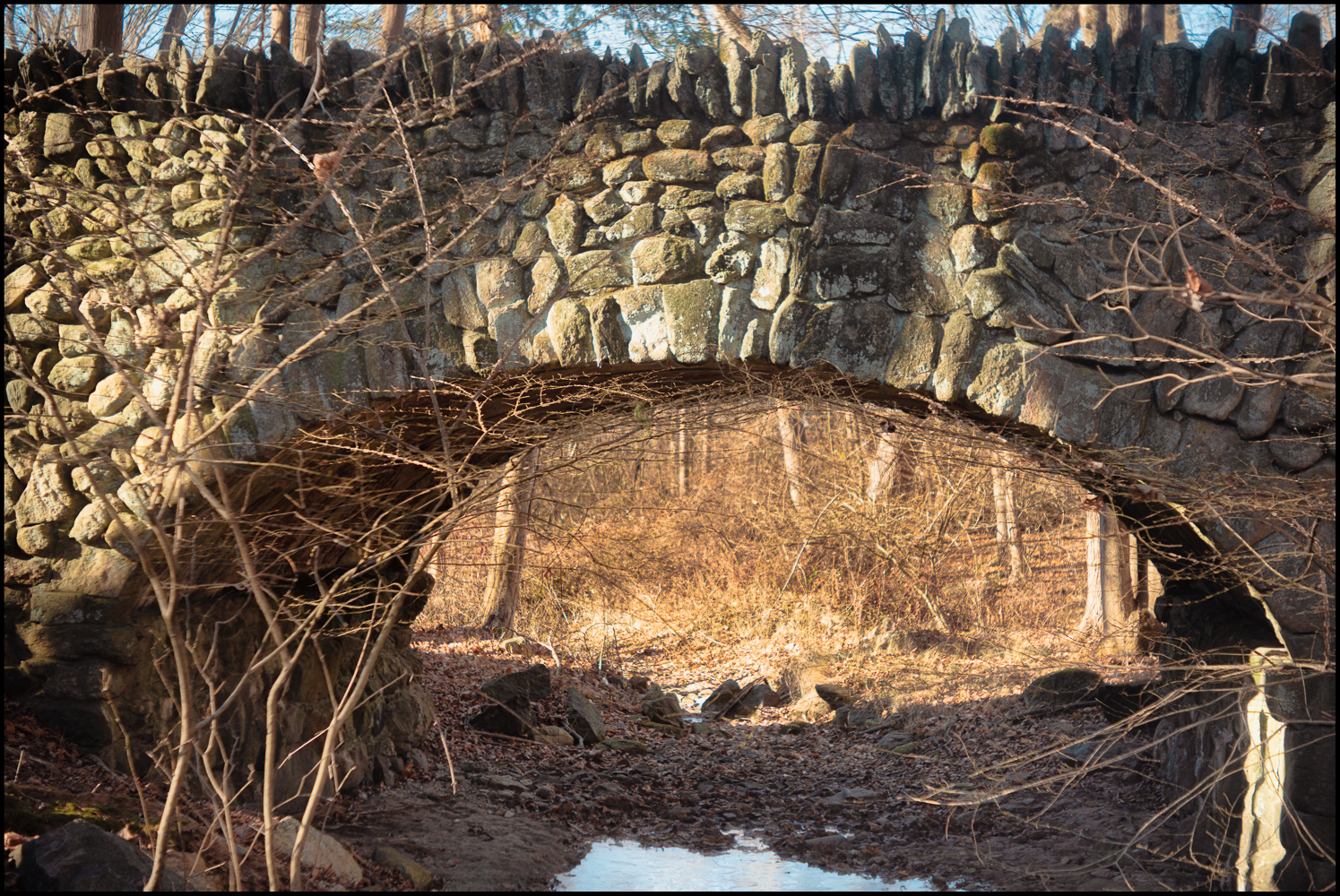
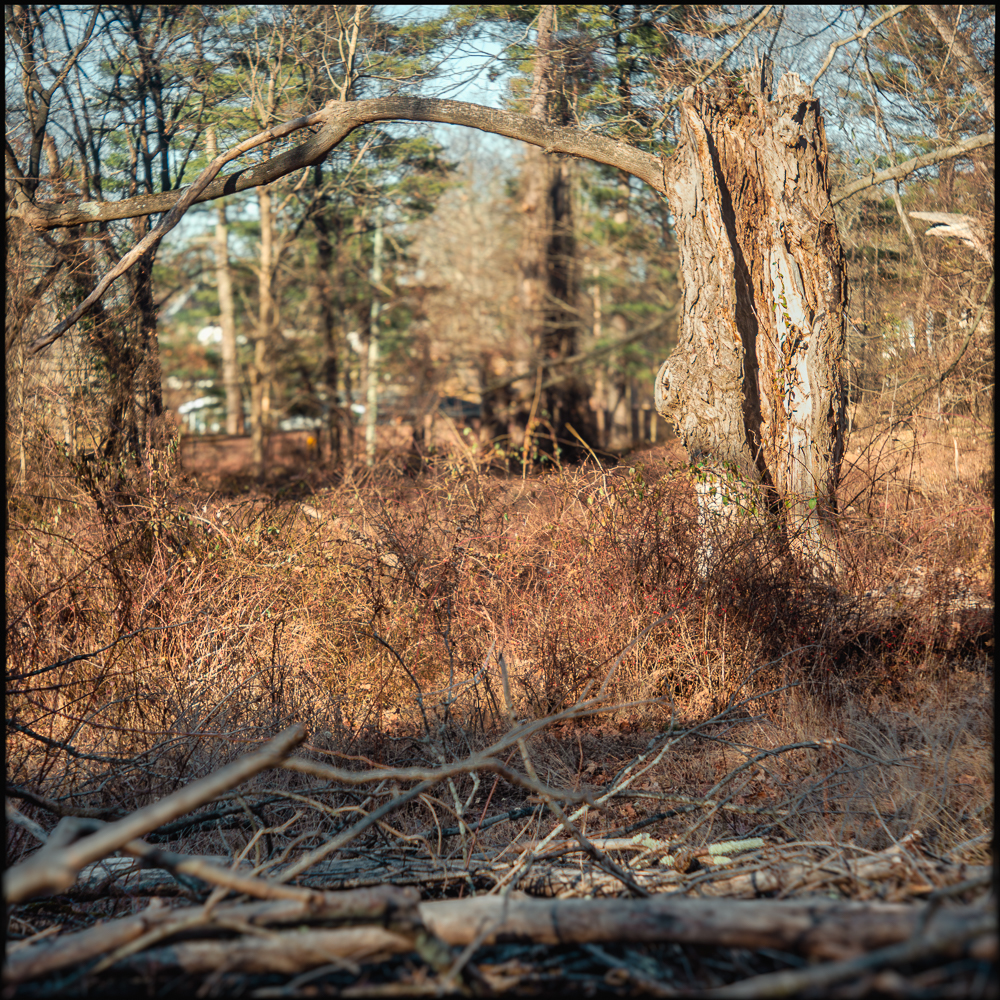
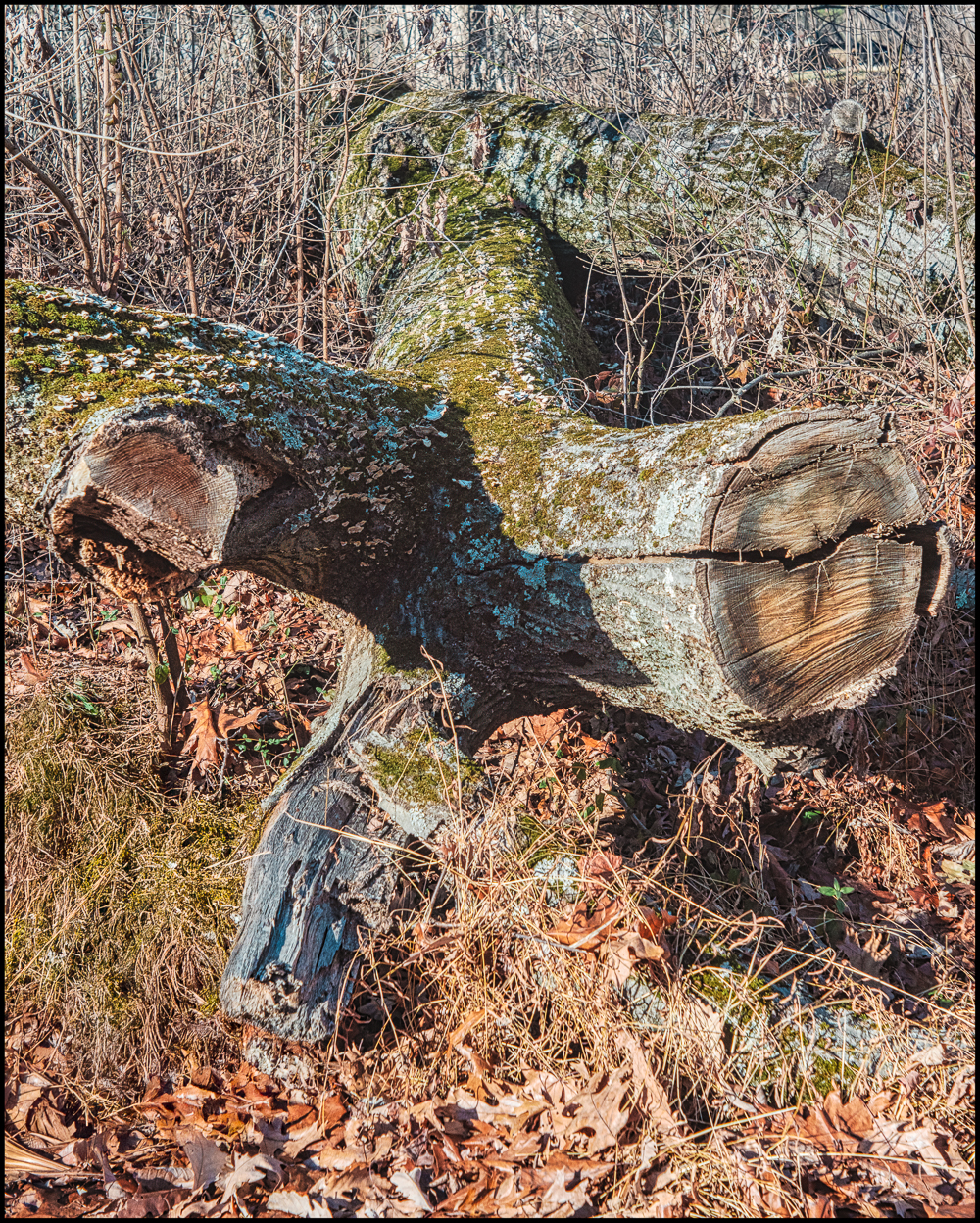
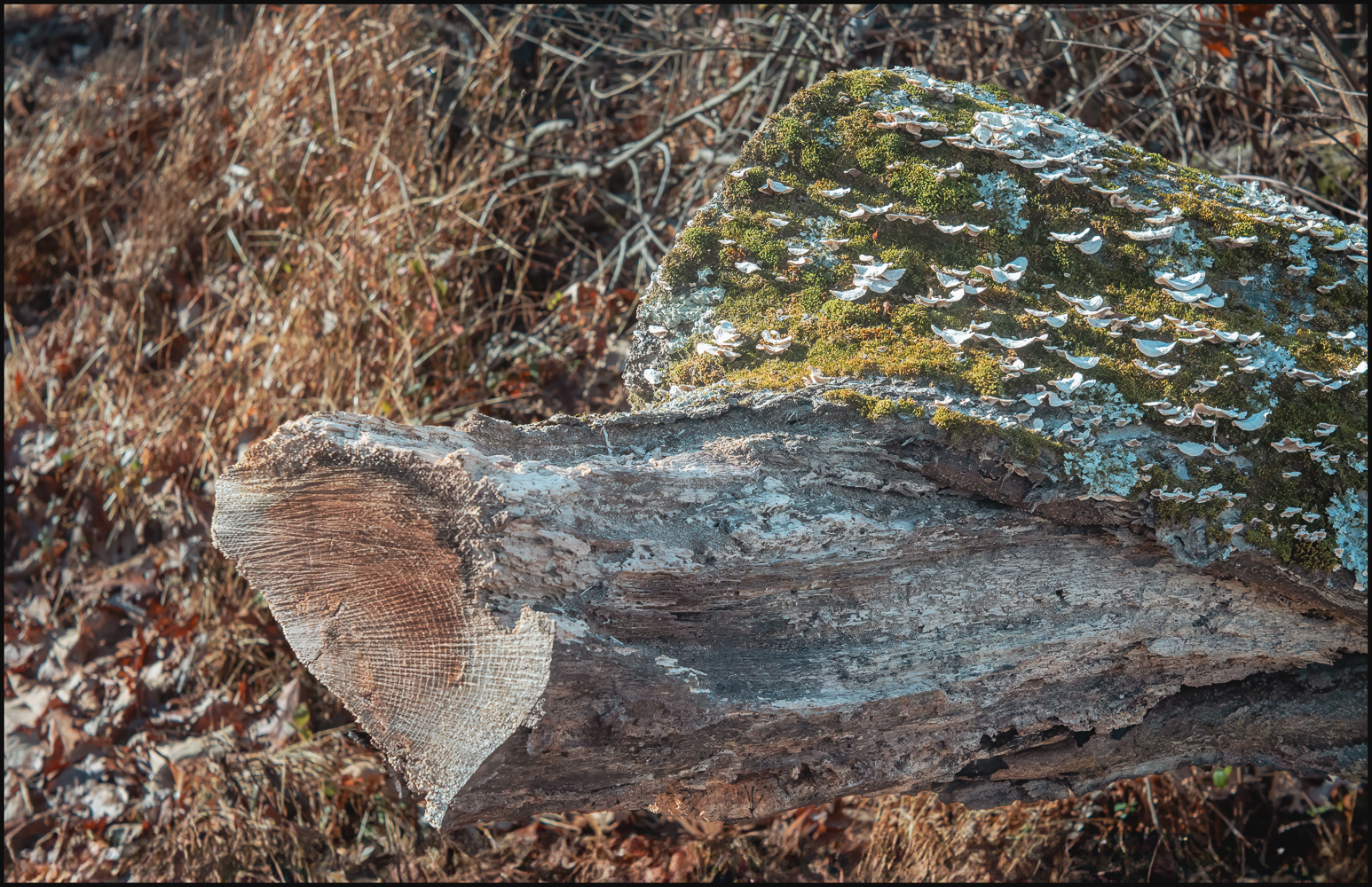
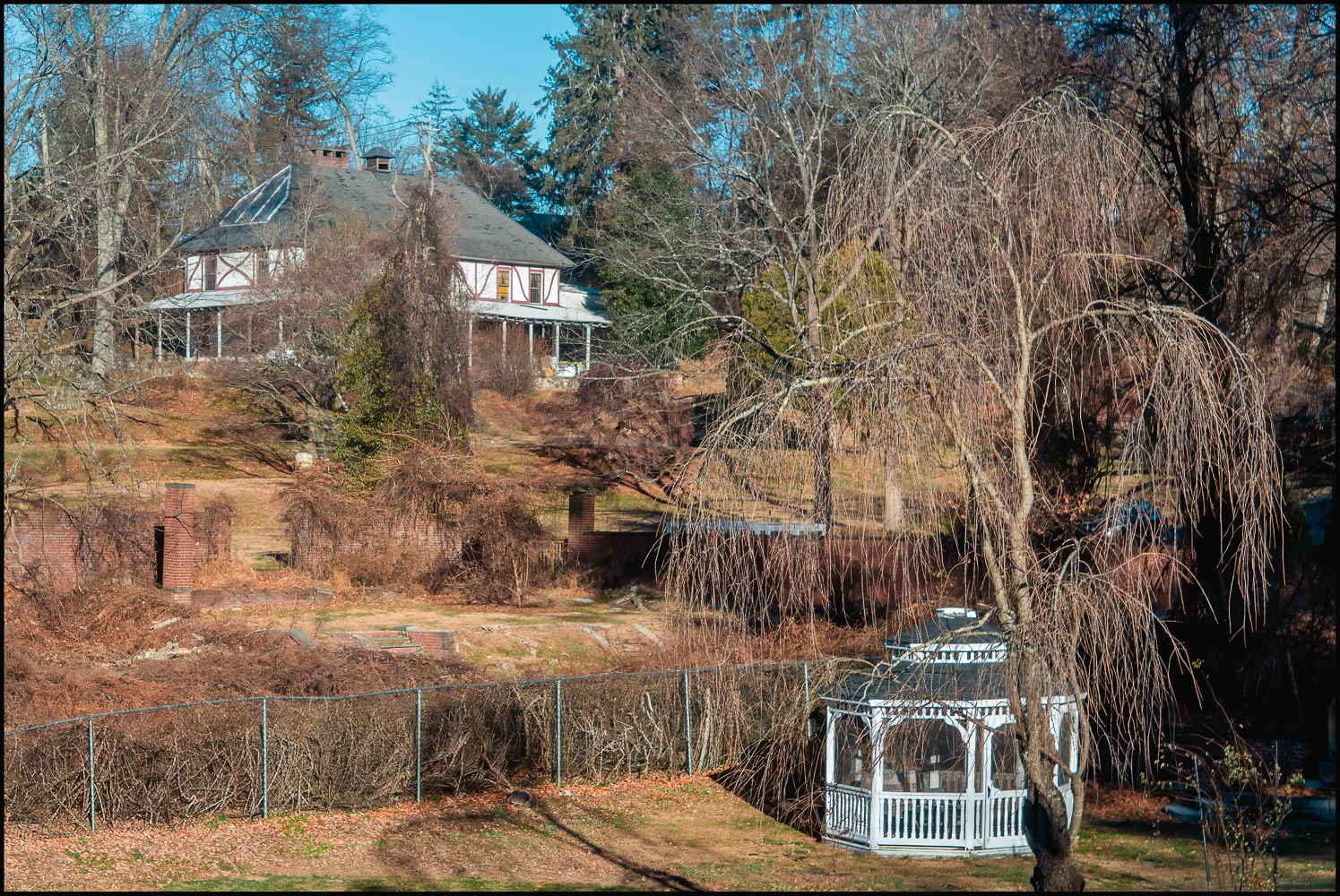
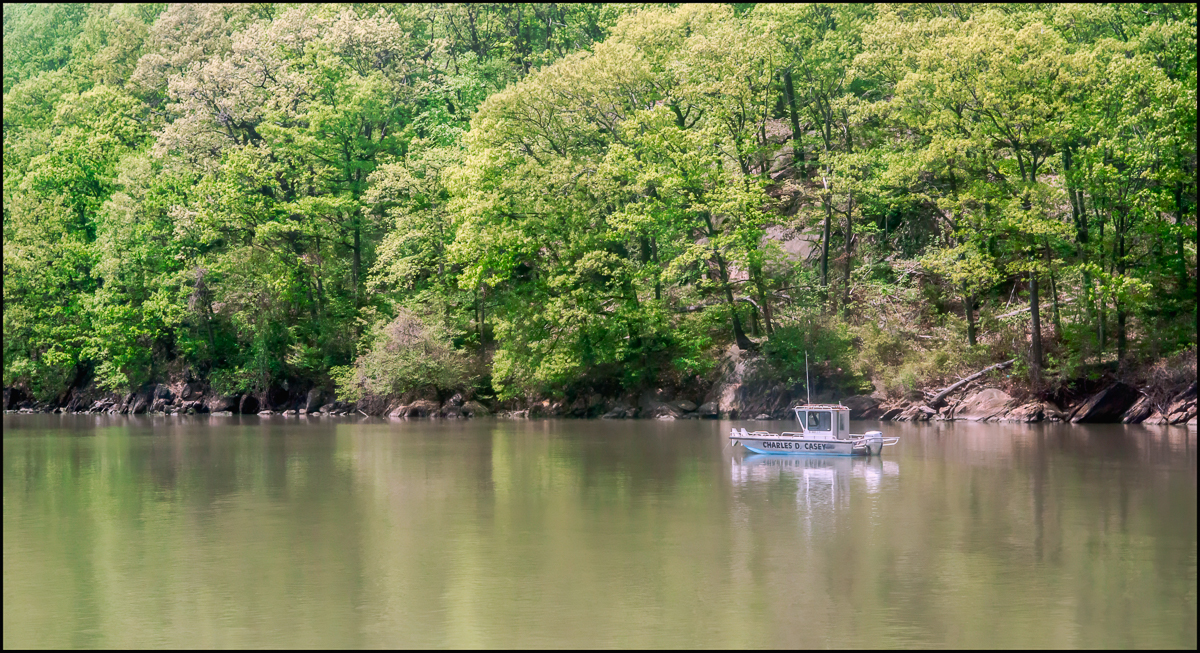
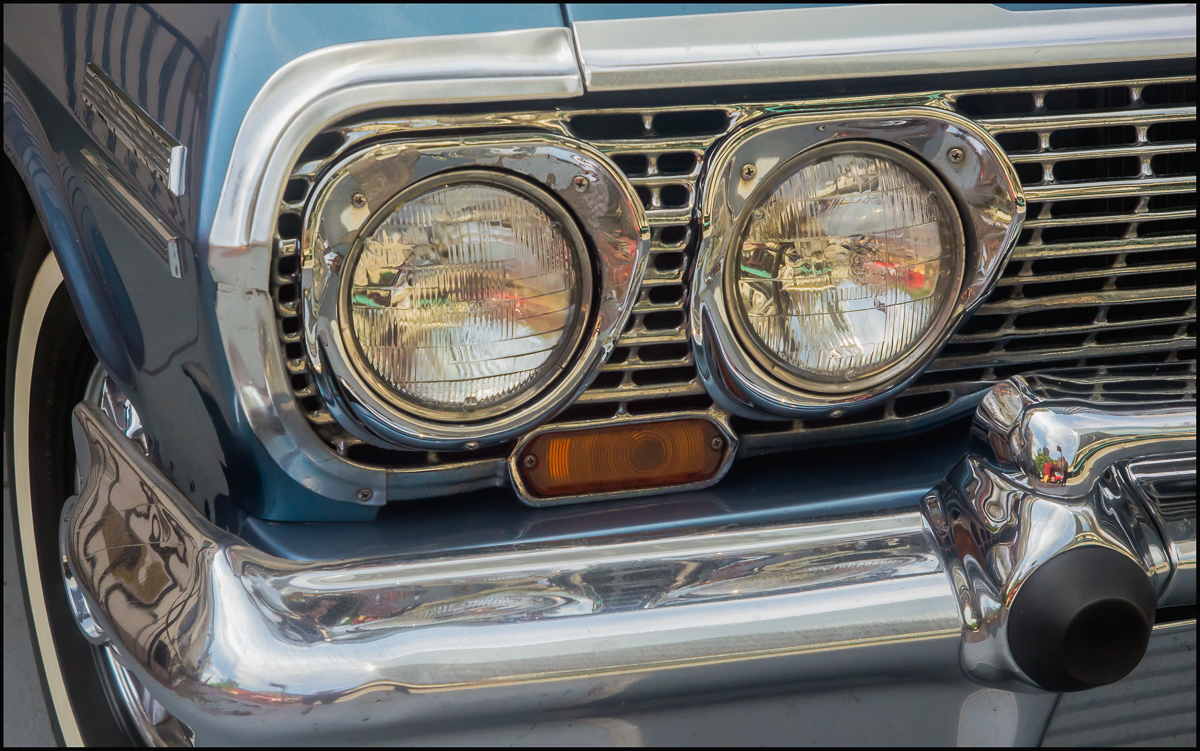
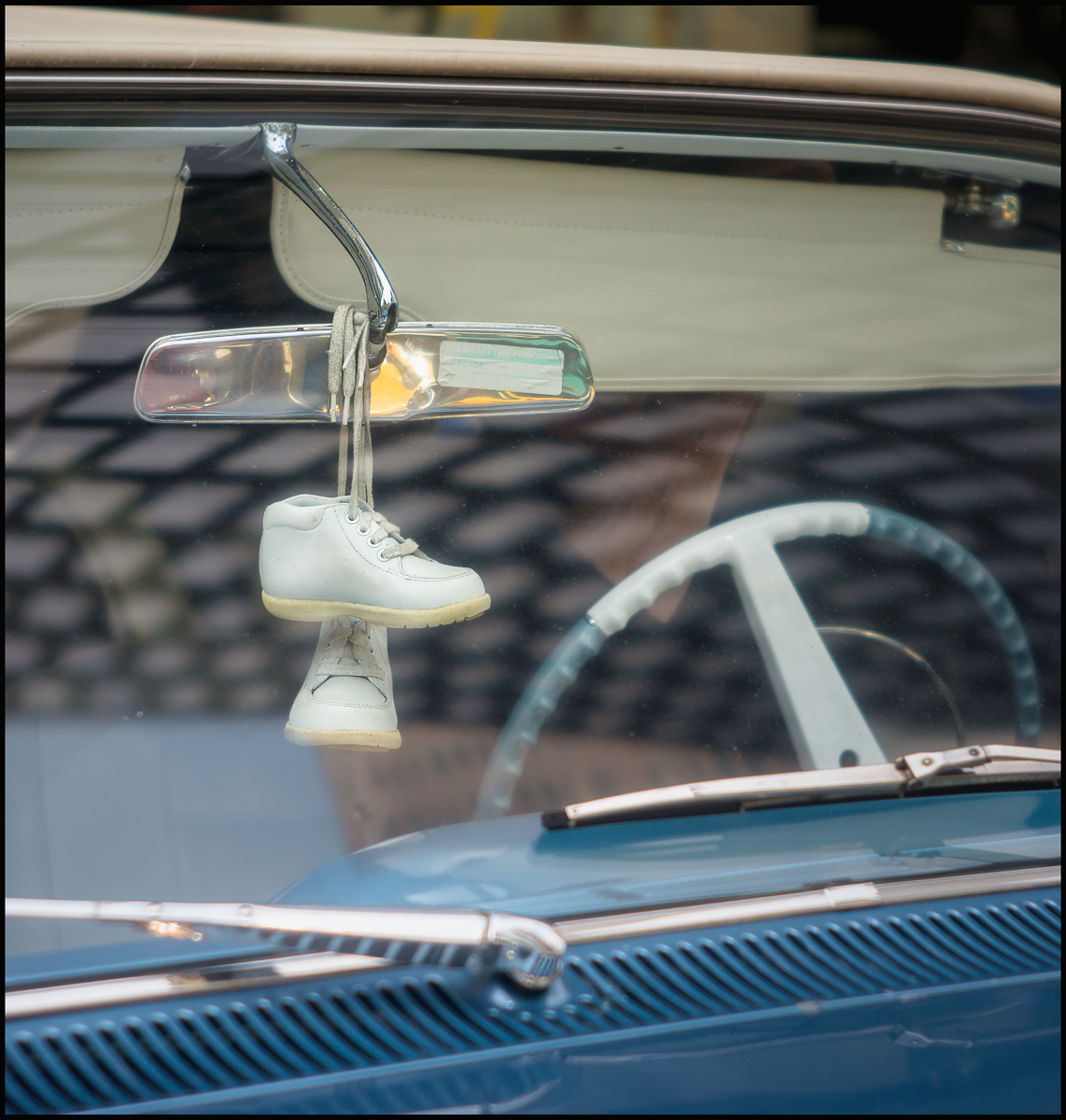
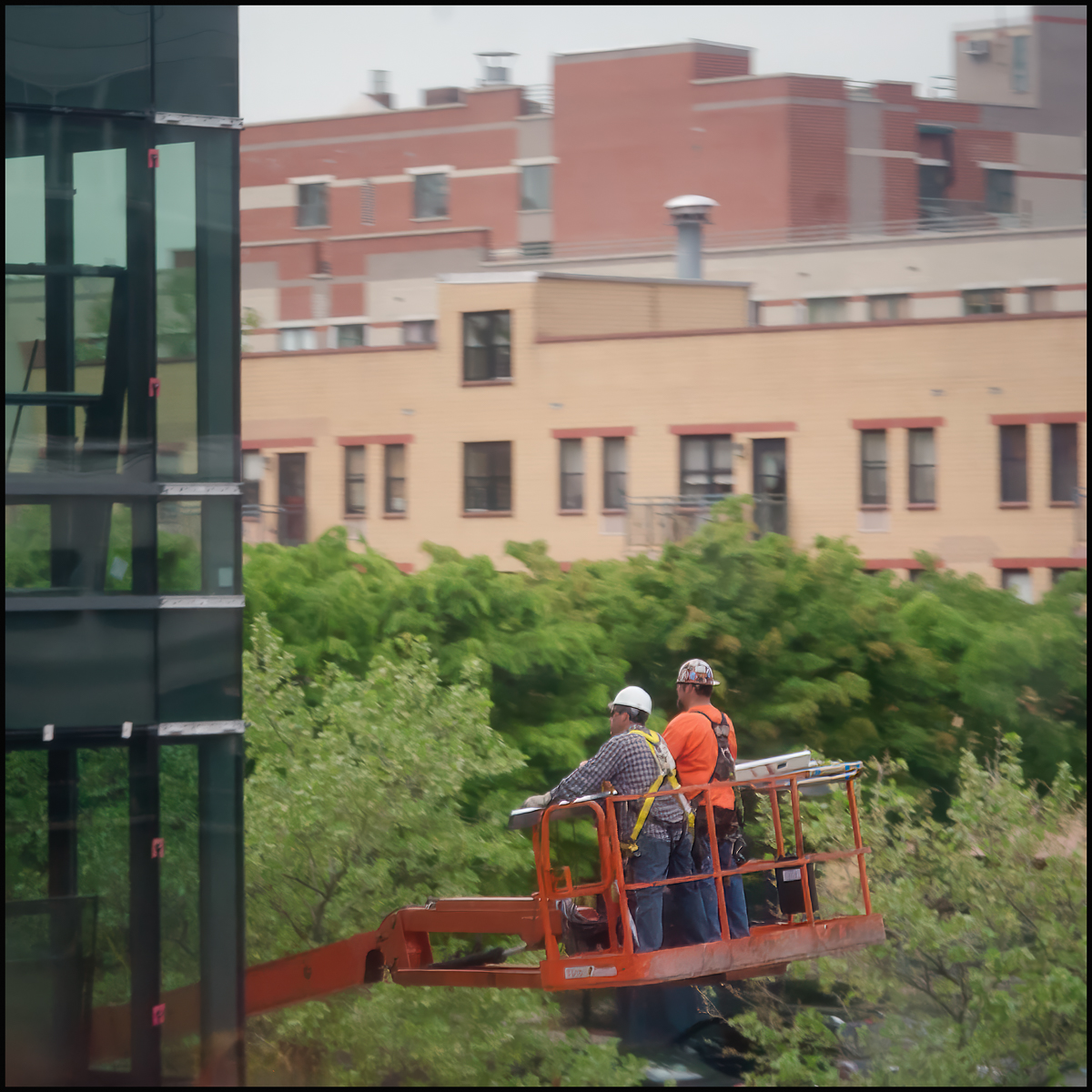
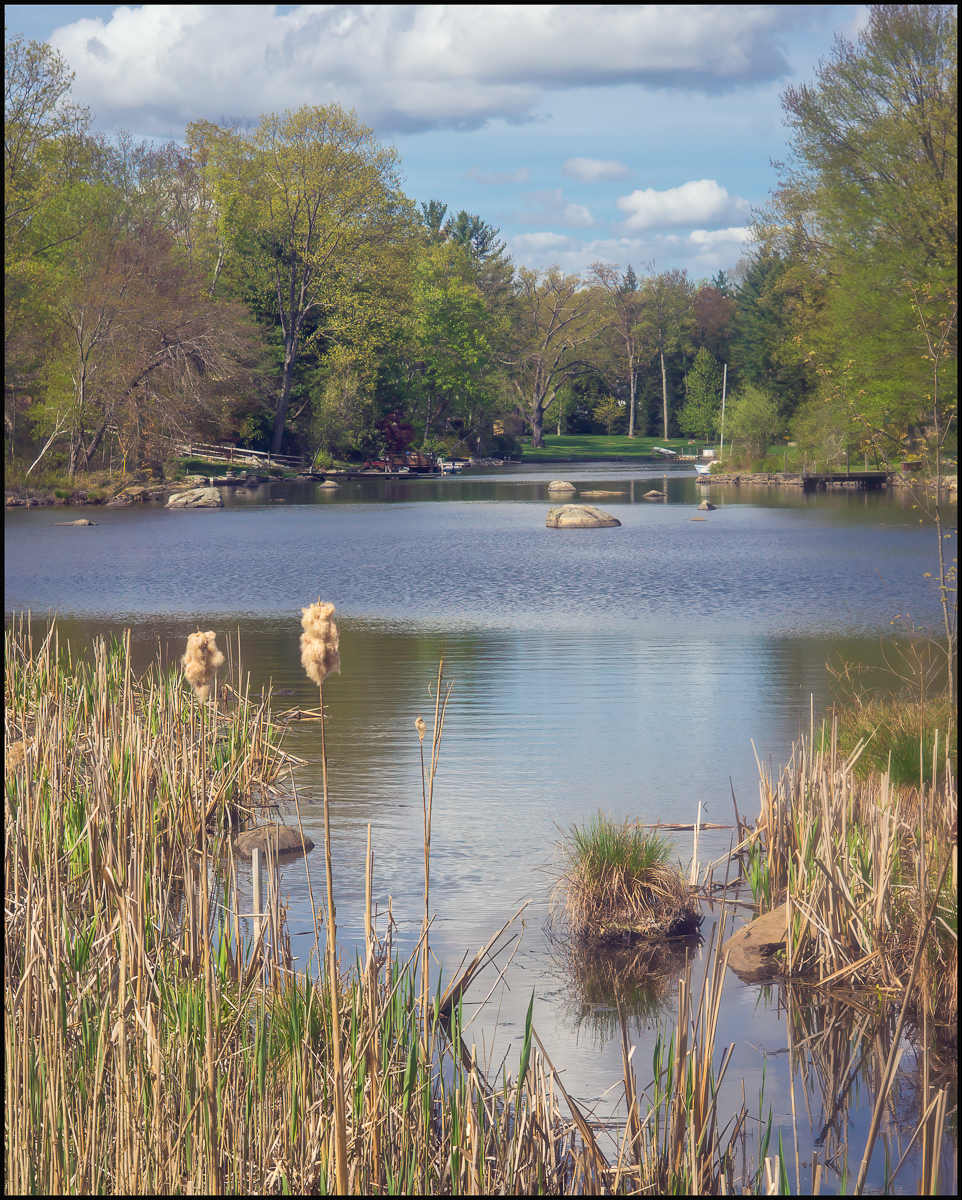
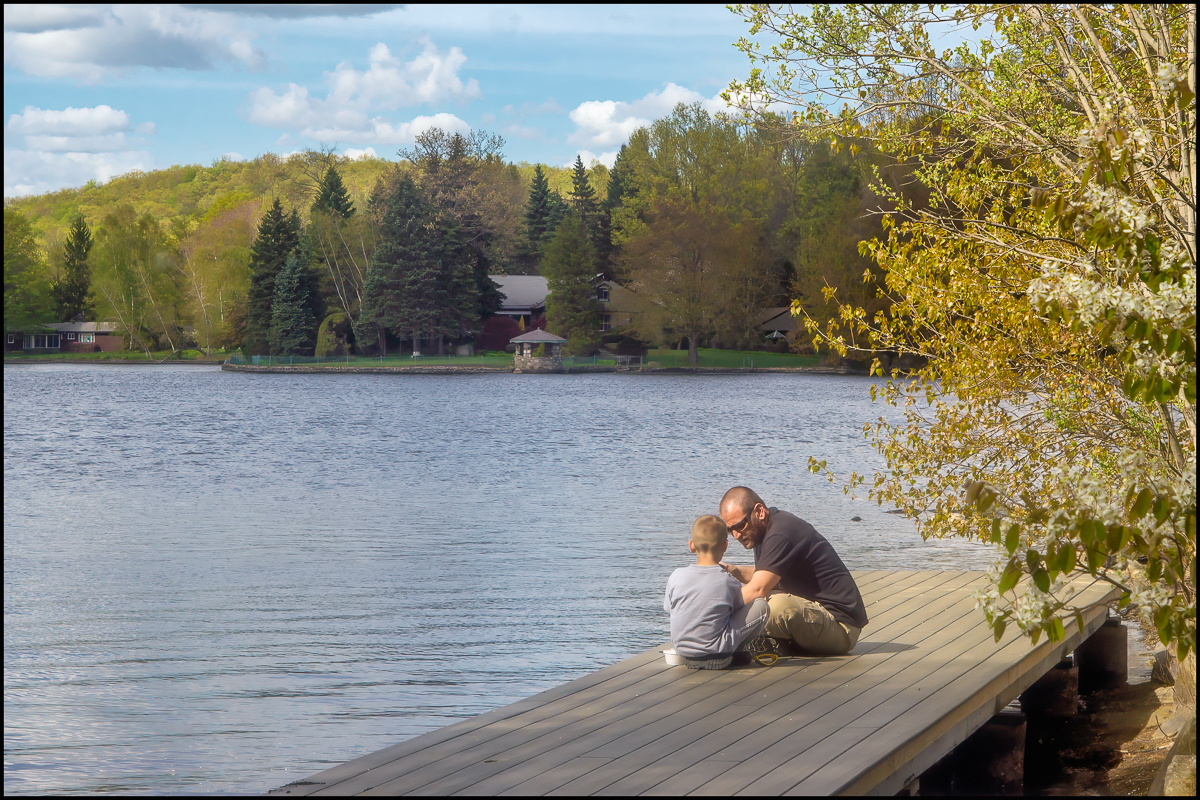
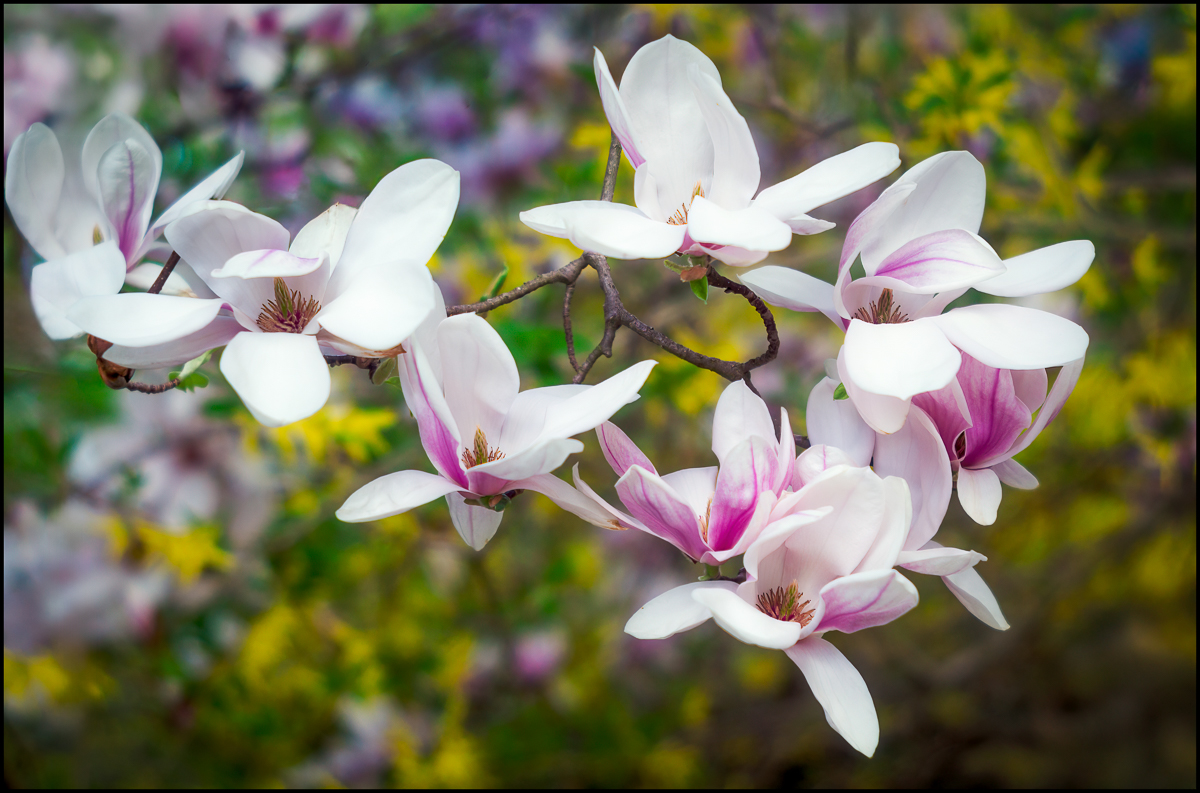
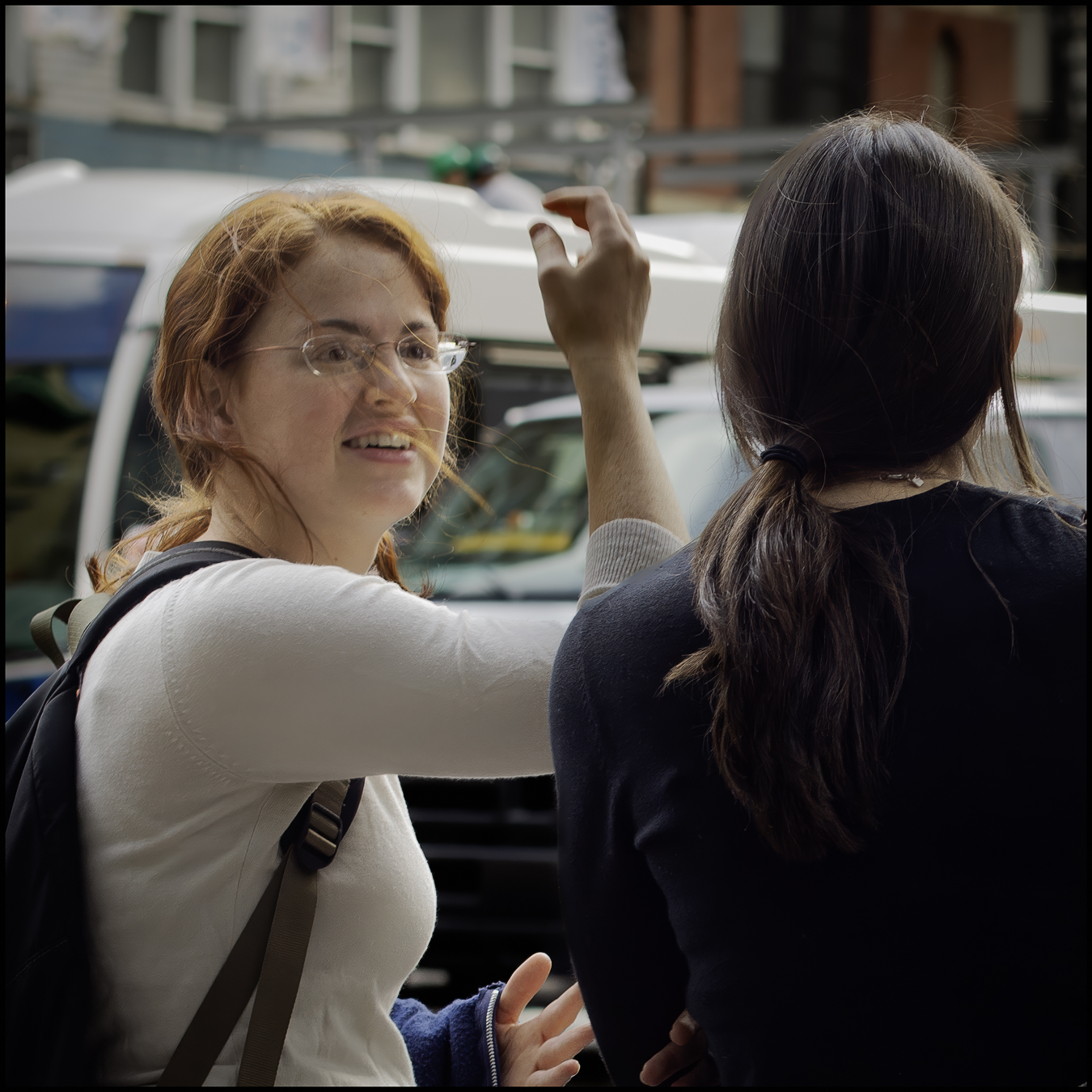
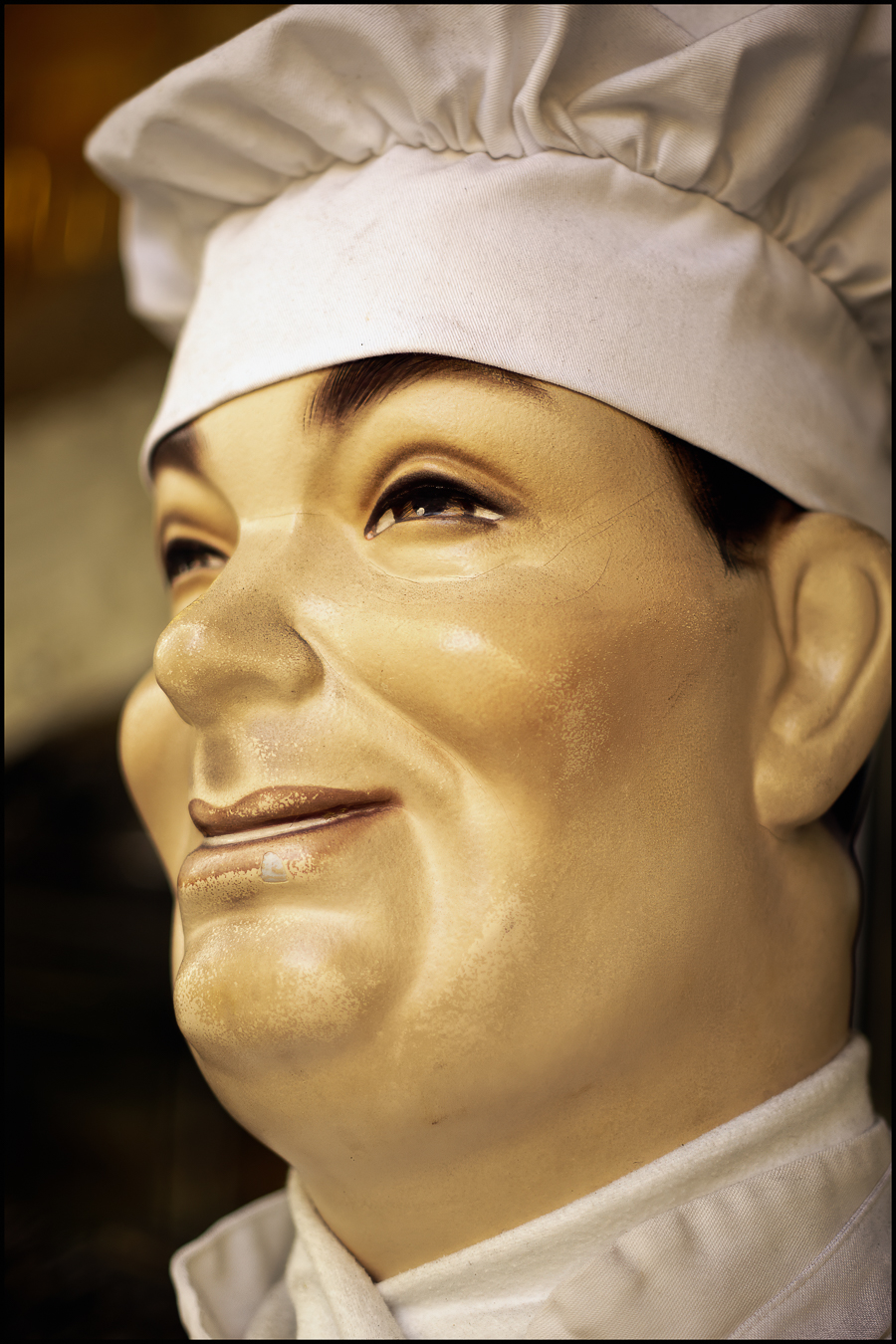
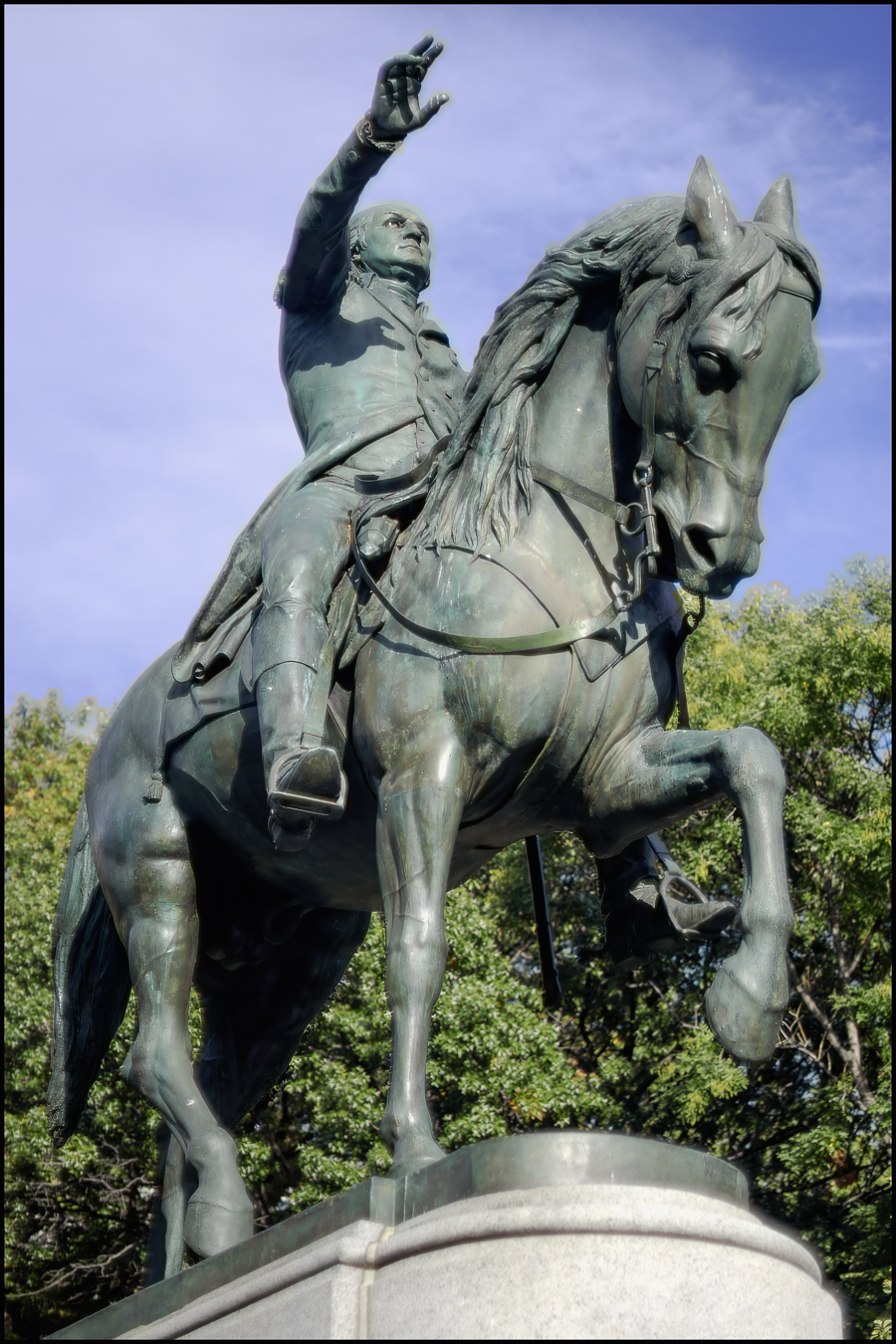
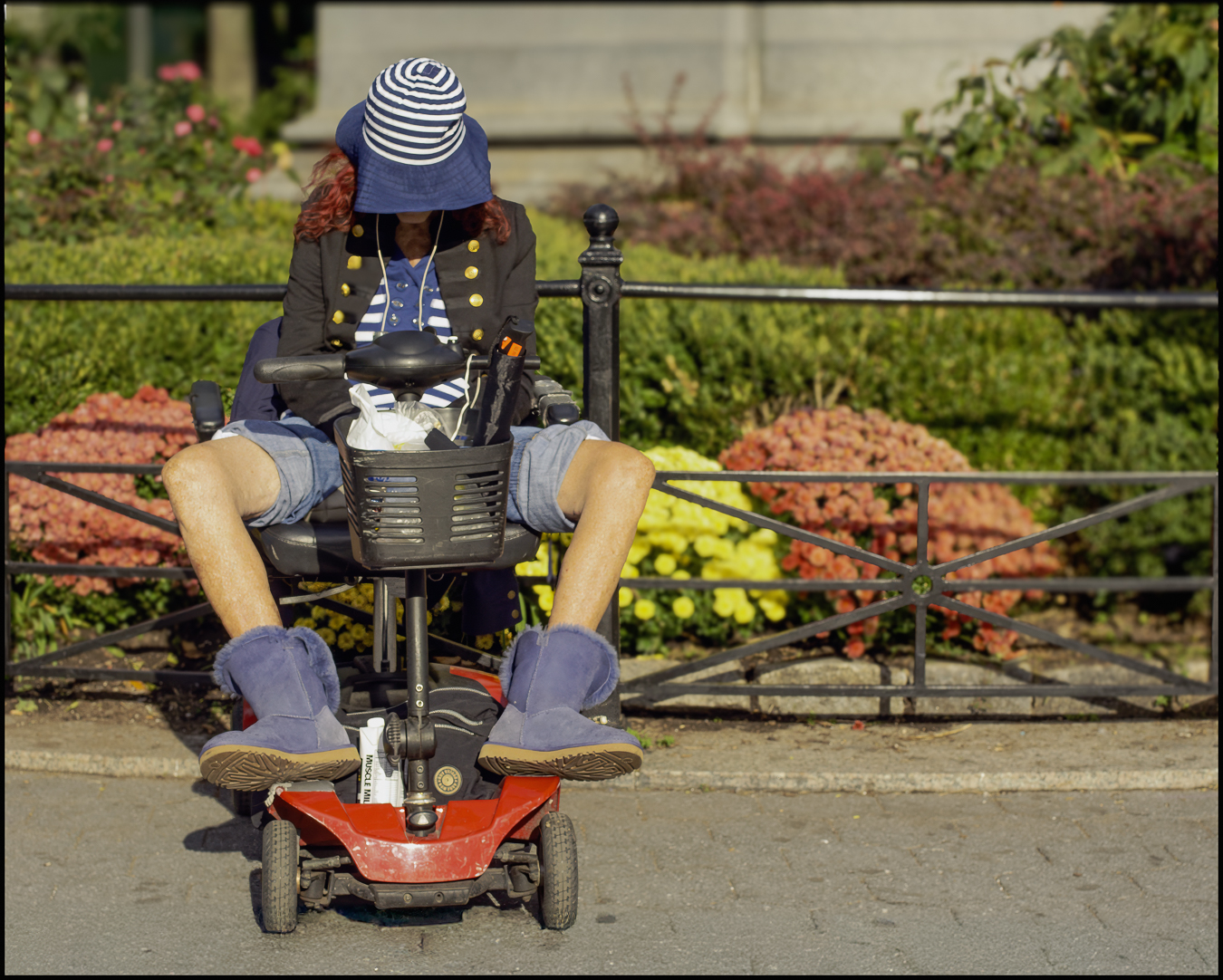
Taken with a Sony A7IV and 50mm f3.5 Industar 22 (I think).
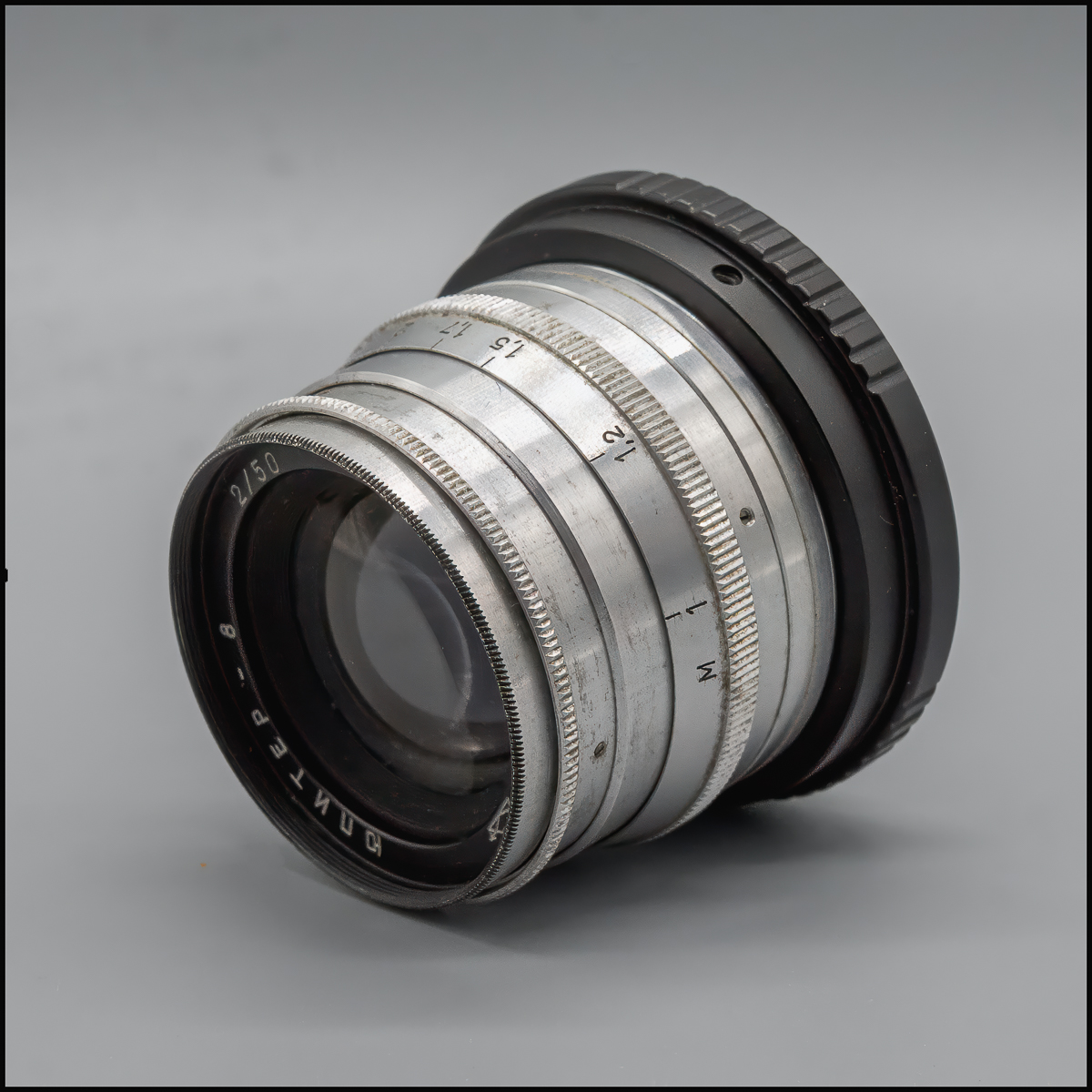
A new Lens

Actually, it’s not all that new. If my information is correct, the serial number suggests that it was built in 1963.

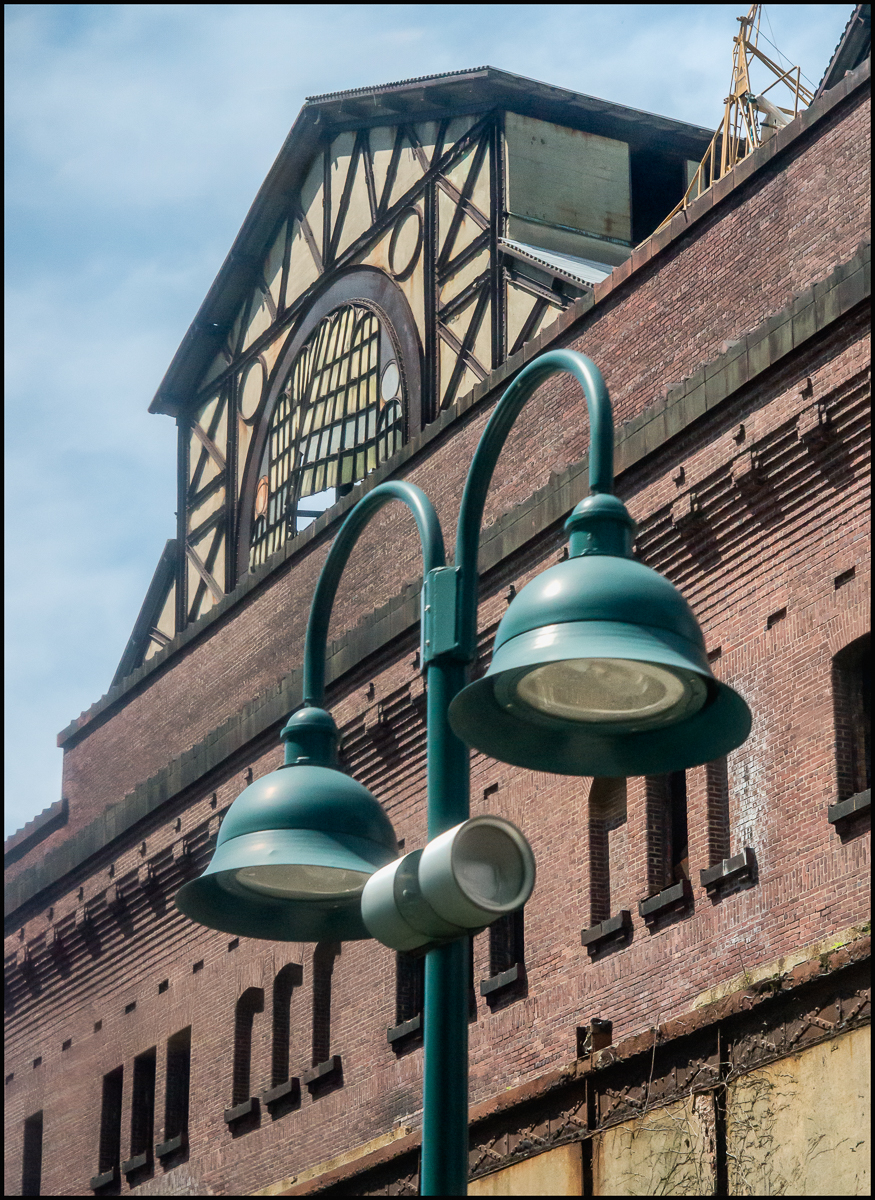
It’s not even new to me: I’ve had it for several years, but I haven’t featured it specifically on this site before. Note that a number of the photographs in this post were taken through a train window. So, if you see reflections, it’s for that reason and not because there’s a problem with the lens.

It’s a former Soviet Union lens, a Jupiter 8, derived from the Zeiss Sonnar design. It has six elements in three groups and a focal length of 50mm with a maximum aperture of f/2.0.It was made for two different camera mounts, the Leica thread mount used on Zorki, FED, and some other Soviet rangefinders, and the Contax mount used on Kiev rangefinders. The latter one can be used on all Contax rangefinders, with the former possibly needing to be adjusted to properly work on non-Soviet rangefinders using Leica thread mount, particularly if you’re using it on a film camera. The lens is a standard M39 mount.

Additionally, there existed a modified version of this lens, called the Jupiter-8M. The only difference between the two versions is that the modified version had click-stops on the aperture ring. It was available only in Contax mount for Kiev rangefinders.

A variation of Jupiter-8 lens was the usual standard lens on many Zorki and Kiev cameras, making it a pretty common lens even today.

Like many classic lenses it can be used with modern, digital, mirrorless cameras with a suitable adapter. Note that it has to be a mirrorless camera. Digital Single Lens Reflex Cameras (DSLRS) do not for the most part lend themselves to such adaptation.

One of the reasons I bought my first mirrorless camera (a Sony NEX 5N) was because I’d read that old lenses (which were at that time, 2011 quite inexpensive. They’re somewhat more expensive nowadays) could be used with it. I bought a number of old lenses and adapters and used them for quite some time. Inevitably, I lost interest eventually and haven’t used them for ages.

However, I recently decided to try them again, especially this one because I really liked using it, and a love the results it can produce.

For a review take a look at Jupiter 8 – A giant amongst the stars


A new lens

I bought this lens for a few reasons:

  • I came across some reviews on YouTube, all of which were favorable.
  • I wanted to see for myself if it was really as good as the reviews suggested.
  • Although I had a few vintage lenses, I didn’t have a modern 50mm lens for my Sony e-mount cameras.
  • It was inexpensive (less than $100).
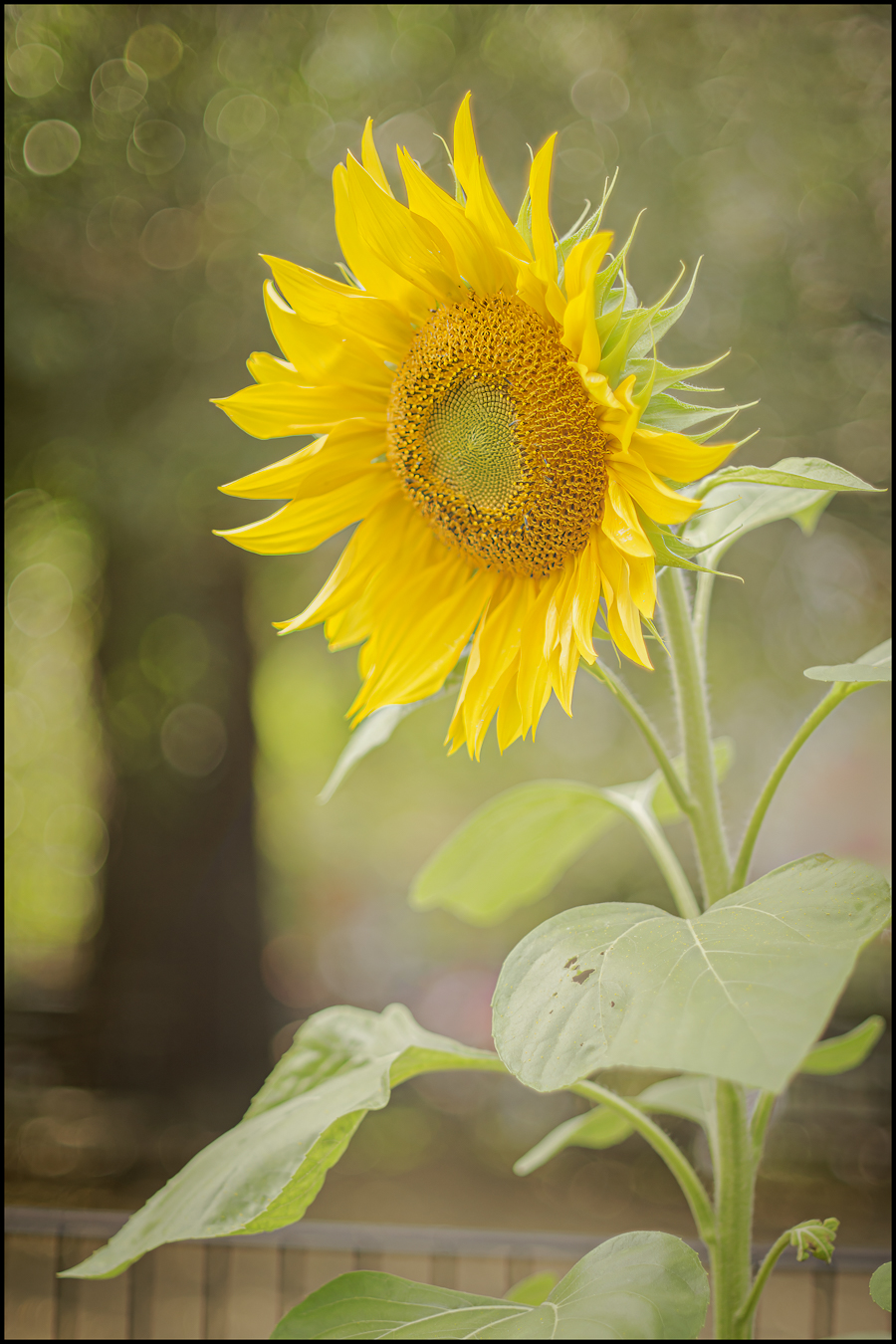
So how did I like the lens:

  • A solid lens. Well made. Not in the least “plasticky”.
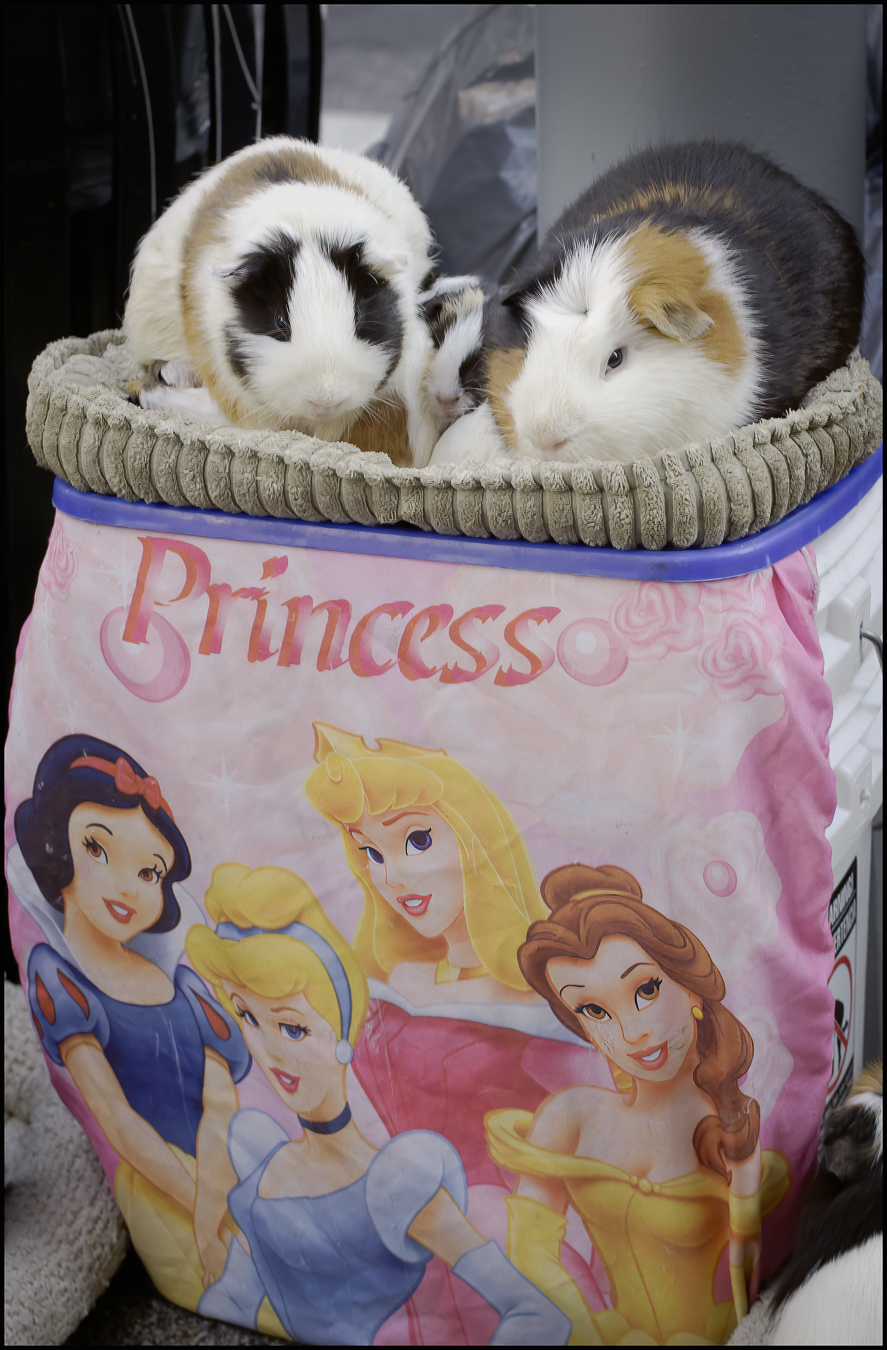
  • It’s manual focus. This is very subjective. Some people love manual focus, others not so much. I started out using manual focus lenses, so I don’t have a problem with this. Indeed, it can be good as it slows you down and makes you think more about your images. It can also be bad if you’re trying to photograph fast moving subjects.
  • It vignettes a lot. Again subjective. I rather like vignettes, and in any case the vignette is easy to fix in post-production.
  • It’s a little soft wide open but is clears up as you stop down.
  • I’ve read that the lens flares badly, but I was never in a situation where flare would be a problem, so I can’t really comment.
  • Average minimum focus distance (around two feet).
  • Pincushion distortion is noticeable but can be fixed in post-production.
  • Not a lens that will yield great bokeh in any situation, but in many situations, it yields appealing results.
  • Lateral chromatic aberration is OK except for around the edges and in the corners. Can be corrected in post-production. Longitudinal chromatic aberration is surprisingly good.

It’s a fun lens. I like the colors, it’s sharp enough for my needs and I also like some of its “flaws” (e.g. the vignetting). It has the character of a vintage lens but with superior performance. It’s inexpensive (approx $69), small, light, and provides a pleasant shooting experience akin to lenses from the film era. However, it costs less than a vintage 50mm on eBay and will be less bulky than a vintage lens and its adaptor.

I’m sure there will be those who complain about its inadequate sharpness; its tendency to flare; it’s vignetting; its distortion etc. That’s fine. Let them go for their huge, expensive, close to perfect optically, and, dare I say it, rather soulless lenses. For me I like a little character and for this price you really can’t go wrong.

I’m very pleased with my purchase.


All pictures (except for the first) taken with a Sony A7IV and TTartisans 50mm f2.

Restarting an old project: vintage lens on digital cameras

Way back in 2011 I bought a camera (a Sony Nex 5N). I had recently started collecting old cameras and I’d read that this camera could (with the appropriate inexpensive adapter) allow you to use vintage lens with it. I had picked up some vintage lenses with the old cameras I’d bought so I thought I’d give it a try.

I would have to focus the camera manually, so I don’t really know what possessed me to decide that street photography (where things move a lot) was the best way to start (i.e. rather than something which doesn’t move much at all like a landscape).
The pictures below were all taken in Manhattan the first day I tried this experiment. I was very pleased with the results. Subsequently I took quite a lot of photos with vintage lenses on a digital camera. But after a while I returned to auto focus, which I’ve been using for some time now. However, I’ve now decided to start a project using vintage lenses exclusively. We’ll see how it goes.


Taken with a Sony Nex 5N and Canon 50mm f1.4 SSC FD