Rockefeller Trails – Brook Trail

I used to go to the Rockefeller preserve a lot once upon a time. Nowadays I tend to spend more time farther north. I have a lot of pictures from those days, but at that time my carry around camera was a Panasonic ZS3 (and later a ZS7). They were both excellent cameras, but suffered from the typical small sensor, compact camera problems: jpg only; poor noise control; tendency to produce pictures looking like watercolors when viewed at higher resolutions etc. Nowadays I use a Sony RX100 so I thought I’d re-photograph some of the old haunts.

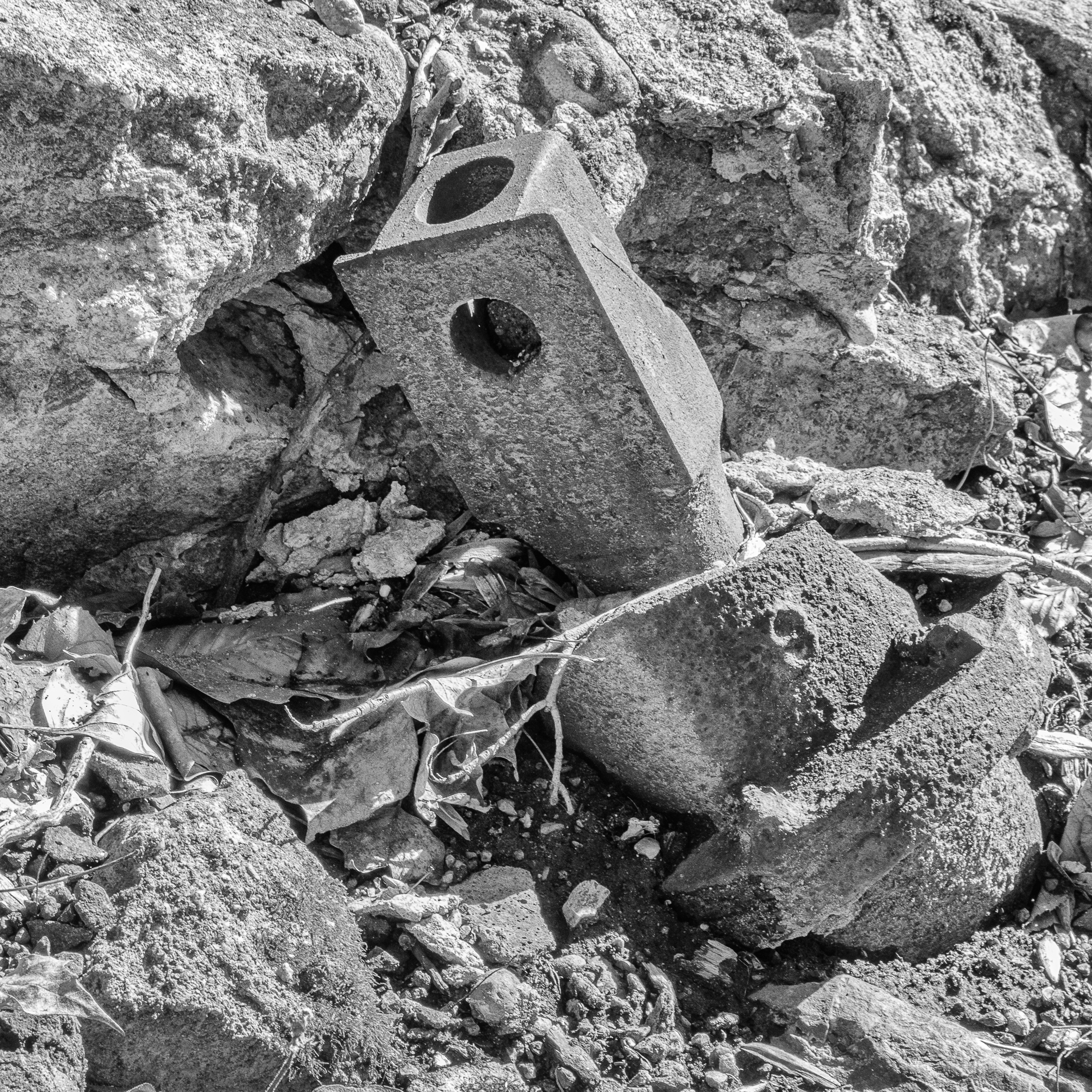
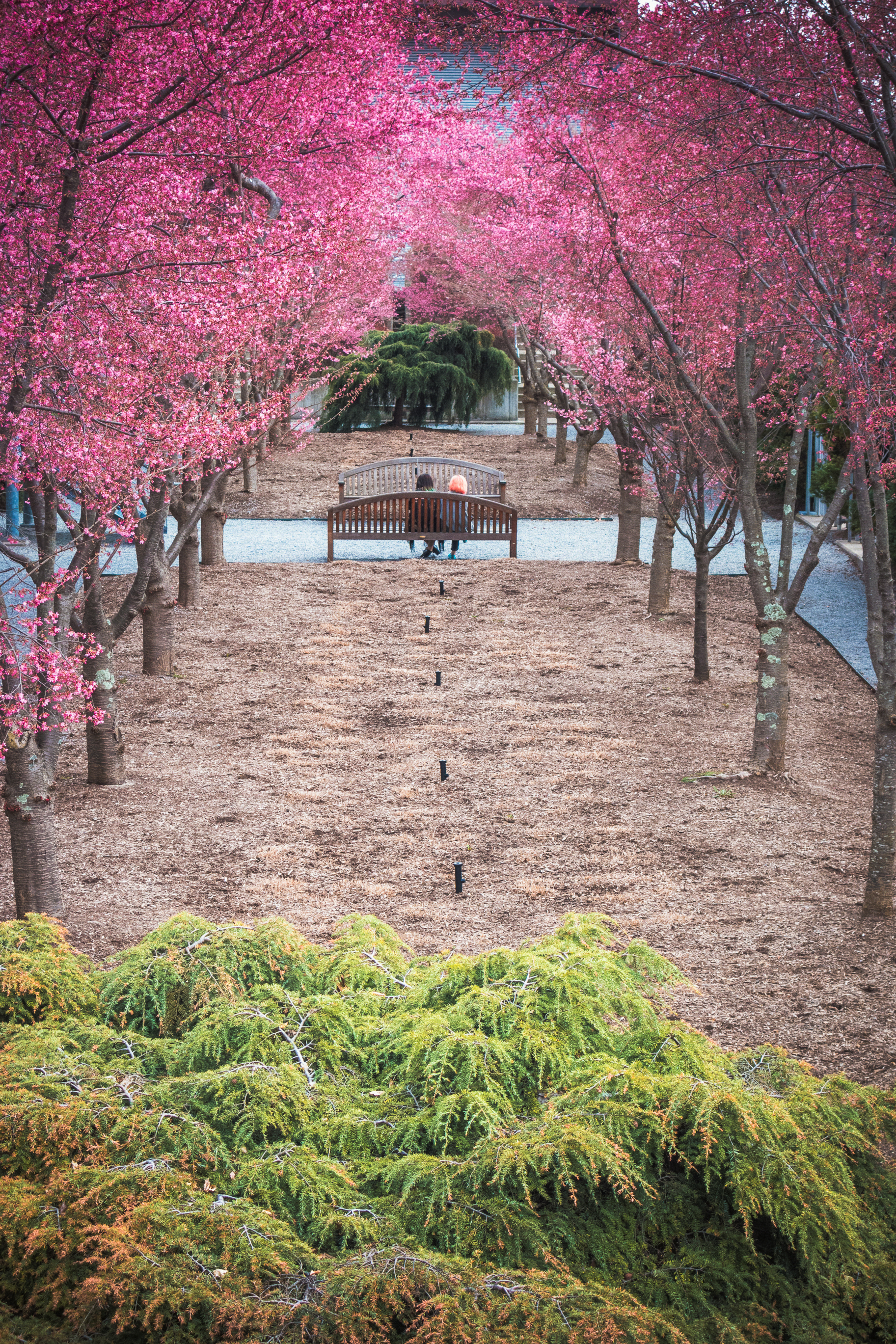
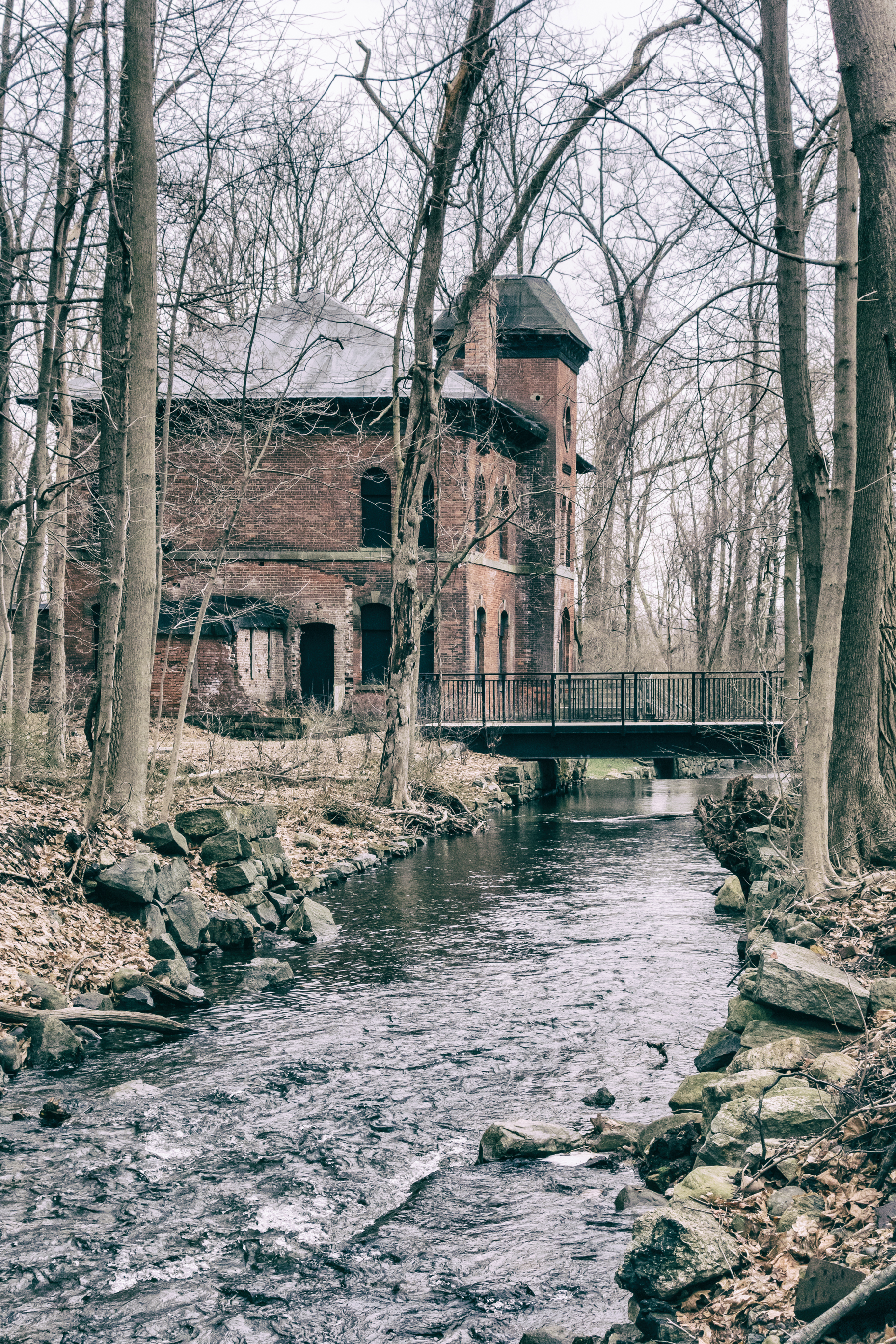
These were taken along the Brook Trail, which has some interesting and obviously artificial water courses – now no longer maintained. There’s also a large cistern like structure.


Dia:Beacon

After walking Jackson for an hour around the lake I decided to go to Dia. It’s really quite close – go to Cold Spring, turn north on 9D and follow it for about 10 minutes and you’re there. The entire trip takes less than 30 minutes. The location is nice, right on the Hudson River. After paying the $12 admission fee you go inside a large, airy warehouse like space sub-divided into rooms. You aren’t allowed to take pictures inside, but to give you an idea of the exhibits look here. My pictures are consequently taken outside.

I must say that I don’t relate too well to this type of art. In fact I was so disappointed that I almost asked for my money back. Not so much because of the art but because so many of the promised exhibits were “under construction”. Then I realized that they weren’t being built – they were the actual exhibits! For example: one room had a pile of broken glass at the entrance; a pile of sand with a piece of plywood stuck in it in the center; and a pile of what looked like cement at the far end. Turns out it was an exhibit by Robert Smithson. Another room had a series of bare plywood cubes, some open and some with the tops closed. I thought that these were stands on which some kind of artwork would be placed. I finally concluded that they too were an exhibit (Or maybe I was wrong since I don’t see them on the list of exhibits). And then there’s On Kawara who specializes in small rectangular paintings with dates on them – 36 of them in a room. I ‘googled’ the value of these and one of them (Feb. 10, 1982) sold at auction for $633,295 in 2013). If you want to know what it’s all about read the introduction on his part of the website. You find things along these lines: “The reiteration of countless dates served as the vehicle of ontological meditation rather than epistemological inquiry: time came to be experienced as a lived abstraction. Through this telling juxtaposition of three different works, Kawara subtly restated an abiding preoccupation in his practice: the conviction that temporality and duration, while objectively determined—that is, determined according to standardized systems and concepts—are nonetheless always and finally subjectively experienced in and through the present moment. ”

One of the reasons I went was to see the Bernd and Hilla Becher photographs. They specialized in industrial art and seem to have made it their mission to document industrial installations all over the world. I’d read about them, but didn’t really get their work. I thought that maybe if I saw them large (i.e. not just tiny images in a book or on the internet) I might appreciate them more. Still don’t get it though. The photographs are all of different installations, but they somehow all look the same. There doesn’t seem to be much in the way of composition – just a large industrial plant plopped in the middle of the frame, head on every time. They don’t seem to be great technical masterpieces (i.e. of developing, printing etc.) the way Ansel Adams photographs are. They just left me cold – maybe that’s what’s supposed to happen. Maybe I’m not being fair. After all is this so different from my graveyards, ruins etc? They’re documenting their stuff. I’m documenting mine. But then nobody would consider me a great photographer, the founder of a school of photography (the Dusseldorf School), and the teacher of such luminaries as Andreas Gursky, Thomas Ruff and Thomas Struth. Gursky alone has four of the most valuable photographs in the world: Rhein II sold for $4,338,500, and three prints of 99 Cent II Diptychon sold for $3,346,456, $2.48 million, $2.25 million respectively. I don’t like these much either, but then I’ve only ever seen them in books and on the internet. In their full glory (They’re around 6 feet by 10 feet in size) I’m sure they have more of an impact. I suppose that with photographs such as these we’ve left the realm of photography and entered the world of art where anything is possible.

I just don’t get it. I suppose that I’m just a philistine with no taste. Maybe I’ll come to like this kind of art. After all there was a time when I didn’t like Wagner and there are a number of photographers (e.g. Lee Friedlander) that initially I couldn’t stand but now have grown to like.



Halcyon Hall

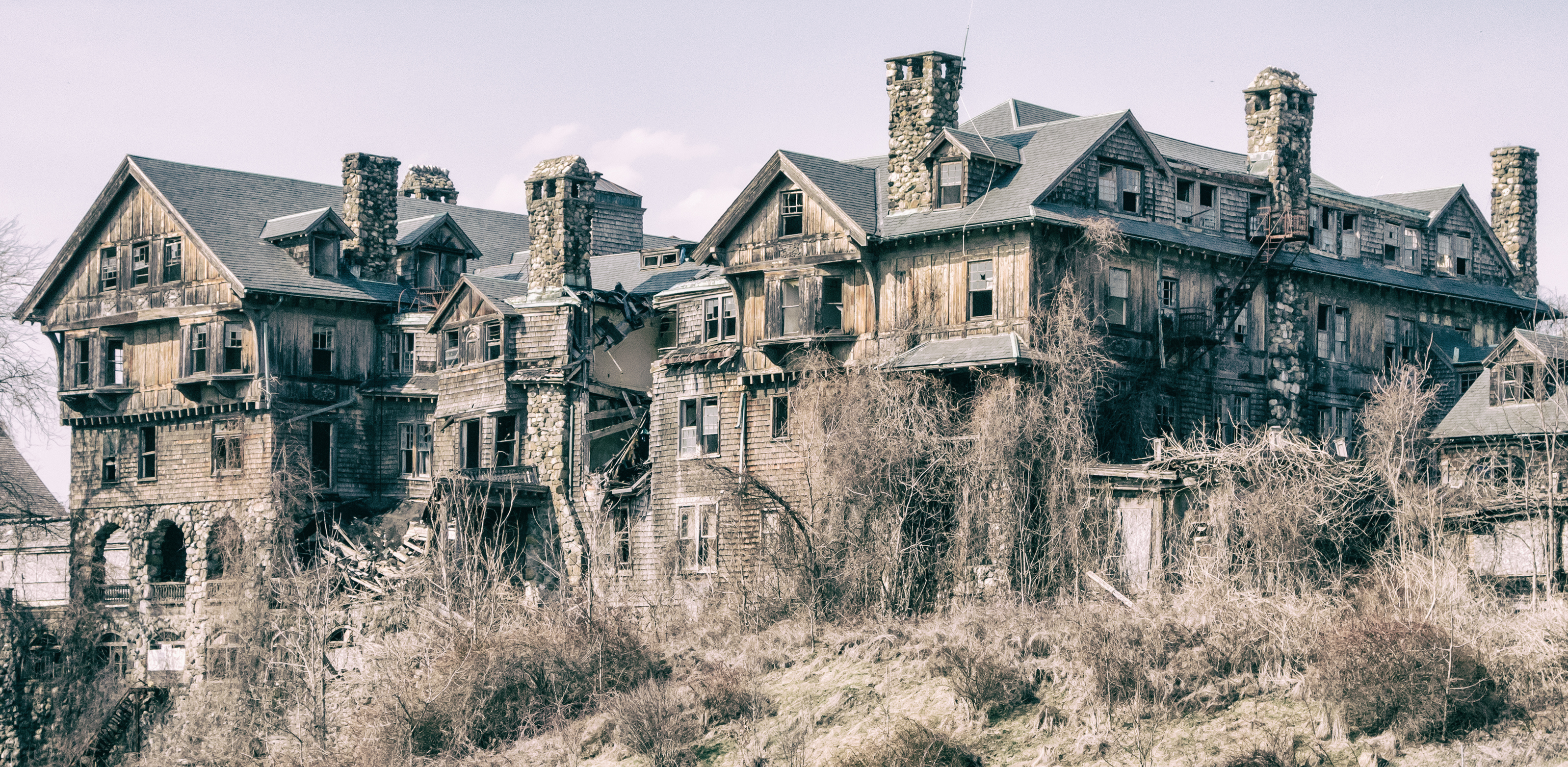
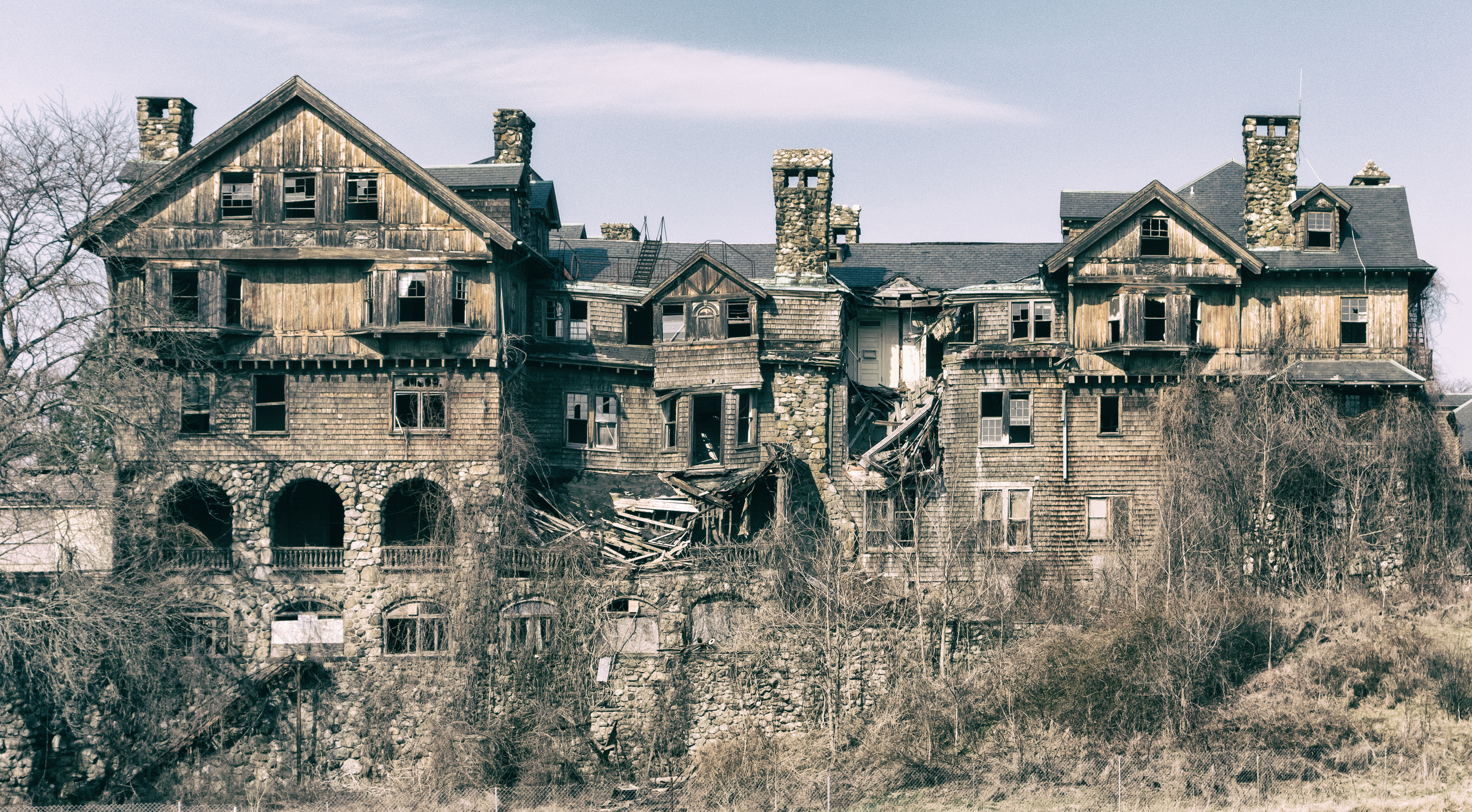
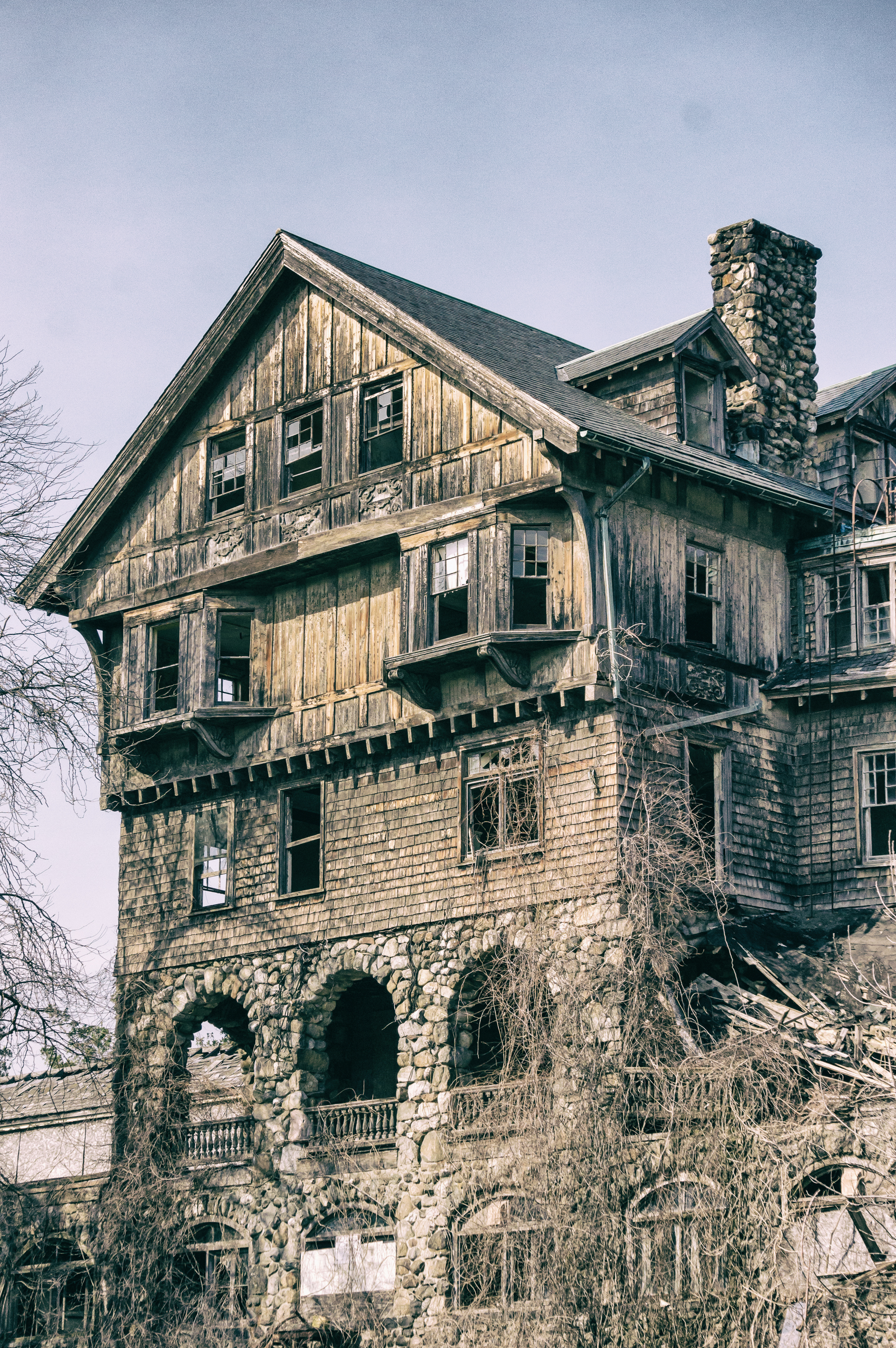
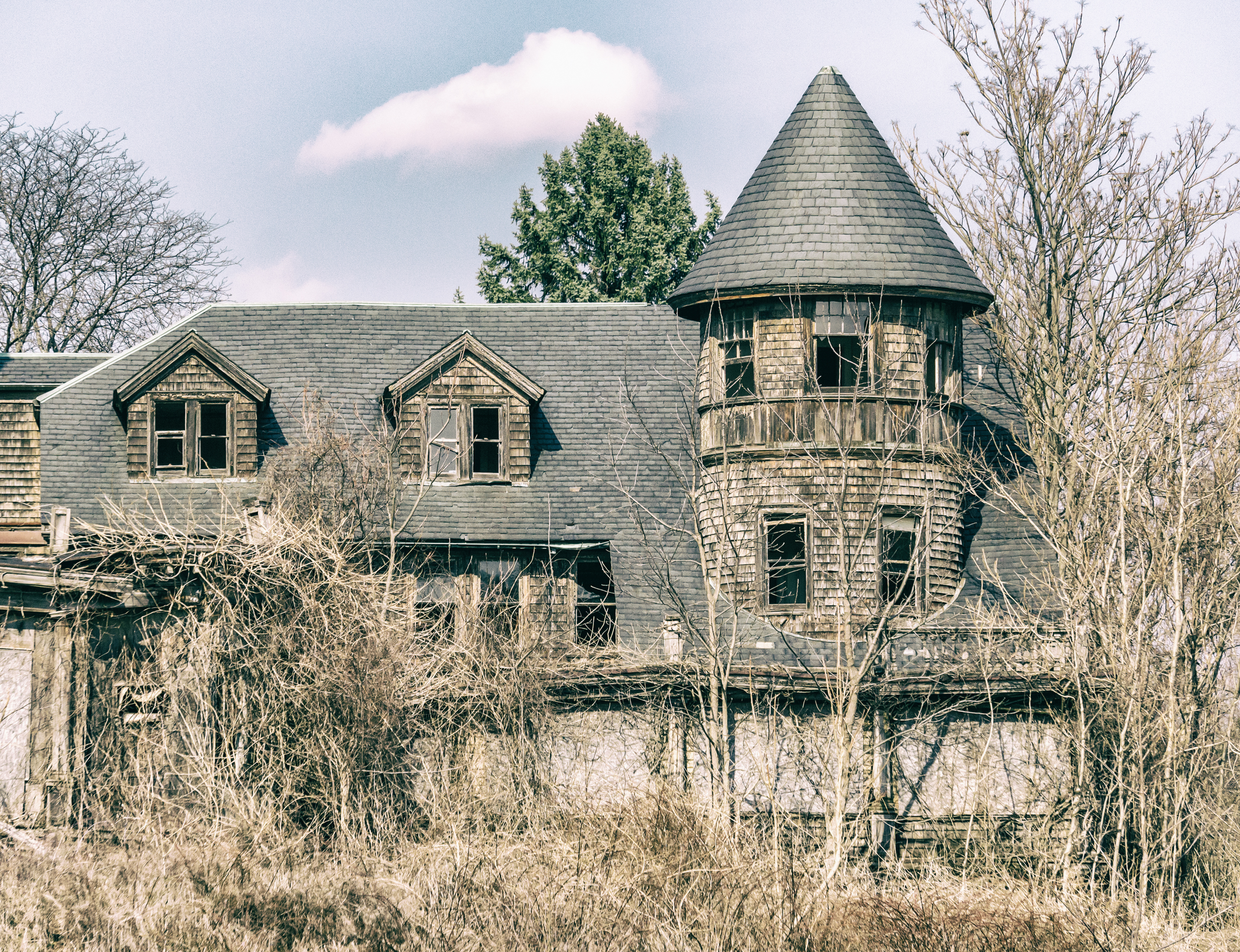
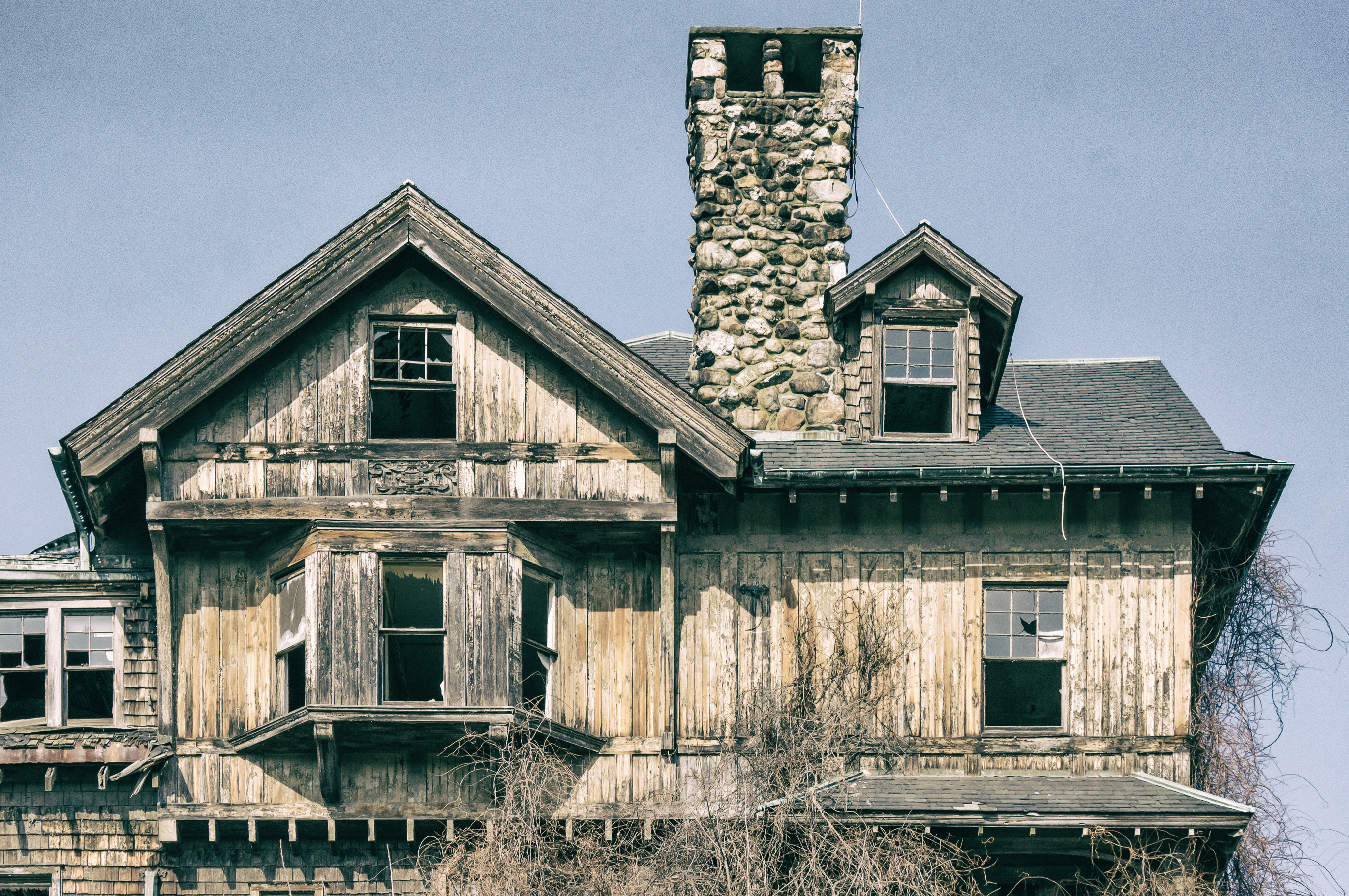
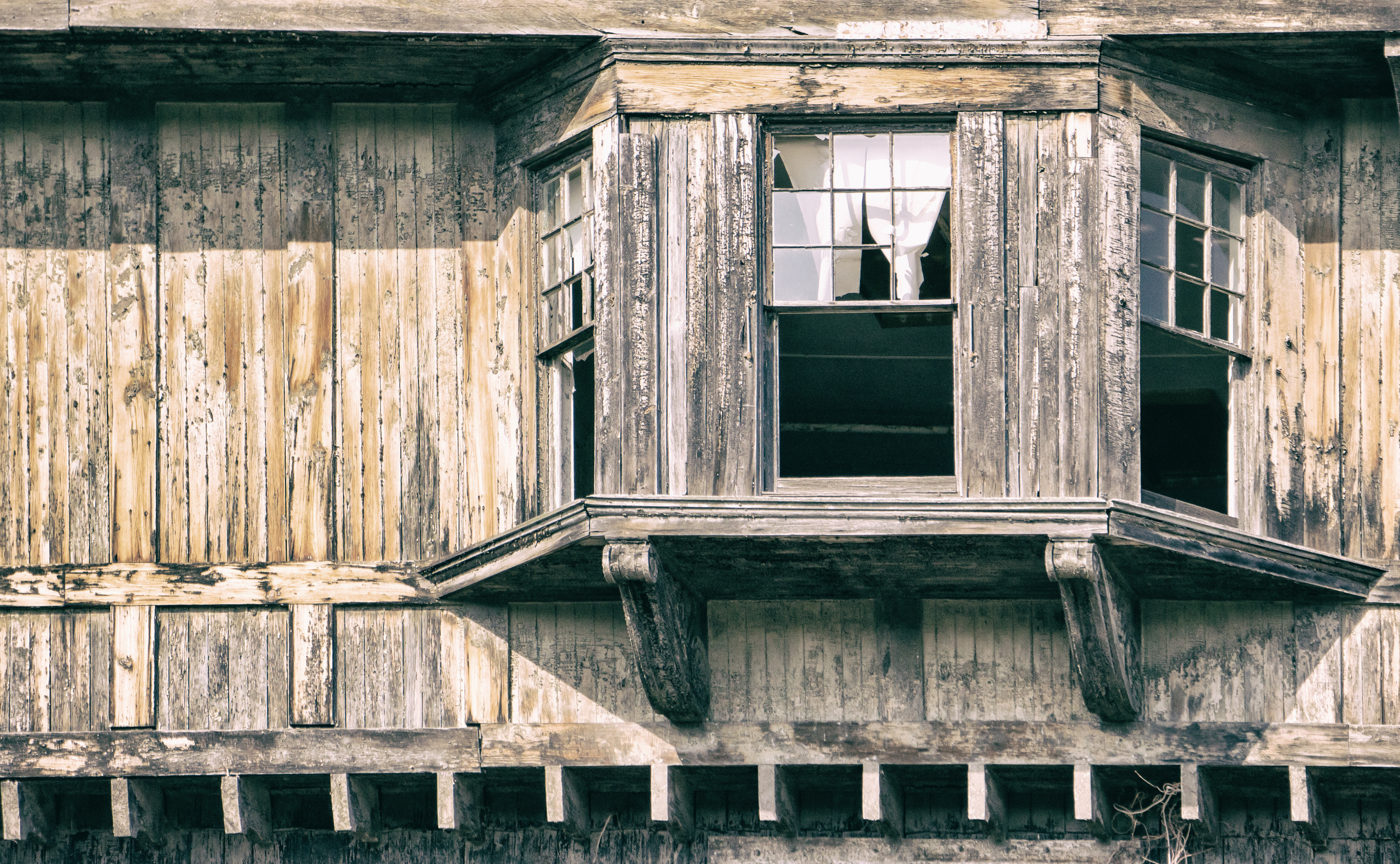
This magnificent edifice looms over the intersection of routes 343 and 82 in the town of Millbrook, Dutchess County, New York. It’s Halcyon Hall, the main building of what was once a 200 room luxury hotel when it was built in 1893. In 1907 the Bennett School for Girls relocated here from farther south in Irvington, NY and so things remained until expensive updates and a shift towards co-educational schools caused the school to finally close down in 1978. It’s been abandoned since then. It’s reputed to be haunted by the ghosts of girls who committed suicide there and who still roam the halls. If it’s not a true story it should be.

It amazes me that a splendid building such as this can be allowed to decay and fall apart. I imagine it’s past renovation now, but once upon a time it wasn’t. I suppose that the economics were against it. After all what would you use a building such as this for in Milbrook, NY. I’ll let Wikipedia have the final word:

Halcyon Hall was never reopened and quickly fell into ruin. When the heat was turned off, water pipes burst, causing major water damage throughout the building. Large portions of the roof have collapsed and trees can be seen growing through parts of the building. Halcyon Hall remains in this state as of 2014. Halcyon Hall is a popular area for Urban Explorers, and Photographers, due to its structure and decay. Several attempts were made in the 1980s to develop the property but all failed and the title was taken over by Mechanics and Farmers Savings Bank.[3] The bank failed in 1991[4] and its assets were seized by the Federal Deposit Insurance Corporation. Halcyon Hall was scheduled to be demolished in 2012.

In April, 2014 it’s still there. I imagine that eventually it will fall apart by itself. Or some kids will break in and be injured or killed and then they’ll decide to demolish it.


The Old West Point Foundry

The Old West Point Foundry. It was a wet day – not raining hard, but a constant drizzle. The kind that gets you wet. I almost didn’t go. It was about 3:30 by the time I was finished doing other essential things and the weather was grey and gloomy, but not yet raining. The dog needed his walk, so I thought – what else am I going to do? So off we went. Saw (and heard) some red headed woodpeckers. Jackson caught the scent of something in the ruins and I heard something moving. Sounded quite big – maybe a raccoon. On the way out we had an encounter with four deer. They didn’t rapidly disappear into the undergrowth as they usually do. Instead they would run away about fifteen feet and stop. We’d approach and they’d run away about 15 feet again. Of course Jackson liked this as they stayed around for quite a while. I tried to take a picture of them, but it was impossible while holding Jackson on the leash. He was running and jumping all over the place. I couldn’t hold the camera steady. I stopped in at ‘The Depot’ in Cold Spring for a pint afterwards and then we went home.

The Foundry Preserve as interesting. Wikipedia states:

The West Point Foundry was an early ironworks in Cold Spring, New York that operated from 1817 to 1911. Set up to remedy deficiencies in national armaments production after the War of 1812, it became most famous for its production of Parrott rifles and other munitions during the Civil War, although it also manufactured a variety of iron products for civilian use. The rise of steel making and declining demand for cast iron after the Civil War caused it to gradually sink into bankruptcy and cease operations in the early 20th Century.

It was large and most of the population of Cold Spring must have been employed there. After the Foundry closed the town almost died until it re-invented itself a picturesque riverside tourist destination.

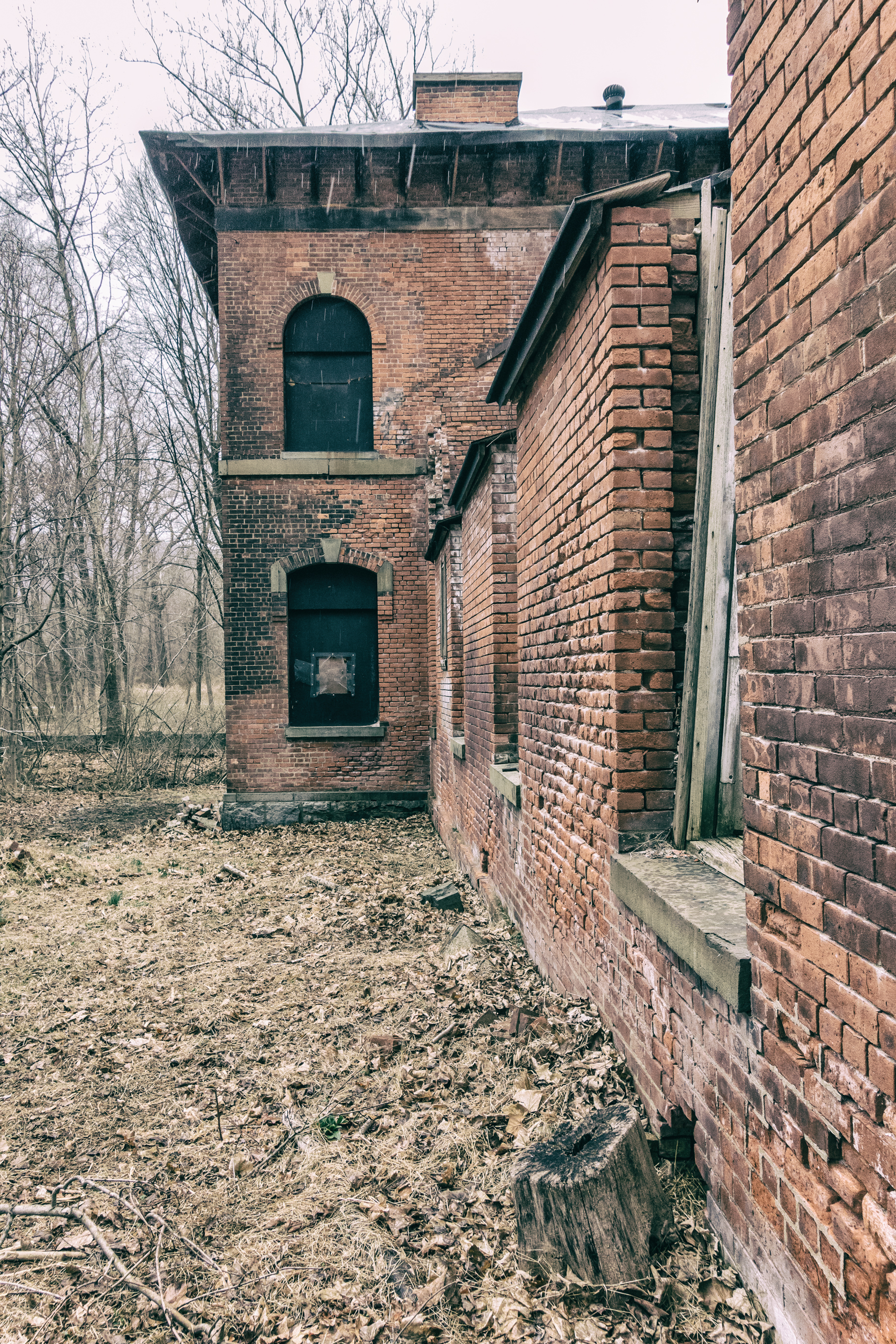
Most of the pictures are of the old administration building, the only fairly intact structure still standing. There are bricks everywhere though showing how extensive the Foundry was in its heyday.


Skaneateles

We went to visit my wife’s brother and his family in Rochester, NY. It’s a long ride so we decided to break for lunch somewhere along the way. The last time we visited him we passed a town called Skaneateles on the way back. It’s a very picturesque town alongside a lake. We remembered that we had seen some interesting looking restaurants so, after looking around on the internet, we chose one: The Sherwood Inn. Their website has a page on the history of the inn.  We had a  very pleasant (and fairly inexpensive lunch) and then, after buying some pastries at the next door patisserie we continued out journey.

Another view of the inn.

On our way home our GPS took us back through Skaneateles so we stopped again for lunch – this time at a different restaurant: The Blue Water Grill. Where the Sherwood Inn was across the road from the lake the Blue Water Grill is right on the water. The portions are large and my wife’s dessert was positively enormous.

Lakefront with Gazebo

Another view of the Blue Water Grill. If you look very carefully you can see Eirah sitting in the window.

All photos taken with my wife’s iPhone 5s