Another documentary: The Colourful Mr. Eggleston

Fascinating. He seems to be another irascible character. I’m still not sure how much I like his work, although I must say that it seems to be growing on me. I could see that he deserves some credit for popularizing color photography, but at first his pictures seems to me to be too snapshot like. As I spend more time looking at them though I’m seeing something else: pictures of the mundane somehow brought to life. At little bit like the pictures by Eugene Atget. At first they just seem like ordinary pictures of buildings, parks etc. in old Paris, but as you look at them you realize that there’s more to it than that. I’ve tried to take pictures like Atget and I can’t. Although Eggleston’s pictures look like simple snapshots I suspect that I couldn’t take pictures like his either. I have a feeling that as I continue to look at this work I’ll get to like it more and more.

Eric Kim has an interesting take on Eggleston in 10 lessons William Eggleston taught me about street photography.

Arden Point – Garrison

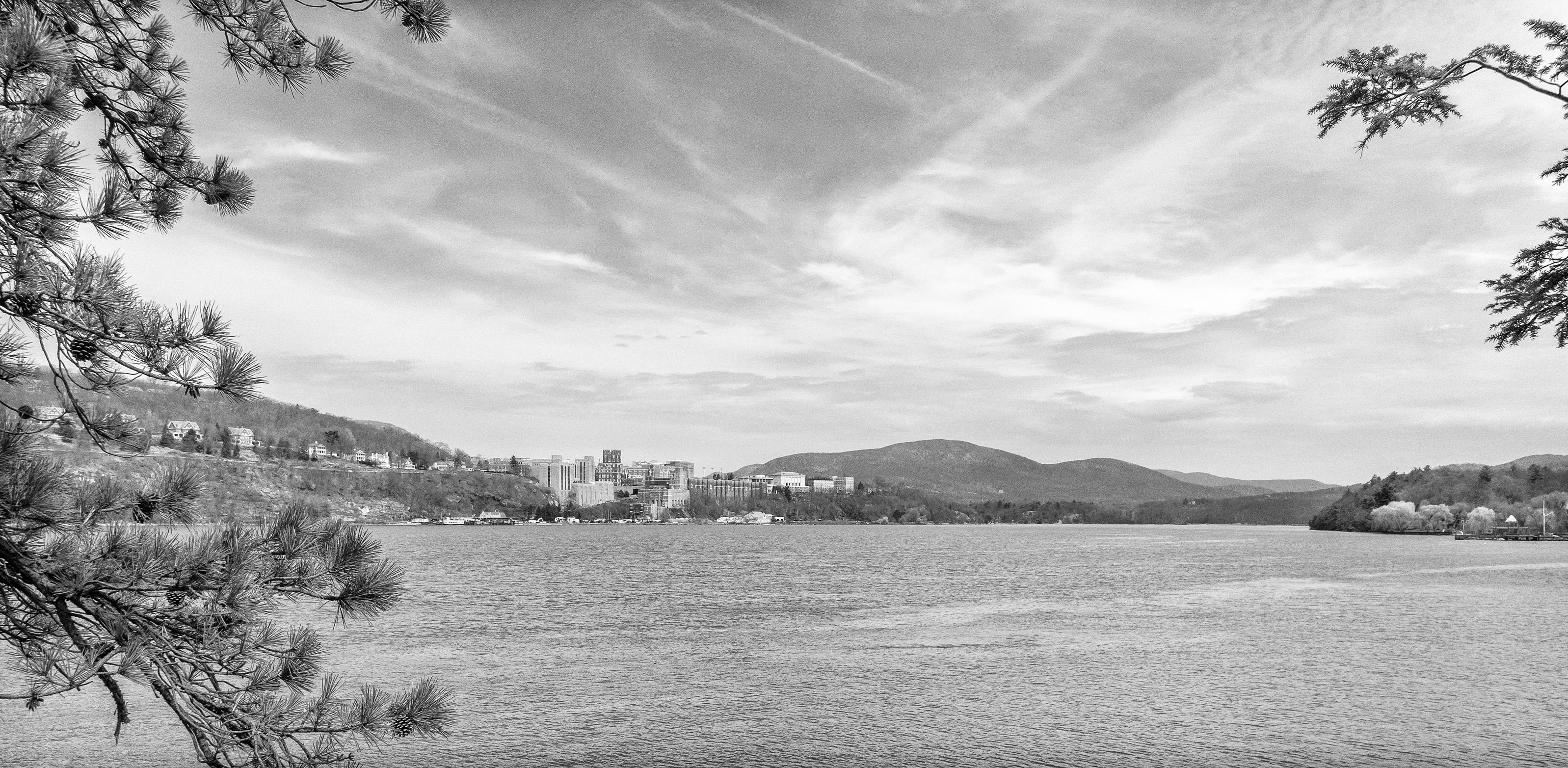
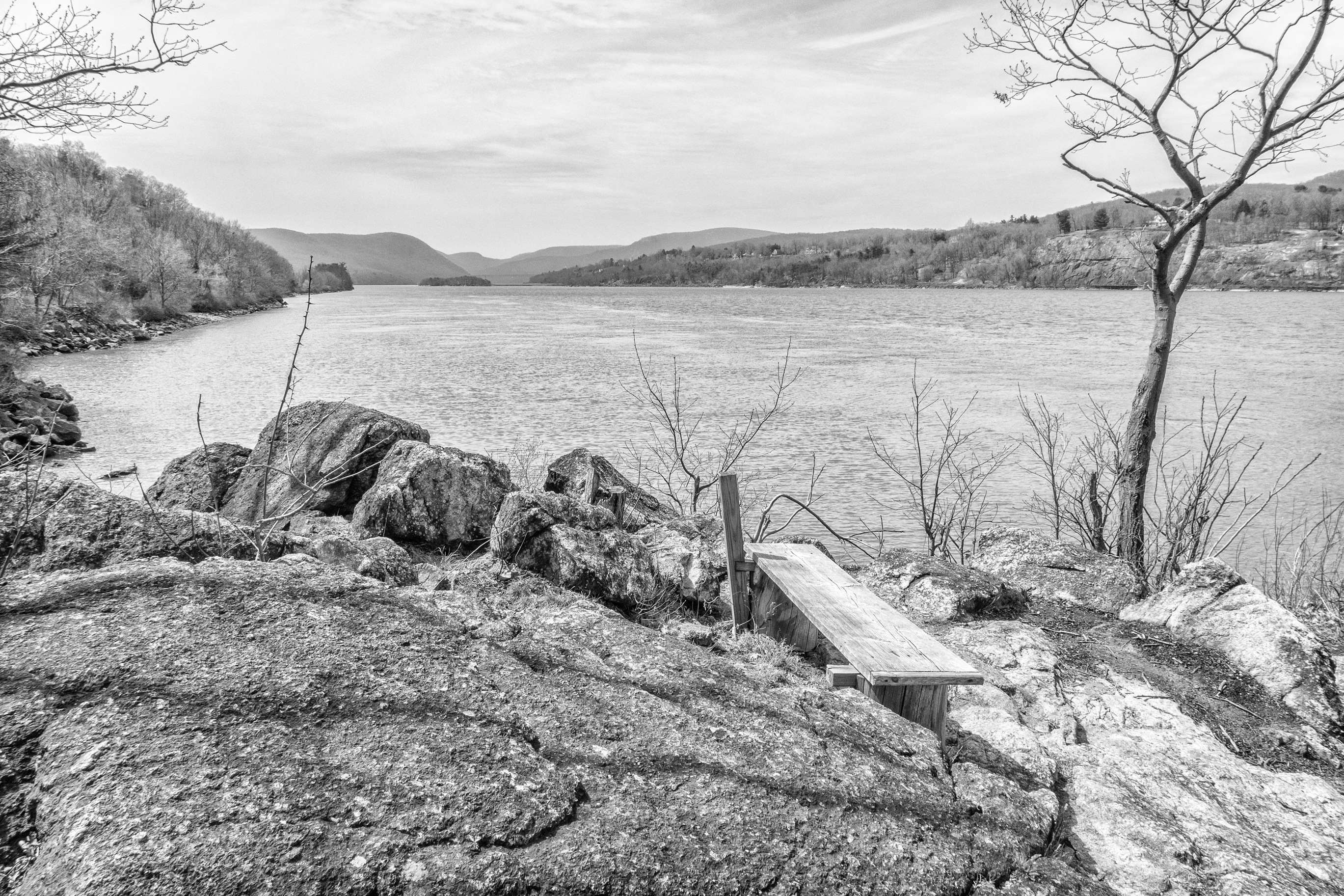
Hudson River looking north from Arden Point

Nice, pretty easy walk starting right next to Garrison railway station. The full walk is actually two loops. That’s supposed to take two hours. We did the first loop, but it was hot and very humid so neither of us wanted to go any further. I’ll go back sometime to do the other half. There are some nice views of the Hudson.

Hudson River looking north from Arden Point

Looking south towards the Bear Mountain Bridge

Another view south.

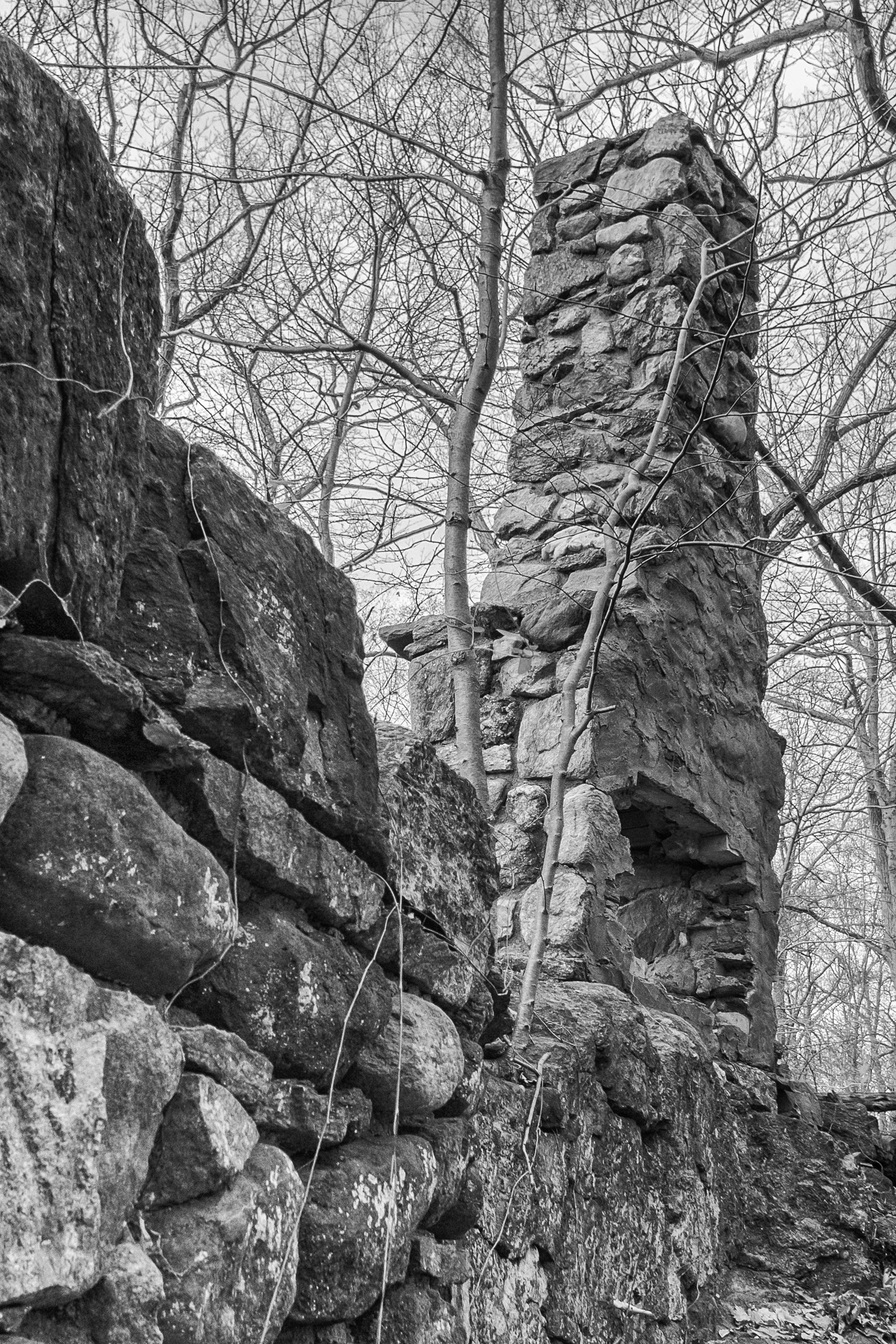
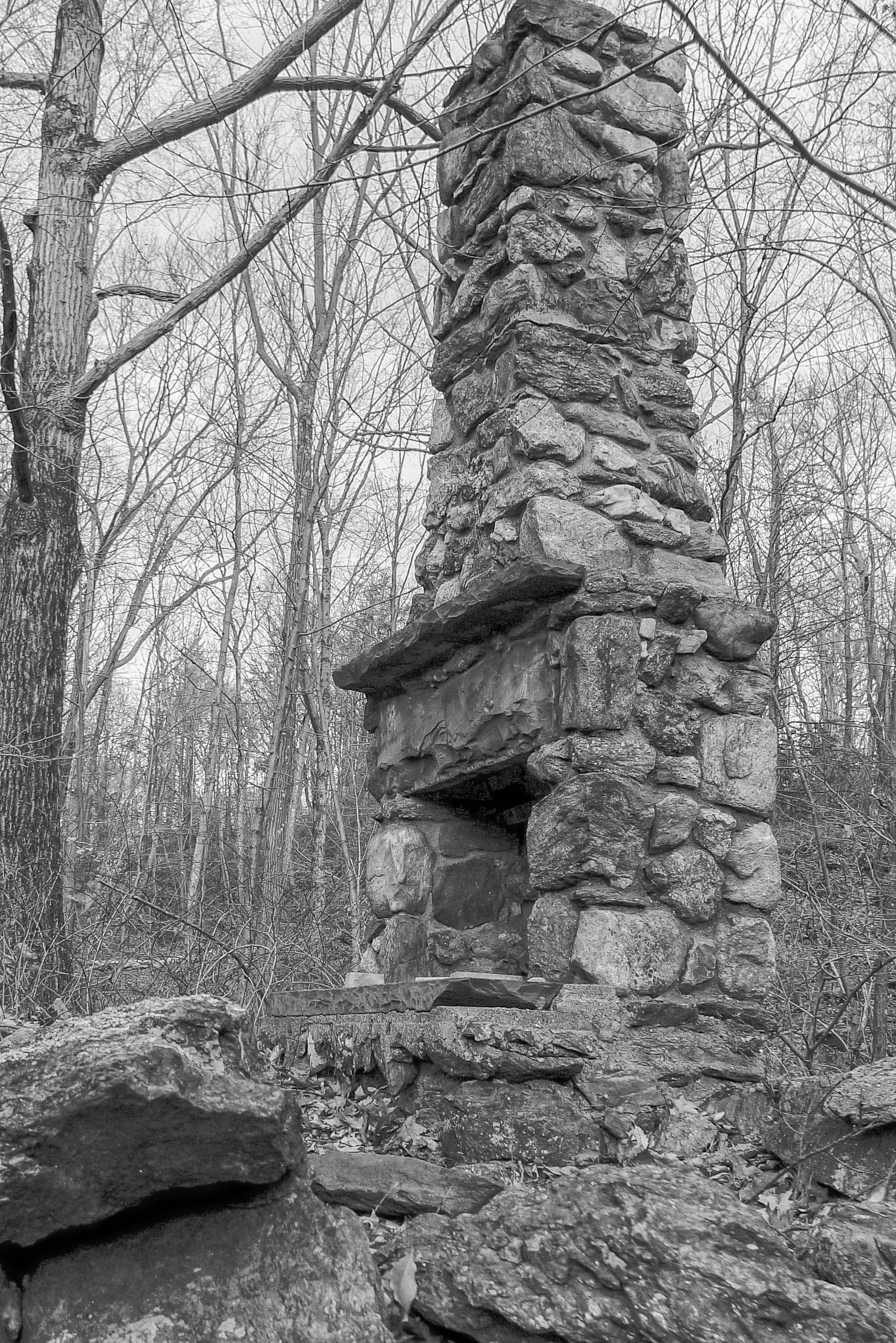
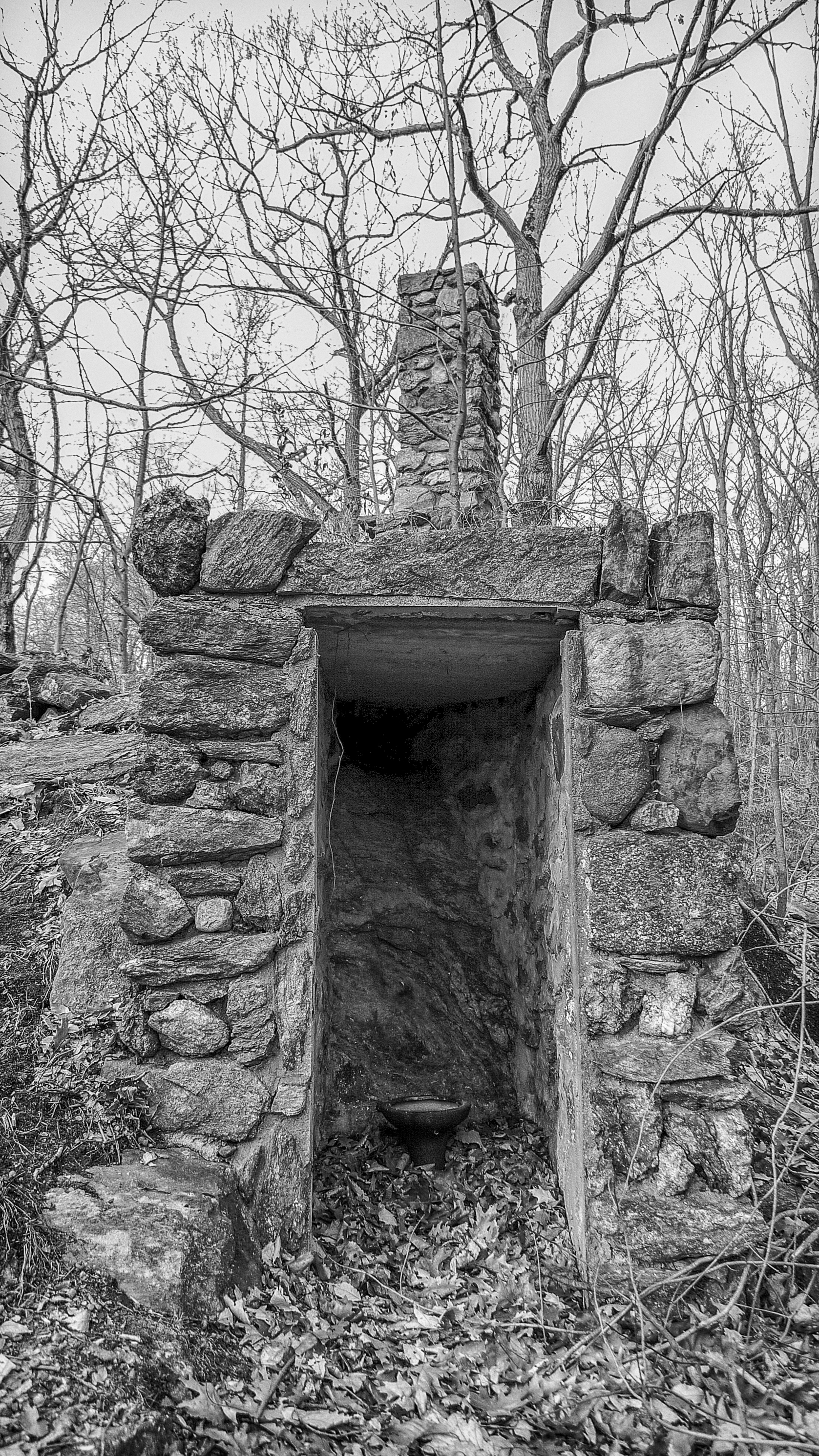
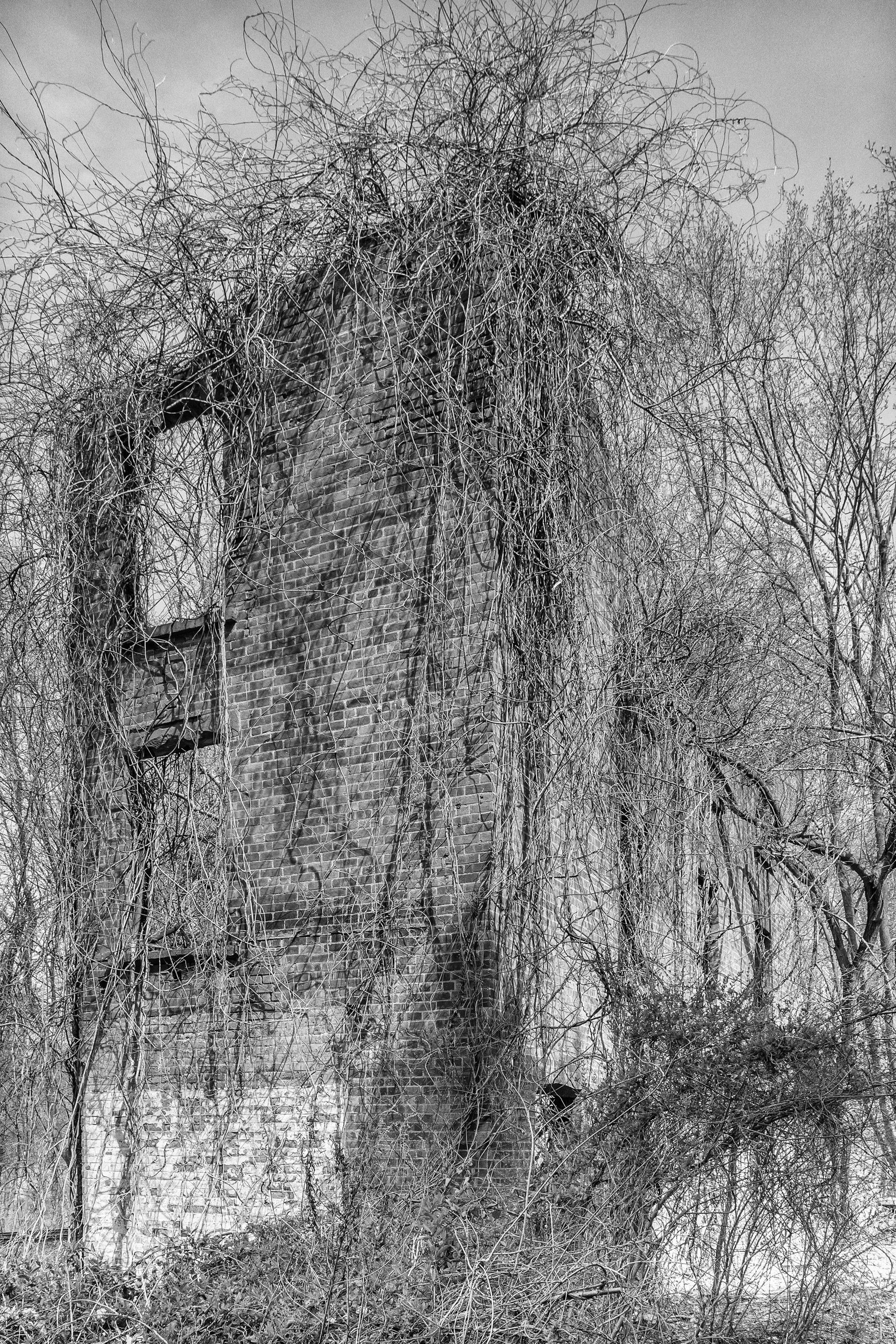
And the inevitable ruins. I have no idea what this was.


A little piece of Europe in the Hudson Valley: Huguenot Street – New Paltz

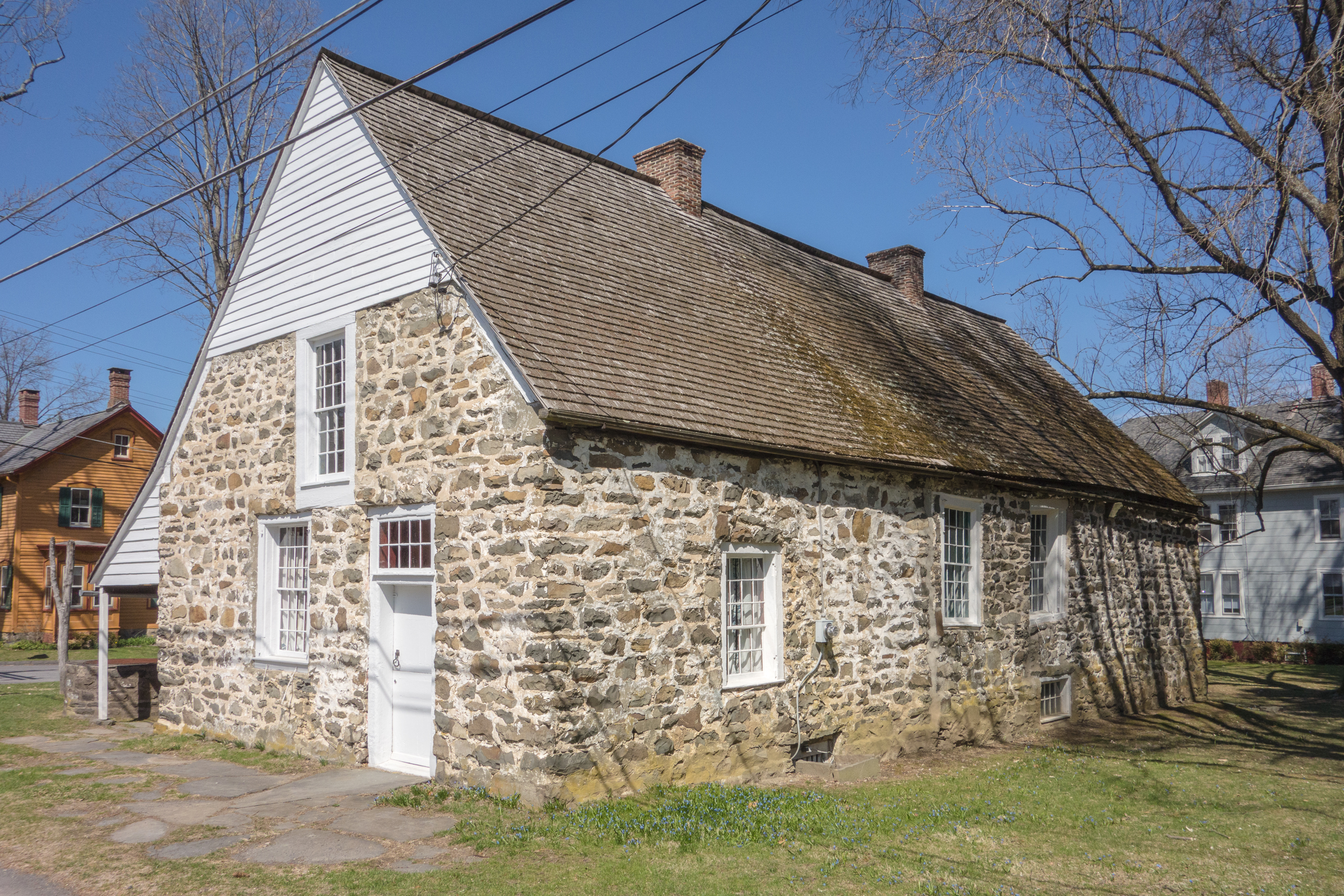
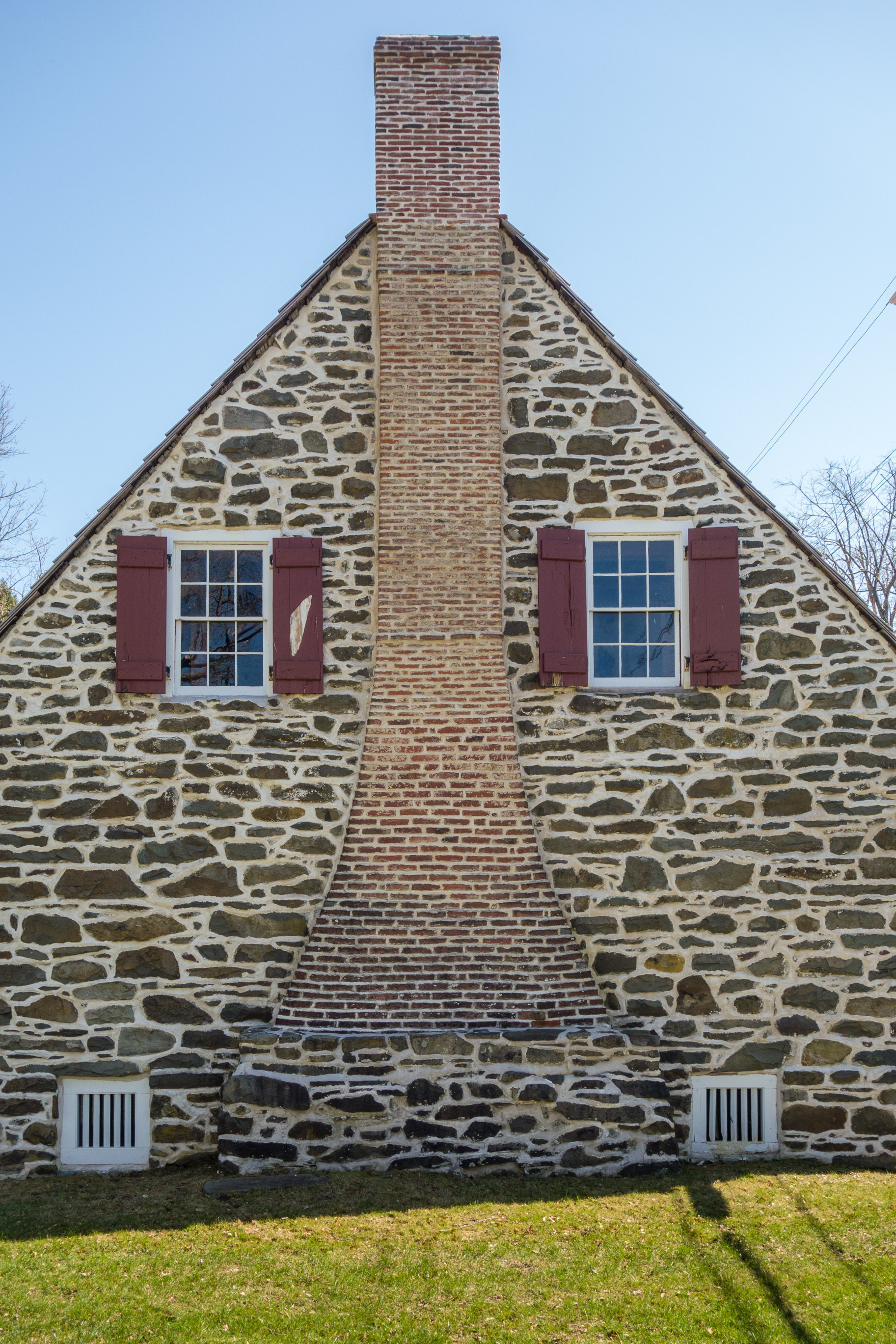
Bevier House. Built by Louis Bevier, the patentee, in 1698. Elting homestead from 1740. This house has an interesting sub-cellar.

“The Huguenot Street Historic District is located near downtown New Paltz, New York, approximately 90 miles (140 km) north of New York City. The seven stone houses and several accompanying structures in the district were built in thece to e early 18th century by Huguenot settlers fleeing discrimination and religious persecution in France and Belgium. After negotiating with the Esopus Indians, this small group of Huguenots settled on a flat rise on the banks of the Wallkill River in 1678. The settlers named the site in honor of Die Pfalz, the region of present-day Germany that had provided them temporary refuge before they came to America. Recent archaeological finds indicate that the immediate area settled by the Huguenots was occupied by Native Americans prior to European contact. The site is one of the oldest continuously inhabited settlements in the United States…The house museums of Historic Huguenot Street are in their original village setting.” Wikipedia.

Captions below largely taken from historical markers next to each house. The site is also right next to the Walkill Rail Trail. Good for walking Jackson, but not today. He’d already walked for 1.5 hours at the Rockefeller Preserve and probably another hour here as I wandered around taking pictures. It was around 70 degrees and I noticed that as we were walking back to the care he kept heading for the patches of shade.

New Paltz looks like a place to explore – with lots of interesting looking restaurants.

Dubois House. This fort built it 1705 by Daniel Dubois. Site’s first redoubt. There are port holes in the east end.

Jean Hasbrouck. House built in 1712; now home of the Huguenot Patriotic, Historical and Monumental Society since 1899.

Site of Walloon Church. Built of Logs, First Church-School 1683. First church of stone 1717. Callled “Our French Church”, precursor reformed church.

1799 house. Build by Ezekiel Elting as a home and store. Originel Cambrel roof destroyed in 1888 blizzard. 1968 purchased by Le Fevre Family Association. Maintained by HHSand Le Fevre family.

Hasbrouck House. Built 1712, by Abraham, the patentee, once soldier in the English army. Fried of Gov. Andros. Kitchen scene of cock fights.

Another view of the Hasbrouck House.

Stone Church – 1773. First stone church, 1717. Services in French to 1753. Dutch language to 1800. Church corner stone seen at south wall of portico.

Rockefeller Trails – Pocantico River Trail

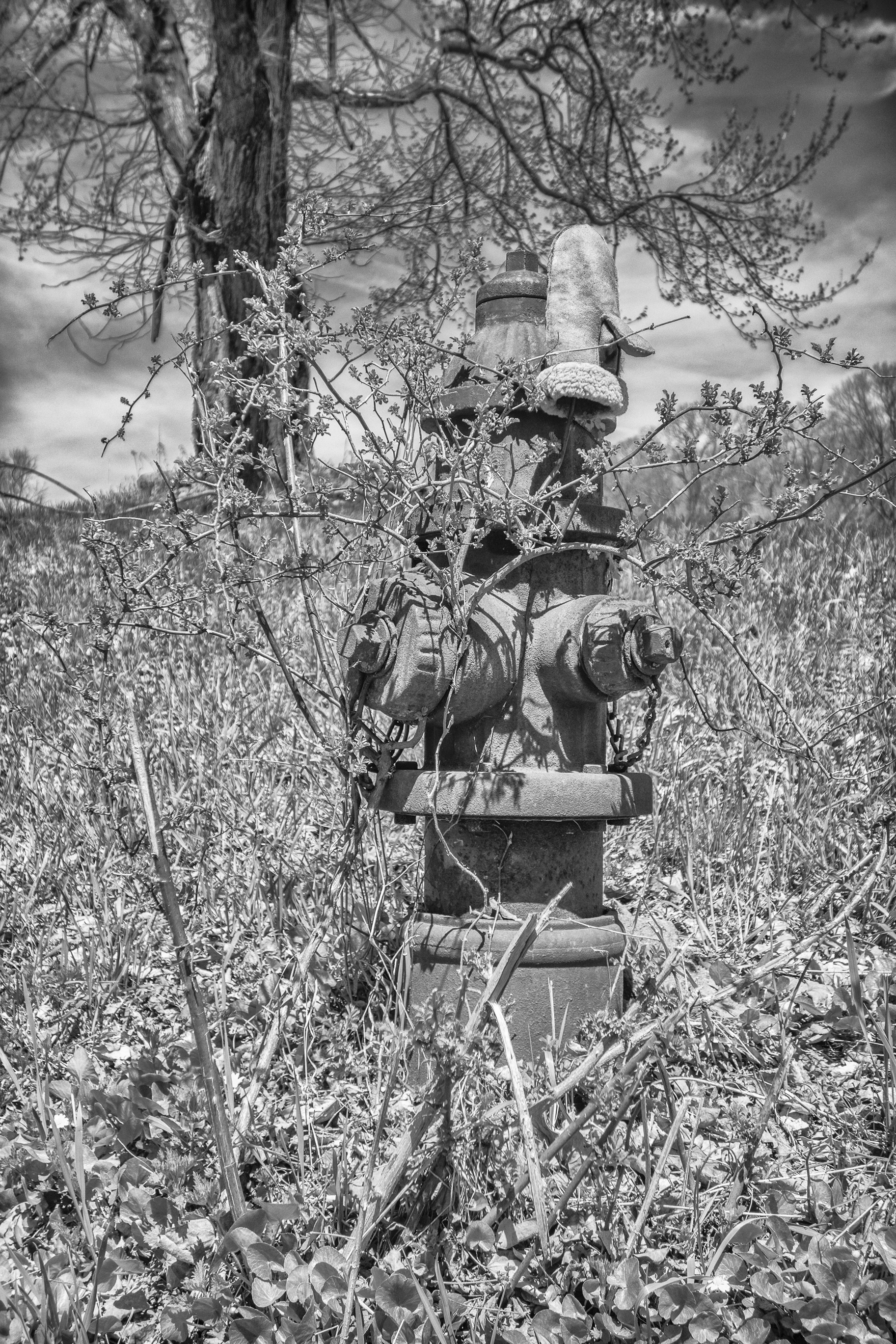
Rusting Fire Hydrant. Someone’s left an old woolen mitten on it.

I was down in Westchester County again and decided on another visit to the Rockefeller Preserve – this time walking along the Pocantico River Trail, one of the longer trails in the preserve. As the name implies it follows the Pocantico River and the main feature of this trail is the numerous bridges: some small, some much larger. Perhaps the largest is the three arch bridge. Unfortunately, it’s hard to get a good picture of it because of the trees that, over the years, have grown up around it. Since the undergrowth hasn’t completely grown yet I decided to go right down to the river. It’s a pretty good viewpoint, but even from there you can’t see all of the three arches.

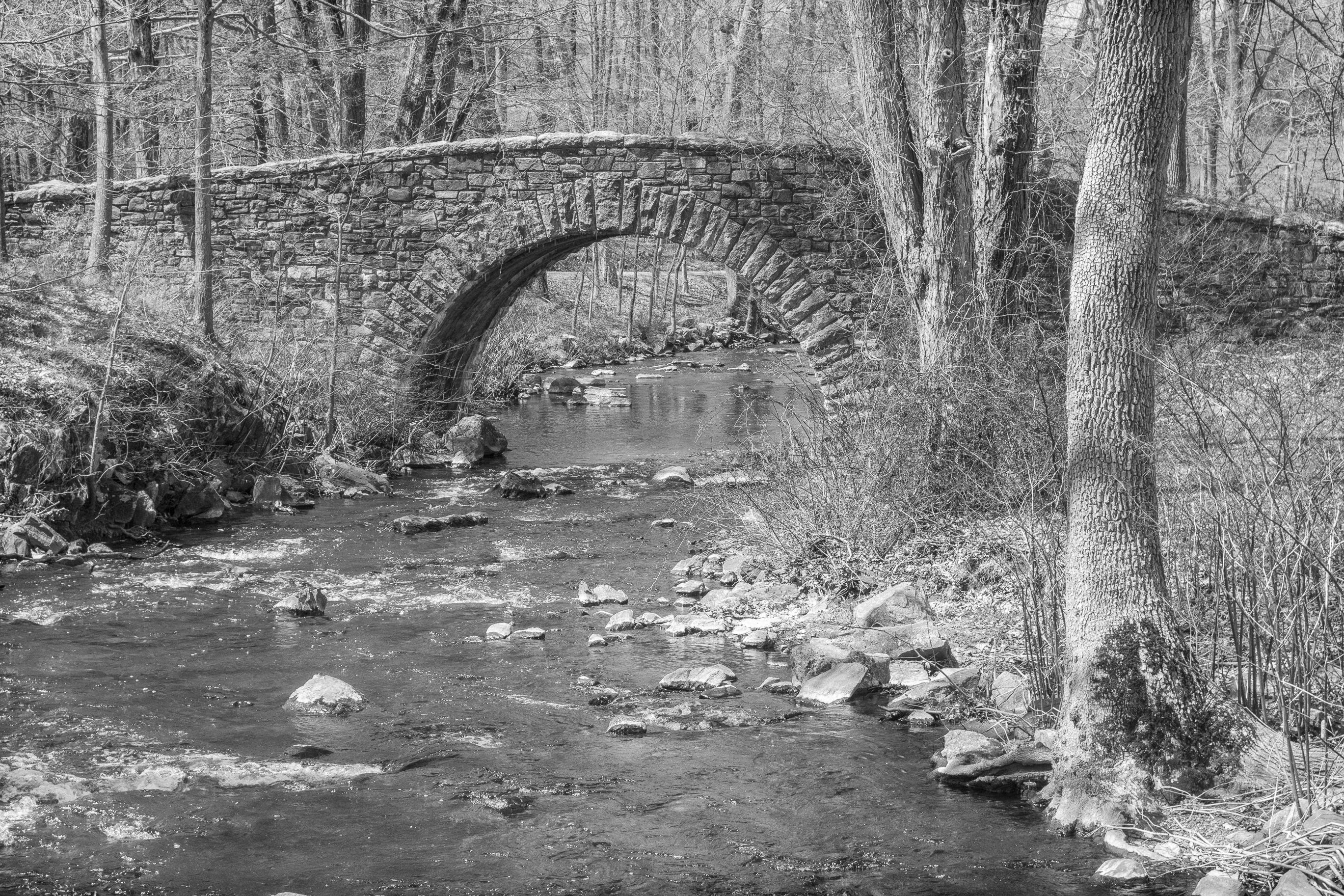
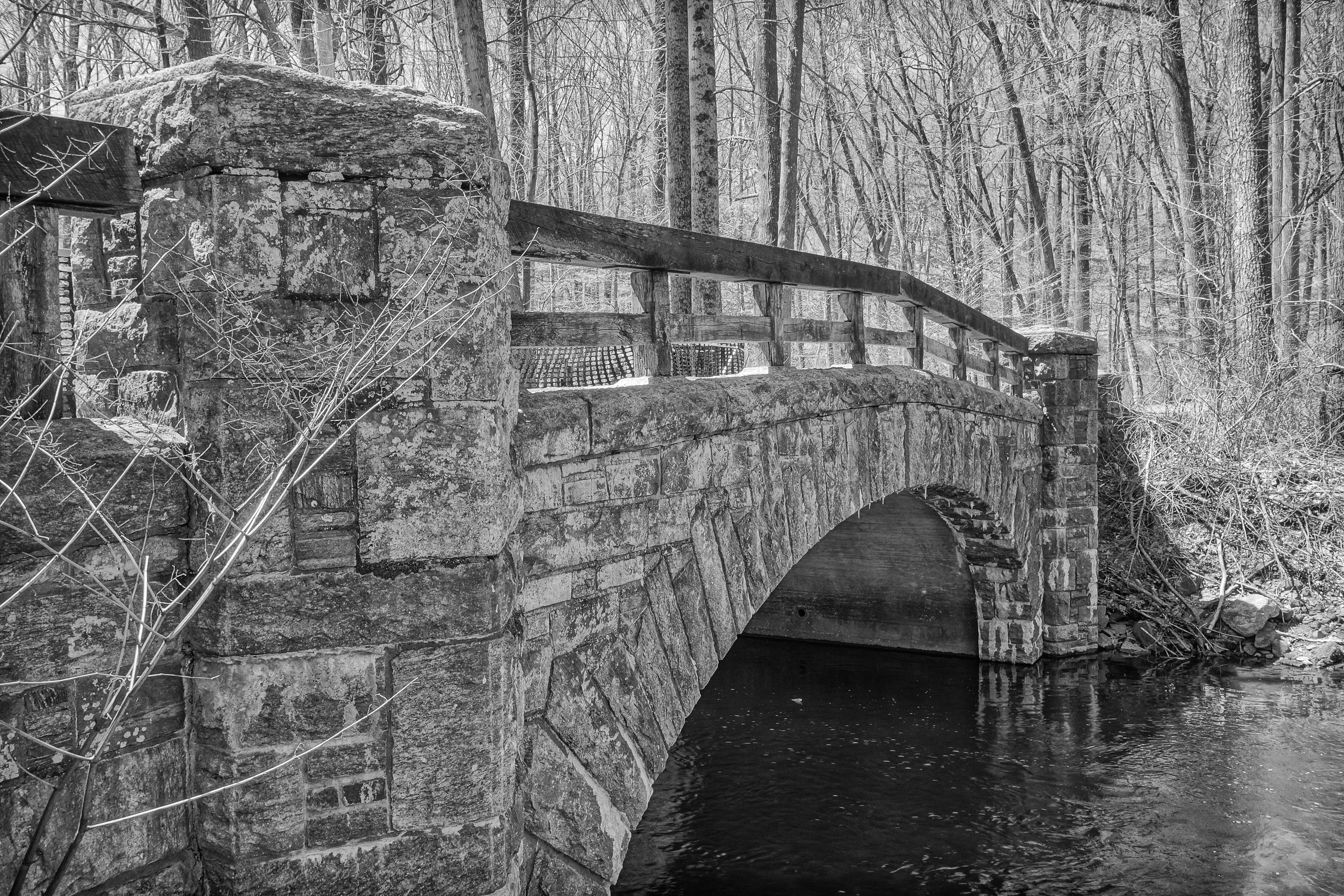
About 15 minutes into the walk you come to this picturesque single arch stone bridge.

Three arched stone bridge.

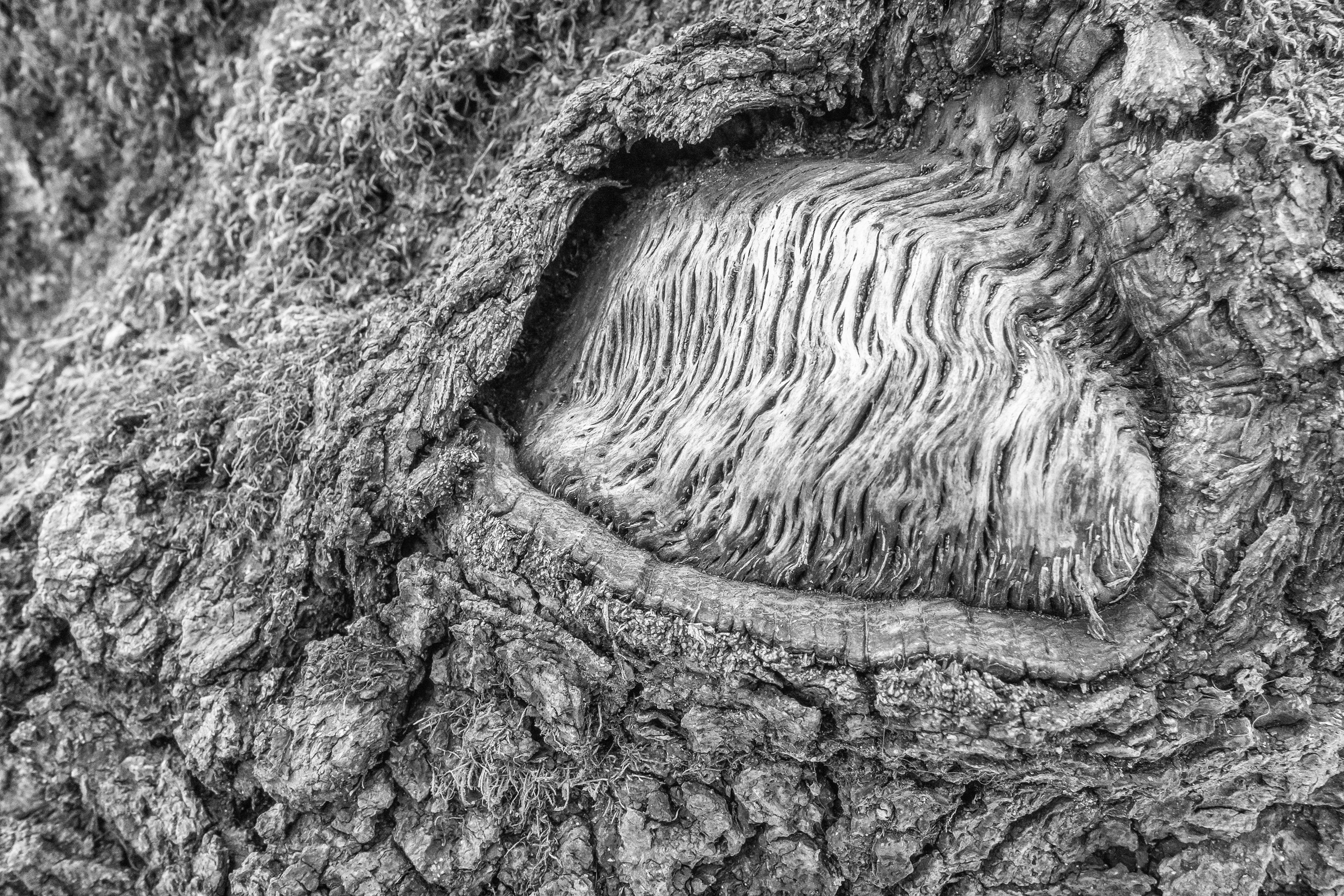
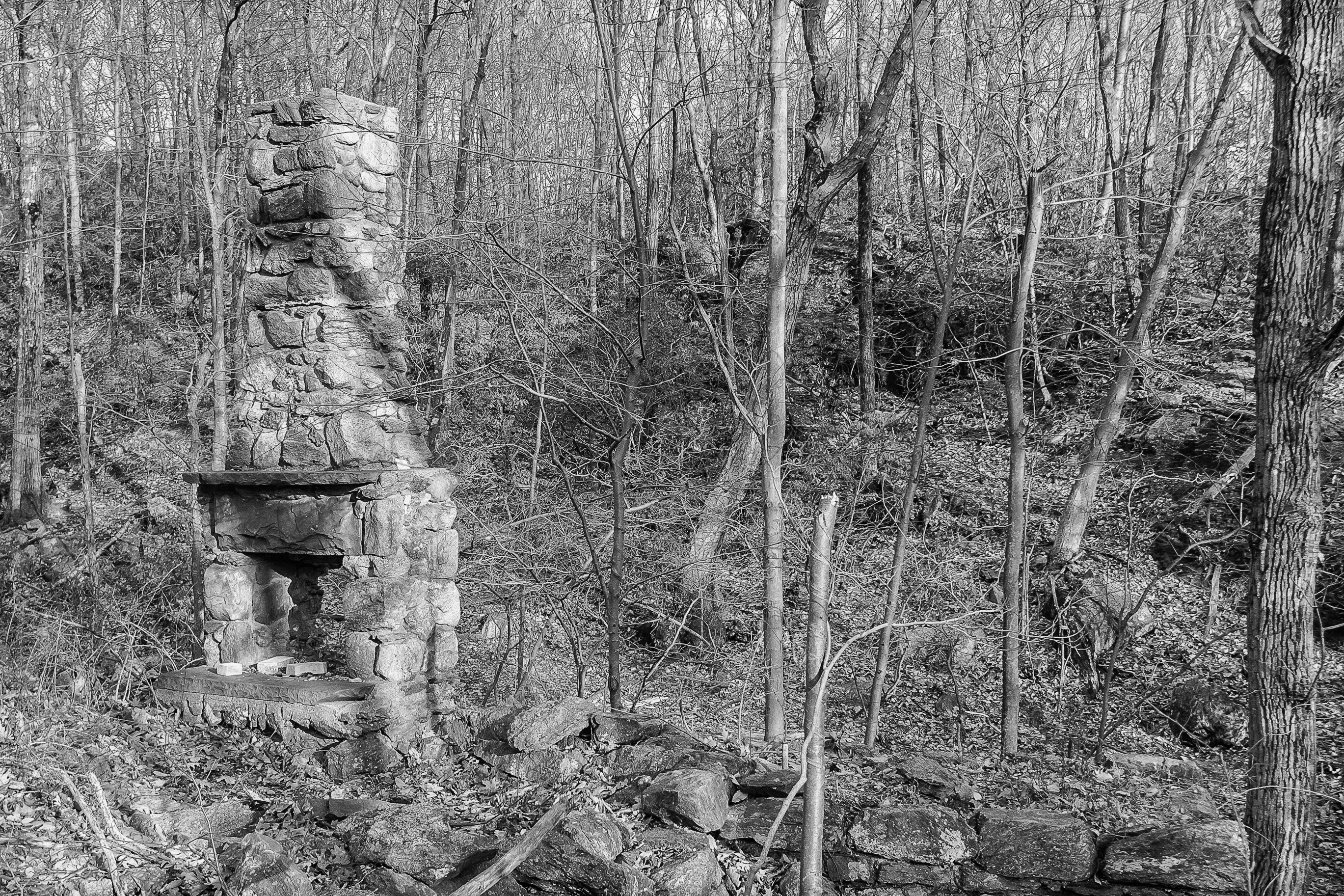
I have no idea what this is, but I liked the textures.

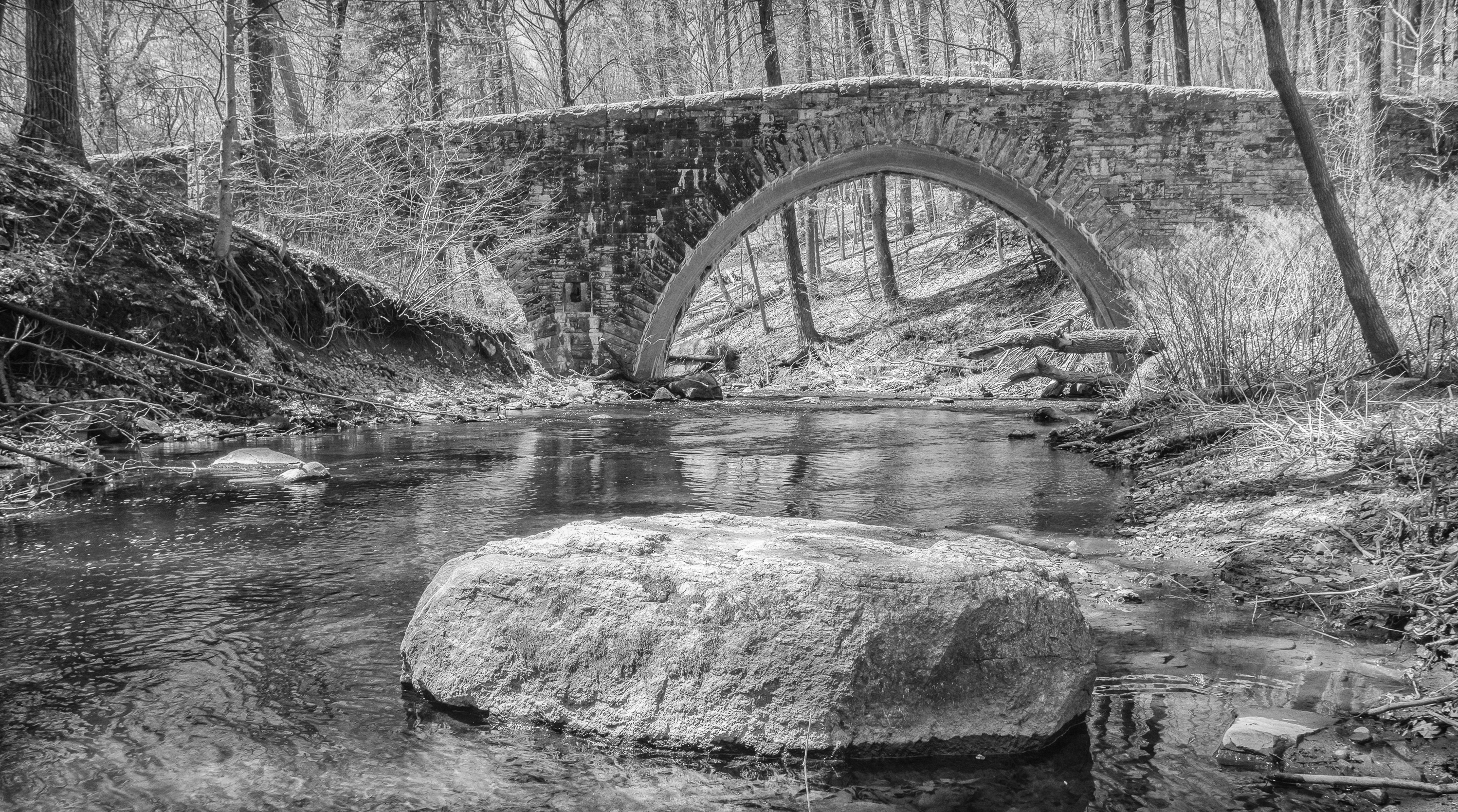
One of the smaller stone bridges.

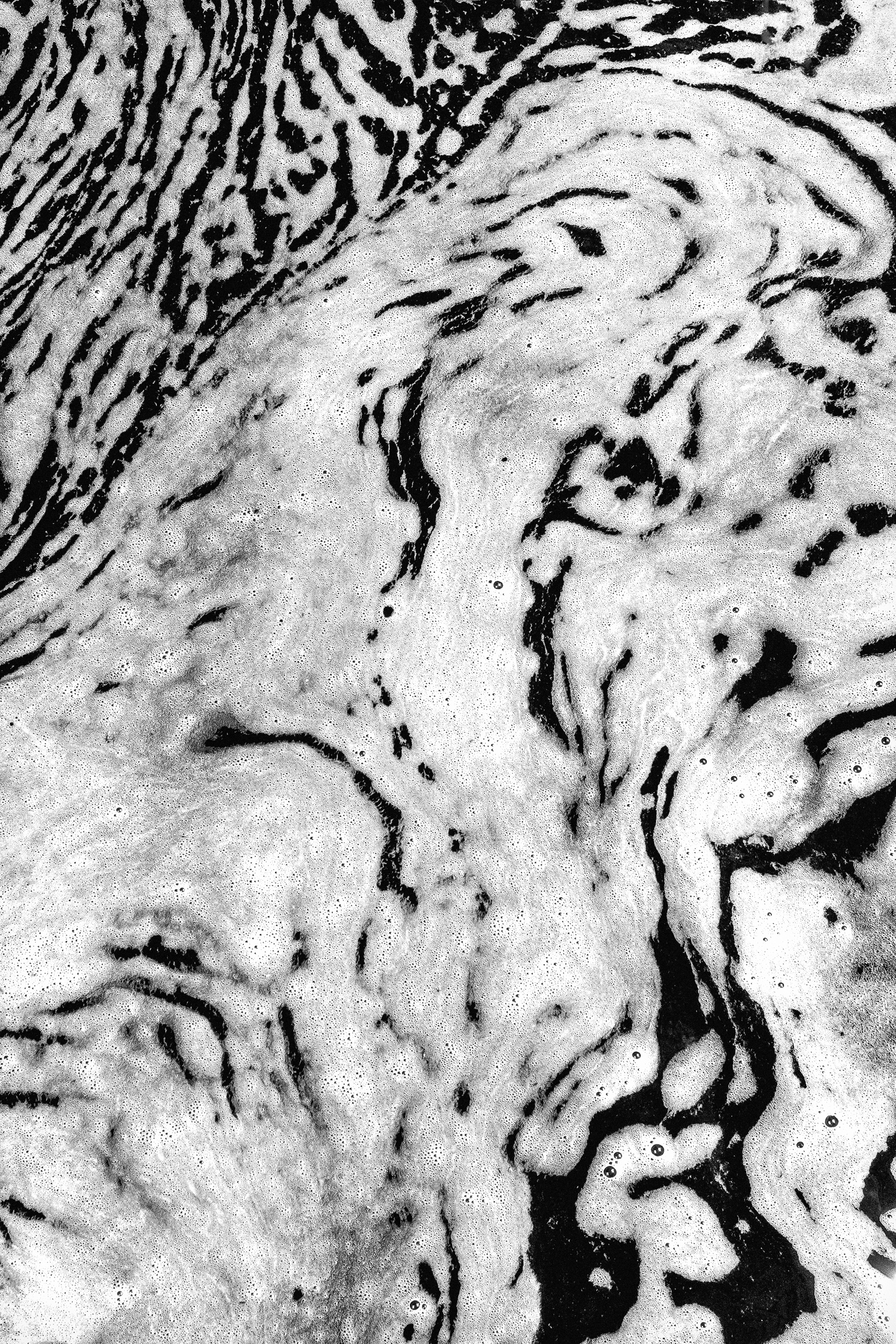
Foam on the Pocantico River.

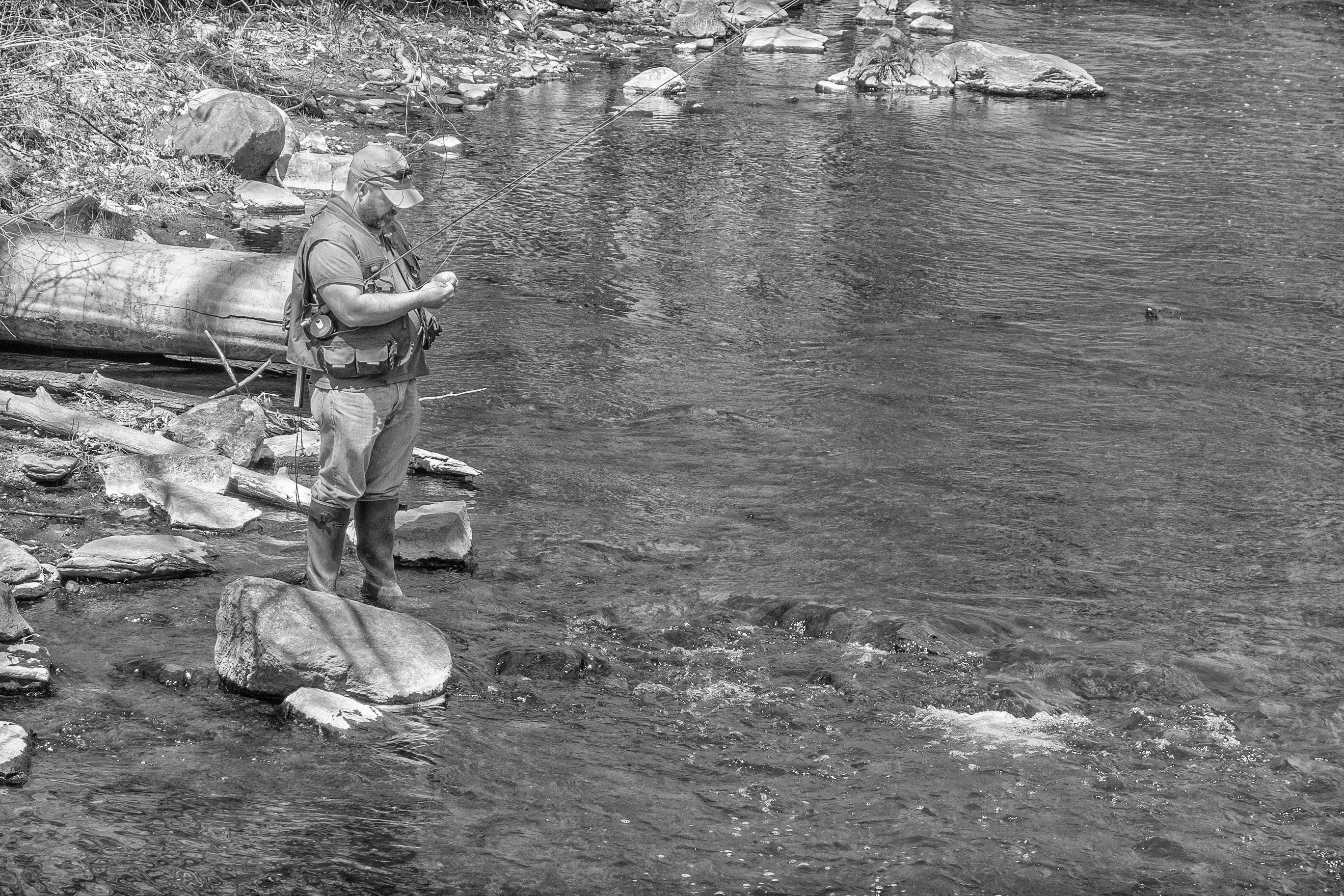
Fisherman on the Pocantico River.