A visit to Sterling Forest – Lake Mine

We walked back to the visitors center and got in the car to leave. I’d had a great time, but was feeling a little disappointed because I knew that there were some other ruined buildings, and I was a little sad that I wasn’t going to see them. Still you can’t have everything.

As we were driving away we reached a fork in the road. We were turning left, but as I looked down the right fork I was surprised to see in the distance what might have been a cluster of buildings. We couldn’t drive up the road, but I asked my friend if he would stop. He was a bit skeptical thinking that what I’d seen was just some buildings used by the Sterling Lake Adminstration. But he pulled over an off I went. As I got closer I found that there was indeed a group of building, and they were associated with old Lake Mine.

Two shafts lead into the Lake Mine. Workers began the Lake Mine by digging open pits in the hills above the shaft but soon tunneled under Sterling Lake. Today, the abandoned mine is 1,100 vertical feet below the lake’s surface at the shaft’s end. The mine’s main shaft is 2/3 of a mile long and runs downward at an angle between 12 and 25 degrees. In some places it is over 1,000 feet wide. Although filled with water, it was considered a dry mine when it was active. Three pumps, one at the bottom of the mine, a larger one near the center of the shaft, and one at the surface, removed what little water seeped into the mine. At considerable risk to their lives, workers removed more that 2.5 billion pounds of high-grade iron ore from the Lake Mine between 1843 and 1923. (information board).

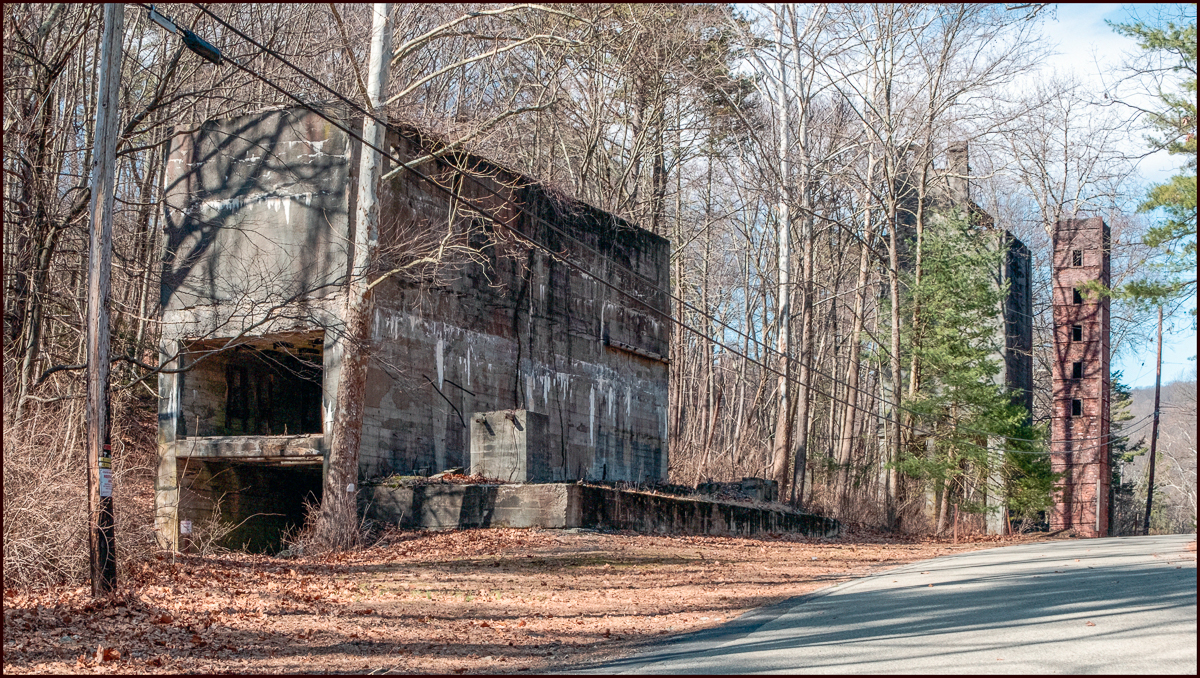
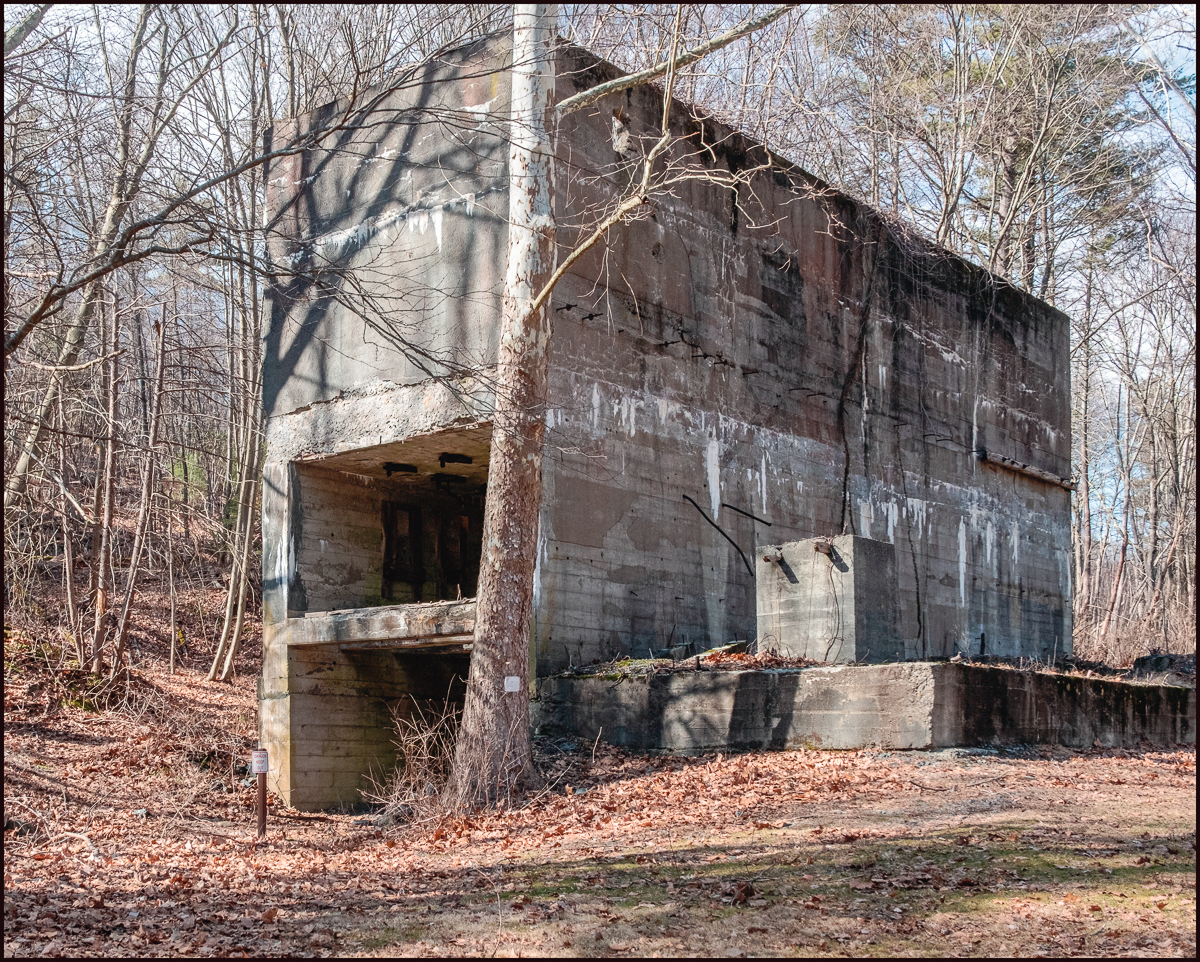
I’m not entirely sure what the building in the foreground is, but I think it might be the concentrating mill. The two buildings in the background are the crusher and the dryer.

This well-preserved cluster of buildings from 1920 shows a visual diagram of the steps to turn crude ore into the feed for the furnace.

Taken with a Fuji X-E3 and Fuji XC 16-50mm f3.5-5.6 OSS II

A visit to Sterling Forest – Rustic Bridge over the sluice

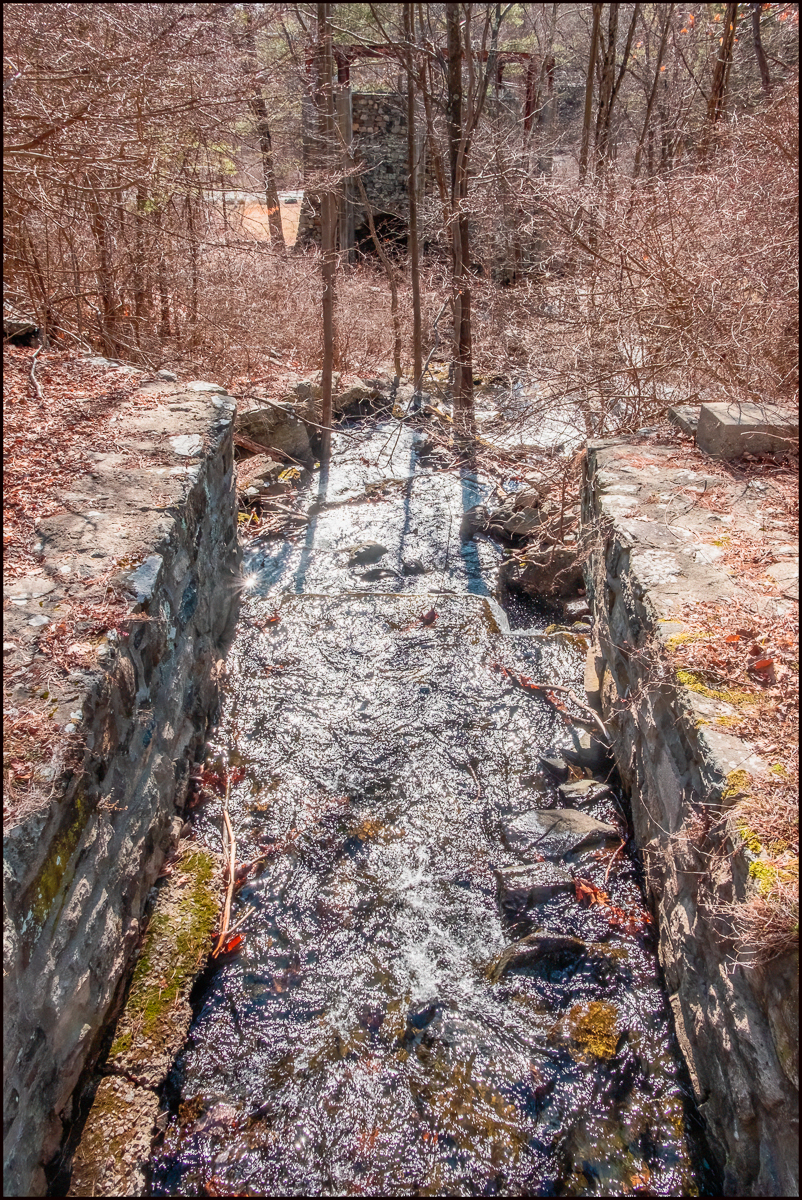
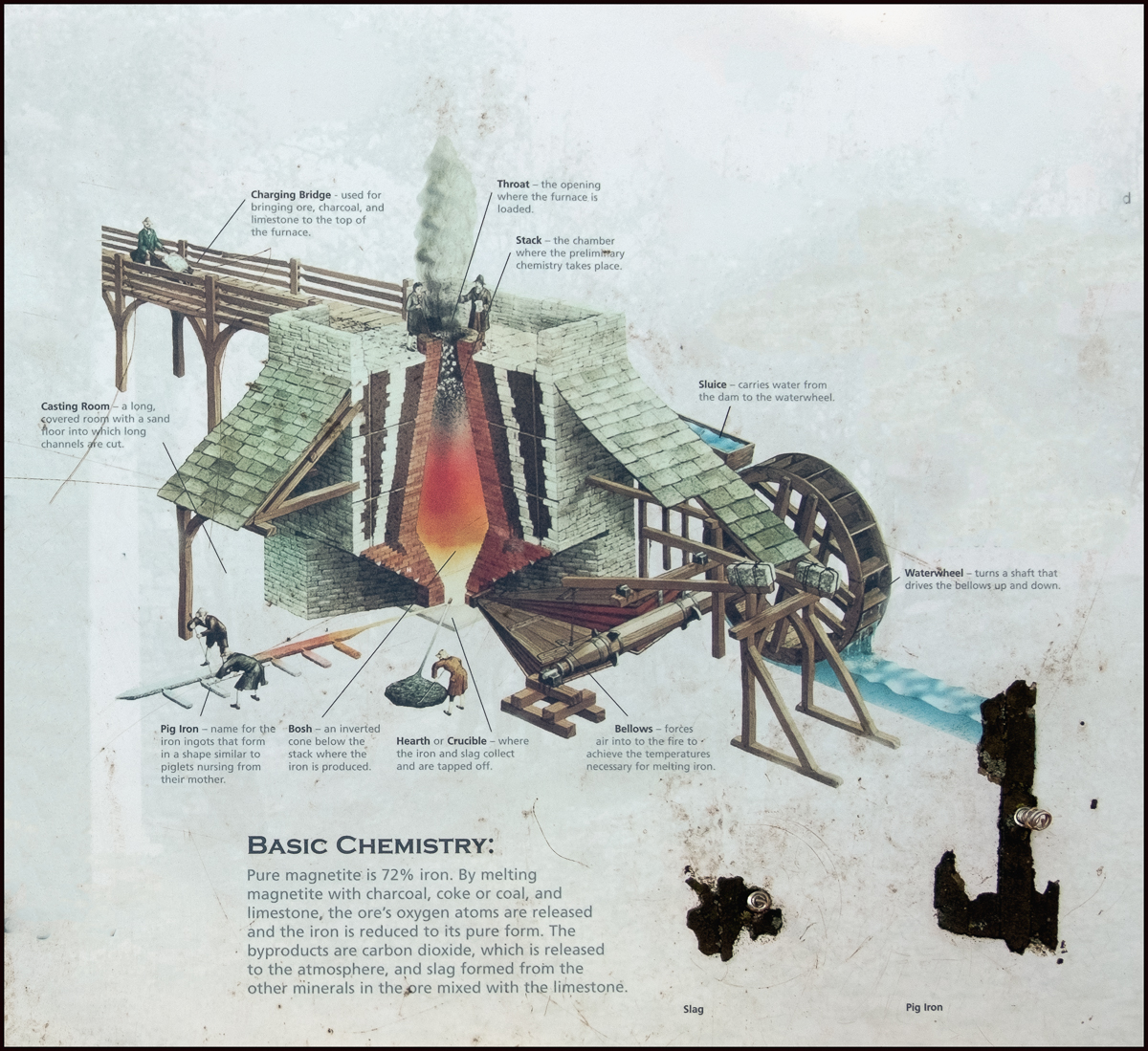
As you can see from the diagram in the preceding post, the sluice brought water from the lake down to the furnace, where it drove a waterwheel, which in turn powered the bellows which fired the furnace.

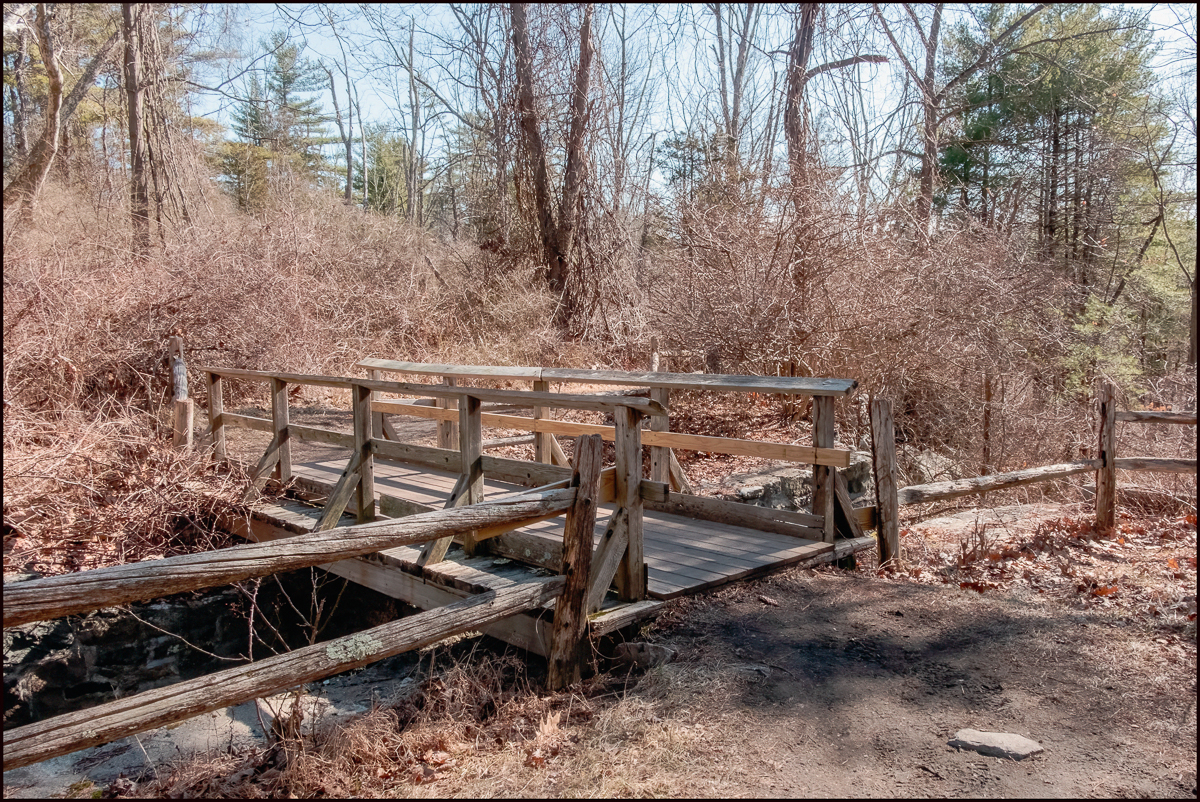
This rustic, wooden bridge passed over the sluice.


From the bridge looking towards the lake.


From the bridge looking towards the furnace (you can just about see it in the background).


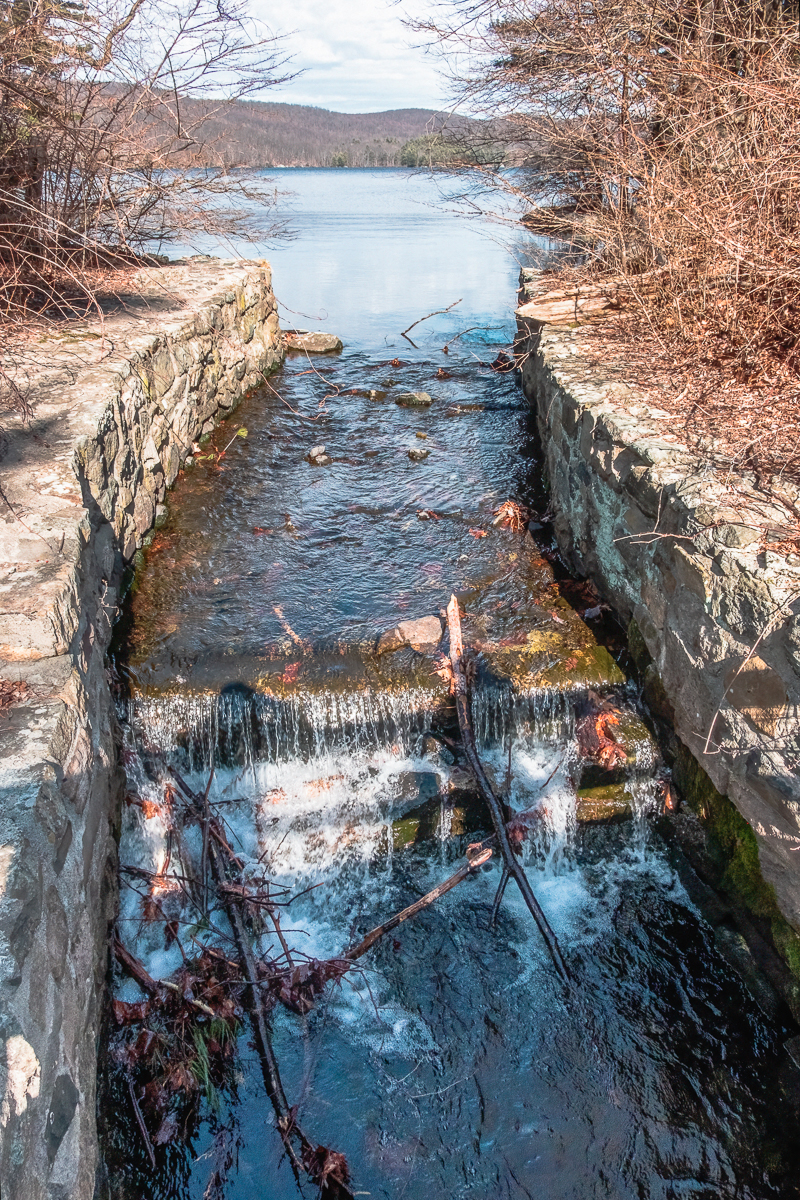
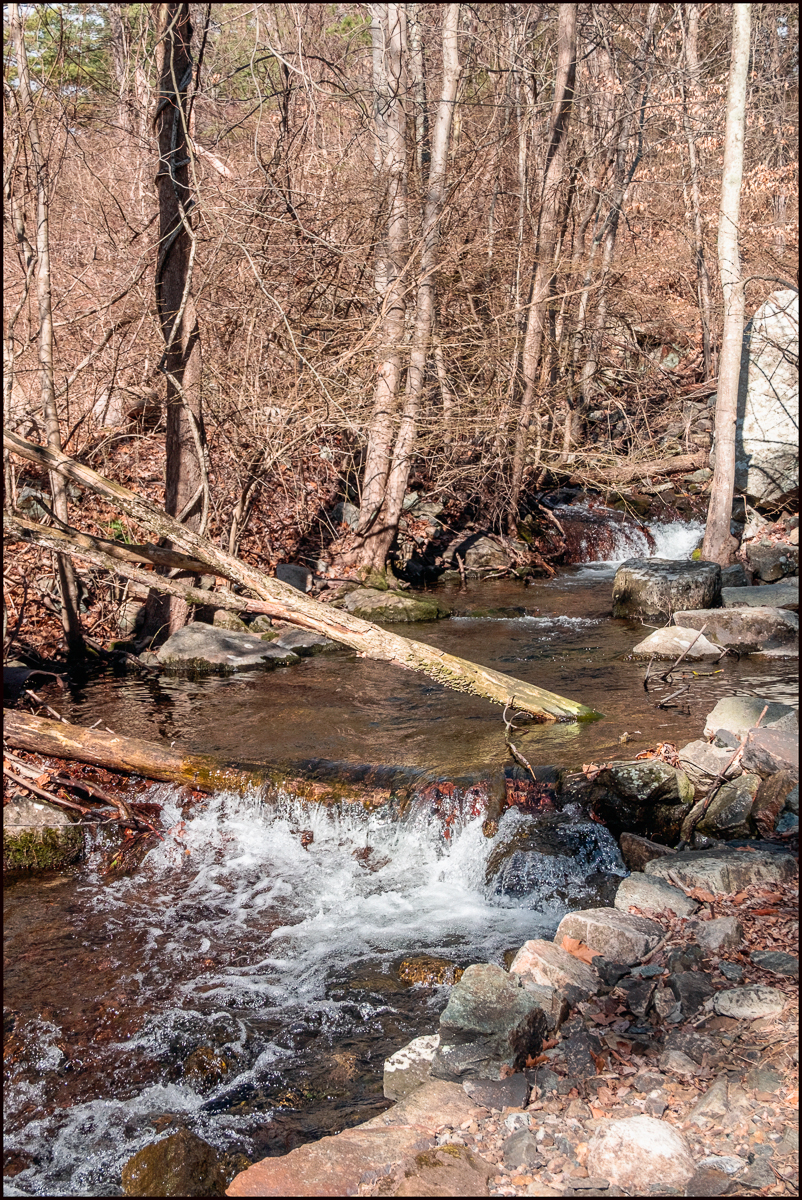
The water from the sluice as it runs by the furnace.

Taken with a Fuji X-E3 and Fuji XC 16-50mm f3.5-5.6 OSS II
A visit to Sterling Forest – Sterling Furnace No. 2

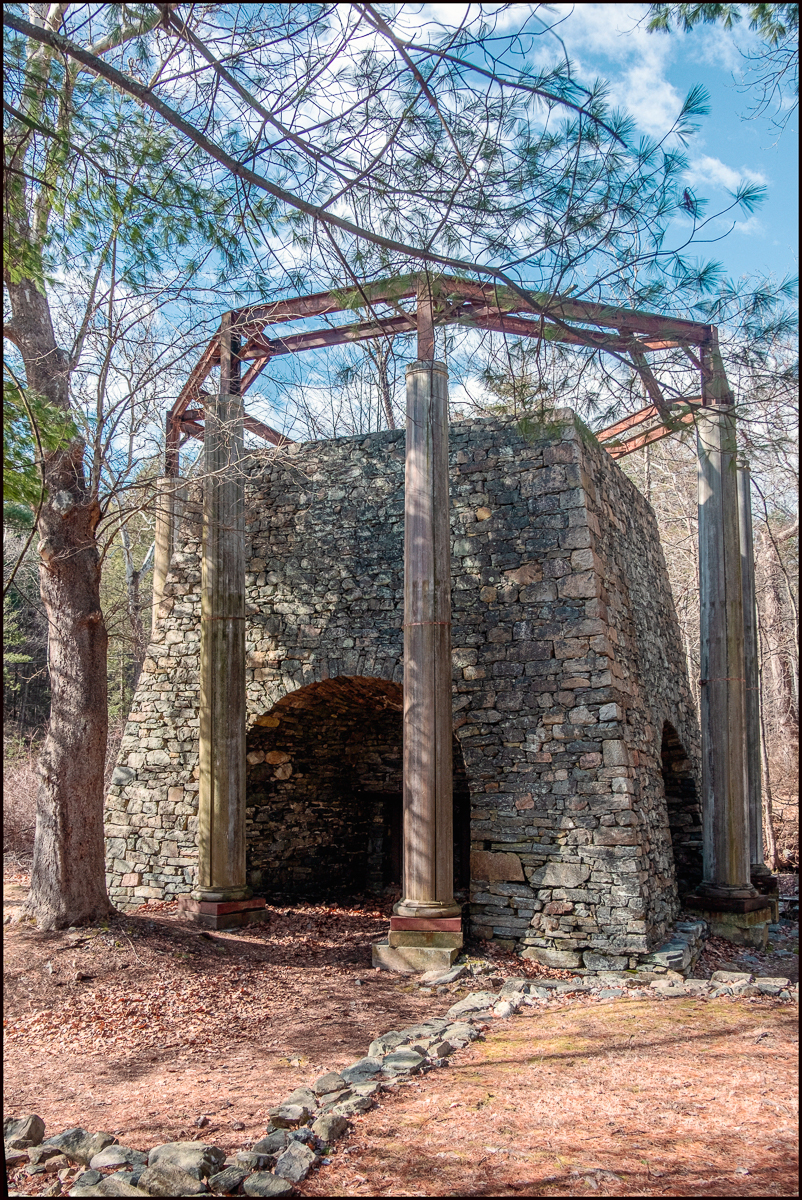
“Sterling Furnace No.2, restored to its pyramidal shape, played a major role in the production of iron for the “great chain”, cannonballs, and other weapons used in the Revolutionary War. The iron used for domestic household and farm implements and tools was also produced here. The raw concentrated iron ore was smelted with charcoal and limestone in the furnace and then the molten iron flowed into forms in the ground to be converted to “pigs” (ingots). Water power from the outfall from Sterling Lake was used to run the machinery that powered huge bellows and forced air into the furnace to raise the temperature of the mix to the iron melt point.

After its restoration in 1960 by architect Roland Robbins, a domed structure – supported by wooded neo-classical columns – was erected around the Furnace to protect it. The dome is gone but the columns remain.” (Lakeville Ironworks Trail Brochure).

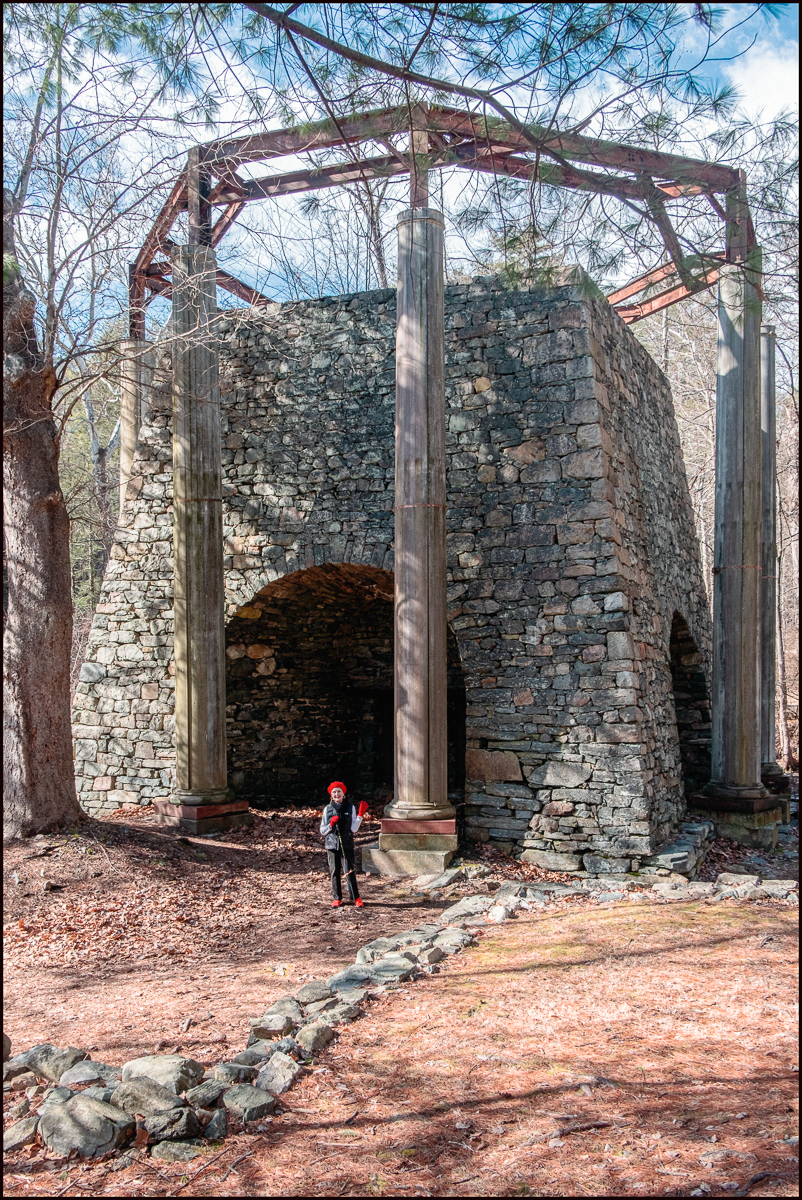
I’ve seen pictures of this furnace many times before and in my mind I saw it as being rather small. Maybe you have to duck your head as you go under the arched opening? Boy was I wrong. Take a look at the picture below with my friend, Karen posing before the furnace and you get a better idea of just how big it is.


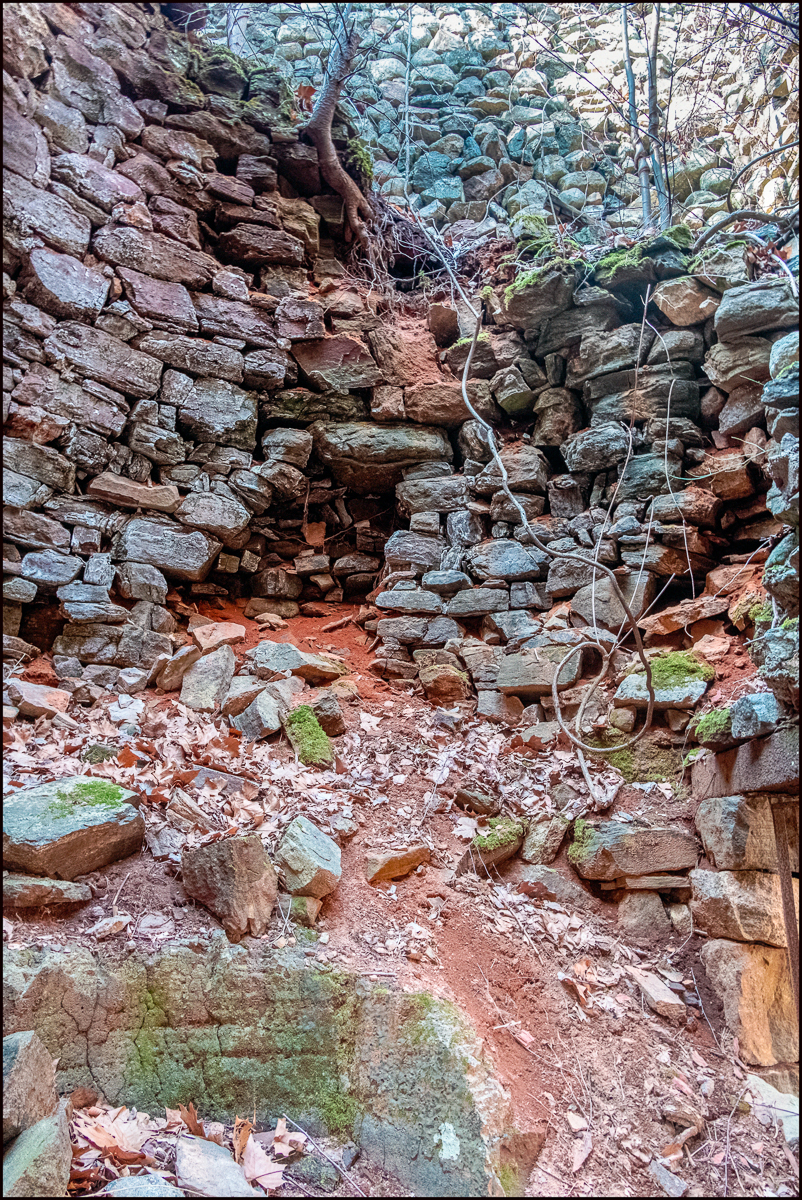
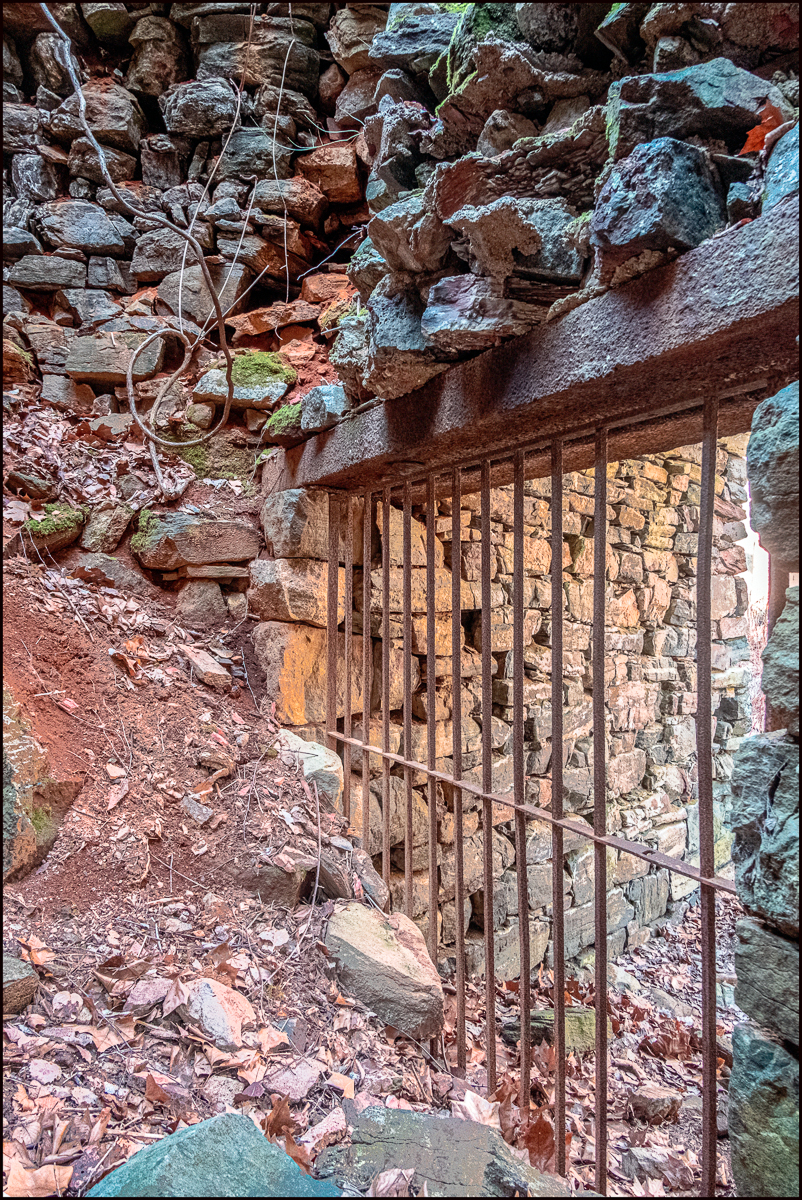
This and the next picture show the interior of the furnace.


Diagram showing the workings of the furnace.

Taken with a Fuji X-E3 and Fuji XC 16-50mm f3.5-5.6 OSS II