A rant

Before I get into this post let me tell you a bit about me and my photography. I’ve been taking pictures for over 40 years, initially exclusively using film (there wasn’t anything else when I started). I’m something of a geek and working in IT for some time makes me comfortable with technology. So when digital photography came on the scene I was an early adopter. I had never collected anything until around 2011 when I decided to collect old film cameras, which I continue to do.

I enjoy the convenience of digital photography and I enjoy processing my images using Lightroom/Photoshop (something I never learned how to do with film photography). But I also enjoy the way film photography makes me slow down and think more about each individual photograph. I’m a fan of photobooks and like to see my images in print. I also print individual photographs, often to give to friends since I don’t have a lot of wall space on which to display them. I’m also into social media and like to share my pictures with friends and family. I’m English and my family is all over the world and social media is by far the easiest way to stay in touch with them.

In summary I like both digital and film photography and think both have their place. I write this to show that I don’t have a bias for or against either.

Which brings me to the subject of this post. There’s a guy whose blog I follow. He’s a long time professional photographer. He writes well and generally I enjoy his posts. He also has a YouTube channel that I also enjoy but somewhat less. Frankly it’s a little boring. He merely sits in front of a camera and talks for about 15 minutes. I don’t think he realizes that nowadays people expect a little more sophistication in the videos they watch.

Of late he has often tended to go off on rants of his own. The gist of these tirades seems to me to be as follows:

1. Film photography is superior to digital photography.
2. Because of their years of experience professional photographers are superior to amateurs
3. Real cameras are better than iphones.
4. If you don’t print you’re not a real photographer.
5. Instantly sharing posts in social media is bad.
6. “Excellence” in photography is getting lost in “good enough”.
7. You are likely to lose your digital photographs whereas prints have a much longer life.

Of course everyone is entitled to his/her own opinion, but I’m forced to conclude that what he’s really saying is that only professionals can call themselves photographers and although the rest of us may take photographs we should not call ourselves photographers. He seems to look down on people who just take pictures for fun and share them on social media. Of course for decades people have been taking snapshots. It’s just that because of the nature of film photography you couldn’t take as many pictures and sharing them was much more difficult).

Needless to say I don’t agree. So in response to the above points.

1. Film photography is superior to digital photography. I don’t believe one is superior to the other. They both have their place.

2. Because of their years of experience professional photographers are superior to amateurs. I would like to remind everyone that amateur originally meant “someone who does something for the love of it rather than for money”. Somehow the word has now come to mean “a person who is incompetent or inept at a particular activity. I’ve come across many “amateurs” whose work is better than some professionals. Moreover, I sometimes wonder if when someone says they have 40 years of experience they really mean that they have one year of experience 40 times.

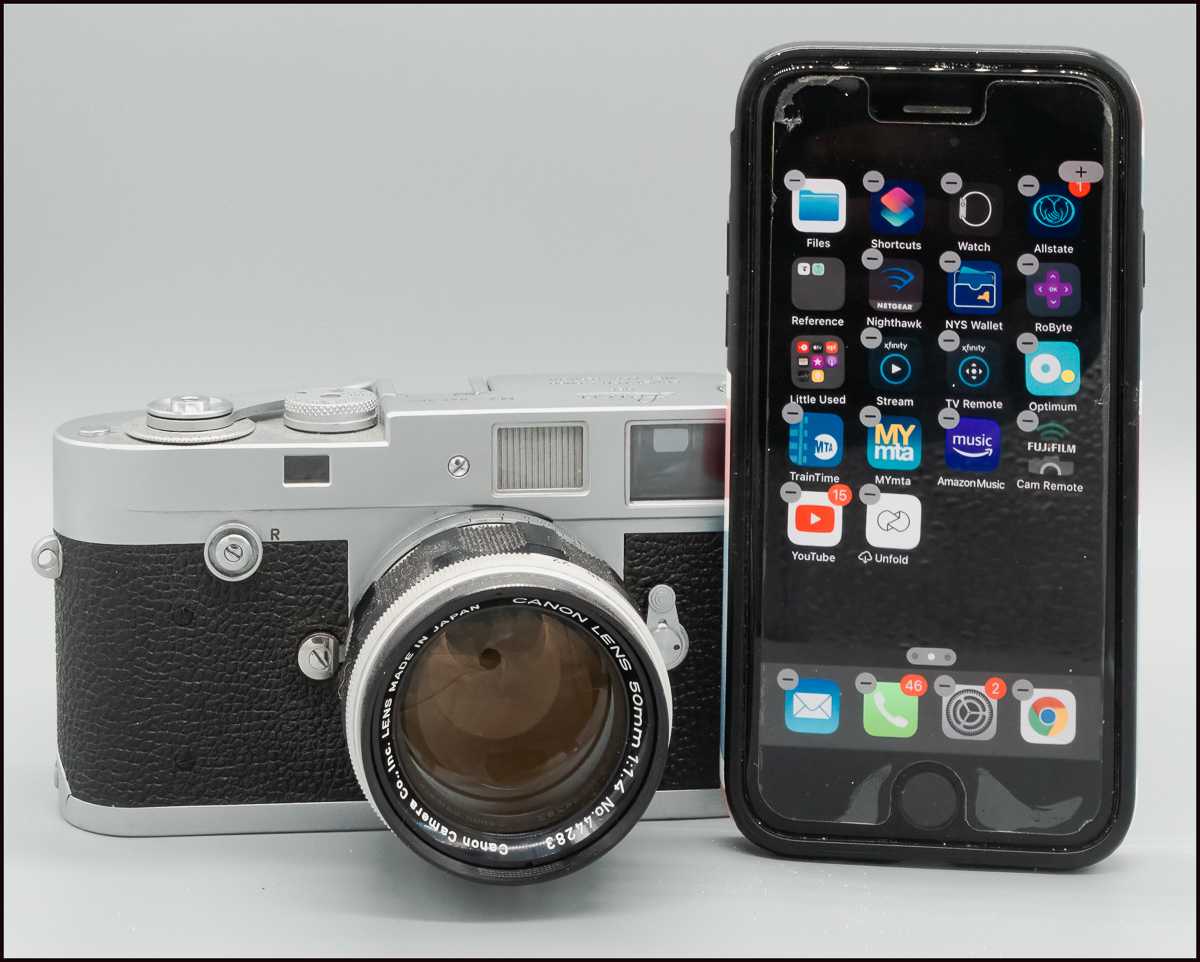
3. Real cameras are better than iphones. I love cameras. I collect them and have all kinds: film; digital; point and shoot; professional; 35mm; medium format etc. I tend to use “real” cameras more than iphones, but have been known to use my iphone for mundane documentary pictures, for fast sharing, and when I didn’t have another camera with me. For example, I was once invited to a friend’s house. Her name was Germaine and she was already quite old at the time and was talking about leaving that particular house soon. So I decided I would take some pictures in and around her house as I souvenir for her. I then used the images to make her a photobook. The only camera I had with me was an iphone, and quite an old one (an iphone 5s, which came out in 2013) at that, but the photobook looked great and she really liked it.

4. If you don’t print you’re not a real photographer. I like to see my photographs in print, but I can understand why people don’t print: it’s hard to get it right (particularly if you want to print in color) and what do you do with the print once you have it. Unless you’re willing to go to more trouble framing it and putting on a wall you’ll probably end up putting it in an album, or in a box and forgetting about it.

5. Instantly sharing posts via social media is bad. If I’m reading him correctly he’s not so much against sharing on social media. It’s the sharing it straight away that gives him problems. He provides a recent example of someone taking a picture of him, posting it on social media and than showing it to him right away. His argument seems to be that he was there when the picture was taken and so doesn’t need to see it right away. I don’t see why this is such a problem. Maybe the person taking the picture (who I apparently can’t call a photographer) wants to know if you like the picture wants to know whether or not you like it so that he/she can try another if you don’t.

6. “Excellence” in photography is getting lost in “good enough”. I can see what he’s saying, but I think his views are seen through the lens of a professional (i.e. commercial photographer). He seems to do a lot of portrait and wedding photography so I’m sure he’s lost a lot of income because Uncle Joe with his limited photographic knowledge and high end digital camera can deliver images that, while nowhere near as good as a professional might make, are “good enough” and cost a fraction of what a professional would charge. They might even be better in some ways: more dynamic, more interesting, more spontaneous etc. Most of the professional wedding pictures I’ve seen are formulaic and not particularly interesting.

7. You are likely to lose your digital photographs whereas prints have a much longer life. I can backup thousands of digital images in a few hours. I can them take them off-site so they are protected from fires, theft etc. Try doing that with several hundred albums and associated negatives. Of course many (myself included) don’t take the trouble to make these backups, but that’s not a reason to criticize digital photography as a whole.

I’ve seen some of this gentleman’s work. He has a website, a blog, an Instagram presence, a YouTube channel, he’s an active Twitter user, and is also on Facebook. Clearly he’s comfortable with technology so I guess it’s just that he’s somewhat averse to digital photograph in general, phone cameras in particular and the whole digital environment which allows easy creation and distribution of large numbers of photographs. I can certainly relate to that.

Unfortunately this seems to translate into a rather supercilious attitude to those who don’t see things the way he does. It’s the “I’m a real photographer because I use real cameras, and print the results, sharing the prints circumspectly – you use an iphone, don’t print and share a lot of crap with all and sundry so you’re not even worthy of calling yourself a photographer” that I take exception too.

He seems like a nice guy: hard working and devoted to his art/craft; a concerned person involved with a number of worthy causes. His photographs are what I would expect from a professional photograph: competent but not particularly awe inspiring. Don’t get me wrong, he’s a much better photographer than I am, my photographs being mediocre at best. However, I collect photobooks by and about famous photographers and I believe I know a truly great photograph when I see it.

I just wish he would just cool it with the superior attitude. I could even live with this if he didn’t choose to push it down my throat at every opportunity. It makes me avoid his blog and his YouTube channel, which is a pity because I agree with much of what he’s and thoroughly enjoy many of his posts/videos.

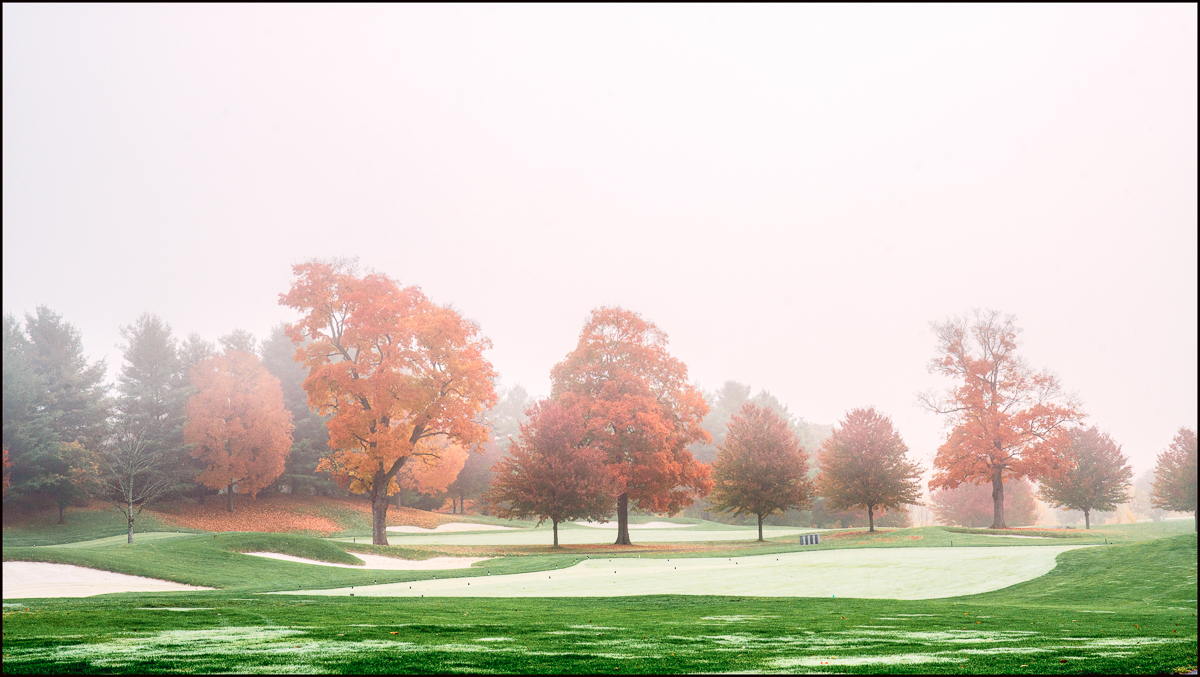
Taken with a Fuji X-E3 and Fuji XC 16-50mm f3.5-5.6 OSS II
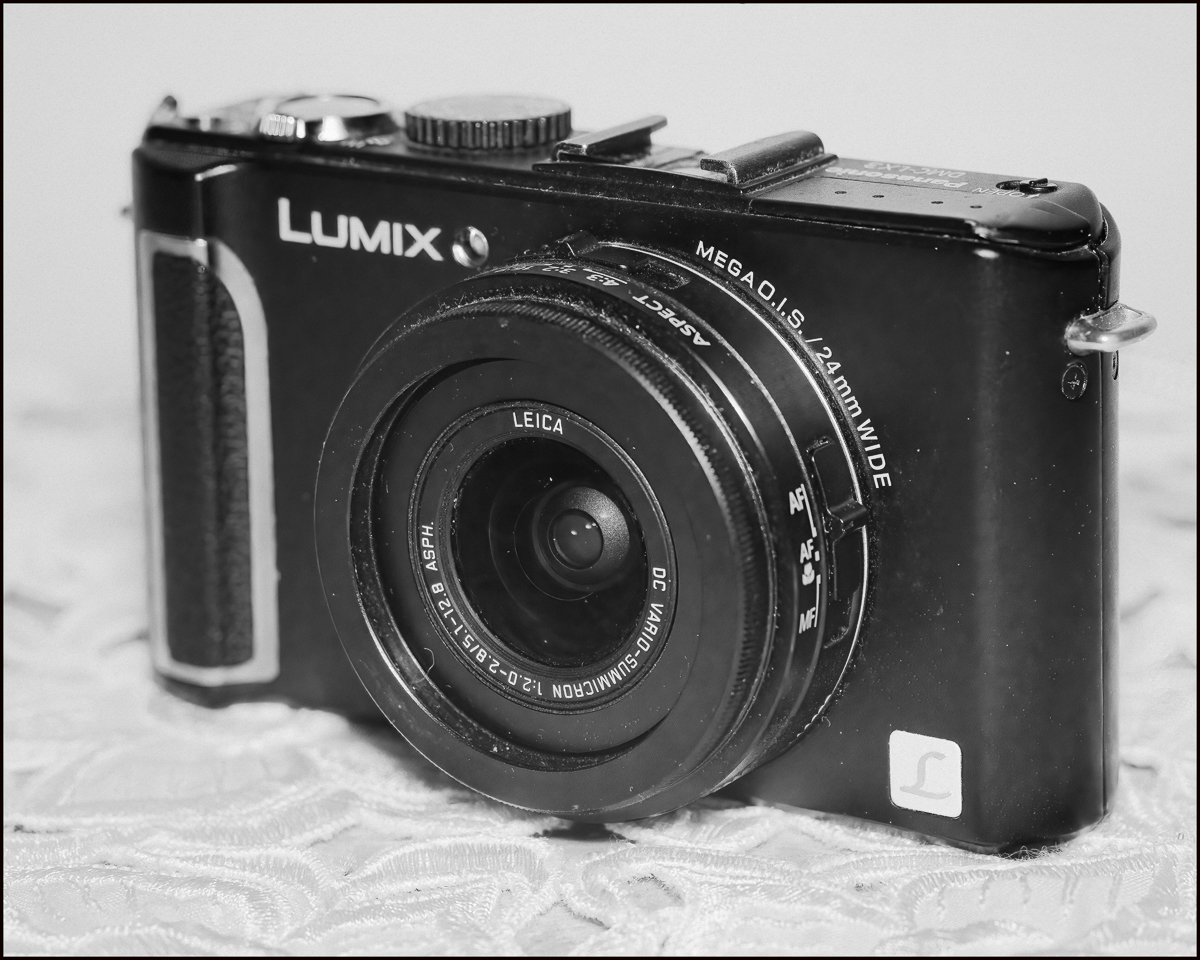
A Digicam: Panasonic LX-3

In an earlier post (much earlier: 2013) on the LX-3 I said:

I owe a lot to this camera. Somewhere along the line I’d lost interest in photography. Over the years I’d gone from the Minolta 7sii rangefinder that got me started, to a film SLR (Canon AE-1) and then to digital (Maxxum D SLR and Canon Powershot S-50). I’d also picked up a used Rolleiflex on a whim, but only used it once or twice – but that’s another story. I’d reached a point where I rarely went out to take photos, and was even reluctant to take a camera on vacations, family events etc. I’m not entirely sure why I lost interest. As I had moved to SLRs they had gotten bigger (the bodies and especially the lenses) and I no longer wanted to lug all of this stuff around.

More importantly perhaps was that I was dissatisfied with my pictures because I couldn’t entirely control the results. I never developed my own film and so I was always at the mercy of the labs. Even with digital images I had rarely post processed (even though I had copies of an older version of photoshop and also Photoshop Elements.)

I’d stopped carrying around the SLRs and pretty much restricted myself to the Canon. Then I was in Switzerland for my younger daughter’s wedding and I left the Canon in a taxi. It was later returned to me and I eventually gave it to my grandson, but for a while I was without a small, carry around camera. So I did some research and decided to get the LX3. I was very impressed with the results. I liked that it was small enough to carry around; it has a great f2.0 lens; 10 megapixel resolution; multiple aspect ratios; good macro and wide angle performance.

Although the LX3 is a wonderful camera there are still things about it I don’t like including: It’s small but still a little too large to comfortably carry around in a pocket; Noise starts to get bad above ISO 400; The zoom range (24-60mm equivalent) is a bit short;The LCD screen is almost impossible to see in bright sunlight and the only viewfinder option is a fixed 24mm optical.

The LX3 pretty much solved the portability problem. When I got this camera I also started to use RAW format files and Adobe Lightroom. This combination gave me much of the control I was lacking. Not all of it though. I still haven’t fully mastered digital printing.

Overall I was more than satisfied and I started taking pictures again – lots of them. It came at just the right time. With retirement looming I needed a hobby – something to occupy my time. Suddenly I was back into photography with a vengeance. Not just taking pictures, but studying the philosophy of photography, the history of photography etc. I even got into vintage cameras and started using film again. I’m now retired and spend a lot ob my time on “things photographic”. I don’t know if this would have been the case without this camera.

There’s a good review of it here. Here are some pictures taken with it.


Patriots Park, Tarrytown, NY, 2010


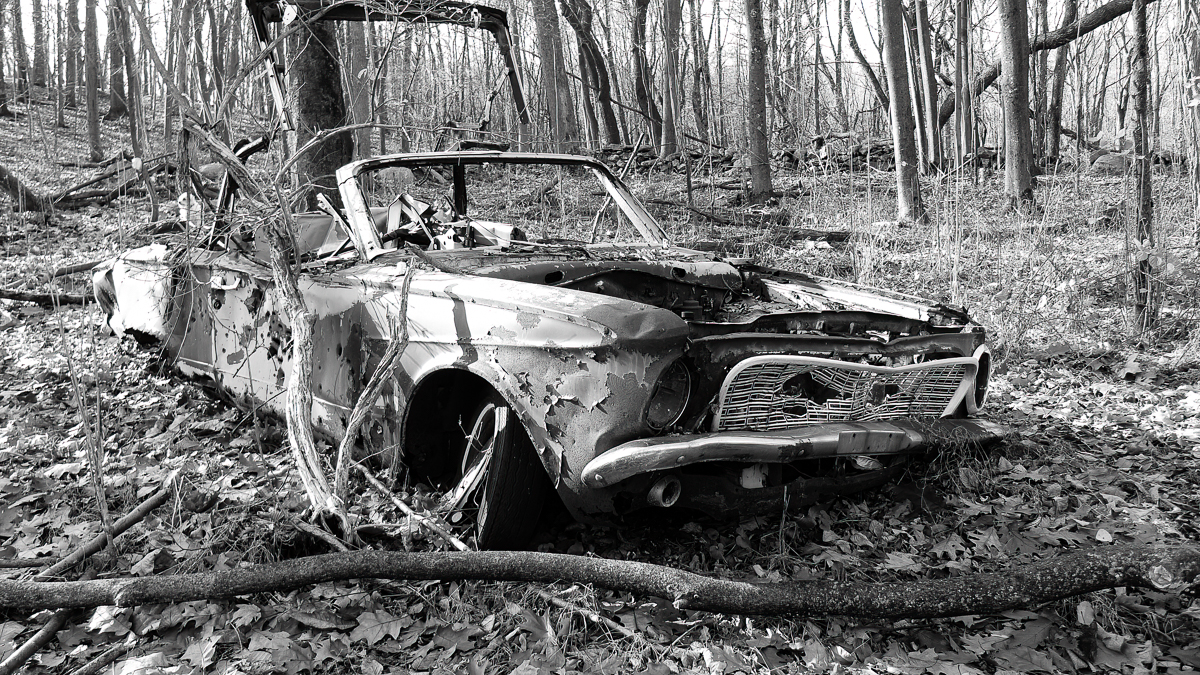
Car in the woods. Graham Hills Park, NY, 2010


Putnam County Veterans Memorial Park, 2012.


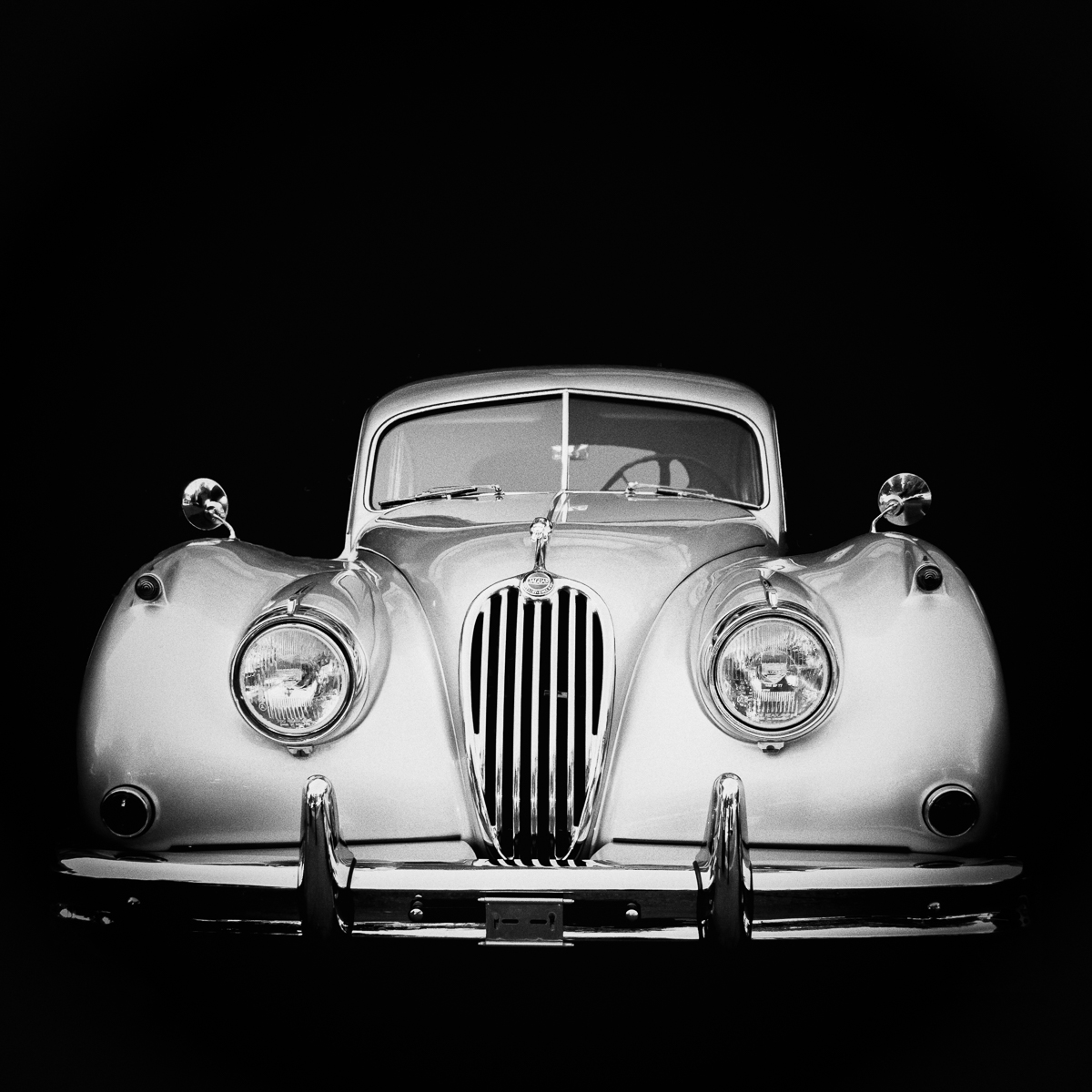
Jaguar. Geneva, Switzerland, 2010.


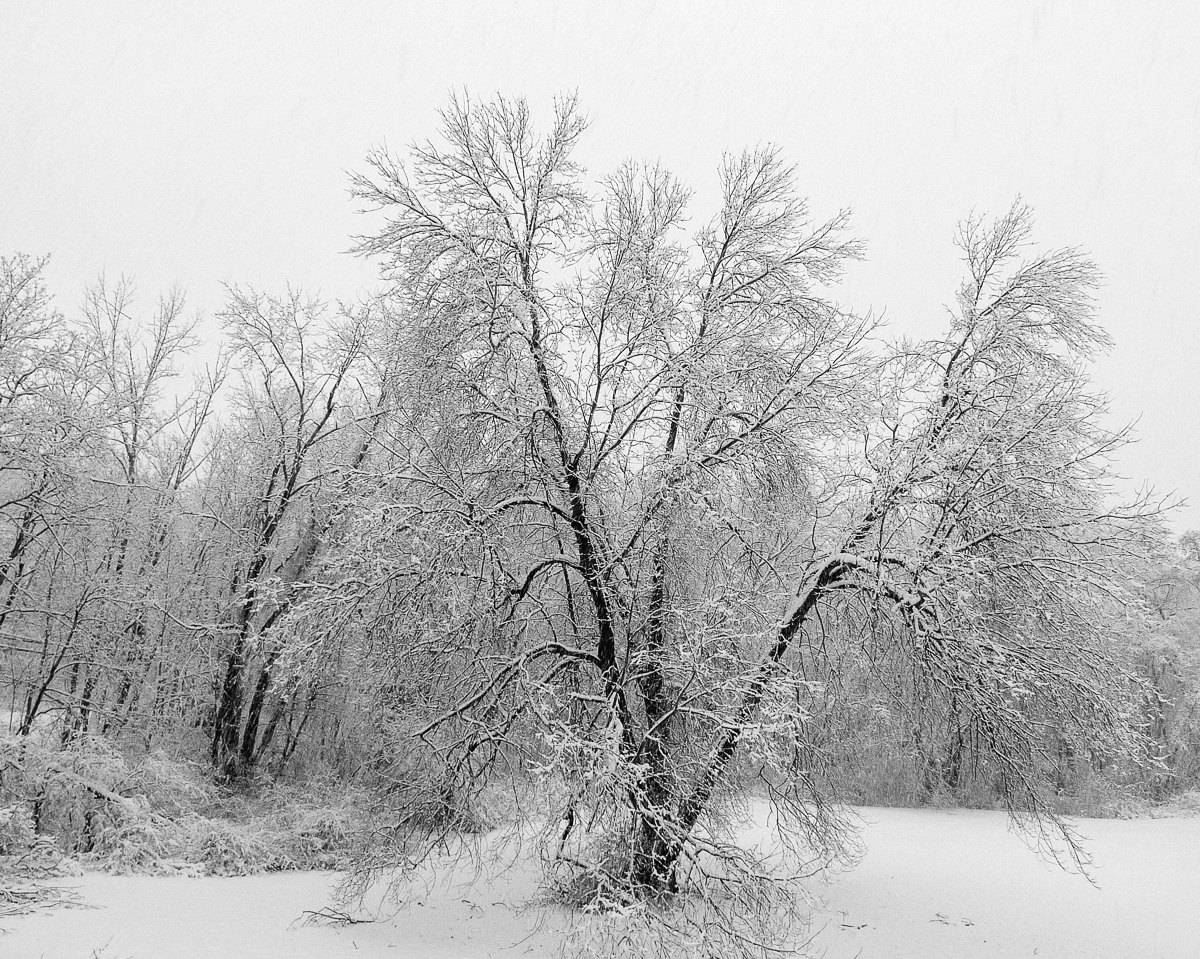
Tree by my house. Briarcliff Manor, NY. 2010.


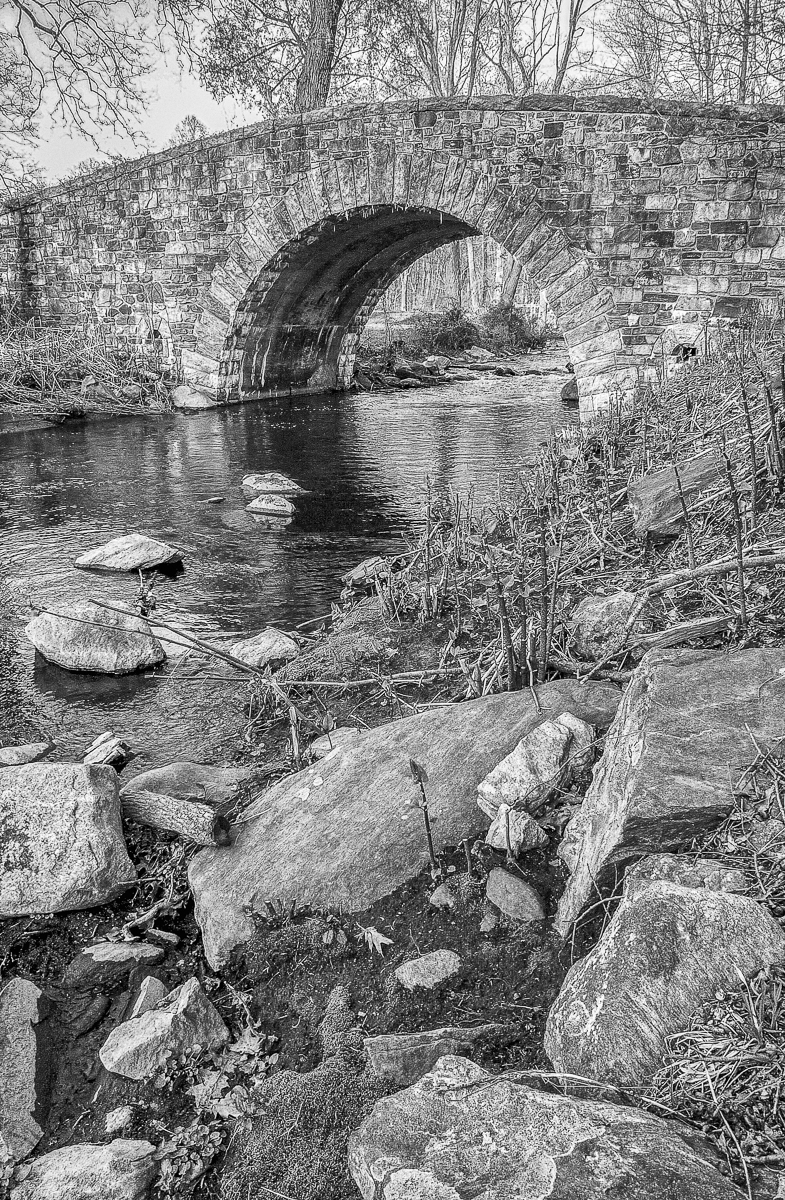
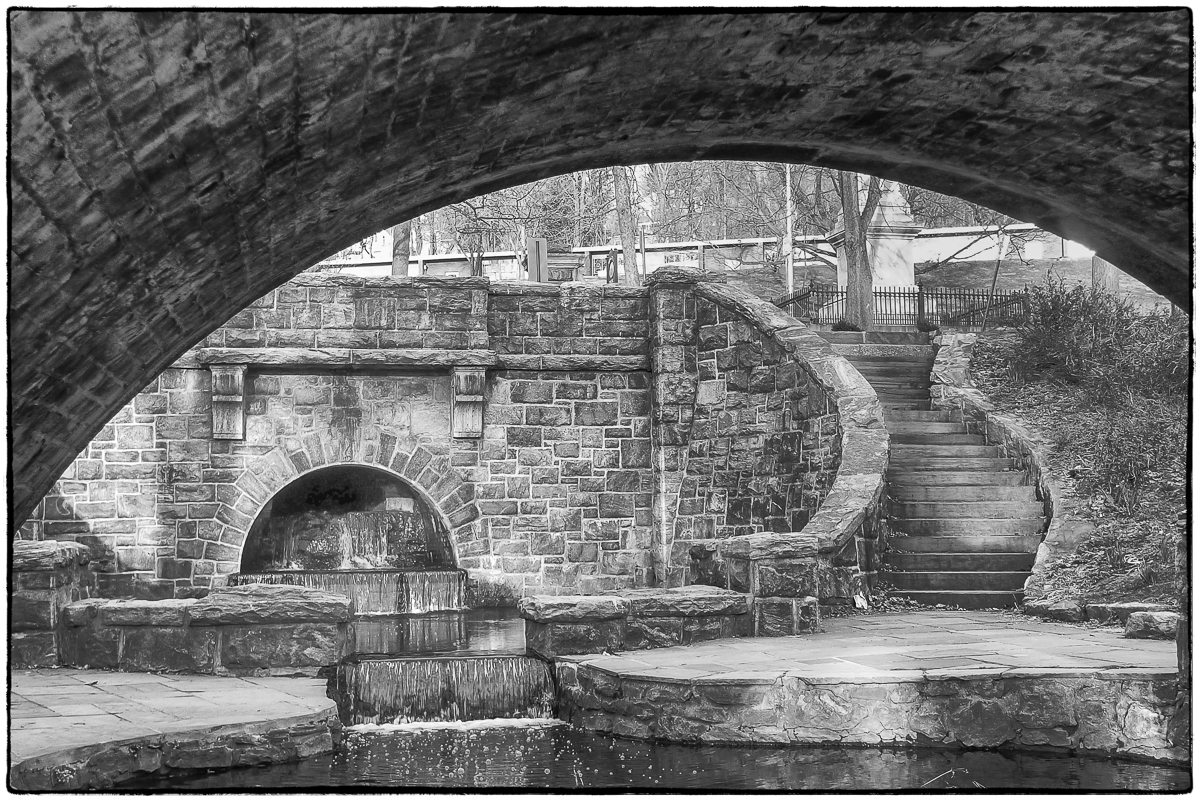
Stone Bridge. Rockefeller State Park Preserve. 2010.


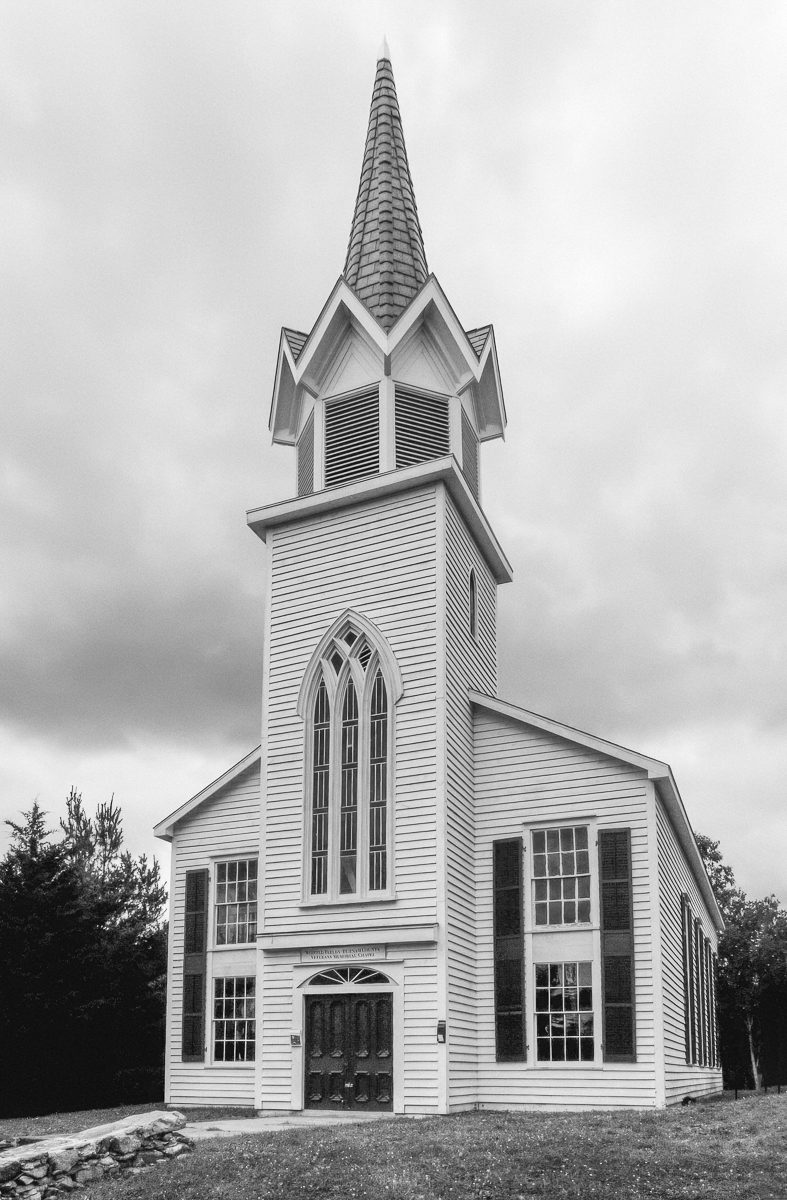
Whipple-Feely Chapel. 2012


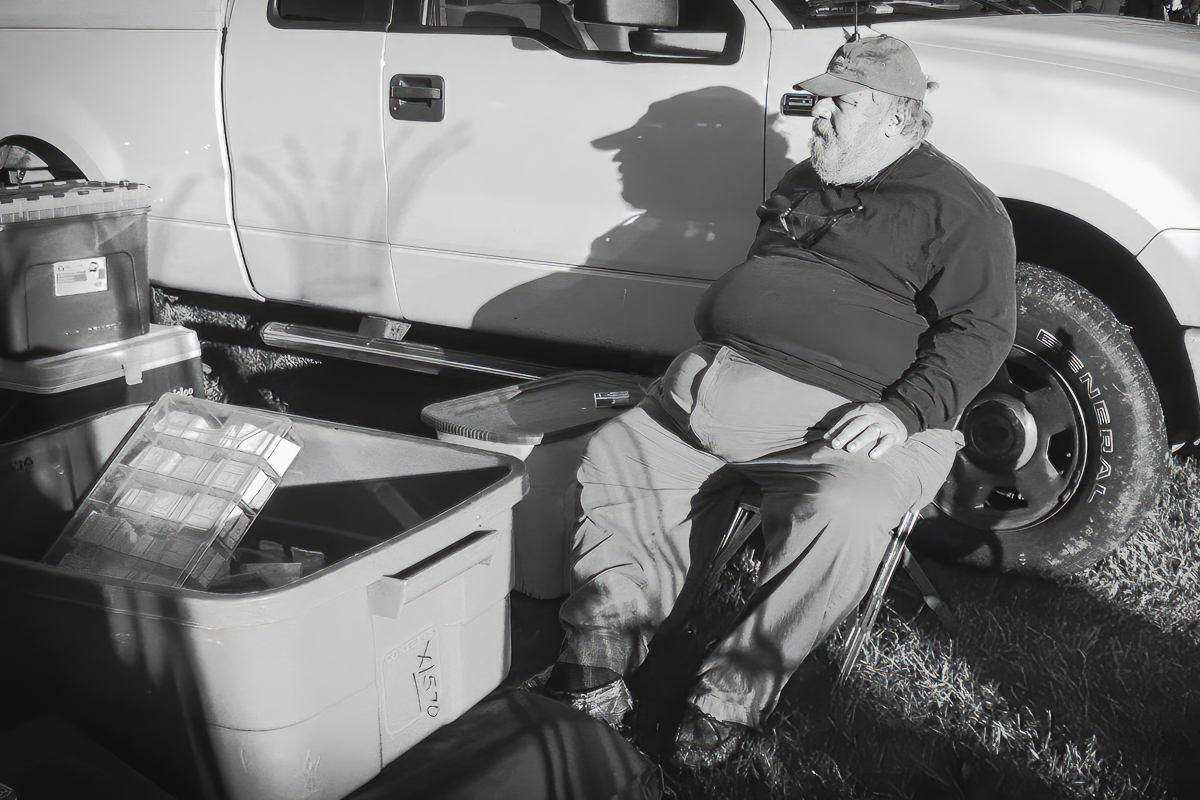
Flea Market Vendor. New Milford, CT., 2012


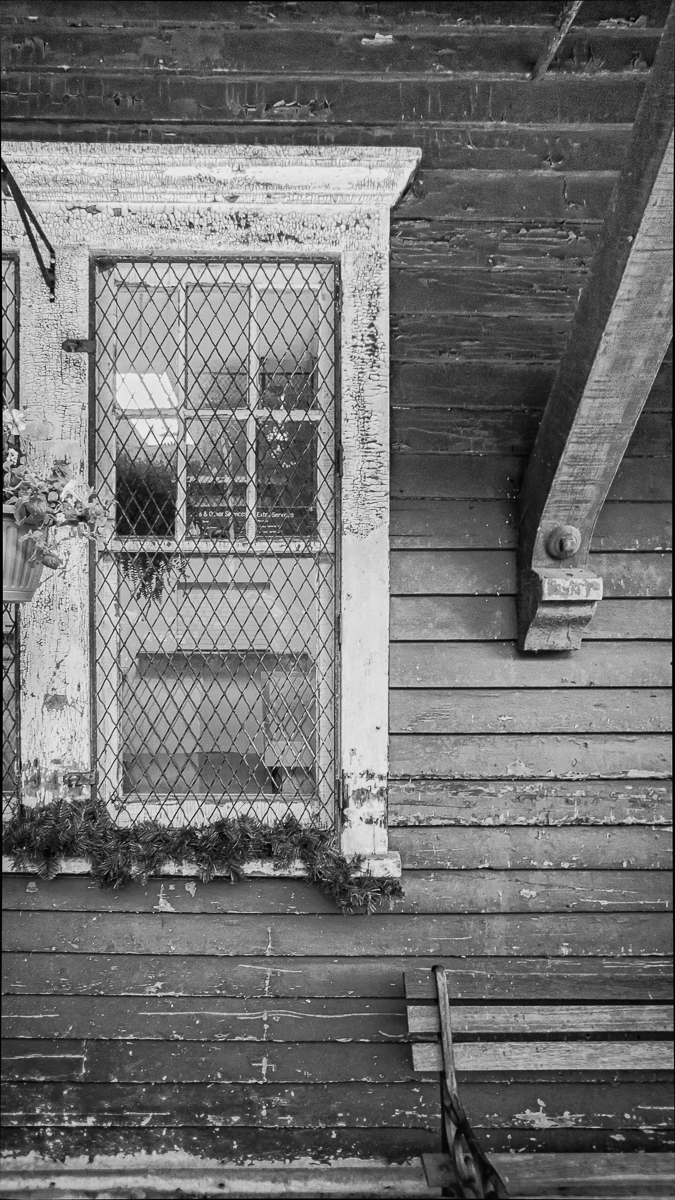
Window at the former train station (now post office), Scarborough, NY, 2011


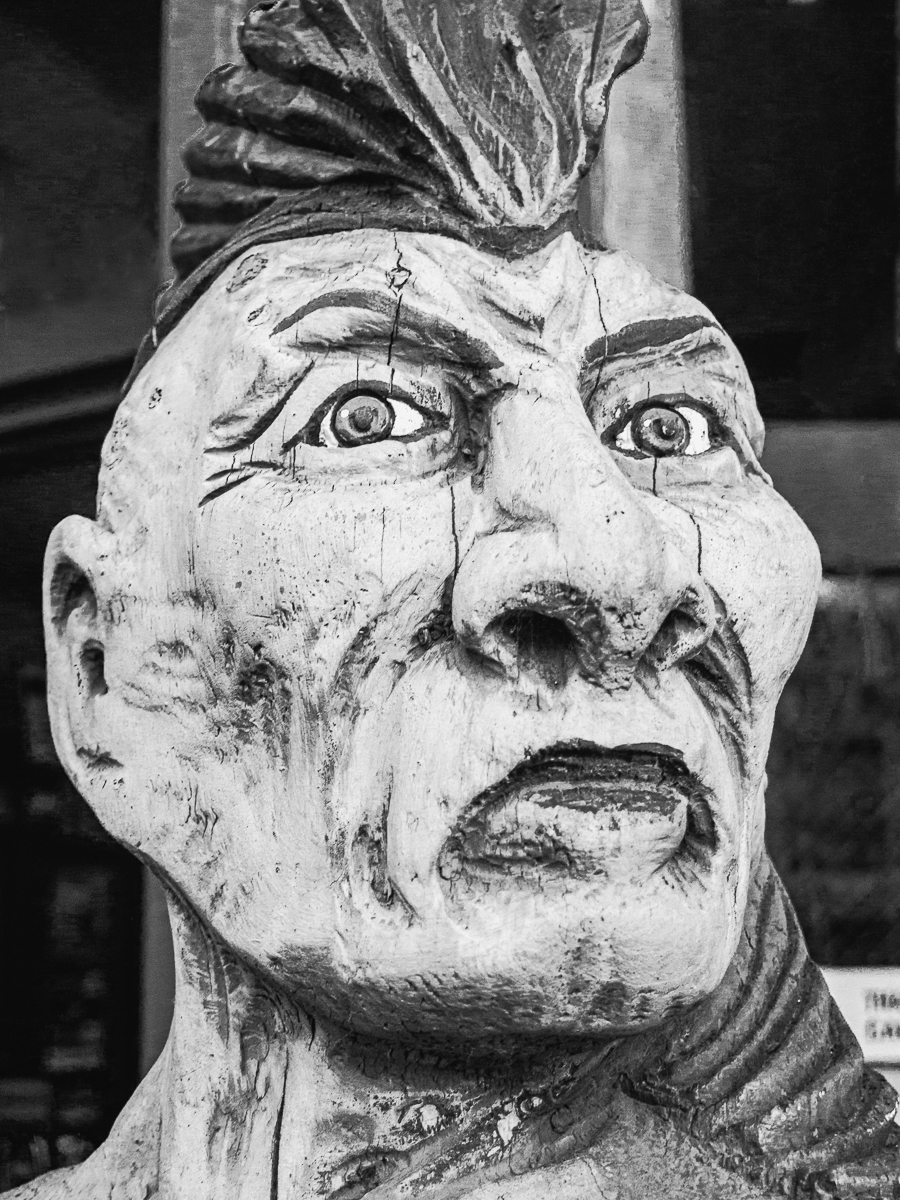
Wooden Statue outside a store in Rhinebeck, NY, 2011.

For what I understand “Digicam” to mean see the preceding post: Digicams.

All pictures taken with a Panasonic Lumix LX-3 except for the picture of the camera itself, which was taken with a Fuji X-E3 and Fuji XC 16-50mm f3.5-5.6 OSS II
Digicams

I’m hearing the word “Digicam” a lot nowadays, but what does it actually mean.

If you look up the definition you’ll find that it’s something along the lines of “A digital camera”. While that’s technically correct the way the words are used today seem to suggest a slightly different meaning: “A digital camera, often a digital point and shoot, but also frequently an older Digital SLR, or mirrorless camera”. Current or recent generation digital cameras do not fit this definition. Cameras with CCD (rather then CMOS) sensors seem to be particularly prized.

So why have these cameras become so popular?

I think you have to go back a few years to understand what’s going on. When I first started to collect old film cameras around 2011 they were dirt cheap. You couldn’t give them away. Since digital photography had become popular nobody wanted film cameras any more. Then came the lomography cameras, which were inexpensive and fun to use. They attracted a lot of younger people who were tired of the clinical nature of digital cameras and liked this style of photography and the slower, more patient type of photography that they offered. Eventually they tired of the somewhat primitive lomography cameras and turned to used copies of very sophisticated cameras that only a few years before had cost thousands of dollars.

Things continued liked this until comparatively recently when suddenly the demand for old film cameras started to rise. At the same time these cameras were getting older and were starting to break, often in ways that could not repaired because required parts were no longer available. With higher demand and a more limited supply the prices of film cameras started to rise. Perhaps even more important: a number of film manufacturers were discontinuing their offerings placing Kodak in an almost monopolistic position. Consequently the cost of film has sky rocketed to a point where many film photographers no longer find it economically possible for them the shoot a lot of film.

So what to do? You can’t shoot film because the cameras and film stock cost too much, but you don’t want to use current generation digital cameras because you don’t like the experience. Well, how about taking a look at older digital cameras? People have started to realize that very high resolution cameras are largely a marketing ploy by camera manufacturers. Most do not need a 50 megapixel camera. The best use of such cameras is to make extremely large prints, but how many people even make prints now. The most common use of a camera today is to produce fodder for social media and for that 4 megapixels is more than adequate. Current generation digital cameras tend to be large, heavy and expensive. So why not try older digital cameras, which are often smaller, lighter and much less expensive.

It’s true that many of the point-and-shoot variety of such cameras are fully automatic and not particularly interesting to use. But there are also many that are fully featured – offering fully automatic, partially automatic, and manual exposure modes; automatic or manual autofocus; raw file formats etc.; many even offer the much prized CCD sensor, which is supposed to give the images a more “filmic” appearance.

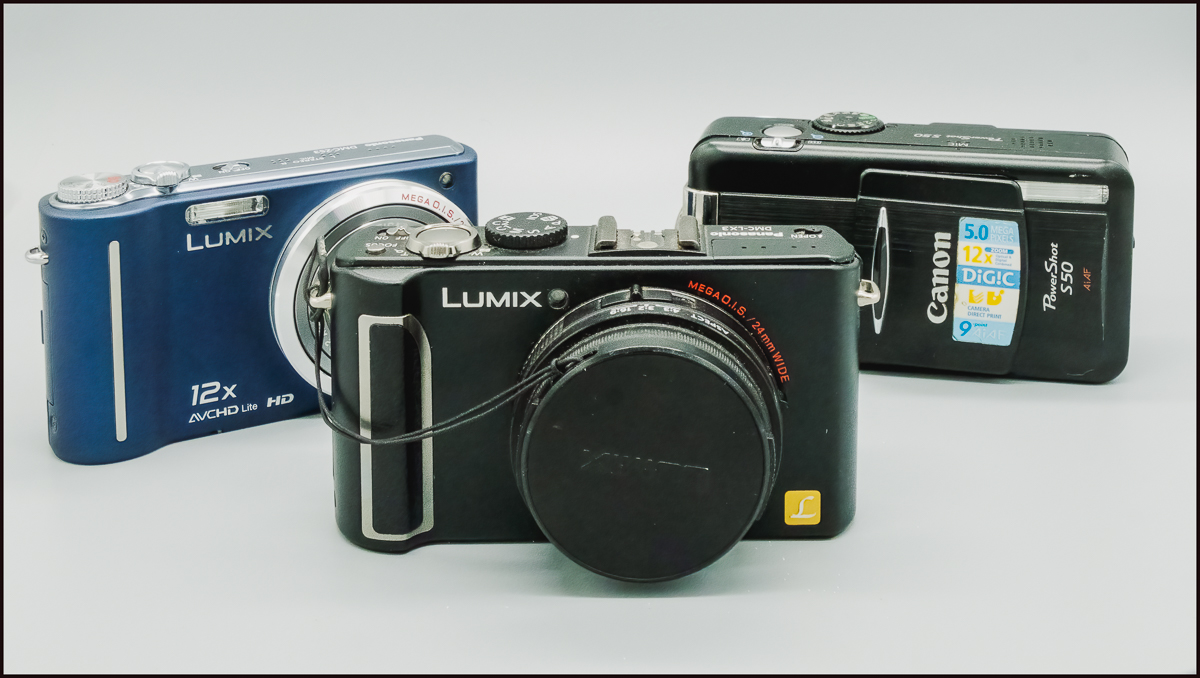
That was what motivated me to take out some of my older digital cameras, many of which I haven’t used for years as I replaced them with more modern cameras. I already had some (you can see three of them above) so out they came. OK the focus isn’t as good as it is on my more recent cameras; the LCDs are pretty pathetic; the dynamic range is often limited; noise at all but the lowest ISOs is problematic, but I’m having fun using them again. Moreover, I like to challenge myself to see what kind of pictures I can make with them. After all at the end of the day it’s the photographer who makes the picture, not the camera.

You can get a sense of what can be done by looking at the next post where I use one of the cameras above (the 15 year old Panasonic LX-3), the one in the middle.

Taken with a Fuji X-E1 and Fuji XC 16-50mm f3.5-5.6 OSS II
An interesting YouTube Channel

I recently came across this YouTube channel, which will be of interest to anyone who collects cameras. It’s called “One Month. Two Cameras” and according to its creator, who’s name is Ali she shoots one vintage digicam or film camera every two weeks. Her philosophy is that there are no bad cameras and whatever you already have will always be good enough.

Although she from time to time posts something about an older film camera, the focus of the channel seems to be on older digital cameras: those which nowadays seem to be referred to as “Digicams”. What’s a “Digicam”? You’ll have wait for a while as I have a post coming up shortly, which addresses this very topic.