
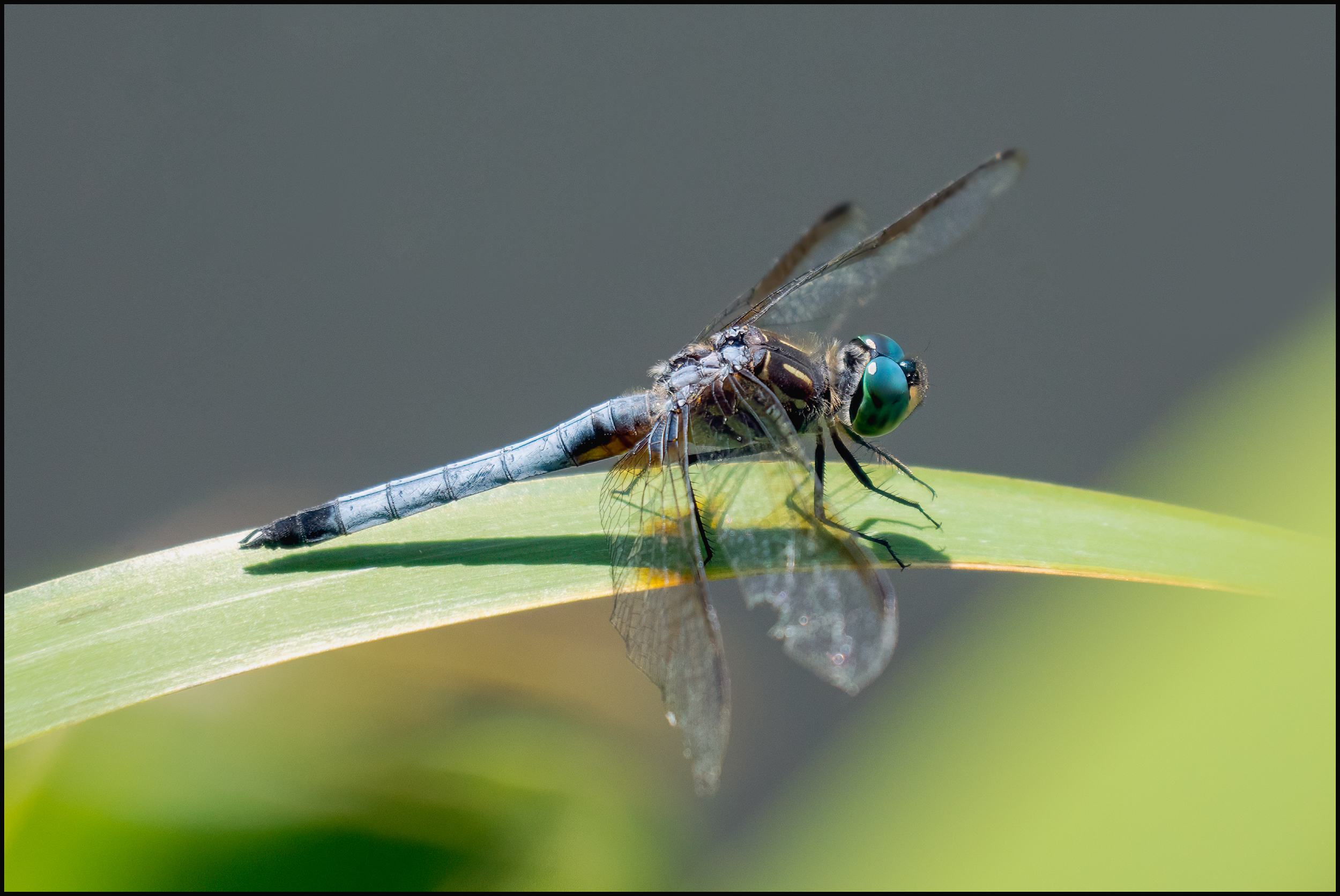
In an earlier post (See: Law Park Pond) I wrote about how I had failed miserably at getting pictures of damselflies on a nearby pond.
In that post I mentioned that I thought the reasons I had failed were:
- I had the wrong camera/lens. But then this begs the question: what would be the right camera/lens? And in any case that was the only camera I had with me.
- Because of the above I couldn’t get close enough (unless I wanted to wade into the pond) and had to crop too much thus reducing quality.
- The camera was certainly able to focus on, and capture what I wanted, but I couldn’t react fast enough.
- Perhaps a better approach would have been to wait until one of them landed on a nearer reed. I should have been more patient and waited longer.
I also wrote that I would:
… go back with a better camera/lens and hope that a higher resolution sensor (to facilitate cropping) will help. I’ll also take a lens with more reach. I’ll try to be more patient. It’s also clear that I need to practice taking pictures of fast-moving insects.
Today I went back and tried again, this time with a camera with a 33-megapixel full frame sensor (the camera in the earlier post had a 20-megapixel 1″ sensor) and a 28-300mm zoom used mostly at 300mm (the other camera had a 24-200mm lens used mostly at 200mm).
This made a big difference and I’m much happier with the results. I’m now fairly confident that I can get a decent picture of a damselfly when it has landed. What I’m still unable to do is get a picture of one in flight. I tried but they’re quite small, incredibly fast in flight and really hard (almost impossible for me at the moment) to capture. So, I’ll need to do some reading to try to get some tips on how to do this. And I’ll have to practice more.
I’ll keep trying.
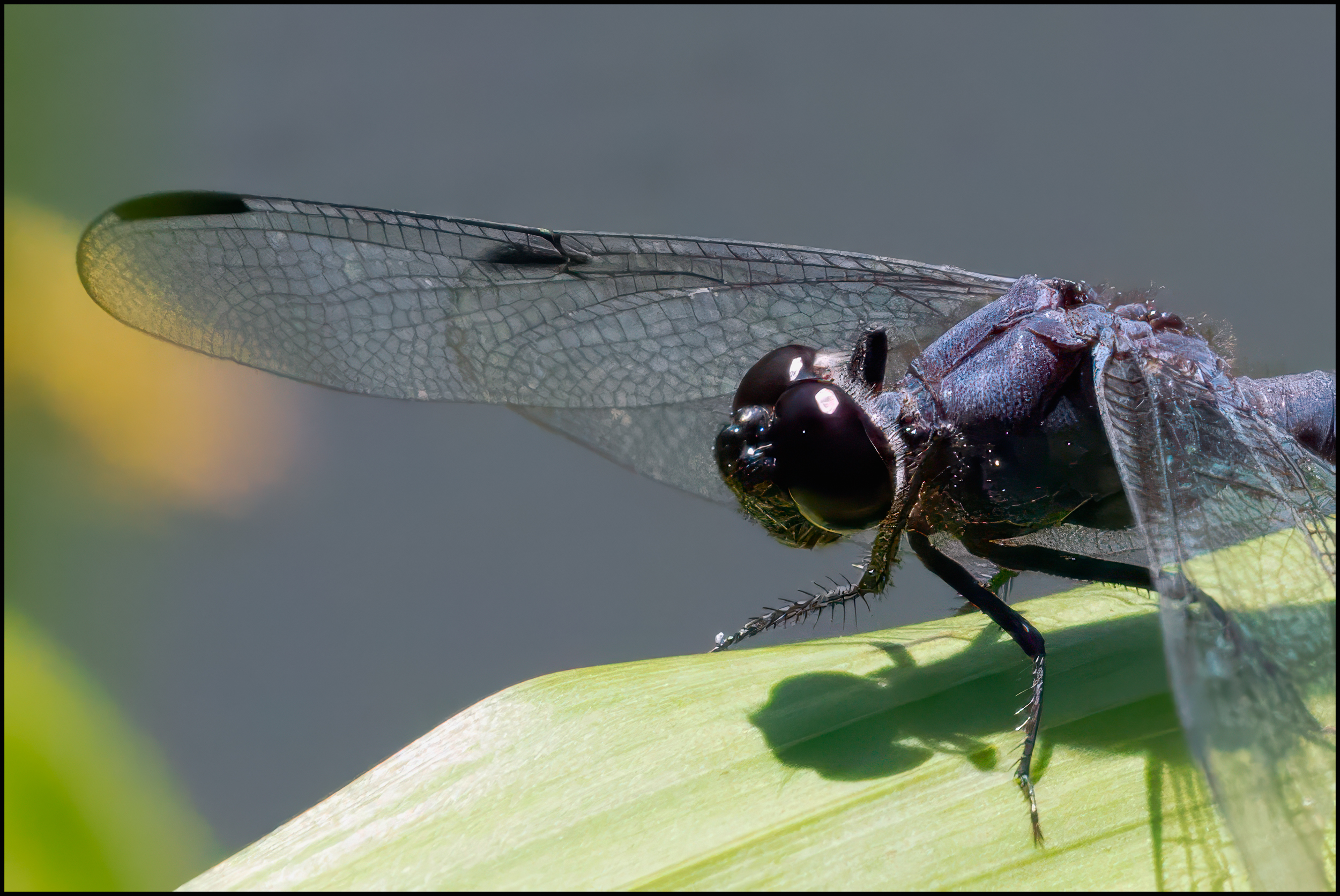
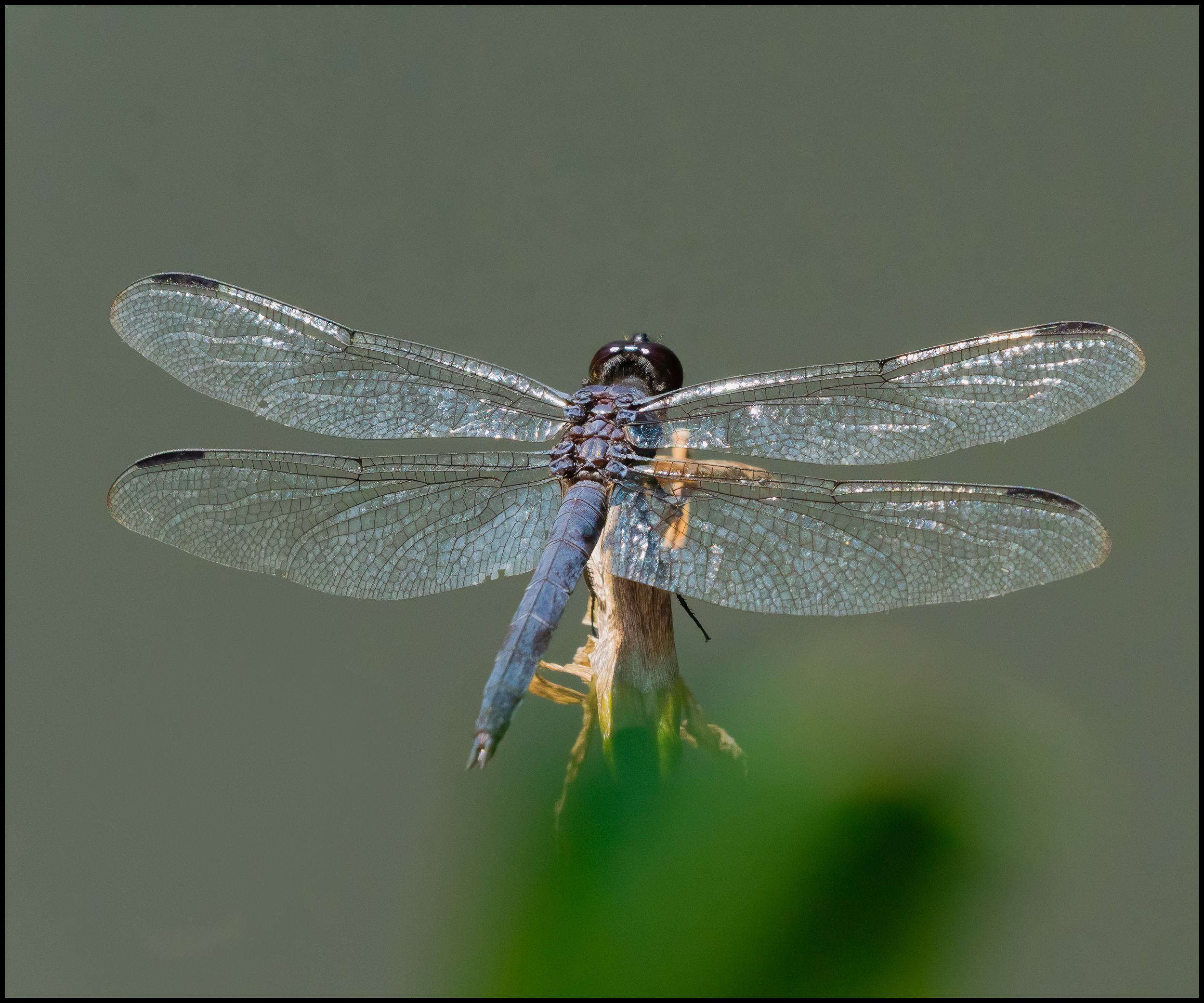
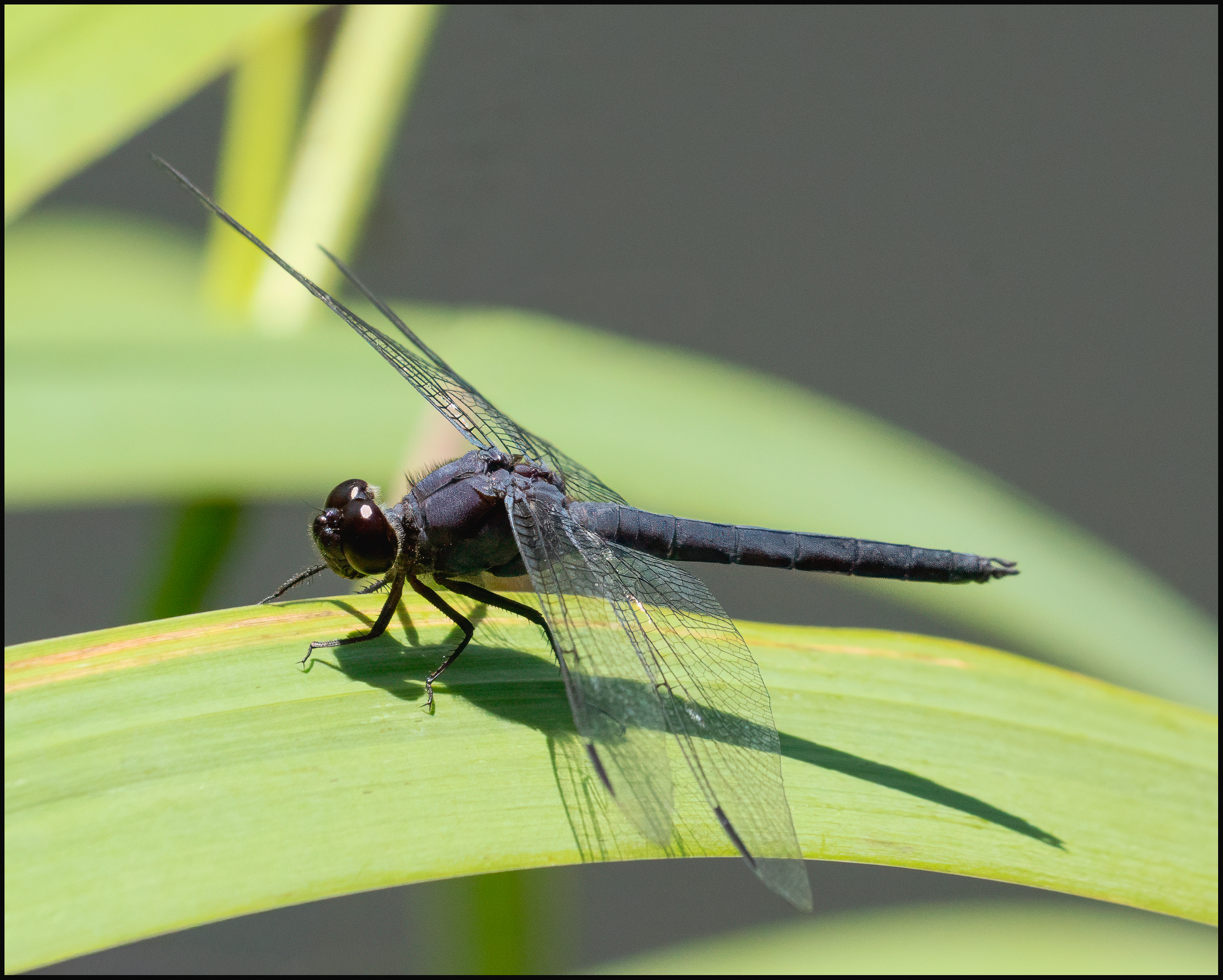
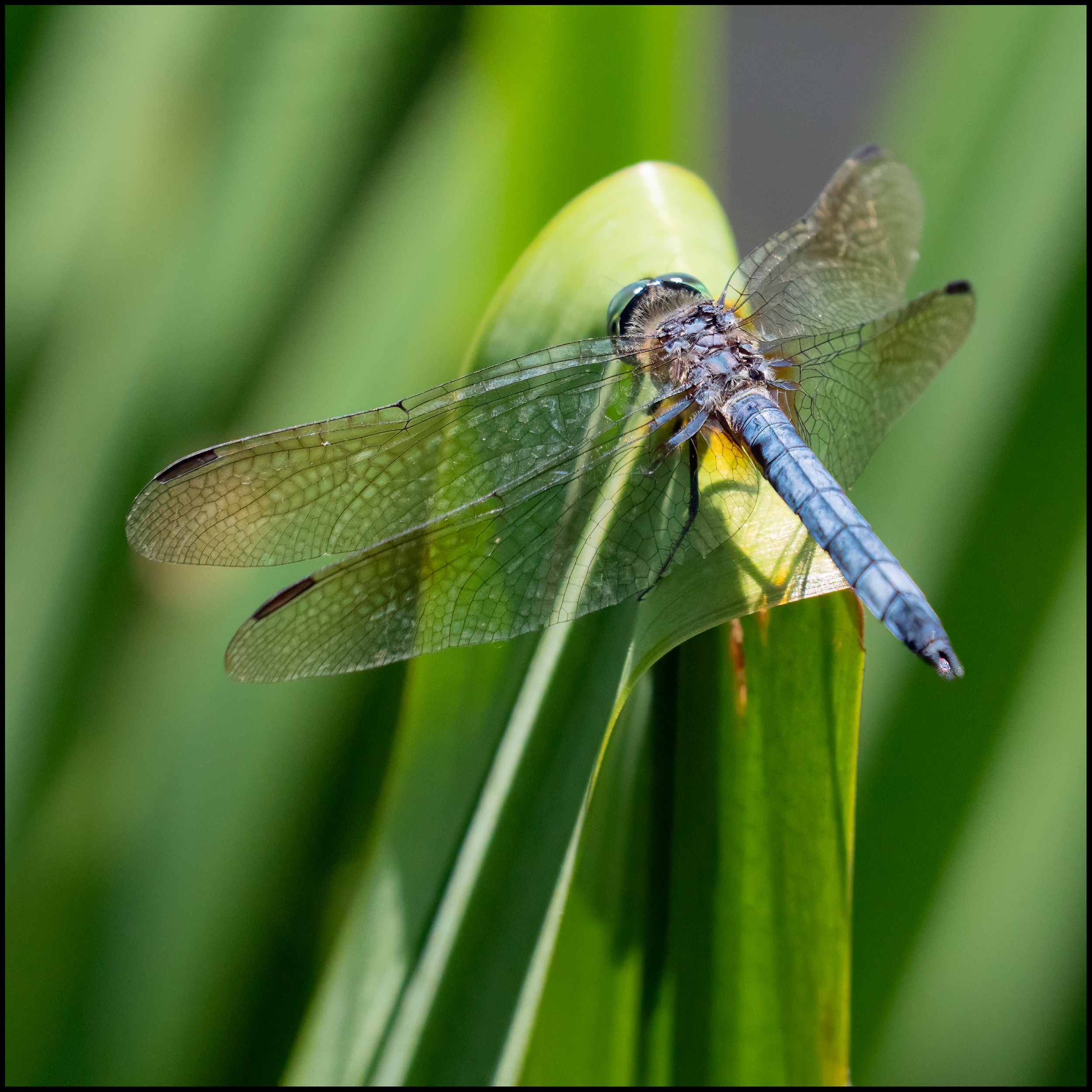
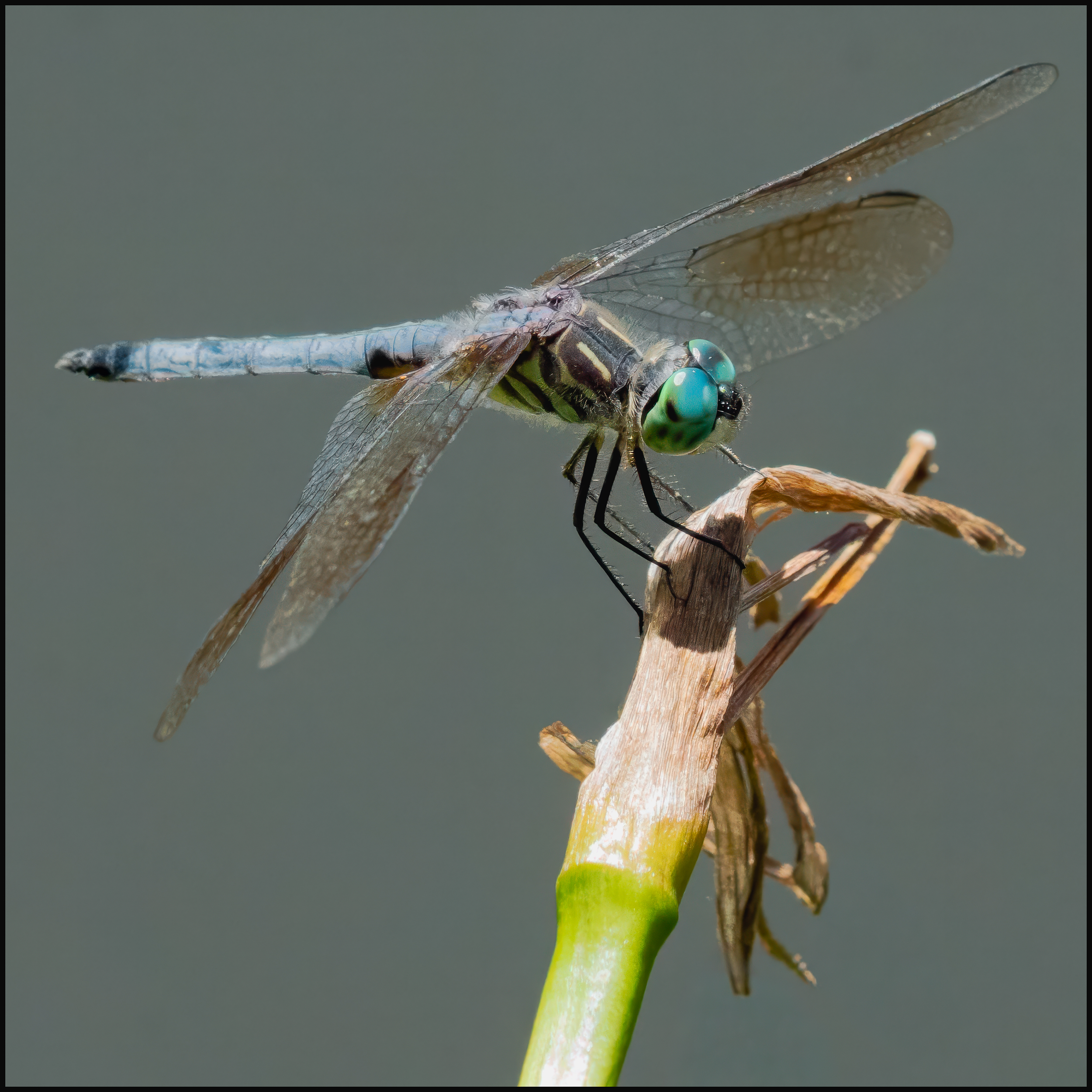
Taken with a Sony A7IV and Tamron 28-300mm f/4-7.1 Di III VC VXD lens.