Wildflower Island

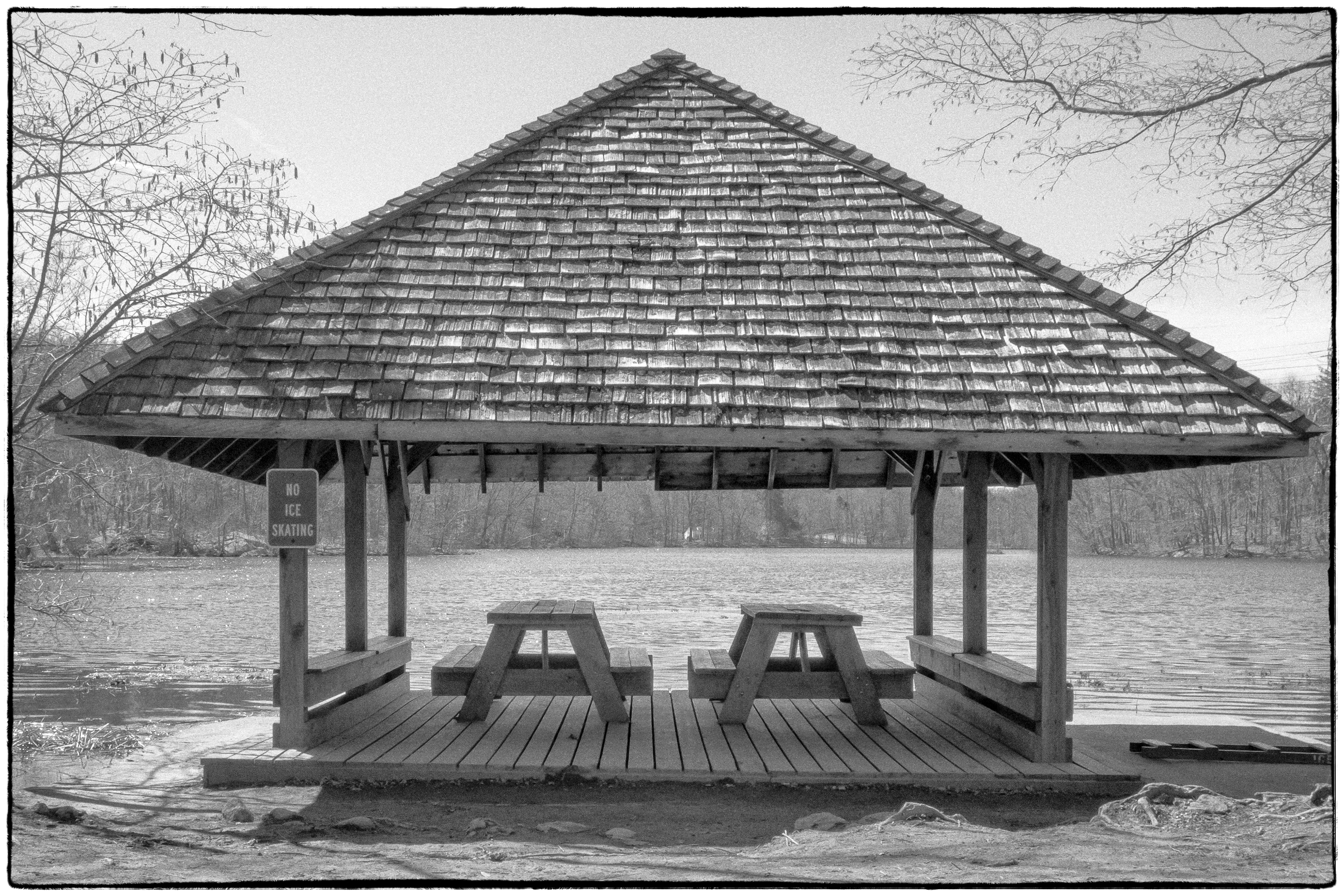
I’ve been posting a lot of black and white pictures of late. This is largely because, with the warmer weather, I’ve been out walking a lot and this is when I most often take pictures. Unfortunately where I walk is, at this time of year, not very colorful so I tend to prefer the pictures in black and white.

Here are a few more.
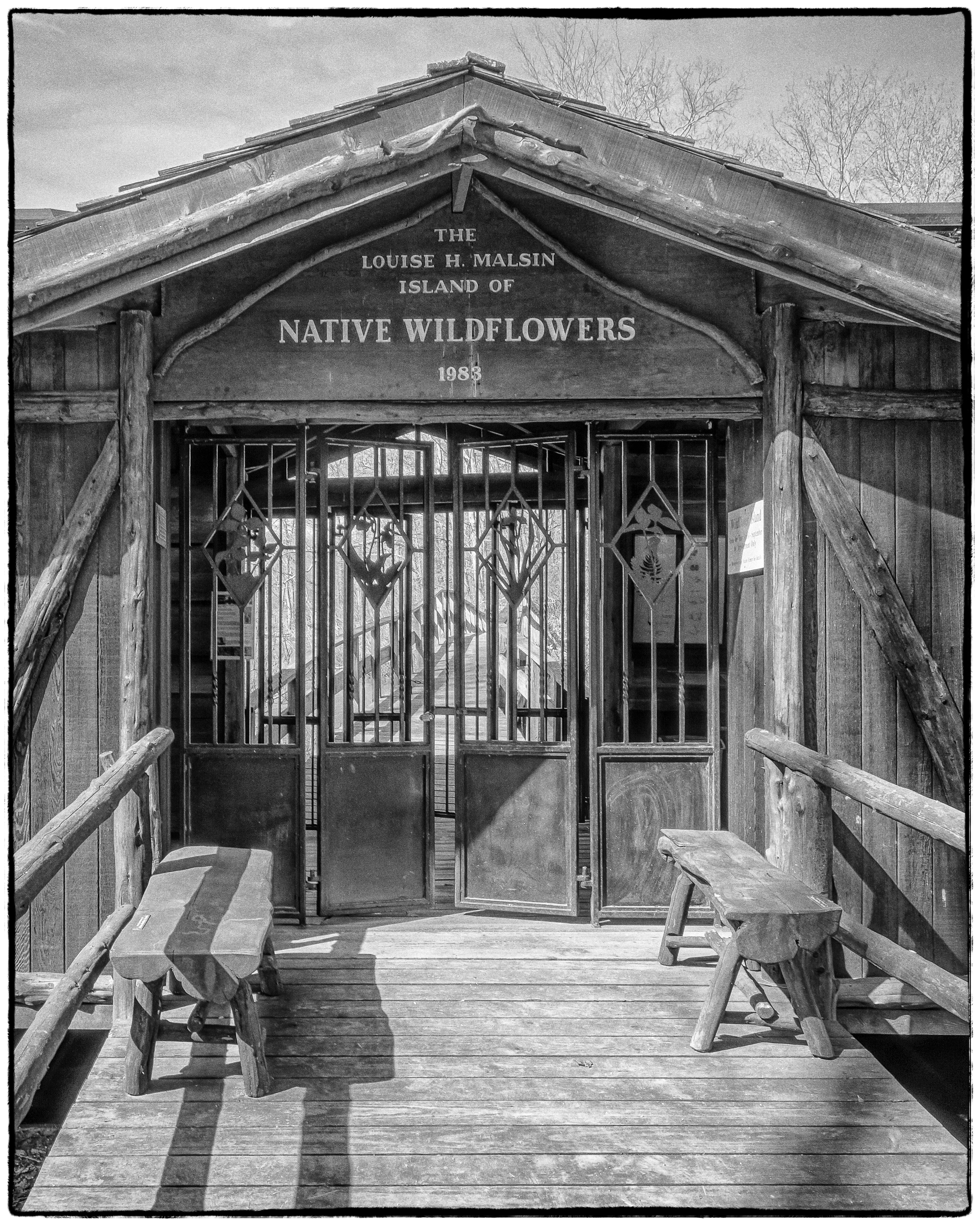
According to the Teatown Lake Reservation website

The two-acre Wildflower Island is a refuge within the greater Teatown preserve. This unique sanctuary is home to over 230 native and endangered species of wildflowers. The Island’s flora is unusually diverse; the surrounding lake provides favorable light and moisture, as well as isolation from the disturbances of people and animals.

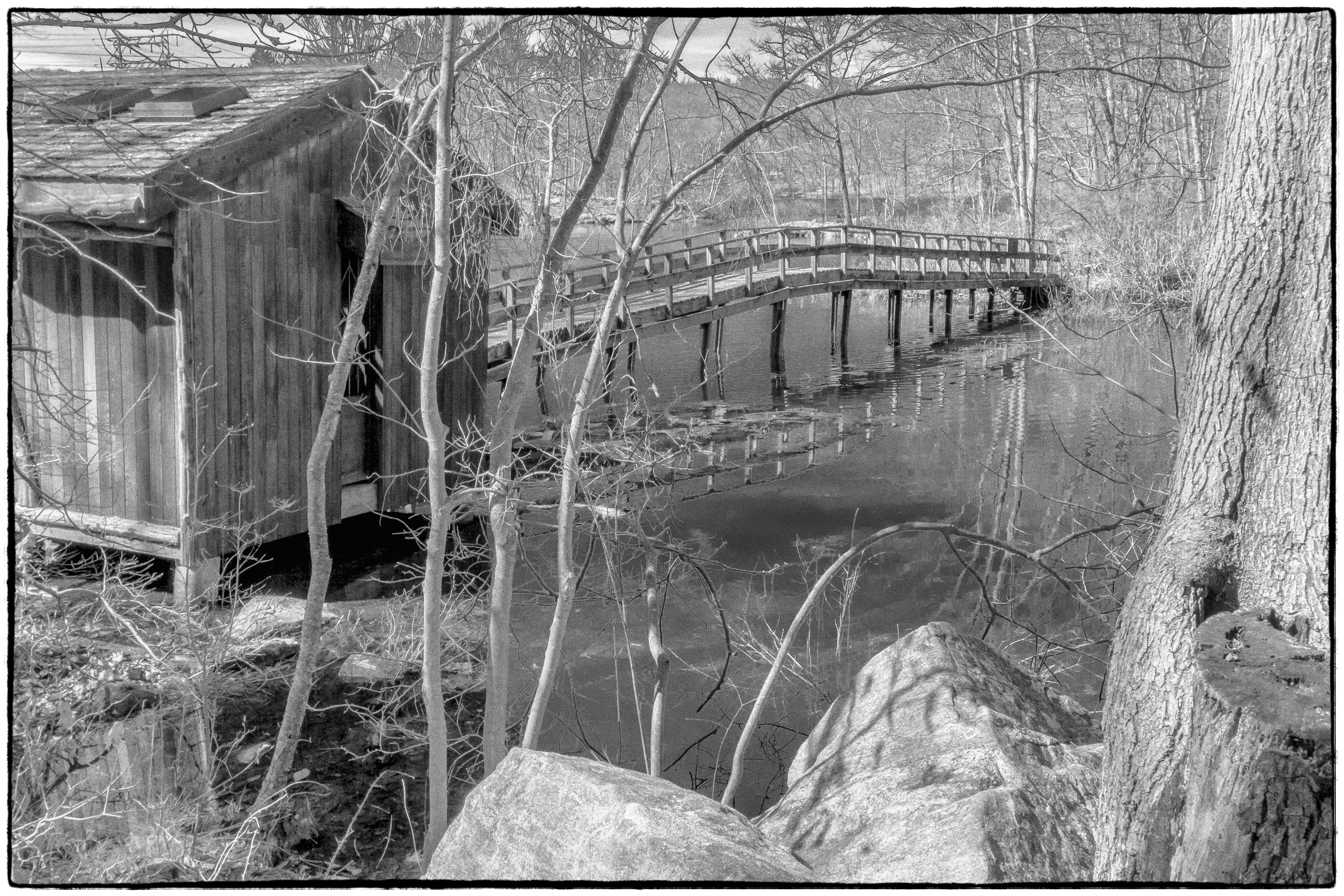
Visitors enter through wrought-iron gates and cross a small wooden bridge leading to an Island path. Experienced guides lead visitors along the path, describing the unique features of the Island’s wildflowers, most of which are native to our area.

Wildflower Island is “managed” only to the extent that invasive alien plants are removed and certain native competitive species are not encouraged. We invite you to take a guided tour of Wildflower Island and enjoy the beauty of our natural heritage.

WILDFLOWER ISLAND HISTORY

The creation of Wildflower Island occurred in 1928 when then property owner, Gerard Swope, Sr. dammed Bailey Brook to create Teatown Lake. Water soon separated this remnant of higher farmland from the mainland. Since then, the island has remained in undisturbed isolation as Teatown Lake Reservation, the magnificent gift of the Swope heirs in 1962, grew up around it. The island has experienced little invasion of alien species well-established on the mainland.

The Island garden was developed in 1982 by Warren Balgooyen (then Director of Education) and aided by Marjorie Swope. Wildflower Island was formally dedicated on May 15, 1983 to Louise Malsin, a longtime supporter of Teatown, who, until her death, was a member of the Board of Trustees. Jane Darby was the first curator and her work is continued today by Leah Kennell.

Wildflower Island will be open for tours starting Saturday, April 16th ending Sunday, September 18th!
Scheduled tours will be held at 10am and 1pm on Saturdays and 1pm on Sundays. Pre-registration is required for all tours, call 914-762-2912, ext. 110.

Admission is by guided tour only. The following fee schedule applies: $4.00pp for Teatown members. $7.00pp for nonmembers. Please note that children under 12 are not permitted on the Island. Pre-registration is required for all tours. Private tours, on weekdays, for groups of 6-24 people can be arranged. Please call 914-762-2912 ext. 110 to make a reservation.
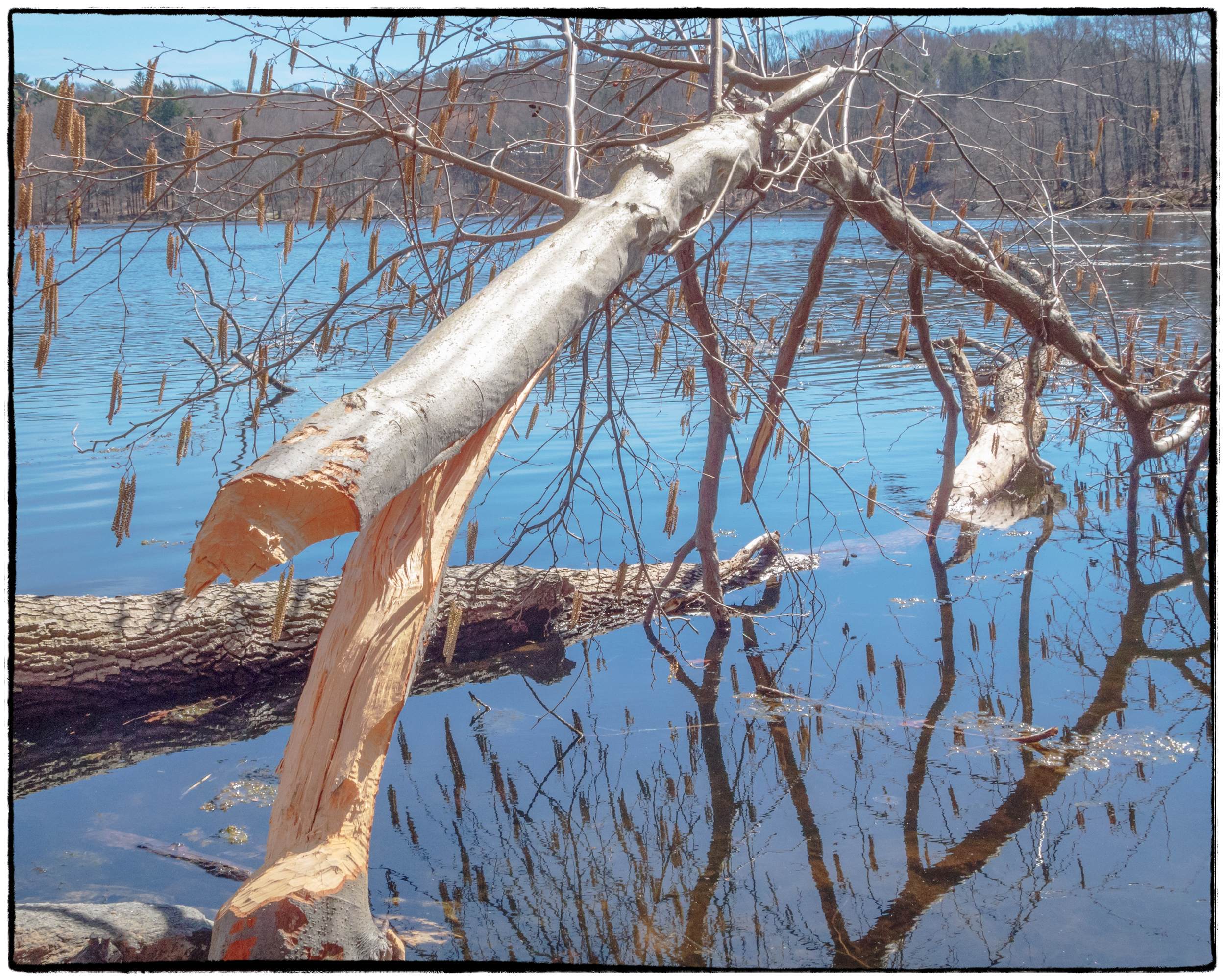
Beavers at work

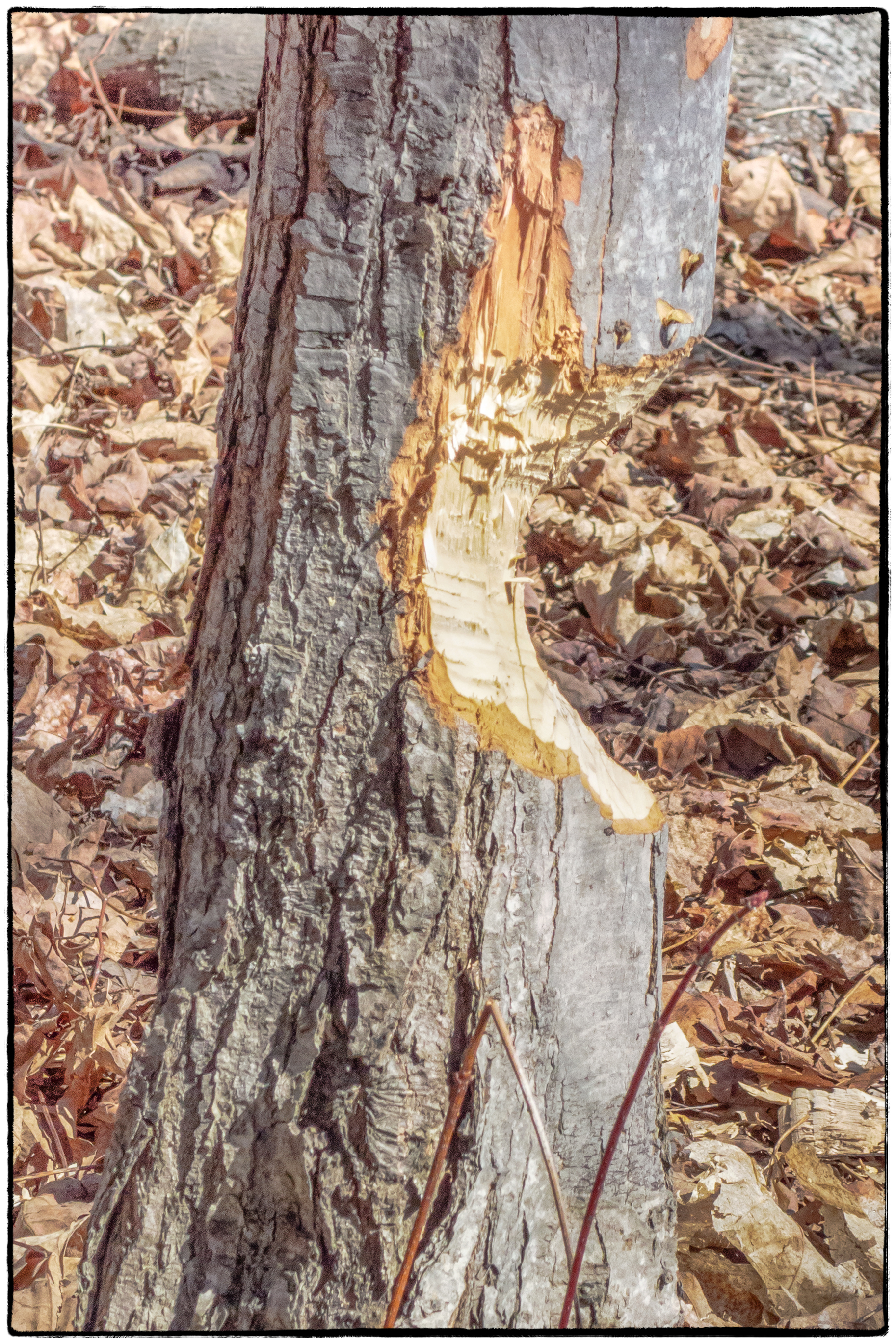
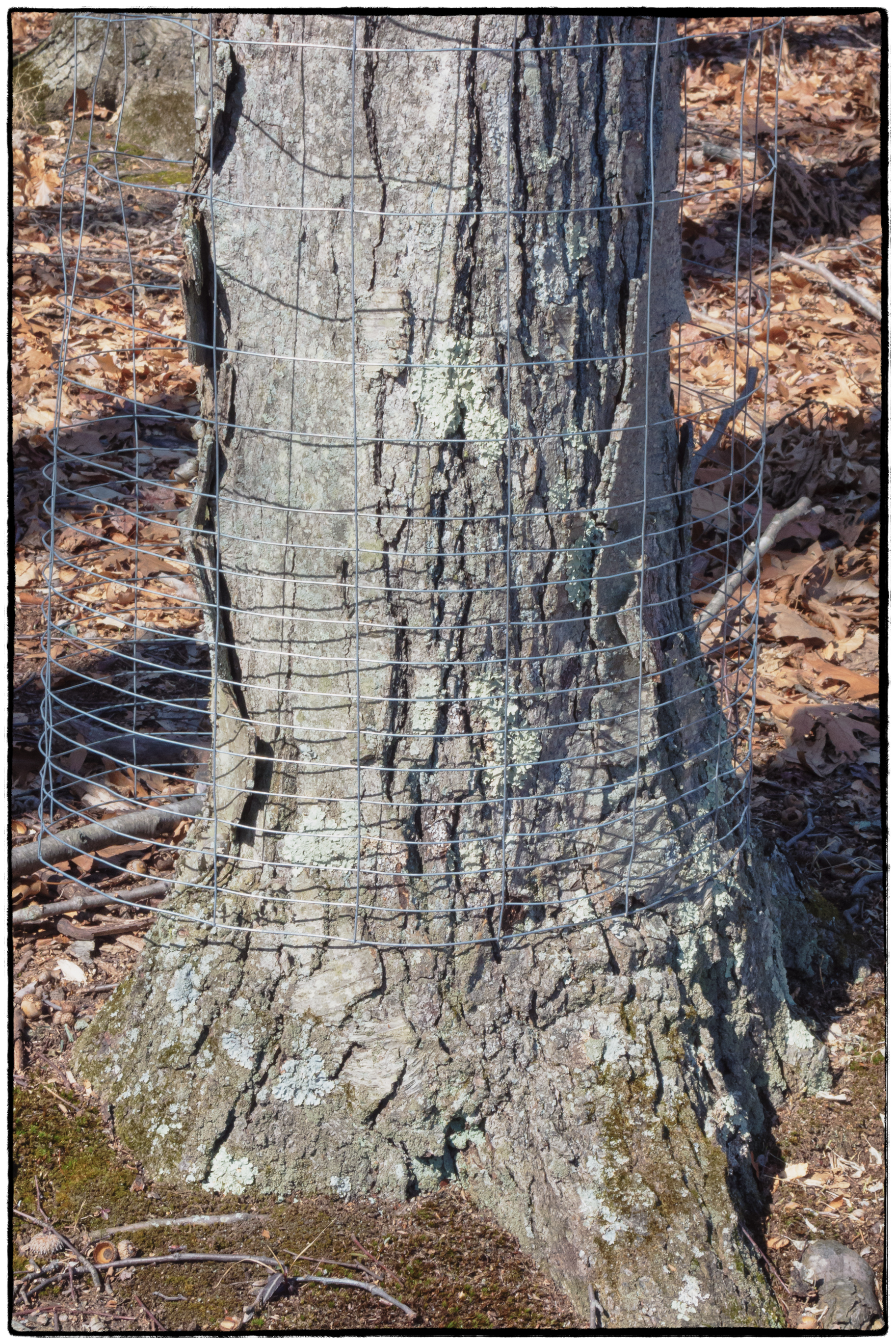
In a recent post on Teatown Reservation I noted a number of changes since I’d last been there. However, I failed to note one significant difference: signs of increased Beaver activity everywhere. Never before had I noticed so many downed trees near the lake – all with signs of “beaver chewing”. It seems to have become such a problem that many of the trees by the water now have metal cages around their base – presumably to stop the beavers getting at them (see second picture below). On my walks I’ve often seen signs of beaver activity, but I’ve never once seen an actual beaver. I just checked to see if beavers are nocturnal. Apparently they’re not. They’re actually crepuscular meaning they are most active at dawn and dusk, which would explain why I never see them as I’m rarely (if ever) out at these times.

George Borup RIP

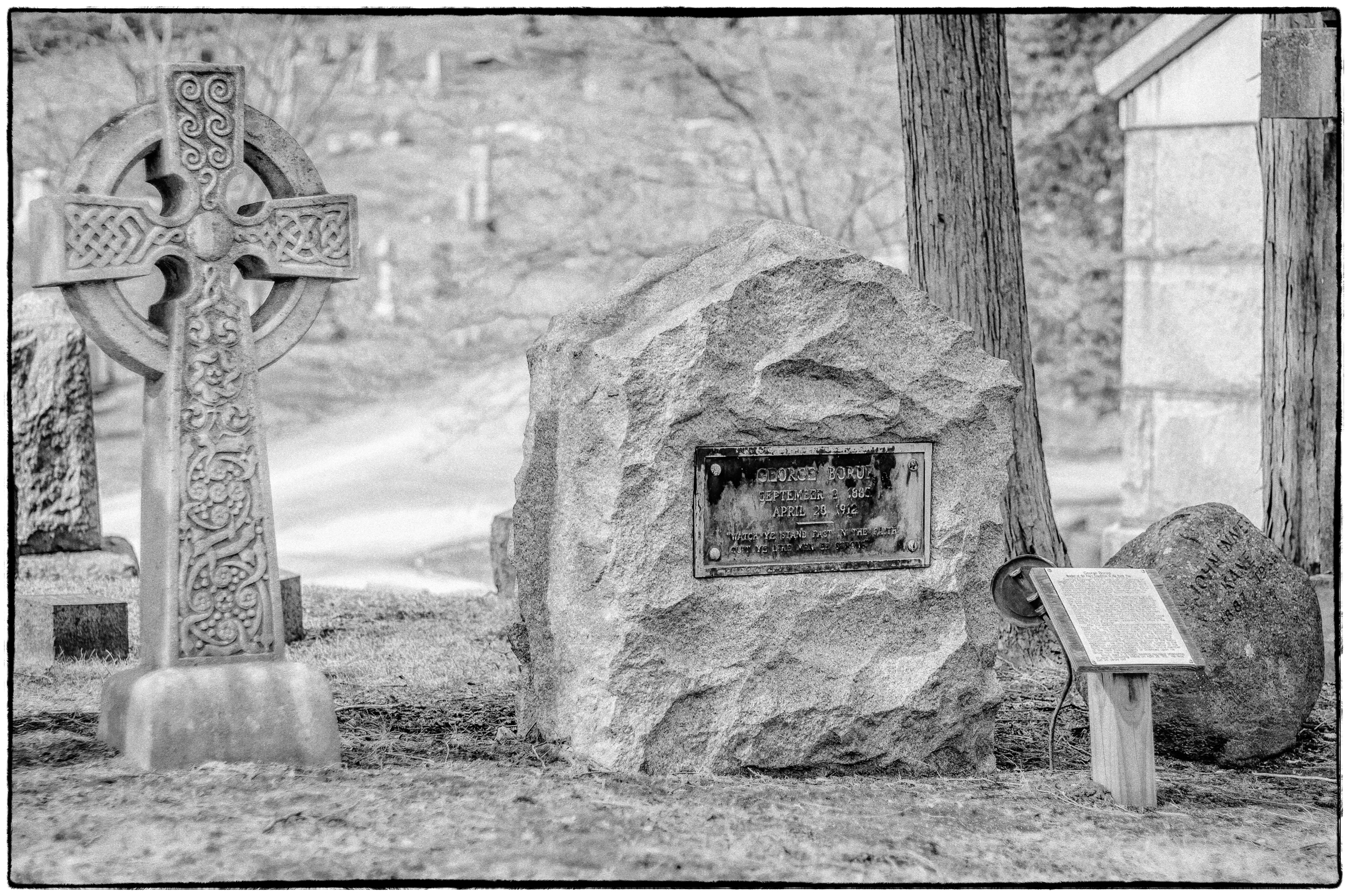
According to a sign next to the grave site:

George Borup. Member of the Peary Expedition to the North Ploe (sic).

George Brandreth Borup was born in Ossining on September, 2 1885. The son of Lieutenant Colonel Henry D. Borup and Mary Brandreth, he attended the local Holbrook Military Academy (formerly located almost opposite our house in Briarcliff Manor) and the Gorton School in Massachusetts before attending Yale University. Borup made his most last impact, however, when he accompanied Admiral Robert Edwin Peary on his expedition to the North Pole.

Borup was a member of the exploratory group from July 1908 through October 1909 (they reached the pole of April 6, 1909). Admiral Peary called him an ‘enthusiast’, ‘reliabkle’ (sic) and ‘absolutely essential’ to the expedition. Borup served as the photographer and assisted in the collection of data for the expedition, which was largely credited with being the first to discover he North Pole. Well-known for his bravery and athleticism, he regularly hunted and drove sleds for long distances. Amiril (sic) Peary recalled once seeing Borup “single-handedly drag his frightened dog team out of icy water,” according to an artical (sic) in the local Citizen Register.

After the expedition, Borup wrote “A Tenderfoot with Peary“, a book which chronicled the journey to the North Pole. His alma-mater noted that his account was far more humble than the lauditory (sic) account of his participation given in Peary’s own “The North Pole“. In addition to this literary gift, Borup built a lasting monument at Cape Columbia on Ellesmere Island, to commemorate the launching place of the Peary expedition. He also became assistant curator of the American Museum of Natural History, a fellow of the Royal Geographical Society of London, and a member of the New York Academy of Sciences upon his return from the Expedtion (sic).

Borup died in a tragic boating accident attempting to save a drowning friend on April 28, 192. He was just 26 years old.

On the 5:06 pm to Grand Central

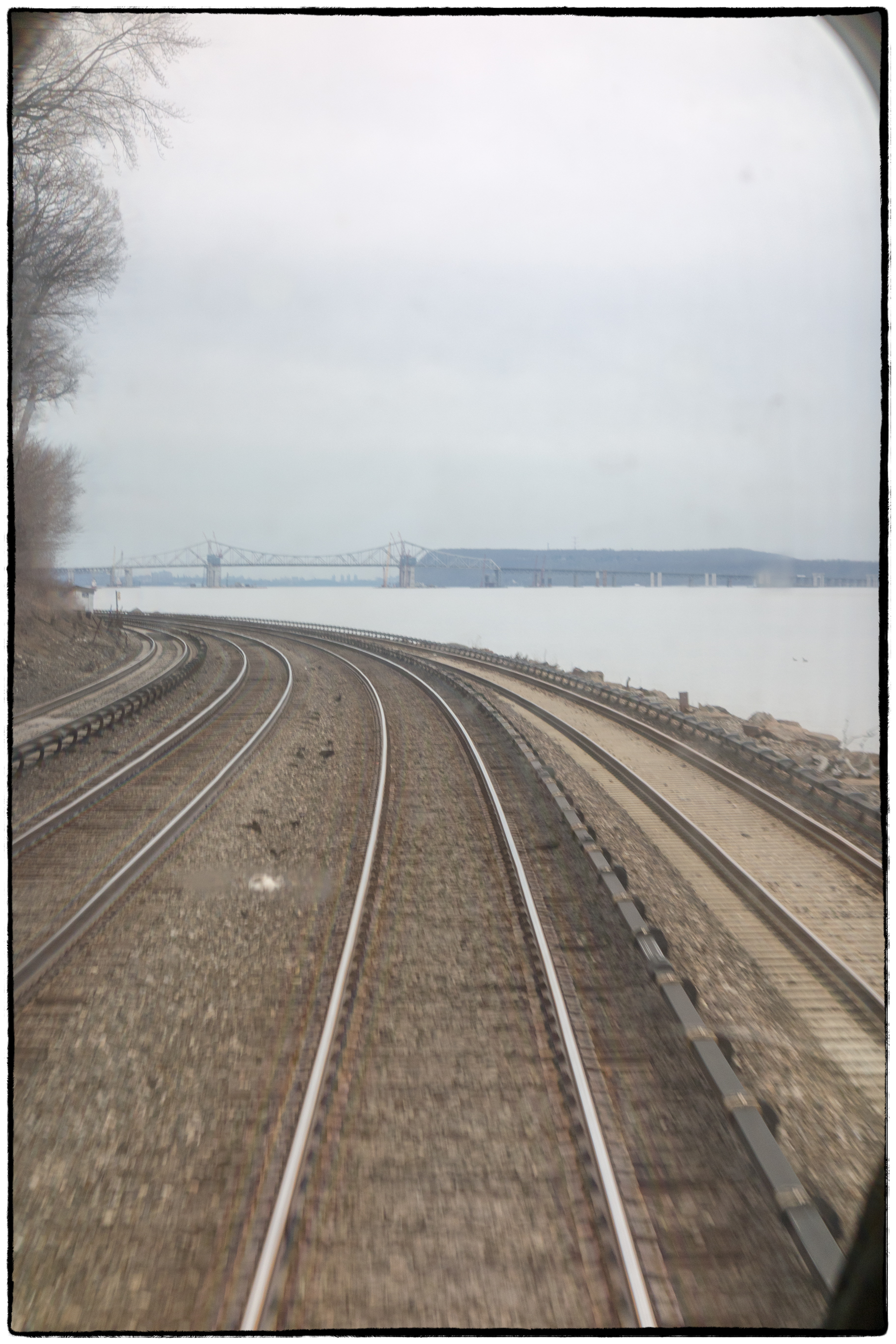
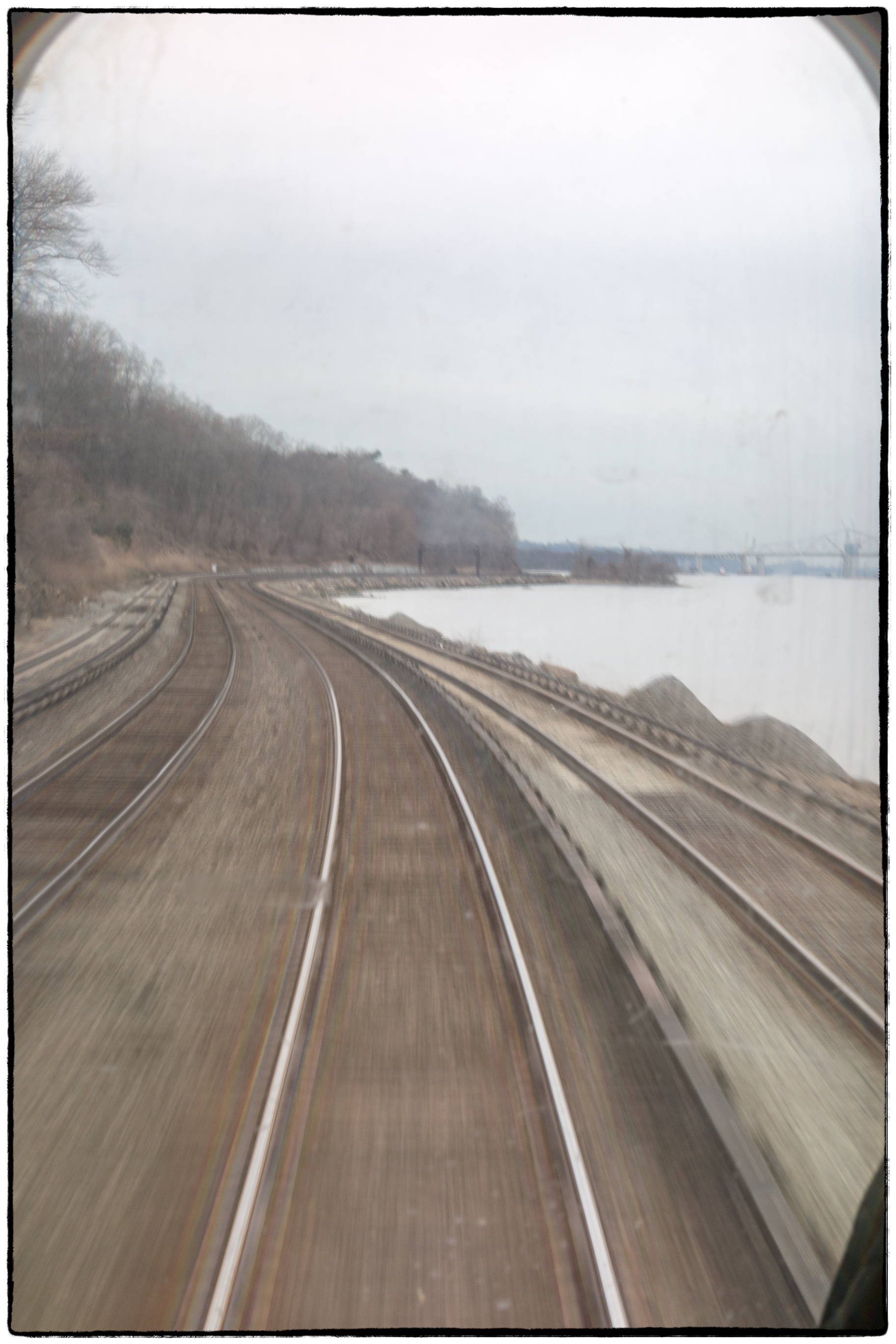
Somewhat experimental for me. Taken through the front window of a metro-north train en route to NY city. I was trying for a certain amount of blur. The first picture is less blurred, and I like the Tappan Zee bridge in the background. The second has more blur and I like the way the track curves. It was a gloomy day and both pictures seem to me to have a kind of “old style” look to them – particularly since the the corners of the window look like a vignette.