One of my Favorite Hudson Valley Churches

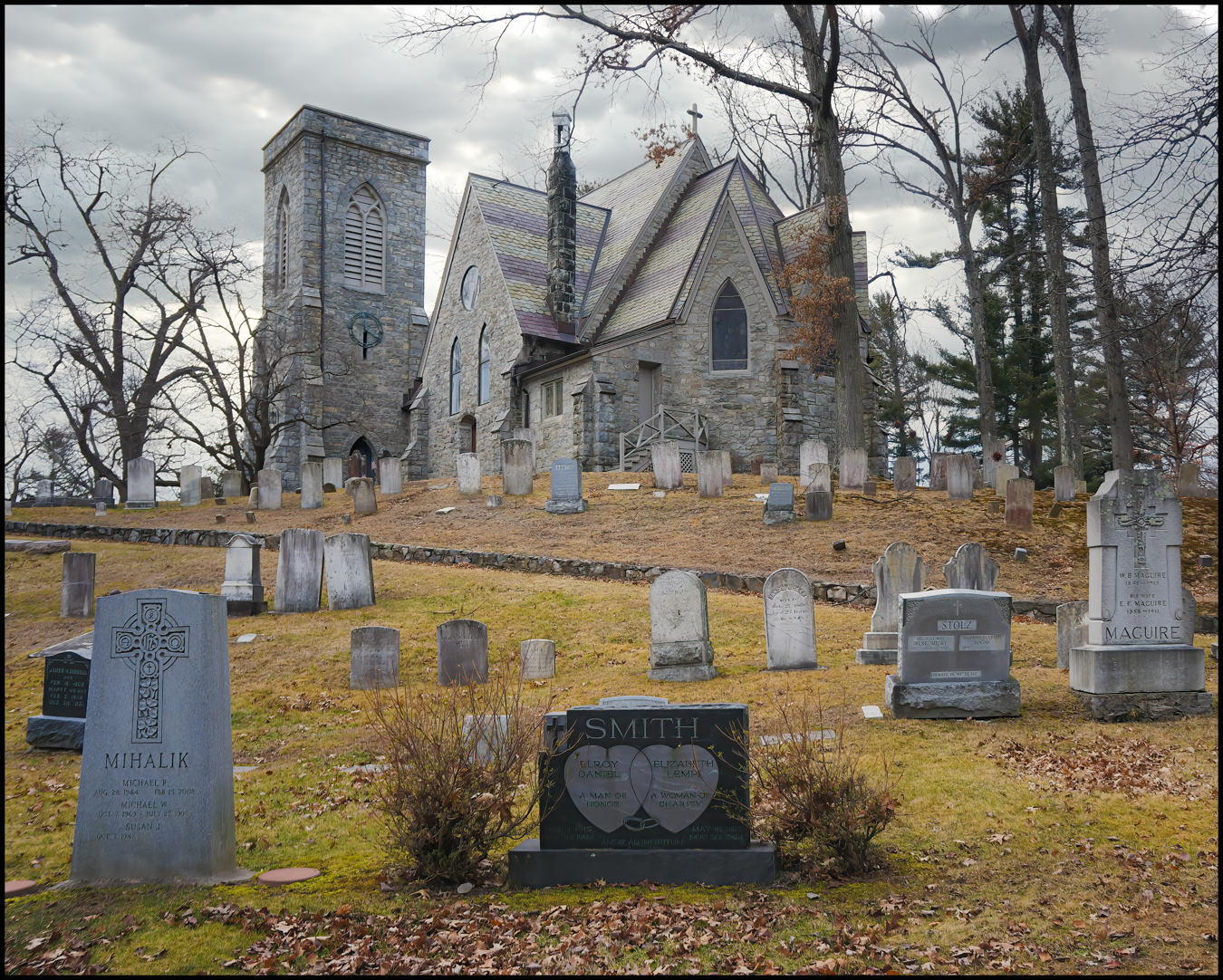
It’s St. Philip’s Church in the Highlands in Garrison, NY.

According to the Church’s website St. Philip’s Church:

…began as a modest wooden chapel, a northern outpost of St. Peter’s Church in Peekskill. Built in 1771 for the residents of what is now Garrison, the chapel was called St. Philip’s partly to honor the Philipse family, the largest landowner in the area. St. Peter’s itself was founded only a few years earlier, in 1767; it received a royal charter from King George III in 1770.

Beverly Robinson, a vestryman of St. Peter’s, gave the land for St. Philip’s. Although a good friend of George Washington, he was a Loyalist and was heavily involved in Benedict Arnold’s treasonous plot to turn West Point over to the British in 1780. At the end of the Revolutionary War, Robinson fled to England, losing all his property.

In 1775, the Loyalist rector of St. Philip’s fled to Canada, so no services were held. There is a story that, during the Revolutionary War, Washington was riding past St. Philip’s when one of his officers said, “That is a Tory church,” to which Washington, a loyal Anglican, said, “It is my church.” (A stained-glass window portraying Washington is in the vestibule today.) The chapel was dismantled during the war and its materials were used to help construct the small fort at West Point. The chapel was reopened in 1786, and a larger wooden church was built in 1837. St. Philip’s officially became independent from St. Peter’s in 1840, reflecting the growth in Garrison’s population.
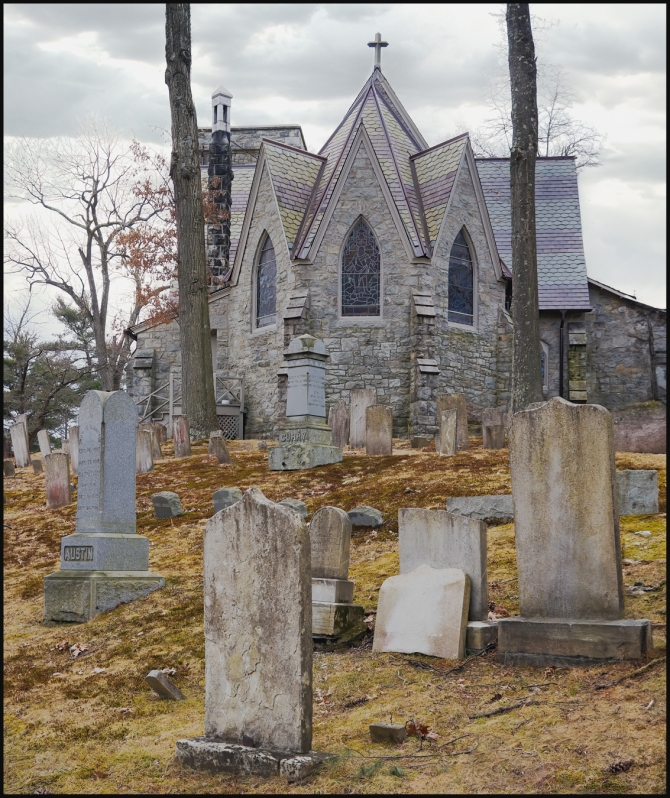
The Hudson River Railroad was finished in 1849, bringing new residents to the Garrison area: families named Fish, Osborn, Sloan, Livingston, and Toucey, who worshipped at St. Philip’s and are buried here.

In 1860, renowned British-born architect and vestryman Richard Upjohn designed a superb Gothic Revival church as a gift to his parish, St. Philip’s. A founder of the American Institute of Architects, Upjohn championed the Gothic Revival ecclesiastical style and is best known for Trinity Church in New York City. A noted Scottish stonemason, Smeaton Forson, came from Scotland to build the new St. Philip’s. Completed at a cost of $9,350 in 1862, it continues today, beautiful and steadfast, to inspire all who worship here.

Dedicated to St. Philip’s, Upjohn also designed a wooden Rectory, built in 1854. It was replaced in 1911 by the present stone building, the cost of which was donated by the family of railroad executive Samuel Sloan, a vestryman and warden. The stone Parish House was built in 1900, a substantial gift from the Toucey family. Generous contributions from William Henry Osborn and Stuyvesant Fish added the Sexton’s House in 1917, so that, by then, our buildings and grounds looked essentially as you see them today.
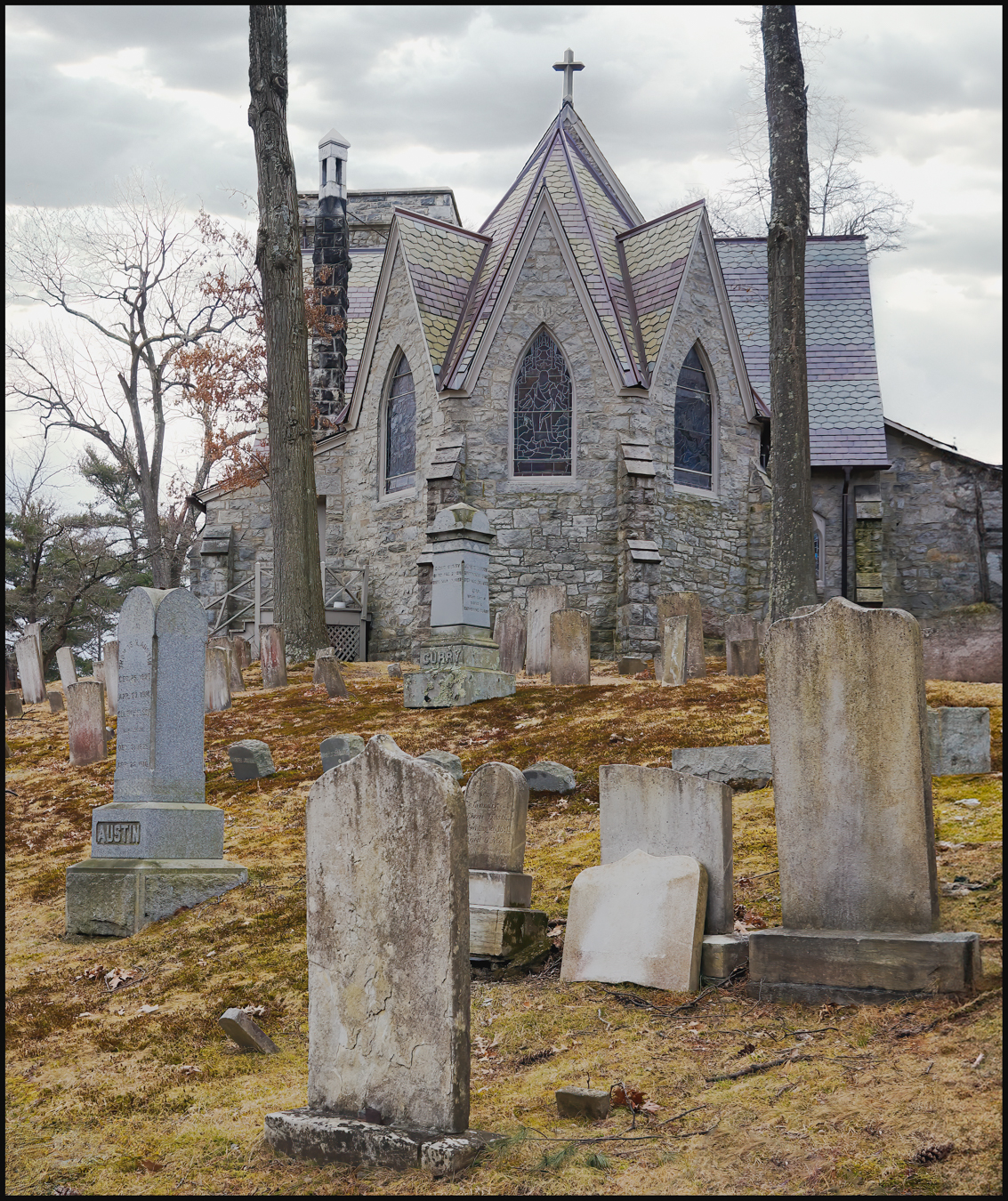
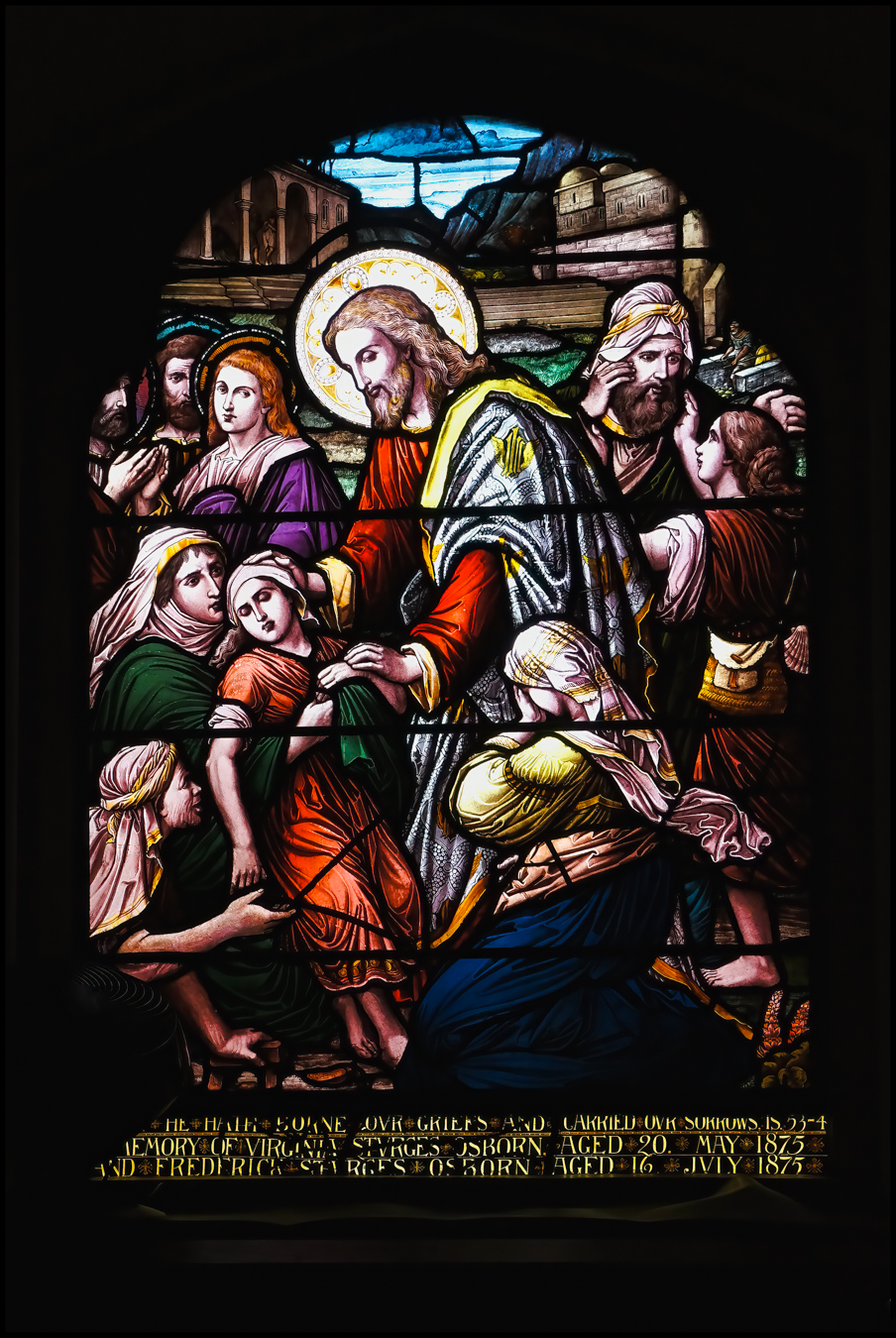
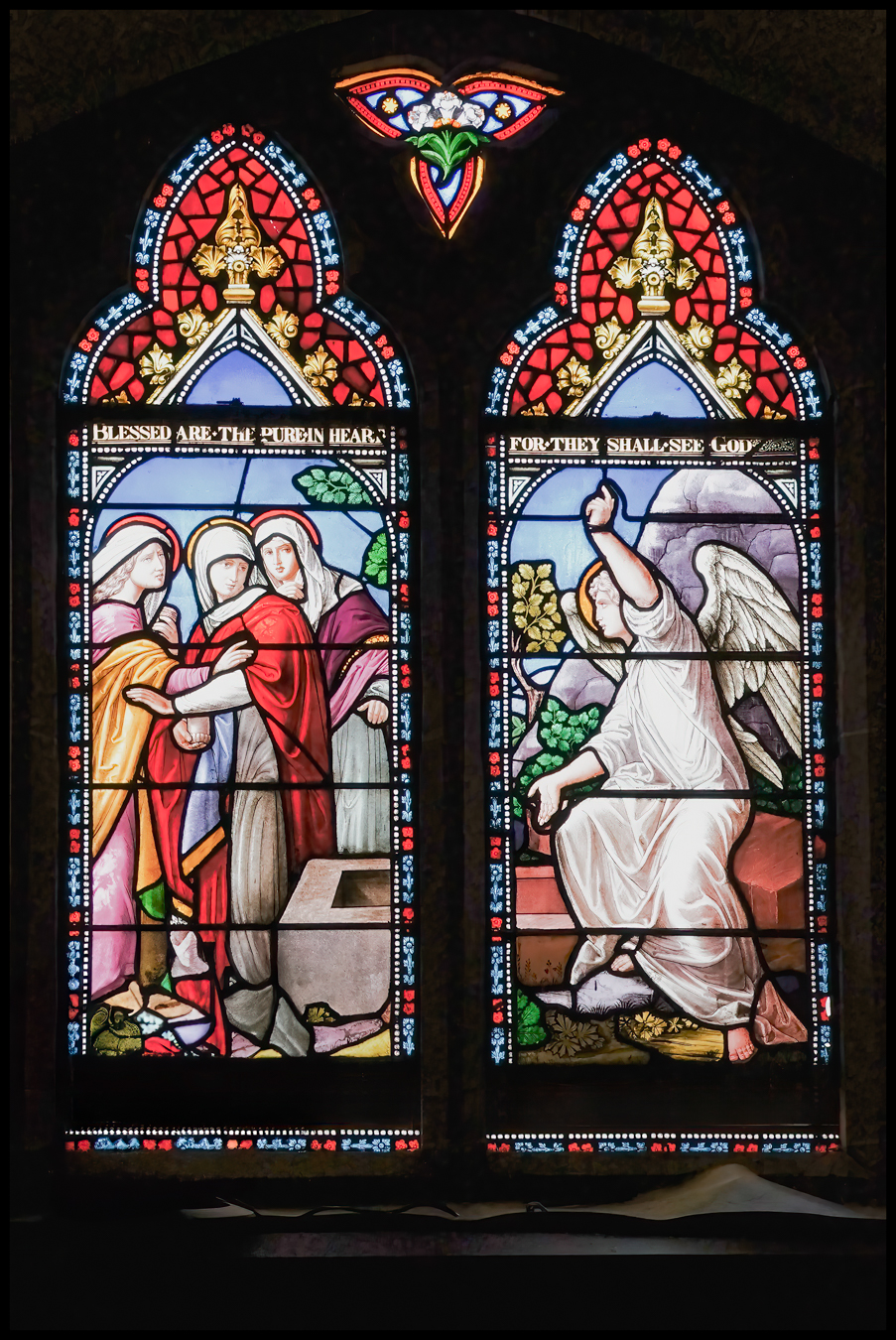
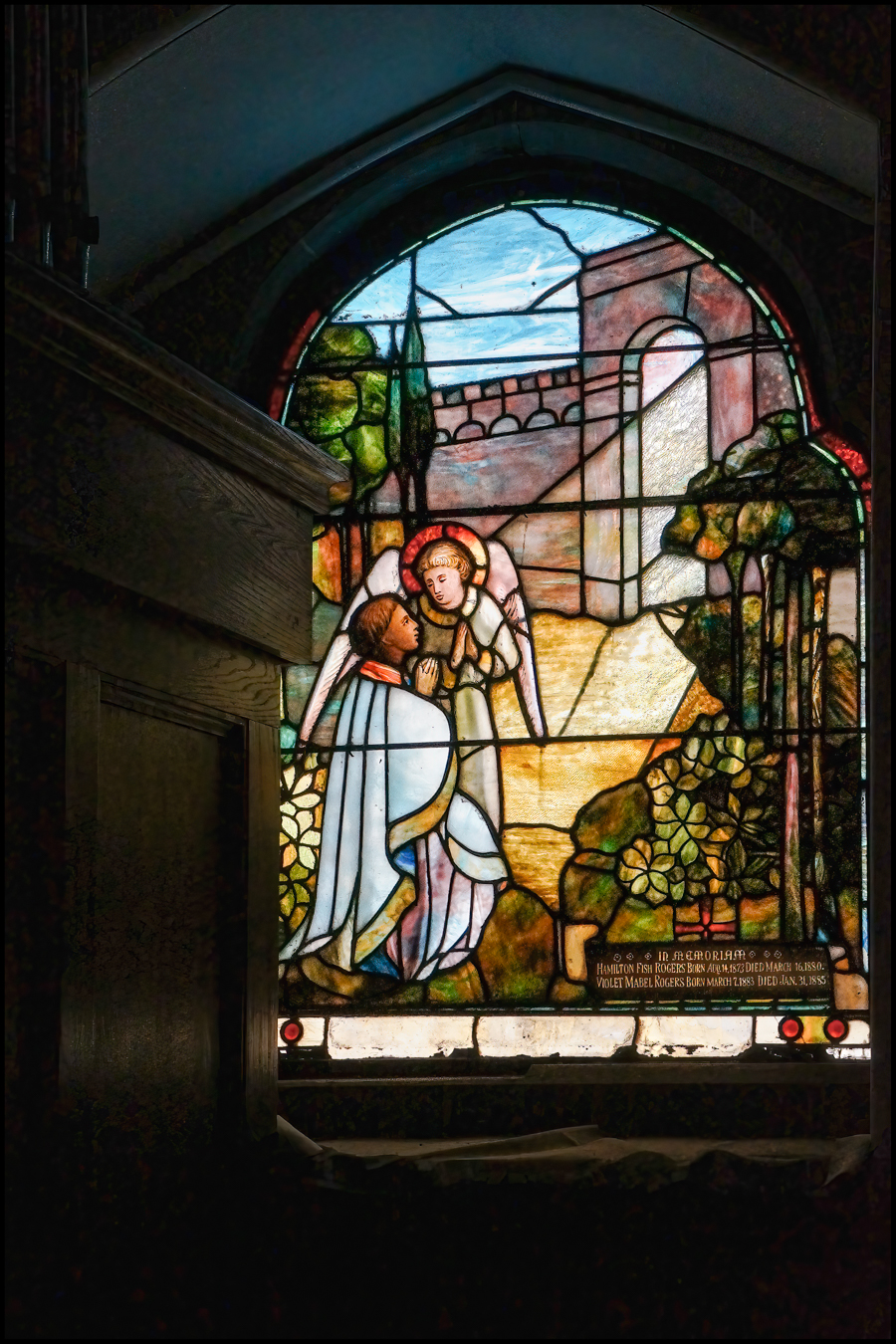
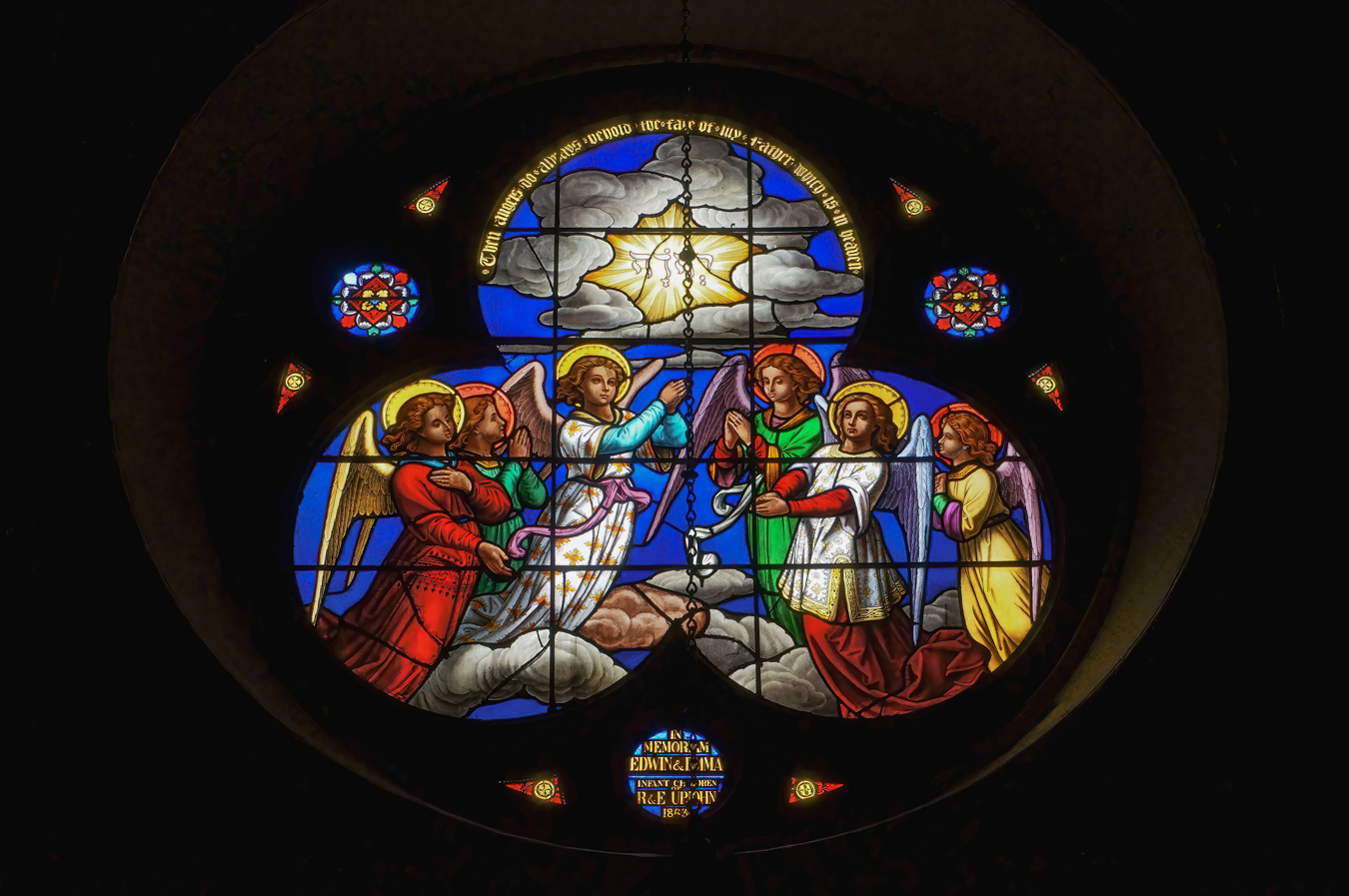
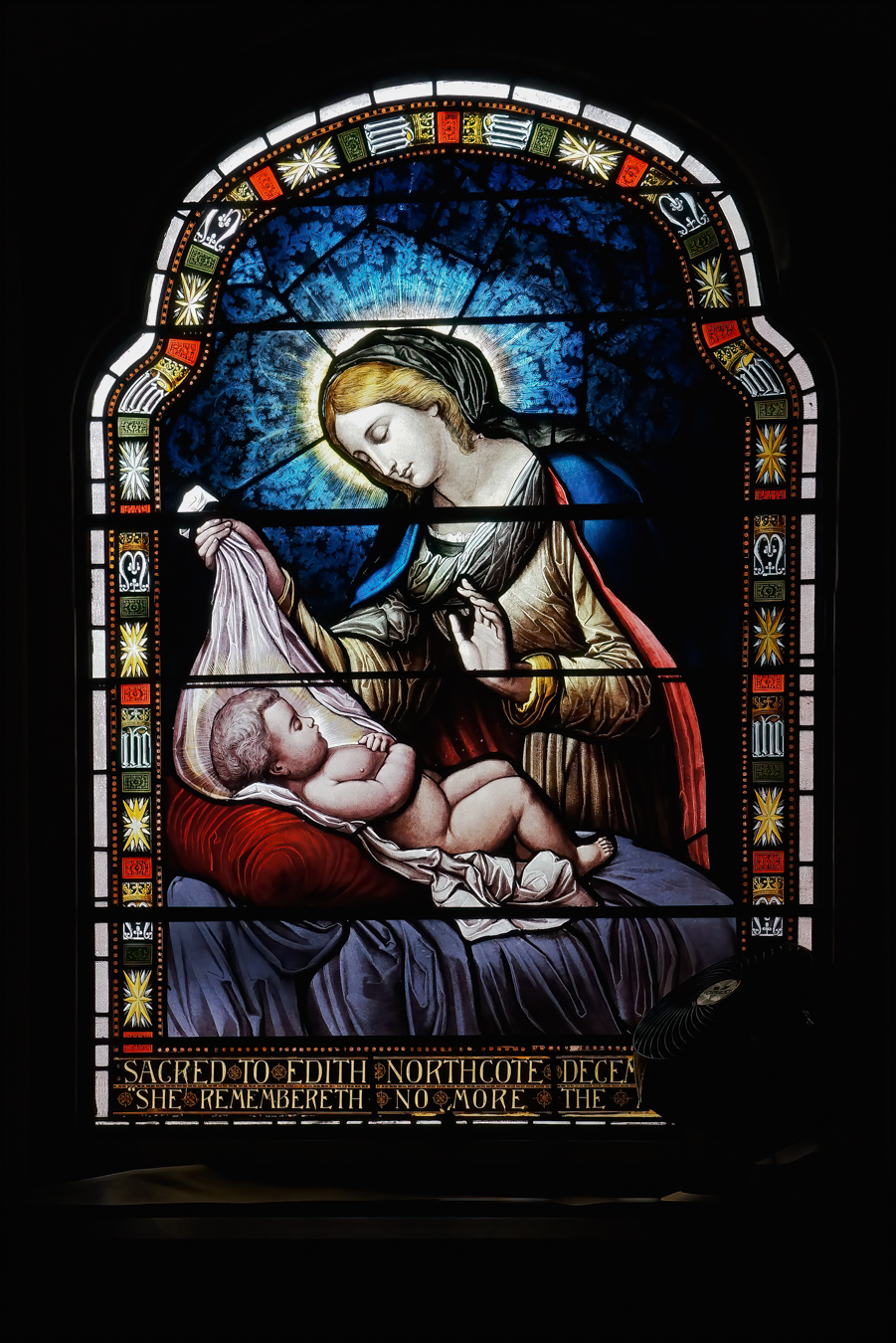
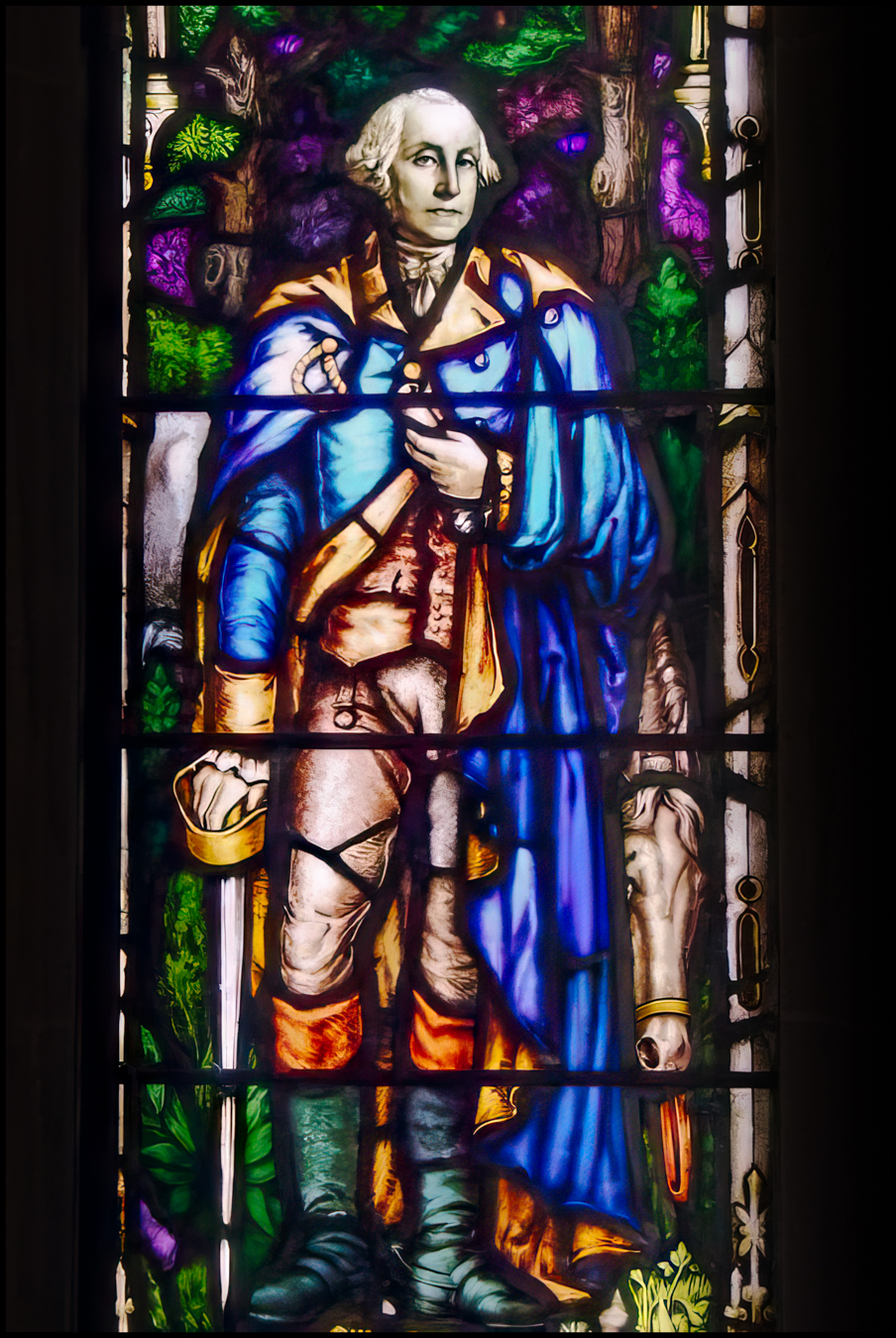
Taken in April 2012 with a Sony Nex 5n and Sony 18-55mm ƒ/3.5-5.6
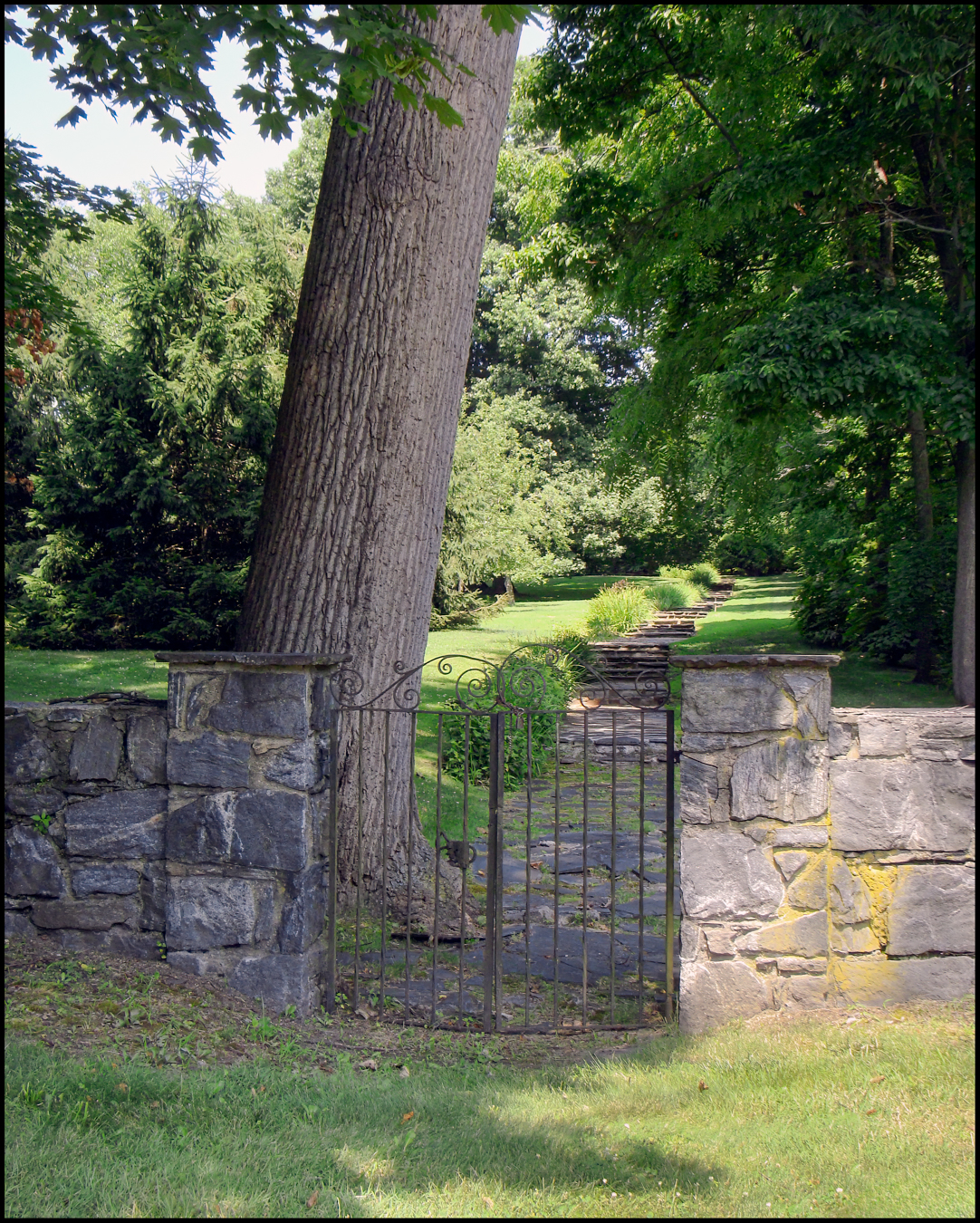
A walk to Sparta Cemetery – A Path

This path is directly across Revolutionary Road from the Scarborough Presbyterian Church Manse. I’ve no idea where it leads to (some grand house I imagine). I liked the stone pillars, the wrought iron gate and the way the path just leads away…to nothing. I’ve taken pictures of it before. In spring bright yellow daffodils grow alongside the path.

Taken with a Sony DSC-H50

A walk to Sparta Cemetery – Around the Scarborough Presbyterian Church

According to Wikipedia:

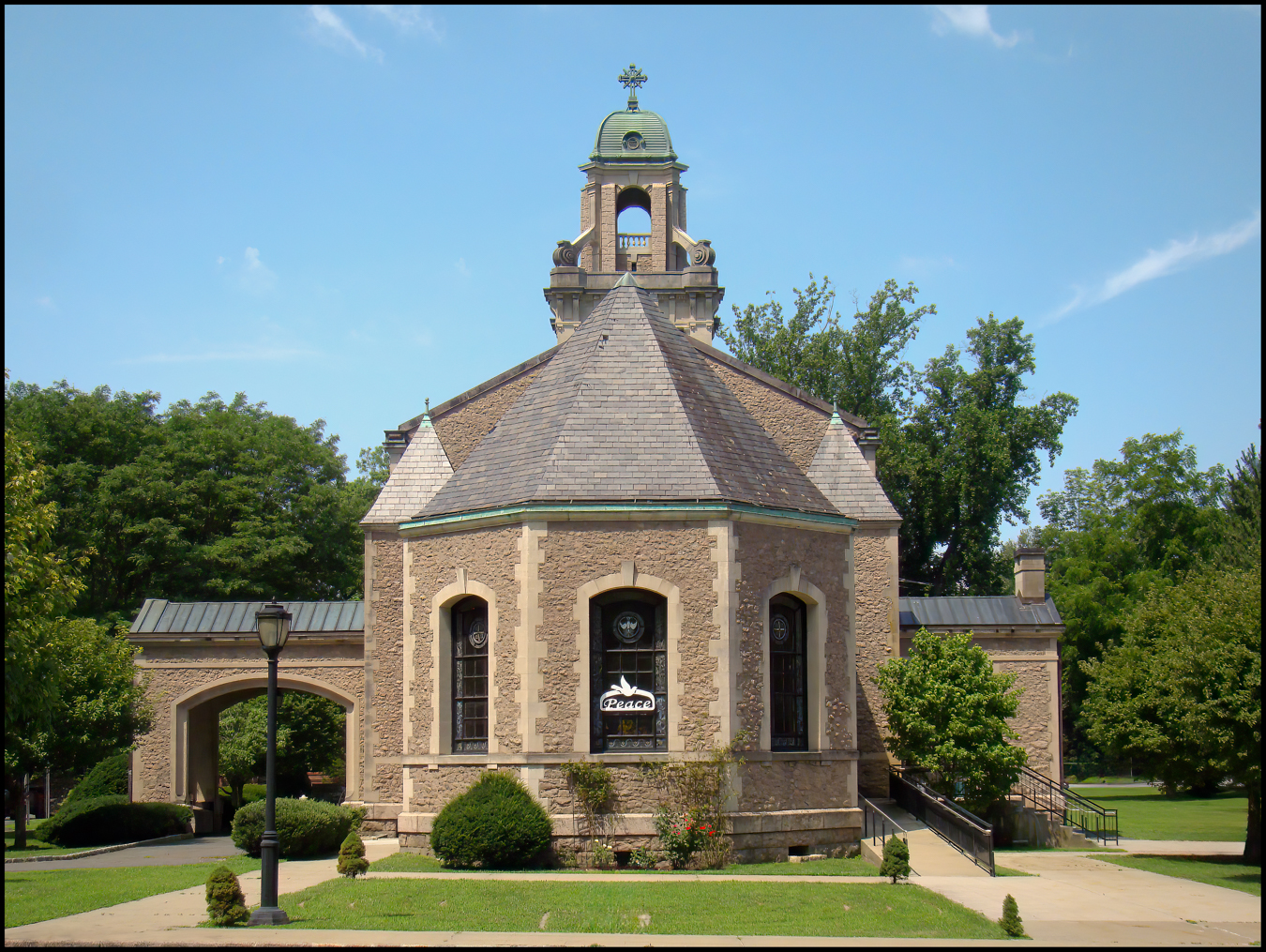
Scarborough Presbyterian Church is the third-oldest in Briarcliff Manor., and has a 2.75-acre (1.11 ha) property. The church has its origins with Elliott Fitch Shepard and his wife Margaret Louisa Vanderbilt Shepard purchasing a roadhouse on the Albany Post Road. In 1892, after enlarging and remodeling the store, adding diamond-paned windows and replacing the floors and porches, the building was first used as a church. The church’s organization meeting was held with nineteen charter members.

After Elliott Fitch Shepard’s death in March 1893, Margaret donated the present church building and manse. The Spanish Renaissance-style church was designed by Augustus Haydel (a nephew of Stanford White) and August D. Shepard (a nephew of Elliott Shepard and of William Rutherford Mead. The two nephews later designed the 1899 Fabbri Mansion in Manhattan. The church’s cornerstone was laid on October 13, 1893. During construction of the building’s foundation, workers found quicksand, though Shepard was intent on constructing the church there and had the construction workers dig 30 feet into the ground to find firm ground for the foundation. European workers were brought to the site to aide in the building’s construction. The Italian Renaissance Revival building was of limestone delivered from Indiana by railroad, requiring a special track laid at Scarborough to accommodate the delivery. The completed church was dedicated on May 11, 1895, in memory of Elliott Fitch Shepard. It was briefly known as Shepard Memorial Church. The dedication was attended by Cornelius Vanderbilt II, Frederick W. Vanderbilt, Chauncey Depew, William Sloane of W. & J. Sloane, William Seward Webb, H. Walter Webb, and James A. Burden Jr.

It was built of pink granite rubble with limestone trim, with a steeple supported by flying buttresses. The interior has mosaic tile floors, fluted pilasters with gilded capitals, a coffered ceiling made of redwood, and stained-glass windows. The church’s 1,498-pipe organ was constructed around 1894; it was the first all-electric action organ in the world. The 3-acre (1.2 ha) church property also contains the church’s carriage house, used for offices, and the parish house, designed by Augustus D. Shepard and completed in 1908.

From 1929 to 1974, the Scarborough Engine Company of the Briarcliff Manor Fire Department had its first firehouse in the church’s garage building or barn, which is older than the church building itself.

Since around 1995, the church has run the Scarborough Presbyterian Children’s Center, a non-denominational preschool housed in a building next door to the church, with an outdoor playground nearby. The preschool serves families in Briarcliff Manor and Scarborough, Ossining, Tarrytown, Sleepy Hollow, Pocantico Hills, and Pleasantville.

In 1995, some of the church was renovated; in 2002, the building was more fully renovated due to years of floodwater and runoff damage, including floods from Hurricane Floyd.


Taken with a Sony DSC-H50