Seeing a Broadway Show – The W. R. Grace Building

The W.R. Grace building stands directly across 42nd Street from Bryant Park.

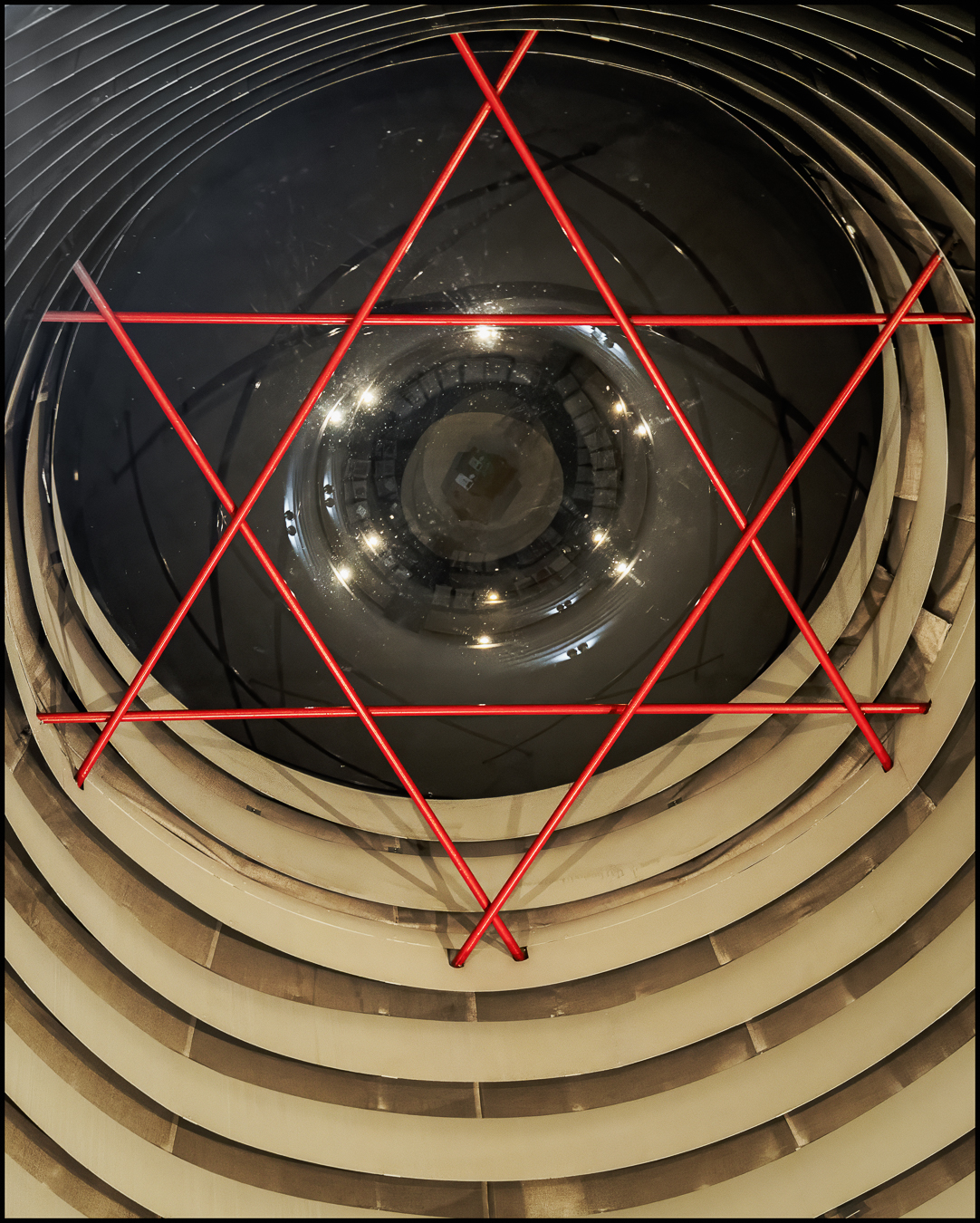
The building was designed by Gordon Bunshaft. It has 50 floors, is 630 feet (190 m) tall, and features a parking garage beneath the building for 185 vehicles. One of the aesthetic attributes of the building is the concave vertical slope (seen above) of its north and south facades, on 42nd and 43rd Street, though only the 42nd Street side has an entrance. A reception area on the 47th and 48th floors was designed by Duffy Inc.

The Grace Building uses the original, rejected design for the facade of the Solow Building, another Bunshaft creation. The sloping facade is also similar to the Chase Tower in Chicago. The exterior of the building is covered in white travertine, which forms a contrast against the black windows and makes the building appear brighter than those surrounding it. The Grace building has faced backlash on its design since its opening in 1974, with many criticizing its addition to the skyline, the unusual shape, and question the space taken up by the surrounding plaza. In fact, the company searched for a student design following the opening of the building to improve the design of the plaza.

Taken with a Sony RX100 MVII

Seeing a Broadway Show – On to Bryant Park


I intended my make my first stop to be at Bryant Park, but first a picture (above) taken right outside Grand Central Terminal

Bryant Park is a 9.6-acre (3.9 ha), privately managed public park in the New York City borough of Manhattan. It is located between Fifth Avenue and Avenue of the Americas (Sixth Avenue) and between 40th and 42nd Streets in Midtown Manhattan. The eastern half of Bryant Park is occupied by the Main Branch of the New York Public Library. The western half contains a lawn, shaded walkways, and amenities such as a carousel, and is located entirely over an underground structure that houses the library’s stacks. The park hosts several events, including a seasonal “Winter Village” with an ice rink and shops during the winter.

The first park at the site was opened in 1847 and was called Reservoir Square due to its proximity to the Croton Distributing Reservoir. Reservoir Square contained the New York Crystal Palace, which hosted the Exhibition of the Industry of All Nations in 1853 and burned down in 1858. The square was renamed in 1884 for abolitionist and journalist William Cullen Bryant. The reservoir was demolished in 1900, and the New York Public Library’s main branch was built on the site, opening in 1911. Bryant Park was rebuilt in 1933–1934 to a plan by Lusby Simpson. After a period of decline, it was restored in 1988–1992 by landscape architects Hanna/Olin Ltd. and architects Hardy Holzman Pfeiffer Associates, during which the park was rebuilt, and the library’s stacks were built underneath. Further improvements were made in the late 20th and early 21st centuries. (Wikipedia)

The above mentions: “a period of decline”. That doesn’t quite tell the full story. By the 1960s, Bryant Park had deteriorated badly. When I arrived in New York in 1974 it had been taken over by drug dealers and the homeless. In was considered to be somewhere that ordinary people and visitors should avoid.

The park was substantially renovated and rebuilt during the 1980s and re-opened to acclaim in the early 1990s. The dramatic improvement in the park led to an equally dramatic rise in real estate values in the surrounding area. By 1993, the area had become a highly desirable office area, and formerly vacant office space around the park was being filled quickly. The Park is used mostly as a passive recreation space. It is one of the world’s busiest public spaces. Now more than 12 million people per year visit the park and enjoy gardens with seasonal displays, free daily amenities, cultural programming, exercise classes, and much more!


The Winter Village


Plastic igloos where you can sit and eat or have a drink while protected from New York winters.


Statue of William Earl Dodge by by John Quincy Adams Ward. It was cast in 1885 and dedicated on October 22 of that year. The statue was initially installed in Herald Square, having been financed by Dodge’s admirers and friends. It was moved to Bryant Park in 1941 and was renovated in 1992 by the Bryant Park Restoration Corporation.


The Josephine Shaw Lowell Memorial Fountain, a memorial to Josephine Shaw Lowell, a social worker active in the late 19th century. The fountain was designed by architect Charles A. Platt and dedicated in 1912.


Coins in the fountain.


One of the numerous decorative planters scattered around the park.

Taken with a Sony RX100 MVII
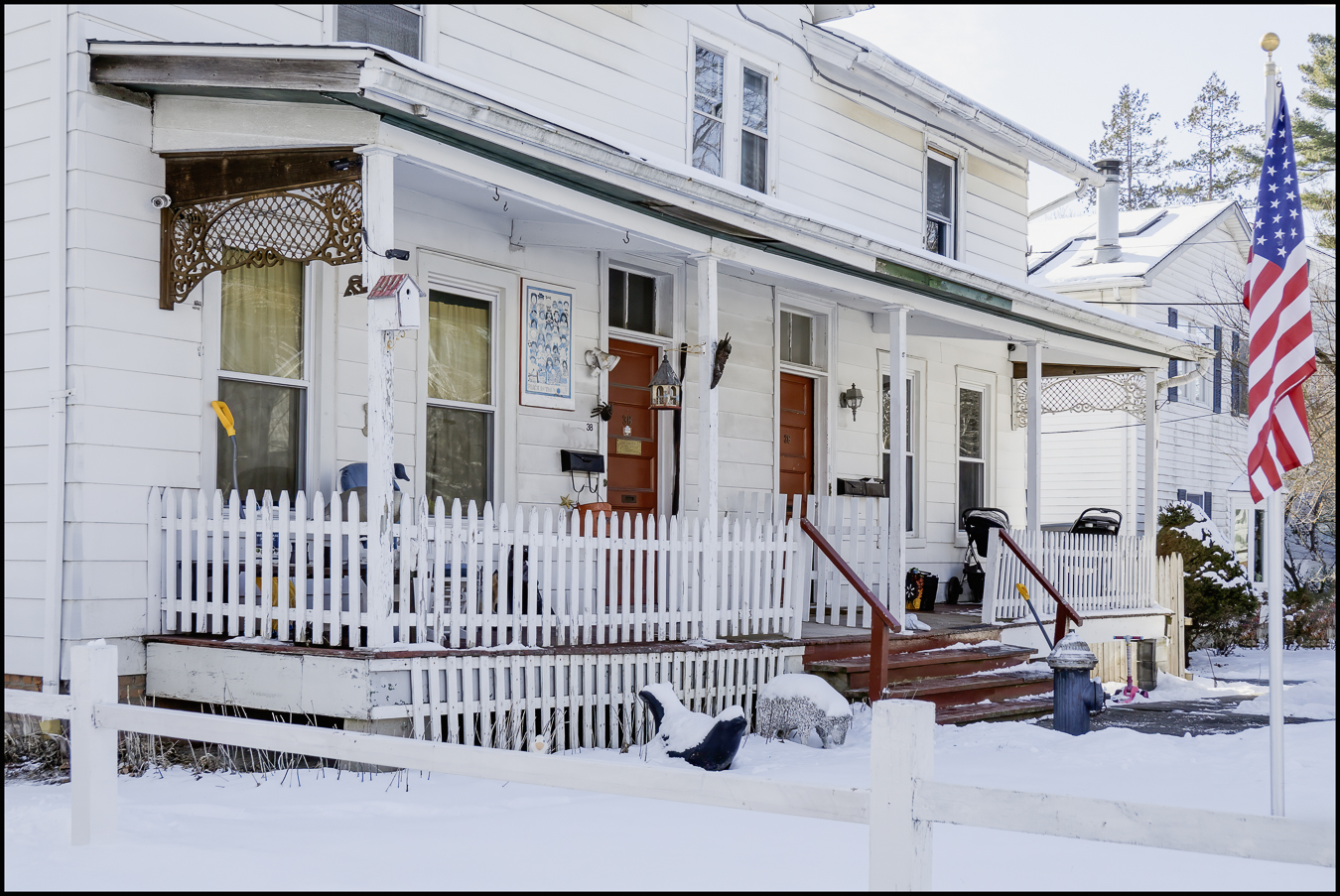
I’m Dreaming of a White Christmas

December 21 was a snowy day in Briarcliff Manor. Now that was a surprise! I knew that we would have some snow, but the weather forecasts were predicting around one inch. It turned out that 3 inches was closer to the mark. Still, that’s not enough to cause much fuss around here. The 22nd brought maybe another inch of snow. Since it was cold and unlikely to get much warmer before Christmas, it looked likely that we’d have a White Christmas! This was, indeed, the case.


Taken with a Sony A7IV and Viltrox AF 20mm f2.8 STM ASPH ED IF

Lunch at the Boathouse, Ossining, NY

I went for lunch to one of my favorite riverfront restaurants yesterday: The Boathouse in Ossining, NY. It was a somewhat grim day, overcast and rainy. However, when we got to the restaurant the situation had changed. It was foggy, so foggy that you couldn’t see the other side of the river. There was no wind, and the water was like a mirror. It was foggy, but from time to time the sun would peep through. Then the fog would roll back in. Perfect for taking pictures. Unfortunately, for once I didn’t have a camera with me – except for my trusty old iPhone, which I used to take these pictures.


Taken with an Apple iPhone SE II.