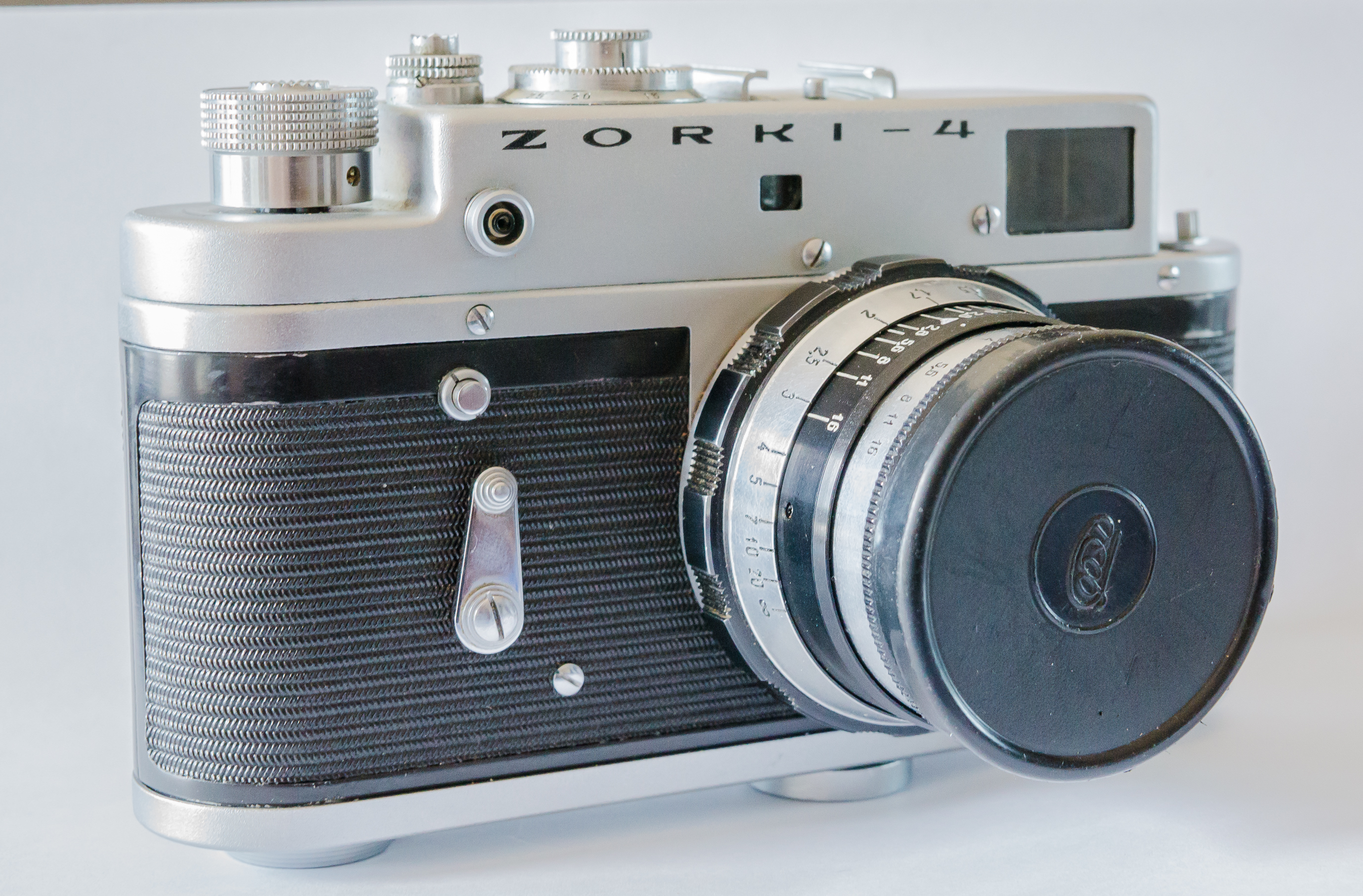
Another oldie – Zorki 4


Along with the FED 2 I got a Zorki 4: another FSU Leica II copy. The first time I used it turned into quite a saga. I went to the city and lost a roll because of a problem rewinding (I didn’t fully understand how to do it and tore the film out of the cartridge). Then I thought there was a problem with the camera (there wasn’t there was a problem with the operator again). Anyway I put another film in. Everything seemed to go fine. I dropped it off at CVS and went away for an hour and then went back to pick up the results. Only to find that the CVS guy said that they couldn’t process the film. My first reaction was “then why do you sell it. Or why, at least, do you not have a sign saying that you don’t process it”. I guess I should be grateful. If he had processed it the film would have been ruined.

Read More

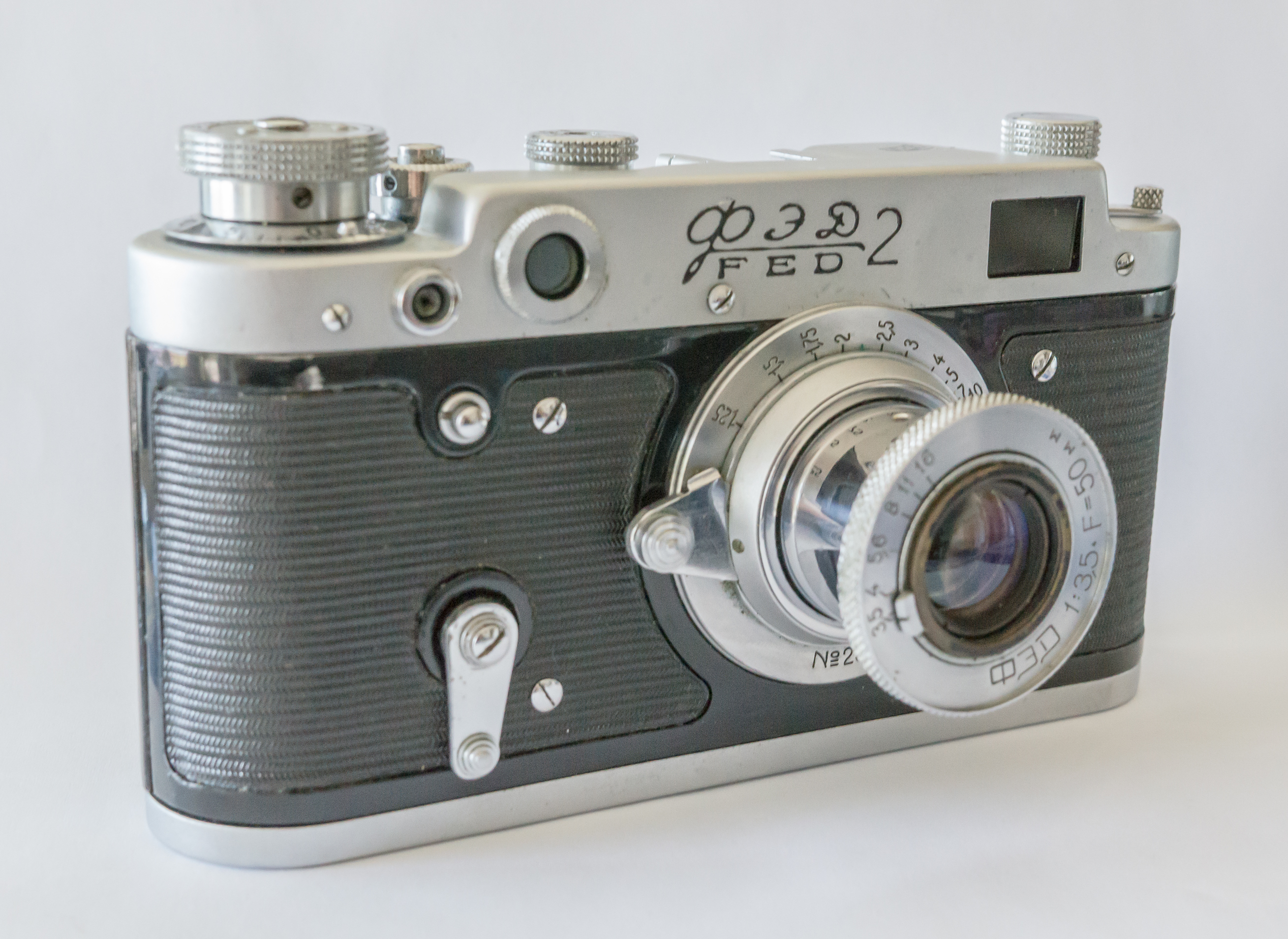
The beginnings of a camera collection: Fed 2

When I decided to start a camera collection this was the first camera I acquired. My first serious camera was a rangefinder camera and I’d heard of Leicas. However, I didn’t want to spend a lot of money so after browsing around on the Internet for a while I decided to try some of the Leica copy former Soviet Union (FSU) cameras. I didn’t like the idea of trimming the film leader (required to use bottom loading cameras like the earlier Leicas and also the early FSU cameras. So I opted for the Fed 2, which has a removable back. I read that it’s not as well made as a Leica (it’s not), but that it had some features that the early (and in some cases even later) Leicas lacked e.g. wide base length rangefinder; combined rangefinder/viewfinder; easier loading.

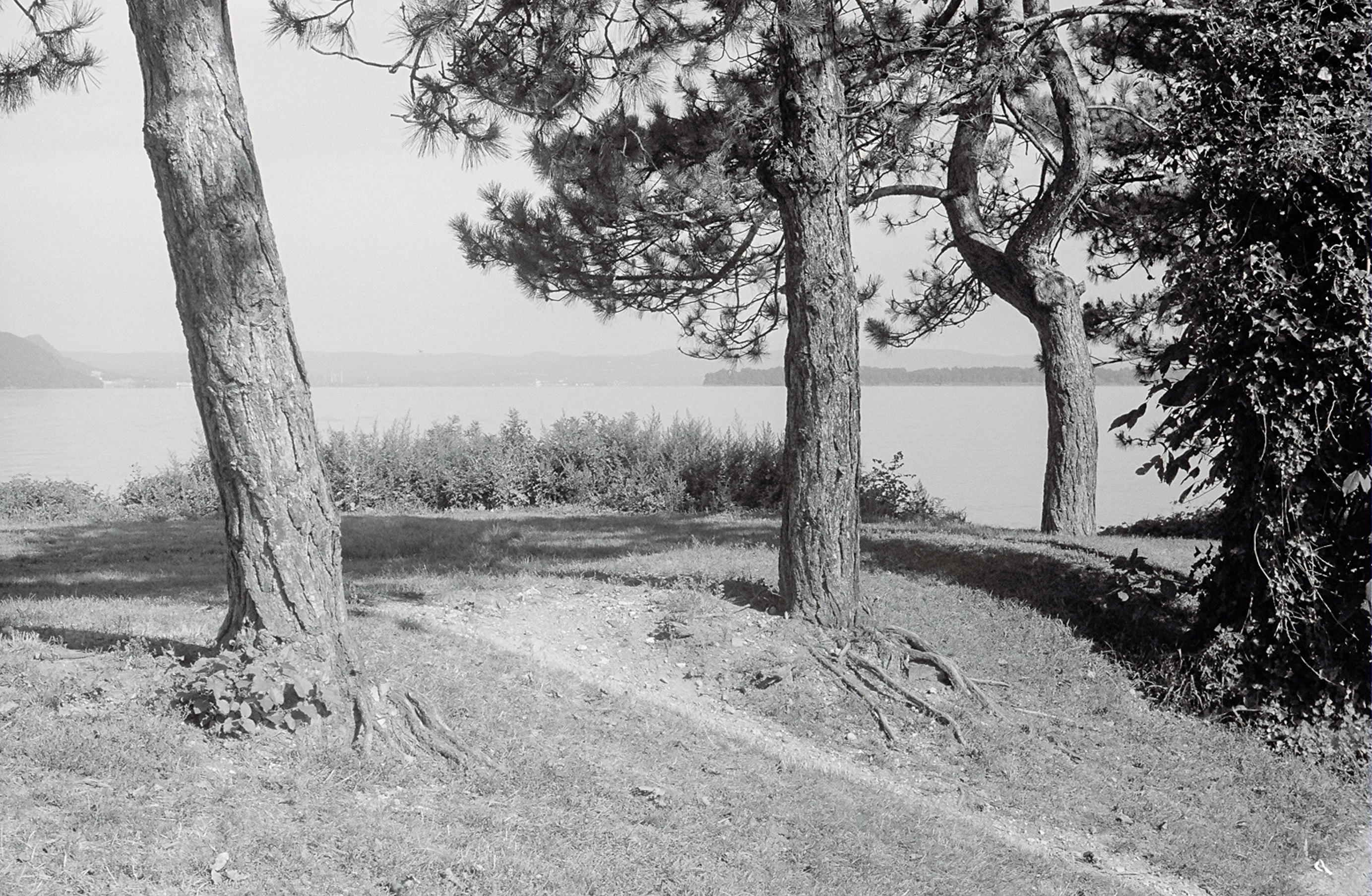
I very much like the viewfinder/rangefinder and the controls are relatively smooth. Of course it has no slow speeds so that limits it a bit (although I admit that I hand hold a lot and tend not to use the slow speeds much. I can’t even hand hold effectively at 1/30 sec). The black and white pictures were taken using an Industar-61 and the colour pictures with a collapsible Fed 50mm 3.5. I rather liked the Fed collapsible and was very pleasantly surprised with the results.

As with the Kiev (see post below) there is an interesting story behind the FED cameras . Who would have thought that such a camera would come from commune established by Felix Edmundovich (“bloody felix”) Dzerzhinsky (FED – get it?). He was the infamous head of the Cheka, predecessor to the KGB.


Scarborough Station park, Westchester, NY.

Read More

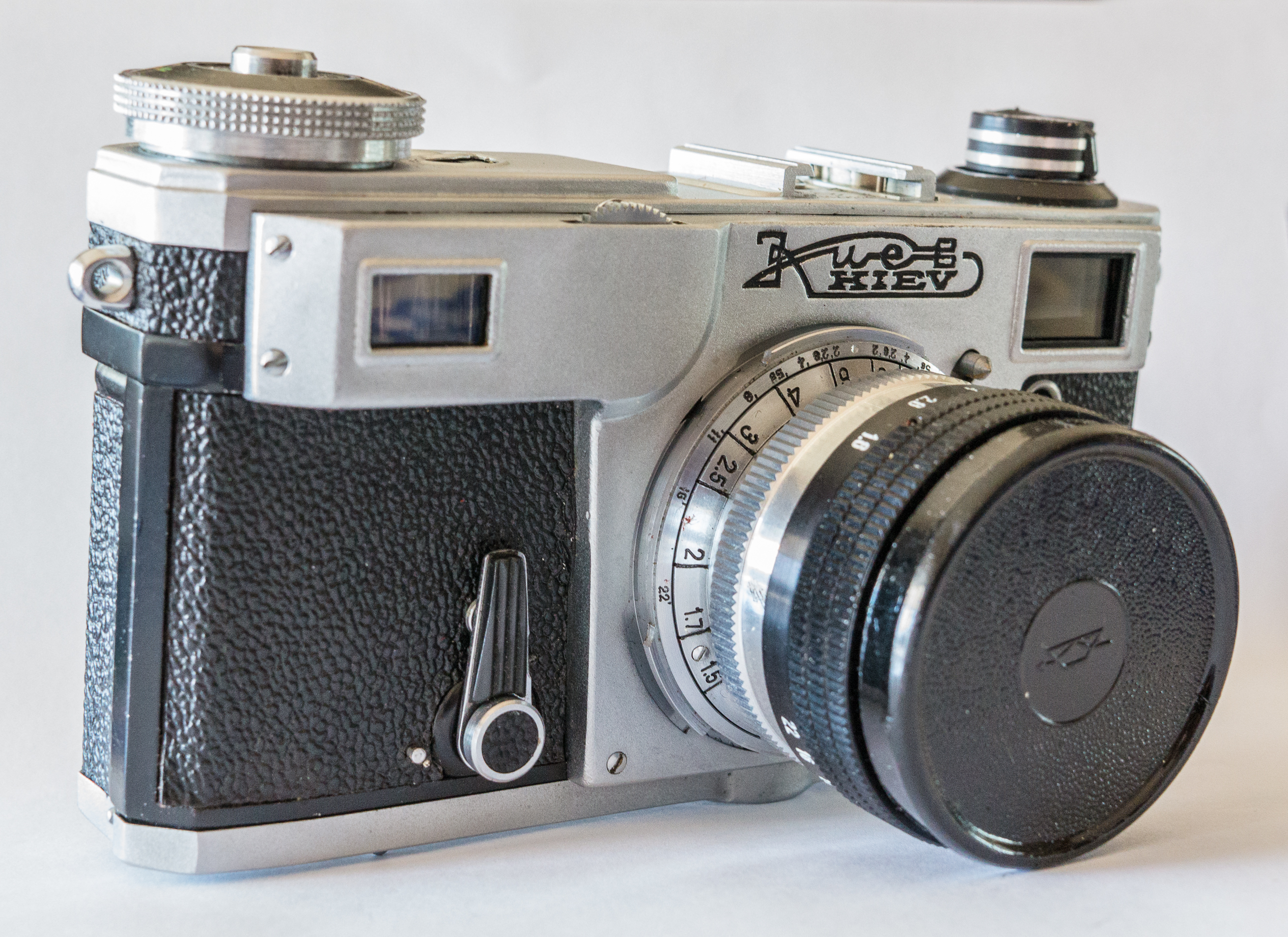
Film again – Kiev 4am


In 1925 Leitz introduced the first 35mm system camera (not the first 35mm camera however): the Leica . For 7 years they had the field to themselves until, in 1932, Zeiss Ikon introduced the Contax series of rangefinder cameras. Contax cameras were made in Dresden, which during the Second World War was occupied by the Soviet Union. Scientists, cameras, camera parts, machines for making cameras were ultimately moved to Kiev and the USSR started to make Contax cameras initially using the Contax name and later under the Kiev brand. The early Kievs were manufactured from Contax parts and so as someone put it: “This is not a Soviet camera – it is a German camera, made in the Soviet Union”. Kievs were made in various forms until 1986. So in the 1980s you could still buy what was essentially a new pre World War II camera (generally not as well made as the German Contaxes}. For more on the Kiev story see here.  It should also be said that a number of the original Contax scientists managed to get to the Allied Zone where they re-started the Contax brand.  So there are pre-war and post-war Contaxes. But that’s another story…..This is a Kiev 4am with Helios 103 lens (probably also a copy of a german lens, but opinions vary as to which: Zeiss Sonnar? Zeiss Biotar? Leitz Summitar?).


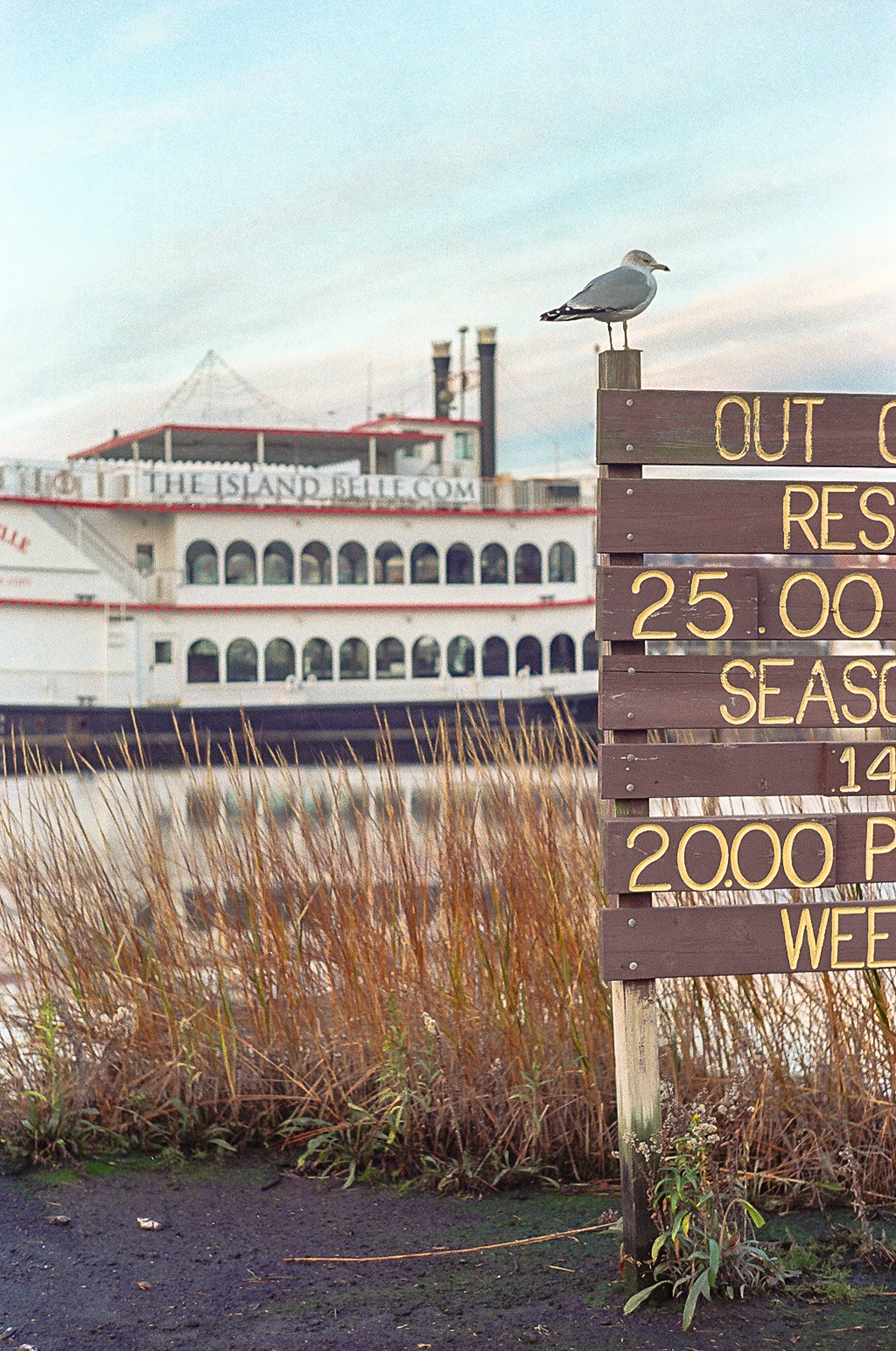
Seagull and the “Island Bell” in South Norwalk, Ct. Couldn’t resist the seagull.

Read More

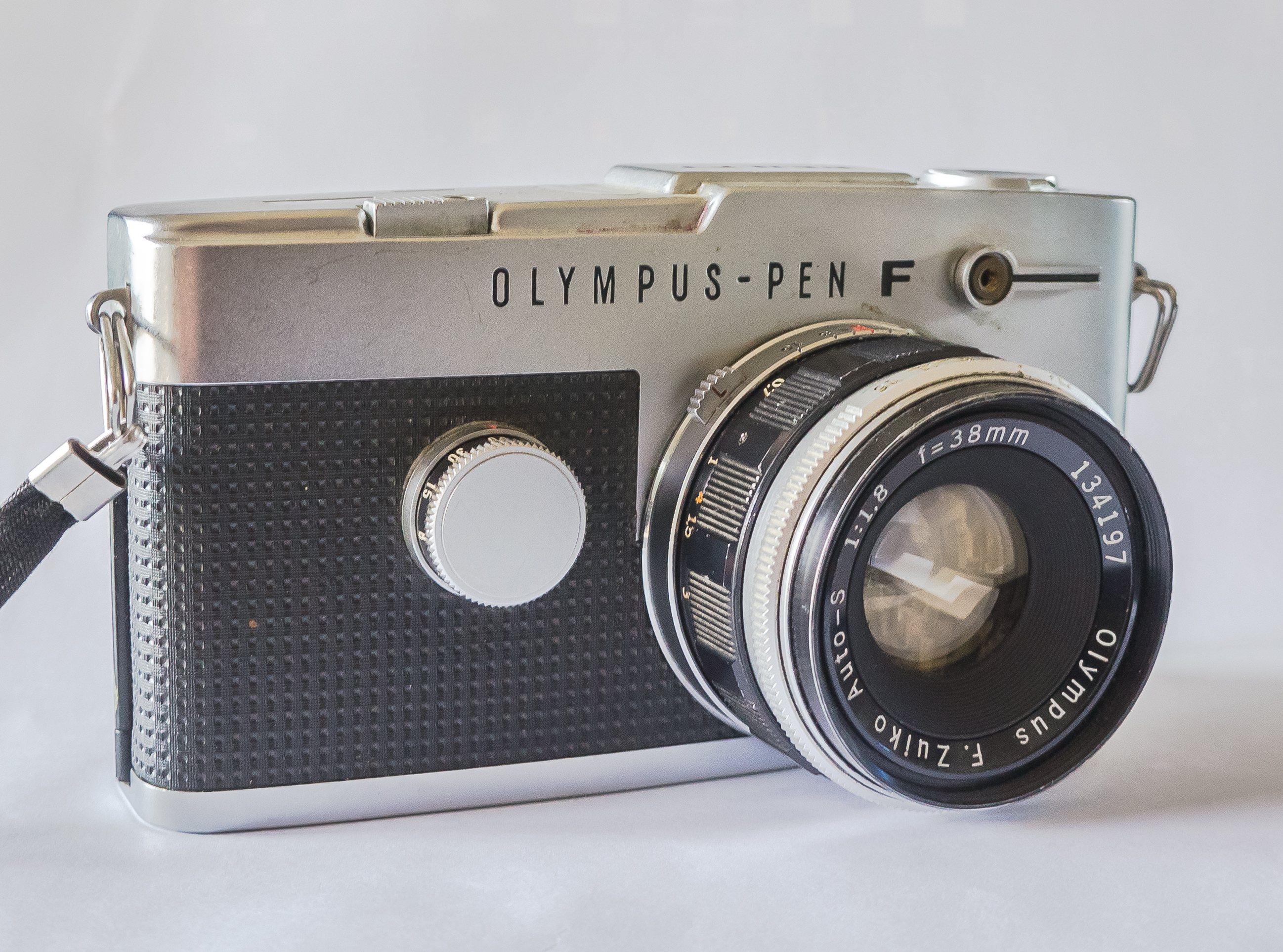
Olympus Pen FT


I acquired this camera as a result of a swap with Tom, a friend of mine. He needed a compact digital camera and was willing to trade the Olympus Pen FT. I had a four year old Panasonic ZS3 that I had bought second hand and was not using that much.

What an incredible camera!   It’s a half frame (e.g. it will take 72 shots on a 36 exposure roll of film) film camera.  It looks like a rangefinder camera and is about the same size.  But it’s not a rangefinder.  It’s an SLR! It came out in 1966 and looks just like the earlier Pen F. However, unlike the Pen F this model has a built in, but somewhat quirky, through the lens (TTL) exposure meter. Rather than provide aperture/shutter speed combination it gives a number. It’s not immediately apparent which f stop the number relates to. Someone has taken a marker and marked the numbers against the appropriate f stop on the aperture ring, but some of them have blurred. Doesn’t matter much to me as I’d probably either guess the exposure or use a separate meter anyway.

It’s an extremely well designed camera that just feels right in the hands. Amazingly everything seems to work. Although dim (apparently this is normal for this camera) the viewfinder still allows for easy focus. The shutter speeds work and sound about right. Aperture settings work fine. The self-timer is missing its button but still seems to work fine. Other than that and the marker inscribed exposure numbers the camera is in pretty good shape although it could do with a cleaning. The lens is a 35mm f1.8 F.Zuiko.

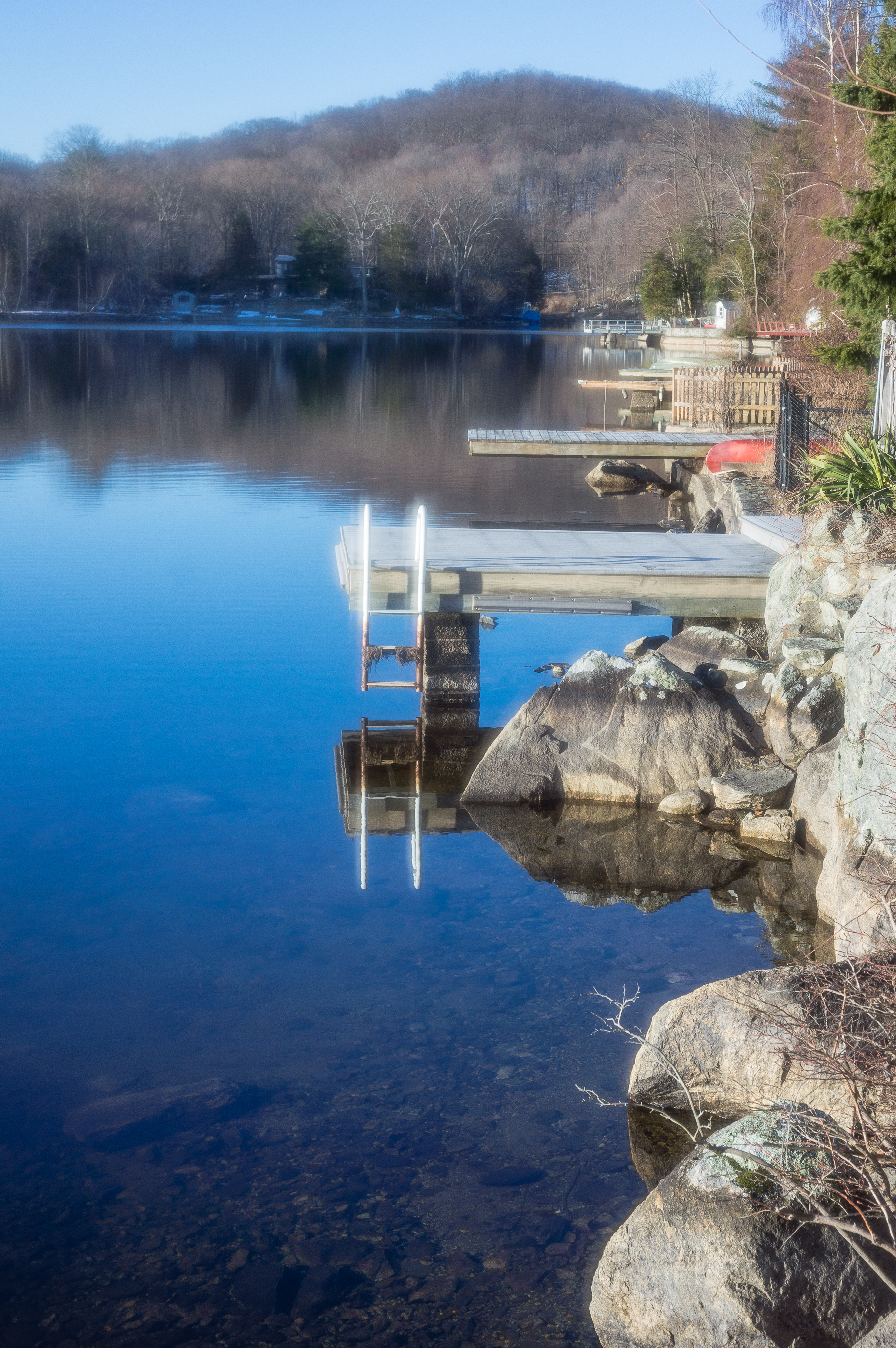
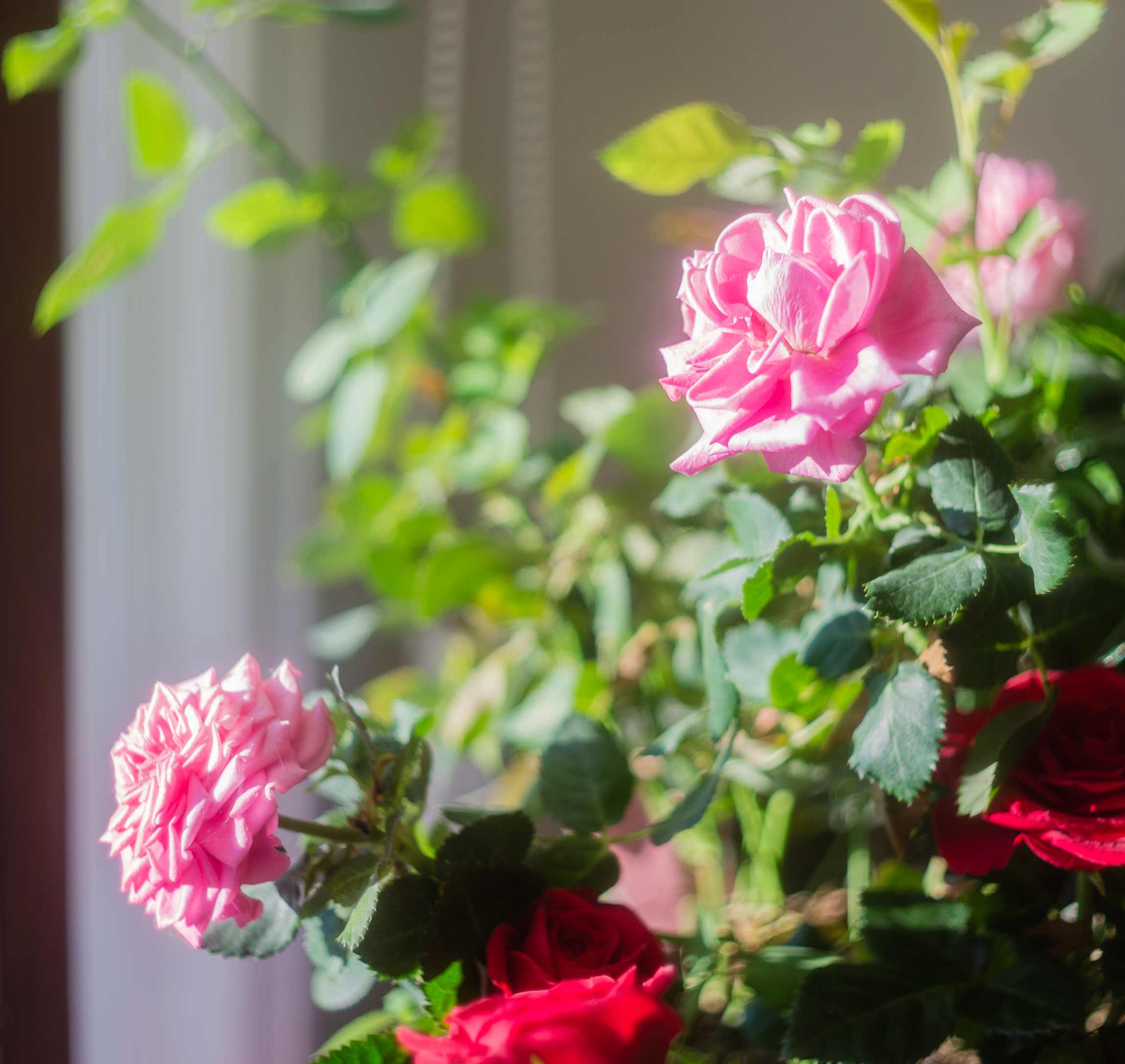
I haven’t yet tried it with film (and I’m not at all sure how I’d get half frame film processed), but I did acquire an adapter for my Sony Nex 5n, which allowed me to try out the lens. Some samples below. I love the colours, but the lens seems to have a tendency to flare. I don’t know if this is typical or if there’s something wrong with the lens. I’m sure a lens hood would help. Even with the flare I find the results attractive.


Docks on Roaring Brook Lake. From our dock,


Orchid in our living room


Roses


Jackson

Back to film: Olympus Stylus Epic


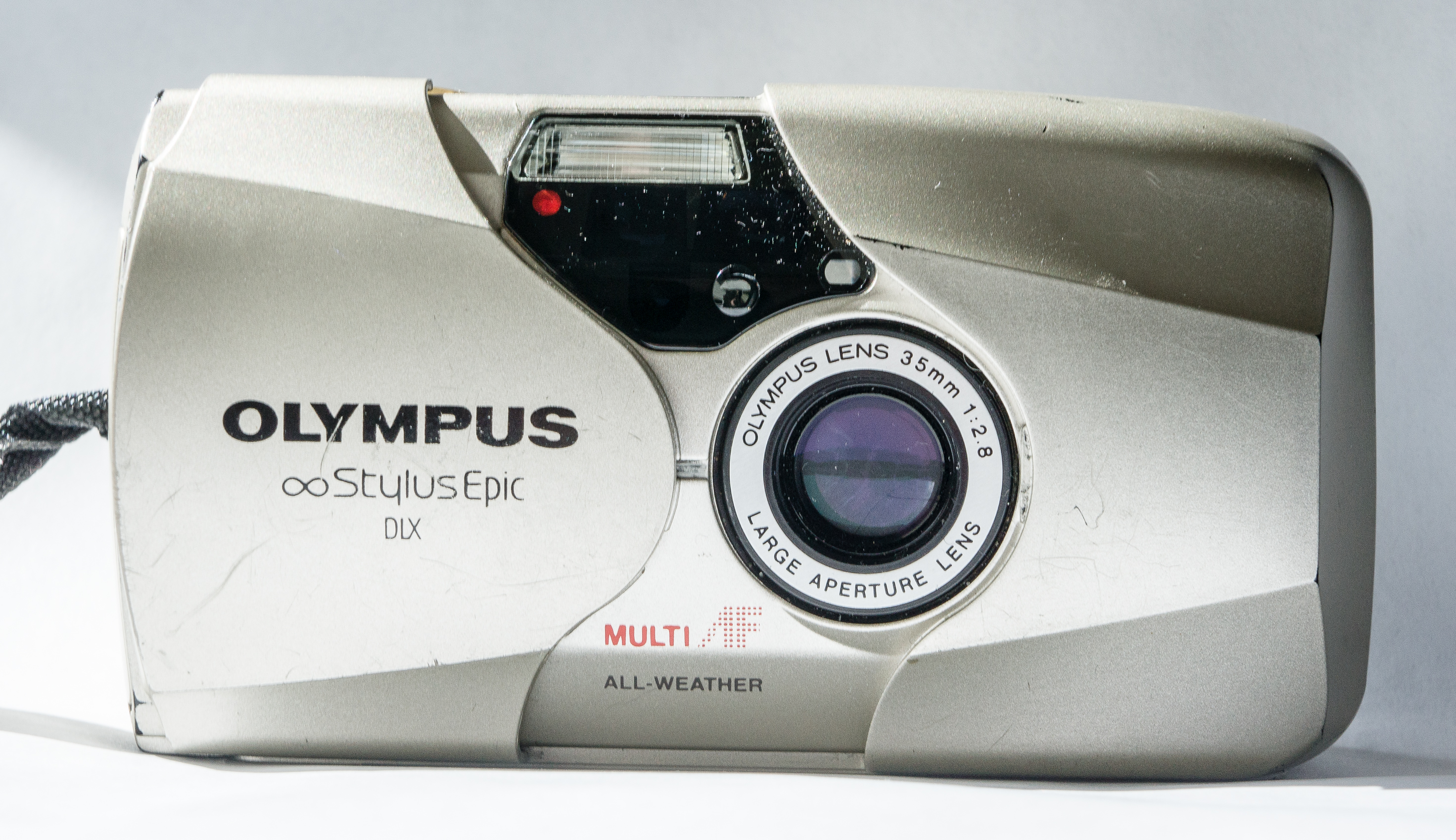
My small camera collection has so far mostly (but not entirely) focused on older rangefinder cameras. However, while browsing around looking for Olympus rangefinders I came across this camera. It’s much younger than most of my cameras having been produced from 1996 to 2003. It’s an Olympus Stylus Epic (or mju ii as it’s known outside the US). It’s not a rangefinder camera. To quote Wikipedia “The Epic has a fixed 35mm f/2.8 lens, and can focus down to 14 inches. It has a spot meter, and optional red eye reduction. The clamshell design is very tough and the camera can be carried in a pocket or handbag without fear of damage. The camera is also very lightweight (145 grams) and splash proof.” It also has an “active three point” exposure system, which is reputed to produce very accurate expoosures. My model also has a date back, which I don’t use.

The camera has something of a cult following. This has driven up the cost up of late. However, you can still find usable examples for between $50 and $100. You also might get lucky and find one at a garage sale or flea market for much less. Beware though. There are a number of “Stylus” models, most of them zooms. Although very cheap (I picked up one in pristine condition with a nice case in a thrift store for $4.99.) they do not have as good a reputation as this camera. The predecessor to this camera (Olympus Infinity Stylus or “mju” as it’s known outside the US) also has a good reputation. It’s less expensive than the Stylus Epic, has a slower lens, and lacks some of the Epic’s features.

Continue for pictures

Read More