RX-100 Revisited

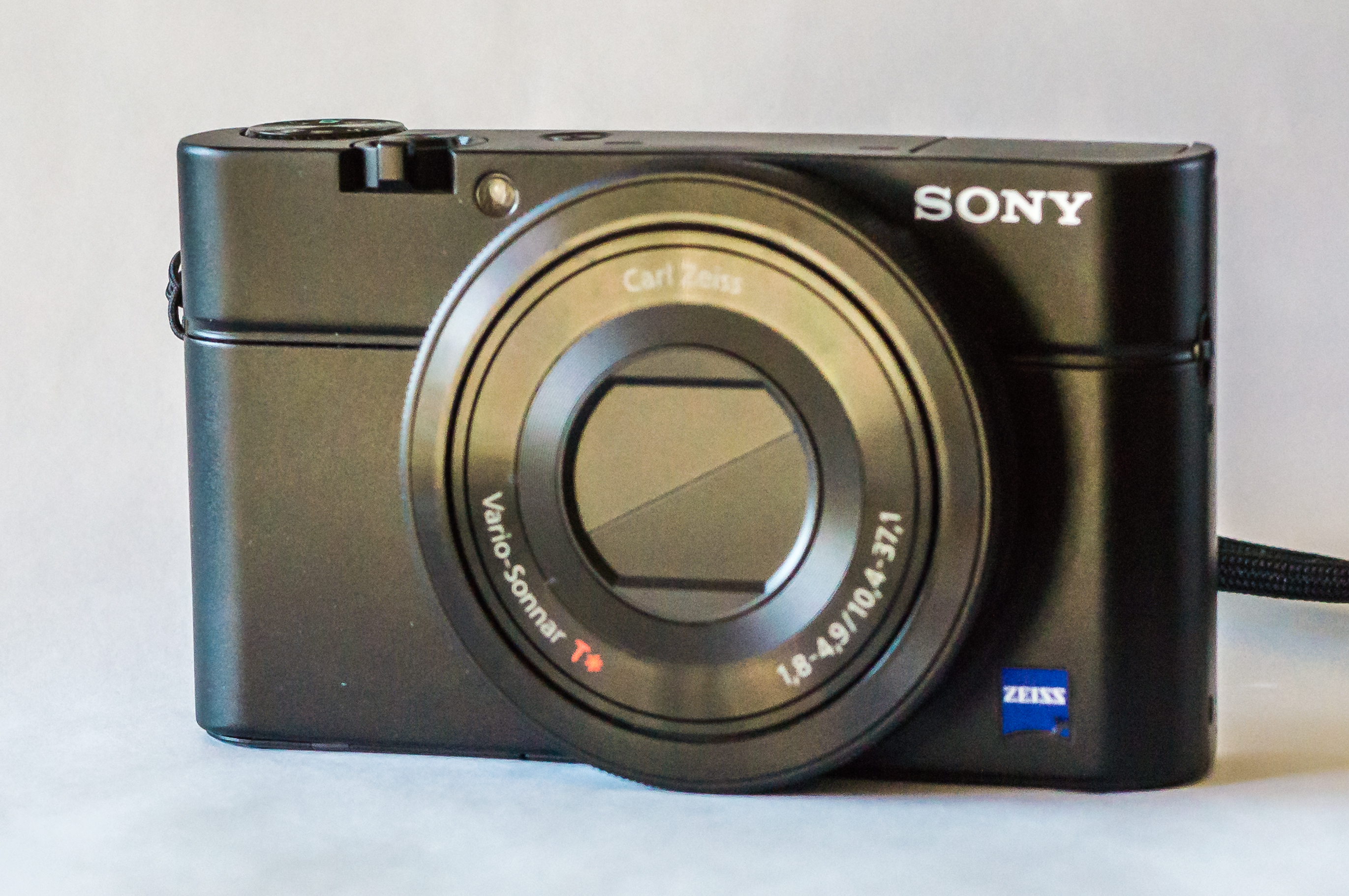
I’ve had my RX-100 for over a year now. I originally bought it as “carry everywhere” camera, the lack of which I felt after I got rid of my Panasonic Lumix LX-7.

First a word about the type of photography I incline to. I mostly take pictures of old buildings, old machines, landscapes, flowers etc. Occasionally I take pictures, usually at family events or social gatherings. What I don’t normally take pictures of are things which move quickly (e.g. sports, people in the street, kids running around etc.) so lightning fast focus isn’t really that important to me.

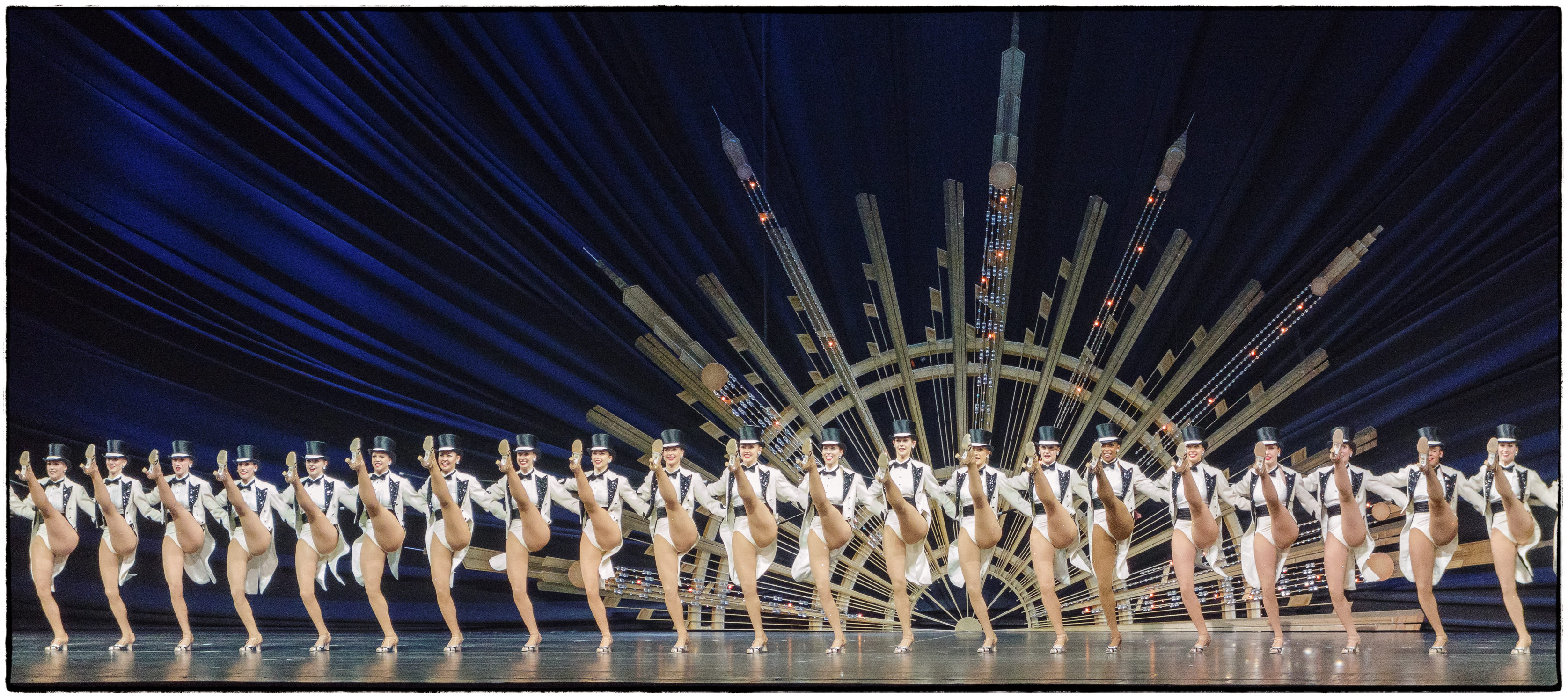
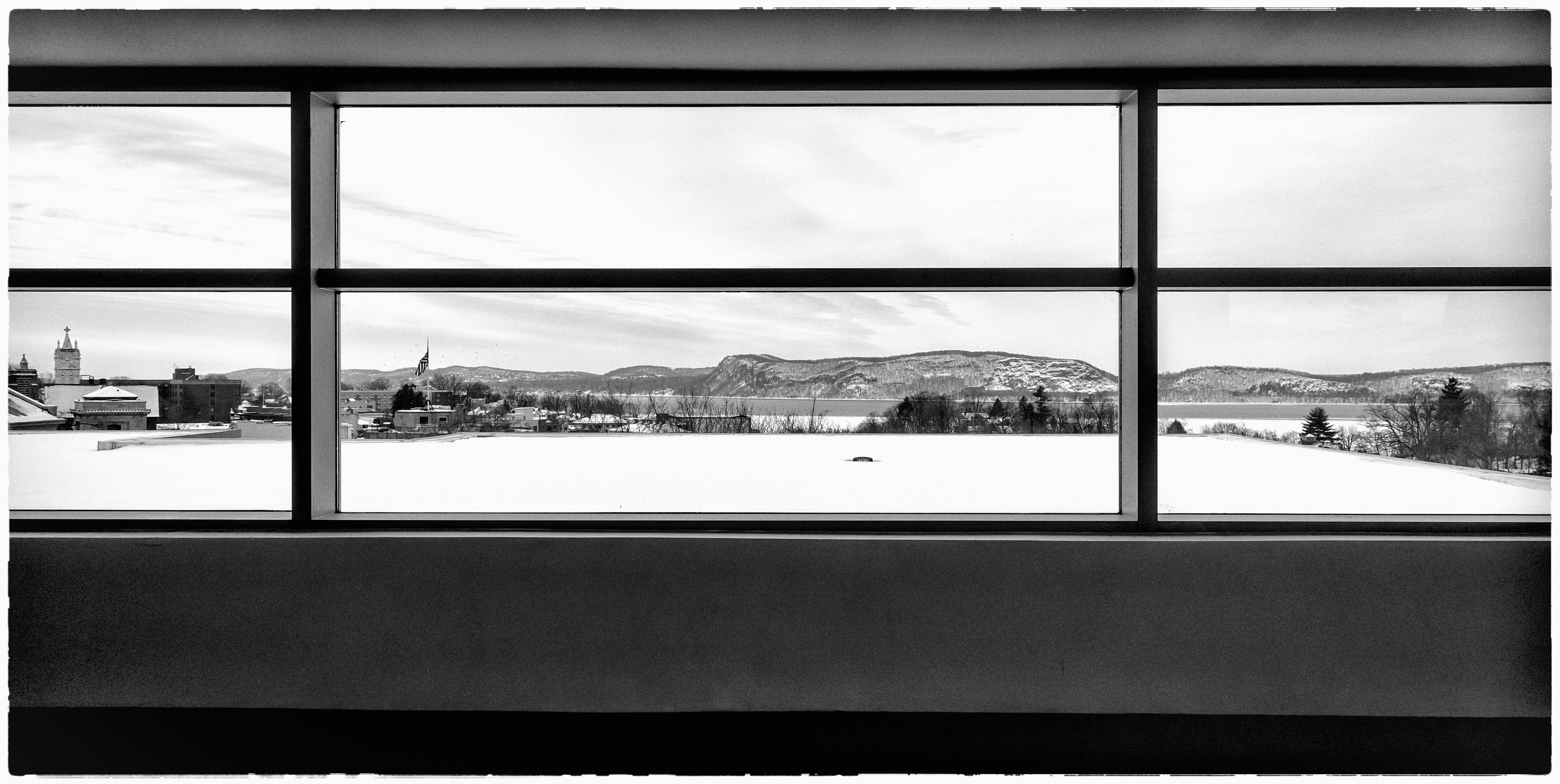
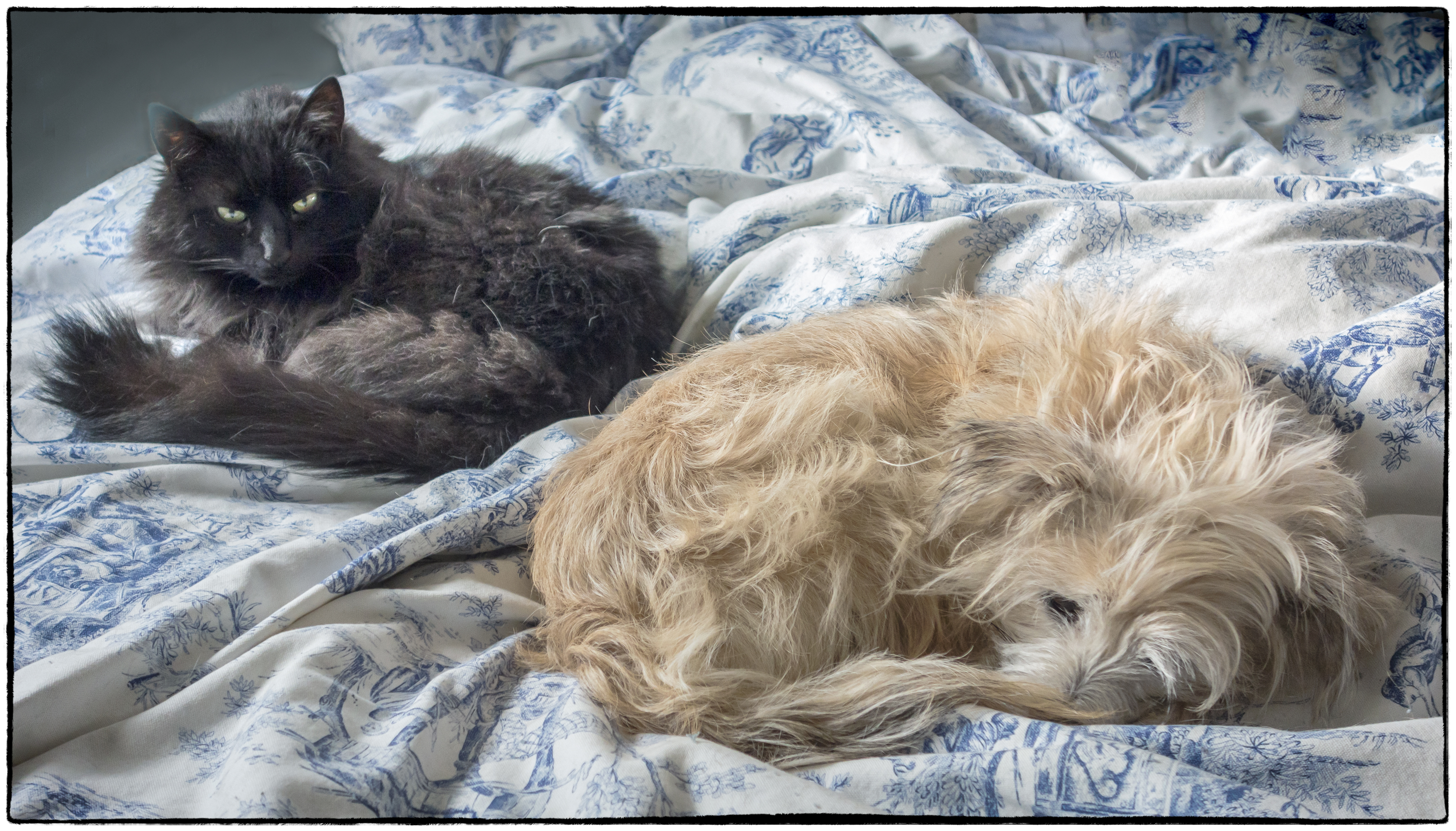
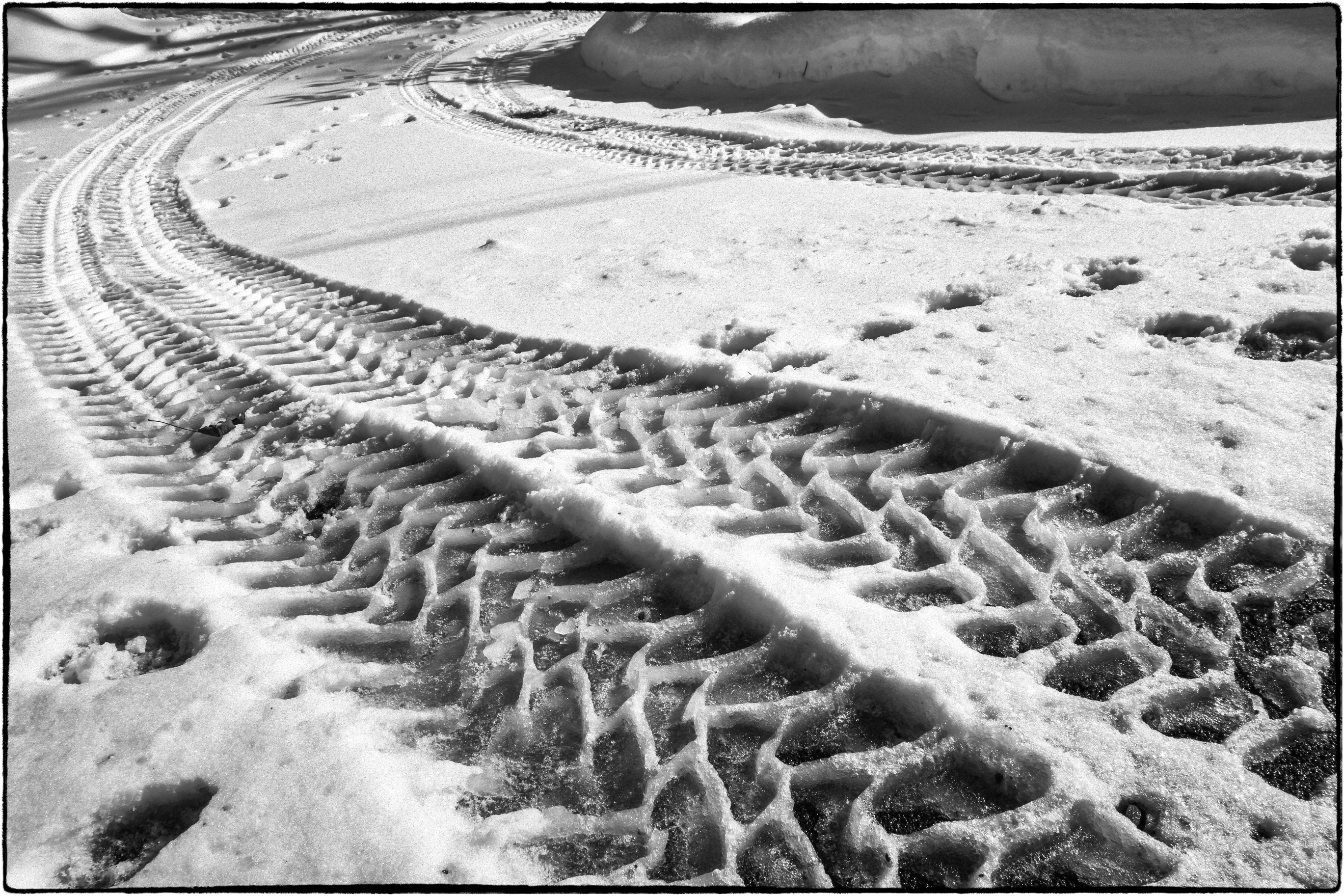
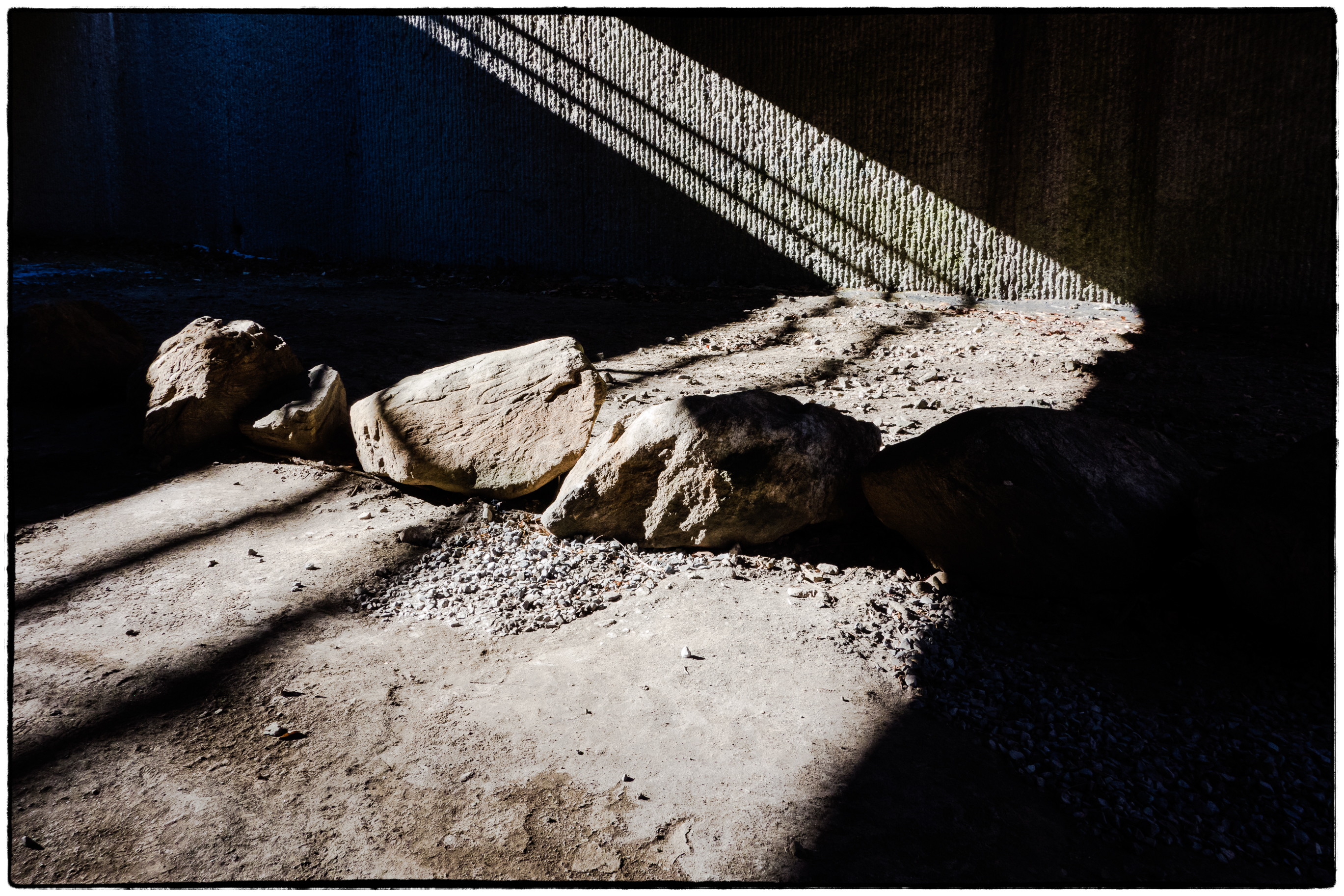
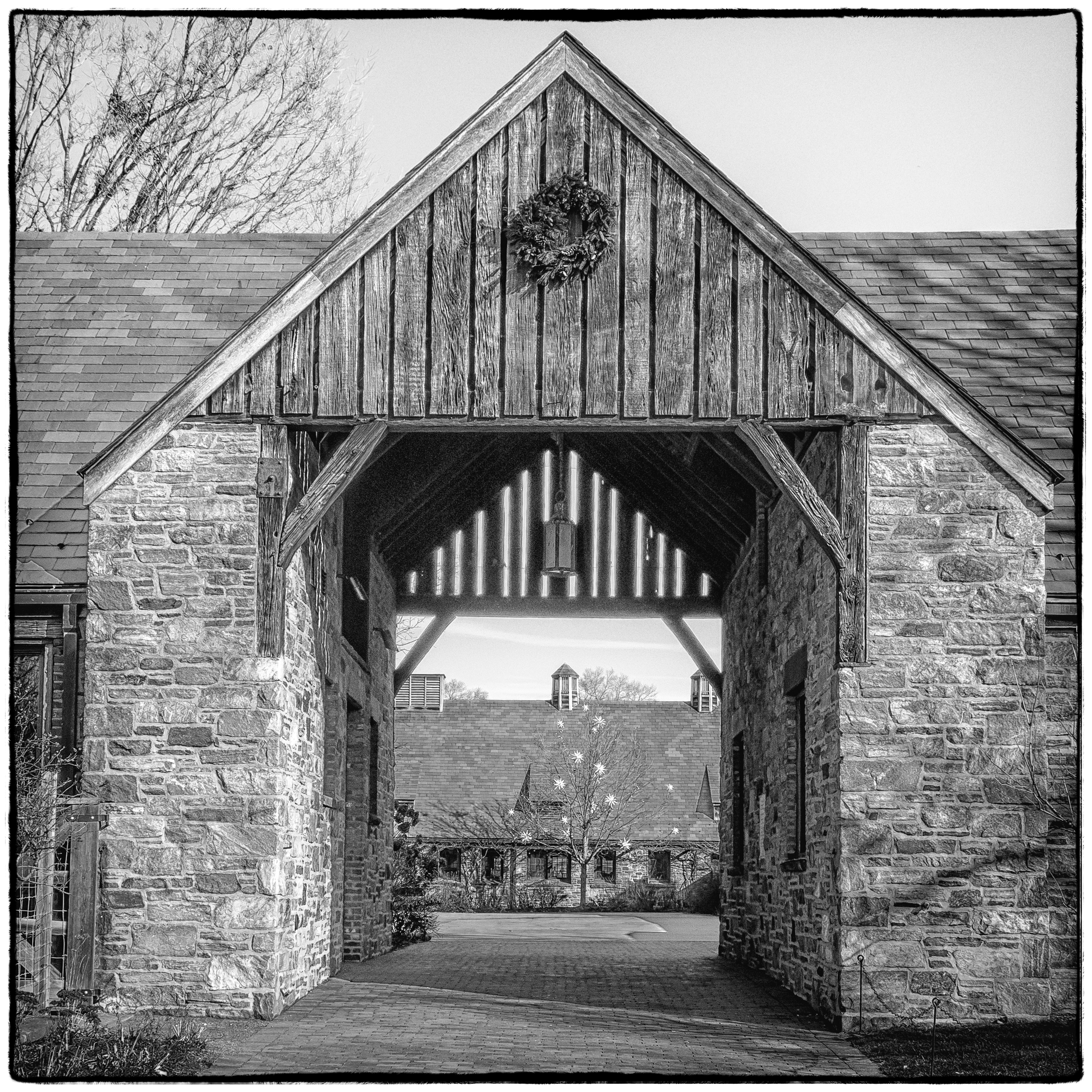
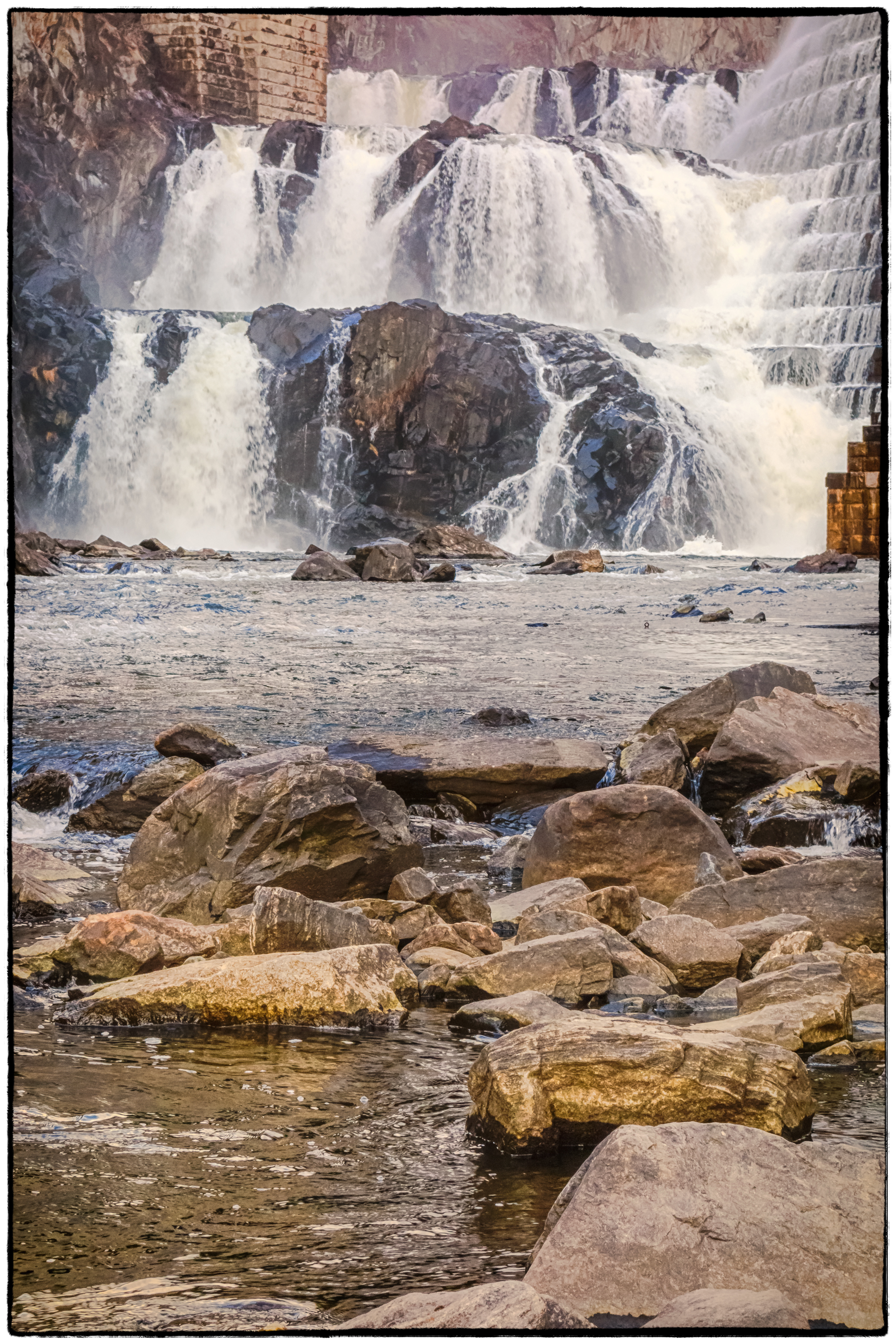
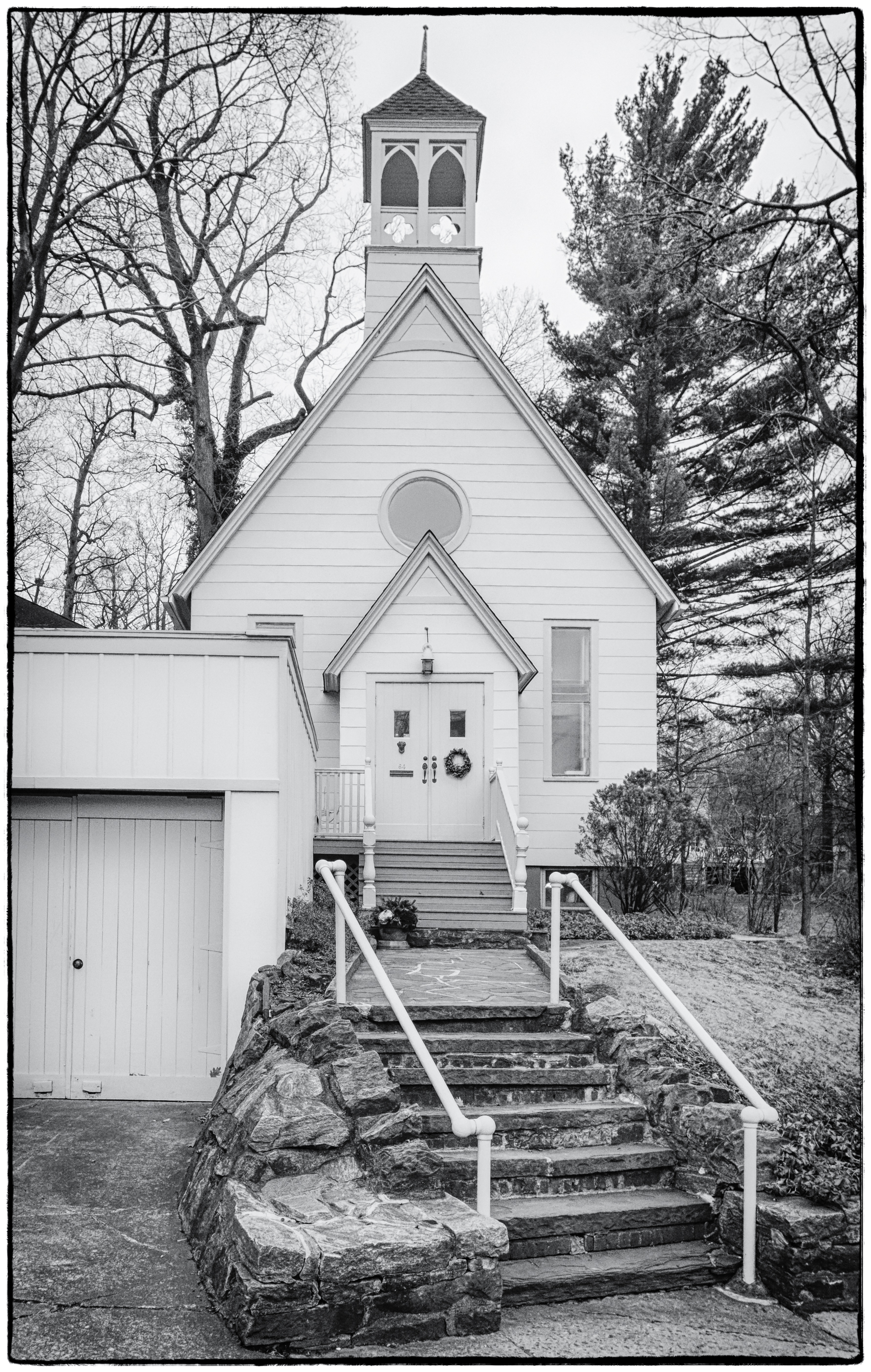
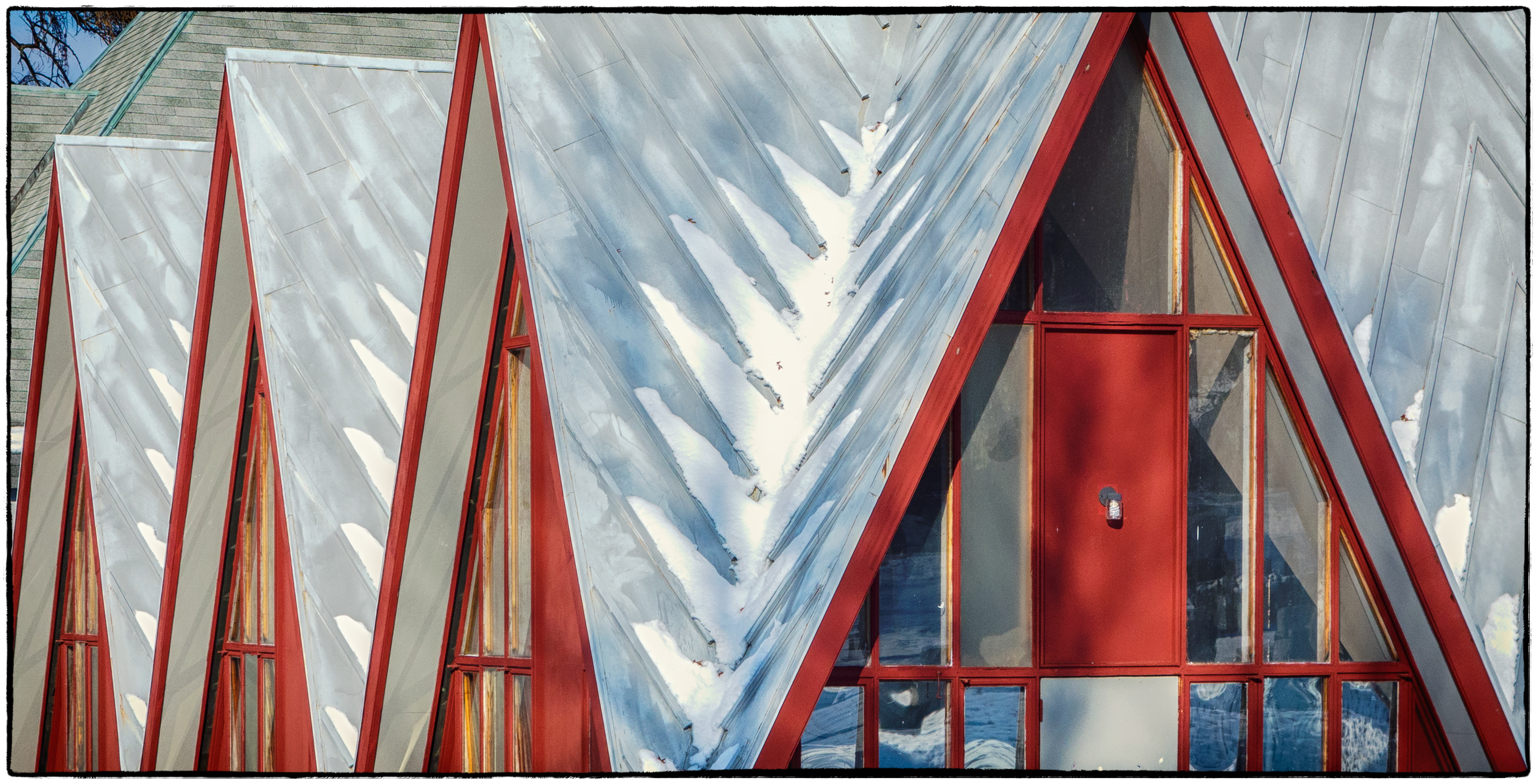
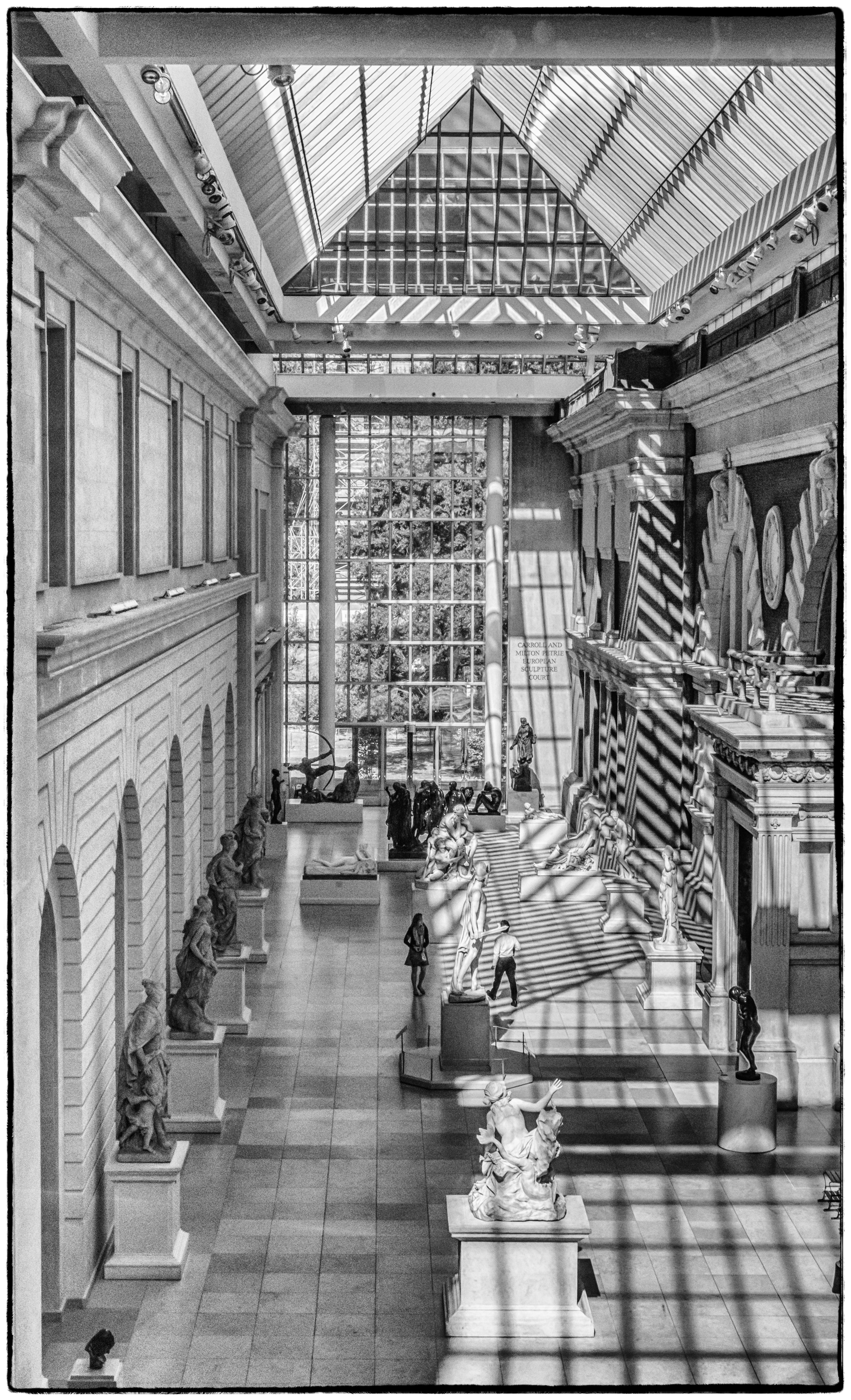
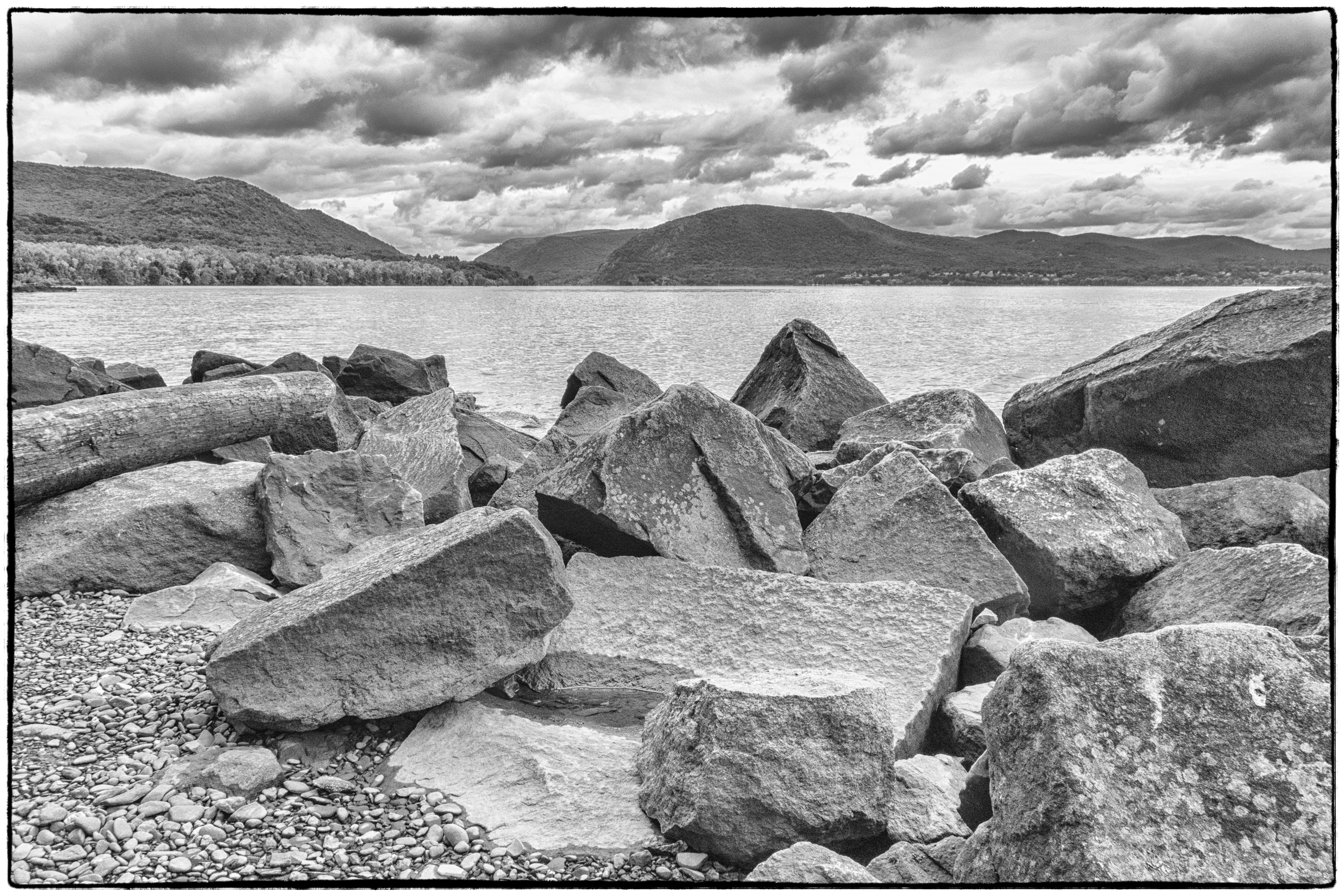
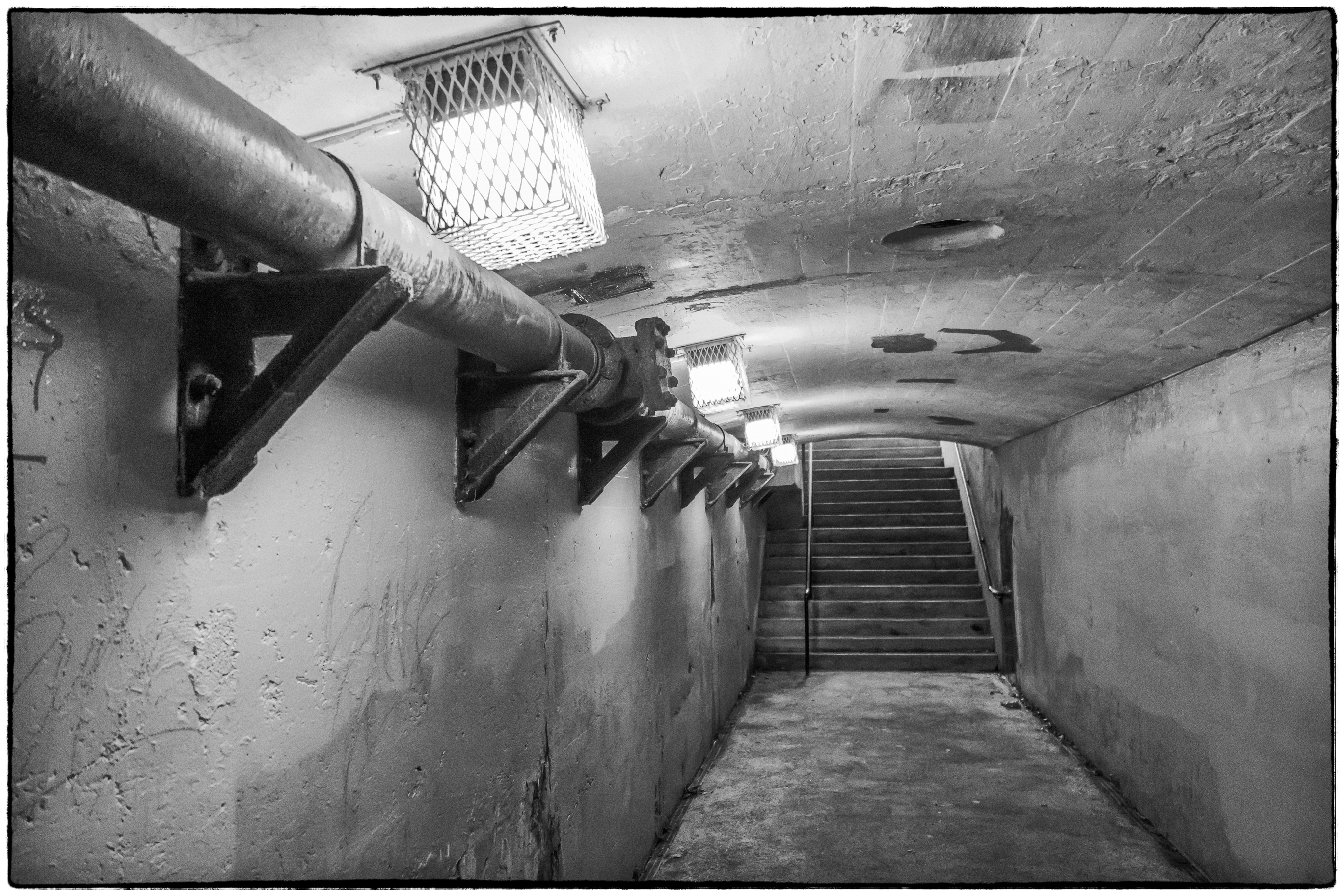
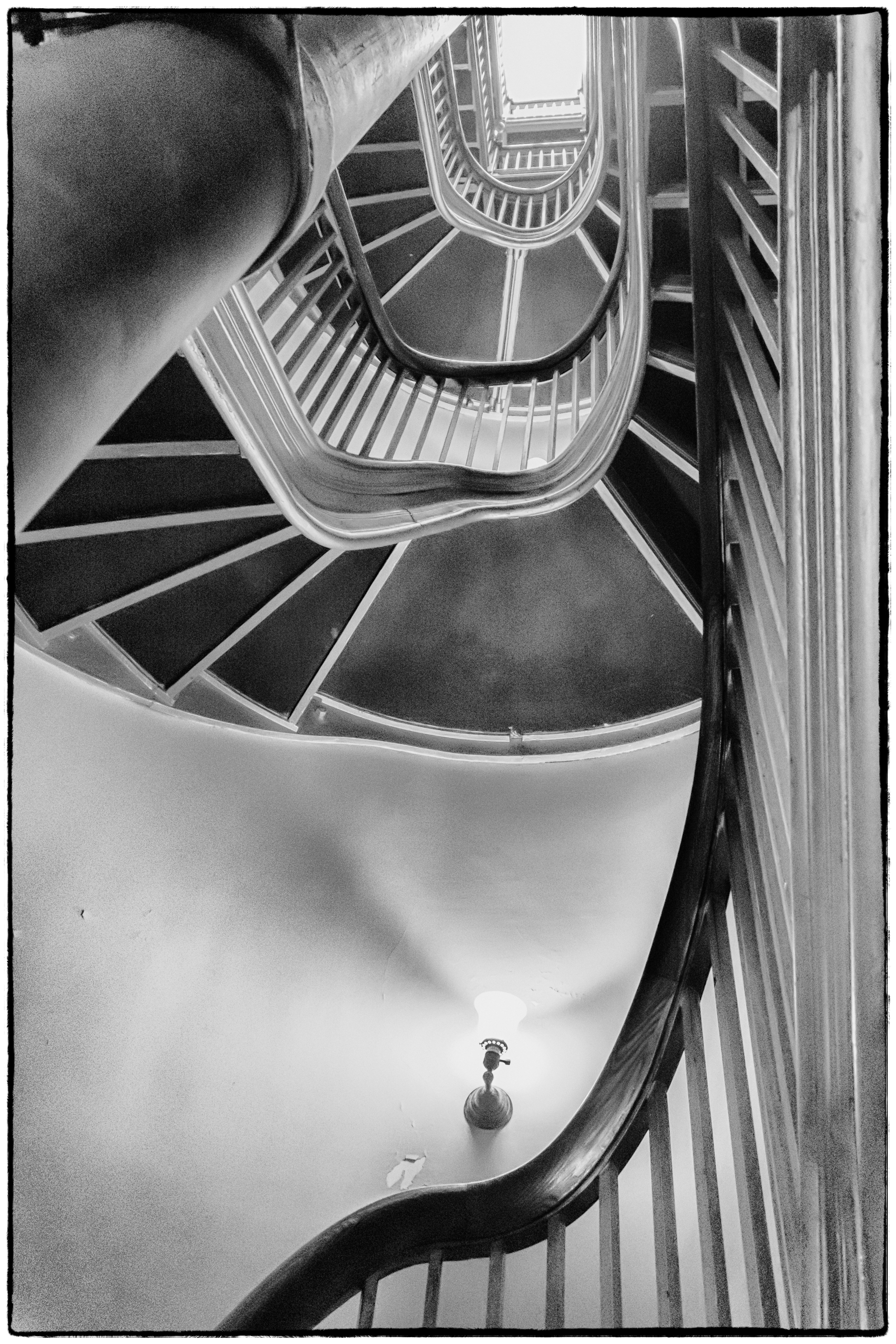
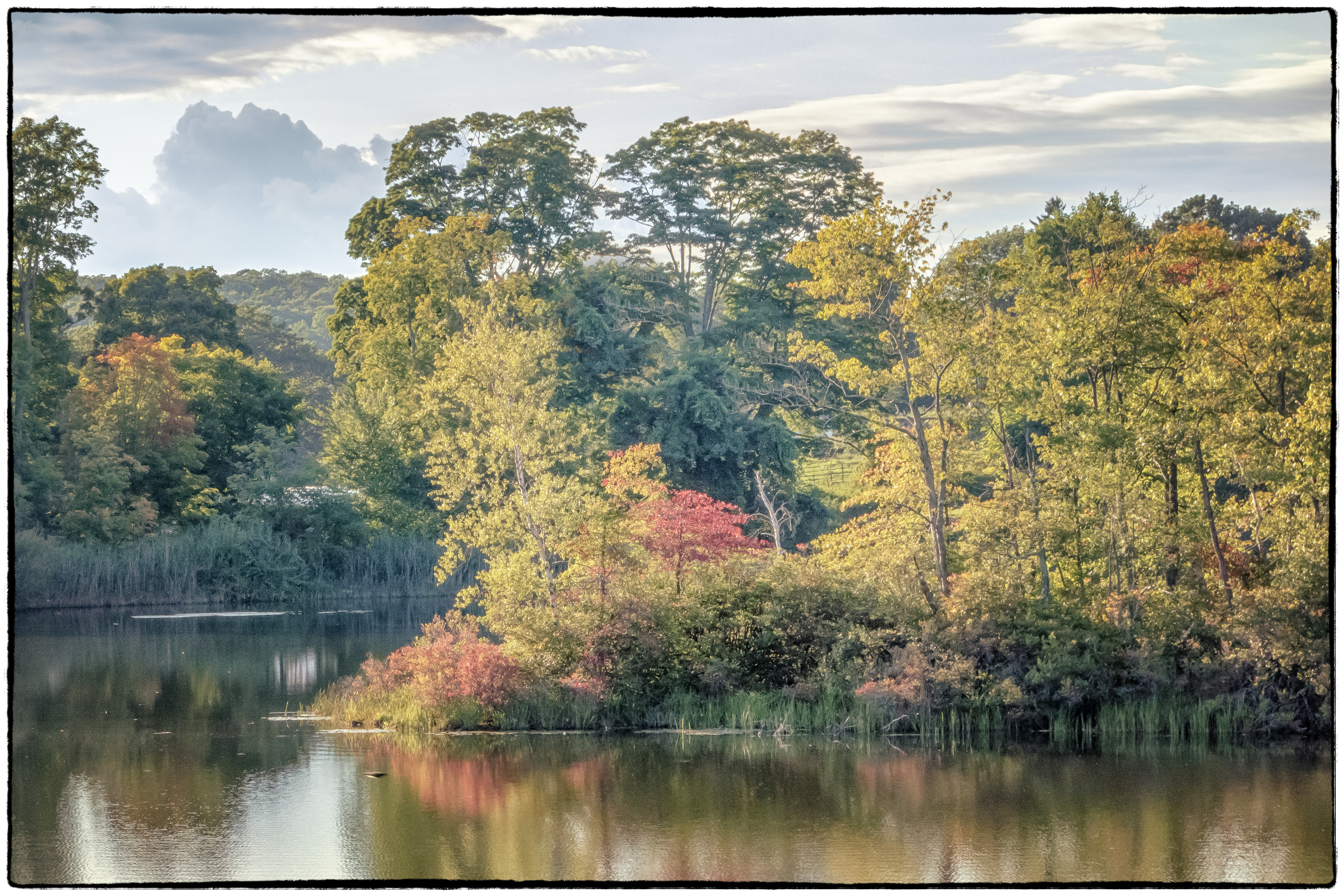
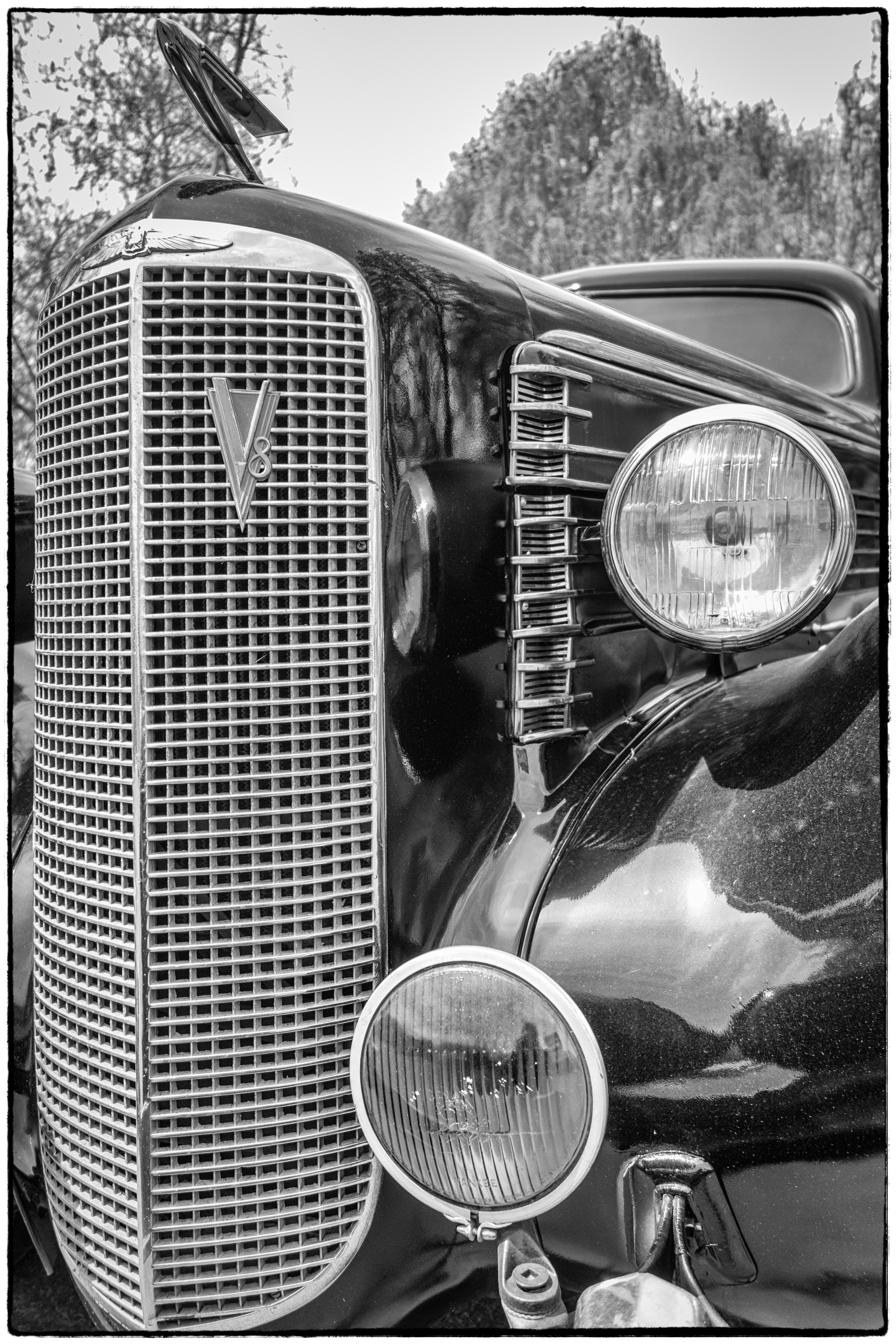
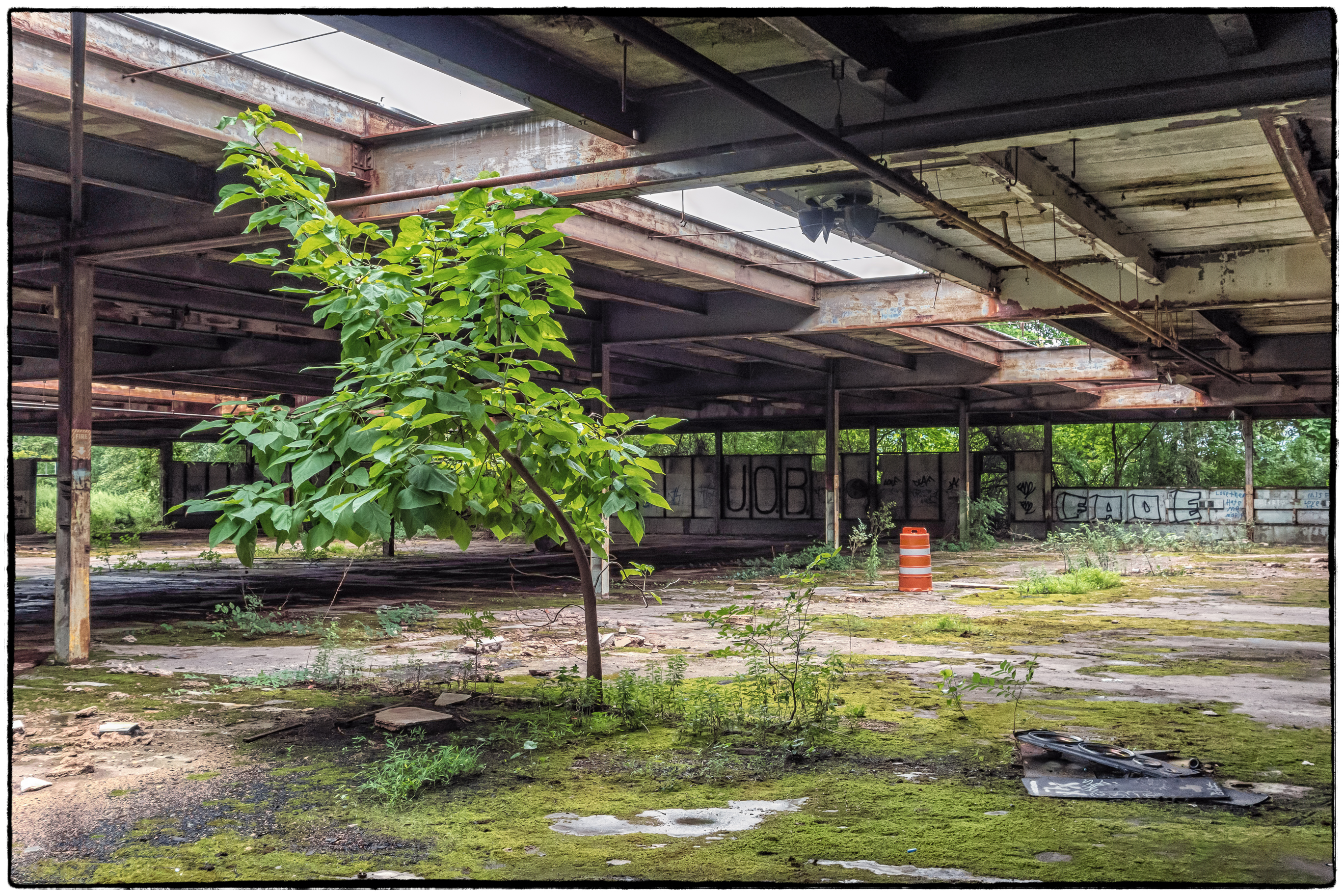
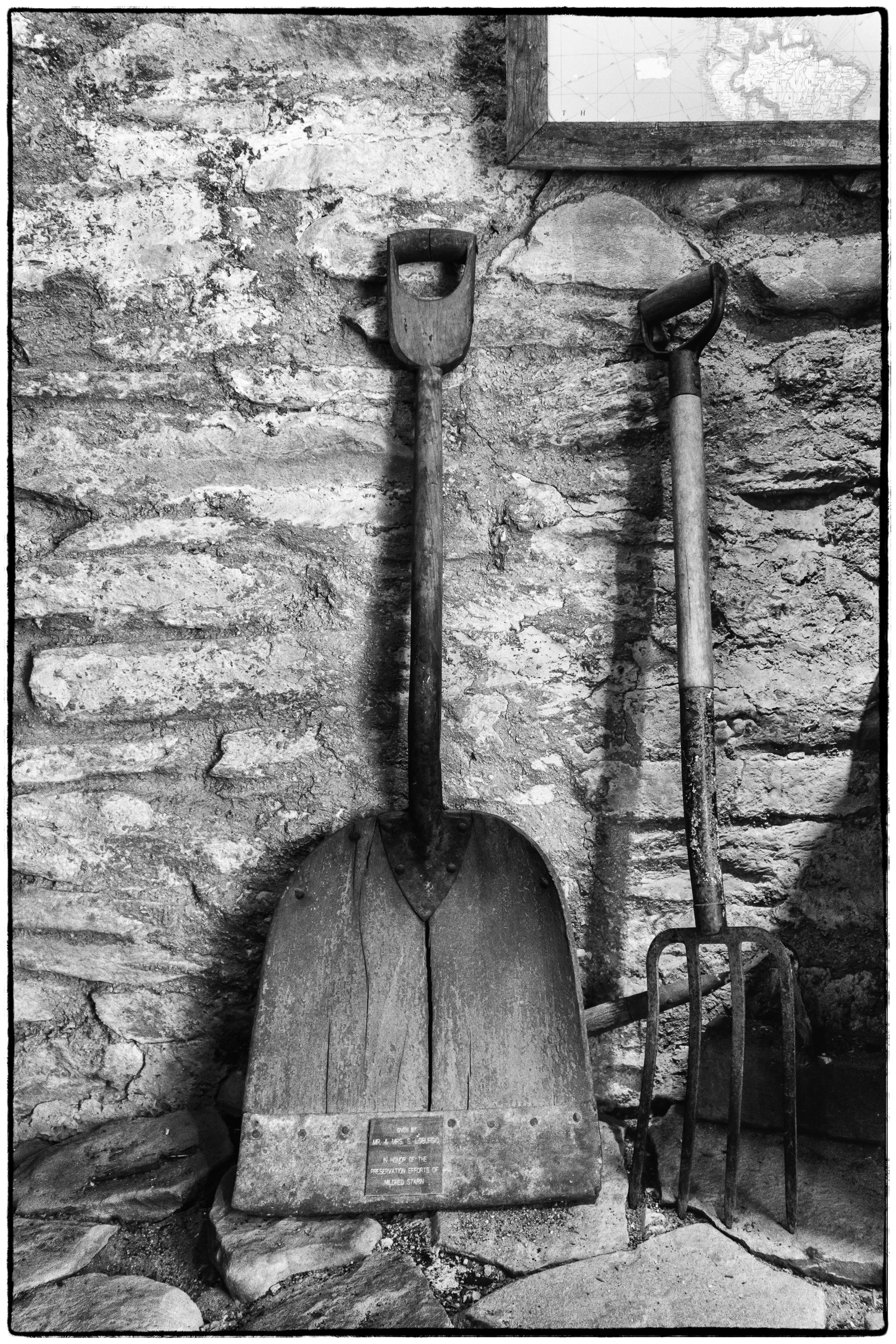
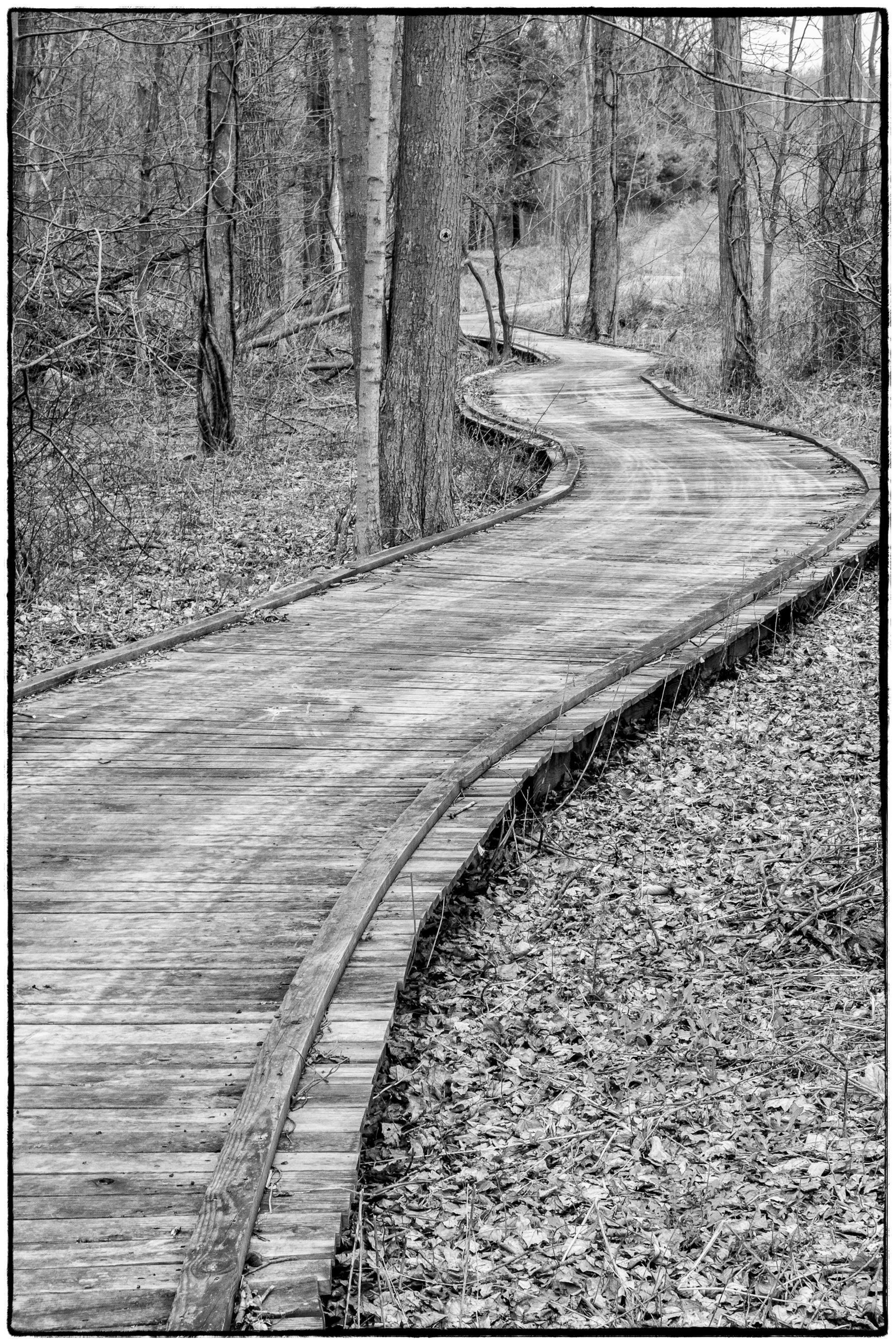
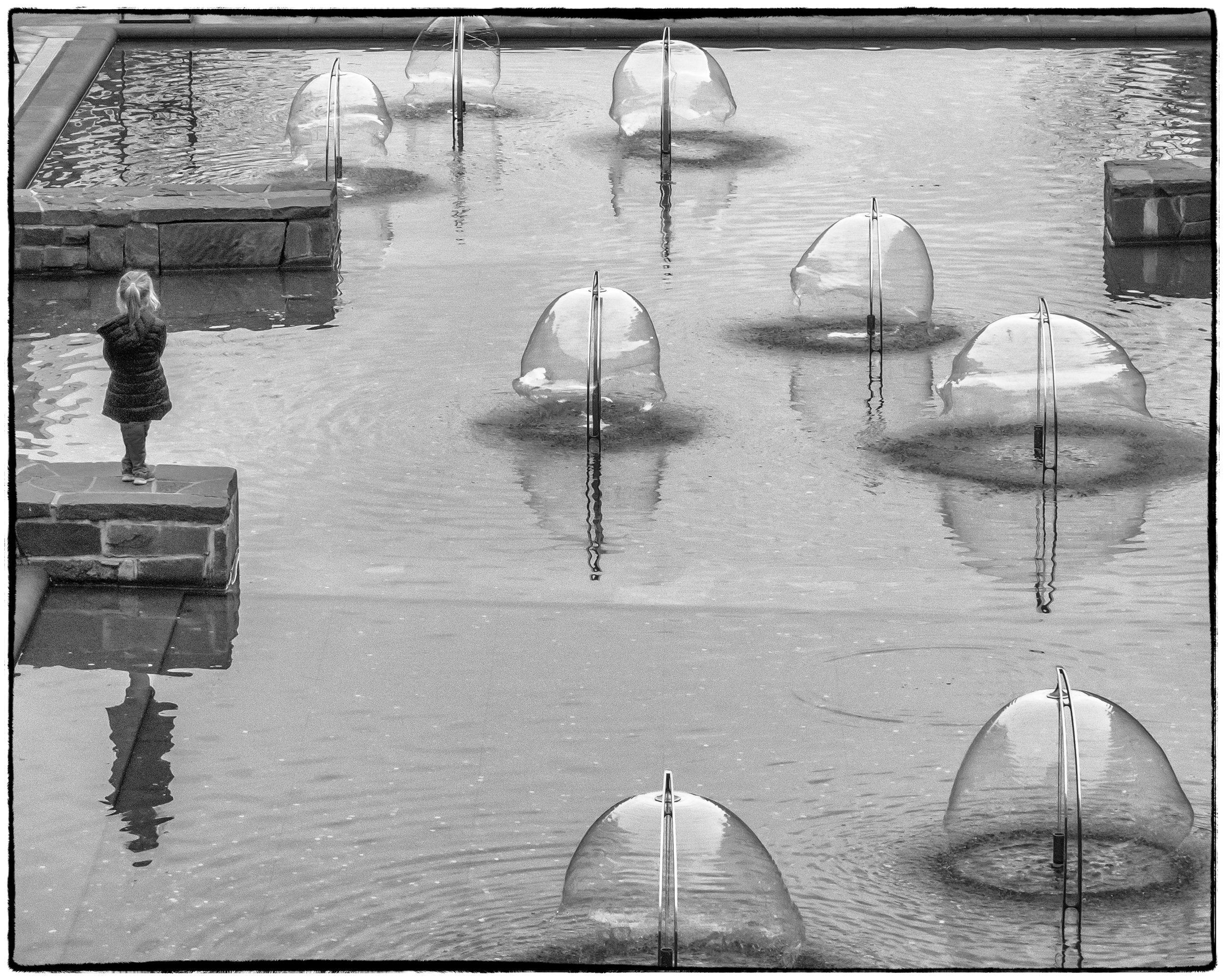
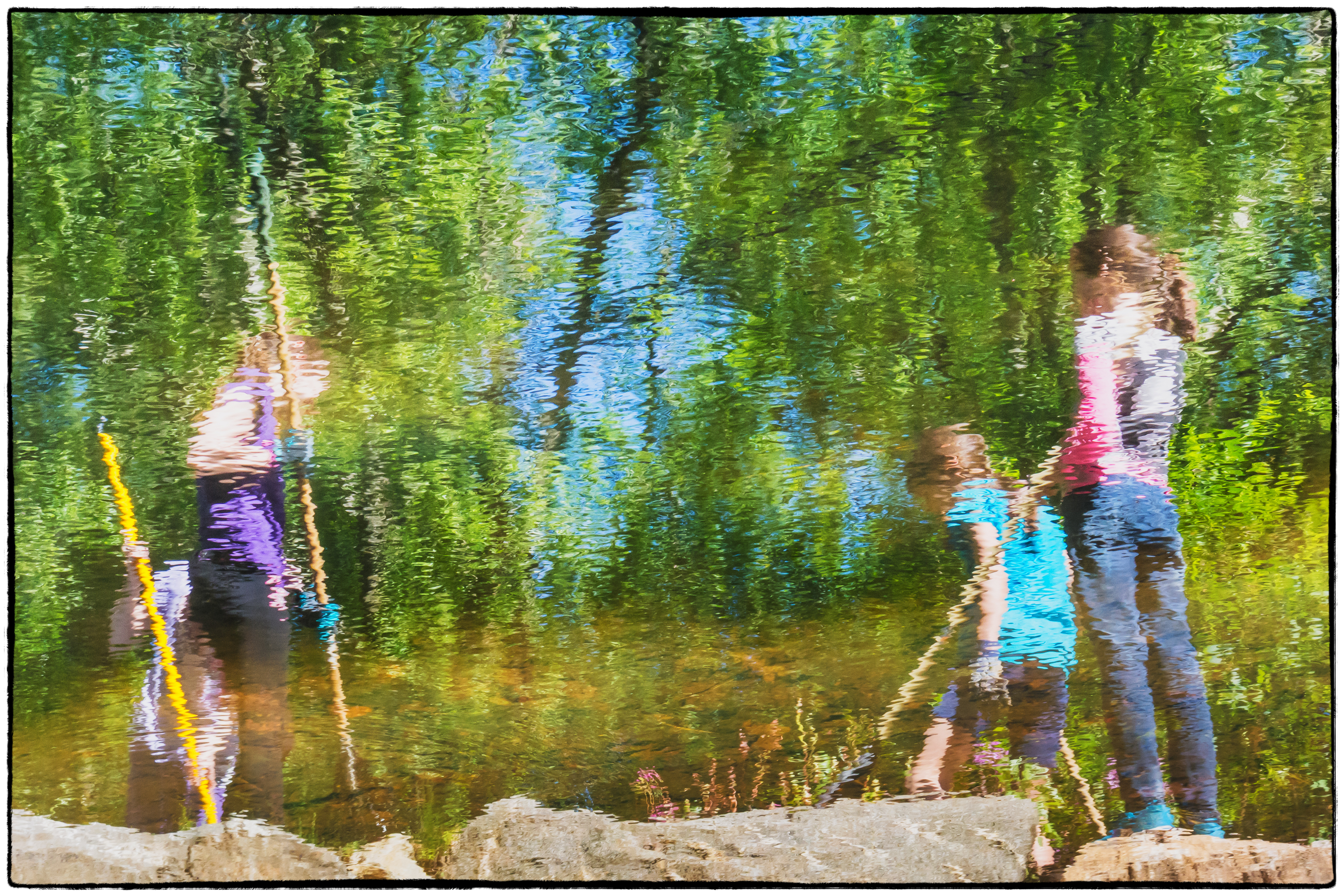
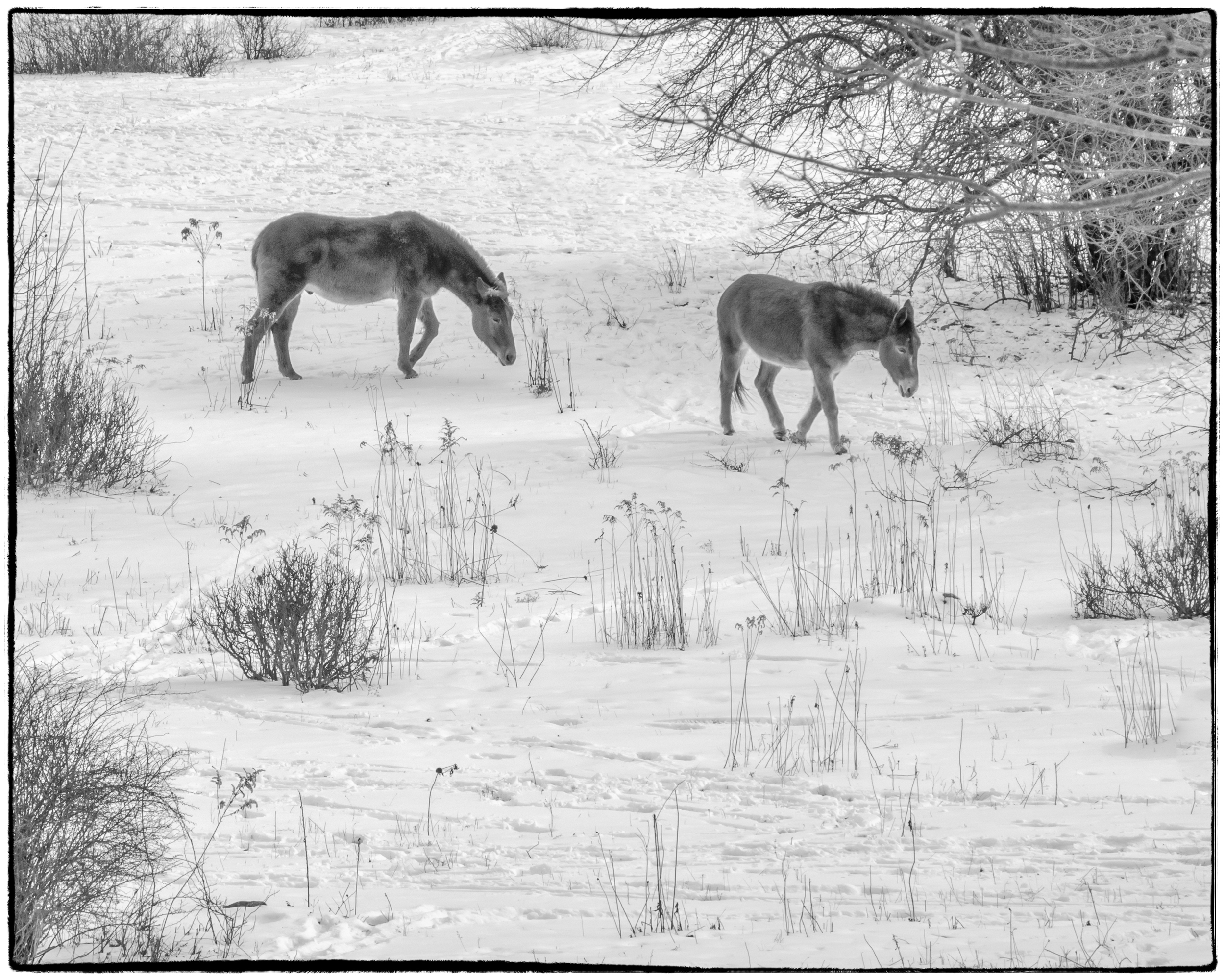
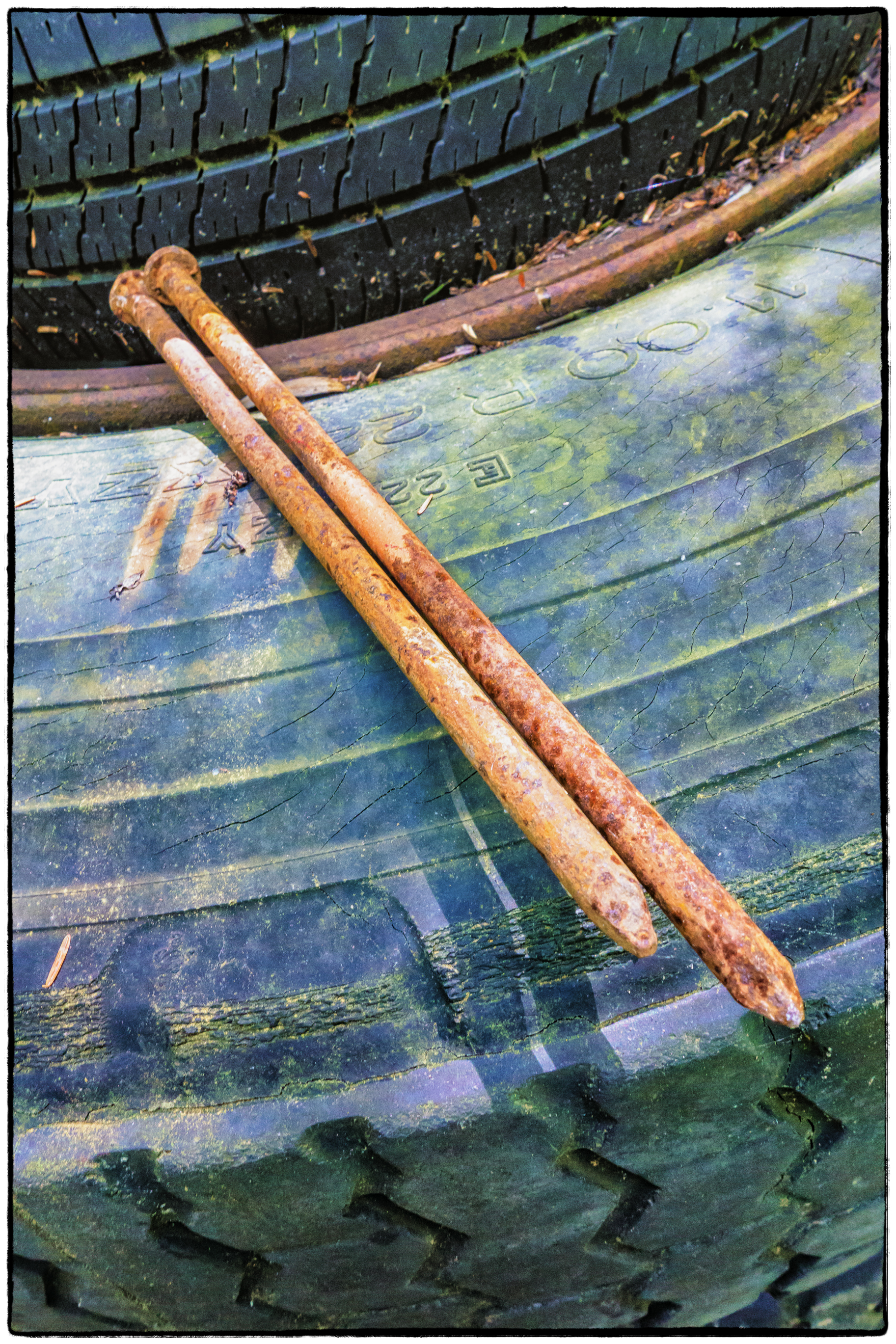
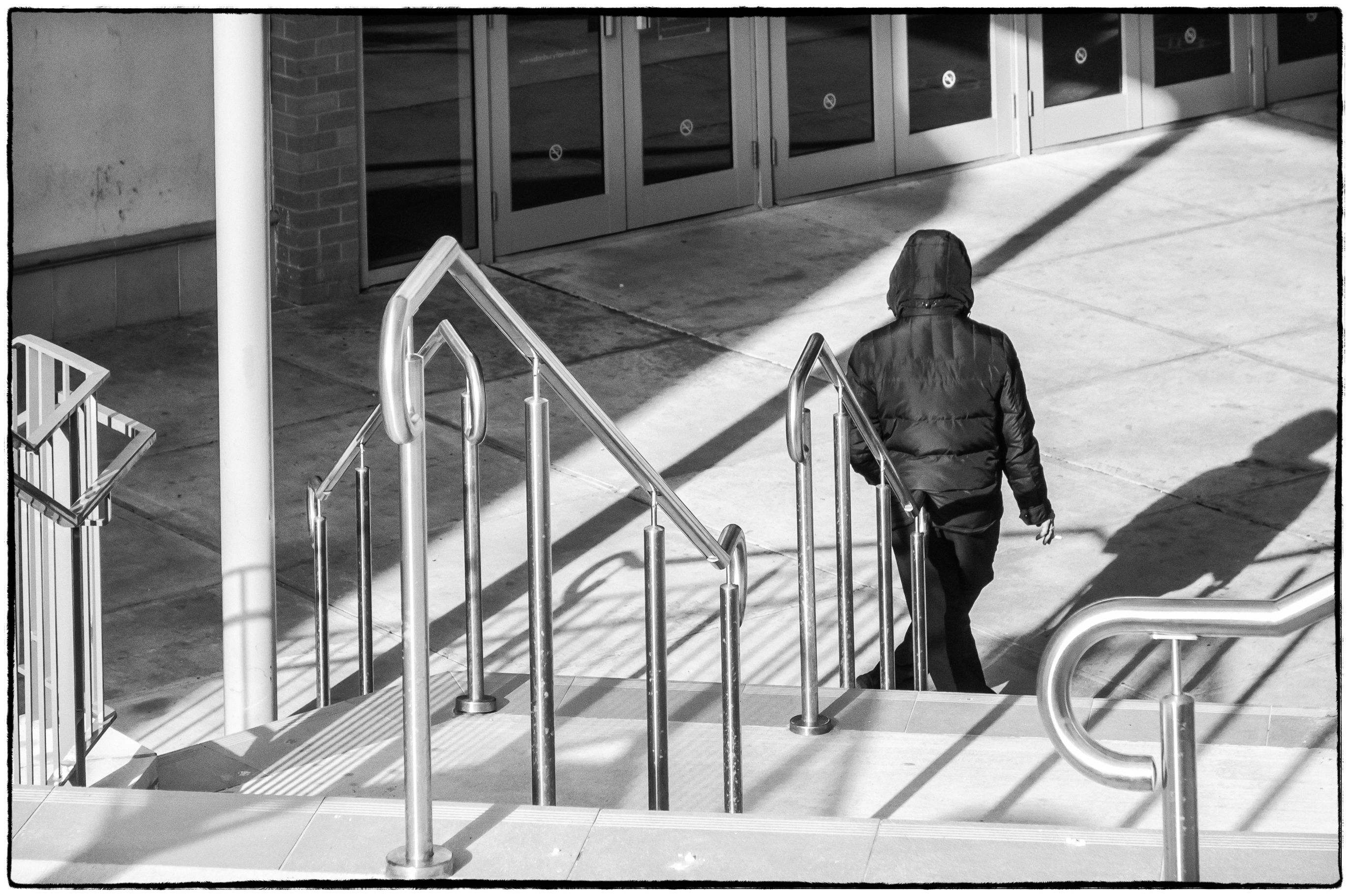
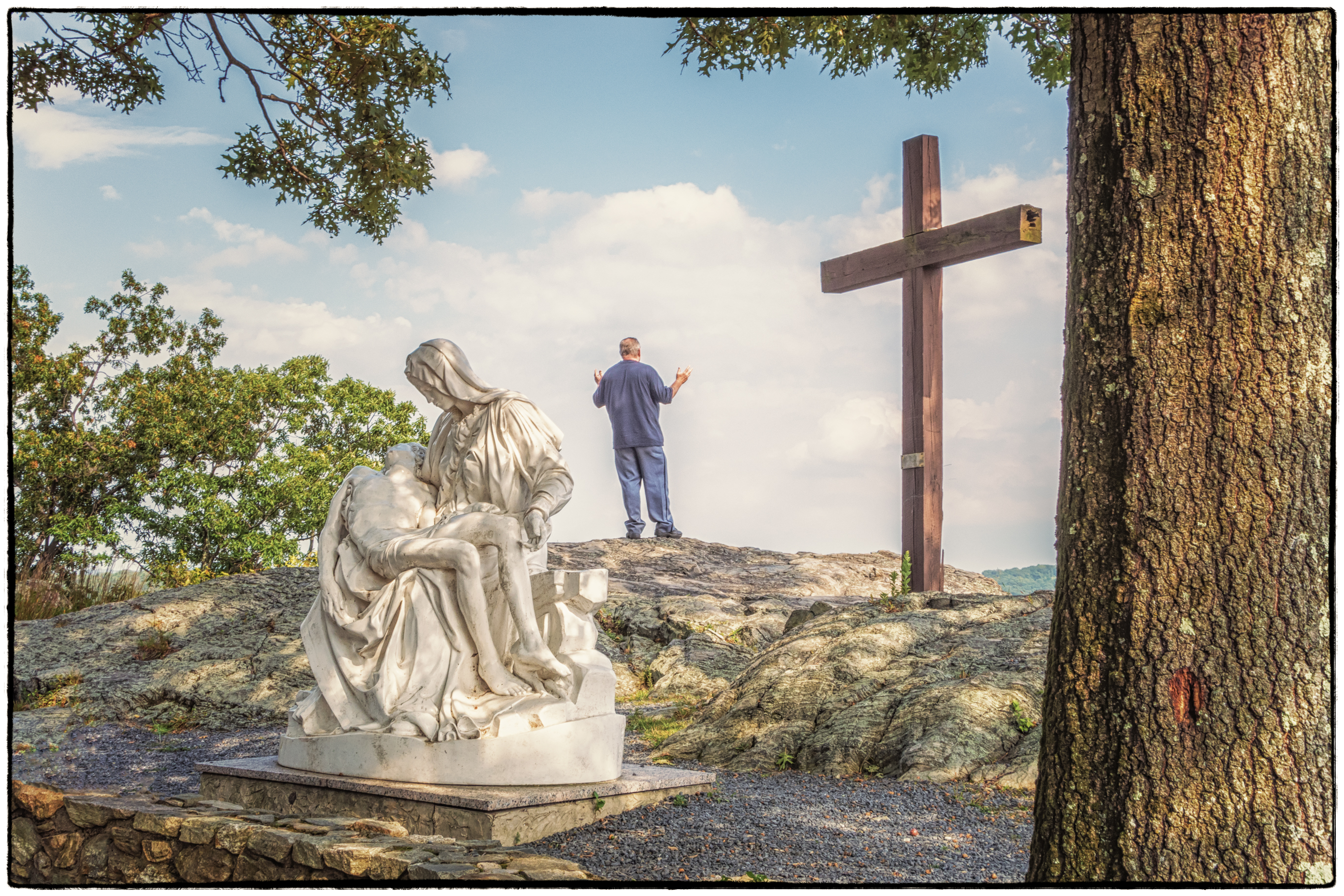
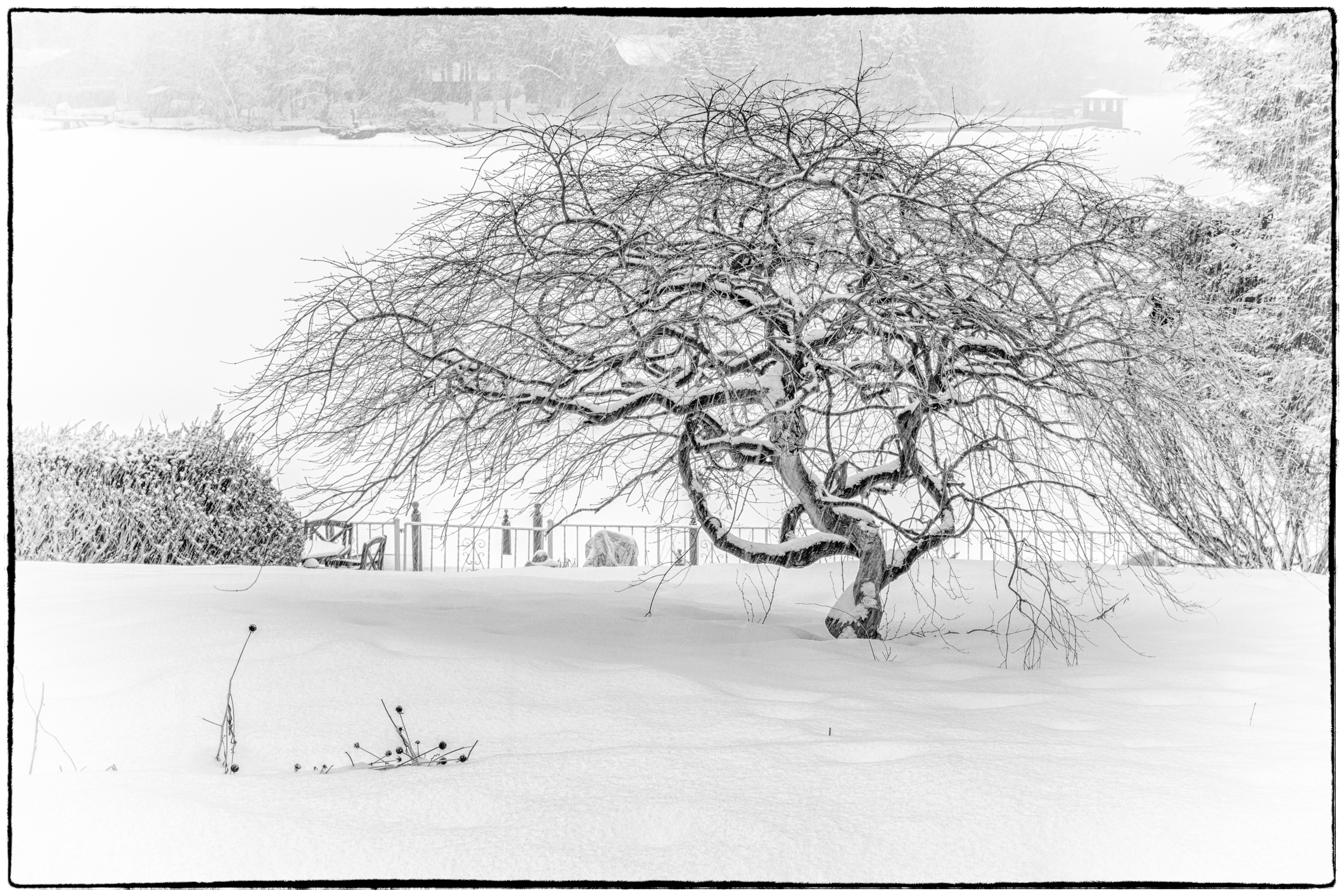
For my type of photography the RX-100 has done very well. I find the autofocus to be very accurate – much more so that that of my NEX 5N, which I usually shoot using manual focus because I don’t trust the autofocus. The pictures produced by the RX-100 are very sharp and it has done very well in low light situations where I’ve been shooting without a tripod. The colors are bright and contrasty. And of course the most important thing is that it’s so light and easy to carry around that I almost always have it with me. Because of this I now shoot more pictures and consequently have more “keepers”. Some of my favorite pictures have been taken with this camera (see a few below).

It’s not without its failings though. The thing that used to annoy me the most was that it was far too easy to accidentally press the video record button. I don’t shoot much video so I didn’t really even need the button. Fortunately a recent firmware upgrade eliminated this problem by disabling the button in still mode – thank you Sony. I also find that the lens flares a lot when pointed in the general direction of a strong light source. I suppose a lens hood would help, but I haven’t been able to find anything suitable. I miss having a viewfinder and a tilt screen (but then I knew that when I bought it so can’t really complain) and I find the manual focus to be so “fiddly” that I don’t use it, which is a pity since for my style of photography this would be my preferred option if it worked to my satisfaction.

Perhaps more significantly I find the pictures to be quite “clinical” – well focused, very sharp, bright and contrasty (maybe even a bit too contrasty) but somehow a little lacking in character. I shoot a lot with legacy lenses on my NEX 5N and even though some of them can be lacking in some of the above areas, they usually have a very definite “look”, which I like. I shoot in RAW and I find that with the RX-100 I have to tone down the contrast and the saturation and even soften the image a touch in order to get the look that I like.

Still, all gripes aside, it’s a wonderful camera and I would miss it greatly if it were to die on me – at least for the 10 seconds or so it would take me to decide to get a model III with the viewfinder and tilt screen I miss.
Voigtlander Vitomatic II

It’s almost a year since I posted anything related to my camera collection. This doesn’t mean that I haven’t acquired additional cameras. It’s mostly because at some point I decided that I wouldn’t post anything to do with the cameras in my collection unless I could also include some pictures taken with the camera. Unfortunately, the cameras I collect are all film cameras and for some reason I haven’t been doing much film photography of late even though I enjoy the experience of shooting film a lot.

So I’ve been forced to rethink the decision mentioned above. I’ll now post pictures of the cameras themselves and if/when I get around to using them I’ll do another post with the pictures taken.

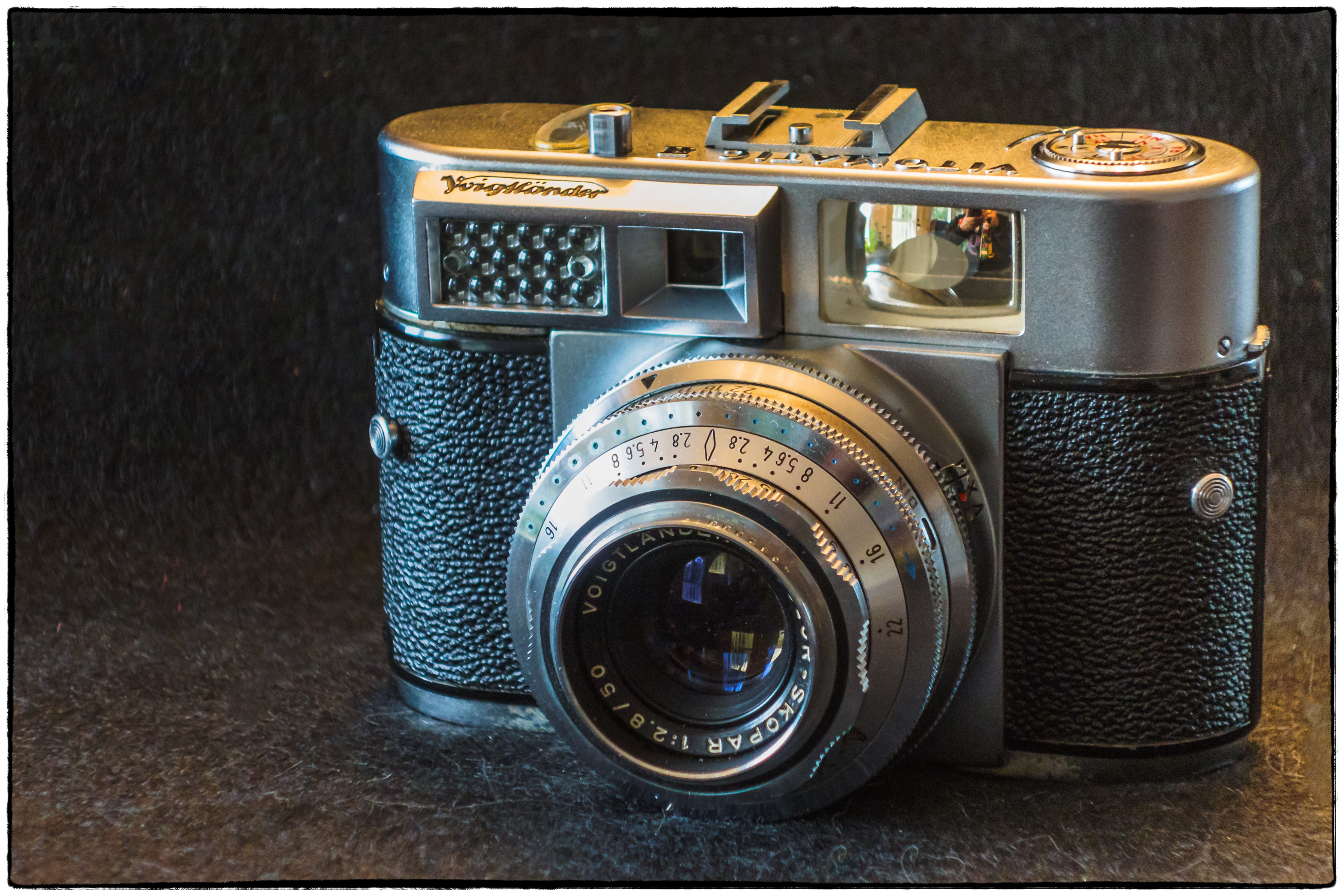
This is one of my latest acquisitions: a Voigtlander Vitomatic II from the late 1950s. It’s solidly made from metal and for a camera of its size (quite small) it’s quite heavy. It has a coupled rangefinder and meter, both of which seem to be working even though the rangefinder patch is a little dim and I’m not entirely convinced that the meter is accurate (which doesn’t bother me since older selenium cell meters rarely work at all and in any case I have a meter I can use). I suspect that the price was good because the seller thought that the shutter wasn’t working. I took a chance on this not being the case as I’d read that because of a peculiar shutter cocking mechanism the shutter won’t cock and fire without a film in the camera. This turned out to be the case and the shutter seems to be working fine. It has a Voigtlander Color-Skopar 50mm f2.8 lens with apertures from f2.8 to f22. I have a modern Color Skopar lens and if it’s anything like that it will be an excellent lens. Shutter speeds top out at 1/300 second, which is fine for me. I don’t do much ‘action’ photography. Cosmetically it’s in pretty good shape. It has a large viewfinder with bright lines.

It’s a beautiful camera. In fact I’m thinking of collecting some of these 1950s/1960s Voigtlander and Zeiss cameras. I love the way they look, they’re pretty well made and are often still working even after all this time. Also most of of them don’t cost a lot, particularly in the condition I’m looking for (I’m not looking for mint condition). This is an important factor as most of the cameras I now want cost more than I’m willing to pay. There are many variants of Vitos, Vitomatics and the like and I could see myself getting a few of these. I’ve got my eye on a Vito B, first version with the smaller viewfinder.

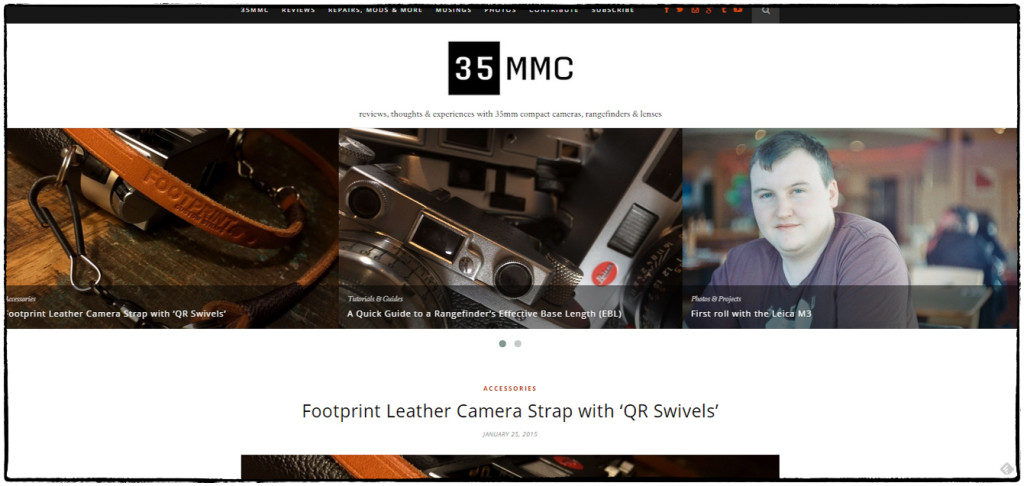
35mmc – A Site for Compact Camera Lovers

reviews, thoughts & experiences with 35mm compact cameras, rangefinders & lenses

Reviews, thoughts & experiences with 35mm compact cameras, rangefinders & lenses

If you’re into compact cameras (as I am to some extent) this is a site for you. Lots of useful information available.

35mmc is a blog dedicated to reviews, thoughts and experiences with 35mm compact cameras, rangefinders and their lenses.

I love cameras, and I make no excuse for that. I love buying them, playing with them, learning their foibles and working within and around their limitations. I also really enjoy writing about them… which of course gives me a perfectly valid excuse to buy more of them… …

My particular interests lies with 35mm compact cameras. As history has proven, Oskar Barnack was really on to something with his work in the popularisation of the 35mm format. A format that to my mind offers the sweet spot between big enough for quality yet small enough for cameras to remain light weight, and often even pocketable.

Of course, some of the 35mm cameras manufactured since the early Barnark Leicas could be described as anything but compact. But the ones that interest me most – and are therefore the subject of this blog – are those which have been designed to be compact.

via 35mmc.

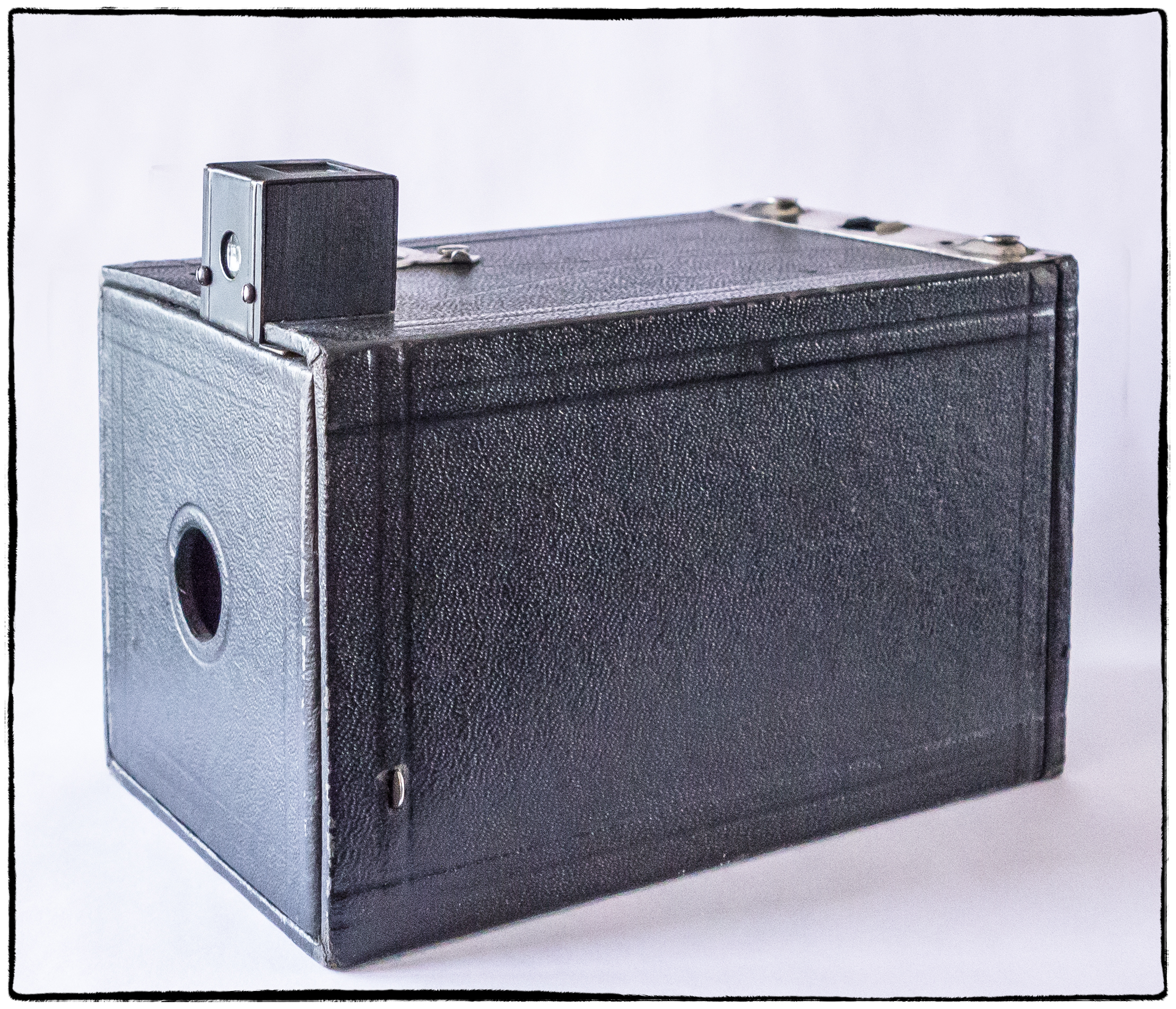
The most important cardboard box ever?

Kodak Brownie

My 1900 original Kodak Brownie

It doesn’t look very exciting – a cardboard box about 5in (13cm) tall, covered in leatherette, with a small round opening at the front. You might have some trouble working out what it was for if you didn’t know. But the Brownie might be the most important camera ever made, writes the BBC’s Stephen Dowling.

via BBC News – The most important cardboard box ever?.

Interesting article! Above my 1900 Kodak Brownie. Unfortunately I can’t take any pictures with it. Everything seems to work, but it takes 117 film, which has not been available for a long time. Maybe I’ll get one of the later models that takes 120 film and give it a try.

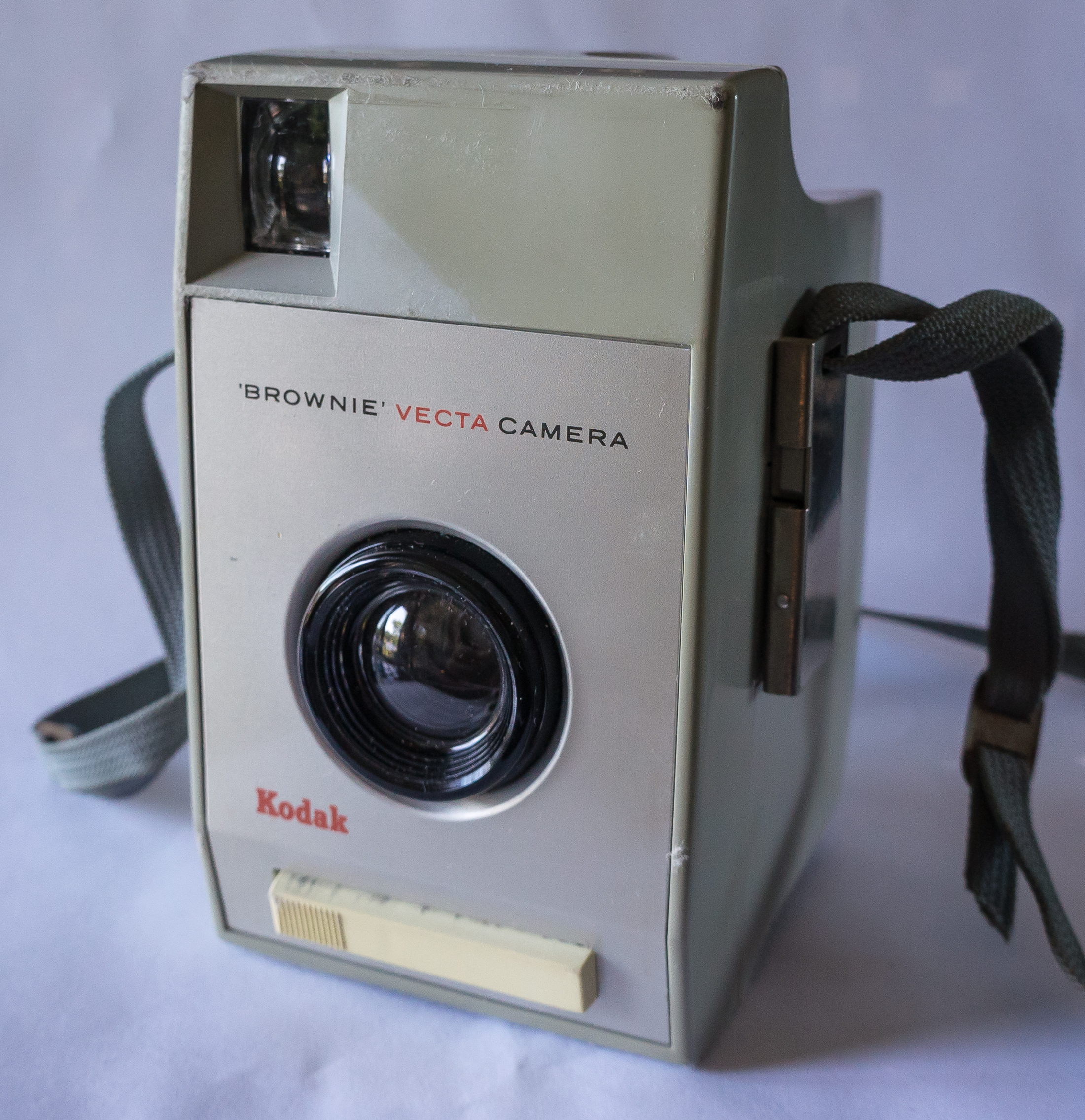
I also have another Brownie, my first ever camera: A Kodak Brownie Vecta, but of a much later vintage: sometime early to mid 1960s. This one took 127 film, which was still readily available. Apparently you can still get it if you look hard.

My Kodak Brownie Vecta

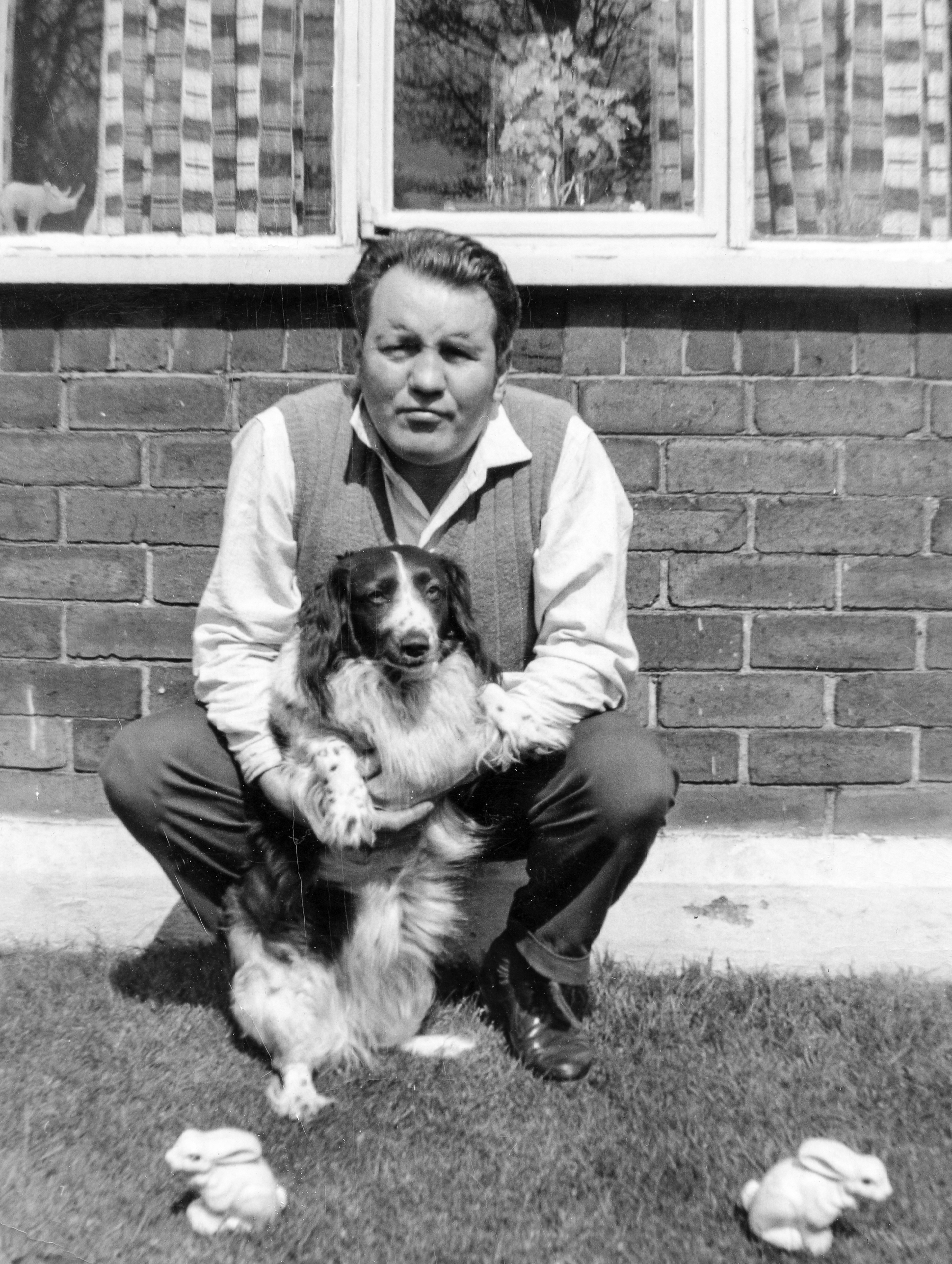
The only remaining picture from this camera: my father with our dog, Peg in front of the house where I grew up.

The Art of Photography

What a fascinating site!. It has everything that interests me: information on cameras (particularly vintage cameras); articles on famous photographers; photography tutorials etc. And not just a few things. It’s packed with material on photography and cameras. It uses video extensively and I can spend large amounts of time just watching the various videos. As far as my interests are concerned this is arguably the best photography-related site I’ve come across. I’m glad I found it.

“The Art of Photography” is the creation of Ted Forbes who the ‘about’ section of the site describes as follows:

Ted Forbes is a photographer, media producer and film maker. He currently works as Media Producer at the Dallas Museum of Art. In addition he is also an adjunct faculty member at Brookhaven College.

Born in Dallas, TX, Ted began making photographs at an early age taking cues from his father, illustrator Bart Forbes, as well as other major influences who he came knew at an early age such as Greg Booth, Jack Unruh, Brad Holland, CF Payne and many others.

Having actually gone into music in high school, Ted attended the prestigious Booker T Washington High School for the Performing and Visual Arts followed by earning his music degree from the University of North Texas in 1997. Shortly after he took a media position at iSong in the height of the 90′s tech boom. This led to pursuits in multimedia and web based coding languages. Having gone back to briefly to “fill in some holes”, Forbes began freelancing as a media designer. Around this time, he also began to get serious again about his early passion of photography.

Ted started the Art of Photography in October of 2008 as an experiment that’s grown into one of the most popular podcasts on iTunes.

The Art of Photography

via The Art of Photography Podcast.