
In the Woods – Lichens

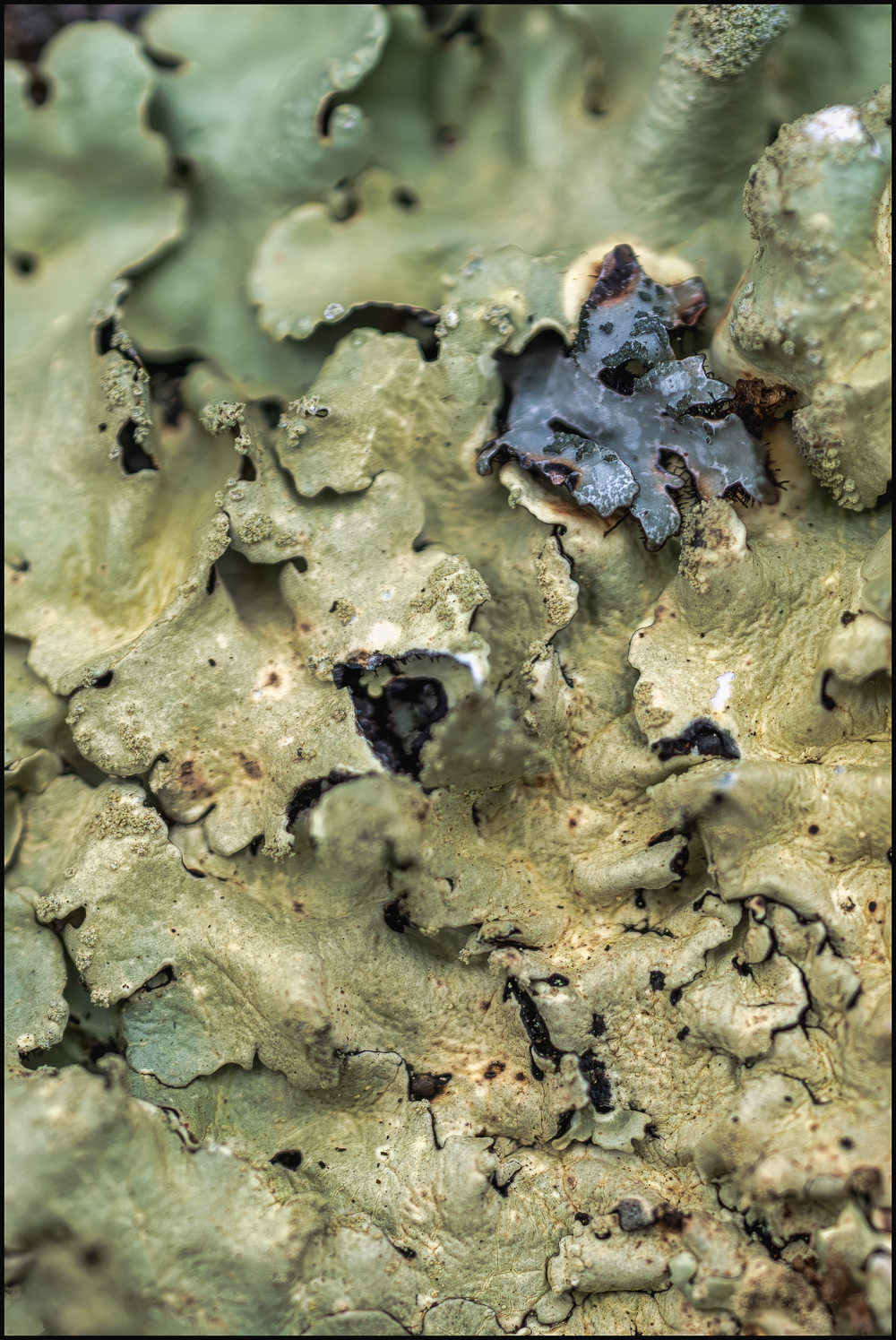
I’m fascinated by Lichens:

  • They’re found in nearly all habitats, from Arctic to deserts, grasslands, and tropical forests, showcasing their adaptability and resilience.
  • They’re quite colorful (not so much these) with vibrant colors, ranging from bright yellow and red to green, black, brown, silver, and gray, that add a unique visual appeal to natural landscapes.
  • Their textures are amazing, almost feather-like, but with lots of ridges and valleys.

They’re not only beautiful but also essential to the health of our planet, making them a subject of interest for both nature enthusiasts and scientists alike.
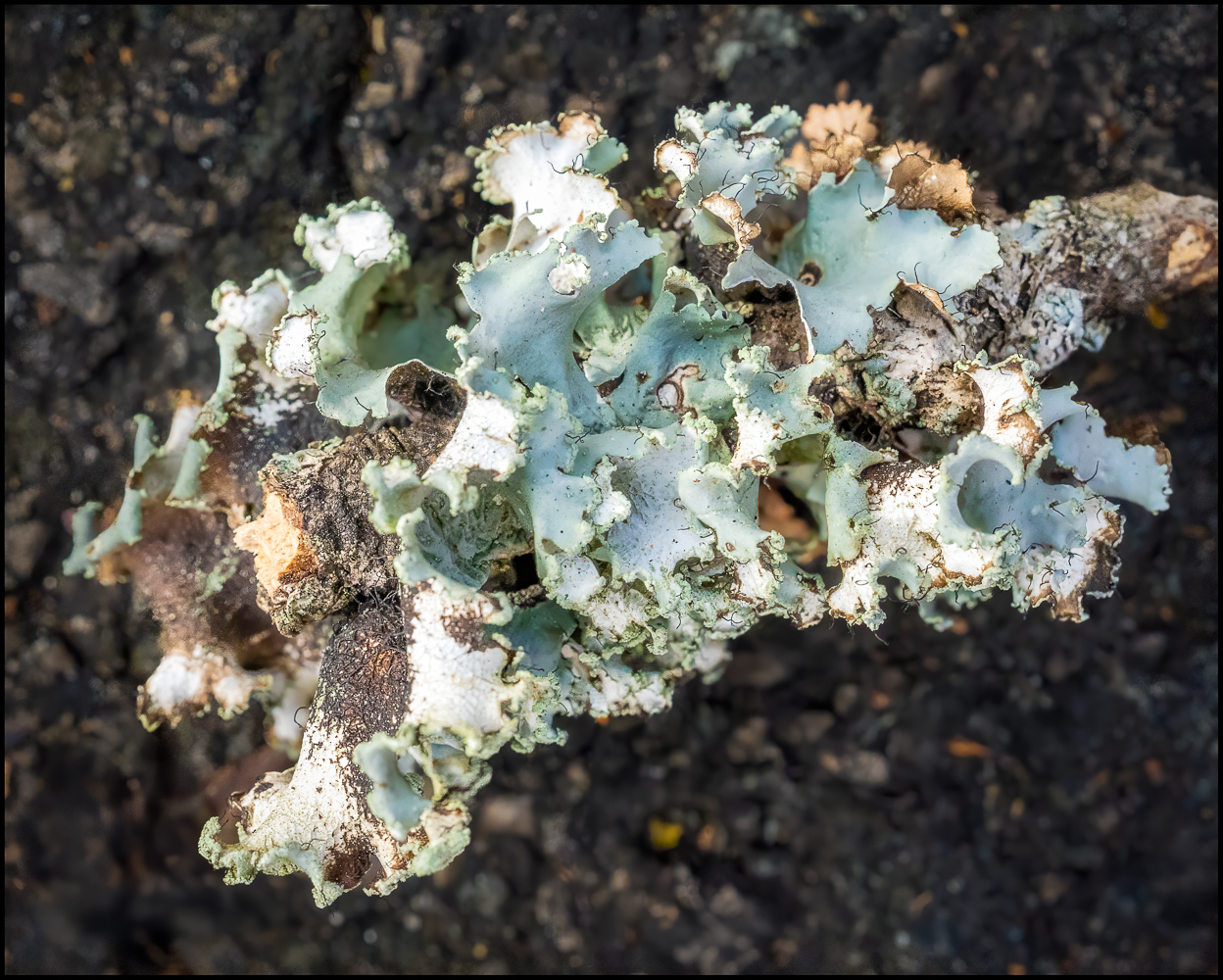
Taken with a Sony A7IV and Tamron 90mm f2.8 Macro
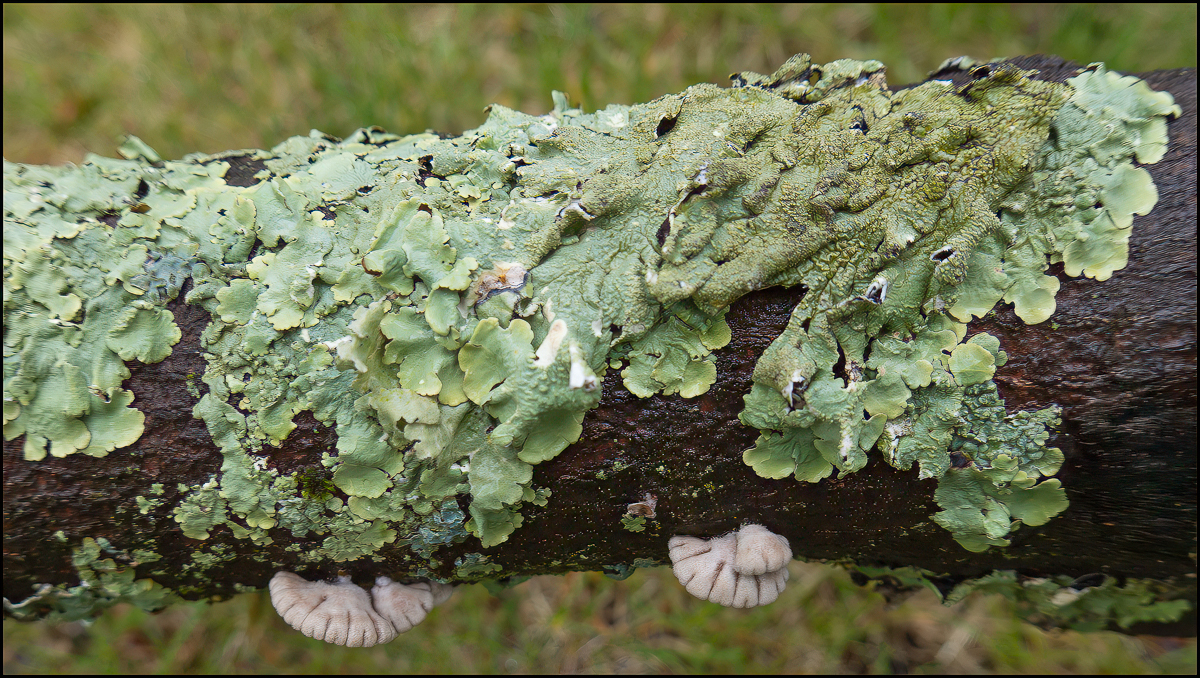
Lichen and Fungi

I came across a downed branch in a friend’s driveway. On it was this bright green lichen and some fungi.

Lichens are unique organisms formed from a symbiotic relationship between fungi and photosynthetic partners, such as algae or cyanobacteria. They are found worldwide and consist of about 15,000 species that thrive in various environmental conditions. Lichens are not classified as plants or animals; instead, they represent a complex life form that can survive in extreme environments, including exposure to space. They play essential roles in ecosystems, such as contributing to soil formation and serving as indicators of environmental health (Wikipedia).

Fungi are a kingdom of organisms that include yeasts, molds, and mushrooms. They are heterotrophic, meaning they cannot produce their own food, and play a crucial role in decomposing organic matter, which helps recycle nutrients in ecosystems. Fungi can reproduce both sexually and asexually and often form symbiotic relationships with plants and bacteria, contributing significantly to nutrient cycling and environmental health. (Brittanica)

I just thought it looked ‘cool’ so of course I took a photograph.

Taken with a Sony RX10 IV.