
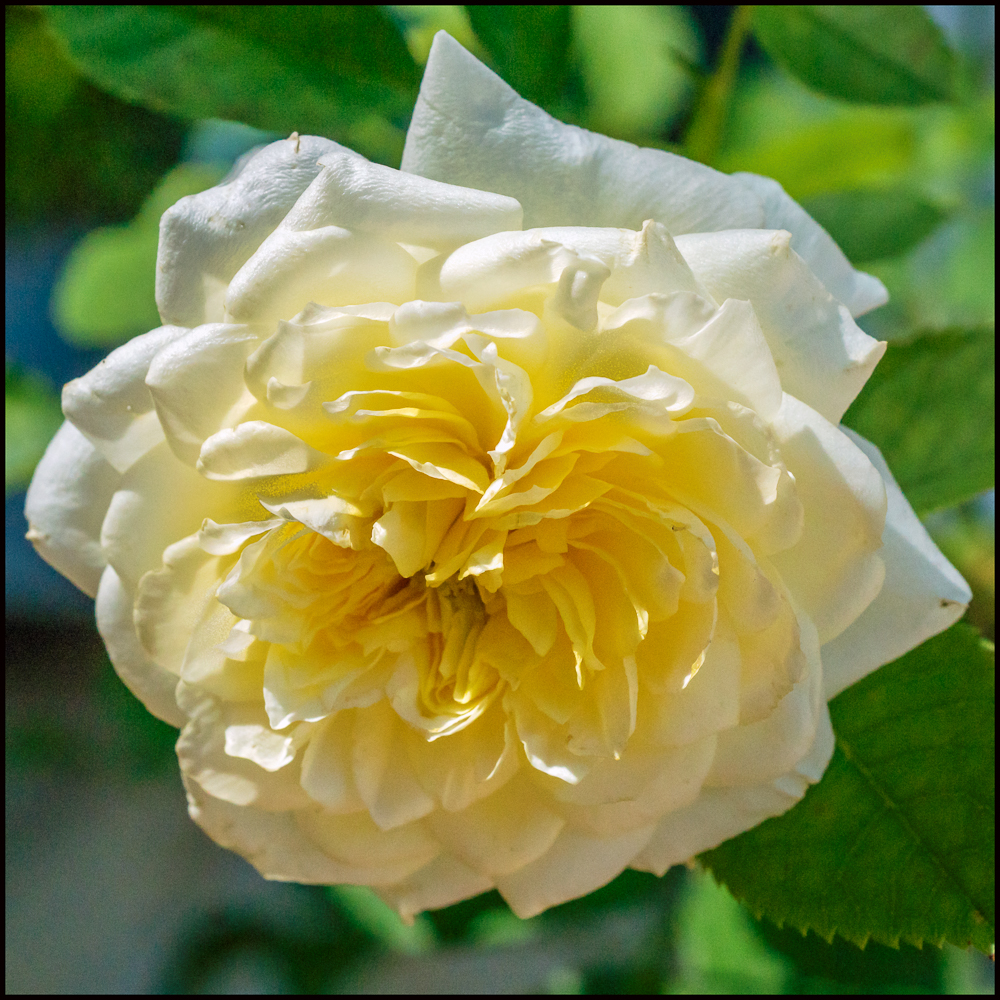
David Austin Roses 42 – The Pilgrim

According to the David Austin Site:

‘The Pilgrim’ has some of the most perfectly formed blooms. The buds open to reveal many petalled cups, which eventually open out to form quite large, evenly shaped, flat rosettes. The colour is a very attractive shade of yellow, the petals paling slightly towards the edges, giving a softness of colour that is very rare among yellow roses. The flowers are produced freely and repeat well. They have a fine fragrance, which is a perfect balance of tea and English myrrh. Its delicate charm makes it ideal for cutting for arrangements in the home.

Named after the pilgrims in Chaucer’s Canterbury Tales.

Taken with a Sony A77II and Minolta Maxxum AF 50mm f2.8 Macro.
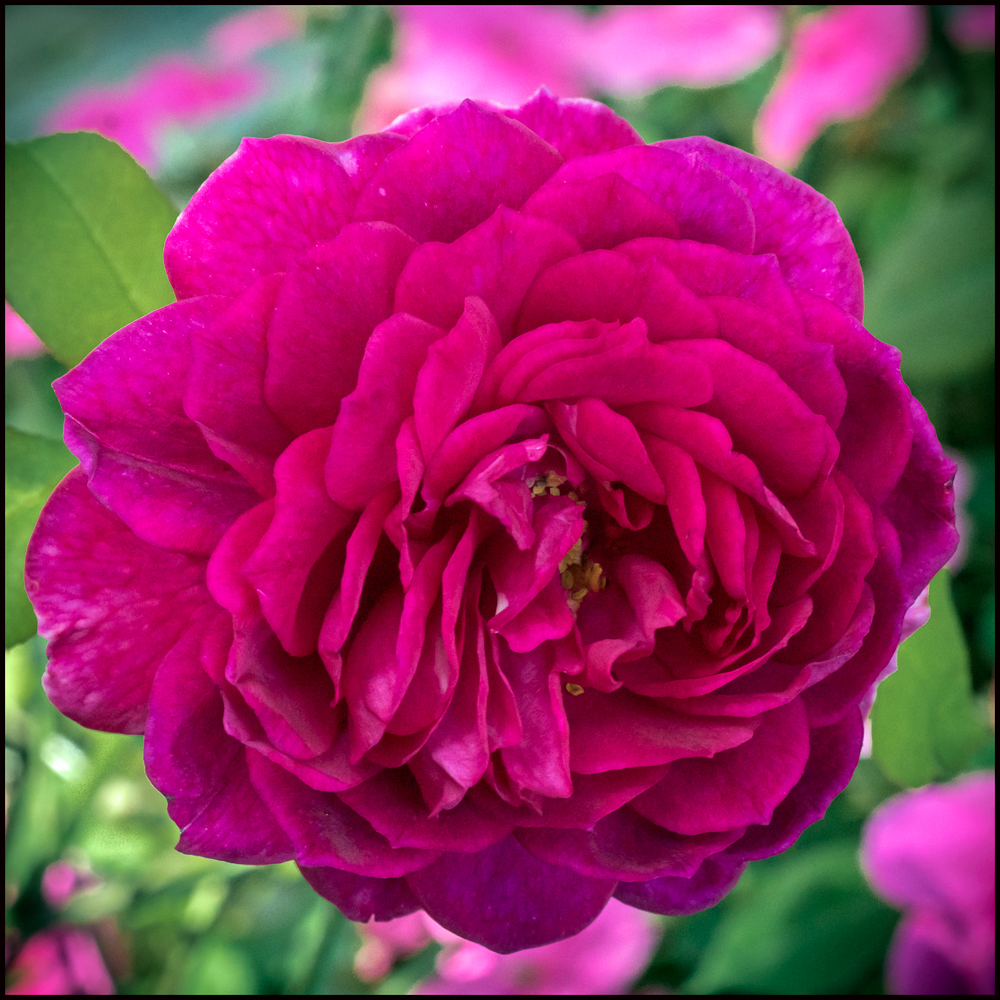
David Austin Roses 41 – Young Lycidas

According to the David Austin Site:

This is a variety of classic Old Rose beauty. The flowers are quite large and deeply cupped even when fully open; the many petals arranged in a charming, rather informal way. Their colour is new to English Roses; a blend of very deep magenta, pink and red – the outer petals tending towards light purple – although this is in contrast to the outside of the petals, which are quite silvery in appearance. The flowers nod gracefully and are produced singly or in small groups on vigorous stems. There is a delicious fragrance that changes markedly with the age of the flower, starting as a pure tea scent and changing to a blend of tea and Old Rose, with intriguing hints of cedar wood.

We were asked by The Friends of Milton’s Cottage to name this rose to mark the 400th anniversary of the birth of the poet John Milton. ‘Lycidas’ is one of the finest short poems in the English language. Interestingly, it was Milton who introduced the word ‘fragrance’ into the English language.

Taken with a Sony A77II and Minolta Maxxum AF 50mm f2.8 Macro.

David Austin Roses 40 – James Galway

According to the David Austin Site:

The flowers are a lovely warm pink at the centre, gradually shading to pale pink towards the edges. The blooms are very full, with the numerous petals beautifully arranged to create a neat, slightly domed flower. There is a delicious Old Rose fragrance of medium strength. It is very free from disease and repeats well.

Named after the internationally acclaimed British flautist, to celebrate his 60th birthday. James Galway delighted visitors to our display at the Chelsea Flower Show by playing his flute when this rose was released.

Taken with a Sony A77II and Minolta Maxxum AF 50mm f2.8 Macro.
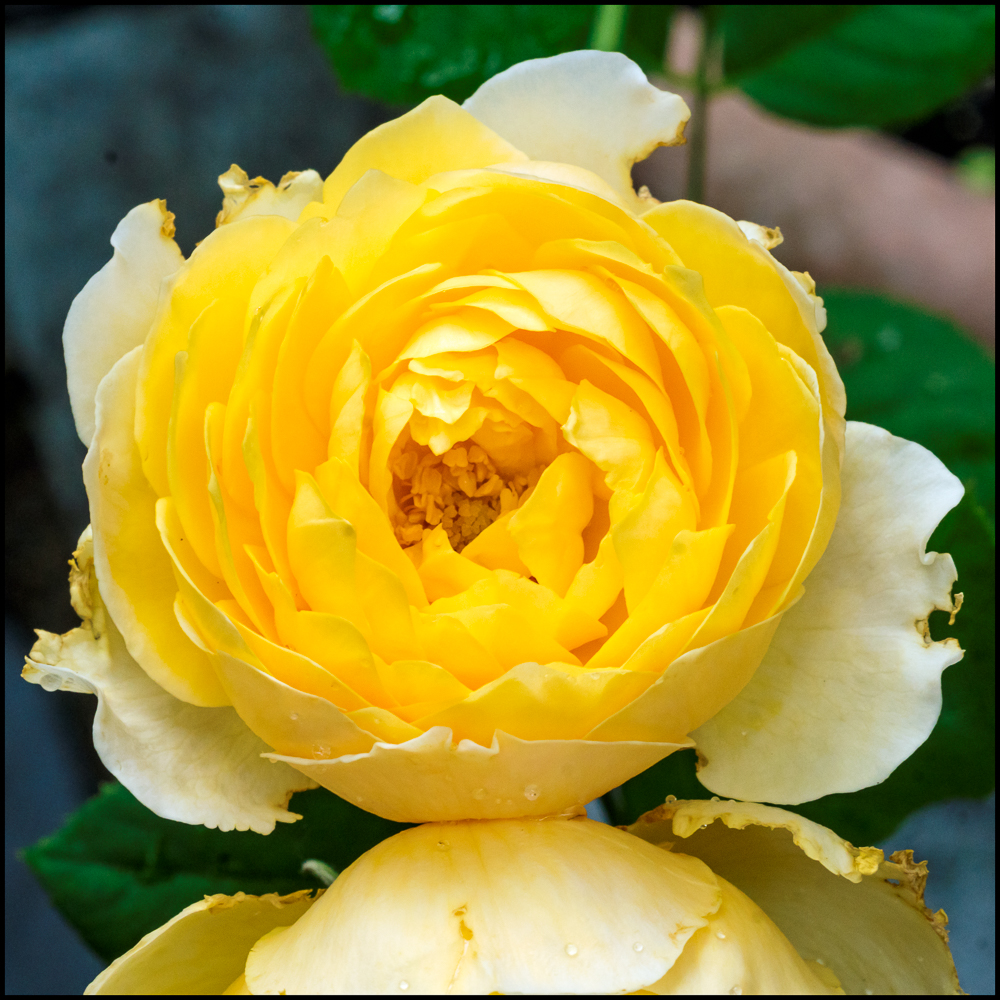
David Austin Roses 39 – Charlotte

According to the David Austin Site:

One of the most beautiful yellow English Roses

Bears exquisite flowers of a soft yellow colour. These start off beautifully cupped, later opening out to form rosettes. Each bloom is packed with numerous small petals, arranged around a classic button eye. There is a delicious, medium-strong tea rose fragrance. It is very free-flowering and repeats well. This is one of the most beautiful English Roses and, for those with particularly cold winters, it is also one of the hardiest.

Dedicated to Charlotte, one of David Austin’s granddaughters.

Taken with a Sony A77II and Minolta Maxxum AF 50mm f2.8 Macro.
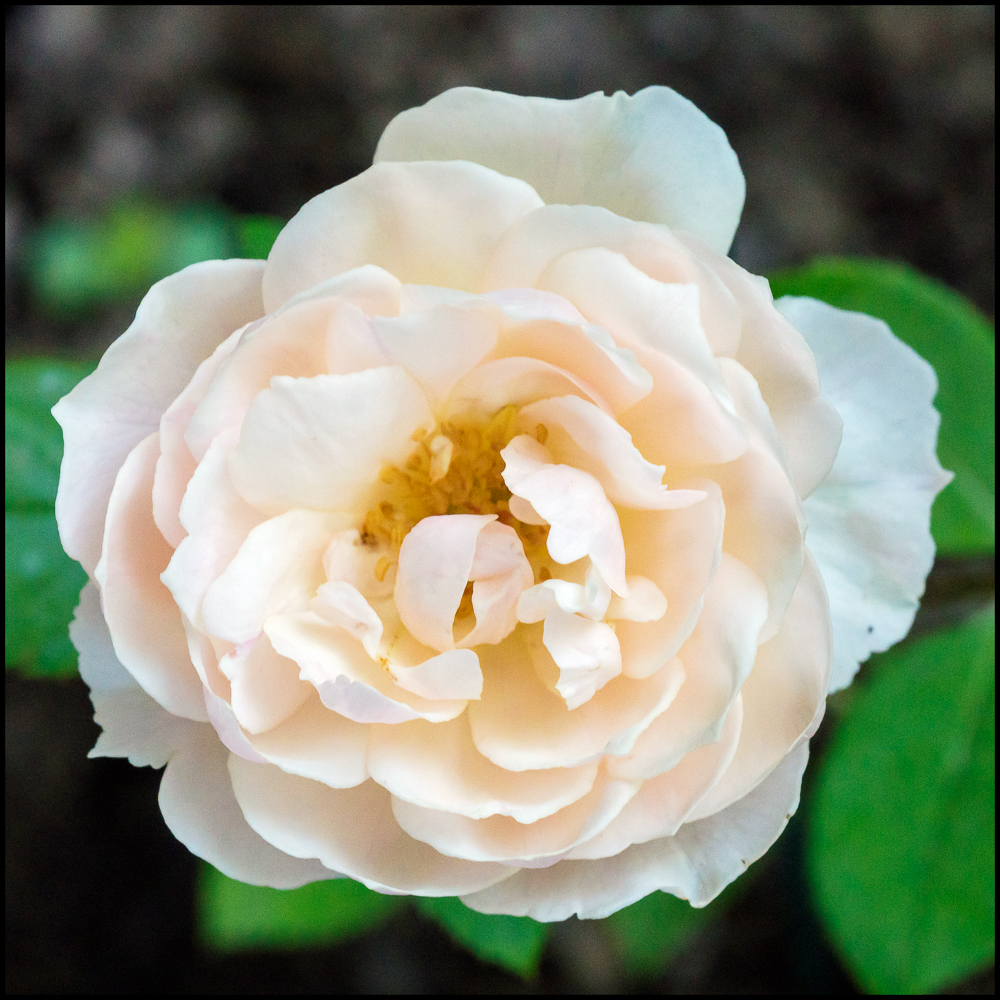
David Austin Roses 38 – Desdemona

According to the David Austin Site:

Pretty peachy pink buds open to reveal beautiful, pure white blooms, with an attractive hint of pink at the earliest stage of flowering. The blooms are chalice-shaped; the incurved petals creating an arresting interplay of light and shadow. Over time, the blooms open a little wider, just enough to catch a glimpse of the pretty stamens within. They flower over an exceptionally long season, maintain their shape during wet weather. A lovely Old Rose and almond blossom fragrance with hints of cucumber and lemon zest. ‘Desdemona’ forms a very healthy and most attractive neat, rounded, bushy shrub. It is perfect for growing in a pure rose border or for combining with other shrubs and perennials in a mixed border.

I assume the name comes from the character in William Shakespeare’s play Othello

Taken with a Sony A77II and Minolta Maxxum AF 50mm f2.8 Macro.