
David Austin Roses 27 – St. Swithun

According to the David Austin Site:

A beautiful rose with very large, saucer-like flowers filled with over a hundred small, frilly petals; the petals in each bloom are arranged around a central button eye. The blooms are a lovely shade of pure soft pink at the centre, gradually fading to palest pink at the edges. It flowers freely and repeats very quickly. There is a strong pure myrrh fragrance, typical of the English Roses.

Named after St. Swithun, Bishop of Winchester, to commemorate the 900th anniversary of the consecration of Winchester Cathedral.

Taken with a Sony A77II and Minolta Maxxum AF 50mm f2.8 Macro.
David Austin Roses 26 – Carding Mill

According to the David Austin Site:

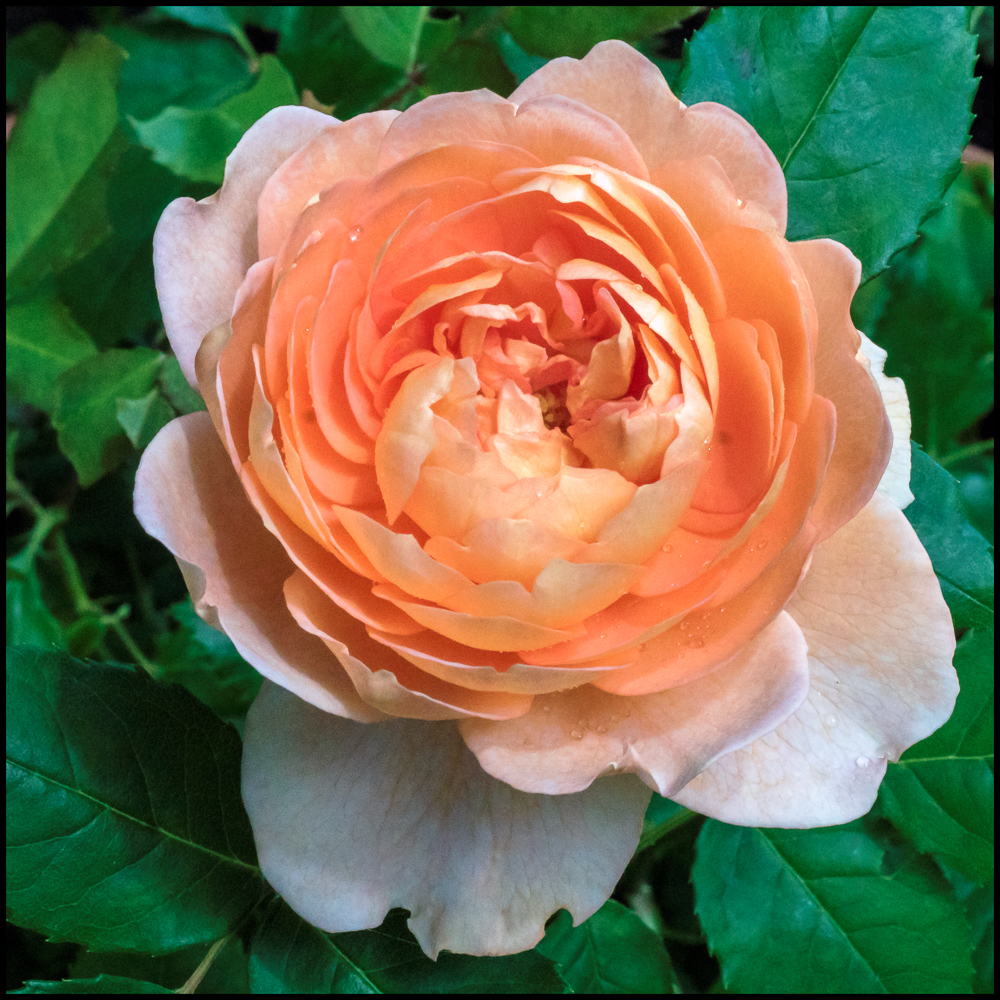
A flower of beautifully mixed shades of pink, apricot and yellow, overall, giving the impression of rich apricot. At the bud stage, when the petals are just starting to unfurl, the inside of the petals are a very rich, deep apricot as opposed to the paler, soft yellow undersides. When fully open the center of the flower is well filled with petals, their closeness giving the impression of a rich, apricot – pink. Around the center, the loose ring of petals curl in slightly and so show their pale apricot yellow undersides. It will quickly make a lovely, bushy, rounded shrub with quite straight stems, the many flowers nodding just slightly. There is a strong and beautiful myrrh fragrance.

Carding Mill is an extremely beautiful valley in the Long Mynd just to the west of our nursery in Shropshire.

Taken with a Sony A77II and Minolta Maxxum AF 50mm f2.8 Macro.
David Austin Roses 25 – Graham Thomas

According to the David Austin Site:

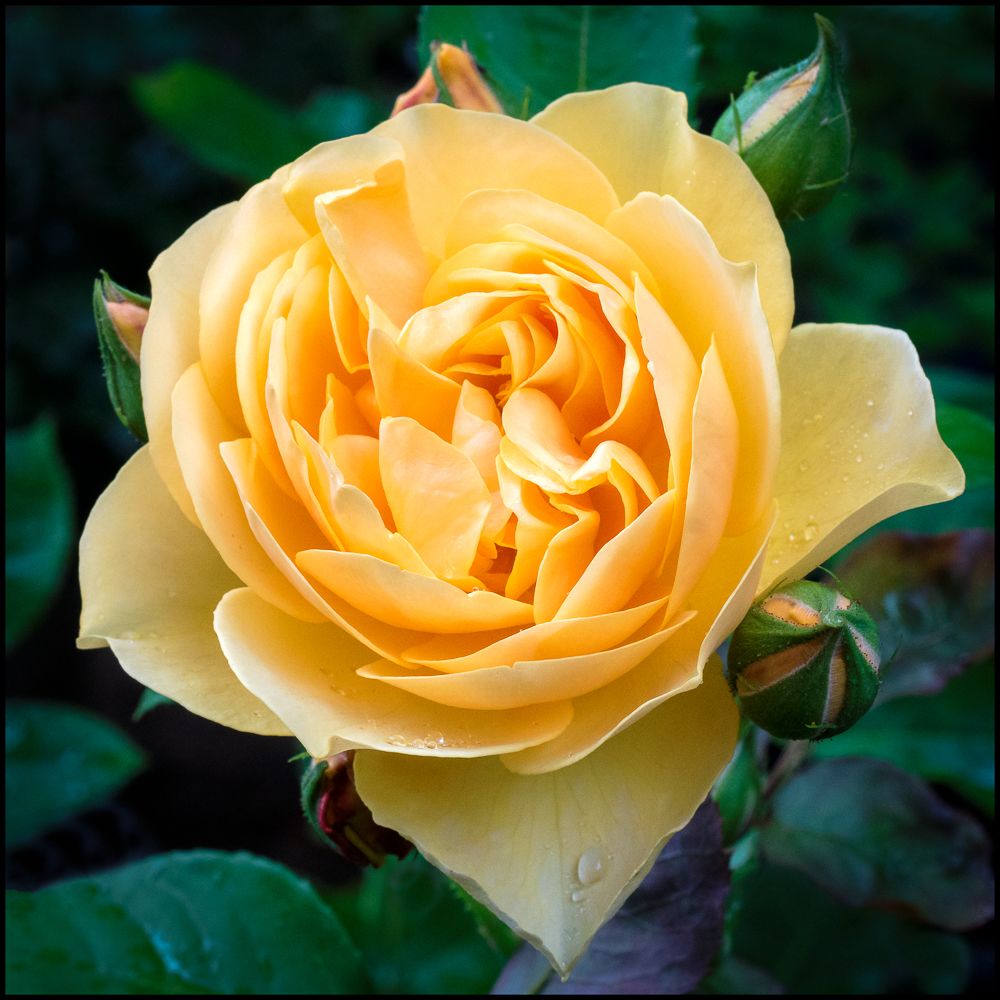
Bears medium-sized, cupped blooms of an unusually rich, pure yellow. There is a light Tea fragrance, with a cool violet character. It forms a bushy, upright and vigorous shrub, with attractive, smooth green foliage. David Austin, 1983.

Named for the British horticulturist who was one of the most influential gardeners of his time. Graham Thomas was a frequent visitor to our nursery and offered encouragement and advice. He chose this rose himself. He gathered a collection of Old Roses, which formed the basis of the National Collection at Mottisfont Abbey in Hampshire.

Taken with a Sony A77II and Minolta Maxxum AF 50mm f2.8 Macro.
David Austin Roses 24 – The Ingenious Mr. Fairchild

According to the David Austin Site:

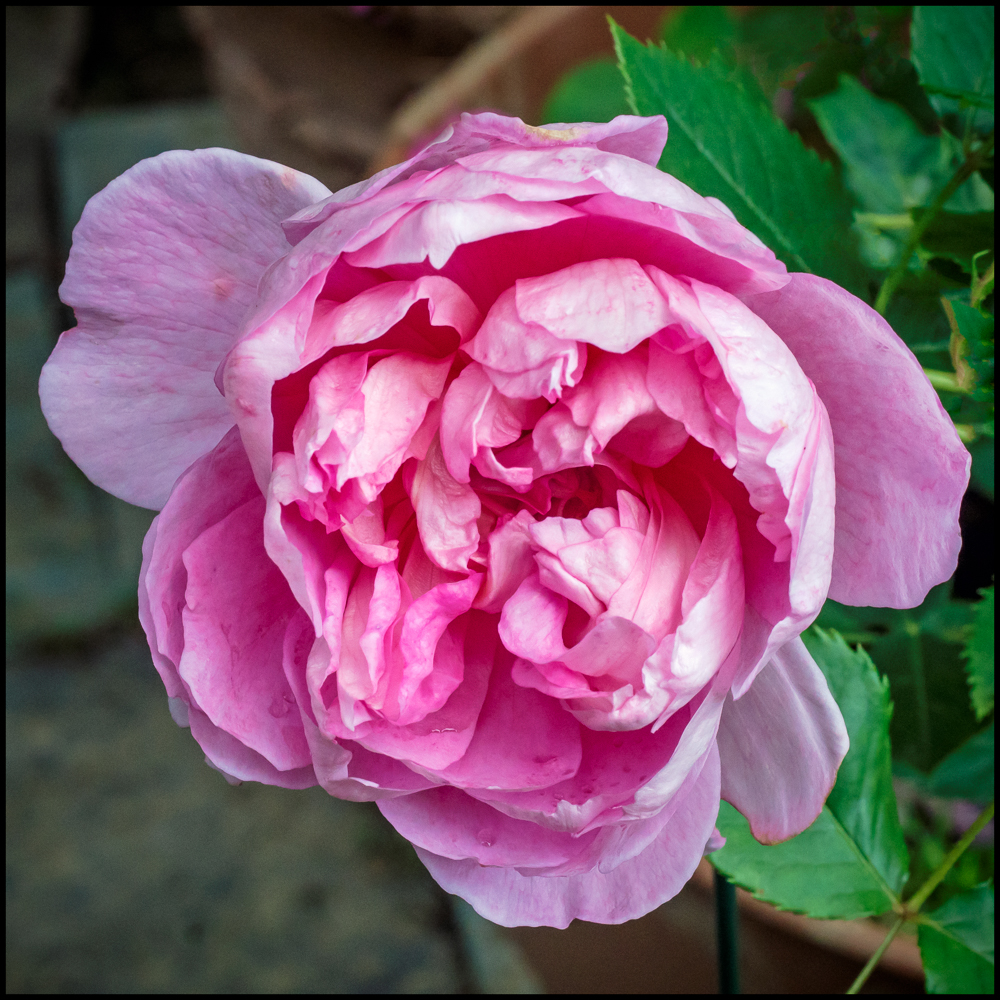
Deeply cupped flowers, filled with crisp, upstanding, fuchsia petals. The fruity rose fragrance has hints of raspberry, peach and mint. A well-rounded, mounded shrub, its flowers nicely poised on its branches. Named after Thomas Fairchild, who made the first recorded flower hybrid. David Austin, 2003.

Named after Thomas Fairchild, who made the first recorded flower hybrid in 1720. This was a cross between a Sweet William and a carnation, which became known as ‘Fairchild’s mule’. With thanks to Michael Leapman for the name, which was the title of his excellent biography on Thomas Fairchild.

Taken with a Sony A77II and Minolta Maxxum AF 50mm f2.8 Macro.
David Austin Roses 23 – Brother Cadfael

According to the David Austin Site:

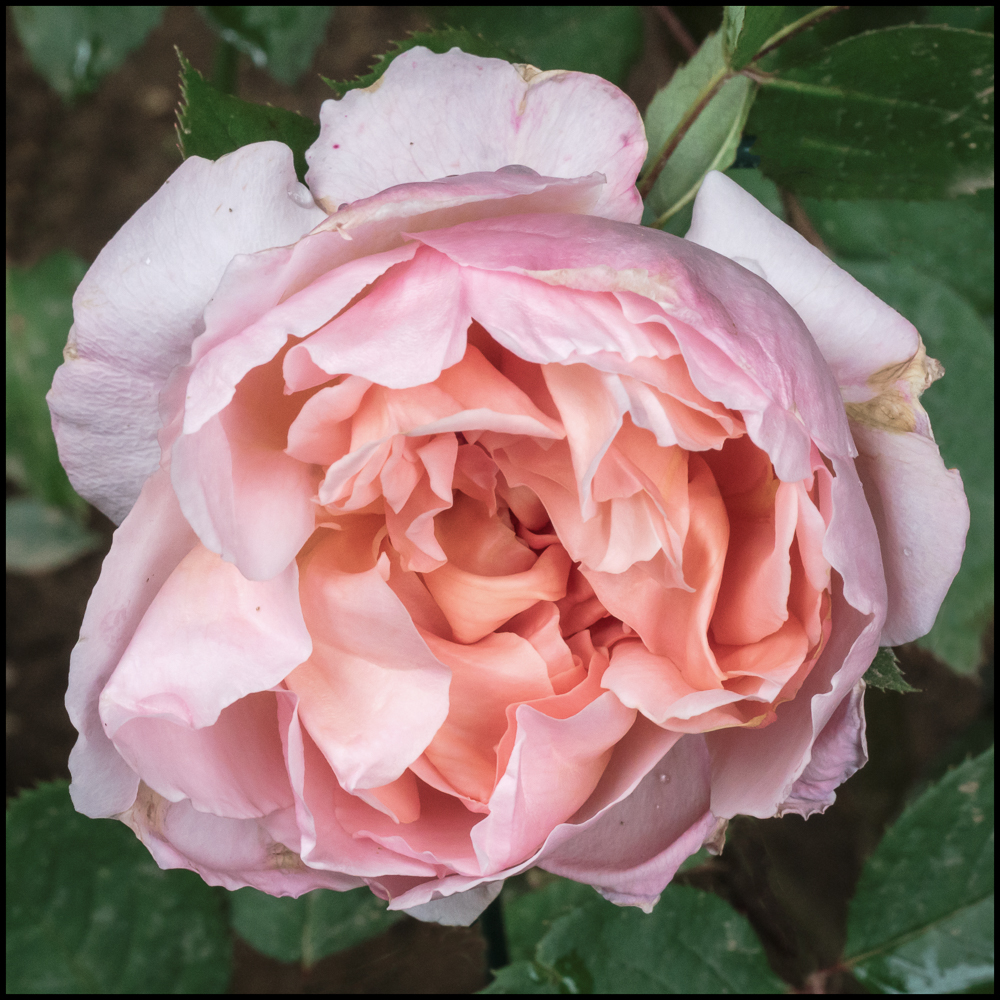
‘Brother Cadfael’ bears very large, globular, clear pink flowers, reminiscent of peonies. Despite their size, they are never clumsy and are held nicely upright on the plant. There is a particularly strong and rich Old Rose fragrance, similar to some of the Old Bourbon Roses.


This rose was named after the hero of the Ellis Peters detective stories, which are set in Shropshire where our nursery is located.

Taken with a Sony A77II and Minolta Maxxum AF 50mm f2.8 Macro.