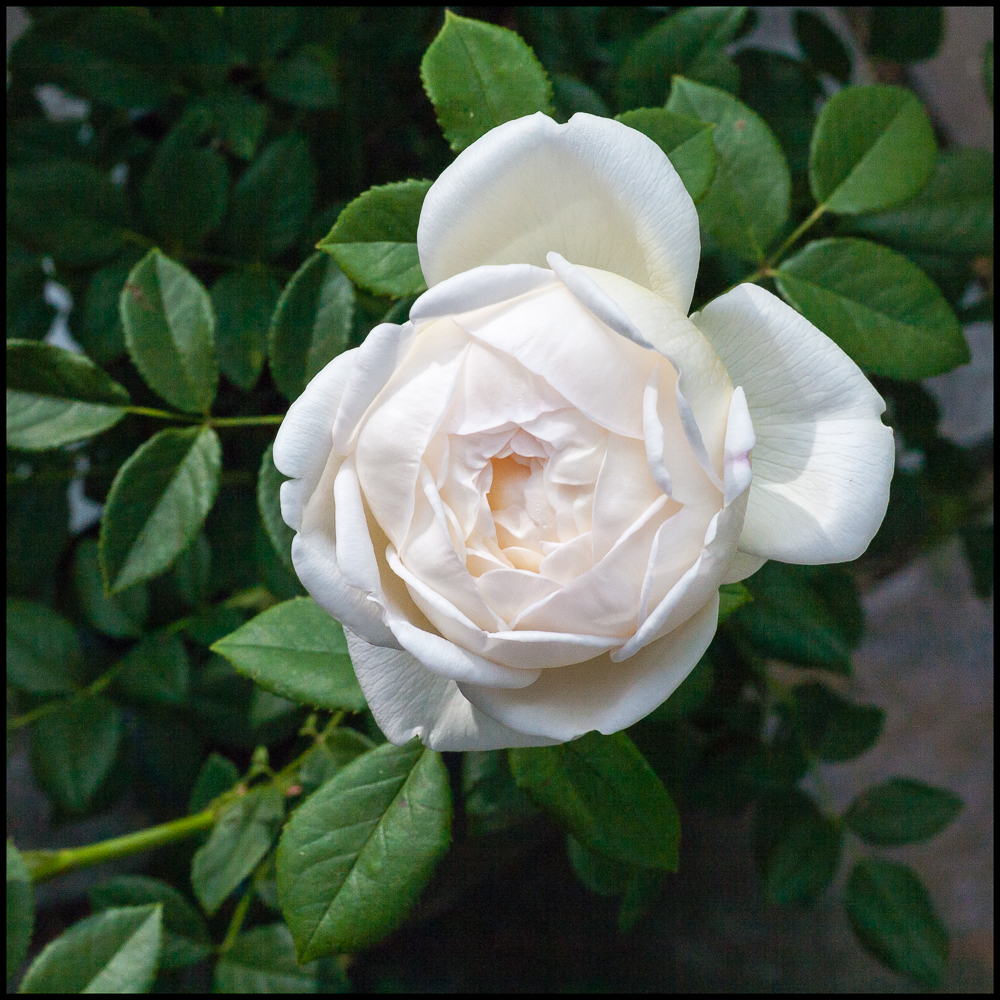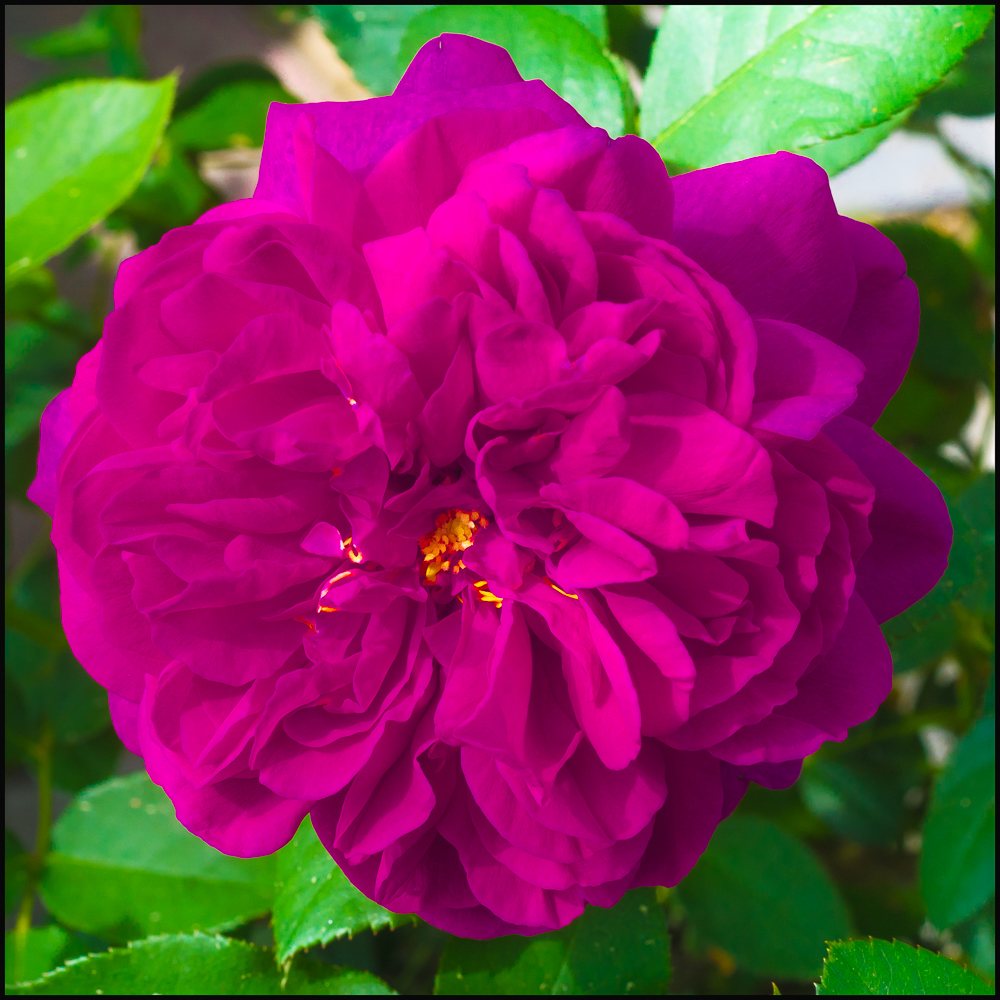
David Austin Roses 17 – Thomas à Becket

According to the David Austin Site:

This is a variety of very different character from the general run of English Roses, being rather closer to the Species Roses than to the Old Roses and more natural and shrubby in growth. The individual flowers can best be described as shallowly cupped, opening as informal rosettes; the petals quickly reflexing as the flowers age. They are held in medium-sized heads; the individual blooms nodding attractively on the stem. They have an Old Rose fragrance with a strong lemon zest character. The colour is difficult to describe or even photograph: the best we can say is an attractive light red paling to carmine red.

We were asked to name this rose for Canterbury Cathedral and were very pleased to do so.

Taken with a Sony A77II and Minolta Maxxum AF 50mm f2.8 Macro.
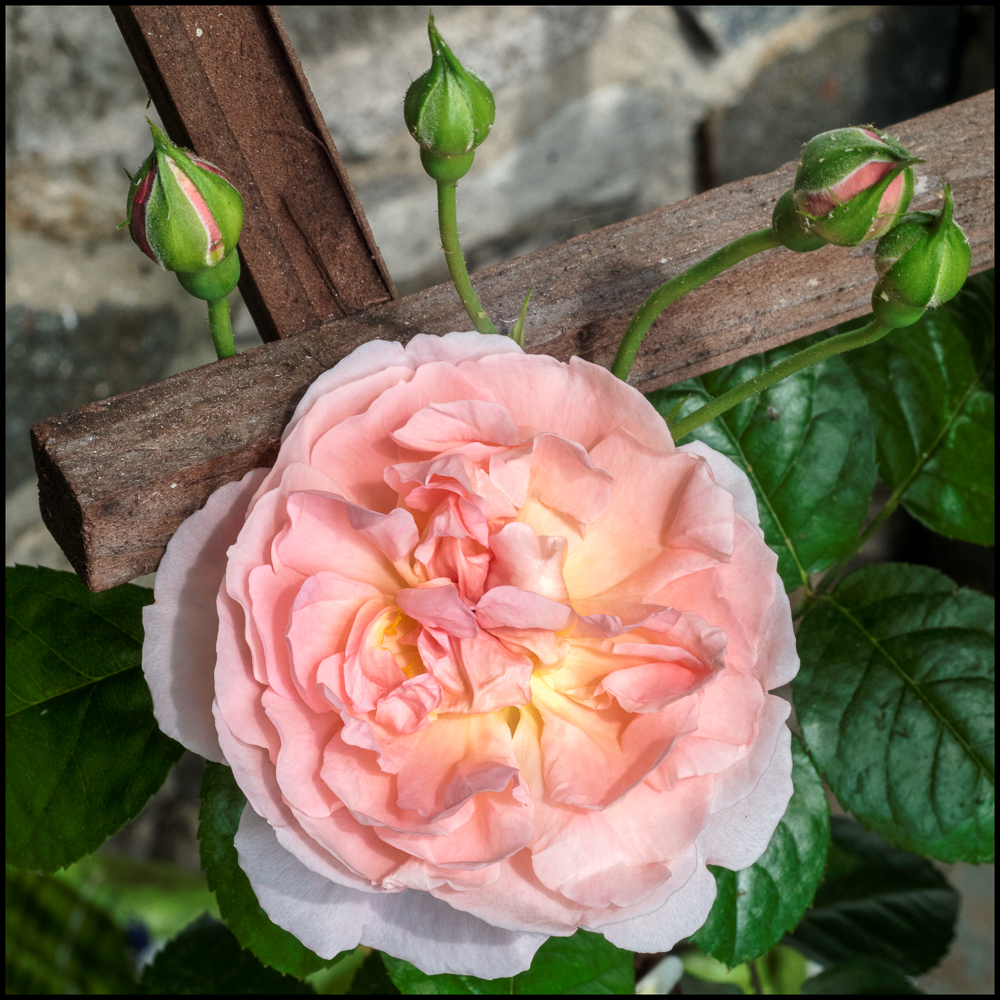
David Austin Roses 16 – Strawberry Hill

According to the David Austin Site:

Bears small clusters of medium-sized, pure rose pink, cupped rosettes. The blooms are of superb quality, looking beautiful at all stages. As they age, their petals gradually pale at the edges and they eventually expose glimpses of yellow stamens. There is a strong, delicious myrrh and heather honey fragrance. A very healthy variety.

Strawberry Hill is a beautiful gothic revival house in Twickenham, London, which was built by Horace Walpole, son of the first British Prime Minister, Sir Robert Walpole. He laid out a fine garden which, along with the house, has recently been restored.

Taken with a Sony A77II and Minolta Maxxum AF 50mm f2.8 Macro.
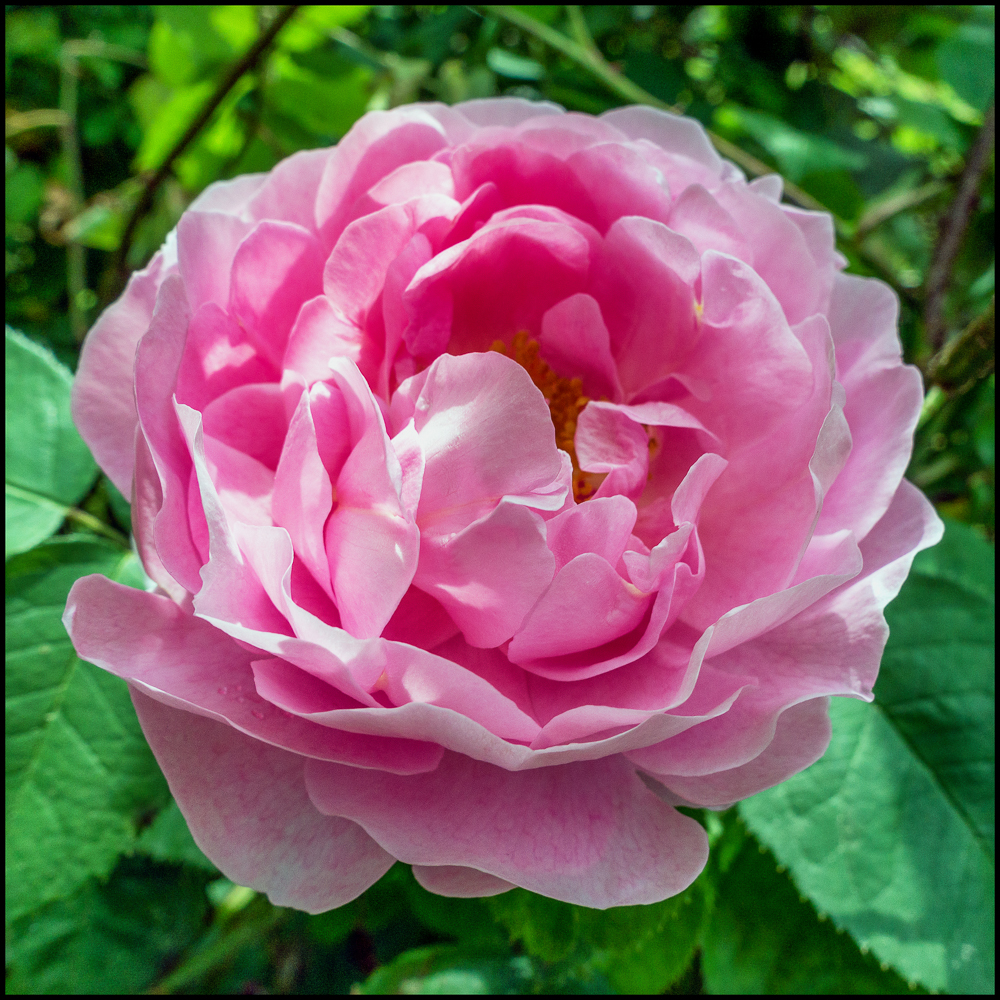
David Austin Roses 15 – Constance Spry

According to the David Austin Site:

‘Constance Spry’ is the original English Rose and produces large, pure rose pink, deeply cupped blooms of luminous delicacy. It has a strong myrrh fragrance; in fact, it was this rose that introduced the myrrh fragrance to the breeding of the English Roses. Although it is only flowers once in early summer, it is still a very valuable variety.

Constance Spry (1886–1960) was a pioneer in flower arrangement and one of the first collectors of Old Roses in the early part of the 20th century.

Taken with a Sony RX-100 M3.

David Austin Roses 14 – Charles Darwin

According to the David Austin Site:

The blooms of ‘Charles Darwin’ are some of the largest to be found in the English Roses and are on a par with ‘Abraham Darby’, ‘Brother Cadfael’ and ‘Golden Celebration’, creating a really impressive effect in the garden. The flowers are very full and rounded at first, later opening up to shallow cups, which often have button eyes. Their colour could be described as old gold at first, sometimes with lemony or sandy tints. The blooms gradually pale in colour, creating a delightful mix. There is a strong, delicious fragrance that varies between a soft, floral tea and almost pure lemon, according to weather conditions.

Named after Charles Darwin the British naturalist who was born in Shrewsbury, Shropshire, not far from our nursery.

Taken with a Sony A77II and Minolta Maxxum AF 50mm f2.8 Macro.
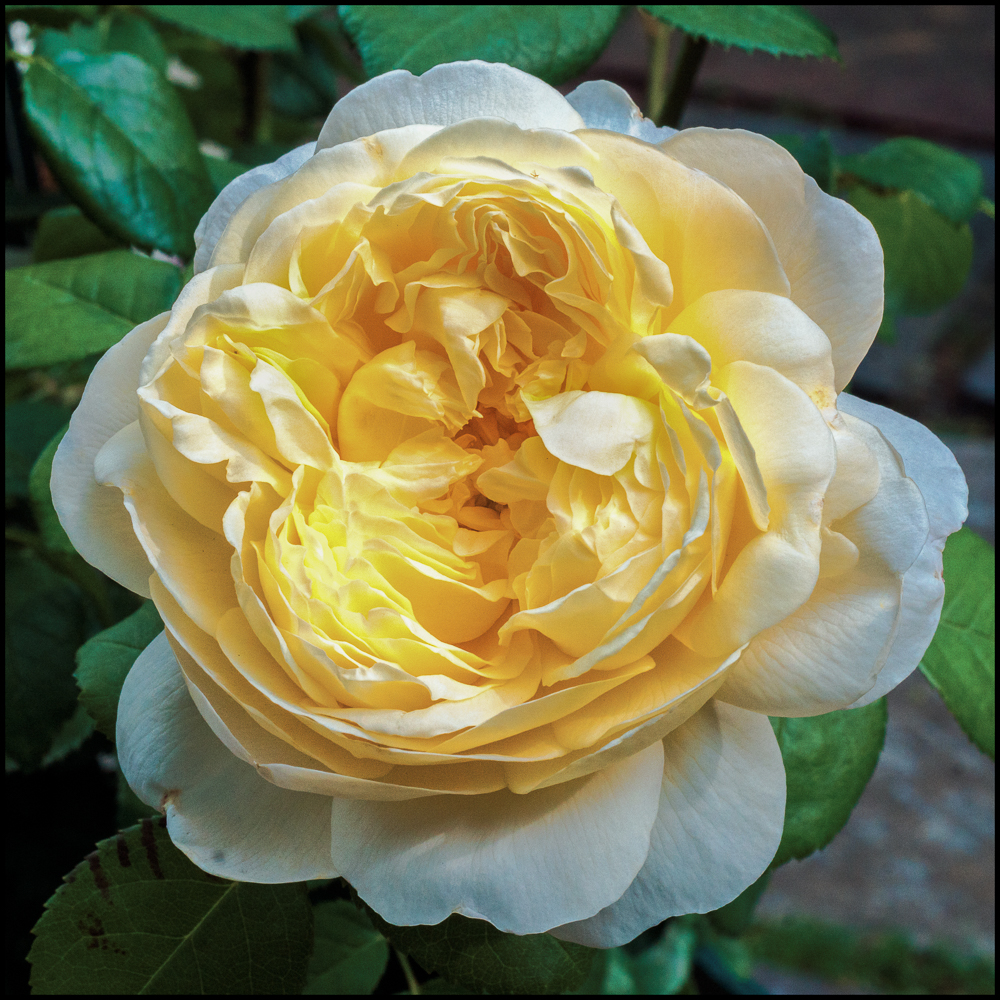
David Austin Roses 13 – Claire Austin

According to the David Austin Site:

There is something a little special about white roses – they are all purity and light – and yet really good white roses are rare among English Roses and Hybrid Tea Roses alike. This is because white roses are very difficult to breed. ‘Claire Austin’ bears pleasingly cupped buds of a pale lemon shade which gradually open to form large, creamy white flowers of typical English Musk delicacy; their petals perfectly arranged in concentric circles, with a few more loosely arranged in the centre. They have a strong fragrance based on myrrh with dashes of meadowsweet, vanilla and heliotrope. Strong and particularly healthy. Undoubtedly one of our finest white roses to date

Claire Austin is David Austin’s daughter. She has a nursery which specialises in hardy plants, including the UK’s finest collection of irises, peonies and day lilies.

Taken with a Canon Eos 5D and Canon EF 50mm f1.8 II.