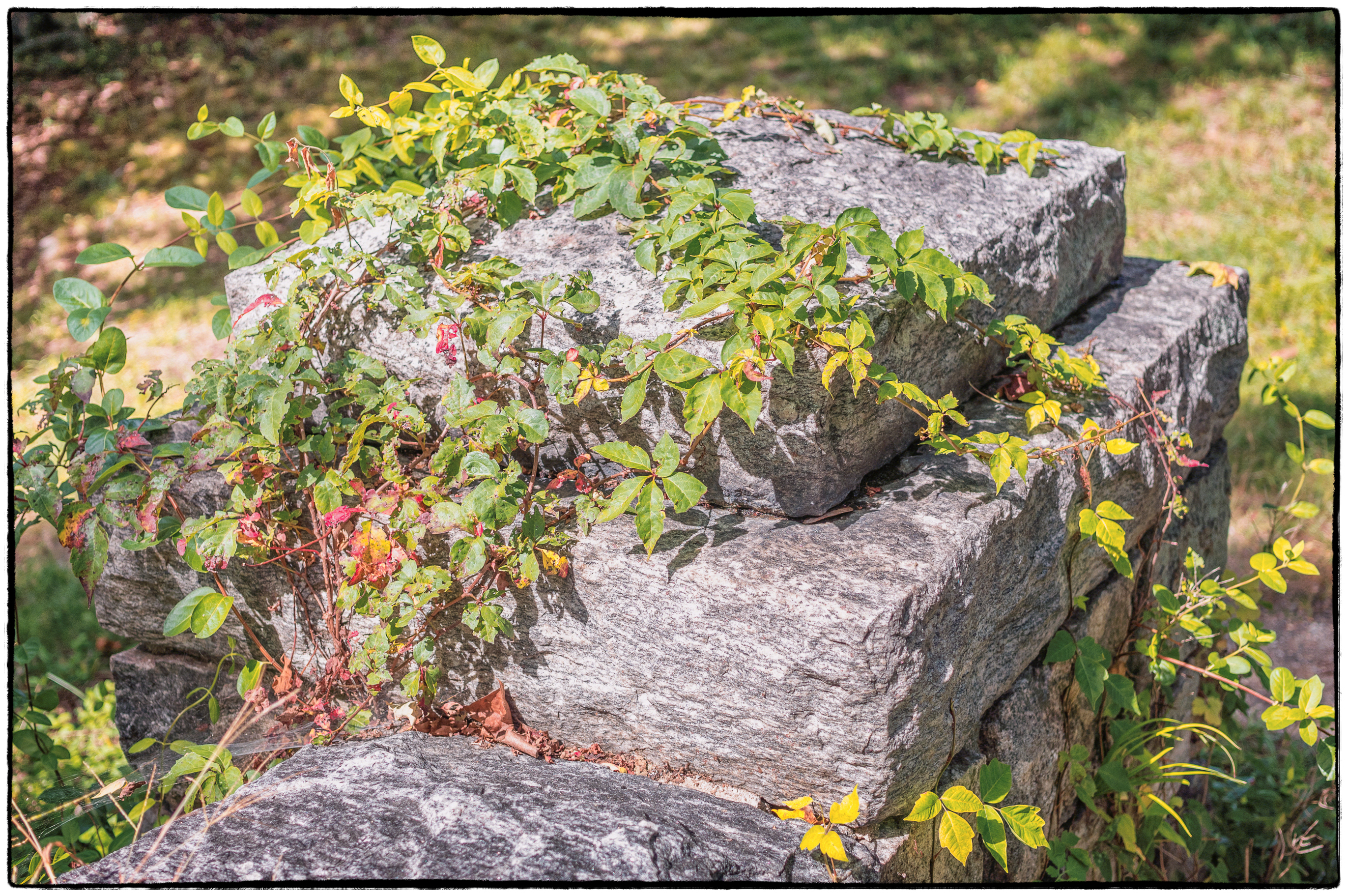
This is the same bridge as in the preceding post (Rockefeller trails 3: bridge over the Pocantico River). What can I say? – I’m a sucker for vines creeping over old rocks and stone.
Photographs and thoughts on photography and camera collecting

This is the same bridge as in the preceding post (Rockefeller trails 3: bridge over the Pocantico River). What can I say? – I’m a sucker for vines creeping over old rocks and stone.
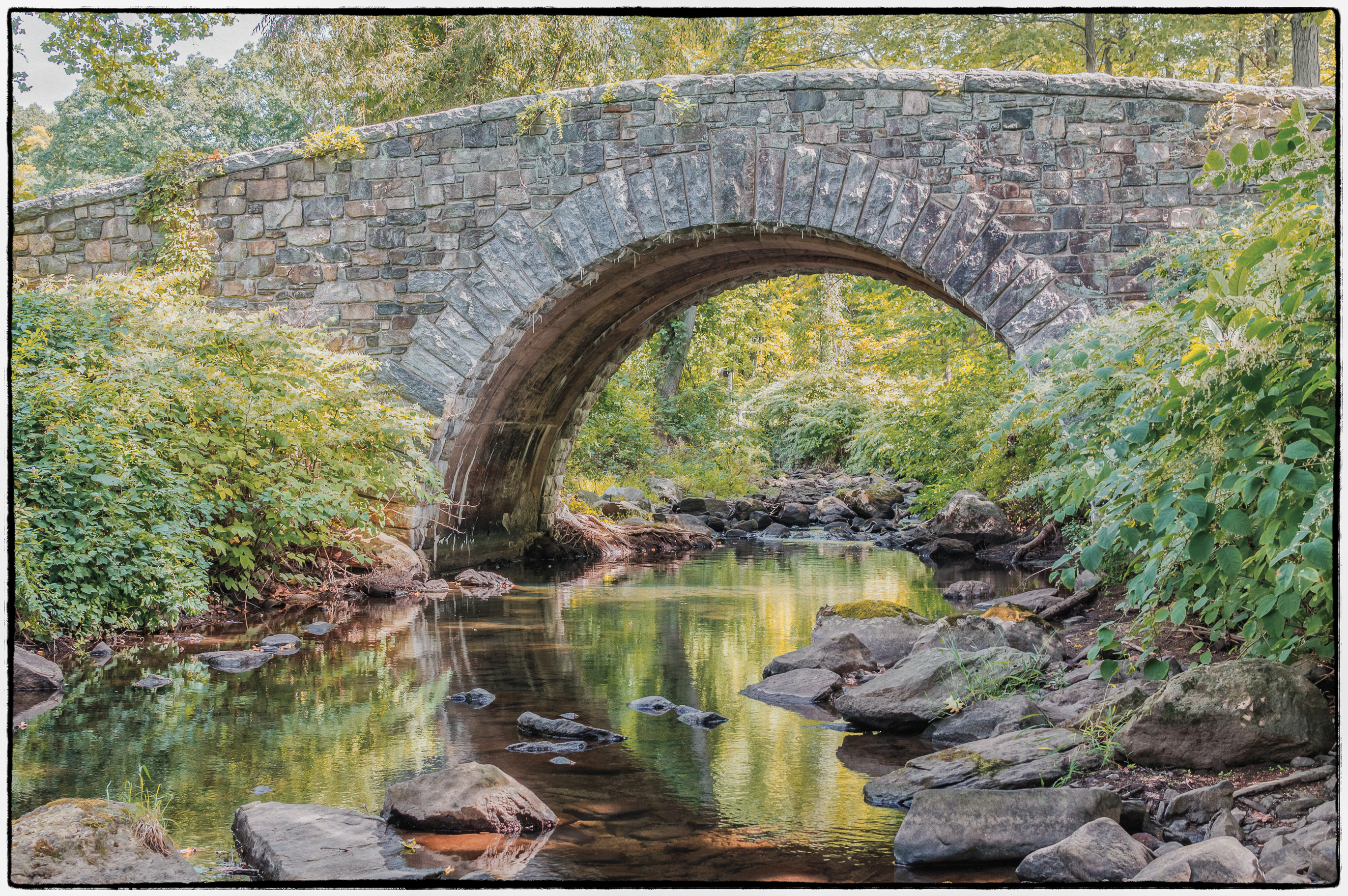
There are a number of interesting bridges in the preserve. I’ve photographed some of them (including this one) before: Rockefeller trails – Pocantico River trail
All of the pictures in the above post in black and white. One of them is taken from a viewpoint similar (but not identical to) this.
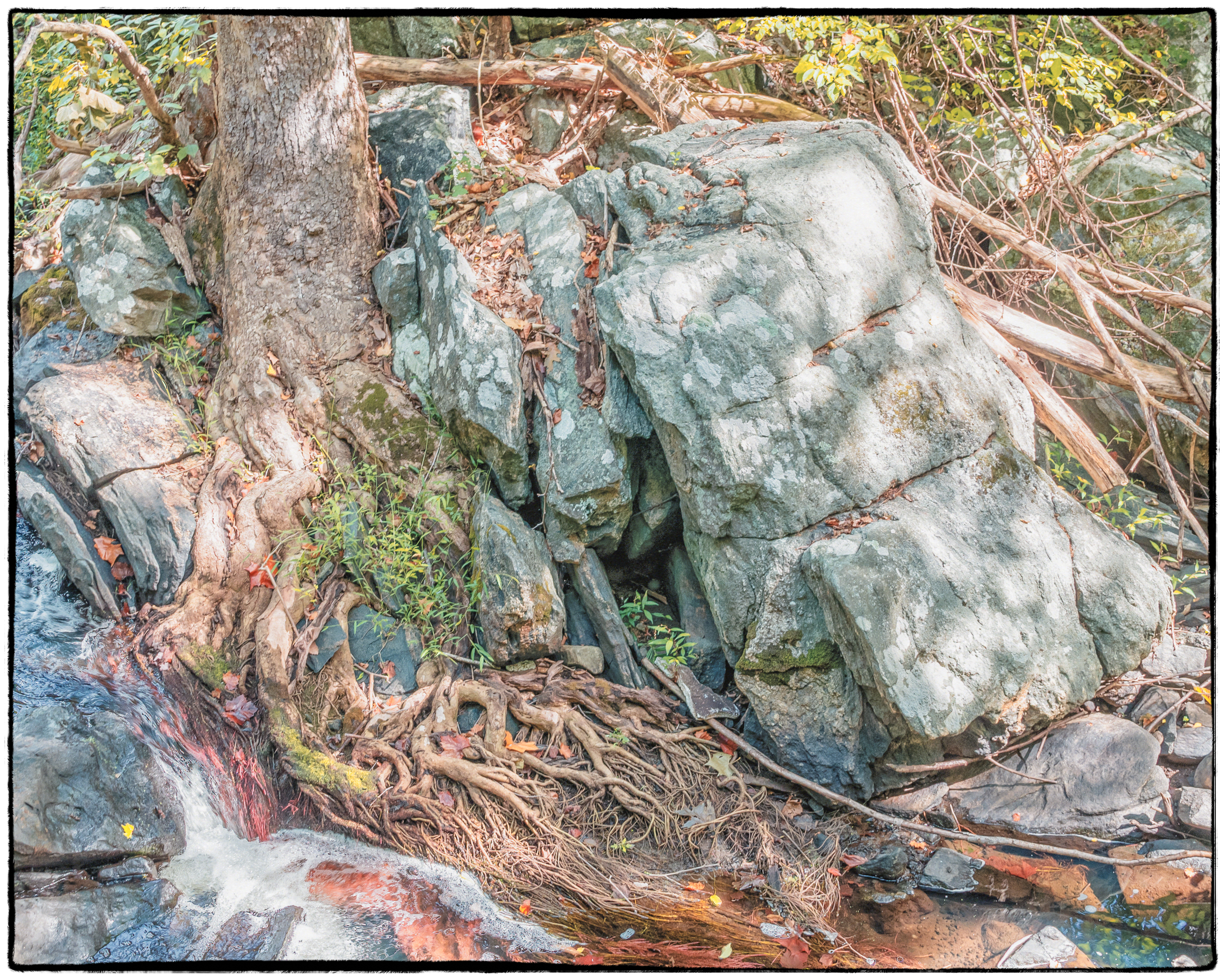
I took the dog for a walk at our old stomping grounds, the Rockefeller Preserve, the other day. I used to come here a lot with our former dog, but nowadays we spend a fair bit of our time further north so I don’t get there as much.
This scene was captured along the Pocantico River trail. I’ve taken pictures of this particular rock and tree before, but I like this one best. The “wispy” roots of the tree seem so ephemeral to me as if they might get washed away by the Pocantico River (a glimpse of which can be seen at the bottom left). The rock on the other hand represents stability and strength. It’s been there a while and I don’t see it going anywhere in the near future. I also find the variety of colors (reds, oranges, yellows, browns, greens, blues) appealing.
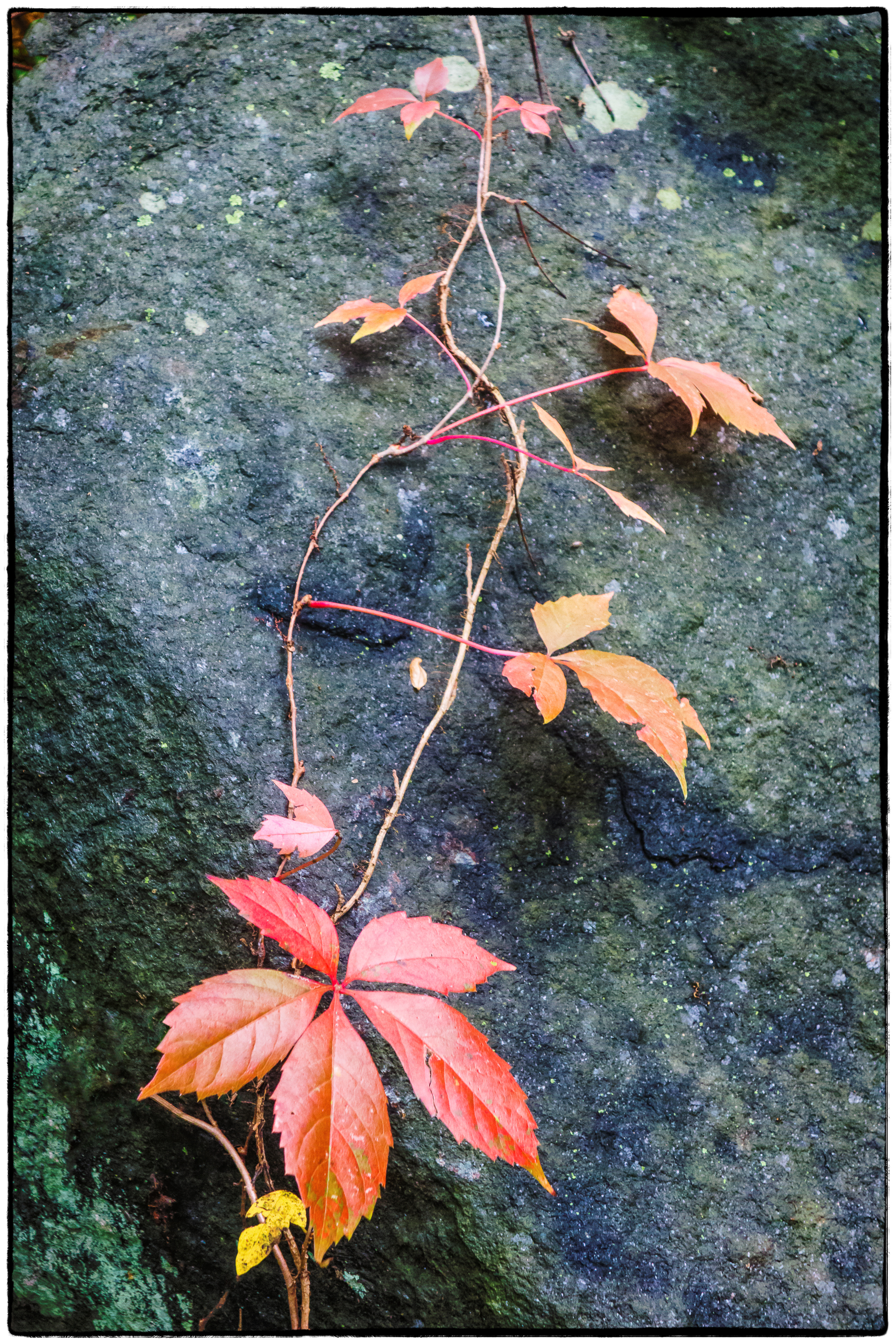
I was attracted to the bright colors (mostly red, orange and yellow) of the vine (especially the leaves) contrasted with the darker shades (mostly dark grey, green and blue) of the rock. It was an overcast day and I liked the even, non-contrasty light.

According a brochure found at the trailhead:
This large 57″ diameter dominant White Oak with a spreading crown has tremendous wildlife value. A “wolf” tree is a historical remnant (equivalent to a stone wall) that is an obvious indicator of past agricultural activity. This particular tree was from the Everett Farm. The family came from Scotland in 1746, Isaac Everett (Everitt) was a mason who built blast furnaces for melting iron ore. He settled in Putnam in 1750-1760 and was one of the chain bearers who surveyed the lot lines in the Philipse Patent in 1777. His son Abraham bought the 236 acre farm in Carmel from Frederick Philipse in 1813/14. Abraham and his sons were pioneers in the western cattle trade and drove fatted steers to market on foot. One of his sons, Leonard K. Everett lived on the farm from about 1850-1880. He was treasurer of Putnam County in 1854, and a trustee in the association that built the Carmel Collegiate Institute and Drew’s Ladies Seminary (William S. Pelletreau, History of Putnam County, 1886)