A Yellow Car

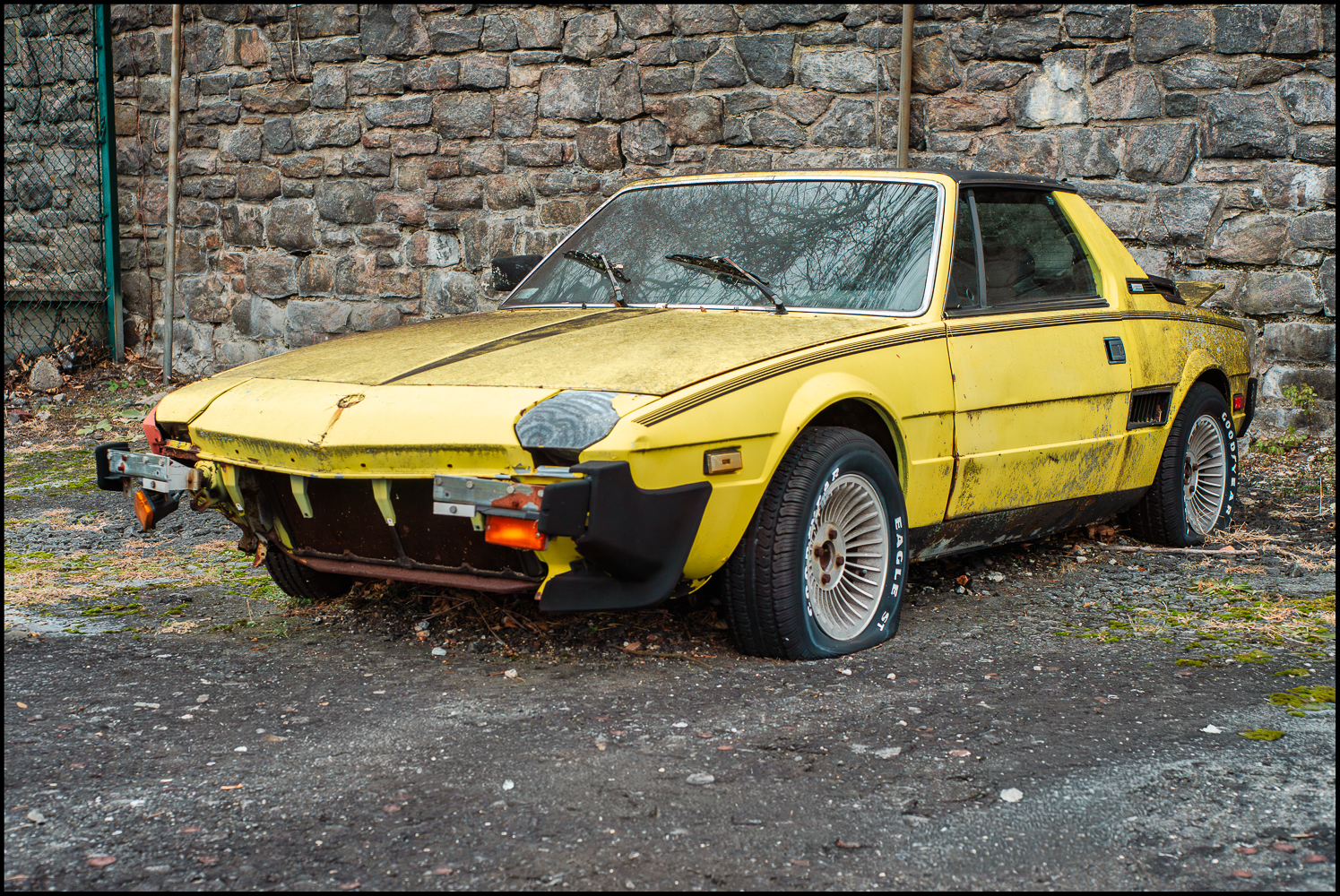
This car has been standing in a fenced, vacant lot near where I live for many years. When I went by recently, I noticed that the gate was open, so I went over to take a look. I imagine it was once quite an attractive vehicle. I didn’t know what it was, so I asked my Facebook friends.

A former colleague replied:

“The Google says this: Based on the image, the car appears to be a Fiat X1/9. It’s a mid-engined, two-seater sports car designed by Bertone and produced by Fiat from 1972 to 1982, and later by Bertone from 1982 to 1989 (where it was often branded simply as a Bertone).
The distinctive wedge shape, pop-up headlights, and targa roof are characteristic features of the X1/9. The vehicle in the photo looks like an older, possibly neglected, example.”

And a friend (and former owner of such a vehicle) in Geneva, Switzerland told me:

“Wow this brings back memories. It is a Fiat X1/9. I owned one circa 1979. It was the first inexpensive mid-engine sports car for the general market. The engine revved up to 7000 rpm and surprisingly pulled through its entire range. It was happiest at 4-5000. The earliest versions only had 1300cc 70hp engines with a four-speed gearbox. I had the 1500cc version with a five-speed gearbox. It had a nice racy engine noise with the motor behind the driver’s head. Not a lot of power but solid handling and great fun to drive.
The targa roof was stored behind the engine and it was nice to have off in Summer although I preferred a true convertible like the Triumph TR6 I later drove.

I remember it had many of the quirks of Italian cars of the period such as windows cranking in reverse and the Tachometer reading counterclockwise, odd switches etc. but so did most sports cars back then.

Of course, it is a tiny car – with a driver and passenger there was only room for one small carryon bag in the frunk and a small bag behind the engine compartment. Totally impractical but an inexpensive experience I enjoyed before facing the pragmatic realities of adult life.
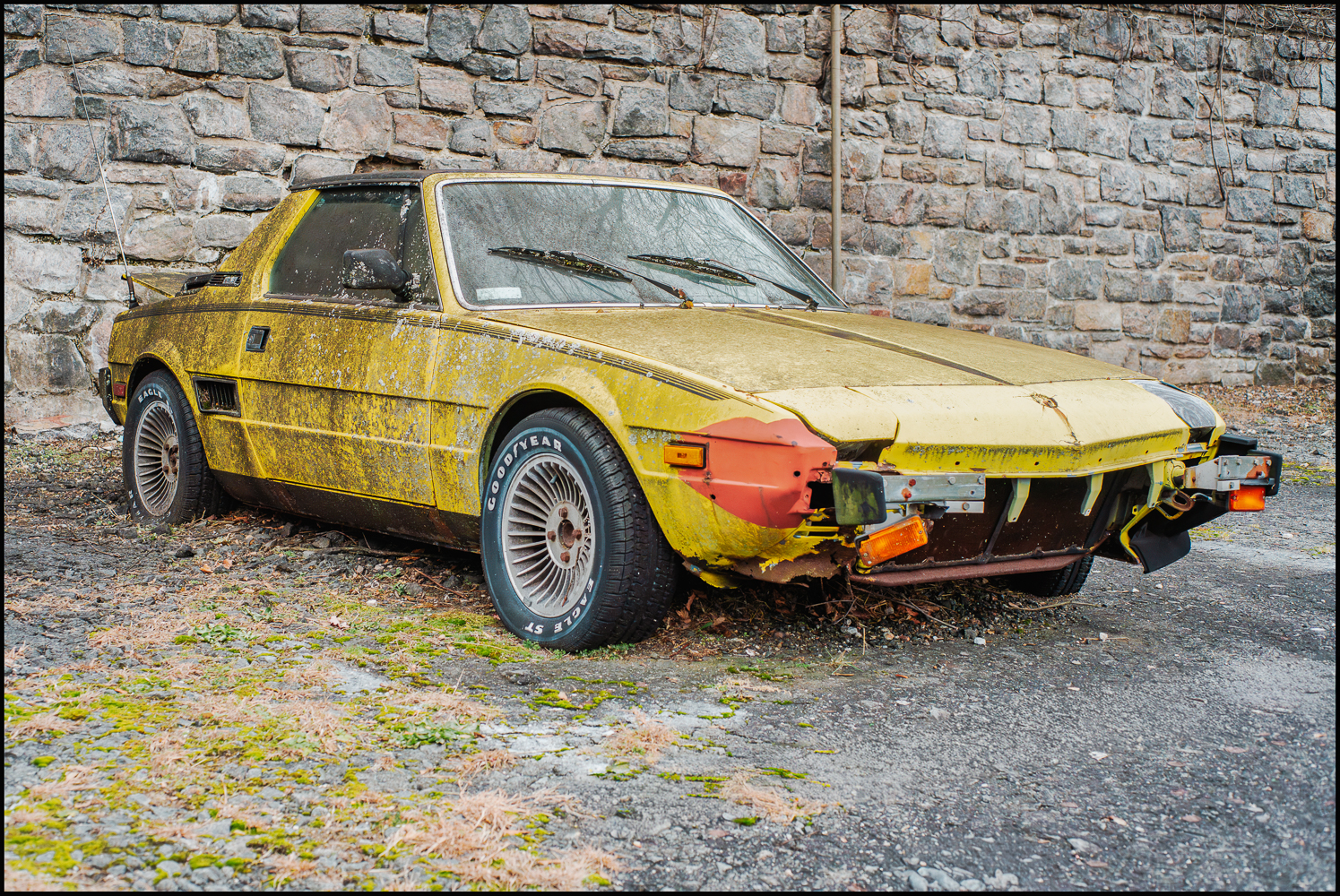
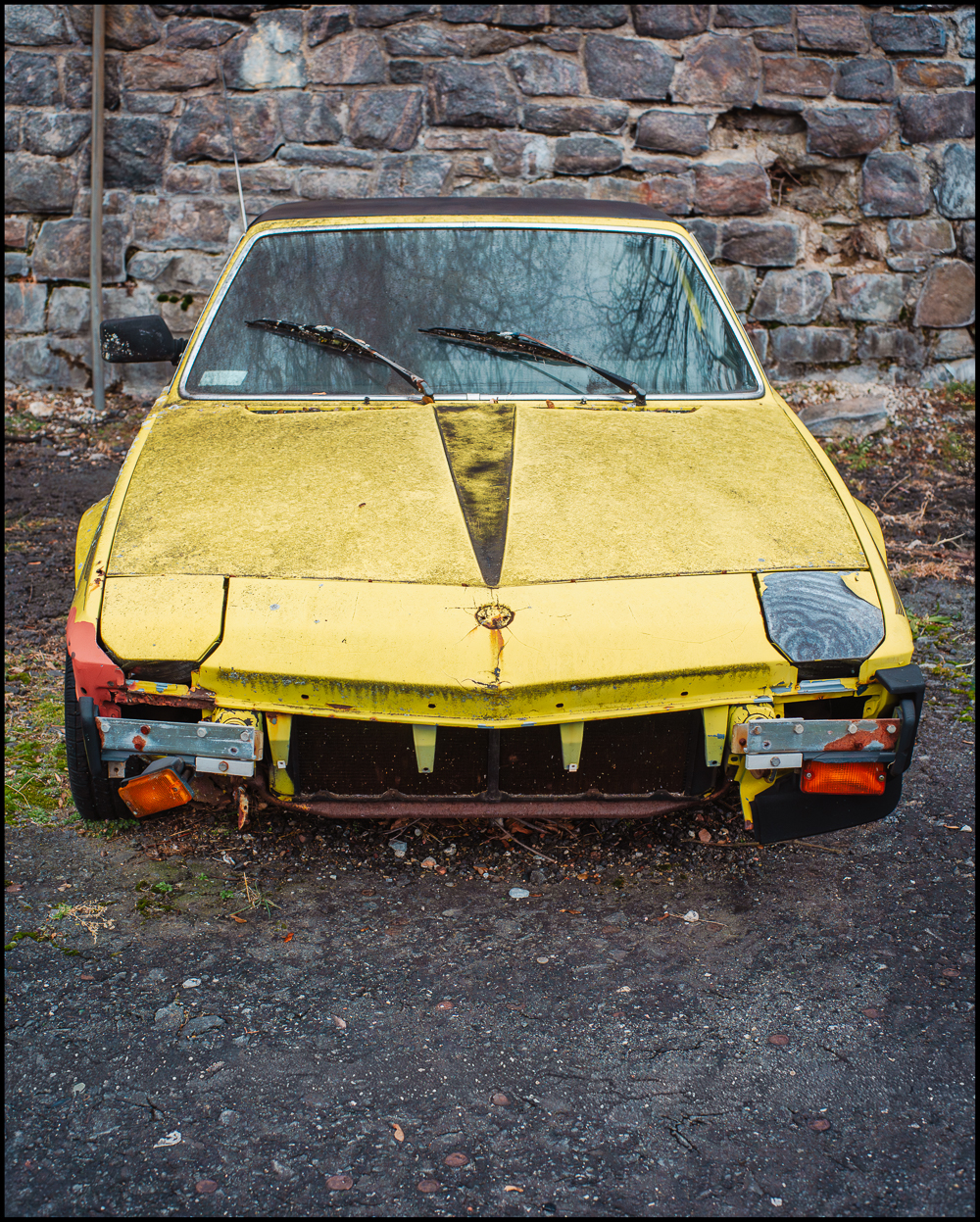
Taken with a Sony A7IV and Minolta 45mm f2
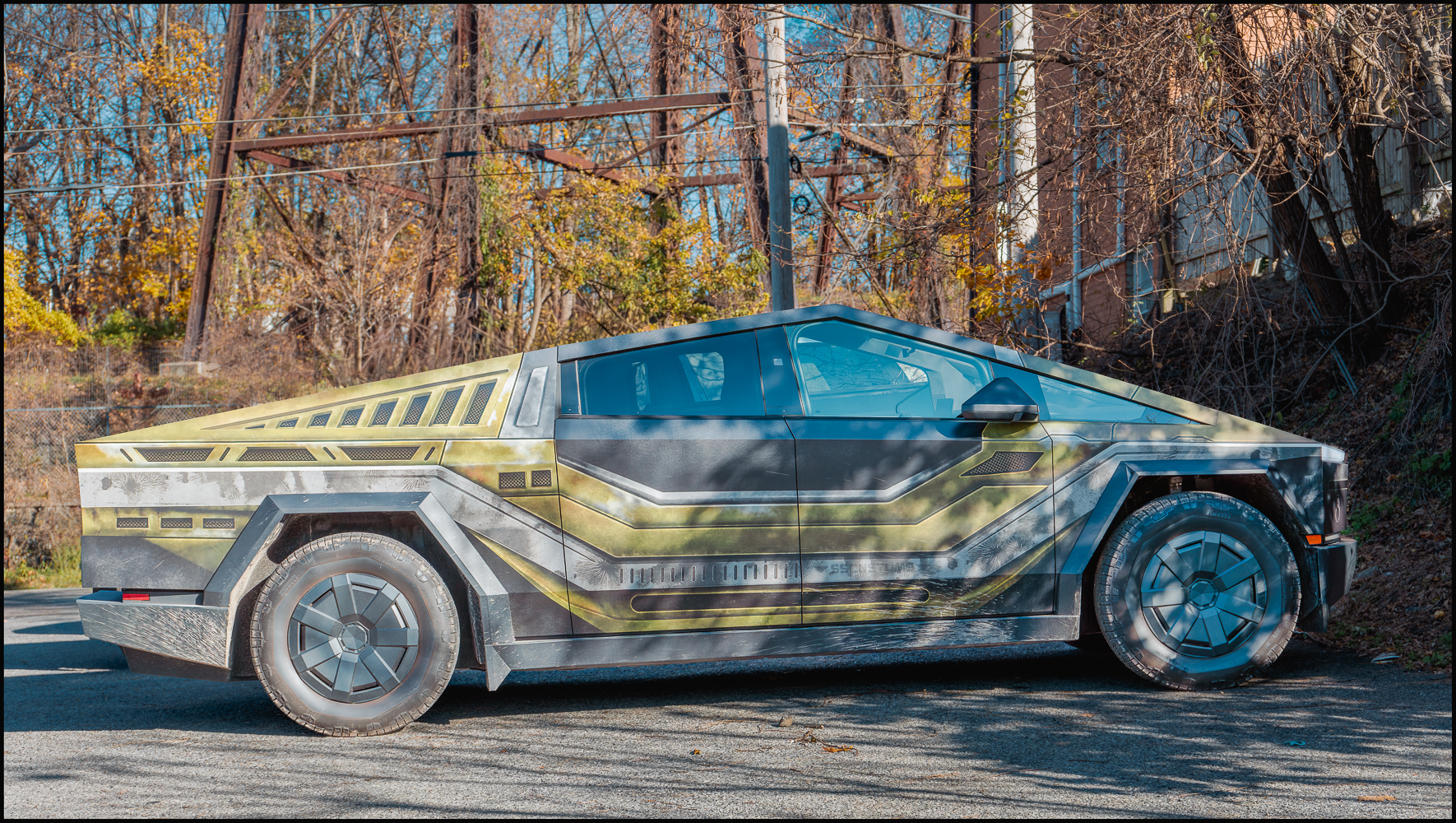
A Walk Around the Mount Carmel District, Poughkeepsie – Tesla Cyber Truck

“The Tesla Cybertruck is a battery-electric full-size pickup truck manufactured by Tesla, Inc. since 2023. It was first unveiled as a prototype in November 2019, featuring a distinctive angular design composed of flat, unpainted stainless steel body panels, drawing comparisons to low-polygon computer models.

Originally scheduled for production in late 2021, the vehicle faced multiple delays before entering limited production at Gigafactory Texas in November 2023, with initial customer deliveries occurring later that month. As of 2025, three variants are available: a tri-motor all-wheel drive (AWD) model marketed as the “Cyberbeast”, a dual-motor AWD model, and a single-motor rear-wheel drive (RWD) “Long Range” model. EPA range estimates vary by configuration, from 320 to 350 miles (515 to 565 km).”

As of 2025, the Cybertruck is sold in the United States, Mexico, Canada and South Korea. The Cybertruck has been criticized for its production quality and safety concerns while its sales have been described as disappointing.” (Wikipedia)

In my opinion it’s possibly the ugliest vehicle I’ve ever seen, made worse with the bilious color scheme.

Taken with a Sony A7CII and Sony FE 28-70 f3.5-5.6 OSS

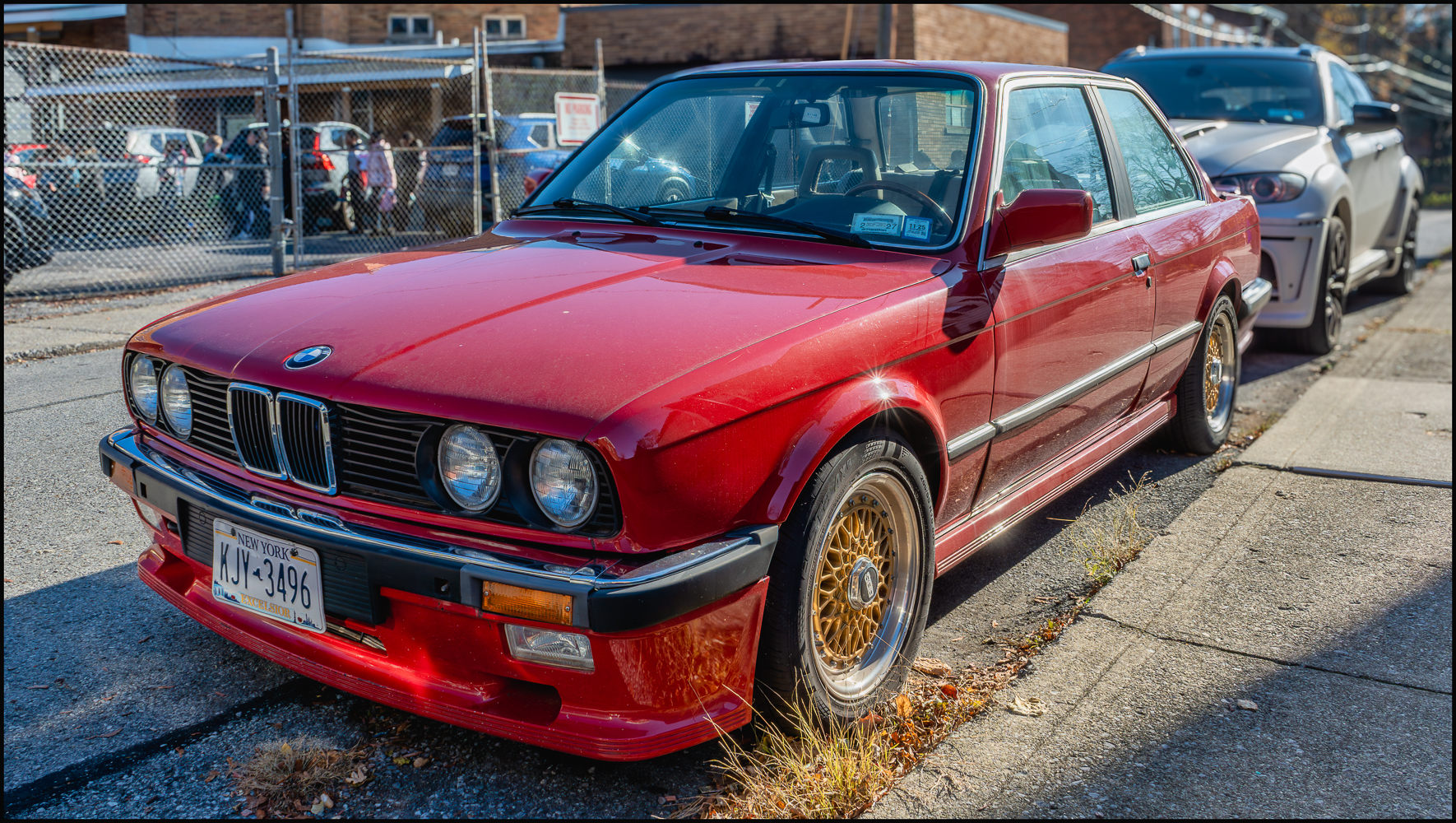
A Walk Around the Mount Carmel District, Poughkeepsie – BMW on Davis Street

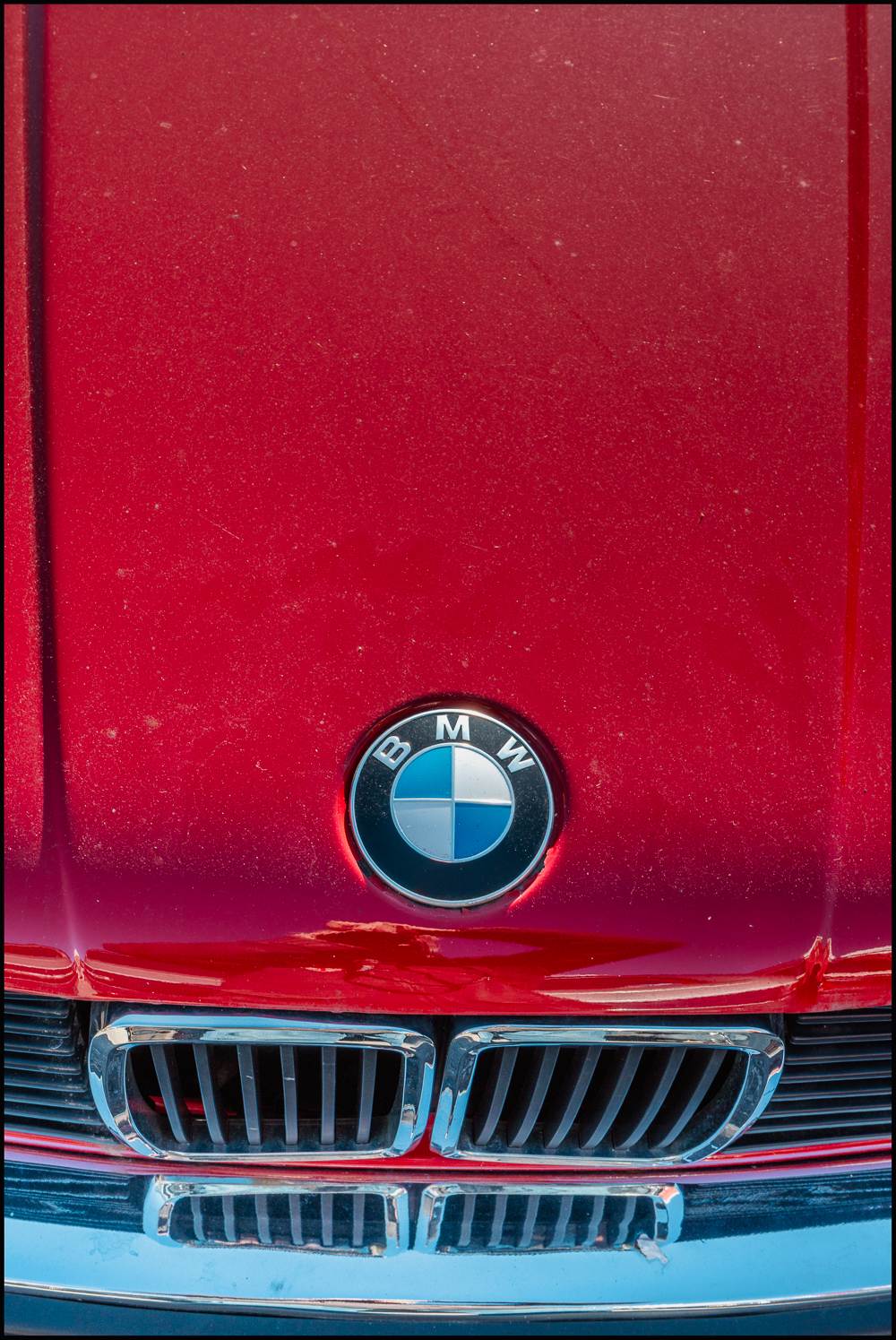
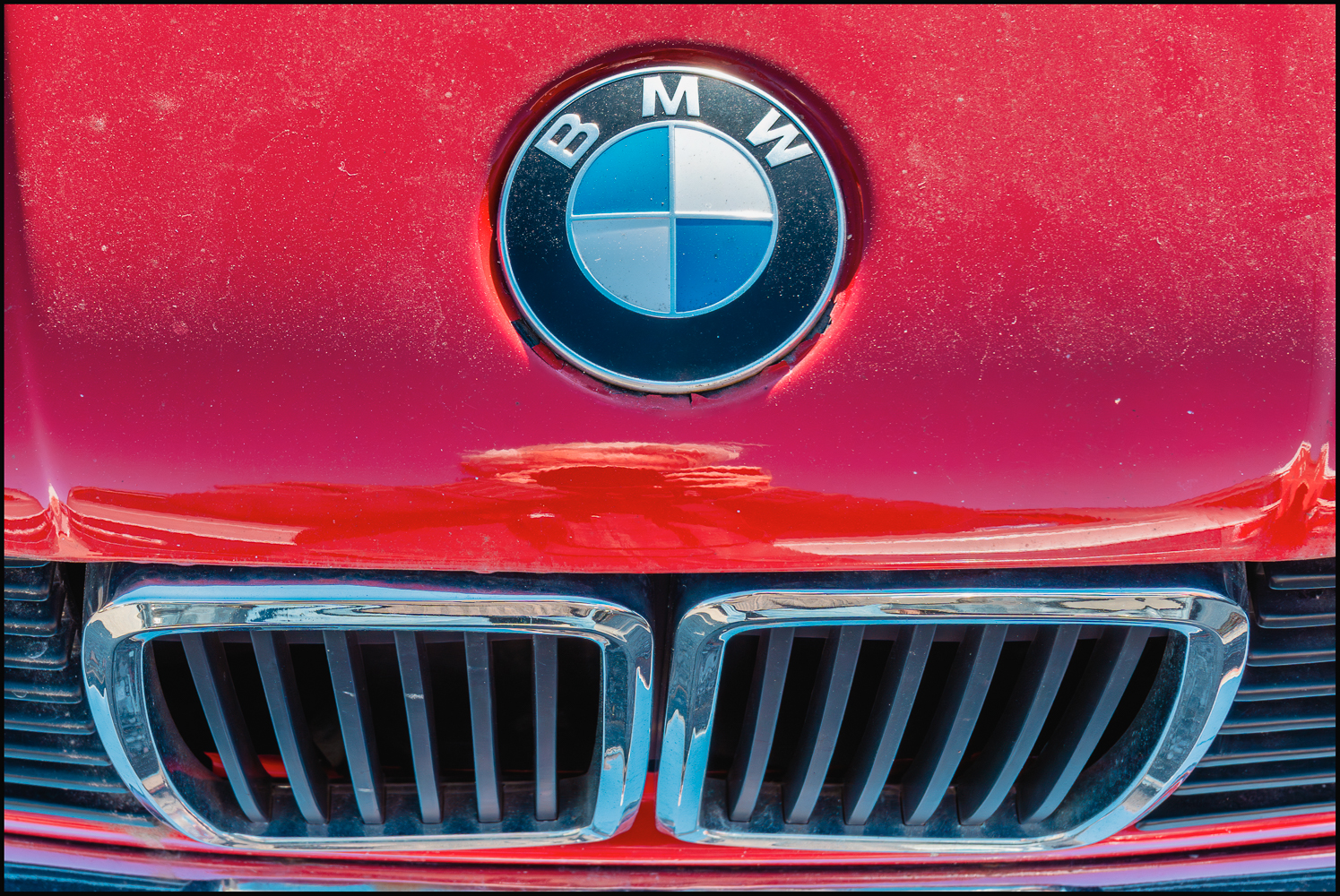
I don’t know much generally about cars including this one. However, after doing some research I believe it to be a BMW 3 Series (E30).

The BMW E30 is the second generation of BMW 3 Series, which was produced from 1982 to 1994 and replaced the E21 3 Series. The model range included 2-door saloon (sometimes referred to as a coupé) and convertible body styles, as well as being the first 3 Series to be produced in 4-door saloon and wagon/estate body styles. It was powered by four-cylinder petrol, six-cylinder petrol and six-cylinder diesel engines, the latter a first for the 3 Series. The E30 325iX model was the first BMW to have all-wheel drive.

The first BMW M3 model was built on the E30 platform and was powered by the high-revving BMW S14 four-cylinder petrol engine. The BMW Z1 roadster was also based on the E30 platform. Following the launch of the E36 3 Series in 1990, the E30 began to be phased out.


Taken with a Sony A7CII and Sony FE 28-70 f3.5-5.6 OSS

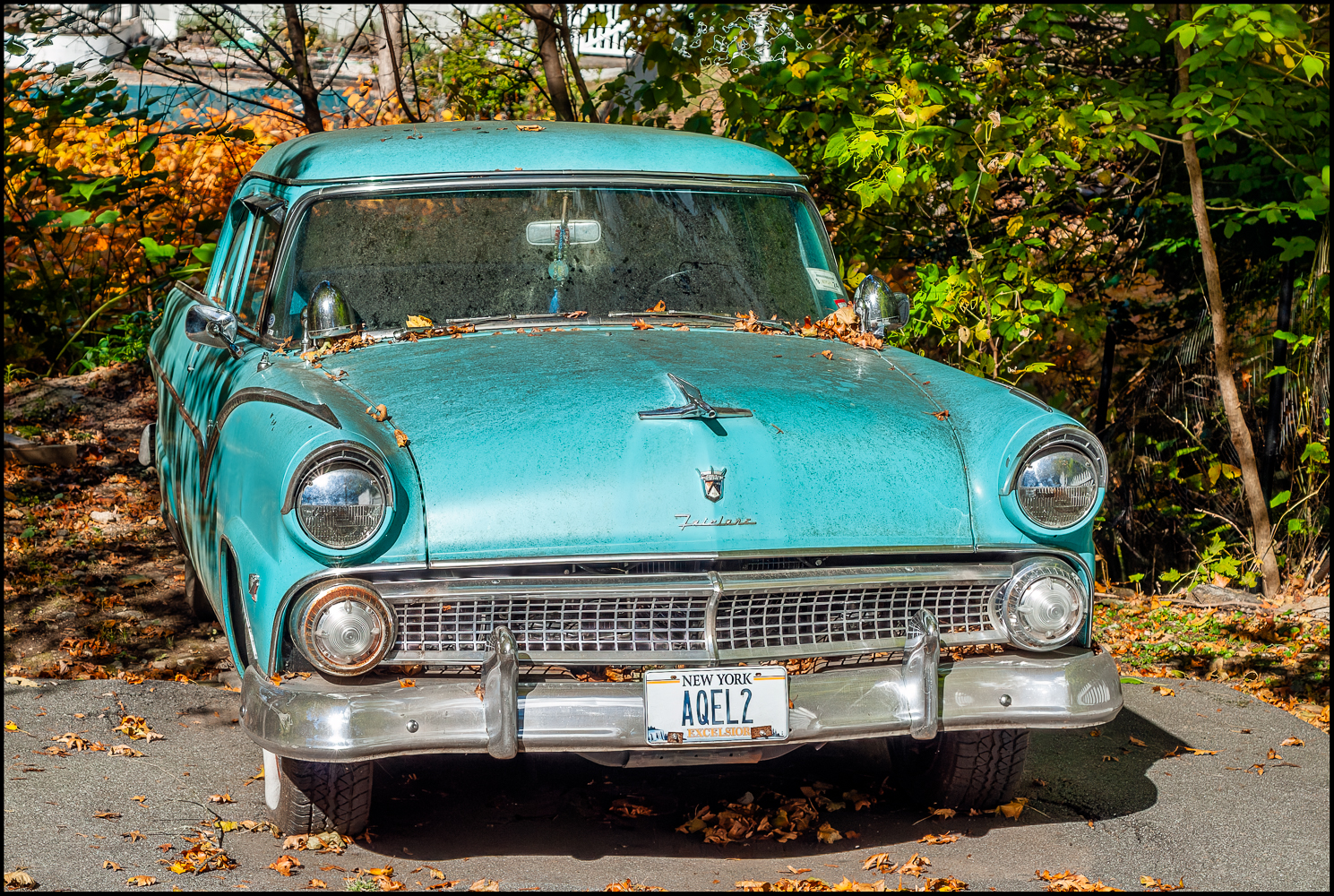
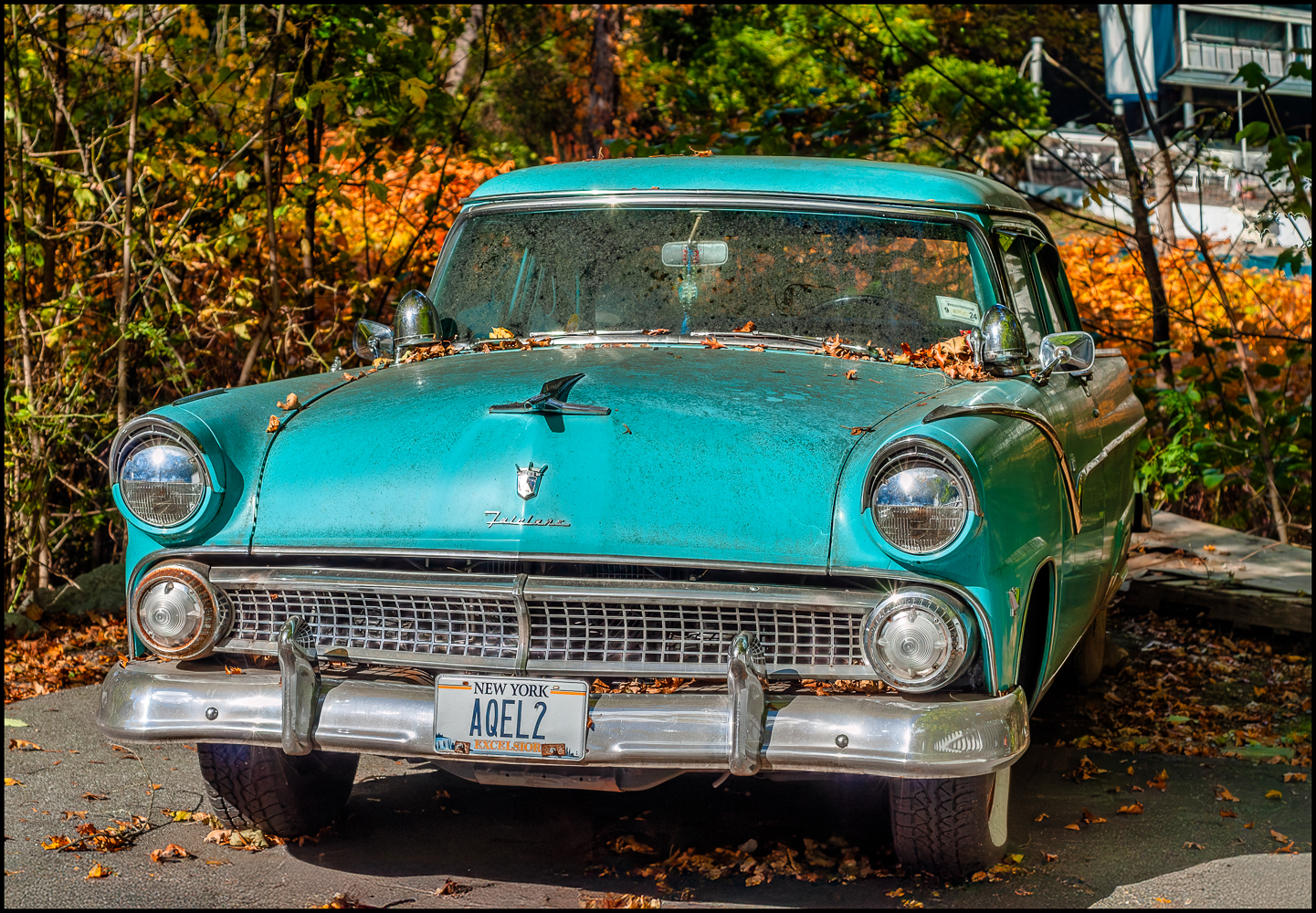
Ford Fairlane

Seen during a recent walk.

According to Wikipedia:

The Ford Fairlane is an automobile model that was sold between the 1955 and 1970 model years by Ford in North America. Taking its name from the Dearborn, Michigan estate of Henry Ford, the Fairlane nameplate was used for seven different generations of vehicles. Through its production, the model line would be marketed in a variety of body styles, including two-door and four-door sedans, two-door and four-door hardtops, station wagons, and both traditional and retractable-hardtop convertibles.

Initially introduced as the flagship of the full-size Ford range, the Fairlane marked the introduction of the Crown Victoria and 500 nameplates, both later becoming standalone full size model lines (the latter, as the Ford Five Hundred).

Following the introduction of the Ford Galaxie, the Fairlane 500 (and Fairlane) became Ford’s base models, equivalent to the Chevrolet Bel Air and Biscayne respectively, until 1962, when it was repackaged as an intermediate-segment car (today, mid-size) from 1962 to 1970. For 1971, Ford expanded the Ford Torino nameplate across its entire intermediate range, dropping the Fairlane (and Falcon) nameplates in North America. In South America, the sixth generation Fairlane was marketed through 1981; Ford Australia used the nameplate on its own version of the Fairlane (a long-wheelbase Ford Falcon) through the 2007 model year.

I believe this is from the first generation ((1955–1956). Again, according to Wikipedia

For the 1955 model year the Fairlane name replaced the Crestline as Ford’s premier full-sized offering. Six different body styles were offered, including the Crown Victoria Skyliner with a tinted, transparent plastic roof, the regular Crown Victoria coupe with much stainless steel trim, a convertible Sunliner, the Victoria hardtop coupe, and traditional sedans. All featured the trademark stainless-steel “Fairlane stripe” on the side. Power options were a 223 cu in (3.7 L) straight-6 engine and a 272 cu in (4.5 L) V8. The 292 cu in (4.8 L) Y-block was offered as an option and was called the Thunderbird V-8.

The Fairlane 4-door Town Sedan was the most popular sedan Ford sold that year, having manufactured 254,437 with a listed retail price of US$1,960 ($23,006 in 2024 dollars [3]).[4]

Few changes were made for 1956; a four-door Victoria hardtop and two new, more powerful V8 options, of 292 cu in (4.8 L) and 312 cu in (5.1 L), the latter available up to 225 bhp (168 kW; 228 PS), were introduced. The Lifeguard safety package was introduced. The two-door Victoria hardtop featured a new and slimmer roofline. A one-year only two-door station wagon, the 1956 Ford Parklane, featured Fairlane-level trim. It was marketed to compete against the Chevrolet Nomad.

Taken with a Nikon D200 and Nikon AF Nikkor 28-120mm f3.5-5.6

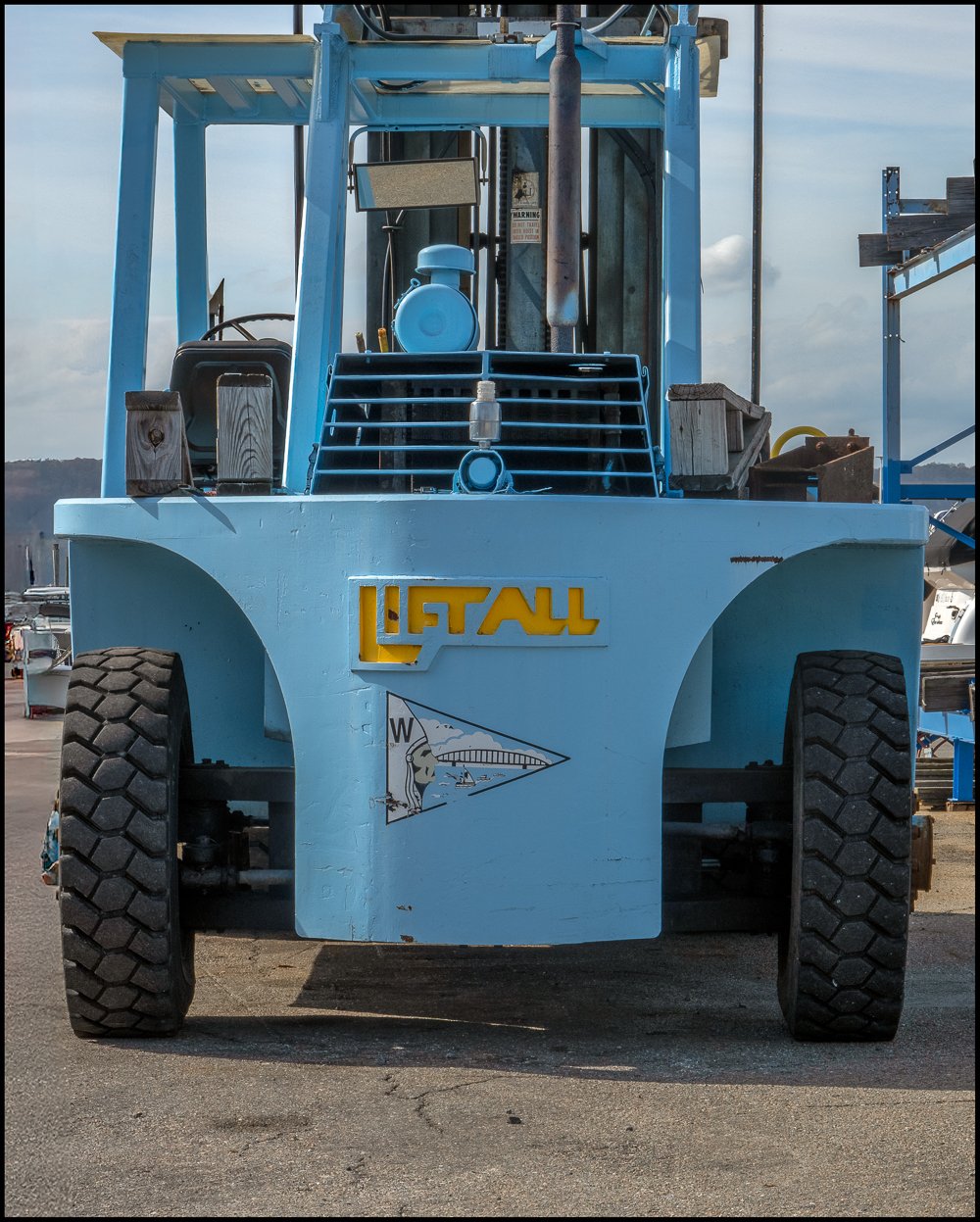
A vehicle

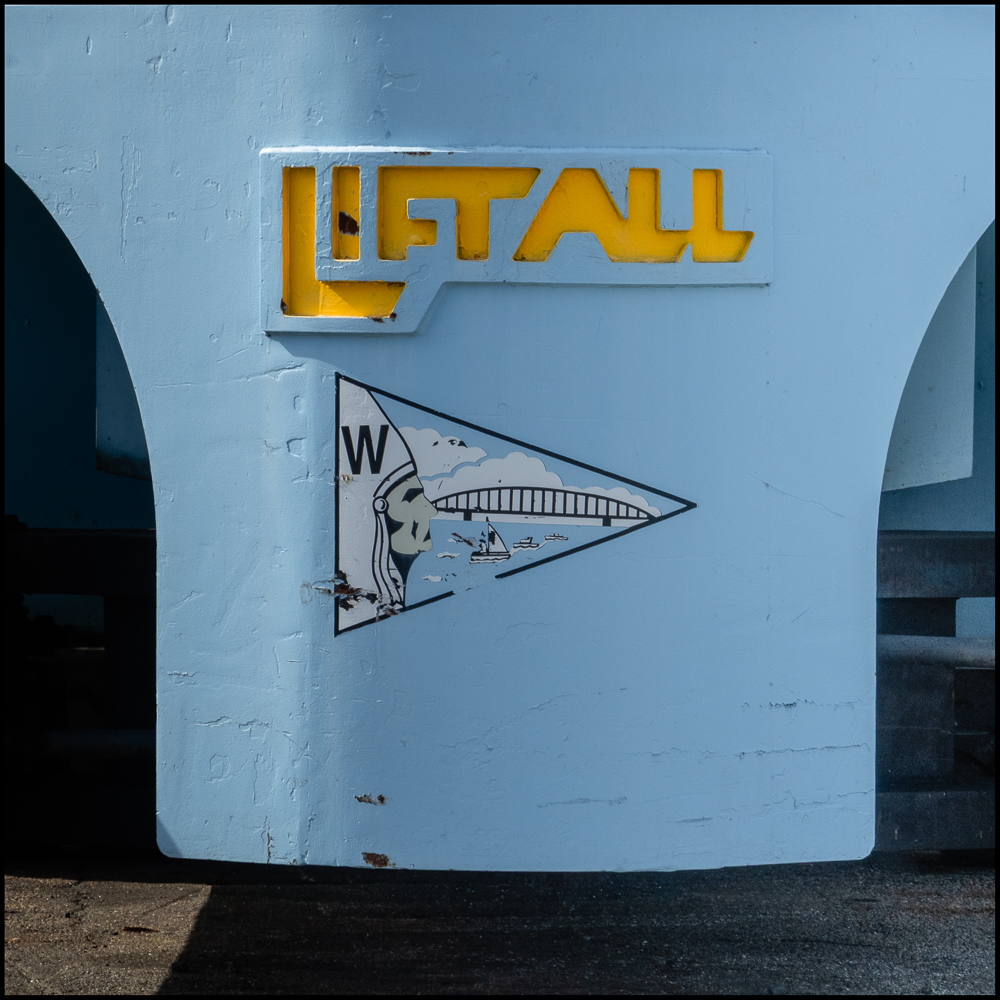
Actually, I wasn’t much interested in the vehicle itself. But blue is my favorite color, and I was attracted to the pastel blue of the vehicle and the contrast with the bright yellow of the lettering

Taken with a Sony RX100 VII