Interesting Interview with Dan Winters

One of my favorite YouTube channels is Alex Kilbee’s The Photographic Eye. Today I watched this fascinating interview with Dan Winters.

According to the biography on his website:

After studying photography Moorpark College in Southern California, Dan Winters finished his formal education at the documentary film school at Ludwig Maximilian University of Munich, Germany. He began his career in photography as a photojournalist in his hometown in Ventura County, California. After winning several regional awards for his work, he moved to New York City, where magazine assignments came rapidly. Known for the broad range of subject matter he is able to interpret, he is widely recognized for his unusual celebrity portraiture, his scientific photography, photo illustrations, drawings and photojournalistic stories. Winters has won over one hundred national and international awards from American Photography, Communication Arts, The Society of Publication Designers, PDN, The Art Directors Club of New York, Life Magazine. He was awarded a World Press Photo Award in the Arts and Entertainment category in 2003. He was also awarded the prestigious Alfred Eisenstaedt Award for Magazine Photography. In 2003, he was honored by Kodak as a photo “Icon” in their biographical “Legends” series.

He has had multiple solo gallery exhibitions in New York and Los Angeles and a solo exhibition at the Telfair Museum Jepson Center for the Arts in Savannah. His work is in the permanent collections at the National Portrait Gallery, Museum of Fine Art, Houston, The Harry Ransom Center and the Wittliff Collection at Texas State University, San Marcos. His books include “Dan Winters’ America: Icons and Ingenuity”, “Last Launch”, “Periodical Photographs”, “Road To Seeing”, which chronicles his path to becoming a photographer and “The Grey Ghost”, which is a selection from 30 years of his New York street photography.

Clients include Esquire, GQ, Vanity Fair, The New York Times Magazine, The New Yorker, New York Magazine, TIME, WIRED, National Geographic, Smithsonian Magazine, Fortune, Variety, W, Entertainment Weekly, Rolling Stone, Newsweek, Golf Digest, Vanity Fair and many other national and international publications. Advertising clients include Apple, Netflix, Samsung, Microsoft, Nike, Target, LG, Hewlett-Packard, Sony, Bose, Amazon, HBO, Saturn, Sega, Fila, Cobra, Warner Brothers, NBCUniversal, Paramount, DreamWorks, Columbia TriStar and Twentieth Century Fox, RCA, Atlantic Records, A&M, Sony, Warner Brothers, Elektra, Interscope and Epitaph.

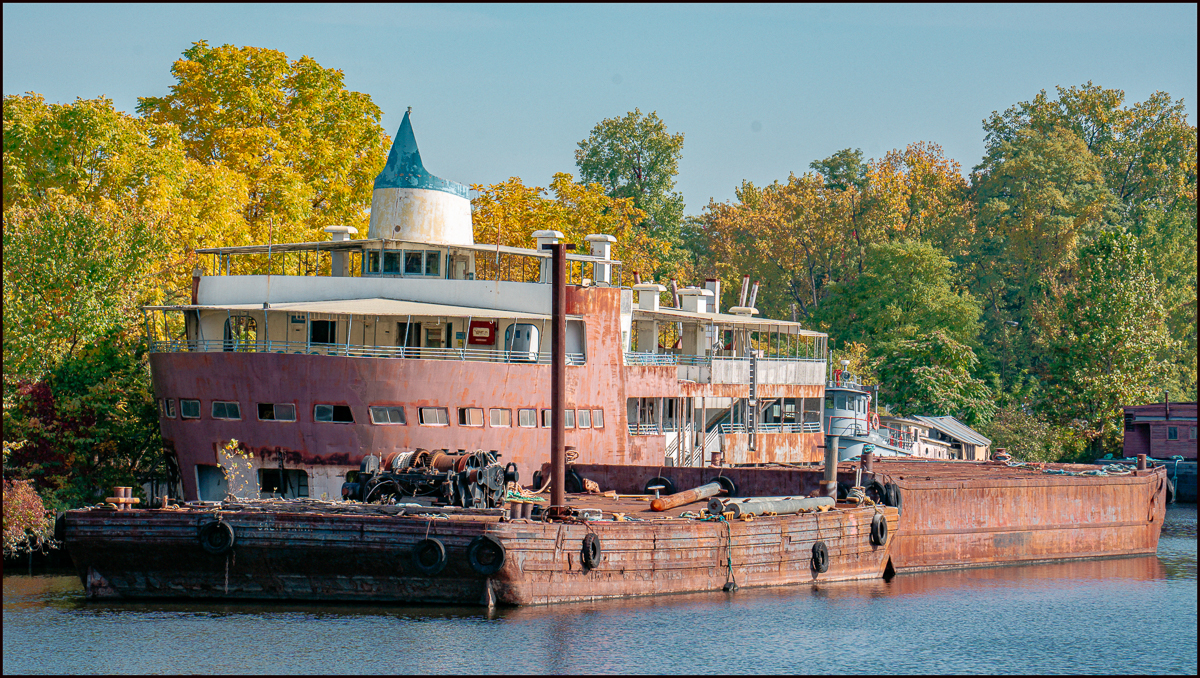
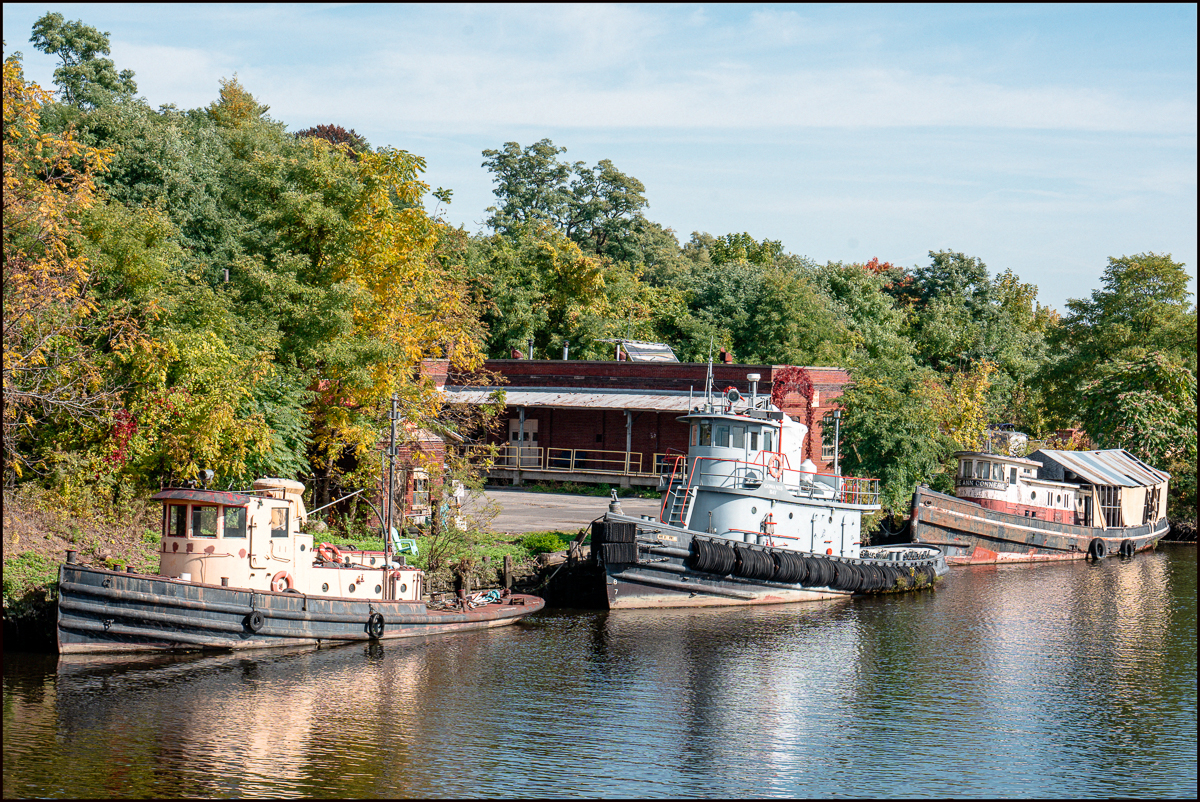
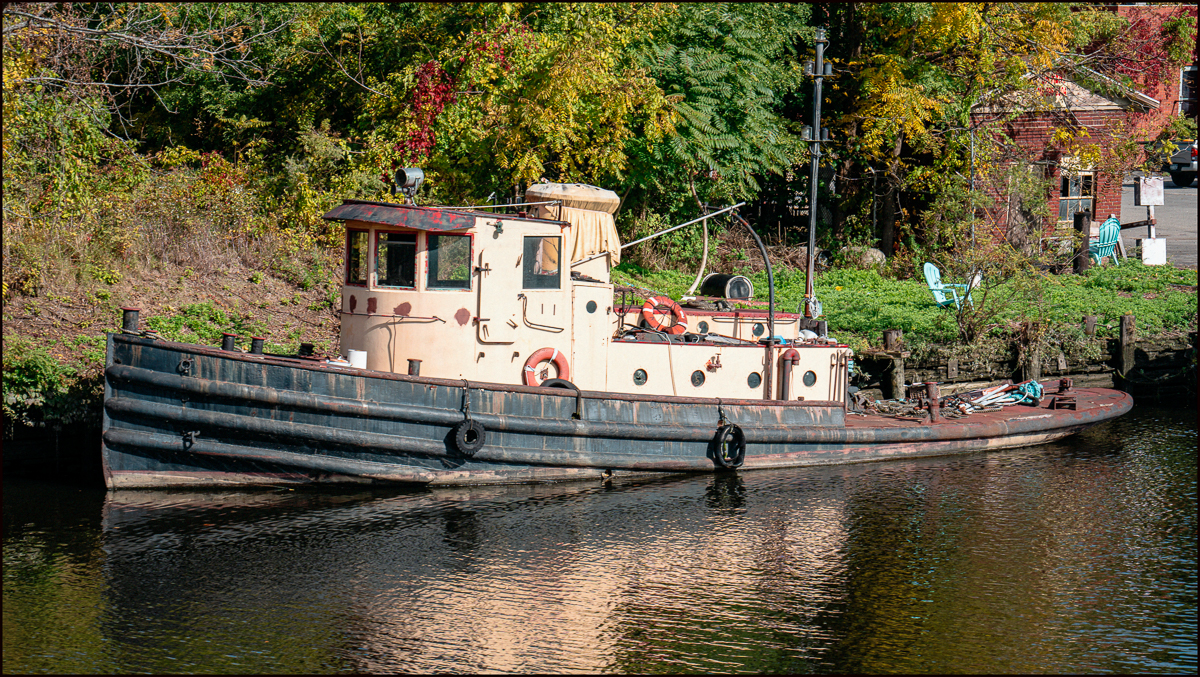
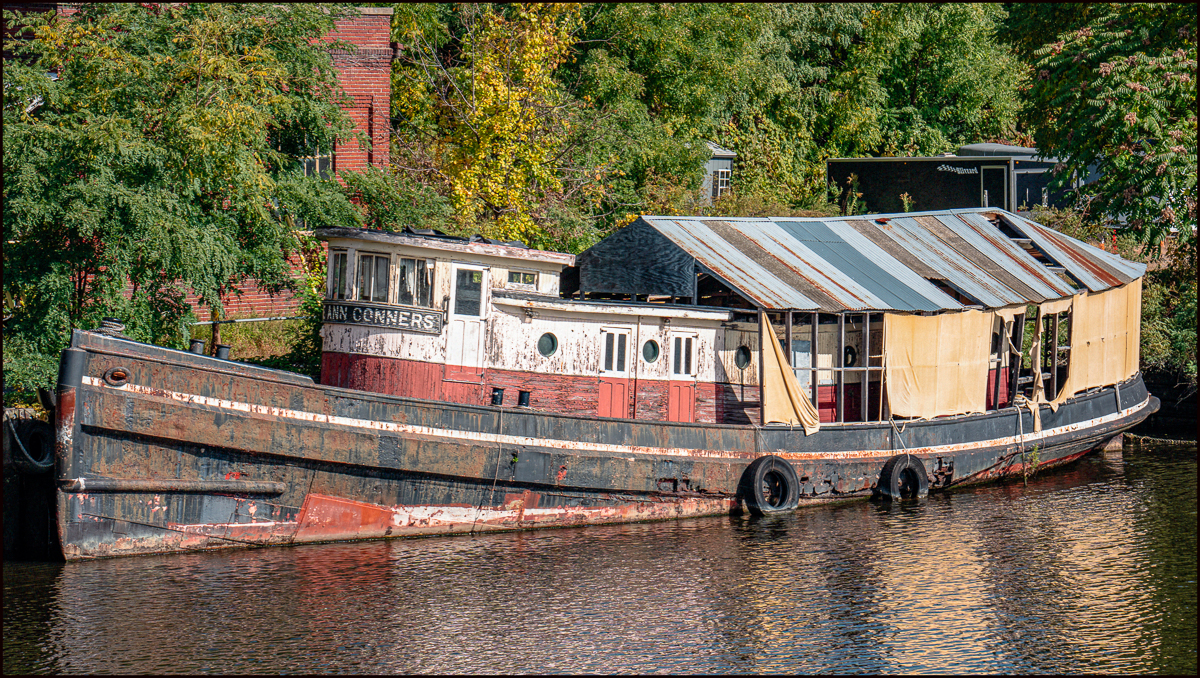
A Visit to Kingston, NY – Along Roundout Creek – Some Boats and a Crane

Old boats, many (perhaps all) abandoned.


And a crane. Around the crane are the ruins of the Cornell Steamboat Co. barges that sank to the bottom of the creek from disuse in the 1960s. When the Cornell business entered bankruptcy in 1964, the barges anchored for years and eventually sank in place. There are no plans to remove them.

Taken with a Sony A7IV and Tamron Di III VXD A056SF 70-180mm f2.8.

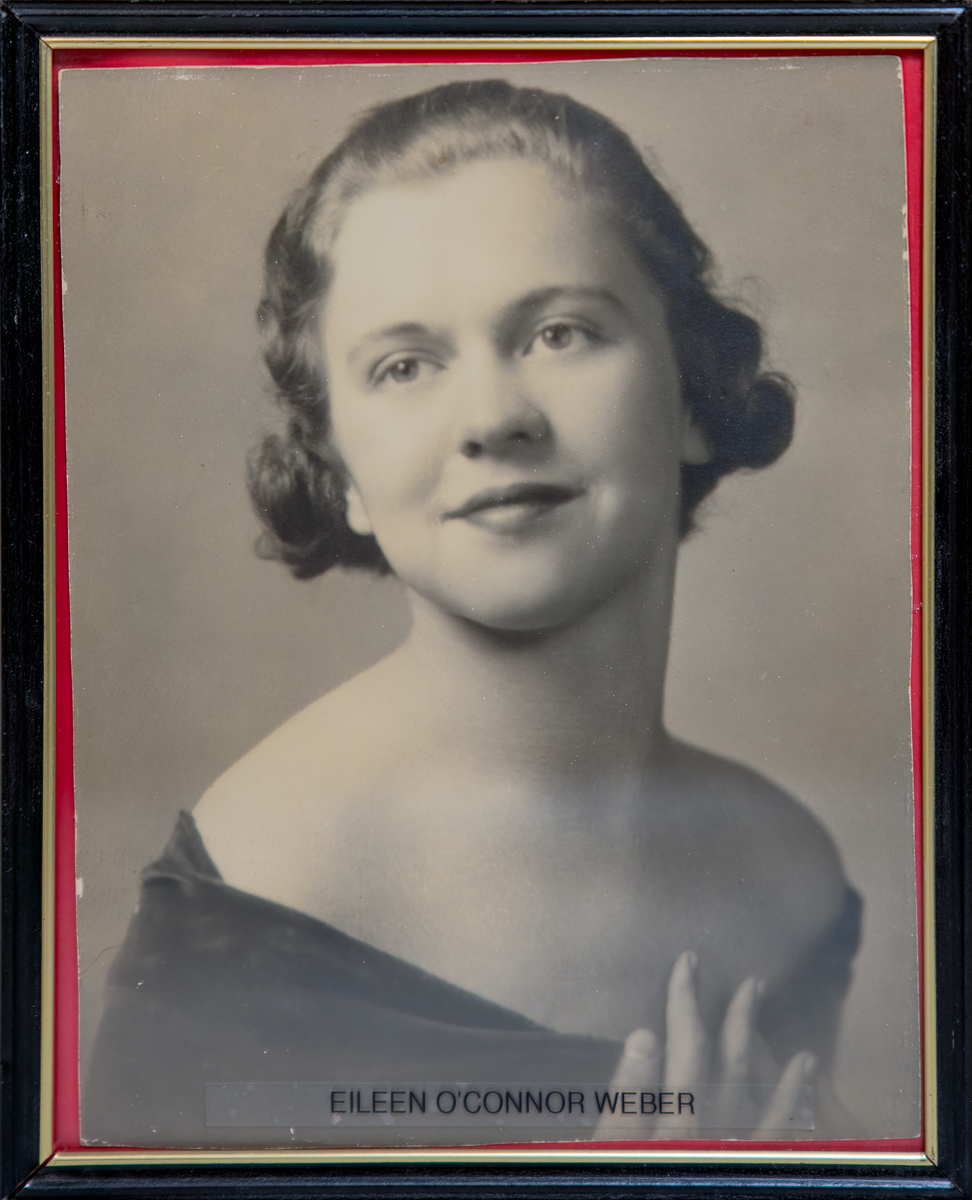
Eileen Weber’s hats

Eileen O’Connor Weber (June 14, 1918 – December 30, 2012) was a woman who loved the community more than anything. A life-long Briarcliff Manor resident, she was the it-girl of the neighborhood. Growing up in Briarcliff with her mother and two brothers, she was always involved. Whether it was attending masses at St. Theresa’s Church, participating on varsity sports teams, or volunteering with numerous charities, Eileen did everything out of love. She was nicknamed “Sunshine O’Connor” and the name truly fits! She went thorough Briarcliff Manor public schools and graduated from Briarcliff High School in 1936. She studied at Edgewood Park, the college located formerly on the property of the Briarcliff Lodge, and received a degree in Secretarial Science in 1938. She worked for Young & Rubicam in Manhattan for 12 years, and co-opened her own real estate firm, Weber-Tufts Realty, with Betty Tufts in 1954. Her pride for the community took her to many places. In 1974, she was a founding member of the Briarcliff Manor-Scarborough Historical Society. In 1992, Weber-Tufts Realty merged with Houlihan Lawrence, where Eileen continued her practice until retiring at 87. She spent her time volunteering with countless organizations, running the infamous bus tours of Briarcliff Manor, and spending time at Sleepy Hollow Country Club. She passed on December 30th, 2012 at the age of 94. Her spirit will forever remain in the hearts of those she touched personally in the community, as well as all the places that honor her legacy.

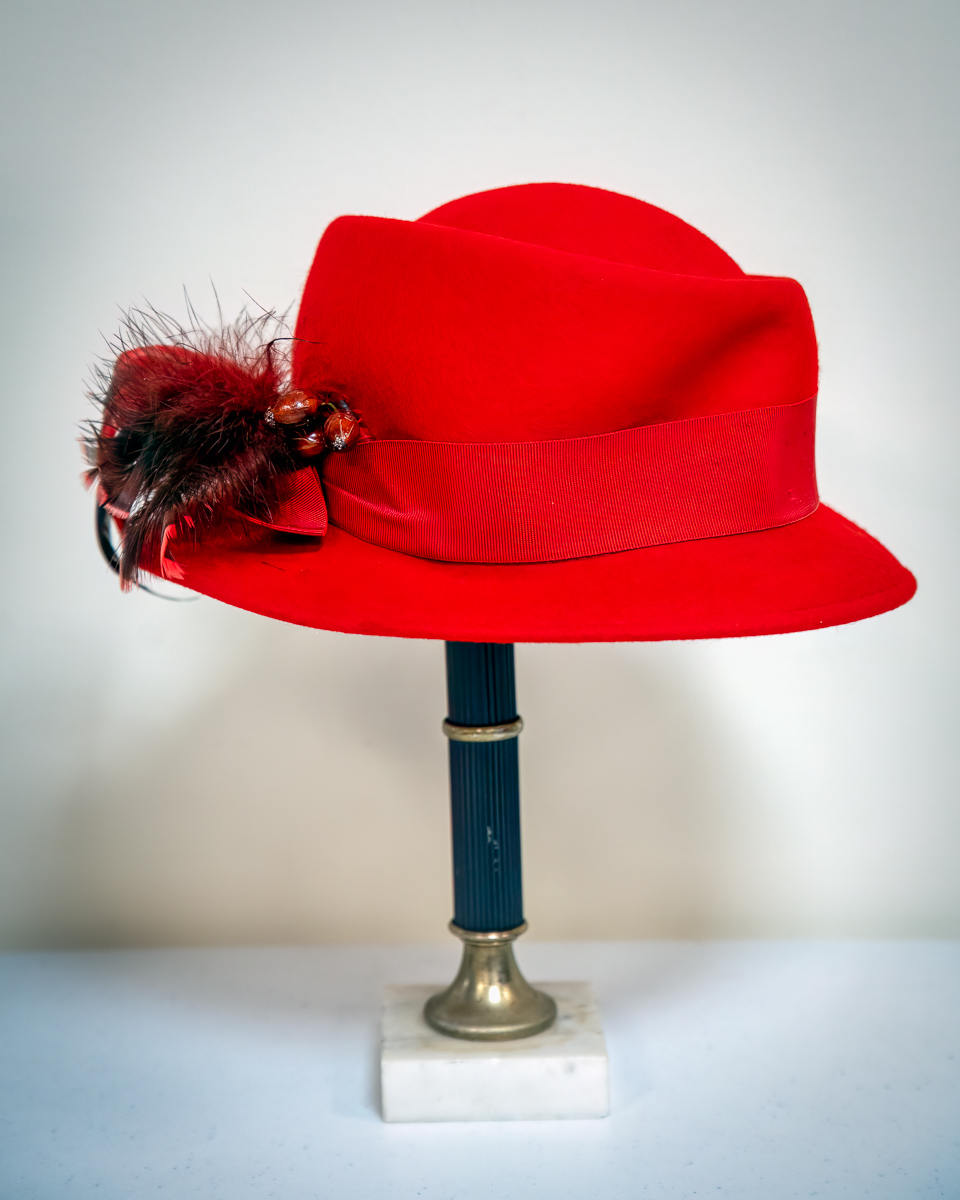
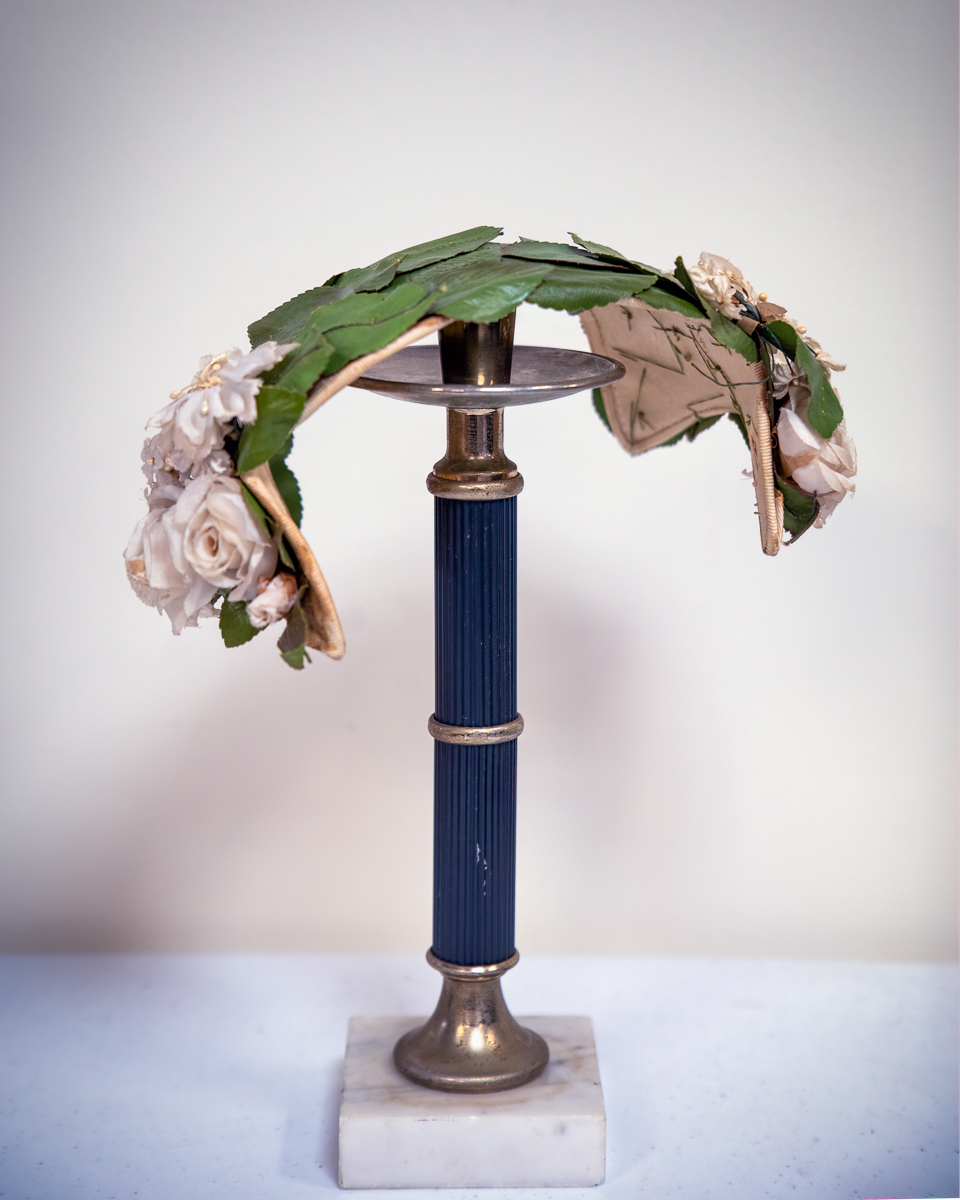
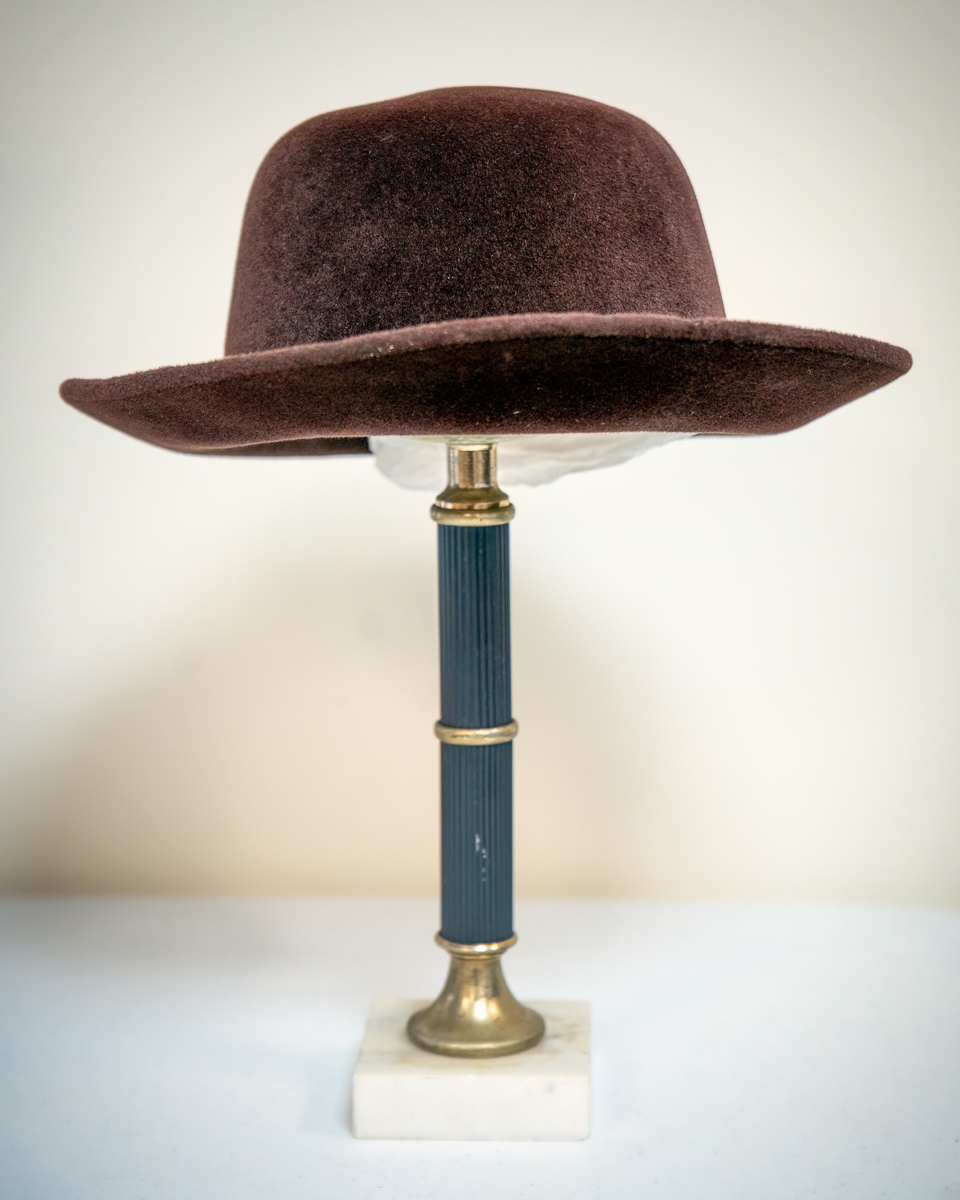
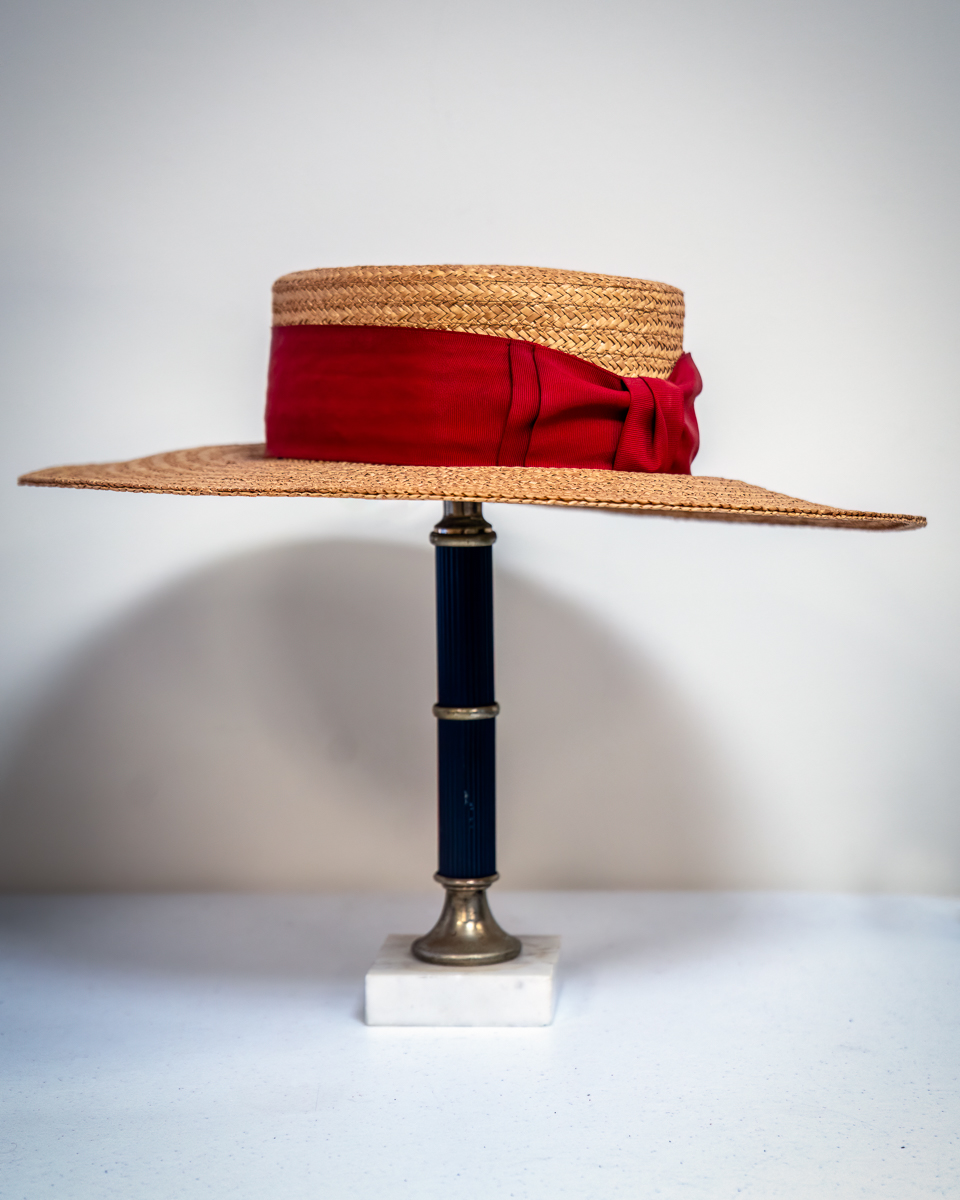
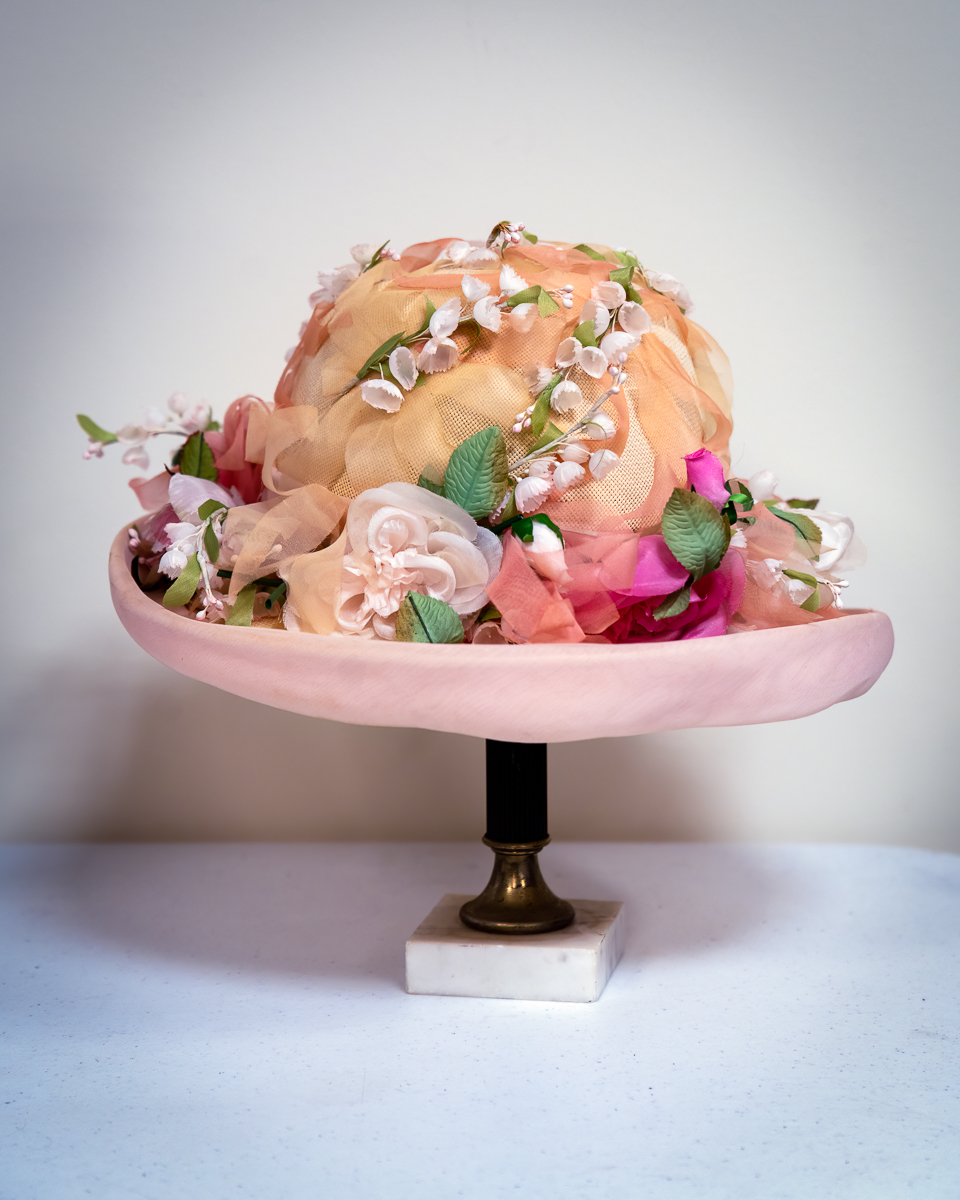
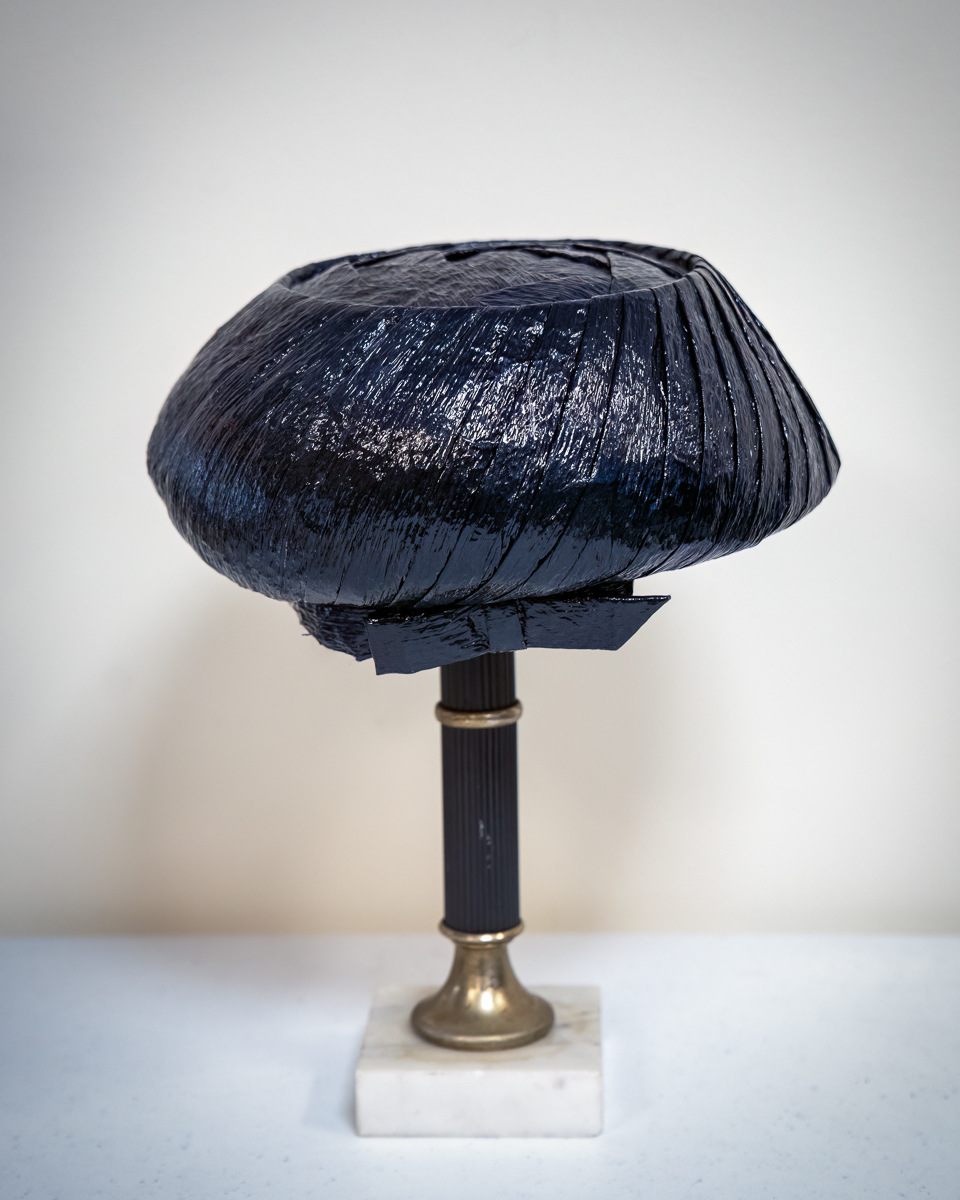
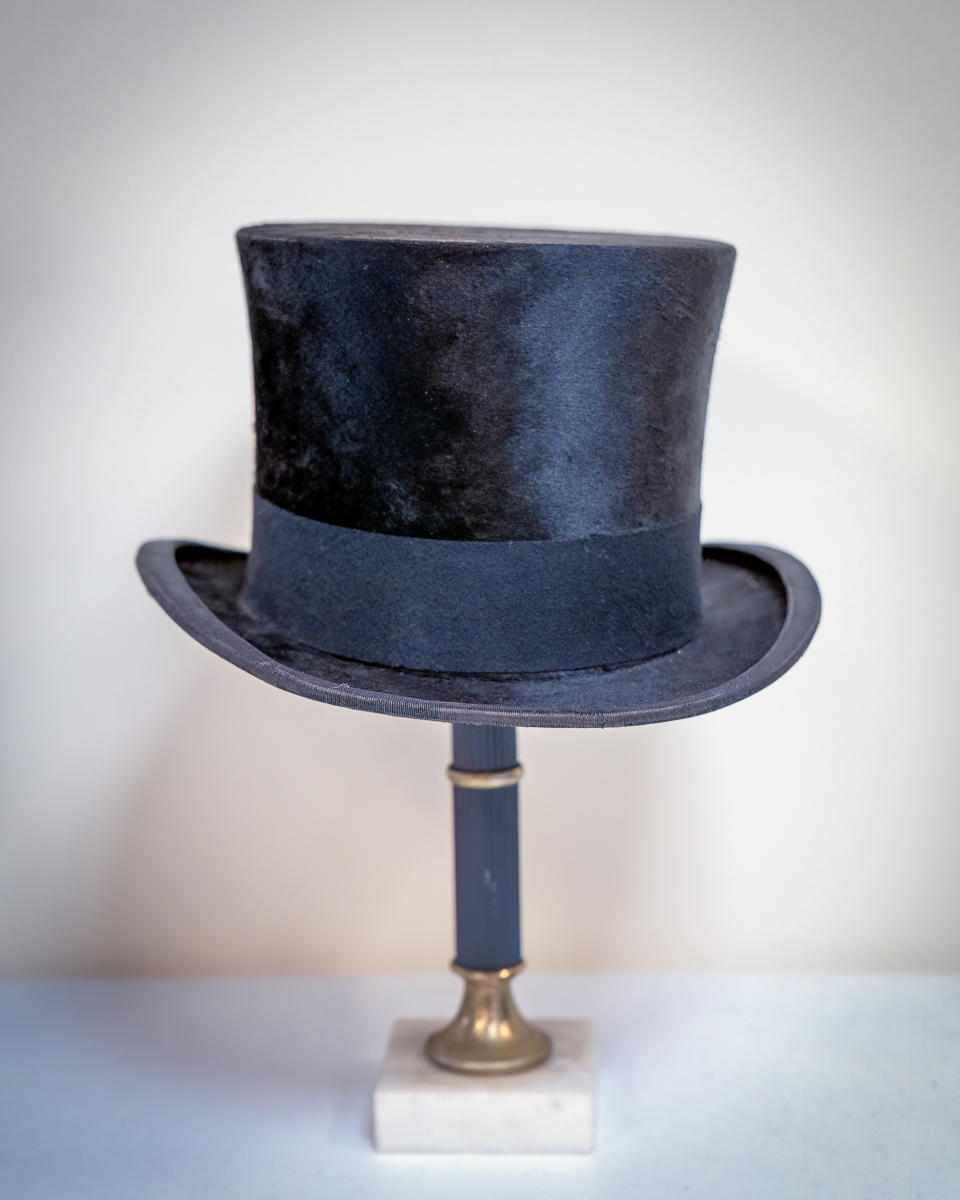
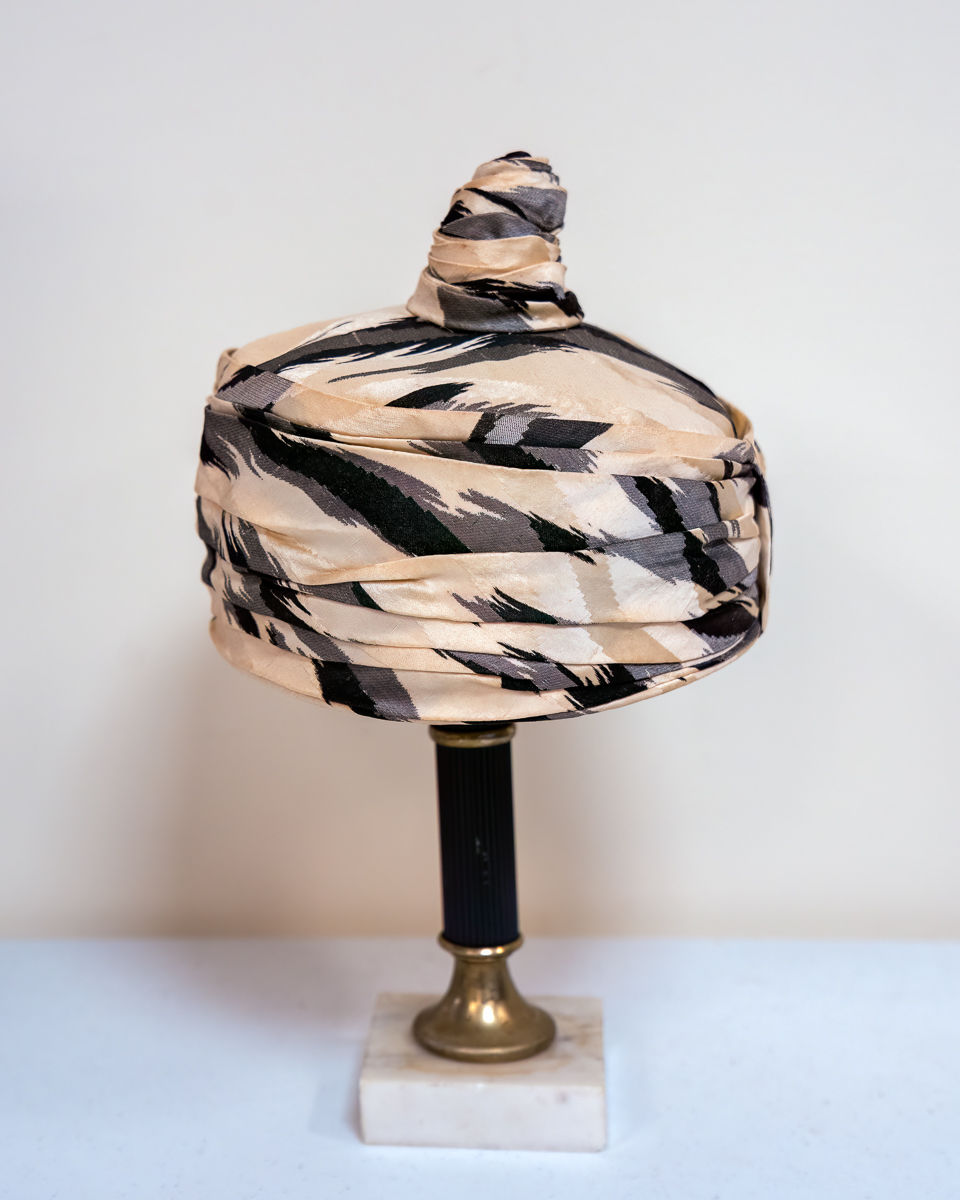
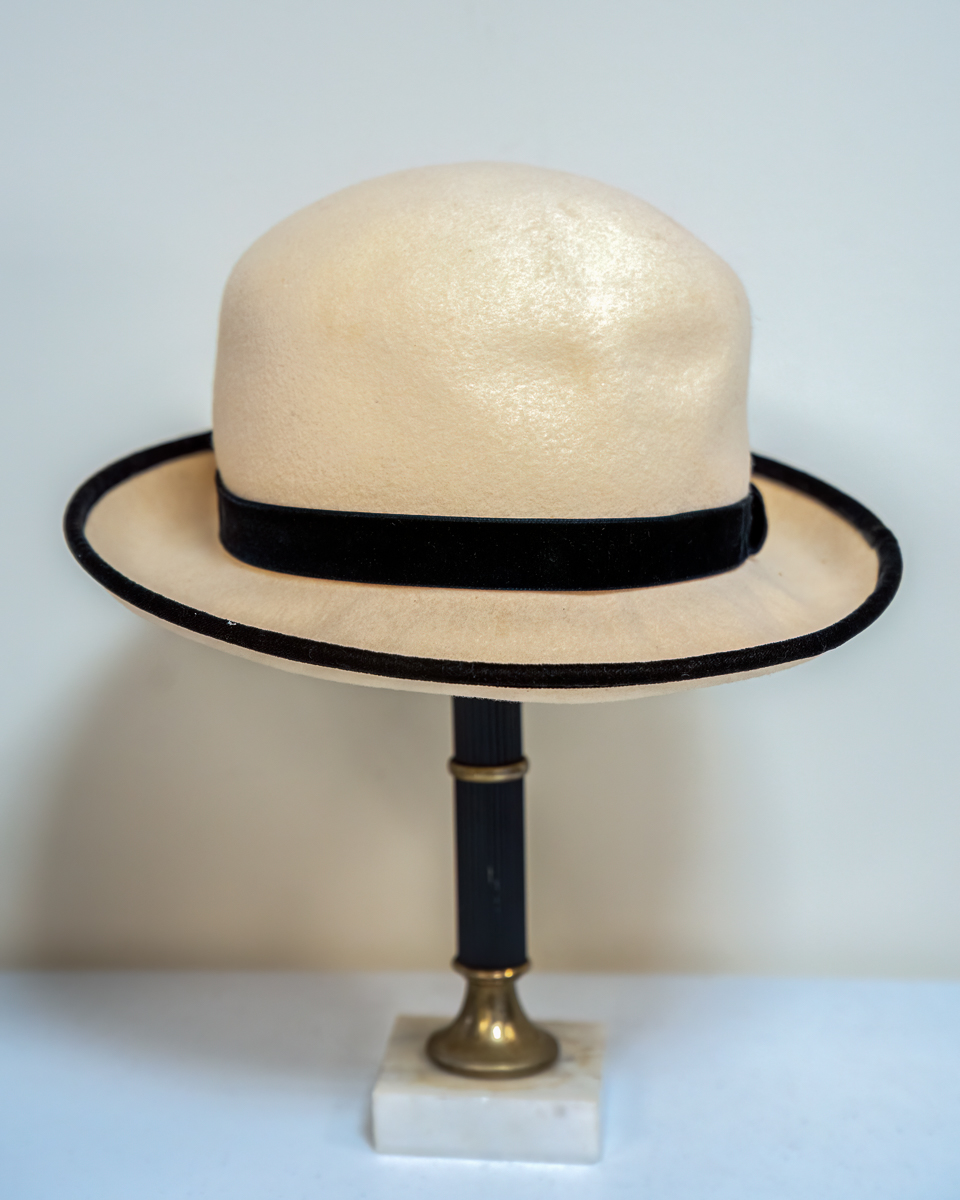
Ms. Weber really loved hats. These are just a few in the Briarcliff Manor-Scarborough Historical Society collection. There are more. The captions for each of the photographs provide more information on the individual hats.


Natural colored “straw hat with pink and beige chiffon ribbon and pink artificial flowers covering the hat. Label reads “Christian Dior chapeaux Paris-New York.”


Navy intricately woven pillbox hat. Nicknamed “Jiffy Pop Hat.” Label reads “Amy New York.”
Natural straw boater with red grosgrain ribbon hatband. Label reads “Lee Fifth Avenue.”


Black beaver fur top hat band and black trim on brim. Metal pin and ring attached on brim. Label reads “Scott & Co. Hatters to the Royal Family.”


Black, cream, and gray pleated taffeta turban-style hat with “top knot.” No label.


Cream wool bowler with black velvet hatband and back trim on the brim. Label reads “J. Lily by Eric Javits.”


Red wool hat with grosgrain ribbon hatband. Features several red and black feathers and two artificial nuts. Crown is shaped with a dent. Label reads “Whittail & Shon.”


Headpiece with artificial green leaves, cream flowers, roses and small daisies with faux pearl details. Label reads “The Hat Rack.


Brown wool ‘plush’ felt hat. Hatband of same fabric, fastened with Gucci’s signature symbol. Label reads “Gucci. Made in Italy.”


Natural straw boater with red grosgrain ribbon hatband. Label reads “Lee Fifth Avenue.”


Pink silk “fascinator” with two wire pieces attached on top. Nicknamed “The Martian Hat.” No label.


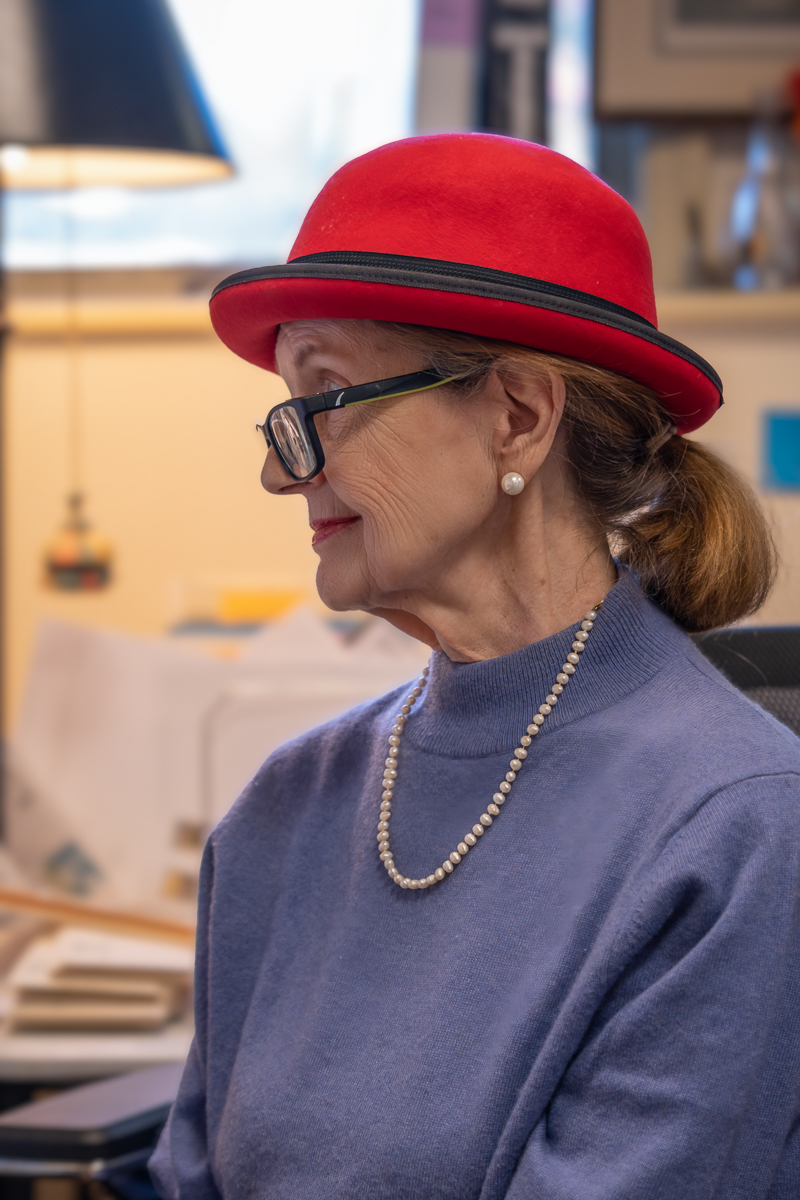
Karen Smith, Executive Directory of the Briarcliff Manor-Scarborough Historical Society wearing a Red wool hat with black zipper hatband. Black trim on the brim. Label reads “Street smart by Betmar.”

For more information on Ms. Weber see Eileen Weber, a Briarcliff Original on the Briarcliff Manor-Scarborough Historical Society website. The Society also gave permission for these photographs to be taken.

Taken with a Sony A7IV and Rokinon/Samyang AF 24-70 f2.8 FE

The Roy Stryker Photo Project

I was recently reading Kenneth Wadja’s interesting and articulate blog: 6×6 Portraits. Mr. Wadja is a professional photographer in Colorado who also has a commercial website; a site devoted to street photography; a site devoted to senior portraits; a YouTube Channel and the site which caught my attention for this post: The Roy Stryker Photo Project via a post on his blog: Roy Stryker is Back After A Summer Vacation.

The About page on the Roy Stryker Photo Project site reads:

Inspired by the drive and passion of Roy Stryker, and his belief in the power of the photograph to bring about social change, Kenneth Wajda, a professional documentary photographer in Boulder, Colorado, created this photo project.

Collecting black and white and color photographs from across the U.S., the project’s goal is to document the rural and urban lifestyle in the U.S. 80 years after the first FSA photography collection was started. And to publish a book of the images.

The original FSA collection was started during difficult times in the history of the U.S., and we are living in a similar tumultuous time, and the aim for this project is to document all of the aspects of American life that exist today.

In an internet age where more photographs are being taken than ever before in history, there is a great concern that this may be a digital dark age for photography, as more people make photographs but the number of images actually being stored, archived and printed is quite low.

Each photographer maintains the rights to their images in the collection and inclusion of images to the Library of Congress is solely up to the photographer.

This seems to me to be admirable goal and I considered contributing to the project until I read:

Here’s a list of some of the photos we need in the collection. We need people engaged in life mainly, and good caption info. See the examples on the site. We don’t need names necessarily, but we do need descriptions, date, and camera used.

It seems that the emphasis is on people, which pretty much rules me out as I rarely take pictures with people in them. Maybe I should?

In any case congratulations to Mr. Wadja for initiating such an interesting and important project. I wish you success and the project may inspire me to take more pictures of people so that I can contribute later.

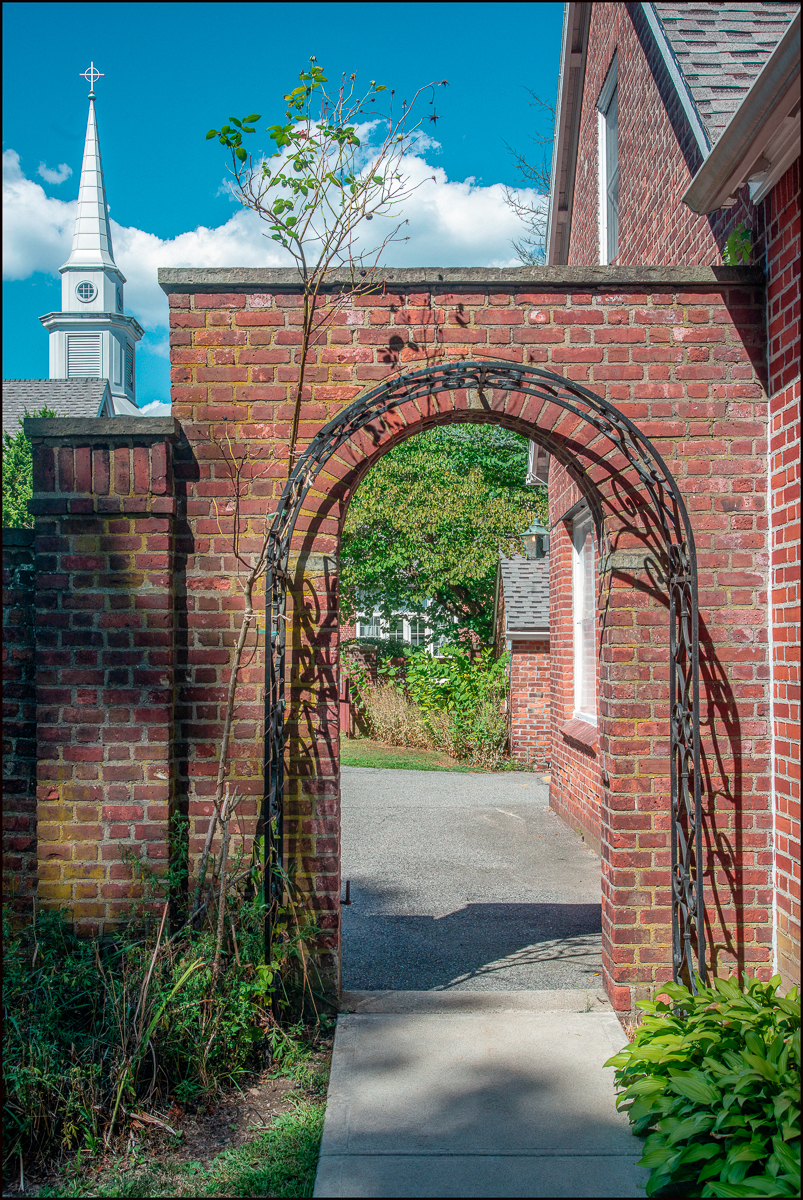
St. Paul’s on the Hill, Ossining

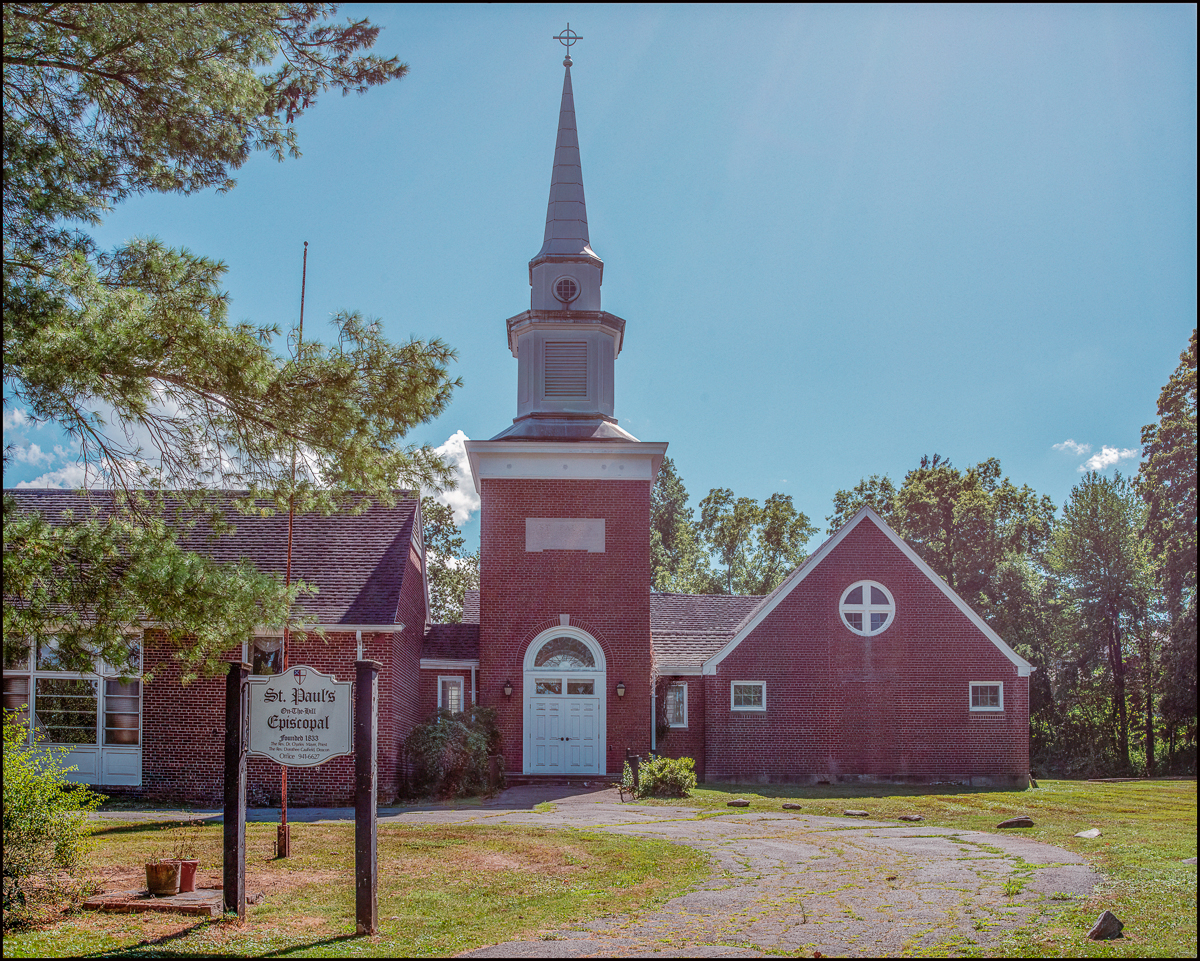
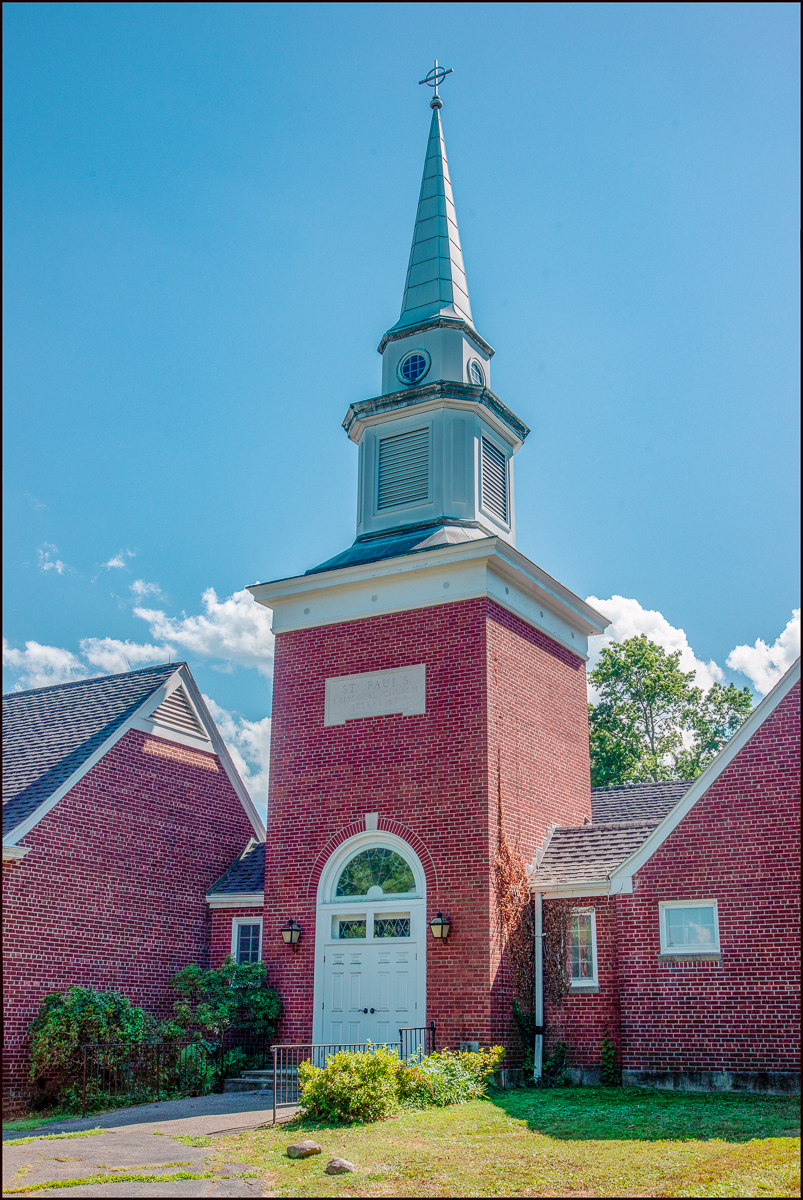
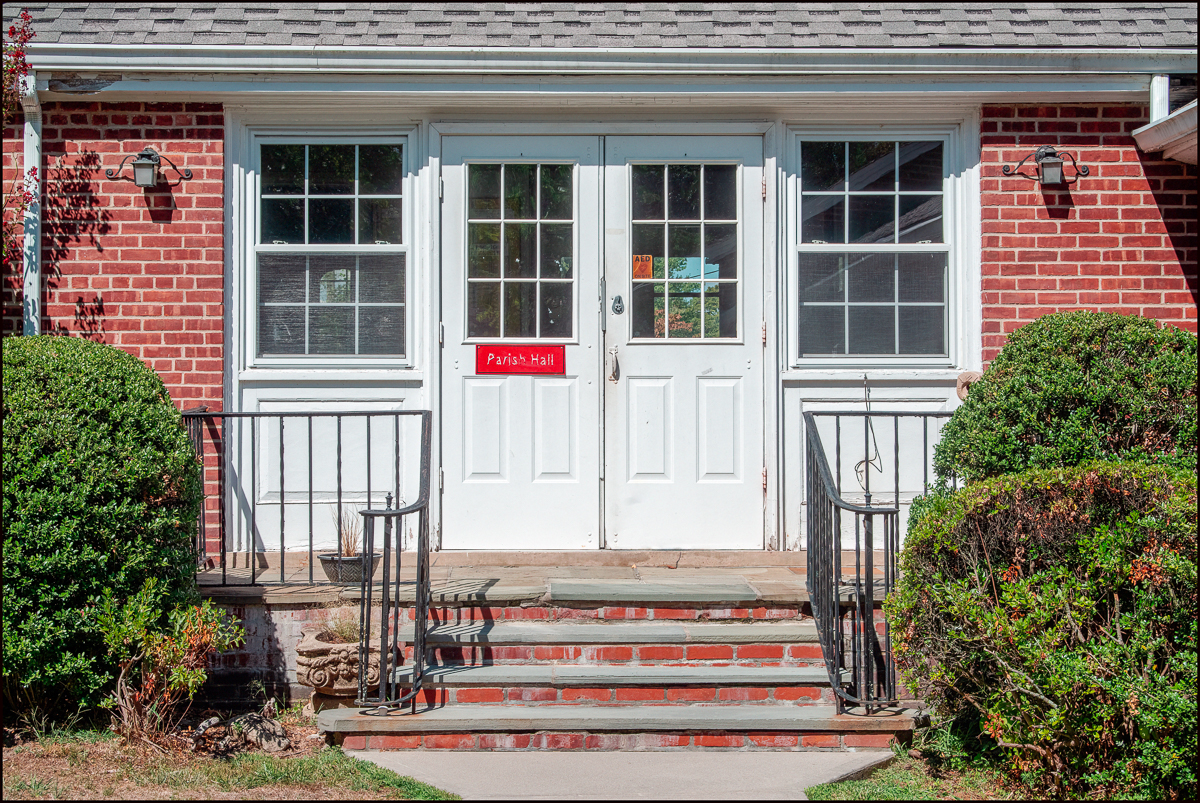
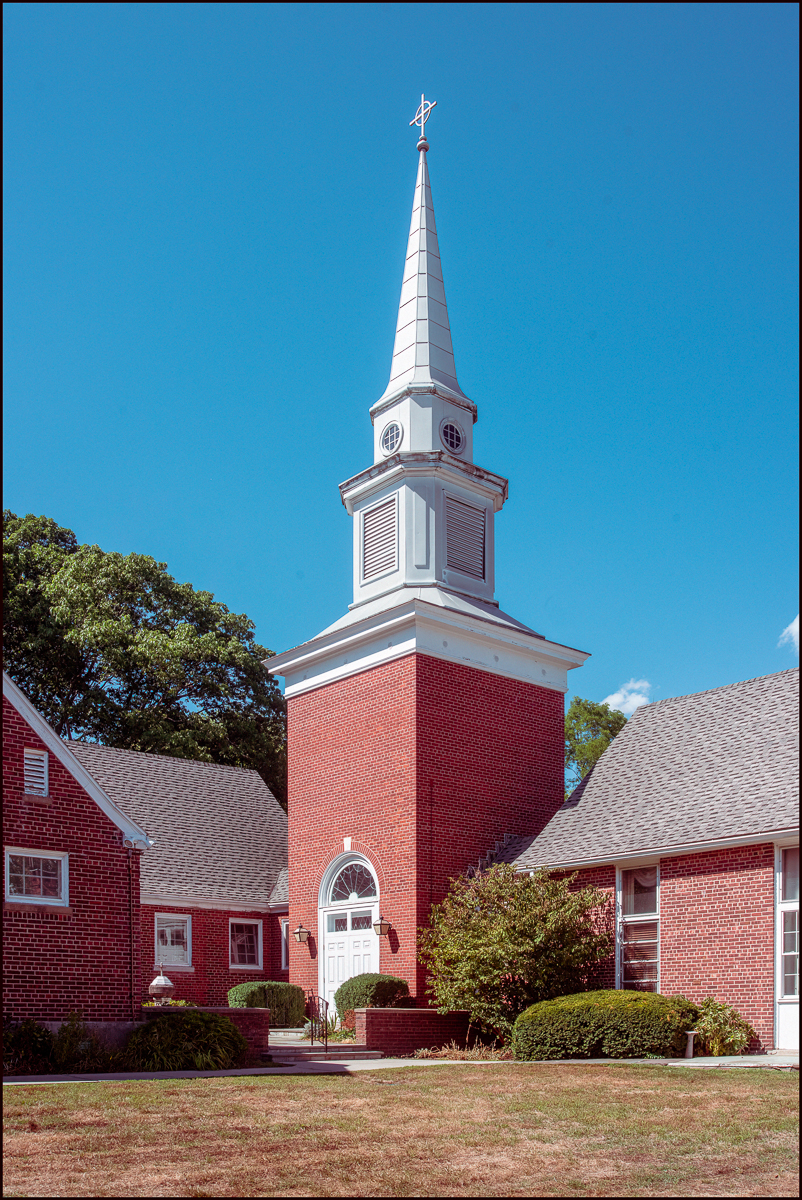
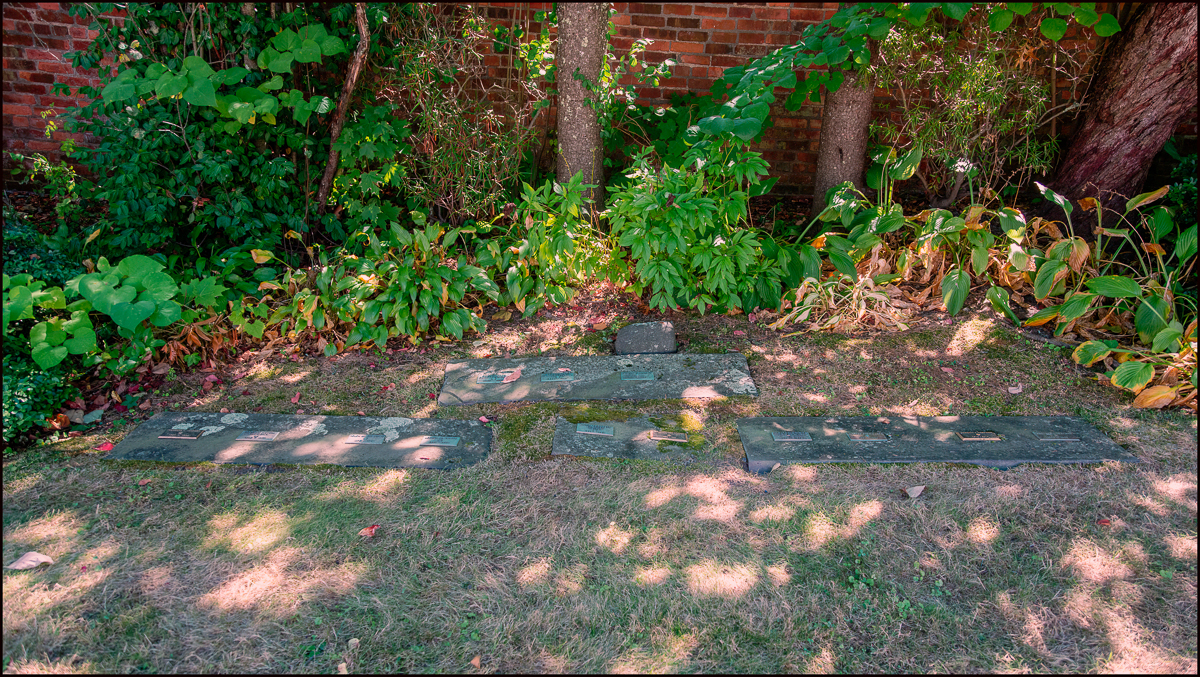
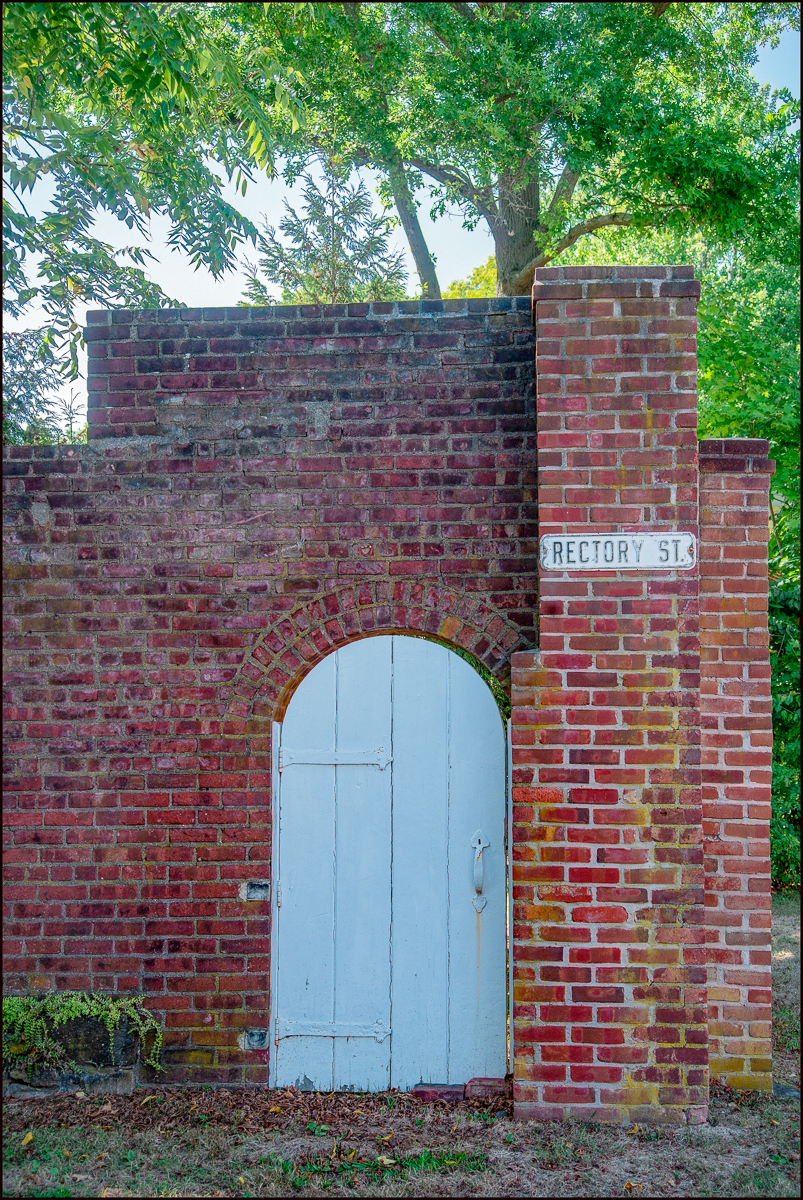
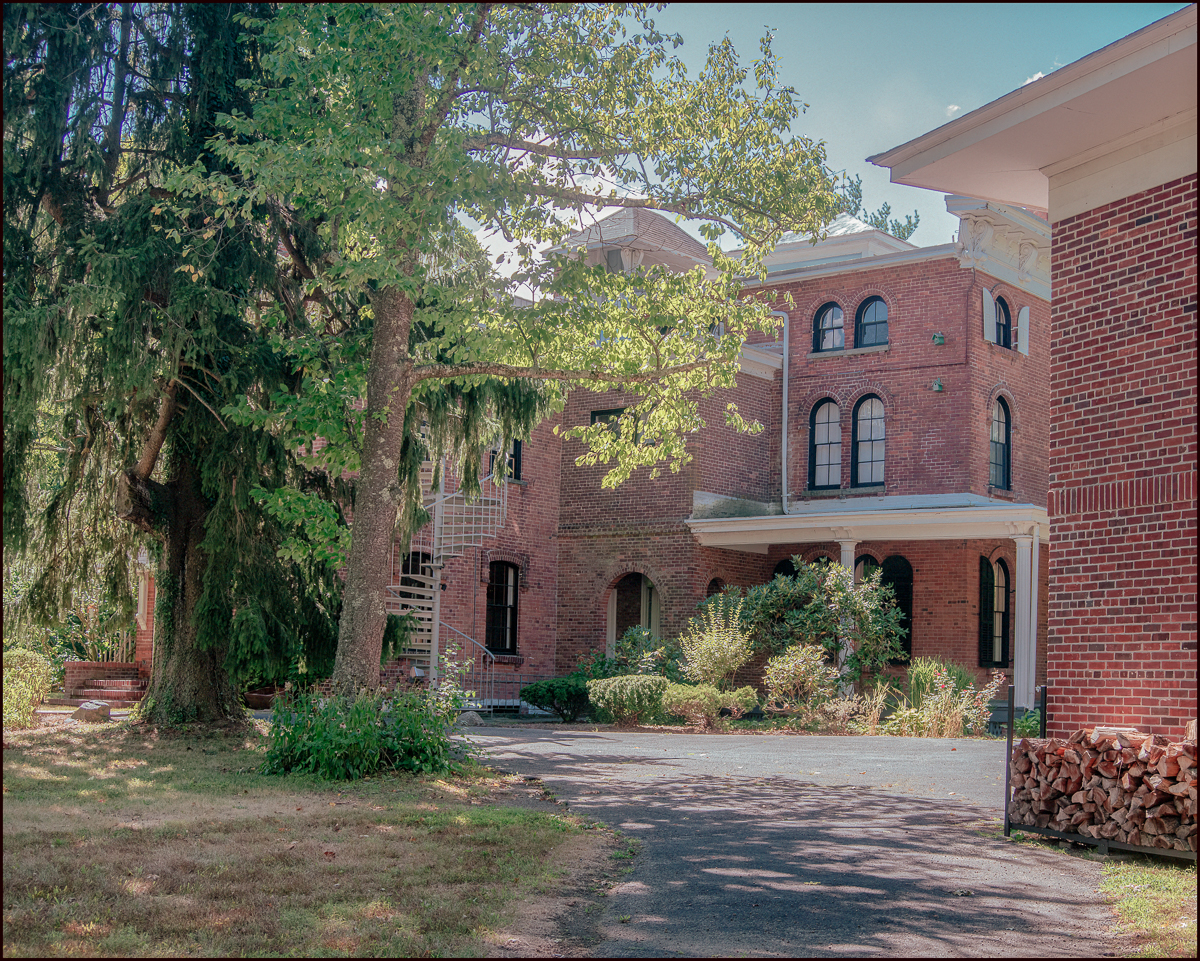
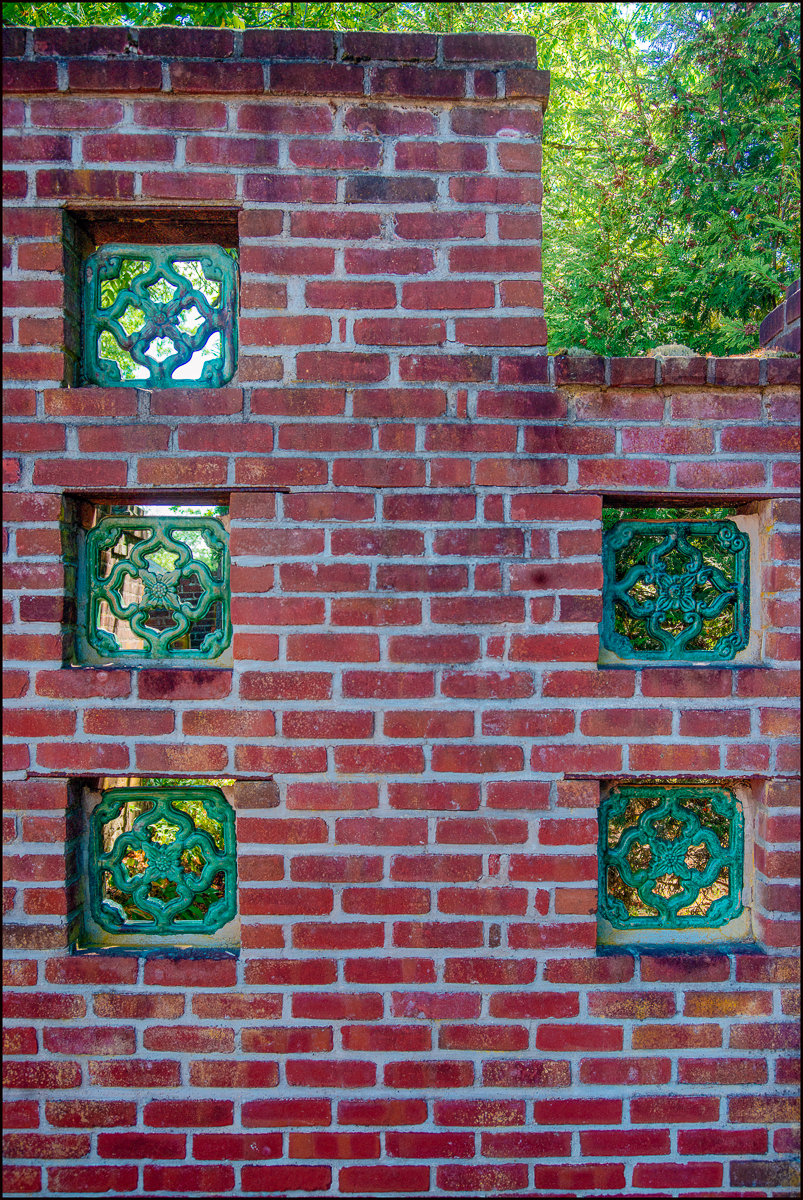
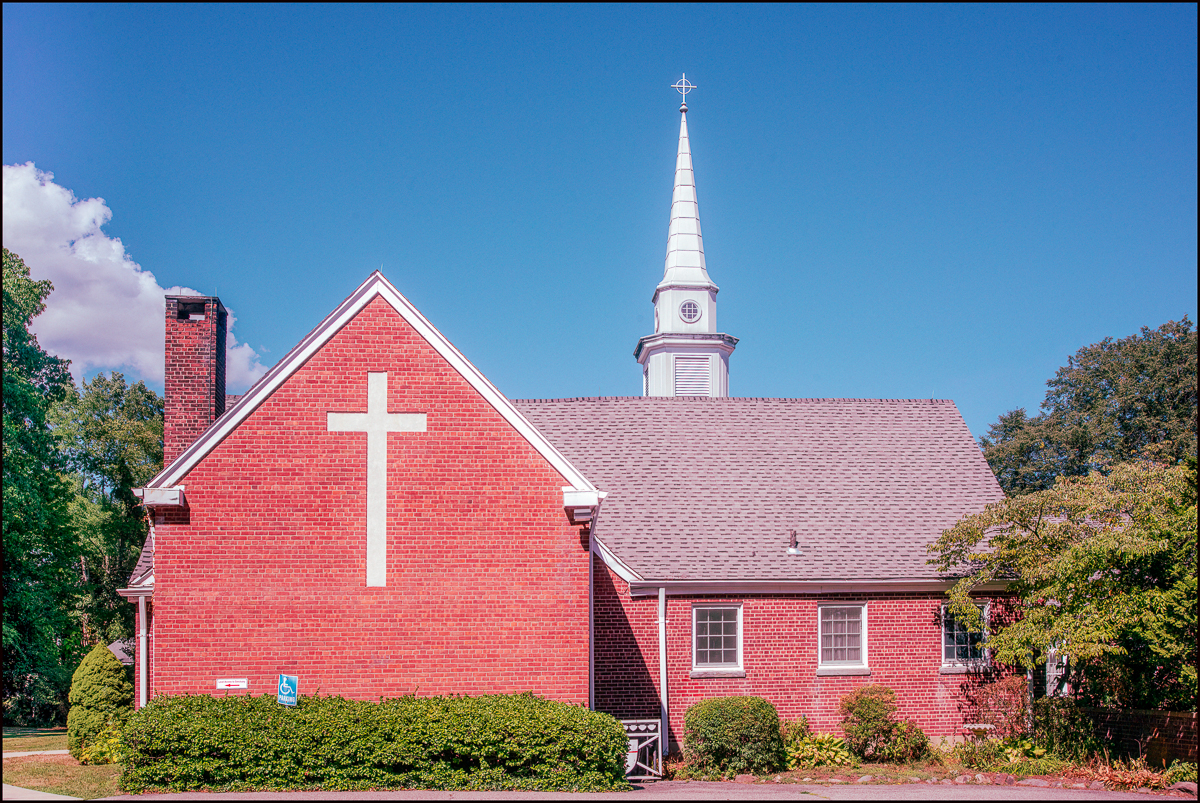
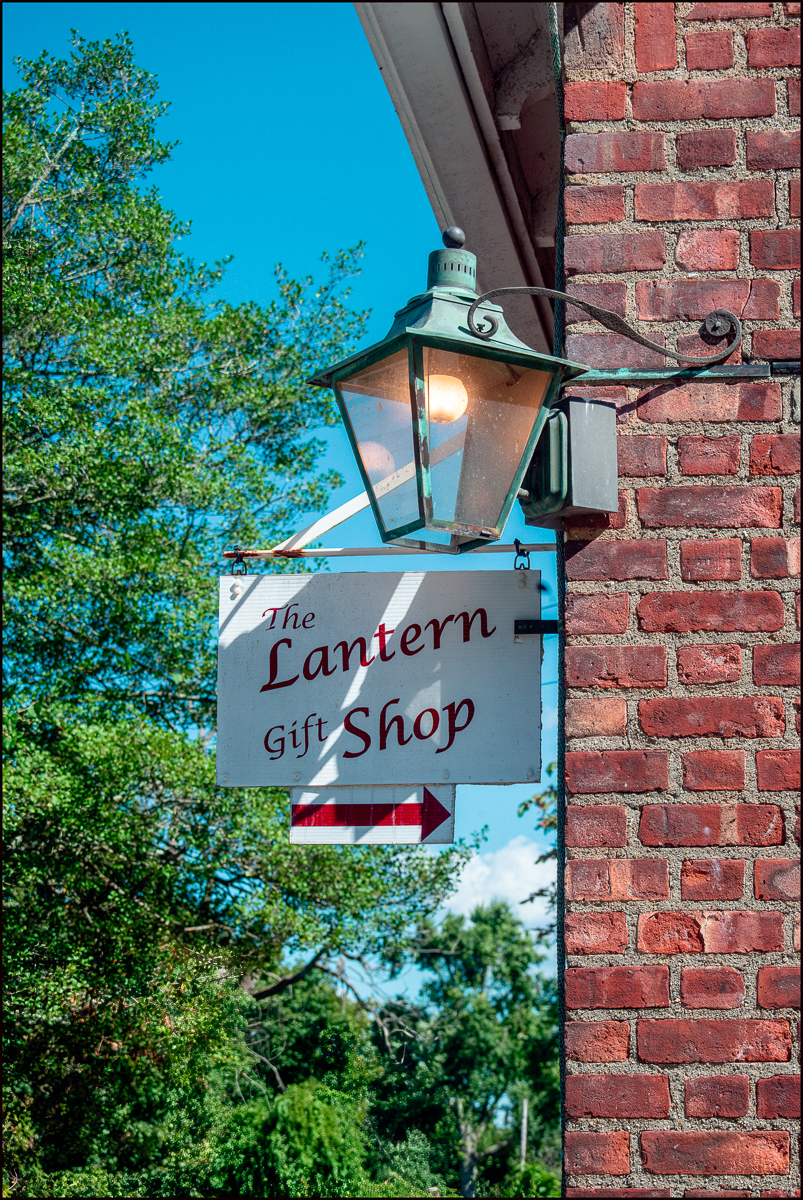
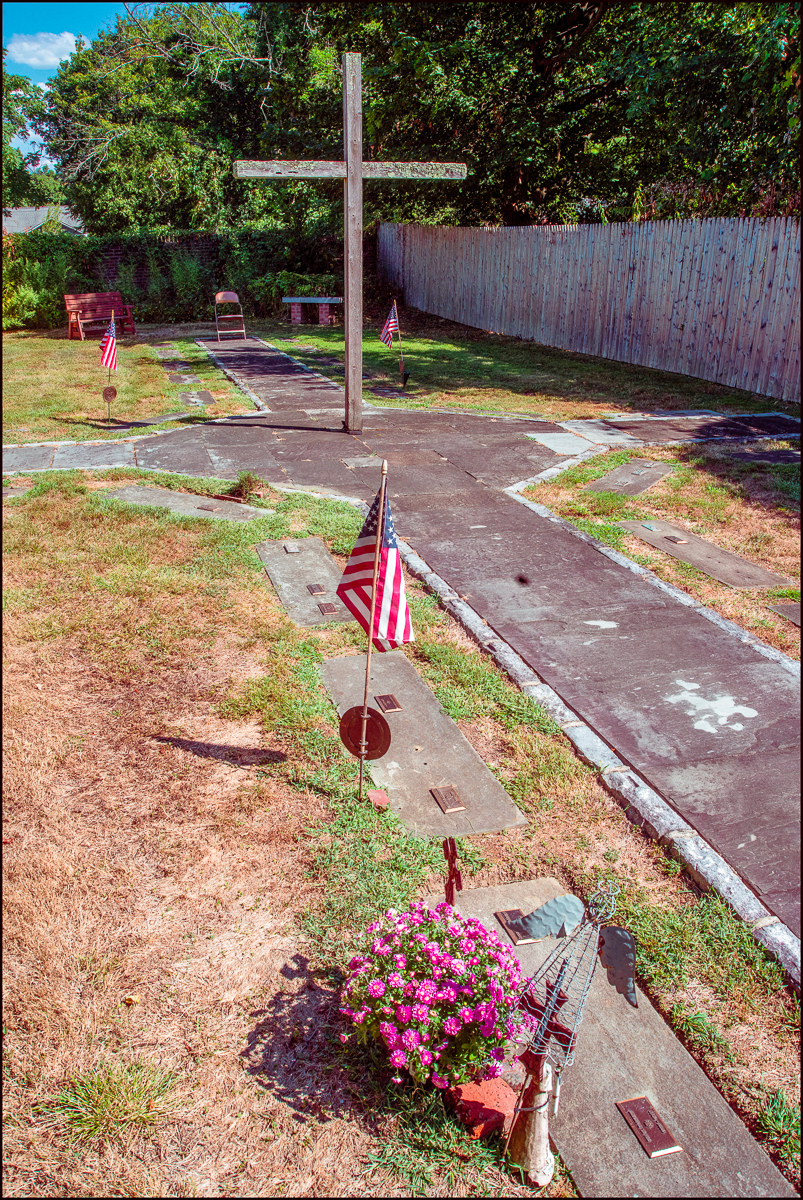
This church is only a couple of blocks away from where my friends live. When visiting them I’d often passed a sign advertising its existence, but somehow I had always thought that it was a small church, maybe in a converted house or something. I was wrong. It’s actually quite a large compound with the church building itself, a parish hall, a gift shop, a small cemetery and possibly a former rectory.

Moreover, it’s apparently now called Grace Episcopal Church.

Grace Episcopal Church in Ossining is a newly formed congregation created by the merger, in 2021, of St. Paul’s on the Hill and Trinity Episcopal Churches, both in Ossining. These two parishes shared a common founding, split in dissension after the Civil War, but have long since collaborated as sister parishes, sharing clergy since 2012. By formally joining again as one parish, we have come full circle. We seek to further the common purpose shared by the two former congregations, and we have pledged to strengthen the ministry of the Episcopal Church to the people of Ossining and the surrounding area.

Grace Church is now one Episcopal church on two campuses: St. Paul’s on Ganung Drive and Trinity on South Highland Avenue. Back together again, we are learning from each other and sharing our gifts in a growing, wonderful, loving relationship.

In an era marked by national division, the merger of our two churches represents an important act of reconciliation. We have joined, by grace, to be Grace for a world that needs constant reminders that the abundance of God’s love is unchanging, larger, and more powerful than the forces of evil.

THE EPISCOPAL CHURCH IN OSSINING

The first Episcopal church in Ossining was founded in 1833, as St. Paul’s Episcopal Church on St. Paul’s Place, in the village of Sing Sing (later re-named Ossining). The village itself is built on the ancestral lands of the Sint Sinck people, members of the Mohegan nation.

The original St. Paul’s church building (now Calvary Baptist Church) was constructed on the Potter Farm, land that, in the 17th century, had been part of the landholdings of Dutch colonist Frederick Philipse, who acquired land from the Native Americans beginning in 1672. Philipse farmed his land using African slave labor.

St. Paul’s Church divided into two parishes during the aftermath of the Civil War. That war, fought over the enslavement of Africans brought forcibly to this country, represented a peak of division in the United States. These divisions were reflected at St. Paul’s, where emotions ran high, especially because the priest at that time was a southern sympathizer. Matters came to a head in a dispute about whether to vest the church for Easter or to decorate with funeral bunting in memory of Abraham Lincoln, whose funeral train was to travel through the village.

A breakaway group of St. Paul’s parishioners, led by returning Civil War veterans, founded Trinity Church in 1868. First a tenant in the original, wooden First Presbyterian Church, the new congregation constructed the present Trinity Church building at 7 South Highland Avenue in 1891.

Despite the original, rancorous division, by the end of the nineteenth century, the two parishes had developed an amicable relationship, jointly celebrating various ceremonies.

Rapid growth in Ossining’s population after World War II led to the building of a housing development on the old Donald estate on Torbank Hill in Ossining. St. Paul’s congregation converted the old Donald barn and outbuildings at 40 Ganung Drive into new church buildings in 1961, taking the name of St. Paul’s on the Hill.

Both churches have a history of community service. As early as 1895, what is now the Ossining Children’s Center was founded by the women’s association of St. Paul’s as the Christ Child Day Nursery and Bethany Home, to care for children whose fathers had been killed working on the railroad or building the Croton Aqueduct. In recent decades, St. Paul’s and Trinity have fed the poor through support of the Ossining Food Pantry and Loaves and Fish, both housed at Trinity; provided a Youth Music Program for children who could not afford private music instruction, at St. Paul’s; and were among the founders of the Ossining Emergency Shelter for the homeless, among other things. Both were heavily involved in creating Rivertowns Episcopal Parishes Action on Inclusion and Race (REPAIR), an organization founded in Lent 2015 devoted to bringing healing and justice to a society divided by unconscious bias, willful blindness, deeply ingrained systems of oppression, and the burdens of history.

WE RECOGNIZE OUR HISTORY

As the new Grace Church, we have re-dedicated ourselves to service to the community. We recognize that our shared history is tainted by aspects that are inconsistent with Jesus’ teachings of love and respect for all people. We recognize that our buildings and the town in which they were built are on the ancestral land of Native Americans, taken forcibly by European colonizers.

We acknowledge that our prior history is stained by the practice of slavery, which resulted in enslaved people working as laborers on farms in the area. We pledge ourselves to the amelioration of the individual and systemic wrongs that those actions created and sustain up to the present time. We are not our forebears; but we must recognize their faults, as well as their strengths. We realize that we are not our past, but we acknowledge our past so we can move forward. (Grace Episcopal Church website)



Taken with a Nikon D800 and Nikon AF Nikkor 28-80 f3.3-5.6