Birdwatching II

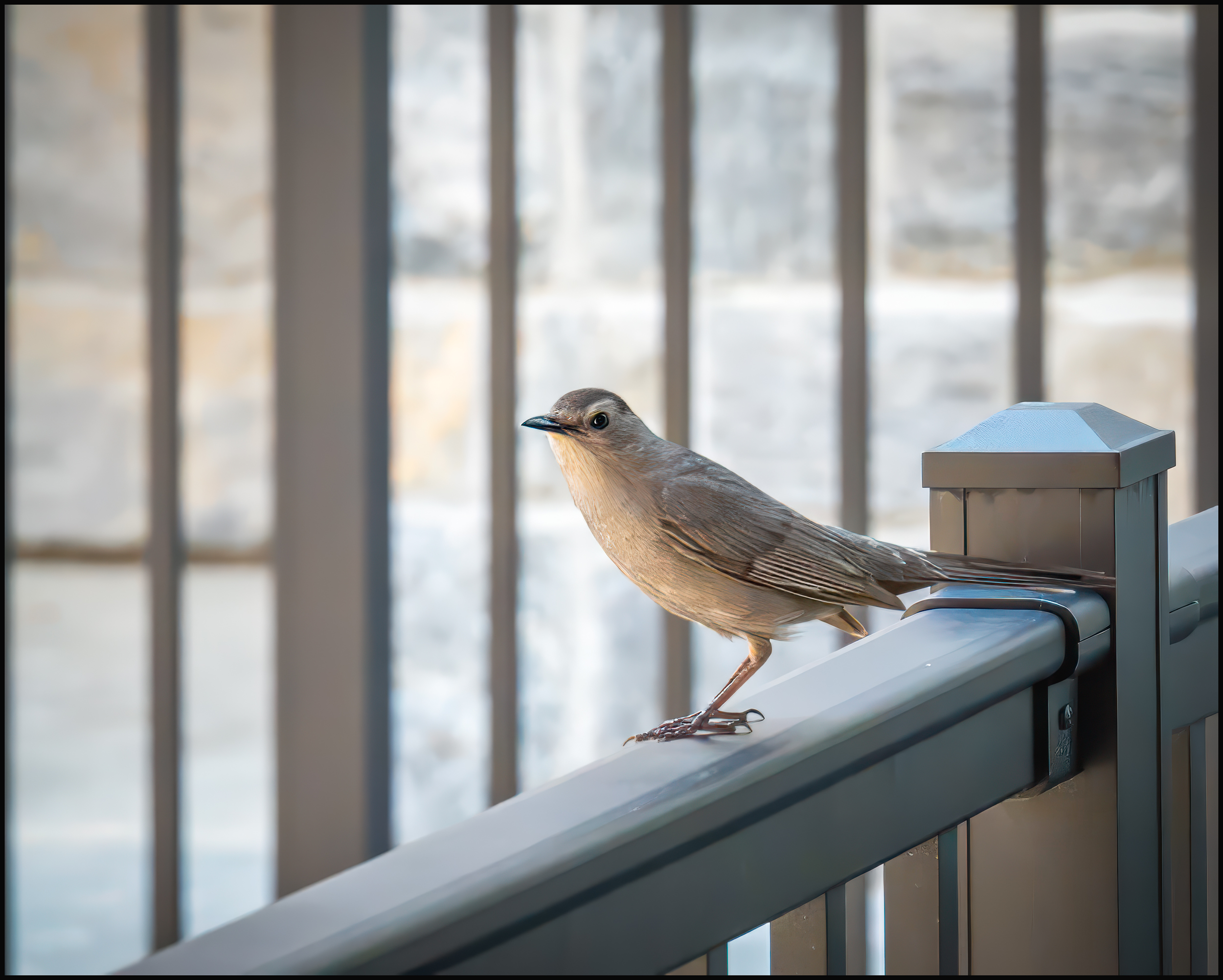
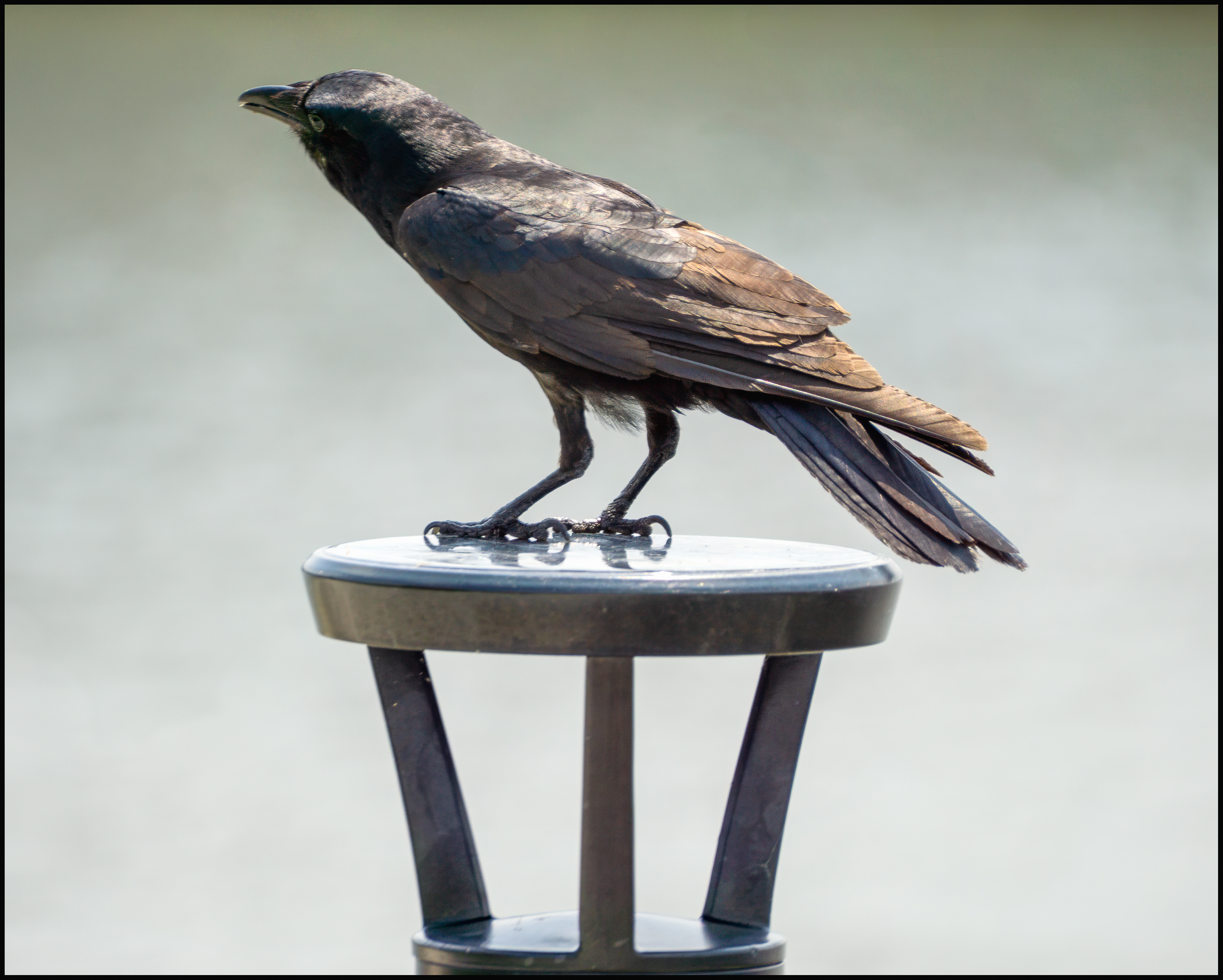
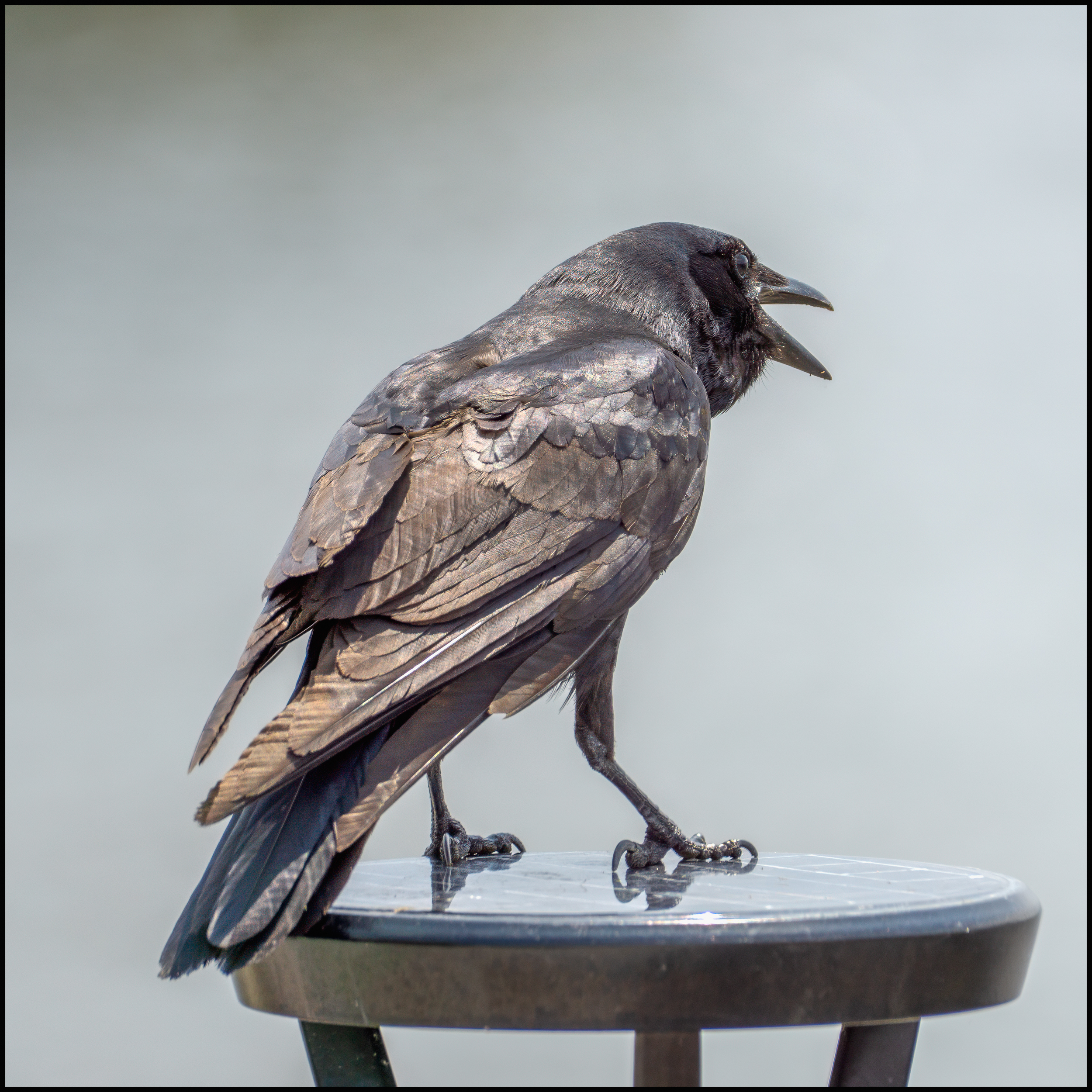
This time the bird was watching me. This picture was taken through the window of a restaurant where I was having my lunch. It was by the Hudson and soon after I arrived, I saw, through the window, this mallard jump up onto the wooden railing. It stayed there for a long time, just peering at me.

Maybe he was the mate of the mallard in the previous picture, and it didn’t like me taking pictures of his offspring. 😊

Taken with a Sony A6000 and Tamron 28-300mm f/4-7.1 Di III VC VXD lens.

Birdwatching I

I love the little, fuzzy looking Mallard ducklings. The mother let them swim around by themselves, but from time to time she’d look back at them and if one was too far away, she’d head towards it. But she wouldn’t get too close. She’d only go far enough that they duckling knew that it should return to her.

Taken with a Sony A6000 and Tamron 28-300mm f/4-7.1 Di III VC VXD lens.

Mallards on Lodge Pond

Mallards (and small Canda Geese in the distance in one shot) on lodge pool, about a 15-minute walk from my house.

Lodge pool was once the exterior swimming pool at the Briarcliff Lodge (See last picture. This is the first stage of the development of Briarcliff Lodge. It subsequently grew to be much, much larger). Celebrities must have swum here. US Olympics swimming trials were held here.

Popular legend hereabouts suggests that if you were to dive to the bottom, you’d find tiles beneath the mud.


Taken with Sony A77II and Minolta 35-105 f3.5-4.5

A Beetle

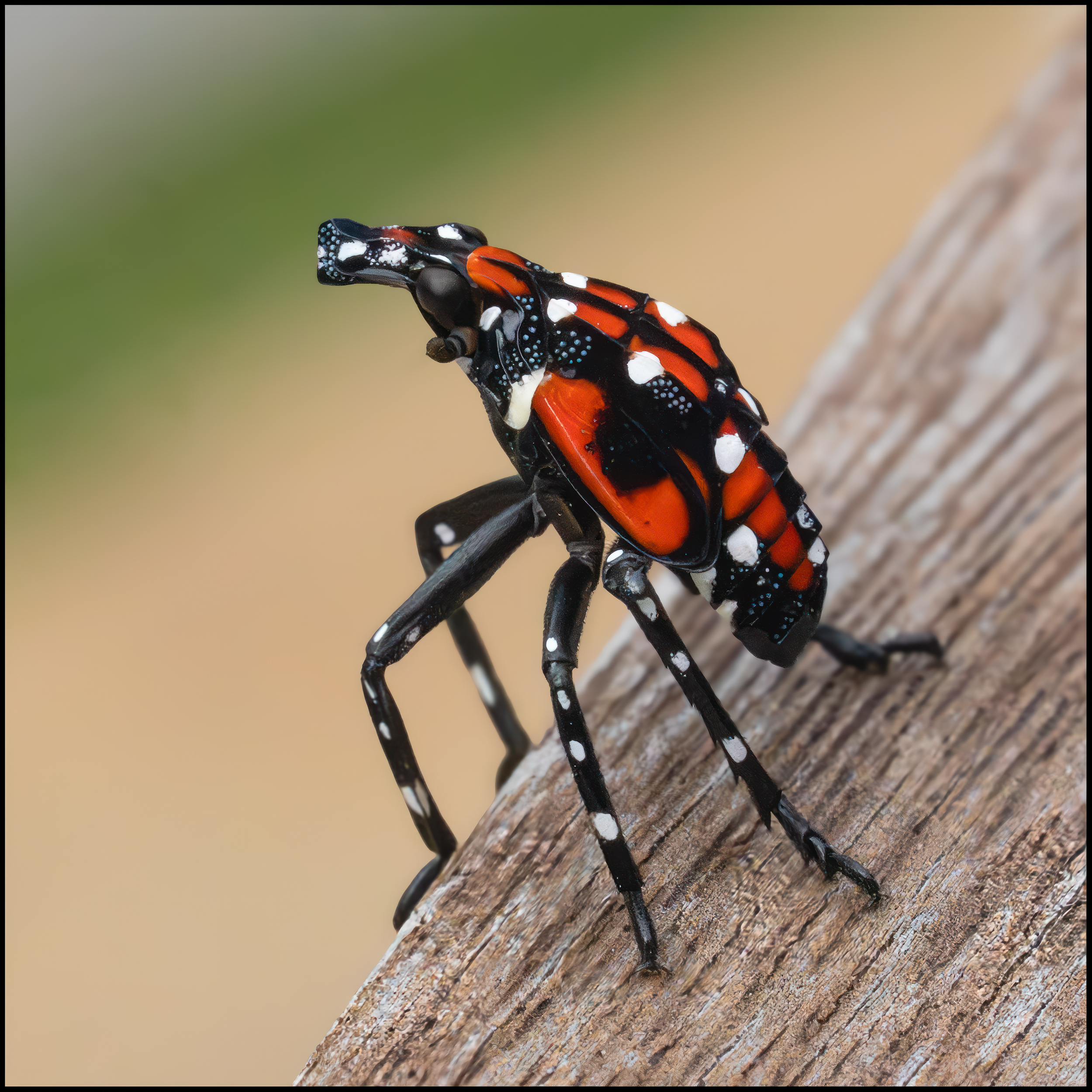
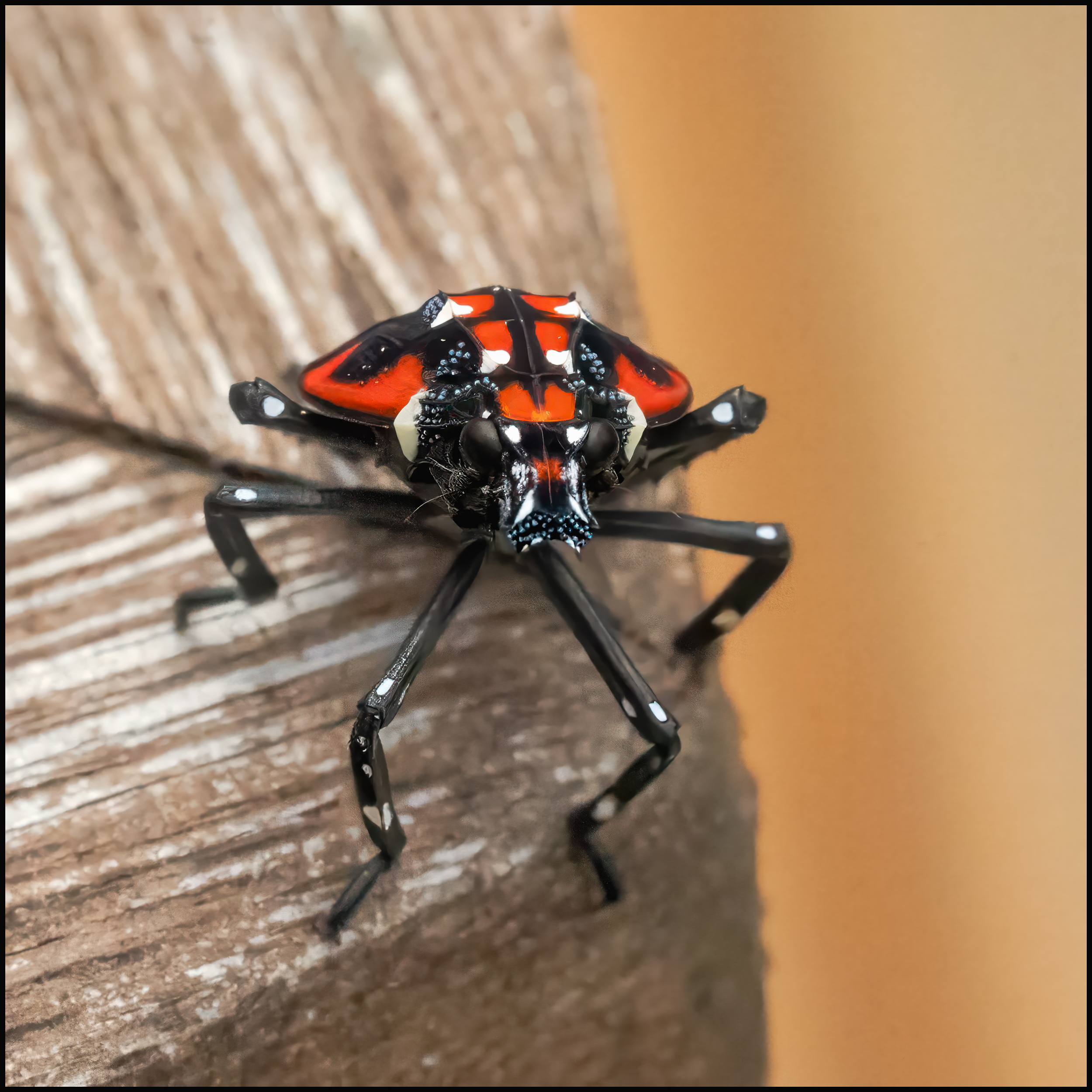
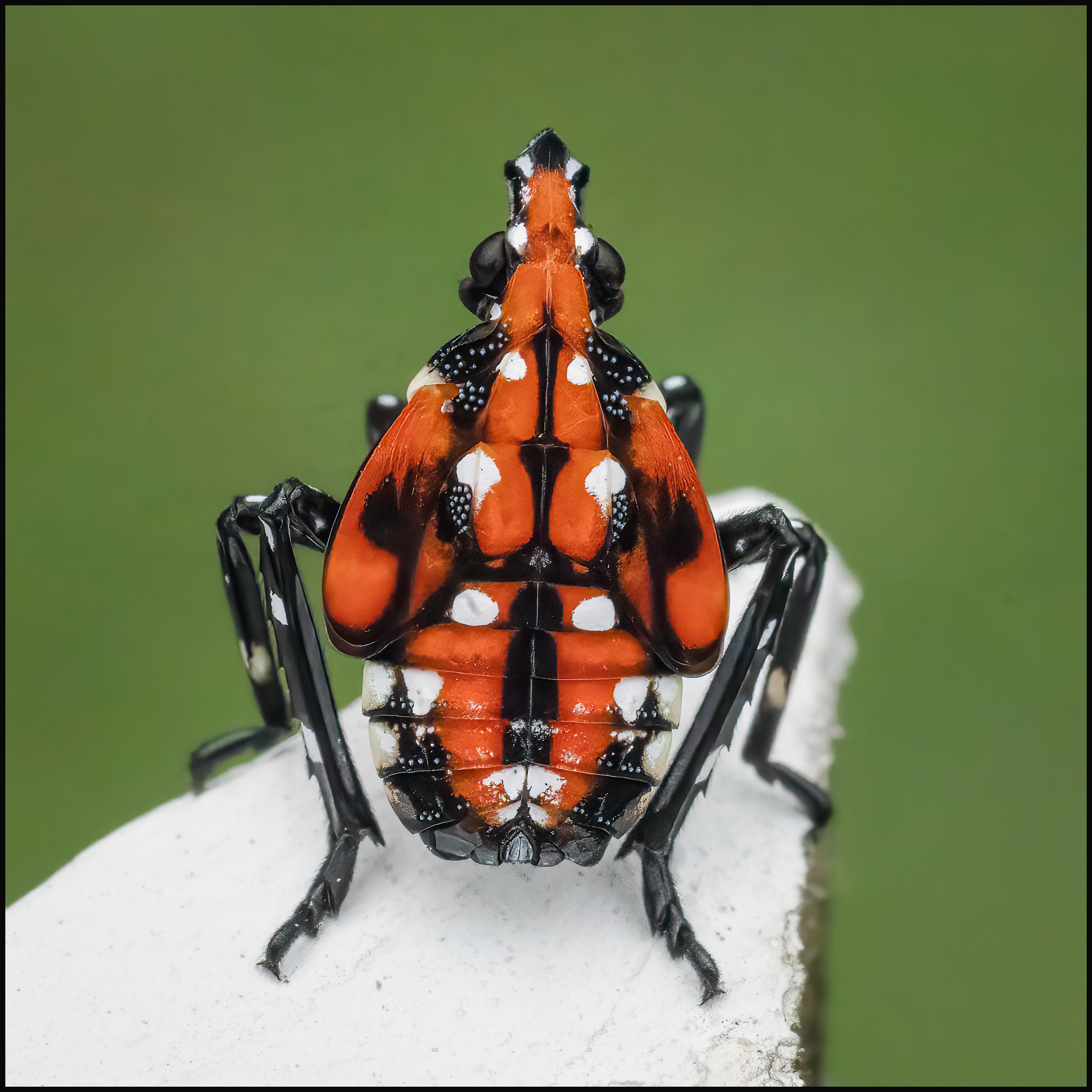
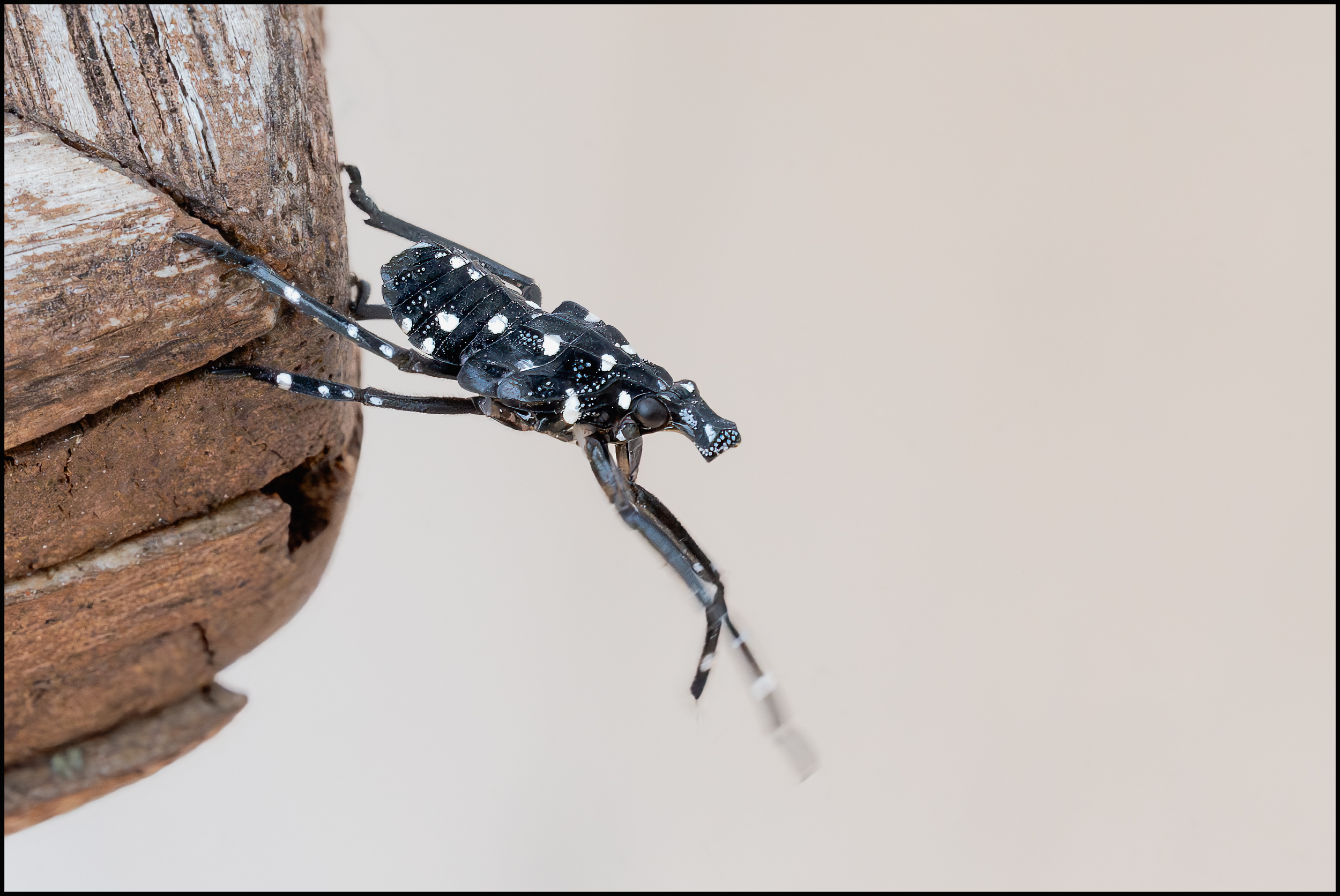
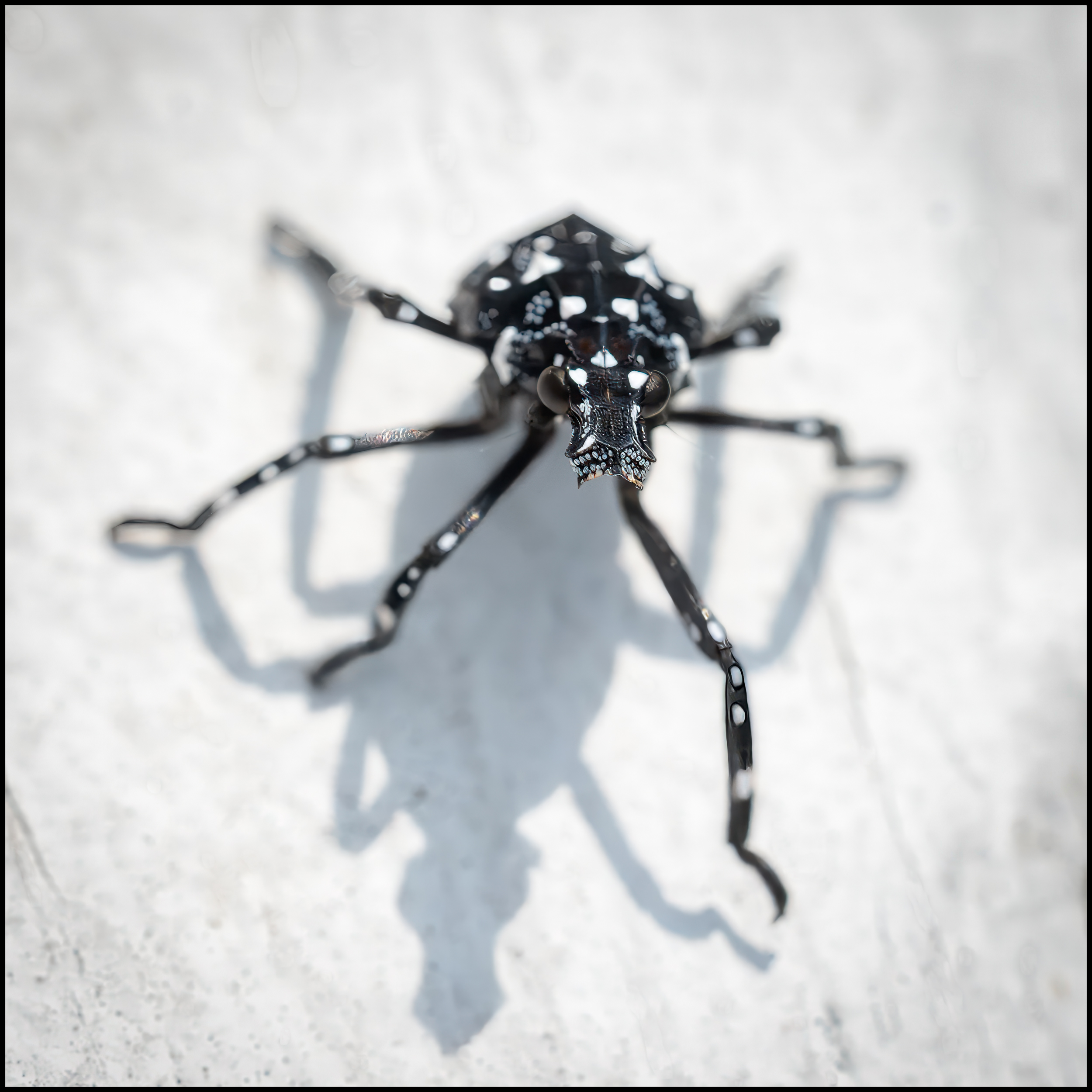
When I came home the other day this was on the wall by my front door. I believe it’s a False Potato Beetle.

The false potato beetle (Leptinotarsa juncta) is a beetle found primarily in the Mid-Atlantic and Southeastern United States. Its distribution extends to Maine.

Adult beetles emerge from the soil in the late spring or early summer and begin breeding, and a population may go through one to three generations in a summer.

The false potato beetle feeds on solanaceous weeds such as horsenettle, Solanum carolinense. It also feeds on other solanaceous plants, such as species of ground cherry or husk tomato, Physalis spp., and bittersweet, Solanum dulcamara, but no growth and reproduction occurs when feeding on the potato, Solanum tuberosum (Wikipedia)

It’s not considered a serious pest, at least not compared to the Colorado Potato beetle., which it resembles.

Taken with a Sony A7IV and and Laowa 85mm f5.6 Macro 2:1