A Walk through Ossining – First Baptist Church

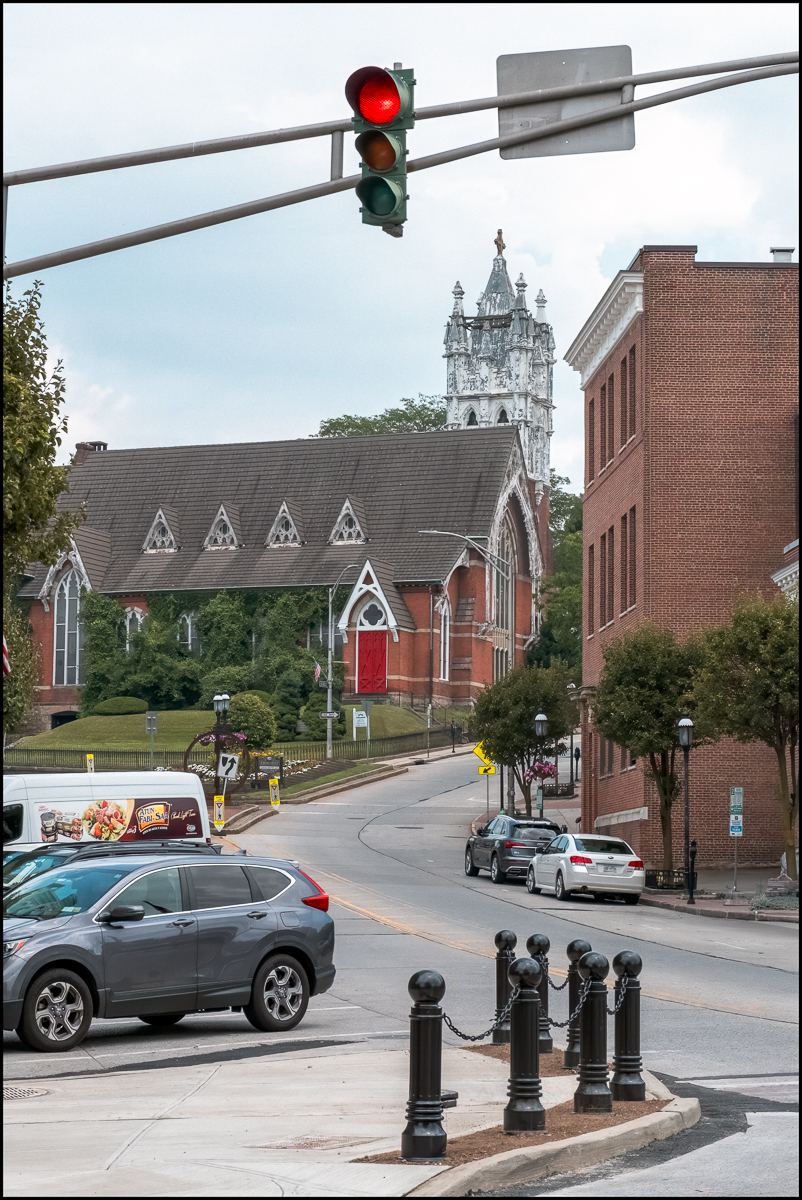
On leaving the bookstore I looked towards Route 9/Albany Post Road and the First Baptist Church.

According to “Village of Ossining Significant Sites and Structures Guide, Page 193“:

The First Baptist Church, completed in 1874, is actually the second structure to occupy the site at 1 Church St; the first was constructed in the early 19th Century to house the Sing Sing Baptist Congregation. This congregation was founded in April of 1786 by Captain Elijah Hunter, a Revolutionary War spy who was the founder of the hamlet Hunter’s Landing, an early waterfront settlement located near the current-day train station which grew to later become part of Sing Sing Village. Hunter chose a triangular-shaped site at the center of the Village near the convergence of the Albany Post Road (known today as Highland Avenue or Route 9), Croton Avenue, and Main Street in order to maximize its visibility and emphasize its central importance to Ossining’s religious life. The original First Baptist Church was a place where blacks and whites would worship side by side in a setting that permitted a degree of equality that did not exist elsewhere, a tradition that continued with the construction of the current structure. The original church building was demolished once the size of the congregation grew too large and the present structure was built on the same site. The church was designed by J. Walsh, a Brooklyn-based architect, and was built for a cost of $75,000 in 1874 dollars.

Taken with a Fuji X-E3 and Sigma 18-50mm f2.8
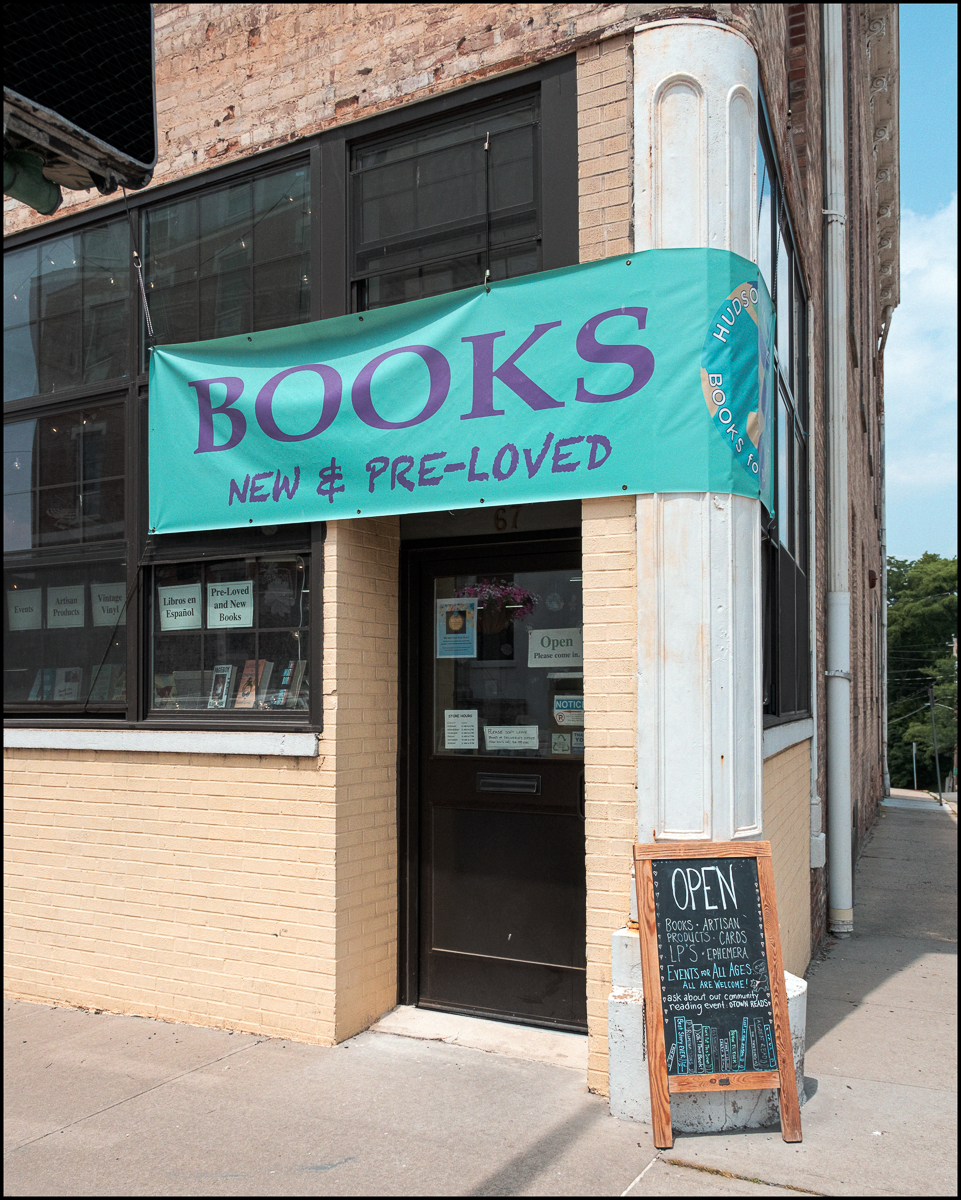
A Walk through Ossining – A Bookstore

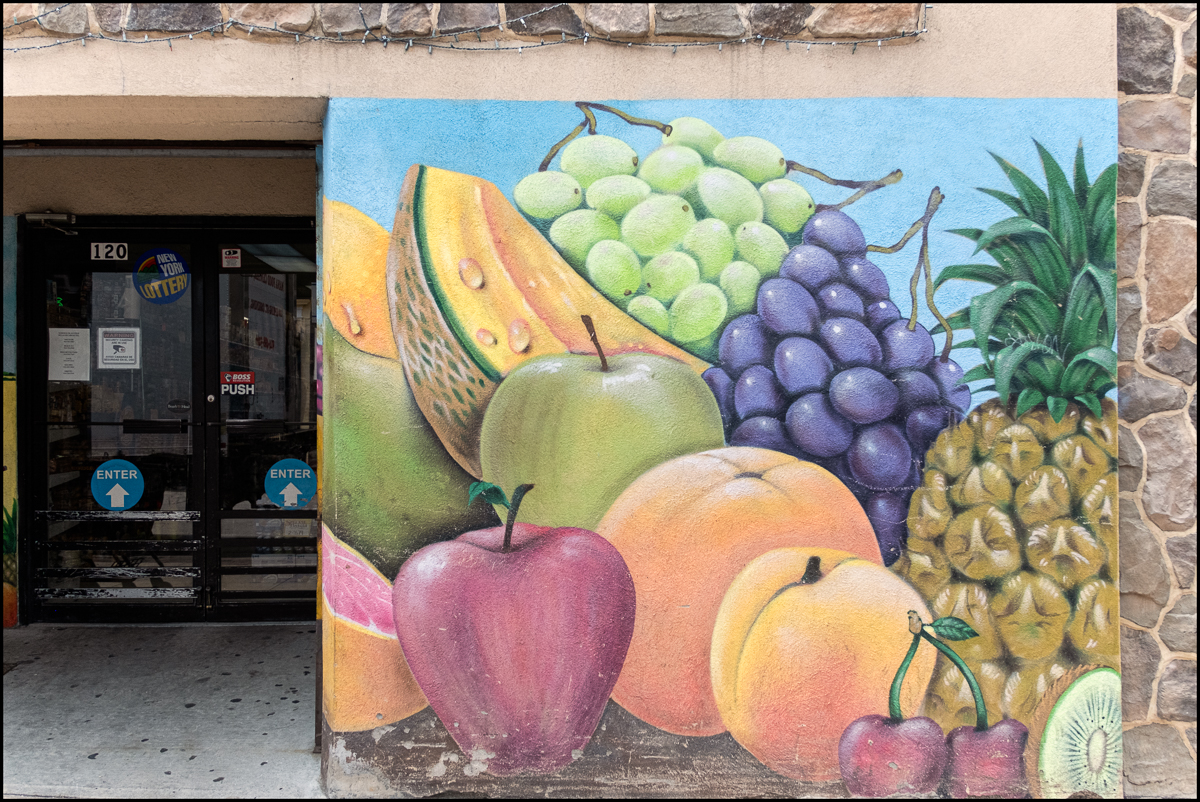
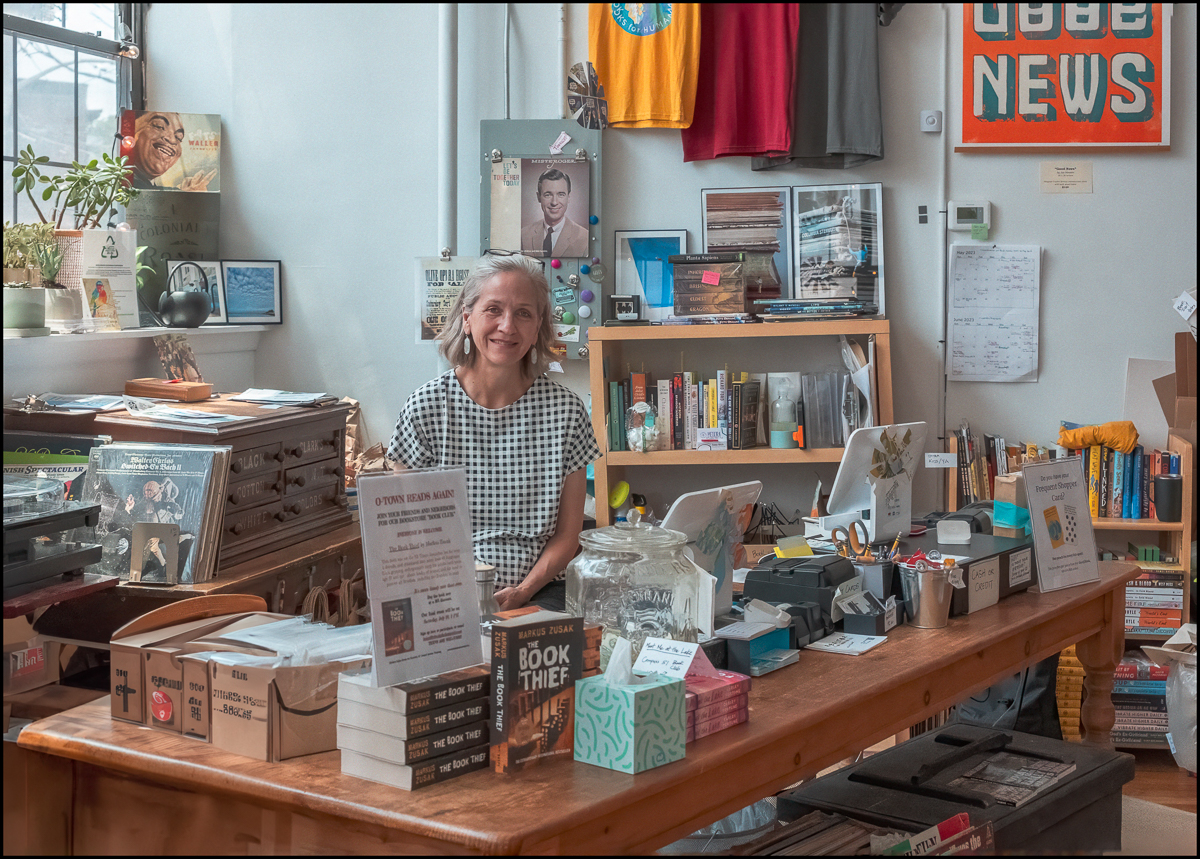
At least its new to me. It’s been around for a while. I’ve even passed it few times, but didn’t have the time to go in. This time I did.

It’s much larger on the inside than it appears from the street. It has a good selection of books, both new and used (good quality). The staff were very friendly. I came away with an excellent used copy of “Atget” by John Szarkowski and Ansel Adams’ Autobiography.

And best of all I can walk to it from my house. I hope it does well and stays around.

Taken with a Fuji X-E3 and Sigma 18-50mm f2.8
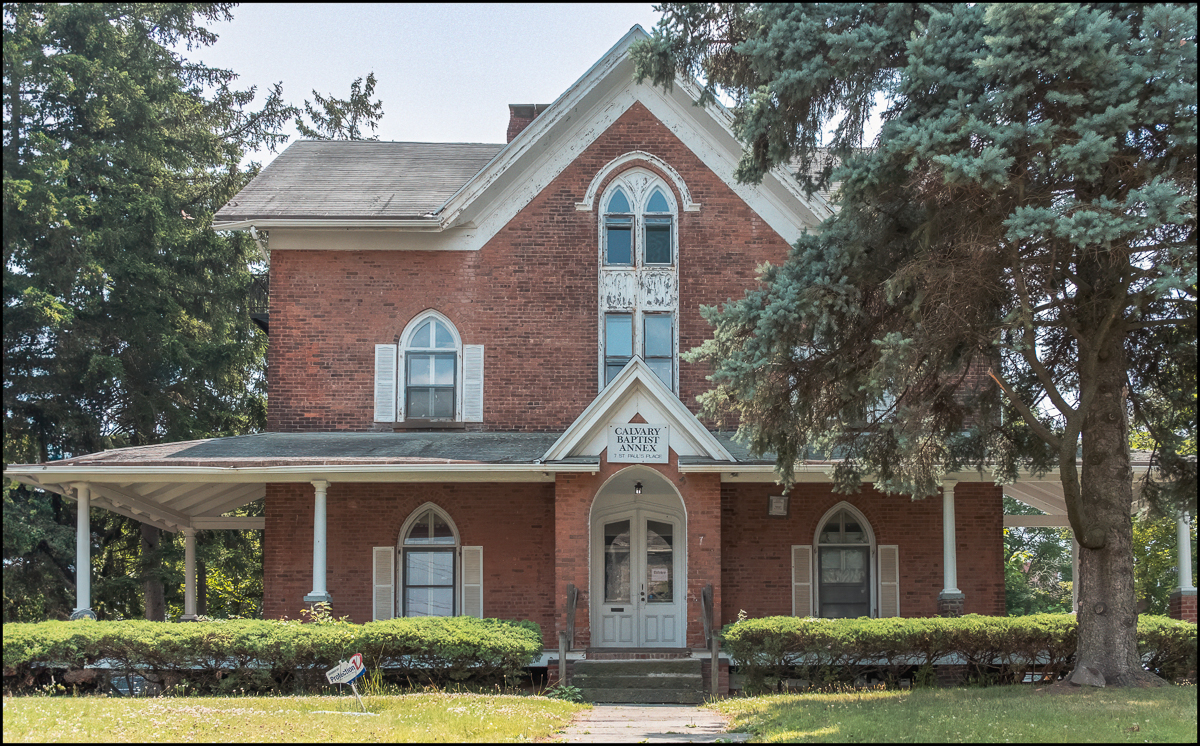
A Walk through Ossining – Calvary Baptist Church Annex

According to “Village of Ossining Significant Sites and Structures Guide, Page 85“:

The Calvary Baptist Church Annex, originally built as the rectory for St. Paul’s Episcopal Church, was constructed in 1864 to house the congregation’s minister. When the congregation moved to its current site in the Town of Ossining in 1958, the Annex was purchased by the publishers of the Citizen Register newspaper, who used the building for their offices. In 1973, the newspaper donated the Annex to the Baptist congregation that owns and operates the Calvary Baptist Church today.

Taken with a Fuji X-E3 and Sigma 18-50mm f2.8
A Walk through Ossining – Calvary Baptist Church

According to “Village of Ossining Significant Sites and Structures Guide, Page 35“:

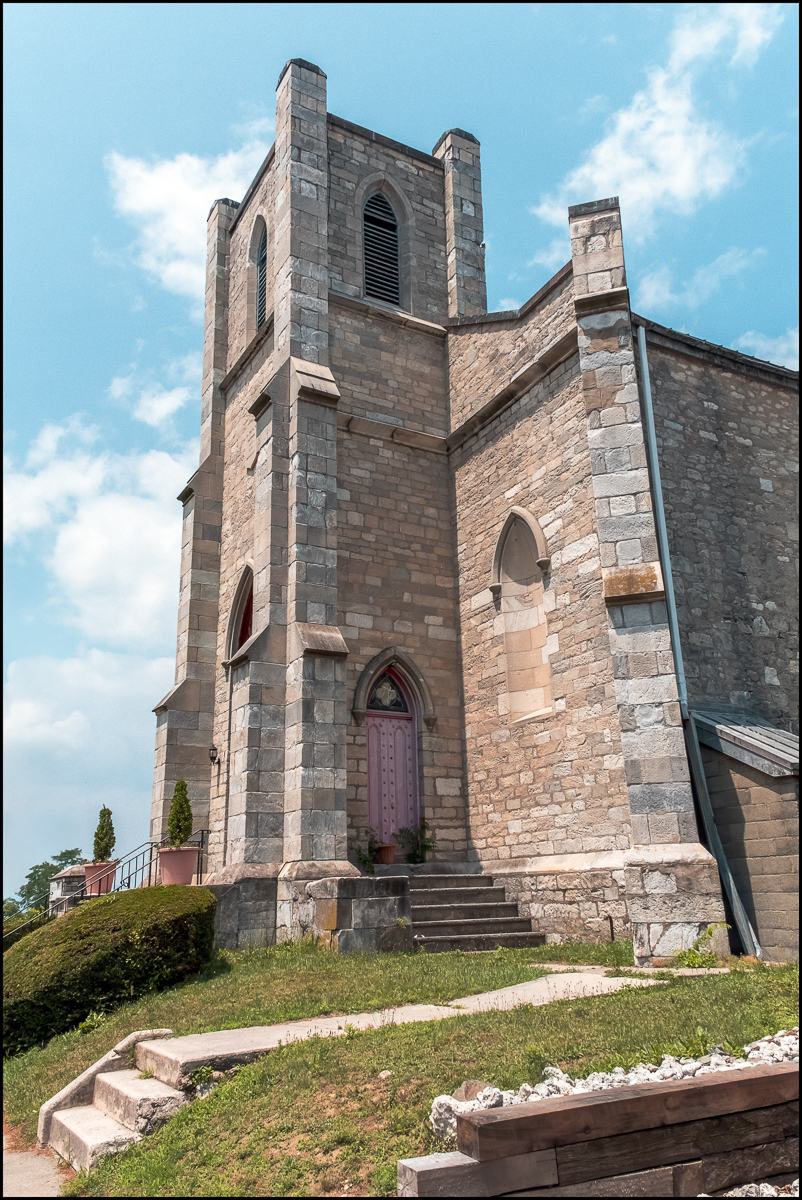
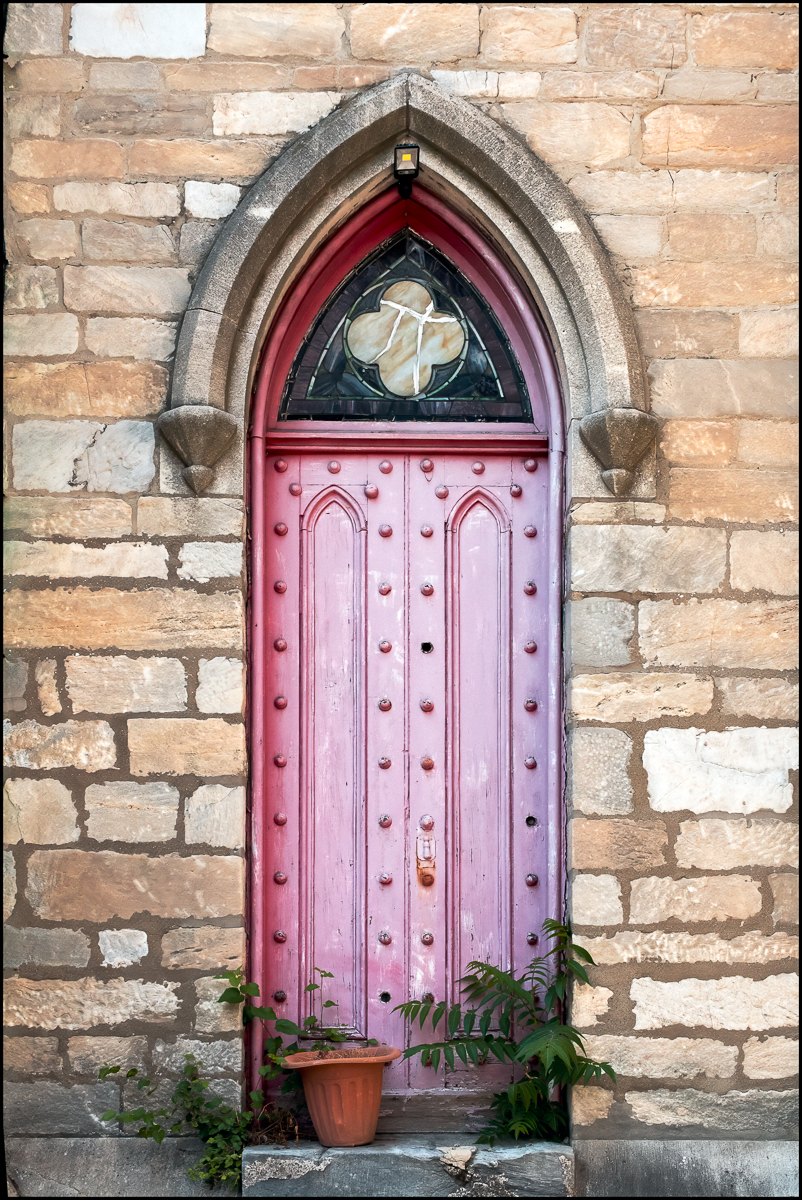
The Calvary Baptist Church, constructed in 1834 and originally named St. Paul’s Episcopal Church, is the oldest surviving religious buildings in the Village. The lot on which the church sits was purchased for $800 from Richard Austin, a Sing Sing-based lawyer who also built the house that shares his name located at 196 Croton Avenue (see Richard Austin entry). The Church was built when Ossining was at its peak as an industrial center in Westchester County and was built to house the growing Episcopal congregation in Ossining, which occupied the site for more than 100 years until moving to a larger site on Ganung Drive in the Town of Ossining in the mid 1950s. In 1958, the building was purchased by the Baptist congregation that occupies the site today. The Church is also one of the few surviving buildings designed by Calvin Pollard (1797-1850) in New York State. Pollard, who is best known for his involvement in the design of Brooklyn Borough Hall in New York City, also served as Benjamin Brandreth’s architect when he designed and built one of the first structures within the Brandreth Pill Factory complex.

The Church is listed on the National Register of Historic Places as architecturally significant for its status as the best preserved early Gothic Revival church in Westchester County. The Church was added to the National Register in 1978. It is also historically significant as the
oldest church in Ossining. The Church Annex, located across the street from the Church, was also inducted to the National Register under the same entry.

Taken with a Fuji X-E3 and Sigma 18-50mm f2.8