In Ossining again – Retaining Wall at St. Ann’s Church

The Village of Ossining can trace its beginnings to 1685, when the Sint Sinck Indians sold their land along the east side of the Hudson River to Frederick Philipse, who established a large manor. After the Revolution, the lands were confiscated from his grandson, a British loyalist, and sold to patriotic tenant farmers who had worked the land for years.

The community prospered as a port, with most of its settlement on the riverfront. On April 2, 1813, Sing Sing became the first incorporated village in Westchester County. In 1825, the village was chosen as the site of the Mount Pleasant State Prison, due to its proximity to the city (prisoners were sent “up the river”) and large quantity of white limestone. This stone became known as Sing Sing marble, and was used for buildings, walls and other products. In 1851, the State gave the prison the same name as the village: Sing Sing. The arrival of the electric chair at the prison in 1892 brought unwanted attention and in 1901, the Village changed its name to Ossining, to separate itself from the penitentiary.

The Sing Sing Marble Structures are historically significant for their use of marble quarried by convict labor at Sing Sing Prison between 1825 and 1920. Sing Sing Prison was the first correctional facility in New York State to employ prisoners as laborers for the extraction of raw materials for the purpose of revenue generation, and a number of structures of architectural, cultural, and historical significance in Ossining, New York City, and Albany, New York were built using this material. Sing Sing Marble, quarried at the Ossining prison of the same name from 1825 until approximately 1920, was utilized in the construction of many institutional, religious, and commercial structures in downstate New York and the Capitol Region. The presence of limestone and marble deposits on the Hudson River waterfront in this location was one of the main reasons for the establishment of the prison, as the prisoners would provide a built-in labor pool for both the extraction of the marble and construction of the prison itself. Once that was complete, the convicts would continue to quarry marble and the revenue generated by its sale would be used to pay back the capital costs incurred by the State of New York in constructing the prison as well as to help fund the prison’s operation. The easy access to the river afforded by this location also allowed the marble to be easily transported to the markets of New York City.

The use of prisoner-quarried marble was controversial from the start. New York area professional stonecutters saw Sing Sing Marble as an illicit attempt to undercut their livelihood, and this sentiment led to labor strikes by the stonecutters in both 1824 and 1834. The second of these came to be known as the Stonecutter’s Riot of 1834, an uprising resulting from the decision by New York University to construct its main campus buildings using marble from Sing Sing. The strike took place in Washington Square and lasted for four days, reaching a level of intensity that led the mayor of New York City to request the support of the Seventh Regiment of the New York State Militia. This eventually led to the formation of the first unions for the stonecutters. Quarrying of marble at Sing Sing Prison continued until the practice was ended in the early 1920’s by the arrival of reformist warden Lewis Lawes, who served as warden from 1920-1941.

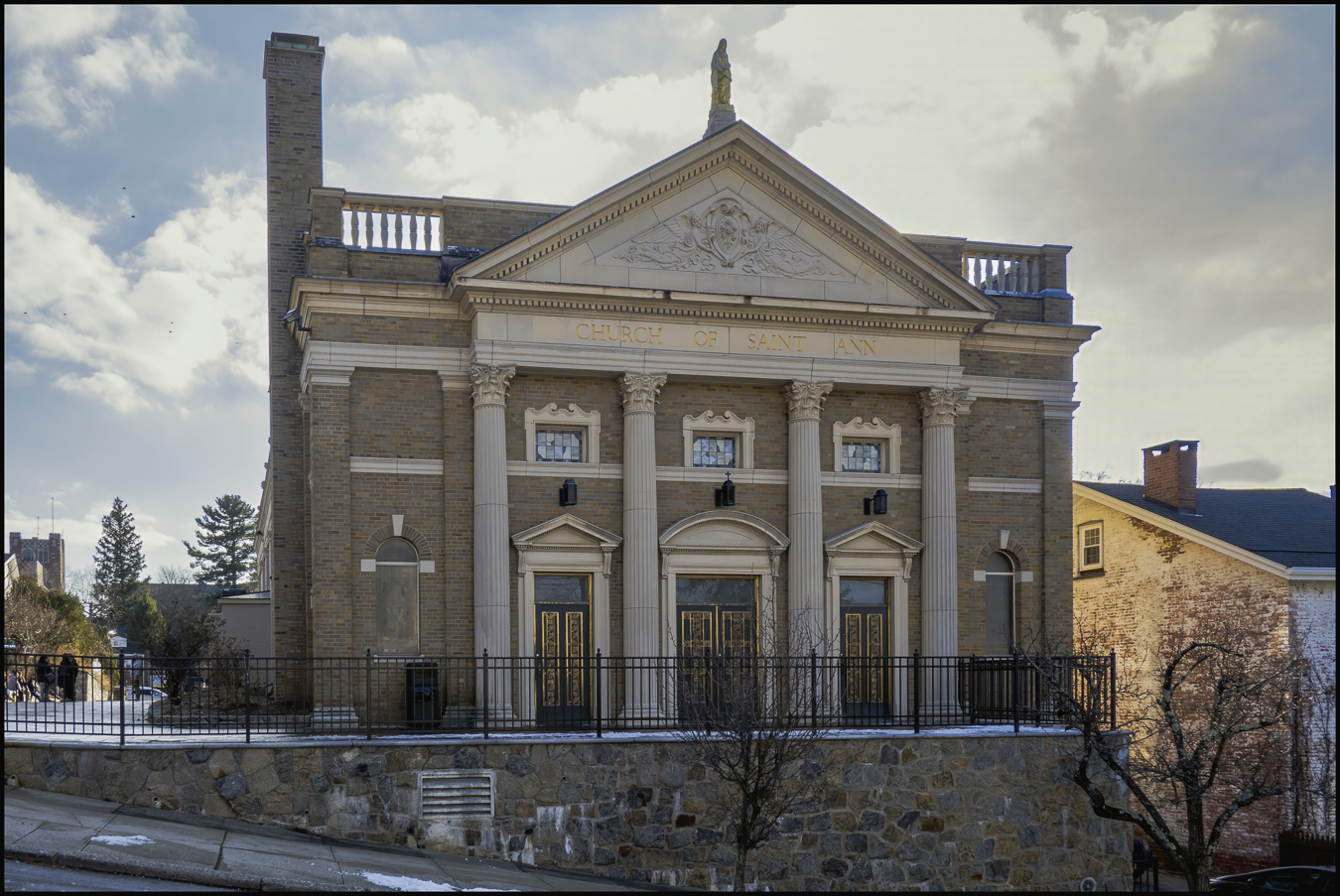
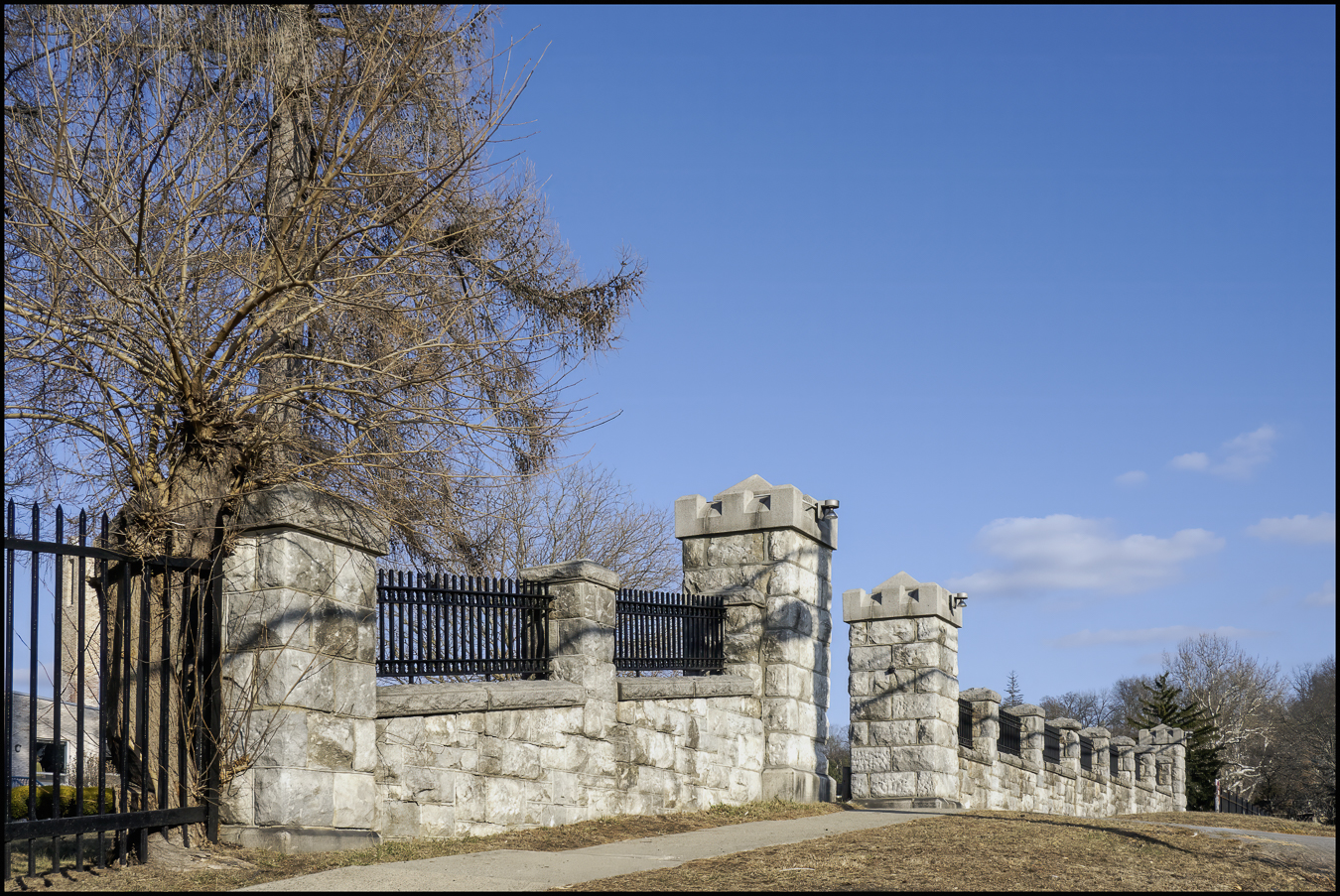
The retaining wall in the above picture is one of a number of examples of Sing Sing Marble in the village.

Taken with a Sony RX100 MVII.
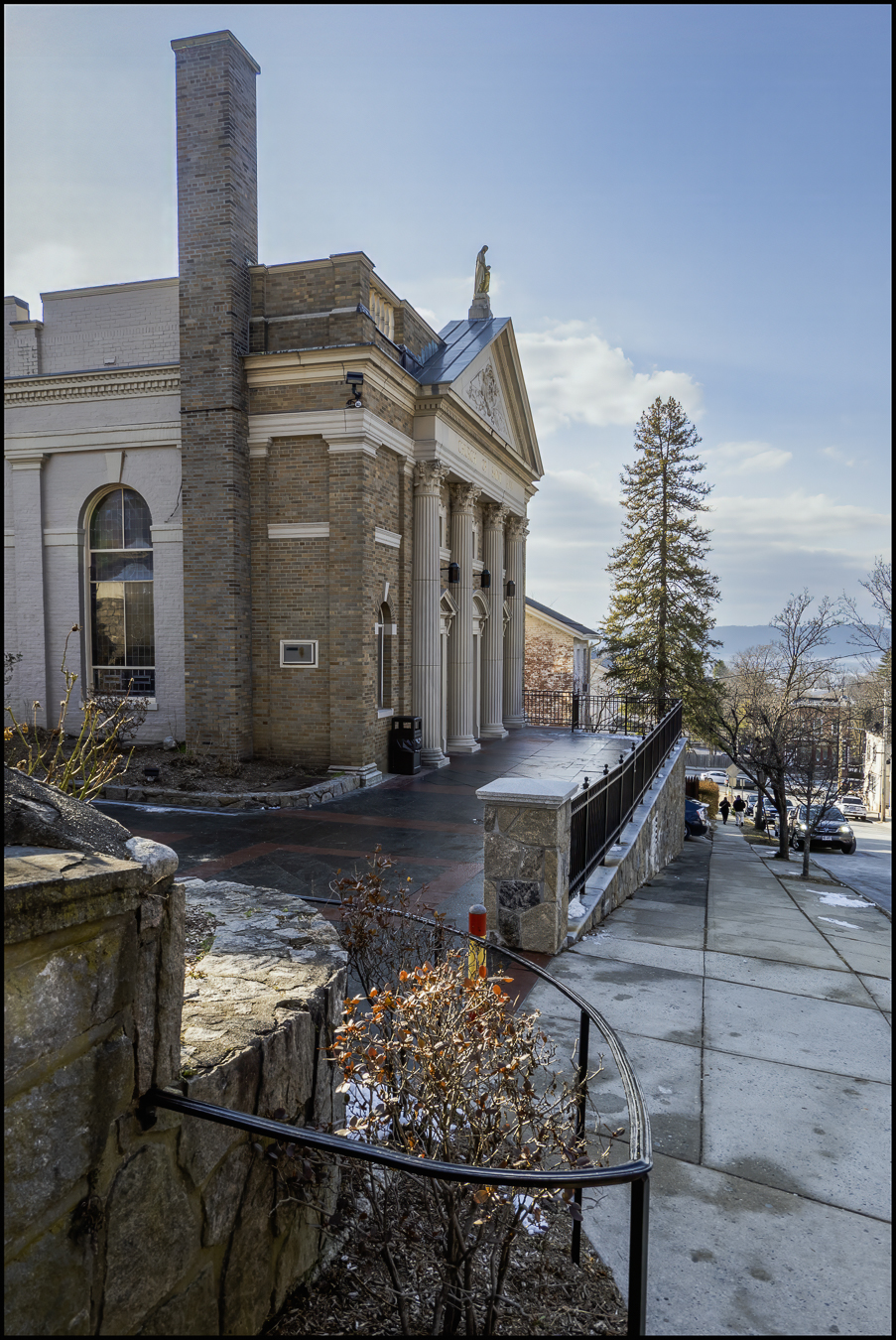
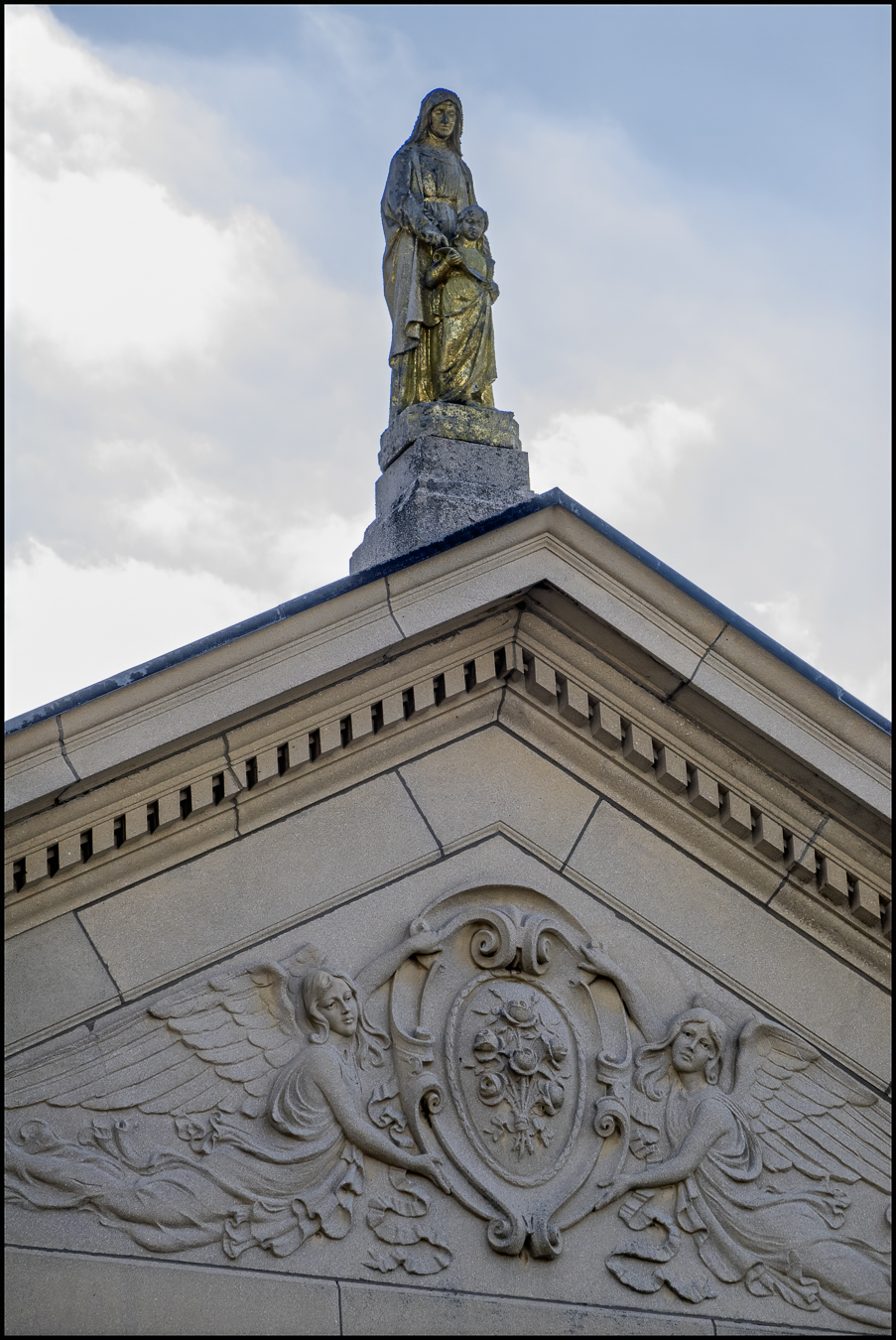
In Ossining again – St. Ann’s Catholic Church

Neoclassical Revival (1890s-1930s). The Neoclassical Revival style, popular from the turn of the 20th century until World War II, represented a renewed phase of interest in the architecture of ancient Greece and Rome. As was the case with the Beaux Arts style, Neoclassical Revival architecture came to prominence a result of the World’s Columbian Exposition in Chicago in 1893. This style was most often employed on monumental public and institutional buildings and was very similar in appearance to the earlier Greek Revival style popular in the United States for much of the early 19th century.


Taken with a Sony RX100 MVII.

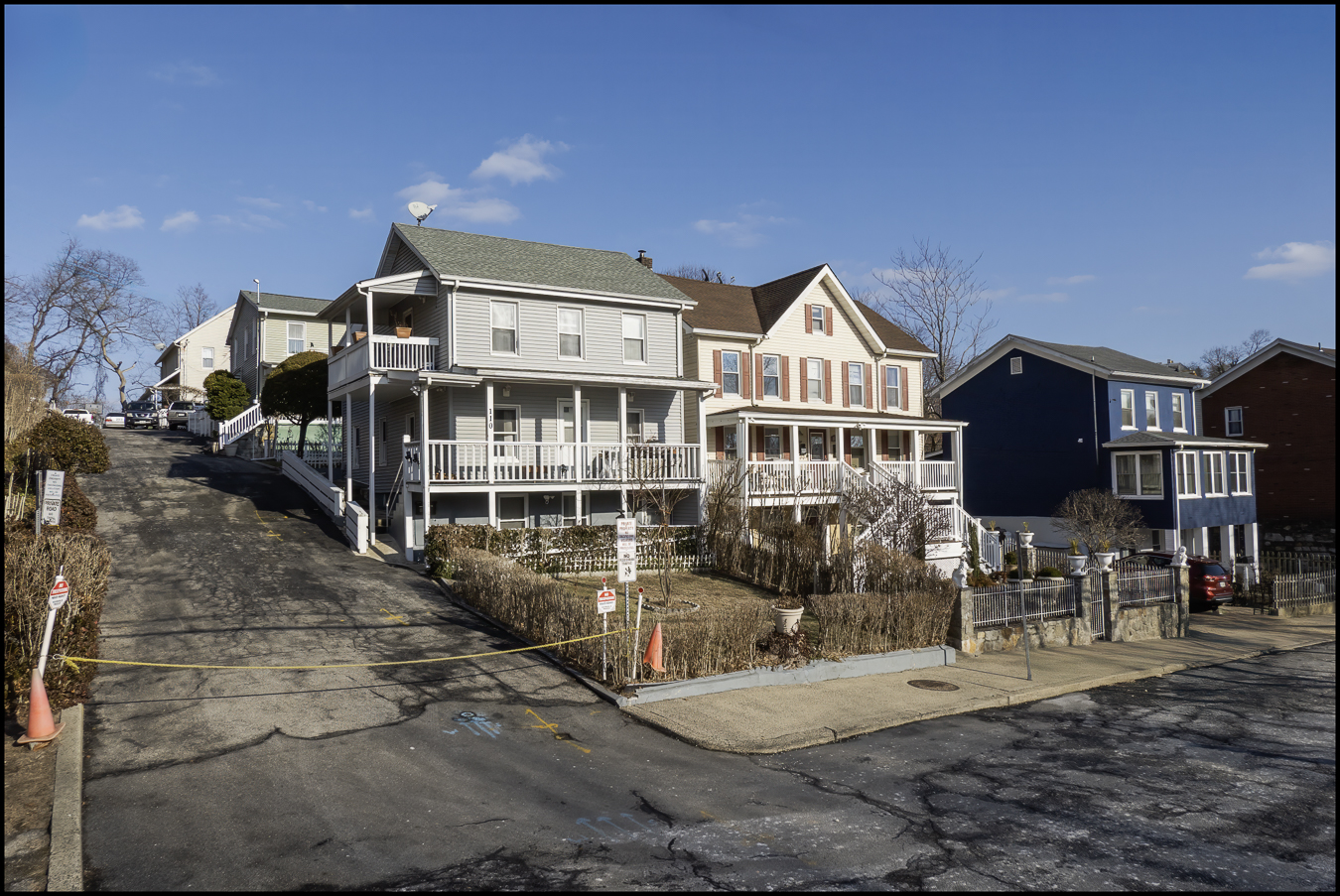
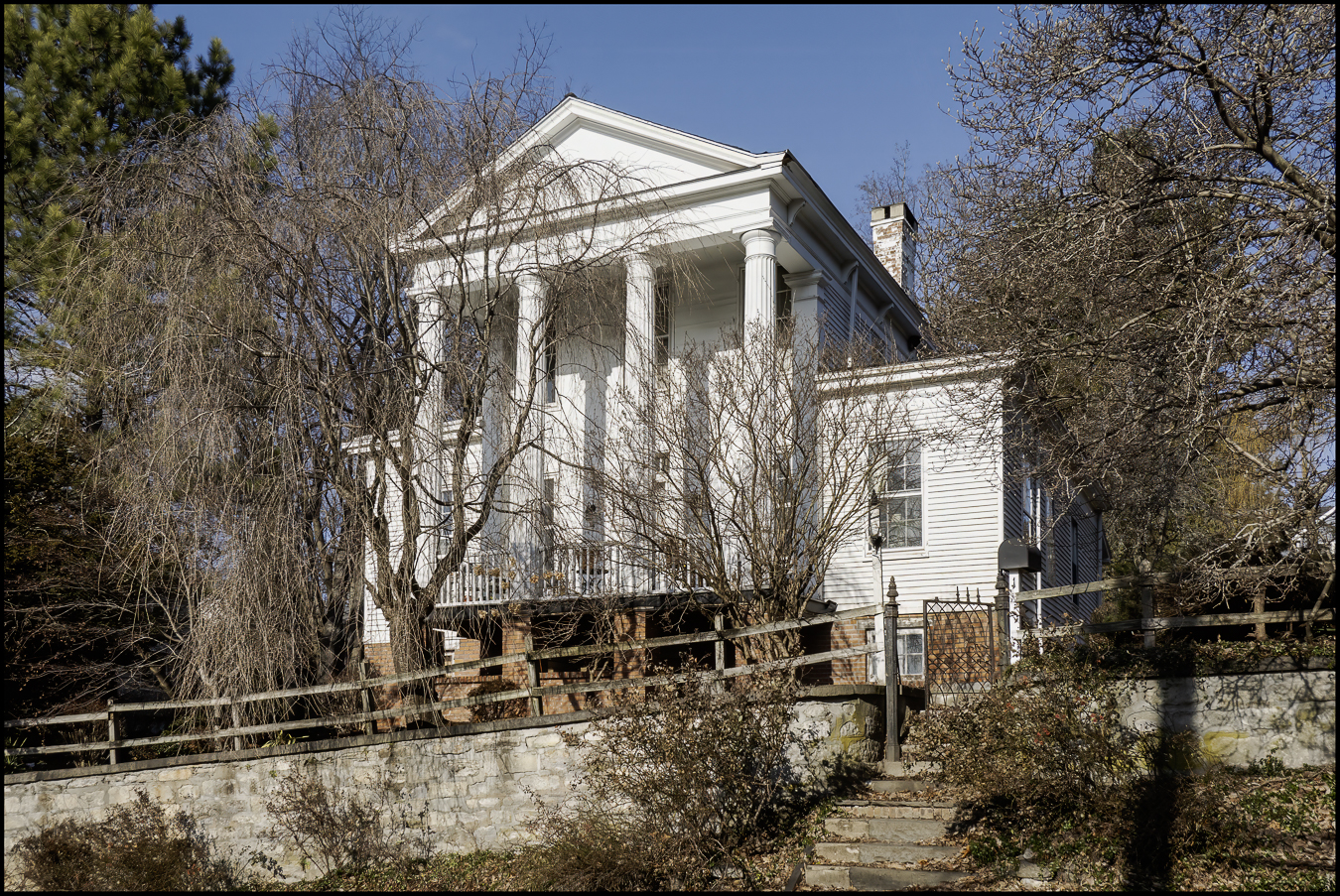
In Ossining again – Charles Snowden House

The Village of Ossining Significant Sites and Structures Guide (Page 38-39) provides the following information

Street Address: 1 Matilda Street
Architect/Builder: Unknown
Date of Construction: circa 1830s
Architectural Style: Greek Revival (1825-1860)

Greek Revival architecture came to prominence in America during the early 1800’s as part of a renewed phase of interest in the architecture and culture of the ancient Mediterranean following a series of archaeological discoveries in the late 18th century. Greek Revival structures are often identifiable by the use of a temple front façade configuration, with a large triangular pediment and columns dominating the main façade. Some examples of the style may utilize the columns without the pediment, while others may have an appearance consisting of a blend of Greek temple features with other early 19th century styles.

The Charles Snowden House has a temple front and block-and-wing plan, consisting of a two story center portion flanked by a one story wing on each side. Overall, the structure is five bays wide and five bays deep. The main façade’s configuration consists of a temple front design with four two story fluted Doric columns, with six, six over six double hung windows on the center wing flanked by one, six over six double hung window on each of the outer wings. The main entryway featured a shouldered architrave (a classical styled horizontal molding) over the front door. A porch extends along a portion of the main façade, with a second full-length porch located on the rear façade. The house is clad with flush weather board.

Significance: Architectural and Cultural

The Charles Snowden House is architecturally significant as one of three Greek Revival structures still standing in Ossining. The other structures are the James Robinson House and the Smith-Robinson House. This structure is also culturally significant for the series of owners who inhabited the structure, many of whom were influential persons or members of families important to the civic life of Ossining.

The Charles Snowden House, located at 1 Matilda Street, is a Greek Revival structure built by Charles Snowden, the wealthy early 19th century Sing Sing landowner for whom nearby Snowden Avenue is named. Local lore has it that the house was built in approximately 1810, though further
research has shown that it was more likely that the house was constructed between 1830 and 1850. Snowden built the house for his daughter Matilda, and the street on which the house sits is also named for her. The Snowden family sold the house in 1840s and it had a series of prominent owners since then, including:

  • Daubney Brandreth, a relative of Benjamin Brandreth, builder of the Brandreth Pill
    Factory
  • Mrs. John Innes Kane, wife of the builder of Kane House
  • John O’Brien, owner of the Monument Works factory on Water Street
  • John Halpin, Assistant Design Director for the New York Central Railroad

The Charles Snowden House is still used as a residence and retains much of its original historic character today.

Taken with a Sony RX100 MVII.