Grand Central details


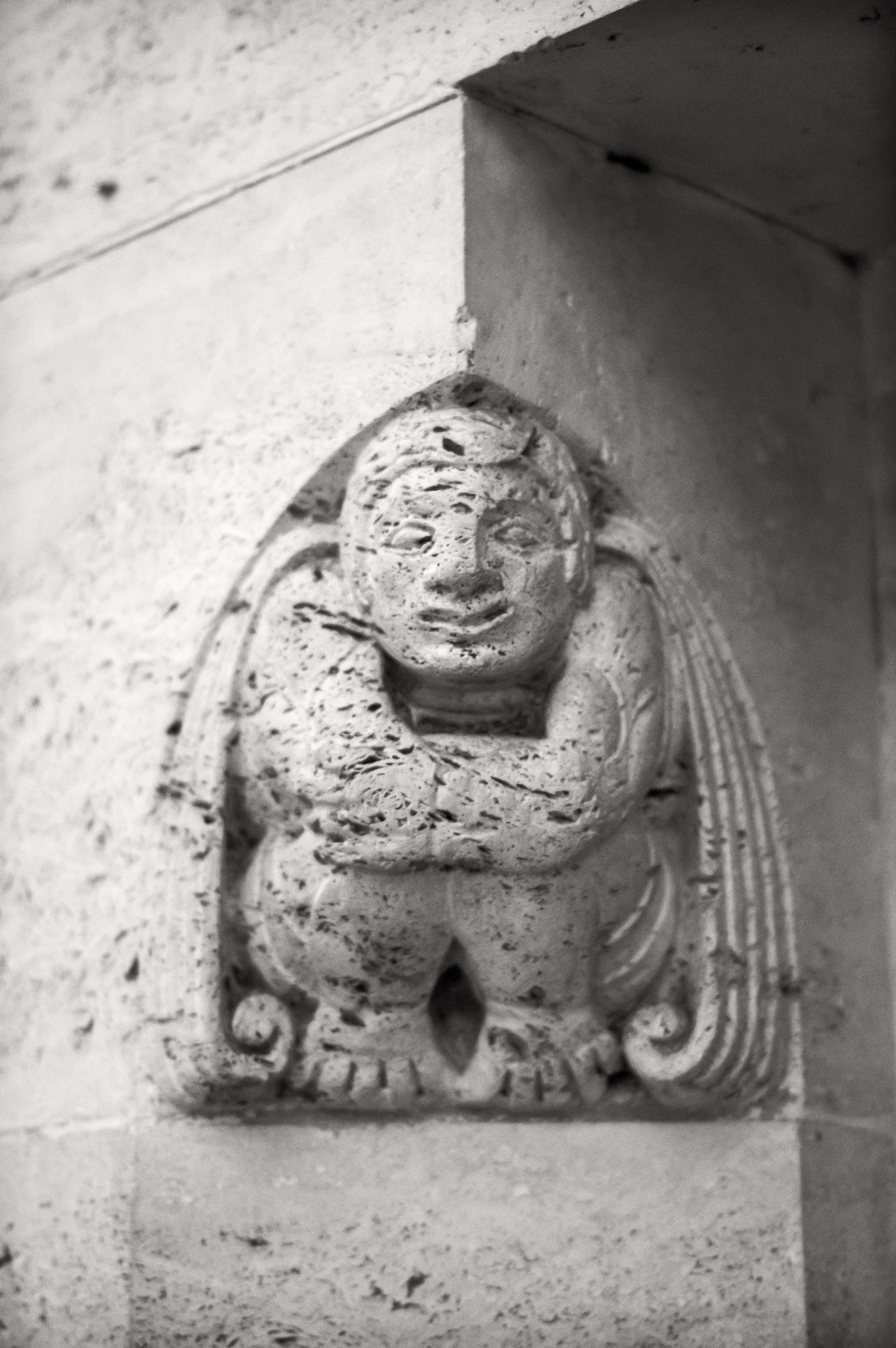
I traveled through Grand Central Terminal virtually every day for thirteen years on my way to work.  I had noticed the above panel near Hudson News and had even tried to take pictures of it – mostly without success.  I decided to try again.   As I continued on my way out (I was on my way to an appointment and didn’t have a lot of time to take pictures) I noticed a number of details that in my rush to get to work I had never noticed before: Eagles, angels, demons, dragons etc.

Eagle

Gryphon? Dragon?

Unknown figure?

Demon?

Bear Mountain Inn and the legend of Hessian Lake


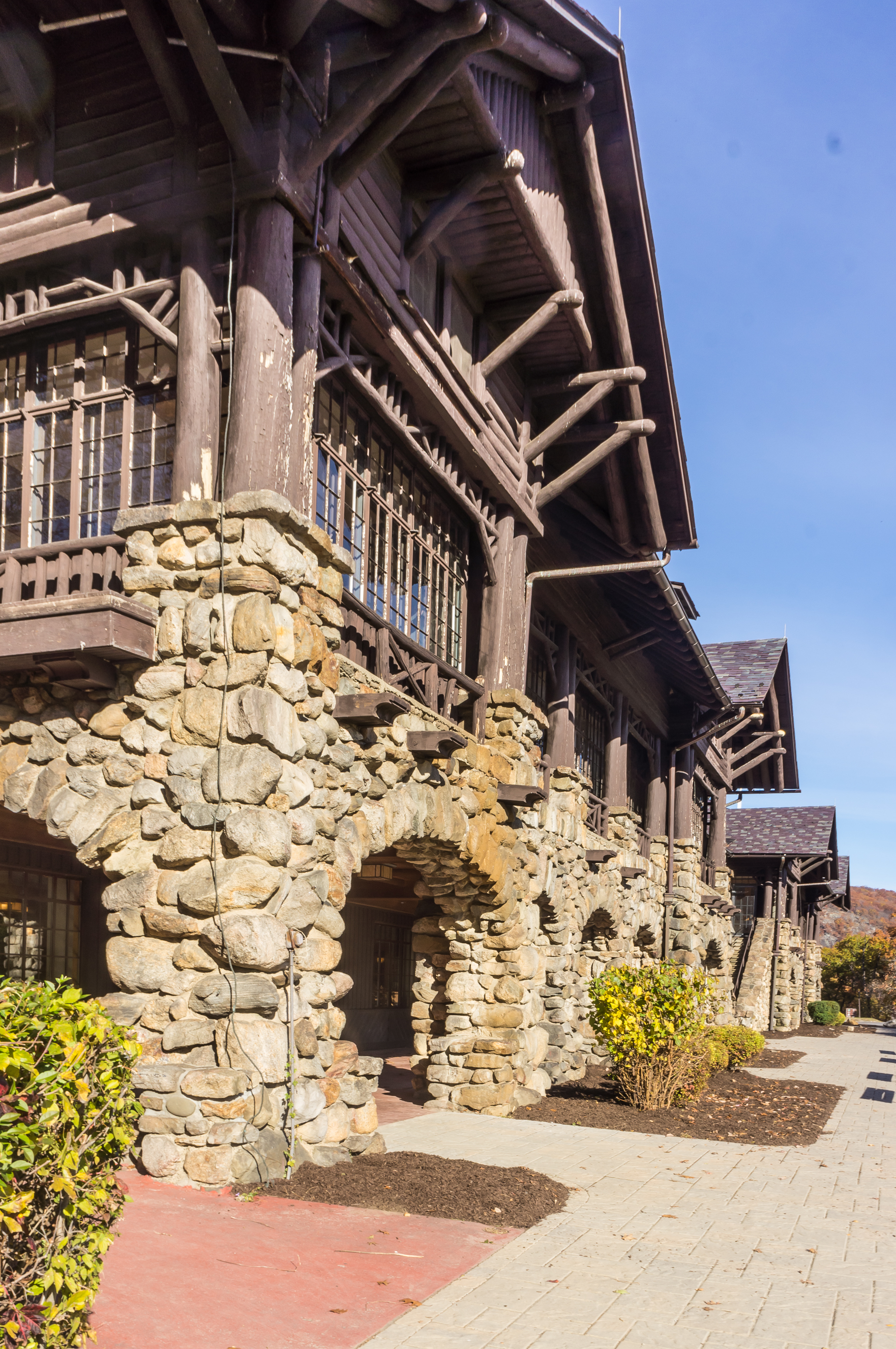
The Inn

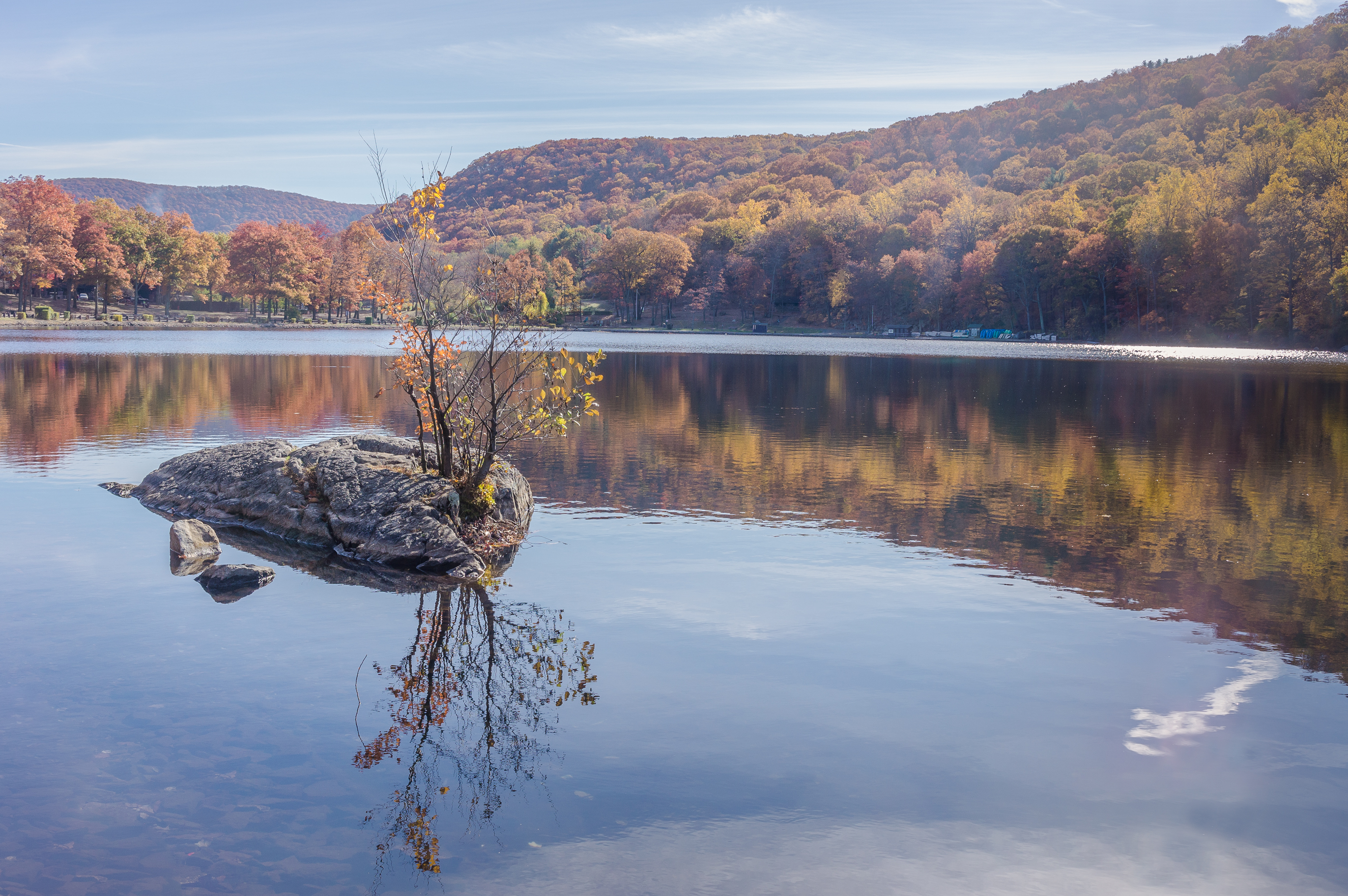
My wife had arranged for a visit to the spa at the Bear Mountain Inn in Bear Mountain State Park. I drove her there and then while she had her treatment I took the dog for a walk around Hessian Lake. I’d been to other parts of the park before (other trails, the trailside zoo etc.) but had never been to Hessian Lake. It was a fairly short (less then one hour) walk, but it was a nice sunny day and we (Jackson and myself) really enjoyed it.  I met up with my wife after her spa treatment and we had a drink and a snack in the Blue Roof Tapas Bar.


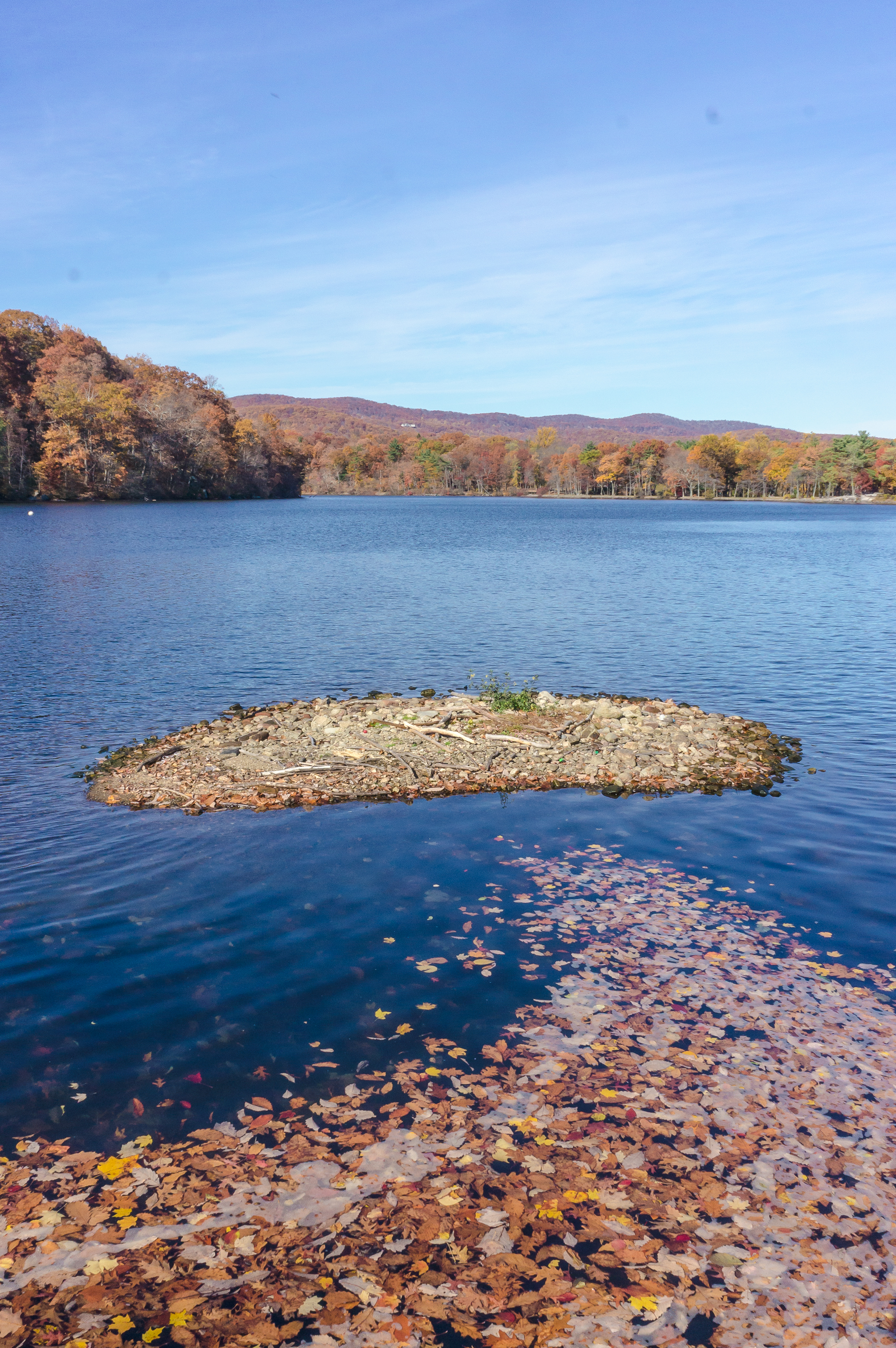
Hessian Lake looking south

A legend is associated with Hessian Lake.  According to Wikmapia (although I suspect this information is taken from an old New York Times article:

Hessian Lake, formerly known as Highland Lake and also Bloody Lake, lies at the foot of Bear Mountain on a plateau nearly 1,000 feet above the Hudson River. Dunderberg runs along from Jone’s Point (Caldwell’s Landing), until it merges into Bear Mountain, and the chain is continuous until it culminates in Bald Rock, Mount Independence, Cro’ Nest, and Storm King, which form the highest and most nothern part of the Highlands.

The Native Americans that inhabited the mountains from Dunderberg to Cro’ Nest were part of the Lenni Lenape nation. On the banks of the Sinnipink, as Hessian Lake was then known, the principal village of the Waoranecks was situated.


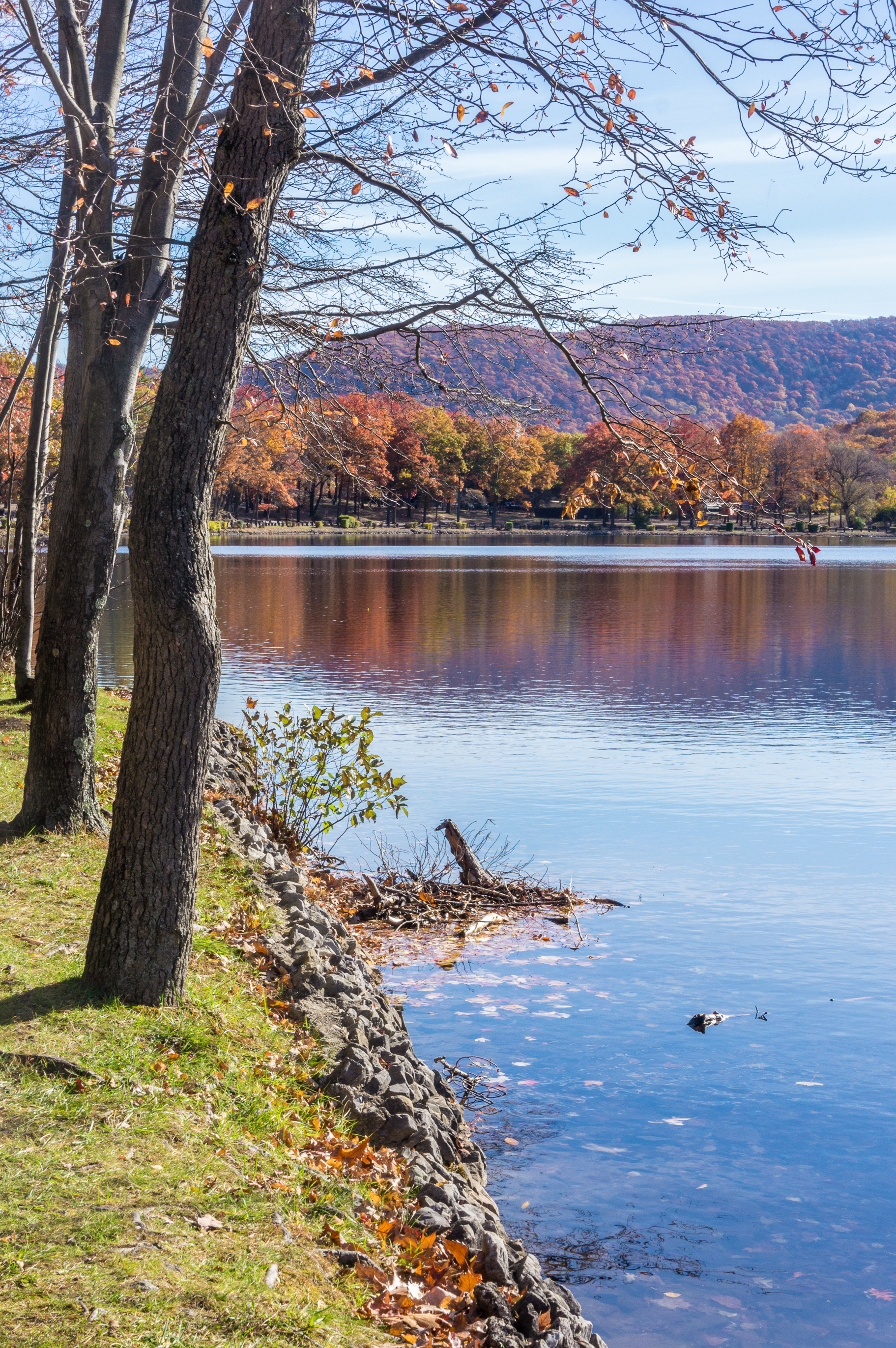
Another view of Hessian Lake looking south.

Stephanus Van Cortlandt, who owned a tract of land north of Anthony’s Nose, purchased several hundred acres including Sankapagh Creek and Sinnipink Lake, and was secured by patent. The Waoranecks were then fighting the Warranawonkongs, by whom they were subdued. A few years afterward, the entire tribe was scattered throughout Pennsylvania and its identity was forever lost. With the departure of the Waoranecks the Native American history of Sinnipink ended.

In 1775, when Forts Montgomery and Clinton were erected to guard and obstruct the Hudson, Highland Lake still retained its Native American name of Sinnipink. The forts commanded both river and lake. Outposts were formed and fortified at intervals along Popolopen Creek and on the shores of Sinnipink. Old earthworks at the north end can still be traced. A clump of cedar trees has ground around them, and few know of their existence today.


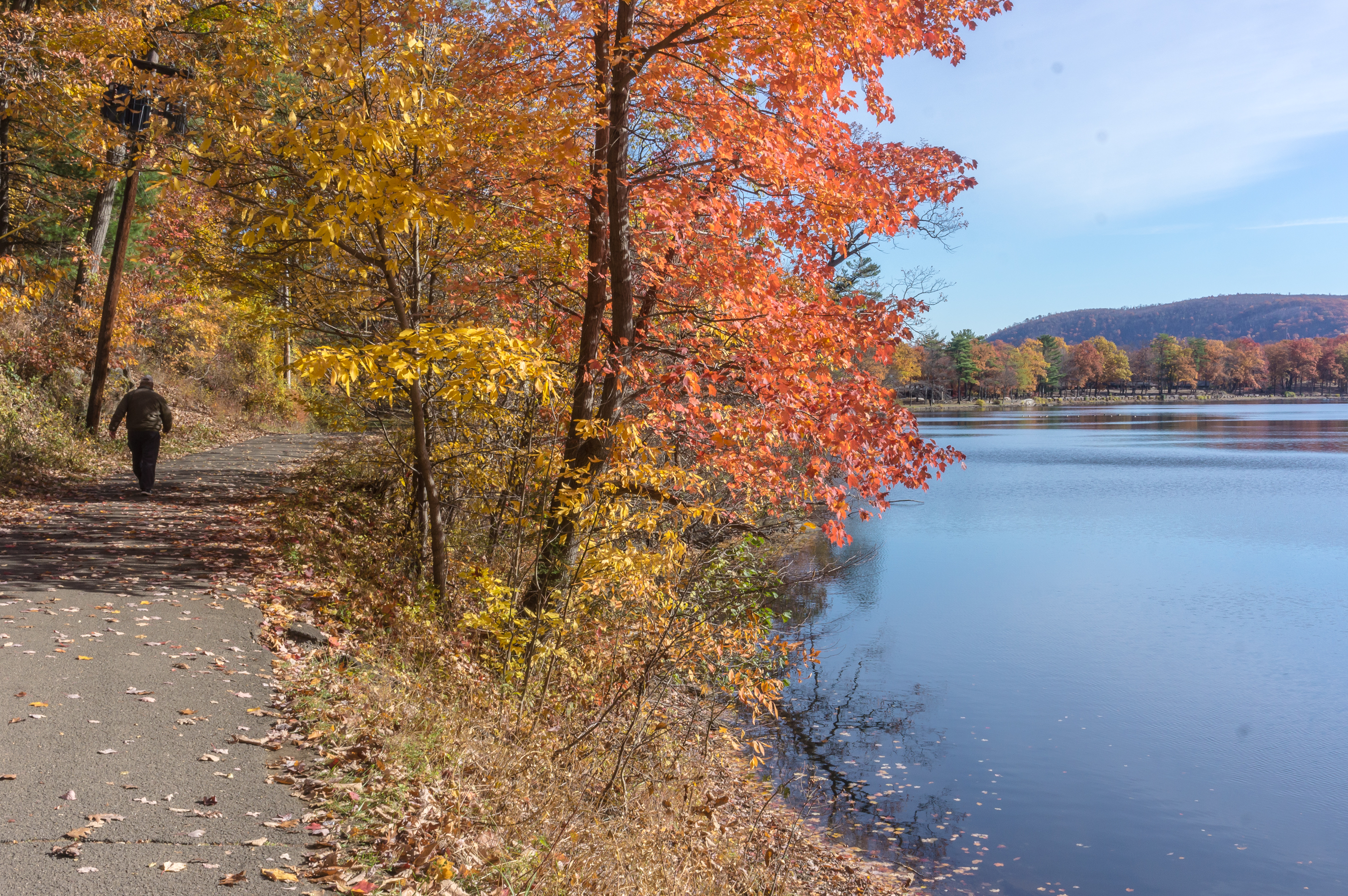
Looking North on Hessian Lake

On October 6, 1777, before dawn 2,000 English, Hessian and Tory troops quietly left Stony Point. Colonel Beverly Robinson, an American Tory, whose house stood until two years prior on the east side of the Hudson and was known as Arnold’s headquarters, acted as guide. They marched along the foot of Dunderberg until Bear Mountain was reached. There the force was divided into two parties.


Walker

One division of 500 British regulars and 400 Hessians, under command of Colonel Campbell, took a route back of Bear Mountain and came out on Popolopen Creek about four miles west of Sinnipink. They advanced rapidly down the creek until Slaughter Hole was reached. This whirlpool was then known as Hell Hole, and the superstitious believed that it was bottomless. Here the Americans had three field pieces mounted on a bank overlooking the narrow ravine. When Campbell’s detachment entered the defile a shower of grape and cannister swept the ranks. In a moment the column was thrown into confusion, and the mountaineers followed up their advantage by hurling rocks into the ranks of the panic-stricken soldiers.

Colonel Campbell now saw that unless he quickly dislodged the patriots his division would be annihilated. He ordered 300 men to scale the bank and capture the cannon. The Americans numbered hardly fifty, but they fought like heroes, and when compelled to retreat they hurled their field pieces into the bottomless hole and made their escape to the fort. Nearly 200 redcoats found a grave at Slaughter Hole.


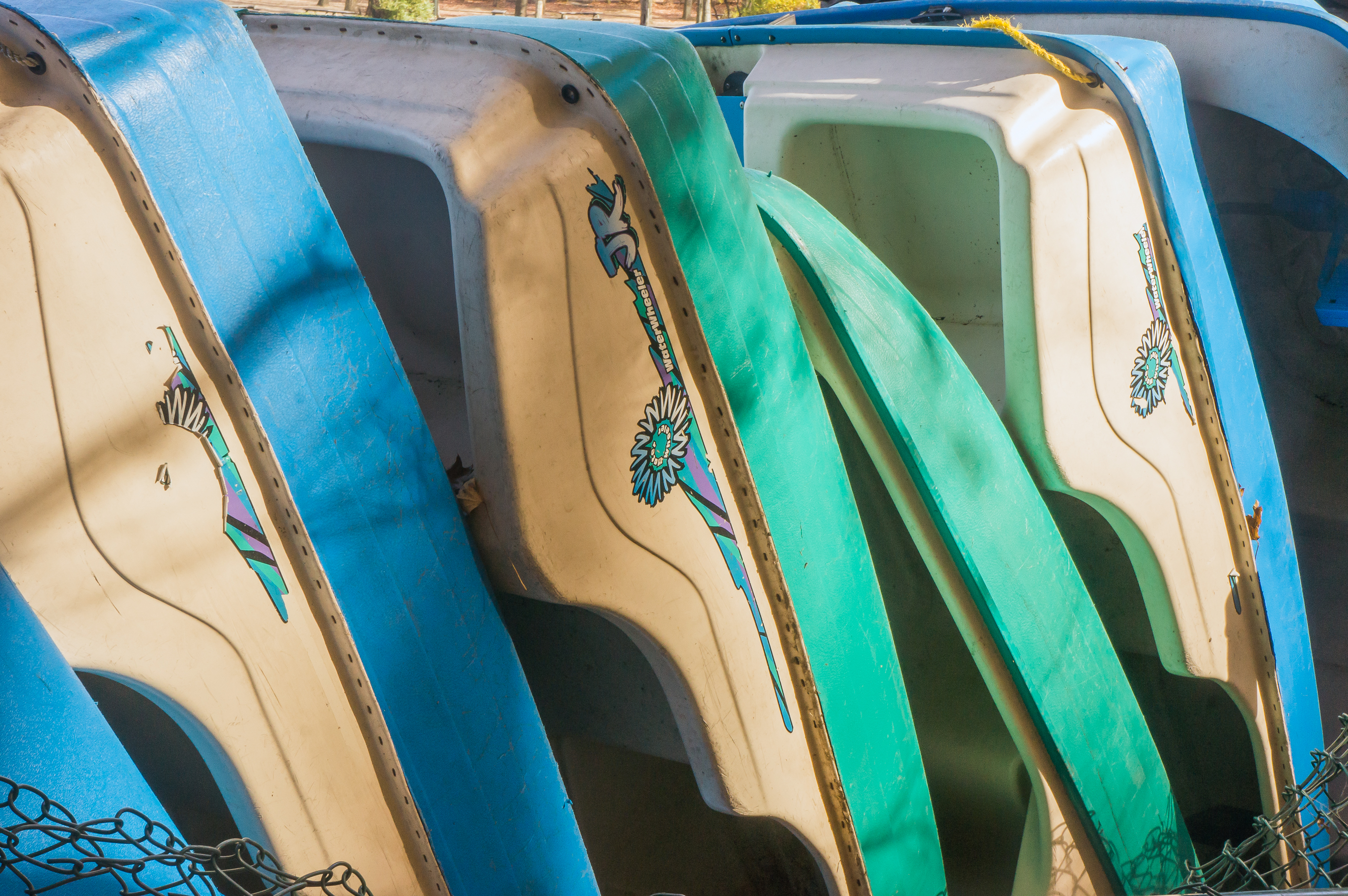
Boats

While this fighting was going on at the north end of Sinnipink, General Vaughn and Sir Henry Clinton, with 1,200 troops, took the old road through Doodletown and up to the east shore. Here the pass is very narrow. The lake washes it on one side and the steep bank of the Hudson lies on the other. At this narrow and dangerous spot there was a strong outpost. The Hessians were in the lead and boldly attempted to carry it. They were repulsed again and again with great slaughter. General Vaughn, seeing this, ordered them to the rear, and the redcoats charged the works, which were quickly carried. Two hundred and fifty Hessians fell in trying to take the outpost. Their bodies were thrown into the lake, which according to witnesses, was red with Hessian blood for several days after. Since that time Sinnipink was known as Bloody, or Hessian Lake.


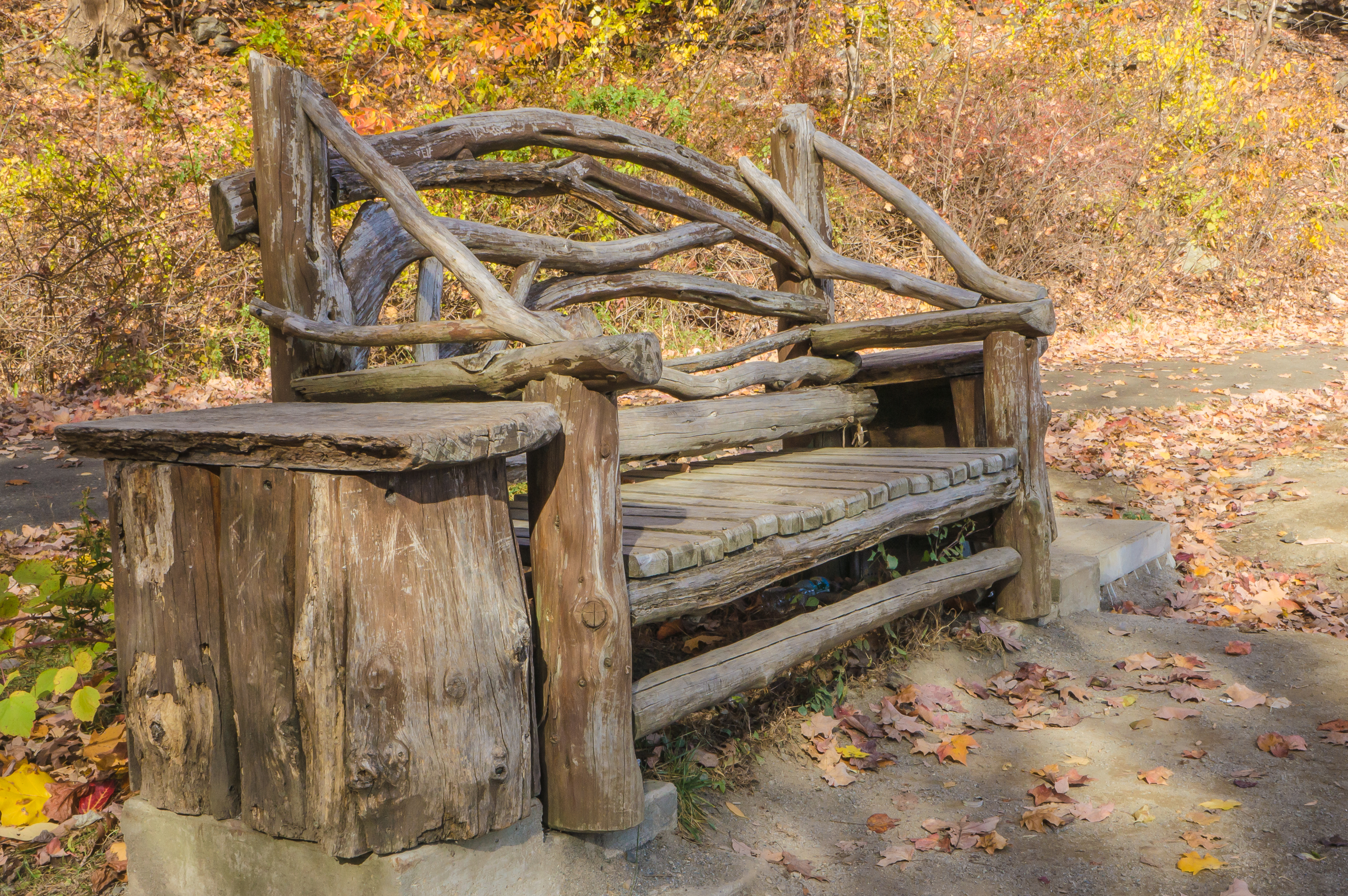
Rustic Bench at the north end of Hessian Lake

Buttermilk Falls Inn and Spa

I was looking for somewhere to have lunch/brunch one Sunday. Most of the time we limit ourselves to restaurants on our side (the east side) of the Hudson river. This time I decided to look a little (but not too much) farther afield. After browsing around on the internet I came across this place on the eastern side of the Hudson: Buttermilk Falls Inn and Spa.. So off we went. It’s quite an interesting place off Route 9w in Milton, NY. 9w at that point isn’t particularly impressive. However, after making a right turn off 9w and then a couple of more turns it’s like you’re in a different world. There’s a whole complex there.


After we parked the car we walked back across a bridge over a
small pond with ducks and geese.

Then we got to the restaurant: Henry’s at the farm .

It was a cold day but, as you can see from next picture, they have tables outside overlooking the pond. Must be nice to sit there on a sunny summer day. This is the view from our table. A farm (Millstone Farm) is part of the complex so this is farm to table eating. The food was good. One of these days I’ll learn that brunch is pretty much the same wherever you go and not visit these places on Sunday. I’d like to go back for lunch or dinner to see what the restaurant can really do.

There’s even a small graveyard on the property.


I’m fascinated by graveyards and found this one a little odd. There were statues scattered around. This is usually the case, but here many of the statues seemed out of place. They were not the usual religiously themed statues.


In fact some of them seemed to be rather pagan.


The Spa is a quite spectacular modern building with views of the Hudson.


From there a lawn rolls down to a terrace overlooking the Hudson. It was a cloudy fall day but I could easily imagine reclining in a chair looking at the Hudson in better weather.

As we didn’t intend to stay (and probably never would since it’s so close) we didn’t check out the Inn. But from the photos on the web site it’s looks quite nice.

We made our way back to the car passing the farm only to find…..Llamas.


We often take our grandkids to farms (Muscoot, Barton Orchards etc.) but I’ve never seem Llamas. They’re certainly not your typical Hudson valley farm animals.

A walk around Cortlandt Town Center


My wife went shopping at the Cortlandt Town Center. This is a kind of outside shopping mall i.e. Lots of stores, restaurants, even a movie theater – but not enclosed like a regular mall. I didn’t particularly want to go shopping so I took the dog for a walk around the periphery. It’s amazing what you can find even at such a prosaic location. It just goes to show that there are photographic opportunities everywhere if you look for them.


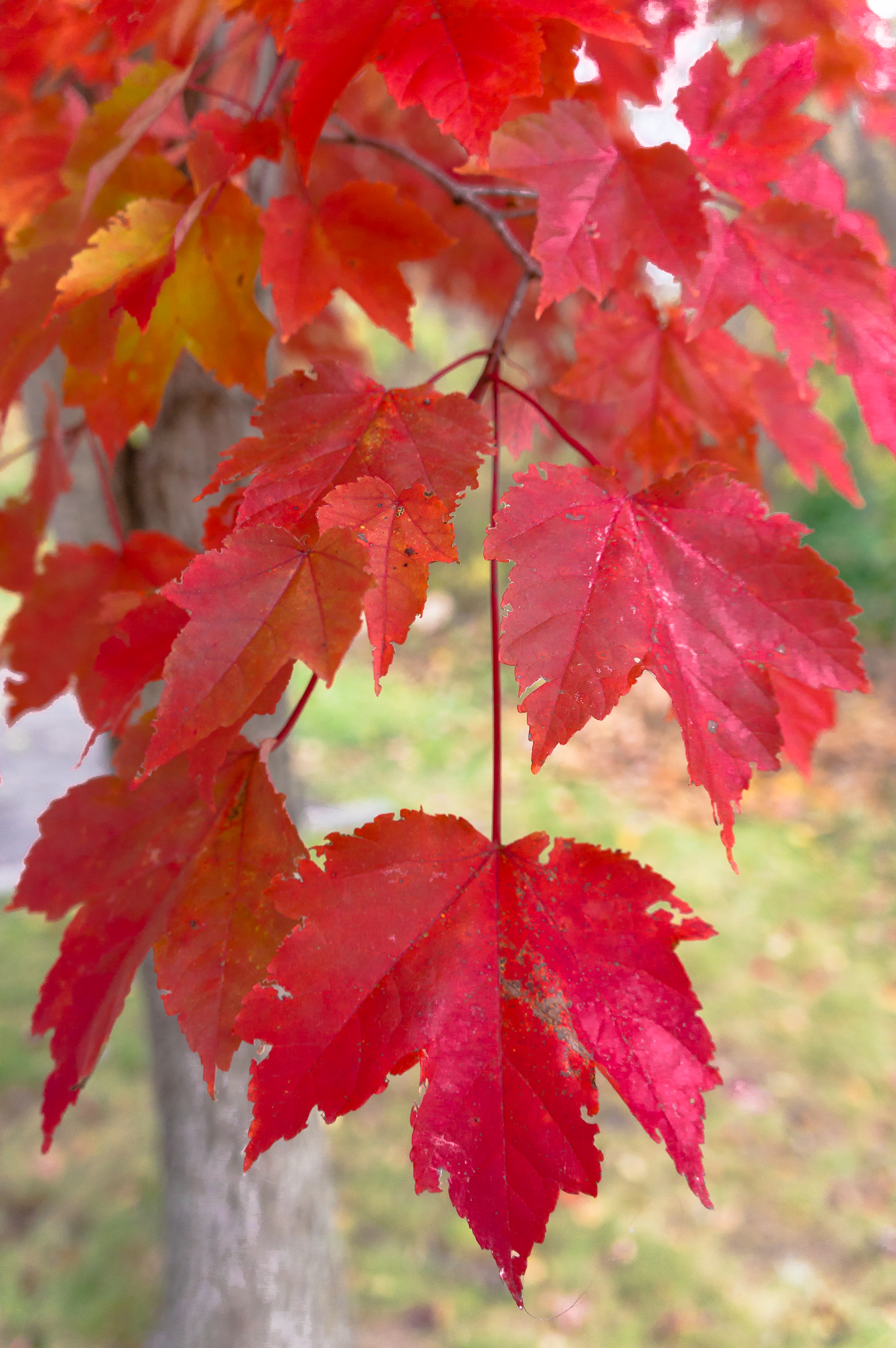
Autumn leaves


Yellowing leaves


Still more leaves


Maple tree????


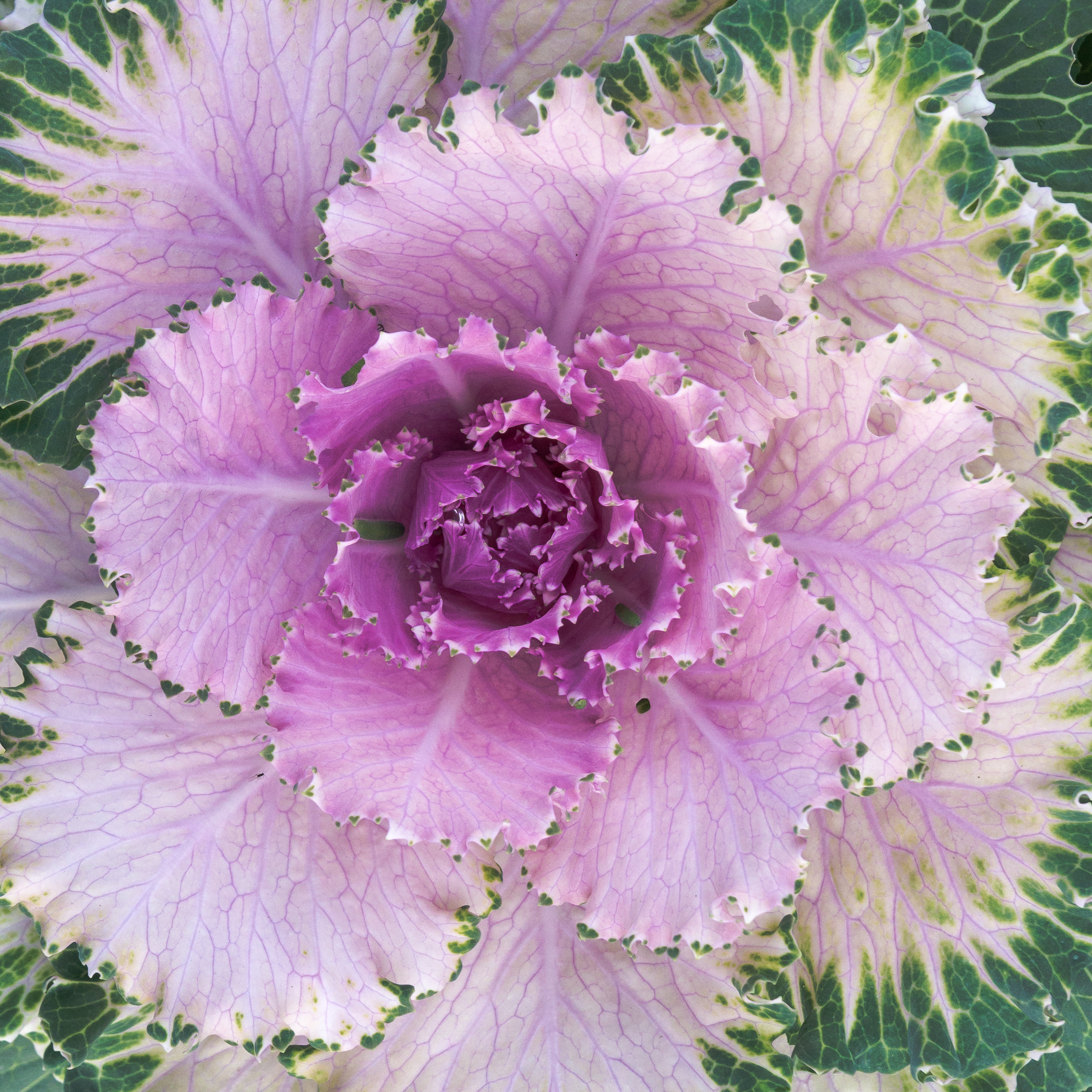
Decorative cabbage plant. I’ve never been able to understand the appeal of these things.