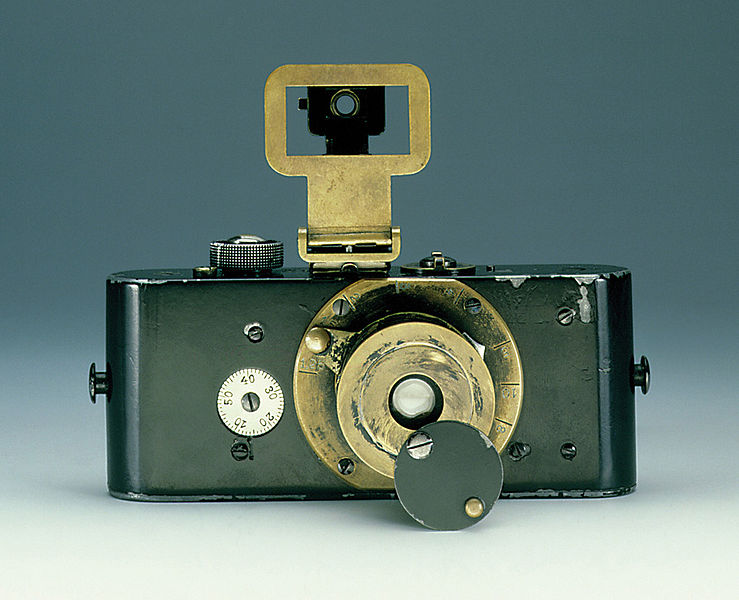
One of our neighbors is going to live in California. We went to their moving sale and they had a couple of old cameras. One was a nice looking
Taron VL. Nice looking was about all you could say about it because, unfortunately, it was completely frozen. Too bad.
There was also a Minolta X-370 with a couple of lenses. I already had the 50mm F1.7, but while optically very nice mine left a lot to be desired cosmetically. This one was in very nice condition. The second lens was a Kiron 80-200mm F4.5 Macro zoom. I’d heard that Kiron lenses were generally pretty good. Wikipedia has this to say about them:
Originally, Kino Precision manufactured some of the now-famous Series 1 manual focus lenses under contract for Vivitar, a U.S. lens distributor of after-market film lenses for 35mm cameras. However, after the positive reception from consumers on Vivitar Series 1 lenses, the company believed the time was right to successfully market lenses to fit existing 35mm Japanese film cameras under their own brand, Kiron. Kiron soon became known as one of the very few after-market lens manufacturers that could supply products equal to or even exceeding the optical and mechanical quality of the original manufacturer. In particular, the Kiron 28mm/2.0, the 105mm/2.8 1:1 macro,[2] the 28-210mm/4.0-5.6 and the 3.8-5.6 varifocal zoom, and the 28-85mm/2.8-3.8 varifocal macro zoom lenses were praised in contemporary reviews of the day for their superb optical resolution and clarity, as well as mechanical quality.
This one seemed to be in pretty good shape except for a “cleaning mark” on the front element (I later discovered that rather than being a “cleaning mark” it was actually just a smudge easily removed with some lens cleaning fluid). I asked him how much he wanted and he said that I would know better than he. As this wasn’t the case, and we were in a bit of hurry to get somewhere else I said that I’d do a bit of research and get back to him later in the day. So after browsing around a bit on the internet I came up with what a thought was a reasonable amount and late in the afternoon I was back to pick up the goodies.
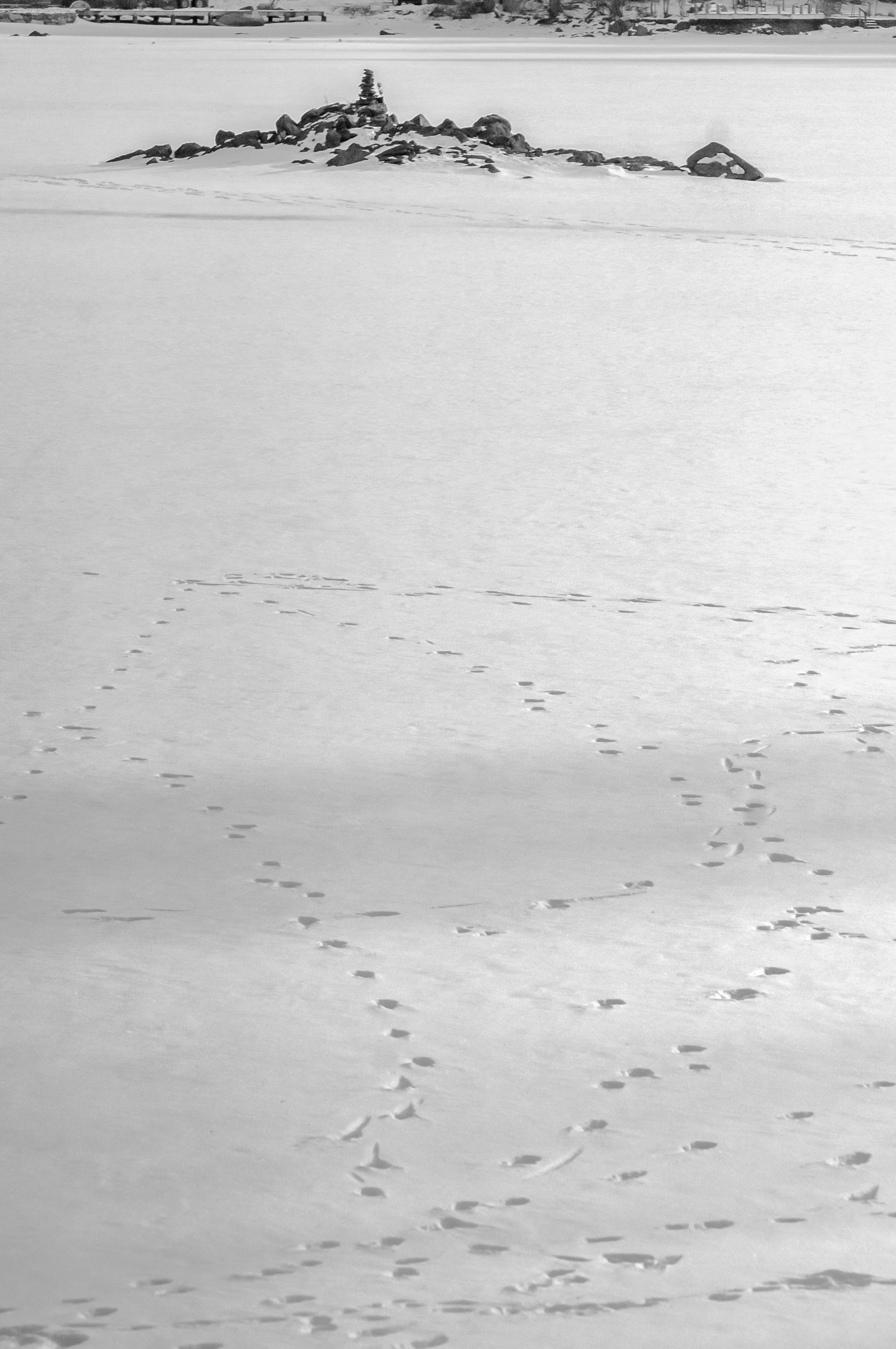
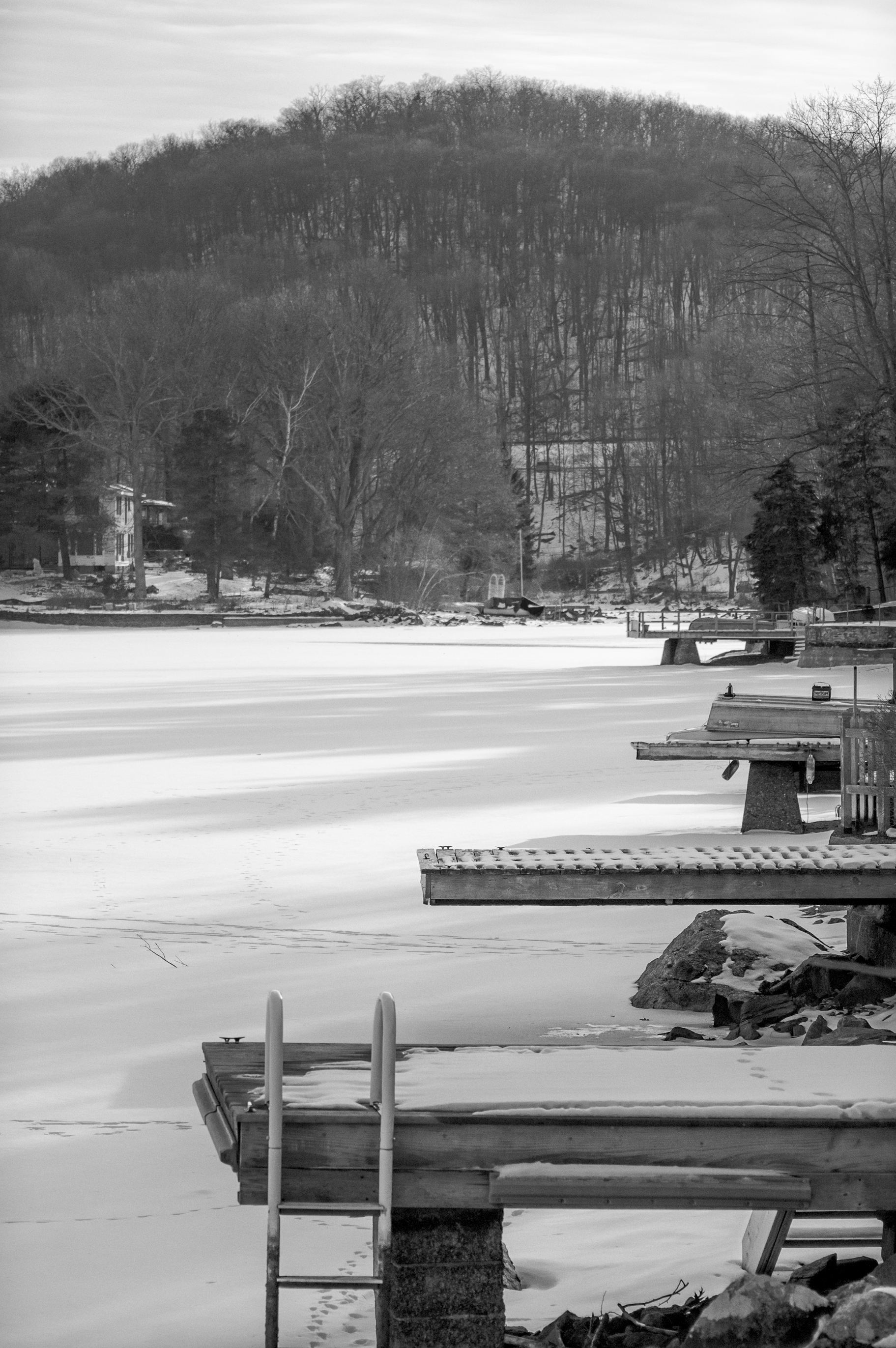
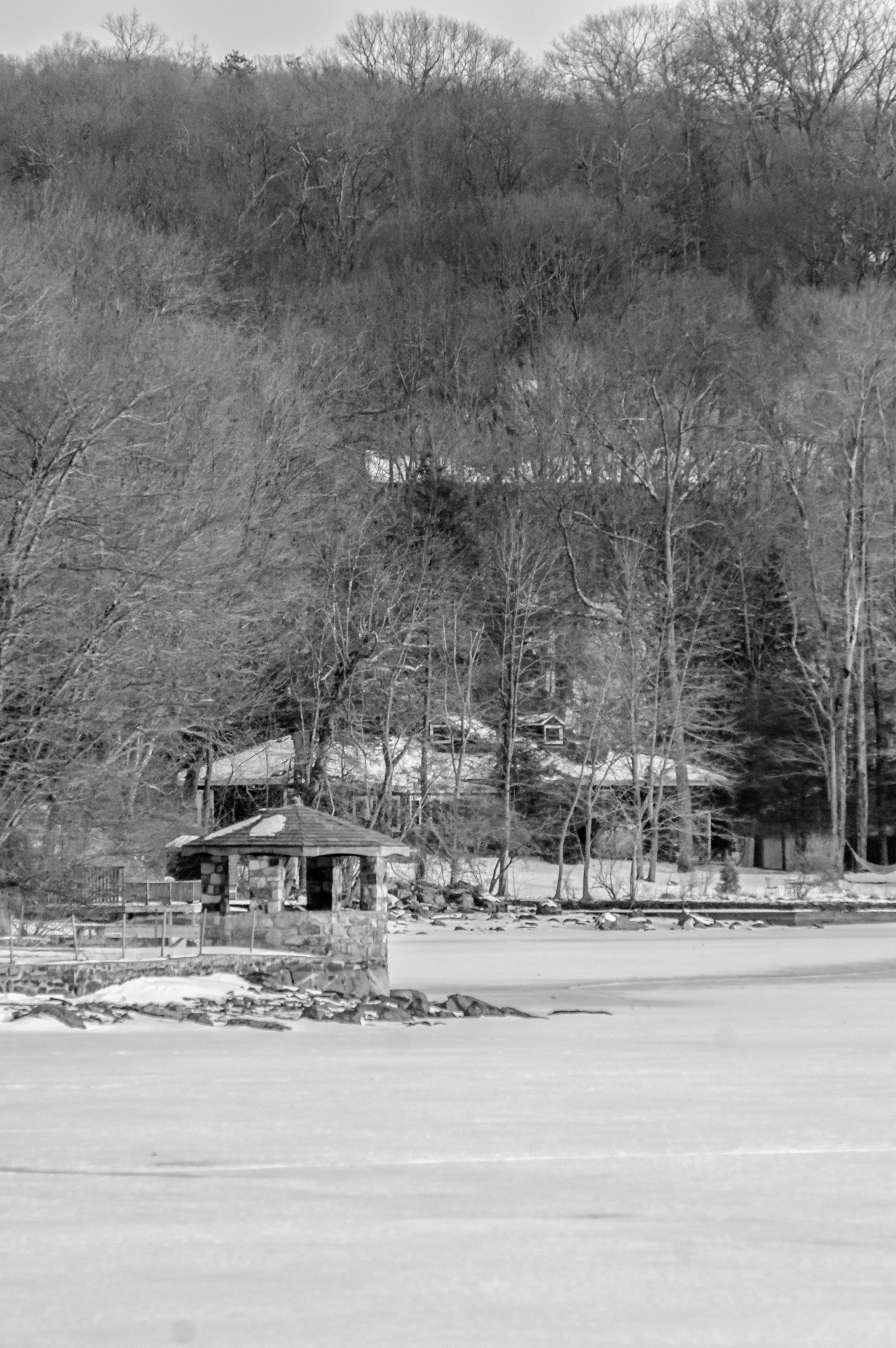
Then of course I wanted try something out. I didn’t have batteries for the camera and I already knew what the 50mm could do. So I decided to try the Kiron (on a Sony NEX 5n). Conditions were not ideal. It was late afternoon and getting dark quickly. I’d been carrying something heavy and my left arm was shaking. Below are some pictures.
It’s a solidly built one touch zoom. The F4.5 aperture is not particularly fast, but it is constant throughout the zoom range. While not as heavy as some I’ve seen it’s still a fairly hefty lens, although not really that big. It has a nice feature I hadn’t come across before: a zoom lock. Once you’ve chosen your focal length you can lock it so that as you focus the focal length does not inadvertently change. It does have quite a bit of chromatic aberration, which is easily corrected in Lightroom.
I was hand holding (too lazy to get my tripod) and so there was quite a lot of camera shake. Generally though I could see that the results were potentially good given the right conditions.
The camera and both lenses were in very good condition and came with a camera case and a nice lens case for the Kiron. Both cases were in very good condition. I paid next to nothing for all of this so all things considered I was very pleased with my purchase.
Sorry for the same old pictures. As is often the case when I’m testing something new I choose the path of least resistance and take pictures in my garden. So the birdhouses and the gazebo across the lake often appear. The other two pictures, from our dock do, at least, add a little variety.
Docks
Birdhouses and small angel
Lake and gazebo