New Lens – Same old pictures


One of our neighbors is going to live in California. We went to their moving sale and they had a couple of old cameras. One was a nice looking Taron VL. Nice looking was about all you could say about it because, unfortunately, it was completely frozen. Too bad.

There was also a Minolta X-370 with a couple of lenses. I already had the 50mm F1.7, but while optically very nice mine left a lot to be desired cosmetically. This one was in very nice condition. The second lens was a Kiron 80-200mm F4.5 Macro zoom. I’d heard that Kiron lenses were generally pretty good. Wikipedia has this to say about them:

Originally, Kino Precision manufactured some of the now-famous Series 1 manual focus lenses under contract for Vivitar, a U.S. lens distributor of after-market film lenses for 35mm cameras. However, after the positive reception from consumers on Vivitar Series 1 lenses, the company believed the time was right to successfully market lenses to fit existing 35mm Japanese film cameras under their own brand, Kiron. Kiron soon became known as one of the very few after-market lens manufacturers that could supply products equal to or even exceeding the optical and mechanical quality of the original manufacturer. In particular, the Kiron 28mm/2.0, the 105mm/2.8 1:1 macro,[2] the 28-210mm/4.0-5.6 and the 3.8-5.6 varifocal zoom, and the 28-85mm/2.8-3.8 varifocal macro zoom lenses were praised in contemporary reviews of the day for their superb optical resolution and clarity, as well as mechanical quality.

This one seemed to be in pretty good shape except for a “cleaning mark” on the front element (I later discovered that rather than being a “cleaning mark” it was actually just a smudge easily removed with some lens cleaning fluid). I asked him how much he wanted and he said that I would know better than he. As this wasn’t the case, and we were in a bit of hurry to get somewhere else I said that I’d do a bit of research and get back to him later in the day. So after browsing around a bit on the internet I came up with what a thought was a reasonable amount and late in the afternoon I was back to pick up the goodies.

Then of course I wanted try something out. I didn’t have batteries for the camera and I already knew what the 50mm could do. So I decided to try the Kiron (on a Sony NEX 5n). Conditions were not ideal. It was late afternoon and getting dark quickly. I’d been carrying something heavy and my left arm was shaking. Below are some pictures.

It’s a solidly built one touch zoom. The F4.5 aperture is not particularly fast, but it is constant throughout the zoom range. While not as heavy as some I’ve seen it’s still a fairly hefty lens, although not really that big. It has a nice feature I hadn’t come across before: a zoom lock. Once you’ve chosen your focal length you can lock it so that as you focus the focal length does not inadvertently change.  It does have quite a bit of chromatic aberration, which is easily corrected in Lightroom.

I was hand holding (too lazy to get my tripod) and so there was quite a lot of camera shake. Generally though I could see that the results were potentially good given the right conditions.

The camera and both lenses were in very good condition and came with a camera case and a nice lens case for the Kiron. Both cases were in very good condition. I paid next to nothing for all of this so all things considered I was very pleased with my purchase.

Sorry for the same old pictures. As is often the case when I’m testing something new I choose the path of least resistance and take pictures in my garden. So the birdhouses and the gazebo across the lake often appear. The other two pictures, from our dock do, at least, add a little variety.
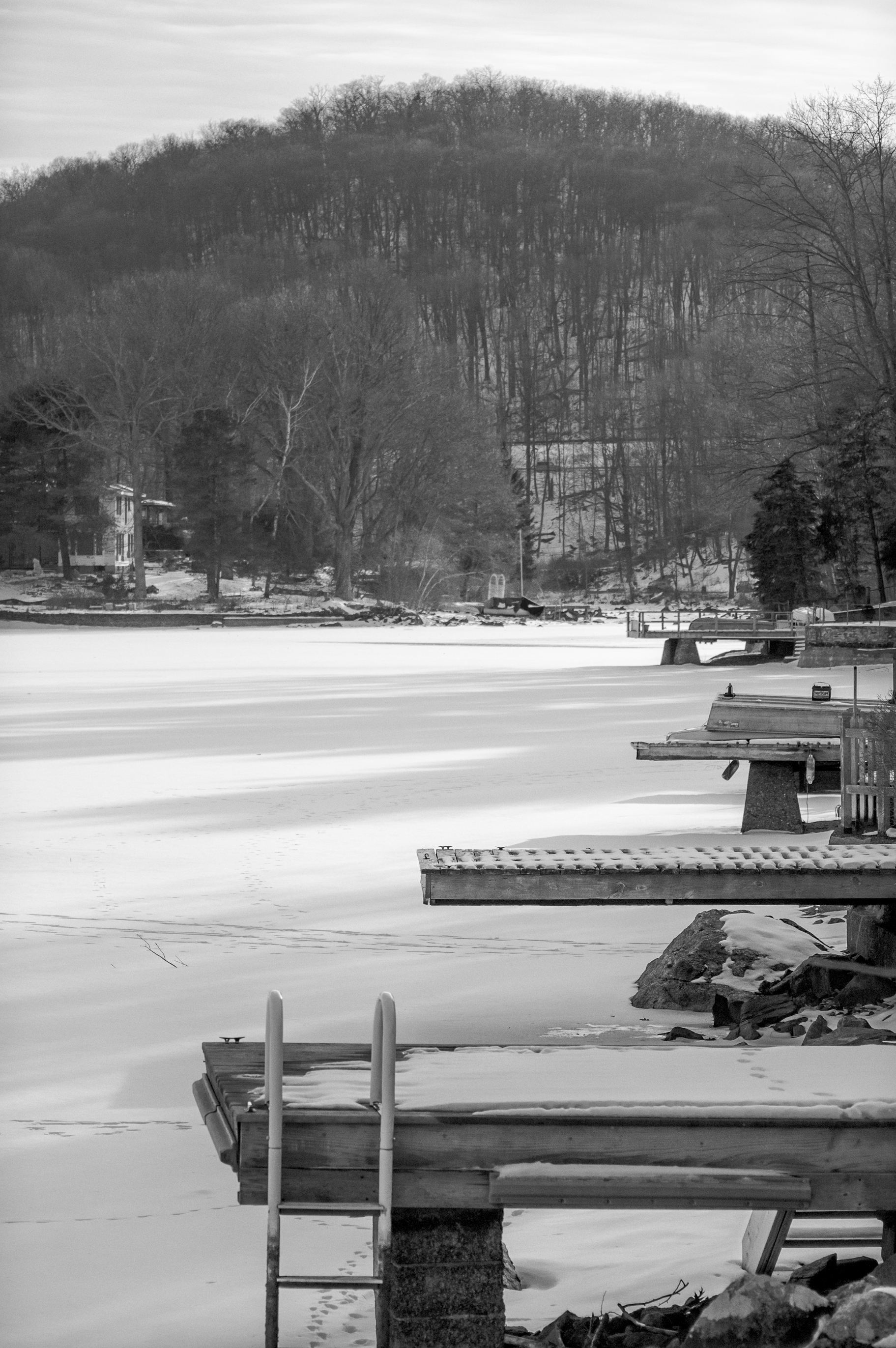

Docks
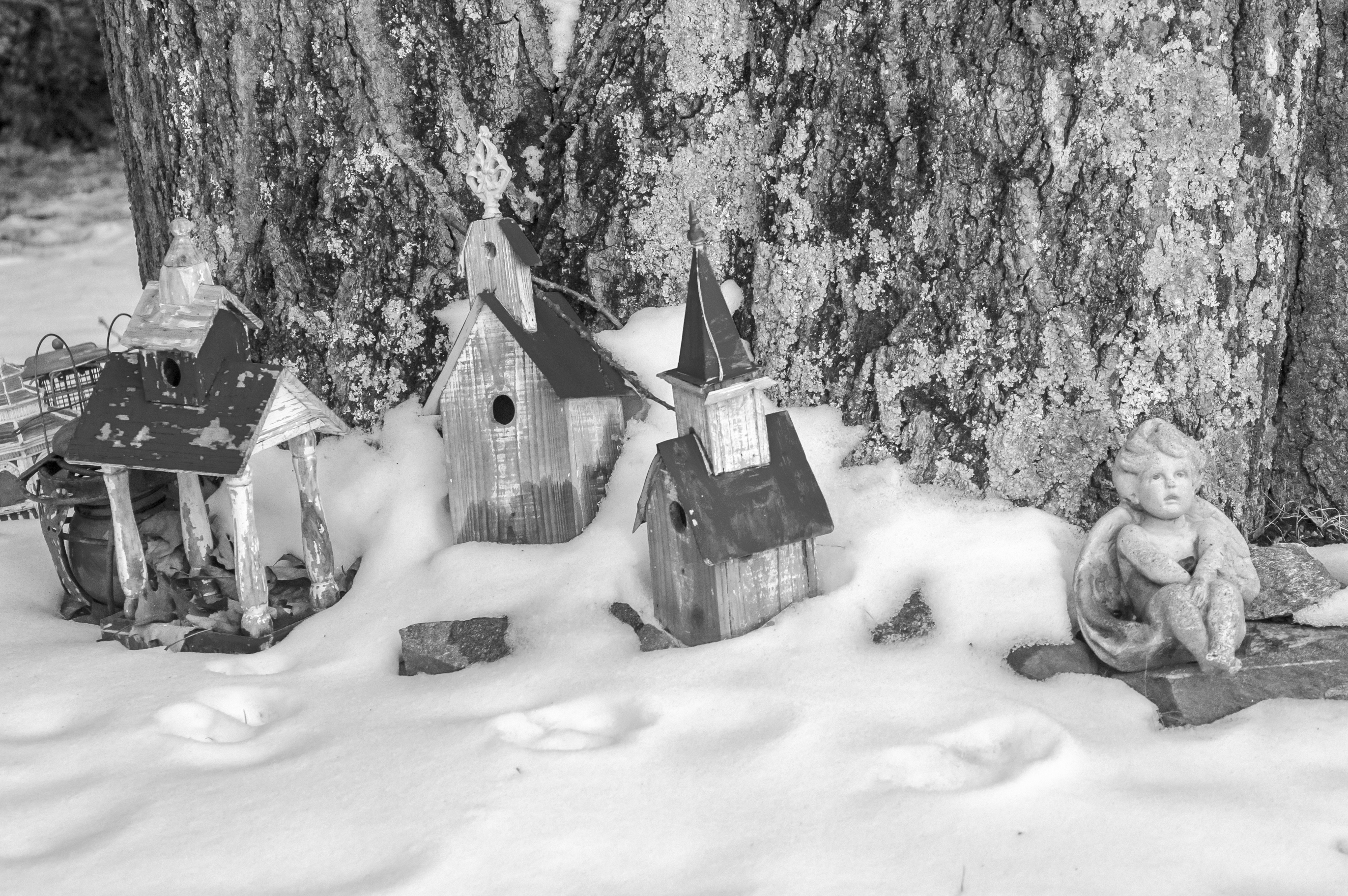

Birdhouses and small angel
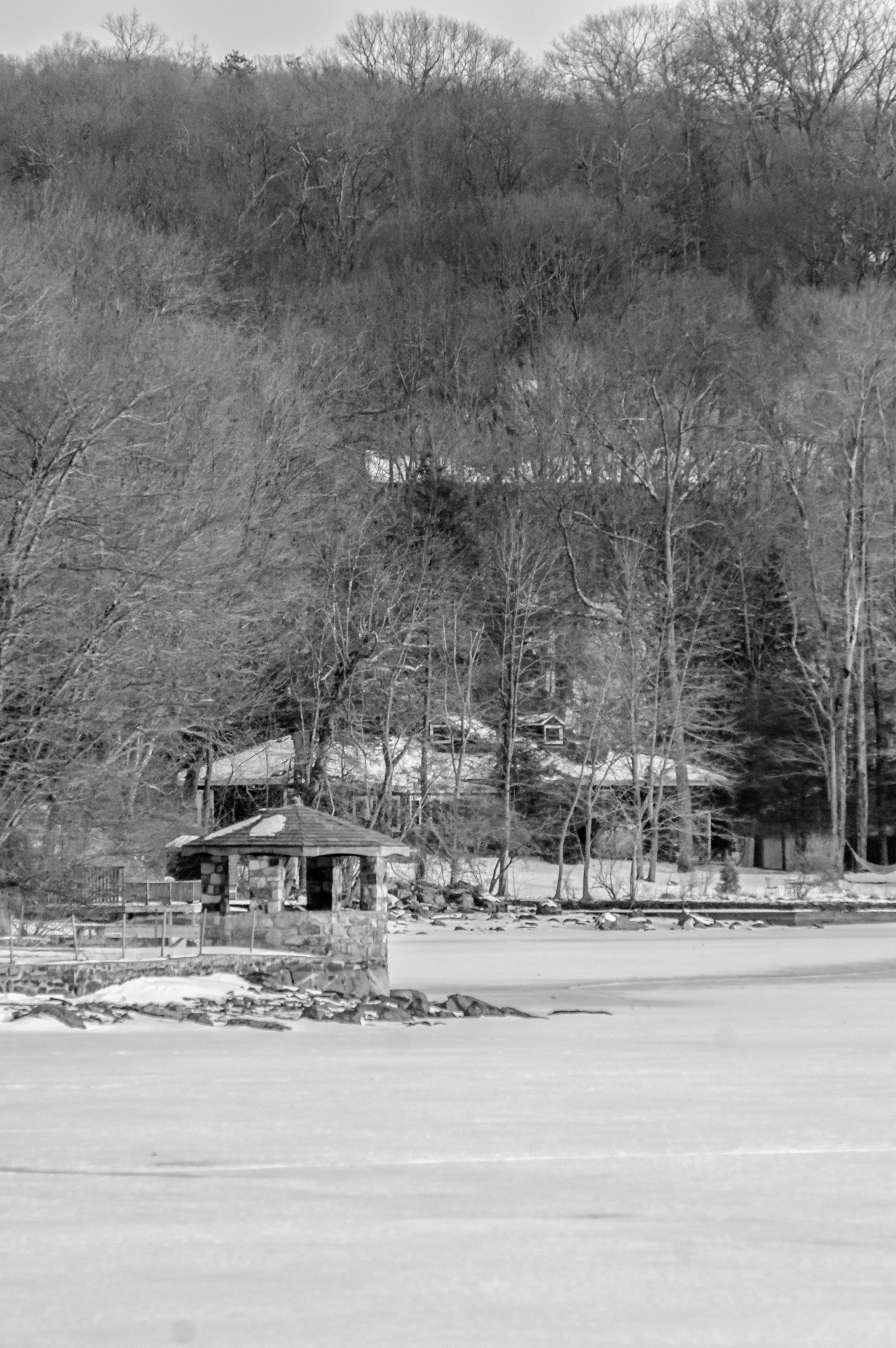
Lake and gazebo
From the New York Times Lens:Toward Visual Paths of Dignity

Another interesting article (accompanied by twenty fascinating pictures from the New York Times Lens, this one: Toward Visual Paths of Dignity. The article shows how colonial powers used photography to distort views of Africans and create stereotypes.

How Africans were shown in the pictures — especially in the early images — went a long way toward marginalizing them as “the Other.” The visual production of racial stereotypes itself was influenced by the pseudo-sciences of anthropometry and criminal anthropology that had been developed in Europe in order to compare and classify “human races.” Over the years, I found countless examples of photographs composed according to these pseudo-scientific frameworks. The Austrian explorer Richard Buchta was one of many photographers who did mug shot-like front and profile views of his subjects against a neutral background (Slide 9 and below). His images underscore his aesthetic and almost ethnographic obsession with his subjects’ haircuts, clothes and jewels, but he also pictured them in such total isolation from their political and social environment that they were reduced to mere ethnic types.

via Toward Visual Paths of Dignity.

Pictures which have not yet seen the light of day – Copenhagen, 2011


I’d accumulated quite a few pictures before I started this blog, an many of them have never seen the light of day. From time to time I go back over these pictures. I see if I still like them (I’ve been surprised to find that there are surprisingly few that I do still like), I sometimes re-edit them. And up onto the blog they go. These were taken in Copenhagen in 2011.


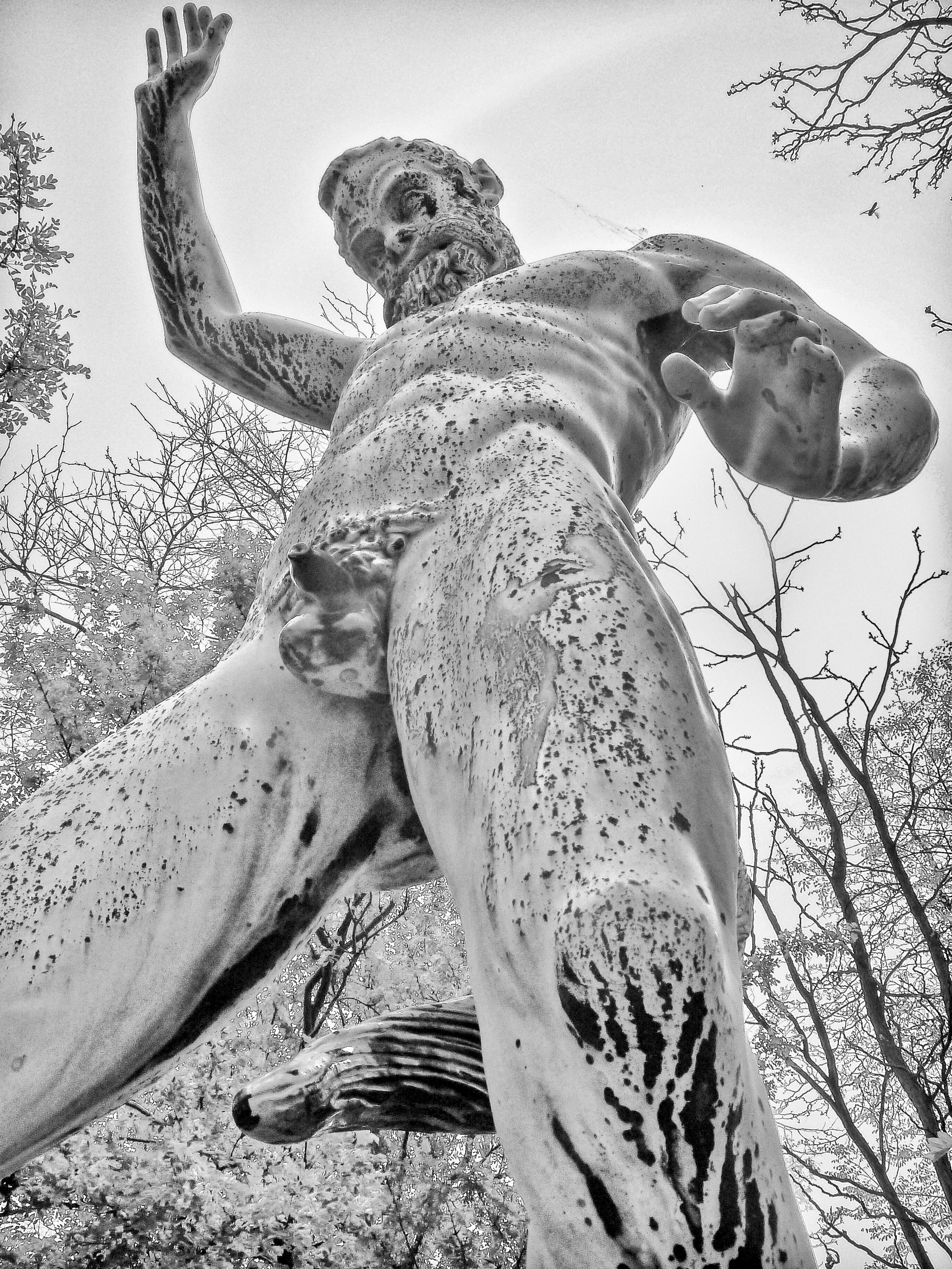
Statue


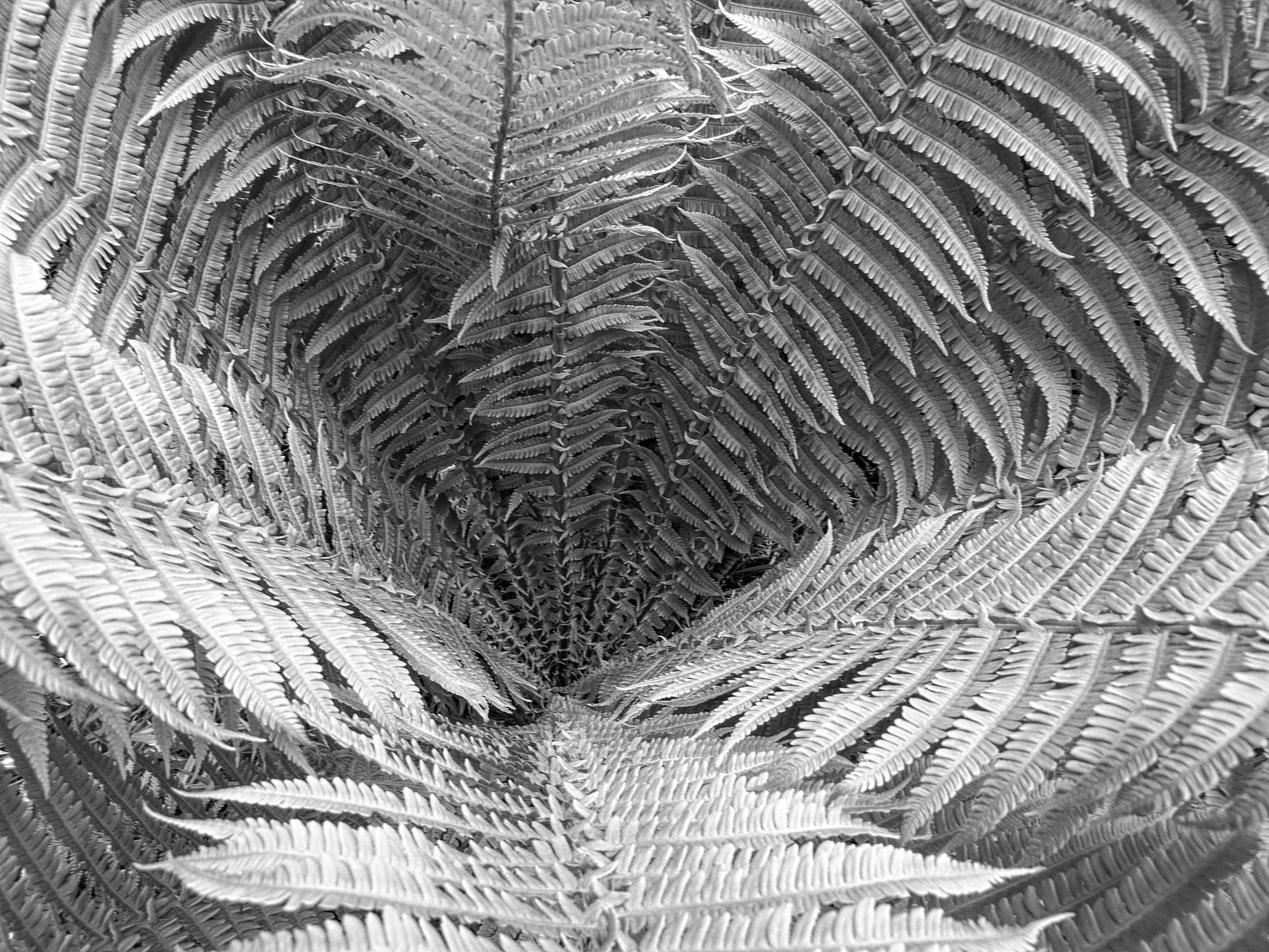
Fern


Turtle on a rock

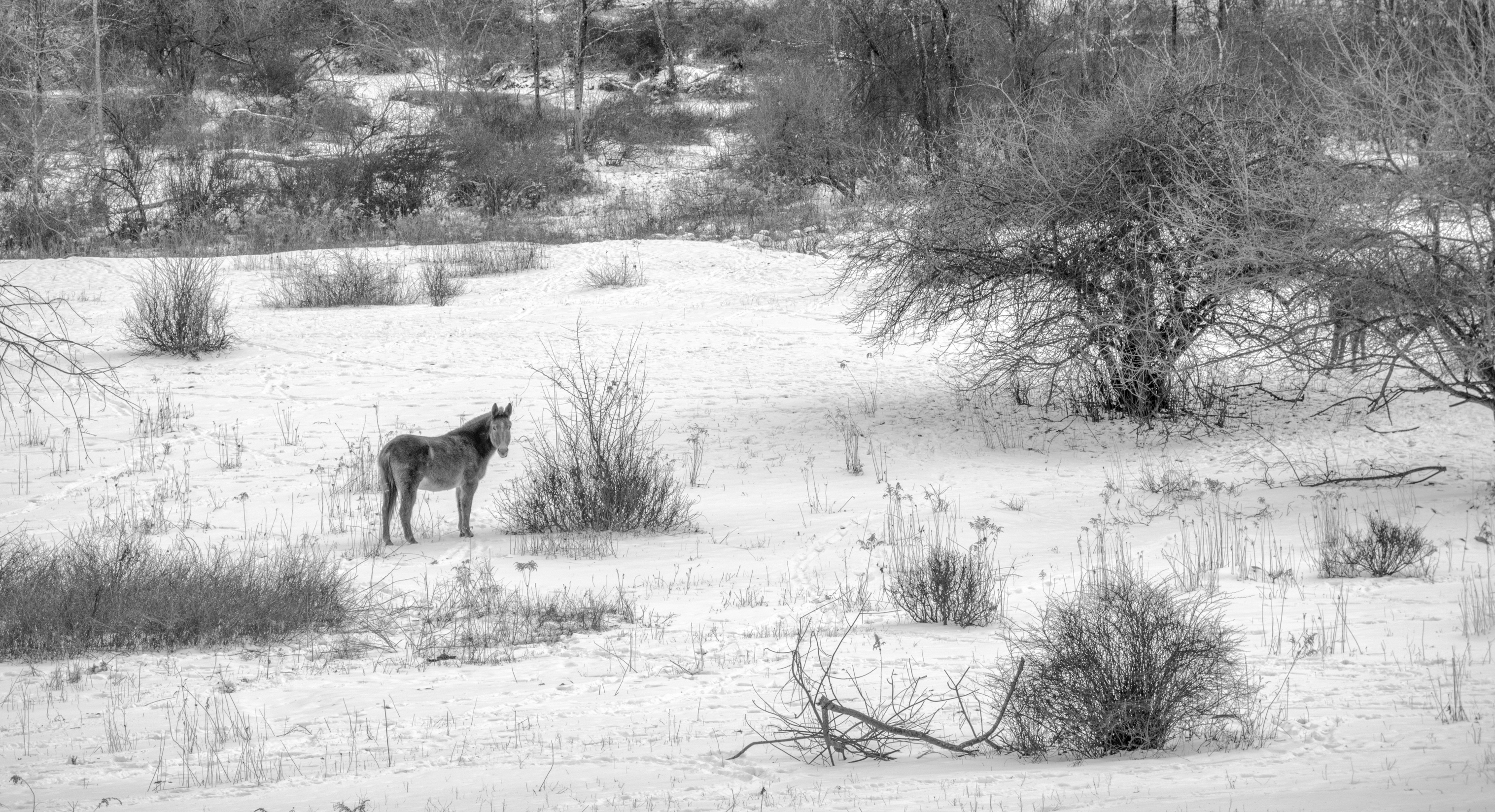
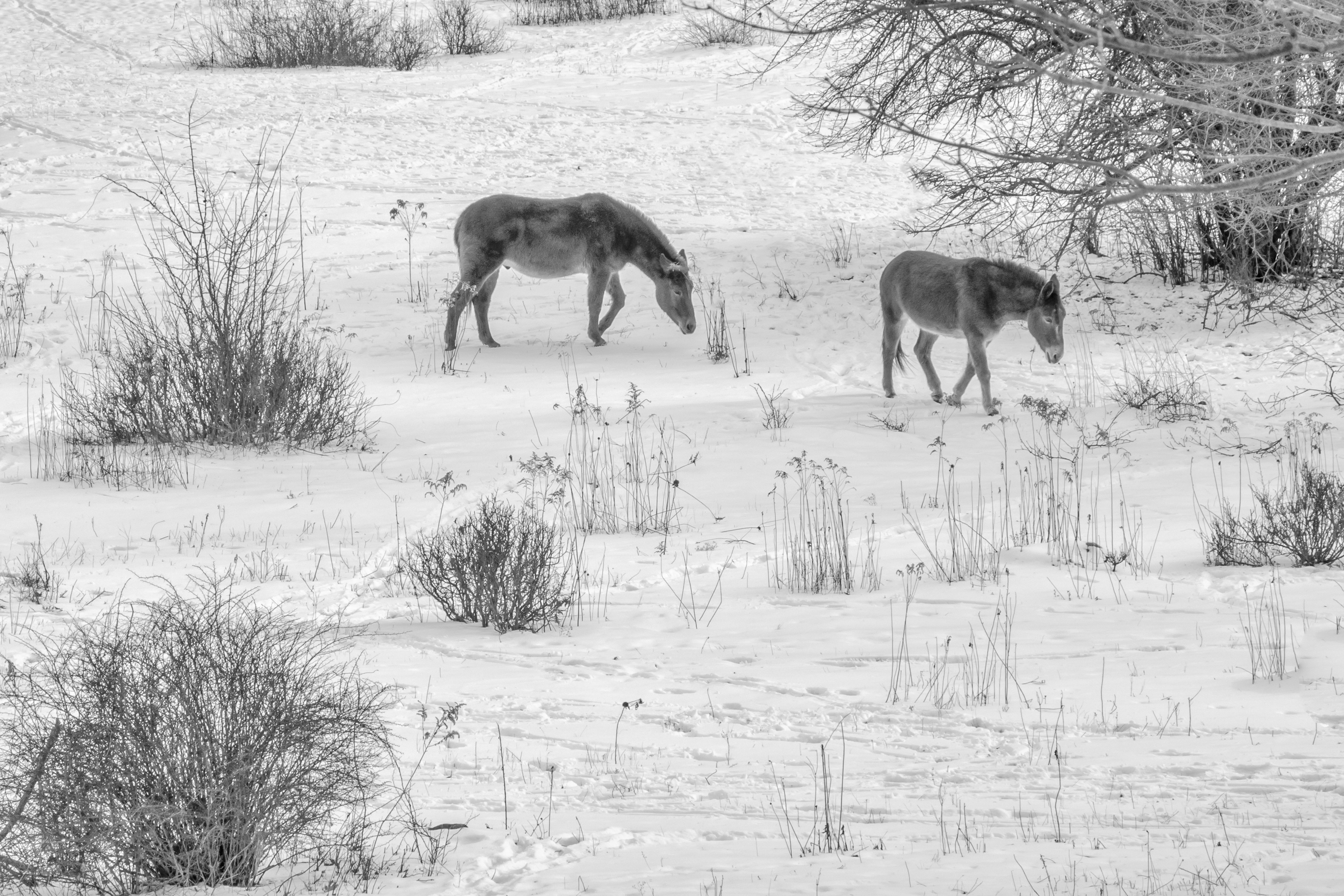
Horses


Horses in Peekskill Hollow, grazing even in the winter cold. Are they even horses? As I look closer they seem to have something of the donkey about them. Maybe some kind of pony? Clearly I don’t know enough about types of equine. In the first and final pictures I waited to see if the horses would move closer together (i.e. for a tighter composition). Unfortunately, they did the opposite and moved away from each other.


I think he knew that I was there.


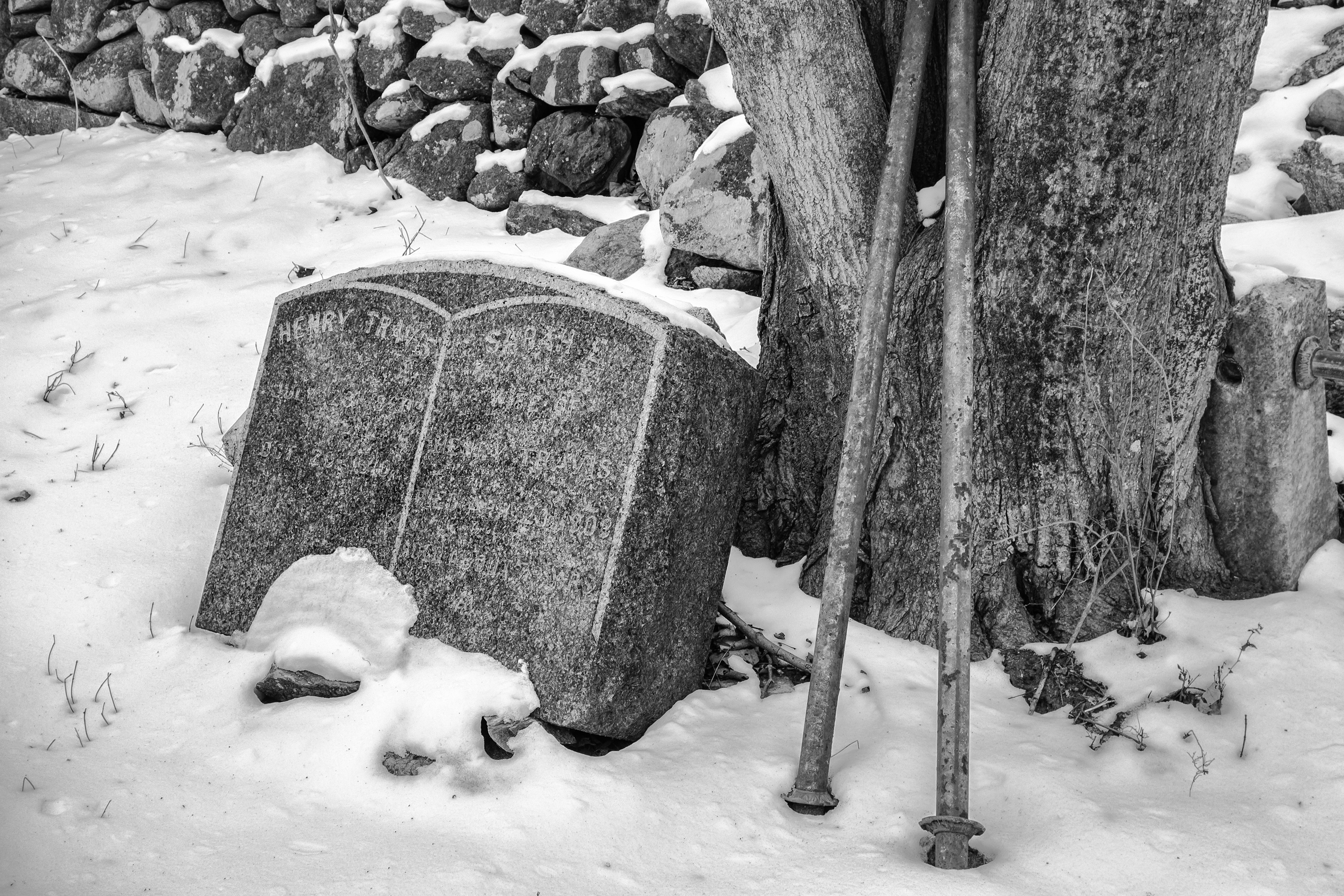
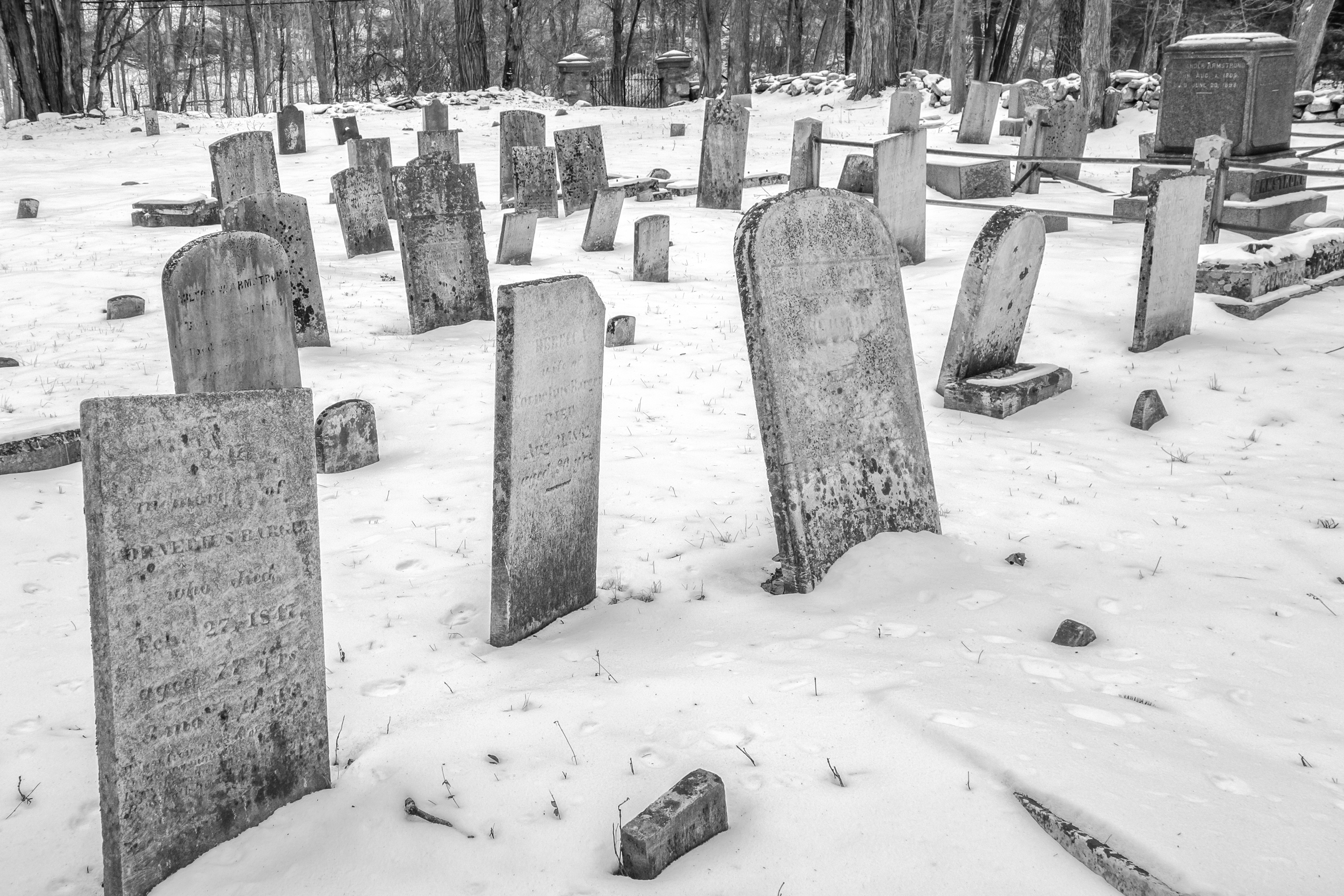
Adams Corners Cemetery


According to the Putnam Valley Historic Cemeteries Site:

In quite early times (c. 1794) tradition states that Richard Curry came up to Peekskill Hollow from White Plains. He traveled by horse wtih his wife, bringing all his worldly goods with him, and settled below Adams Corners. While sitting one summer day with his young child between his knees, a flash of lightnening struck and killed the child instantly, leaving the father unharmed. The young victim of the “fires from heaven” was buried on the hill on the west side of the roakjd, and from that time to the present day this has been the village cemetary. (from History of Putnam County, by William Pelletreau).

The title of this burying ground seems to have remained in doubt for many years. October 5, 1842, Charles Adams and others sold, for a nomial consideration, to “the trustees of the Methodist Episcopal churce of Philipstown Circuit, in Putnam Valley,” “all that certain tract of land situate on the northwesterly side of the Peekskill Hollow raod, beginning at an ash tree standing by the brook on the northwesterly side of said road, and running along the land of Nichols Purdy, thence north &ce., for the use of a burial ground for the neighborhood, and for all other persons, whom the party of the second part may permit to be buried there.”

The earliest grave is that of Ann Hills, born 1746, died January 30, 1794. Twelve Revolutionary War veterans are buried here, as well as a European Princess (Phebe Lehman), who with her German husband (Andries/Andrew Barger) settled in the area about 1700.