Woodstock, NY

We went to Woodstock several years ago and stayed for a few days over Easter. We had a nice time exploring and eating in some of the restaurants. More recently my wife went to a spa there and while I waited for her I took a look around, initially at the Byrdcliffe Arts Colony and afterwards in the town itself.

I don’t quite know what to make of Woodstock. It’s a pleasant enough town with something of a buzz about it. When we were there recently it was full of people. There are a lot of quaint, brightly colored buildings and it’s pleasant to browse around the shops and eat in the restaurants. But it all feels a bit false, as if the town capitalizes on the reputation of the Woodstock Festival, which unfortunately didn’t take place in Woodstock at all, but rather in Bethel, almost 60 miles away. The brightly colored buildings, the preponderance of businesses specializing in yoga, meditation, Tibetan artifacts etc. add to this impression, not to mention all the aging hippies with their long, now grey, beards; psychedelic colored garb and beads. I suppose it’s as good a place as any to explore the picturesque Catskill mountains in which Woodstock is situated.

One of the many “On this site once stood…” signs. There seems to be little of historic significance still standing. I liked the message though.

The Old Forge House. A plaque nearby reads:

The Old Forge House. Few historic buildings in Woodstock boast such a variety of purpose and have been subject to so many changes. Originally the site of Grist Mill and Farm deeded to Isaac Davis by Chancellor Robert R. Livinstone of Clermont in 1789; it later became a Saw Mill. Later around the end of the Civil War the Village Smithy was built and operated by John Wigram Davis, then it was enlarged as a barn for wagons and carriages. Hym Bouee then stored his hearse and caskets here for his undertaking business. Later, owner Peter Longendyke operated a boarding house, and it was here that State Police sargent Cunningham, long the mainstay of law and order in Woodstock, maintained his headquarters.

In 1935 owner Lamonte Simpkins remoddeled it as “The Art Shop”. Upstairs Mr. Simpkins sold cloths, shoes and drygoods, while downstairs the art shop and Tannery Brook Garden Flourished. The summer house and garden were popular with teenagers of the time, with John O’Brien behind the soda fountain. Later the Art Student League occupied the second floor, followed by the American Legion.

Later yet, the building became the offices of the Woodstock Insurance Company and the Woodstock Press, at which time a cement block structure was added to the rear, to house, the printing presses. The upstairs during this period was an art gallery where many well known Woodstock artists exhibited.

Originally known as the “Tannery Brook House” it was christened the Old Forge House by J.G. Van Rym in honor of its original use, and is dedicated as a landmark to the arts, crafts and history of Woodstock.

Crocuses. When this was taken (March 29) there was still snow on the ground and at first I thought they were false. I bent down to check and, sure enough, they were real!

Woodstock Town Hall. The building to the rear on the left is the Police Station.

Paving.
Byrdcliffe Art Colony, Woodstock, NY

Some time ago our family bought my wife a spa treatment at a place in Woodstock, NY and on a gorgeous sunny day we went there. I had a couple of hours to kill while she was undergoing her treatment and I’d noticed some signs pointing to “Brydcliffe Arts Colony” so I decided to check it out. Although it was a great day to walk around it wasn’t a great time for taking pictures: around mid-day with very strong, contrasty light. But you make do with whatever situation you have.

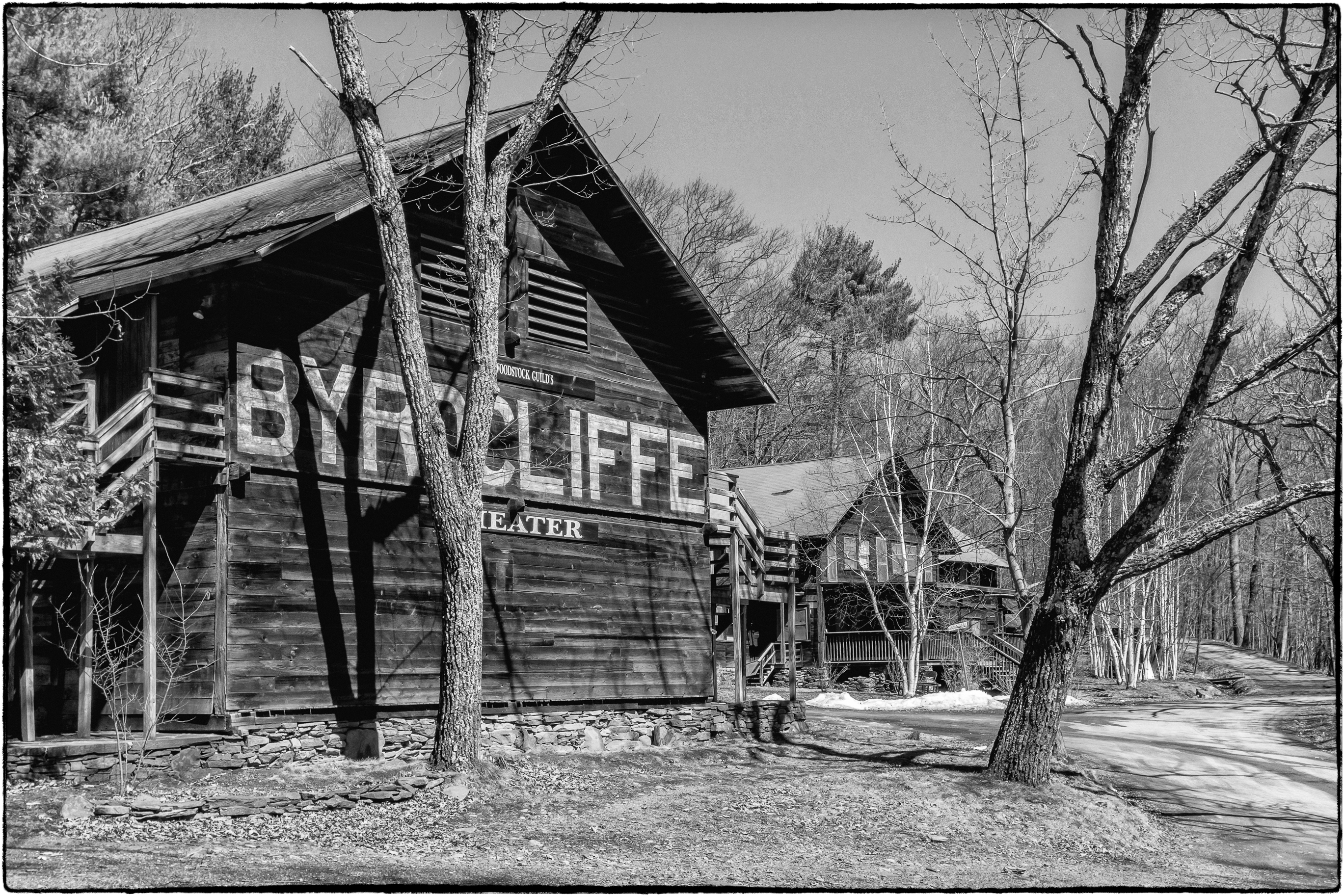
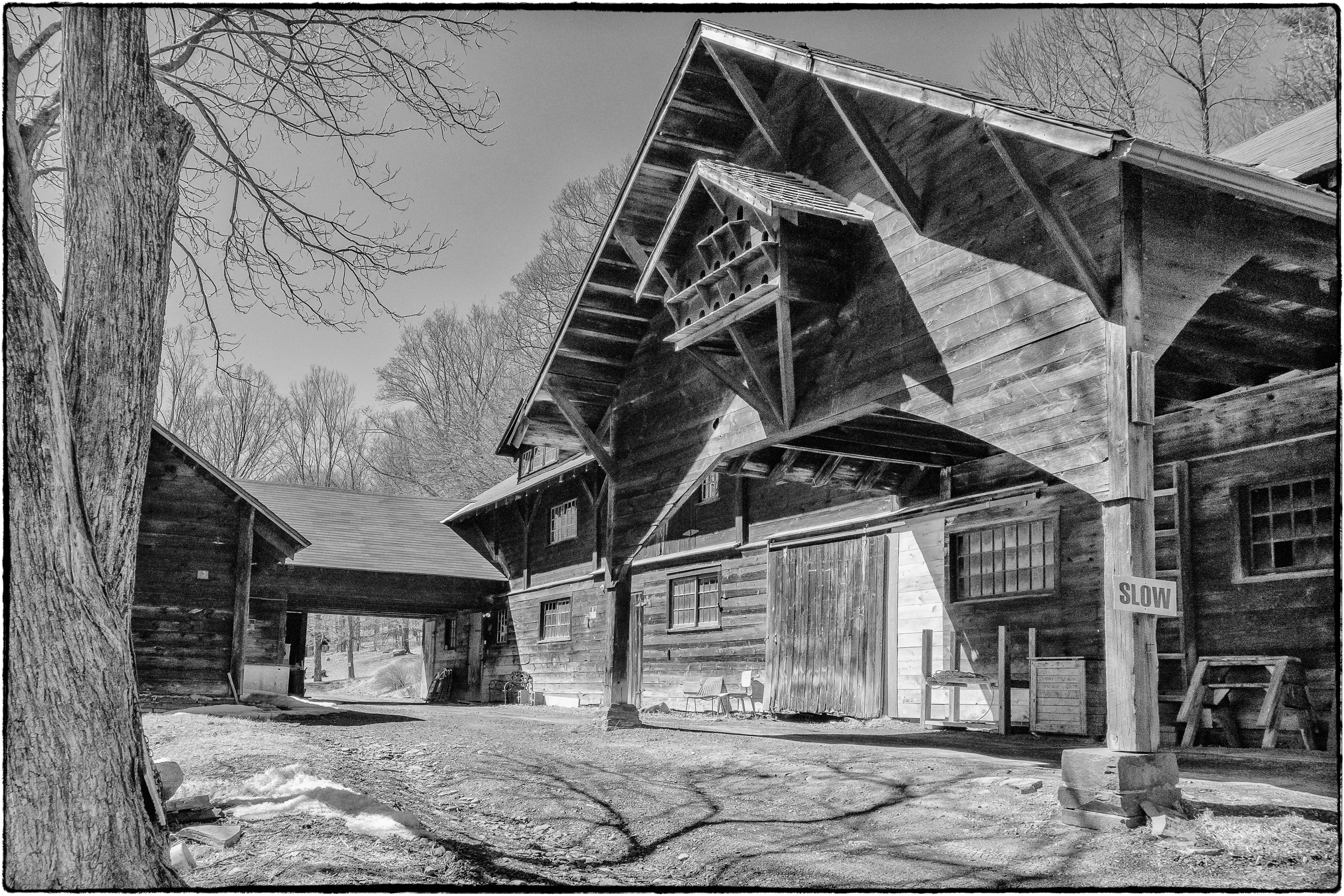
The picture at the top of the page is of “The Barns. The barns complex architecture has its roots in the vernacular barn buildings in England. They functioned as the center of the Byrdcliffe farming operations supplying milk, eggs, vegetables and grain to the colony until the death of Whitehead in 1929. Today the buildings are used for concerts, classes and events, and are the home of the Byrdcliff Akido Program and the Byrdcliffe Ceramics Studio.”

Unless otherwise noted all quotations are from the “Brydcliffe Arts Colony Self Guided Walking Tour Map

According to the Woodstock Bryrdcliffe Guild web site:

Whitehead came to America and married Jane Byrd McCall in 1892. The daughter of a prominent Philadelphia family, she shared her husband’s vision of an artist-craftsmen community. After faltering starts in California and Oregon, Whitehead and two acquaintances – Hervey White, a writer, and Bolton Brown, an artist and educator, crisscrossed the country searching for the perfect site. Brown found the natural beauty of the Catskills and their proximity to New York City ideal for an art school and craft workshop. Whitehead agreed, enchanted by the “painterly landscape”.

Byrdcliffe, taken from the middle names of Ralph and Jane, was fully built and operating by the summer of 1903. It had a large studio for Bolton Brown’s and Birge Harrison’s art classes, metalworking shop, pottery studio, woodworking shop, dairy barn, guest houses, dormitory for students, library, and Whitehead’s own house, White Pines. Unlike the vernacular architecture specific to the Hudson Valley, with its tidy white clapboard farmhouses, Byrdcliffe buildings resemble low rambling Swiss chalets characterized by their dark stained indigenous pine siding, gentle sloping roofs with wide overhangs, and ribbons of windows painted Byrdcliffe blue.

Over the years, many notable visitors have been drawn to Byrdcliffe: feminist author Charlotte Perkins Gillman, New Dealer Harry Hopkins, educator John Dewey, naturalist John Burroughs, musicians Arnold Dolmetch, Leon Barzin and Bob Dylan, authors Will Durant and Thomas Mann, painters Milton and Sally Avery and George Bellows, photographer Eva Watson-Shutze, journalists Walter Weyl and Heywood Broun, poet Wallace Stevens, actress Helen Hayes, dancer Isadora Duncan, and entertainer Chevy Chase.

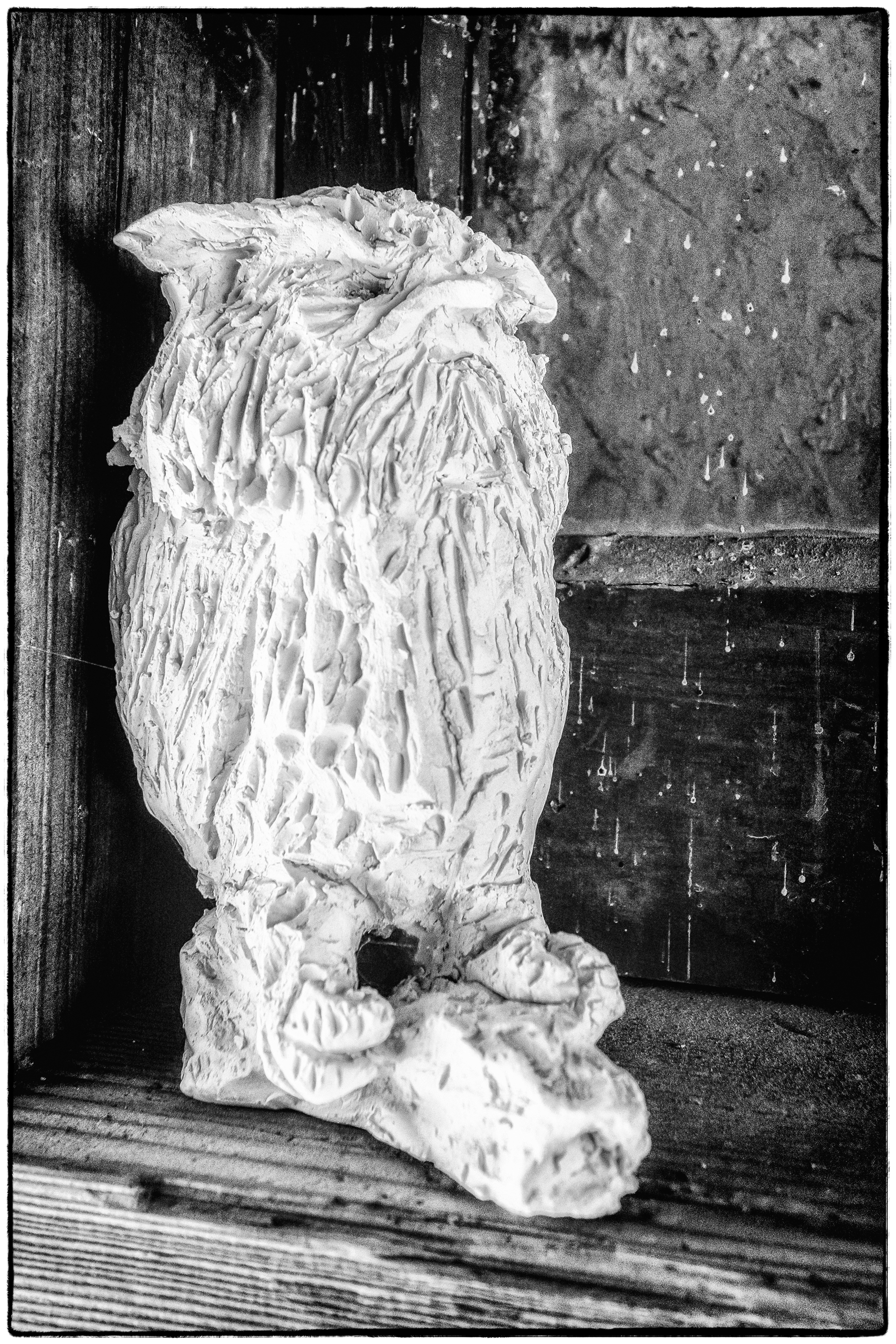
Owl on a window sill.

“Theater. Planned in 1902 by Bolton Brown to house the Byrdcliffe School of Art. The large studio room, with magnificent north light was used for painting classes, exhibitions, concerts, dance performances and social events. The west wing housed Ralph Whitehead’s 5,000 volume library. Today it is used as a theater for the performing arts”. and behind it “The Villetta. 1903 Boardinghouse for Byrdcliffe students. Operated as the French Camp for Children during World War II, in 1990 it became the home of the Byrdcliffe Artists-in-Residence Program. Behind the Villetta the old laundry, wood room and servants quarters have been converted into artist’s studios.

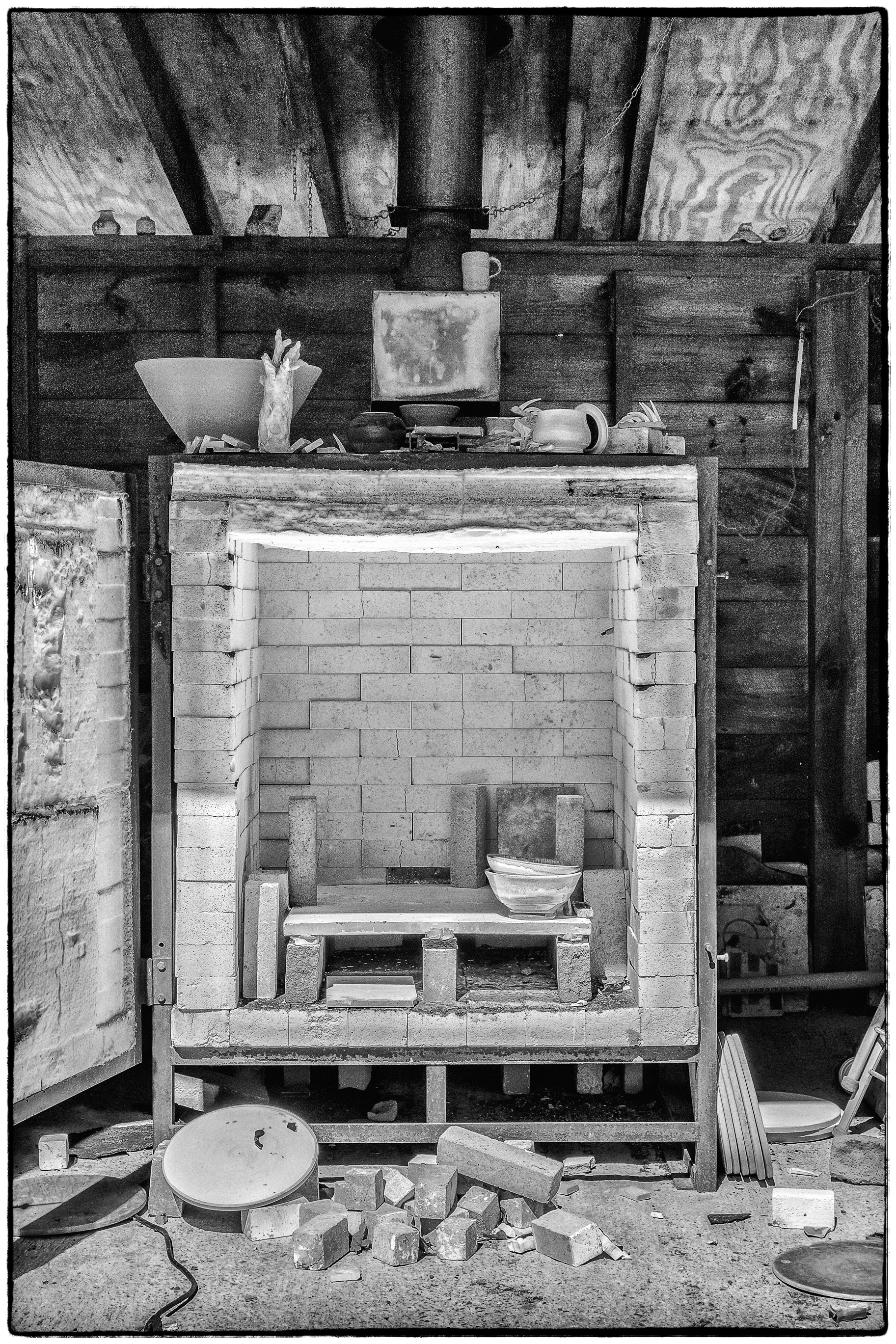
Pottery Kiln.

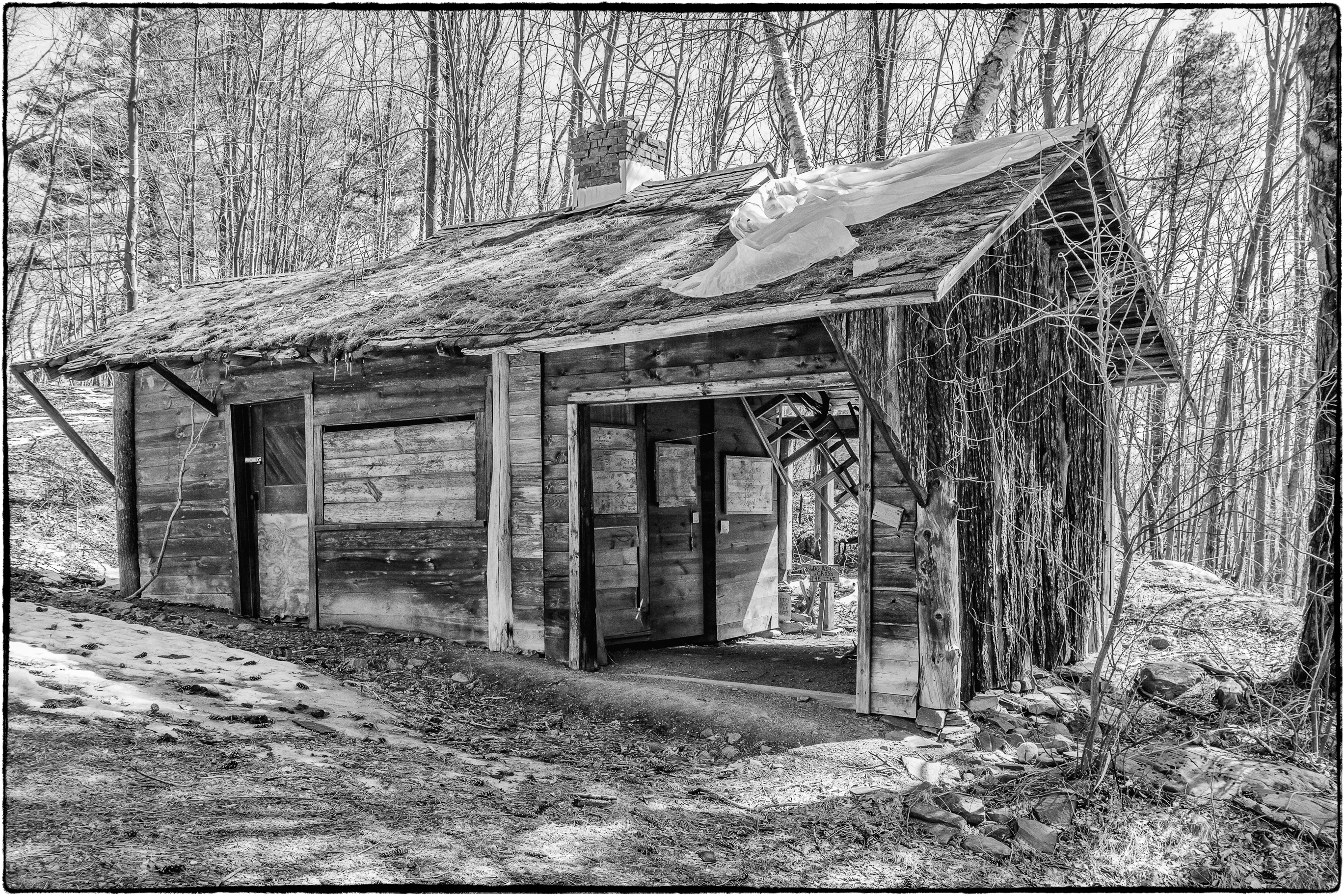
“The Old Kiln Shed. Built in 1914 by Ralph Whitehead as a pottery studio.”

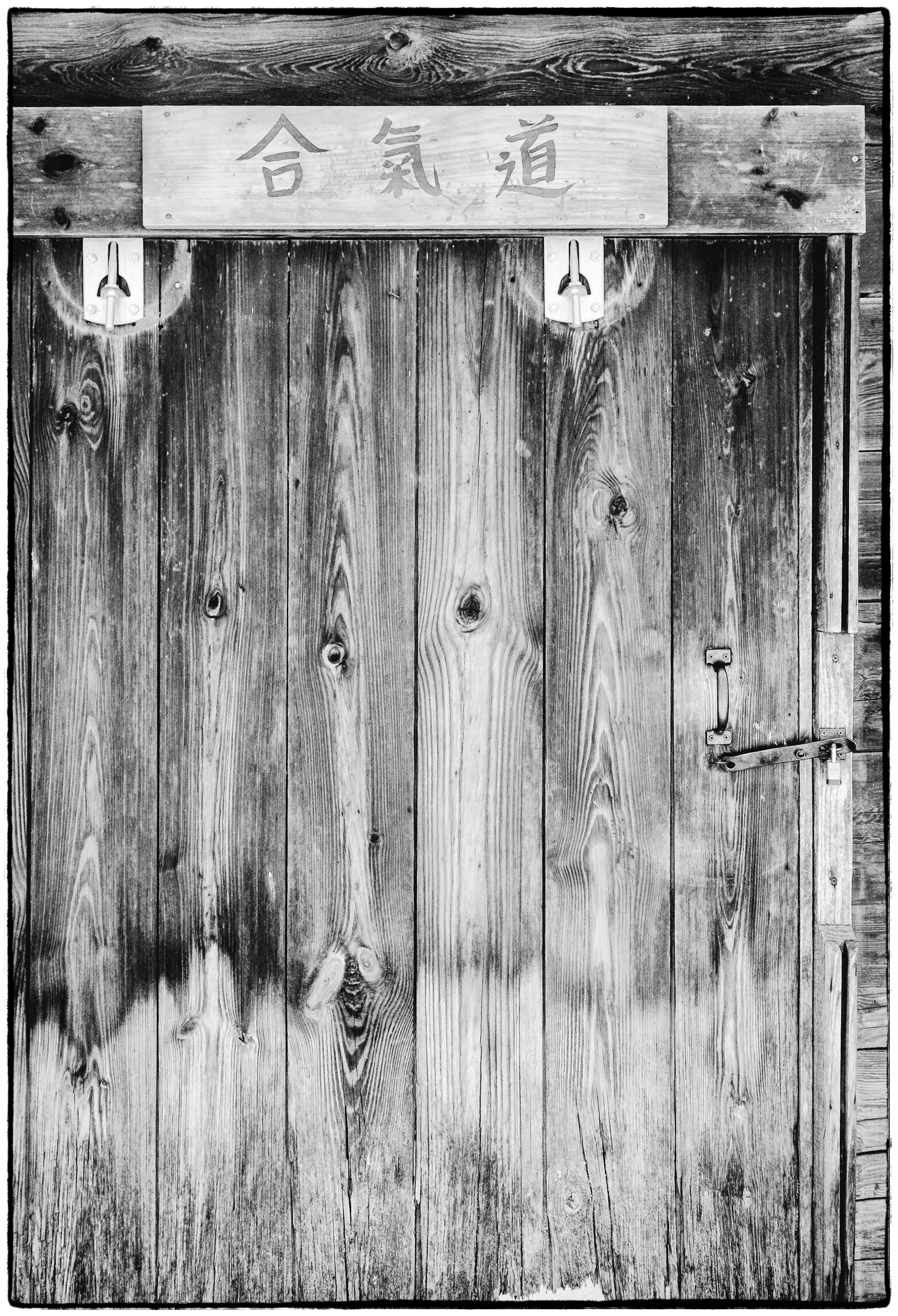
Wooden door with oriental inscription.

Grand Canal, Venice

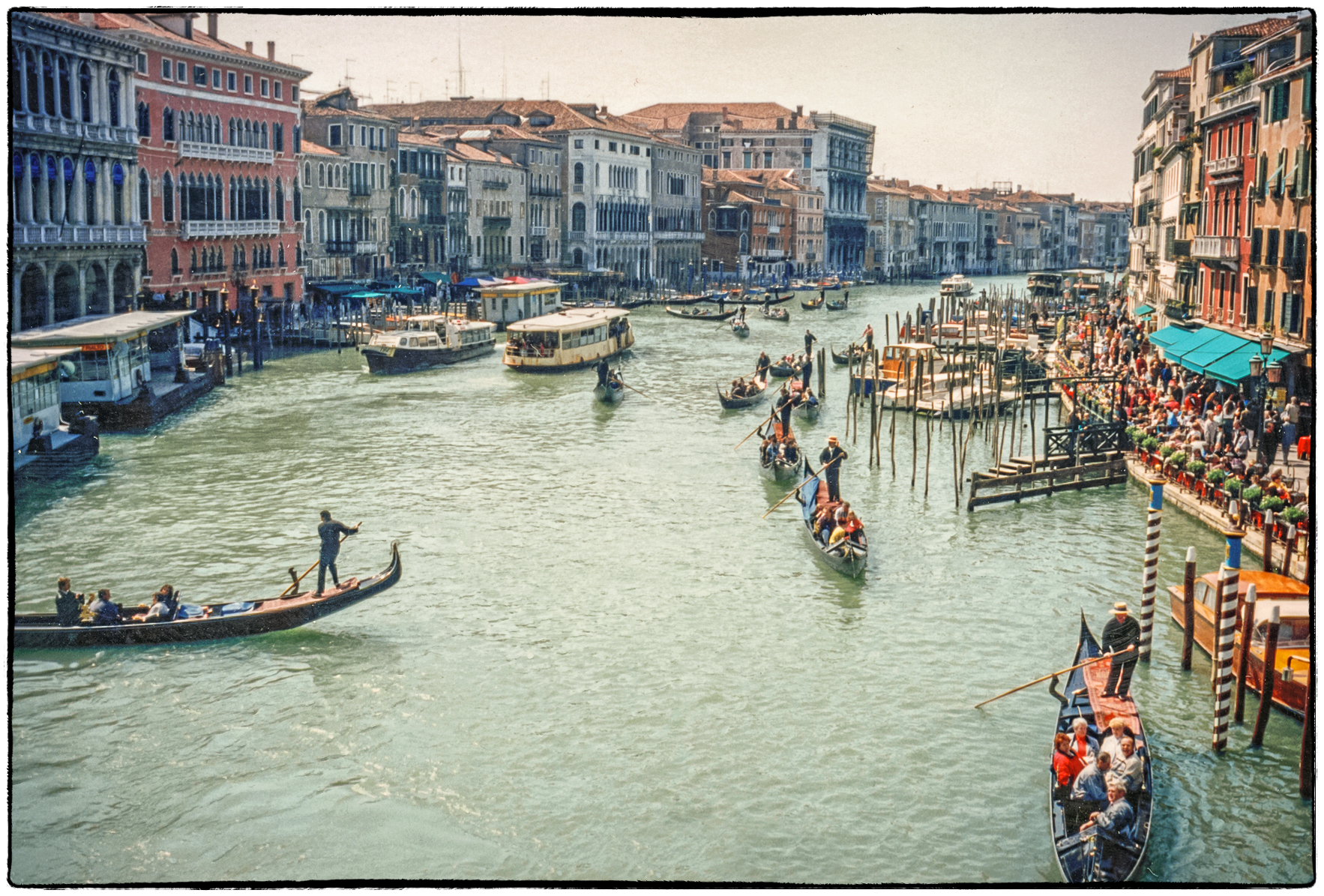
The scanning project continues. This “postcard” shot is a scan of a 4×6 print of the Grand Canal, Venice taken sometime in the 1990s. The view is from the Rialto Bridge and the camera is either a Canon AE-1 or a Minolta Hi-Matic 7sii, the only cameras I had at the time. Unfortunately I can’t recall which one. I vaguely remember sitting in a restaurant eating and then deciding to go up onto the bridge to take the picture. If that memory is correct then my wife is probably sitting in one of the restaurants on the left side of the picture.

The Lake’s Back

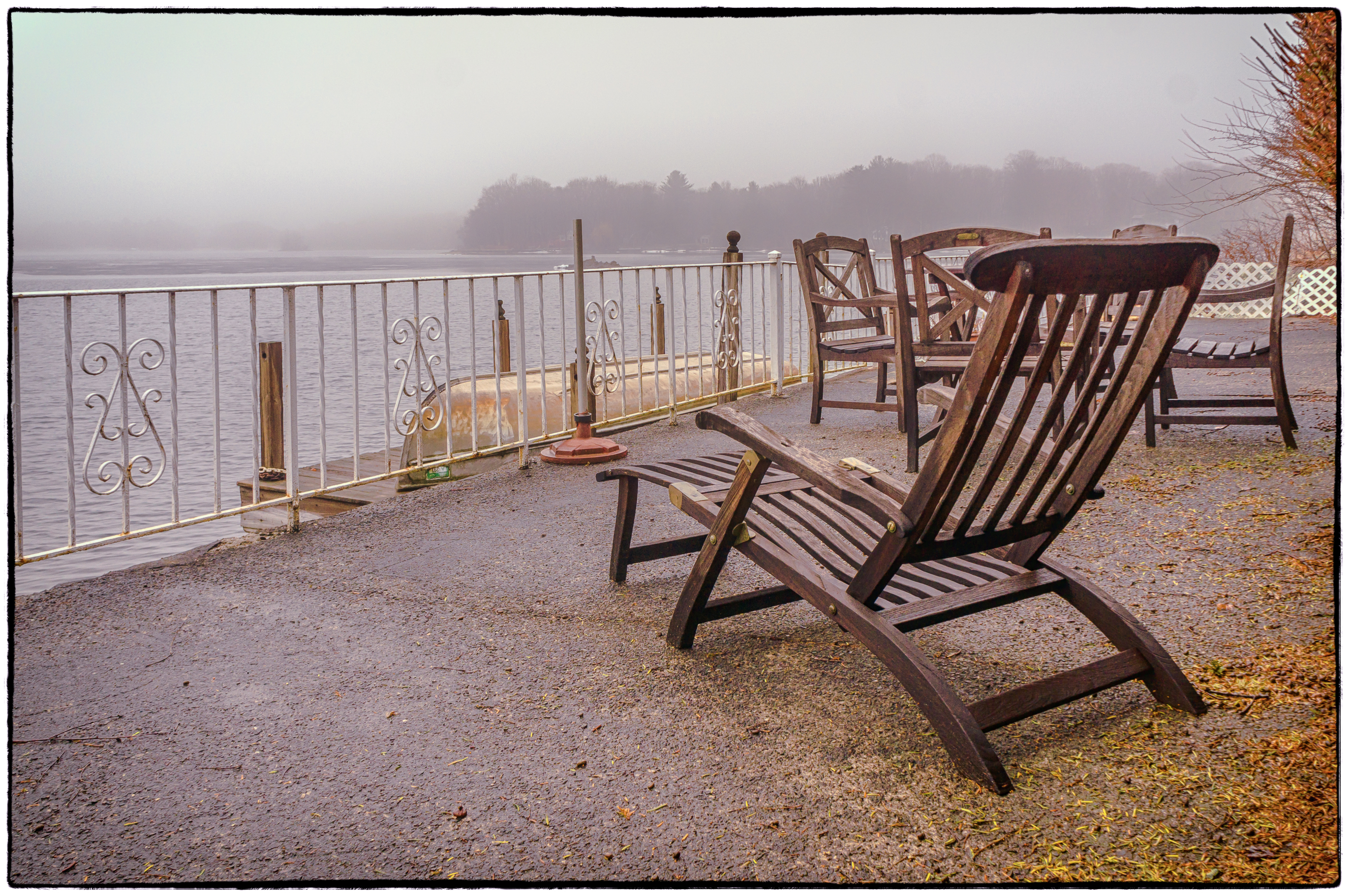
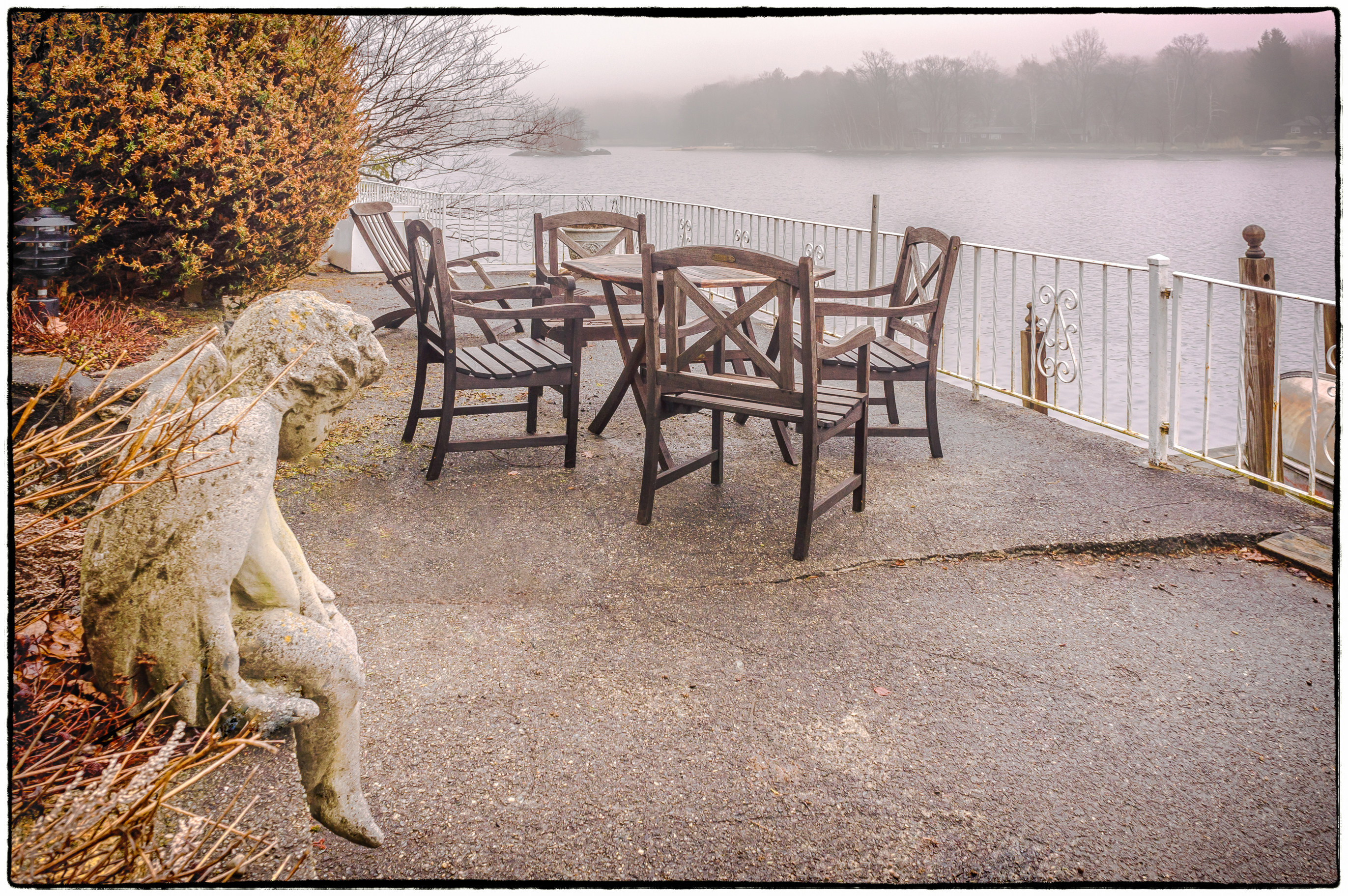
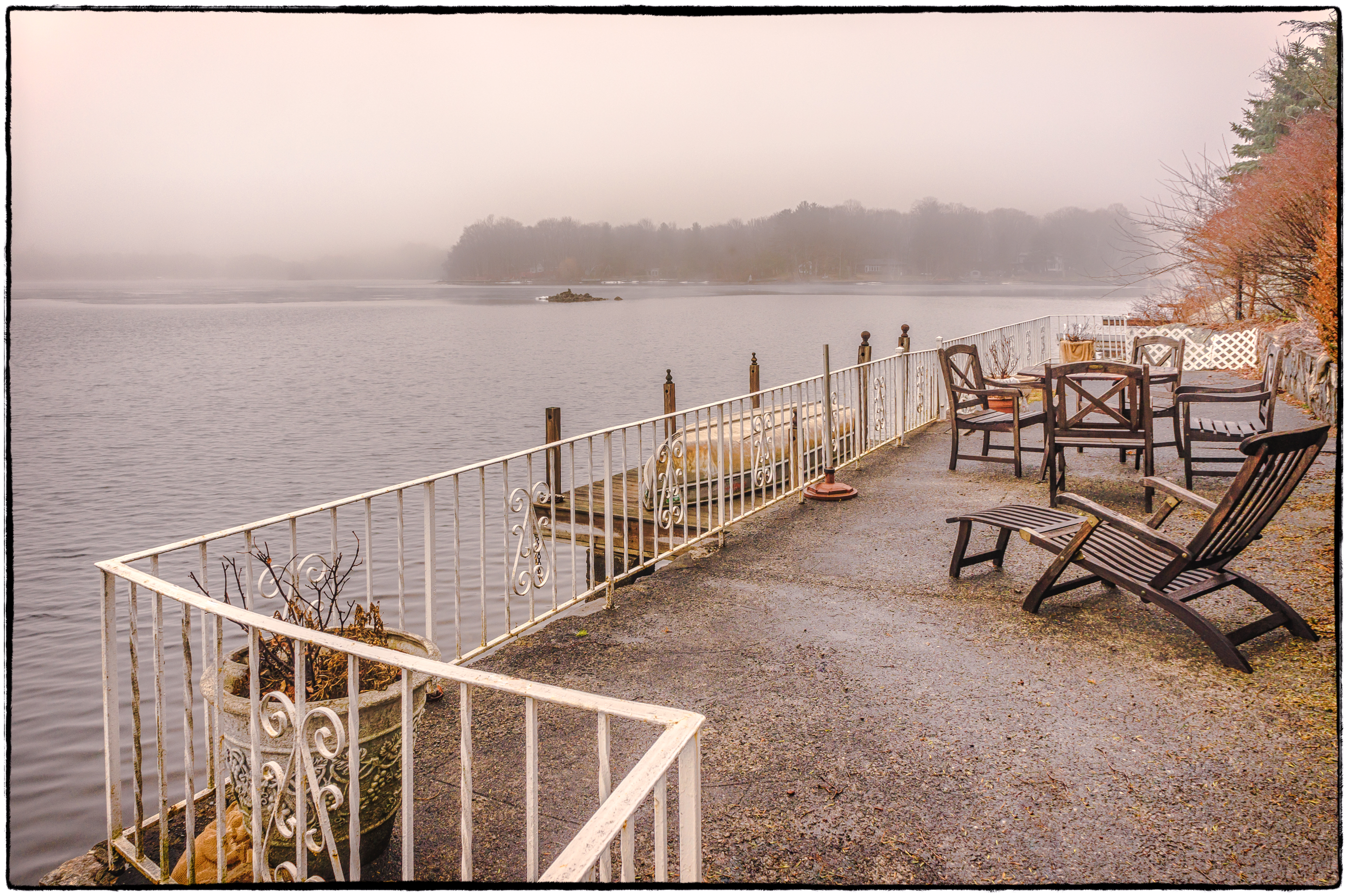
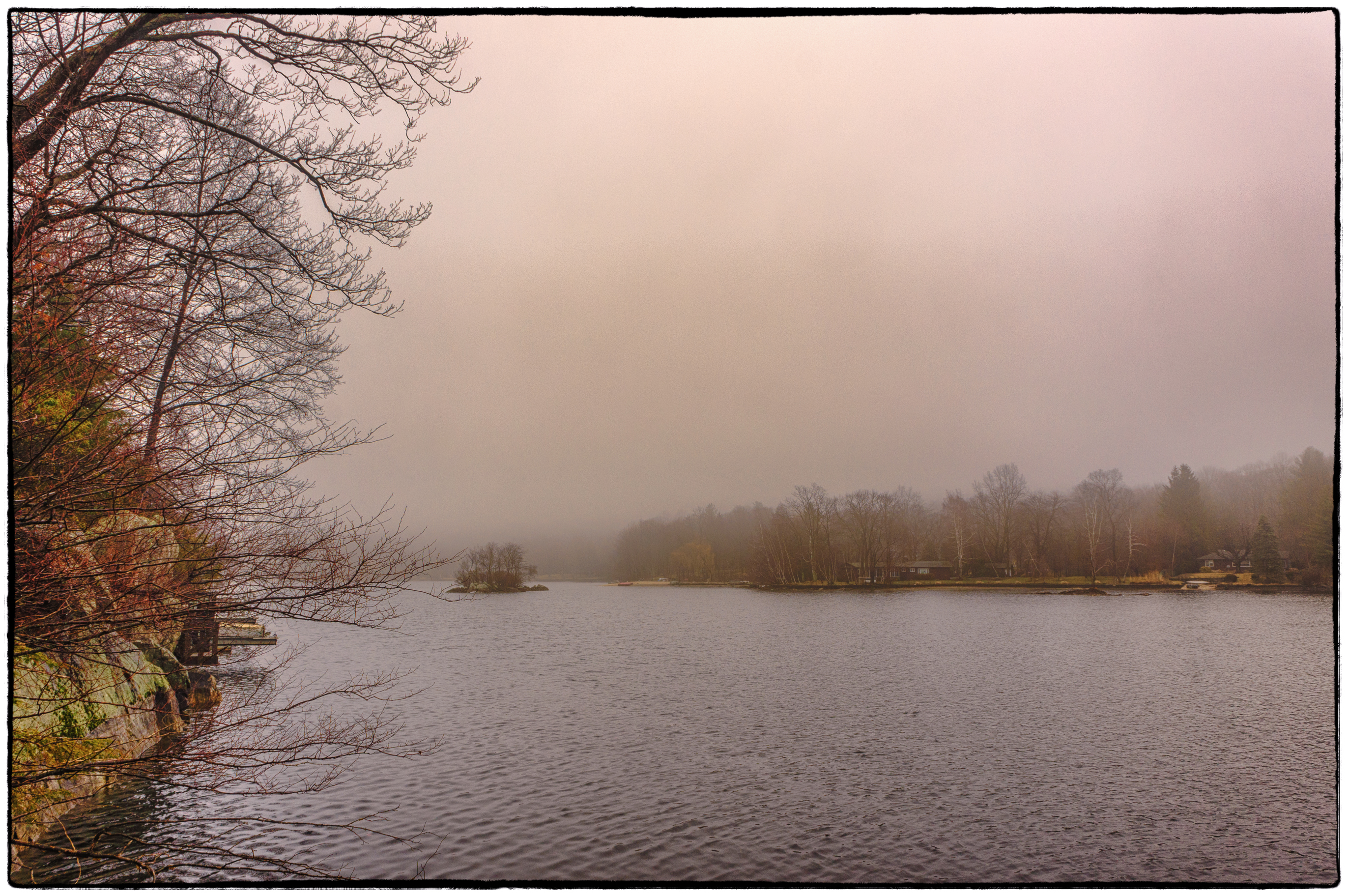
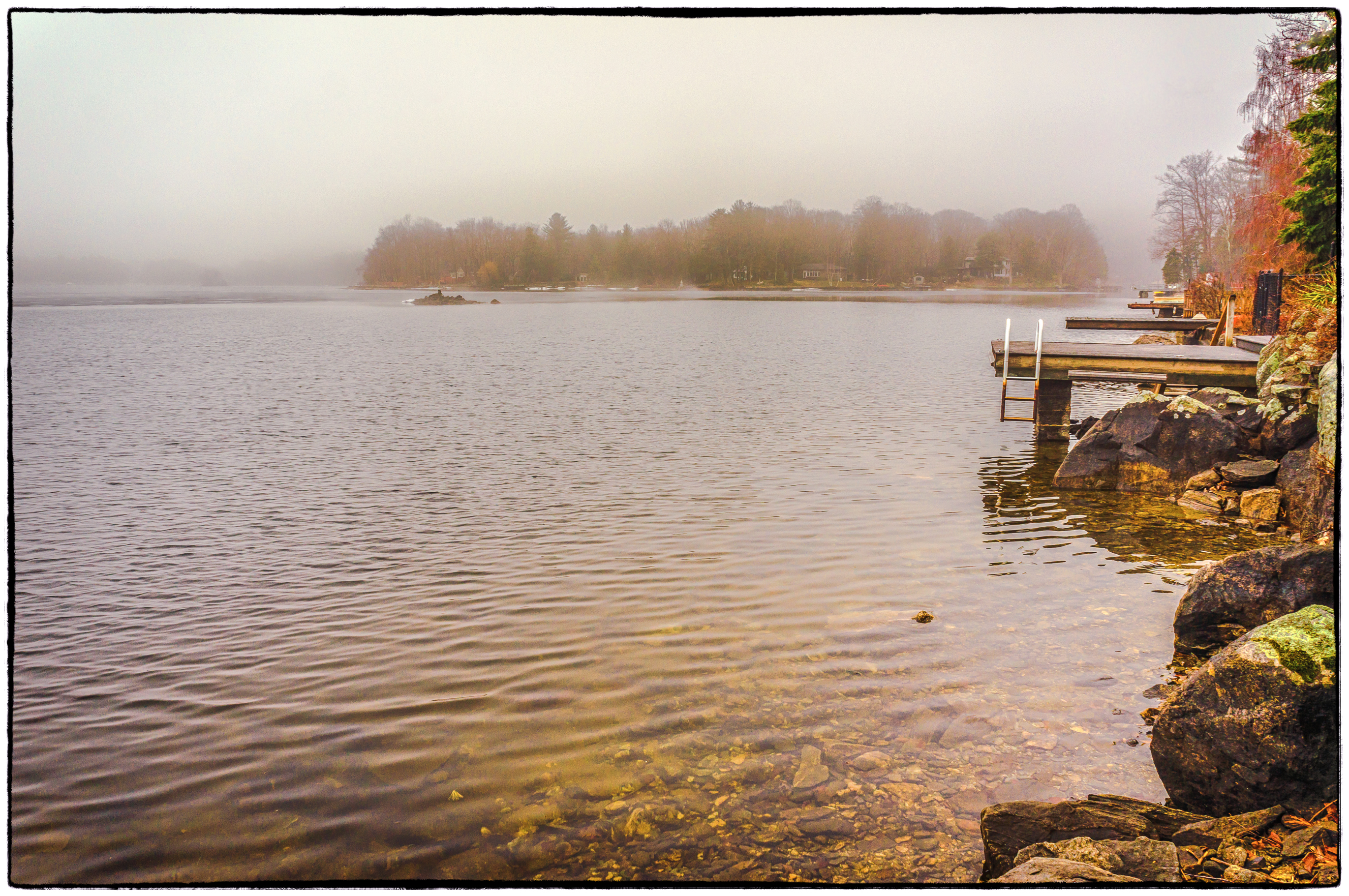
After months of it being frozen, our lake is finally back. The last of the ice (at least on those portions that I can see) melted off today. It was a gloomy, rainy, foggy day (but not that cold at least), but somehow I like the lake. The overcast sky and fog virtually eliminated shadows, lowered contrast and gave everything a slightly “dreamy” look, which I found appealing. This pictures were taken from our dock with a Sony NEX 5N, 16mm f2.8 lens with its ultrawide adapter. This lens gets a lot of criticism, but I quite like it, especially with the adapter. Others have noted that this lens seems to be better with the adapter than without it and I agree.

Looking North-East.

Looking South-West.

Looking North.


Looking South.