According to the Fort Montgomery State Historic Site:
Fort Montgomery was the scene of a fierce Revolutionary War battle for control of the Hudson River. Visitors today can tour the remains of the 14-acre fortification, perched on a cliff overlooking the magnificent Hudson. On October 6, 1777, British, Loyalist and Hessian forces attacked Fort Montgomery and nearby Fort Clinton. The defending American Patriots, outnumbered 3 to 1, fought desperately until driven out of their forts at the points of the enemy bayonets. More than half of the Patriot forces were killed, wounded or captured.
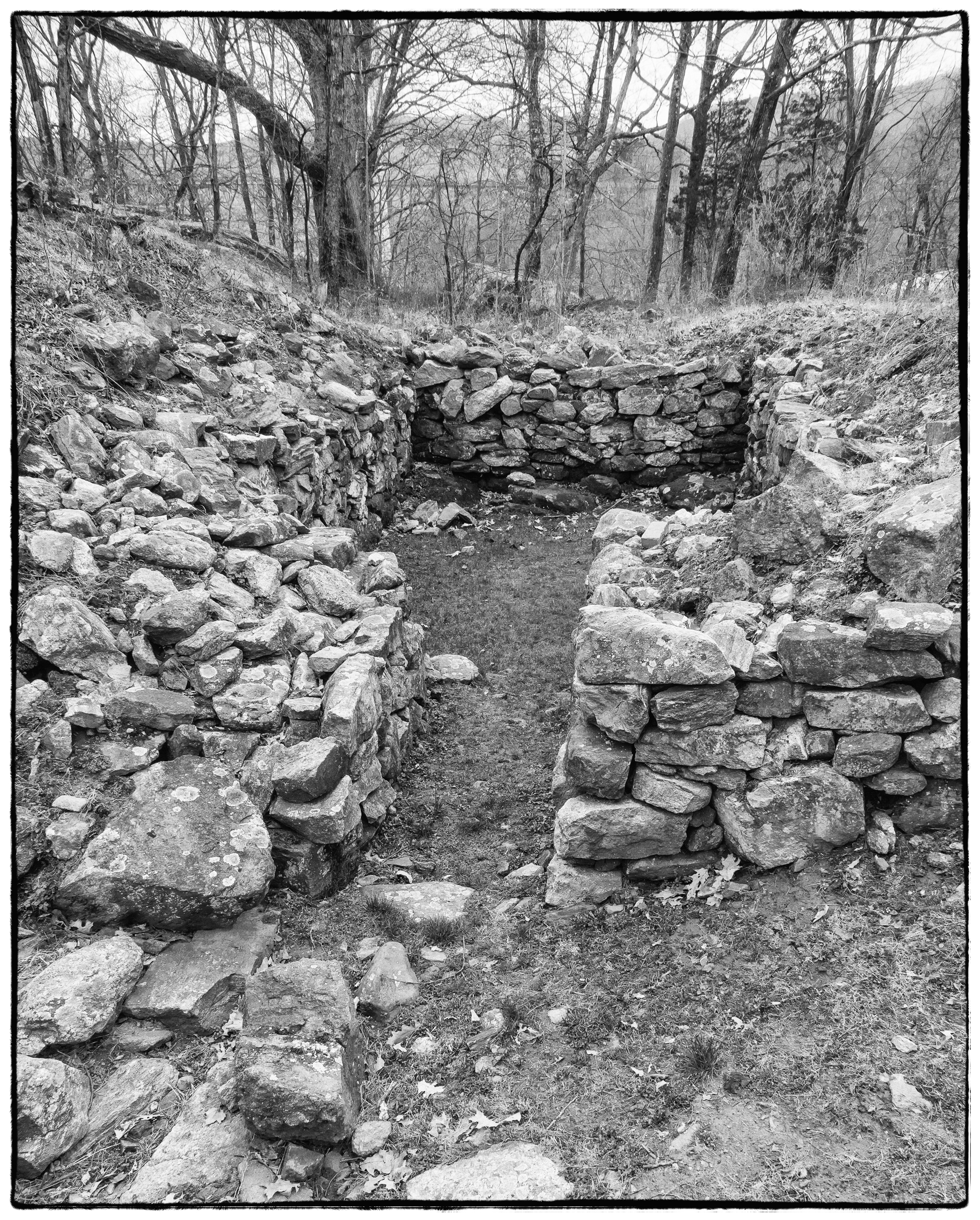
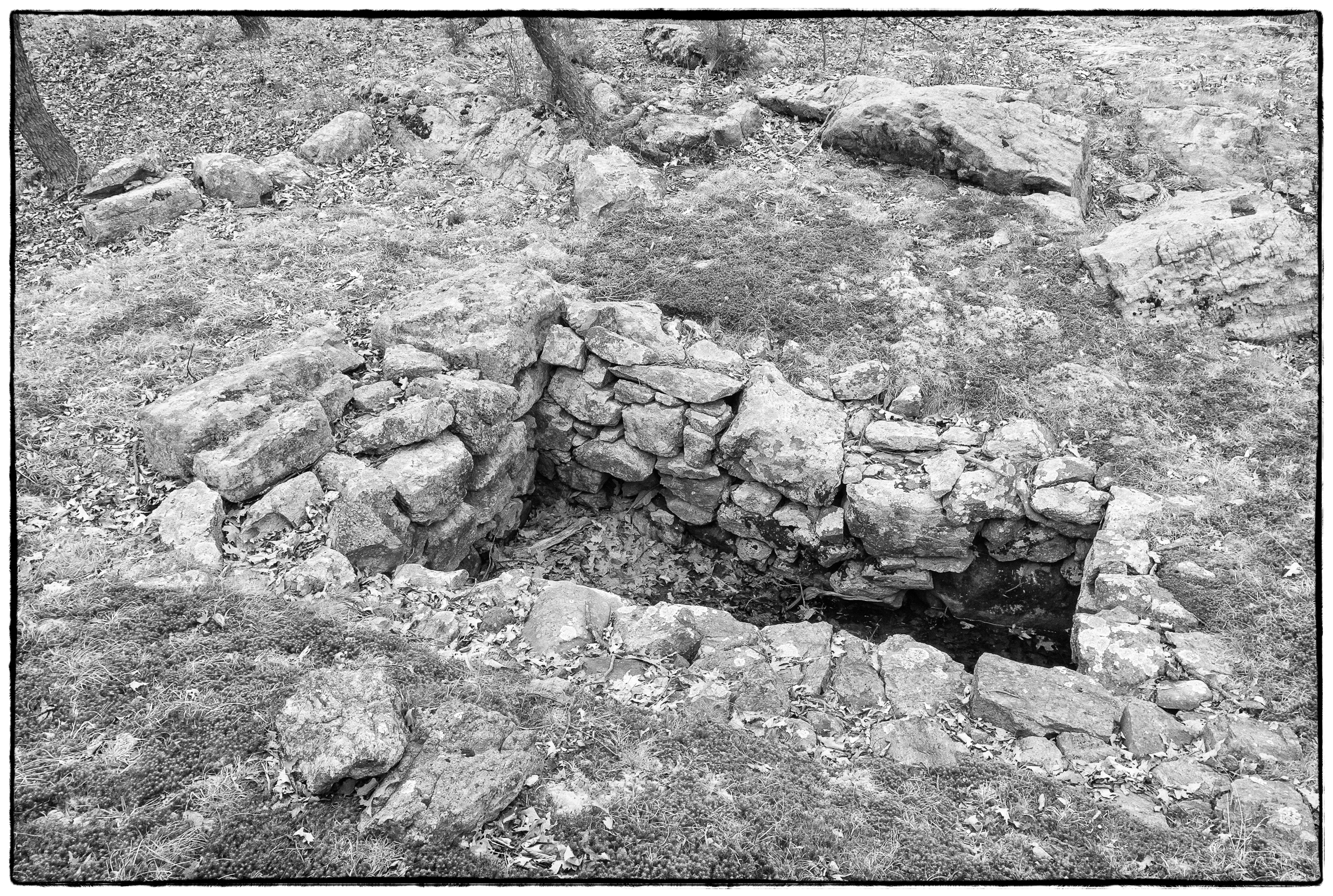
Visitors can learn about this important military post at the site’s museum, which showcases original artifacts and weapons, large scale models of the fort and the attack, highly detailed mannequins frozen in poses of battle, and an action packed fifteen minute movie of the 1777 assault. Archeologists have revealed many of Fort Montgomery’s remains, including stone foundations of barracks, the gunpowder magazine and eroded redoubt walls. There is a spectacular view of the Hudson River from the Grand Battery, where reproduction cannon stand guard and are occasionally fired by the fort’s staff. The past comes alive at Fort Montgomery with living history demonstrations of artillery, musketry, music and camp life activities.
The fort is quite close to where I live. I’d been there briefly once before and my impression at that time was that there was little there of interest except a spectacular Hudson River view and a quite small visitor center/museum. Many years have elapsed since that visit so I don’t know if they have excavated more of the fort since then, or if I just missed significant parts of it (little is actually visible from the visitor’s center).
Apart from the visitor’s center there are two distinct areas. The first takes you along a meandering trail through what used to be the Fort. It took me close to an hour to make my way around, but bear in mind that I stopped a lot to read the informative signs (from which most of the descriptions in this series of posts are taken), take pictures and generally admire the view. The second trail takes you down a steep path to Popolopen Creek and the footbridge (a replacement for the pontoon bridge which existed at the time of the battle) which crosses it. There are some spectacular views of the Bear Mountain bridge from here. After crossing the bridge the trail ascends rapidly and steeply and eventually takes you up under the bridge from where you can get access to the Trailside Museums and Zoo at Bear Mountain State Park. At least you can get access if you arrive when the museums are open (10:00 am). Unfortunately, I arrived early and so couldn’t get in. From here you could retrace your steps, of as I did, make your way to Route 9W passing over the bridge over Popolopen Creek (with more spectacular views of the Hudson and the Bear Mountain bridge) and back to Fort Montgomery.
The view above was taken from where the main battery once stood. According to a nearby information board:
Fort Montgomery was built to prevent British ships from sailing up the Hudson River. The centerpiece of the forts river defenses was its Grand Battery of six 32-pounder cannons. One of the largest cannons of the Revolutionary War, a 32-pounder was a formidable piece of artillery with a range of well over a mile. The term 32-pounder refers to the weight of the gun’s cannonball. Each cannon weighed more than 6,000 lbs. Enemy ships sailing up the river would be exposed to these giant guns before they could return the fire.
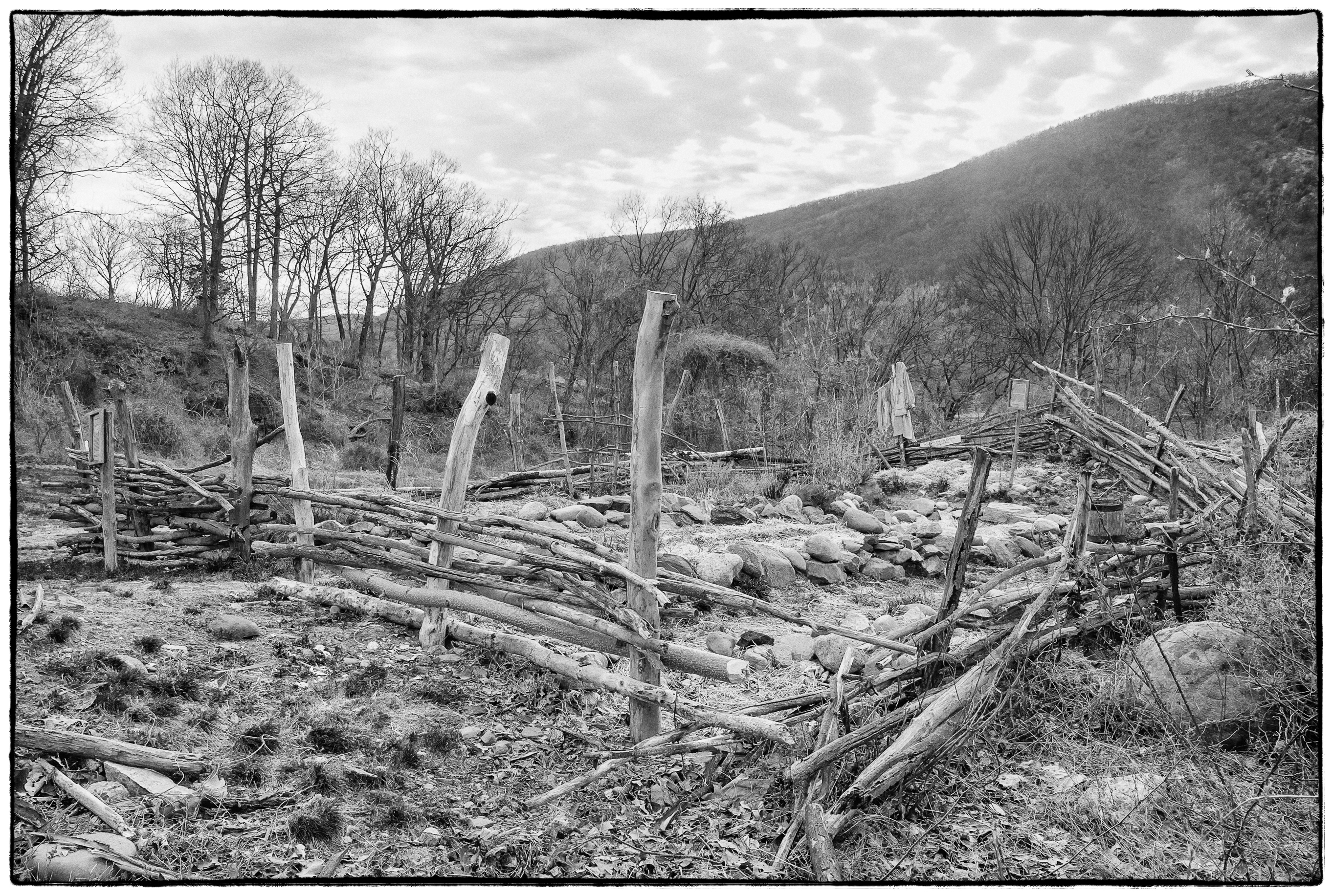
The cannons sat on a platform of 2.5 to 3-inch thick planks. The large mound just in front of this sign is all that remains of the battery’s defensive wall. The wall was made by stacking bundles of sticks, called fascines, and filling the space between them with dirt. The guns fired through open spaces in the wall, called embrasures. The embrasures were covered with a thick layer of mortar to prevent the fascines from igniting when the cannons were fired.
I’m fond of useless trivia, and one such curious fact caught my attention with the regard to the battle at Fort Montgomery. The overall commander of the forts Montgomery and Clinton was Brigadier General George Clinton (Also Governor of New York from 1777 to 1795, and again from 1801 to 1804, and fourth Vice President of the United States from 1805 to 1812, under Presidents Thomas Jefferson and James Madison). He was also in command of Fort Montgomery. Fort Clinton was under the command of his brother, Brigadier General James Clinton. The opposing British forces were commanded by Sir Henry – you guessed it – Clinton. Way too many Clintons for a single battle.