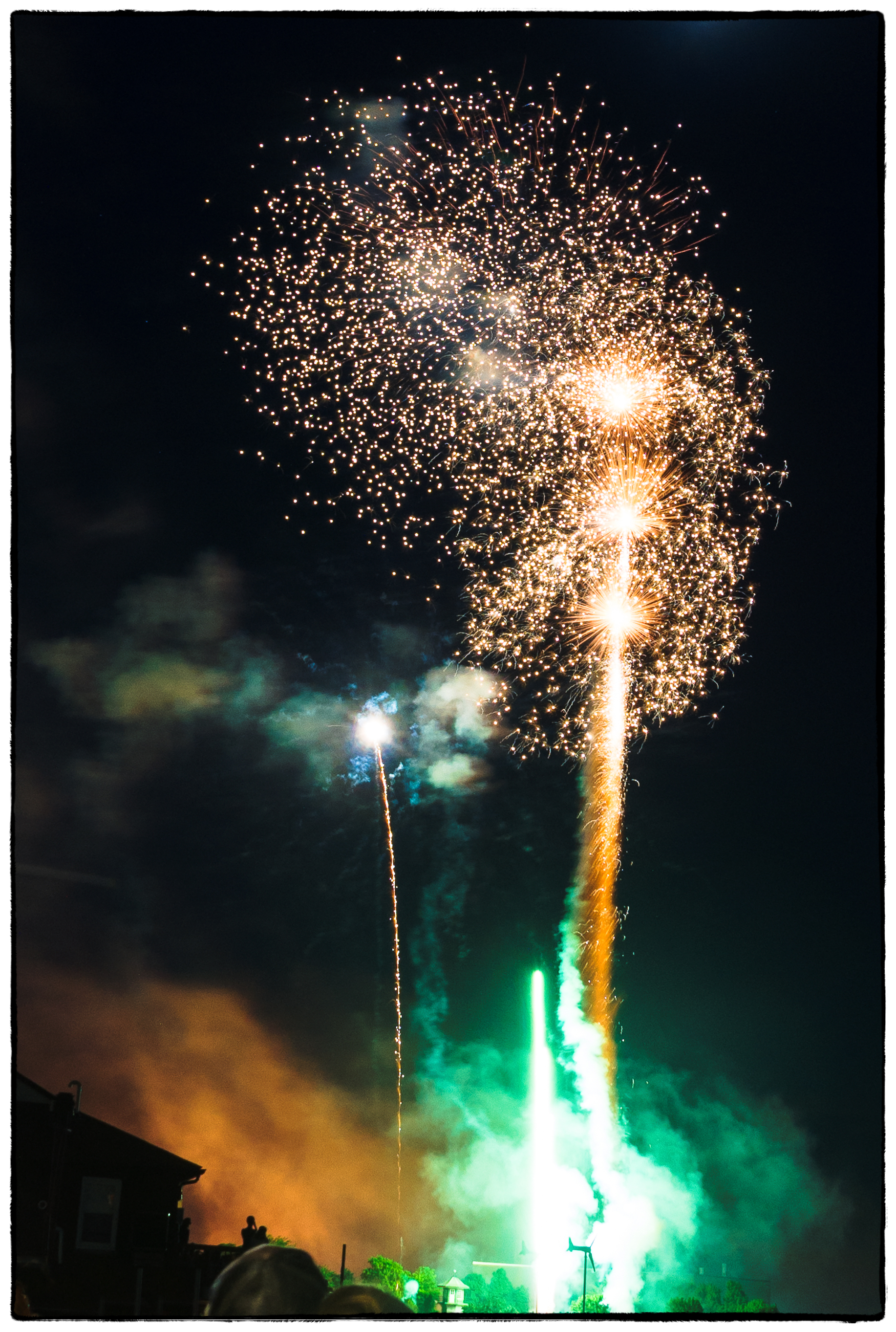
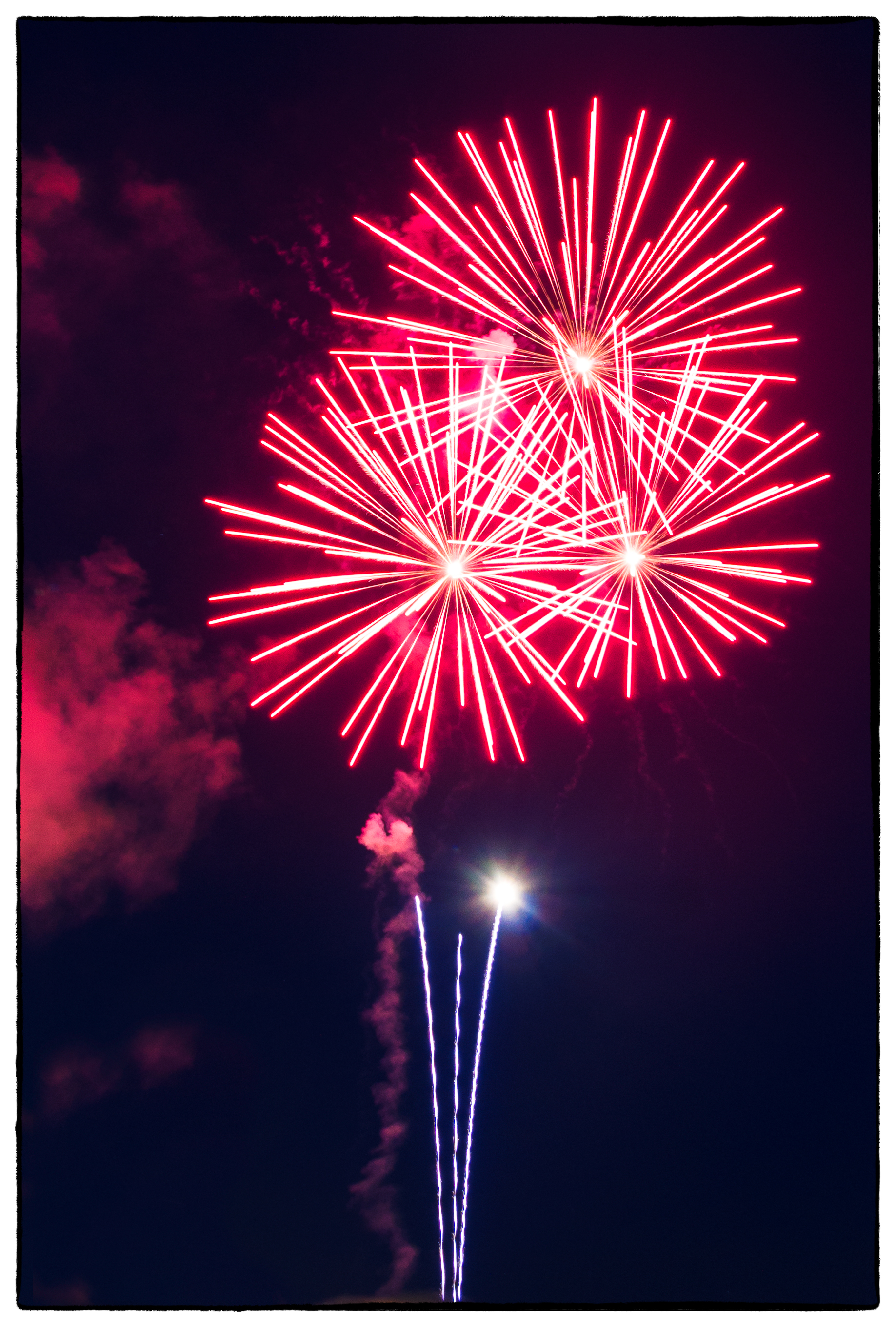
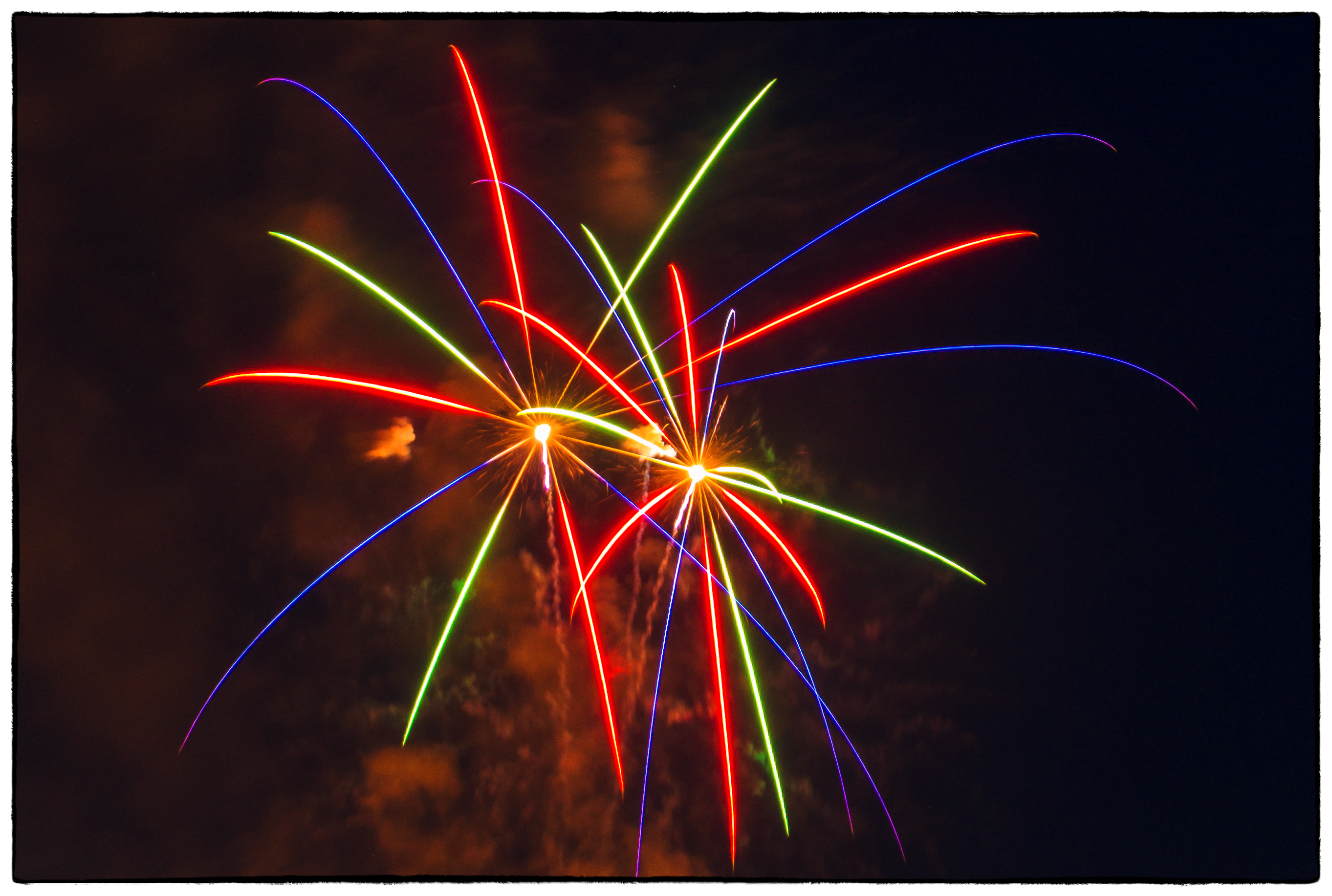
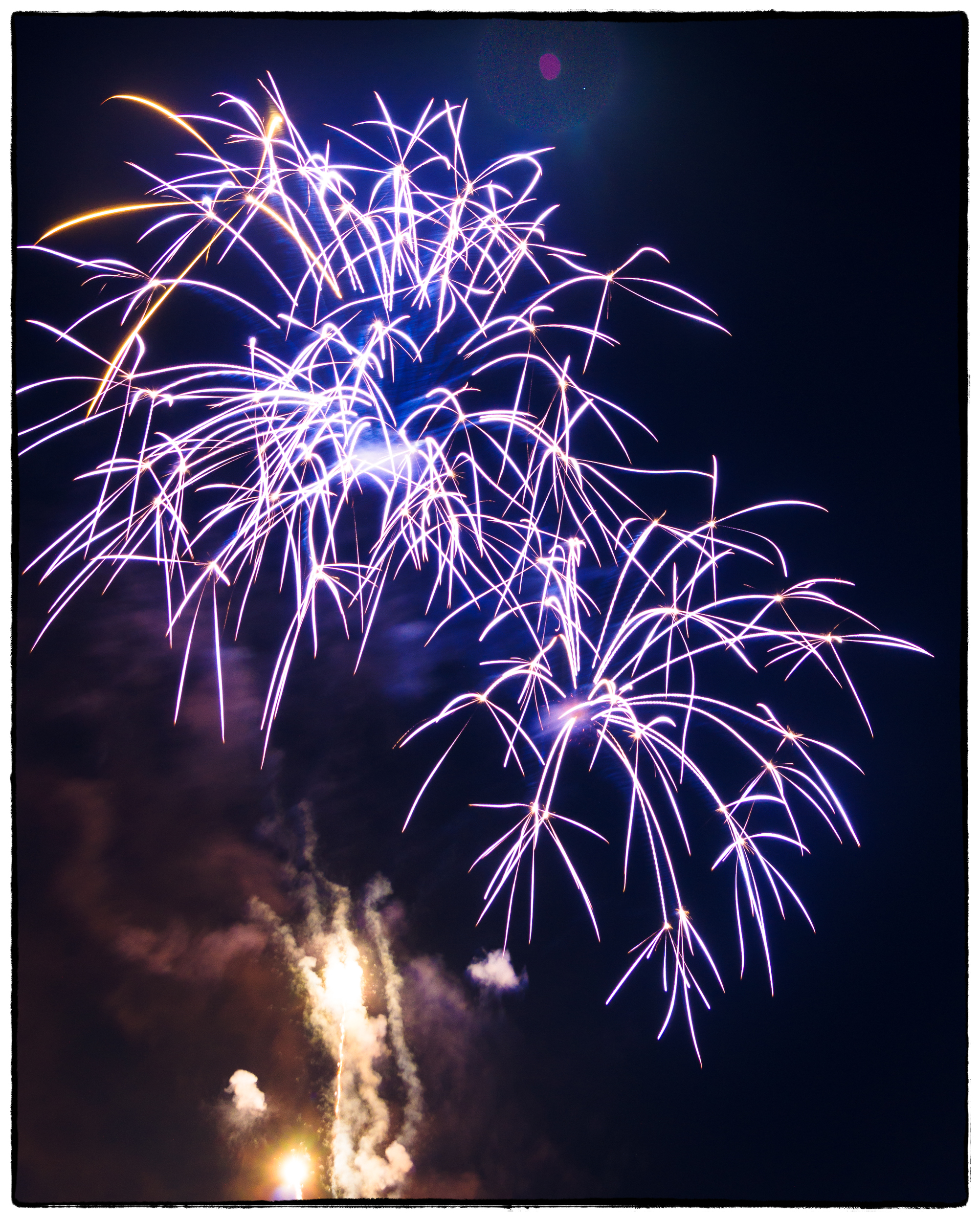
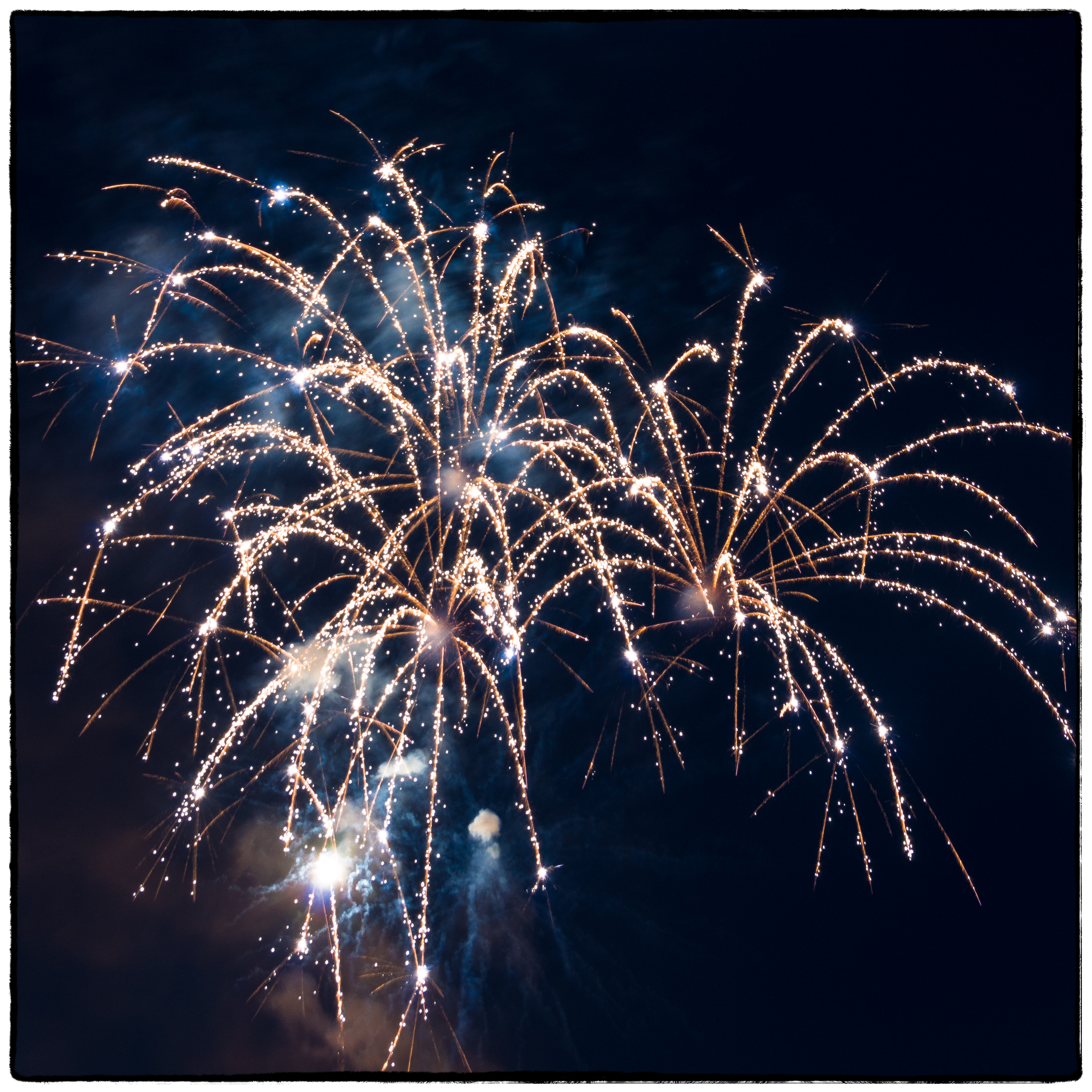
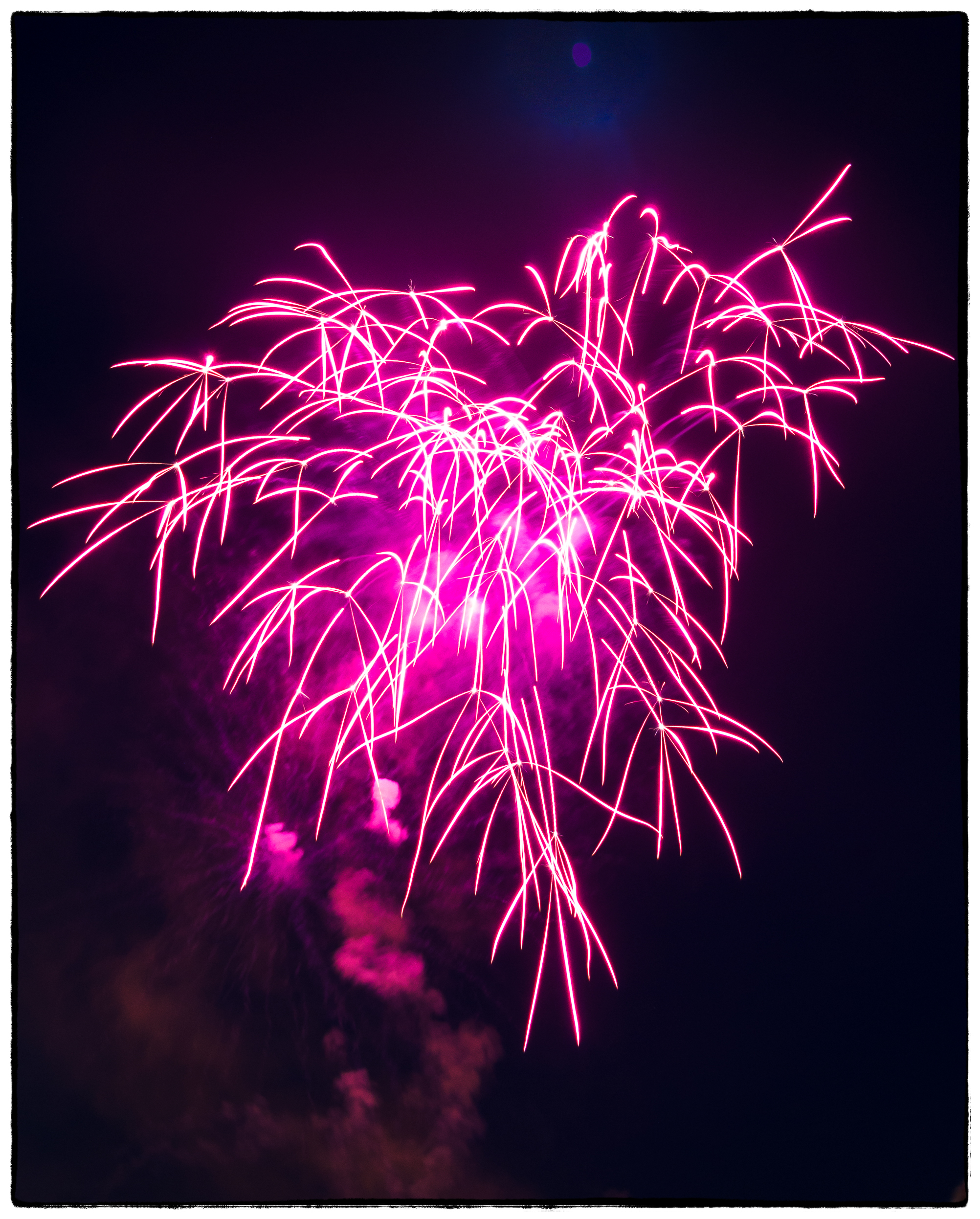
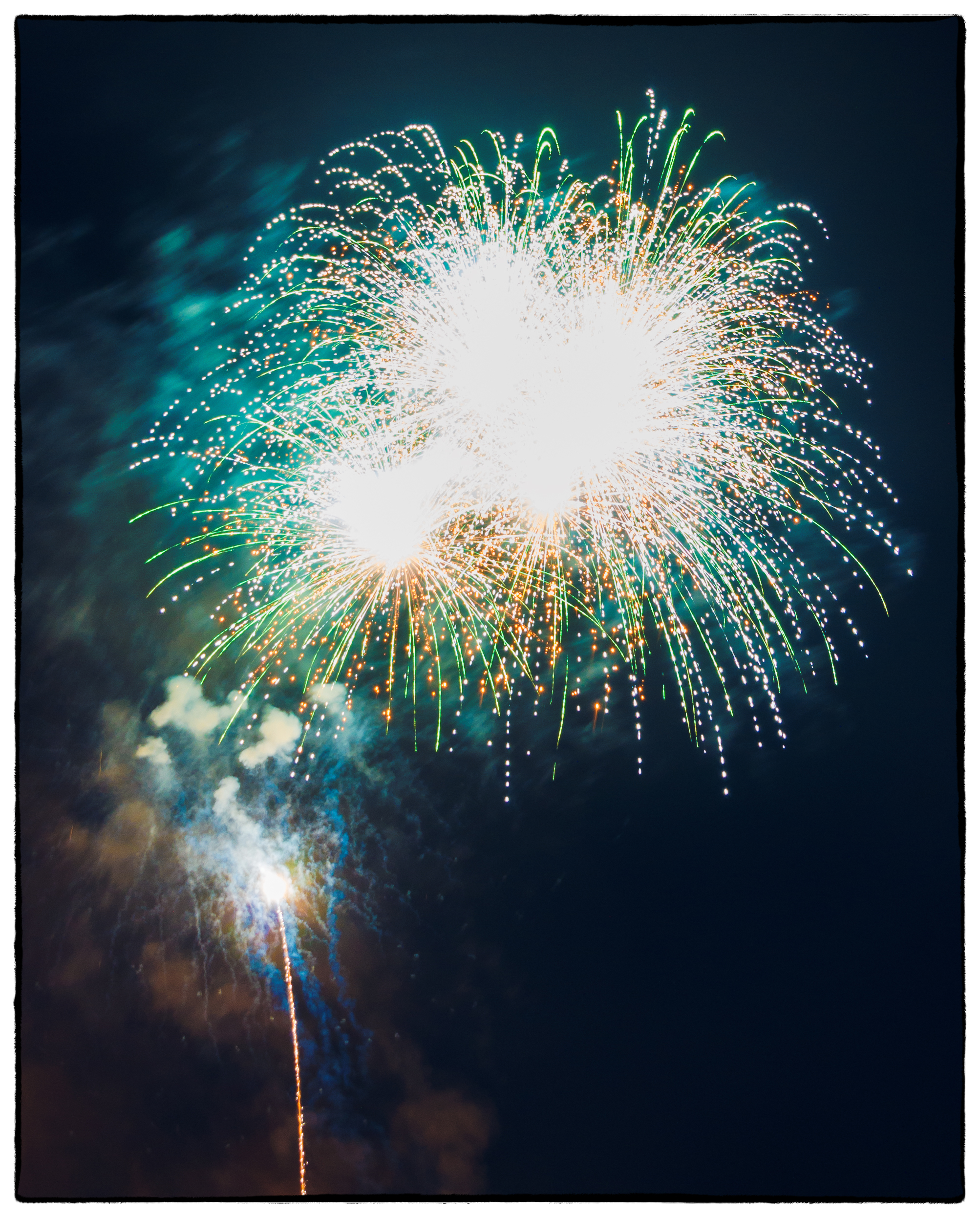
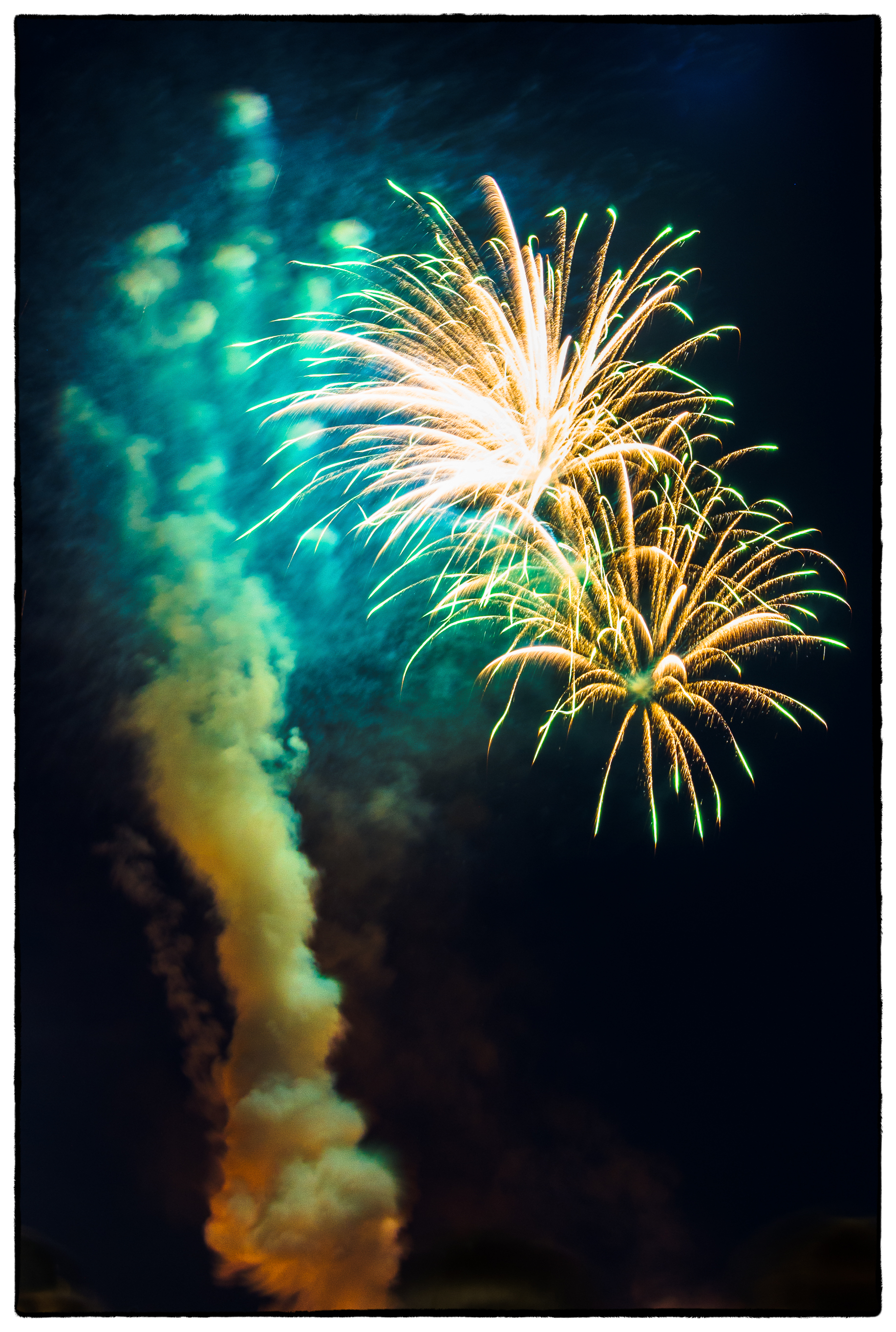
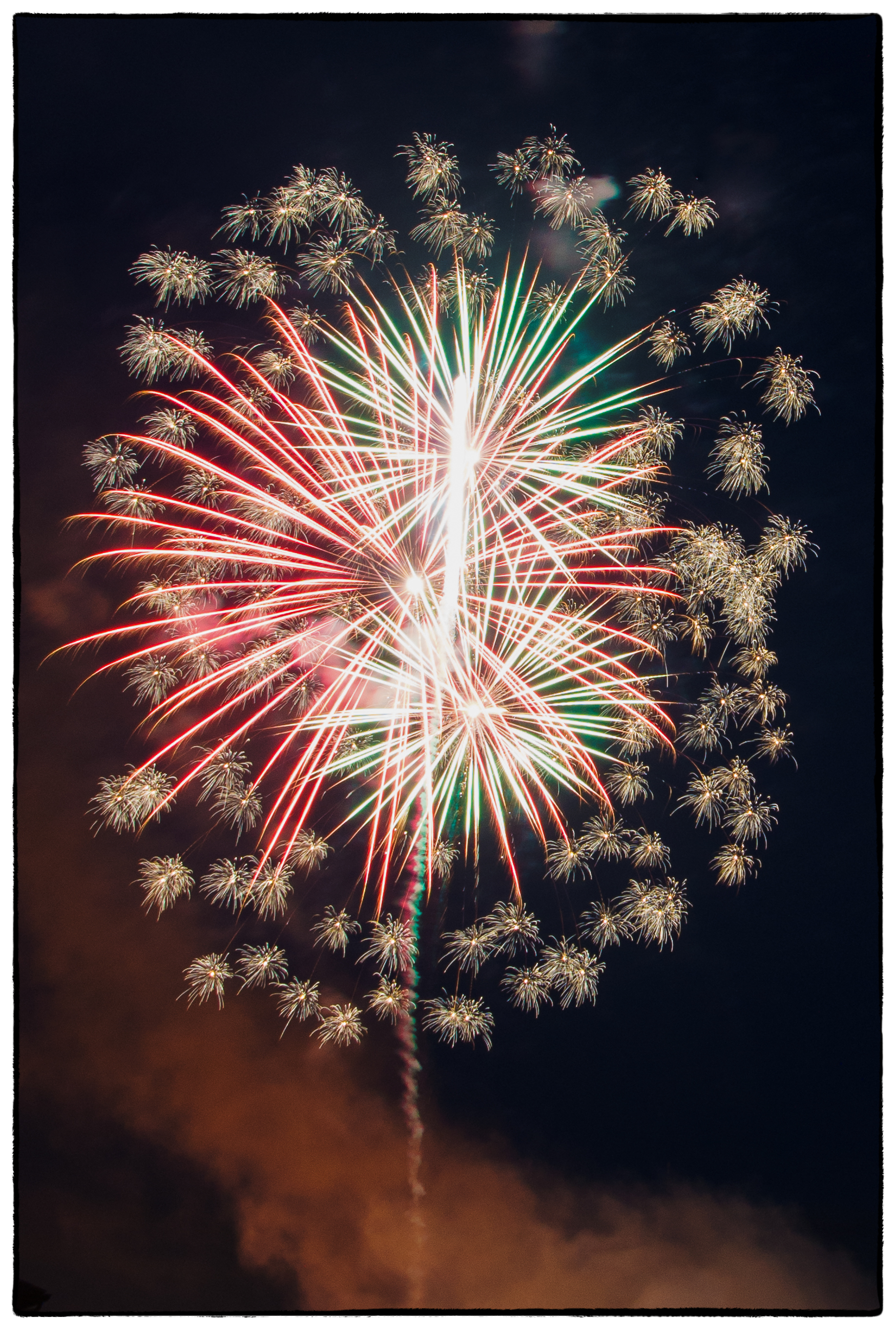
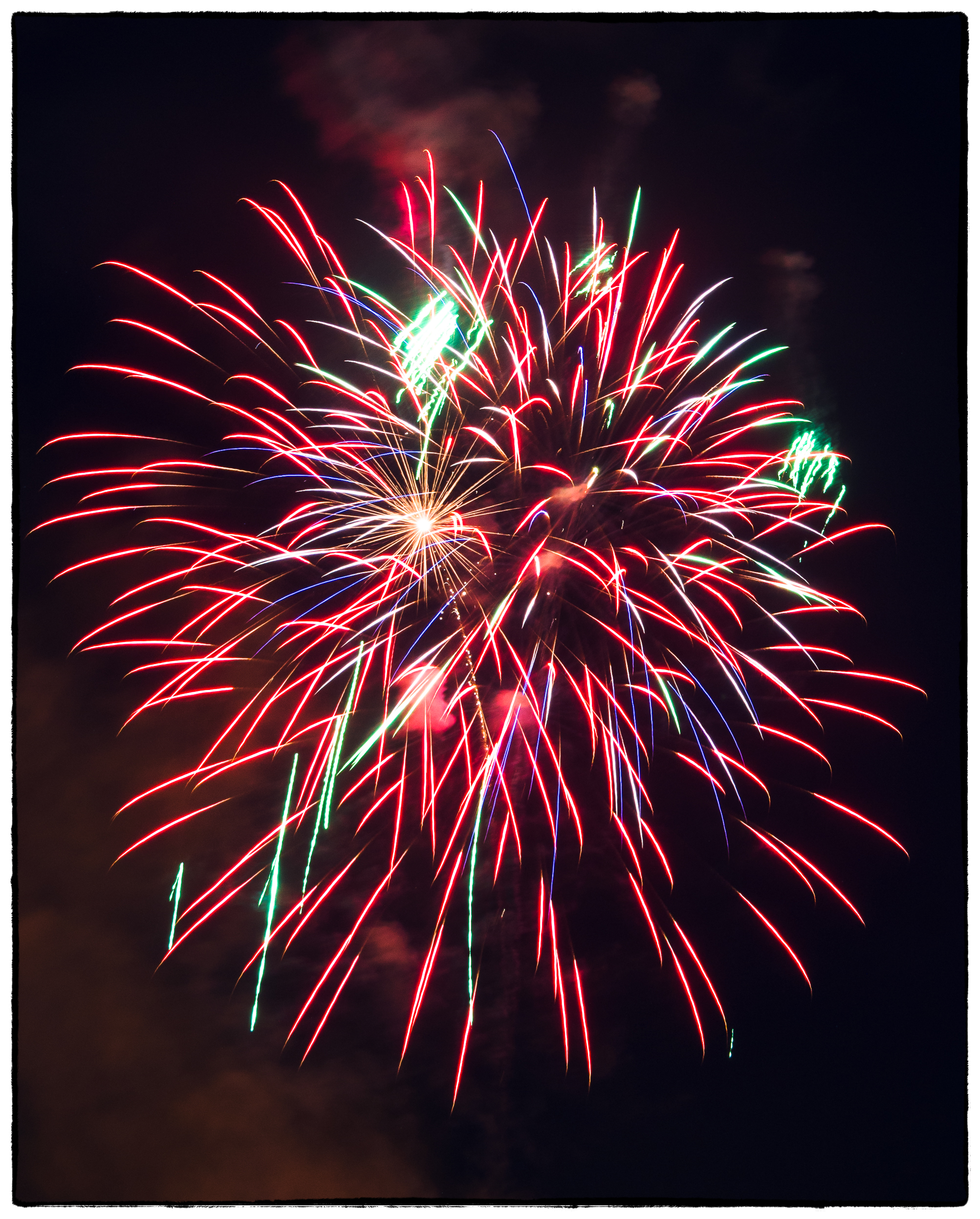
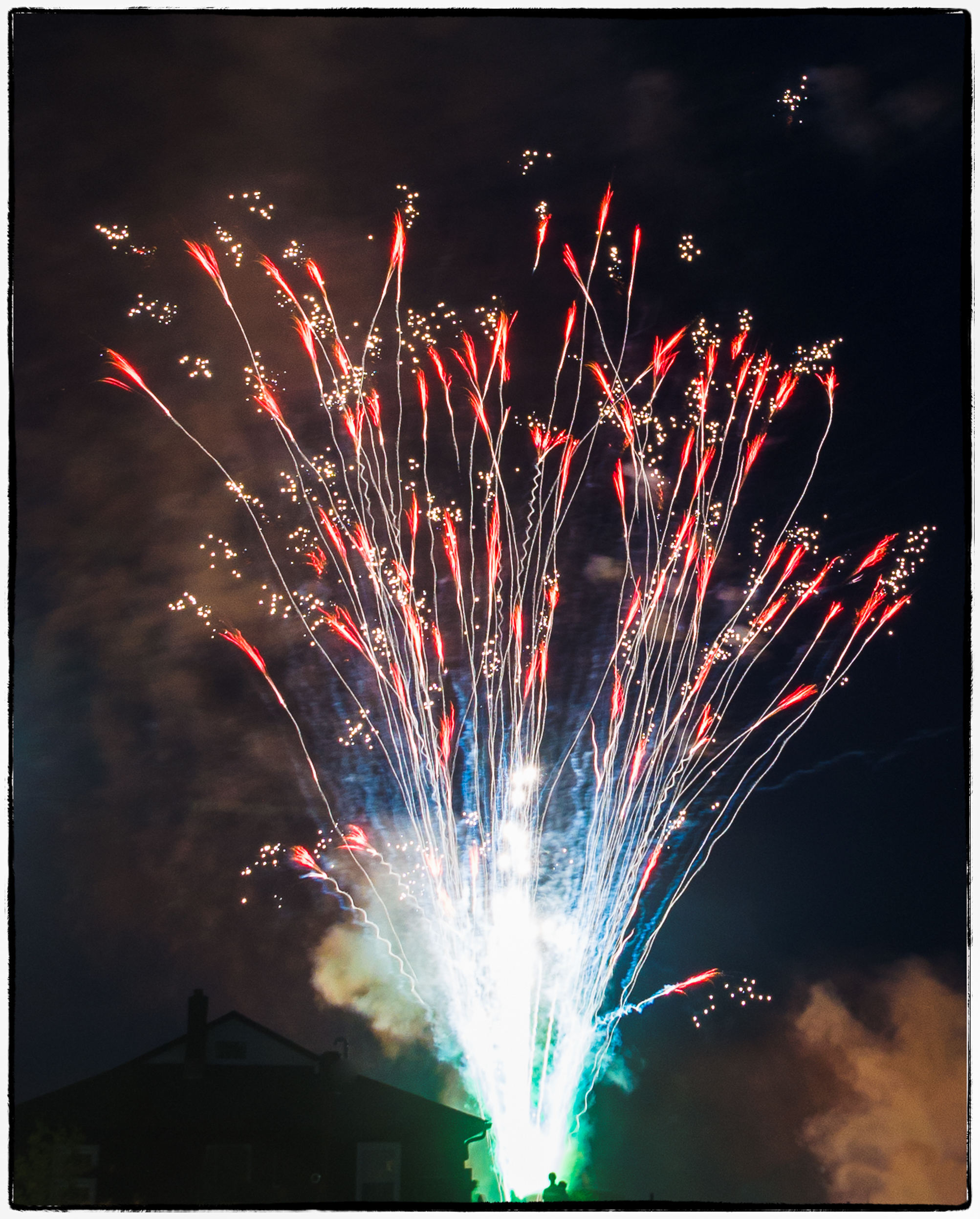
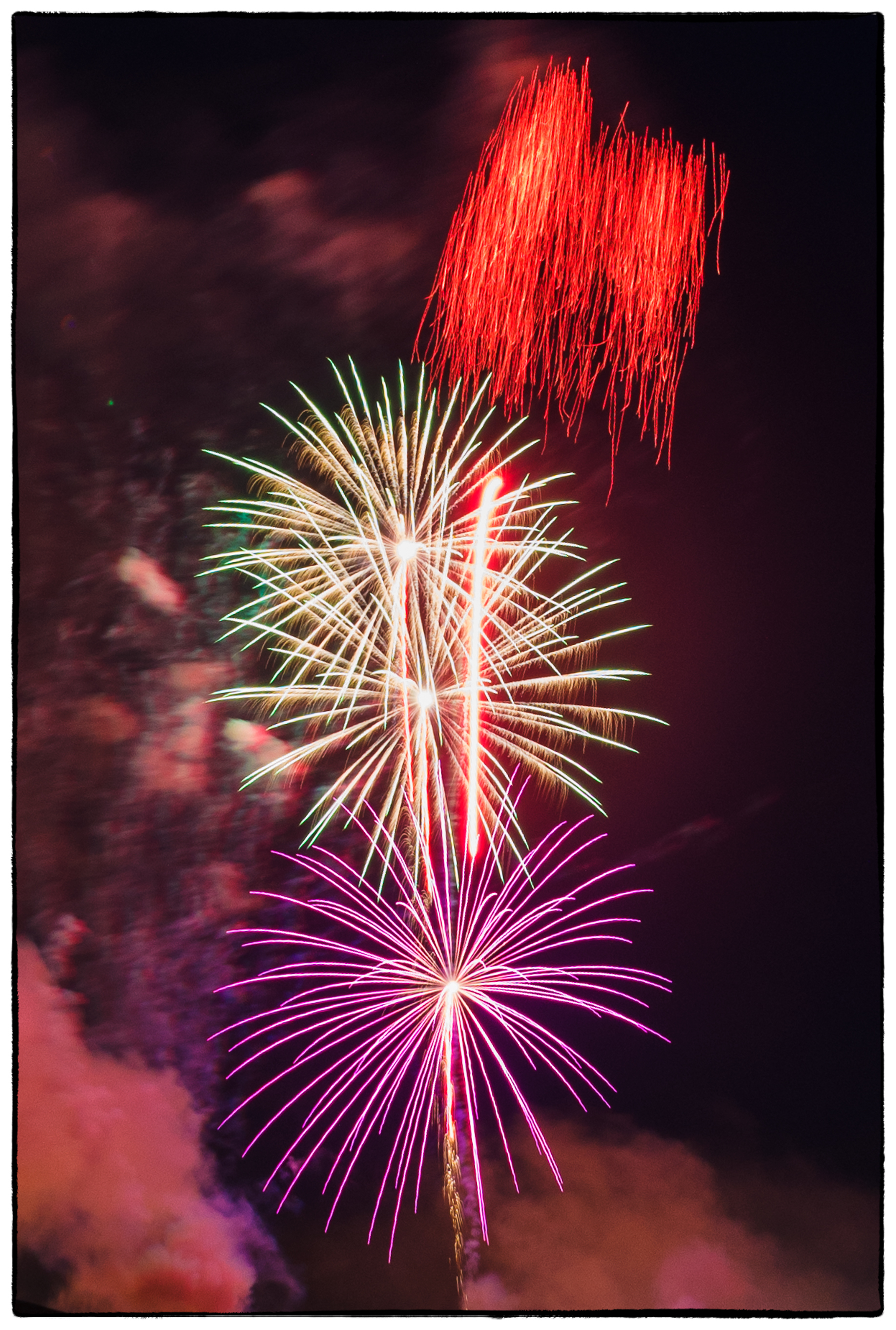
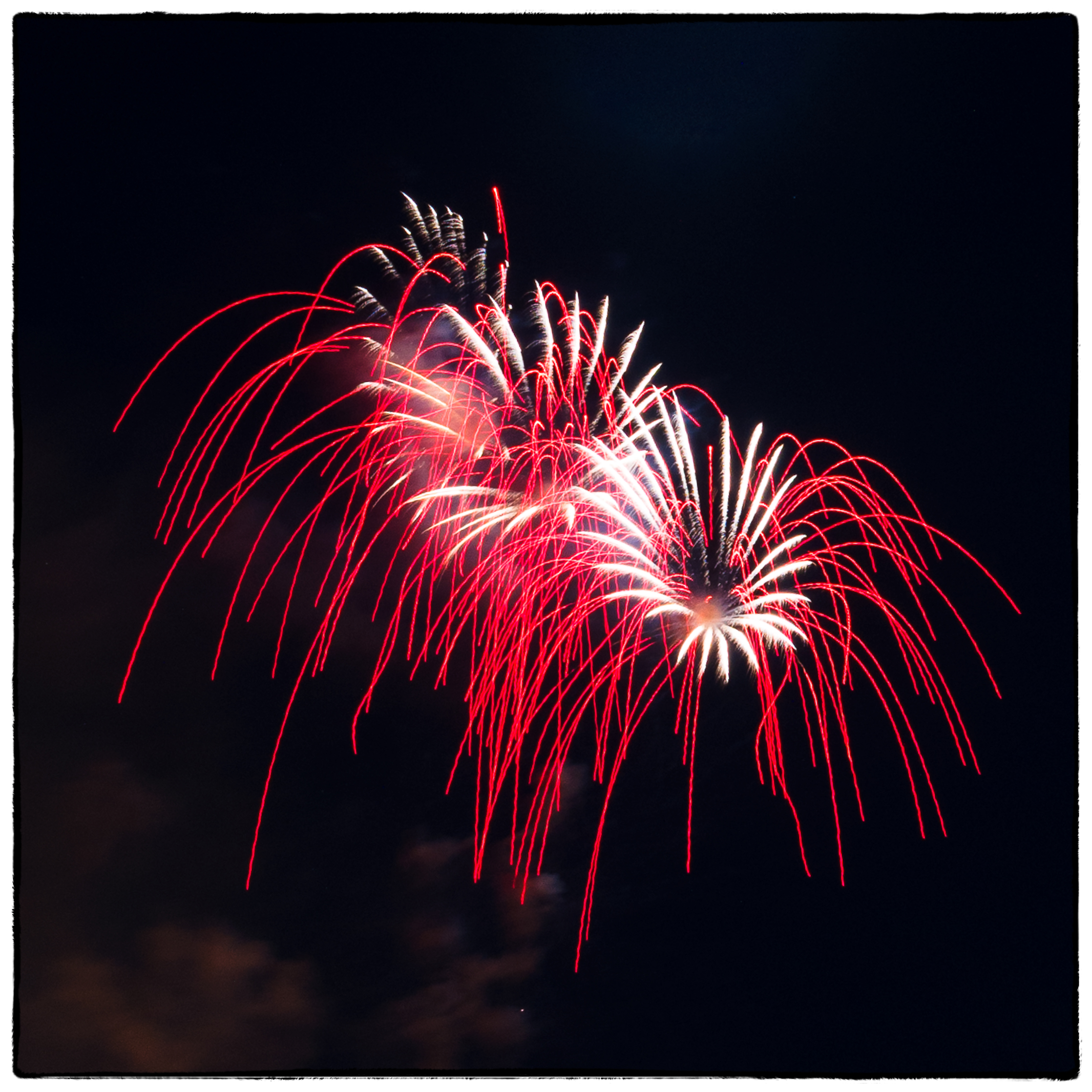
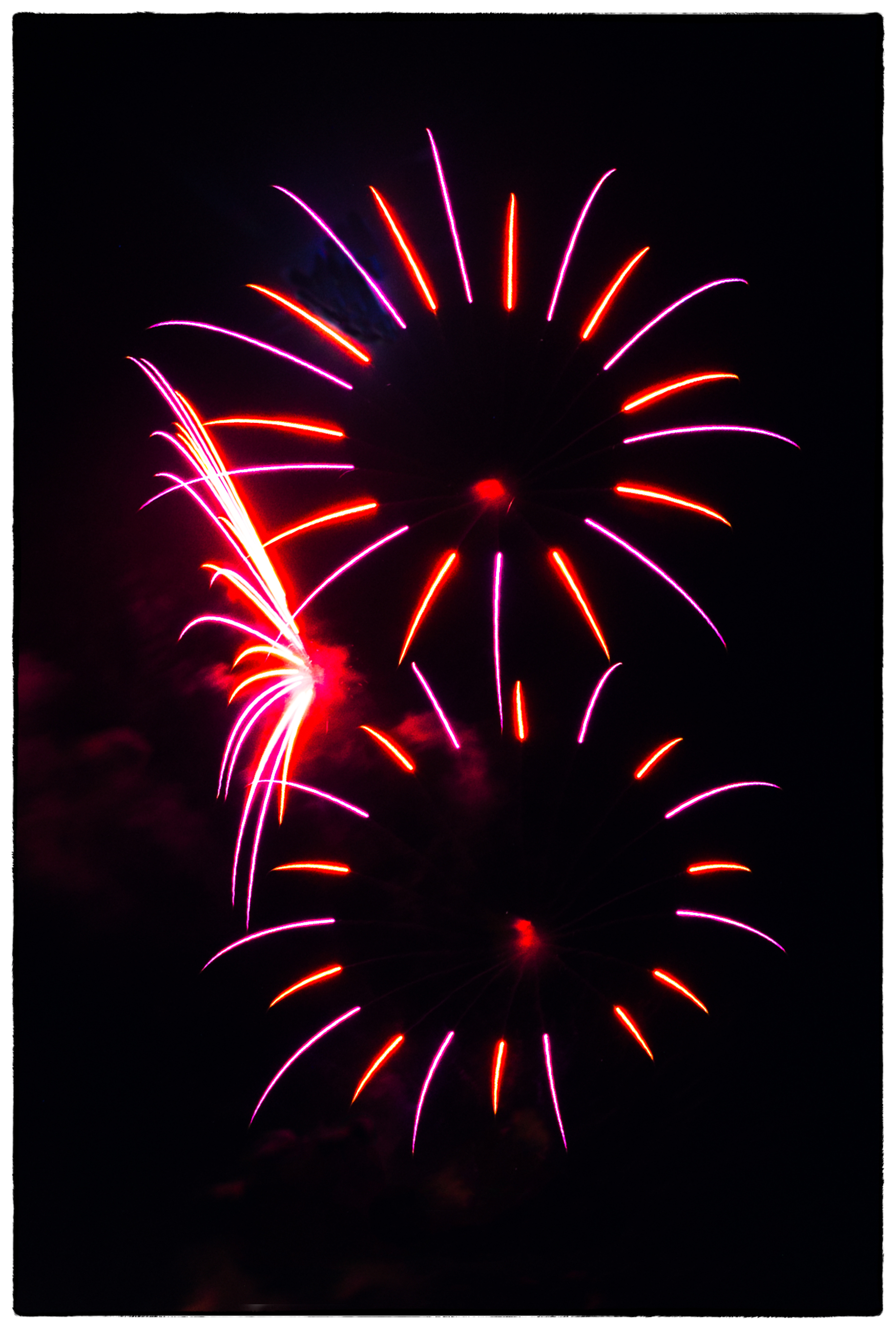
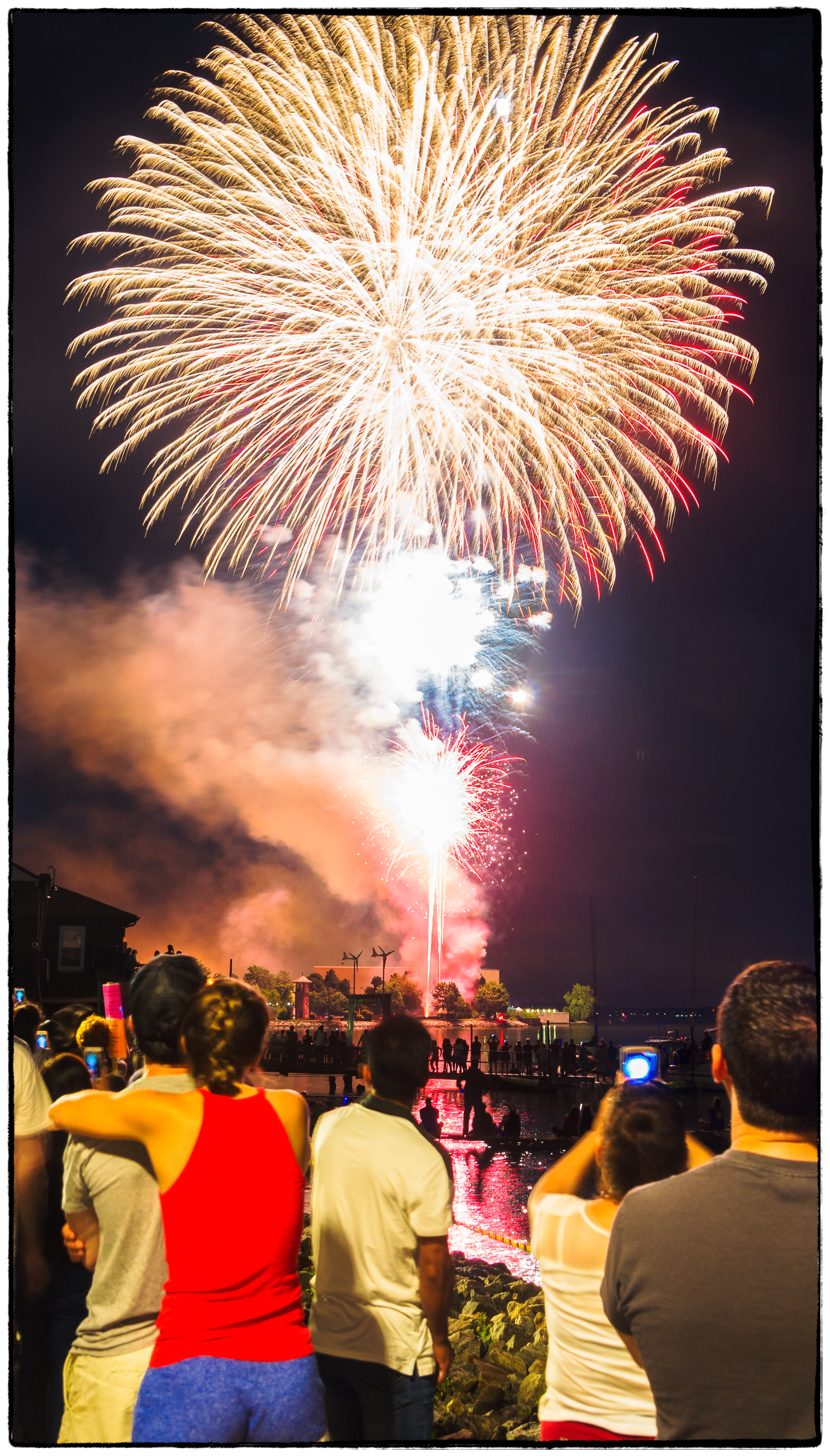
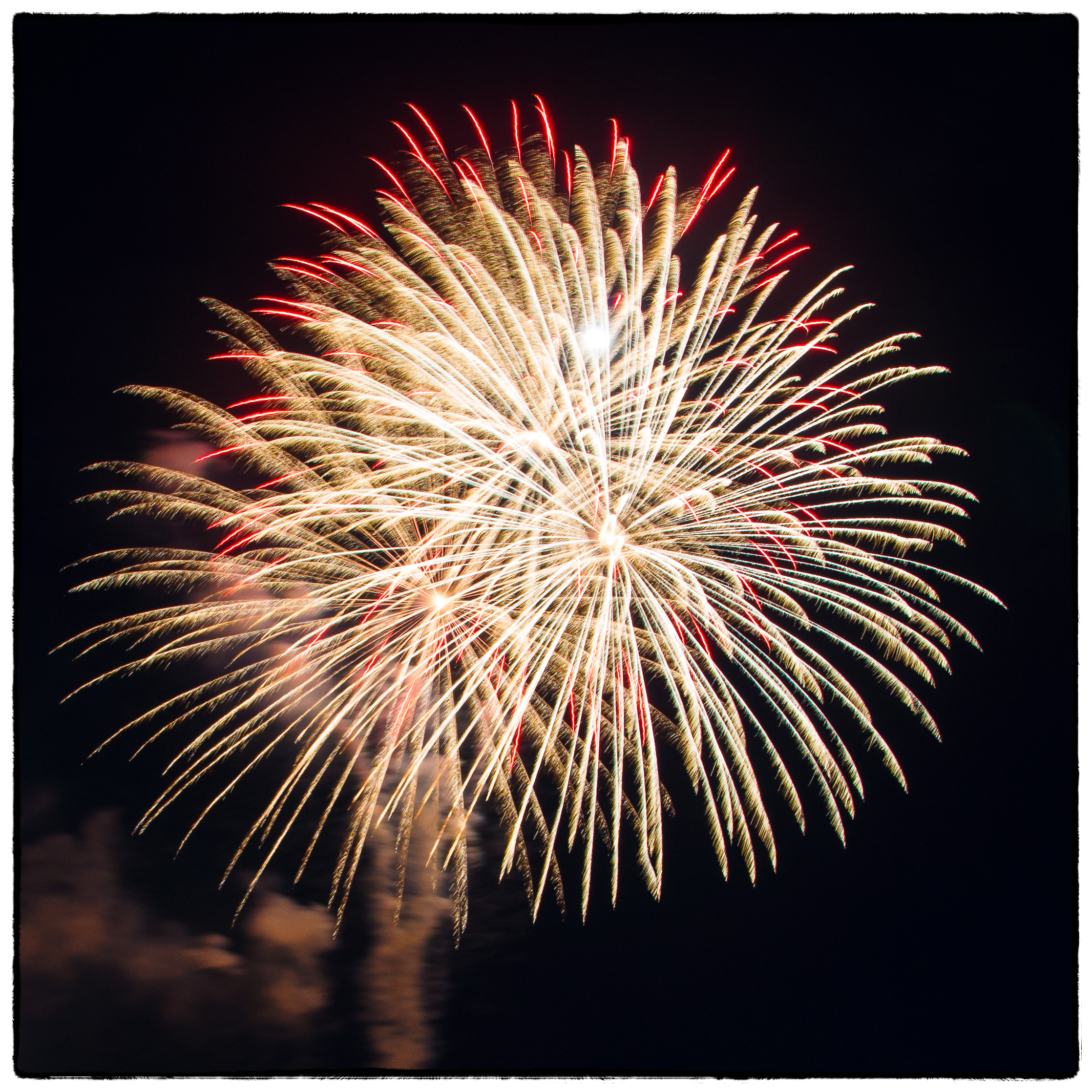
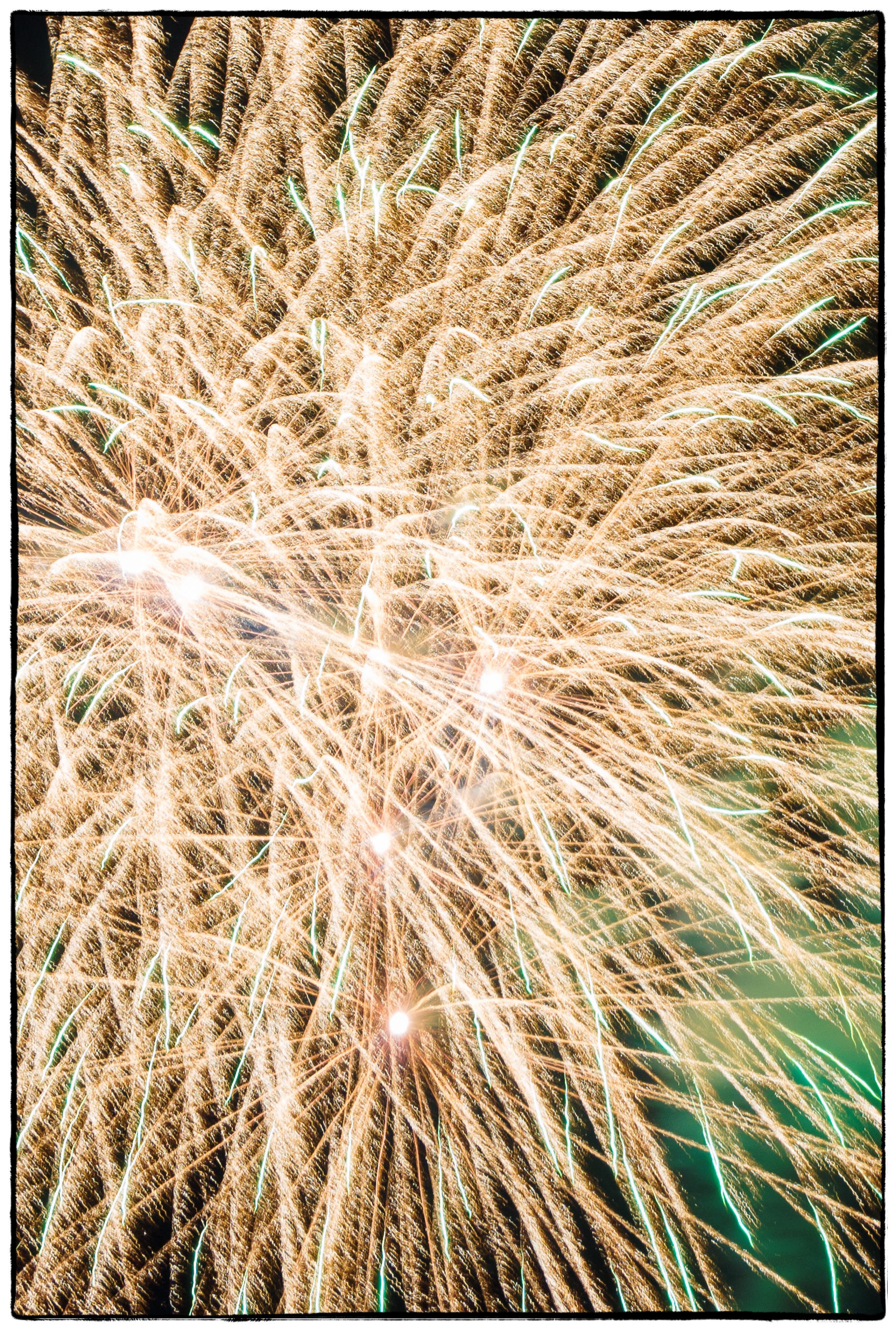
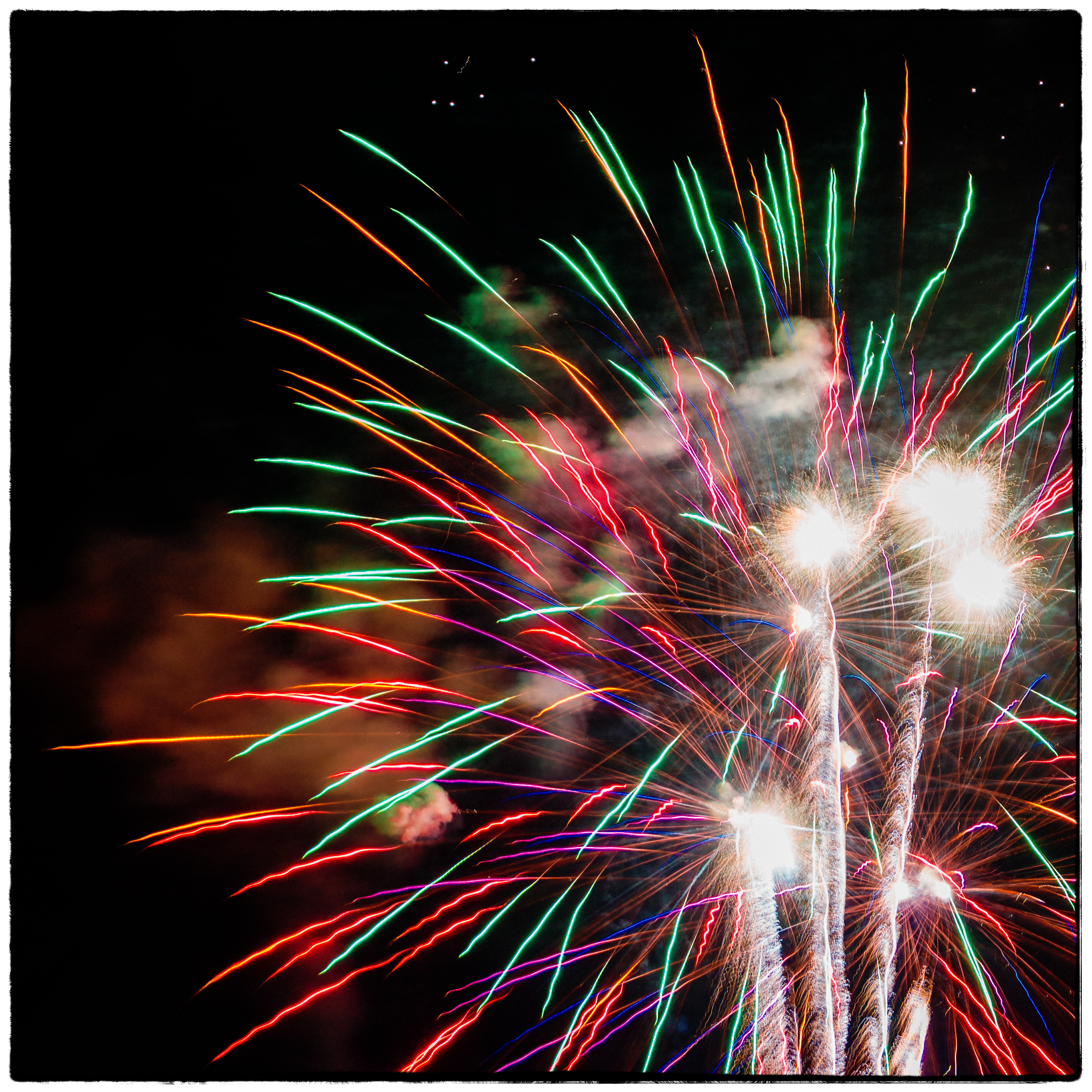
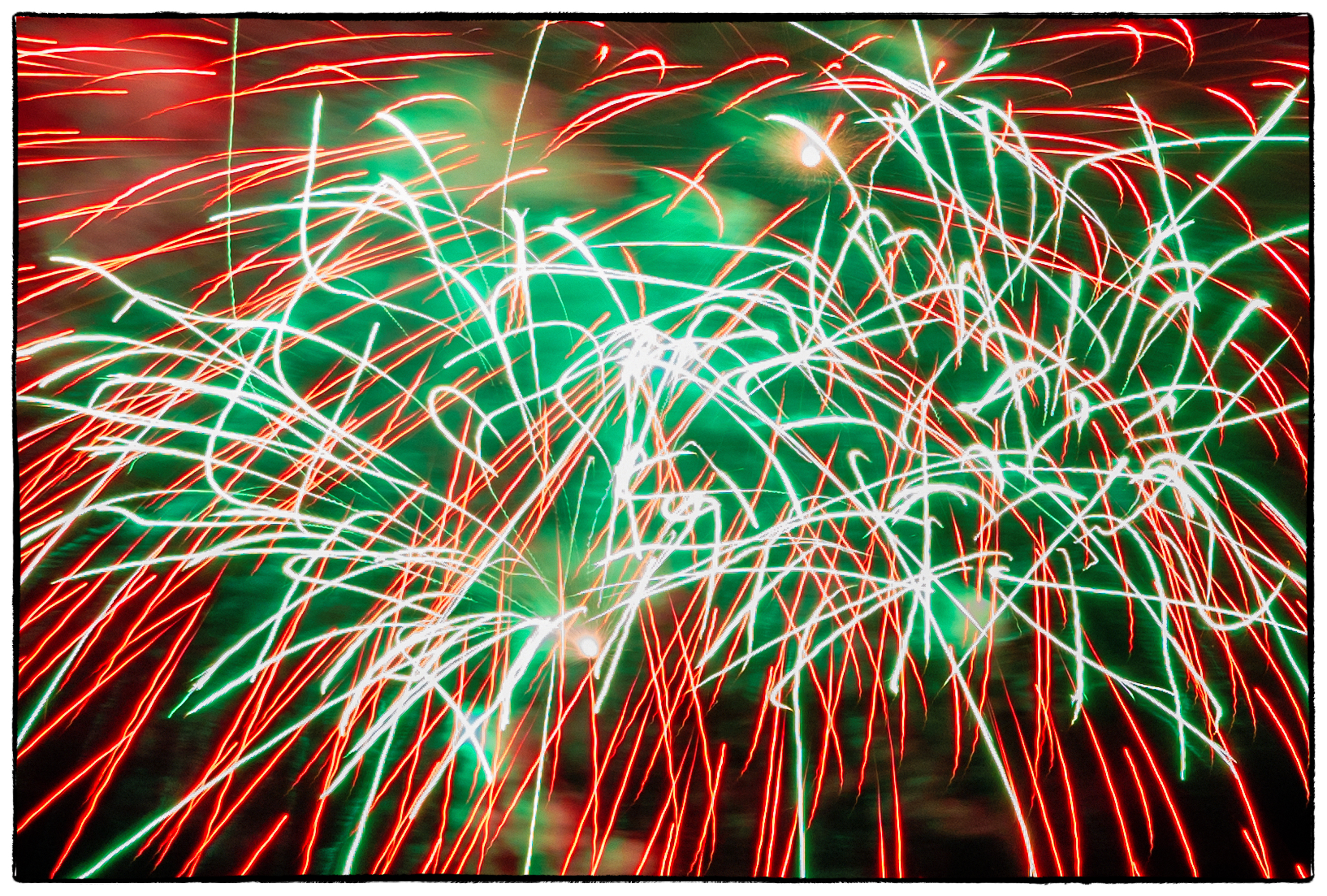
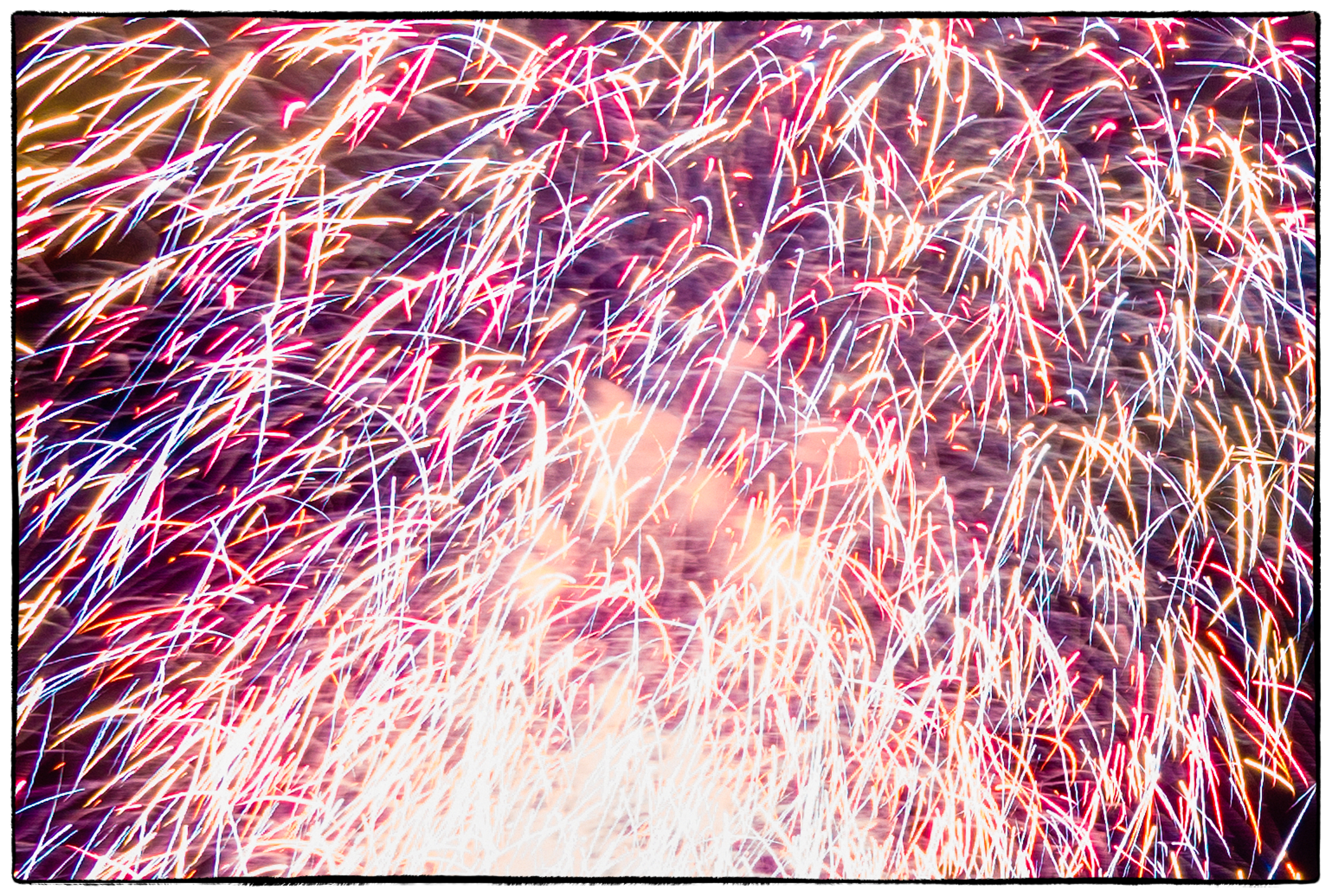
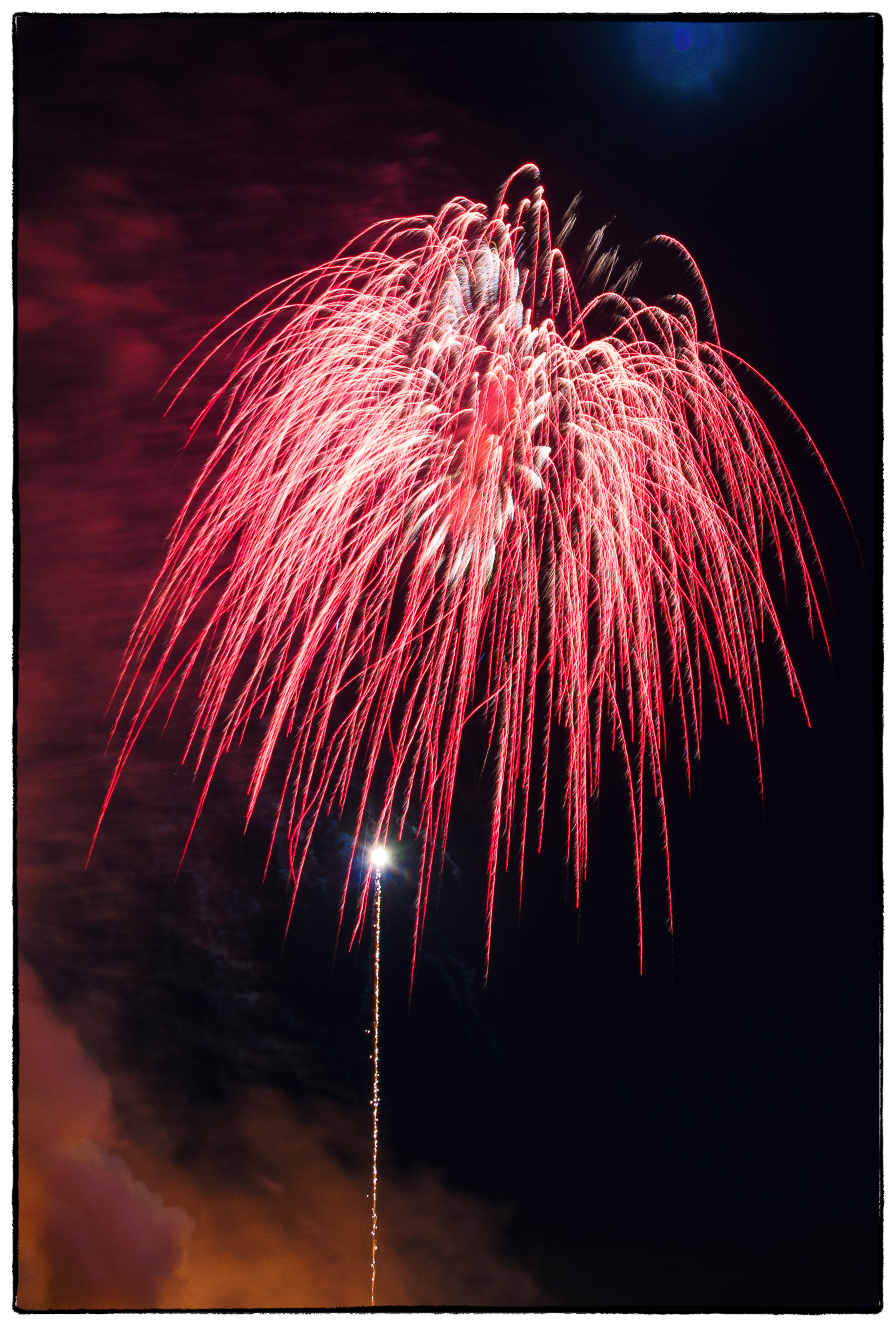
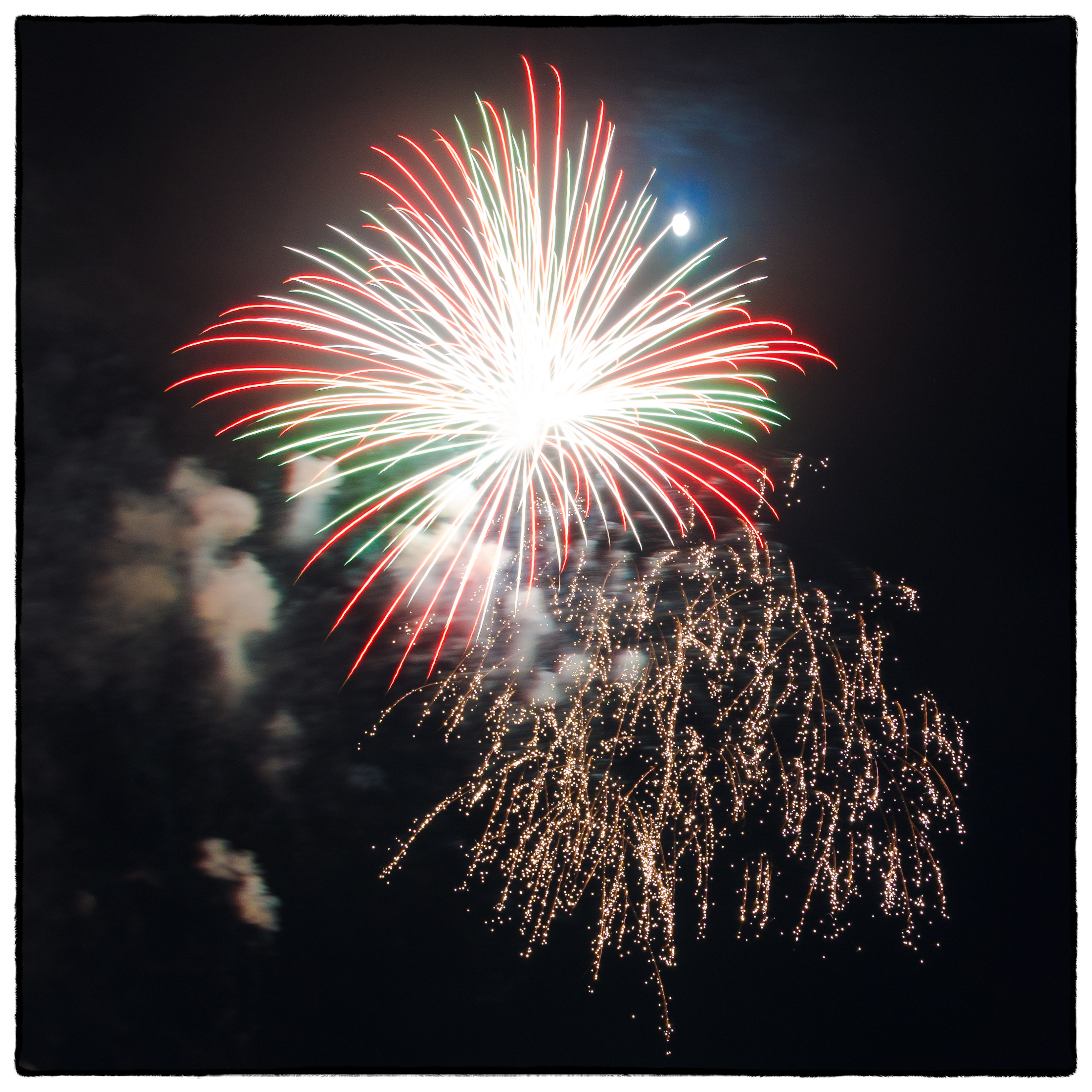
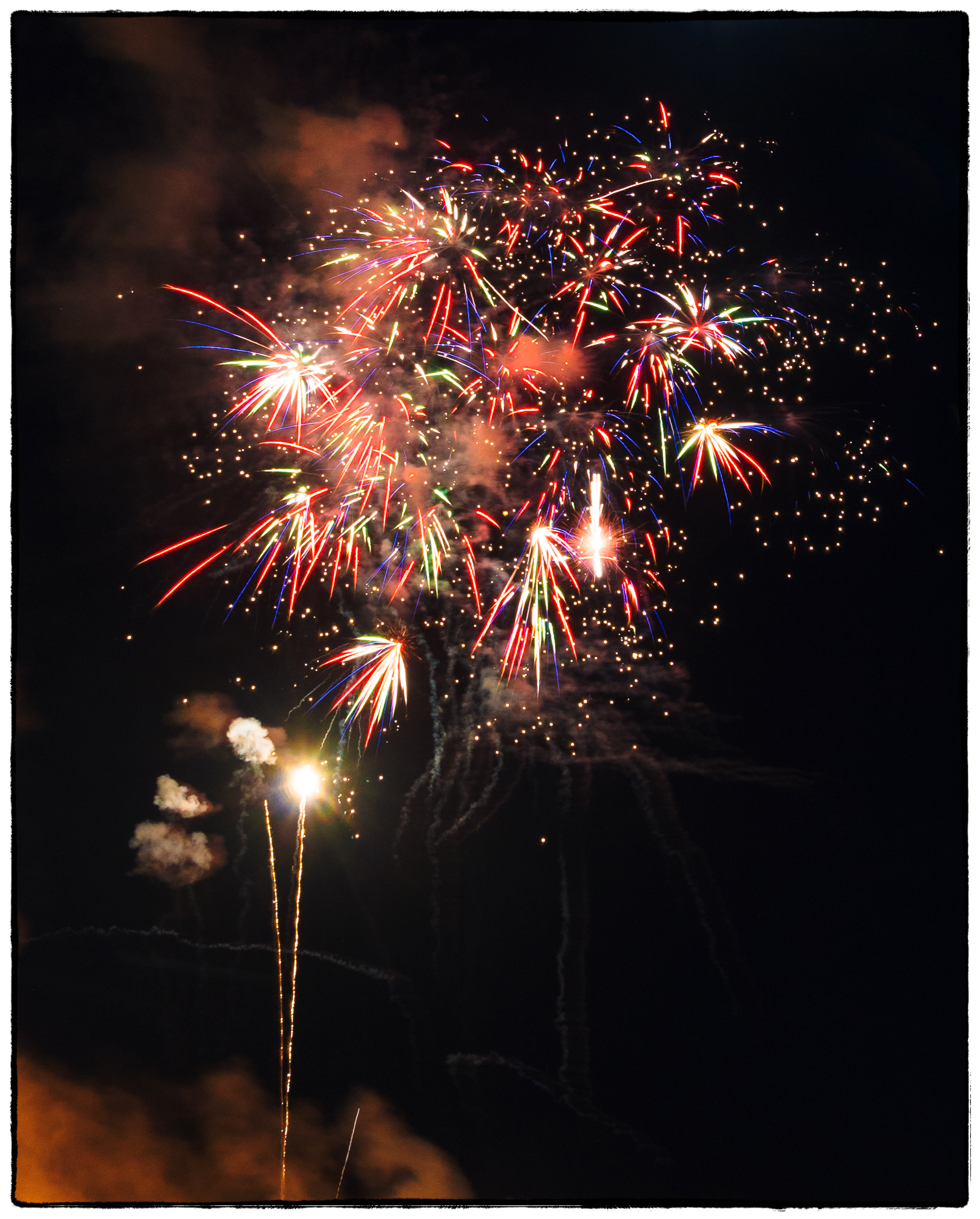
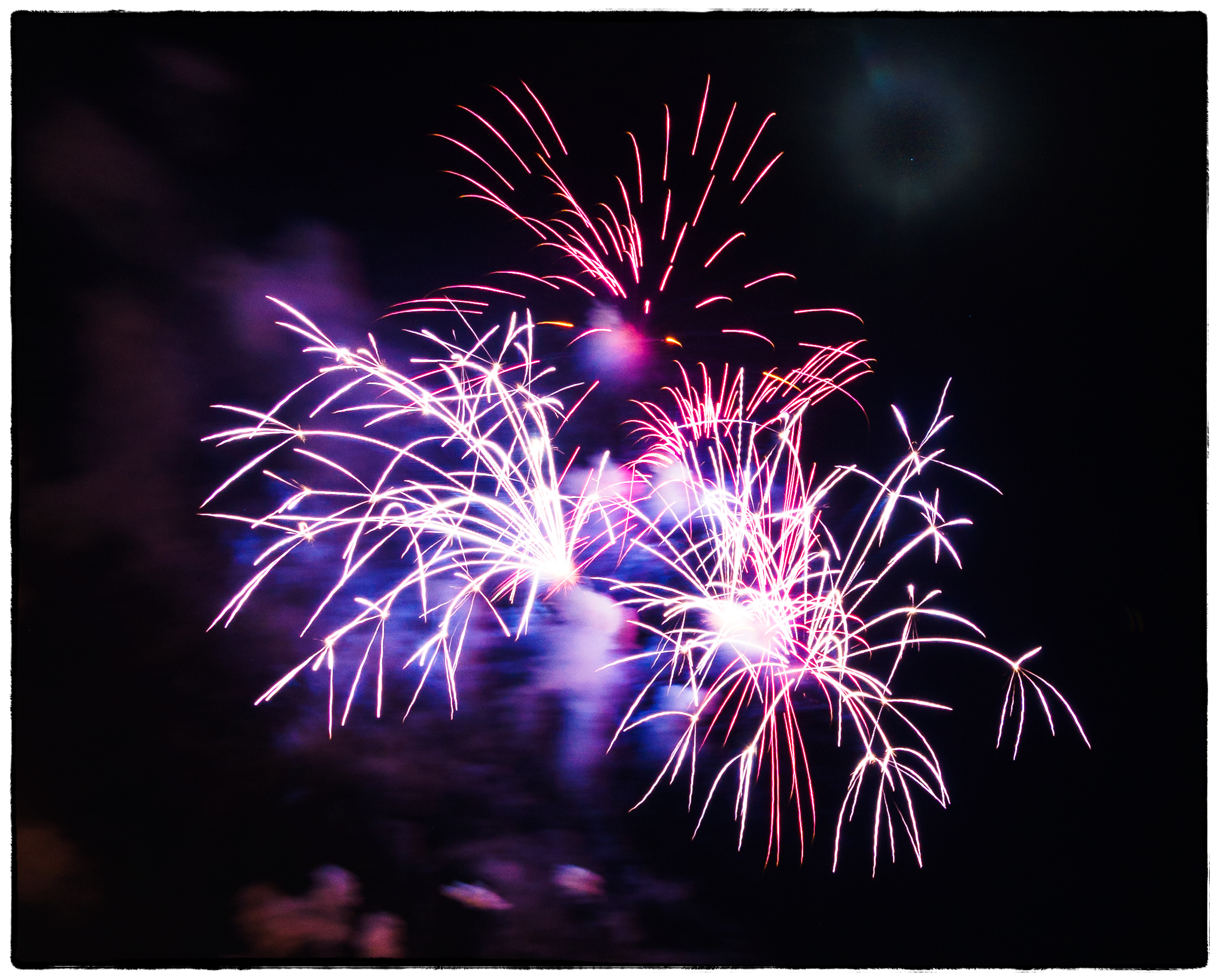
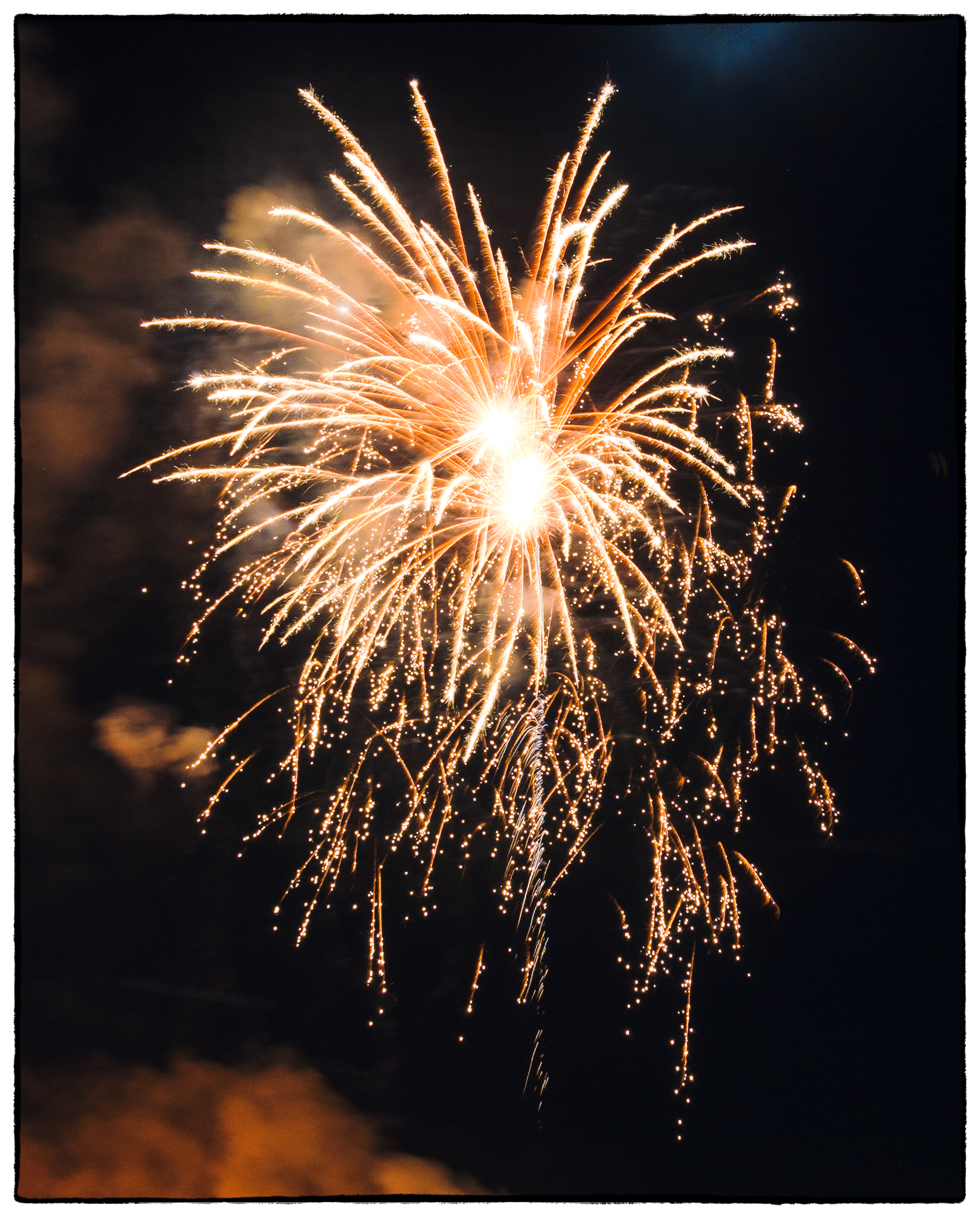
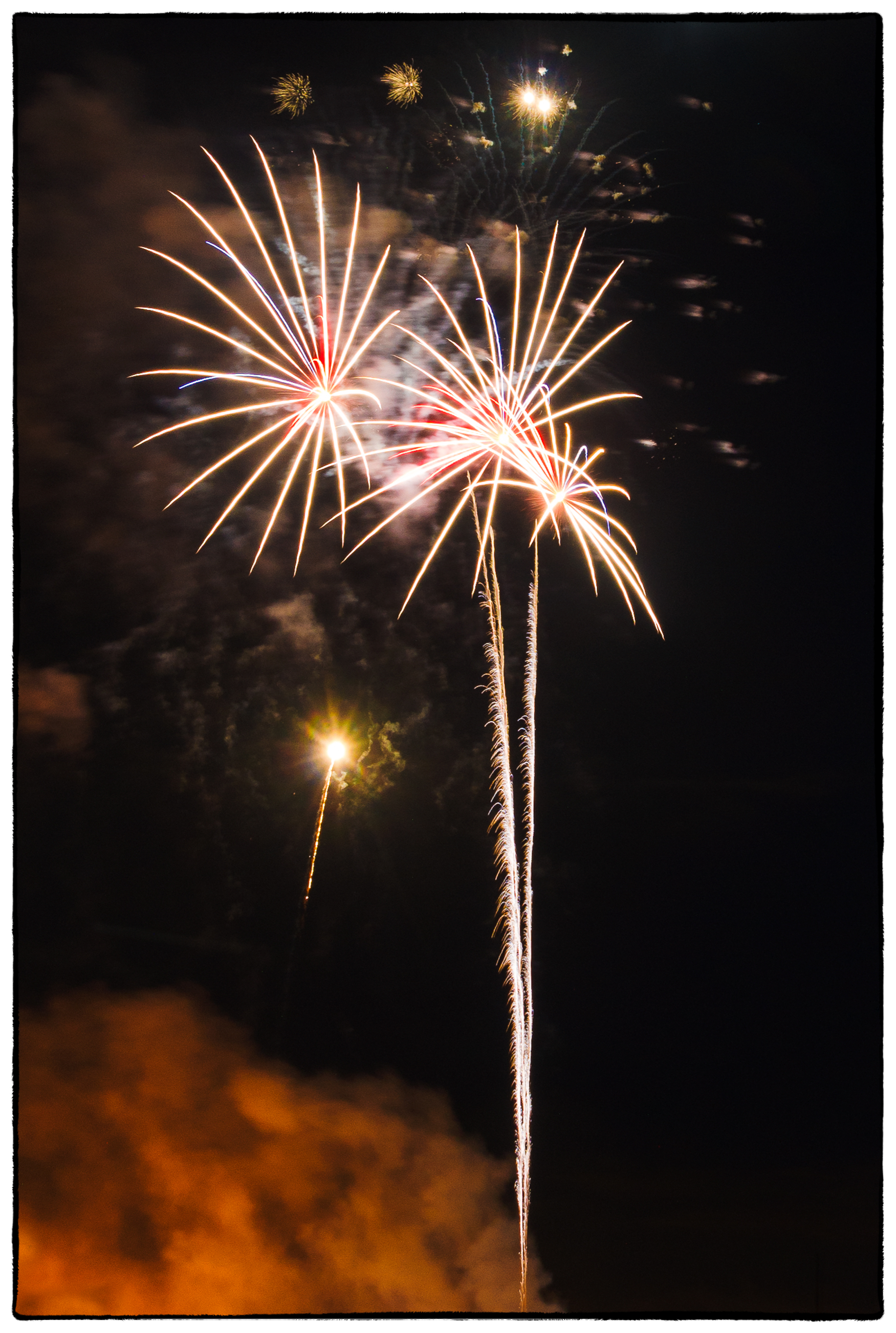
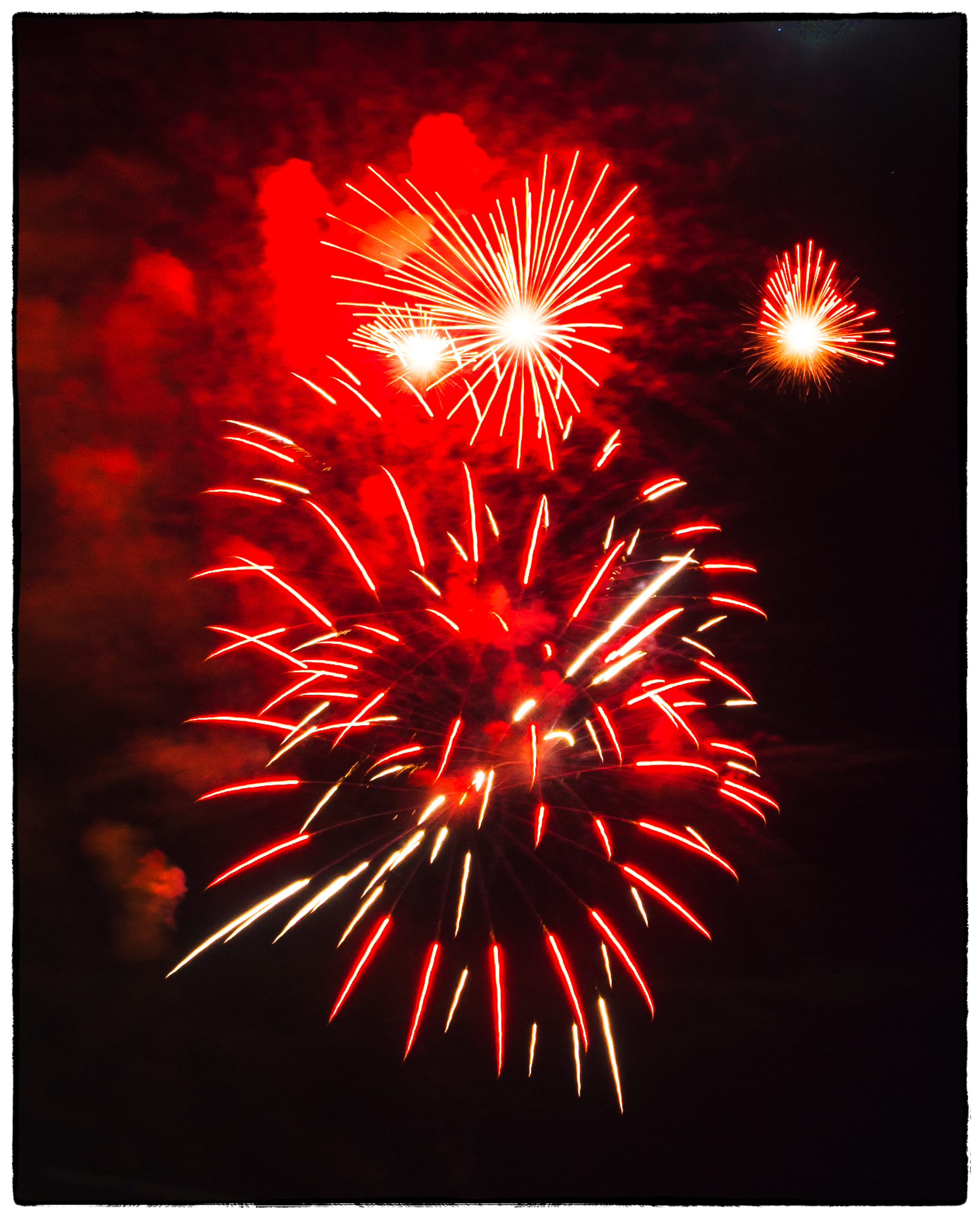
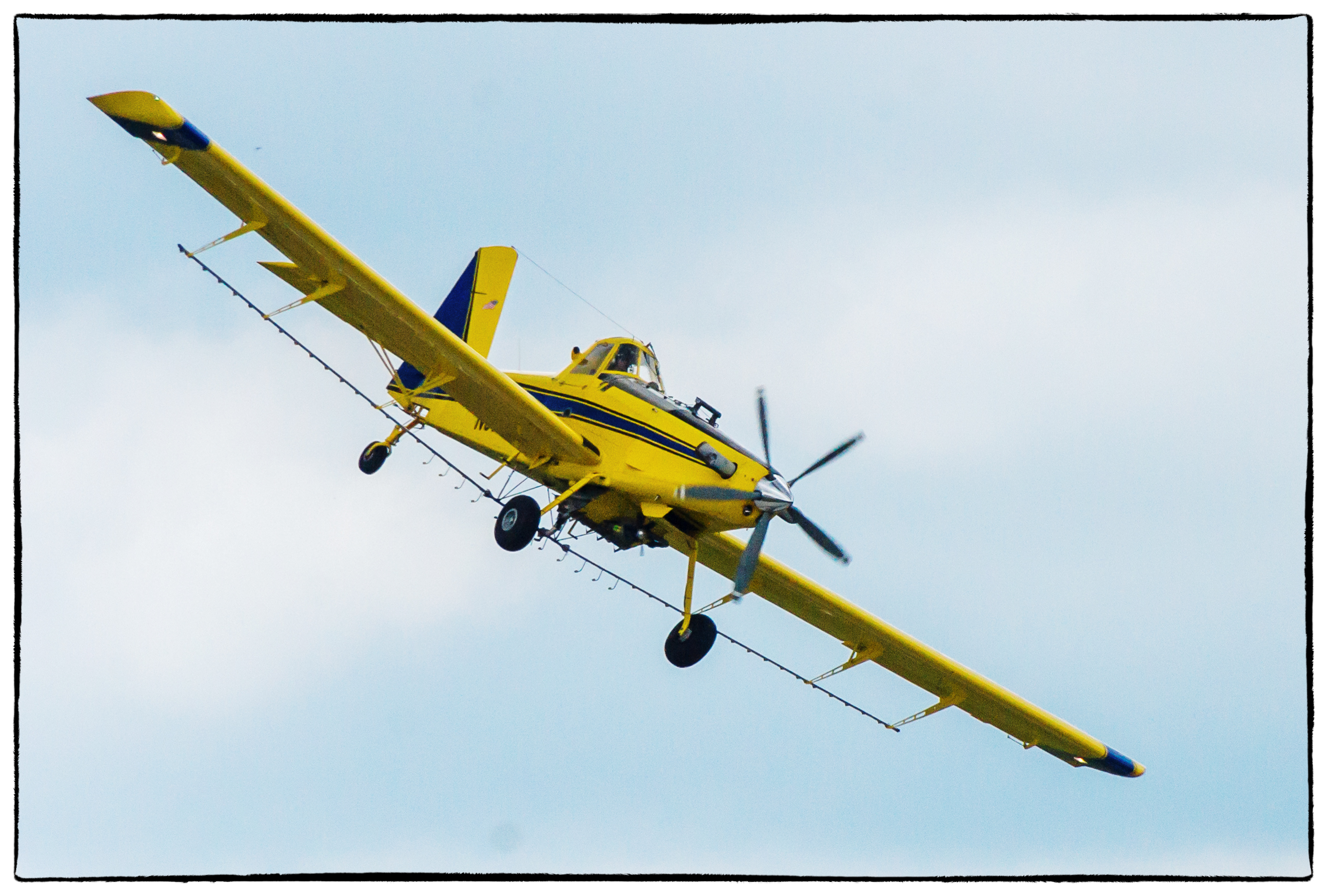
Independence Day 2017 Fireworks on the Ossining Waterfront

Better late than never!

I’d tried taking photographs of fireworks before, but I’d never really prepared properly (merely using whatever camera I had with me). Predictably the results were not particularly good. This time I took a bit more care, bringing along a tripod and a shutter release cord. I’m much happier with these.

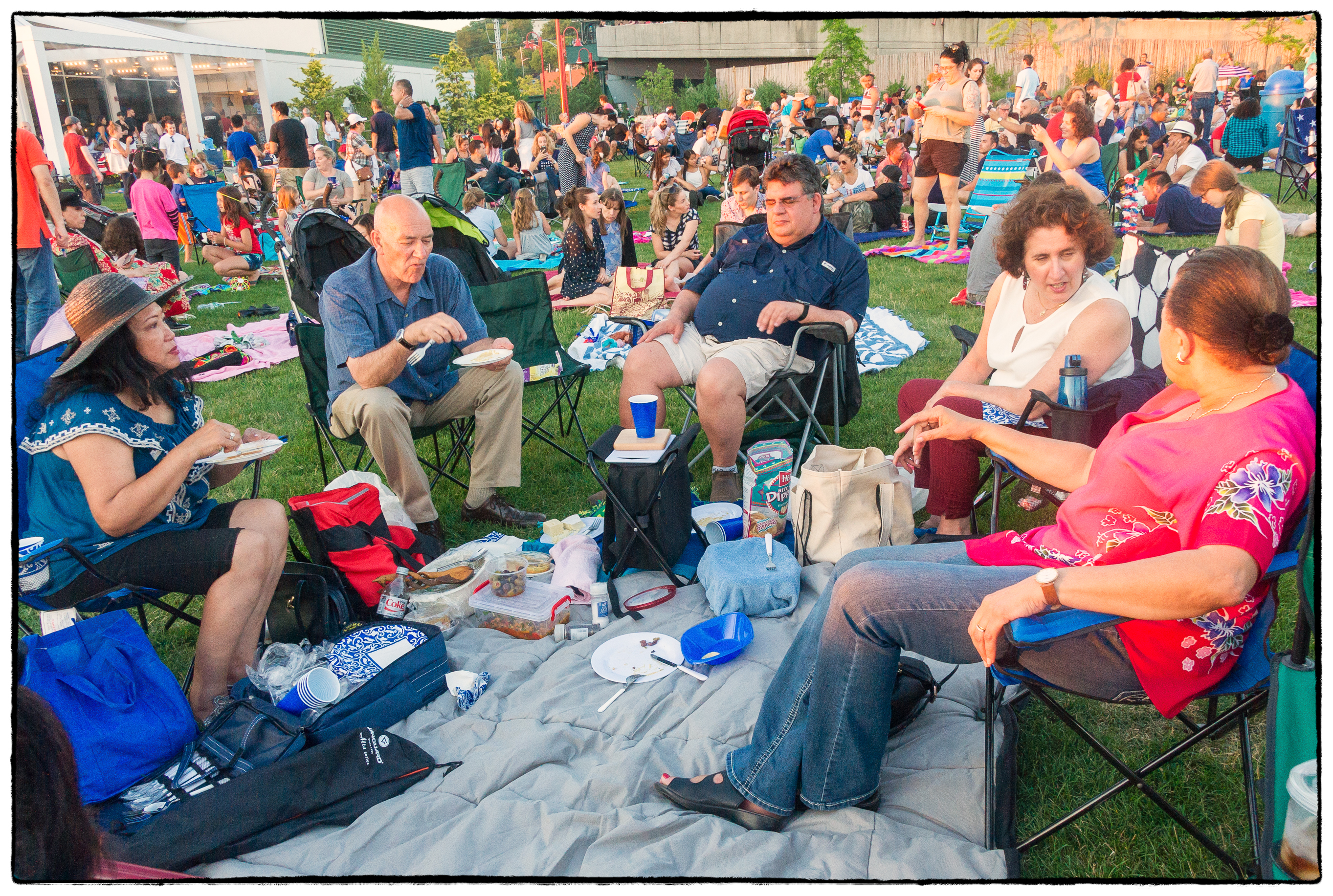
Picnic while waiting for the show to start.

Additional Fireworks pictures below. Click on a thumbnail to see a larger image.

Taken with a Sony Alpha 500 and Tamron A18 AF 18-250mm f3.5-6.3

New York Air Show 2017 – Heritage Flight

From top to bottom: F35 Lightning II; P-51 Mustang; F-16 Viper.

According to Wikipedia:

The Lockheed Martin F-35 Lightning II is a family of single-seat, single-engine, all-weather stealth multirole fighters. The fifth-generation combat aircraft is designed to perform ground attack and air superiority missions. It has three main models: the F-35A conventional takeoff and landing (CTOL) variant, the F-35B short take-off and vertical-landing (STOVL) variant, and the F-35C carrier-based Catapult Assisted Take-Off But Arrested Recovery (CATOBAR) variant. On 31 July 2015, the United States Marines declared ready for deployment the first squadron of F-35B fighters after intensive testing. On 2 August 2016, the U.S. Air Force declared its first squadron of F-35A fighters combat-ready.

The F-35 descends from the X-35, the winning design of the Joint Strike Fighter (JSF) program. An aerospace industry team led by Lockheed Martin designed and manufactures it. Other major F-35 industry partners include Northrop Grumman, Pratt & Whitney and BAE Systems. The F-35 first flew on 15 December 2006. The United States plans to buy 2,663 aircraft. Its variants are to provide the bulk of the crewed tactical airpower of the U.S. Air Force, Navy and the Marine Corps over the coming decades. Deliveries of the F-35 for the U.S. military are scheduled until 2037 with a projected service life up to 2070.

The United States principally funds the F-35 JSF development, with additional funding from partners. The partner nations are either NATO members or close U.S. allies. The United Kingdom, Italy, Australia, Canada, Norway, Denmark, the Netherlands, and Turkey are part of the active development program; several additional countries have ordered, or are considering ordering, the F-35.

The program is the most expensive military weapons system in history, and has been much criticized inside and outside government, in the U.S. and in allied countries. Critics argue that the plane is “plagued with design flaws”, with many blaming the procurement process in which Lockheed was allowed “to design, test, and produce the F-35 all at the same time, instead of… [identifying and fixing] defects before firing up its production line”. By 2014, the program was “$163 billion over budget [and] seven years behind schedule”. Critics also contend that the program’s high sunk costs and political momentum make it “too big to kill”.

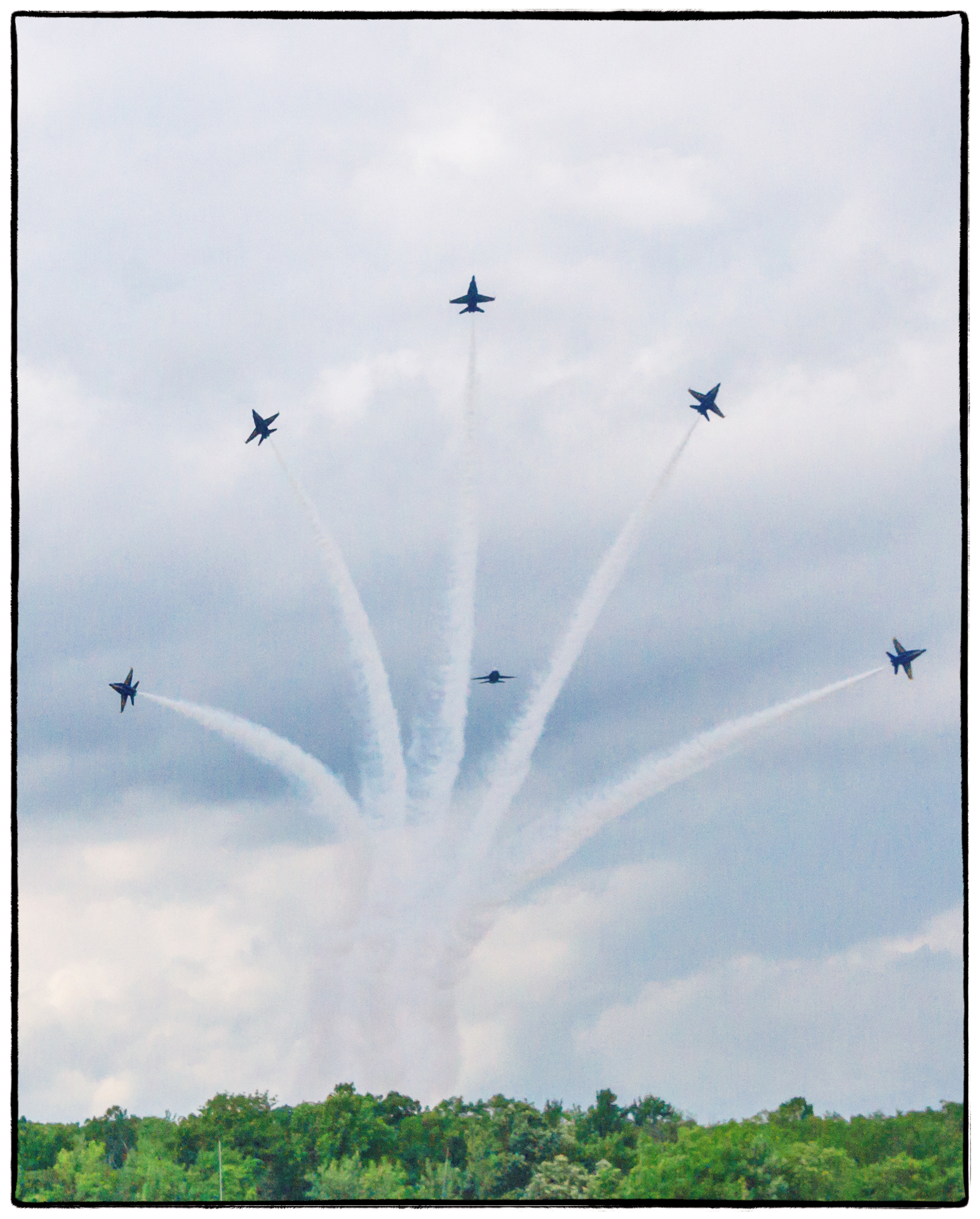
New York Air Show 2017 – Blue Angels

F/A 18 Hornets of the Blue Angels demonstration team. It must be about 50 years since I’ve seen a jet demonstration team (I think the last one I saw was the Royal Air Force Red Arrows when I was in my teens. In those days they were flying the Folland Gnat).

According to Wikipedia:

The Blue Angels is the United States Navy’s flight demonstration squadron, with aviators from the Navy and Marines. The Blue Angels team was formed in 1946, making it the second oldest formal flying aerobatic team (under the same name) in the world, after the French Patrouille de France formed in 1931.

The Blue Angels’ six demonstration pilots currently fly the McDonnell Douglas F/A-18 Hornet, typically in more than 70 shows at 34 locations throughout the United States each year, where they still employ many of the same practices and techniques used in their aerial displays in their inaugural 1946 season. An estimated 11 million spectators view the squadron during air shows each full year. The Blue Angels also visit more than 50,000 people in a standard show season (March through November) in schools and hospitals. Since 1946, the Blue Angels have flown for more than 260 million spectators.

New York Air Show 2017 – P-51 Mustang

One of the most famous aircraft of the Second World War and arguably the best all around fighter.

According to Wikipedia:

The North American Aviation P-51 Mustang is an American long-range, single-seat fighter and fighter-bomber used during World War II and the Korean War, among other conflicts. The Mustang was designed in 1940 by North American Aviation (NAA) in response to a requirement of the British Purchasing Commission. The Purchasing Commission approached North American Aviation to build Curtiss P-40 fighters under license for the Royal Air Force (RAF). Rather than build an old design from another company, North American Aviation proposed the design and production of a more modern fighter. The prototype NA-73X airframe was rolled out on 9 September 1940, 102 days after the contract was signed, and first flew on 26 October.

The Mustang was originally designed to use the Allison V-1710 engine, which, in its earlier variants, had limited high-altitude performance. It was first flown operationally by the RAF as a tactical-reconnaissance aircraft and fighter-bomber (Mustang Mk I). The addition of the Rolls-Royce Merlin to the P-51B/C model transformed the Mustang’s performance at altitudes above 15,000 ft, allowing the aircraft to compete with the Luftwaffe’s fighters. The definitive version, the P-51D, was powered by the Packard V-1650-7, a license-built version of the Rolls-Royce Merlin 66 two-stage two-speed supercharged engine and was armed with six .50 caliber (12.7 mm) M2/AN Browning machine guns.

From late 1943, P-51Bs and Cs (supplemented by P-51Ds from mid-1944) were used by the USAAF’s Eighth Air Force to escort bombers in raids over Germany, while the RAF’s Second Tactical Air Force and the USAAF’s Ninth Air Force used the Merlin-powered Mustangs as fighter-bombers, roles in which the Mustang helped ensure Allied air superiority in 1944. The P-51 was also used by Allied air forces in the North African, Mediterranean, Italian and Pacific theaters. During World War II, Mustang pilots claimed to have destroyed 4,950 enemy aircraft.

At the start of the Korean War, the Mustang was the main fighter of the United Nations until jet fighters, including the F-86, took over this role; the Mustang then became a specialized fighter-bomber. Despite the advent of jet fighters, the Mustang remained in service with some air forces until the early 1980s. After the Korean War, Mustangs became popular civilian warbird and air racing aircraft.

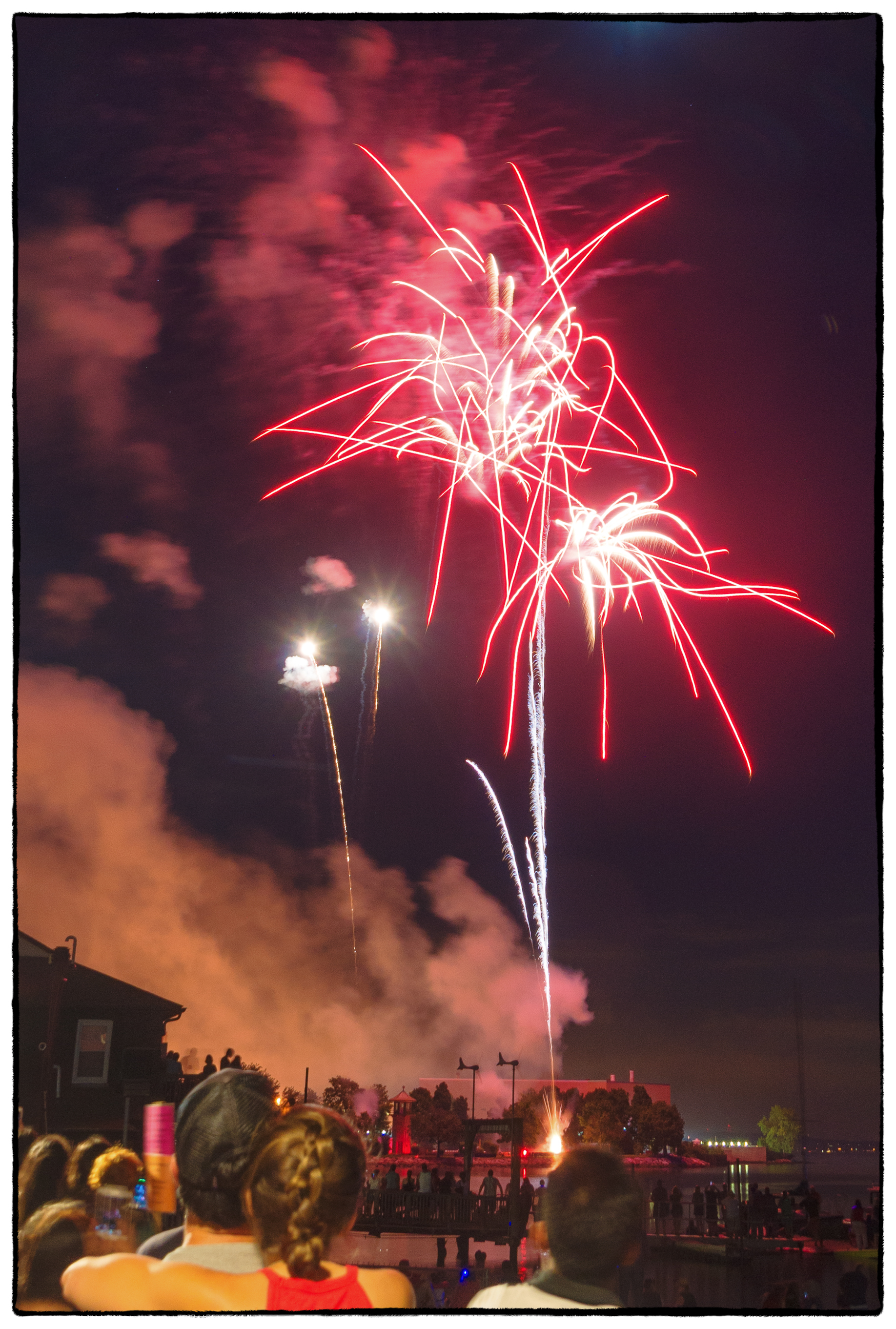
New York Air Show 2017 – Air Tractor

There seem to be at least 17 variants of the Air Tractor, and I’m not at all sure which one this is.
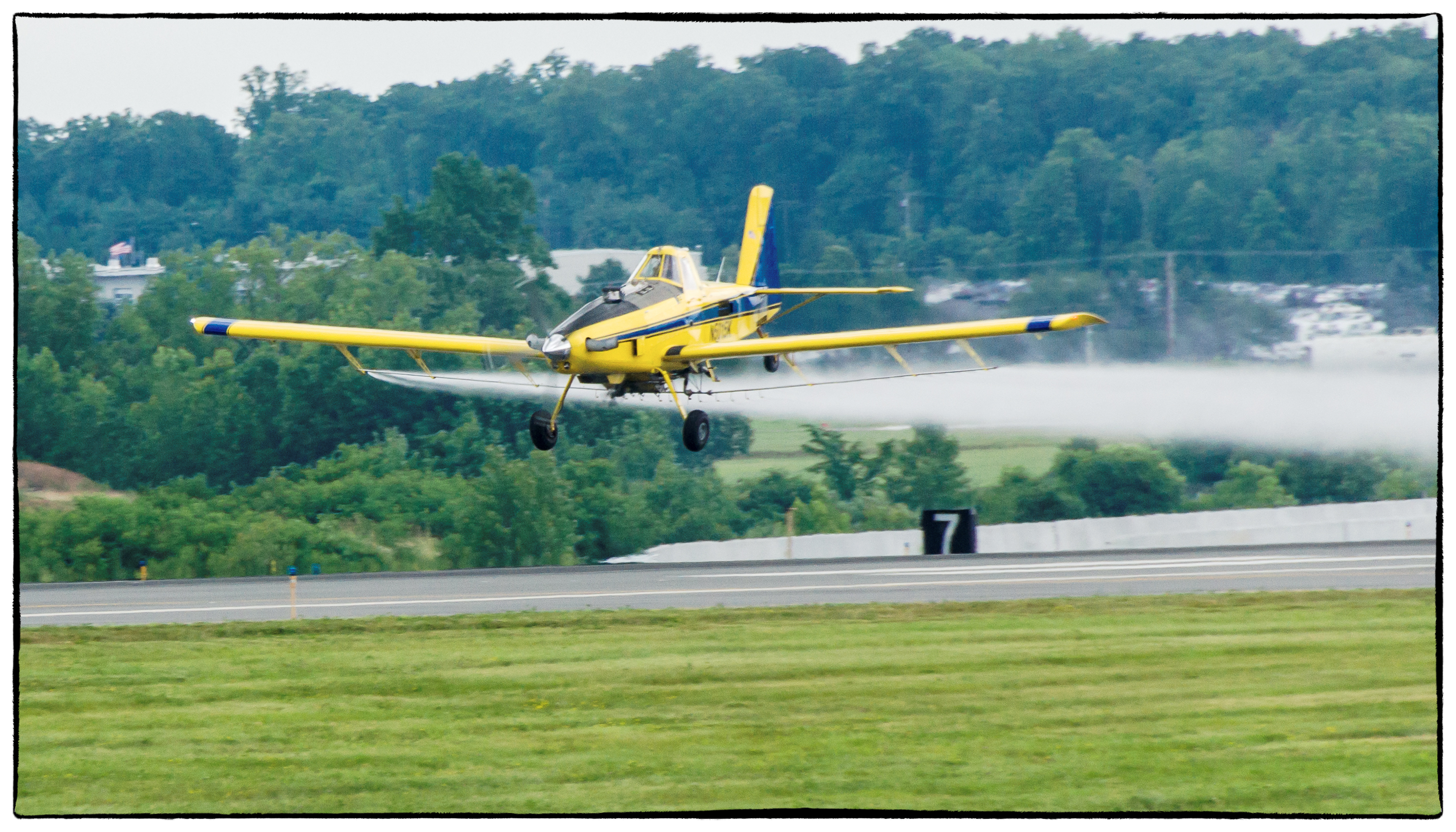
According to Wikipedia:

Leland Snow began designing his first airplane, the S-1, in 1951. The 23-year-old Snow completed test flights with the S-1 in 1953. Snow’s S-1 flew dusting and spraying jobs in the Texas Rio Grande Valley and in Nicaragua until 1957. He followed-up the S-1 with the models S-2A and S-2B, which were built when Snow moved to production facilities in Olney, Texas in 1958.

In 1965, Leland Snow sold his company to Rockwell-Standard and was appointed a Vice President of the Aero Commander division. During this time, the Model S-2R was developed and named the Thrush. The first 100 Thrush aircraft were built at the Olney Division before the plant was closed and Thrush production moved to Georgia in 1970. More than 500 aircraft were produced under Snow Aeronautical Corporation and Rockwell-Standard in Olney.

Snow resigned from Rockwell and devoted the next two years designing the Air Tractor. Construction began in 1972 on the AT-300, which later became the AT-301. Air Tractor’s first turbine model, the AT-302, was introduced in 1977.

Sixteen years later, Air Tractor delivered its 1,100th airplane and soon began expanding the Olney plant for increased capacity. Today, Air Tractor produces a line of aircraft that includes 400, 500, 600, and 800-gallon capacity planes powered by Pratt & Whitney piston or turbine engines.