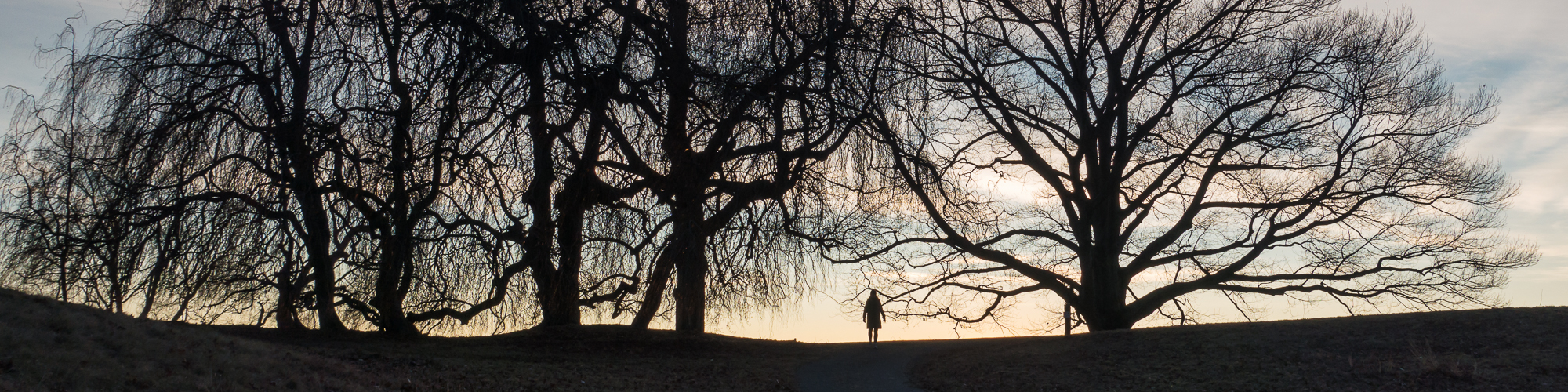
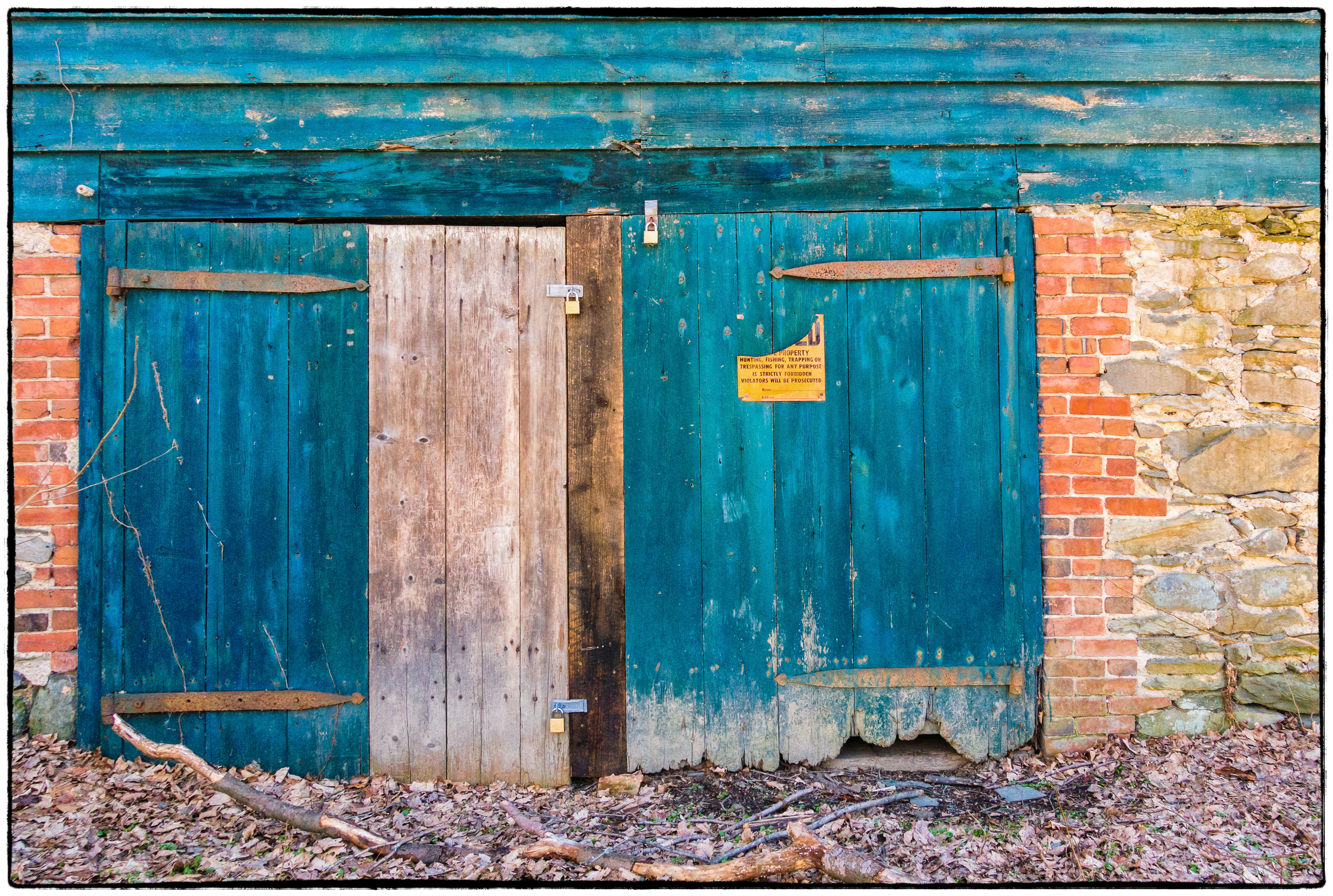
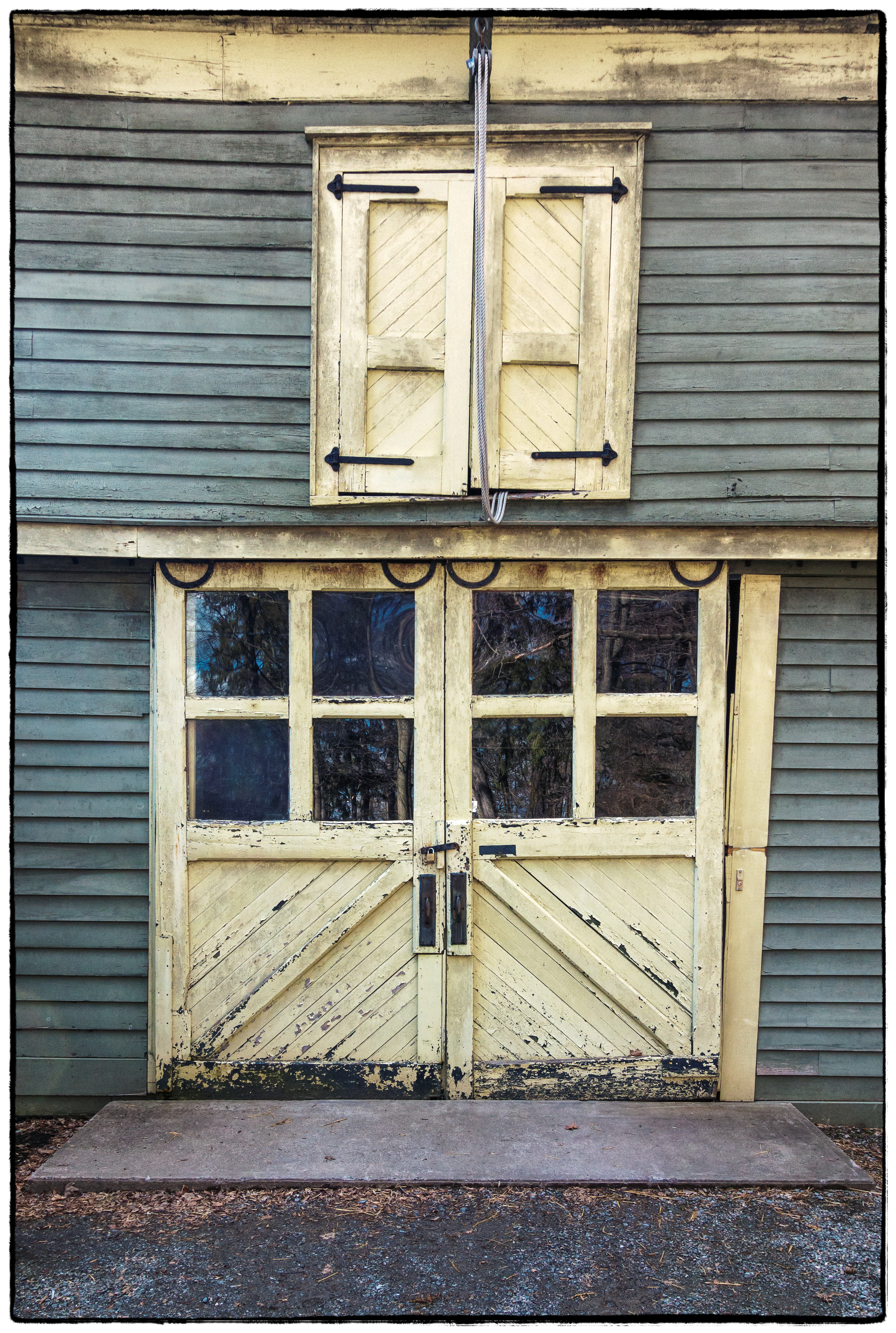
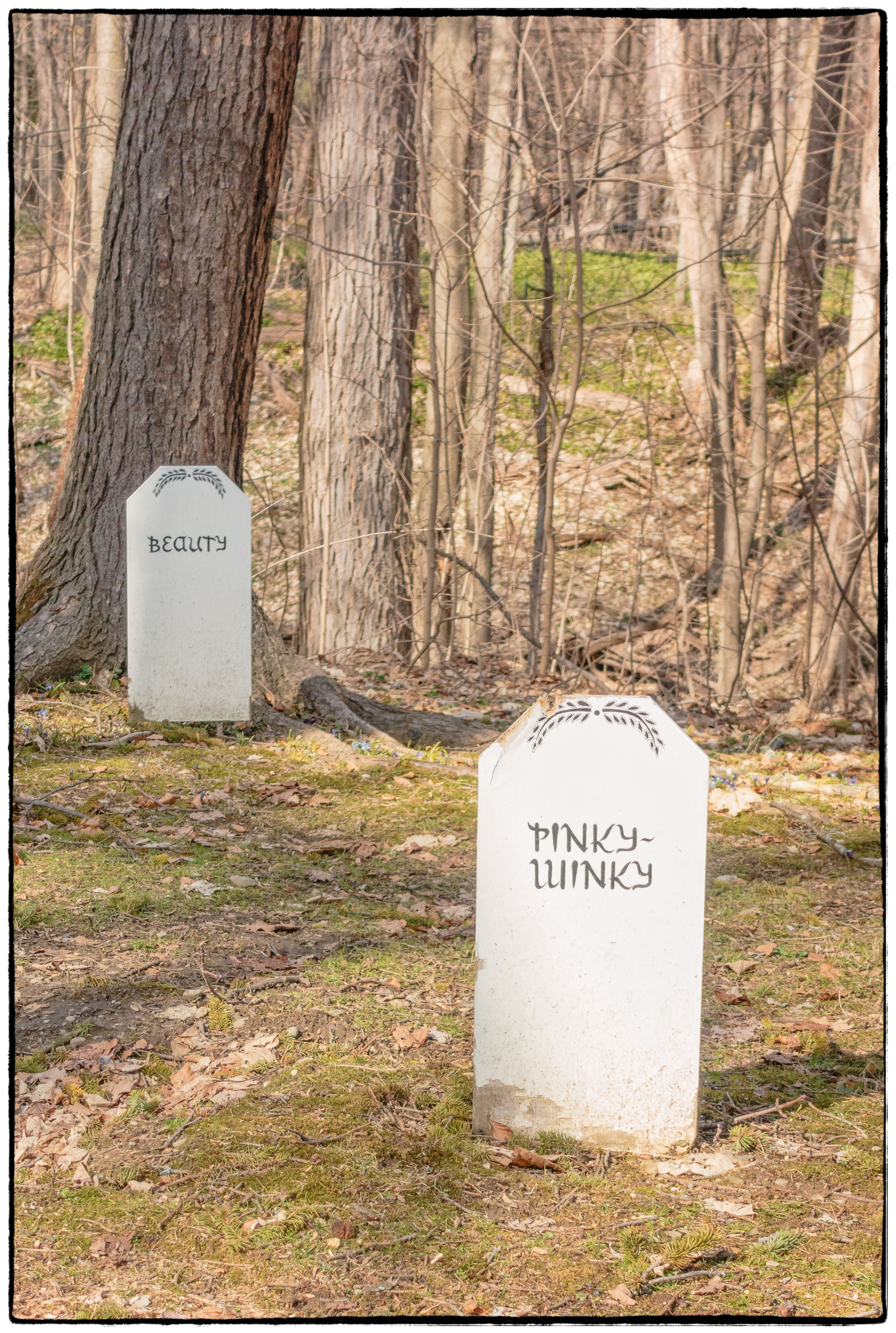
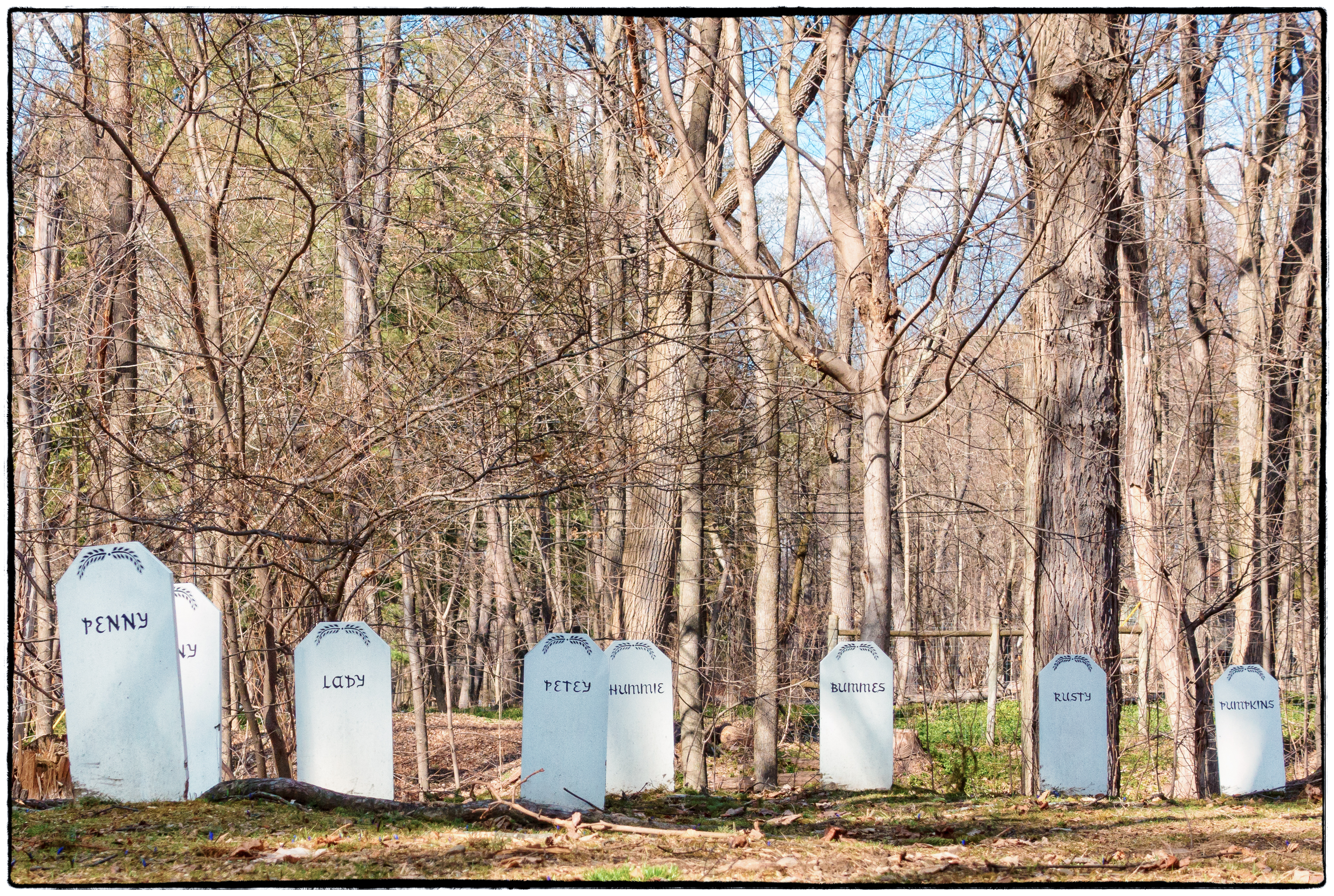
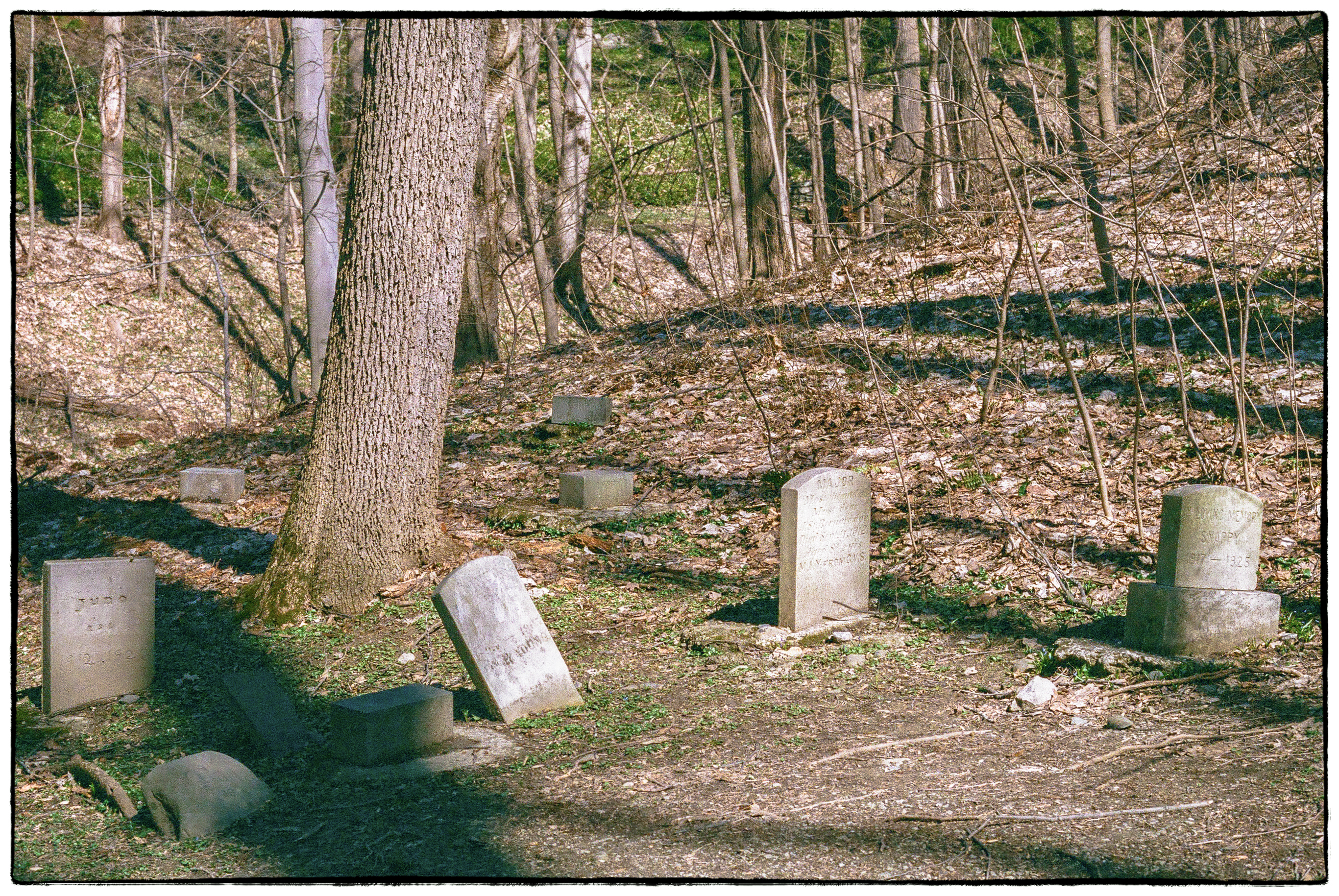
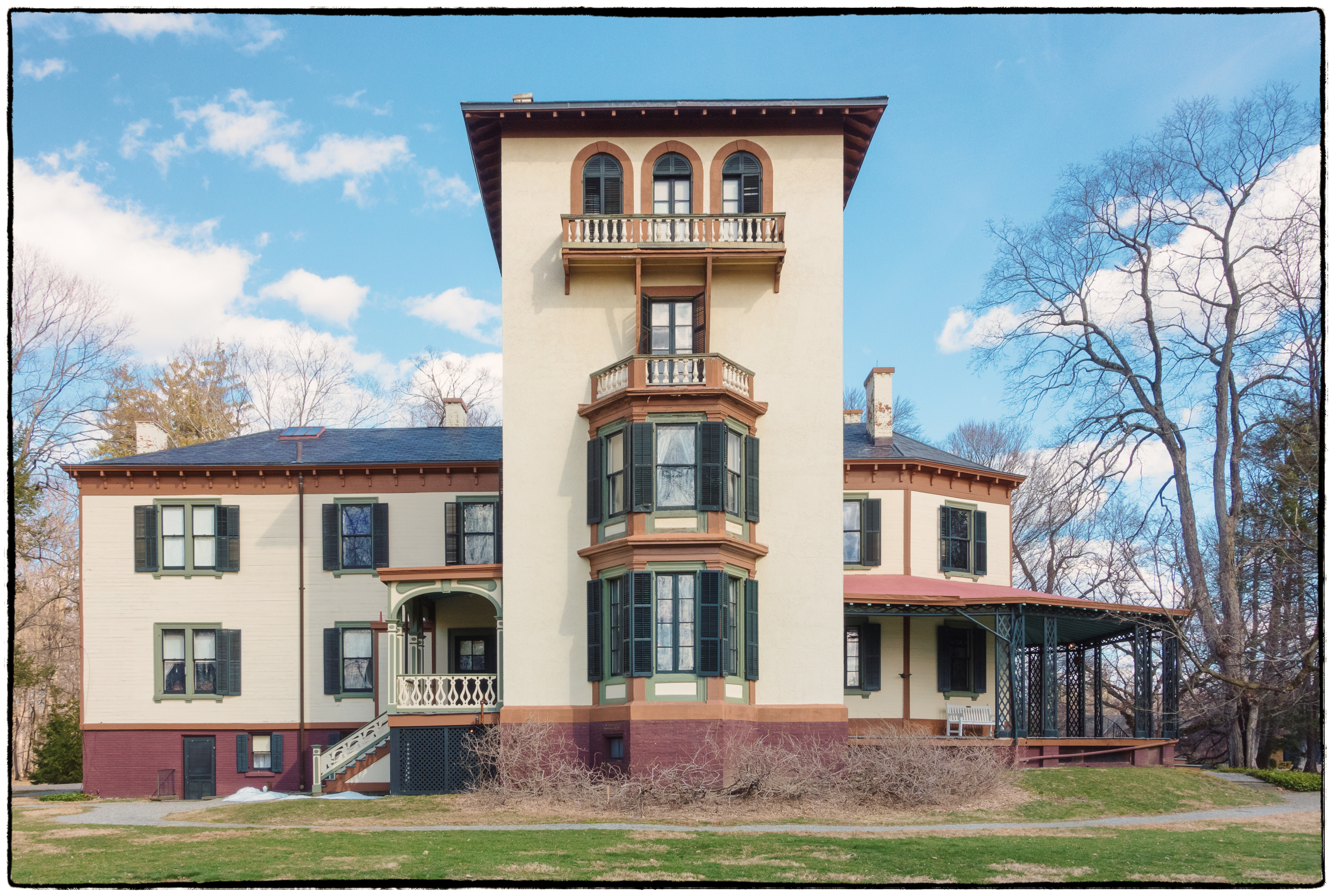
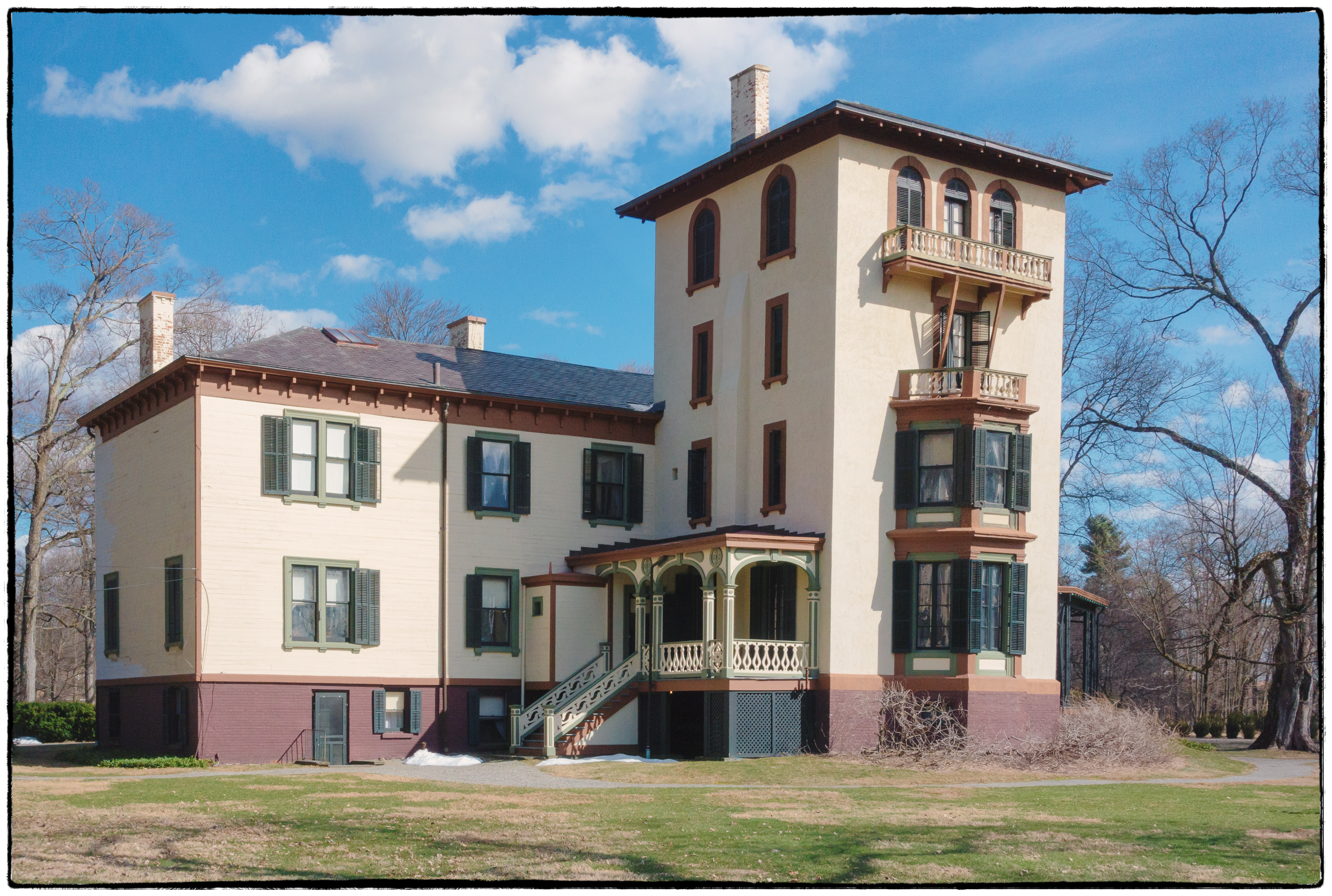
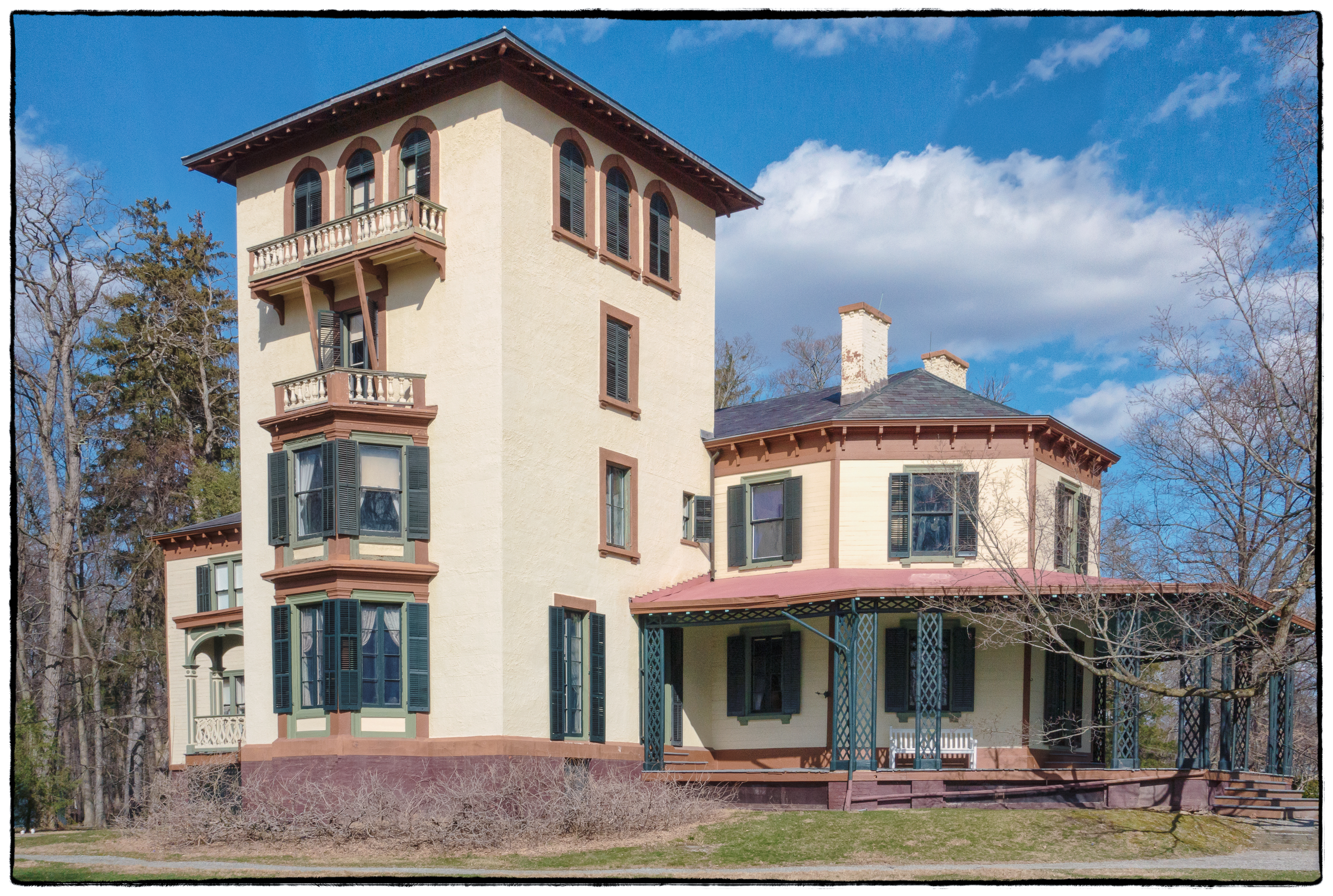
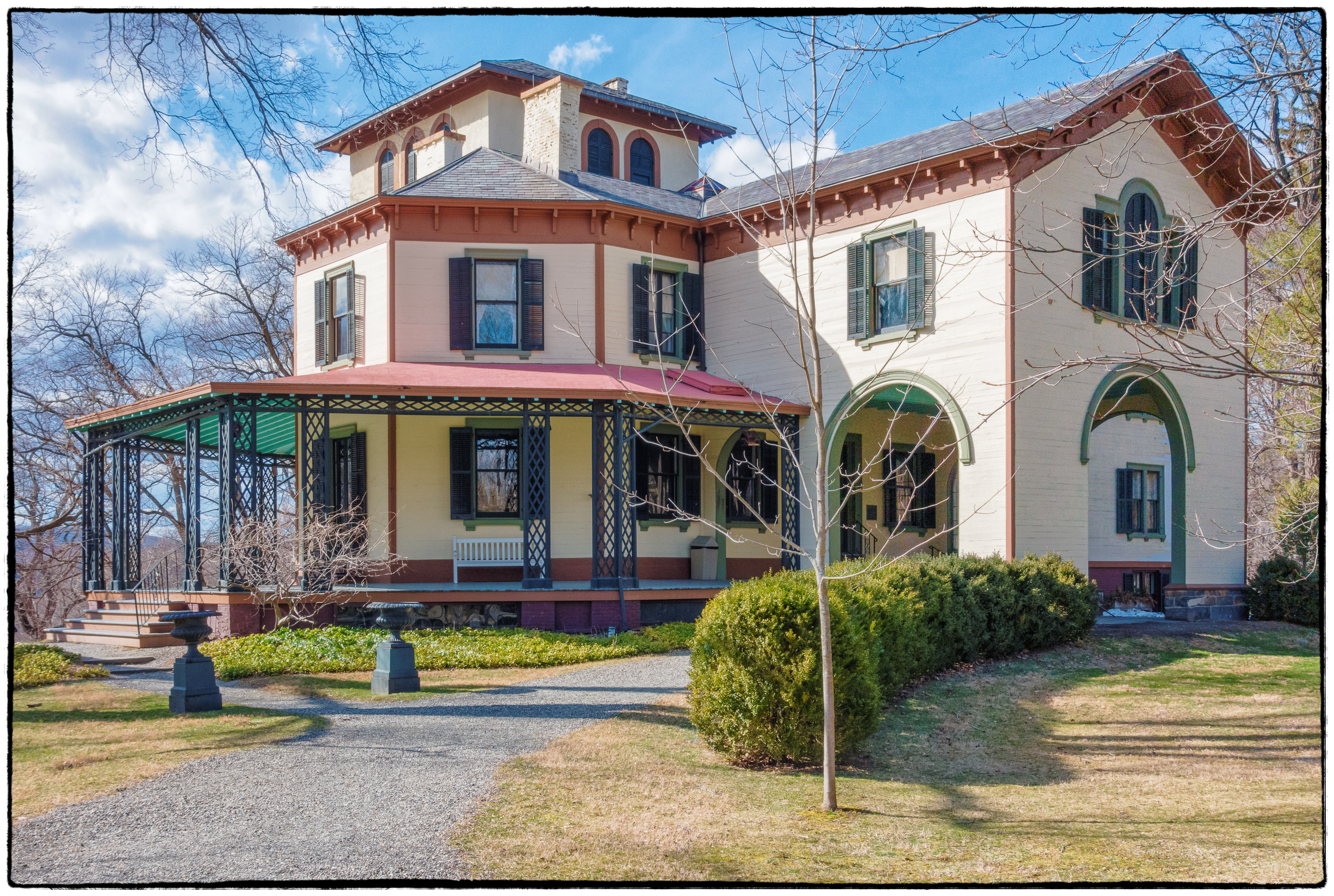
About a month ago we visited Locust Grove, the former home of Samuel F.B. Morse near Poughkeepsie, New York. Of course Samuel Morse, is best known for the invention of the telegraph. However, until our visit I wasn’t aware that he was also an accomplished artist – particularly celebrated for his portraits (see: Samuel Morse Painting Sold For $3.25 Million). My wife did the tour of the house interior while I went for a walk in the grounds with our dog, Harley.
According to Wikipedia:
Henry Livingston Jr. was Locust Grove’s first resident owner and named the estate after the black locust trees growing on the property in 1771 when he purchased the property from his own father. After his death his heirs sold the property to a wealthy New York City couple, John and Isabella Montgomery. They moved farming operations to the lower-lying lands closer to the river and built a cottage.
Morse bought the land from them in 1847, three years after his breakthrough with the telegraph. He hired Davis (who also designed Lyndhurst – see: House of Dark Shadows) in 1851 and began working with him to remodel and expand the cottage into an Italianate villa. He continued to improve the landscape around the house, which became his summer home, for the rest of his life.
After Morse’s death in 1872, his family spent less time in Poughkeepsie and eventually emptied the mansion and rented the estate. One of their tenants, William Young, moved to Locust Grove in 1895 and eventually bought the property from Morse’s heirs in 1901. He and his wife Martha realized its historic importance and restored the mansion and gardens. They added modern amenities like central heat, and hot and cold running water, as well as a new dining room and guest bedrooms in a large north wing (the last significant renovation to the building). Family heirlooms were the foundation of the Young Family’s 20,000-piece collection of fine and decorative arts, today displayed in the mansion’s 40 rooms.
William and Martha Young’s daughter, Annette, and son, Innis, also worked to preserve and restore the house, which was declared a National Historic Landmark in 1964. Annette and Innis Young also restored their great-great grandfather’s home, the Locust Lawn Estate and opened it to the public as a museum in 1958.
Annette Young died in 1975, establishing in her will a trust so that her house, property, and collections of paintings and decorative arts could be opened to the public. Five years later, they were. Today the estate offers guided tours, lectures and other special events. Five miles (5 km) of trails, originally 19th-century carriage roads, have been built in the woods around the house.
For an informative overview of all of the owners of Locust Grove see: The Owners of Locust Grove.
Taken with a Sony RX-100 M3