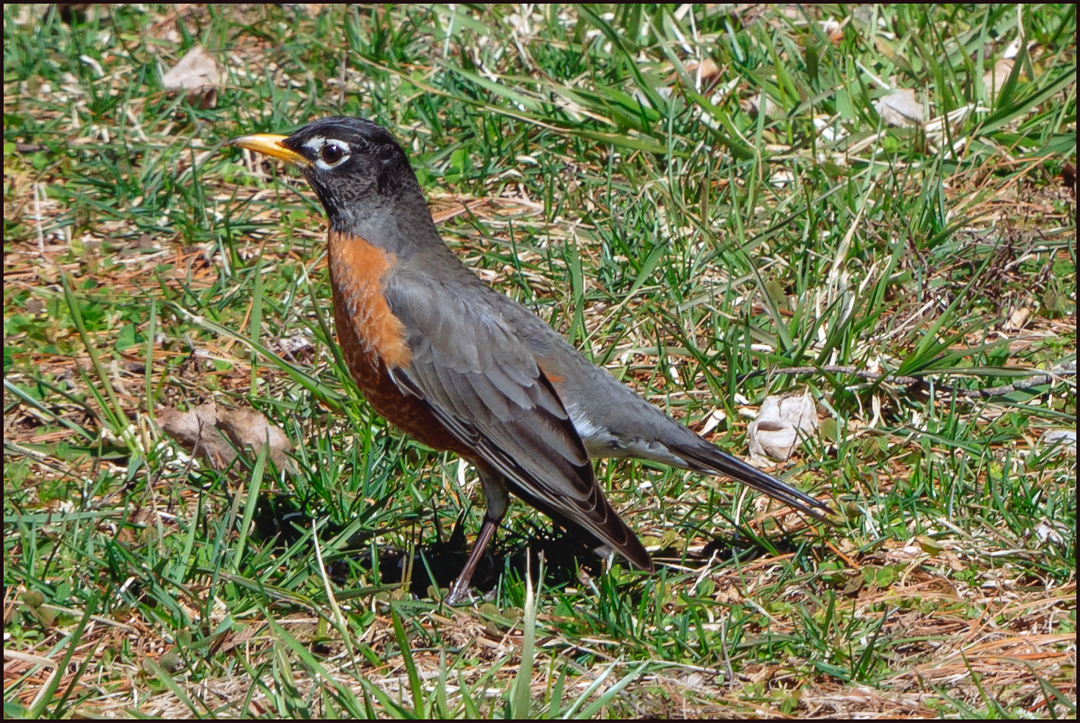
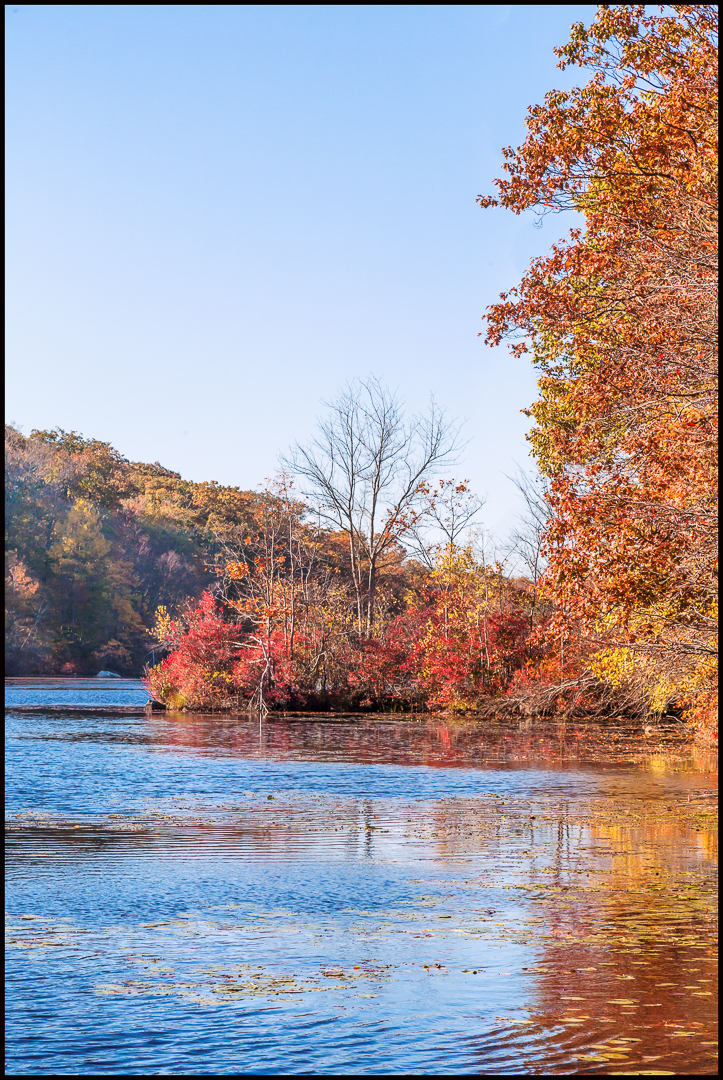
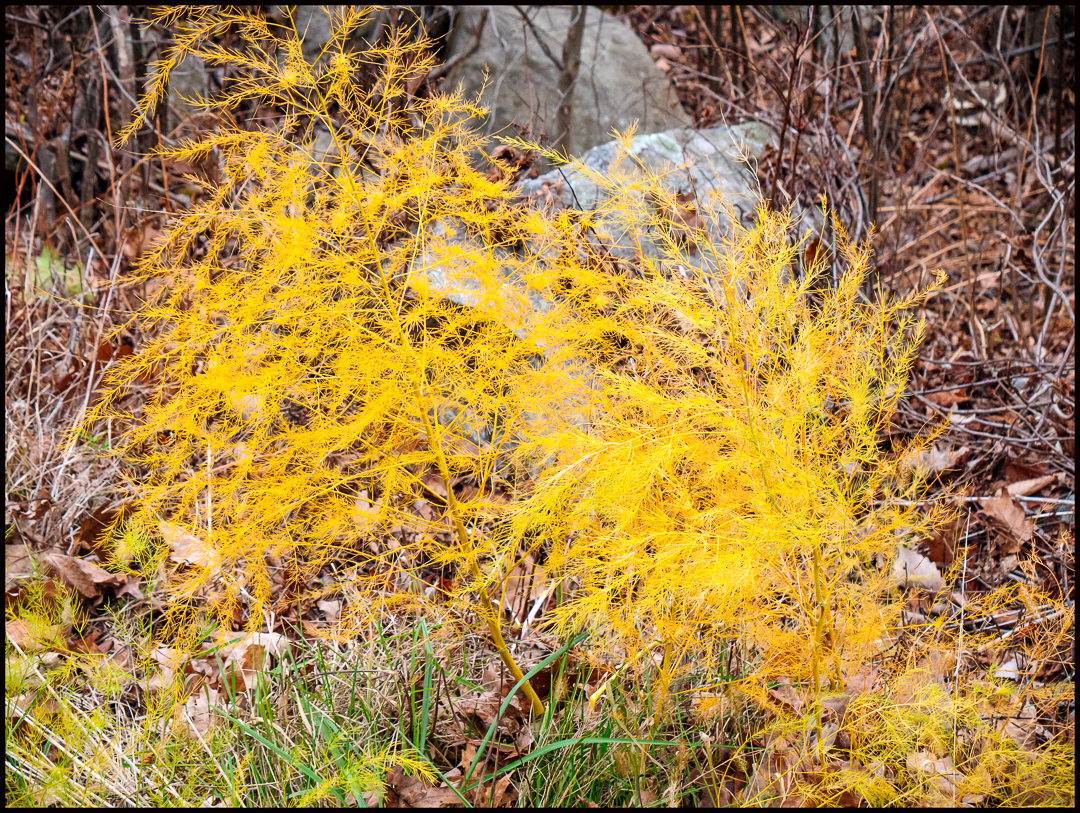
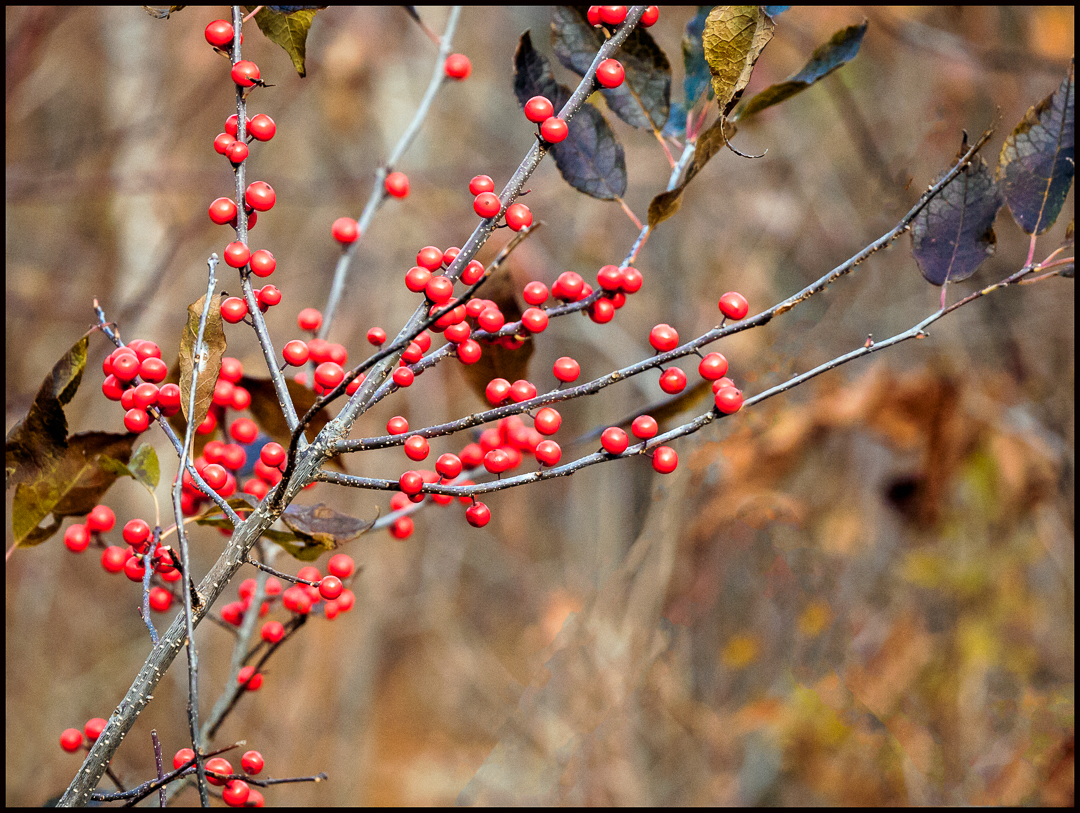
The garden was teeming with the birds the other day. I believe they are American Robins.
The American robin (Turdus migratorius) is a migratory songbird of the true thrush genus and Turdidae, the wider thrush family. It is named after the European robin because of its reddish-orange breast, though the two species are not closely related, with the European robin belonging to the Old World flycatcher family. The American robin is widely distributed throughout North America, wintering from southern Canada to central Mexico and along the Pacific Coast. It is the state bird of Connecticut, Michigan, and Wisconsin.
According to the Partners in Fight database (2019), the American robin is the most abundant bird in North America (370,000,000), ahead of Red-winged blackbirds, introduced European starlings, mourning doves and the not-always-naturally-occurring house finch. It has seven subspecies, but only one of them, the San Lucas robin (T. m. confinis) of Baja California Sur, is particularly distinctive, with pale gray-brown underparts. (Wikipedia)
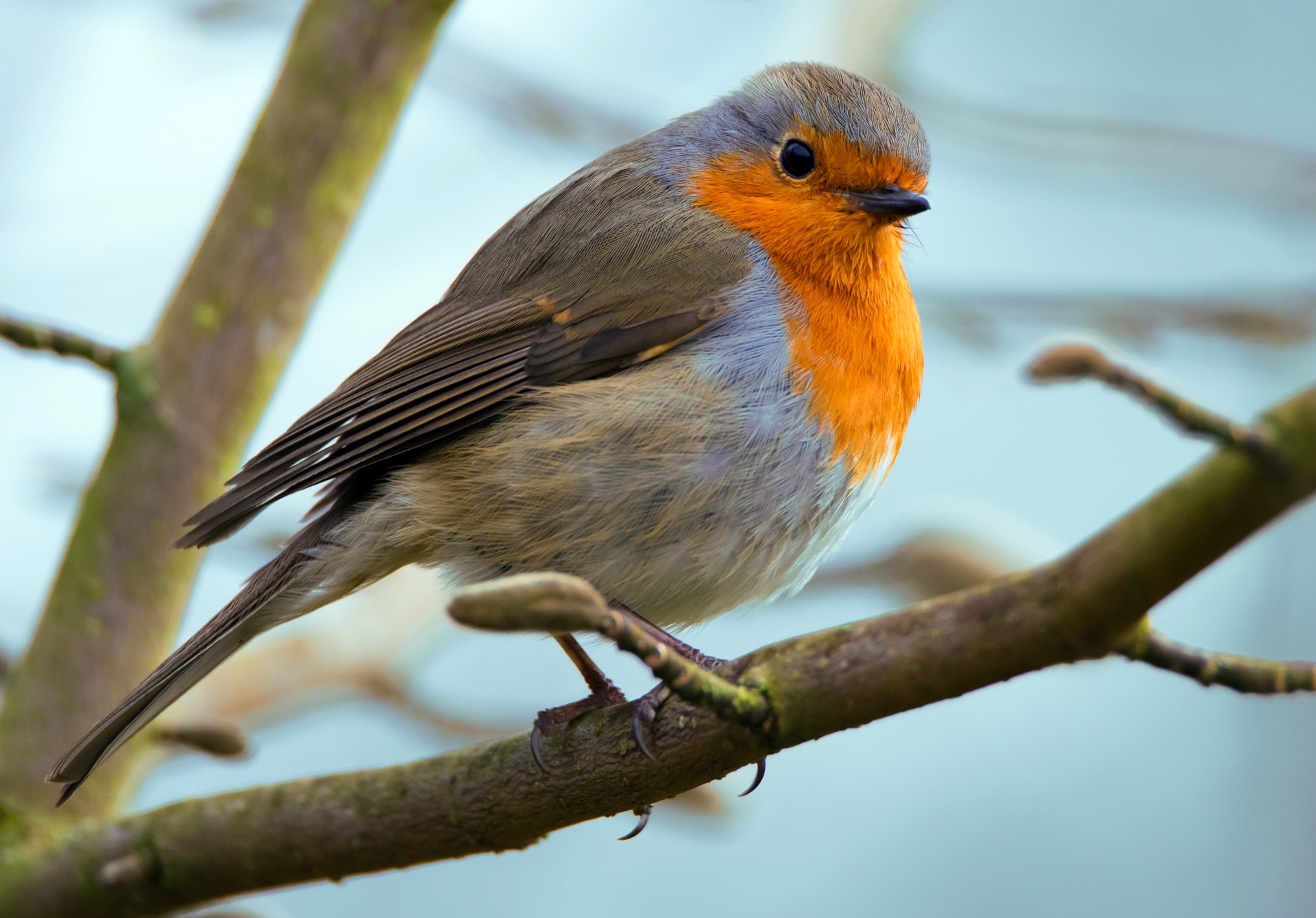
They’re quite different from the robins where I grew up in the United Kingdom. British robins are much smaller, chunkier and much cuter (see below. Imagine source PublicDomainPictures.net)
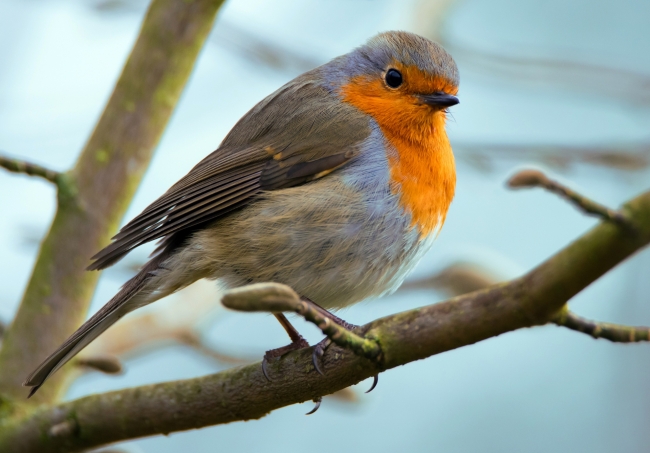
The distinctive orange breast of both sexes contributed to the European robin’s original name of “redbreast”, orange as a colour name being unknown in English until the 16th century, by which time the fruit had been introduced. In the 15th century, when it became popular to give human names to familiar species, the bird came to be known as robin redbreast, which was eventually shortened to robin. As a given name, Robin is originally a diminutive of Robert. Other older English names for the bird include ruddock and robinet. In American literature of the late 19th century, this robin was frequently called the English robin. Dutch roodborstje, French rouge-gorge, German Rotkehlchen, Italian pettirosso, Spanish petirrojo and Portuguese pisco-de-peito-ruivo all refer to the distinctively coloured front. (Wikipedia).
Taken with an Olympus OM-D E-M10 and Lumix G Vario 45-150mm f4-5.6