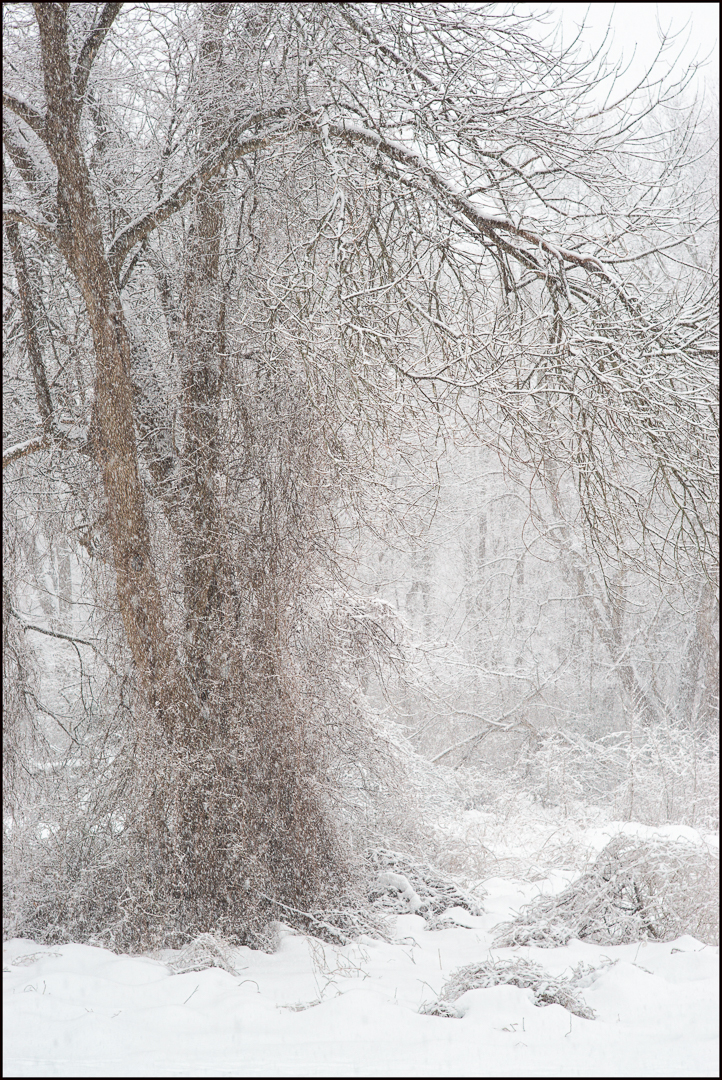
It’s snowing…Again!!!
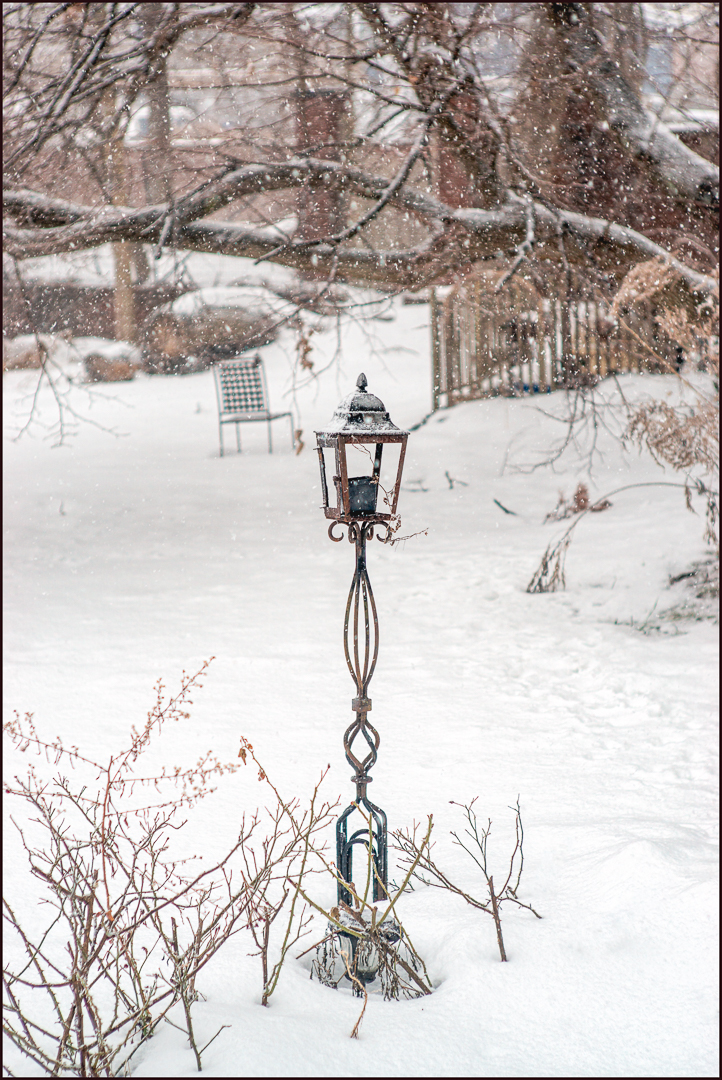
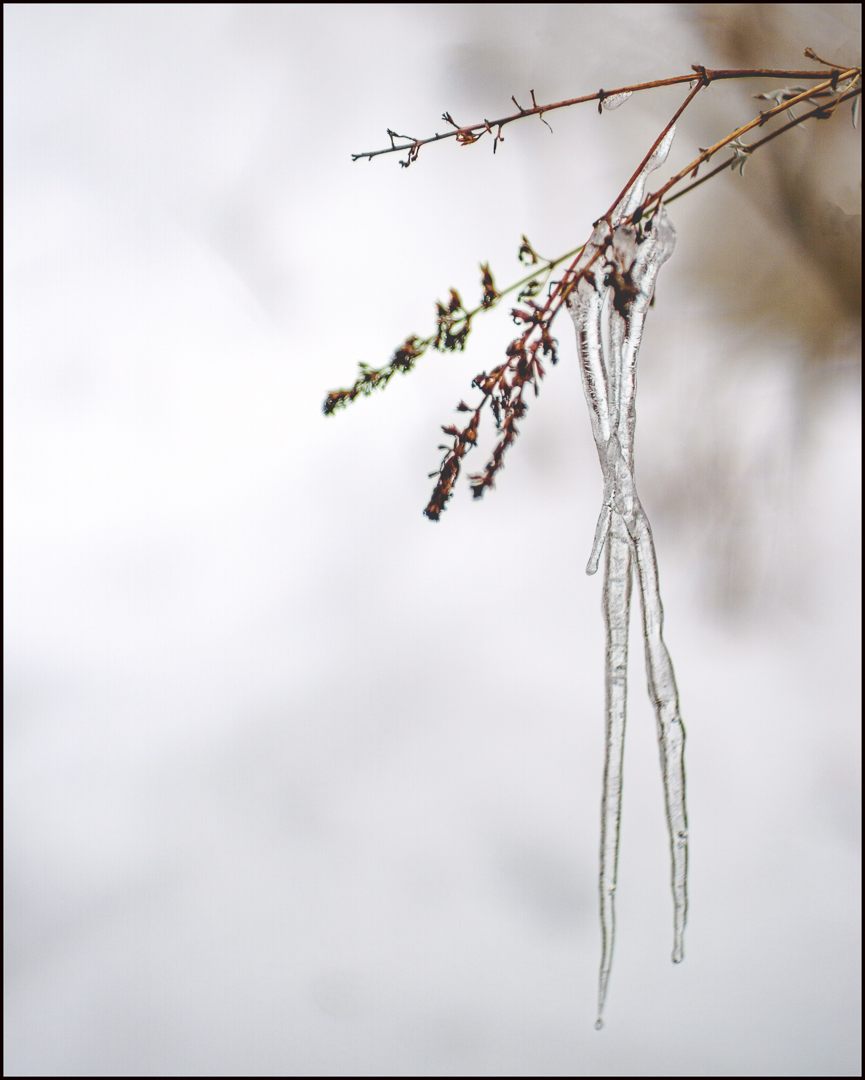
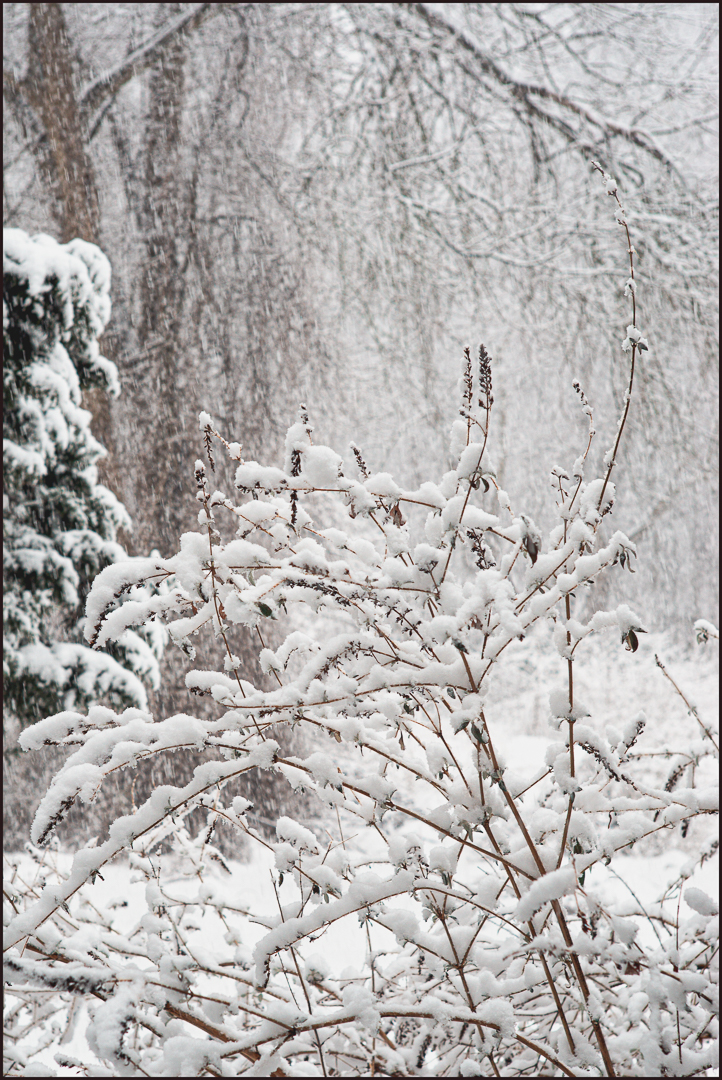
Taken with a Sony A6000 and Canon 50mm f1.4 LTM
Photographs and thoughts on photography and camera collecting

It’s snowing…Again!!!
Taken with a Sony A6000 and Canon 50mm f1.4 LTM
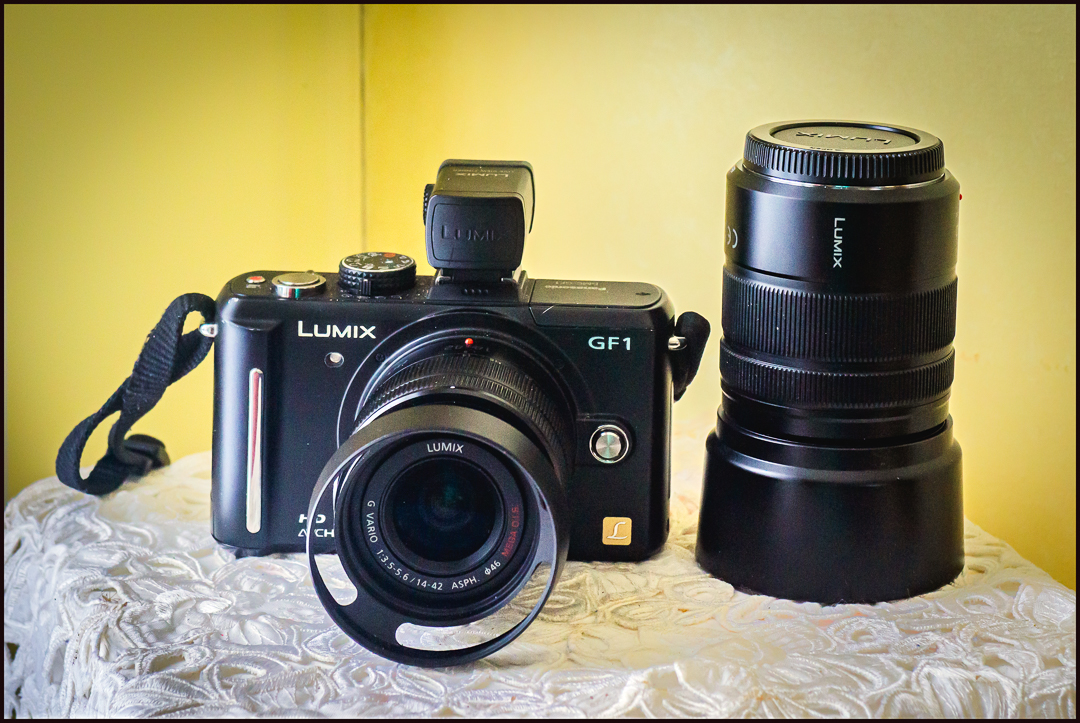
A while back I was unsure of where to go with my camera collecting hobby. So far I’d focused on film cameras and I had most of what I wanted. Others that I wanted were more than I was willing to pay (e.g. most Leicas). So what to do? Then it occurred to me that I hadn’t explored the world of vintage digital cameras. I can see the look on your face: how can digital cameras be vintage? Well, it appears they are. A “Vintage Digital Camera” Facebook group, to which I belong, defines them as “Vintage Digital Camera issued 2015 or before”. In fact I now realize to my horror that this definition includes ALL of the digital cameras (Panasonic Lumix LX-3, Sony Nex 5n, Konica Minolta Maxxum 5d, Sony A500, Sony A6000, Sony A77II, Sony RX-100 II) that I own. Clearly I don’t change cameras very often.
But this was good enough for me to start looking for others. Before long I had a Canon EOS 5d (my first and so far only full frame camera, which I love and which would be my go to camera if it wasn’t so heavy); a Nikon D80 (I’d never used a Nikon digital camera); and an HP Photosmart 433 (given to me by a friend. Even I probably wouldn’t have bought this one.
Then it occurred to me that I’d never tried a Micro Four Thirds (MFT) camera. So I searched around and found this one at a good price. At first I thought I’d just use it with an MFT-LTM adapter, but I found that it didn’t work well since the camera doesn’t have the focus peaking feature I’d become used to with the Sony cameras. So I picked up the two lenses you see above: Panasonic Lumix G Vario 14-42 f3.5-4.6 II and Panasonic LUMIX G VARIO 45-150mm F4.0-5.6 ASPH. Since I also prefer a viewfinder rather than using the LCD I also picked up the auxiliary electronic viewfinder seen above.
So how do I like it? Very much. I love the size (small) and the weight (light). The applies to both the camera body and the lenses. Compare this to my Sony NEX 5n which has an equally small body, but very large lenses. I’m also pleased with the performance of the lenses, particularly the 14-42mm, which I use all the time. The viewfinder is adequate if not great, and I find the autofocus to be quick and accurate. The build quality of the camera body is very good, while the lenses feel quite “plasticky”, a compromise I’m willing to make to get a kit which is small and light. I’m more than pleased with the quality of the images produced.
For a more thorough review made when the camera first came out see here.
Taken with a Sony A6000. Can’t remember which lens.
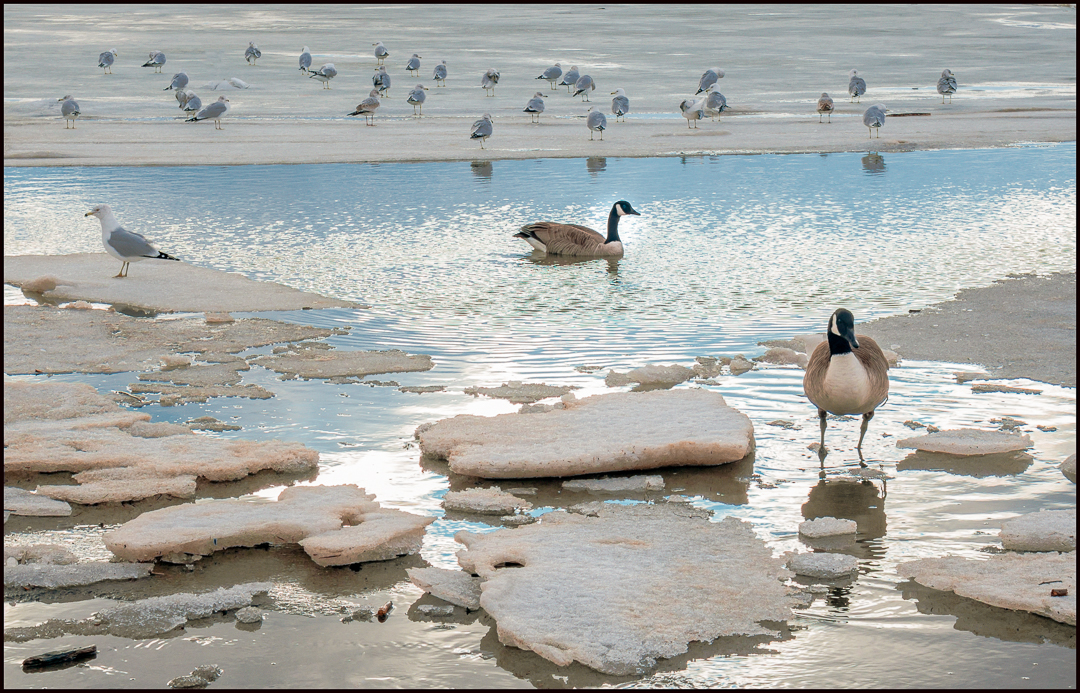
More birds: the usual ubiquitous Canada Geese and, this time, the equally numerous seagulls. Amazingly not a mallard in sight.
Taken with an Olympus OM-D EM-10 and Panasonic Lumix G Vario 14-42 f3.5-4.6 II

I came across a large flock of seagulls by the river next to the Metro-North station in Peekskill. They were clustered around something (maybe something edible?) on the ground. A small boy would rush towards them and they would all take to the air. He would move away and they would return to the ground. This pattern repeated itself several times. During one of the bird’s ascents I managed to get this picture of it in the air.
Taken with an Olympus OM-D EM-10 and Panasonic Lumix G Vario 14-42 f3.5-4.6 II
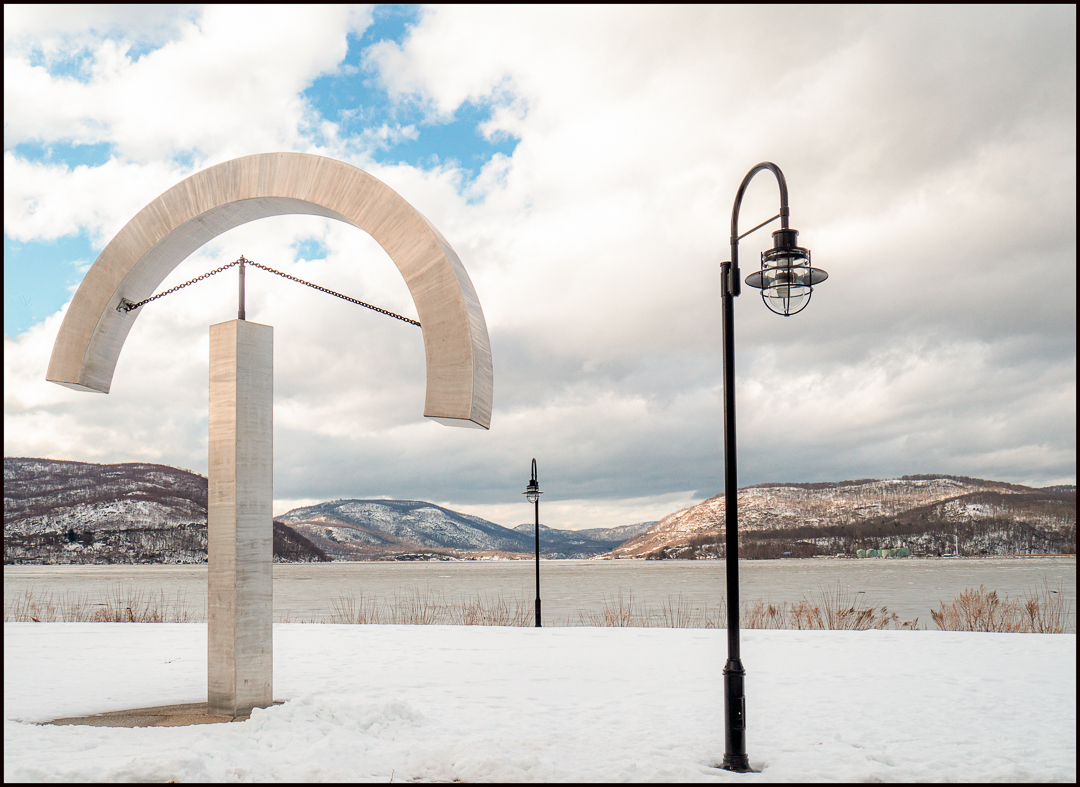
According the a nearby information plaque:
ARC by William Logan. Welded Aluminum and Steel. The form of this sculpture has been abstracted from river-going vessels and nautical moorings. Its center-of-gravity has been adjusted to give it buoyancy, enabling the sculpture to respond to the wind. Welded aluminum, steel chains and shackles reinforce the nautical vocabularly, while its form reflects Peekskill’s location on the river and the curvature of the surrounding hills. The support structure allows the “arc” to move with the breeze, tipping and feathering into the wind like a boat on a mooring, while the internal balast gives it a gently-rolling movement. The sculpture inherently indicates the wind direction, and provides a highly visible landmark designating the bend in the river at Peekskill Bay. 2014.
Taken with an Olympus OM-D EM-10 and Panasonic Lumix G Vario 14-42 f3.5-4.6 II