Lunch at La Catrina

Lunch with a friend at La Catrina in Croton-on-Hudson. I had no idea what La Catrina was so the very friendly owner explained it to me. I’ve since supplemented her information with addition information found on the internet:

Everywhere you look on the streets during Day of the Dead celebrations across Latin America, a familiar face looks back. A face that juxtaposes the macabre and the elegant, it’s in the makeup on children’s faces, the elaborate dress of the women, in the celebratory ‘bread of the dead’ and in every shop window selling souvenirs and emblems of this uniquely atmospheric festival.

This face has a definite aesthetic: a skull, wearing a much-embroidered bonnet resplendent with flowers. This is La Calavera Catrina – the ‘elegant skull’ – often simply La Catrina. And however superficially festive it may appear, La Catrina’s presence throughout Mexico’s Day of the Dead mythology makes a much deeper statement of mortality, destiny and the societal divisions of class. (From La Catrina: The dark history of Day of the Dead’s immortal icon)

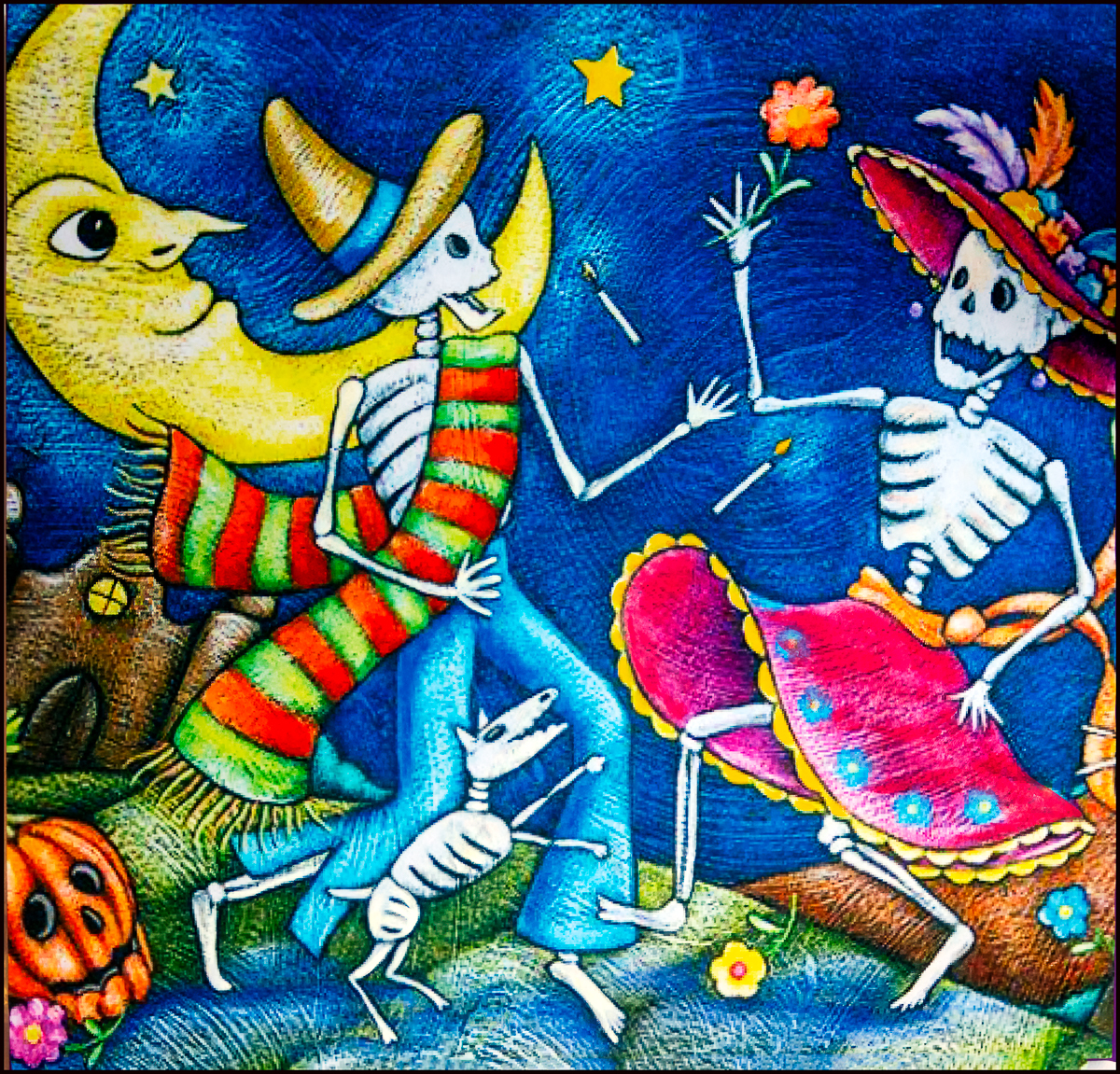
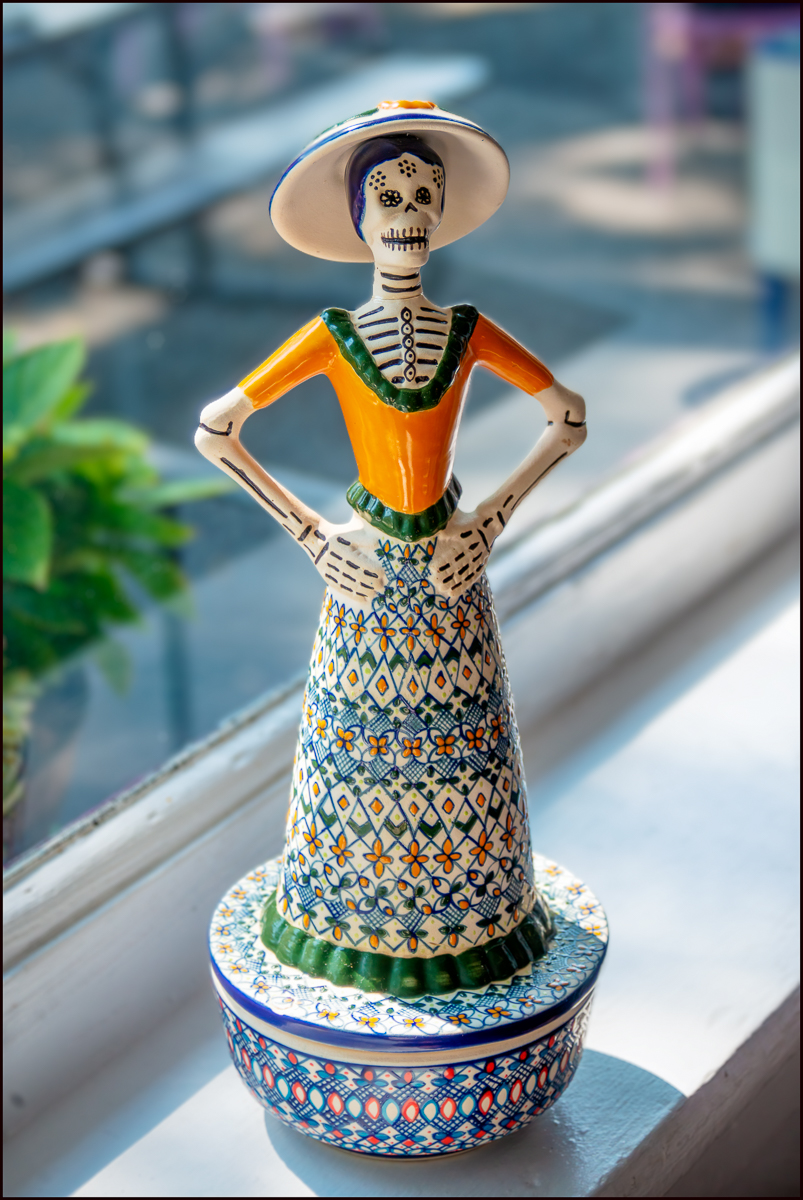
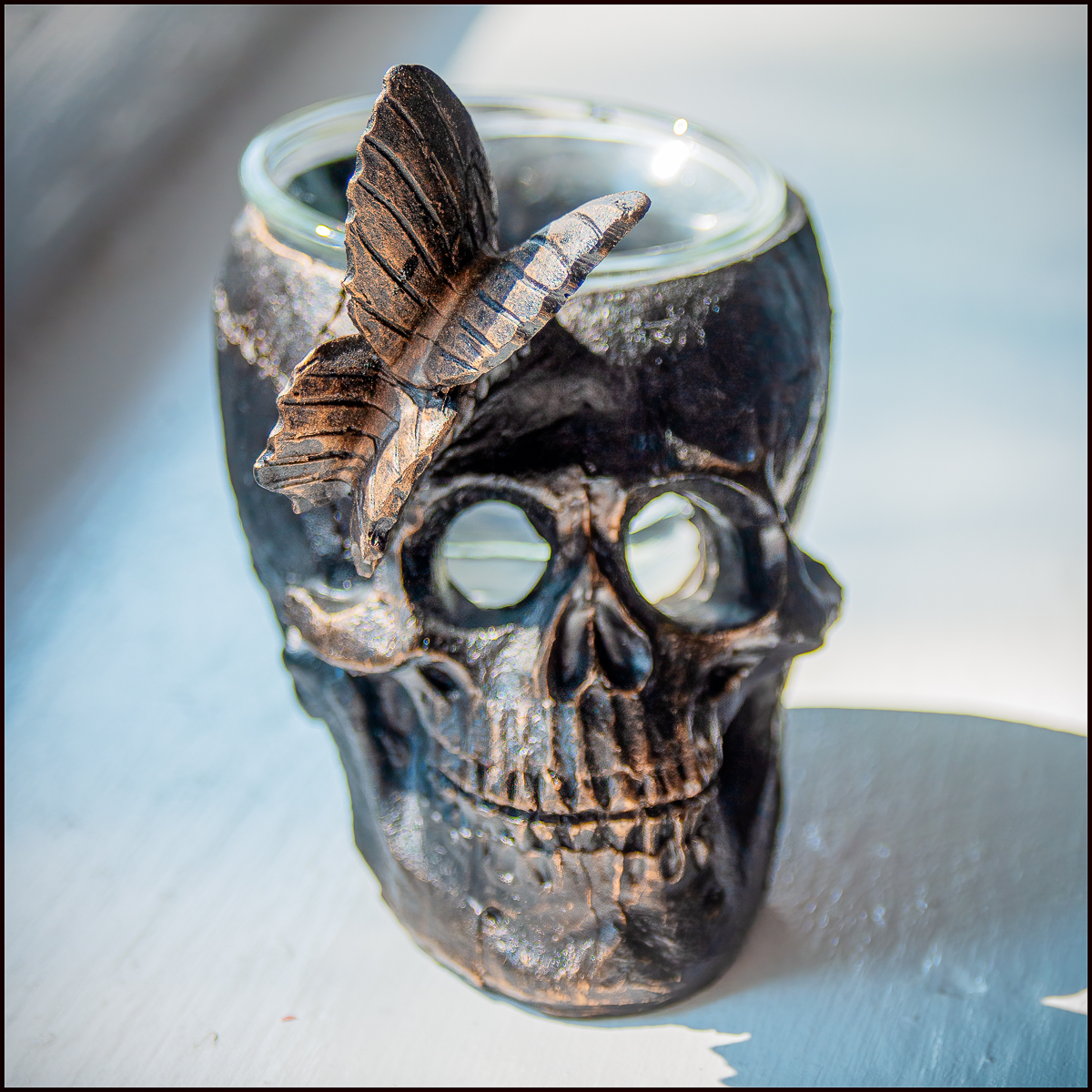
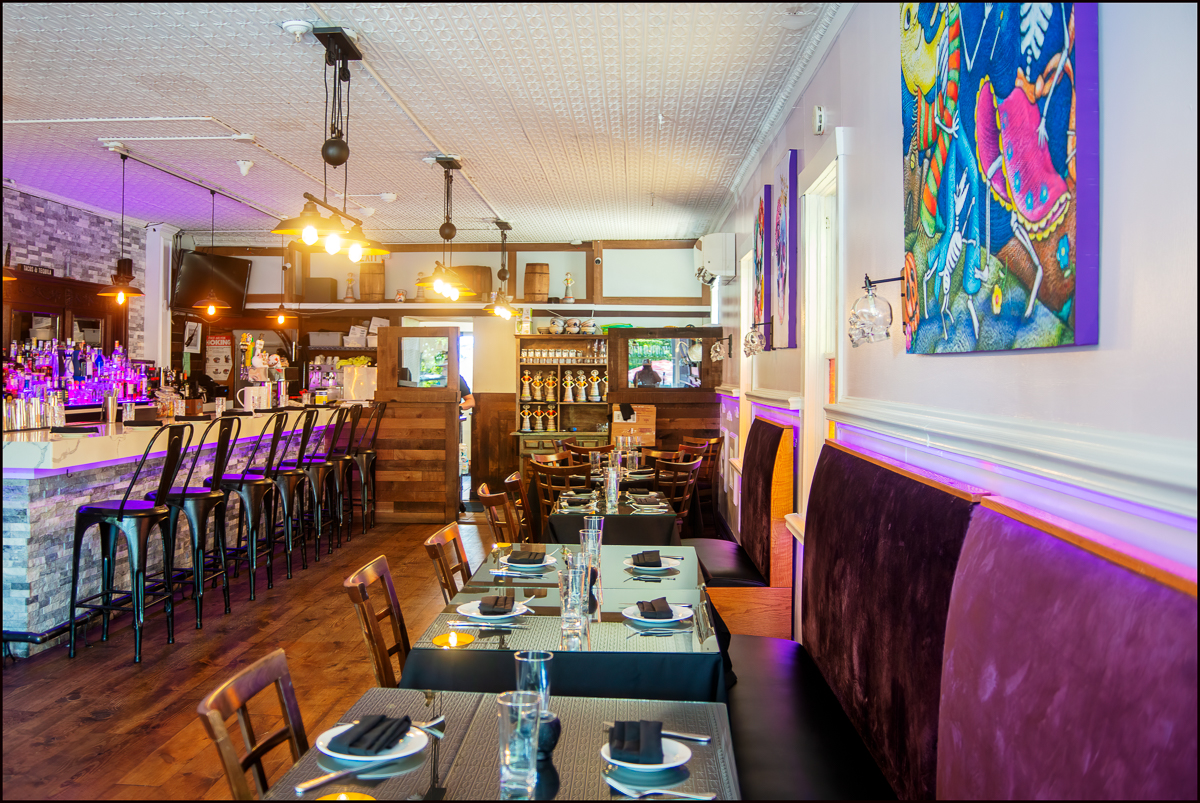
The restaurant décor is very much in line with the above: Brightly colored paintings of La Catrina; figurines; skull light fixtures; skull beer mugs (I particularly liked these and bought two of them). The men’s room even had a stick figure with a skull as a head on the door.

It was a lovely cool, sunny day when we went so we sat in the pleasant outside patio (see picture above).

As for the food – it was wonderful, probably the best Mexican food that I’ve had.


Interior shot.


One of the numerous brightly colored paintings (more below).


A figurine.


Skull candle holder.


Skull light fixture.


More Figurines.


Gustavo.


Skull beer mug.

Taken with a Nikon D800 and Nikon AF Nikkor 28-80 f3.3-5.6

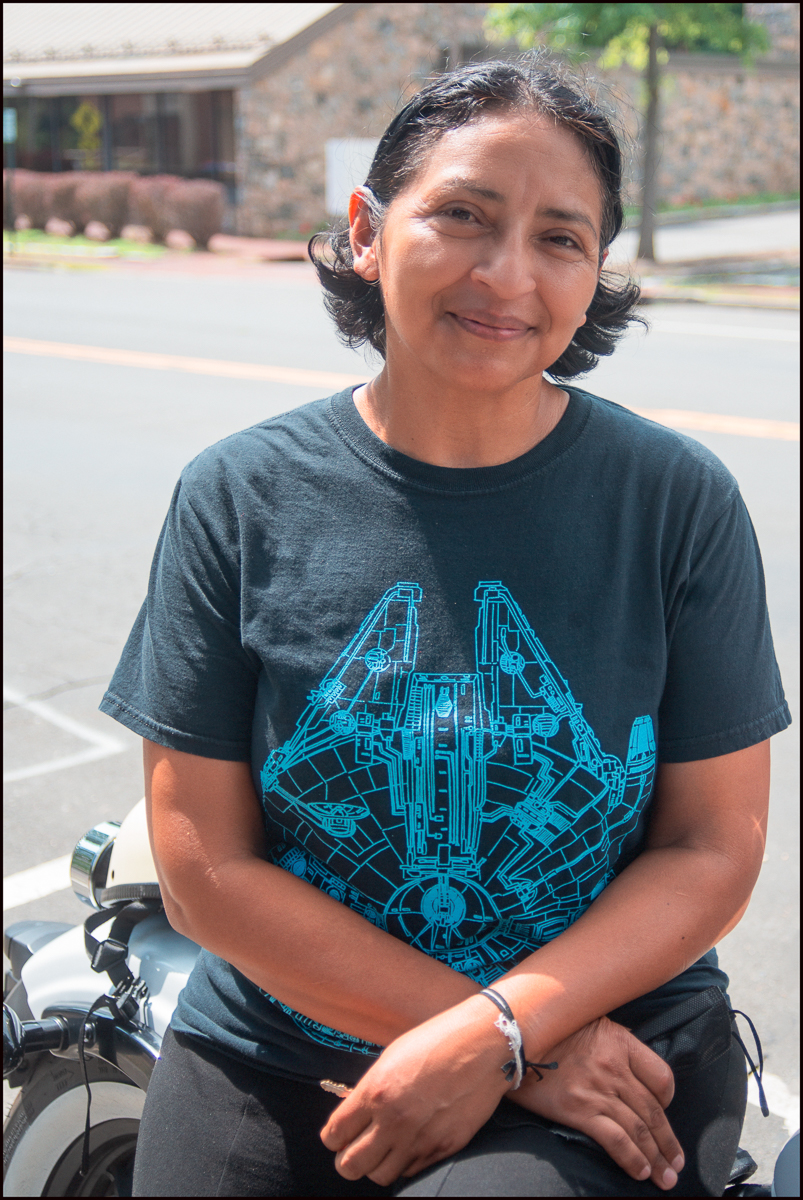
Woman on a motorcycle

I’d just had lunch in my village when I noticed this motorcycle nearby. I had just started taking some pictures when the owner turned up and told me that it was a 2014 Yamaha Bolt. I asked her if it was OK to take pictures and she said it was. I also asked if I could take a picture of her on the motorcycle and she was kind enough to say it was. Her name is Eve and she calls her wonderful machine Sage.

Thank you Eve.


Taken with a Nikon D800 and Nikon AF Nikkor 28-80 f3.3-5.6

An interesting car in the village

I came across this in my village the other day. I believe it’s a Polaris Slingshot. Wikipedia describes it as follows:
“The Polaris Slingshot is a three-wheeled motorcycle. The first edition of the model was introduced in 2014 as a 2015 model…The Slingshot has a tilt-adjustable steering wheel, side-by-side bucket seats, and does not lean. It has no roof, doors, or side windows and the whole interior is waterproof so it can be hosed down and drained out using drain holes in the floor.

The S and SL models come with a 20″ x 9.0″ back rim fitted with a 255mm width tire, and 18″ x 7.5″ front rims with 225mm wide tires. The SLR and R models have the same front rims and tires with the addition of a 20″ x 11.0” rear rim fitted with a 305mm wide tire. All models have a front double wishbone suspension with anti-roll bar. An optional 5-speed automatic transmission became available in 2020 with the release of the generation two models. A small windshield is an optional extra on the base model, and fitted as standard on the SL model. There is also an optional fiberglass wind and sun cover, which Polaris calls a “Slingshade”, that features inset polycarbonate windows and snaps onto the Slingshot’s tube frame, acting somewhat like a hardtop roof. The steering wheel, gear stick, and brake, clutch, and throttle pedals have a conventional automobile layout.”

And what to do if it rains…? The vehicle is essentially waterproof…you not so much. So you’d better watch the weather and/or wear appropriate clothing. I suppose it’s actually closer to a motor cycle than a car.

It’s certainly striking.

Taken with a Nikon D800 and Nikon AF Nikkor 28-80 f3.3-5.6
Lucky Cat

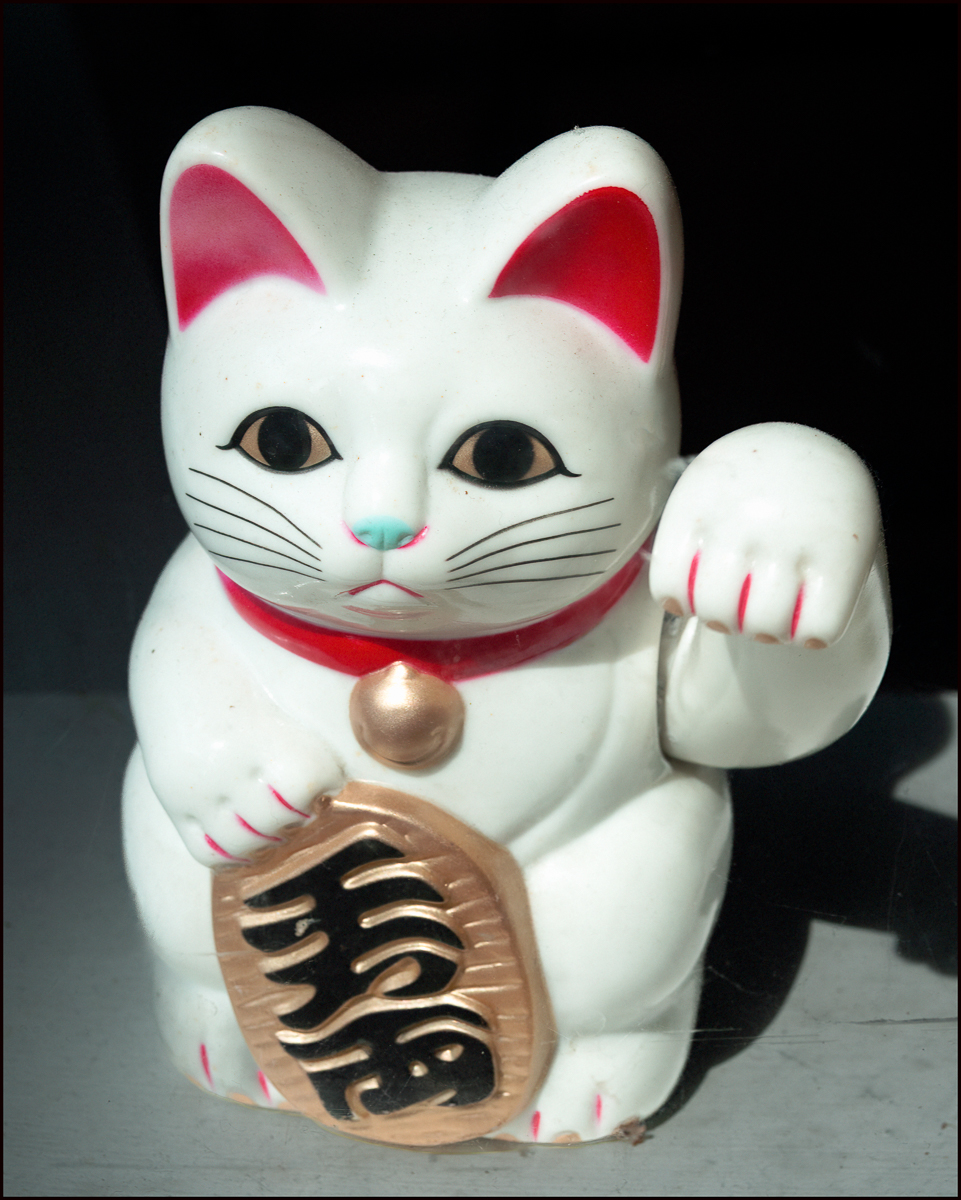
I’ve often seen these cat figures in Japanese and Chinese restaurants, but never thought about them very much. I came across this one in the window of an insurance agent in my village. I guessed that there might be some meaning to them so I looked them up:

Fortune Cat is known as Maneki Neko in Japanese, which means “beckoning cat.” The cat has its paw raised as if it’s waving in good fortune for its owners. Other common monikers include Lucky Cat, Money Cat, Waving Cat and Welcoming Cat.
No one can quite agree as to how the first Maneki Neko came to be. However, most will agree that Lucky Cats first appeared during the Edo period in Japan (17th century to mid-19th century).

There are a couple of popular legends about the origins of the Maneki Neko. The first tells of a wealthy man who took shelter from a rainstorm under a tree next to a temple. He noticed a cat that seemed to be beckoning to him, so he followed it inside the temple. Shortly thereafter, lightning struck the tree he had been standing under. Because the cat had saved his life, the man was so grateful, he became a benefactor of the temple and brought it much prosperity. When he passed away, a statue of the cat was made in his honor.

Another common legend surrounding the Maneki Neko is a really peculiar one. A geisha had a pet cat that she adored. One day, it was tugging at her kimono and the owner of the brothel thought the cat was possessed, so he sliced off its head with a sword. (Yeah, gruesome! No cats were harmed in the writing of this article.) The flying cat head landed on a snake about to strike and the fangs killed the snake and saved the woman. The geisha was so distraught by the loss of her cat that one of her customers made a statue of the cat to cheer her up.
There’s actually a meaning behind which paw the Maneki Neko cat is holding up. If it’s the left paw, this is supposed to attract customers. If the right paw is raised, this invites good fortune and money.

They both sound pretty good to me, which is why sometimes you can find a Fortune Cat with both of its paws in the air. Two paws up can also represent protection.

While you’ll most commonly see a white Maneki Neko with orange and black spots, there are quite a few color variations of the Maneki Neko and they each have a special meaning.

1. Calico: Traditional color combination, considered to be the luckiest
2. White: Happiness, purity and positive things to come
3. Gold: Wealth and prosperity
4. Black: Wards off evil spirits
5. Red: Success in love and relationships
6. Green: Good health

Maneki Neko is a finely dressed cat usually adorned with a bib, collar and bell. In the Edo period, it was common for wealthy people to dress their pet cats this way; a bell was tied to the collar so that owners could keep track of their cats’ whereabouts.
Fortune Cat figurines often holding other things in their paws. These include:

1. A koban worth one ryo: This is a Japanese coin from the Edo period; a ryo was considered to be quite the fortune back then.
2. The magic money mallet: If you see a small hammer, this represents wealth. When shaken, the mallet is supposed to attract wealth.
3. A fish, most likely a carp: The fish is symbolic of abundance and good fortune.
4. A marble or gem: This is another money magnet. Some people believe it’s a crystal ball and represents wisdom.

Lucky Cats can also be found holding gourds, prayer tablets, daikon radishes and ingots. These items also represent wealth and good luck. (Adapted from “5 Interesting Facts About Maneki Neko Cats AKA Lucky Cats

This one has its left paw raised (to attract customers); it’s white (signifying happiness, purity and positive things to come) and it’s carrying what I think is a koban worth one ryo: This is a Japanese coin from the Edo period; a ryo was considered to be quite the fortune back then.

You live and learn.

Taken with a Nikon D800 and Nikon AF Nikkor 28-80 f3.3-5.6