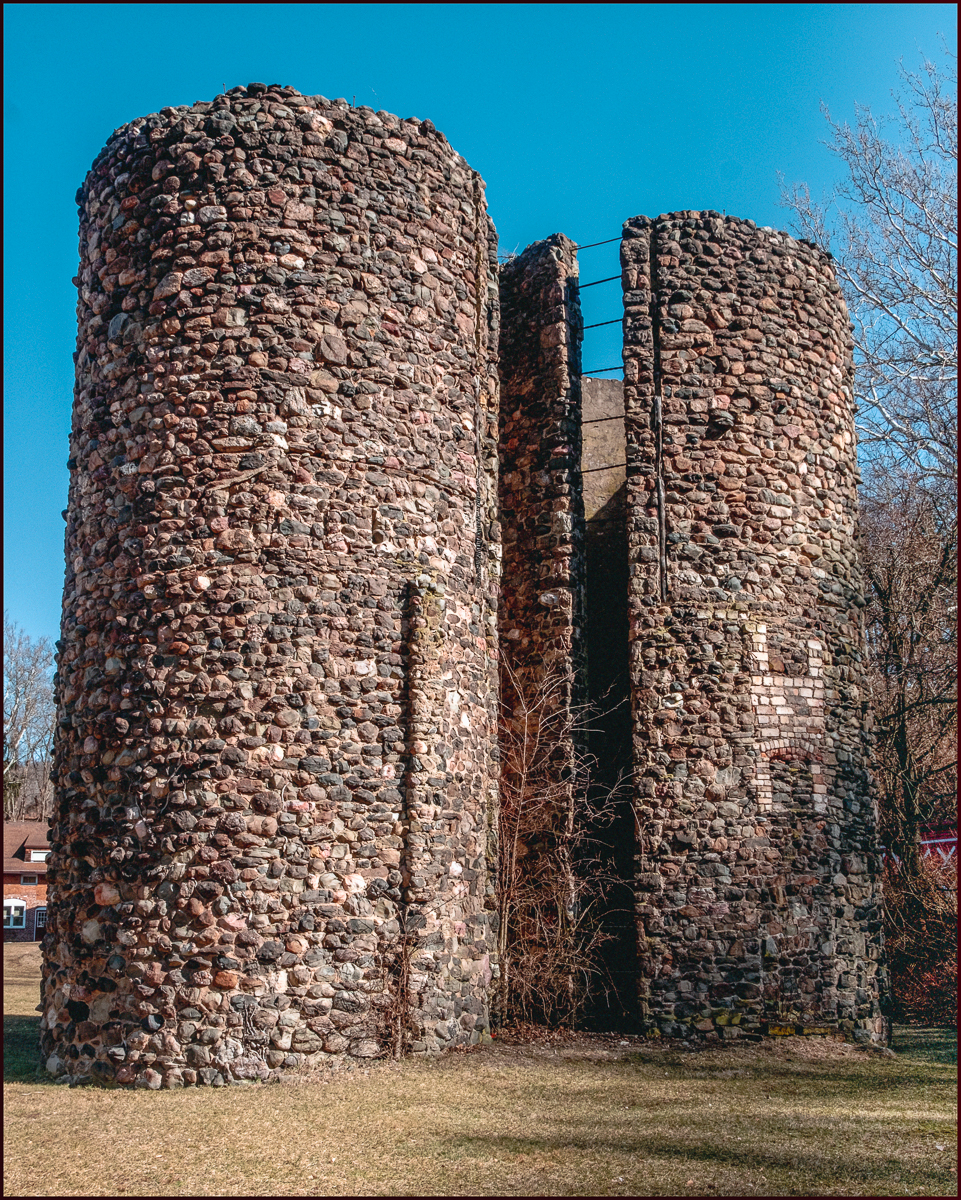
A visit to Sterling Forest – Yet another furnace

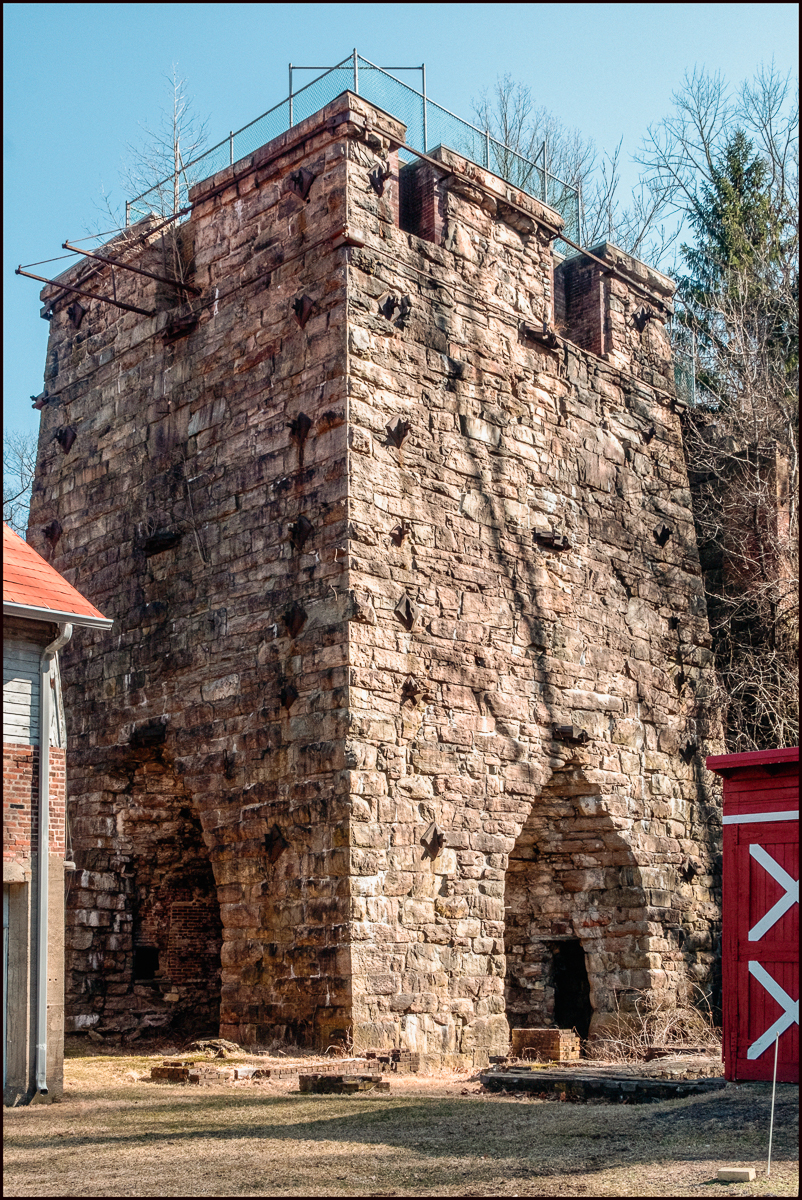
We headed back home, but on the way we noticed a sign to yet another furnace, one none of us had heard of before.

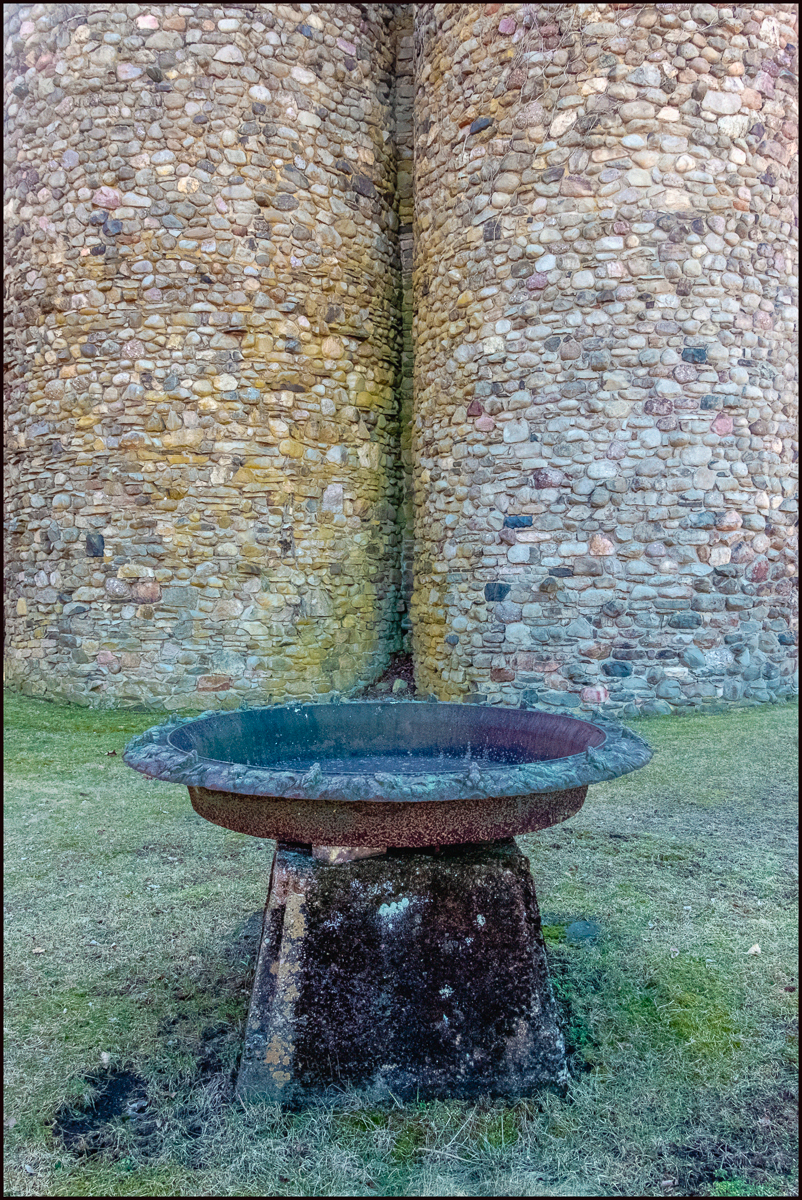
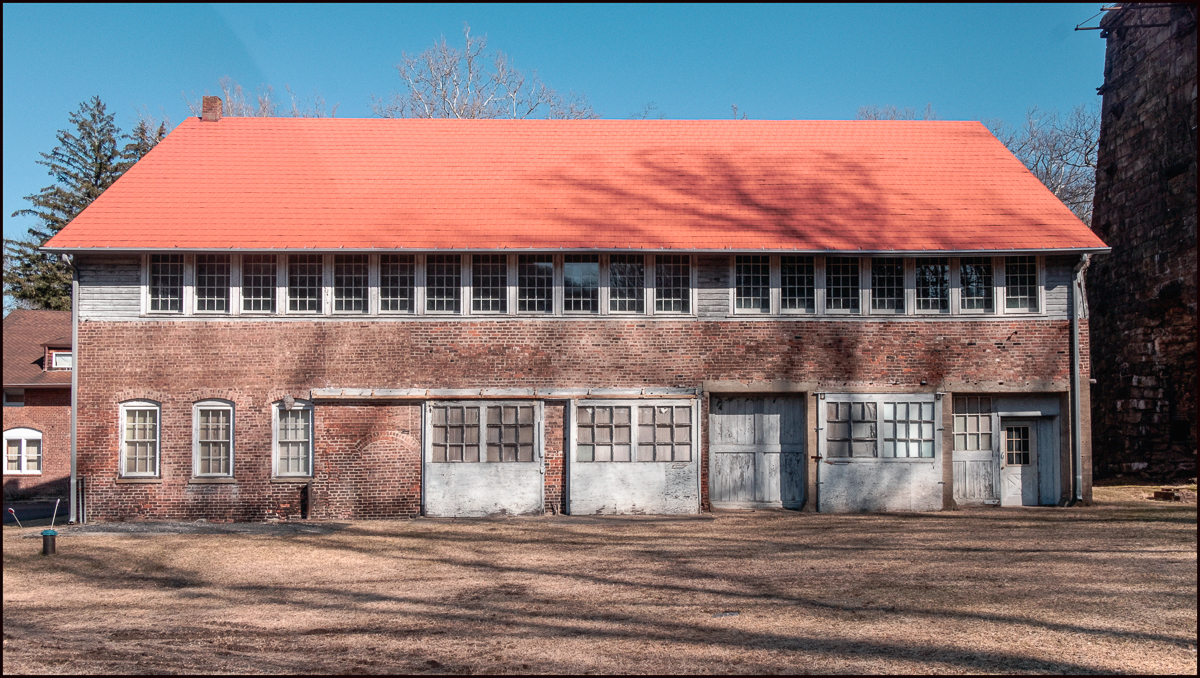
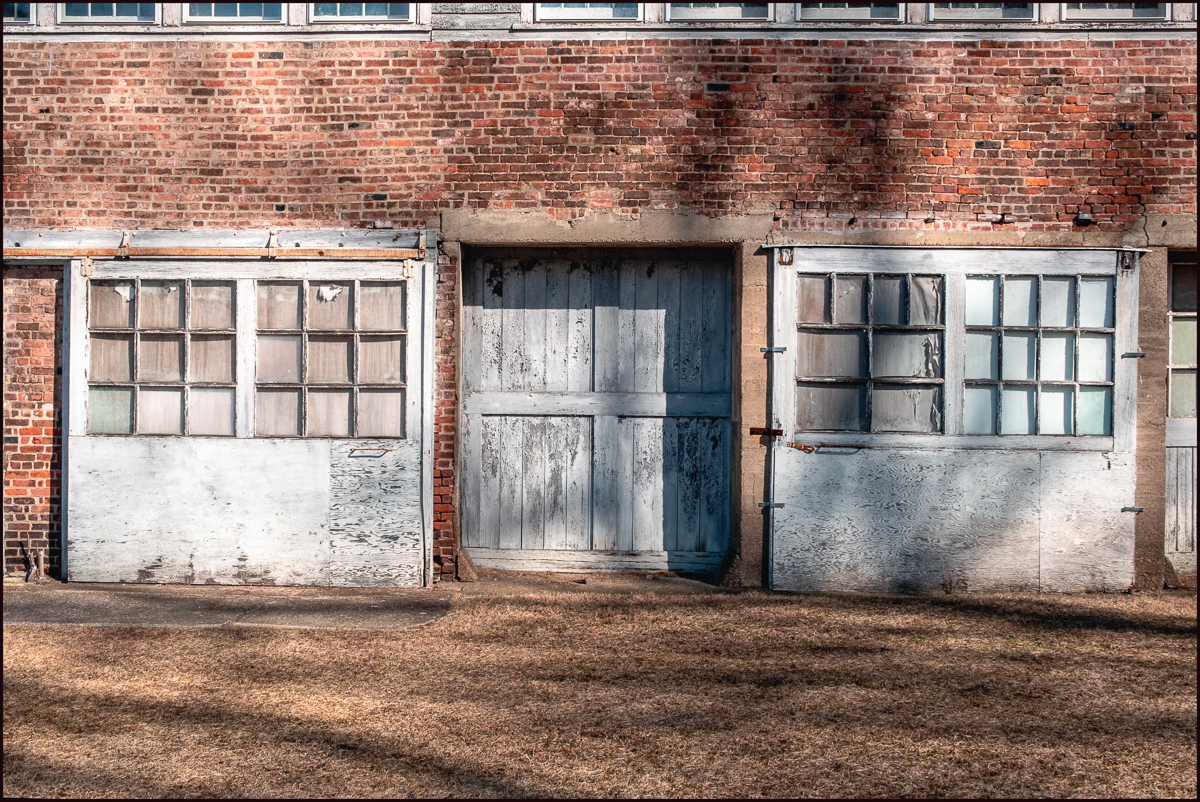
It’s the Clove Furnace.

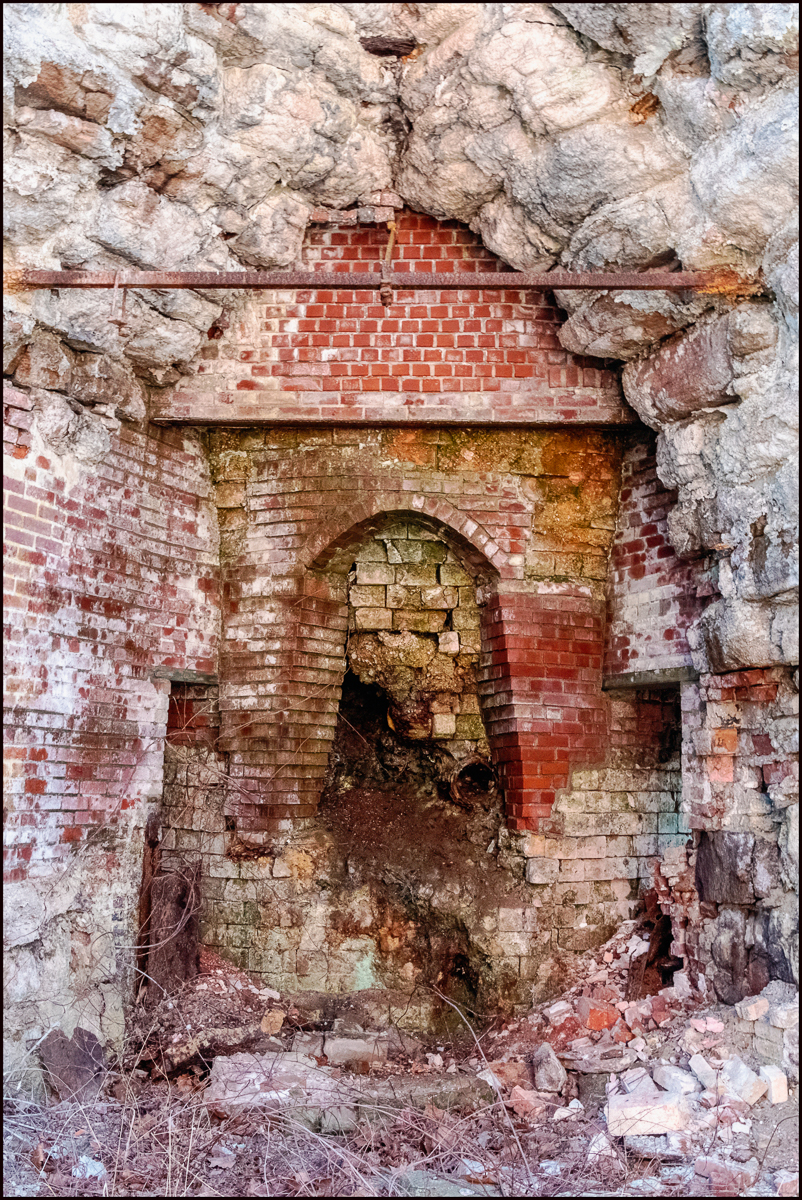
The Clove Furnace Ruin in Arden, New York, United States, was a longtime smelting site for iron ore mined from nearby veins in what is now Harriman State Park. It is located on Arden Station Road just east of the New York State Thruway, and can easily be seen from the highway. It was built in 1854 by Robert & Peter Parrott, who also owned and operated numerous mines in the area, known collectively as the Greenwood Iron Works. Together with the Greenwood Furnace (c.1810), located roughly one half mile east of Clove, these two furnaces produced iron which supplied the Parrott’s West Point Foundry at Cold Spring, NY. The foundry produced the famous and highly effective Parrott Rifle (cannon) utilized by the Union army during the Civil War. The furnace shut down permanently, shortly after Robert Parrott’s death in 1877.

It is located on Arden, which was formerly a property of Columbia University. (Wikipedia)

Additional information can be found here.

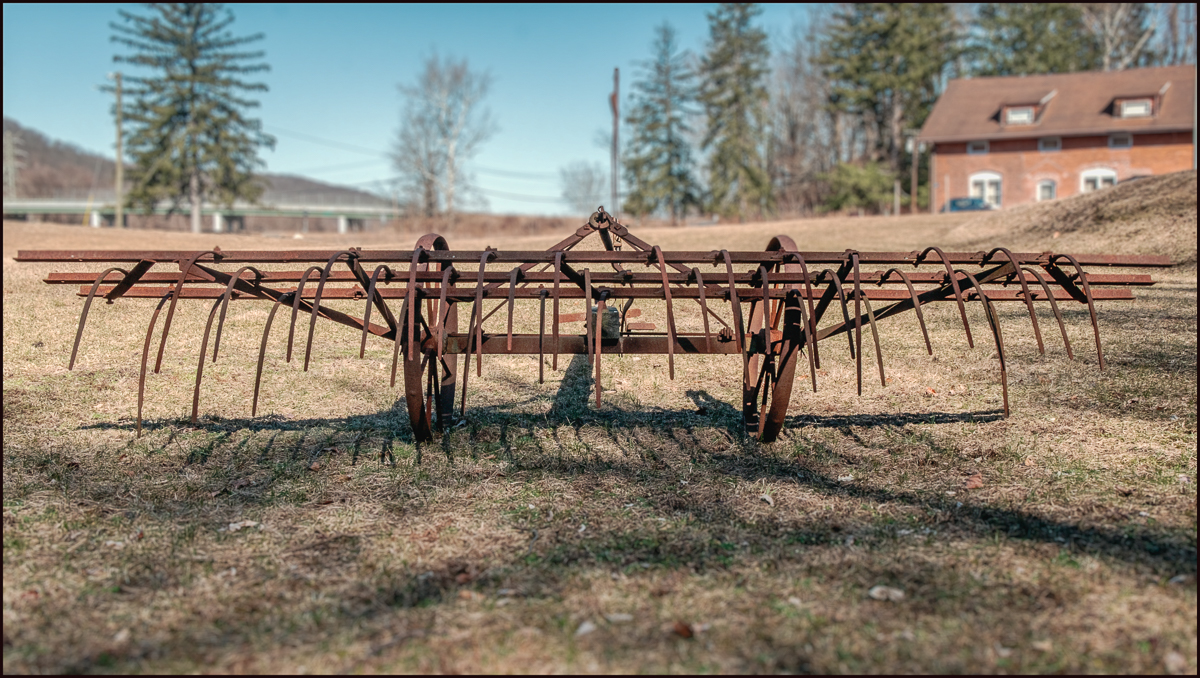
One of many blast furnaces in this iron ore-rich region, Clove Furnace opened in 1854, producing some 5,000 tons of iron by the following year—and 101,000 tons in the decade between 1871 and 1881. Iron produced here was used for the manufacture of stoves and other hardware. The furnace was shut down in 1885 and now serves as headquarters of the Orange County Historical Society. The restored stack, spillway, and other buildings provide a rare glimpse into an important 19th century industry in the Hudson River Valley, while the adjacent museum explains the iron-making process and offers displays about other aspects of Orange County history. Hiking trails in Harriman State Park pass many of the mines that supplied this and other furnaces.
Taken with a Fuji X-E3 and Fuji XC 16-50mm f3.5-5.6 OSS II
A visit to Sterling Forest – Another Furnace

My friend accurately recalled where the furnace he remembered was and we got there without incident.

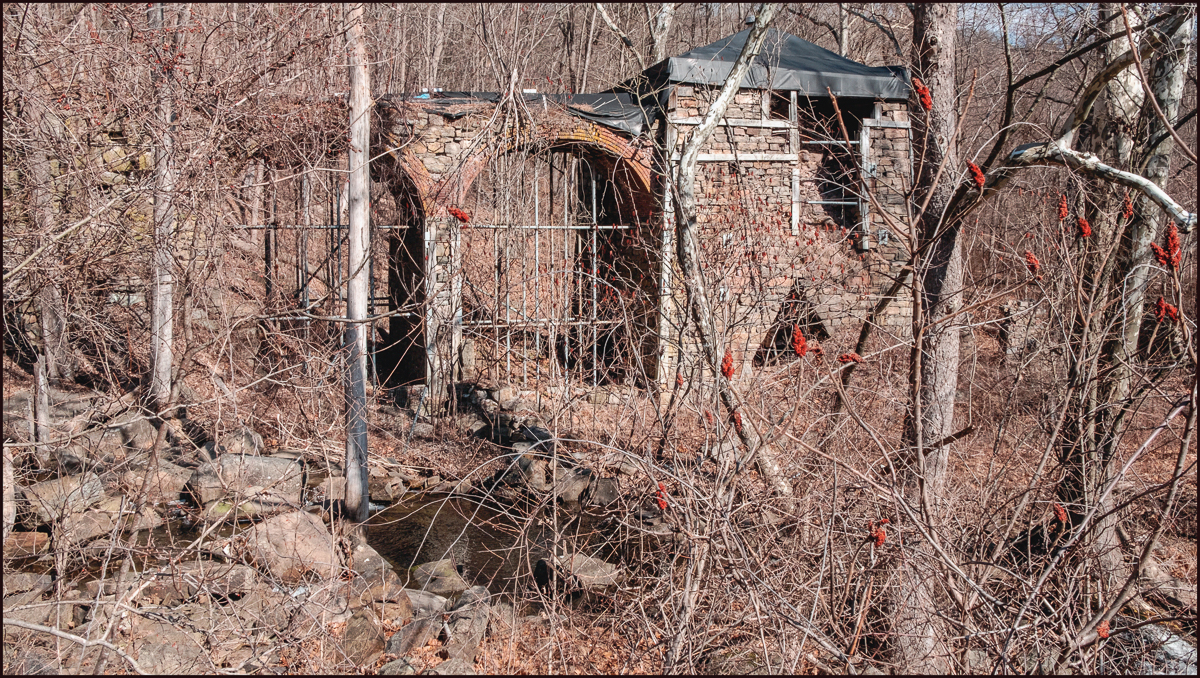
Its the Southfield Furnace.

The Southfield Furnace Ruin in Southfields, New York, was a longtime smelting site for iron ore mined from nearby veins in what is now Sterling Forest State Park. It is located on the north side of Orange County Route 19, 0.7 miles northwest of the junction with New York State Route 17.

It was added to the National Register of Historic Places on November 2, 1973 for its significance in industry.

It was built by Peter Townsend II, who also owned the mines. The Southfield Ironworks in addition to the furnace included a stamping mill, grist mill, saw mill, smith shop, wheel wright shop, coal shed, store, and stables.

The furnace was shut down in September 1887. (Wikipedia).

My friend had said that this furnace was not as interesting as the one in Sterling Forest, but I rather liked it – maybe because, unlike the Sterling Furnace you can still see the Charging Bridge on the left, which was used for bringing ore, charcoal and limestone to the top of the furnace.

Unfortunately there was no parking on the road and there was a stream between the road and the furnace. So I was unable to wander around and was only able to get the one picture.

Taken with a Fuji X-E3 and Fuji XC 16-50mm f3.5-5.6 OSS II
A visit to Sterling Forest – On the Road to another Furnace – The Red Apple Rest

My friend was and continues to be heavily involved in the boy scout movement. As we were leaving Sterling Forest he recalled that he used to go to a boy scout camp in the vicinity and that there was another furnace close by. He mentioned that it was not as impressive as the one at Sterling Forest, but that it might be worth a look. So off we went to find it.

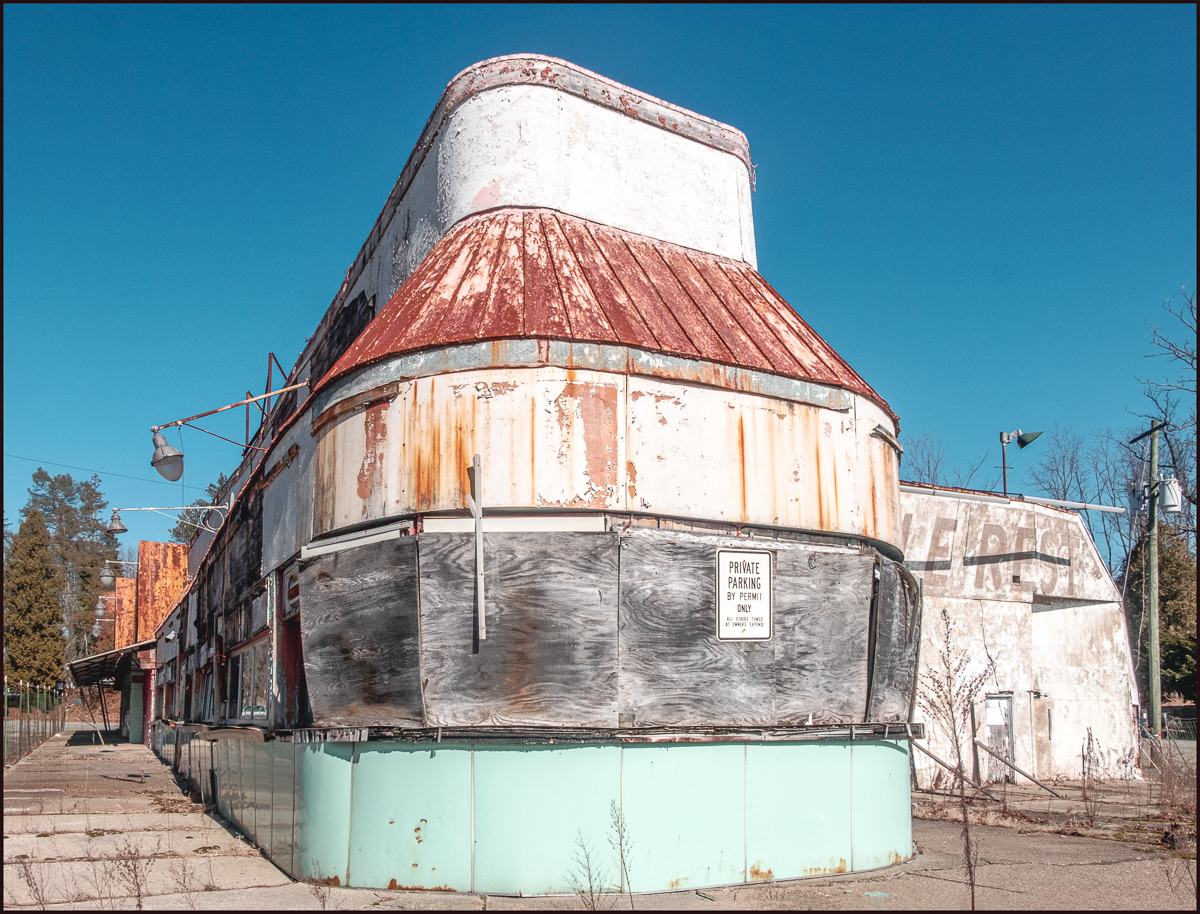
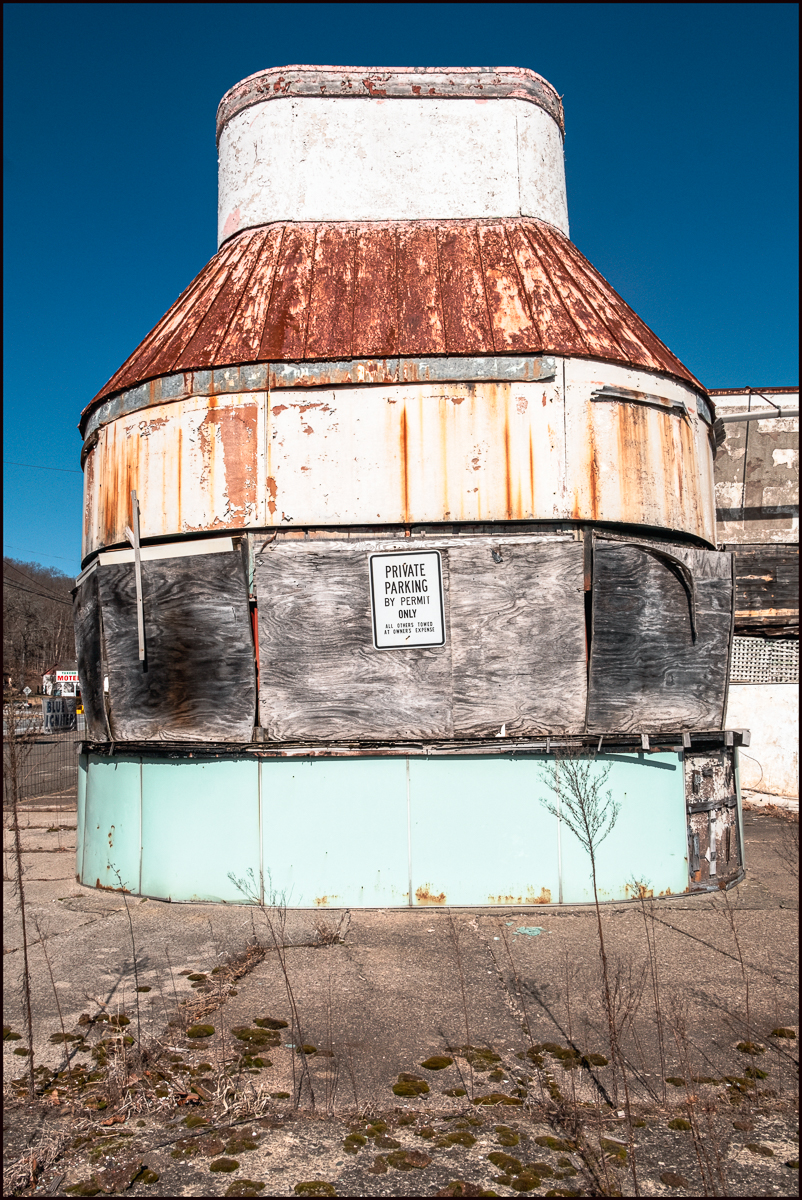
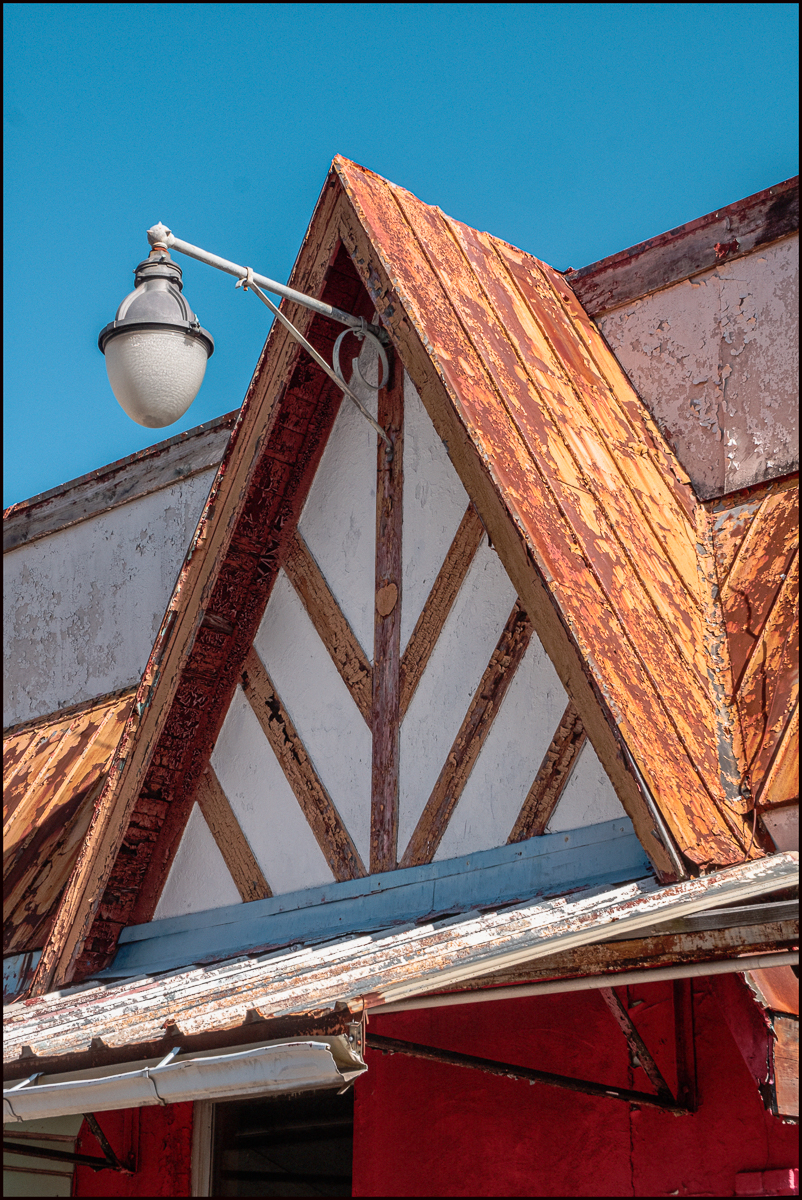
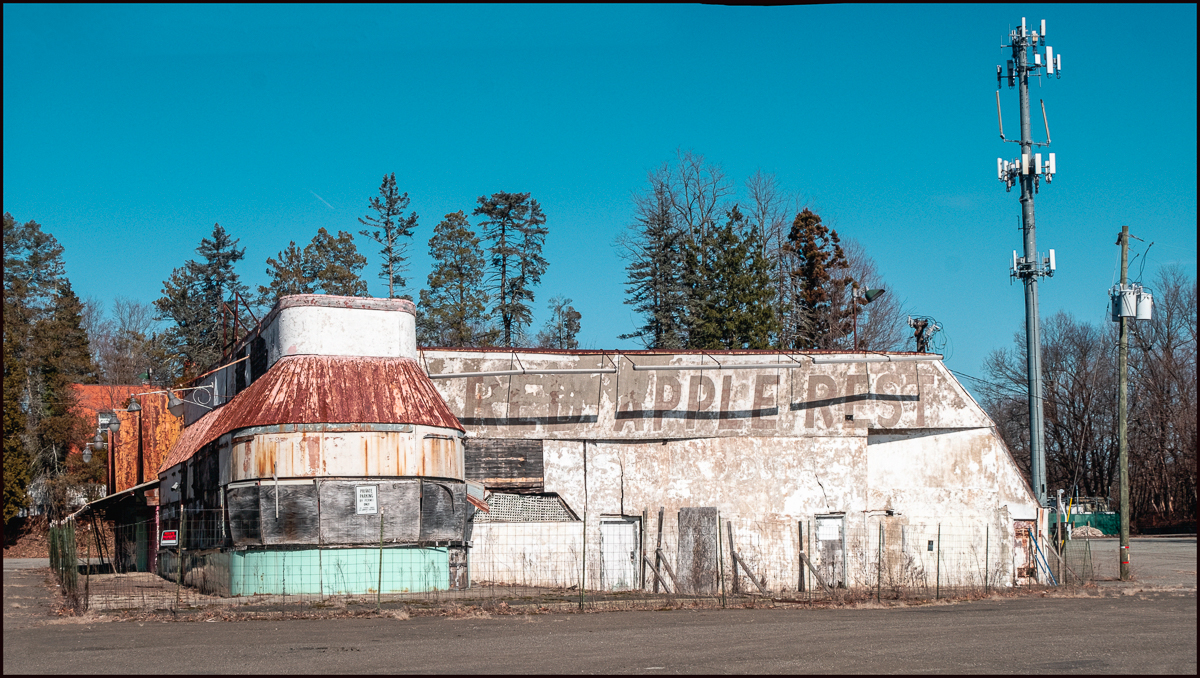
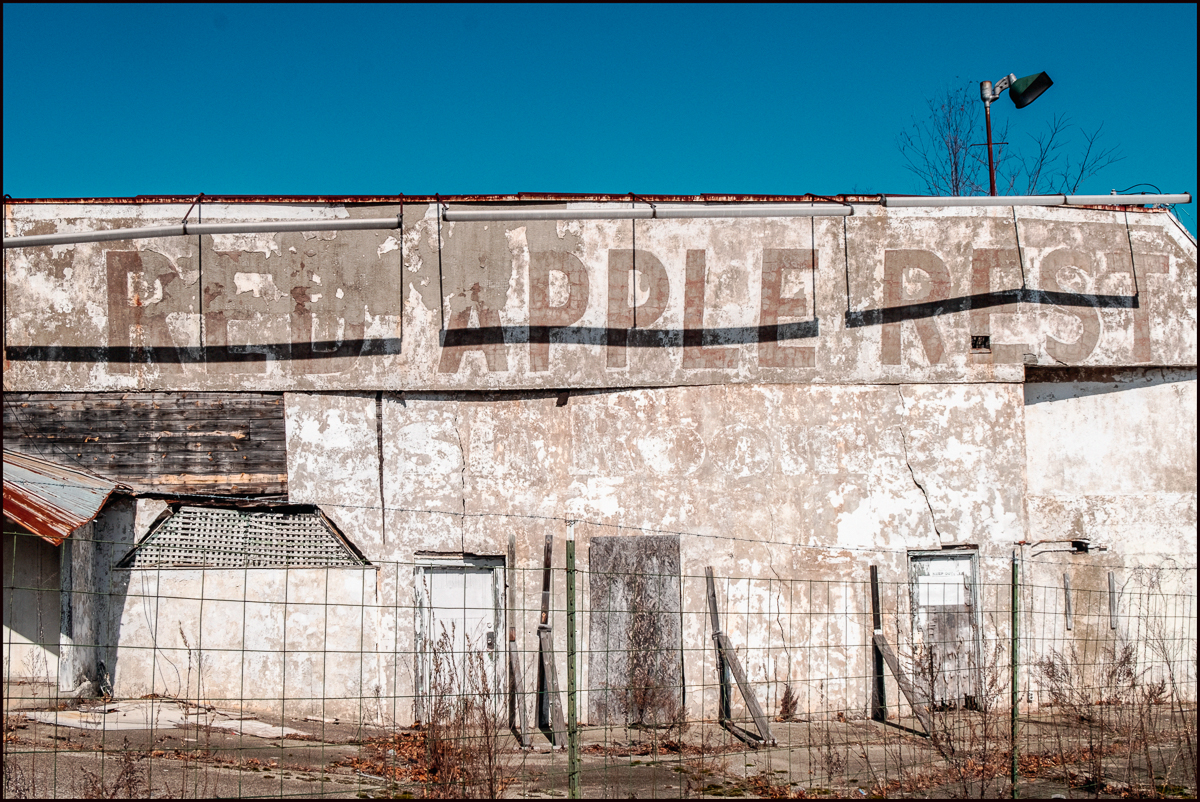
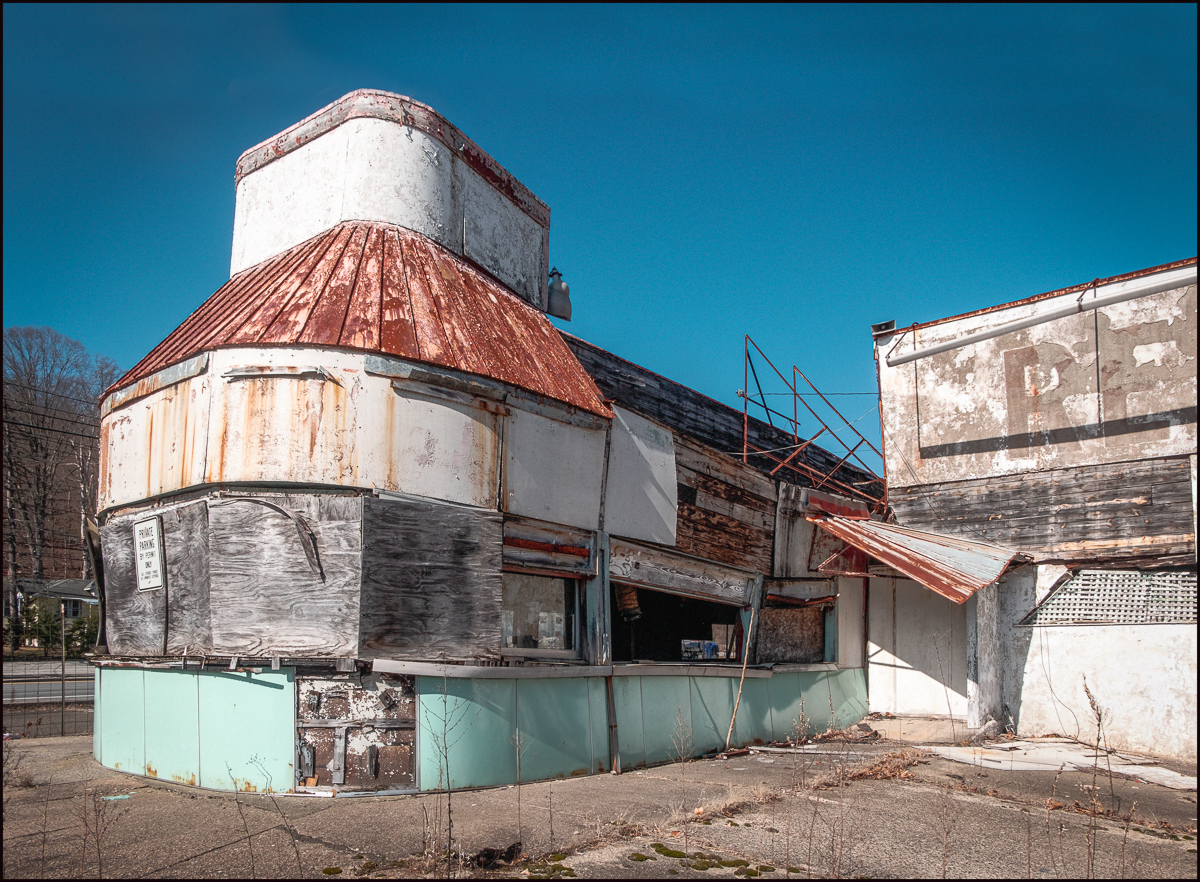
On the way we passed this lovely old, abandoned building. It’s the Red Apple Rest.

The Red Apple Rest was a cafeteria-style restaurant on New York State Route 17, in the Southfields section of Tuxedo, New York. It was a noted way station for people traveling to the hotels of the Catskill Mountains of upstate New York.

Before the New York State Thruway was built, the travel time from New York City to the Catskill Mountains was often four or five hours, especially during weekends. The Red Apple Rest, located almost halfway, became a major roadside stopping place. The restaurant was opened in May 1931 by Reuben Freed.

The Red Apple Rest had a great deal of business during the 1940s and 1950s. It was open 365 days a year, 24 hours a day, and was patronized by so-called “Borscht Belt” comedians and professional athletes as well as families traveling to campgrounds and resorts. Although the Thruway (which was built beginning 1953) bypassed the restaurant, and vacationing in the Catskill Mountains became less popular after the 1960s, the restaurant remained very busy until the 1970s. In 1965 the Red Apple Rest served one million customers.

In his book on Jewish comedians in America, The Haunted Smile, author Lawrence J. Epstein said that comedians would stop at the Red Apple Rest late at night and “would go over the acts, describe the audience, and gather gossip about the other comedians and about routines ripe for buying or ‘borrowing.'”

After 53 years under the Freed family management, the Red Apple Rest was sold in 1984 to a Greek businessman who ran it for another 21 years. At that point it was mostly catering to locals due to the fact that the Catskills had dwindled away as a destination. It closed in September 2006—purportedly for various reasons.

The restaurant was featured in several movies such as Woody Allen’s Deconstructing Harry, A Walk on the Moon, Tenderness and Oliver’s Story, and the November 28, 2013 installment of Bill Griffith’s comic strip Zippy.(Wikipedia)


Update: I’ve just (4 April 2023) come across what looks like an interesting book on this restaurant. It’s called Stop at the Red Apple: The Restaurant on Route 17 and it’s by Elaine Freed Lindenblatt, the daughter of the founder of the restaurant: Reuben Freed.

Taken with a Fuji X-E3 and Fuji XC 16-50mm f3.5-5.6 OSS II
A visit to Sterling Forest – The Hoist

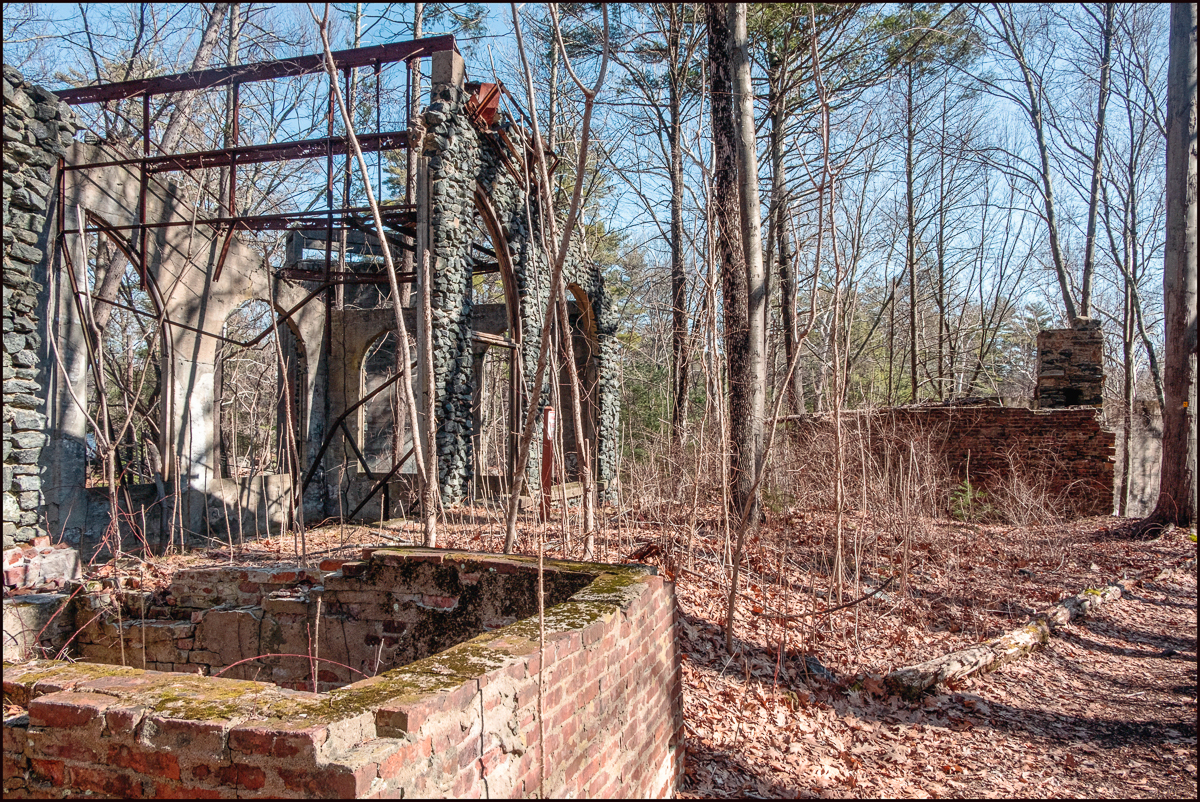
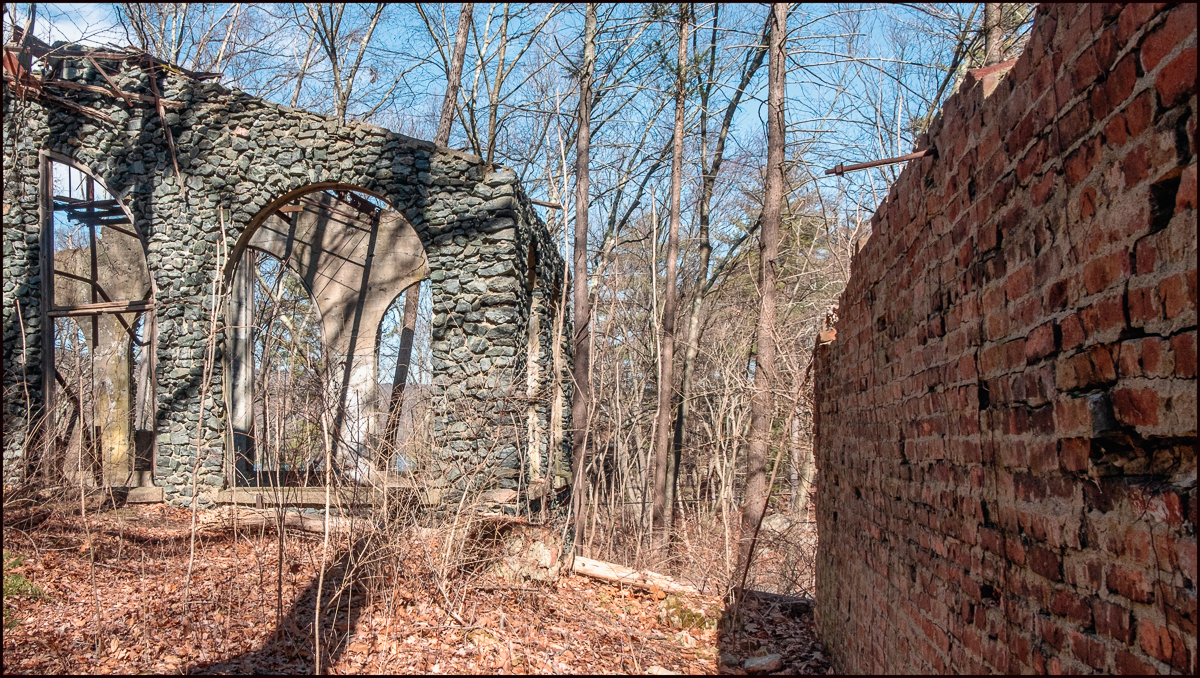
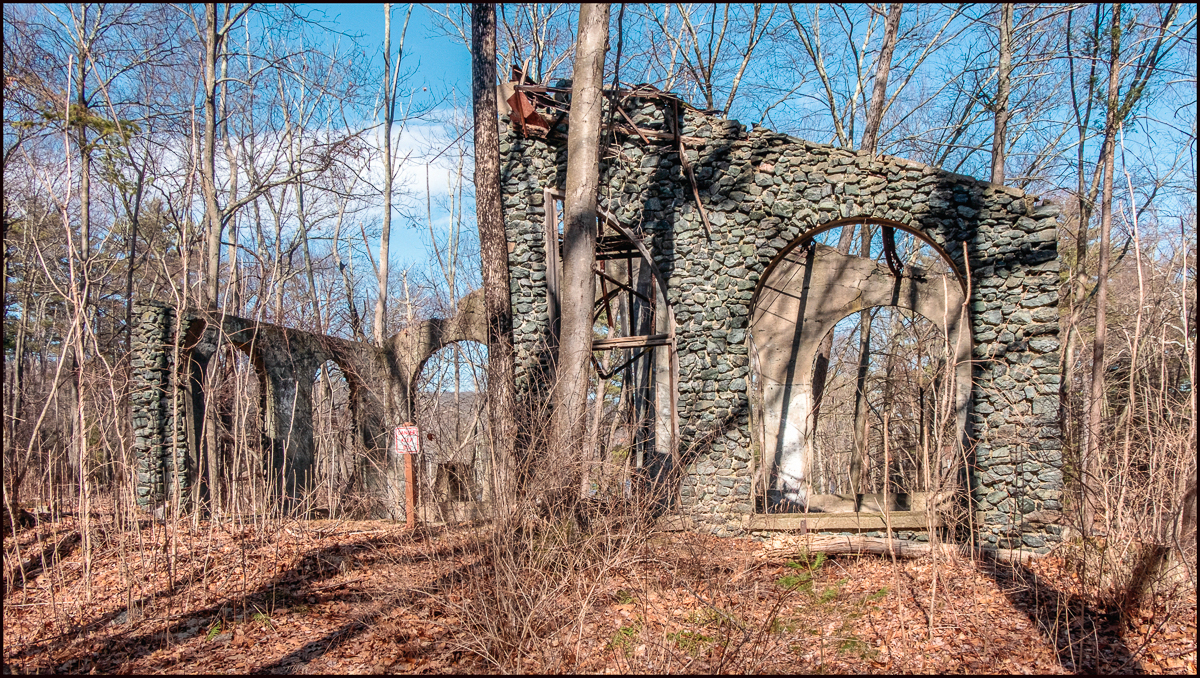
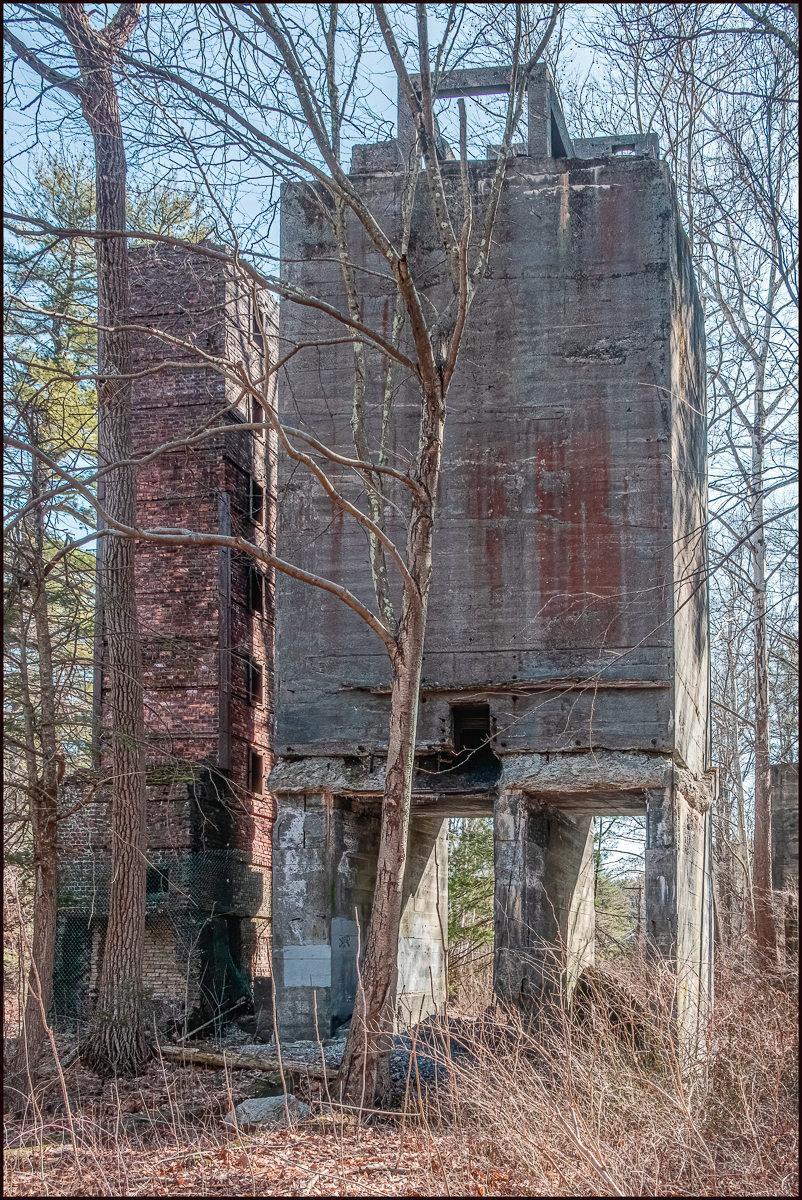
This magnificent set of ruins was once the Hoist House, which housed the cable mechanism that hauled the ore cars from the Lake Mine. The cars then dumped the ore at the tipple directly below the hoist house where conveyors moved the ore to the crusher and then to the dryer located across from the mine opening. From there the ore went to the concentrating mill.


Taken with a Fuji X-E3 and Fuji XC 16-50mm f3.5-5.6 OSS II