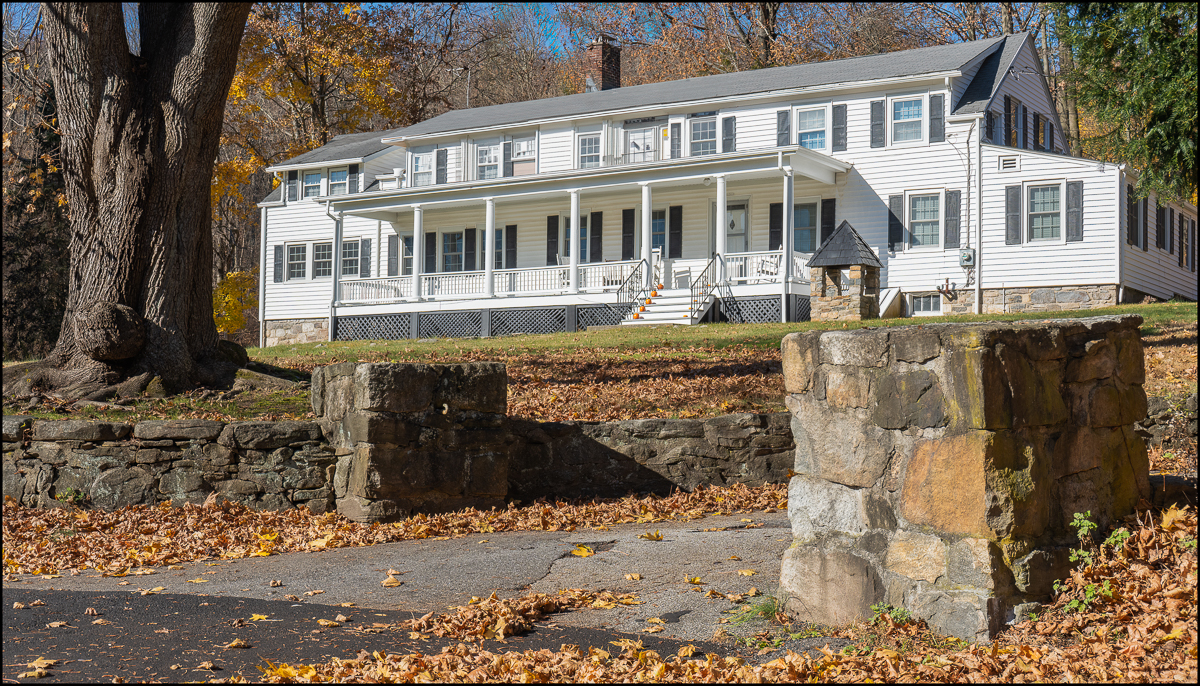
The Century Homestead

According to Mary Cheever in her wonderful book on Briarcliff Manor: The Changing Langscape:

The “Century Homestead” as it is named in the Beer’s Atlas of 1867, on Chappaqua Road has been called the Reuben Whitson House. However, since there are no Whitsons on the Mt. Pleasant census rolls before 1830, it was probably another Washburn House (cf. The Washburn House).

Taken with a Sony A7IV and Sony FE 28-70 f3.5-5.6 OSS.

A Walk through Ossining – A Couple of Fire Stations

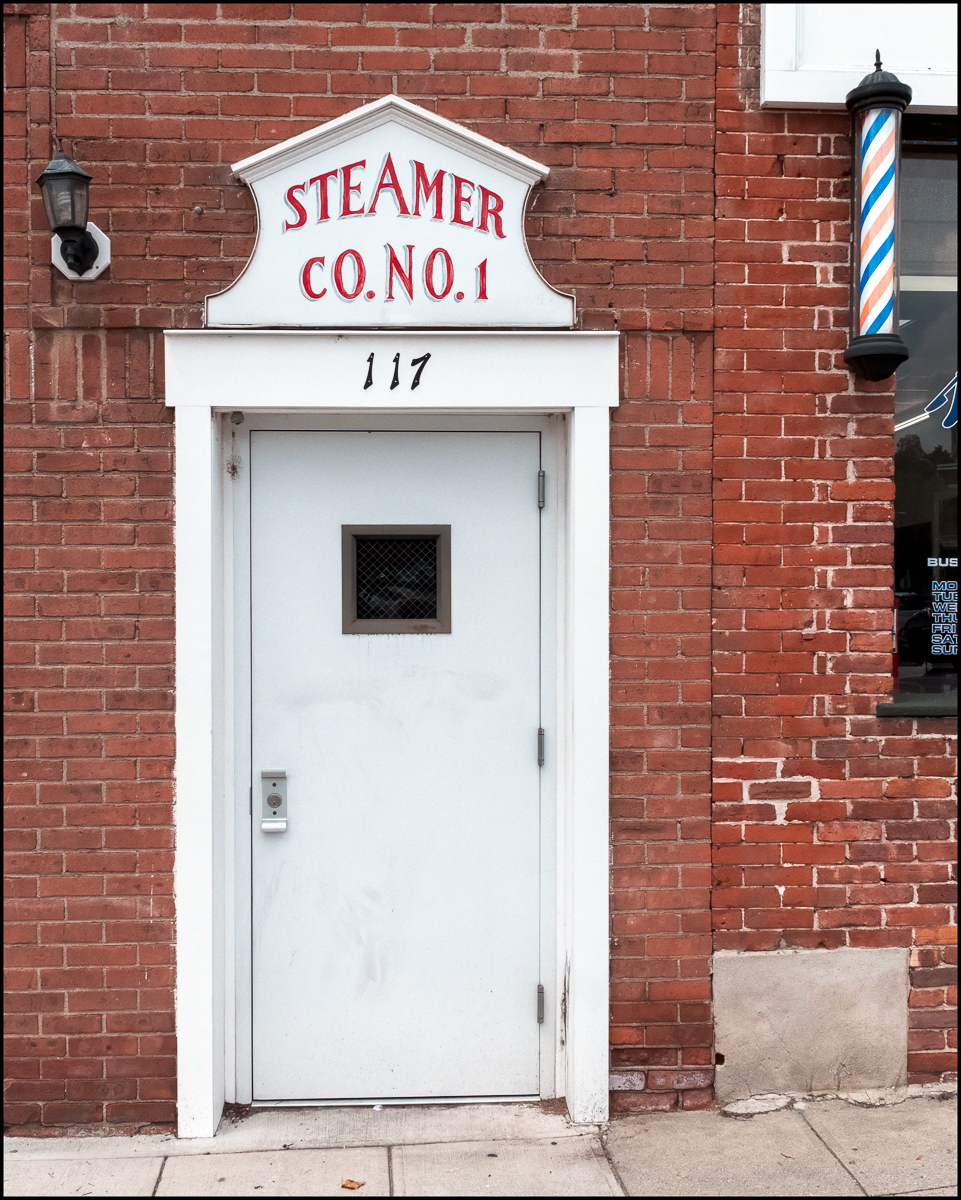
Sing Sing Steamer Company No. 1 came into being in June 1876 with the purchase of a Silsby rotary steam fire engine, the latest in technology at that time. The Silsby company had exhibited its steam engine in Sing Sing in early 1876. When a fire broke out on Main St., the village fathers saw the engine in action and were persuaded to purchase one. A company of 60 members formed to take charge of the new steam engine. Still stationed on Main St., Steamer Company shared its space with the Police headquarters in the late 1890s.
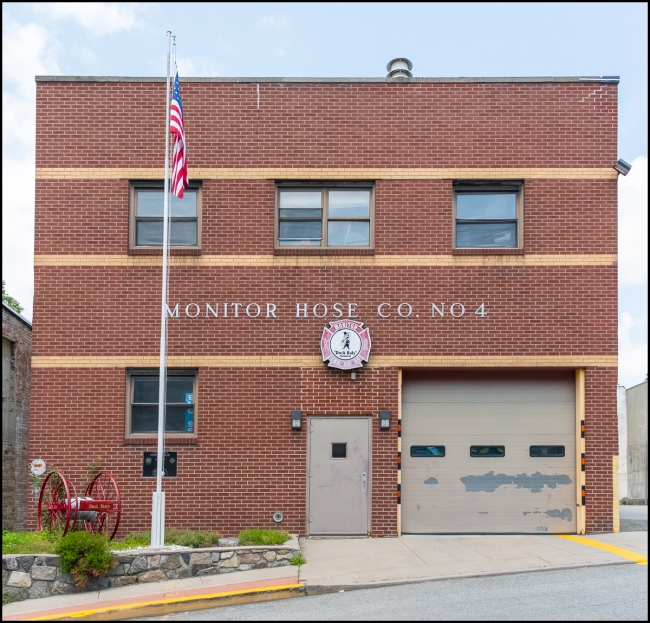
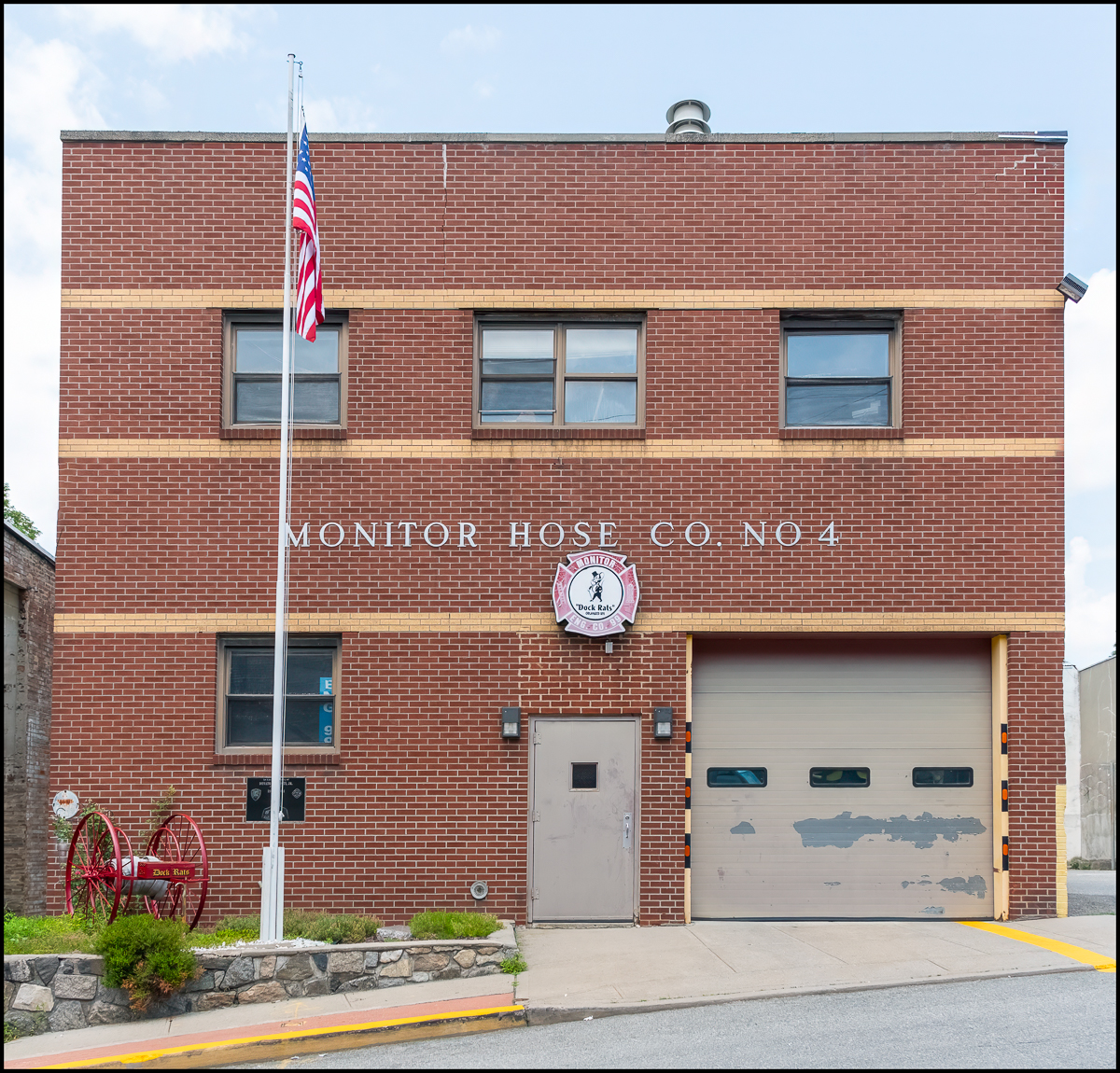
Monitor Hose Company Number 4. Monitor Hose Company organized on July 7, 1891, and was originally located on Water St. and Central Ave. near the Monitor Iron Works, from which the company took its name. Members of the company were nicknamed “Monty’s dock rats.”
The company’s first apparatus was a hand-drawn jumper carriage with hose, which had to be pulled by hand up the hill to fight fires in the Village. A frequent solution was to hook the carriage to Ossining Steamer at the top of the hill. Another option was to hitch the carriage to the trolley for a ride from Westerly Rd. to the Campwoods Grounds. The company moved to its present home on Central Ave. in 1950.

Taken with a Fuji X-E3 and Sigma 18-50mm f2.8

A Walk through Ossining – First Baptist Church

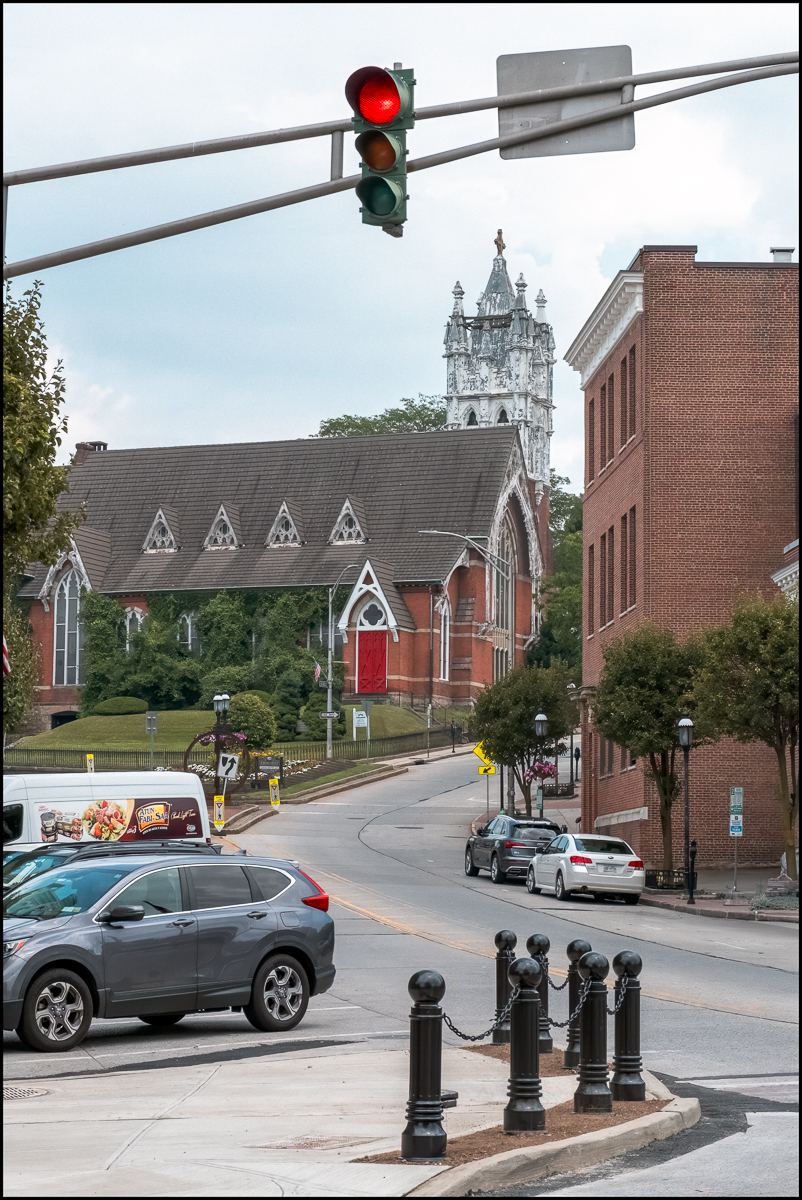
On leaving the bookstore I looked towards Route 9/Albany Post Road and the First Baptist Church.

According to “Village of Ossining Significant Sites and Structures Guide, Page 193“:

The First Baptist Church, completed in 1874, is actually the second structure to occupy the site at 1 Church St; the first was constructed in the early 19th Century to house the Sing Sing Baptist Congregation. This congregation was founded in April of 1786 by Captain Elijah Hunter, a Revolutionary War spy who was the founder of the hamlet Hunter’s Landing, an early waterfront settlement located near the current-day train station which grew to later become part of Sing Sing Village. Hunter chose a triangular-shaped site at the center of the Village near the convergence of the Albany Post Road (known today as Highland Avenue or Route 9), Croton Avenue, and Main Street in order to maximize its visibility and emphasize its central importance to Ossining’s religious life. The original First Baptist Church was a place where blacks and whites would worship side by side in a setting that permitted a degree of equality that did not exist elsewhere, a tradition that continued with the construction of the current structure. The original church building was demolished once the size of the congregation grew too large and the present structure was built on the same site. The church was designed by J. Walsh, a Brooklyn-based architect, and was built for a cost of $75,000 in 1874 dollars.

Taken with a Fuji X-E3 and Sigma 18-50mm f2.8
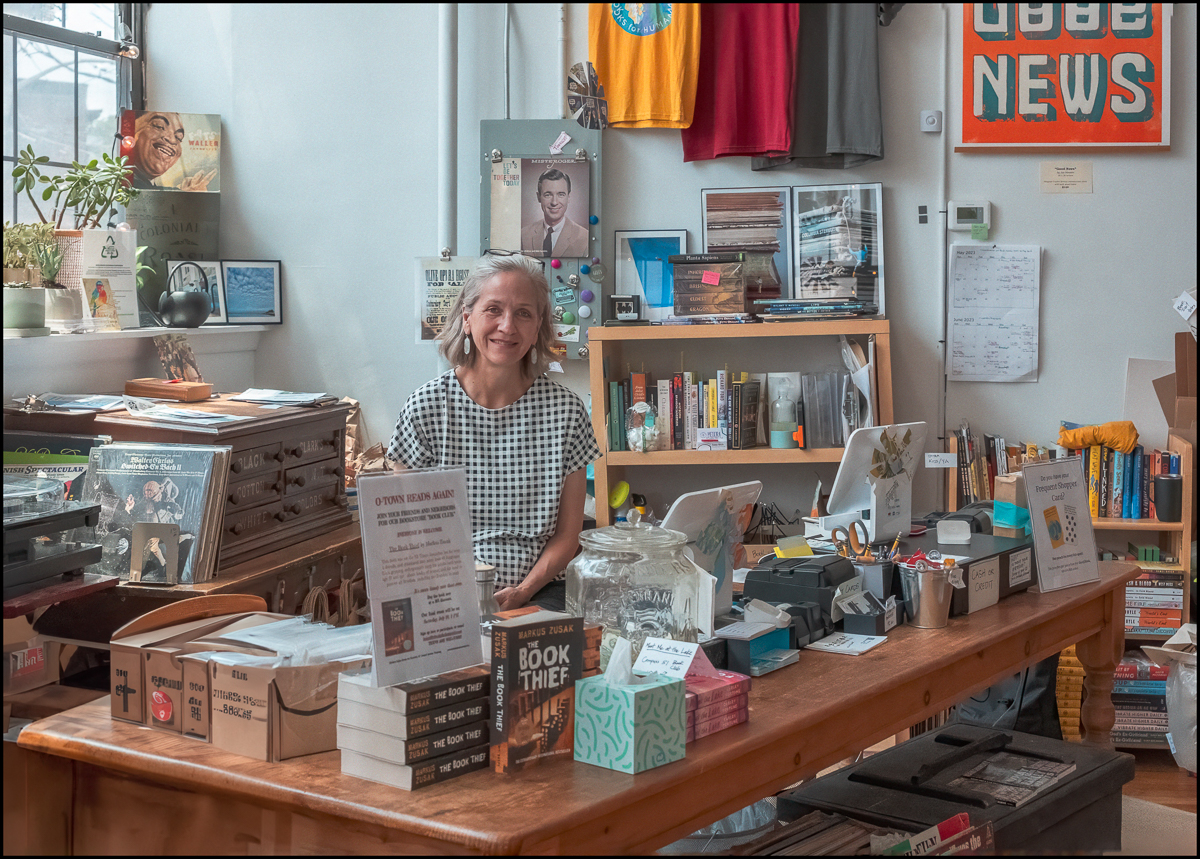
A Walk through Ossining – A Bookstore

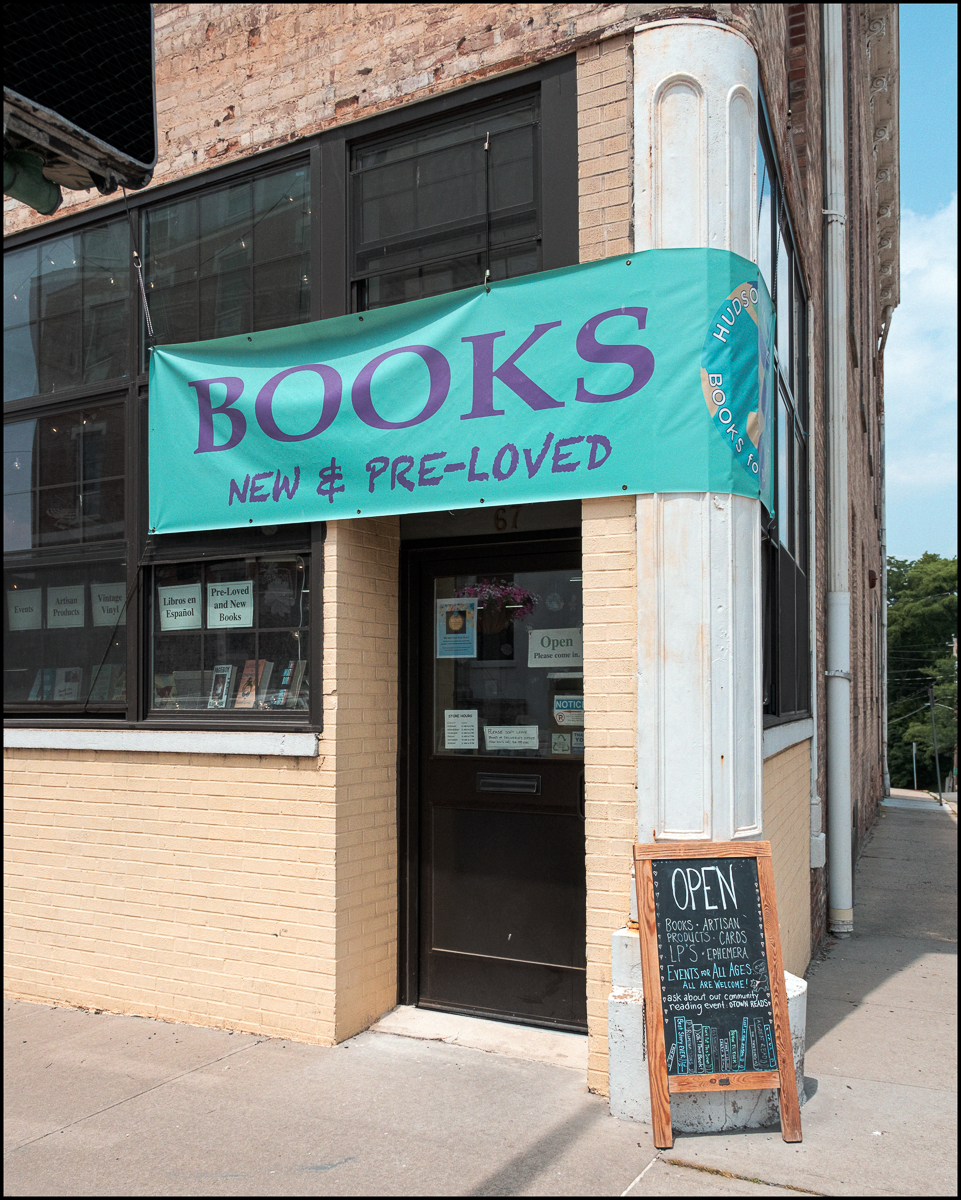
At least its new to me. It’s been around for a while. I’ve even passed it few times, but didn’t have the time to go in. This time I did.

It’s much larger on the inside than it appears from the street. It has a good selection of books, both new and used (good quality). The staff were very friendly. I came away with an excellent used copy of “Atget” by John Szarkowski and Ansel Adams’ Autobiography.

And best of all I can walk to it from my house. I hope it does well and stays around.

Taken with a Fuji X-E3 and Sigma 18-50mm f2.8