
An old, weathered garage door. I loved the geometric patterns, the colors, the textures and the overall worn out look.
Taken with a Fuji X-E3 and Fuji XC 16-50mm f3.5-5.6 OSS II
Photographs and thoughts on photography and camera collecting

An old, weathered garage door. I loved the geometric patterns, the colors, the textures and the overall worn out look.
Taken with a Fuji X-E3 and Fuji XC 16-50mm f3.5-5.6 OSS II

Seen while walking around in Dobbs Ferry, NY.
Taken with a Fuji X-E3 and Fuji XC 16-50mm f3.5-5.6 OSS II
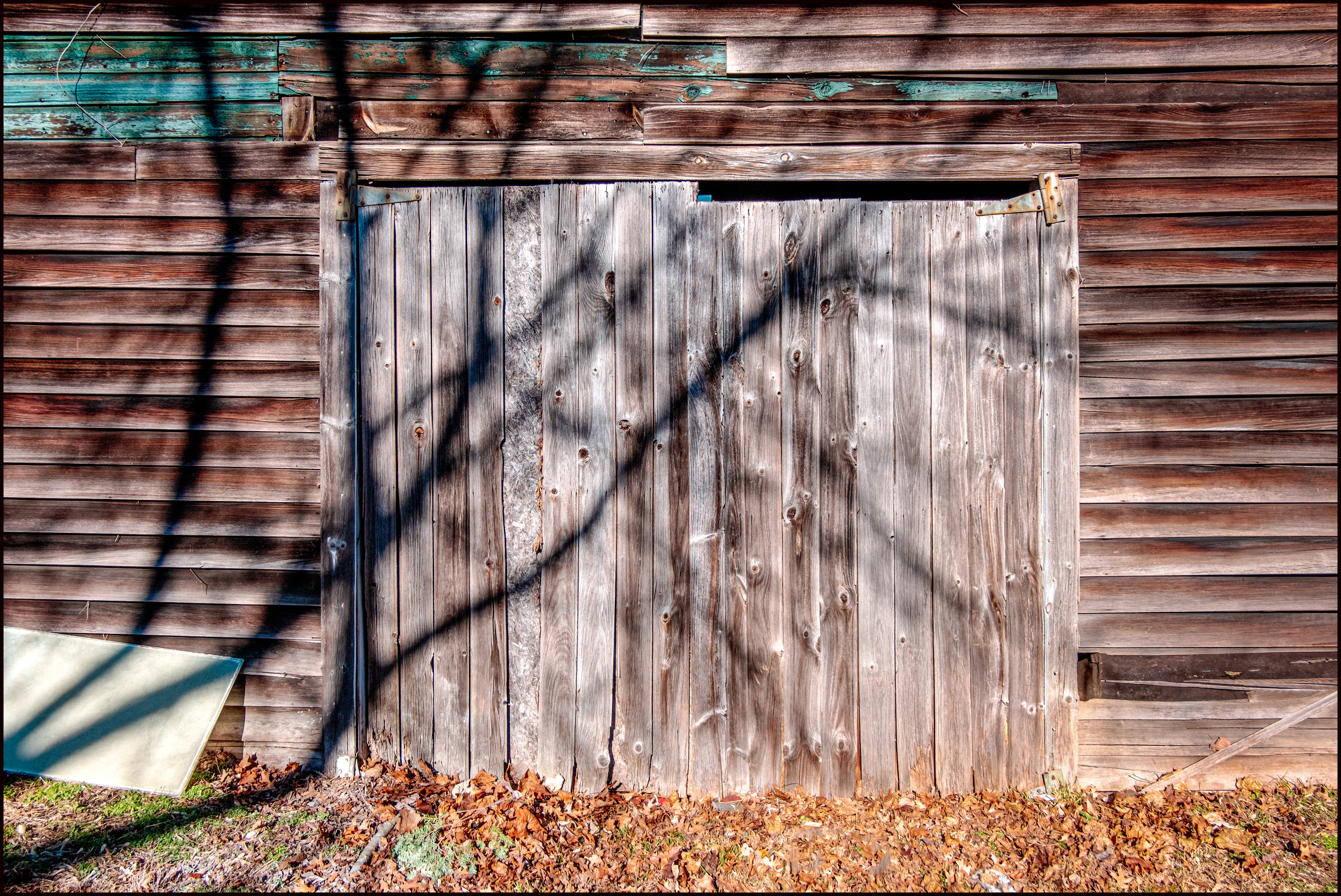
My friends/neighbors have house in Dobbs Ferry, New York. The were going down to the house and asked if I’d like to go for a ride. As I hadn’t been out too much of late (too cold, too wet etc.) I immediately said yes. They had things to do at the house so while they were occupied I took a walk along Route 9 (Broadway, Albany Post Road and probably other names depending on where you are). Their house has an interesting location. You can reach it from too roads. The first, South Lane is at the rear of the house and has a number of interesting old barn like structures. The second, Belden Avenue runs in front of the house and has some lovely old buildings. Above is a picture of one of the interesting barn-like structures.
Dobbs Ferry is a village in Westchester County, New York, United States. The population was 10,875 according to the 2010 United States Census. In 2019, its population rose to an estimated 11,027. The village of Dobbs Ferry is located in, and is a part of, the town of Greenburgh. The village ZIP code is 10522.
…
Multiple groups of native peoples lived in what is now known as Dobbs Ferry since at least 4500BC. The most recent tribe who claimed territory of the area are the Wecquaesgeek, maintaining villages up until the 1600’s. Numerous artifacts from the tribe continue to be found along Wicker’s Creek in oyster middens.
Dobbs Ferry was named after Jeremiah Dobbs, a descendant of William Dobbs, of Swedish and Dutch ancestry whose family ran a ferry service that traversed the Hudson River at this location. Dobbs was a fisherman and settled near the southern part of what is now Dobbs Ferry, and he “added to his meager income by ferriage of occasional travelers across the Hudson. He used a style of boat known at that day as a periauger, a canoe hollowed out of a solid log. . . From this primitive ferry the village took its name.”
Dobbs Ferry played a vital role in the American Revolutionary War. The position of the village opposite the northernmost end of the Palisades gave it importance during the war. The region was repeatedly raided by camp followers of each army; earthworks and a fort, commanding the Hudson ferry and the ferry to Paramus, New Jersey, were built; the British army made Dobbs Ferry a rendezvous, after the Battle of White Plains in November 1776, and the continental division under General Benjamin Lincoln was here at the end of January 1777.
In July and August 1781, during the seventh year of the war, Continental Army troops commanded by General George Washington were encamped in Dobbs Ferry and neighboring localities, alongside allied French forces under the command of the Comte de Rochambeau. A large British army controlled Manhattan at the time, and Washington chose the Dobbs Ferry area for encampment because he hoped to probe for weaknesses in the British defenses, just 12 miles (19 km) to the south. But on August 14, 1781, a communication was received from French Admiral Comte de Grasse in the West Indies, which caused Washington to change his strategy. De Grasse’s communication, which advocated a joint land and sea attack against the British in Virginia, convinced Washington to risk a march of more than 400 miles (640 km) to the Chesapeake region of Virginia. Washington’s new strategy, adopted and designed in mid-August 1781, at the encampment of the allied armies, would win the war. The allied armies were ordered to break camp on August 19, 1781: on that date the Americans took the first steps of their march to Virginia along present-day Ashford Avenue and Broadway, en route to victory over General Cornwallis at the Siege of Yorktown and to victory in the Revolutionary War. The village was originally incorporated in 1873 as Greenburgh, but the name was changed to Dobbs Ferry in 1882.
(Adapted from Wikipedia).
Taken with a Fuji X-E3 and Fuji XC 16-50mm f3.5-5.6 OSS II


Taken with a Fuji X-E3 and a variety of Fuji lenses.
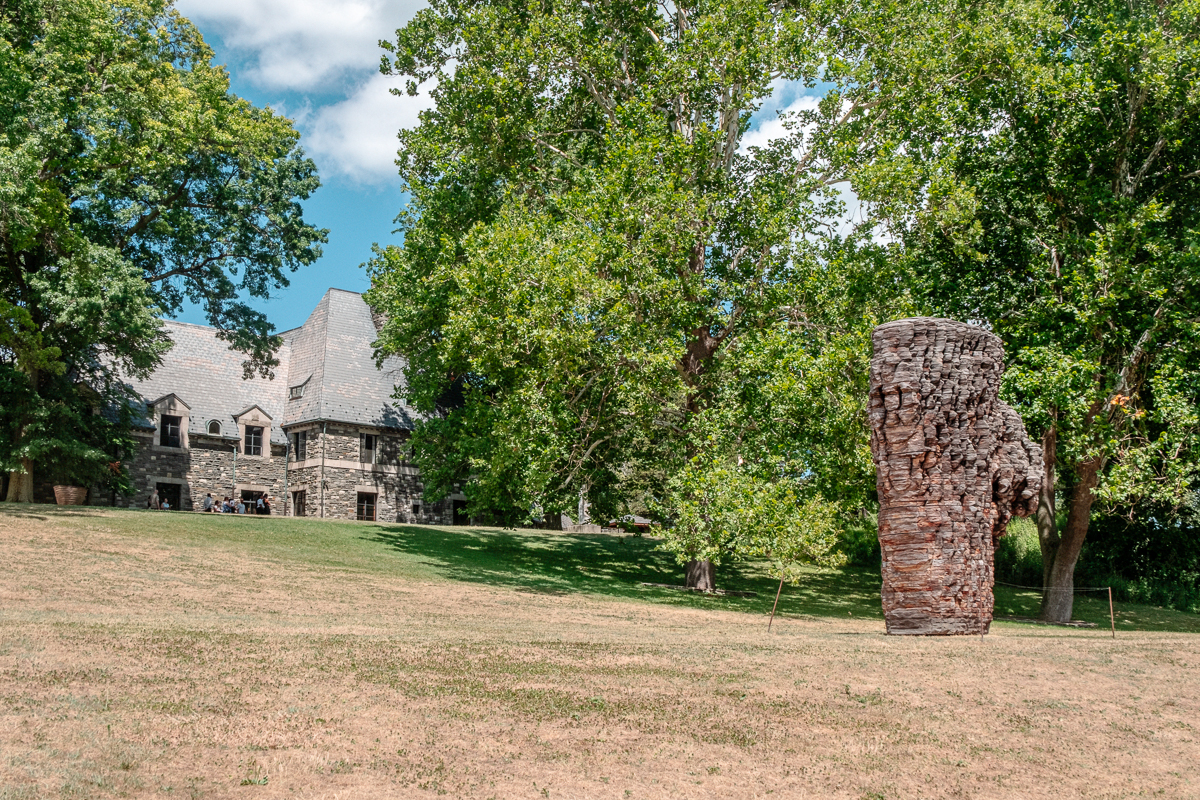
These pictures were taken around the Mansion. Above: The Mansion and For Paul by Ursula von Rydingsvard.
The nonprofit Storm King Art Center was founded and opened to the public in 1960, thanks to the efforts of the late Ralph E. Ogden and H. Peter Stern, co-owners of the Star Expansion Company, based in Mountainville, New York.
The initial gift of what is today the Museum Building and its surrounding property was made by the Ralph E. Ogden Foundation, Inc. Over time, Star Expansion Company donated 300 contiguous acres, as well as 2,100 acres of Schunnemunk Mountain (now owned by the State of New York and designated Schunnemunk Mountain State Park) that preserve Storm King Art Center’s viewshed.
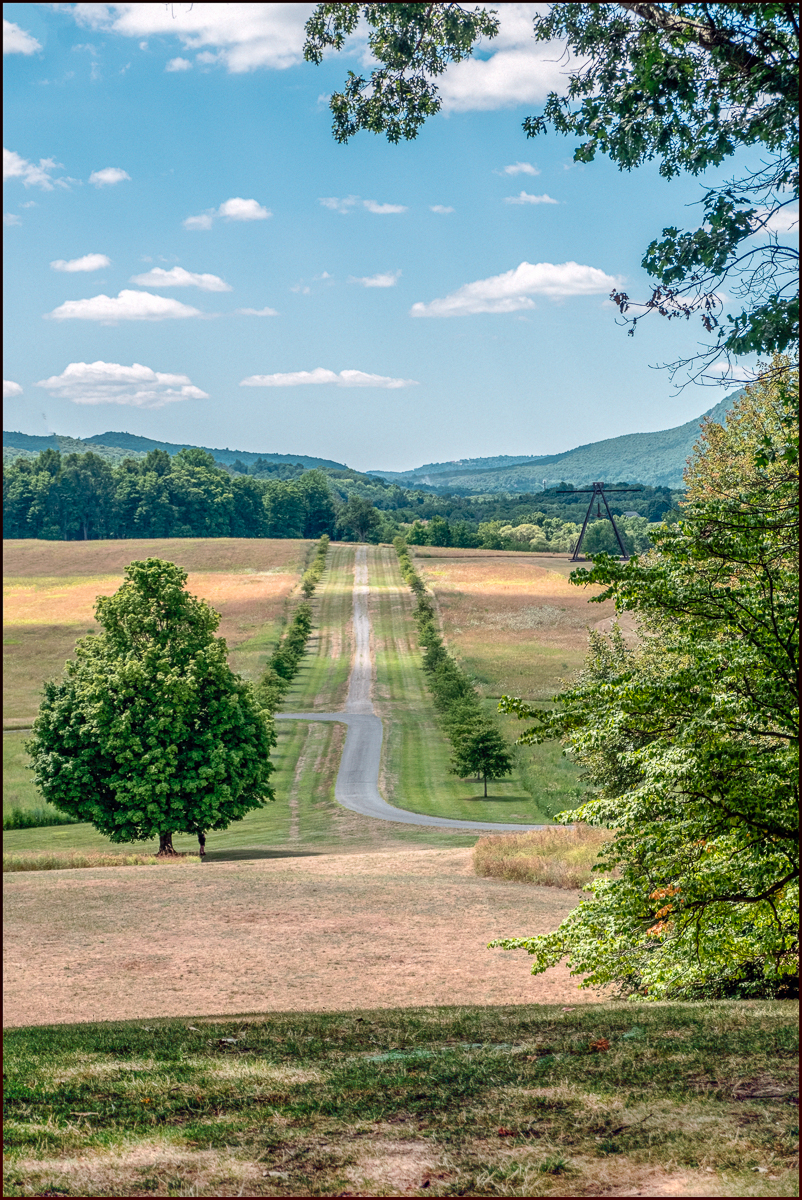
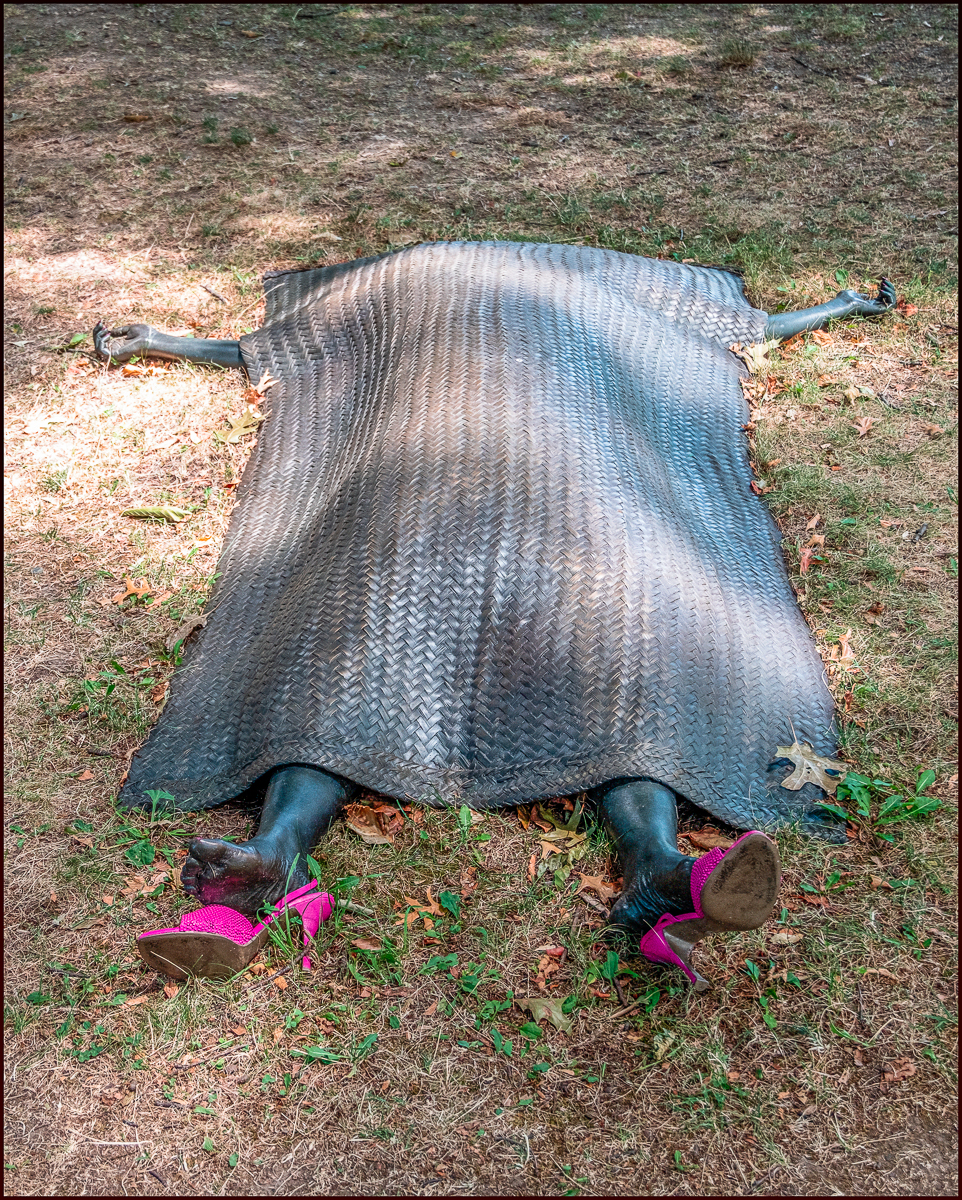
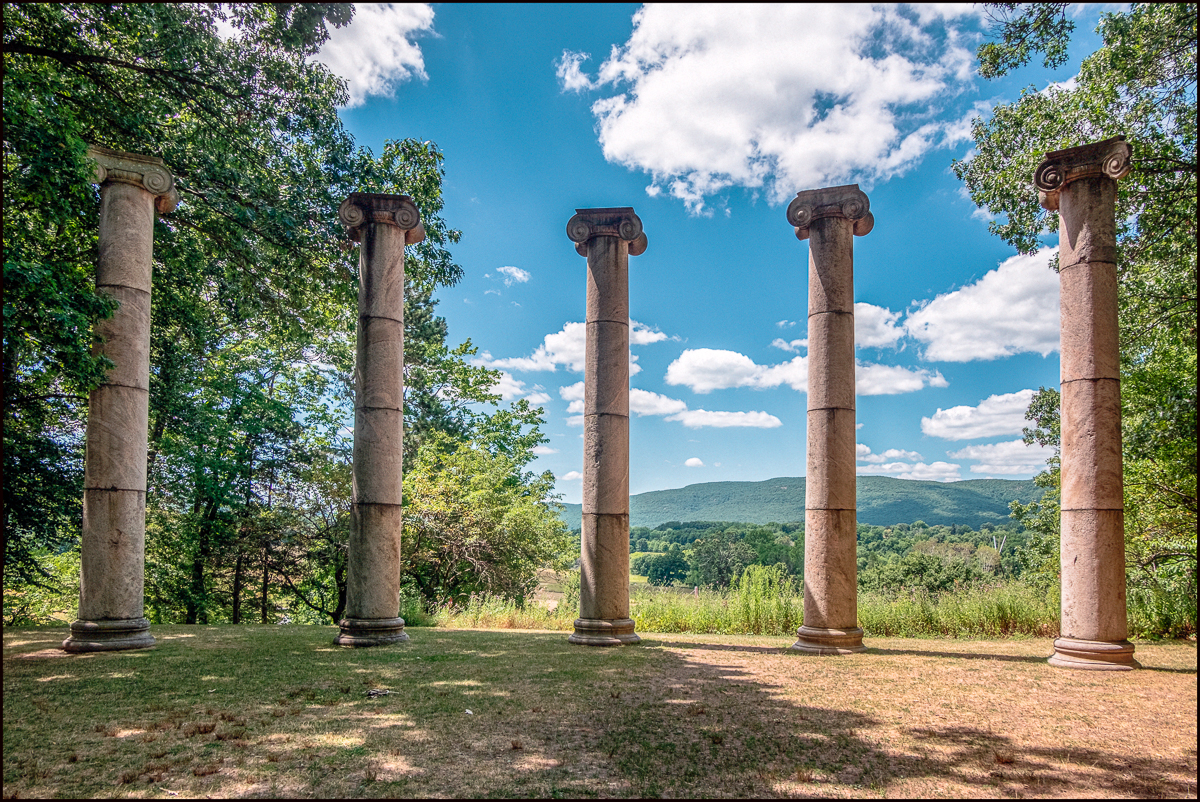
Although Storm King was originally envisioned as a museum devoted to Hudson River School painting, by 1961 its founders had become committed to modern sculpture. Early purchases were sited directly outside the Museum Building as part of a formal garden scheme. However, with the 1967 purchase of thirteen works from the estate of sculptor David Smith (1906–1965), Storm King began to place sculpture directly in the landscape. Since then, every work has been sited with consideration of both its immediate surroundings and distant views.
After more than 60 years, Storm King continues to grow and evolve, and is among the world’s leading sculpture parks.(Storm King Art Center Website)
In early 1958, after retiring from a successful career in his family’s business, Star Expansion Company, Ralph E. Ogden purchased what would soon become Storm King Art Center—a 180-acre estate in Mountainville, New York.[1] In 1960, he opened his land to the public and began the collection with a number of small sculptures he had acquired in Europe. In 1967, with the purchase of thirteen pieces from sculptor David Smith, the collection was firmly established.
The center’s first sculptures were exhibited around its main building, but as time passed, the collection expanded out into the landscape, of which the sculptures became an integral part. The landscape and the main house were redesigned and molded early on by landscape architect William Rutherford and his wife Joyce Rutherford, and later by Ogden’s previous business partner, Peter Stern, who had become the center’s chairman and president, and by David Collins, the center’s director. Stern continued to run the center after Ogden’s death in 1974, and added many of its most well-known pieces.
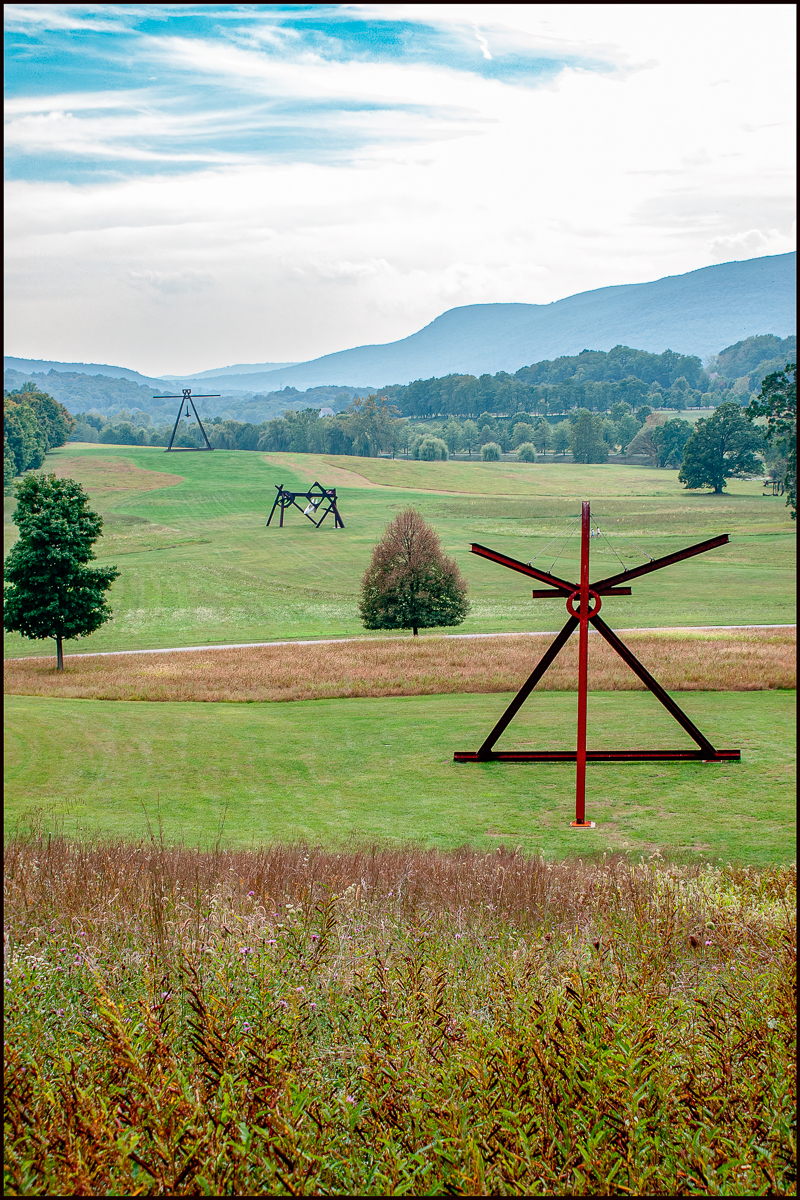
In 1975, five monumental works by Mark di Suvero were saved from being dismantled and packed away when Peter Stern asked the artist if the sculptures could be displayed at Storm King after they were exhibited at the Whitney Museum of American Art. The pieces are now part of the center’s core collection, and are prominently displayed in its South Fields.
The center continued to grow throughout the latter part of the 20th century, as sculptures were added to its permanent collection and the center exhibited works in circulation from other museums. For example, the Museum of Modern Art loaned four sculptures to the center for a year-long exhibition when its sculpture garden underwent construction in 1982.
The original 250 acres of land were expanded in 1985, when the Star Expansion Company donated two tracts of land for the center’s 25th anniversary. The largest donated parcel of land was composed of 2,300 acres on the nearby Schunnemunk Mountain, which is the backdrop for many of the center’s monumental sculptures, and is an important component of the character of the center and its landscape. Another gift was a one hundred-acre piece of farmland directly adjacent to the center, which has been used to house new additions to the collection. (Wikipedia).
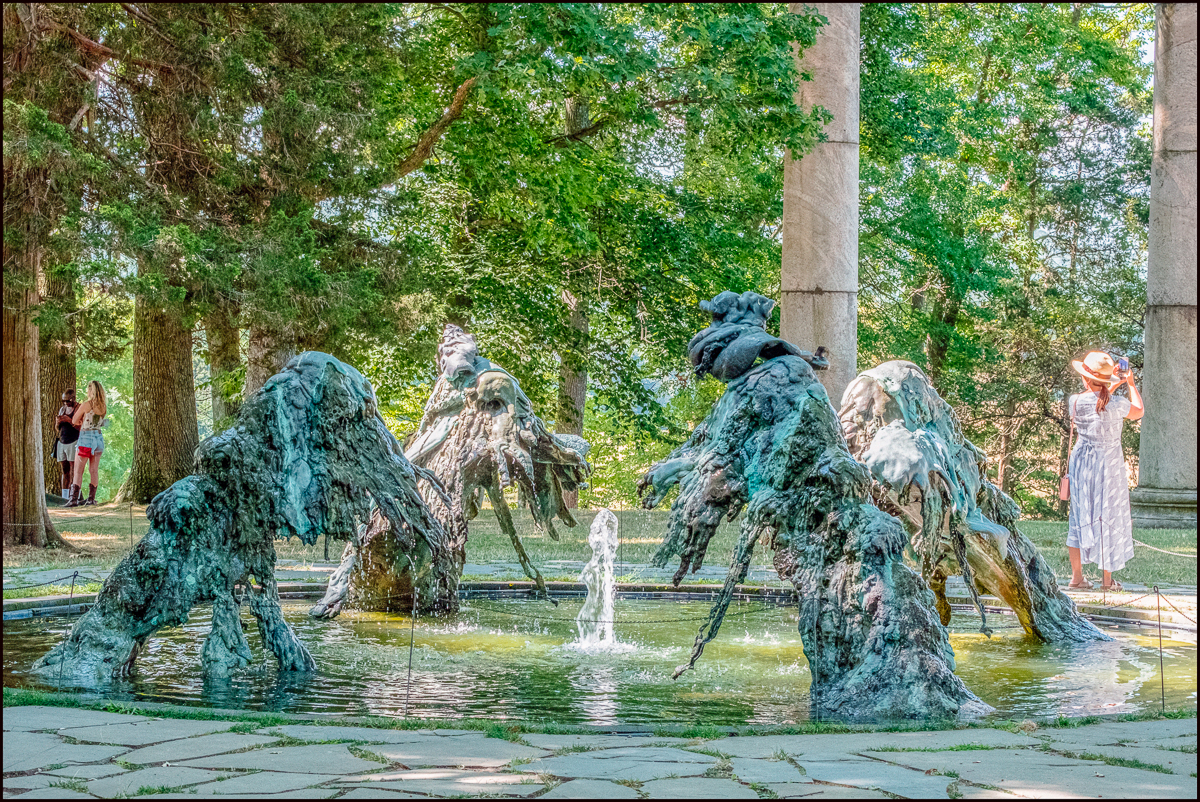
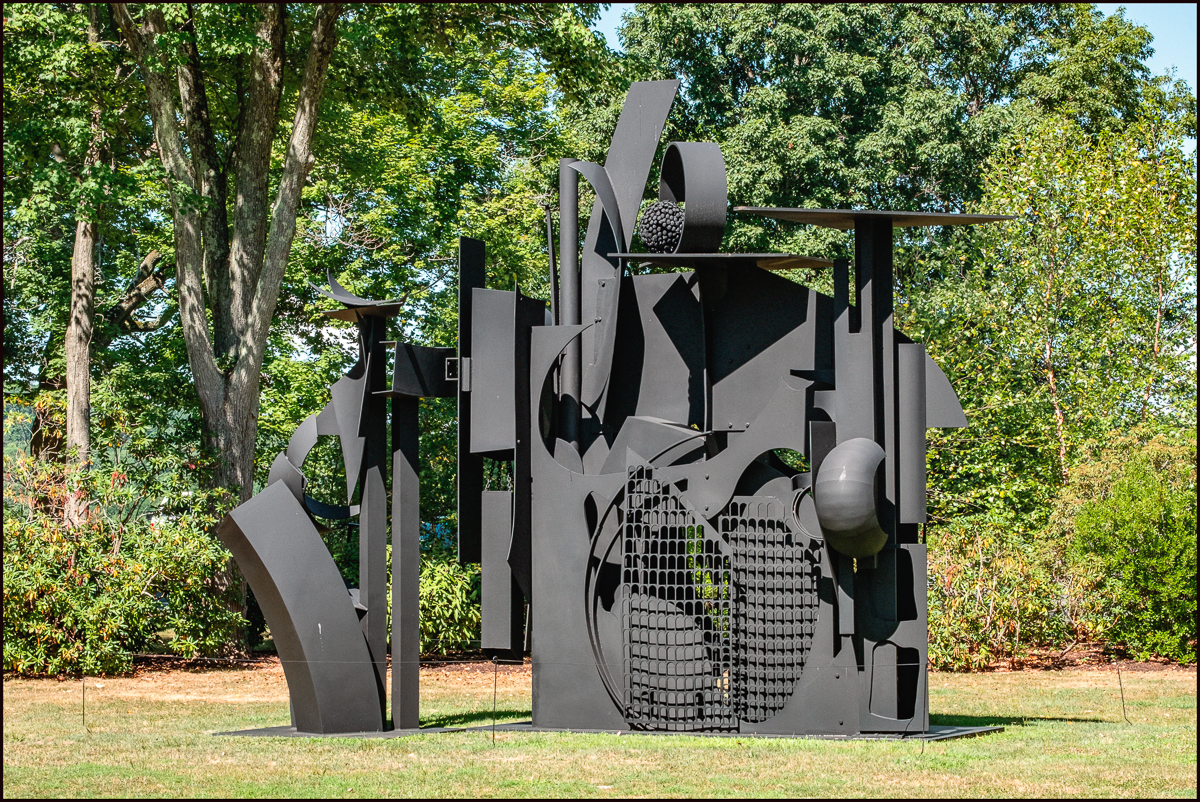
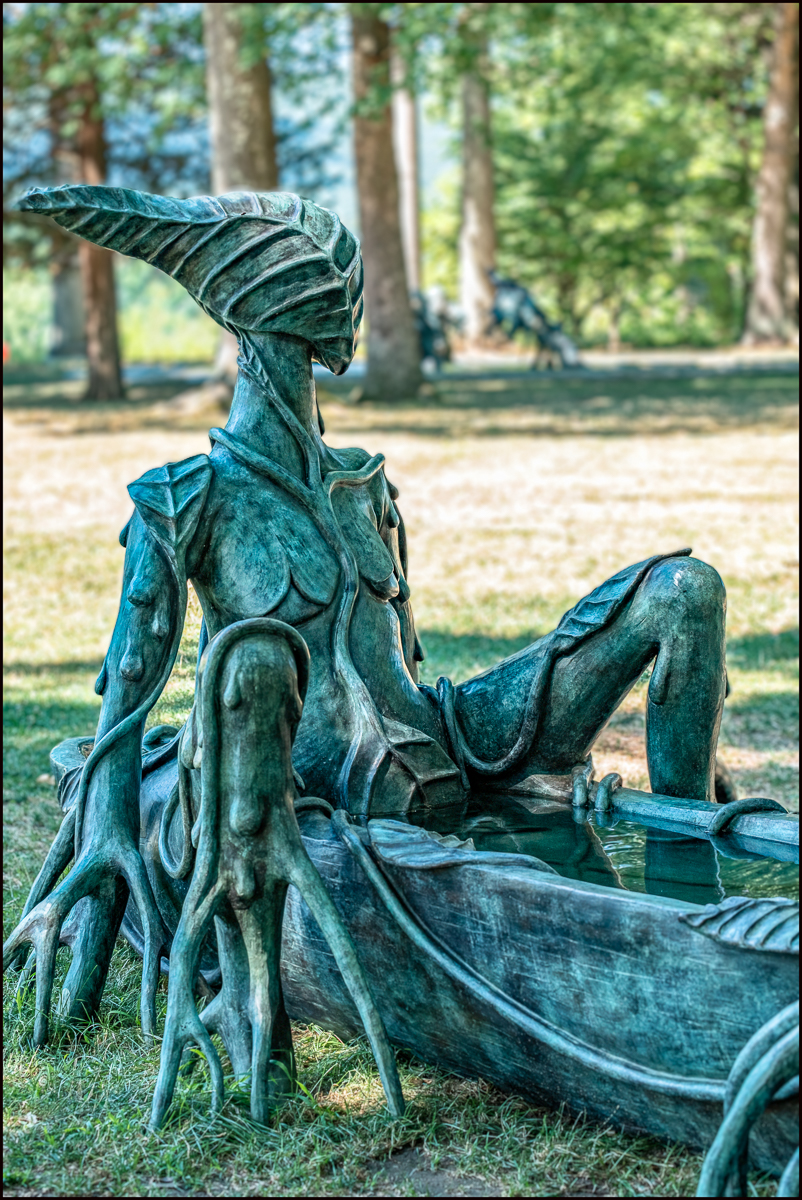
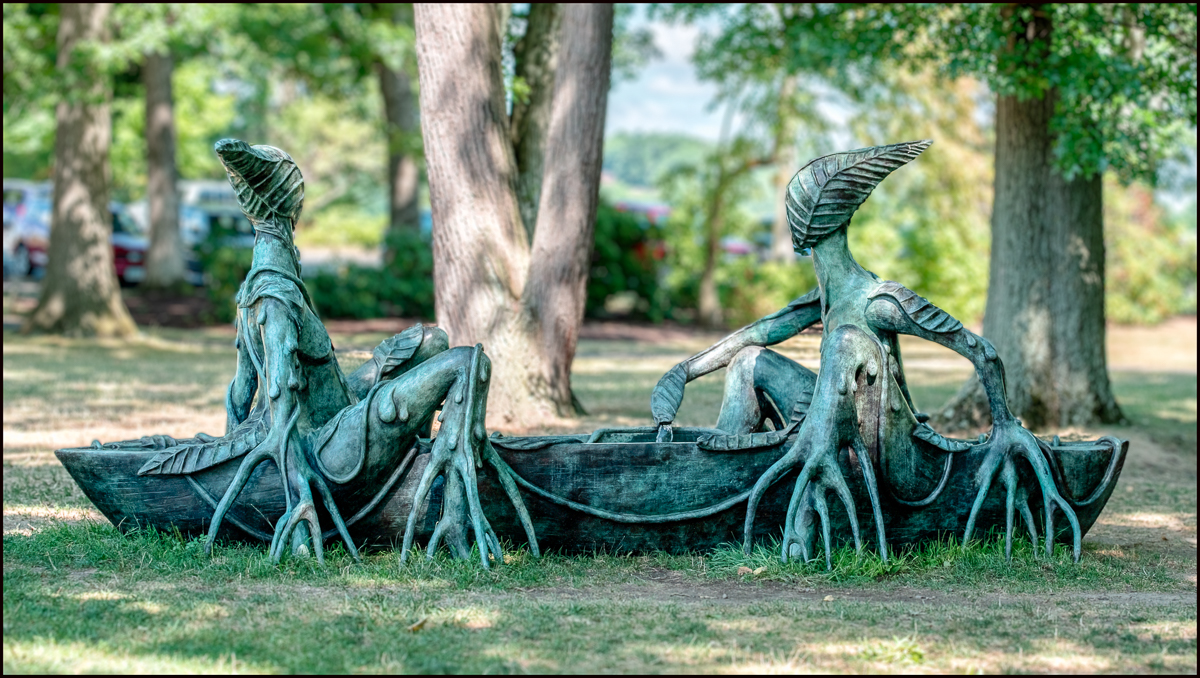
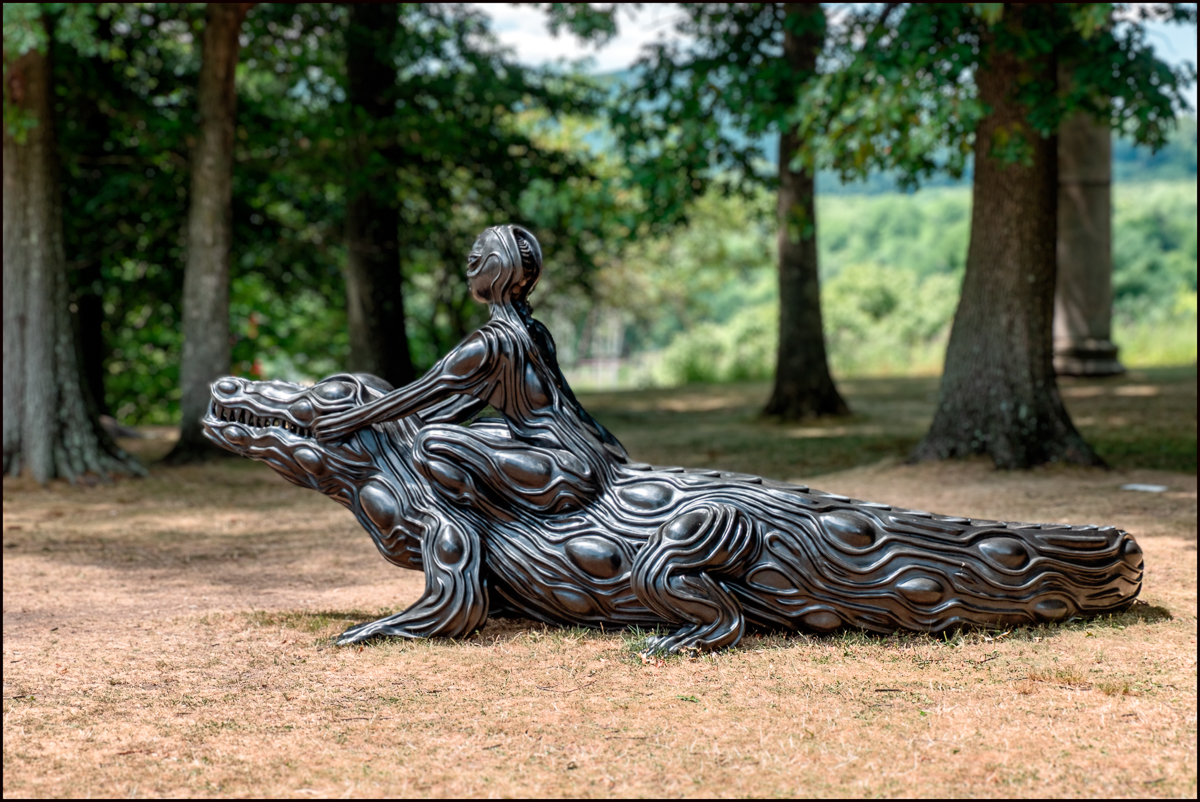
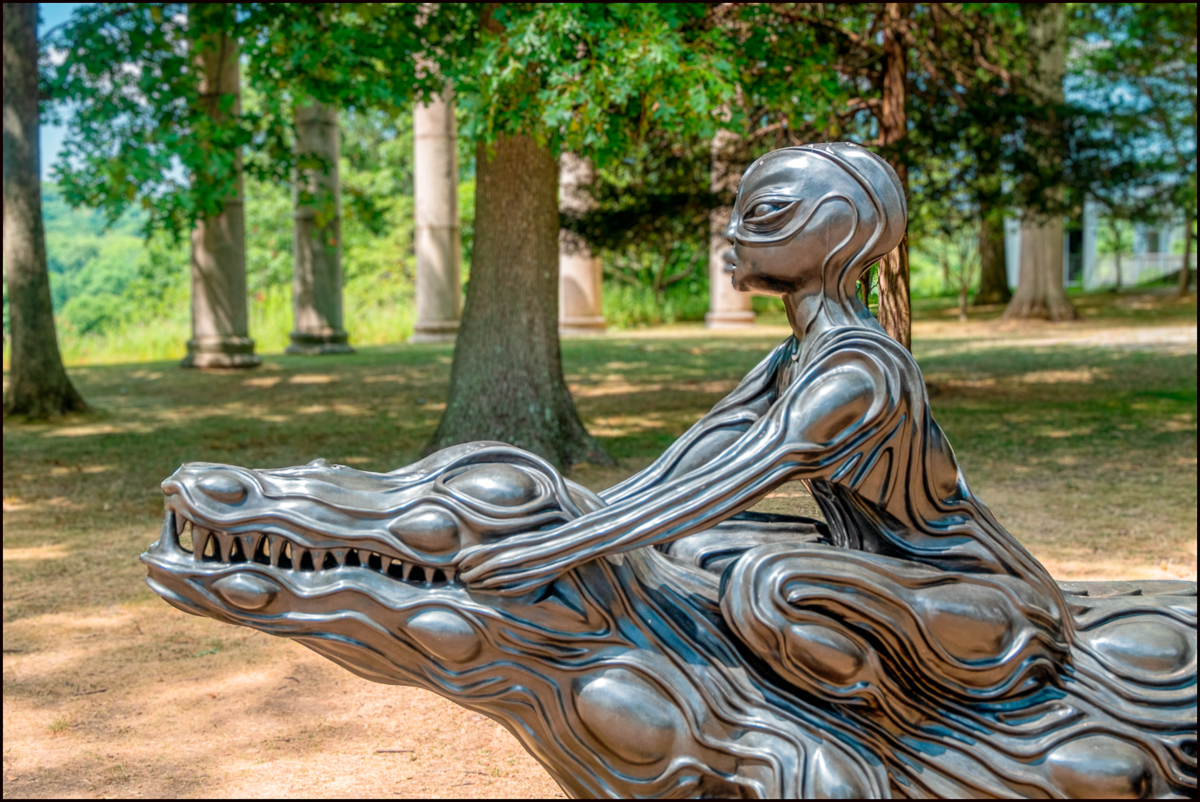
Taken with a Fuji X-E3 and a variety of Fuji lenses.