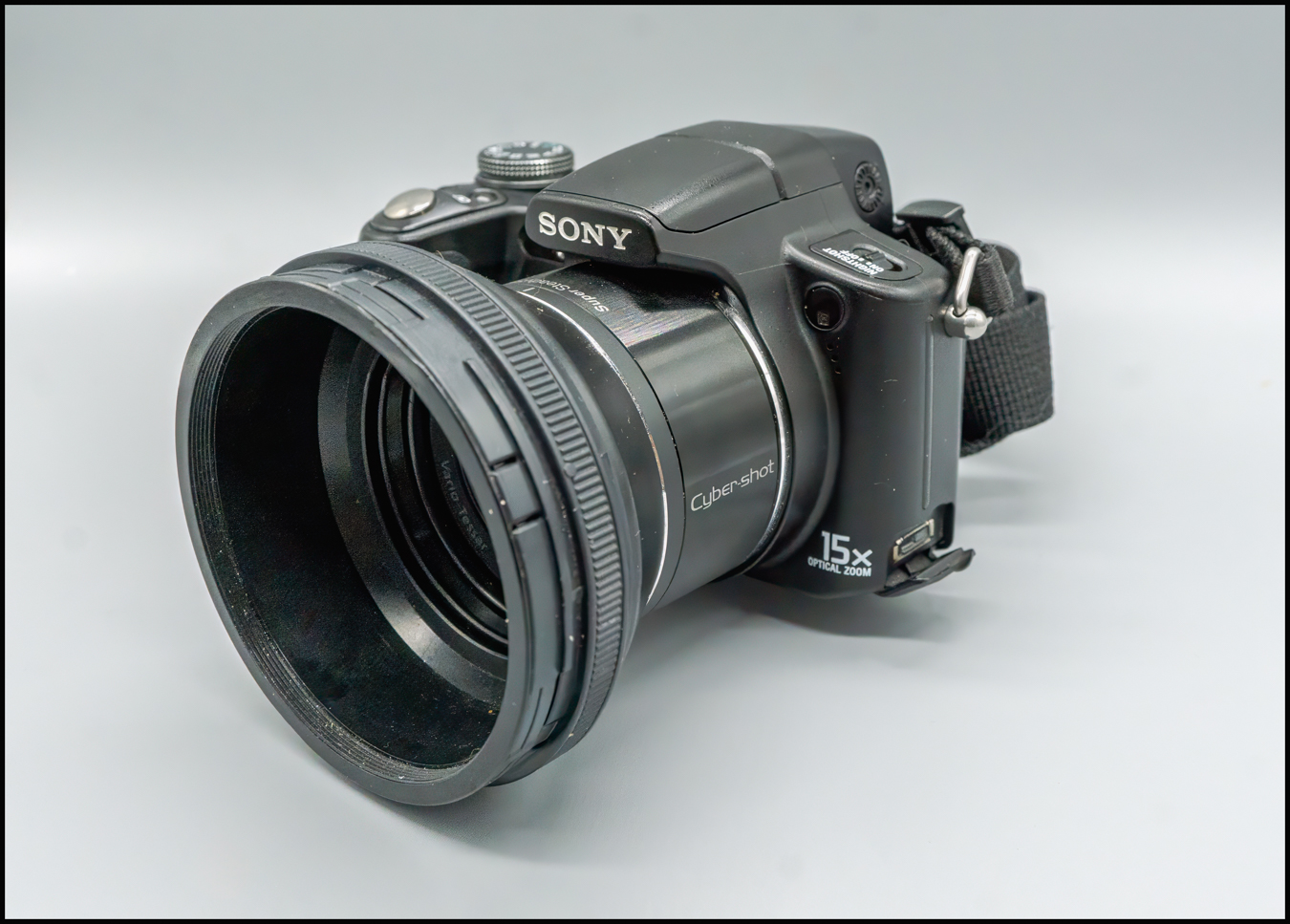
Another newly acquired camera

A friend recently gave me some old cameras. There were two film cameras: a Minolta Maxxum 7000 and a Pentax MG. I already have a couple of Maxxum 7000s, and I wasn’t very interested in having another one. I was momentarily interested in the Pentax until I realized that the MG was the lowest in the line that included the much better MX, ME, ME Super, MV etc.. In any case the MG’s mirror was stuck in the up position and the film advance wouldn’t…er…advance. I might keep it as an illustration of a Pentax MG, but I don’t see ever using it.

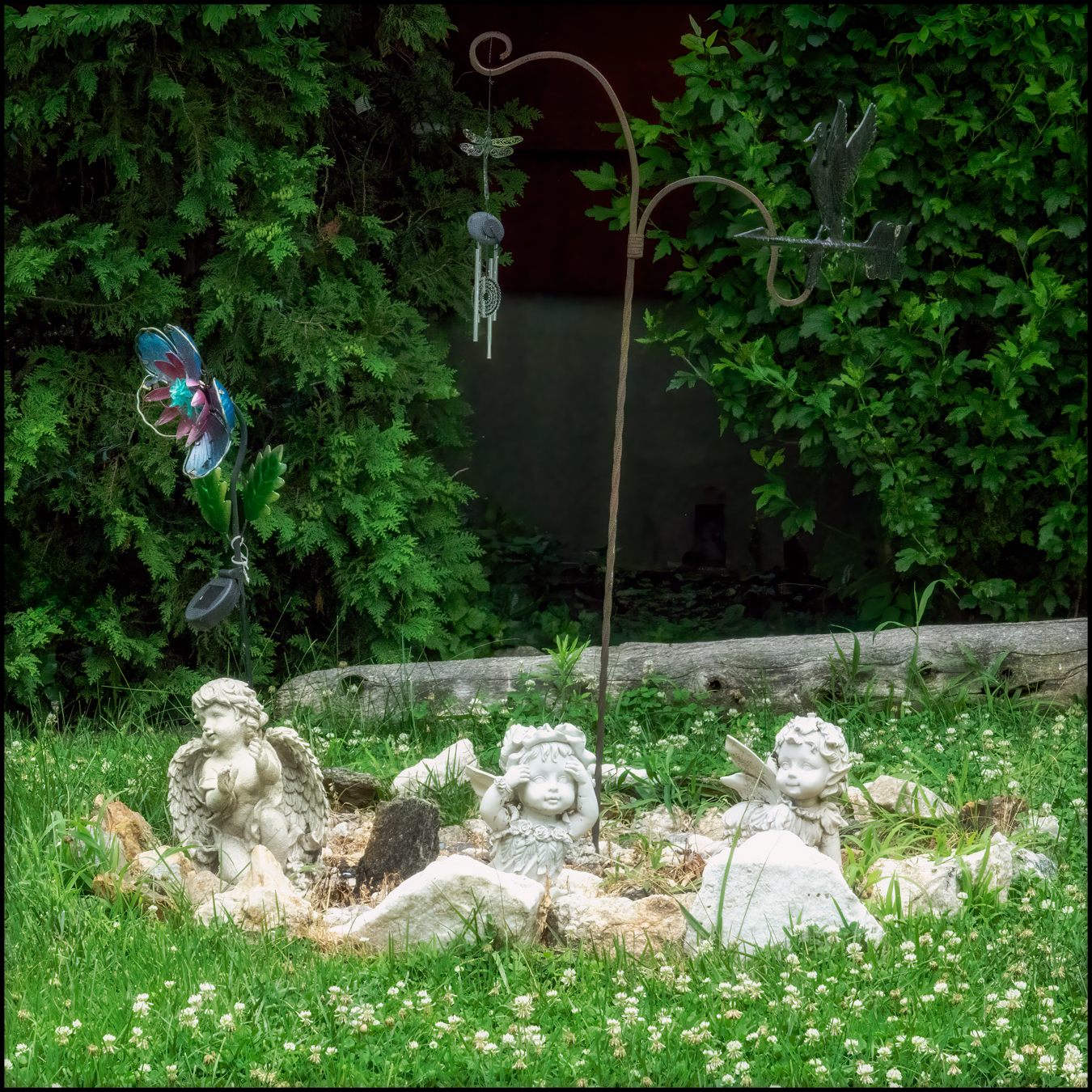
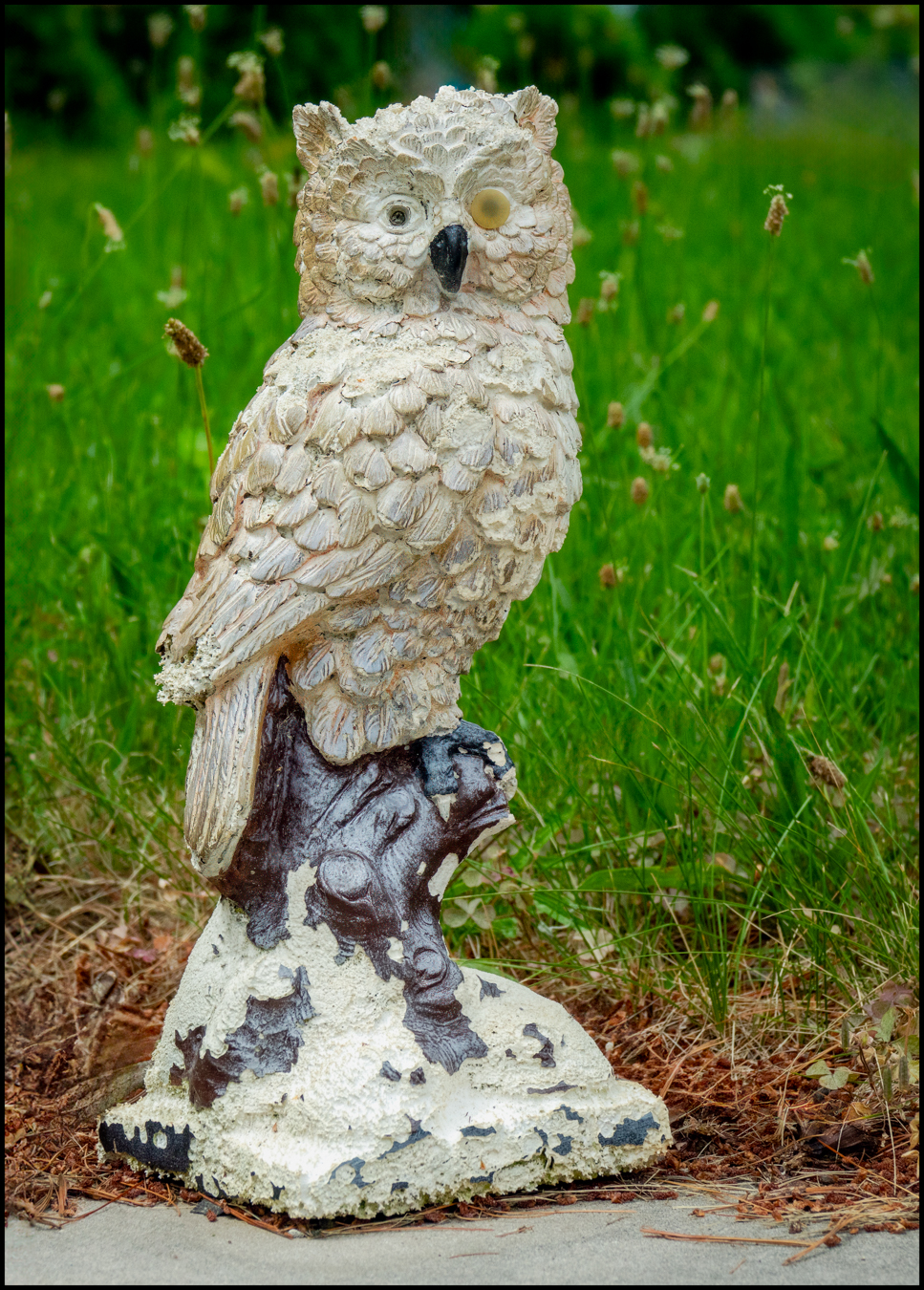
That just left the other two cameras: A Kodak P880 and this one: a Sony DSC-H50. This was fine because nowadays I’m mostly interested in trying older digital cameras.

I couldn’t use the P880 immediately because I didn’t have a memory card that was old enough, and low capacity enough to work with the camera: the smallest memory card I had was 4gb and it appears that the camera would support only up to 2gb. So off to see if I could find one.

That just left the Sony DSC-H50 to try, which I did. How did I like it? Well, actually quite a lot. For social media posts and small prints, it’s more than adequate. The things I liked most were:

  • Lots of features
  • Tilting LCD
  • The size (small) and weight (light).
  • Ease of use. I figured out how to use it quickly and with no difficulty.
  • The images are sharp.
  • The colors are pleasing.
  • The zoom lens: very broad range (31–465 mm f/2.7-4.5) for a camera this small.

What I didn’t like:

Of course, you have to bear in mind that this is a sixteen-year-old camera and as such suffers from the technological limitations of the day: low resolution, noise related problems, limited ISO, less than stellar focus etc. But I knew that would be the case.

There were a few disappoints though:

  • No RAW.
  • Terrible chromatic aberration
  • Control pad/scroll wheel combination is fiddly
  • Menu/Home options are confusingly ordered and divided up

There’s are a number of reviews around. After perusing a number of them I think I liked this one most.

For more pictures taken with this camera see here.

Edward S. Curtis. Coming to Light

A friend recently lent me a copy of Anne Makepeace’s book: Edward S. Curtis. Coming to light. Amazon.com describes it as follows:

Bold, sometimes abrasive, forever passionate, Edward Curtis was the quintessential romantic visionary. Curtis struggled through an impoverished boyhood in Minnesota to become a successful society photographer in Seattle. But he soon moved far beyond weddings and studio portraits to his life’s work: multi-volume photographic and ethnographic work on the vanishing world of the North American Indian. Initially, Teddy Roosevelt and J.P. Morgan backed the ambitious project. But as the work stretched over years, Curtis found himself alone with his vision, struggling to finance himself and his crews. The 20-volume North American Indians, finally completed in 1930, cost Curtis his marriage, his friendships, his home, and his health. By the time he died in 1952, he and his monumental work had lapsed into obscurity. In this richly designed book, Anne Makepeace, creator of an award-winning documentary on Curtis’s life, reexamines the lasting impact of his work. Curtis’s photographs, once ignored, now serve as a link between the romantic past and contemporary Native American communities, who have used his images to reclaim and resurrect their traditions.

Christopher Cardozo, author of Sacred Legacy: Edward S. Curtis and the North American Indian describes the book as follows:

This groundbreaking work combines for the first time Curtis’s masterpiece images with an in-depth understanding of his life and the forces, events and people that influenced him. Essential reading for anyone interested in Curtis, his photography, or traditional Native American cultures.

I think it’s that combination that I found most interesting about this work.

For some time, I’ve had a book about Curtis: Curtis: The North American Indian. The Complete Portfolios. However, as the title implies this book contains mostly Curtis’s photographs. Somehow it left me wanting for more. There is an interesting introductory essay by Hans Christian Adam entitled “Edward S. Curtis and the North American Indian”, but it doesn’t provide as much information on Curtis’s life motivation for taking on this extraordinary piece of work, the situation of the North American Indian at the times. Nor should one expect a 26-page essay to provide as much information as a 216-page book. The two books complement each other well, one providing more text, the other providing more photographs.

I had always thought of Curtis as something of a charlatan: someone who presented an overly glorified picture of the North American Indian in order to further his own career and increase his own riches. I see now that I was completely wrong. As the portfolio: “The Curtis Controversy” points out, Curtis certainly did frame his images to block out any evidence of modern life. He also asked his subjects to dress in traditional clothing (even if the clothing at times was not appropriate to a particular tribe). From time to time, he even manipulated the natural environment. I was particularly impressed/appalled with the way in which he once procured a whale carcass so he could stage a whale hunt. But no charlatan would ever have put in the time, effort, energy and personal finances that Curtis did.

Inspired by reading this book I decided to get hold of one of the originals. Not, of course, one of the original, limited editions that Curtis provided to his funders. These were extremely expensive at the time ($3,000 for a set in 1906 equivalent to about $105,000 equivalent today) and would be far, far beyond my reach now. However, facsimile editions are available, so I decided to buy Volume 1: The Apache, Jicarillas, and Navaho. It’s about 160 pages long. In all there are 20 volumes! I haven’t read it yet, but if I like it I might over time get the other 19.

Edward S. Curtis. Coming to light is a terrific book. It’s easy to hold (not true of all photobooks), nicely laid out, and extremely informative. I haven’t enjoyed a book so much in a long time.

A Hudson View

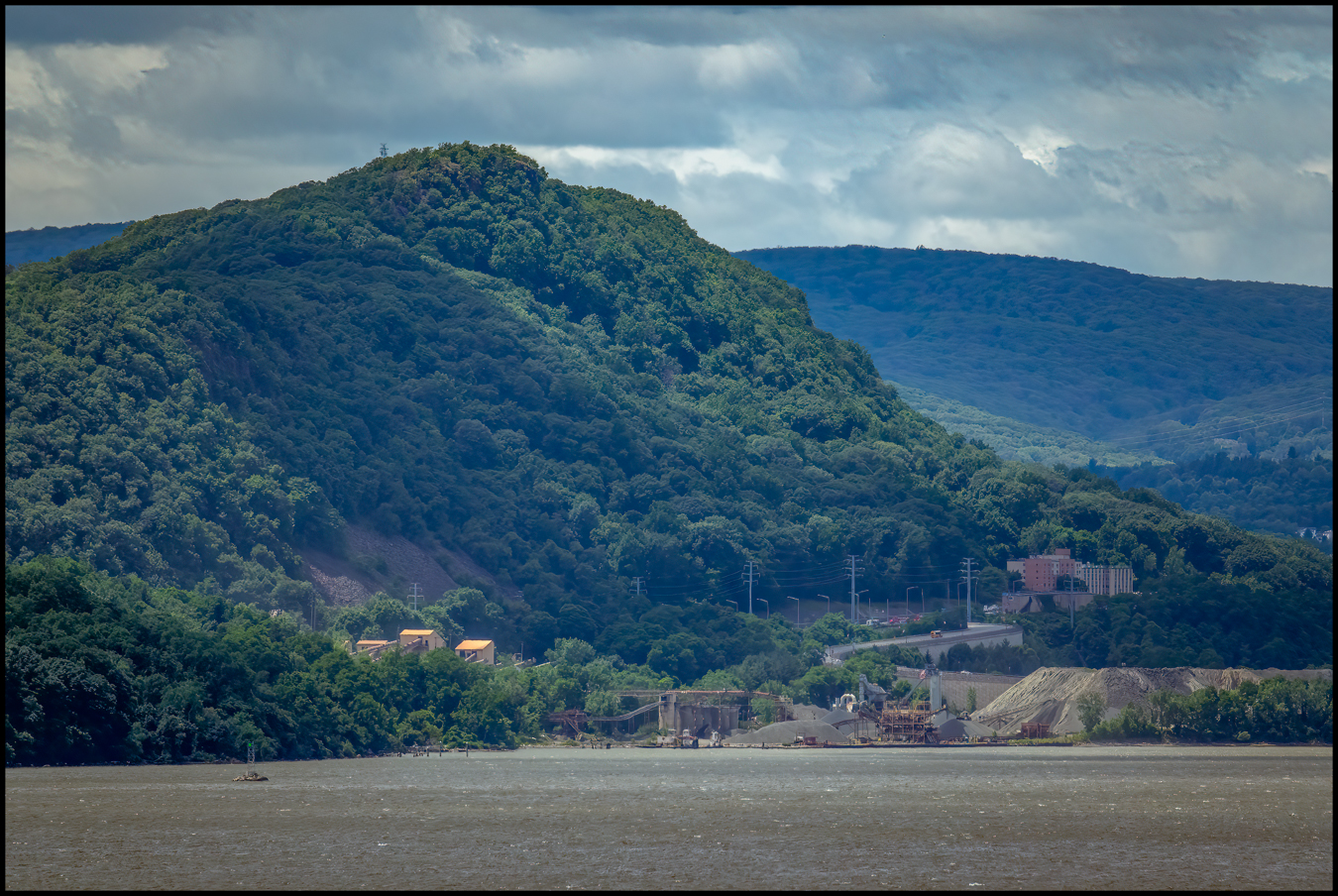
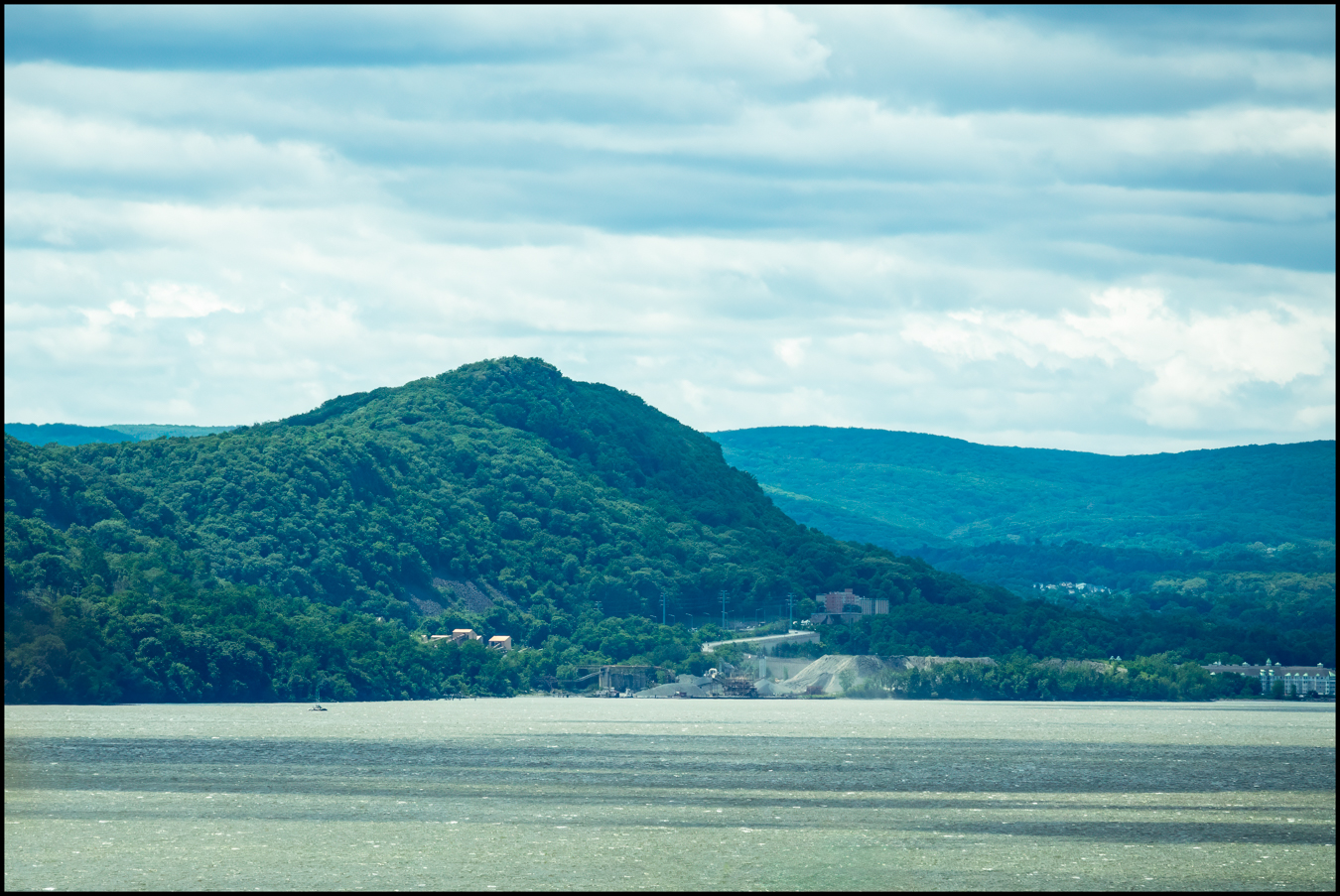
This was taken in Ossining, NY right by the Sing Sing Correctional Facility (See: Going Up the River).

As you can see the Correctional Facility has some great views of the Hudson River. I’m frankly amazed that the facility has lasted as long as it has. I would have thought that it would have been relocated long ago to somewhere less scenic so that upscale, and very expensive condominiums (condominia?) could be built it its place.

Taken with a Sony RX10 III

A couple of interesting YouTube Channels

I recently discovered a couple of interesting photography-related YouTube channels

The first is by Joel Ulises. He describes his channel as: Sharing the work of photography masters. My YouTube channel was created to share the amazing work of photography masters. I hope my channel inspires and touches the hearts of everyone who checks it out. At the time I’m writing this his channel has 222 videos, each one covering a single well known (usually) photographer. Recent videos include: William A. Allard; Philippe Halsman; Raymond Depardon; and Jerry Schatzberg. If you like famous photographers, this is one for you.

The second channel is quite different. The channel is called Hunter Creates Things. The description reads: “Photographer and Filmmaker. Currently based out of Warsaw, he has lived in Auckland, Seoul, London, Jersey and briefly, in a remote village with an Alpaca and a Goat, neither of whom liked him very much. Forever torn between form and function, Hunter works as a fine artist, a street photographer, a mentor, a YouTuber, a DP, an editor, and as a (rather insufferable) writer. He also likes racing cars, scope creep, and fashion. He’d really like it if you got in touch, especially if you’re a new photographer, an academic, or just want to chat. That way, he knows for sure someone is listening, and he can stop referring to himself in the third person.” His channel contains all kinds of interesting stuff related to both still, and video photography. Recent offerings include: The Problem With TikTok Street Photographers; Going Full Time?; How To CURE Your Street Photography Anxiety; How Good Can An $80 Lens Really Be?; and Why Shoot Black & White In 2024?

Taken with a Sony DSC-H50