In New York City with Jasmine – 9/11 Museum

In an earlier post I mentioned that I’d visisted the 9/11 memorial back in October 2013. At that time the museum wasn’t yet open and so this was the first time I would see it.

According to Sowing Seeds of Faith:

Also on the site is the newly opened, National September 11 Memorial Museum which has become the central location for preserving the history of the tragedy. Located in the space between the North and South Towers, the museum is designed to help you relive what happened that day but also chronicles the stories of the survivors as they and the city rebuild.

As you walk through the halls, you hear stories about the victims, recordings from 911 calls, interviews with survivors. You view dozens of media images and even touch objects found near the site. There is the Ladder Company 3 Fire Truck smashed by chunks of debris. There is the Giant Cross made of two steel beams tha stood at “Ground Zero.” There are sections of the original walls and even a damaged elevator motor.

One hall is called “102 Minutes: Events of the Day” that helps you relive moment by moment what happened during the 102 minutes between the impact of the first plane into the North Tower to the crash of the fourth plane in Pennsylvania. There is the “Tribute Walk” that presents many of the artistic tributes created in response to 9/11.

One my favorite exhibits displayed a beautiful motorcycle named the “Dream Bike.” According to the description… “Firefighter Gerard Baptiste purchased a battered Honda motorcycle. Baptiste believed that he could restore it to good working order. His fellow firefighters joked that it would take time and money just to start the engine. Following Baptiste’s death on 9/11, the broken-down motorcycle remained at the firehouse until a memorial tribute inspired Baptiste’s colleagues to restore the bike in his memory. Surviving members of the firehouse and motorcycle enthusiasts nationwide, transformed the motorcycle into a “bike of healing’ known as the Dream Bike. Ten roses painted on the cover of its gas tank symbolize the members of Ladder Company 9 and Engine Company 33 killed that day.”

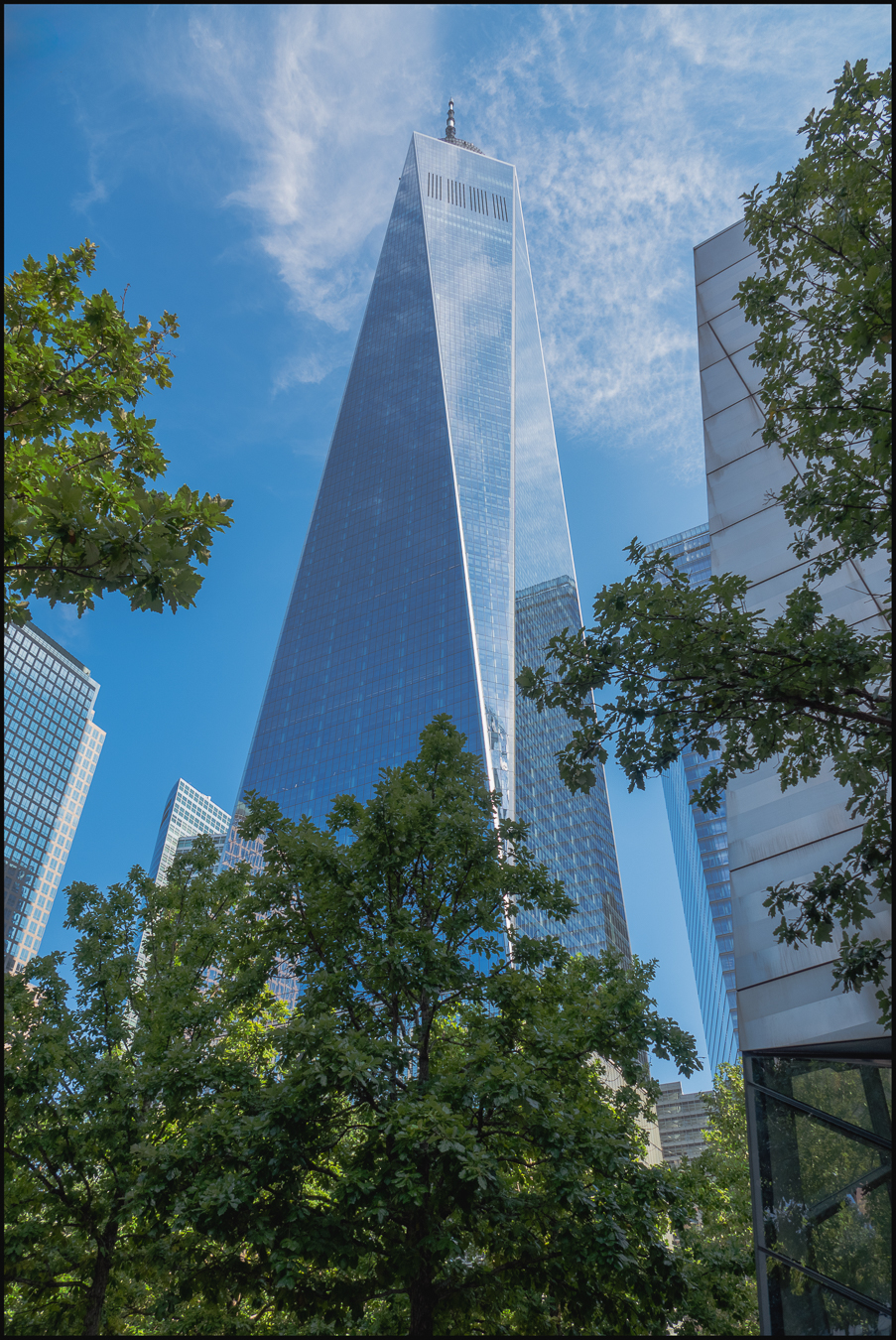
Near the end of your museum tour, you are invited to watch a multi-screen 360 surround film experience appropriately named “Rebirth at Ground Zero” which uses time lapse footage and interviews to show the rebuilding and renewal of the World Trade Center site. Upon leaving the museum you can’t help but notice the newly built World Trade Center towering above the memorial and the museum grounds.

I came to “Ground Zero” to pay my respects but I left the 9/11 Memorial and Museum with a sense of awe and pride at the resilience and fortitude of the survivors, New York City and America. 9/11 will always be a tragic day burned into our memory forever but September 11 may ultimately be one of America’s greatest examples of triumph in the face of tragedy; accomplishment in the midst of destruction.

Two pictures above: The World Trade Center Tridents. According to the World Trade Center Website:

These seven-story steel structures were part of the original façade of the Twin Towers at the World Trade Center, once forming the distinctive Gothic arch motif at the base of the skyscrapers. The forked columns are so large that the Museum Pavilion’s structure will be built around them. The steel icons were recovered from the World Trade Center site during the recovery effort in 2001 and 2002. The Port Authority has worked to conserve the steel columns and other historic World Trade Center artifacts at JFK International Airport’s Hangar 17.

‚The ‘tridents’ are visual references to the towers that once stood at the World Trade Center,? Chairman Mayor Michael R. Bloomberg said. ‚Installed within the Museum, they will symbolize our resolve to overcome the devastation of 9/11 and signal a hopeful future as they greet visitors to the site.?


Above a scale model of The Sphere which once stood in the World Trade Center complex. As the only piece of iconic artwork to survive the 9/11 attacks, it became a symbol of strength, survival and resilience and reflected “the tenacious spirit of all those affected,”. Like the United States after the fateful event, the Sphere emerged “very bruised, much broken, but not defeated.” On March 11, 2002, the Sphere was erected in Battery Park as the first official memorial to the victims of 9/11 in New York City. The Port Authority voted in 2016 to return it to World Trade Center site.

The next two pictures show the World Trade Center’s foundations.


The two pictures below show The Last Column. It stands in the center of the 9/11 Memorial Museum’s Foundation Hall, is covered in thousands of markings and tributes placed on the beam by workers and family members. The story of how and why the markings began to appear links back to one fireman’s personal and practical act. For more information see Story Behind the Last Column’s First Markings


To the right of the stairs in the picture below you can just make out the Survivor’s Staircase. According to Wikipedia:

View of the Memorial Hall. The Survivors’ Staircase is a granite and concrete staircase that was the last visible remaining original structure above ground level at the World Trade Center site. It was originally an outdoor flight of stairs and two escalators, which connected Vesey Street to the World Trade Center’s Austin J. Tobin Plaza. During the September 11 attacks, the stairs were an escape route for hundreds of evacuees from 5 World Trade Center, a 9-floor building adjacent to the Twin Towers. The staircase was moved from its original location in 2008, and in 2010 it became part of the National September 11 Memorial & Museum.


Below another view of the Memorial Hall featuring a quote from Virgil:

In the vast space known as Memorial Hall, first glimpsed from the overlook, you will again encounter the quote from the poet Virgil, presented in letters about fifteen inches tall, forged by blacksmith Tom Joyce in steel recovered from the World Trade Centre Site. Virgil’s words read “No day shall erase you from the memory of time. ” A sea of blue surrounds the quote: 2983 individual paper watercolours in different shades of blue pay tribute to the people killed on 9/11 and in the 1993 bombing. Artist Spencer Finch created this exhibition titled “Trying to remember the color of the sky on that September morning” especially for this space in the museum.


Below A 10,000-pound elevator motor that shuttled hundreds of people a day at the original World Trade Center. The exhibit also tells the story of John Menville, who arrived at the World Trade Center in 1969 to install the elevators and stayed for 32 years to maintain them. For more on this story see: Elevator Motor that Helped Save Thousands for 9/11 Museum.


Below: New York City, Ladder 3. For more information see: The tragic & symbolic wreck of Ladder 3 – victim of 9/11

Below motorcycles associated with the World Trade Center including (final picture) “The Dream Bike”


Below The Dream Bike. For more see: Black History: “The Dream Bike”

All things considered it was a very interesting, if sobering experience. Part of me wanted to browse around some more. Another part just wanted to get out of there as soon as possible.

Taken with a Sony RX100M3
In New York City with Jasmine – 9/11 Memorial

I’d been to the memorial before, back in October 2013: (See: New York 9/11 Memorial).

According to Sowing Seeds of Faith:

The 9/11 Memorial is no ordinary tourist attraction. We were enjoying the sights and sounds of New York City but once we stepped on “Ground Zero” the laughter and chatter ceased. We were fellow mourners paying our respects. The 9/11 attacks killed 2,977 people from more than 90 countries. Everyone over the age of twenty still remembers where they were on September 11, 2001. How could you visit New York and not feel compelled to see where most of 9/11 occurred?

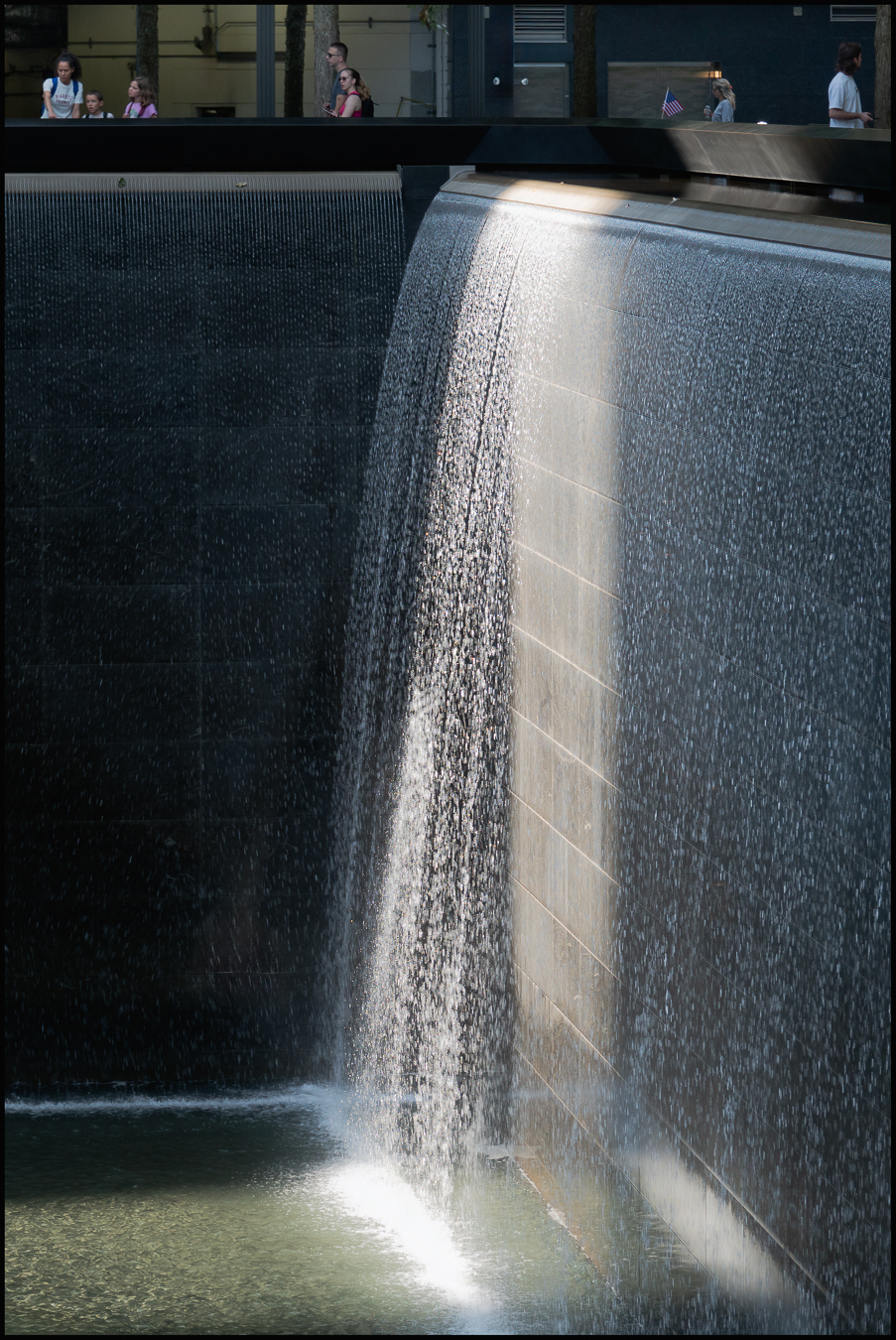
The 9/11 Memorial opened exactly ten years after the attacks. There are two pools set in the foundation of the former twin towers. Thirty-foot waterfalls – described in the brochure as the largest in North America – pour into the pools and then vanish in the center.

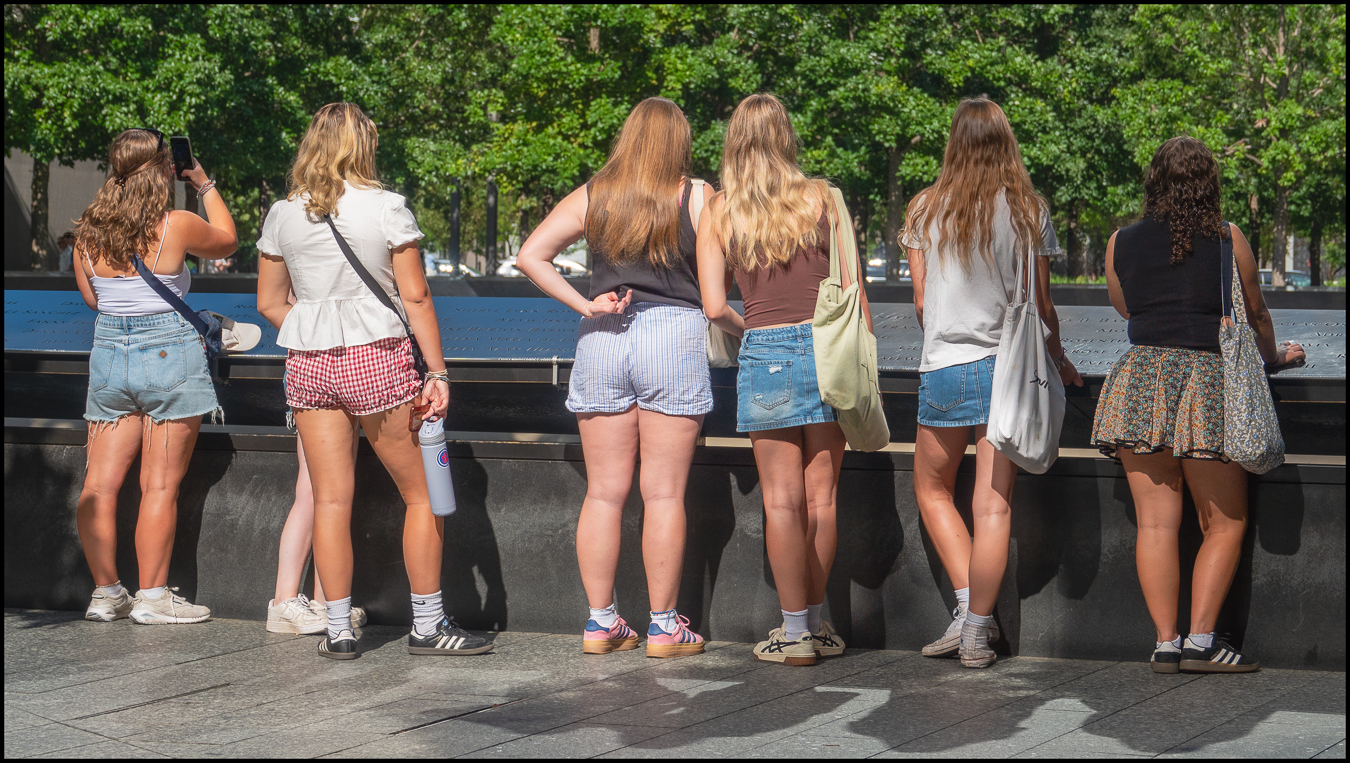
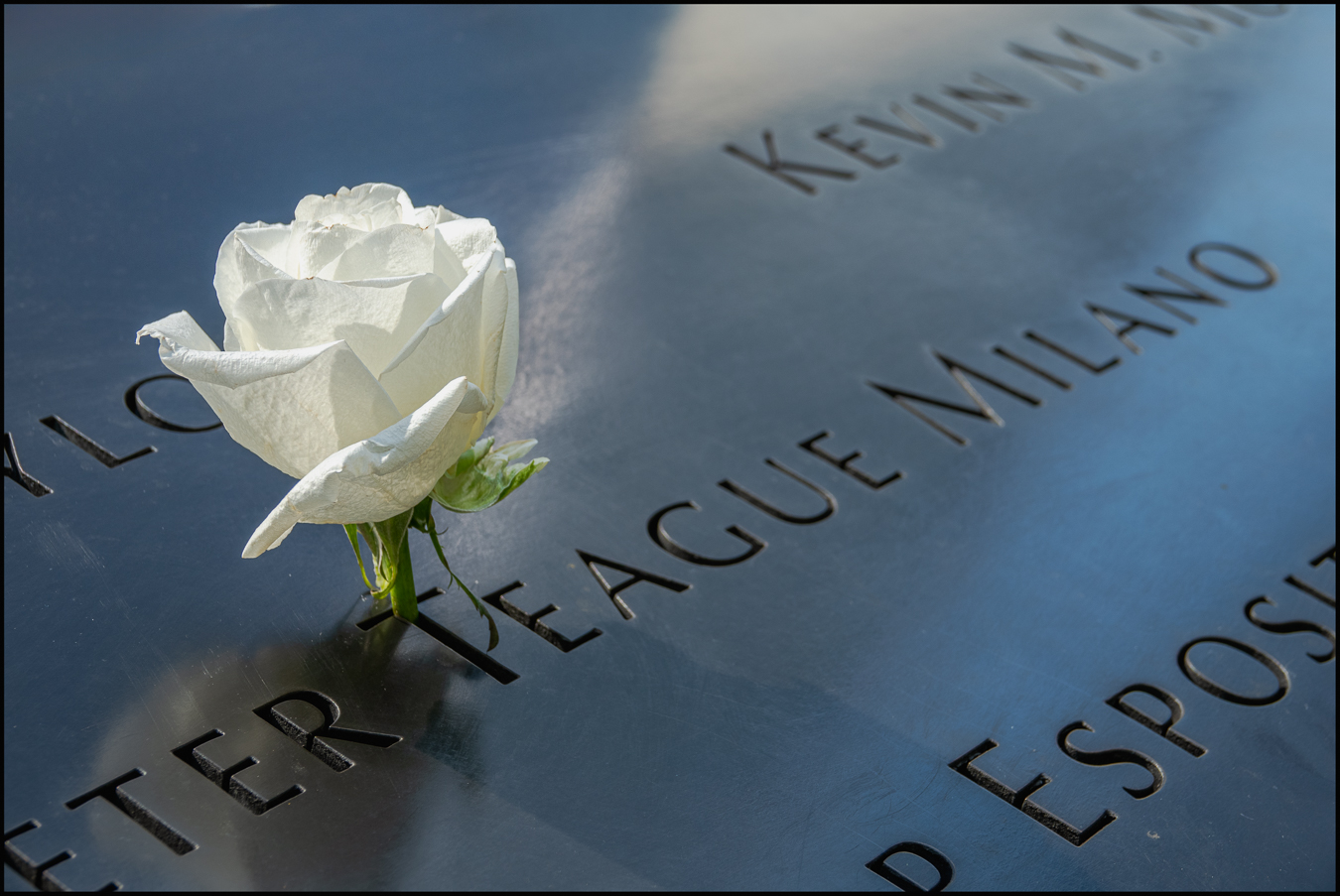
The names of every victim are inscribed in bronze around the pools. Not in alphabetical order as you would expect but based on “layers of meaningful adjacencies” that reflect where victims were on 9/11 or as relationships with others killed. To find specific names you go online or use a nearby electronic directory. Each name has a symbol beside it. For example: S-50 means South Pool, panel 50.

As I leaned over the wall to gaze at the waterfall, I couldn’t help but rub my hand over the engraved names and pronounce each one out loud. There were miniature American flags embedded in the lettering of a few. Some of the names were familiar. Like many churches, ours regularly listed the names to pray for their families.

Surrounding the pools are many precisely placed trees planted with the purpose of adding a sense of peace and serenity. All but one are Swamp White Oaks. But a solitary pear tree is the “Survivor Tree.” Badly damaged, near death, the tree was discovered by workers shortly after the tragedy and nursed back to health. The “Survivor Tree” is now over 30 feet tall and stands as a testimony to the fortitude of he survivors that is such an important part of the 9/11 story.


Taken with a Sony RX10 IV

In New York City with Jasmine – The Occulus


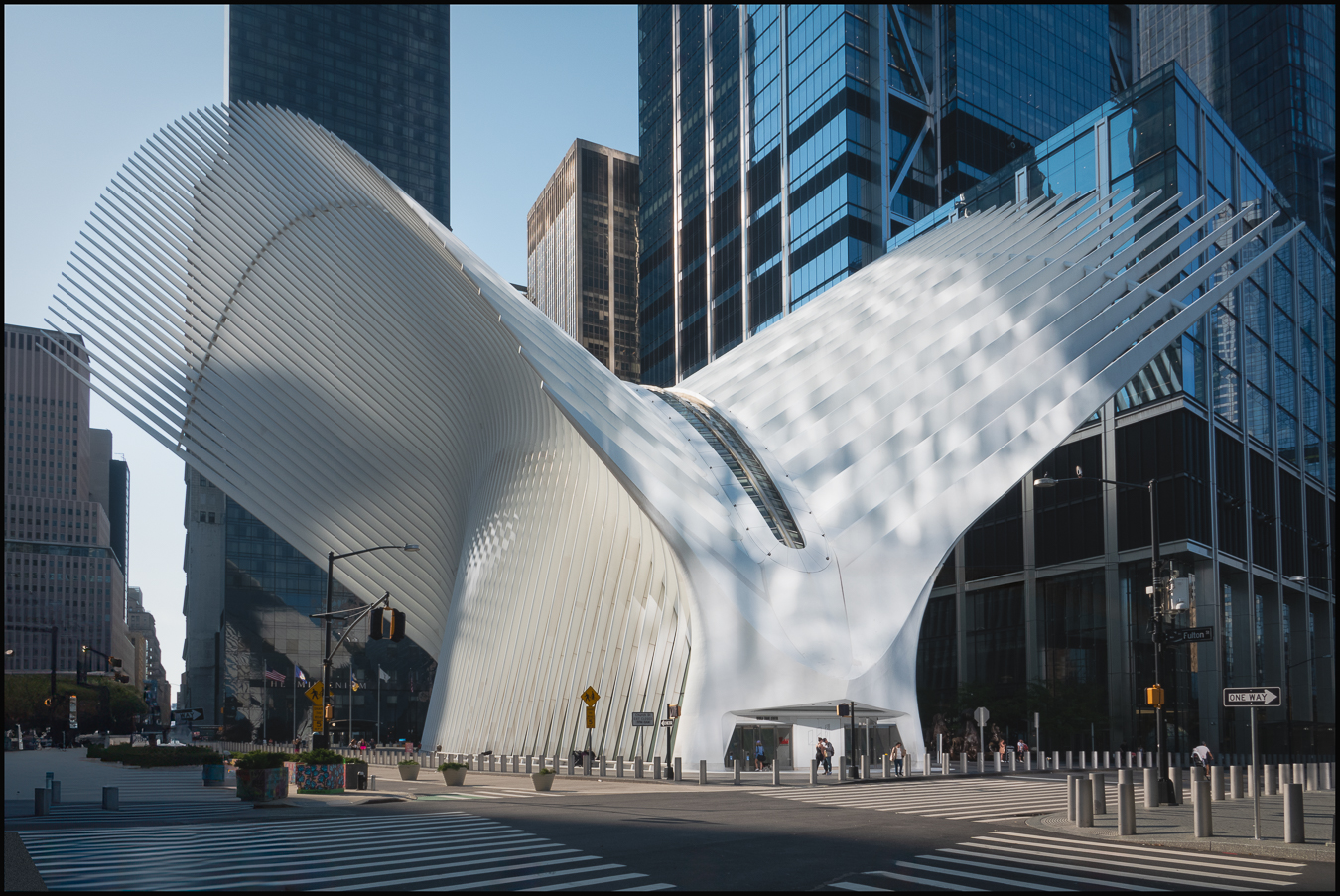
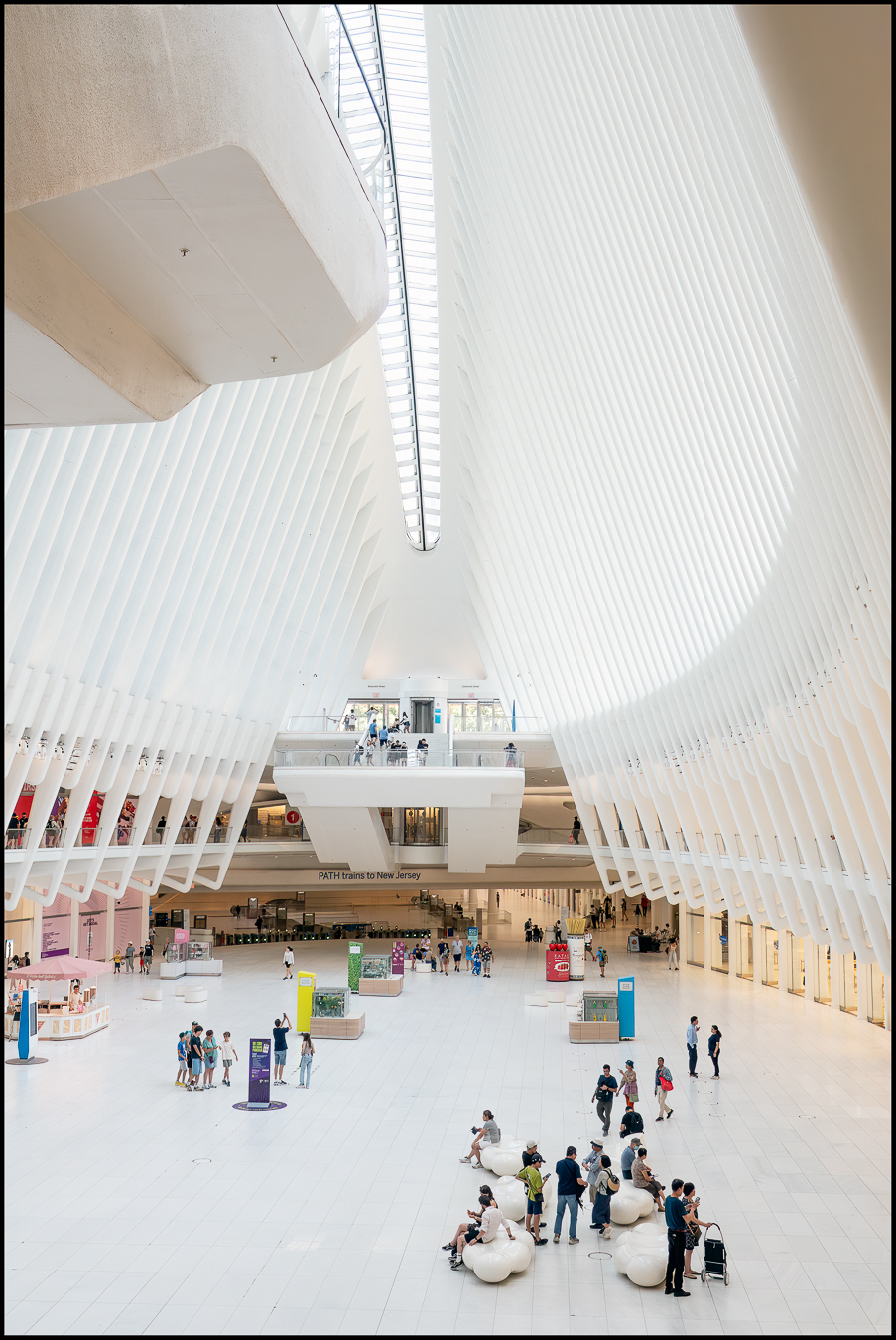
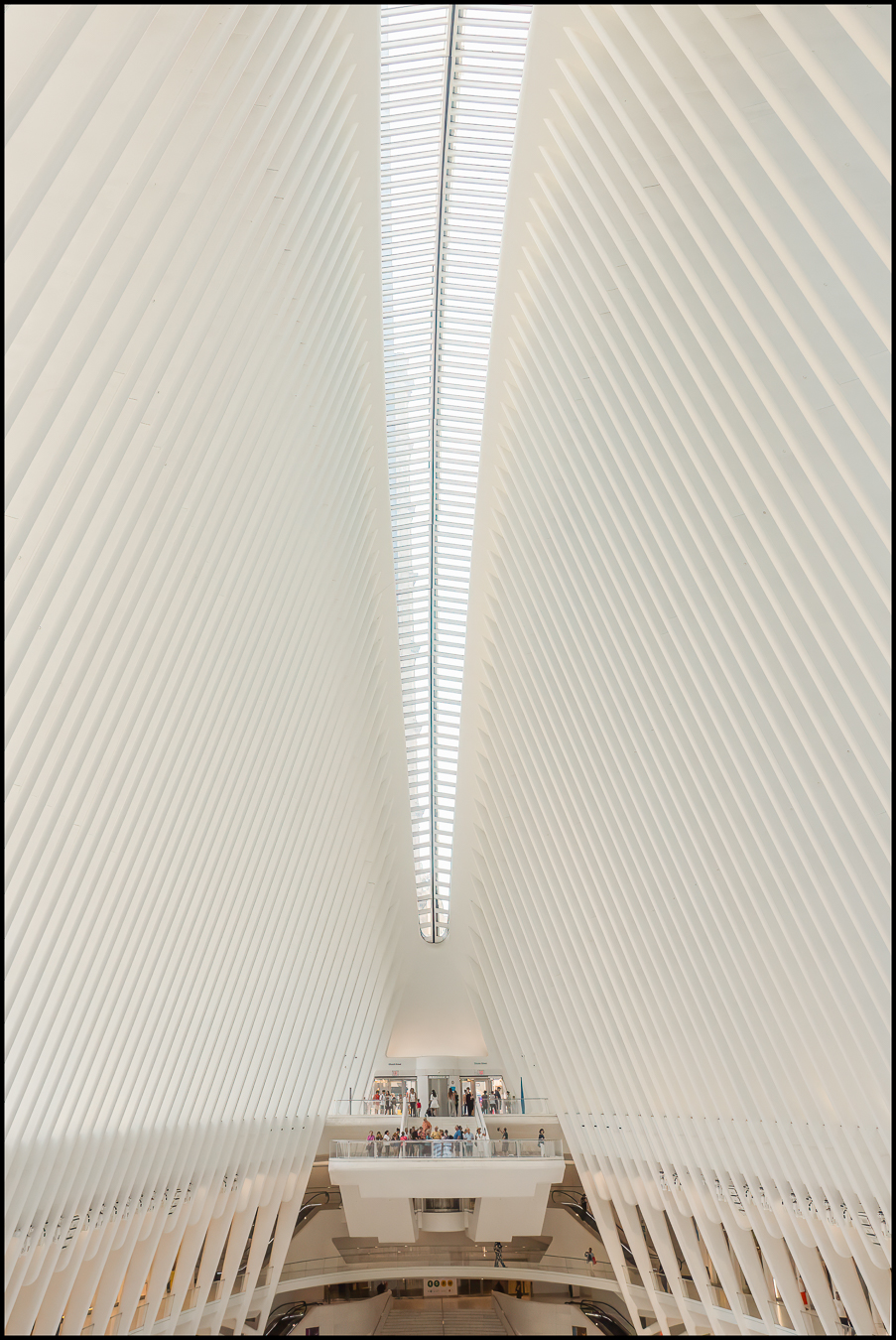
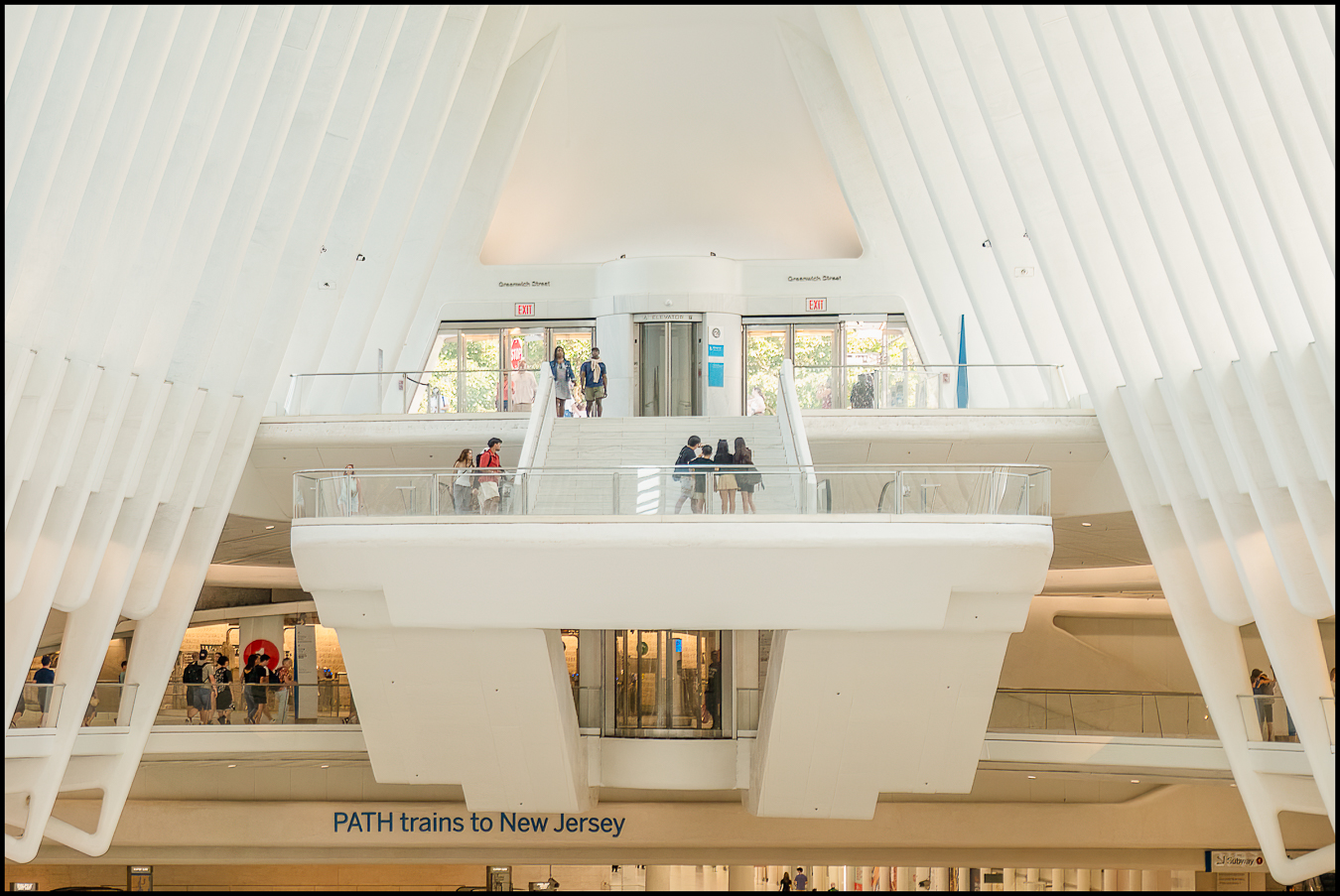
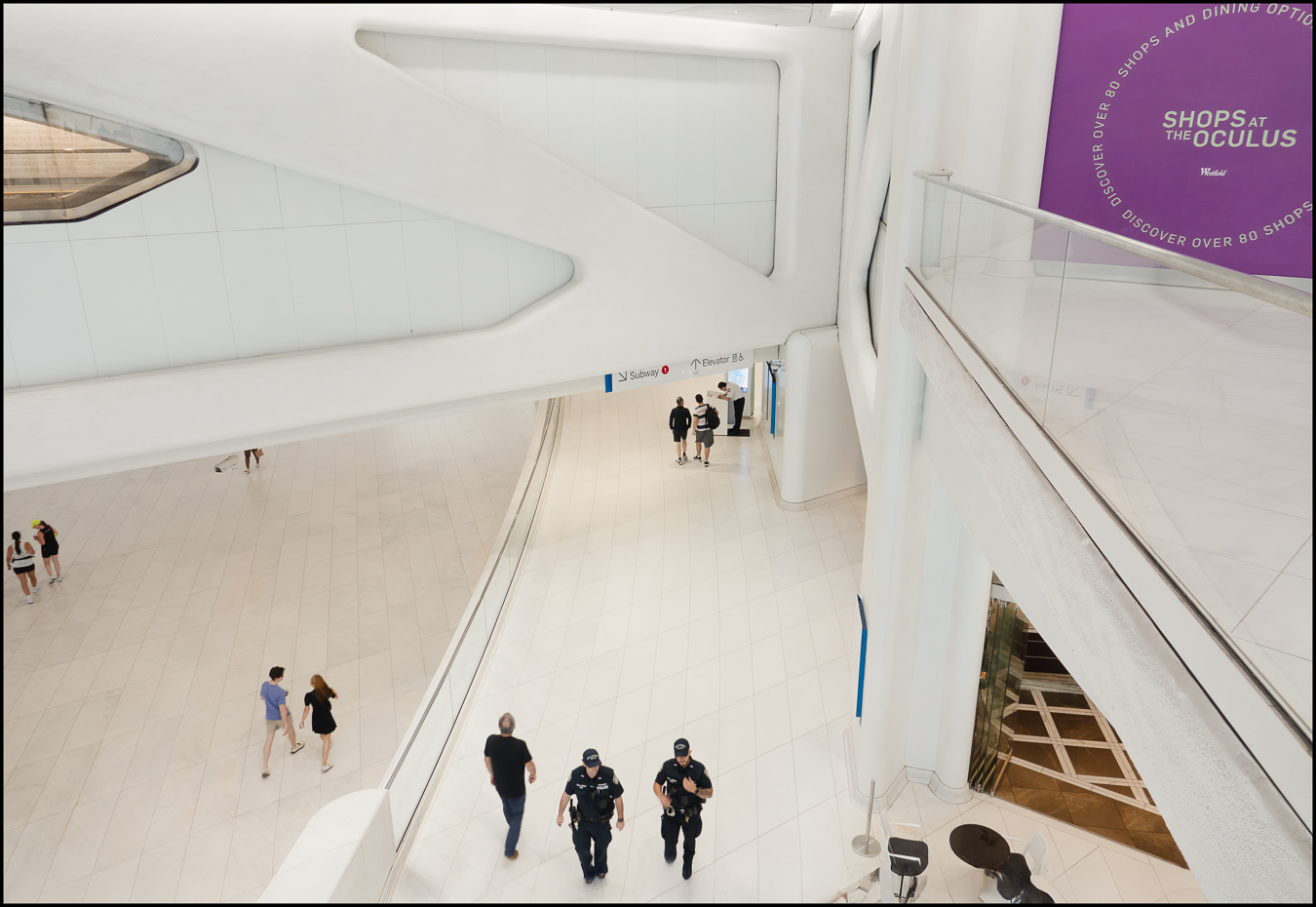
The following morning started with a visit to The Occulus. I’d never visited it before, and I must say that as we approached it from West Broadway it looked really impressive.

According to Loving New York:

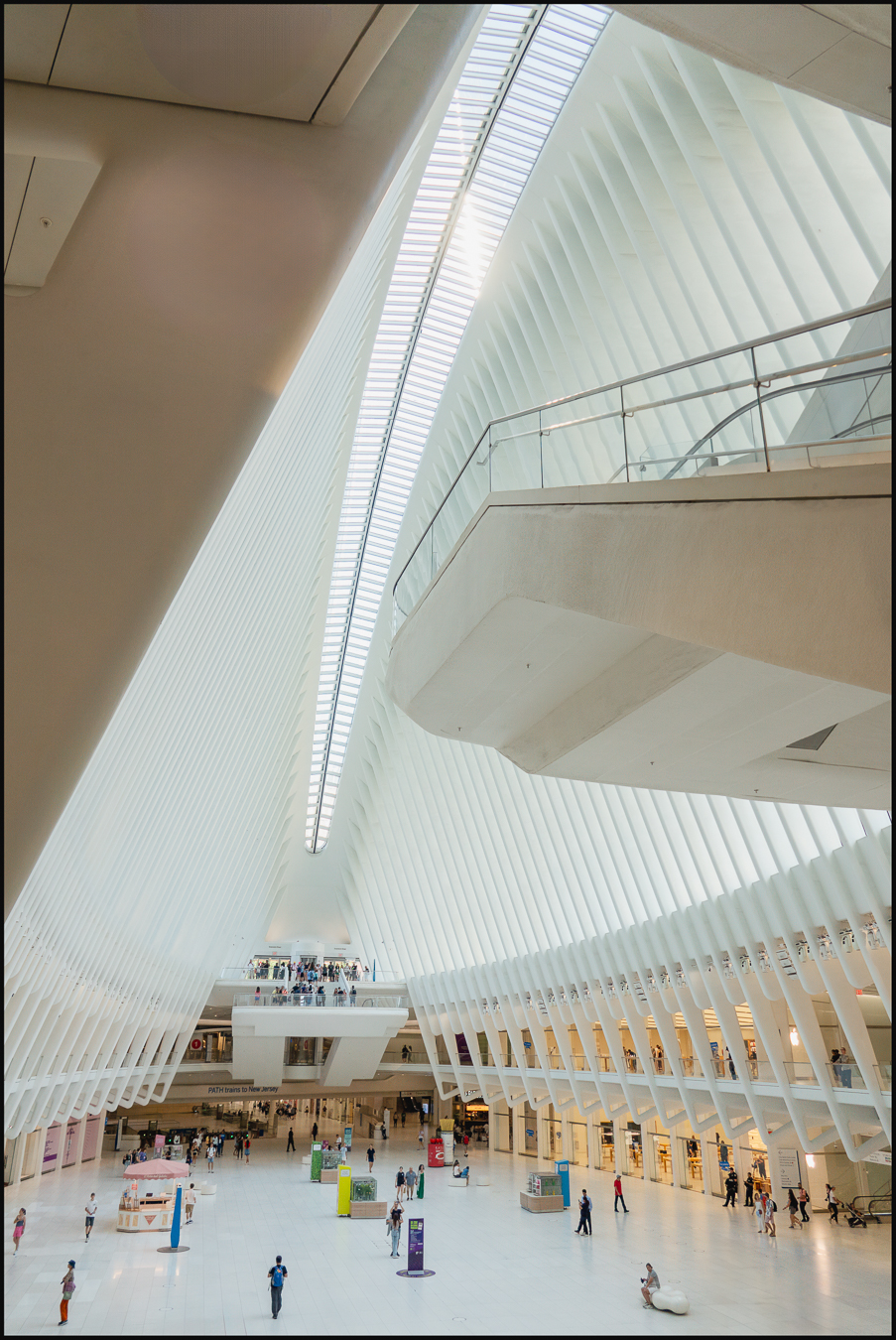
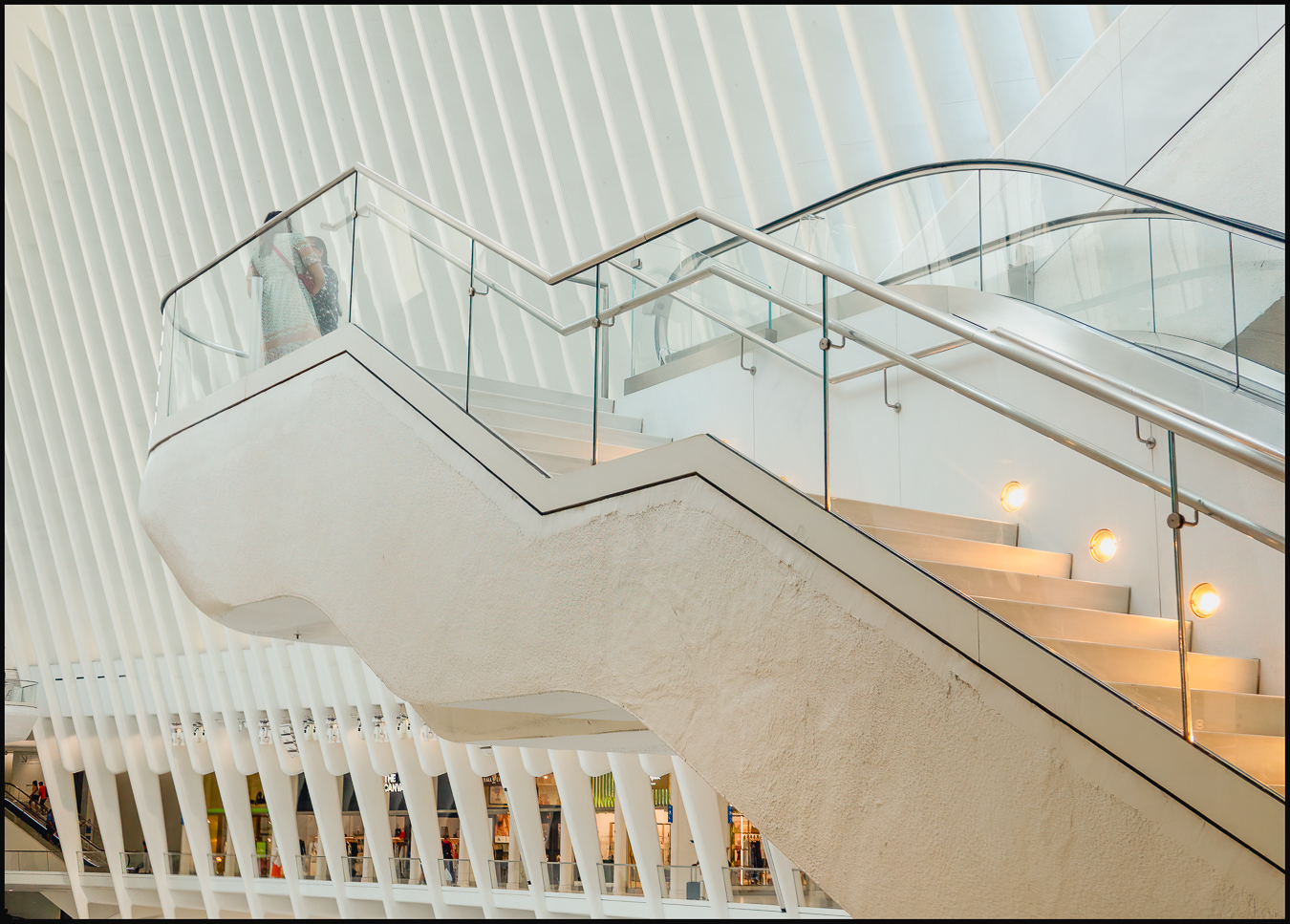
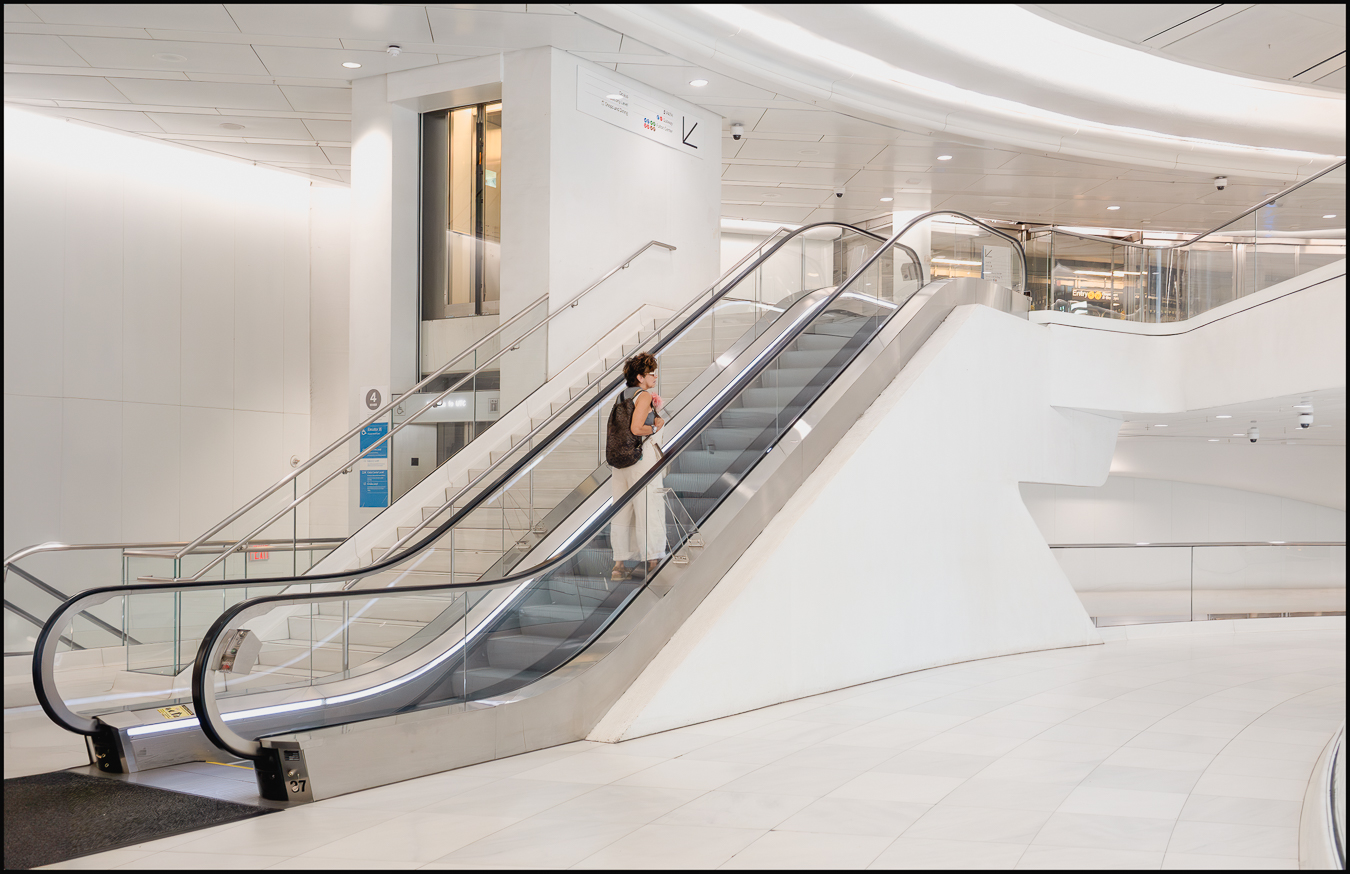
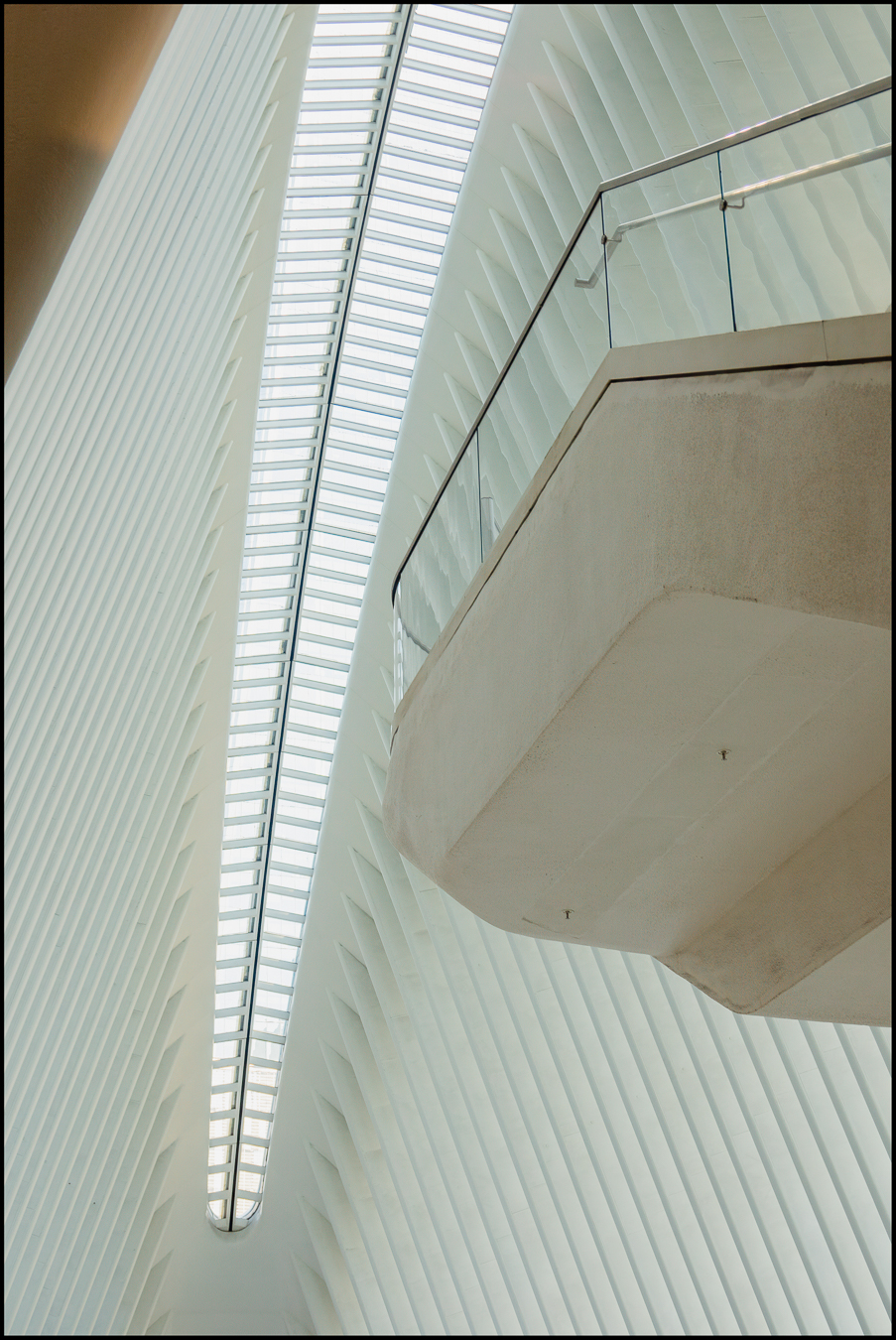
The Oculus in NYC is an artistic landmark located within walking distance of the World Trade Center. The transit hub, serving the PATH, cost four billion dollars, making it the most expensive train stop in the world. With its sleek and modern design, it immediately became an attraction in Lower Manhattan. The Oculus is the centerpiece of The World Trade Center Transportation Hub. After 12 years of construction and constant delays, it finally opened to the public on March 3, 2016. Designed by famed Spanish architect Santiago Calatrava, the $4 billion building exceeded the original estimate by 100%! In total, the WTC Oculus is 350 feet long and measures about 75,000 square feet of retail space. In fact, the Oculus blurs the line between a railway station, shopping center and pedestrian tunnel. For me, the Oculus is one of New York’s most beautiful structures. From the outside, the Oculus resembles a bird being released from a child’s hand inspiring love and hope in the city. On the inside, the cavernous hall is flooded with natural sunlight thanks to the large skylights. The luminous space features white marble flooring harmonizing with its bright, sleek interior design.

A longer article from We. Digital Magazine: The Oculus of New York: history and specifications of a new icon provides additional information, including some of the inspirations for the building.


Taken with a Sony RX10 IV

In New York City with Jasmine – Lunch at The Odeon

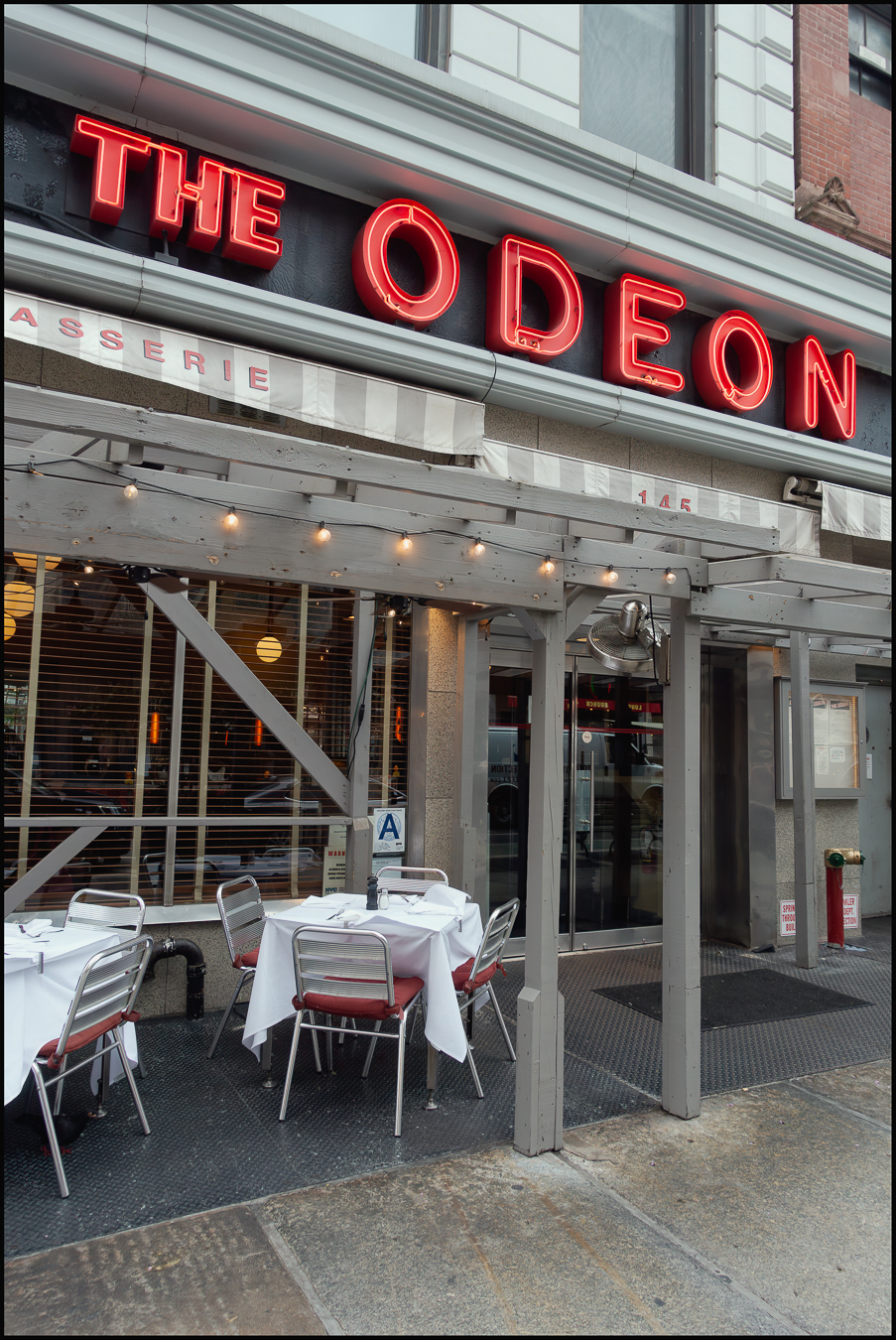
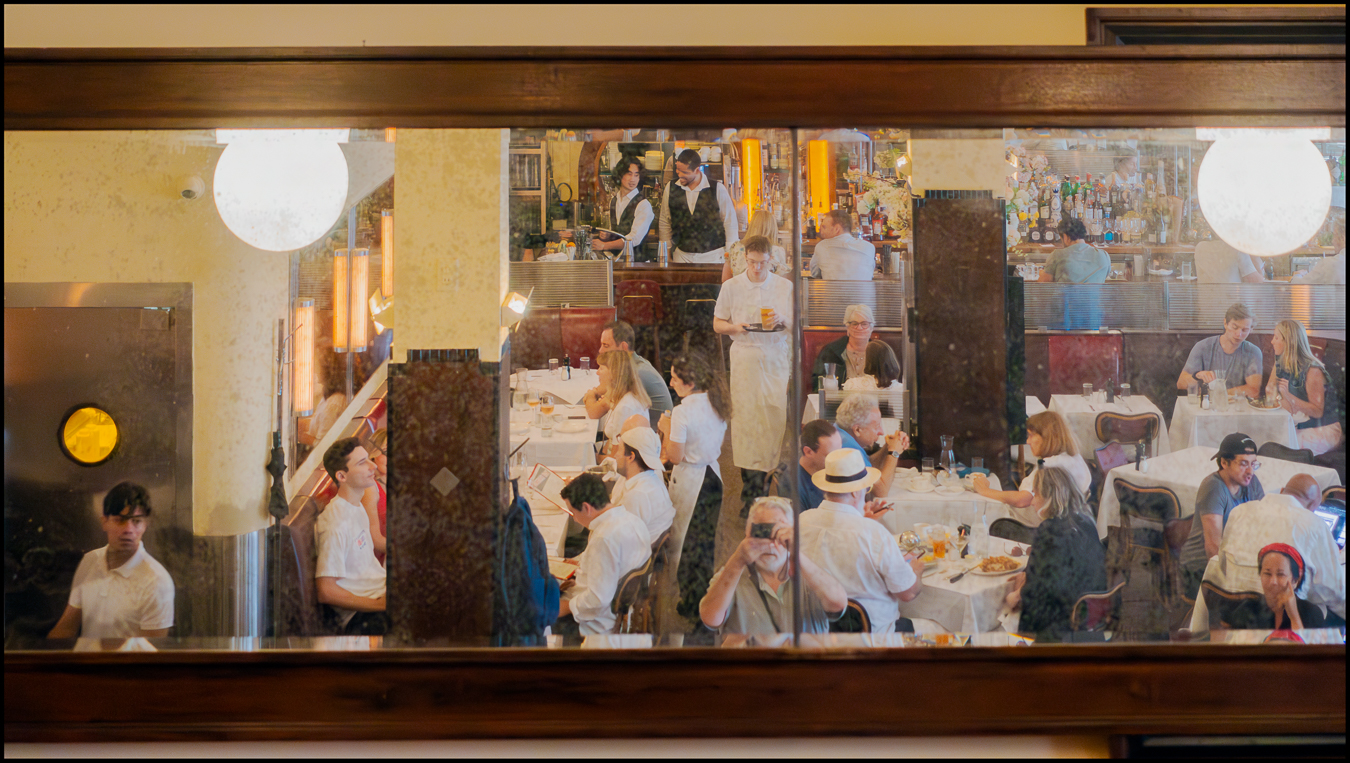
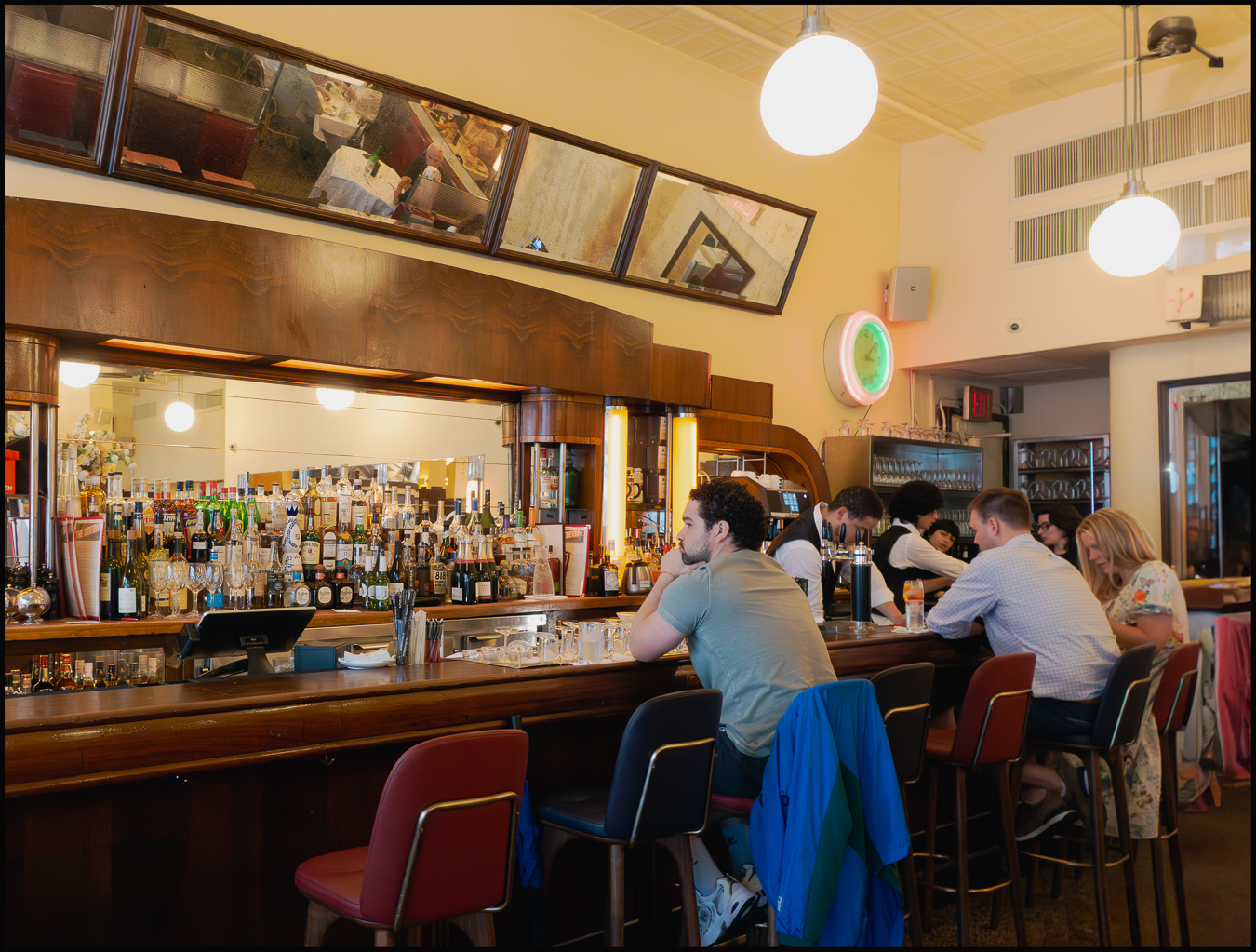
We’d passed The Odeon while walking down to the Frederick so, after we’d checked in we decided to go there for lunch.

Condé Nast Traveler has an interesting piece titled The Odeon at 40: An Oral History of the New York City Institution The classic New York City restaurant celebrates 40 years in Tribeca in which it says (among other things):

Whether you live in New York City or are just passing through, space is always of the essence. Even the most luxurious hotel rooms are smaller than you’ll find elsewhere. The result of living with limited square footage is that one’s “home” often extends beyond any apartment, enveloping daily haunts—that go-to restaurant, the coffee shop around the block, the bar you always find yourself ending the night at. For many New Yorkers over the last 40 years, The Odeon has been all of those places.

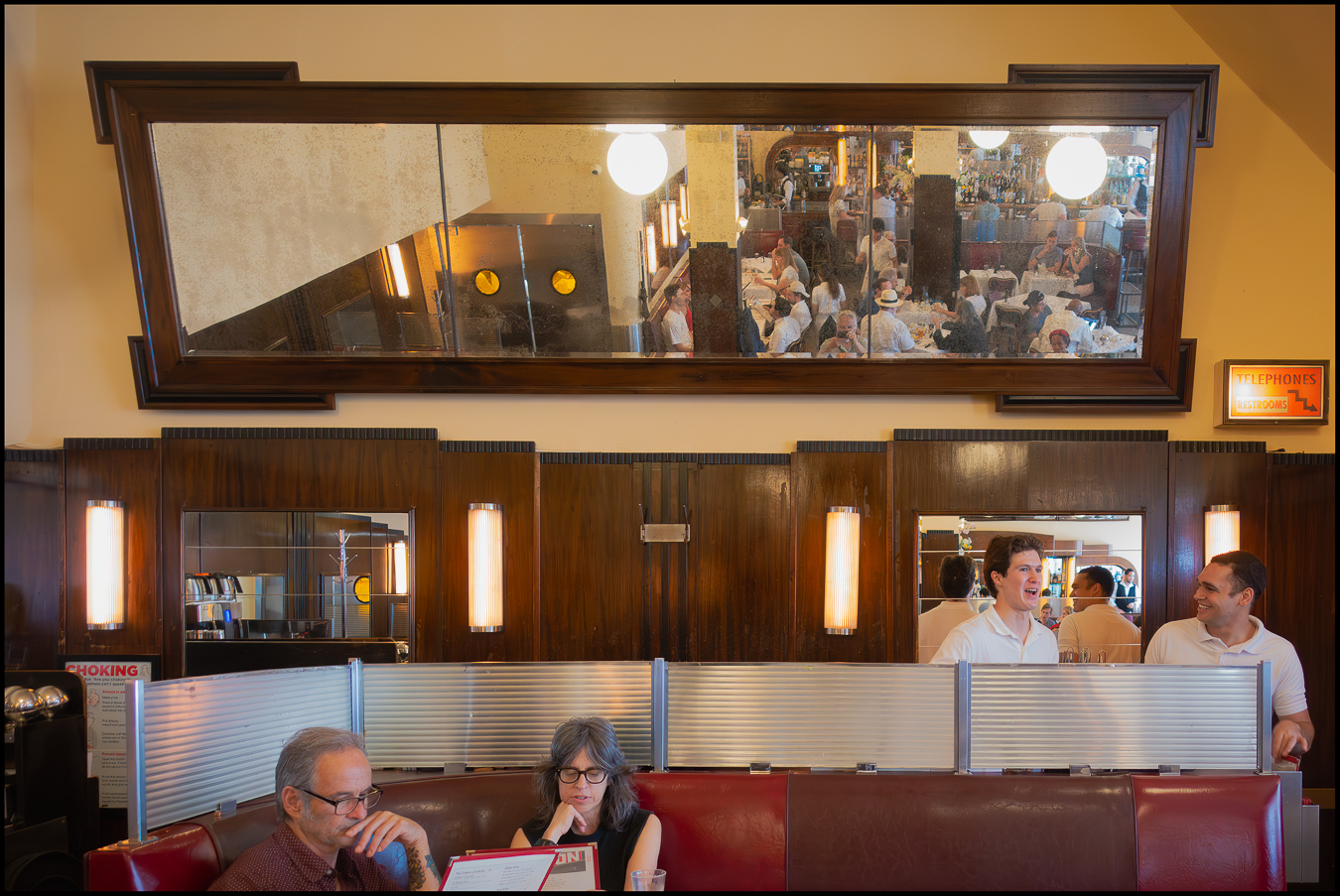
Founded 40 years ago today by Lynn Wagenknecht, Keith McNally, and Keith’s brother Brian McNally, the trio brought a much-needed café to the corner of West Broadway and Thomas Street in Tribeca, a neighborhood then filled with artists and writers—the people that we look back on four decades later as the tastemakers of a turning point in the city’s history. From the wood paneling and the classic, brasserie-styled red banquettes, to the bar that spans the northern wall of the restaurant, every design detail of The Odeon transports guests to an earlier New York.


Taken with a Sony RX100M3
In New York City with Jasmine – Our next hotel, The Frederick

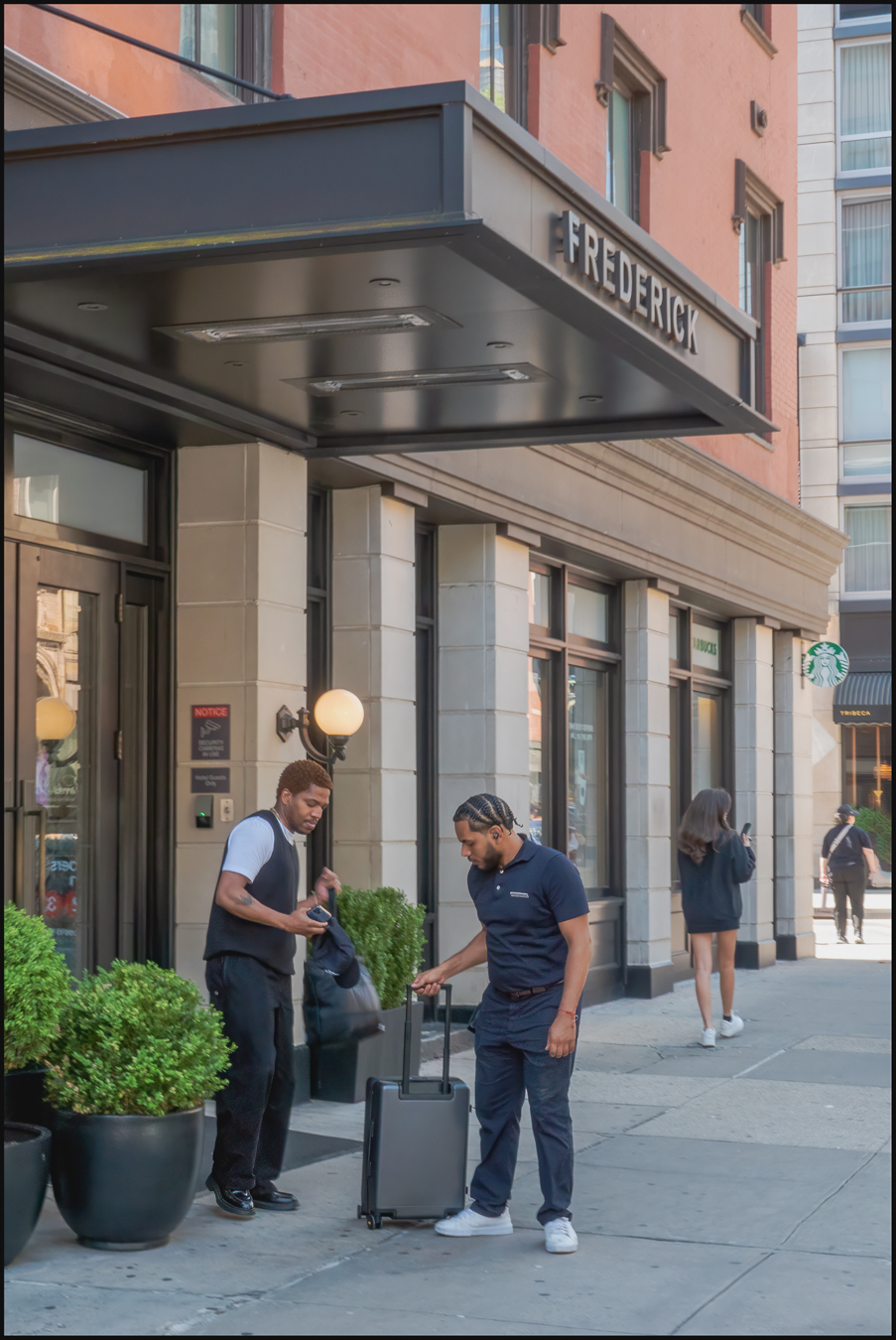
Our next hotel was The Frederick, just a short walk away from The Roxy.

It was previously called the Cosmopolitan Hotel Tribeca. It’s a historic hotel located at 95 West Broadway in the Tribeca neighborhood of New York City. The building was built in 1844-45 by a tobacco merchant James Boorman. Early on it was called the Girard House and it was renamed the Cosmopolitan in the 1860s. It was originally located across from the southern depot of the Hudson River Railroad.

The building is part of the TriBeCa South Historic District. It contains Gothic elements as well as an Edwardian rooftop and an Art Deco storefront. Over the years the building has been substantially modified. The interior has been entirely redone. The original red brick was painted beige in the late 19th century. A seventh floor was added in 1989.

Forgotten New York describes it as follows:

New York City’s oldest extant hotel building is hiding in plain sight at the busy corner of West Broadway and Chambers in Tribeca. Recently redubbed as a luxury hotel called The Fredrick, the Cosmopolitan Hotel’s pedigree goes all the way back to 1845.

That year, a tobacco merchant named James Boorman built a boarding house at the corner. At the time, Chambers Street was a tree-lined route on which personnel working for City Hall and neighboring endeavors lived. The building then at #122 Chambers was said to have been the first house in NYC with a bathtub. As commercial businesses started to fill in the area, Boorman built his new boarding house so travelers doing business at these places had a way to spend the night. What became the Cosmopolitan was originally 4 floors with New Orleans-style ironwork at the second floor. It wasn’t originally called the Cosmopolitan but initially was known as the Frederick and then the Girard House.

In the 1860s it gained two floors and changed its name to the Cosmopolitan (the seventh floor was added in 1989). It remained a respectable place for decades but by the 1960s, it was single-room occupancy called the Bond, just above homeless-shelter status. Its fortunes went on the upswing again as Tribeca became a hip neighborhood, and recently, new ownership has renovated it into a luxury place called the Frederick once again. It’s shown above with 56 Leonard, the “Jenga Building,” looming over it on the left.

The late great Christopher Grey discussed the building in the NY Times in 2009 and added some vintage postcard views.

A nice breakfast in the adjoining restaurant, Serafina was included in the room price.

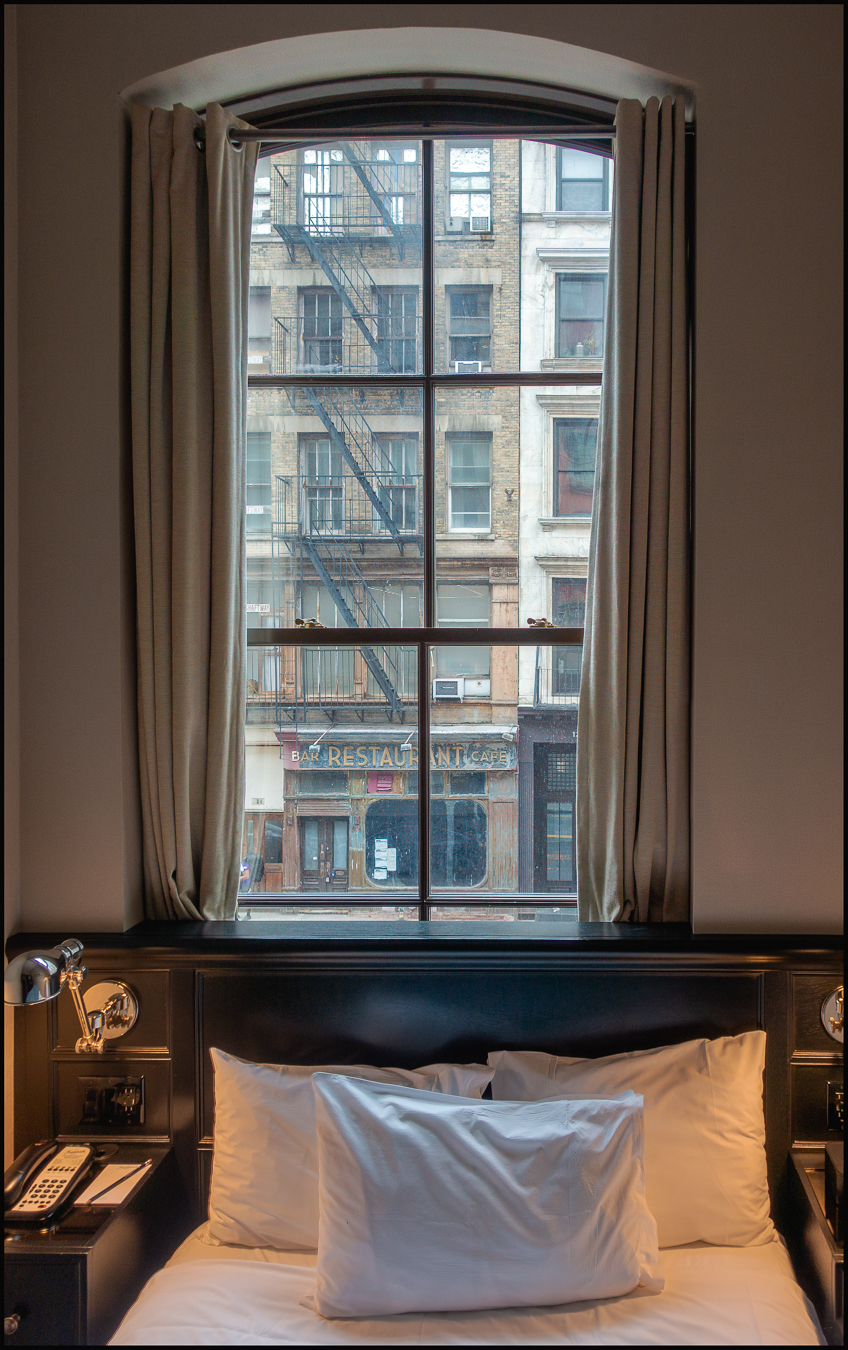
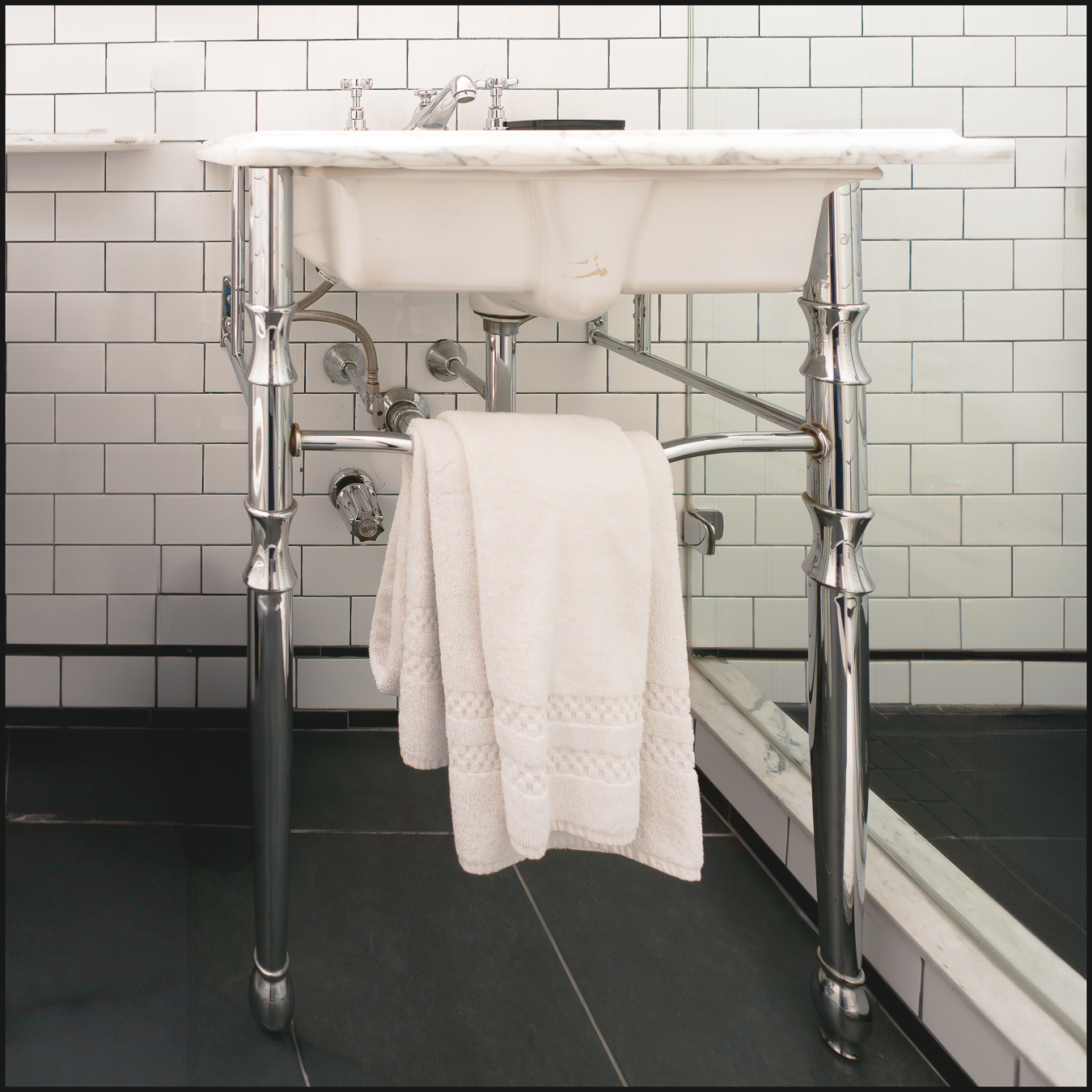
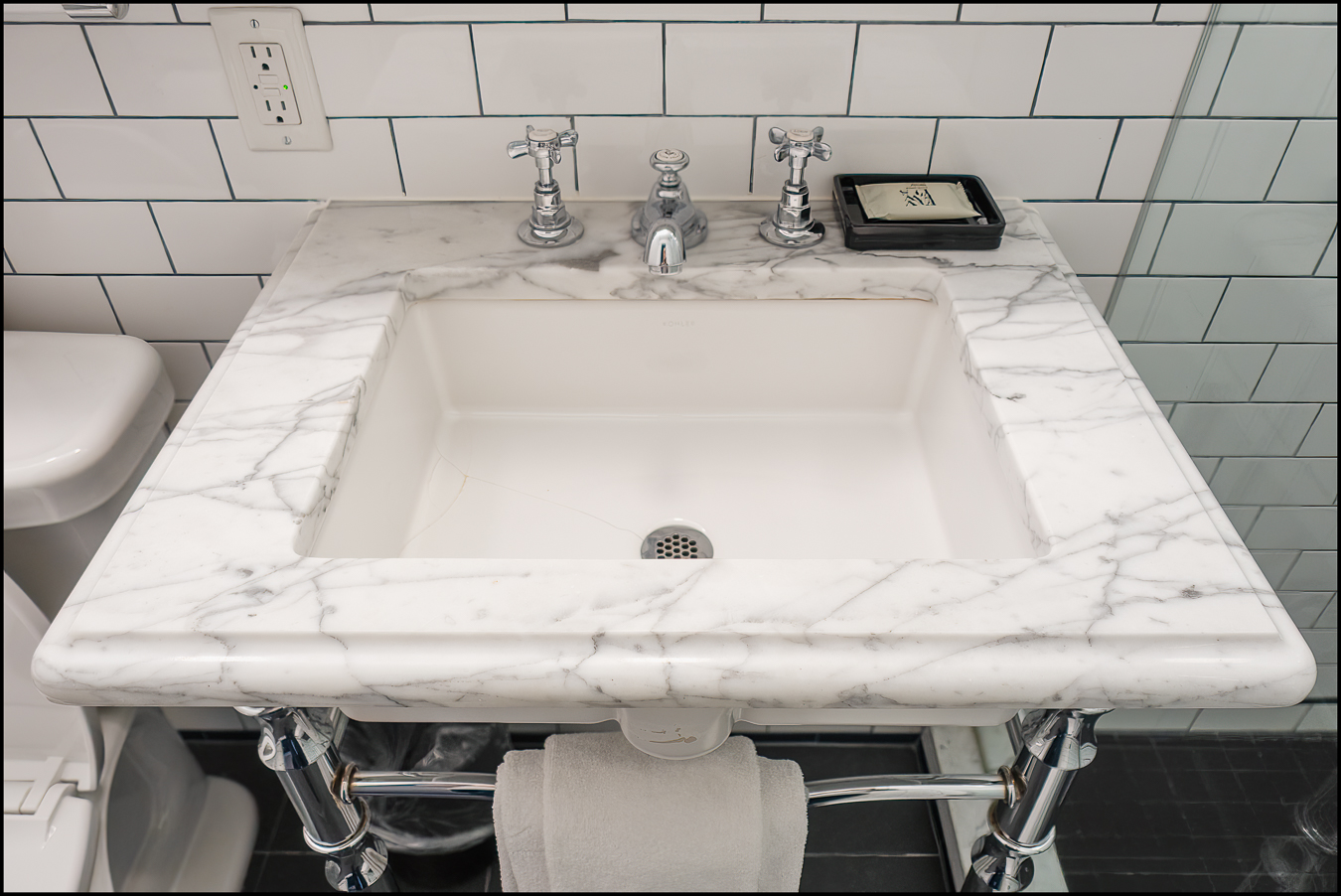
Below some pictures taken in my room


Taken with a Sony RX100M3 and Sony RX10 IV