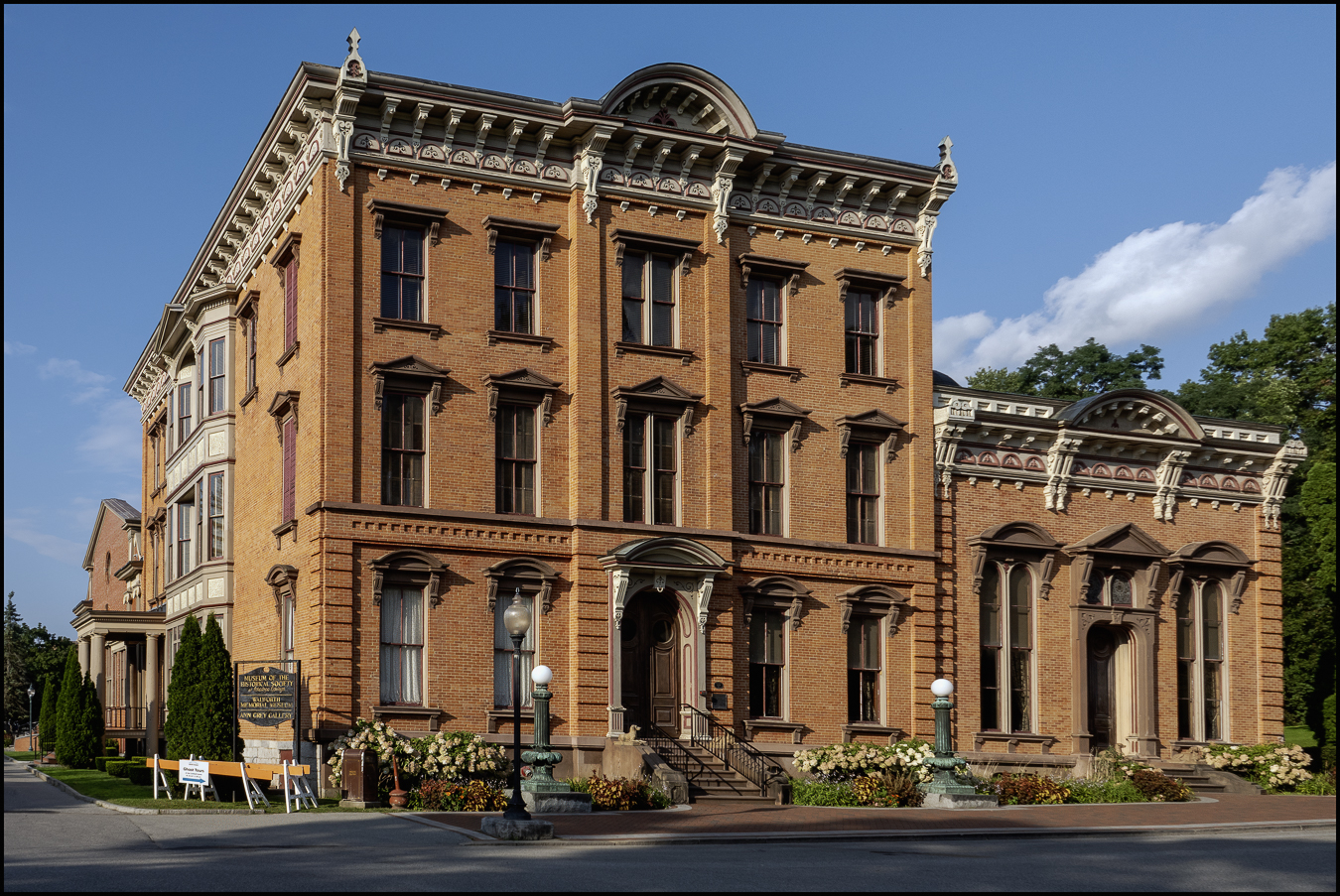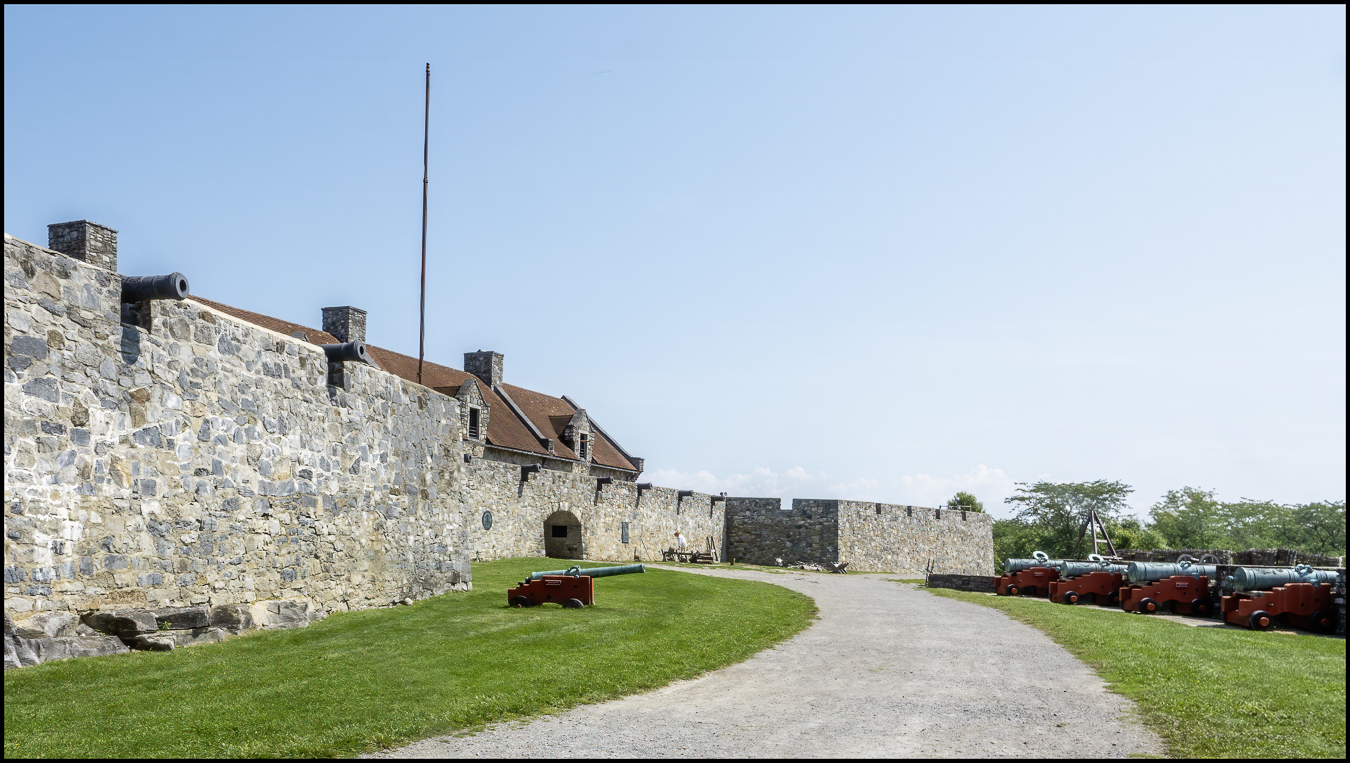
A visit to upstate New York and Vermont – Overview and approaching the fort

Growing up in a not terribly well-off family in a village in the North of England, I used to read a lot. I would come across places with exotic sounding names like Kathmandu, Samarkand, Heliopolis, Philippines etc. Little did I know then that I would eventually visit many of these places and that I would be married for 43 years to a Filipina. For some reason I’d also heard about a place called Ticonderoga. Consequently, when I went to work for the United Nations in New York I wanted to visit the fort. Somehow 50 years passed and even though Fort Ticonderoga is not that far (about a four-hour drive) from where I live, I still hadn’t visited. I don’t have “bucket list”, but if I did Fort Ticonderoga would certainly be on it. However, I was beginning to think that I’d never get there.

Now I can cross it off the non-existent “bucket list”.

According to Wikipedia:

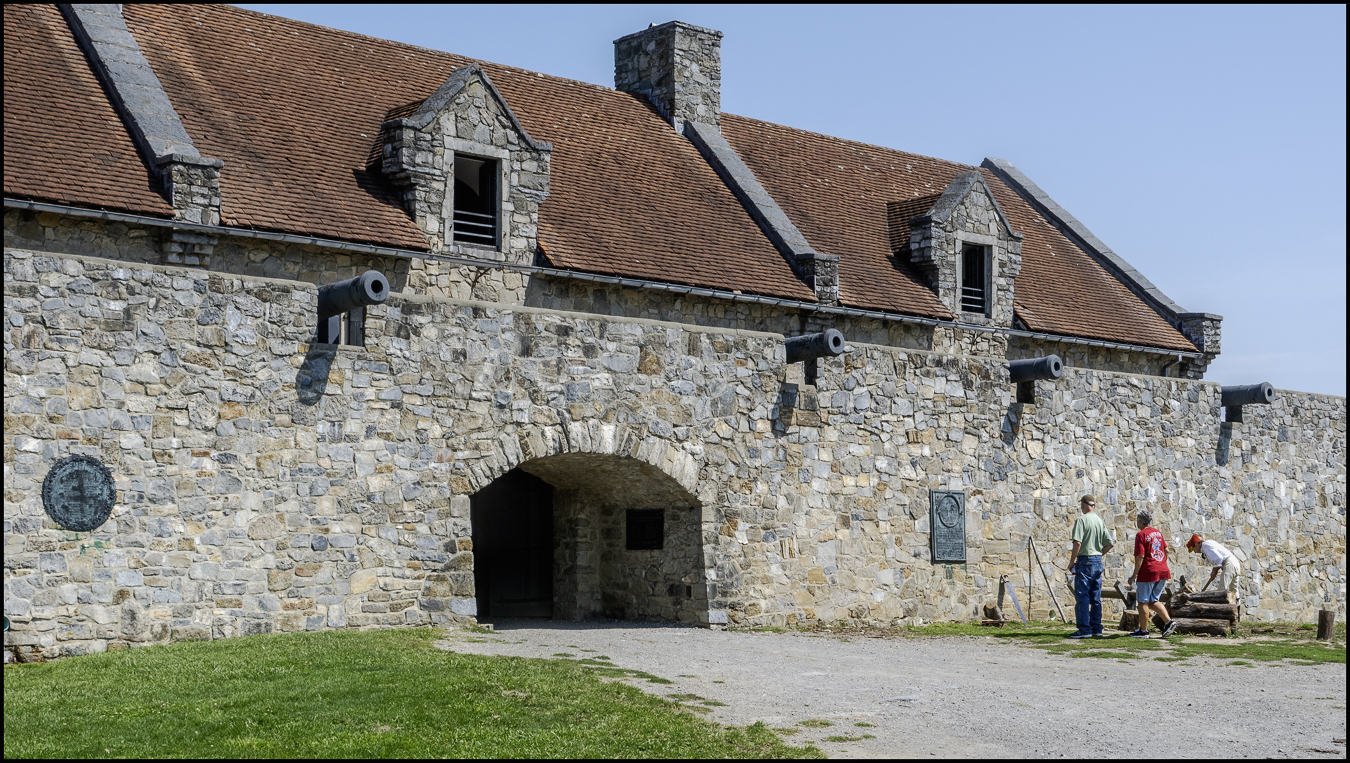
Fort Ticonderoga, formerly Fort Carillon, is a large 18th-century star fort built by the French at a narrows near the south end of Lake Champlain in northern New York. It was constructed between October 1755 and 1757 by French-Canadian military engineer Michel Chartier de Lotbinière, Marquis de Lotbinière during the action in the “North American theater” of the Seven Years’ War, known as the French and Indian War in America. The fort was of strategic importance during the 18th-century colonial conflicts between Great Britain and France, and again played an important role during the American Revolutionary War.

The site controlled a river portage alongside the mouth of the rapids-infested La Chute River, in the 3.5 miles (5.6 km) between Lake Champlain and Lake George. It was strategically placed for the trade routes between the British-controlled Hudson River Valley and the French-controlled Saint Lawrence River Valley.

The terrain amplified the importance of the site. Both lakes were long and narrow and oriented north–south, as were the many ridge lines of the Appalachian Mountains which extend as far south as Georgia. The mountains created nearly impassable terrains to the east and west of the Great Appalachian Valley that the site commanded.

The name “Ticonderoga” comes from the Iroquois word tekontaró:ken, meaning “it is at the junction of two waterways”.

During the 1758 Battle of Carillon, 4,000 French defenders were able to repel an attack by 16,000 British troops near the fort. In 1759, the British returned and drove a token French garrison from the fort. The British controlled the fort at the beginning of the Revolutionary War, but the Green Mountain Boys and other state militia under the command of Ethan Allen and Benedict Arnold captured it on May 10, 1775. Henry Knox led a party to transport many of the fort’s cannon to Boston to assist in the siege against the British, who evacuated the city in March 1776. The Americans held the fort until June 1777, when British forces under General John Burgoyne occupied high ground above it; the threat resulted in the Continental Army troops withdrawing from the fort and its surrounding defenses. The only direct attack on the fort during the Revolution took place in September 1777, when John Brown led 500 Americans in an unsuccessful attempt to capture it from about 100 British defenders.

The British abandoned the fort after the failure of the Saratoga campaign, and it ceased to be of military value after 1781. The United States allowed the fort to fall into ruin, and local residents stripped it of much of its usable materials. It was purchased by a private family in 1820 and became a stop on tourist routes of the area. Early in the 20th century, its private owners restored the fort. The Fort Ticonderoga Association now operates it as a tourist attraction, museum, and research center.

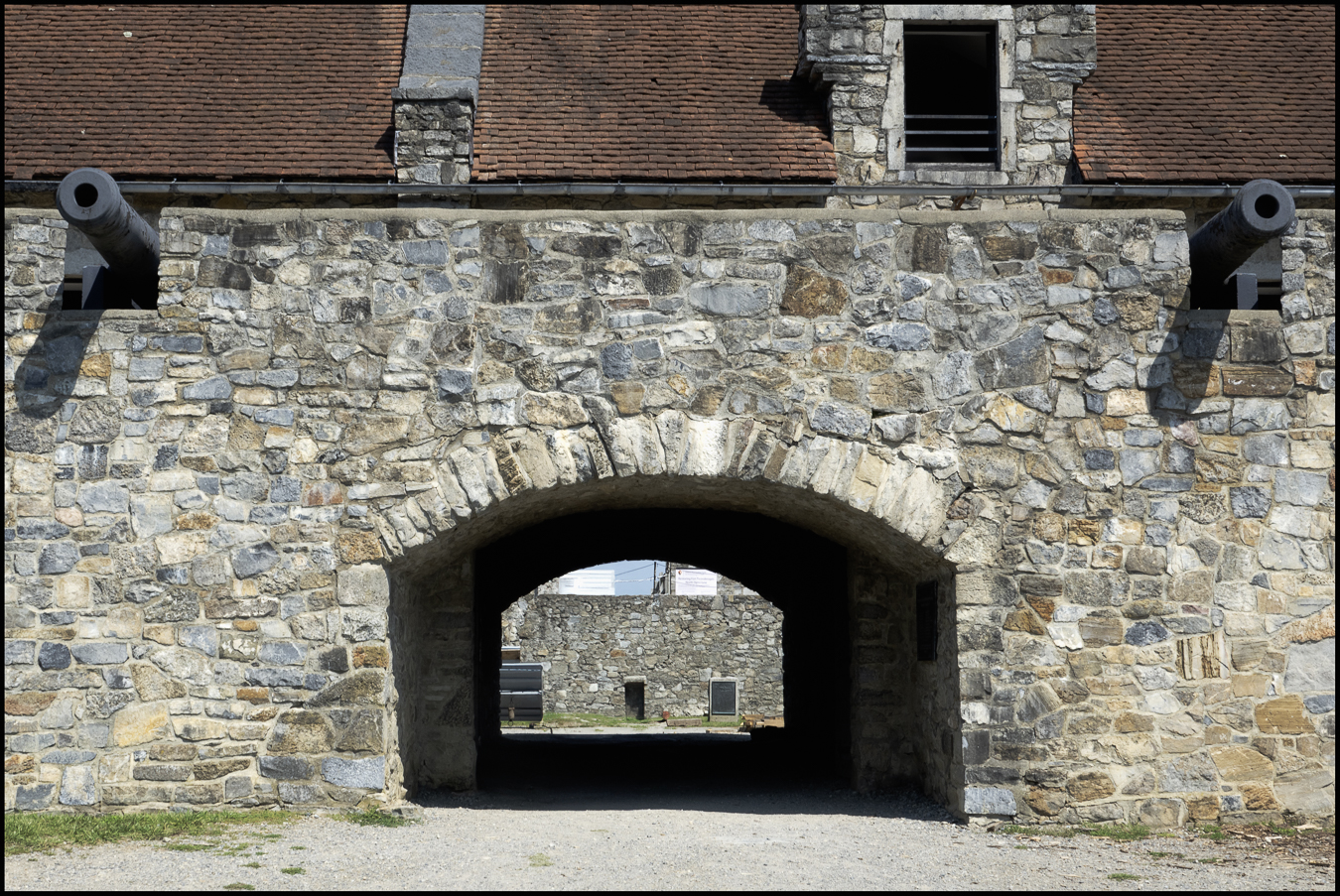
The pictures below show the approach to the fort featuring exterior shots.
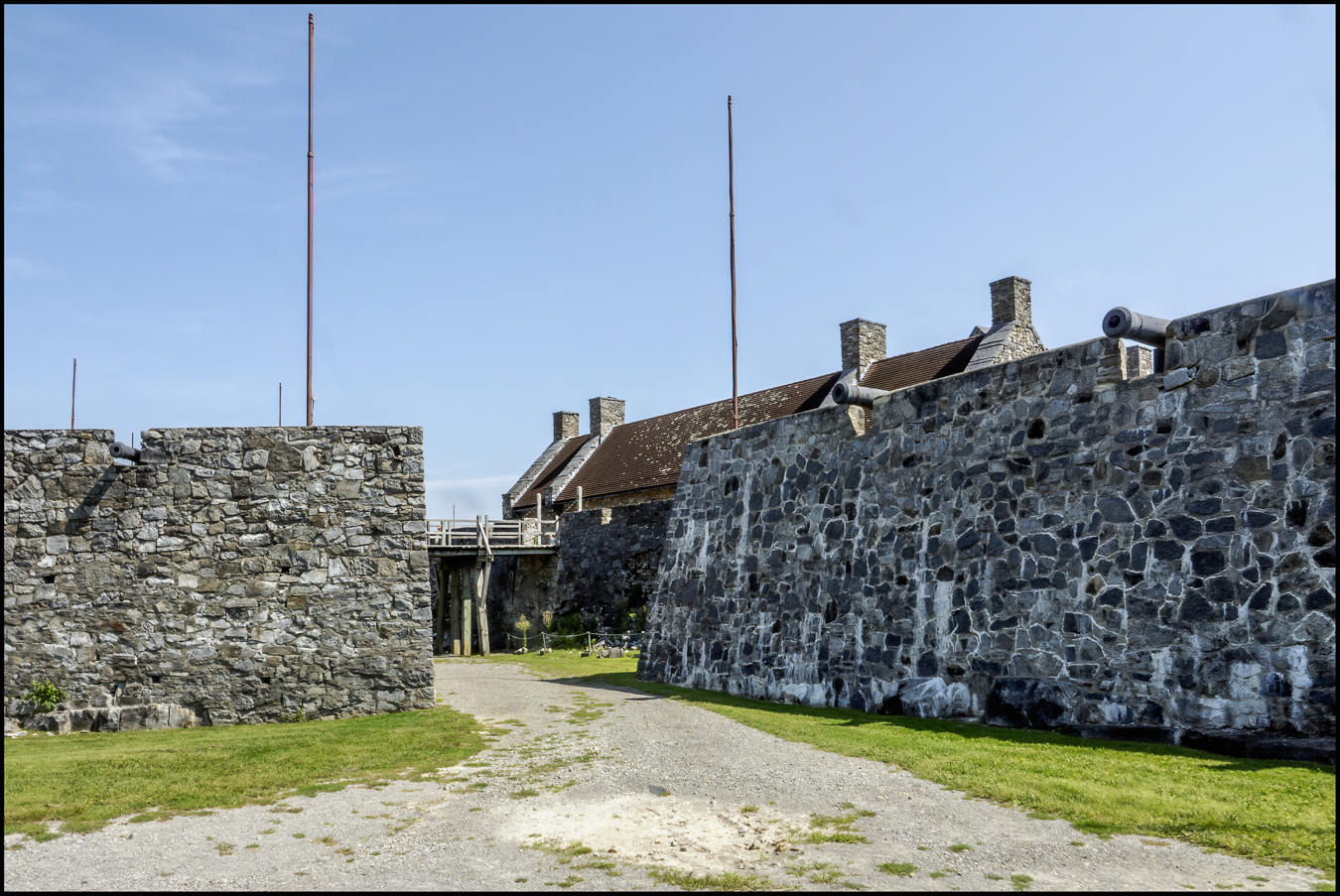


Taken with a Sony RX10 IV
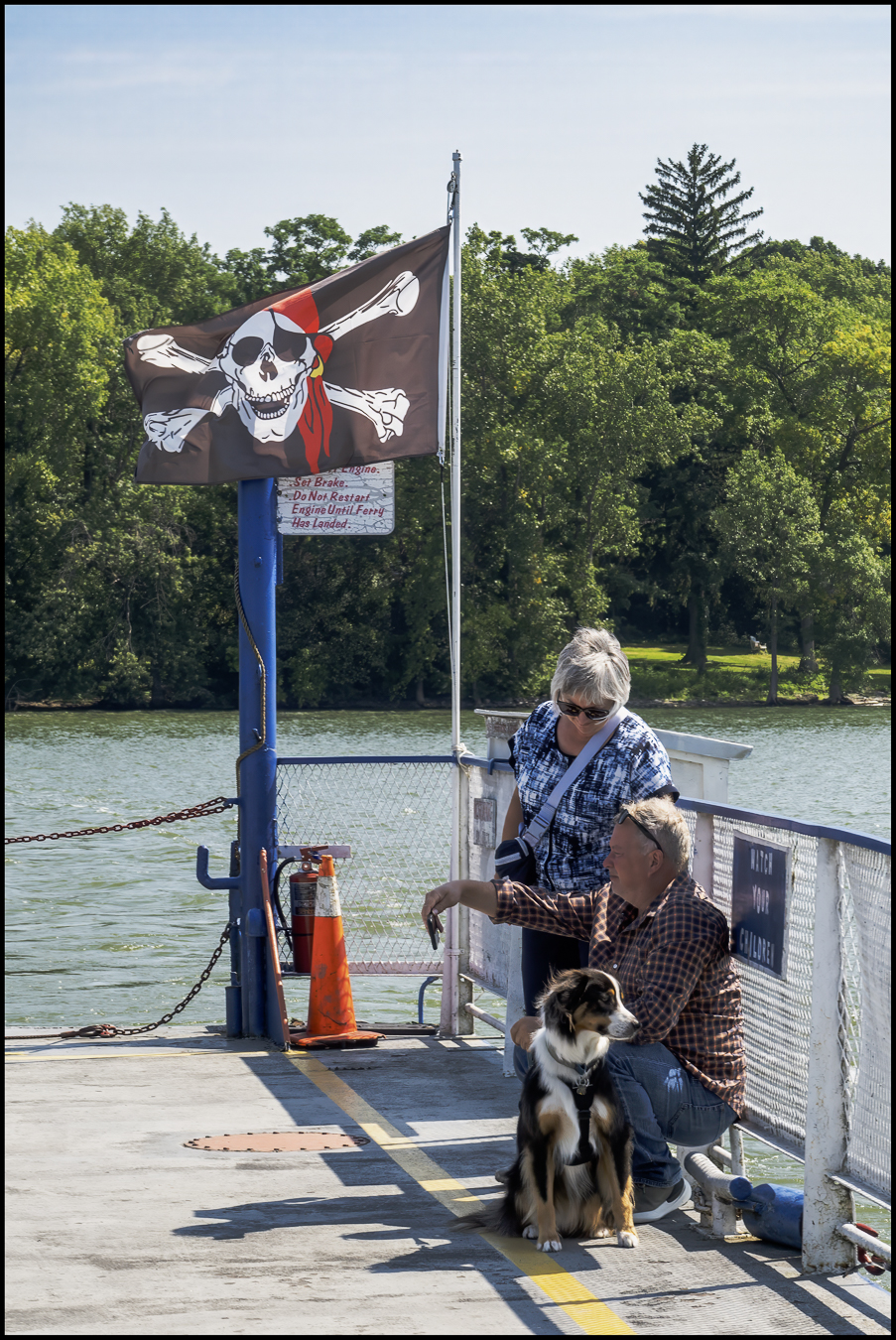
A visit to upstate New York and Vermont – Crossing Lake Champlain

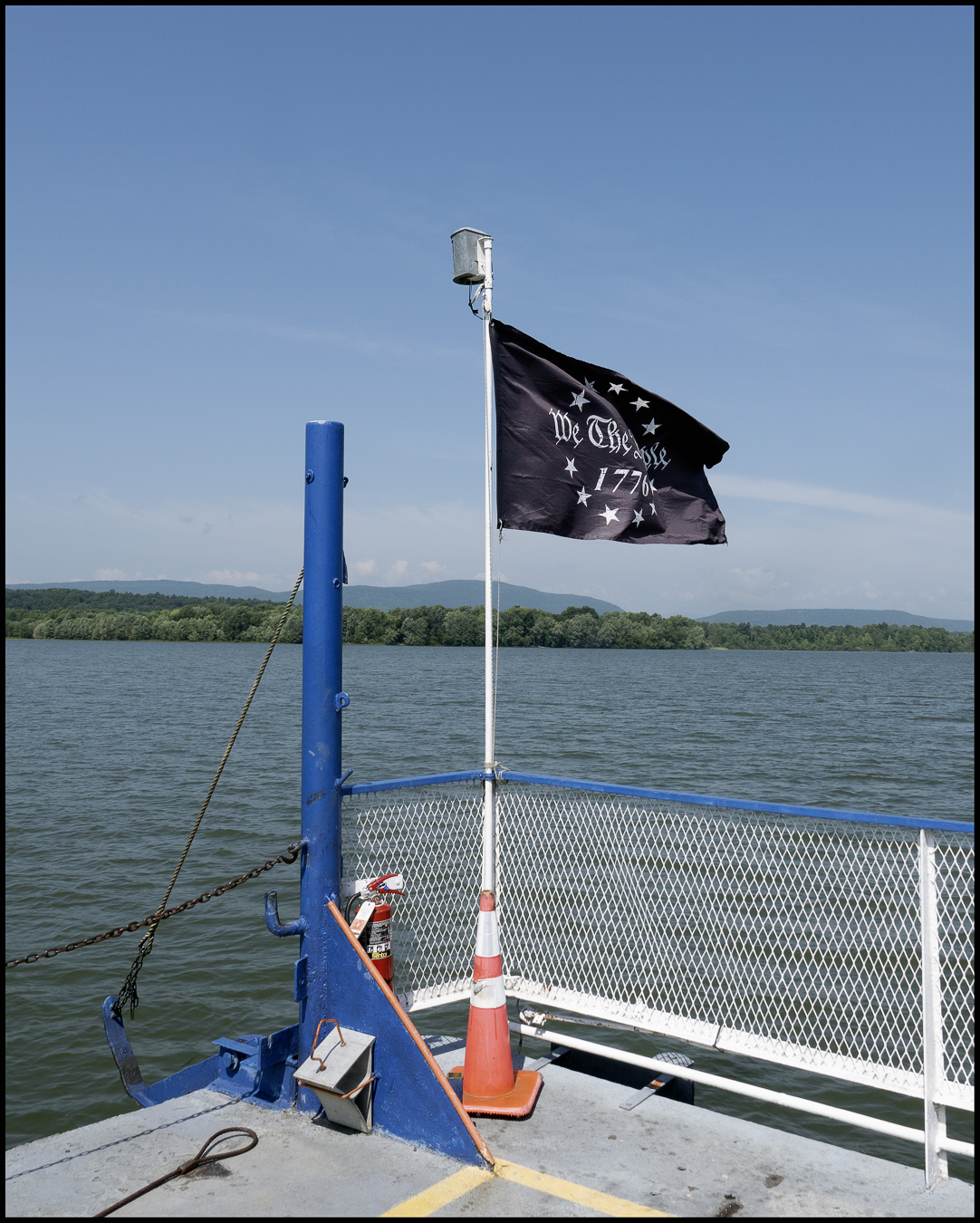
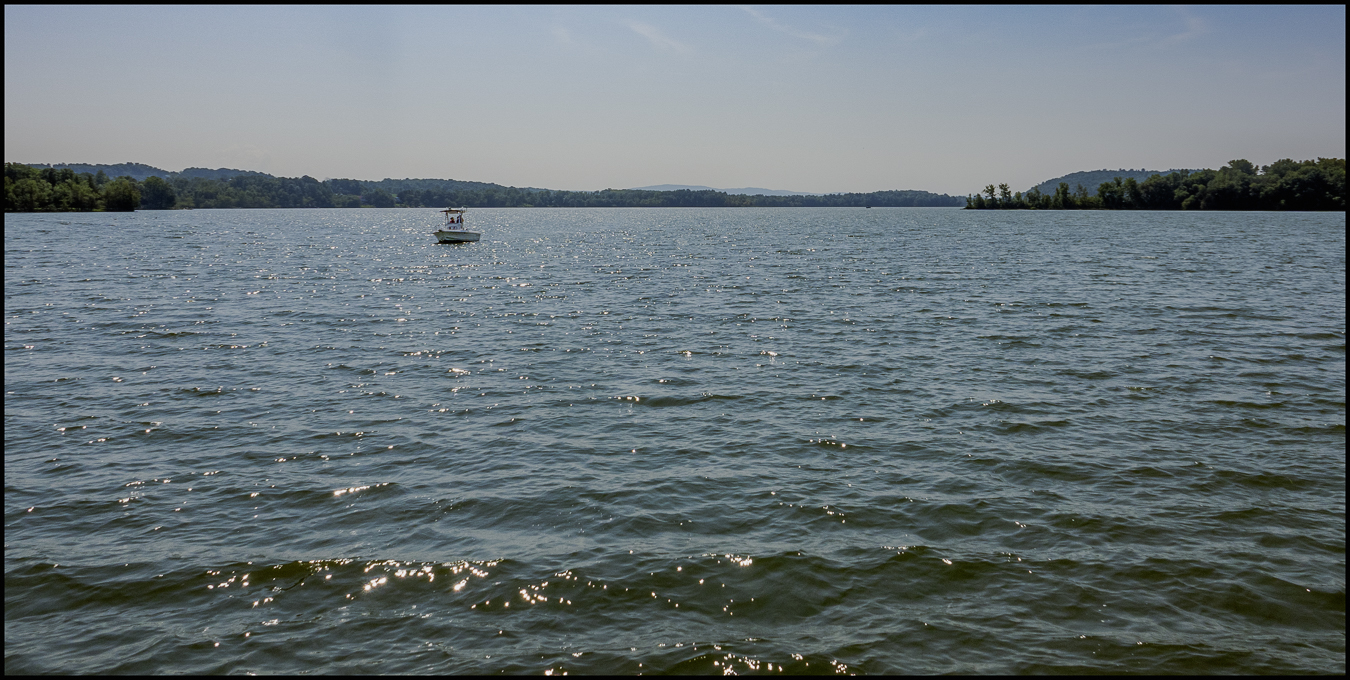
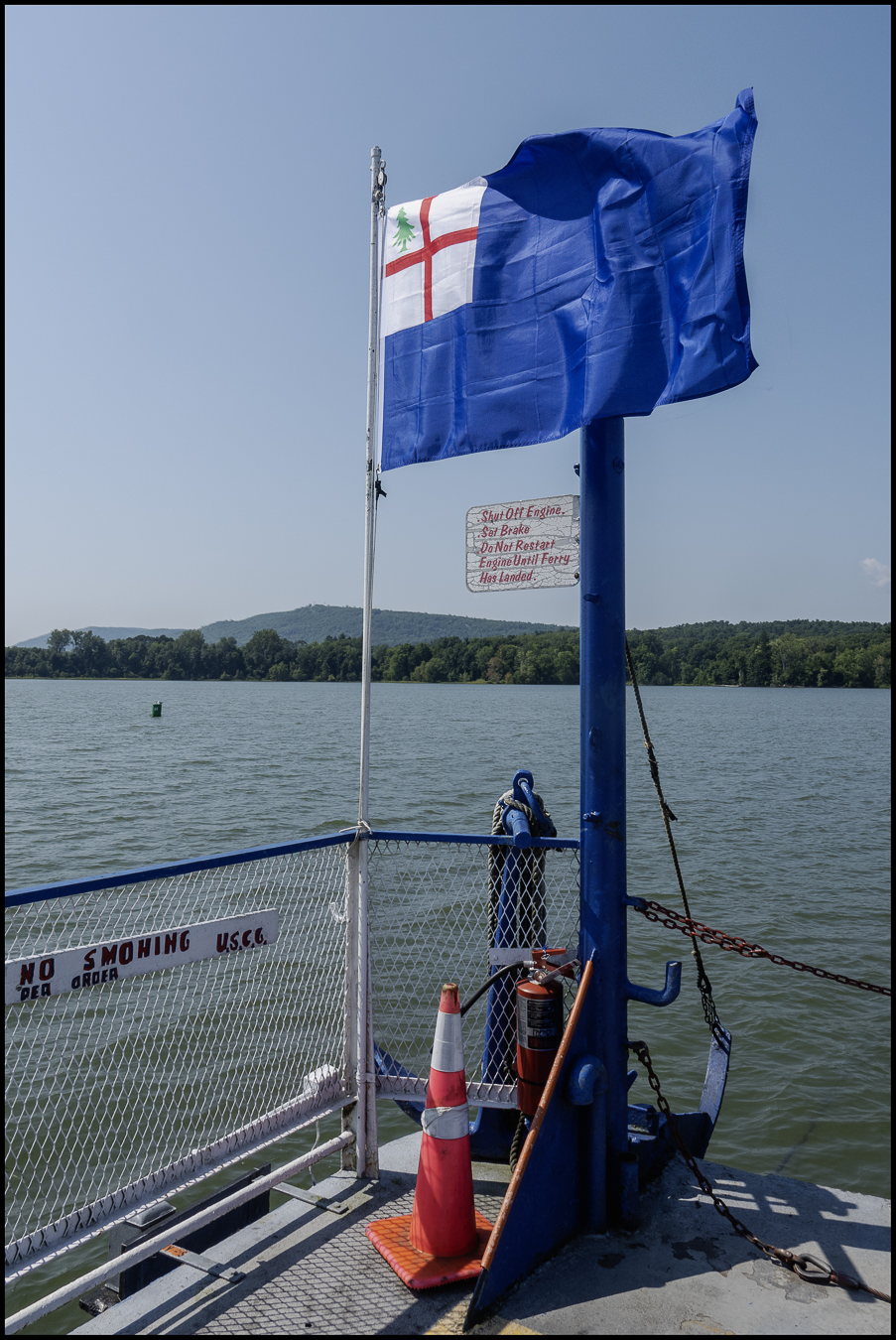
On the way to Fort Ticonderoga, we drove up the Vermont side of Lake Champlain. Of course, this meant that we had to cross Lake Champlain to get to the fort, which is on the New York Side. To do so we took the Ticonderoga Ferry, which describes itself as follows:

The Ticonderoga Ferry provides historic, scenic seven-minute daytime crossings on Lake Champlain between Ticonderoga, New York and Shoreham, Vermont. Connecting the Lake George and Adirondack regions of New York, with the Middlebury and central Green Mountain areas of Vermont. We are located at 4831 VT Rte 74 just off of NY Rte 22 in Ticonderoga, New York and off of VT Rte 22A via VT Rte 73 in Orwell or VT Rte 74 in Shoreham, Vermont.

The ride was quite pretty, but short and a little slow (important to me because I needed to relieve myself). Although I wasn’t focusing too well, I recall that it was also rather expensive. On the way back from the fort we decided to take a different route that didn’t involve taking ferries.


Taken with a Sony RX10 IV
A visit to upstate New York and Vermont – Calamity Jane’s

We were driving through Hudson Falls on our way back to our Vermont Inn, when we passed this sign. We weren’t sure that we’d read it correctly, so we turned around and went back to take another look.

It seems we did read it correctly, but the juxtaposition of “Firearms” and “fine shoes” was just too much for us and we couldn’t stop laughing for a good part of the rest of the drive.

The store was closed when we went past, but for a look at the interior checkout their website at Calamity Jane’s Firearms & Fine Shoes.

Taken with a Sony RX10 IV
A visit to upstate New York and Vermont – Saratoga Springs, Congress Park

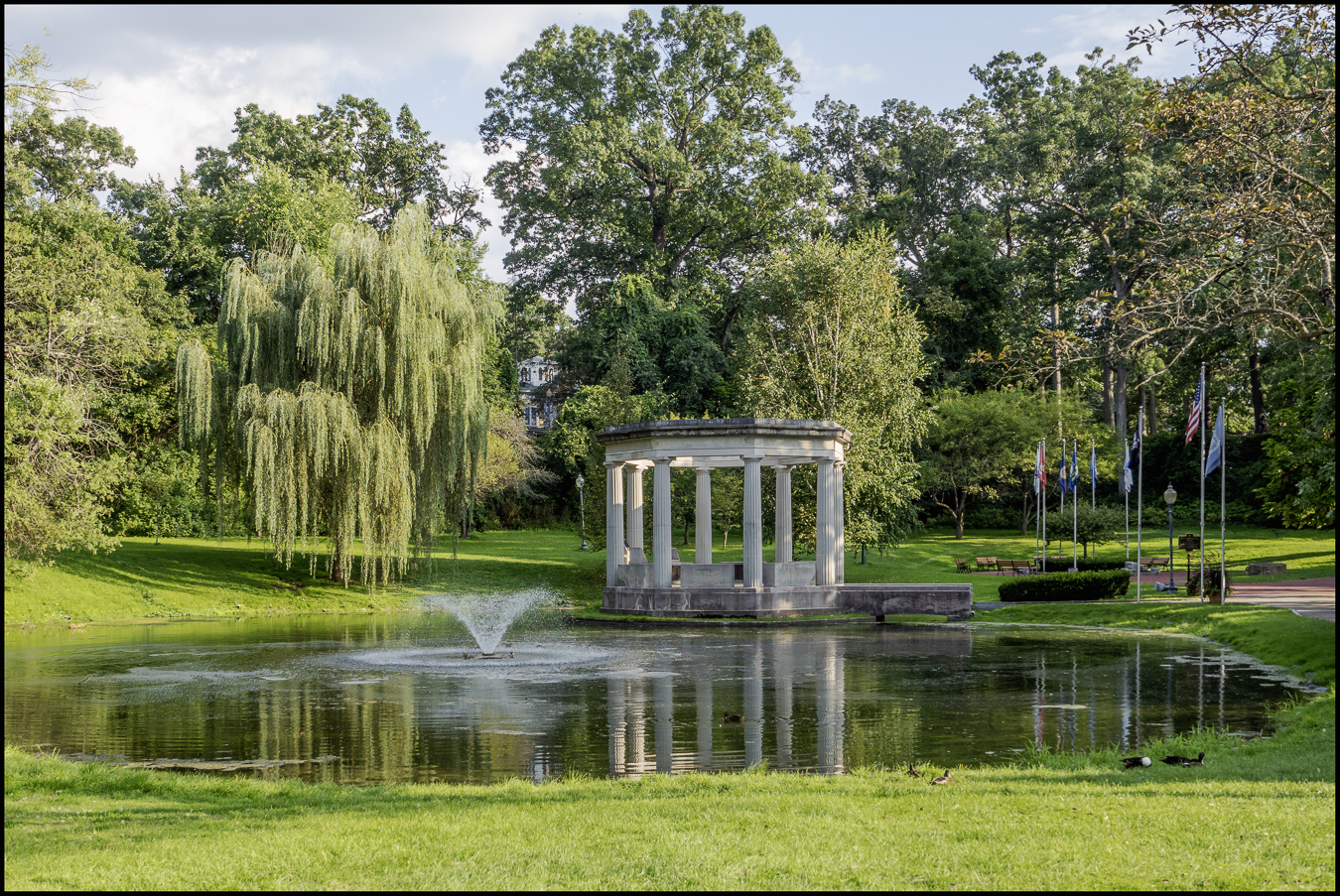
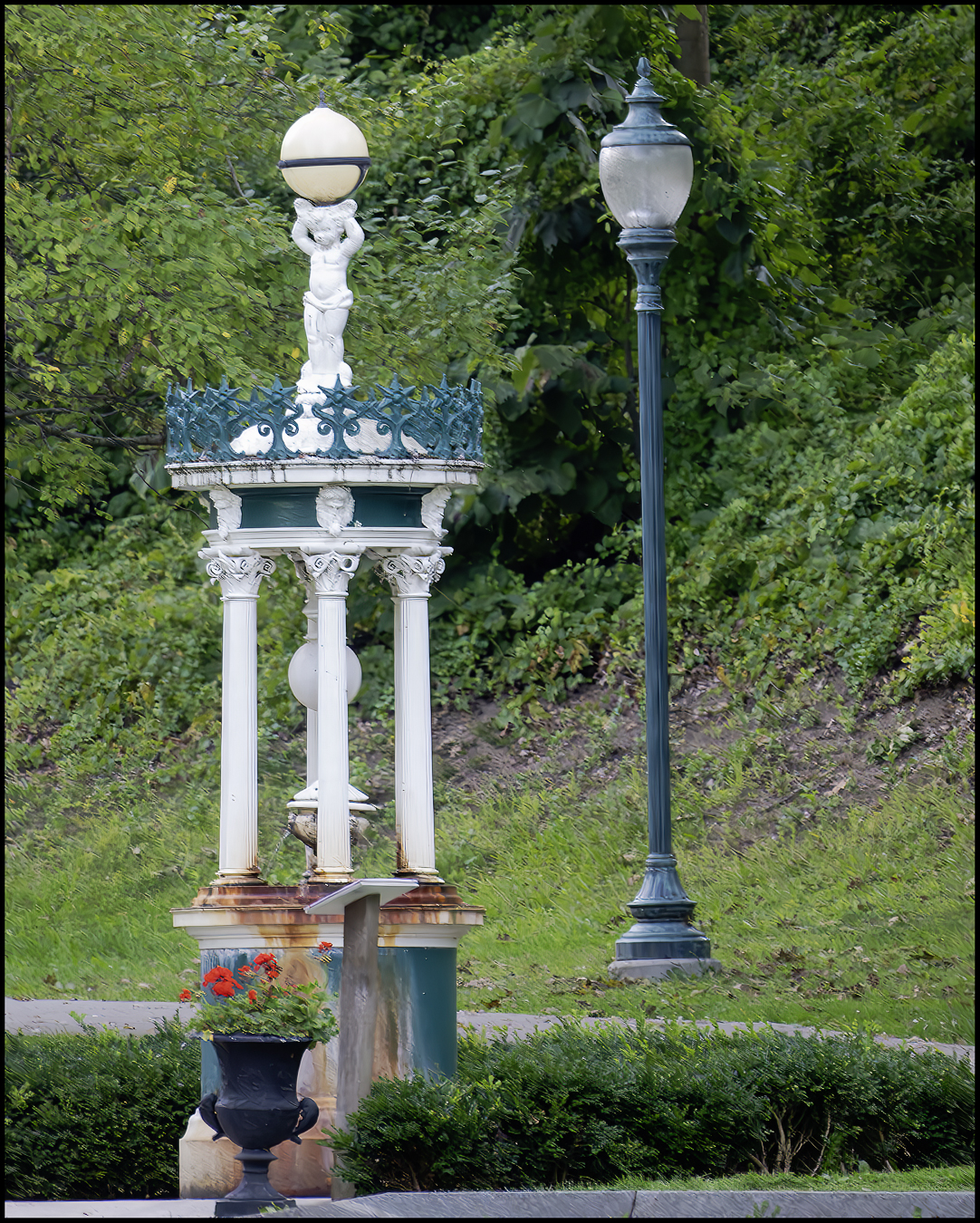
Congress Park is a 17-acre (6.9 ha) site in Saratoga Springs, New York, United States. It was formerly the site of the Congress Hotel (also called Congress Hall), a large resort hotel, and the Congress Spring Bottling Plant, as well as Canfield Casino, which together brought Saratoga Springs international fame as a health spa and gambling site. At the peak of its popularity, it was a place where the wealthy, major gamblers and stars of the entertainment world mingled. The park’s artwork includes a statue by Daniel Chester French and landscape design by Frederick Law Olmsted, among others. The site was listed on the National Register of Historic Places (NRHP) as the Casino-Congress Park-Circular Street Historic District in 1972 and was then declared a National Historic Landmark in 1987. The later listing excluded some of the property outside the park and halved the overall size of the district.

Congress Park is a City of Saratoga Springs Park, bounded by Broadway, Spring Street, and Circular Street. The Canfield Casino buildings, built in 1870, 1871 and 1902–03, house the Saratoga Springs History Museum, an art gallery and spaces which host public and private events. Gambling was ended by reformers in 1907.

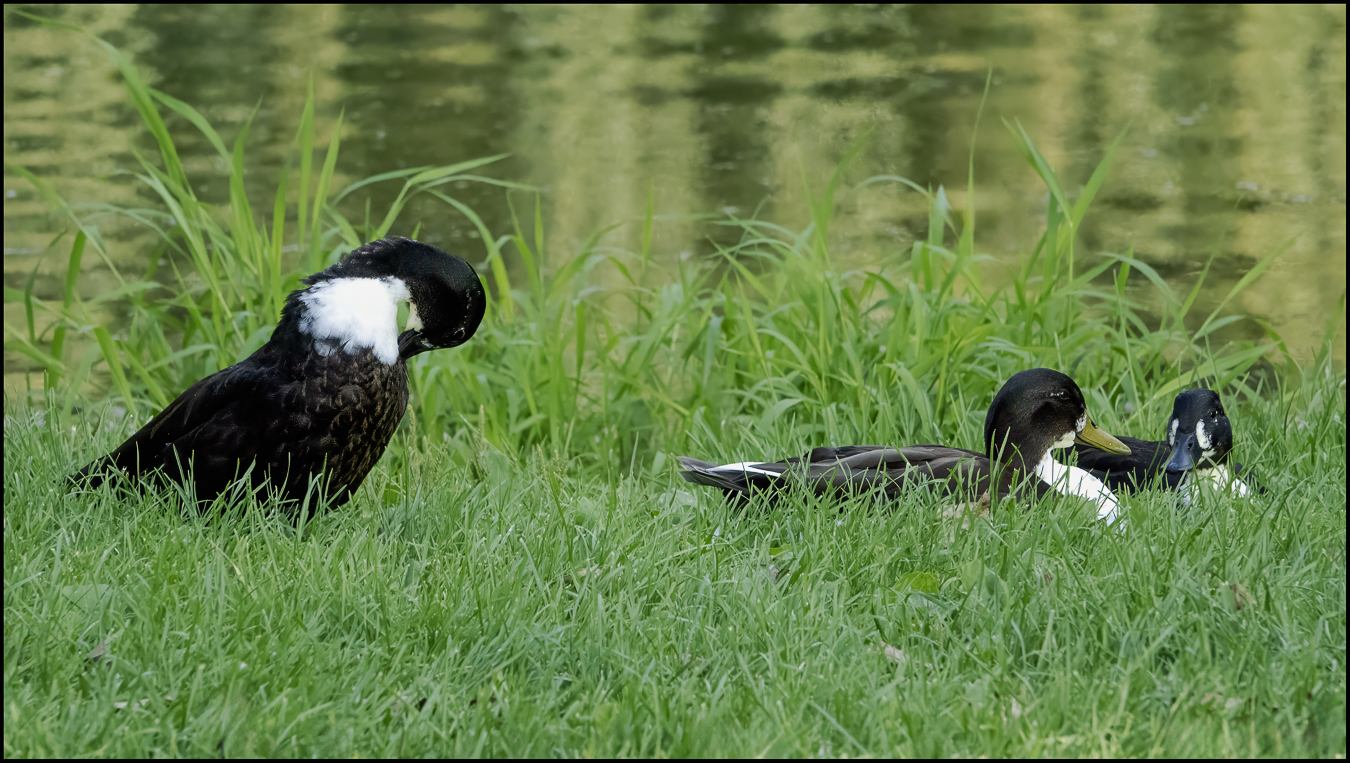
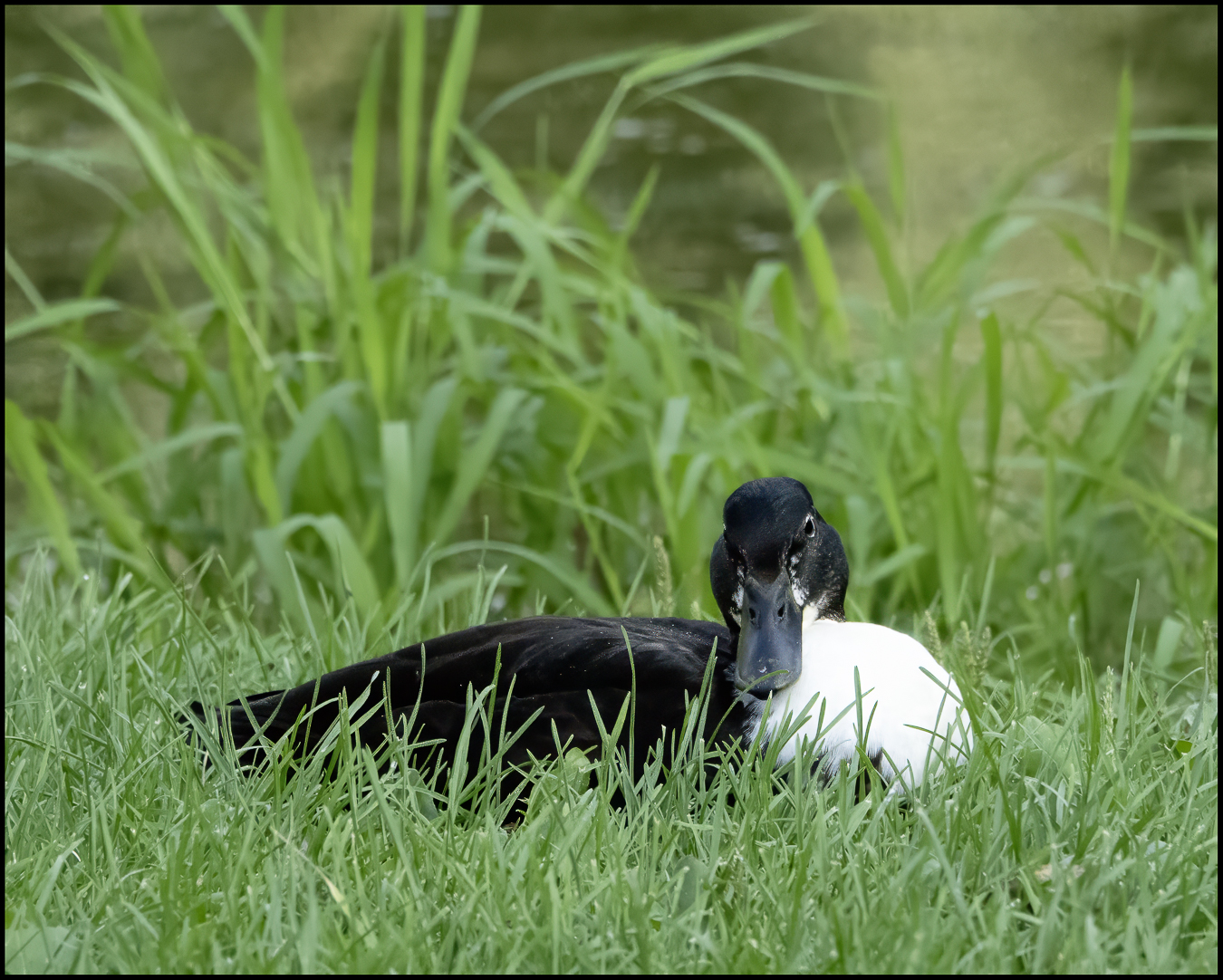
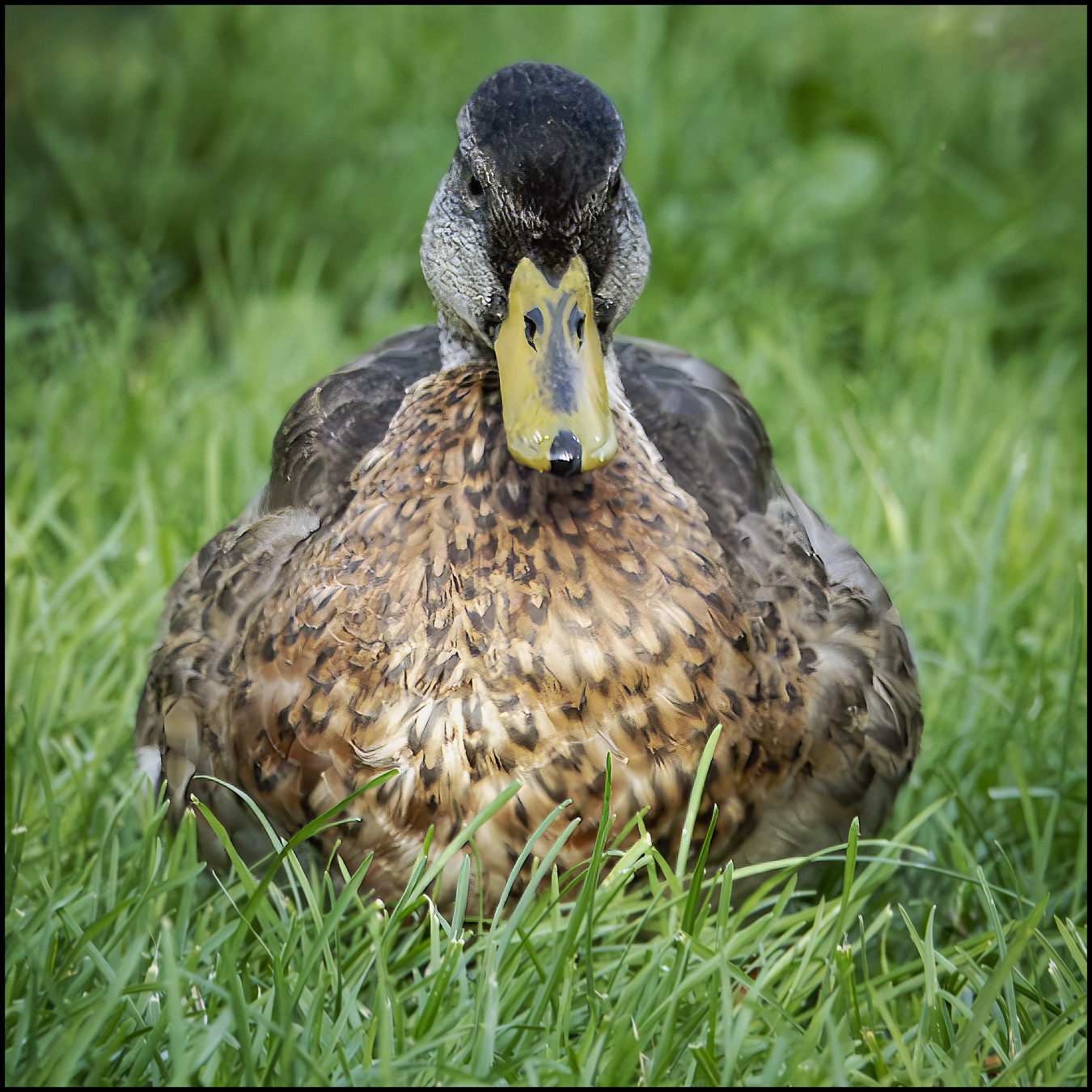
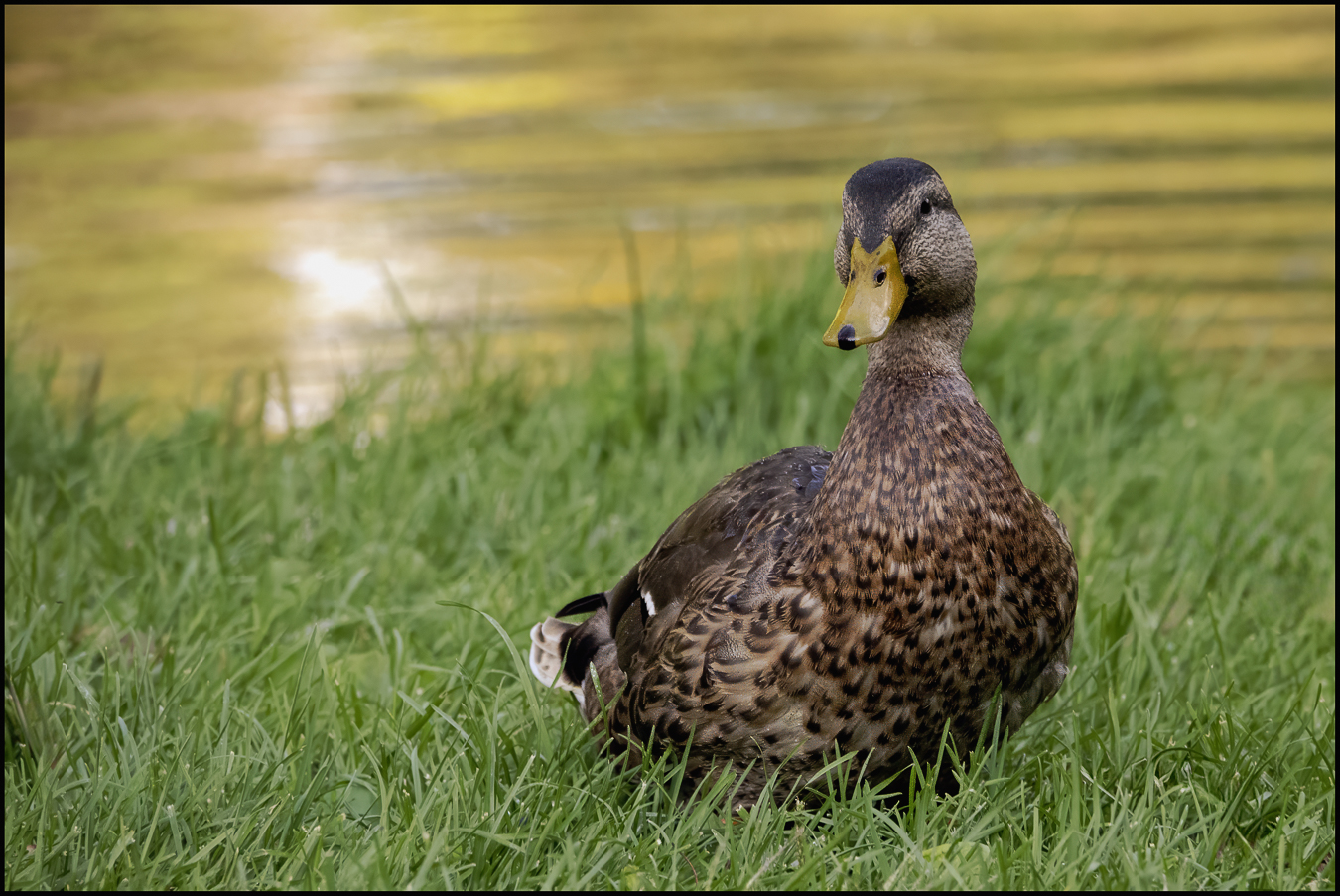
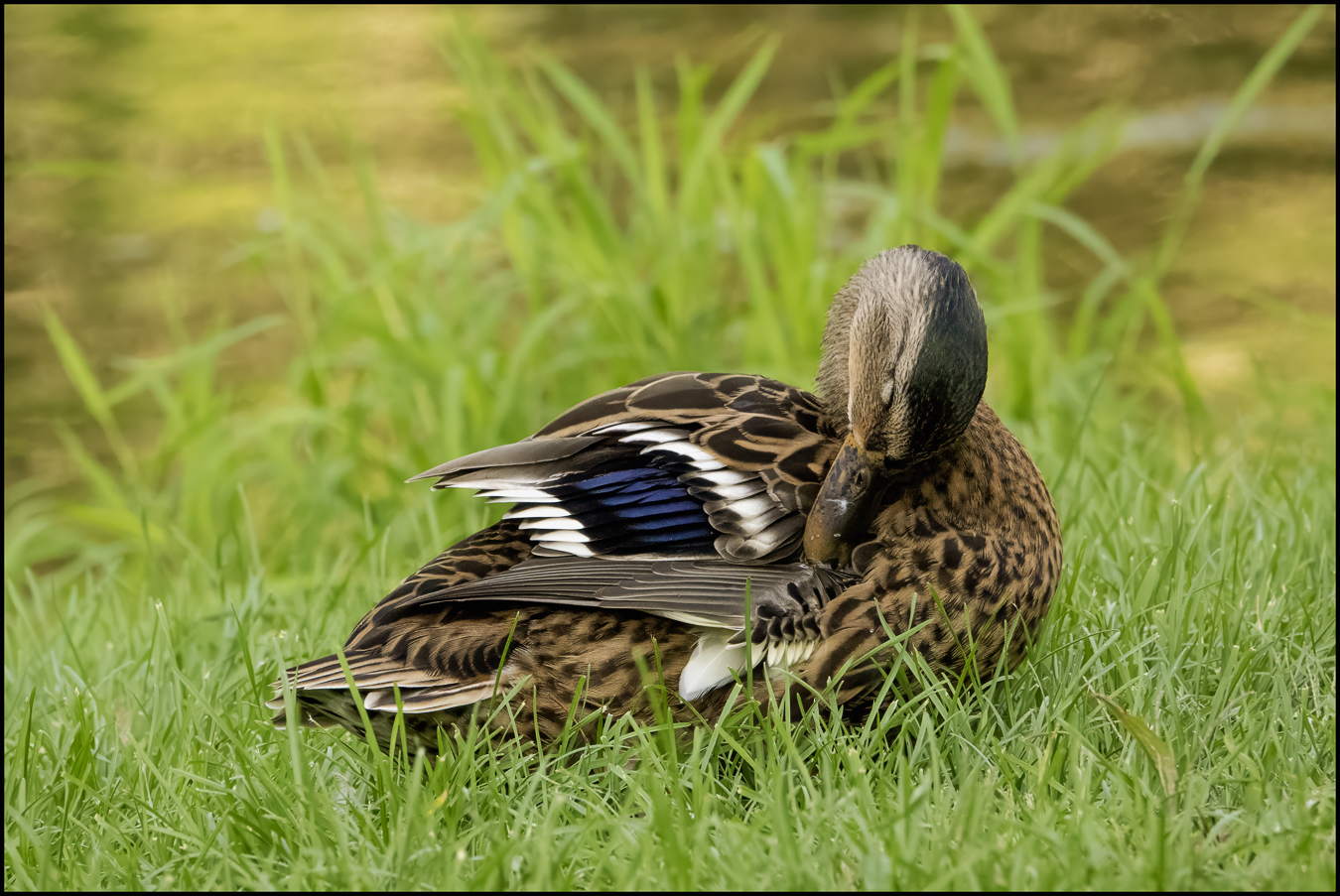
It had been a long day, and I was feeling tired, so we didn’t spend much time in Congress Park. The limited time we had I spent mostly taking pictures of ducks.

For more information on Congress Park see here.


Taken with a Sony RX10 IV
A visit to upstate New York and Vermont – Saratoga Springs History Museum

According to the Museum’s website:

The Saratoga Springs History Museum was founded in 1883 as the Saratoga Historical Society. Being one of the earliest organizations of its type, our early collections and displays were quite eclectic. Our founders included Ellen Hardin Walworth (one of the four original founders of the Daughters of the American Revolution) and many influential residents of Saratoga County. The museum acquired artifacts from the Trustees’ personal collections and from all around northern New York.

Since then, our mission has become focused on the City of Saratoga Springs.

Today our museum presents changing exhibitions and public programs, and serves numerous researchers annually on three floors of a historic 1870s gambling casino, the Canfield Casino, designated a National Historic Landmark. We care for 16,000 artifacts and a photographic archive of some 325,000 images of Saratoga Springs.

Our mission is to foster public education and chronicle Saratoga Springs history by operating the History Museum, conducting programs, and collecting, preserving, exhibiting, and interpreting materials that document the city’s social, political, economic, geological, and cultural history.

We invite you to be one of the tens of thousands of people who visit the Museum each year to experience the history of the Spa City!

Taken with a Sony RX10 IV