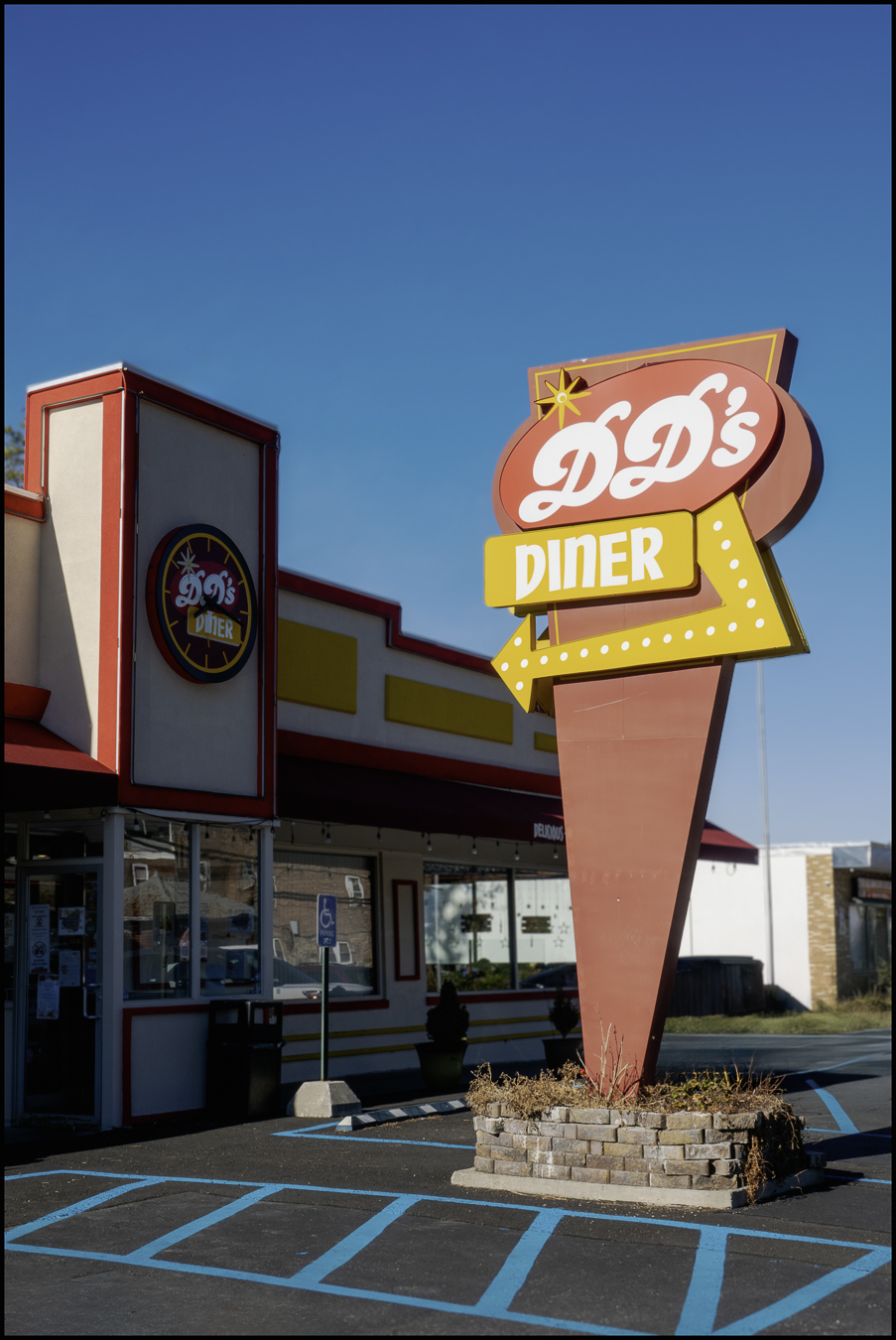
My plan had been to walk back into Ossining along Route 9/Albany Post Road. However, as I was walking to the diner, I noticed that the road crossed the Old Croton Aqueduct Trail.
According to New York State’s Parks, Recreation and Preservation site:
During the 1830s New York City was in dire need of a fresh water supply to combat the steady rise of disease and to fight numerous fires that often engulfed large tracts of businesses and homes. After numerous proposals and an abandoned plan two years into its production, construction of an unprecedented magnitude began in 1837 under the expertise of John Bloomfield Jervis. The proposed plan called for a 41-mile aqueduct and dam to be built in order to run water from the Croton River to New York City. Three to four thousand workers, mostly Irish immigrants earning up to $1.00 per day, completed the masonry marvel in just five years. In 1842 water flowed into above-ground reservoirs located at the present sites of the New York Public Library and the Great Lawn of Central Park. Throngs of people attended the formal celebration held on October 14th and celebrated with “Croton cocktails” – a mix of Croton water and lemonade.
This 19th-century architectural achievement cost New York City approximately 13 million dollars and was believed able to provide New Yorkers with fresh water for centuries to come. The population spiraled upward at a dizzying rate, however, and the Croton Aqueduct, which was capable of carrying 100 million gallons per day, could no longer meet New York City’s needs by the early 1880s. Construction of the New Croton Aqueduct began in 1885 and water began to flow by 1890. Although no longer the sole supplier of fresh water, the Old Croton Aqueduct continued to provide water to New York City until 1965.
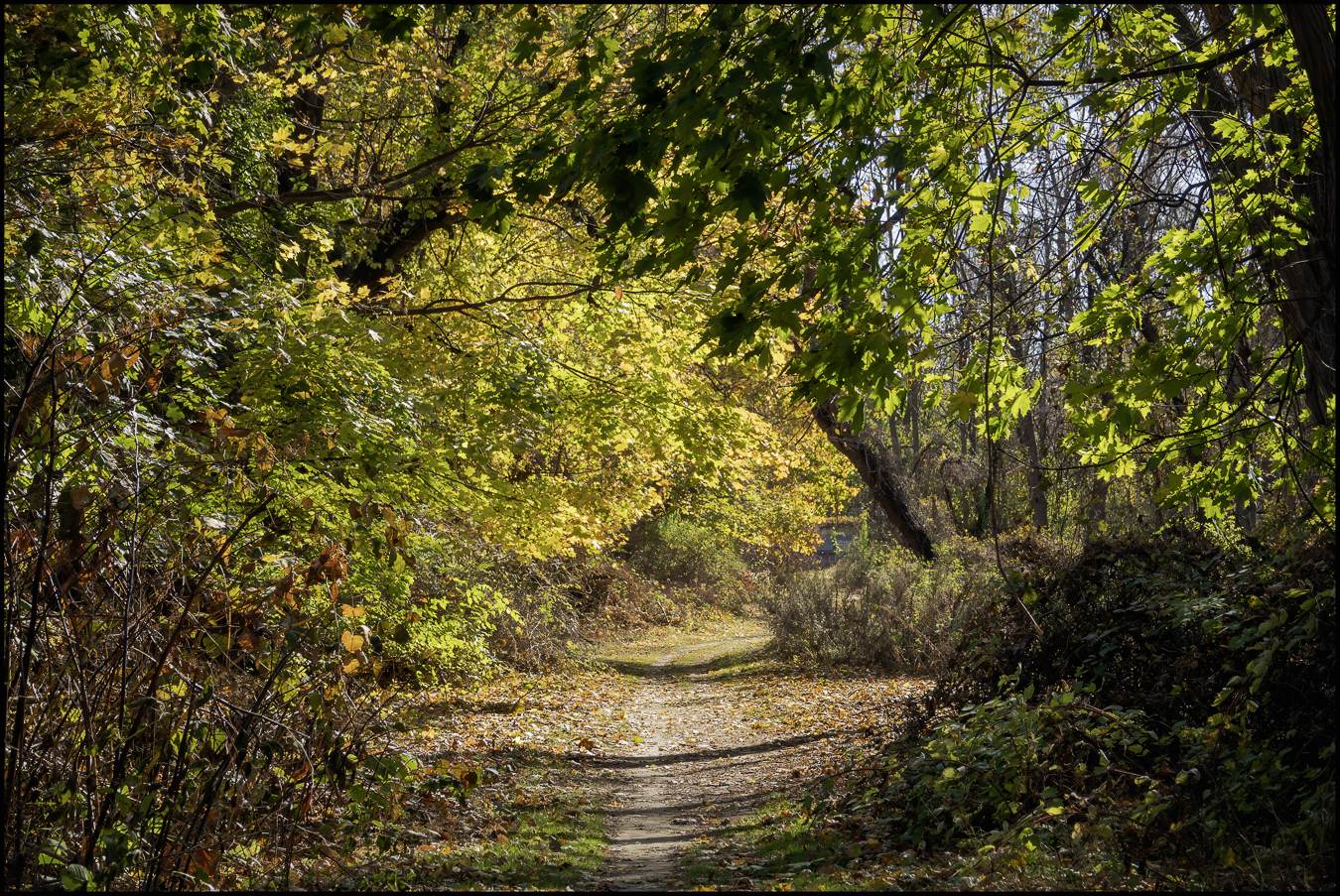
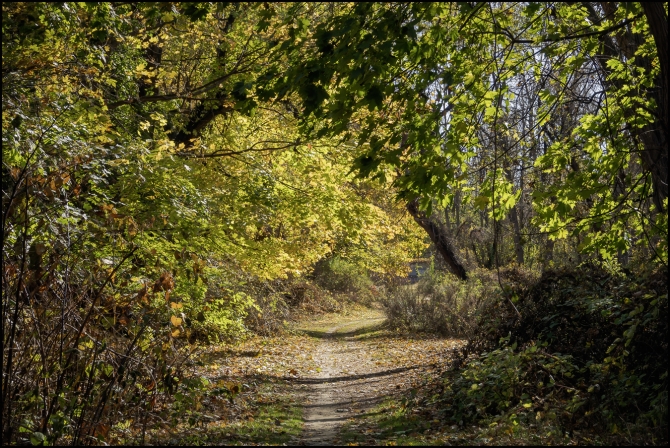
In 1968, the New York State Office of Parks, Recreation and Historic Preservation purchased 26.2 miles of the original 41-mile aqueduct from New York City. Presently, Old Croton Aqueduct State Historic Park is a linear park which runs from Van Cortlandt Park at the Bronx County/City of Yonkers border to the Croton Dam in Cortlandt. In 1987 a section was reopened to supply the Town of Ossining and in 1992 the Old Croton Aqueduct was awarded National Historic Landmark Status. The scenic path over the underground aqueduct winds through urban centers and small communities. It passes near numerous historic sites, preserves, a museum highlighting the construction of the Aqueduct, and many homes. The Aqueduct’s grassy ceiling provides abundant recreational opportunities for outdoor enthusiasts. While primarily for walking and running, parts of the trail are suitable for horseback riding, biking (except during “mud season”), bird watching, snowshoeing, and cross-country skiing.
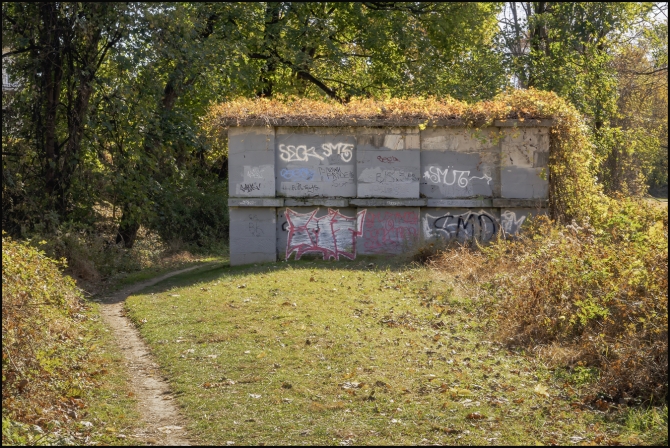
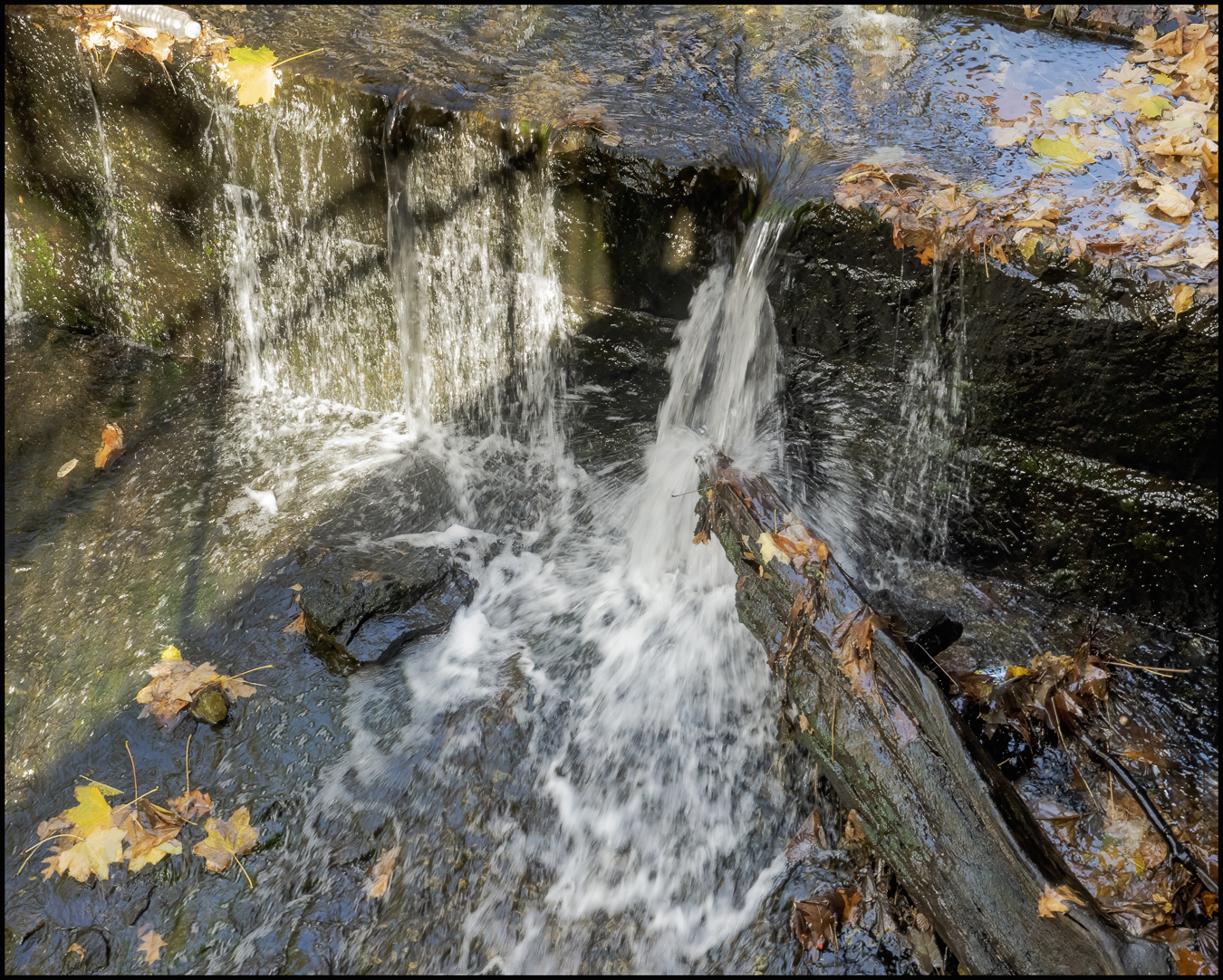
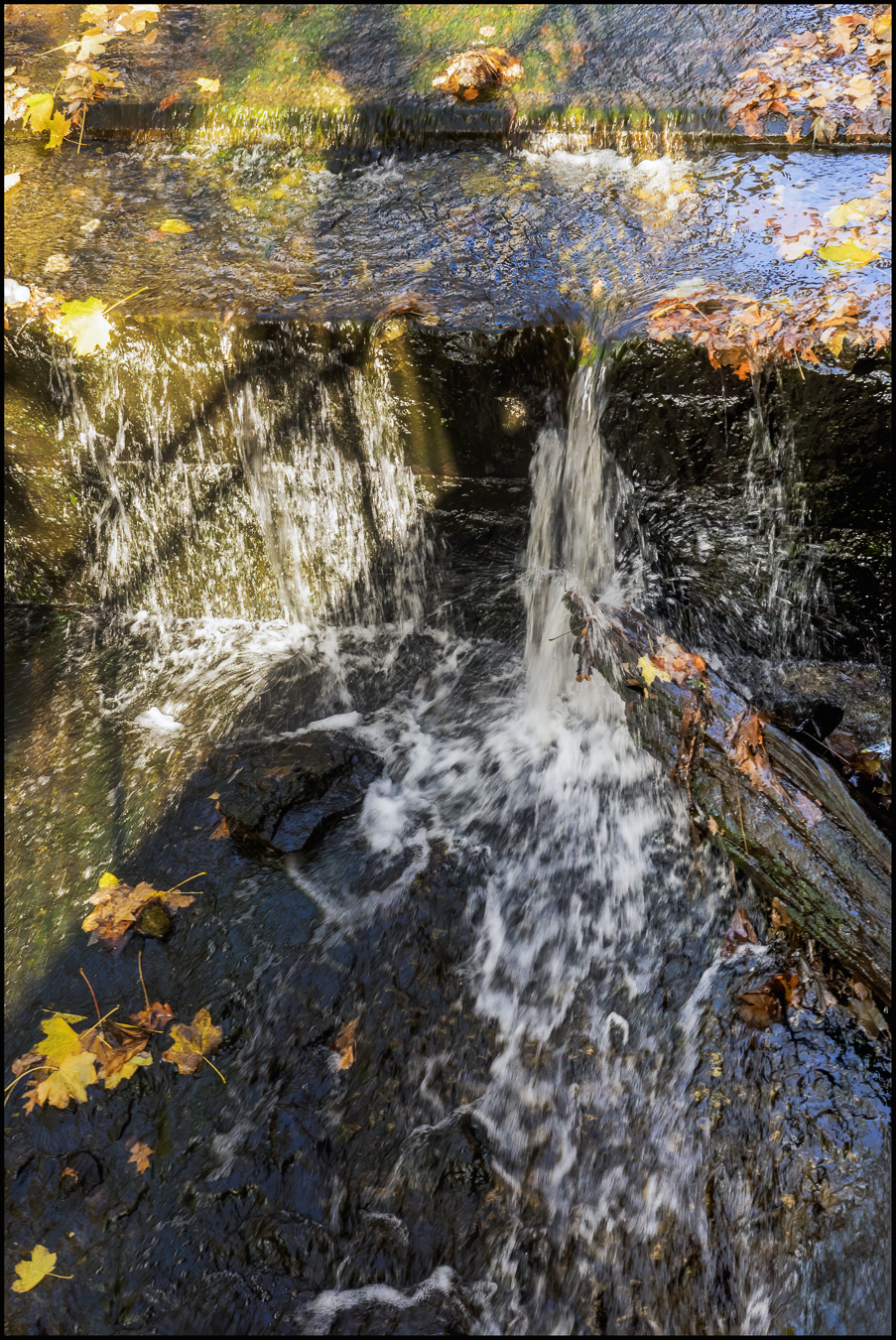
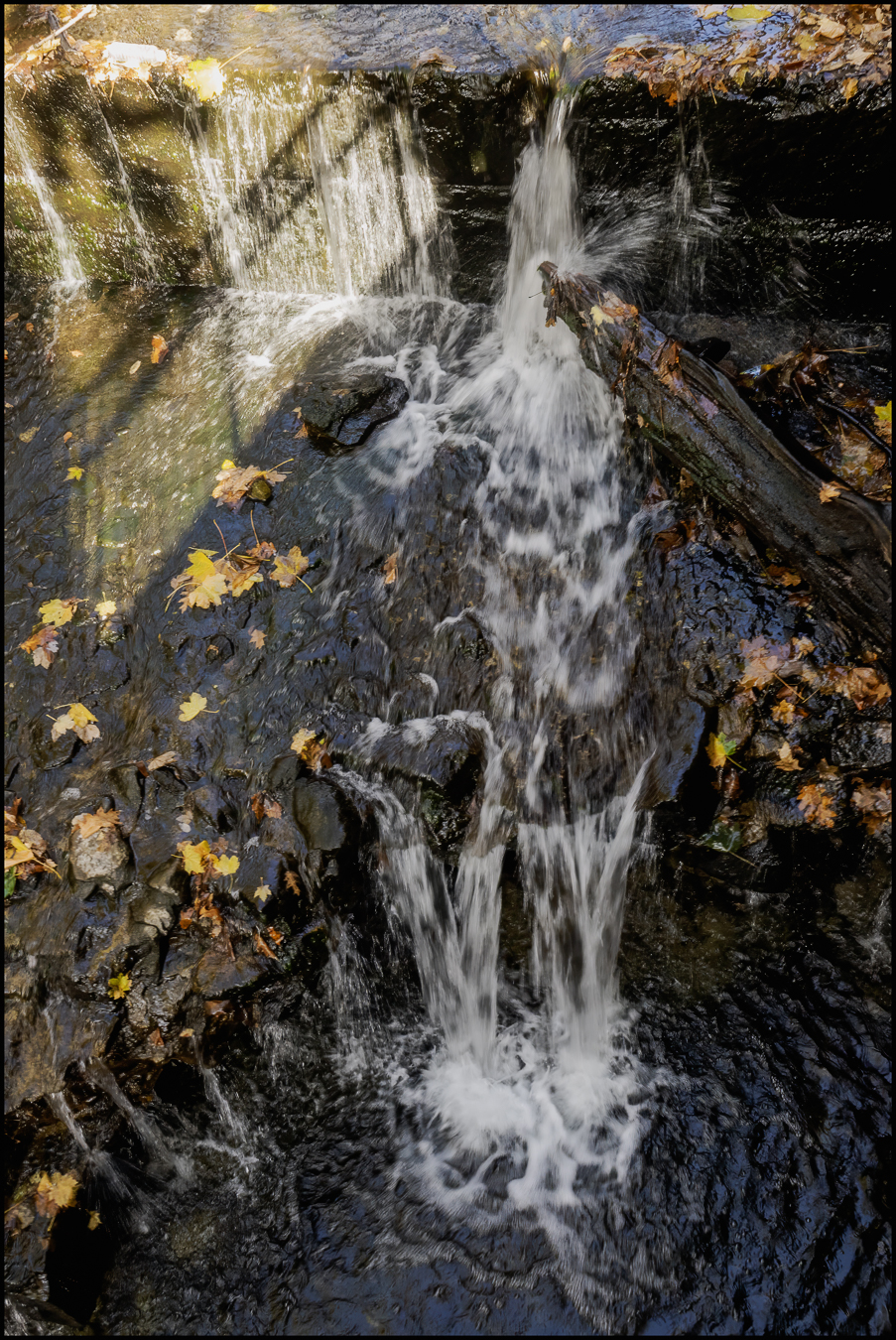
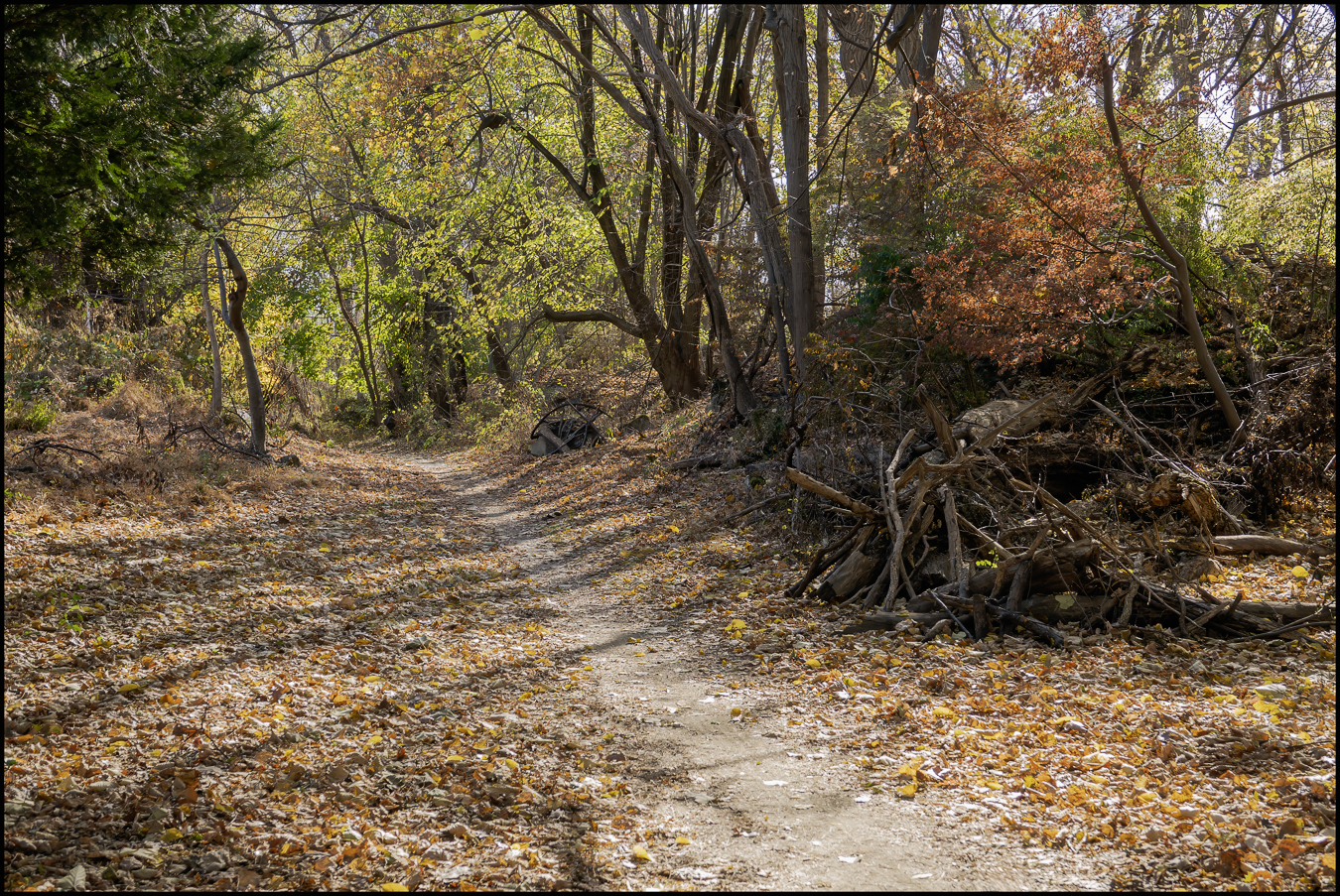
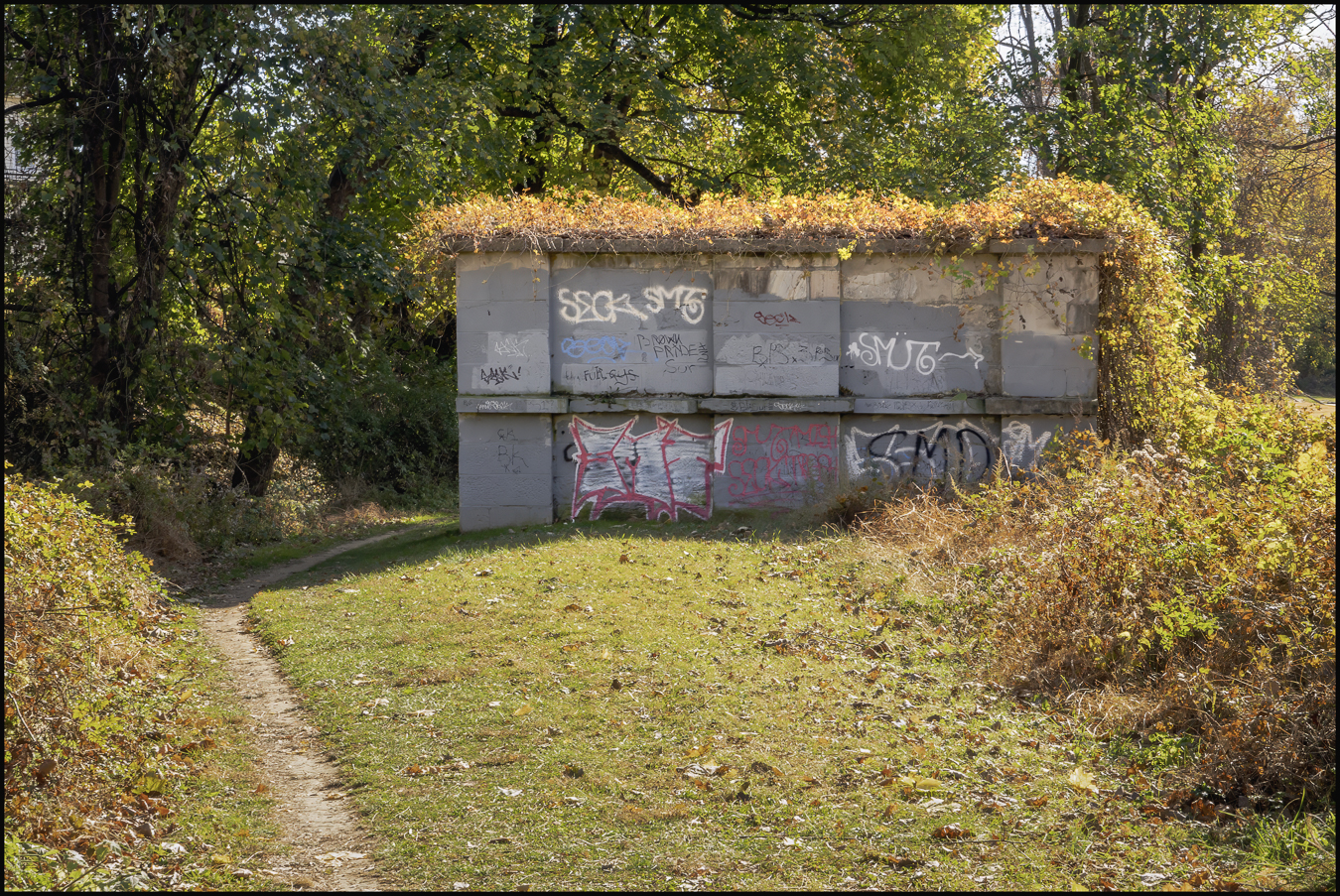
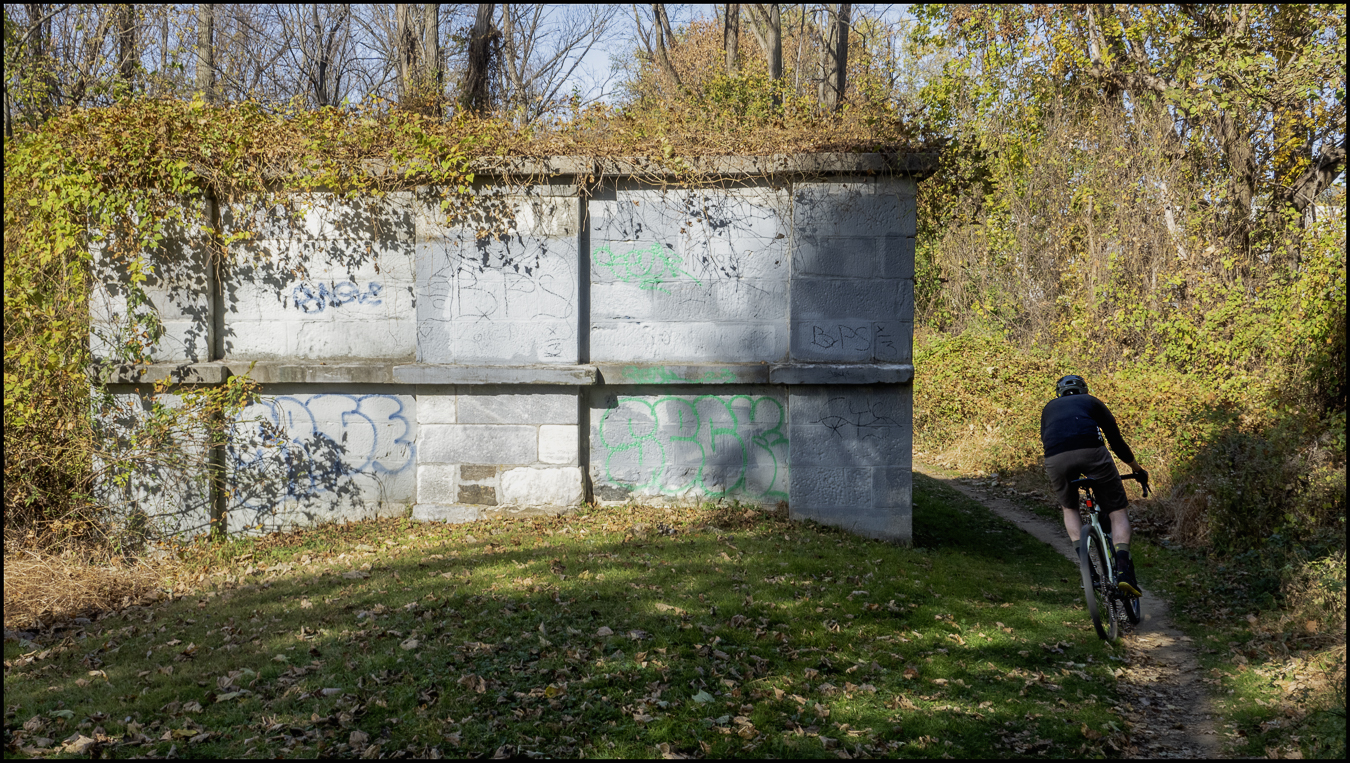
I’ve no idea what this structure is. Presumably it’s something to do with the Aqueduct. Notice in the second picture (below) my lightning like reflexes were able to capture a picture of a passing cyclist even though he came from behind me and I didn’t notice him coming until he passed me. 🙂
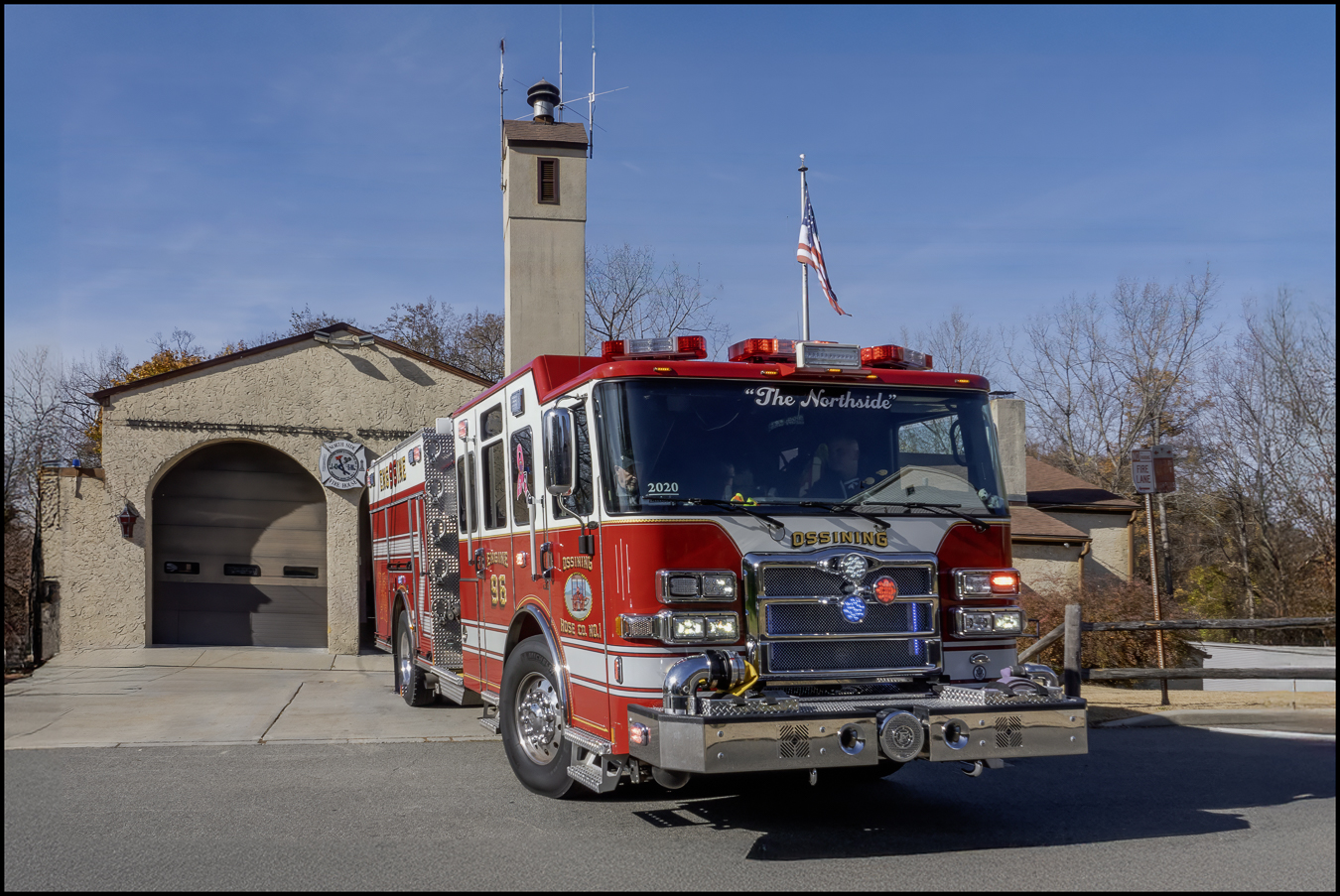
At times the trail crossed local roads. As I was passing this one a fire truck pulled up and backed into the station.
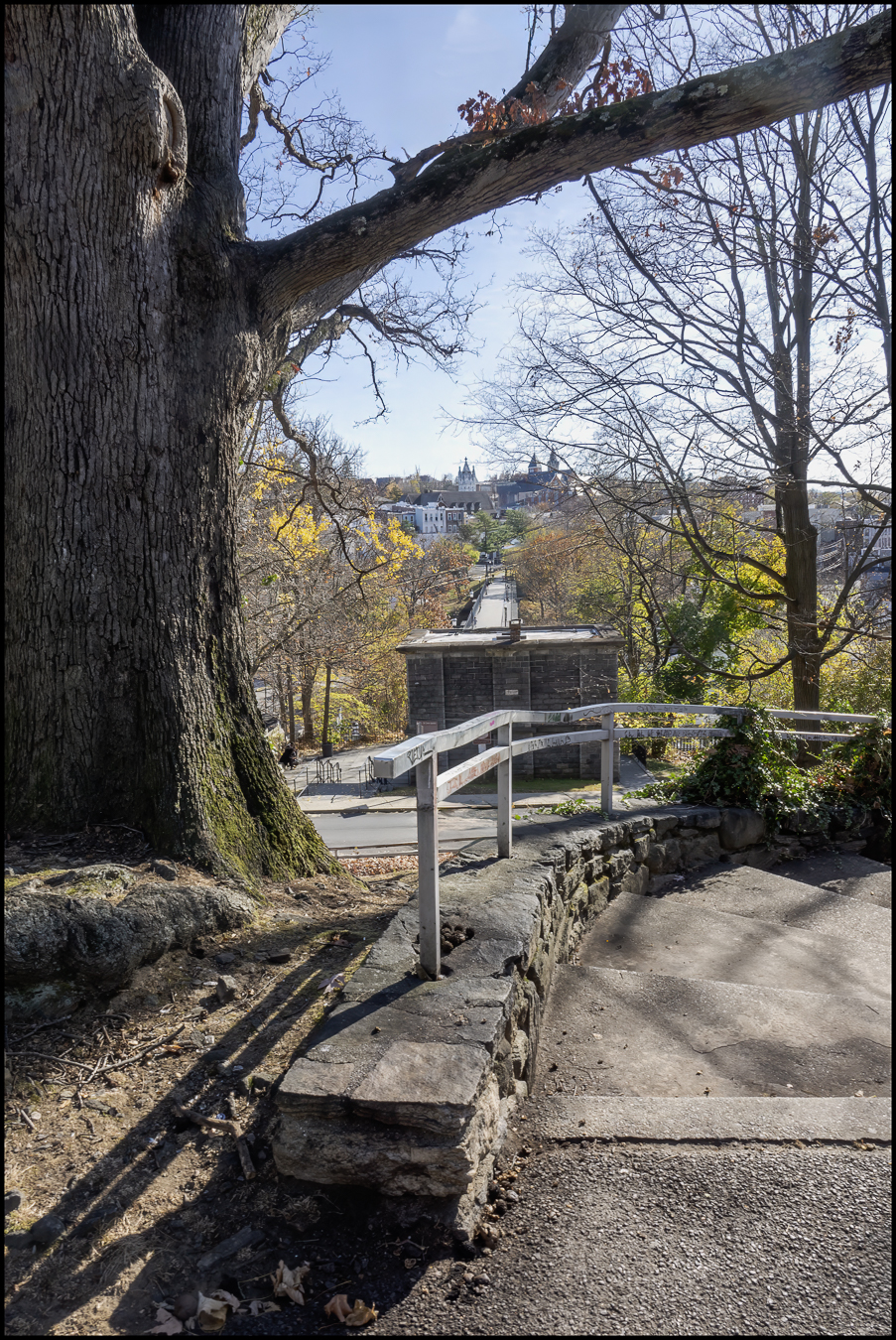
Eventually I got back to Ossining. A good view over the
Weir house in the foreground towards the town center.
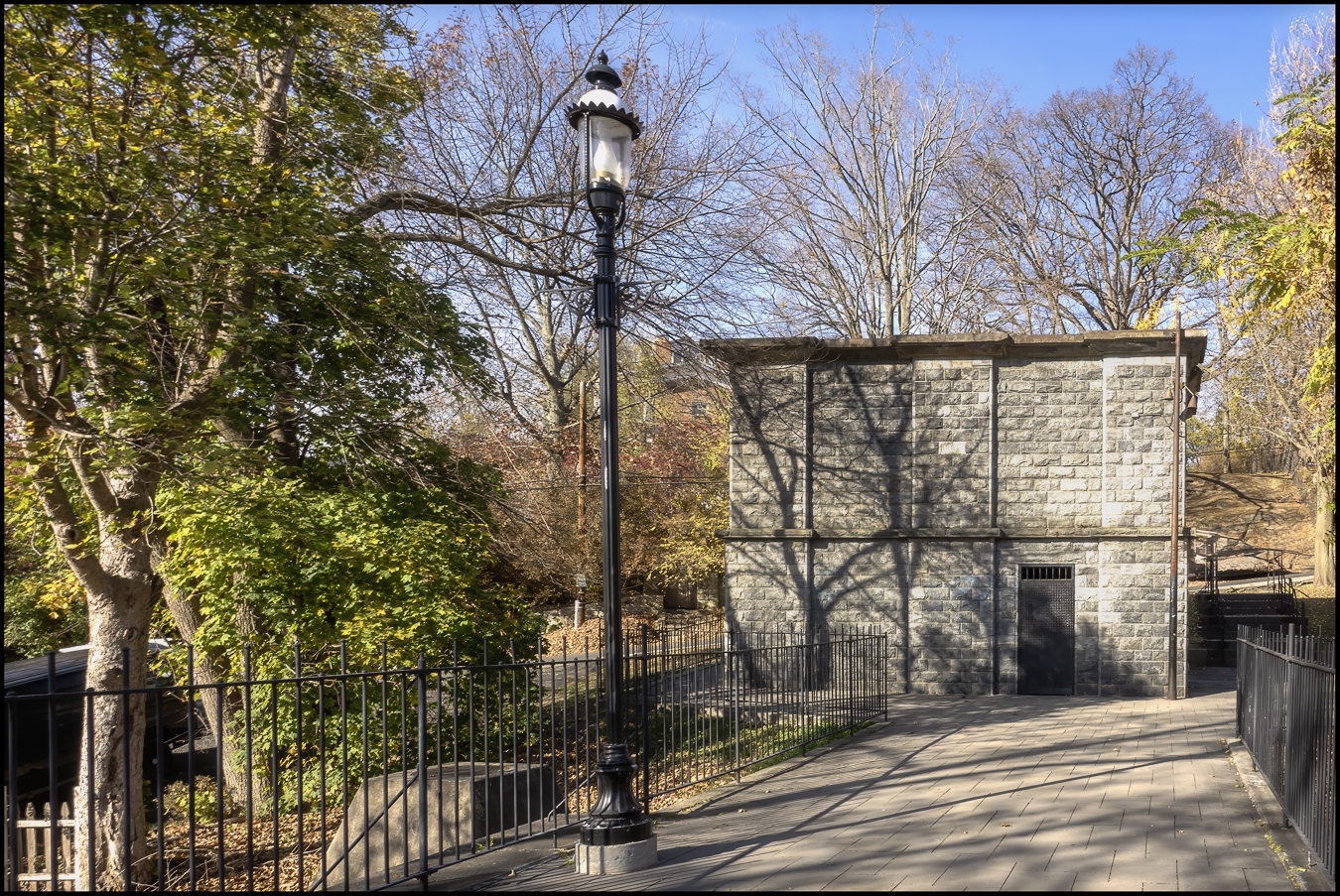
A view of the Weir house from the other side.
Two locals doing what most younger people seem to do all the time.
View looking back towards the Weir along the Aqueduct Bridge.
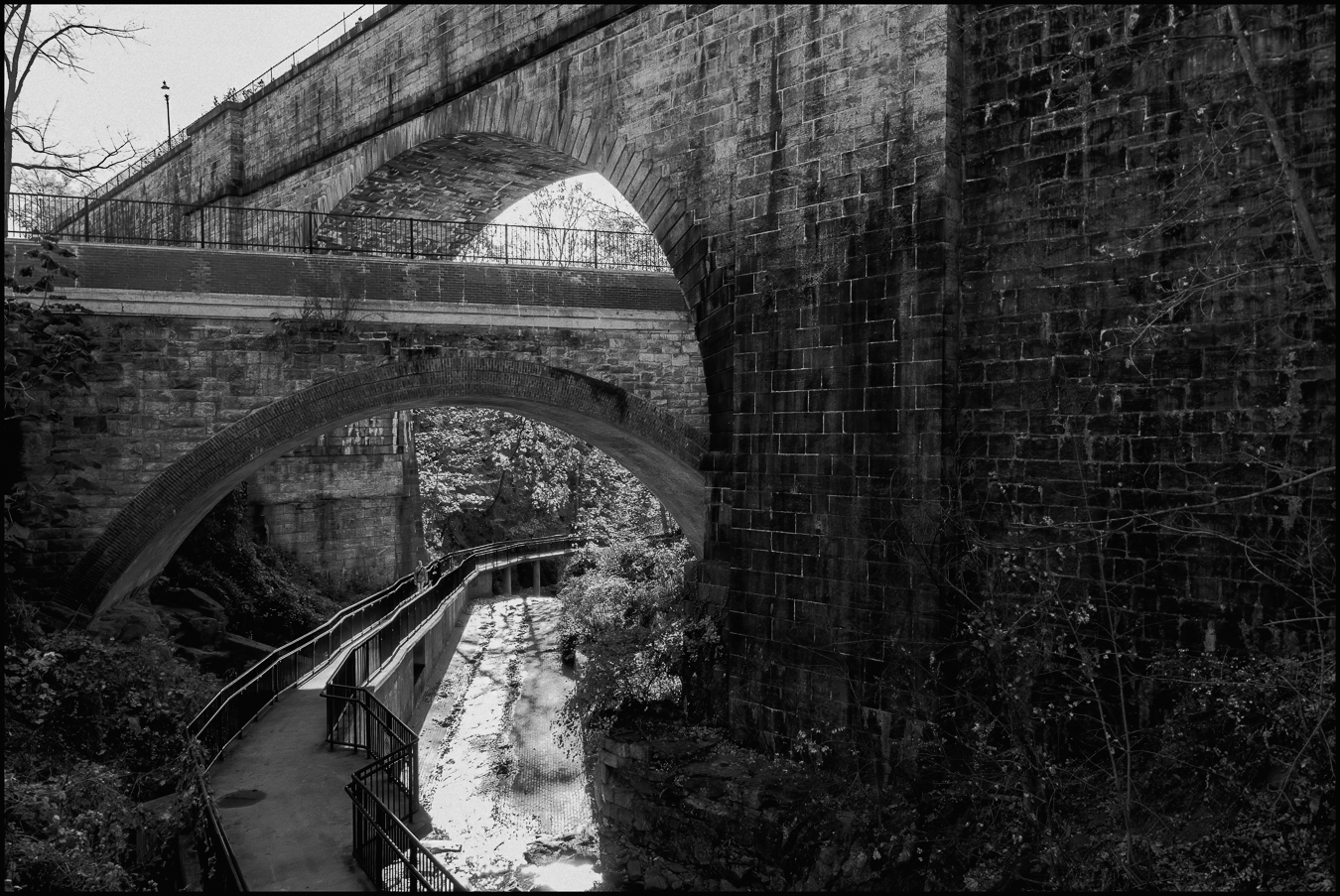
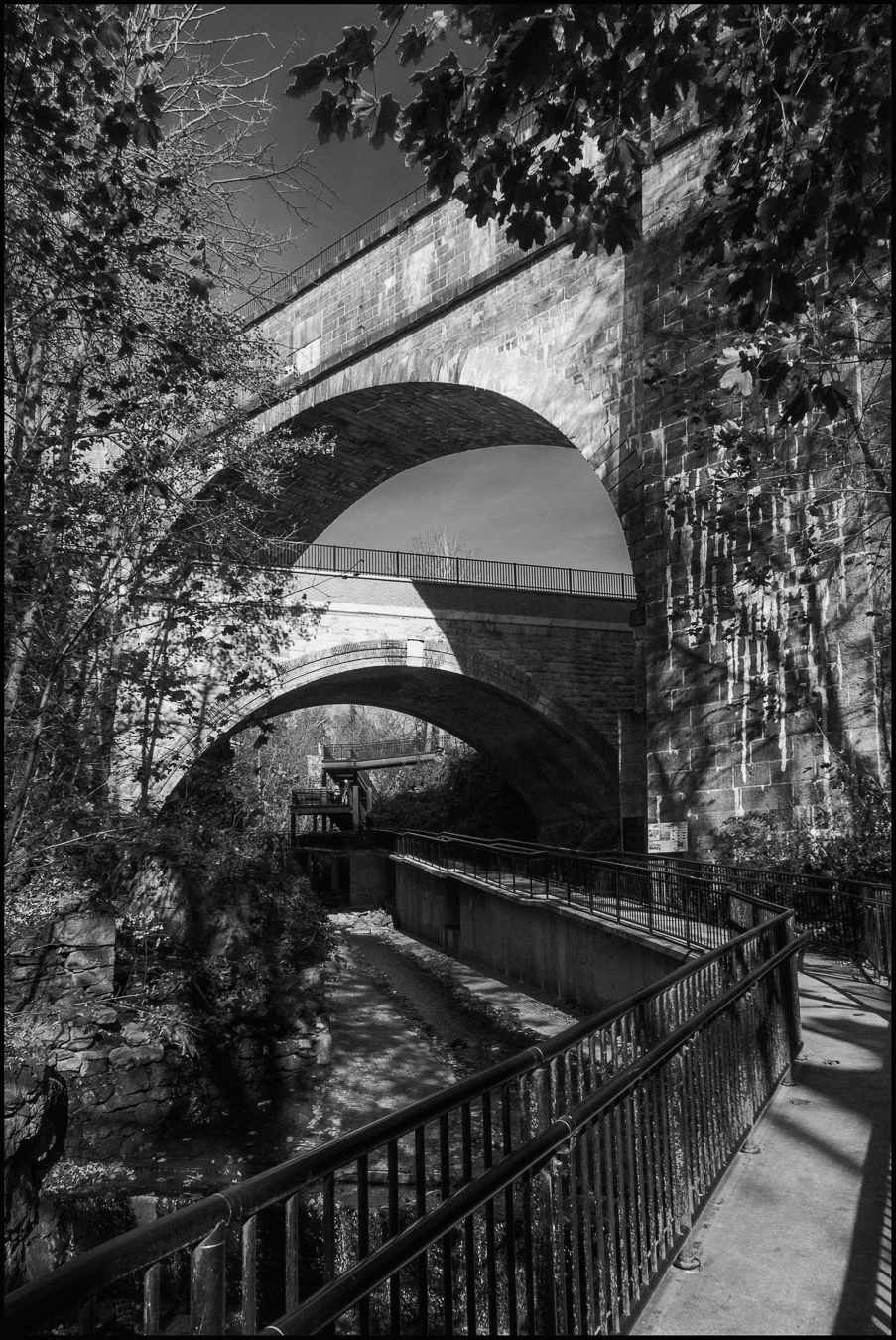
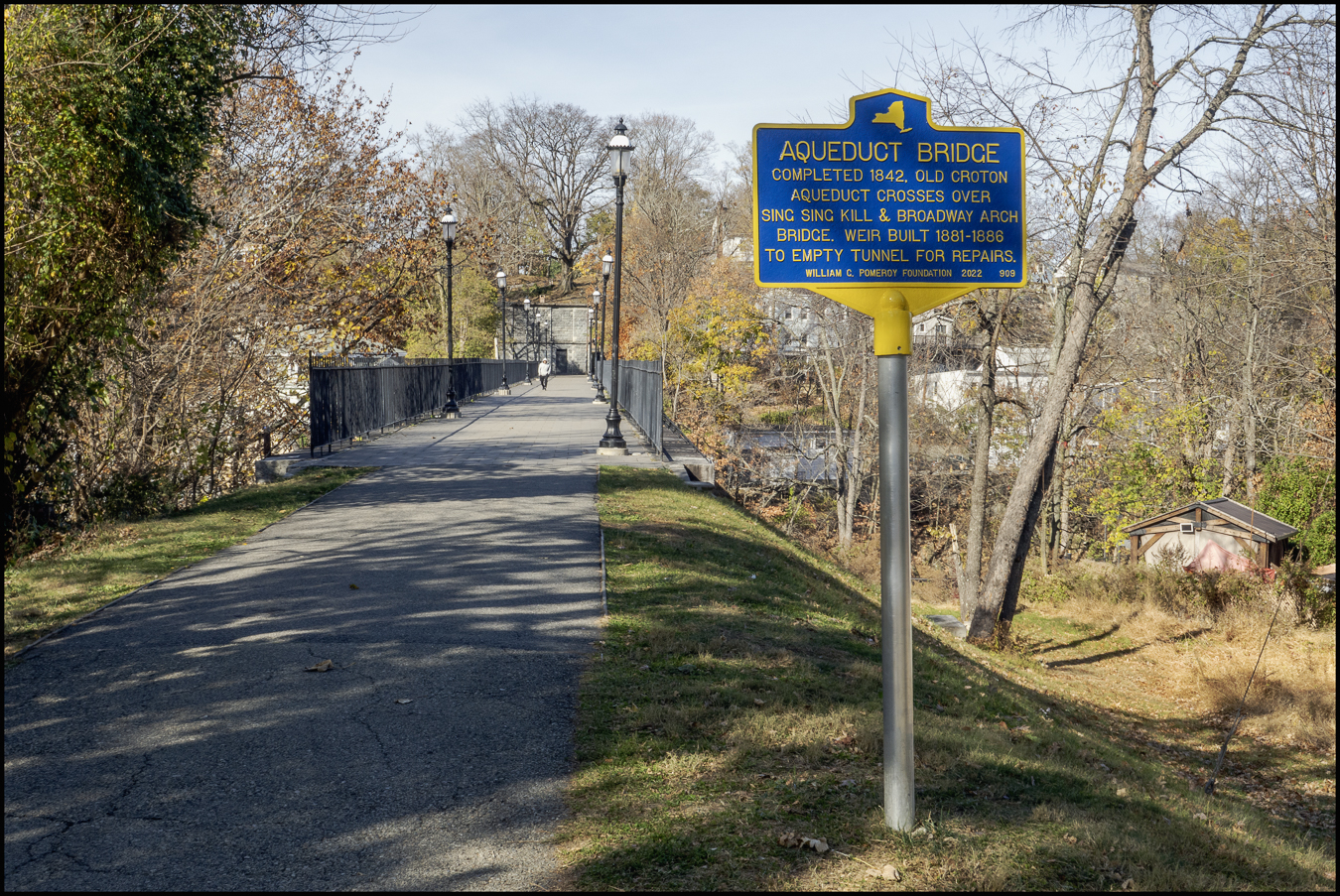
A stone aqueduct bridge was completed in 1842 to carry the Old Croton Aqueduct over both the Sing Sing Kill and the Broadway Arch Bridge. Designed by civil engineer John B. Jervis, the aqueduct carried fresh water from Croton Reservoir to New York City. The original Ossining weir was located a quarter mile north of the bridge but a program initiated in 1881 modified the function of the weirs to provide valves that could divert the entire flow of the aqueduct at any one weir. This was a feat not possible in the original 1842 design. All other weirs were modified but the original Ossining weir, located on a stream, could not accommodate the entire flow of the aqueduct. Therefore, a new weir was constructed in 1881-1886 at the Aqueduct Bridge where the water could be diverted.
The marker reads:
AQUEDUCT BRIDGE
COMPLETED 1842, OLD CROTON
AQUEDUCT CROSSES OVER
SING SING KILL & BROADWAY ARCH
BRIDGE. WEIR BUILT 1881-1886
TO EMPTY TUNNEL FOR REPAIRS.
WILLIAM G. POMEROY FOUNDATION 2022
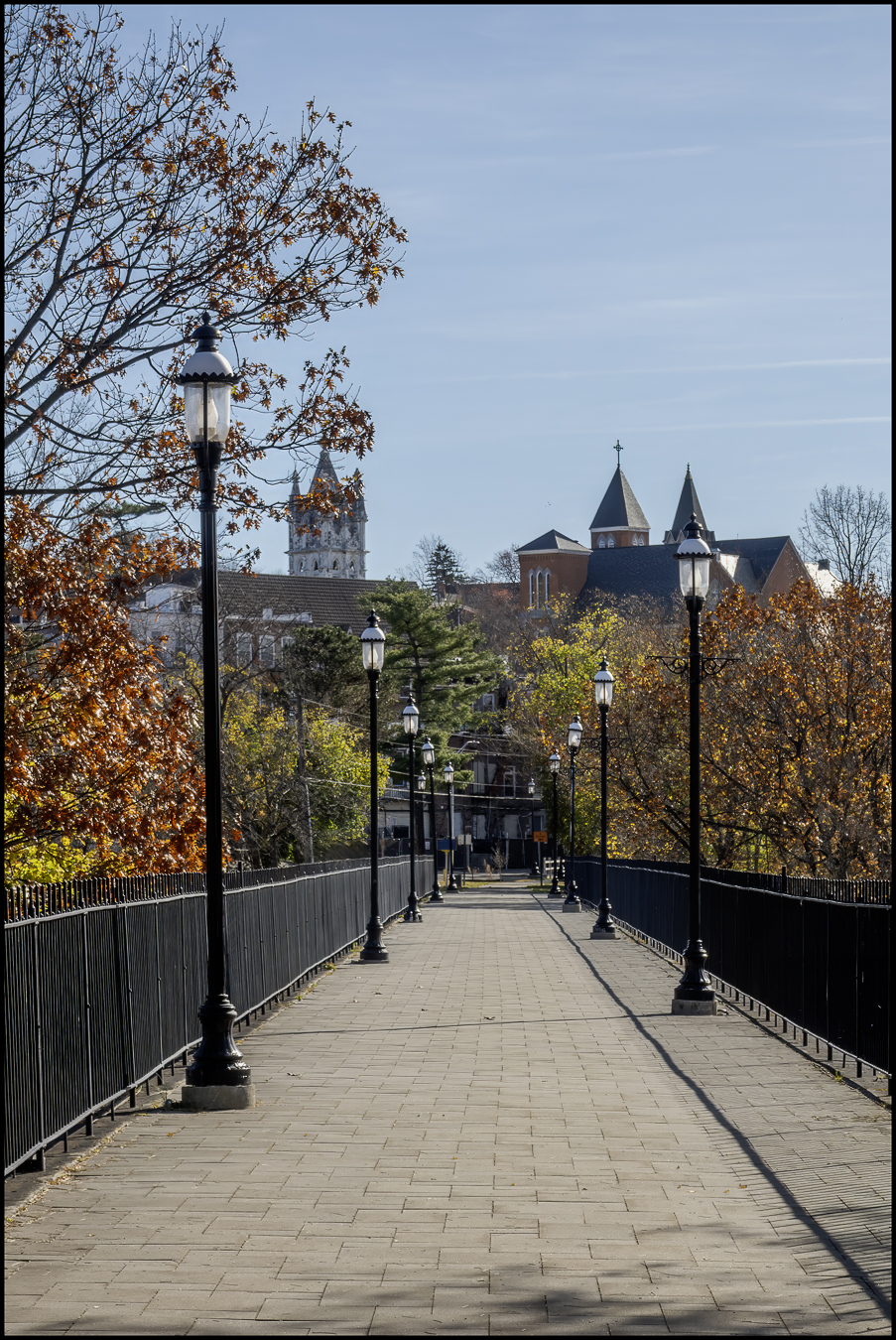
View from the Aqueduct Bridge looking towards Ossining. The two churches are the First Baptist (on the left) and the First Presbyterian (on the right). More on them later.
Taken with a Sony RX10 IV.