Trucks

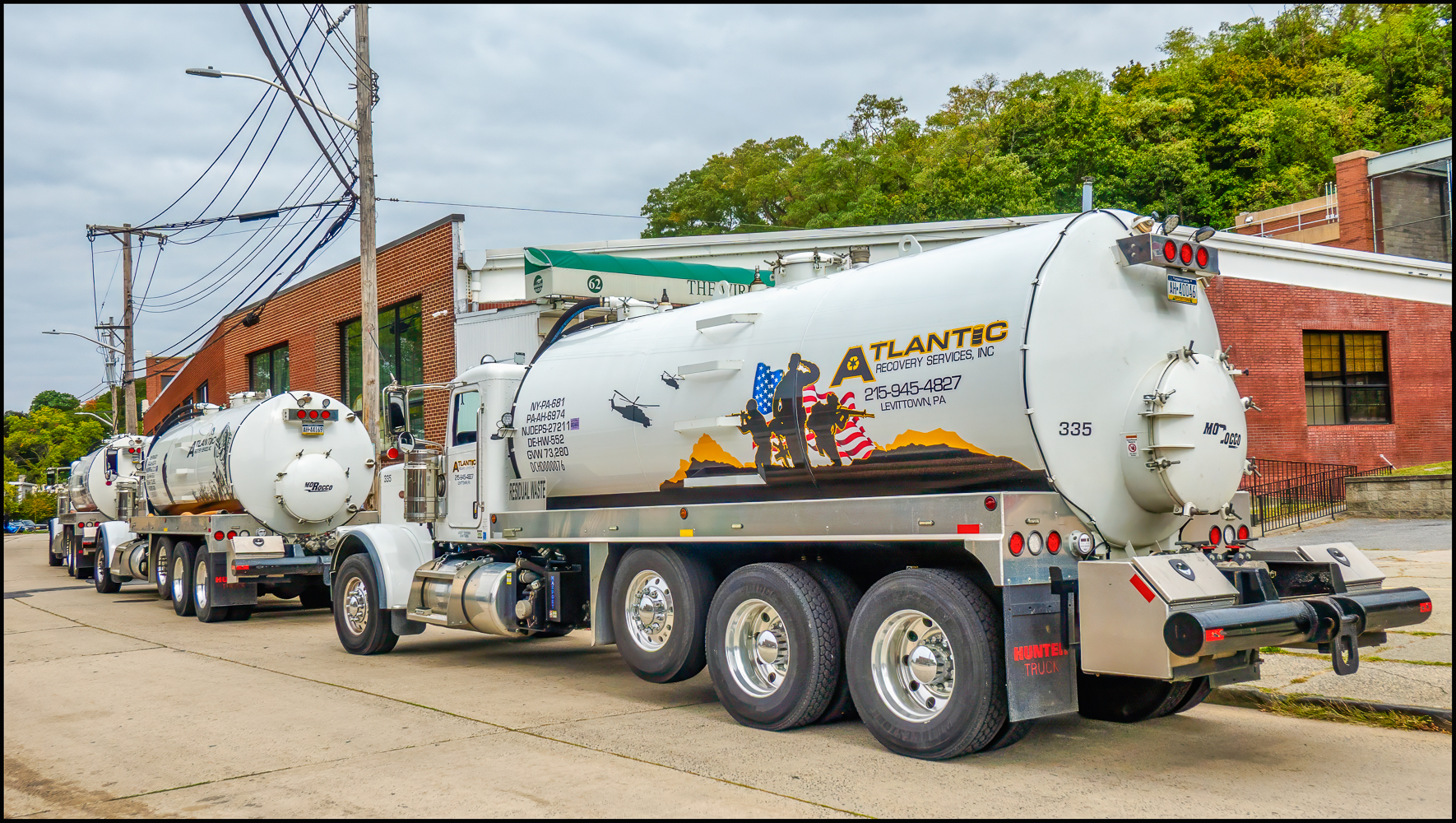
As I got closer to the Ossining Metro North Station I noticed some activity. In particular I noticed these three large tanker trucks. Why were they there? What were they doing? That will become clear later, but now suffice it to say that they belong to Atlantic Recovery Services Inc. Atlantic Recovery Services, Inc. was established in 1996 and has become one of the primary service providers to the Steel Mill Industry with a large data base servicing all Oil Response needs. Atlantic Recovery Services provides Industrial Cleaning Serivces and is a leading provider in the Steel Industry. Specifically, they provide the following services: Emergency Response/ Spill Clean Up; Municipal Services; Power Plants; Utilities and Pipeline; Utilities & Pipeline; Disaster Relief: and Dry Ice Blasting. They also provide Waste Oil, Antifreeze and Drum Disposal including Used Oil; Antifreeze; Oil Water Separator Cleaning; Drum Removal; and Contaminated soil remediation. Finally, they provide the following Oil and Gas related services: Frac Tank Cleaning; Confined Space Entry; Pressure Washing; AST/ Impoundment; Pit Cleaning; Rig Wash; Emergency Response; Sand Removal; Dry Ice Cleaning and Disposal.

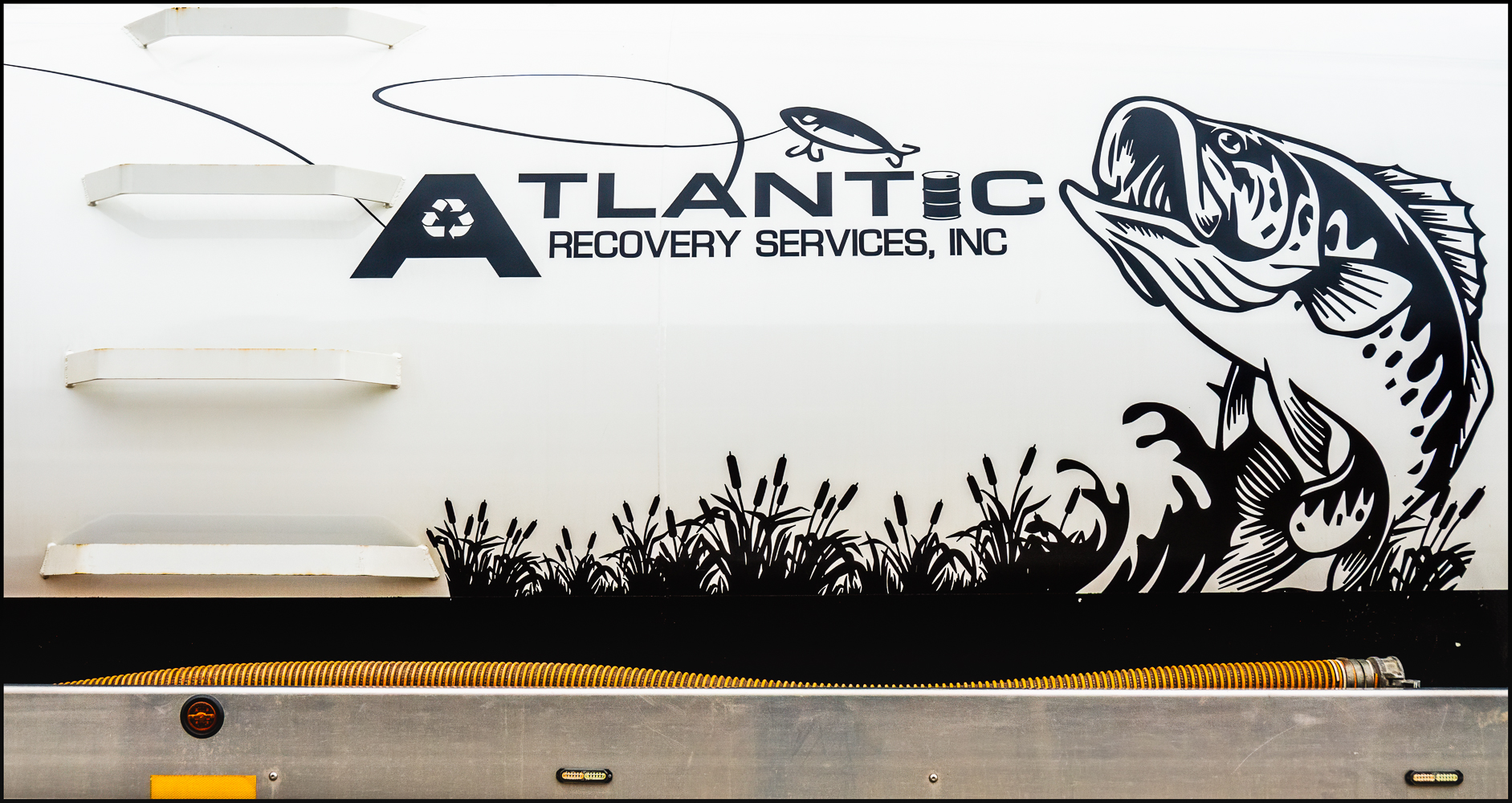
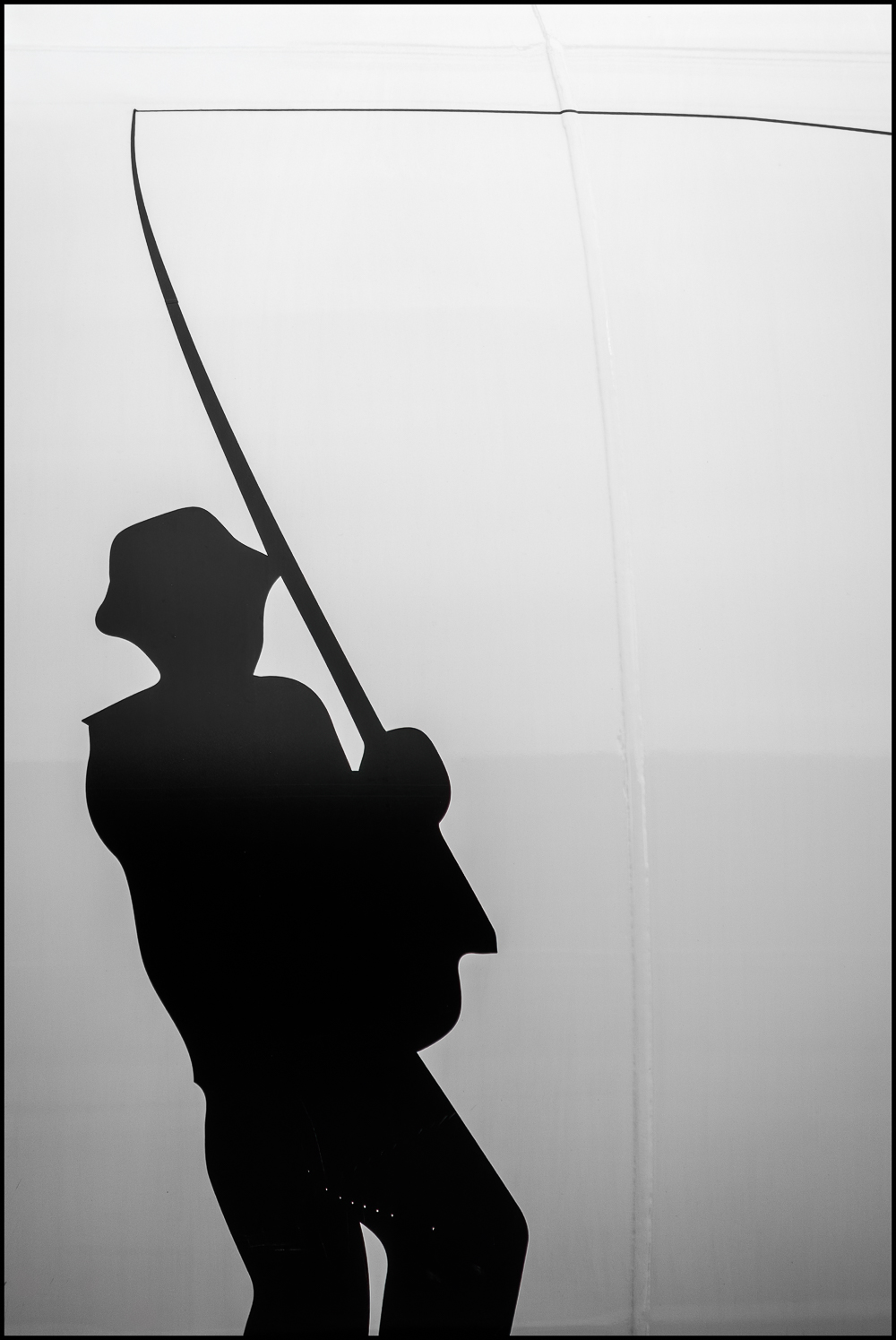
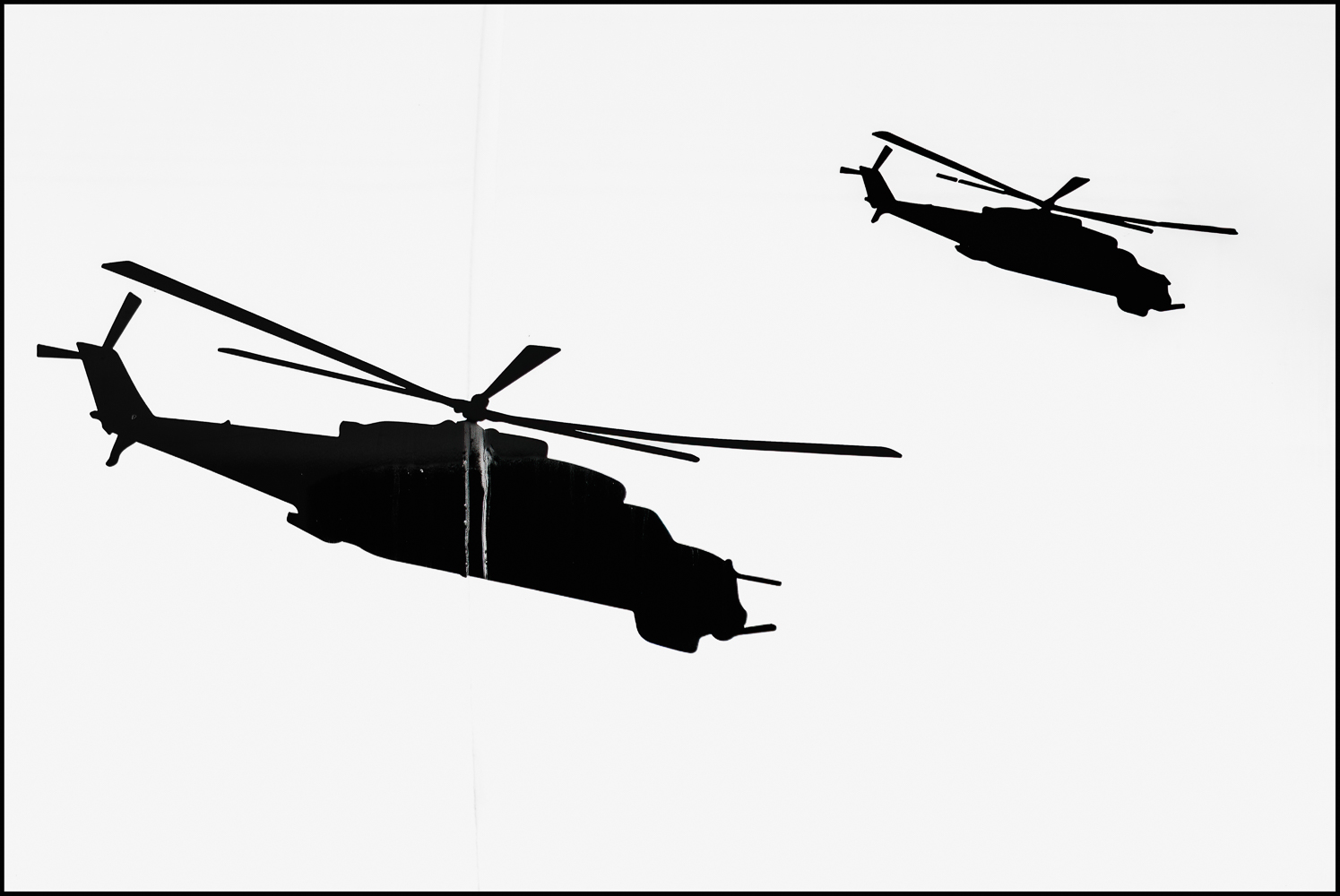
Now I don’t understand much of the above (I took it from the Atlantic Recovery Services website). I just liked the trucks, impressive vehicles as they were! I was also impressed by the way the trucks were decorated, particularly with the silhouettes on the sides of some of them.


Taken Sony RX100 MVII

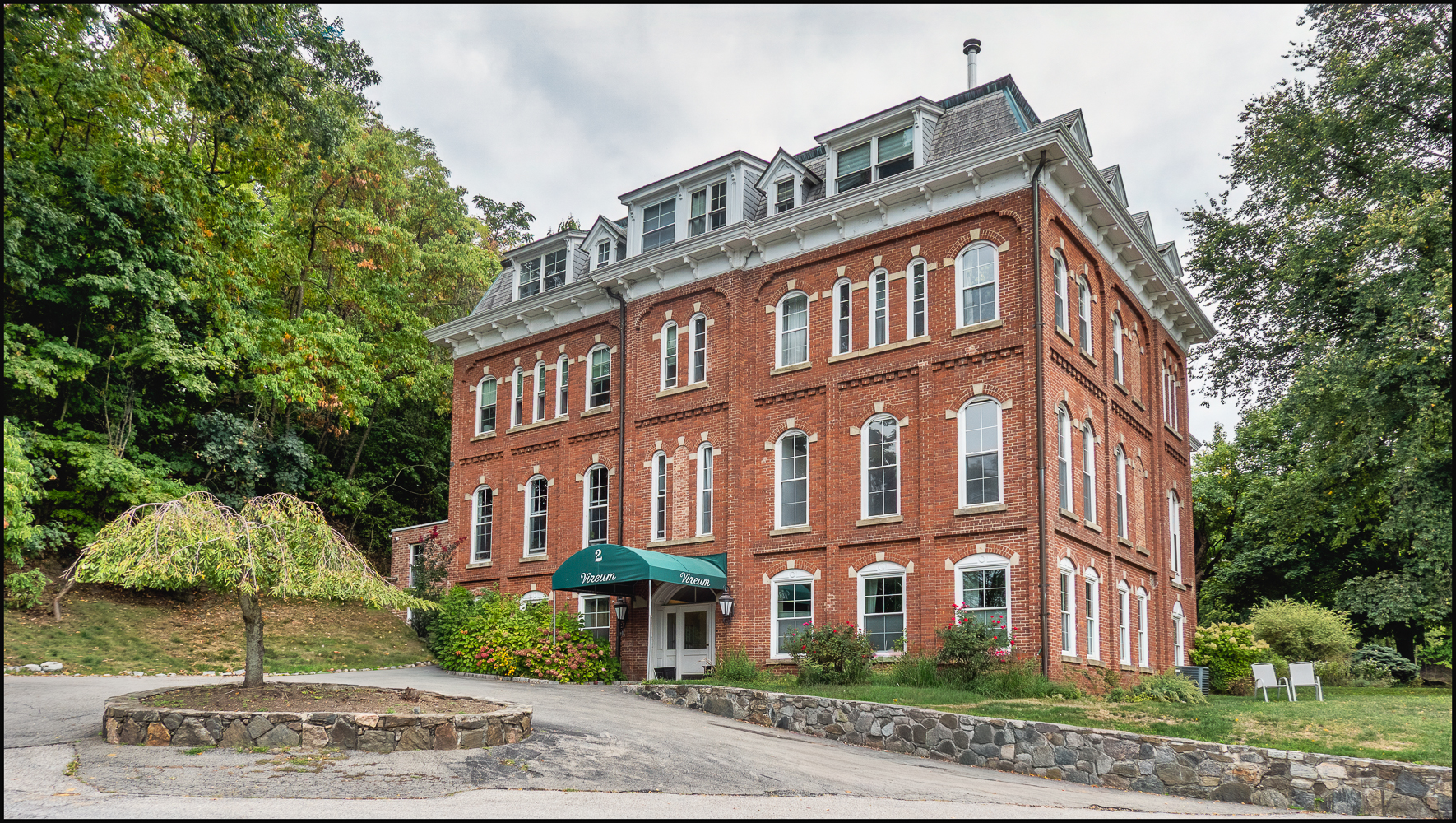
Vireum

According to the Village of Ossining Significant Sites & Structures Guide (Page 177):

Property Name: Vireum Schoolhouse
Street Address: 1 Snowden Avenue
Section, Block, and Lot: Section 89.19, Block 1, Lot 7
Architect/Builder:Unknown
Date of Construction: 1870, Renovation into condominiums: 1988
Architectural Style:Second Empire (1860s-1880s).

Second Empire-style architecture was a style that originated in France and was named for Napoleon III’s campaign to modernize Paris in the mid 19th Century. This style, which is similar to the Italianate style, utilizes elements such as tall, arched window openings, columns flanking the main entryway, and cornices below the roofline. The primary distinguishing characteristic is the Mansard roof, a configuration in which the roof has a steep pitch on the lower section and a shallower pitch on the upper portion. This style of roof was initially designed to provide extra space while not subjecting the owner to additional taxation under French law, as the rooms located inside the roofline were not considered a full additional floor.

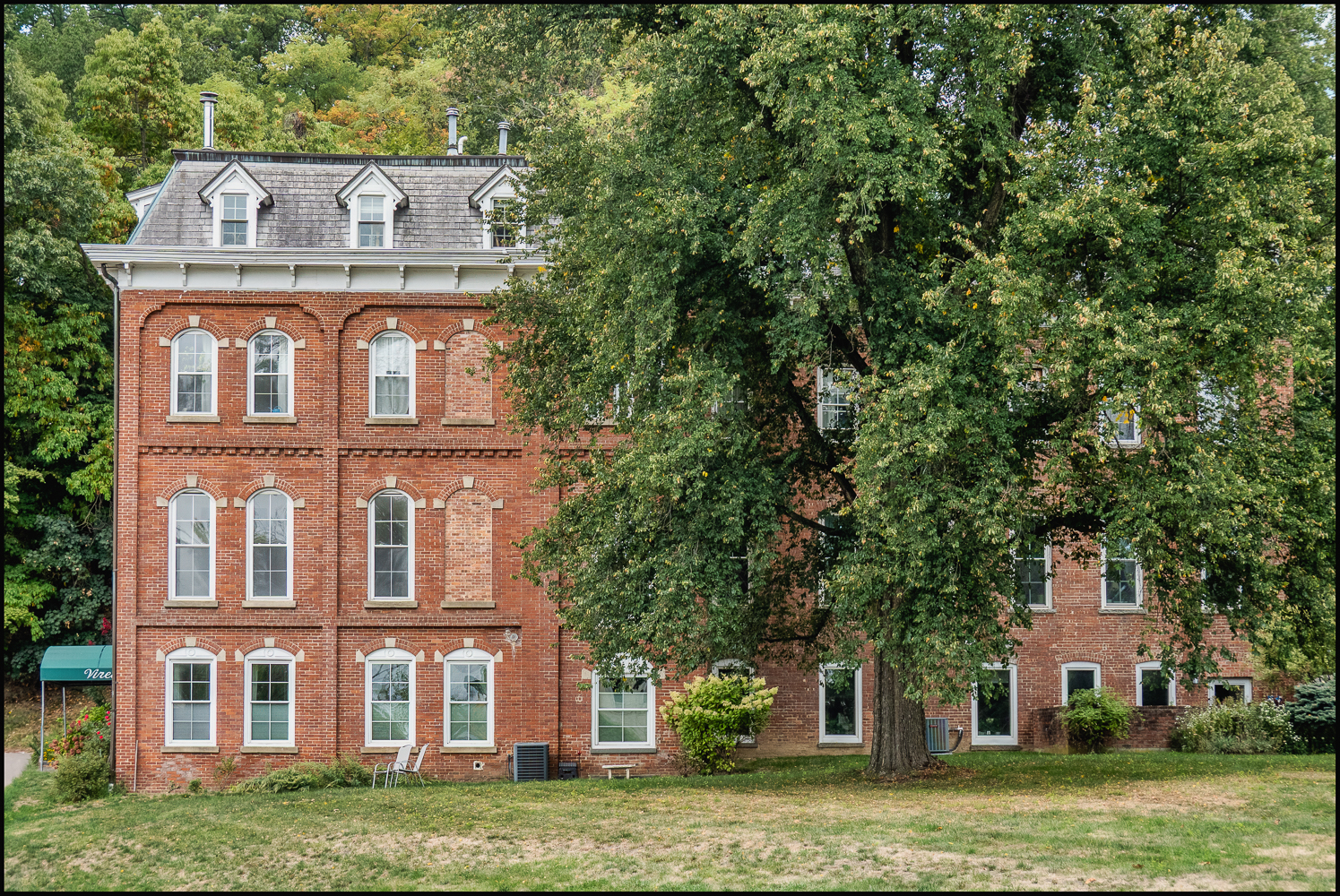
The Vireum Schoolhouse, built in the Second Empire style, is three- and one-half stories in height, with a T shaped plan; the larger west wing is seven bays wide and three bays deep, while the east wing is slightly smaller in its dimensions. The left and right sides of the main façade feature sets of four over four double hung windows with arched openings, with a set of three, two over two windows on the center bay of each side of the third floor. All of the window openings on the main façades and side elevations are arched, featuring limestone keystones and springers on each arch. The first-floor windows openings on the main façade and side elevations contain a curved decorative motif below each arch. Bands of projecting brick surround the window bays on the main façade and side elevations, with a dentil cornice above the second story windows.

The structure’s east wing features slightly different architectural detailing on elevations, lacking the raised brick and around the window bays and containing a slightly different arch profile around the window openings. The mansard roof is punctuated by a mix of gabled and shed dormers on the main façade and gabled dormers on the side elevations of the west wing and the entire roofline of the east wing.

Significance:

Architectural and Cultural the Vireum Schoolhouse is architecturally significant as a well preserved example of the Second Empire architectural style used in an institutional context. It is also culturally significant for its association with the Brandreth family, descendants of the eminent Sing Sing-based entrepreneur Benjamin Brandreth.

Narrative:

The Vireum School for Boys was founded in 1870 by Major Henry C. Symonds, a former West Point English professor who was married to Beatrice Brandreth, a daughter of Benjamin Brandreth, builder of the Brandreth Pill Factory (see entry). Symonds later served as president of the village for several years during the late 1870’s and early 1880’s. The original name of the school, Vireun, was a combination of Virginia and Eunice, the names of Symonds’ daughters. At some point in time the name of the school and building were changed to reflect the common mispronunciation of its name, Vireum. It was established as a college preparatory school and was geared toward preparing school-aged young men for entrance into military academies, whose standards for enrollment had become more rigorous following the end of the US Civil War. The school sent several hundred graduates on to schools such as West Point and Annapolis during its years of operation. After the closing of the school in the early 20th century, the structure served as a factory for a time until lying abandoned for many years. It was restored in 1988 and was adapted for residential use, which continues today.

Taken with a Sony RX100 MVII.

Sunset Moon

I was sitting on the deck outside my bedroom when I noticed this spectacular sunset. There was also a particularly bright crescent moon…pity it wasn’t’ full.

It’s noteworthy that this post is the 5,000th since I started this blog back in 2011

Taken with a Sony RX10 MIV

Ginger Beer

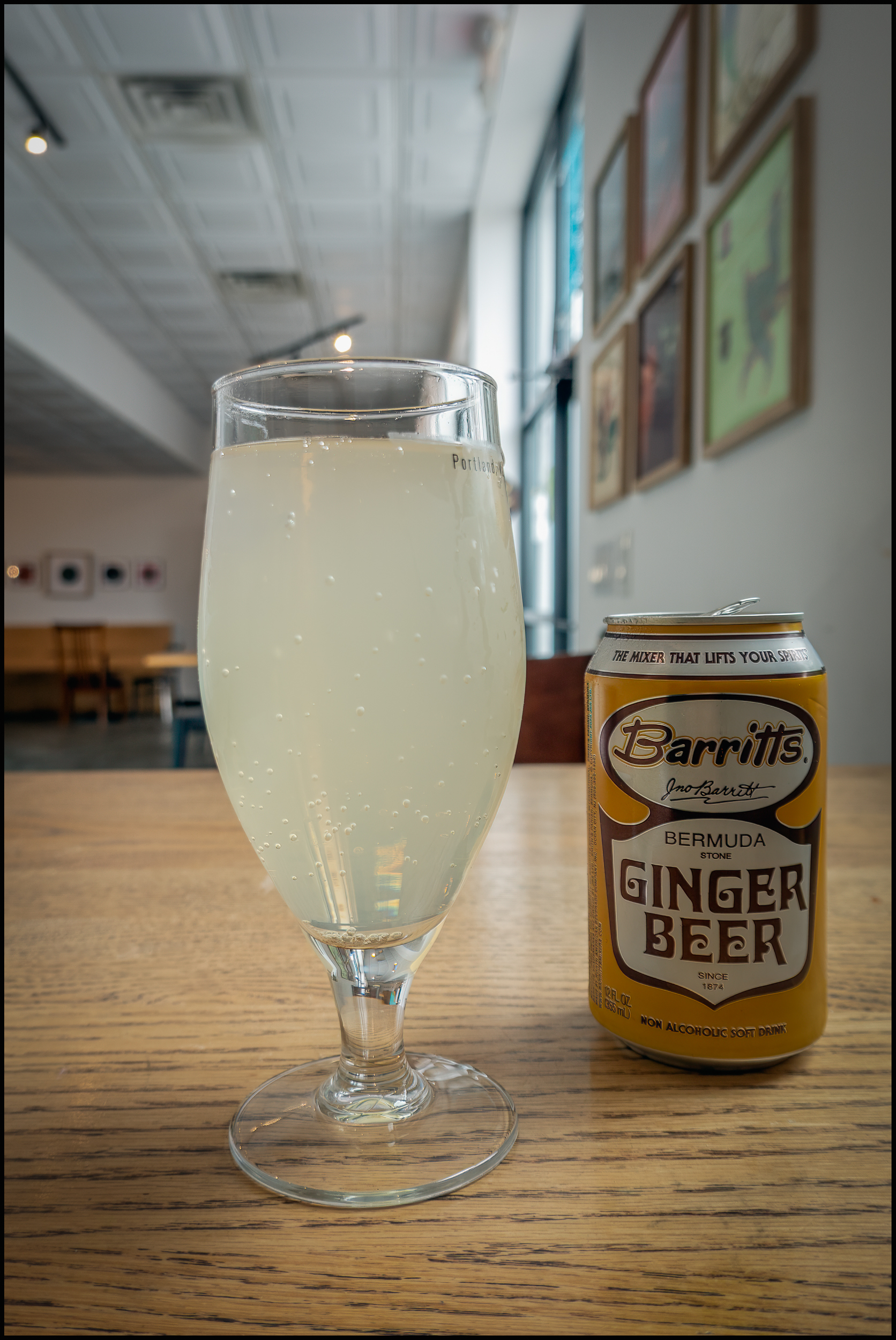
I went for a walk today, and after walking around for some time I’d developed quite a thirst. I was near to one of my favorite places Here Coffee and Beer so I decided to pop in and see what they had. Now normally I would have chosen something from their great selection of craft beer, but I wasn’t in the mood for anything alcoholic, so I went over to the refrigerator to see what they had. What I found was a can of Ginger Beer. I hadn’t had Ginger Beer for quite some time. It was quite common when I was growing up in the UK, but nowadays you tend to see Ginger Ale more often. So, what’s the difference? I wasn’t entire sure, so I decided to look it up.

According to Liquor.com:

What Is Ginger Beer?

For millennia, people made drinks out of ginger, a rhizome renowned for both its flavor and medicinal properties. Ginger beers are believed to have originated in the United Kingdom in the 18th century, and historians have unearthed advertisements for bottled iterations from the early 1800s.

The first ginger beers were bright, bracing brews made effervescent via fermentation, and they typically contained 2–3% alcohol by volume (ABV) as a result. The drink’s popularity in the Caribbean grew in tandem with British colonization and ginger cultivation. According to contemporary analysts, North Americans currently consume the most ginger beer worldwide, drinking up to 35% of a global market worth nearly $5 billion.

Many modern ginger beers combine fresh, finely grated ginger with sugar and citrus; some commercial bottlings are made with artificial dyes and flavors. Certain producers amplify the beers’ spicy flavors by including capsaicin, a component of chili peppers. While you can make ginger beer with forcibly added carbon dioxide, traditional versions get their bubbles from a symbiotic culture of bacteria and yeast (SCOBY), a fermenting agent also used to make kombucha.

Most commercial ginger beers are non-alcoholic, but some contain trace amounts of up to 0.5% alcohol. Others, like Crabbie’s Original Alcoholic Ginger Beer, Goslings Stormy Ginger Beer, and Royal Jamaican Alcoholic Ginger beer, have anywhere from 1% to nearly 5% ABV.

Delicious on its own, ginger beer features prominently in cocktails like the Dark and Stormy and Moscow Mule, both of which complement its piquancy with fresh lime juice.

What Is Ginger Ale?

Once synonymous, ginger ale and ginger beer evolved into different drinks during the temperance movement of the late 19th and early 20th centuries. In response to activists that targeted ginger beer for its mild alcohol content, some producers began to position ginger ale as a non-alcoholic alternative that got its bubbles from artificial carbonation rather than fermentation.

In 1904, after years of tinkering, Canadian pharmacist John J. McLaughlin created a not-too-sweet custom ginger beverage, later marketed as Canada Dry Ginger Ale.

As the 20th century progressed, ginger ale became a popular soft drink and, following the 1933 repeal of Prohibition, mixer in whiskey or rye highballs. Ginger ale is typically sweeter and less spicy than ginger beer, and many modern versions contain caramel coloring and other artificial dyes and flavorings. It rarely contains capsaicin, though the peppers aren’t legally prohibited.

Taken with a Sony RX100 VII