
A new bird

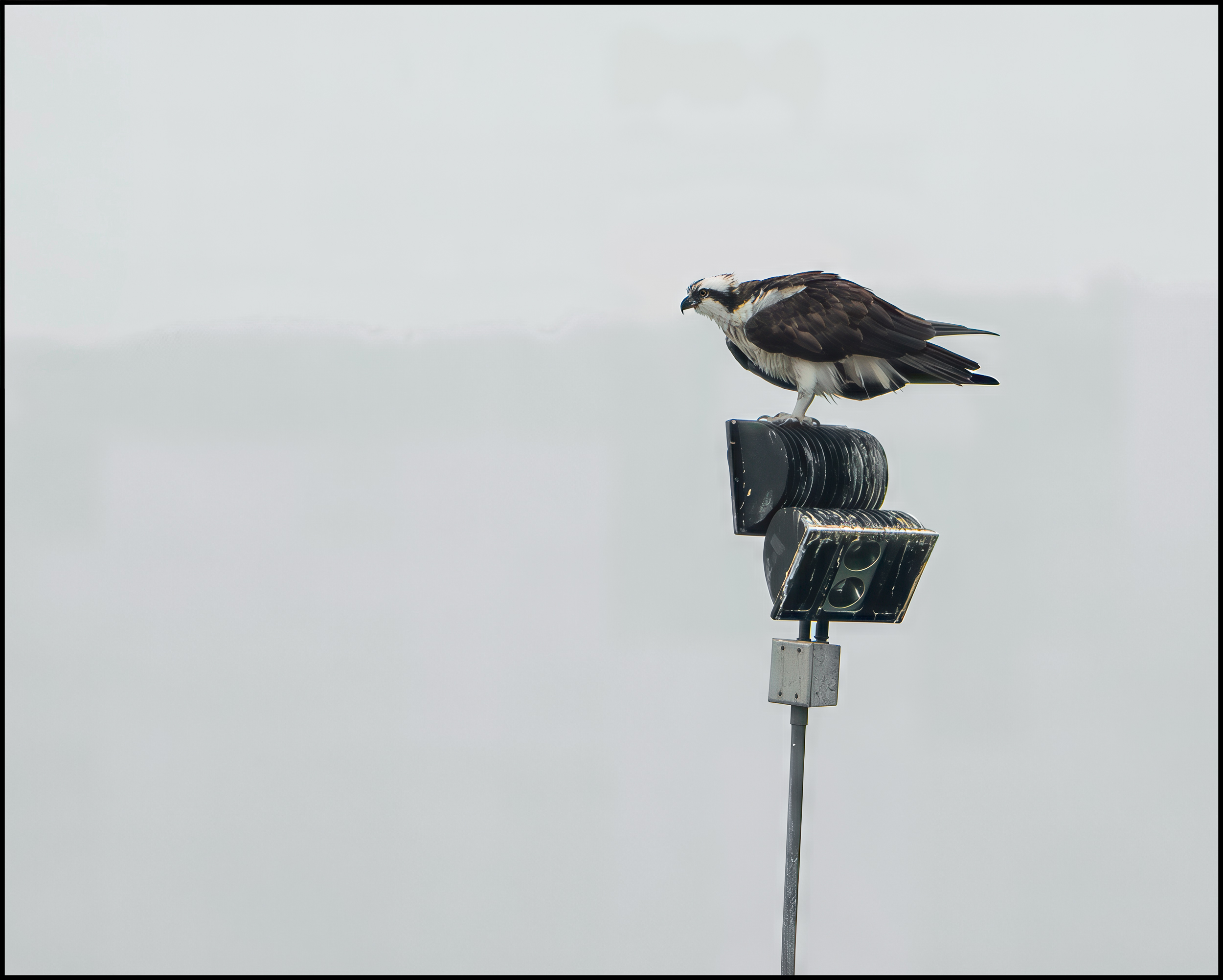
When I’m down by the Hudson River I see lots of birds. They’re generally the usual suspects: Canada Geese, Mallards, Gulls, Cormorants, Pigeons and the occasional crow. Today was different, however. A long way away I spotted some kind of bird on top of a distant light pole. I couldn’t at first figure out what it was and at first thought it was some kind of gull.

I kept watching and after a while it moved and I could make out what it was: An Osprey.

“Historically known as sea hawk, river hawk, and fish hawk, is a diurnal, fish-eating bird of prey with a cosmopolitan range. It is a large raptor, reaching more than 60 cm (24 in) in length and a wingspan of 180 cm (71 in). It is brown on the upperparts and predominantly greyish on the head and underparts. The osprey tolerates a wide variety of habitats, nesting in any location near a body of water providing an adequate food supply. It is found on all continents except Antarctica, although in South America it occurs only as a non-breeding migrant. As its other common names suggest, the osprey’s diet consists almost exclusively of fish. It possesses specialized physical characteristics and unique behavior in hunting its prey: reversible outer toes, sharp spicules on the underside of the toes, closable nostrils to keep out water during dives, backward-facing scales on the talons which act as barbs to help hold its catch and dense plumage which is oily and prevents its feathers from getting waterlogged. Because of these unique characteristics it is classified in its own taxonomic genus, Pandion, and family, Pandionidae.” (Adapted from Wikipedia)
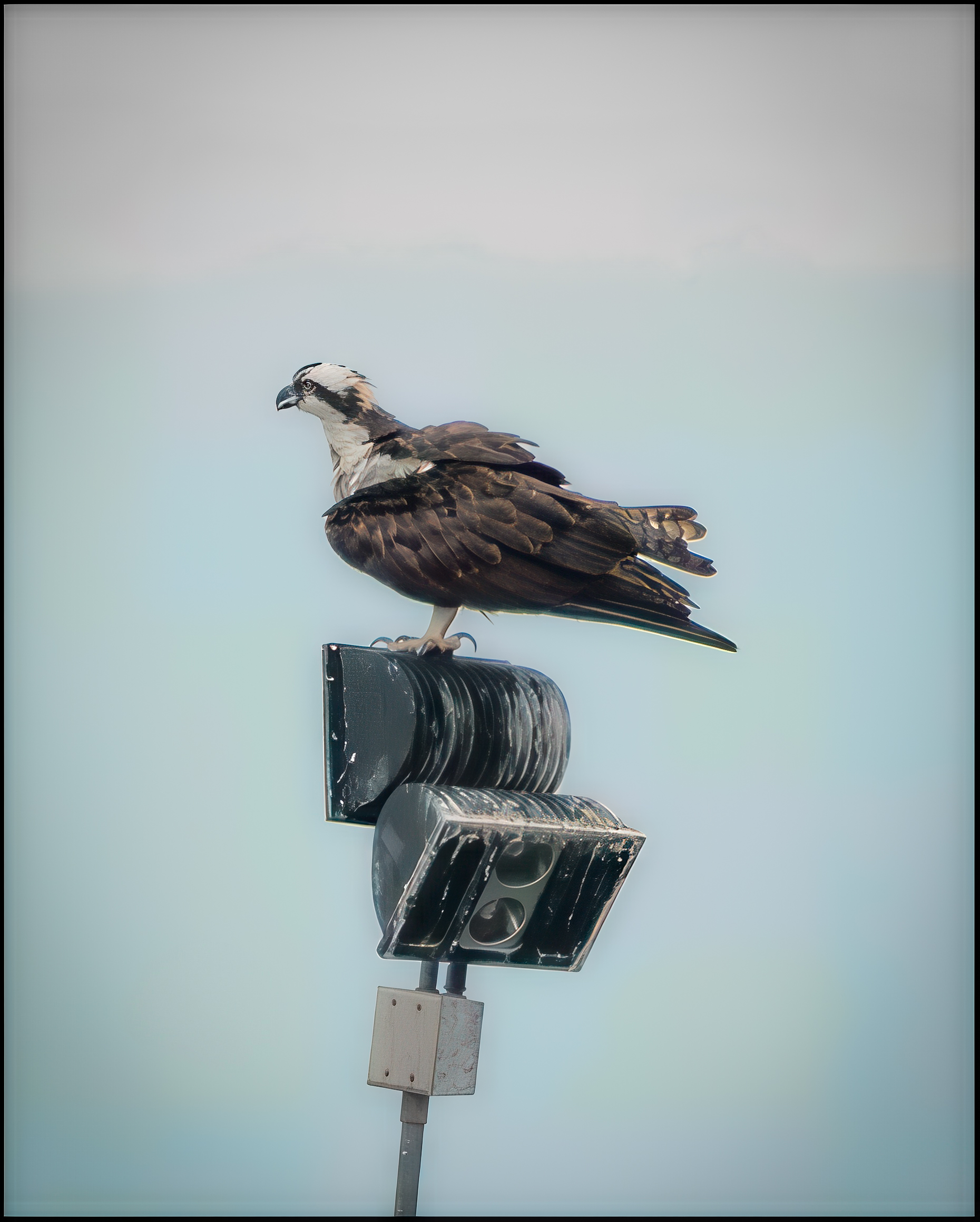
Taken with a Sony RX100 VII.
Crotonville School

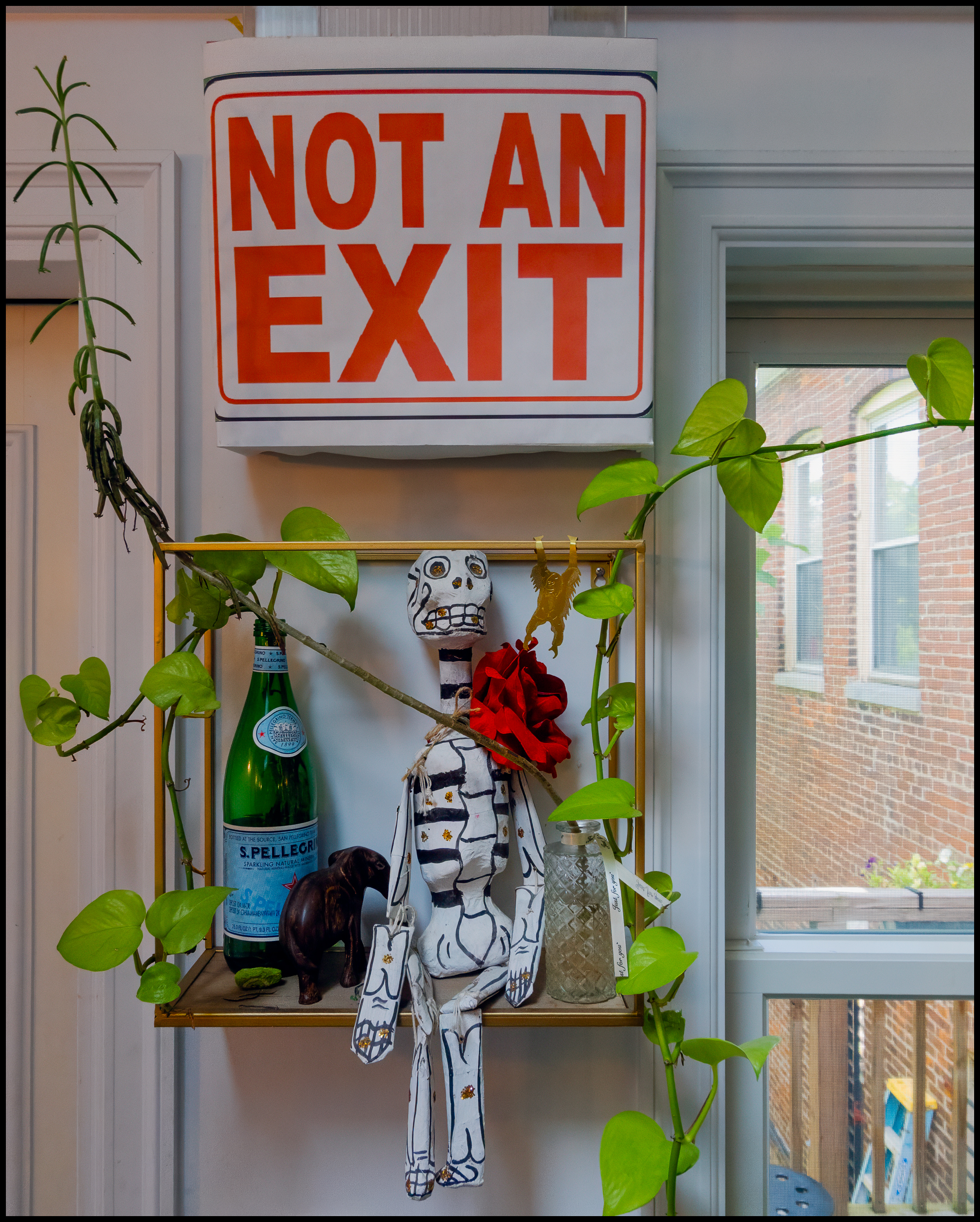
Despite what the sign says this was originally The Crotonville School. It’s significant as a well-preserved example of a schoolhouse built in the Italianate style. It is also historically significant as the second oldest school building still standing in Ossining. The oldest is the Lincoln School building, built in 1858.

The school was built around 1860 to serve as a public primary school for the Crotonville neighborhood. It was a branch school known as School Number 5 and had a student body of approximately 40 students. It had a single room inside in which all students were taught together, and it operated until 1931. Since then, the structure has been known as the Parker Bale American Legion Post, serving Post #1590. It’s situated pretty much right next to Grace Hall Chapel described in the previous post.


Taken with a Sony RX100 VII.

Grace Hall Chapel

Grace Hall Chapel is the sole intact example of late 19th century Tudorbethan architecture in Ossining (Crotonville). It is also significant for its association with the Potters, a family who played an important role in the development of the Crotonville hamlet within Ossining. During its early years, Grace Hall Chapel had ties to Grace Church in New York City, and the Church’s congregation offered support for the operations of the Chapel. Well known architect James L. Aspinwall (1854-1936) designed this and a number of other public, religious, and institutional buildings. It once served as a meeting hall for the Fraternal Order of the Eagles, a nonprofit charity. As I passed by, I spotted an open door and went inside to take a look. I was surprised to find a couple of people (one of them British) seated around a bar.

It seems that nowadays it’s a private club. By this point in my walk I was tired and thirsty. They took pity on me, and even though I was not a member they allowed me to have a soft drink, which was very much appreciated. Grace Hall Chapel is the sole intact example of late 19th century Tudorbethan architecture in Ossining (Crotonville). It is also significant for its association with the Potters, a family who played an important role in the development of the Crotonville hamlet within Ossining. During its early years, Grace Hall Chapel had ties to Grace Church in New York City, and the Church’s congregation offered support for the operations of the Chapel. Well known architect James L. Aspinwall (1854-1936) designed this and a number of other public, religious, and institutional buildings. It once served as a meeting hall for the Fraternal Order of the Eagles, a nonprofit charity. As I passed by, I spotted an open door and went inside to take a look. I was surprised to find a couple of people (one of them British) seated around a bar. It seems that nowadays it’s a private club. By this point in my walk I was tired and thirsty. They took pity on me, and even though I was not a member they allowed me to have a soft drink, which was very much appreciated.

Taken with a Sony RX100 VII.

St. Augustine Roman Catholic Church, Ossining – Stations of the Cross

“The outdoor Stations of the Cross at St. Augustine parish, Ossining, offer a profound Lenten meditation on Jesus’ passion, death and resurrection.

The stations, overlooking the Hudson River, were conceived and designed by the Italian artist Nino Di Simone.

The scenes in the 15 stations were sculpted in terra cotta, cut into smaller tiles, and then glazed and fired.

Cardinal John O’Connor, then-Archbishop of New York, blessed the garden, dedicated to “our mothers,” on March 21, 1997.” (“A Contemplative Treasure at Ossining Parish”. Catholic New York, April 12, 2017).

I found this to be really impressive. However, some friends I’ve spoken to find the depictions to be scary.


Taken with a Sony RX100 VII.