
Seen in New York City (Manhattan) during a recent visit. I liked the way the glass distorted the buildings and made them look like something created by Antoni Gaudí.
Taken with a Fuji X-E3 and Sigma 18-50mm f2.8
Photographs and thoughts on photography and camera collecting

Seen in New York City (Manhattan) during a recent visit. I liked the way the glass distorted the buildings and made them look like something created by Antoni Gaudí.
Taken with a Fuji X-E3 and Sigma 18-50mm f2.8
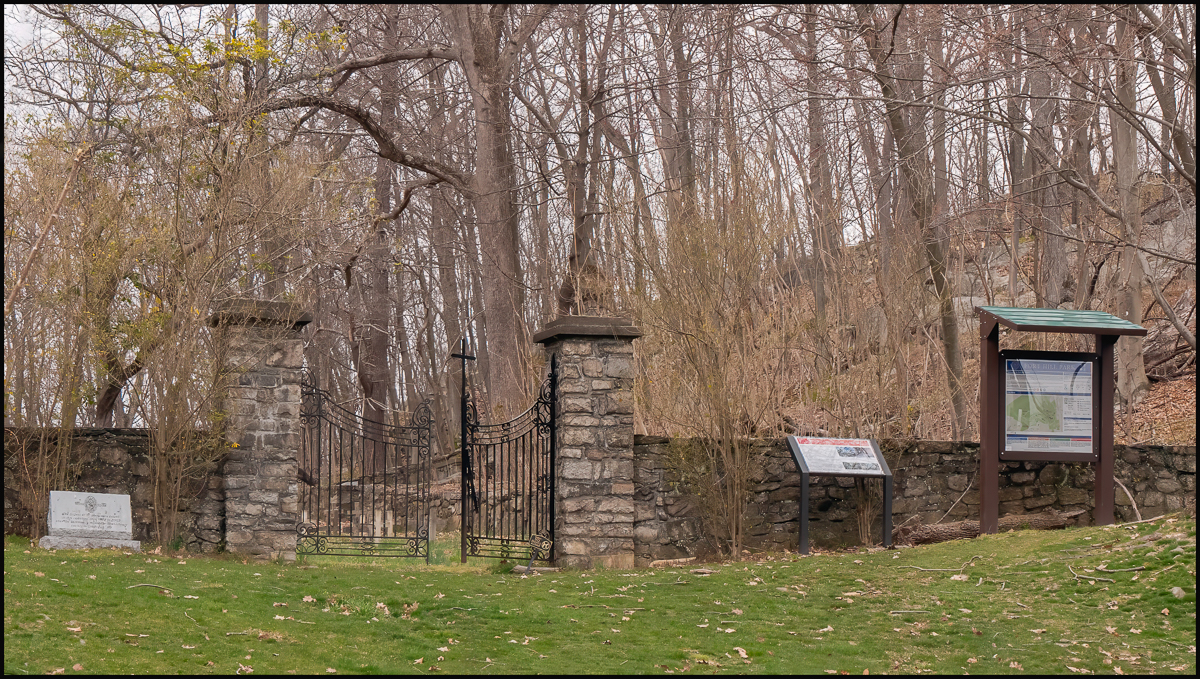
Adjacent to “The Abbey Inn and Spa” mentioned in the previous post stands St. Mary’s Convent Cemetery.
An article titled: “Peekskill’s Historic Community of St Mary” on the New York Almanac mentions the cemetery:
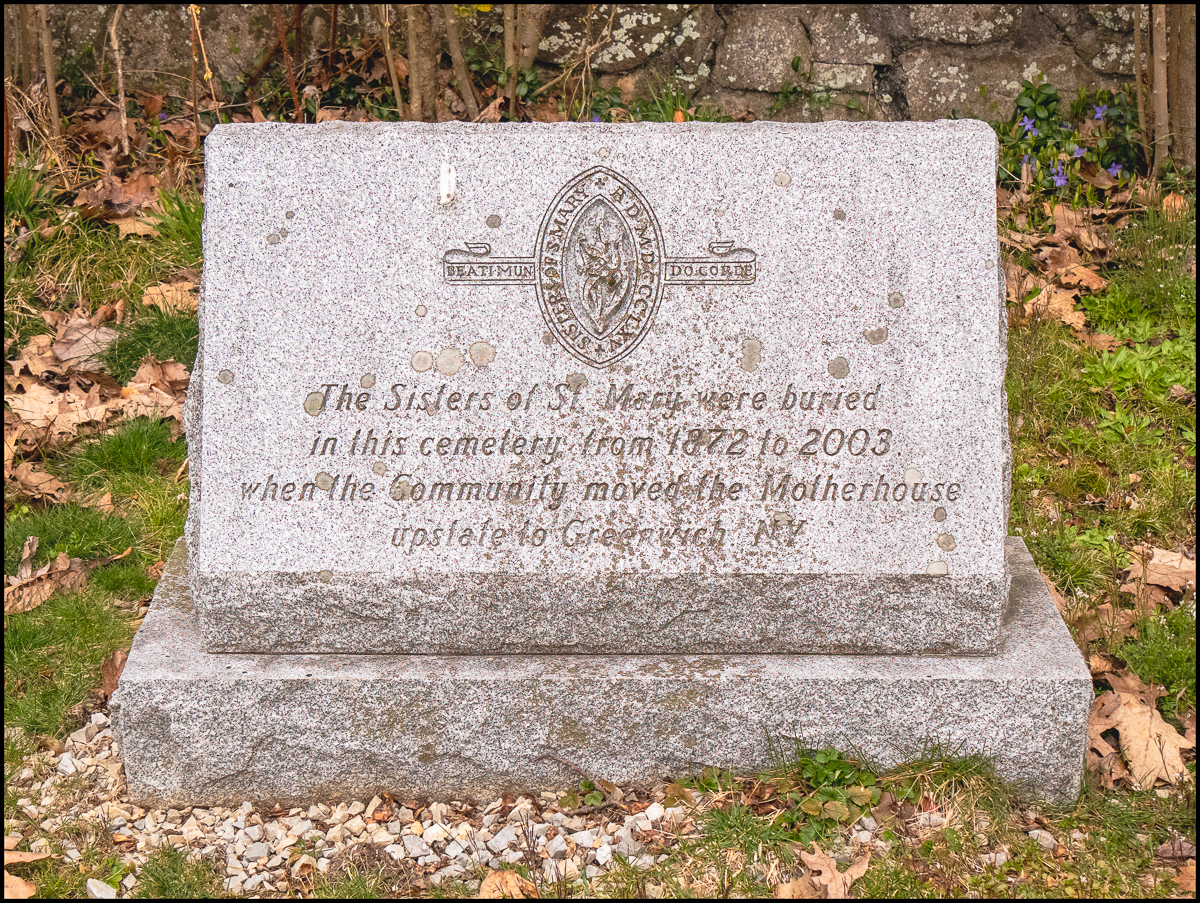
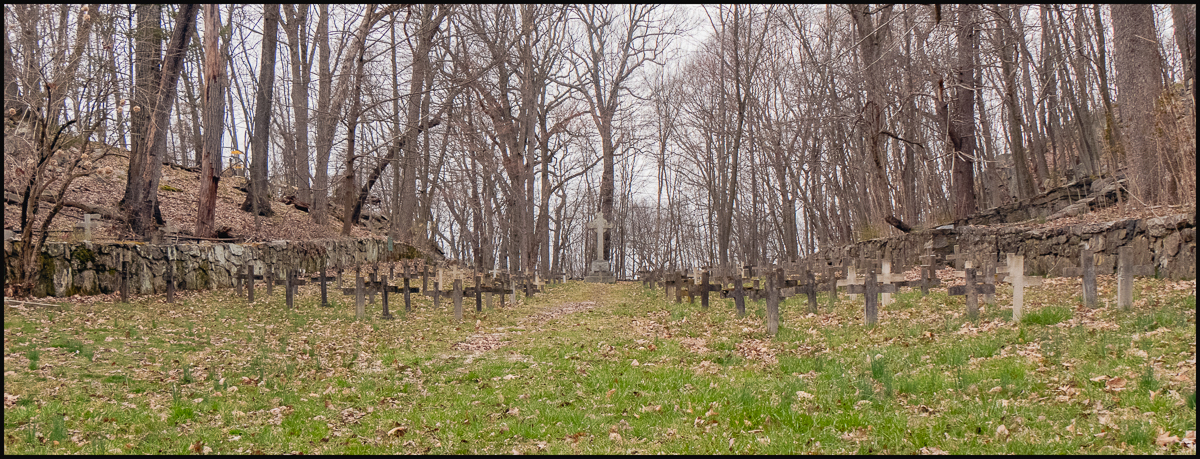
In addition to the historic convent and chapel structures, the site includes a cemetery where the remains of former sisters and workers at the former school are interred. The cemetery is not maintained, and its gravestone markers are uprooted and stacked in a corner of the cemetery. Only the grave monument of CSM founders, Sister Harriet Starr Cannon and a few dozen unmarked cement crosses remain. Another developer bought the school and converted it into an apartment building.
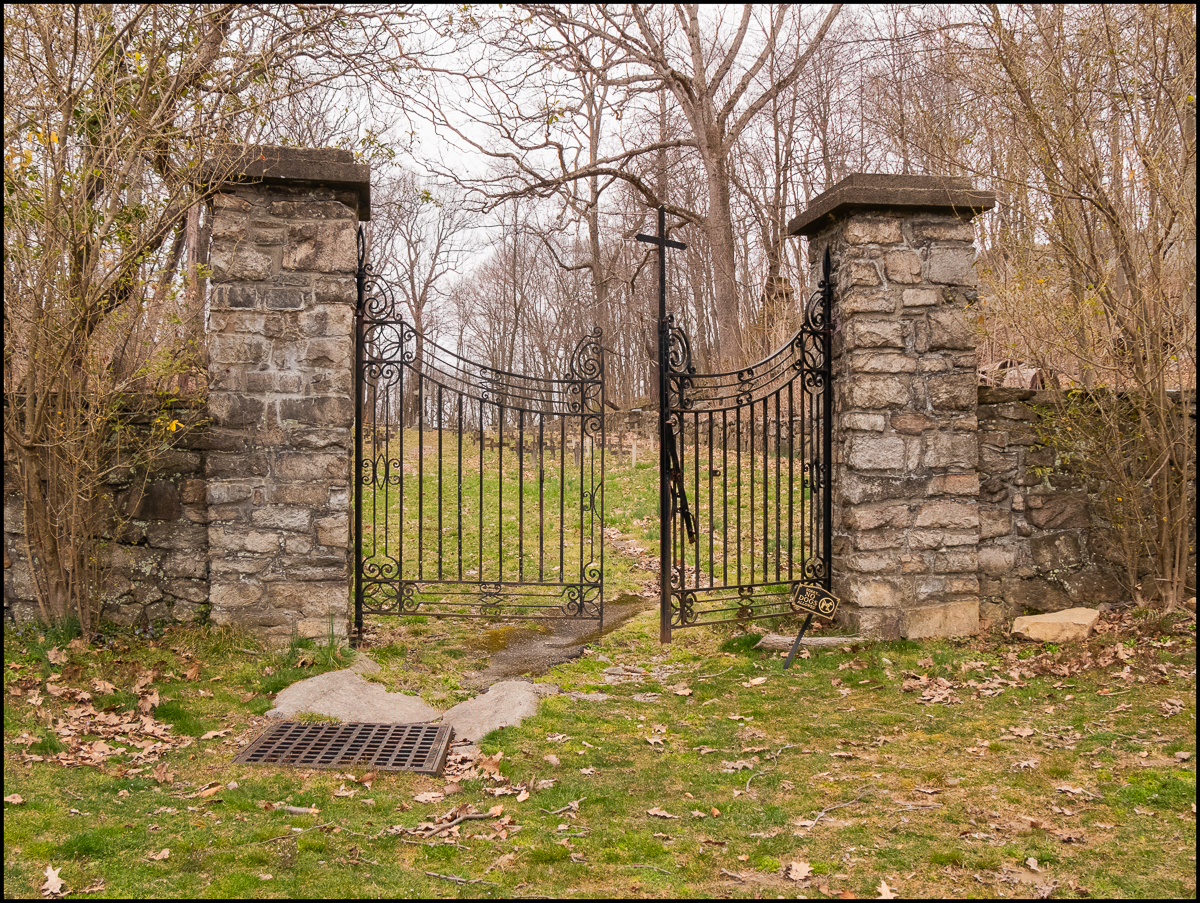
While it may have been true in 2016 that the cemetery was in a state of disrepair, it certainly isn’t now. As you’ll see from the pictures it’s now in excellent condition. In fact, it’s one of the nicest small cemeteries I’ve come across in my area.
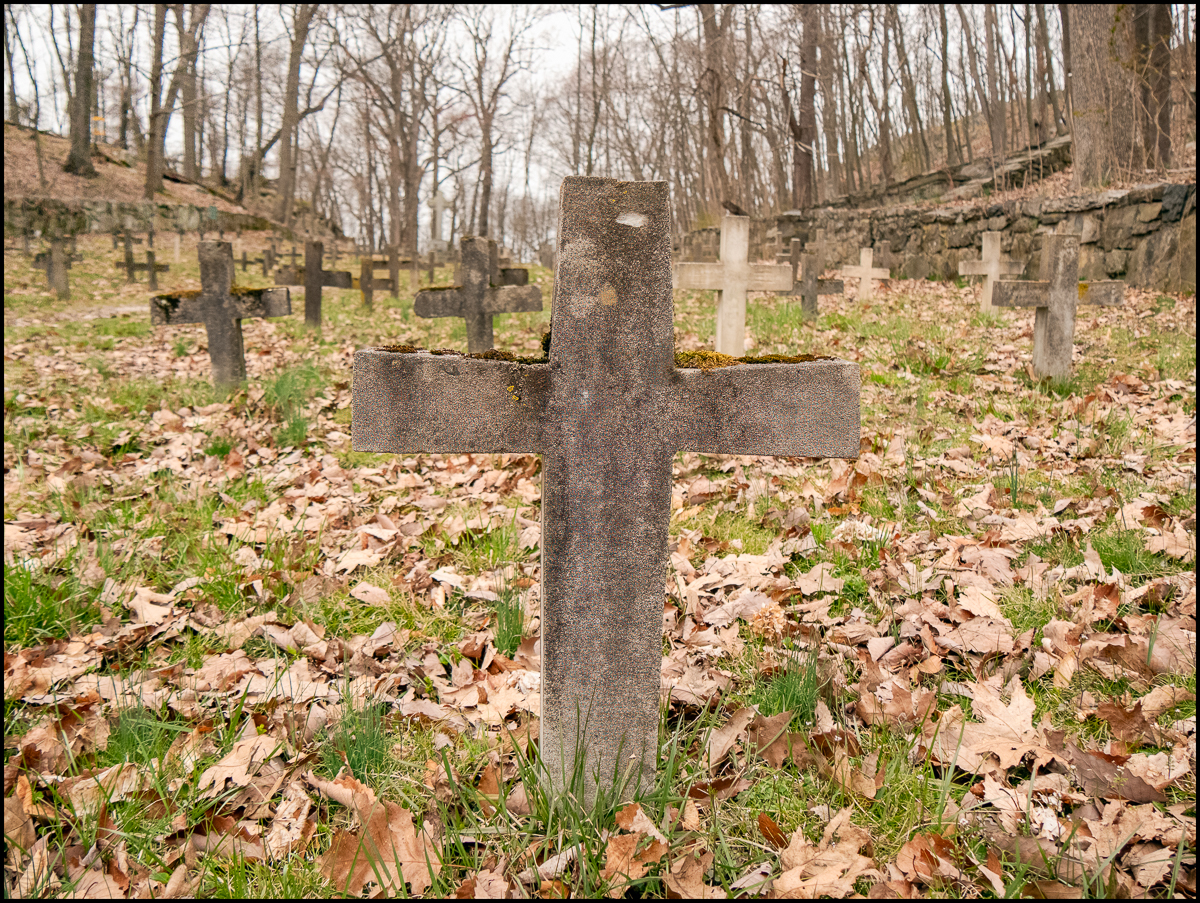
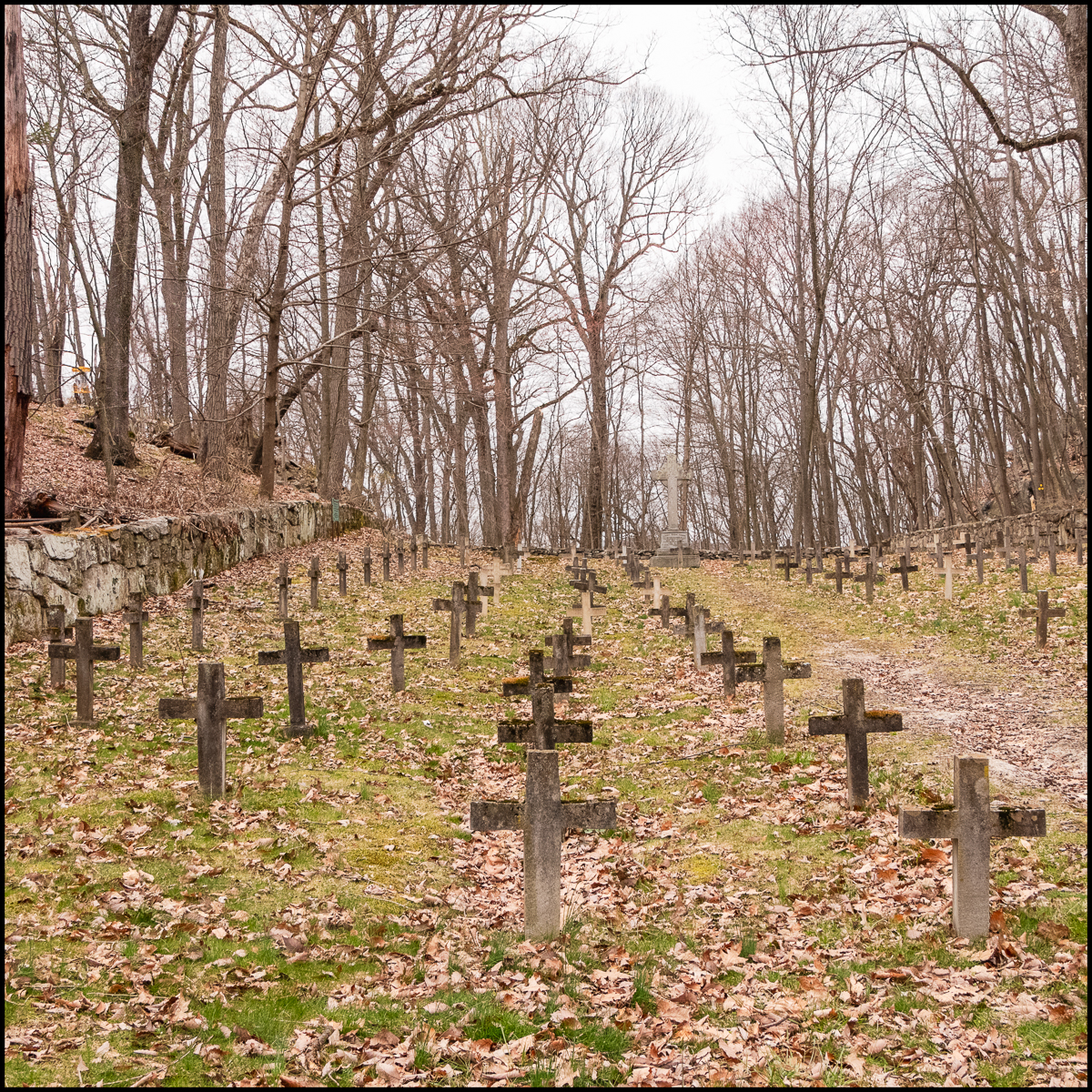
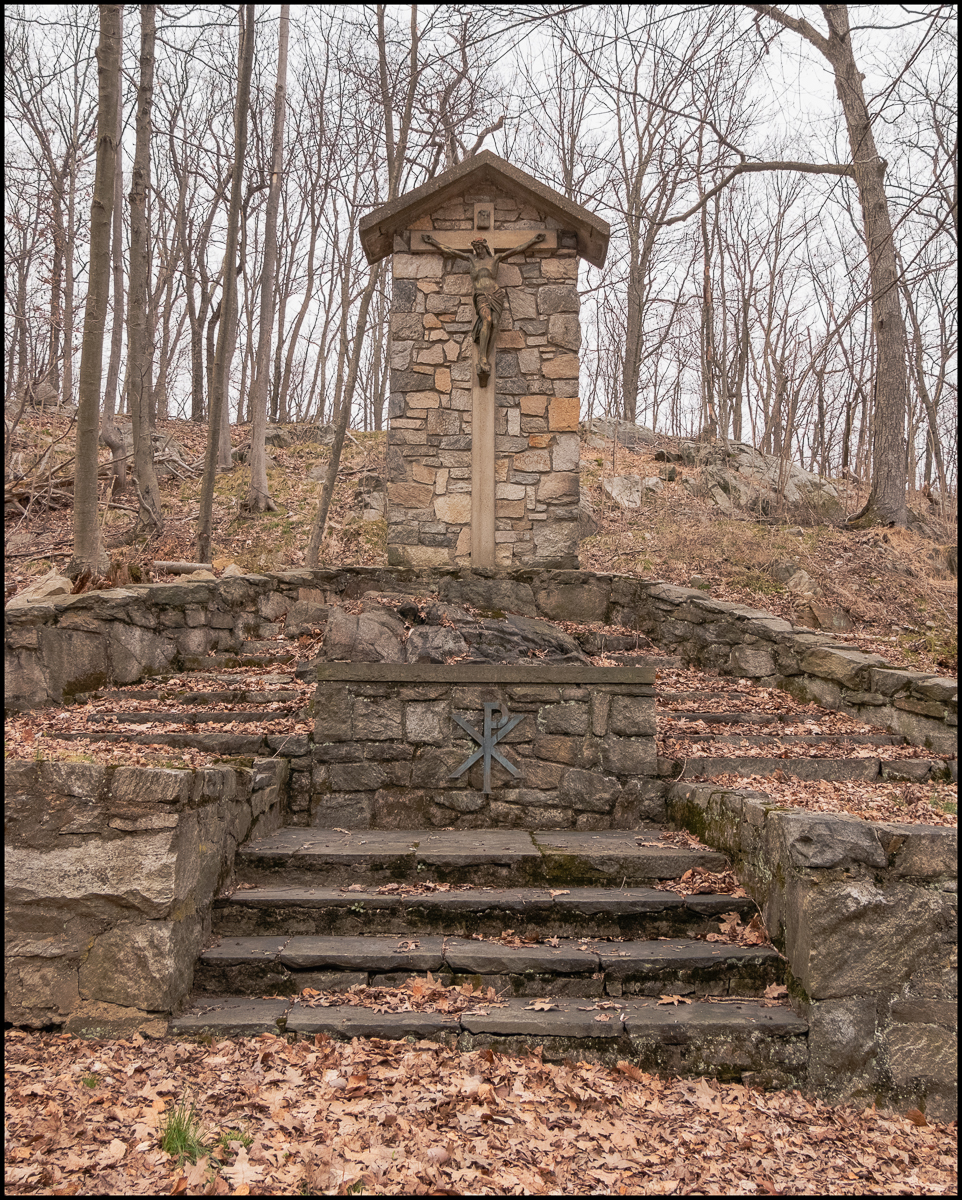
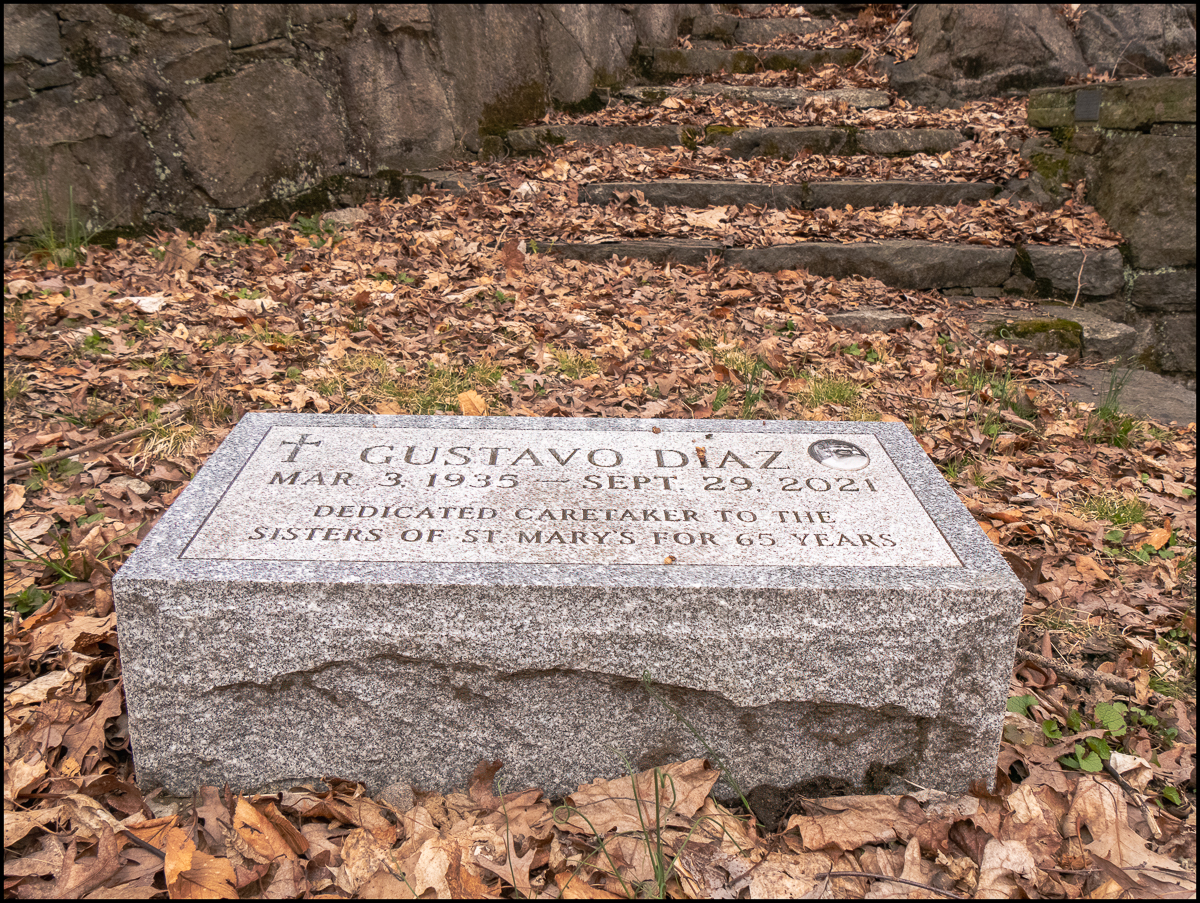
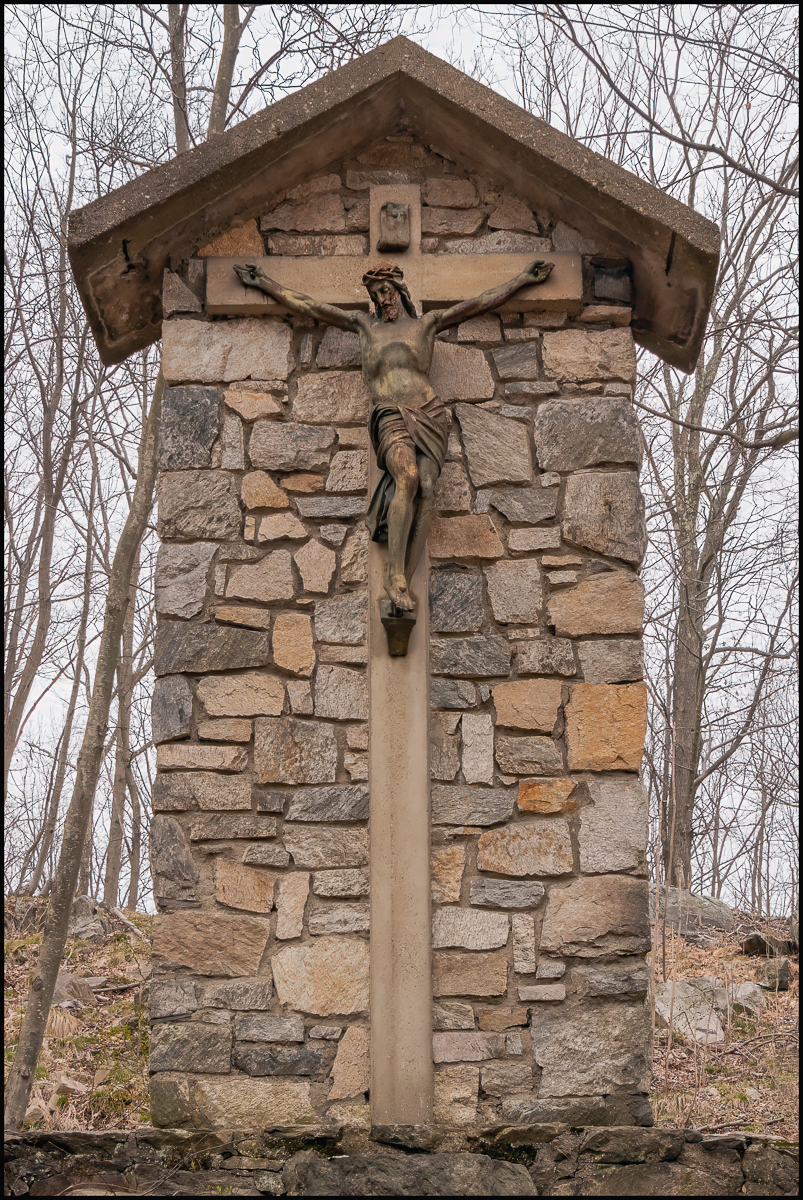
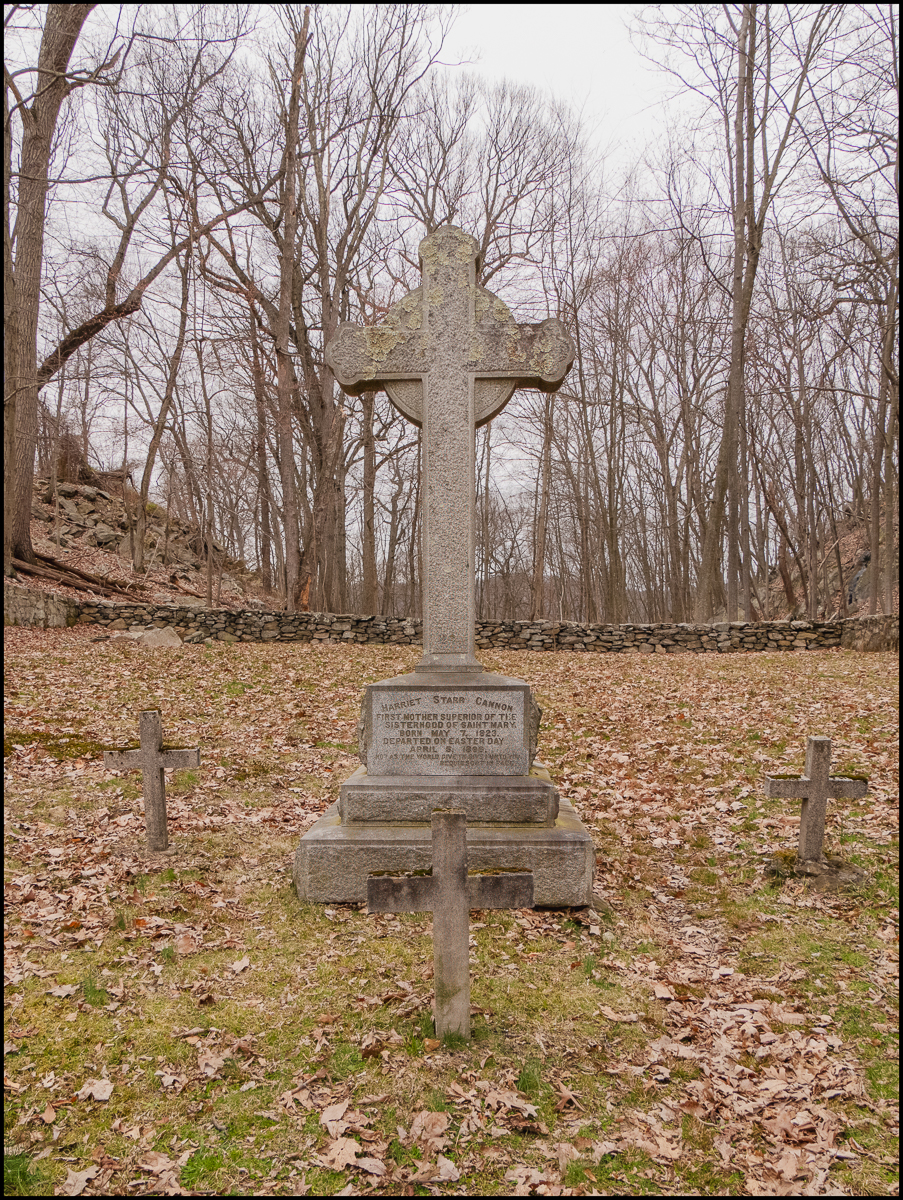
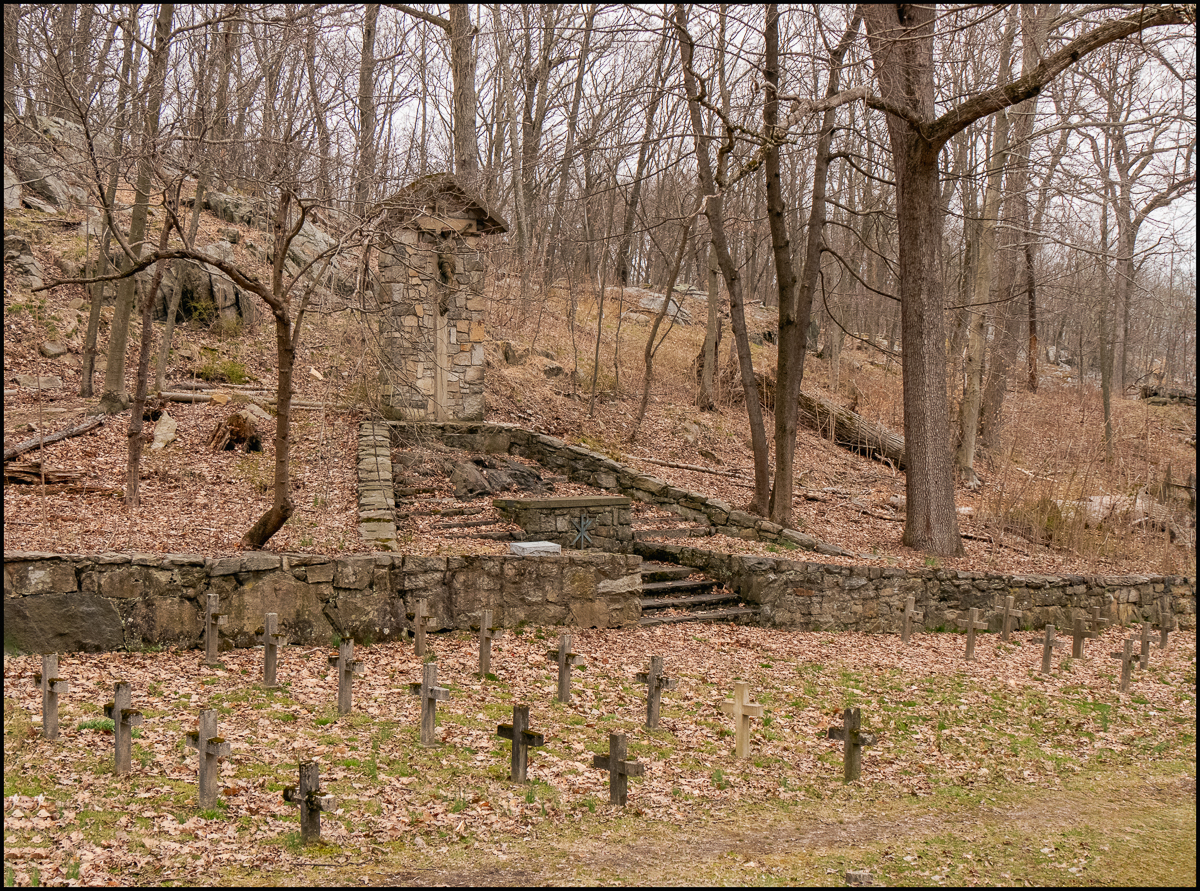
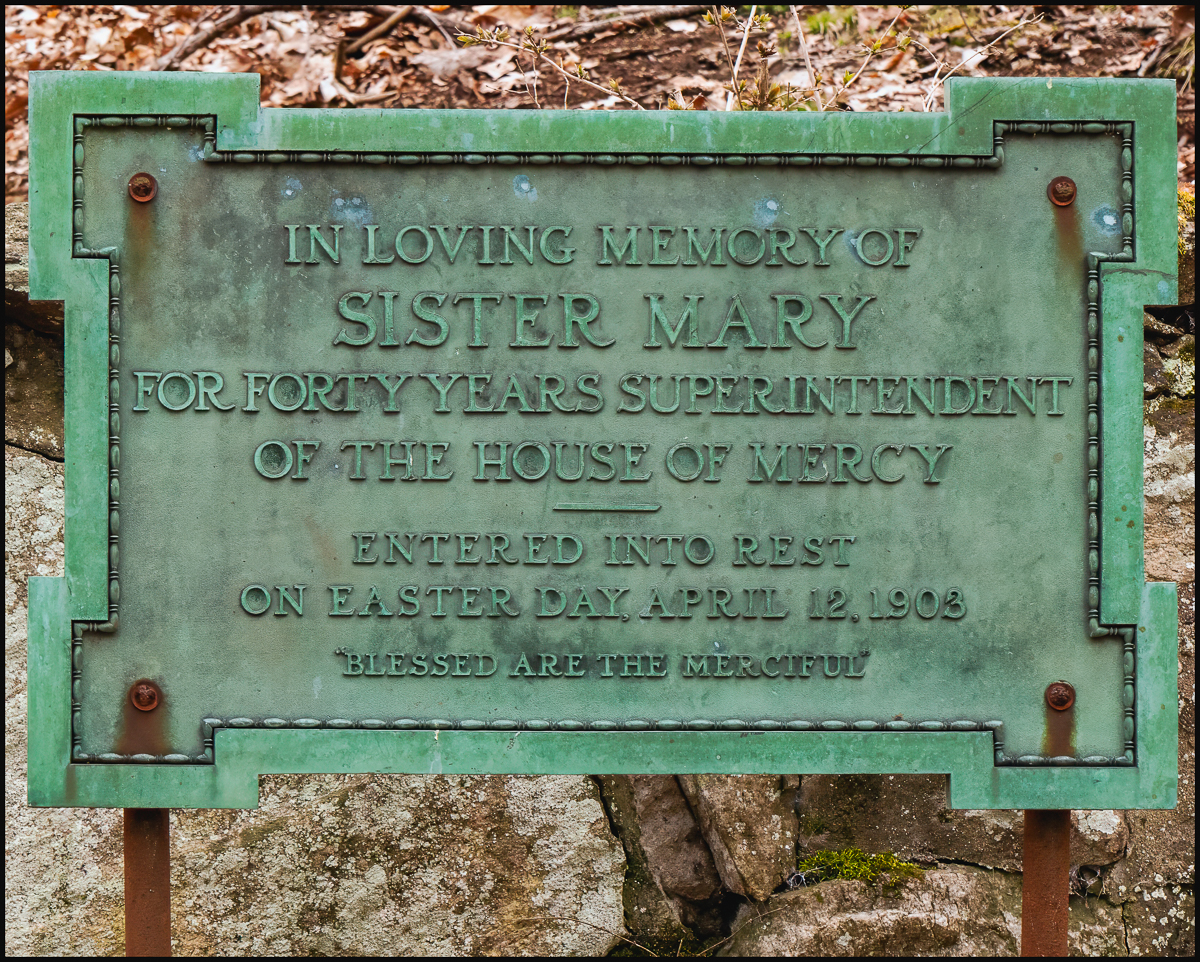
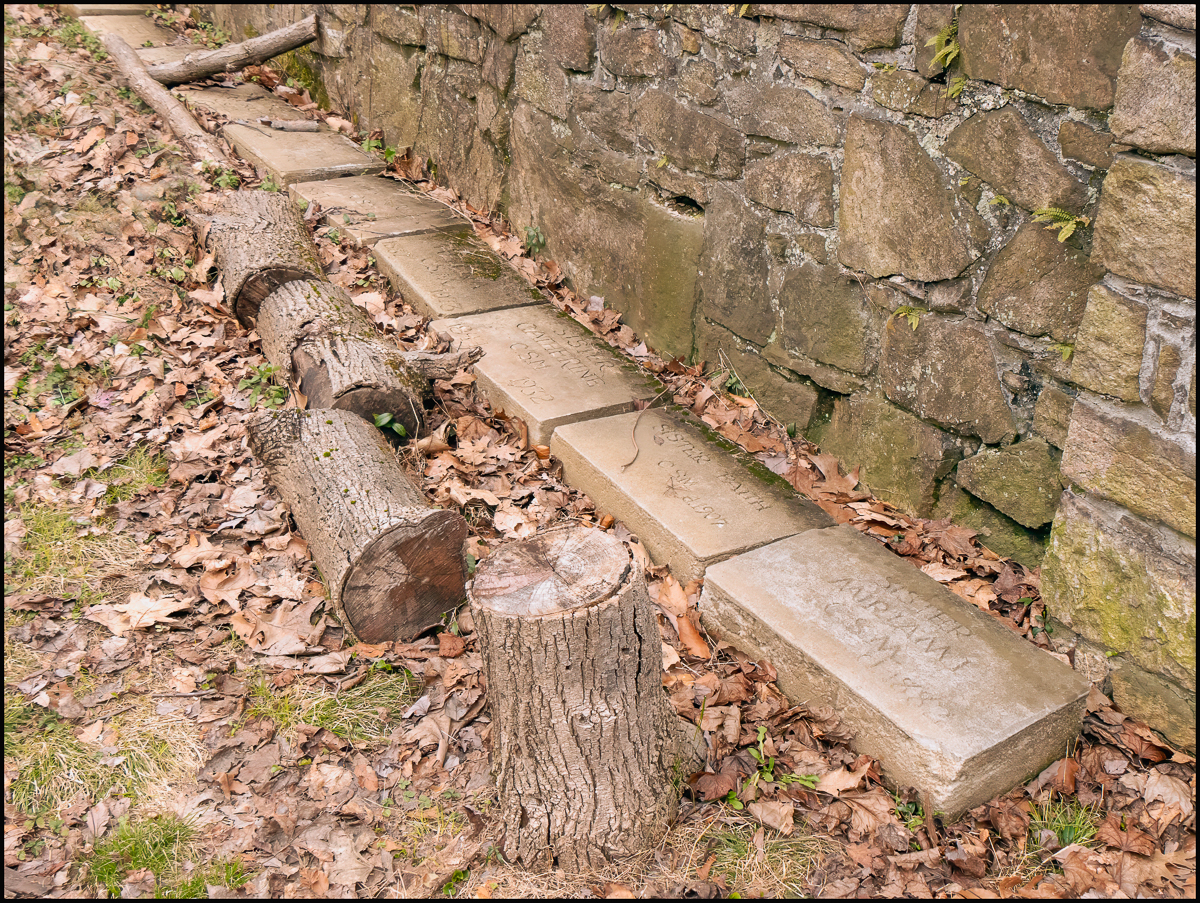
Taken with a Panasonic Lumix GX85 and Lumix G Vario 14-140 f3.5-5.6
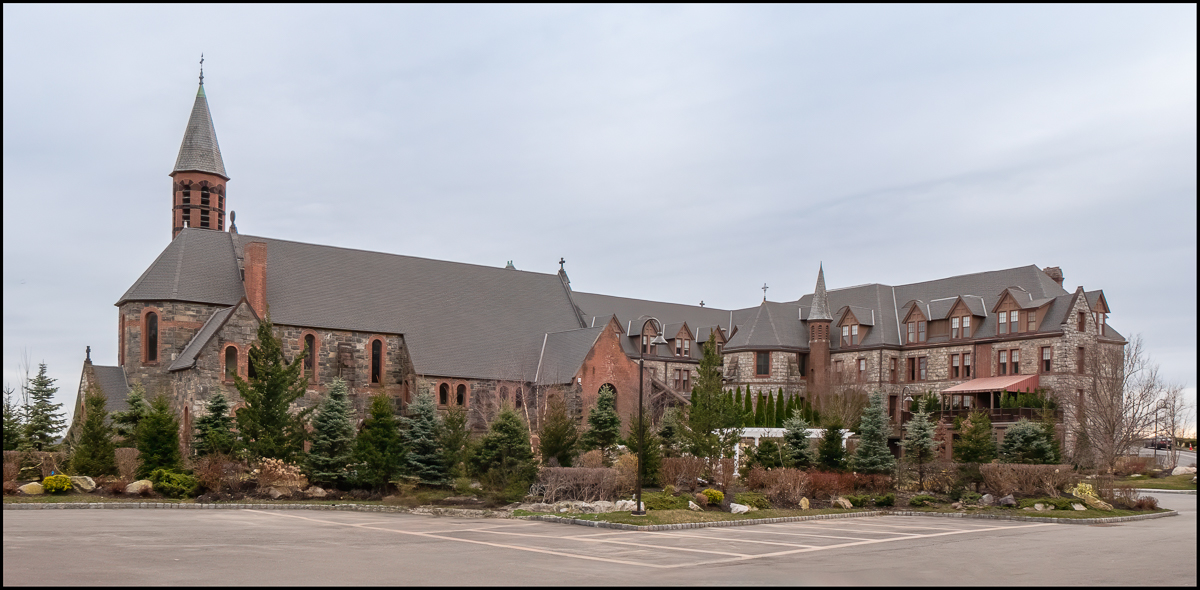
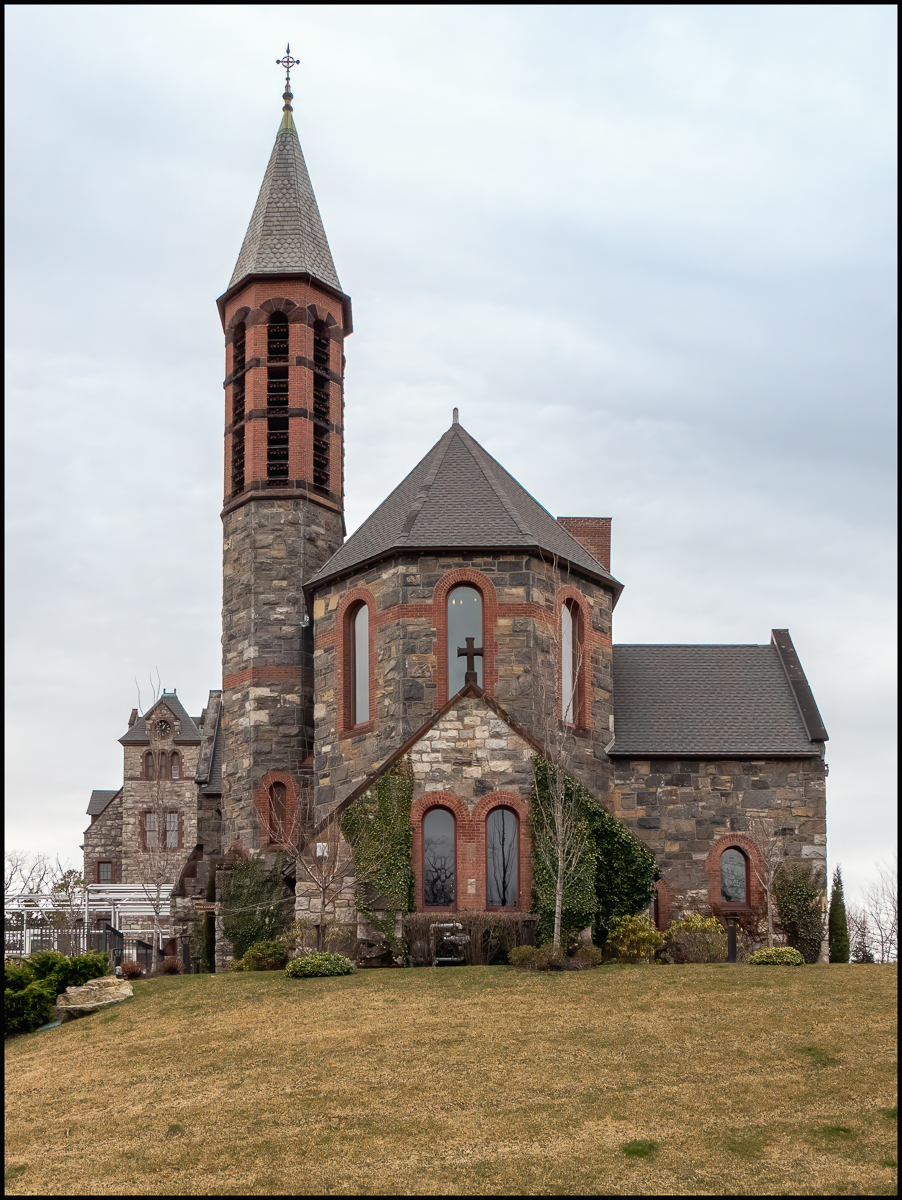
I while ago I went with a friend for a drink at “The Abbey Inn and Spa” in Peekskill, NY.
Its website describes its history as follows:
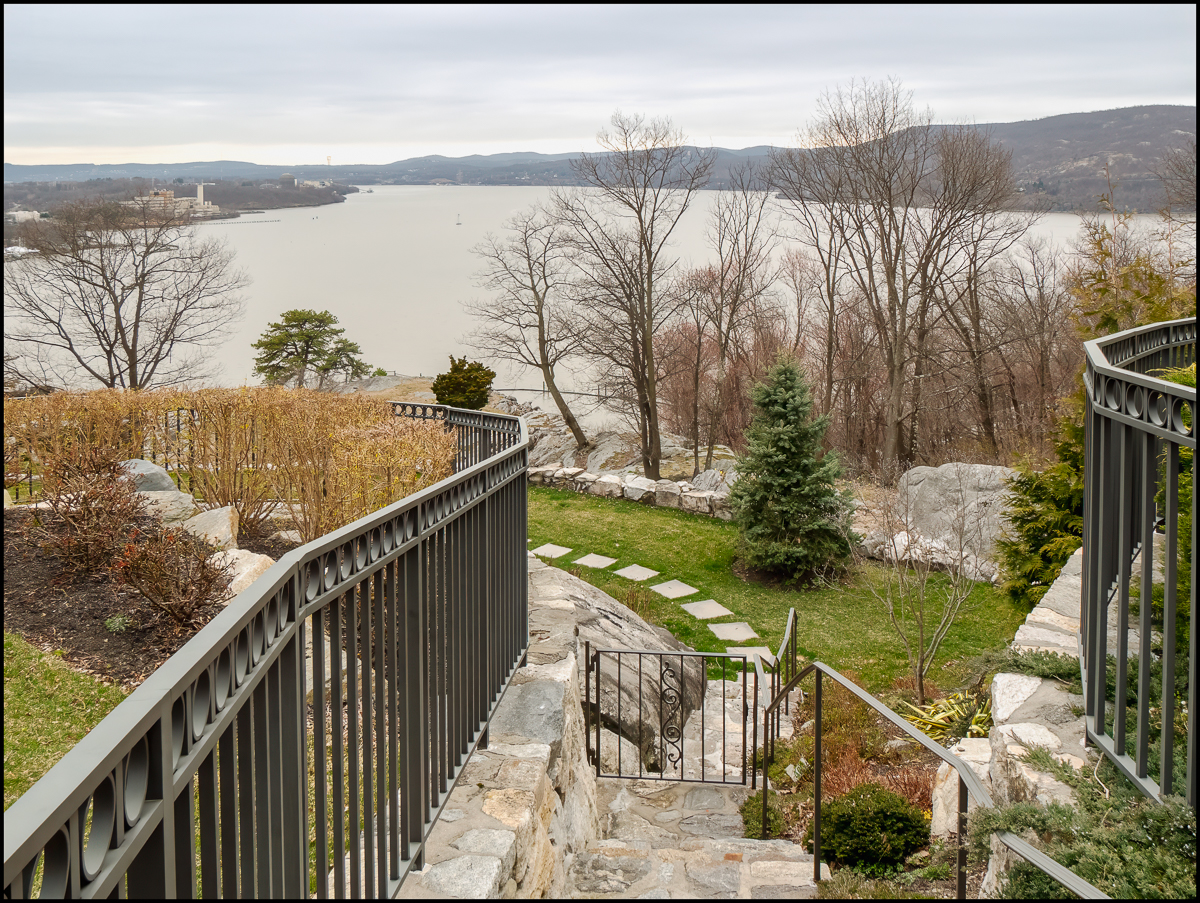
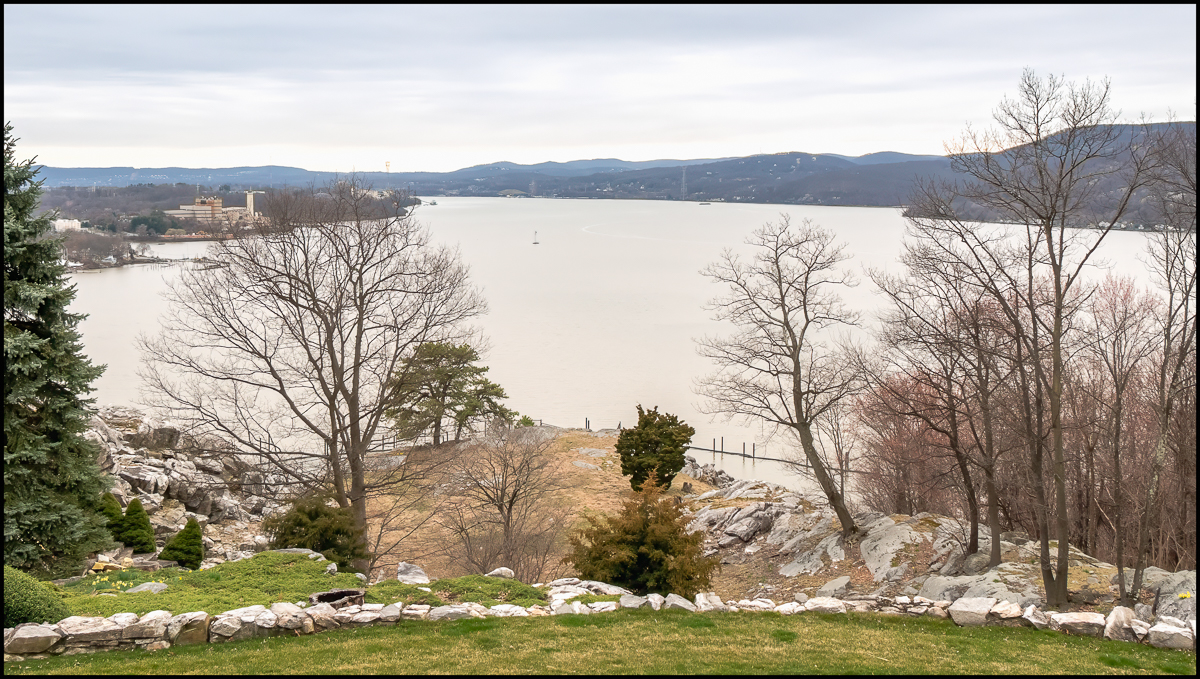
With its views over the Hudson River Highlands, Fort Hill was a key lookout post for George Washington and his army during the Revolutionary War; in 1902, it became home to a convent and chapel, established by the Episcopal Sisters of Saint Mary. The nuns moved elsewhere in the Hudson Valley in 2003, and developer Martin Ginsburg lovingly restored the abbey and its chapel into The Abbey Inn & Spa – a luxury hotel with 42 rooms and suites, a farm-to-table restaurant, a luxurious spa, and over 65 acres to explore. The chapel offers a unique venue for important occasions, and a peaceful English garden provides space for quiet contemplation. Lovingly restored and meticulously designed, our hotel pays homage to its historic heritage while offering contemporary amenities and world-class service to each and every guest. All of us at The Abbey Inn and Spa are thrilled to be part of this exciting transformation, and we’re eager to share it with you.
- Constructed in Peekskill, NY from 1872 – 1963, The Abbey Inn is the oldest Episcopal Religious Community in the United States still in existence
- The first convent was built in 1876. It was three story wooden building conceived by architect Henry Martyn Congdon (1834 – 1922) who designed numerous Episcopal churches during his career, mainly in the Gothic Revival Style
Congdon returned in 1896 to build the external main chapel (Higlands Ballroom), completed in 1902, with a Cornerstone (cornerstone room) that reads “Magnificat anima mea dominum” or “My soul magnifies the lord”- In 1902 a bell weighing 1,000 lbs and manufactured by the Meneely Bell Company of West Troy, NY was installed in the belfry which is still in place today
- The Chapel’s altar was made of various kinds of marble, and seven statutes of saint surrounding it were put in place in 1893
- Joseph Sibbel, a noted ecclesiastical sculptor (1850 – 1907) created the central statue representing the Virgin Mary and the Holy Child, St. Michael “Angel of Passion,” and St. Gabriel “The Angel of Passion and Praise” and donated a Roosevelt Organ that was installed in 1894
- In 1902, St. Mary’s school was beginning to be built made of granite found at the Mount Gabriel site.
- In 1908 a granite three-story house also designed by Congdon was built for the convent’s resident chaplains (the first of these occupants was Reverend Father Maurice Cowl. (Now private home of local doctor)
- Site sits adjacent to the City’s Fort Hill Park which includes Revolutionary War era artifacts as Peekskill was a scene of historic 3-day Revolutionary War battle
It’s a nice place and the view is spectacular. I’ll certainly go again.
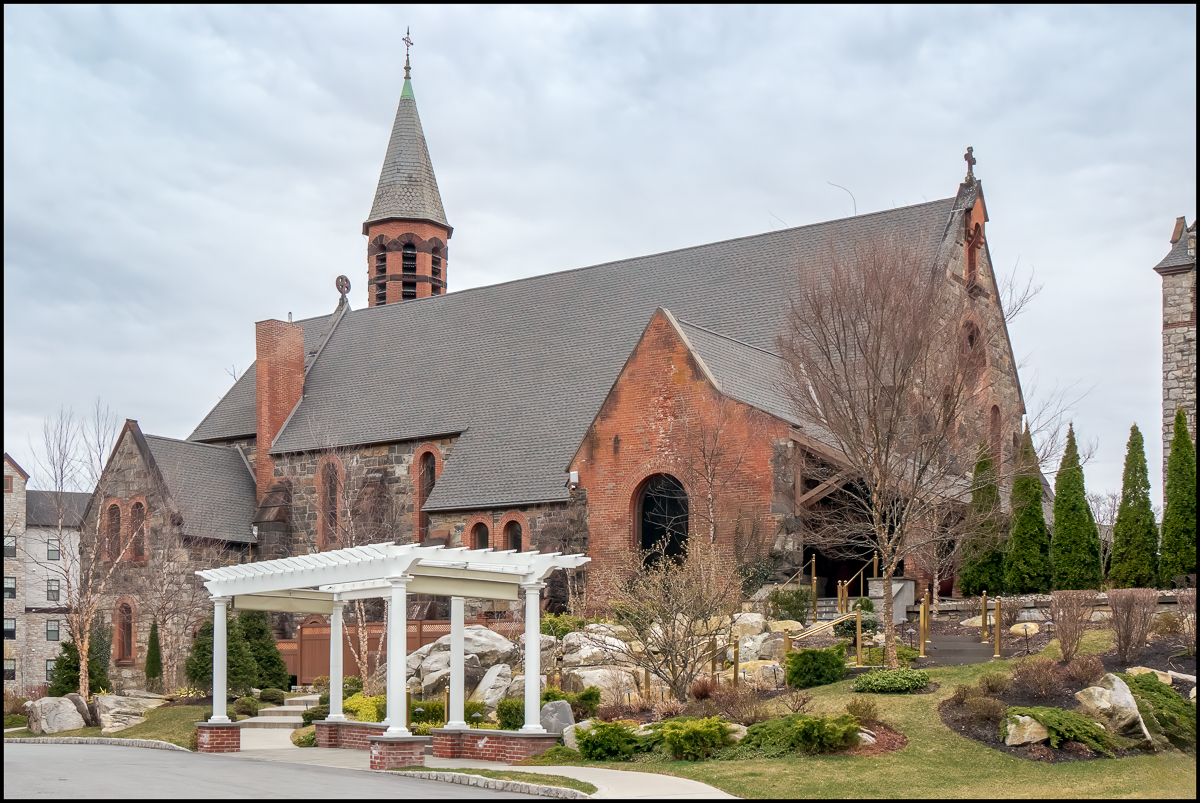
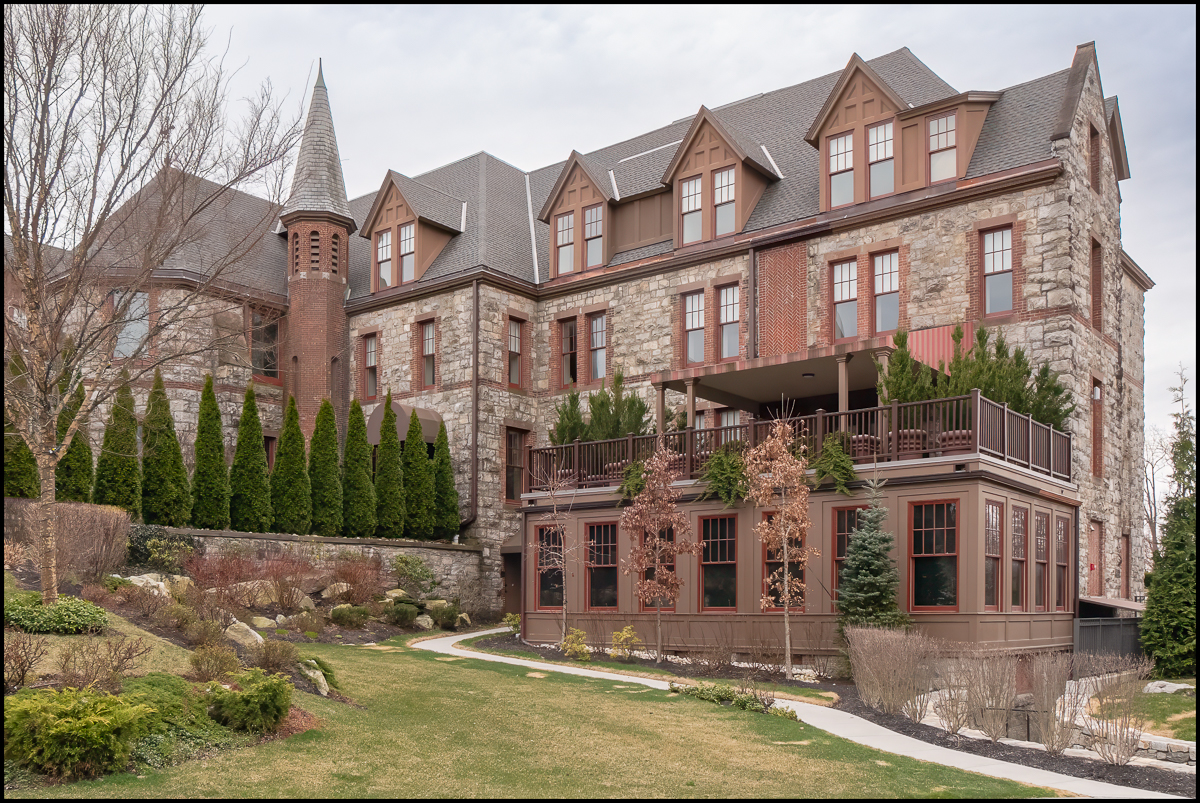
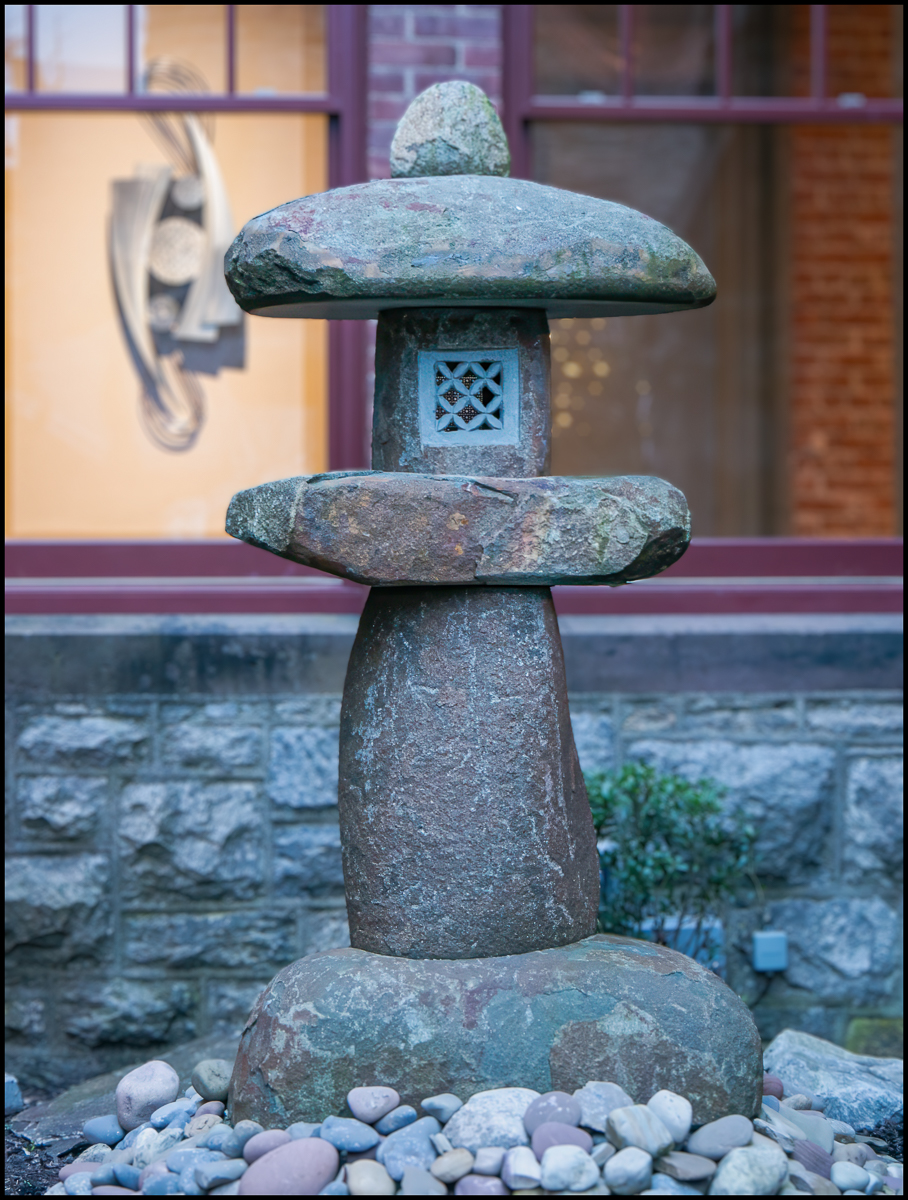
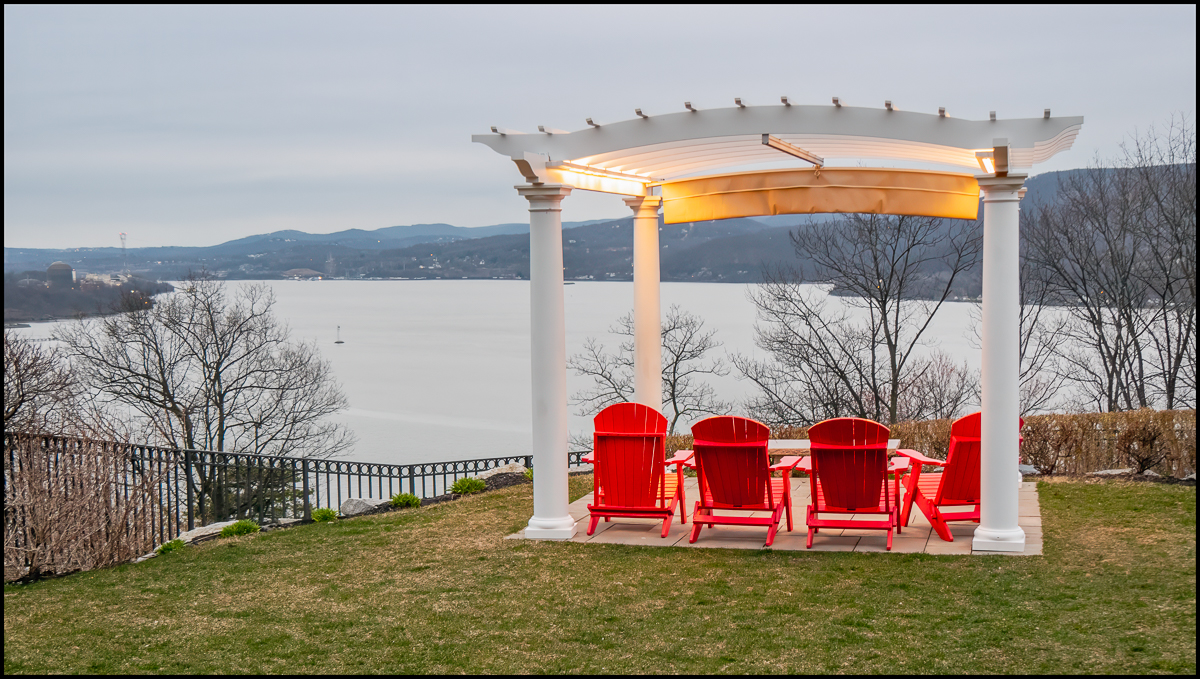
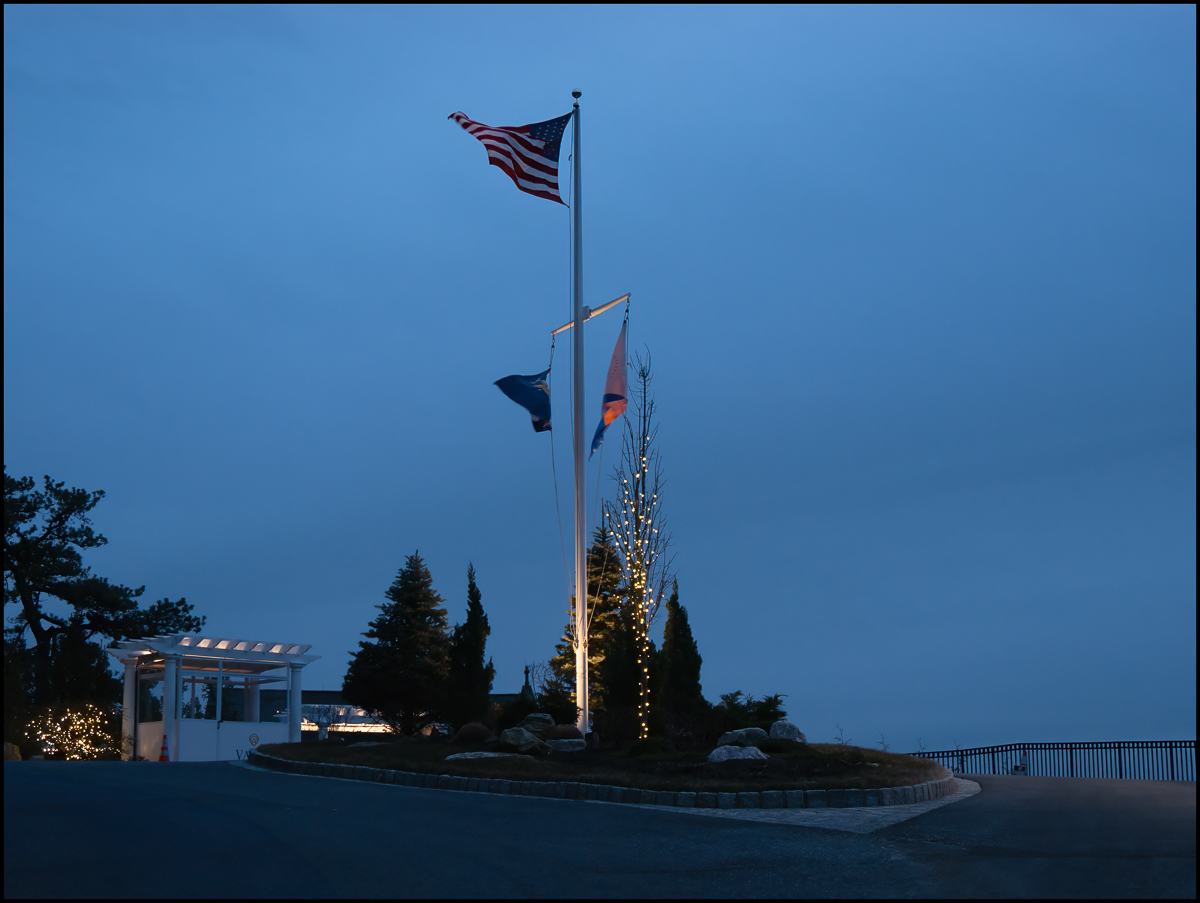
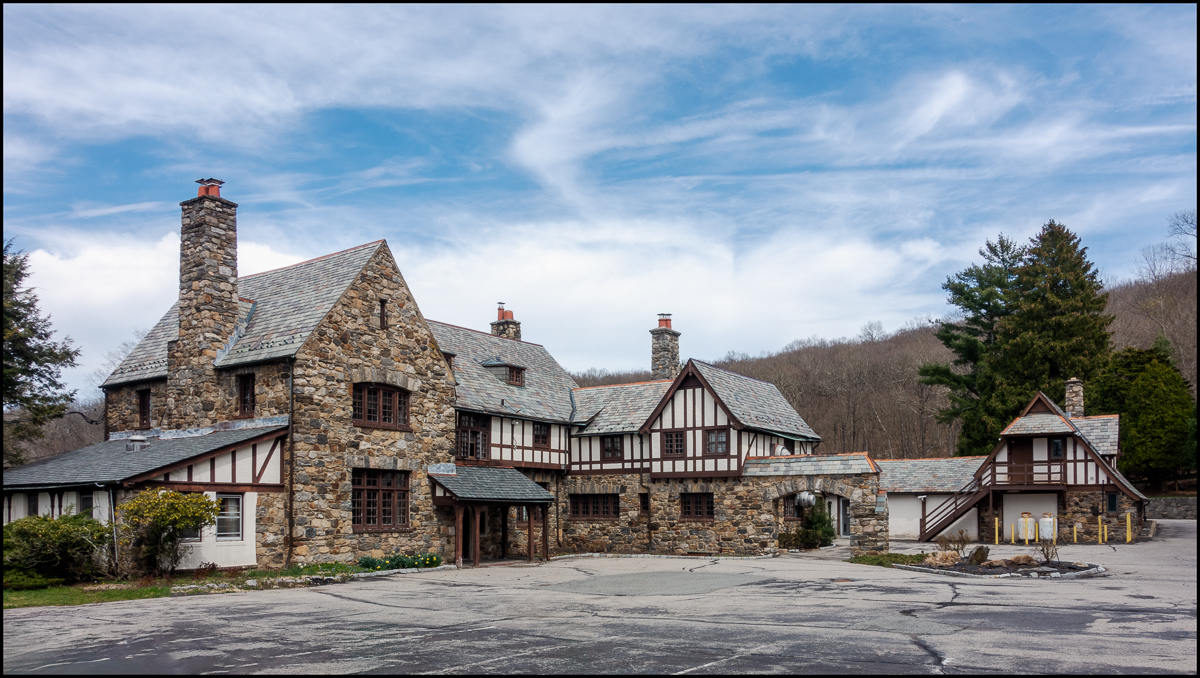
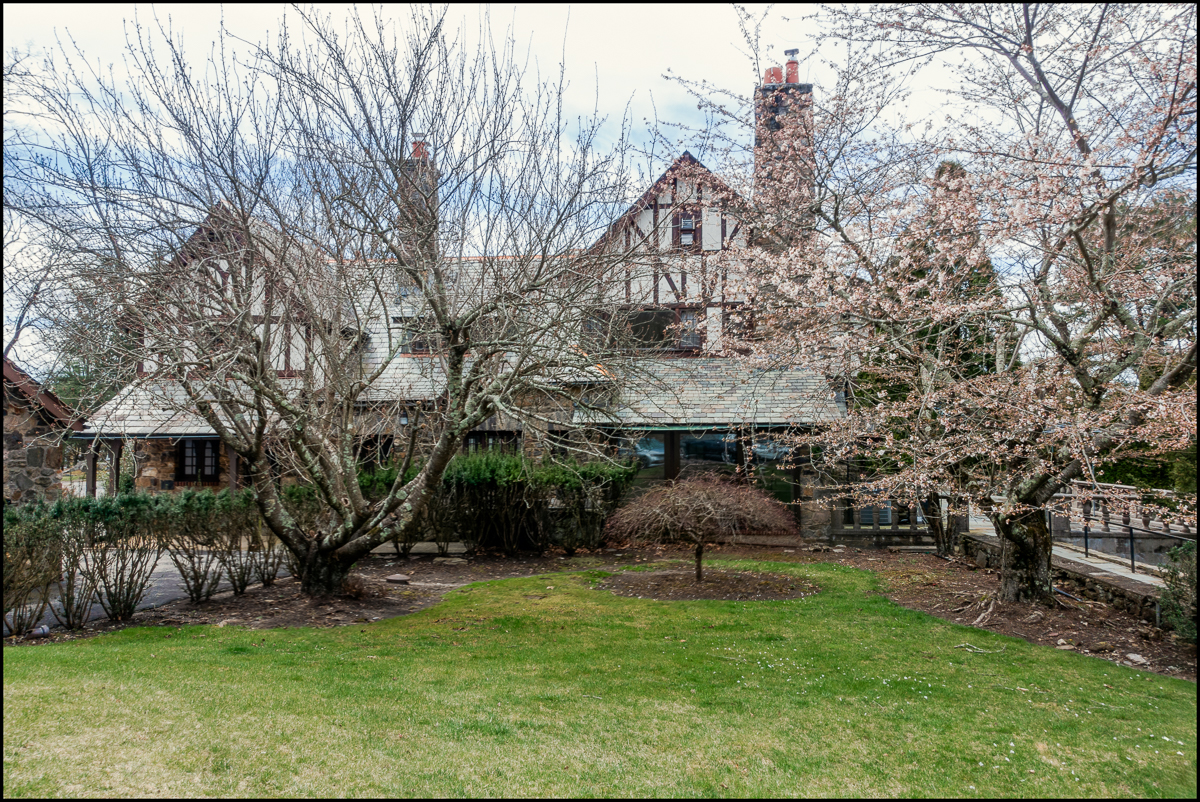
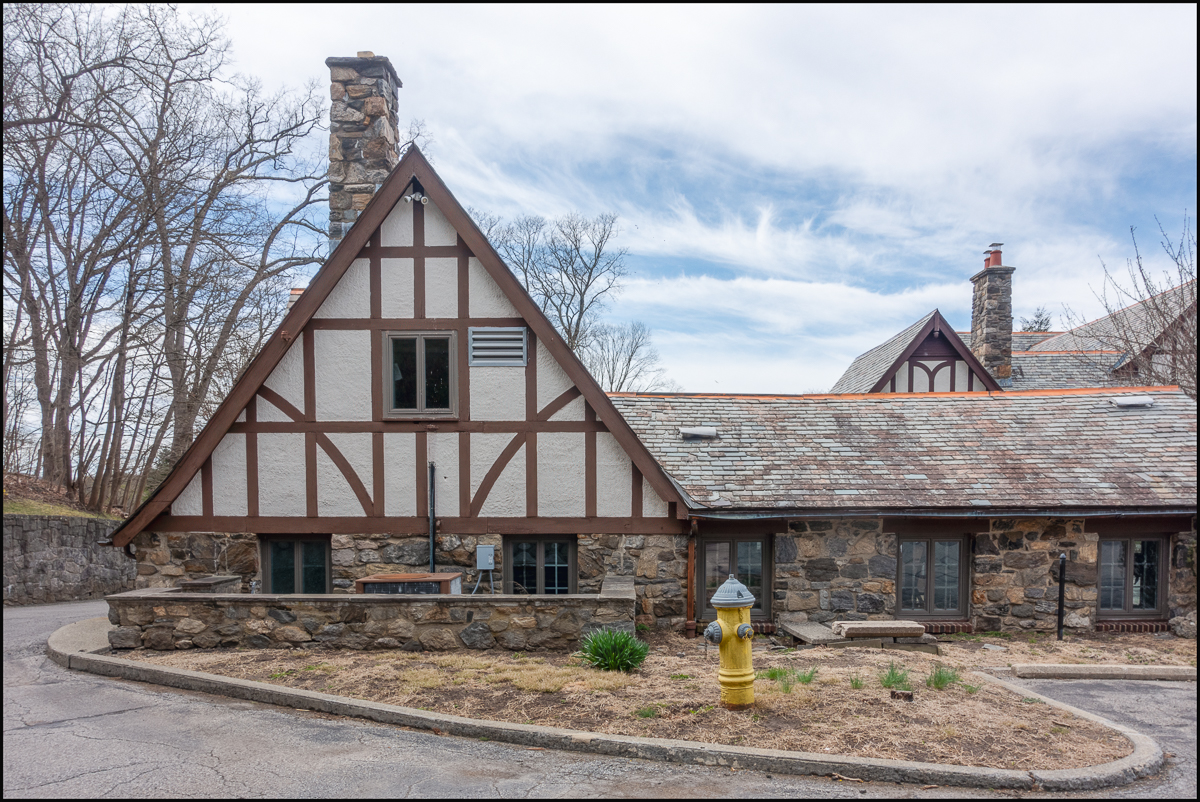
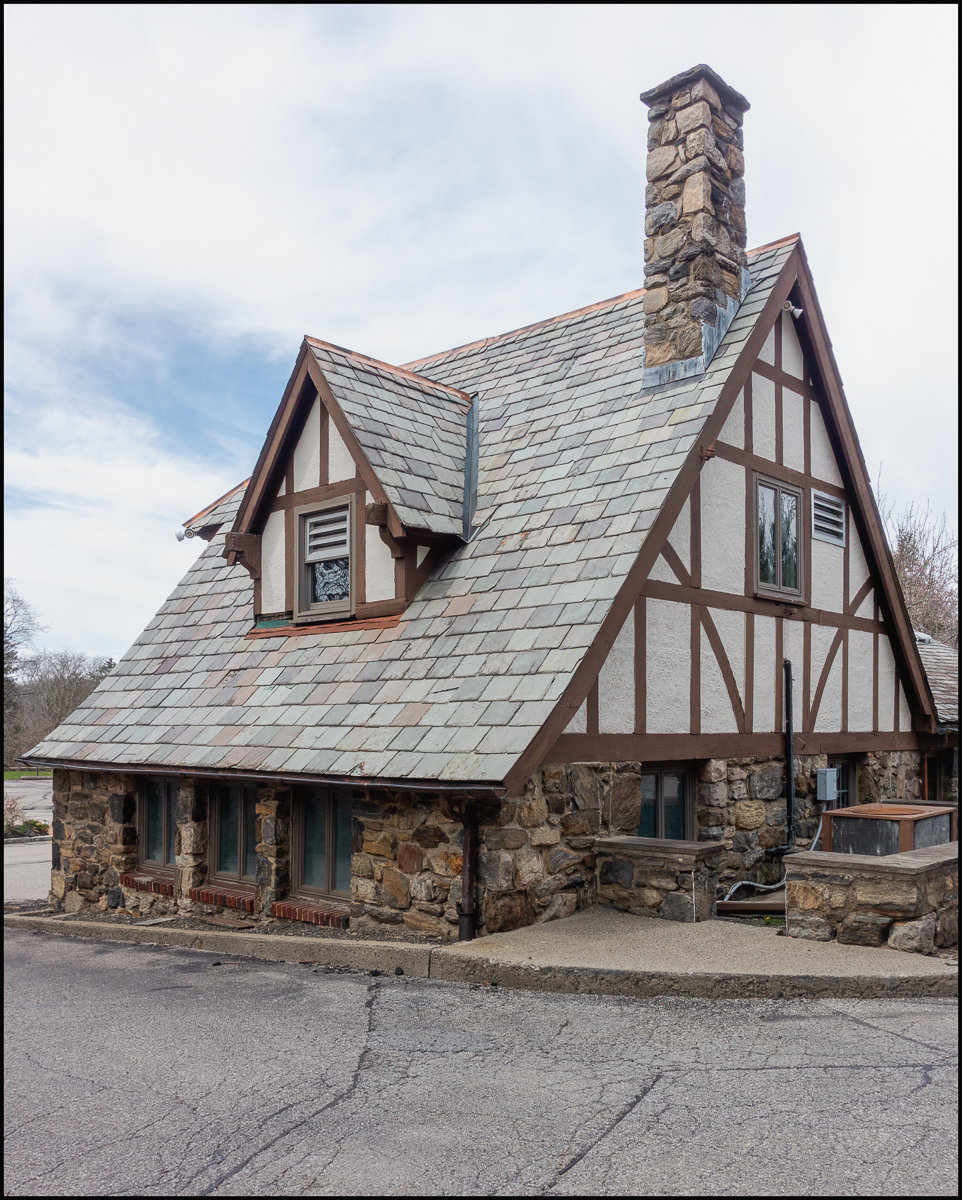
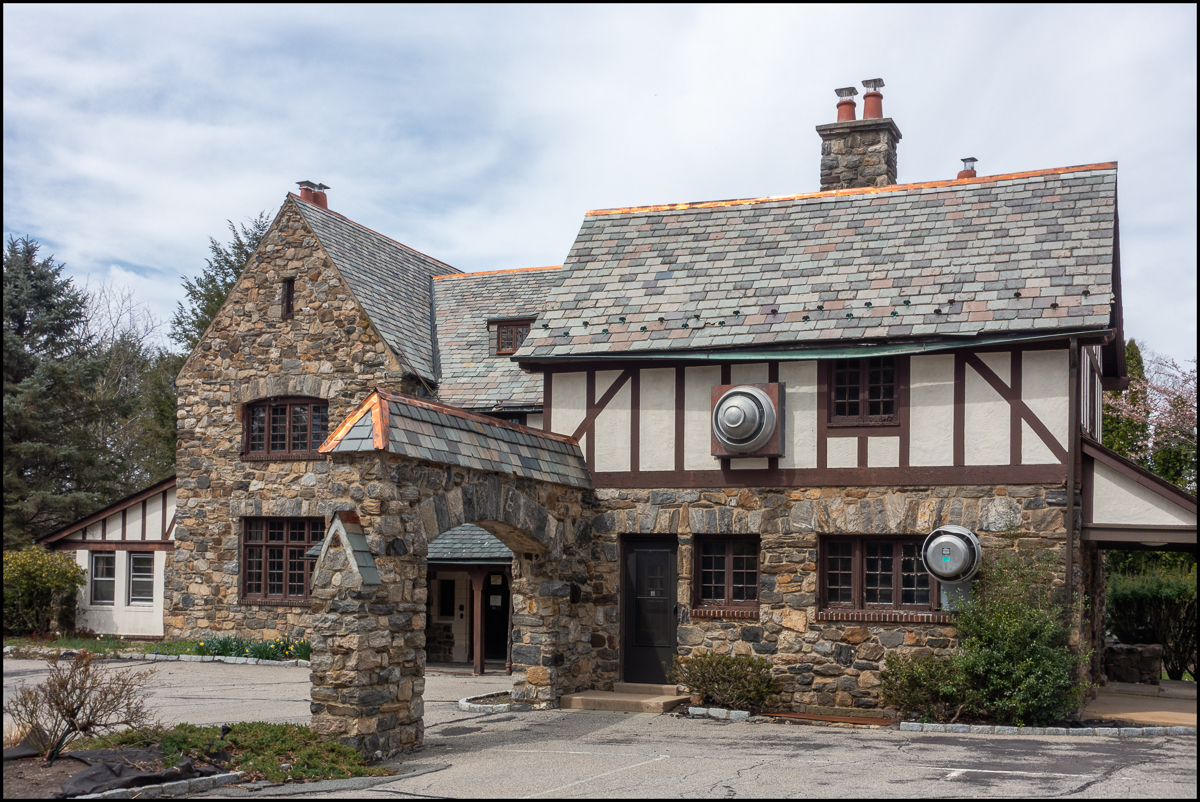
I’d passed this house many times before. It’s between Briarcliff Manor and Pleasantville and you can barely see it from the road. I didn’t know much about it and was unable to discover much when I tried.
We (the Briarcliff Manor-Scarborough Historical Society) did discover that it’s called “The Manor House” and it’s in the typical Tudor revival style that you find all over Briarcliff Manor. It was built in 1925 by Oscar Vatet for Rev. Dr. Rufus P. Johnston (pastor of John D. Rockefeller’s Fifth Avenue Baptist Church). The building later became home to Dr. Arthur O’Connor; then to Cognitronics, and later to Frank B. Hall, Inc. It is an empty and unused part of Briarcliff Corporate Campus. We also found out that it stands where the School of Practical Agriculture and Horticulture (later the Pocantico Lodge, and the Miss Knox School) once stood.
There’s a local legend that Rockefeller paid for the house, but we haven’t found any evidence that that’s the case.
Taken with a Sony RX100 III
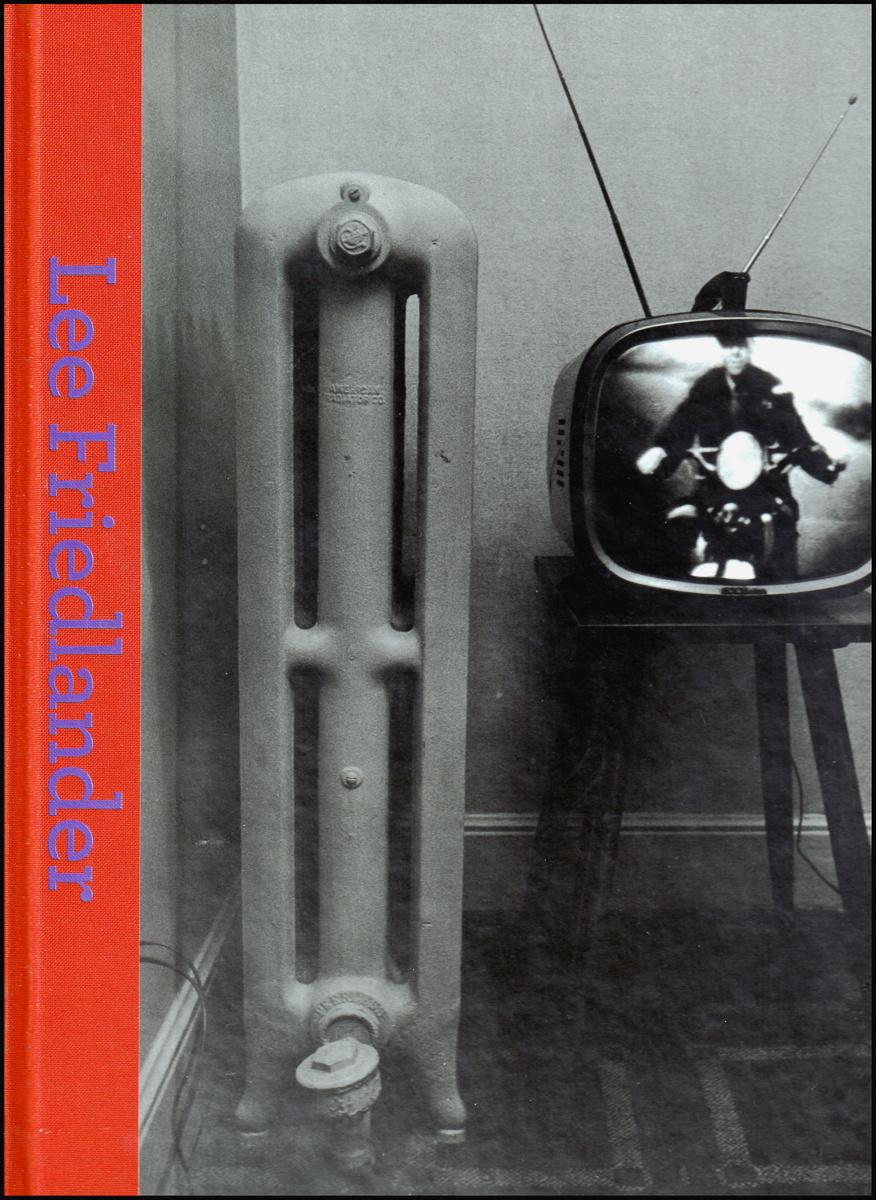
Once upon a time I didn’t care for street photography. But I’m an avid consumer of photobooks and after acquiring books by/about such luminaries as Joel Meyerowitz, Gary Winogrand, Robert Frank etc. I began to understand it better and even tried to do street photography of my own. One of the photographers I came across was Lee Friedlander. I saw some of his photographs online and liked them a lot and so decided to find out more. As is the norm for me I decided to get my hands on a book. This turned out to be harder than I thought. He’s a prolific creator of photobooks. See below for a partial list:
All you’ll have seen his books cover a multitude of topics. Unfortunately, that wasn’t what I wanted. I was looking for a fairly recent retrospective covering his work in general. At that time the type of book I was looking for was either out of print, extremely expensive or both. This situation now seems to have changed so when I spotted this book, I immediately acquired it.
It’s quite a large (10″ x 12″) book, which explains why the right side is cut off in the picture. It just wouldn’t fit on my admittedly small scanner.
The book is in four parts. The first is an essay by Carlos Gollonet entitled “The World According to Lee Friedlander”. I found this most informative and refreshingly free of the “critic speak” you often find in such pieces. Instead, it was rather easy to read. I found the second part, “My life with Lee. An Interview with Maria Friedlander” to be absolutely fascinating. Since Mr. Friedlander is known for his reluctance to give interviews, this might be the close as we’re going to get. The third part: “How he sees” by Nichols Nixon is short and left very little impression on me. I guess it’s a personal reflection by someone who knows Friedlander well. The third part, which takes up most of the book is called “Catalog” and contains over 300 photographs, mostly black and white, but a few in color. The book concludes with a chronology of the artist’s life by his grandson Giancarlo T. Roma.
I really enjoyed it.