Woodland Scenes

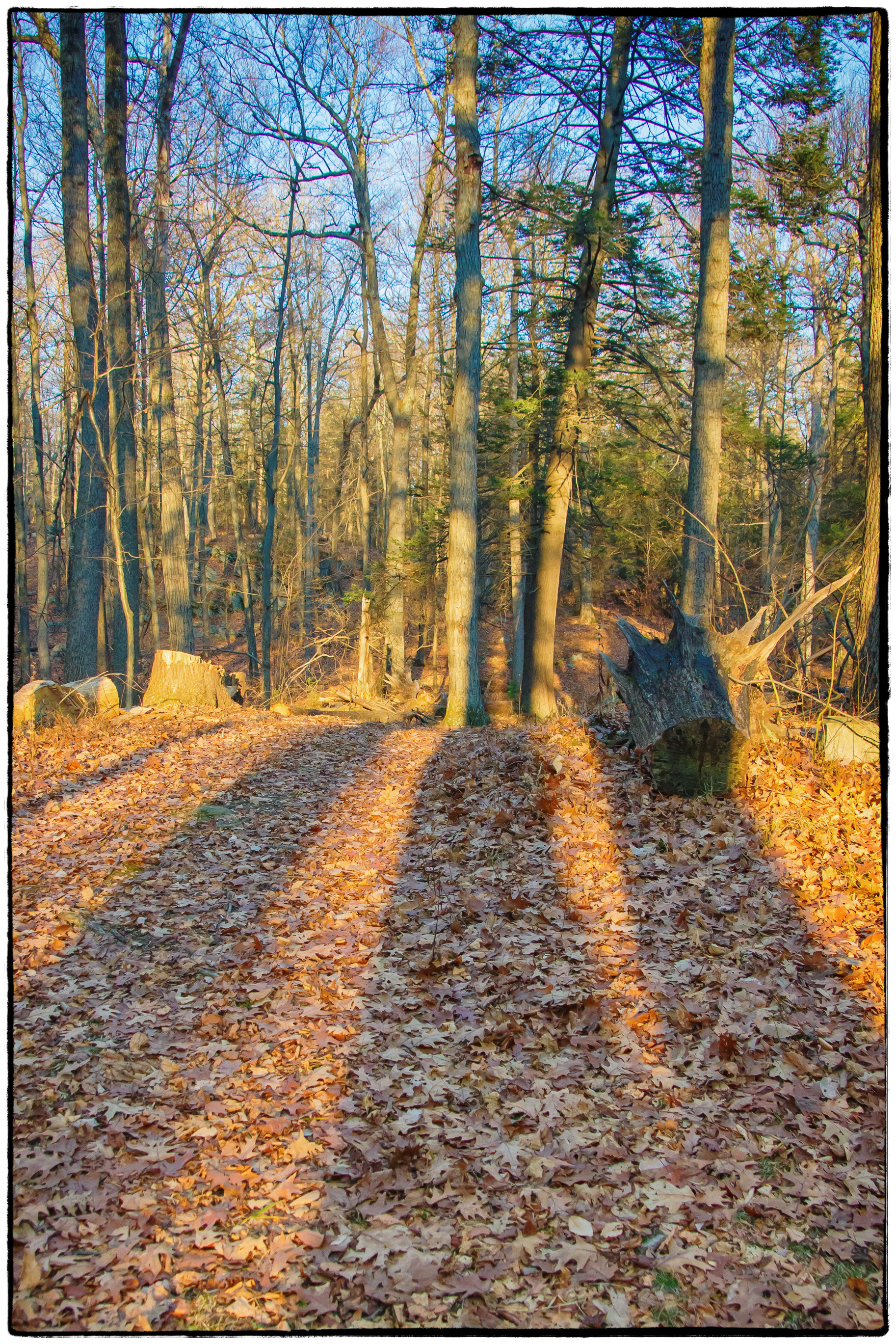
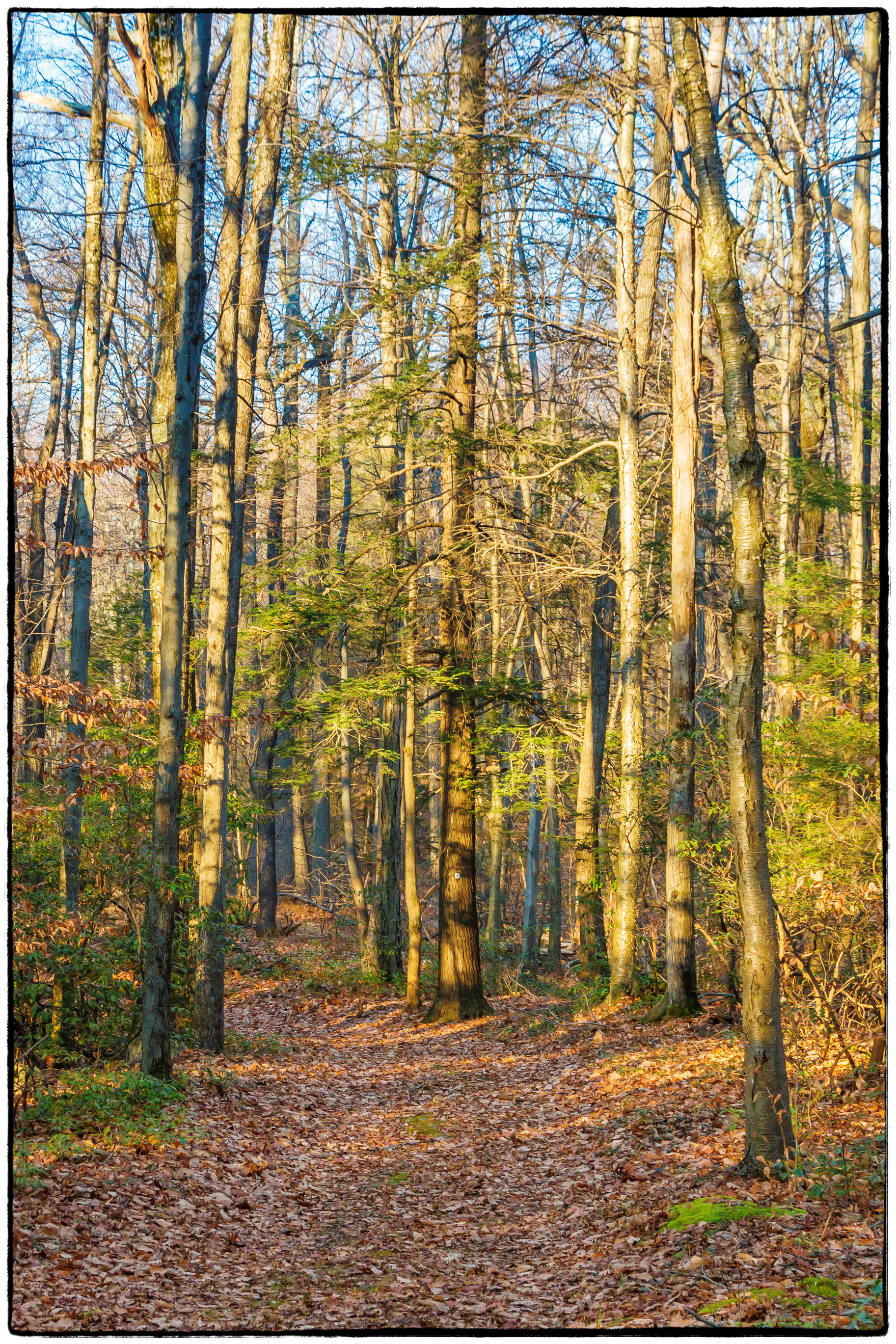
Late fall is an interesting time to walk in the woods. At first all I could see was large expanses of bare trees – not really all that fascinating! However, as I was walking back I noticed that the light was very appealing. It was around 4:00 pm and the sun was going down. In fact since we were close to some fairly high hills it would be disappearing behind them extremely quickly. The light was very warm and the shadows were very long. In summer you can only really see the first row of trees, which covers everything behind. In fall you can see farther to other trees as well as rocks and the like.

Always look back

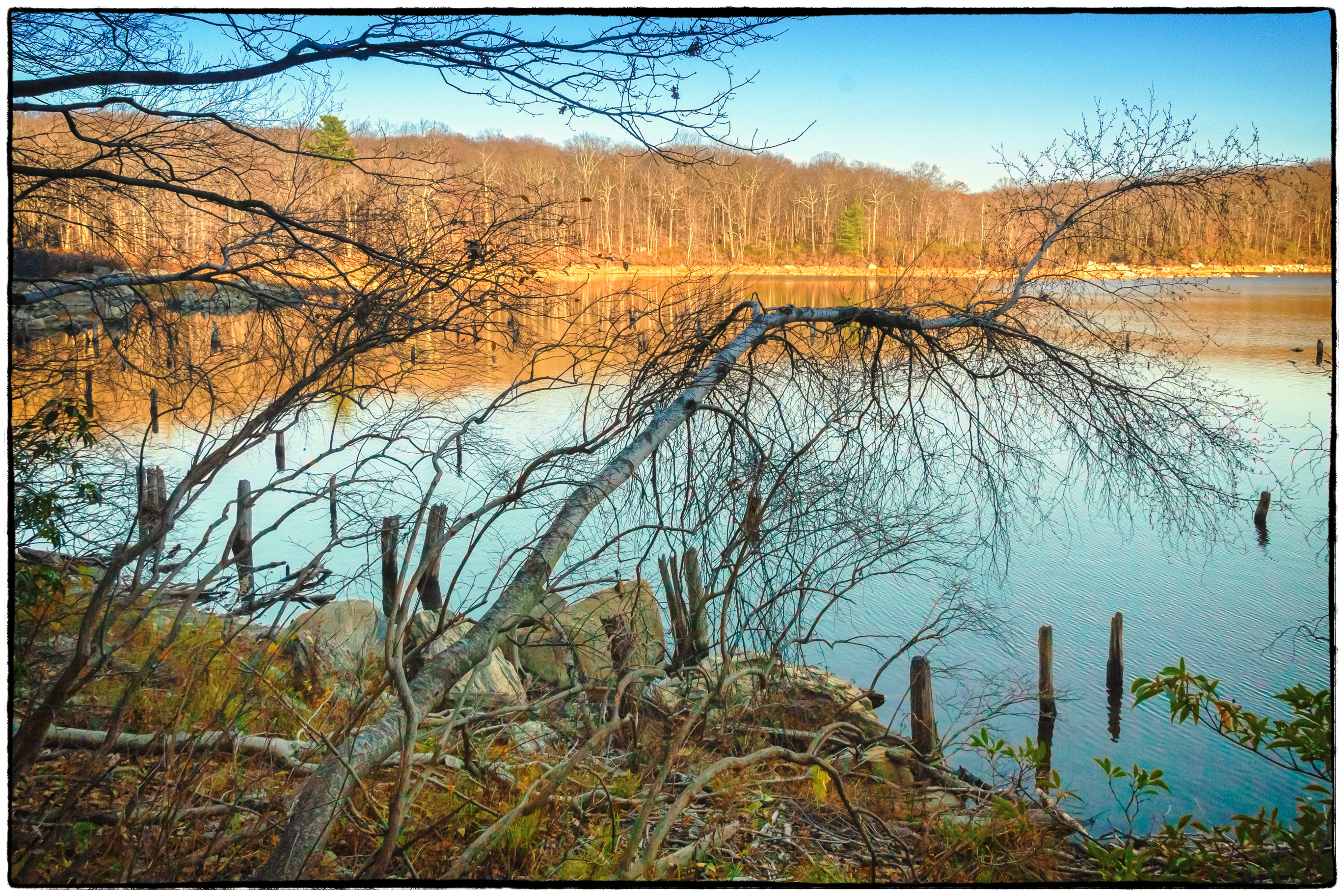
During my recent walk in the woods I went down to Stillwater Lake then turned around and retraced my steps back to where I’d left the car. If I hadn’t walked back down the trail I wouldn’t have noticed this incredible fallen tree branch – I just hadn’t seen it on my way down.

It made me think of some kind of prehistoric animal lurking in the woods. You can almost see the tail going off to the left; the snout pushing out to the right; the twin diagonals of the front legs and the hint of a rear leg behind. I can also make out a small mouth, and some ears and even a suggestion of an eye. Maybe this is the explanation for the sign in the above post which reads: “Do not pass this point after 3:30pm?” Could that be when these things come to life :-)?

The lesson here is to always look back in the direction you’re coming from. You never know what you might see.

Stillwater Lake

I haven’t been getting out into the woods too much of late – for a variety of reasons. We got our dog from a shelter and I think he’s largely a town dog. He much prefers to walk on paved surfaces than he does on the narrow, rocky, rooty trails that seem to be the norm around here. I’ve also been feeling a bit lazy so I’ve limited our daily walks to the road around our lake. Today though I thought I’d try a walk in the woods so off we went to nearby Fahnestock State Park, about five minutes away from where I live. It’s actually possible to walk into the park from the house using the Roaring Brook Trail but I thought I’d approach it from the other end, near the park visitor’s center.

After walking for a while the trail divided and instead of following the Roaring Brook Trail I thought I’d try out the Stillwater Loop in the hope of finding a new (to me at least) lake. We walked for about two hours and I must say that contrary to my expectations Harley really seemed to like it. Maybe this was because the trails mostly follow old woods roads and are wider and not as rough as other trails in the vicinity.

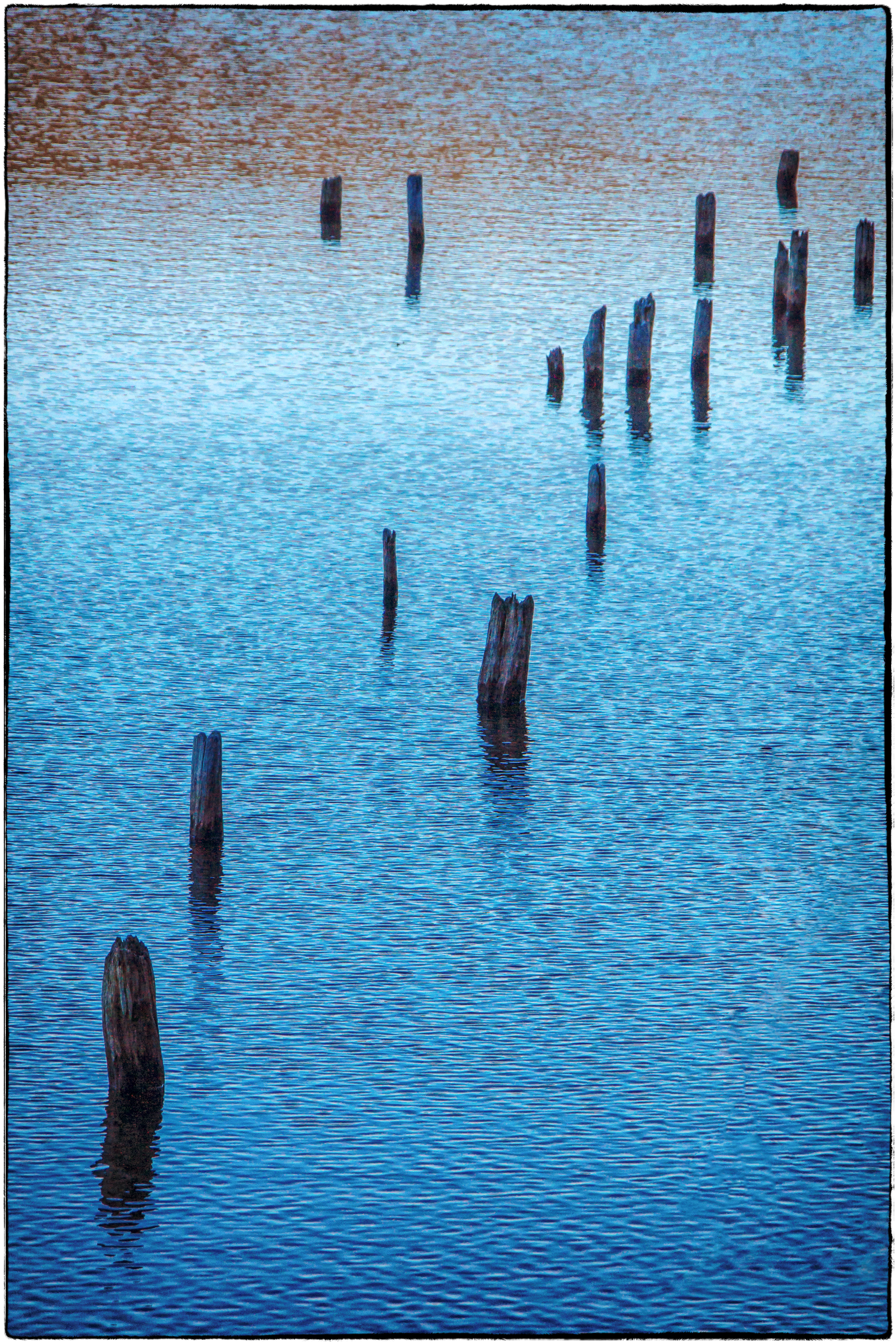
I’m not entirely sure what these are. At first I thought they were the remains of trees in a part of the lake that had been flooded. Looking at the picture though they look a little more man made – possibly piles supporting a long gone dock or something?

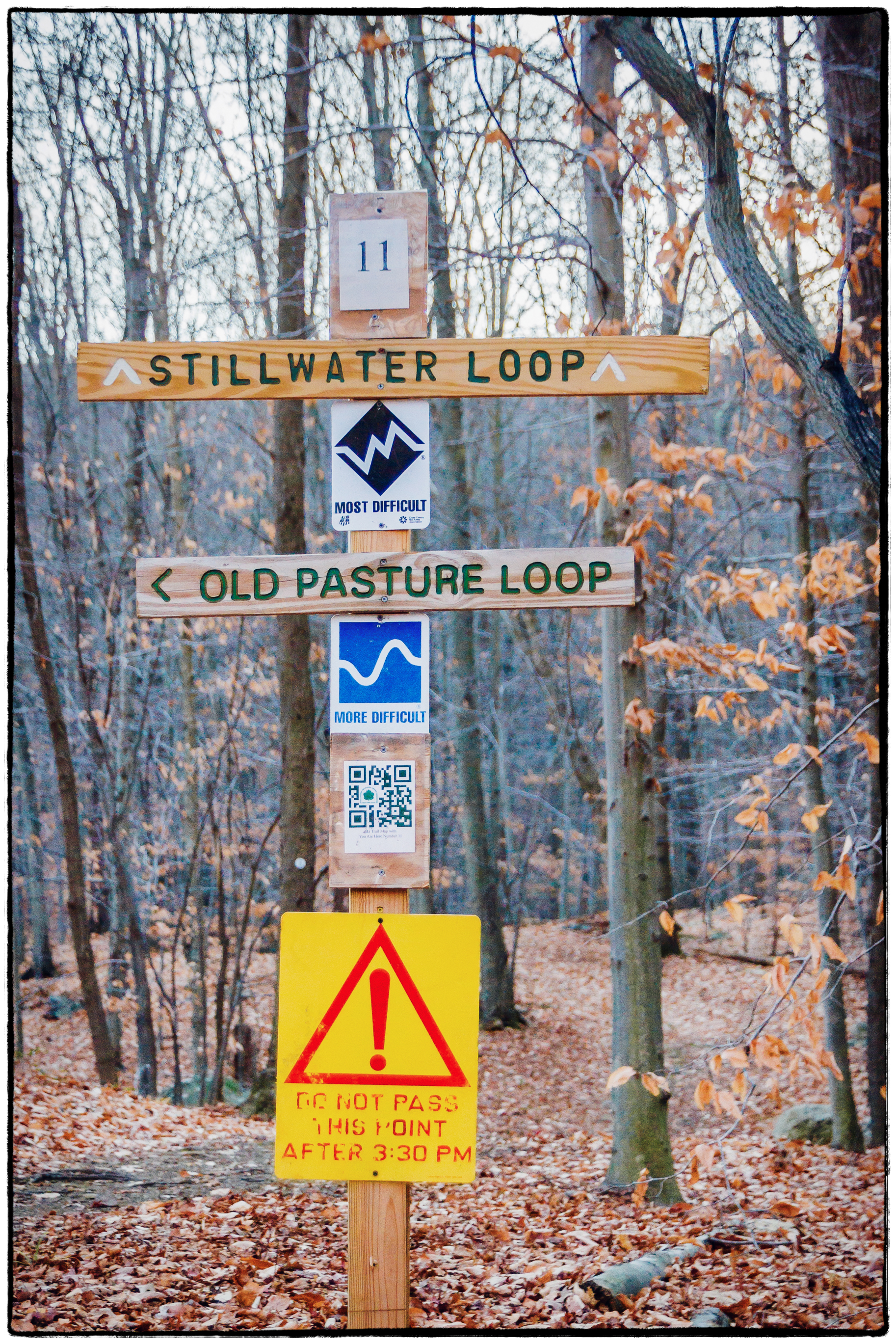
I was briefly intrigued by this signpost along the way, particularly the bright yellow sign at the bottom which reads: “Do not pass this point after 3:30 pm”. What are the dire consequences if your do? Is this when they let the monsters out? Do you turn into a pumpkin? Then it occurred to me that it’s probably because around this time of year it starts to get dark around 4:00pm and they don’t want people walking around in the woods in the dark. That’s probably wise as the trails can be quite treacherous and there are bear in the woods.
Perfect and Unrehearsed

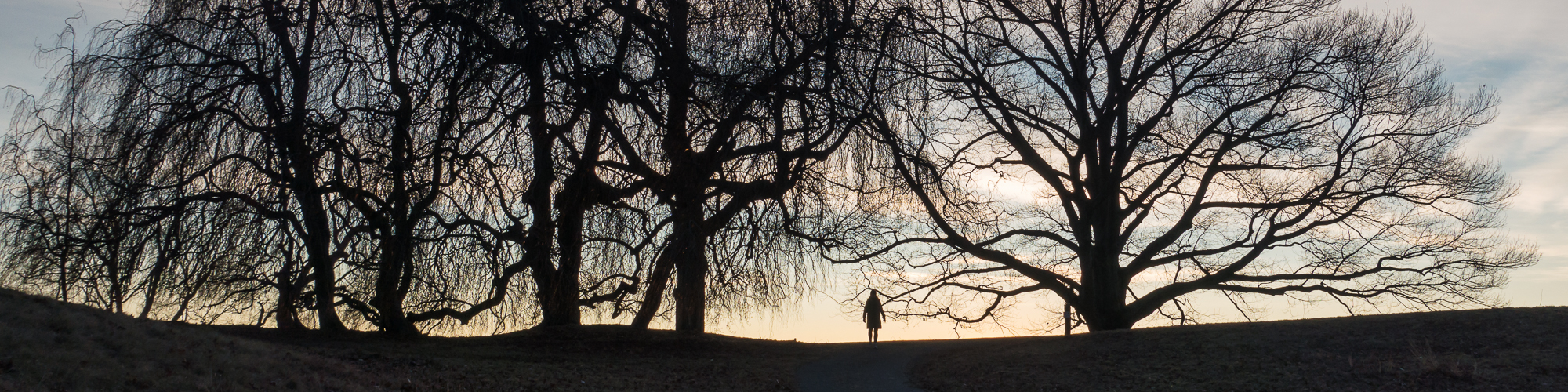
Interesting take on Cartier-Bresson’s “The Decisive Moment” with, as always from Lens, lot’s of great pictures. I’ve always been a bit confused by exactly what was meant by the “decisive moment”. This article helps a lot in clarifying things. The definition that I’ve heard most goes something along the lines of “the single short moment in time when everything comes together perfectly”. The moment comes and then is gone and can never be recaptured.

This article points out, however, that the original French title of Cartier-Bresson’s book was “‘‘Images à la Sauvette’’, which means “images taken on the sly”. In the article photographer Alex Webb suggests (in conversation with the article’s author) that:

To limit Cartier-Bresson’s photos to just a single moment misses the point. As Webb told me, Cartier-Bresson allowed him to see that there are ‘‘often multiple potential moments to discover in many situations — and that different photographers will find different moments.’’

There’s no single right answer, just as there’s no photographic formula.