Trying Polaroid again

I don’t like Polaroid cameras, and they certainly don’t seem to like me. But a lot of people do seem to like them, so a while back I bought the latest and greatest Polaroid camera: a Polaroid I-2. The first time I tried it I was not surprised to discover that I hated the results. Then I read that there was a problem with the exposure. It didn’t work correctly when the camera was in auto mode. I kept meaning to try it in manual, or aperture priority to see how that went, but I never got around to it.

However, I recently read that Polaroid had issued a firmware update that fixed the exposure problem. I updated the firmware and put the camera aside (you can see how enthusiastic I am about Polaroid photography). Eventually I went out to try it.

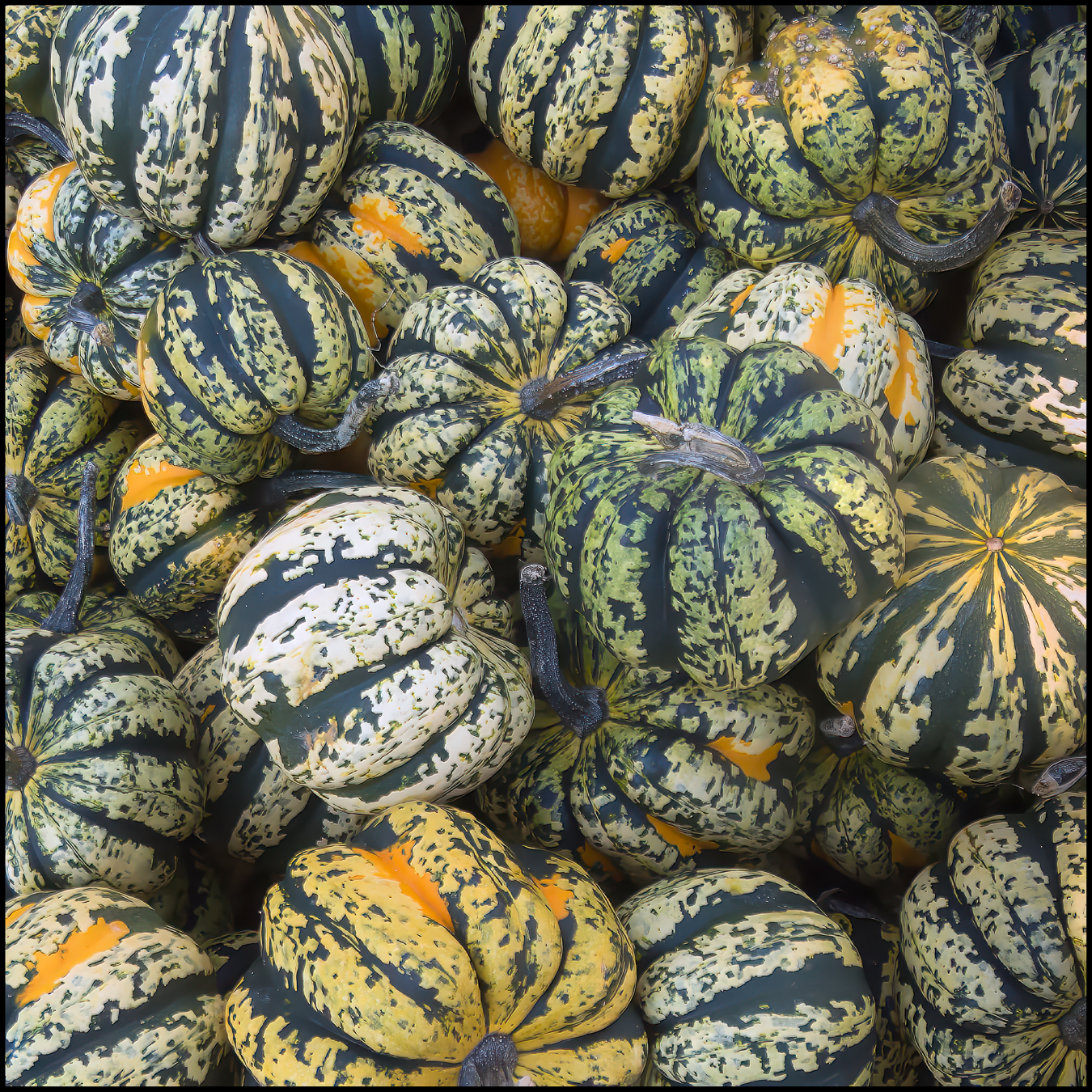
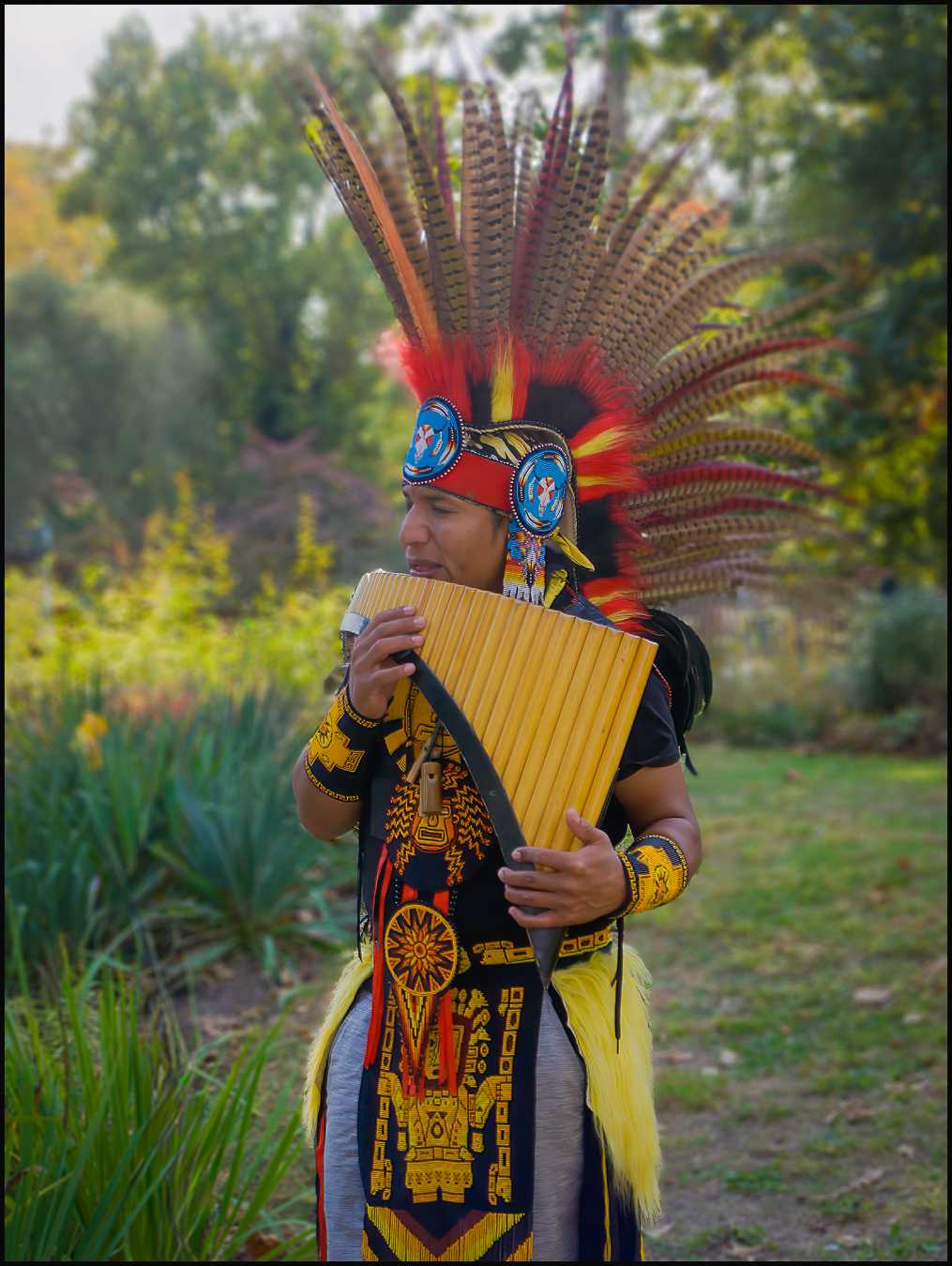
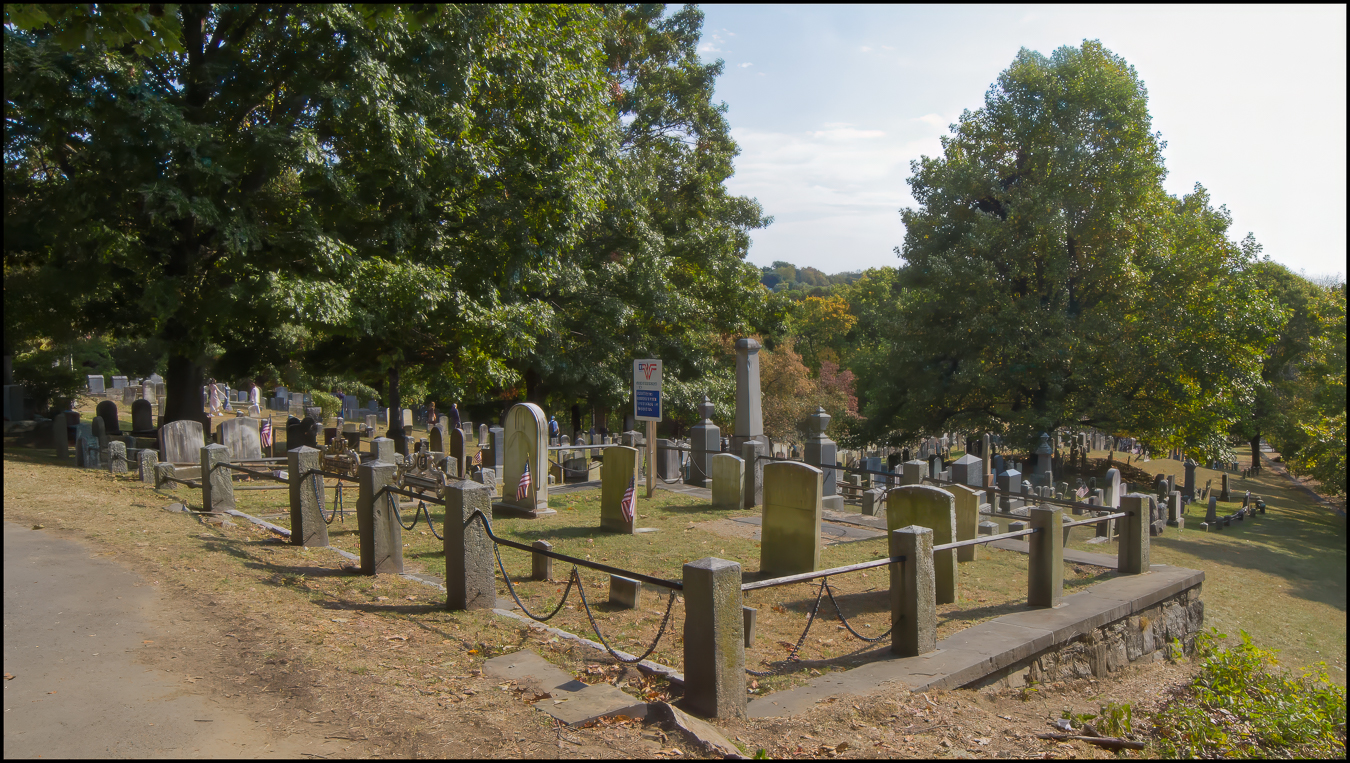
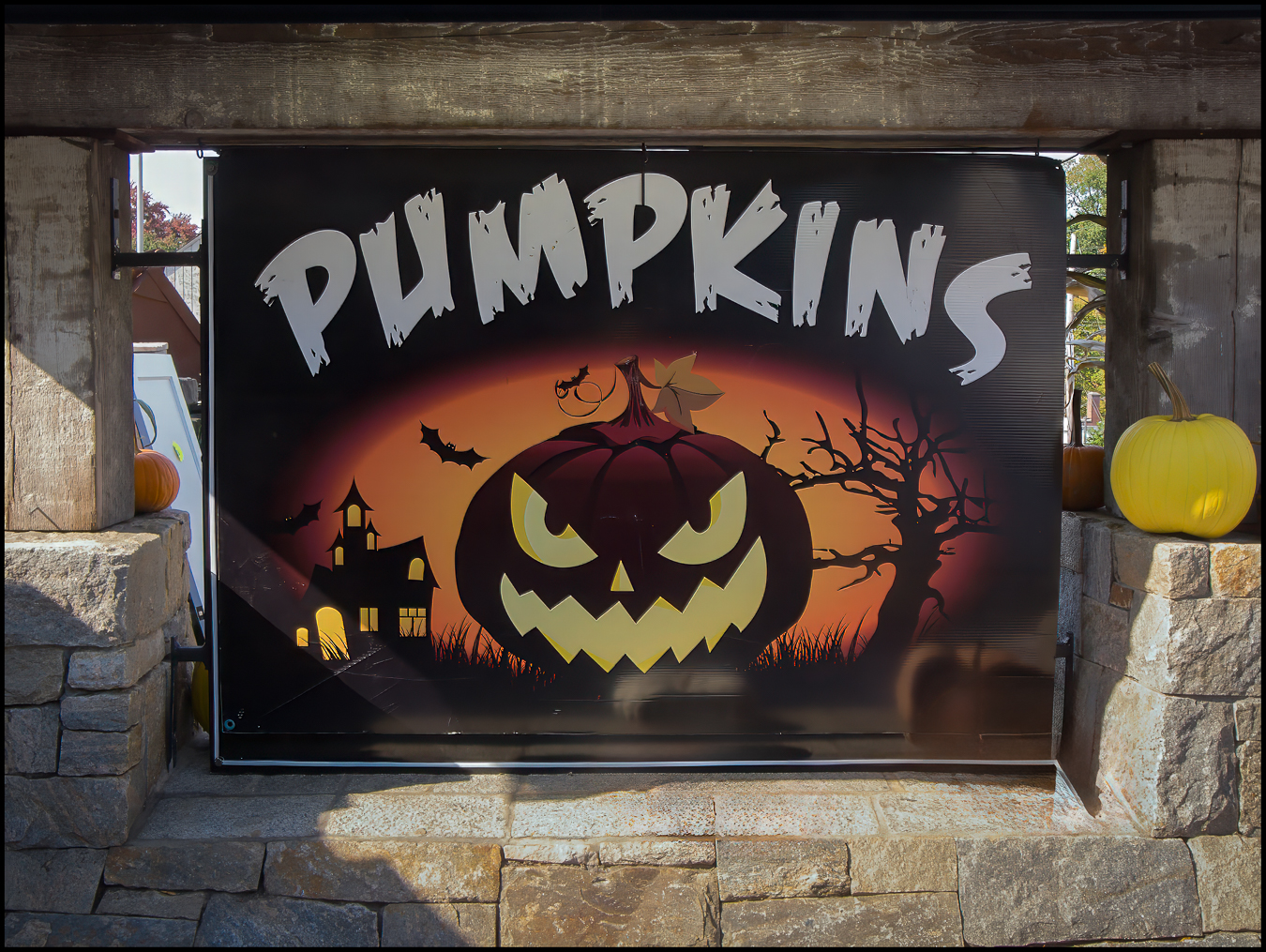
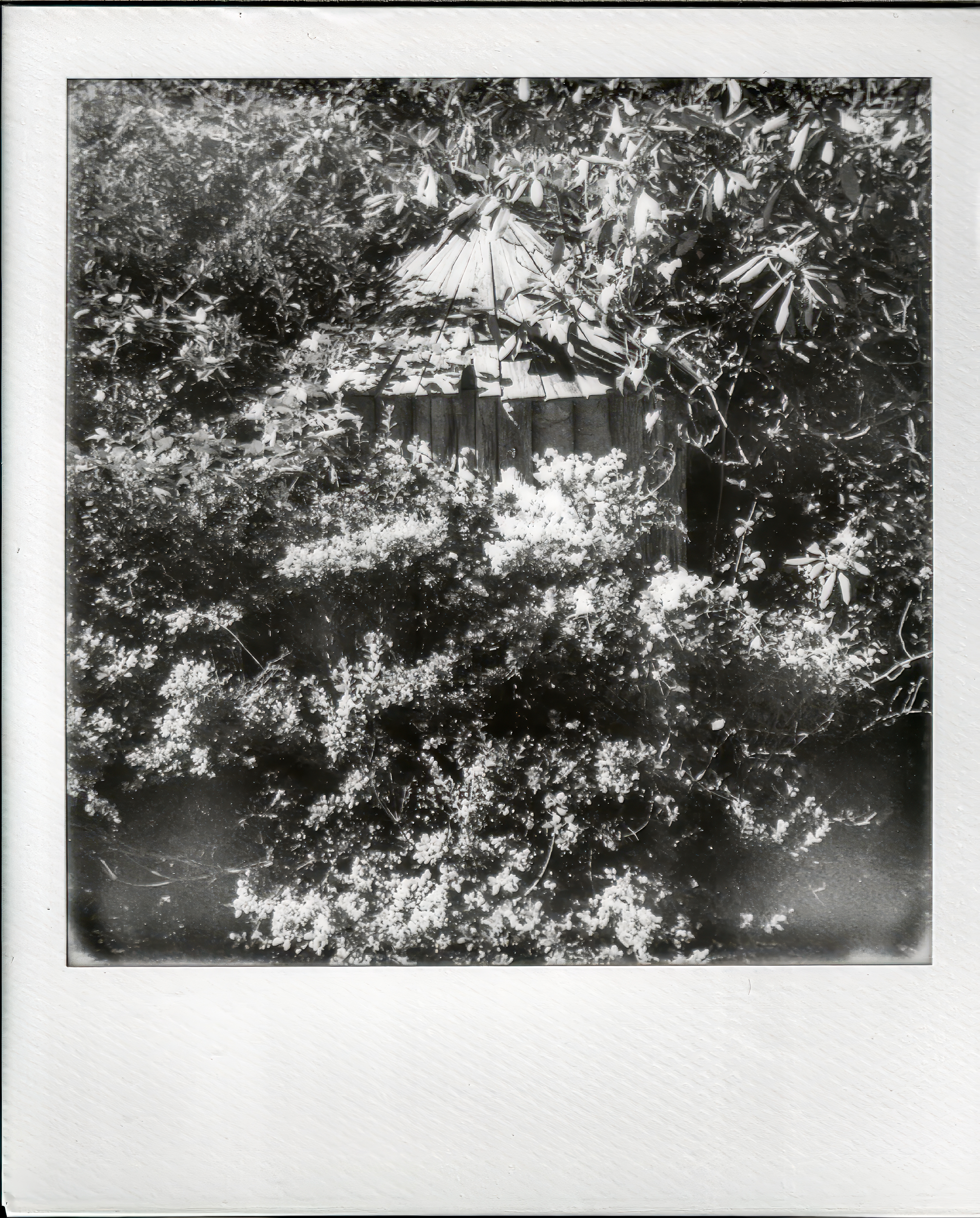
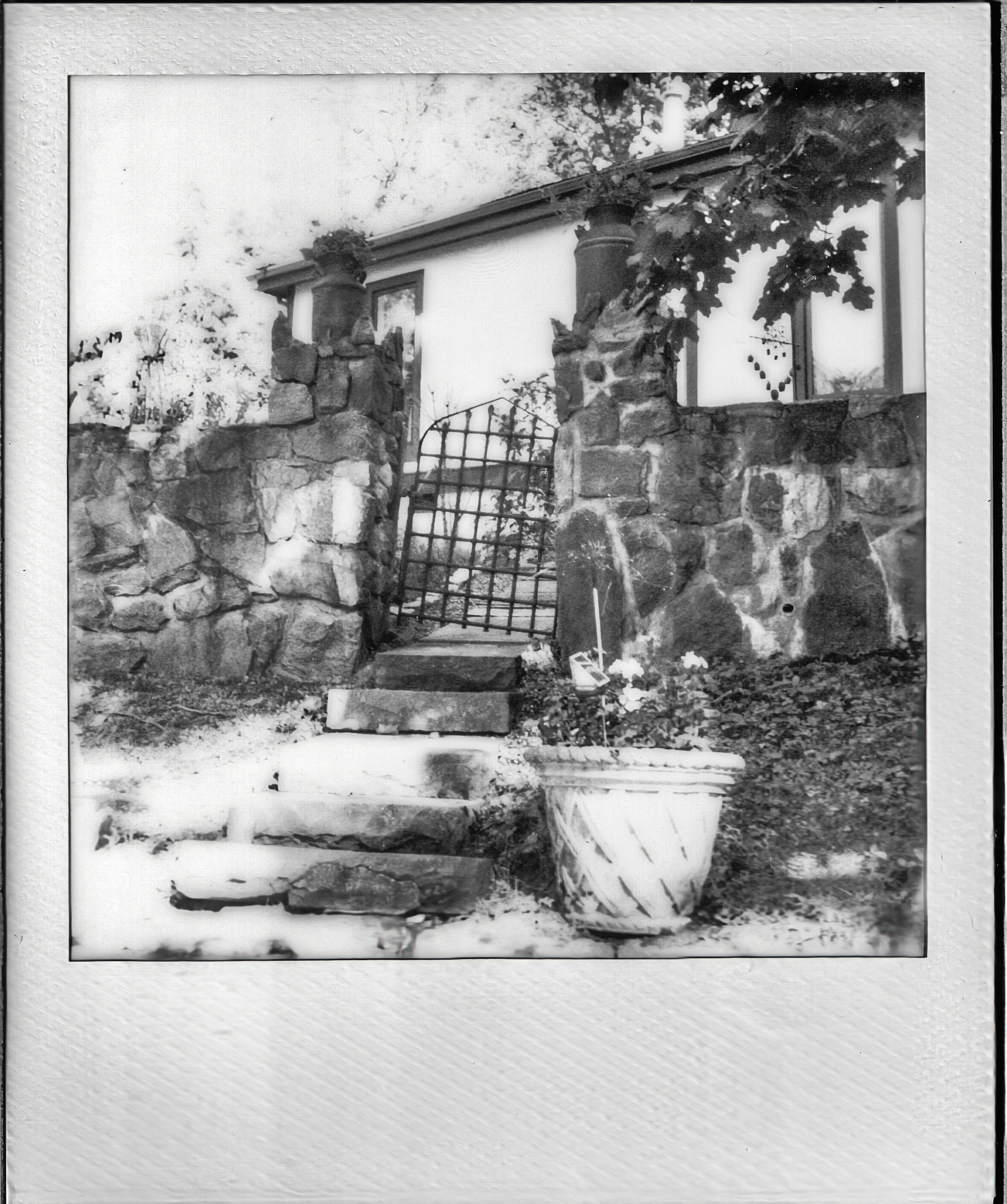
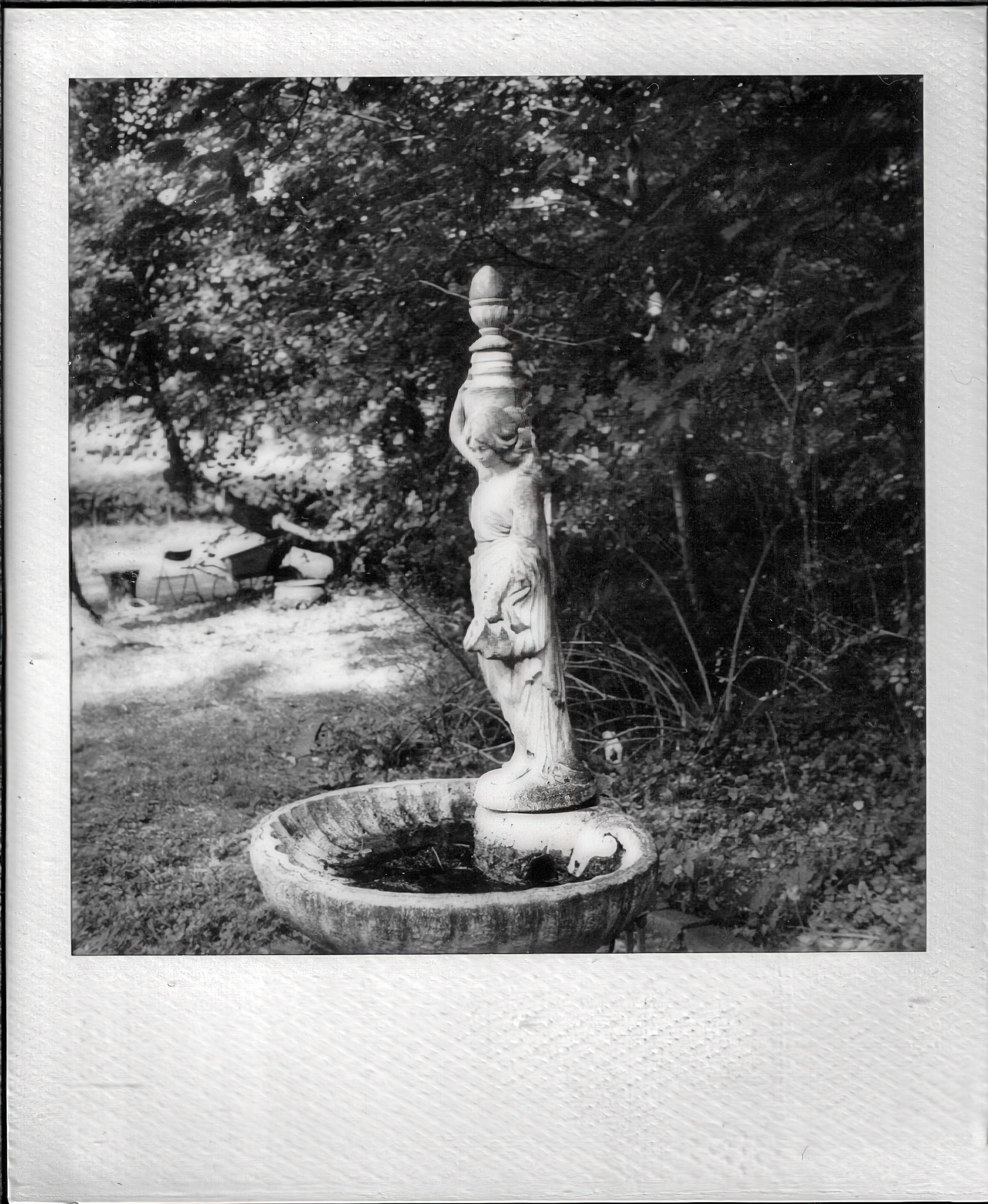
How did it go? Well, you can see from the pictures…terrible, and if you think this is bad you should have seen my first attempt to scan the pictures. I didn’t notice, until I’d already scanned them all, that I’d left the camera set to scan color rather than black and white, so I had to scan them all over again.

Once again, I’m disappointed with the results but I’m starting to see light at the end of the tunnel. It’s fairly clear that I chose the wrong weather/time of day to take the pictures. There was too much contrast, and I think that the film didn’t have enough dynamic range to handle it. Next time I’ll go out on a cloudy day and see how that goes. I’m fairly persistent (stubborn?) and I’m not ready to give up yet. I have some more film on order.

I’ve read that you need to try several times before you start getting halfway decent results. That’s all very well, but Polaroid film is incredibly expensive, and these failed attempts are costing me a lot.
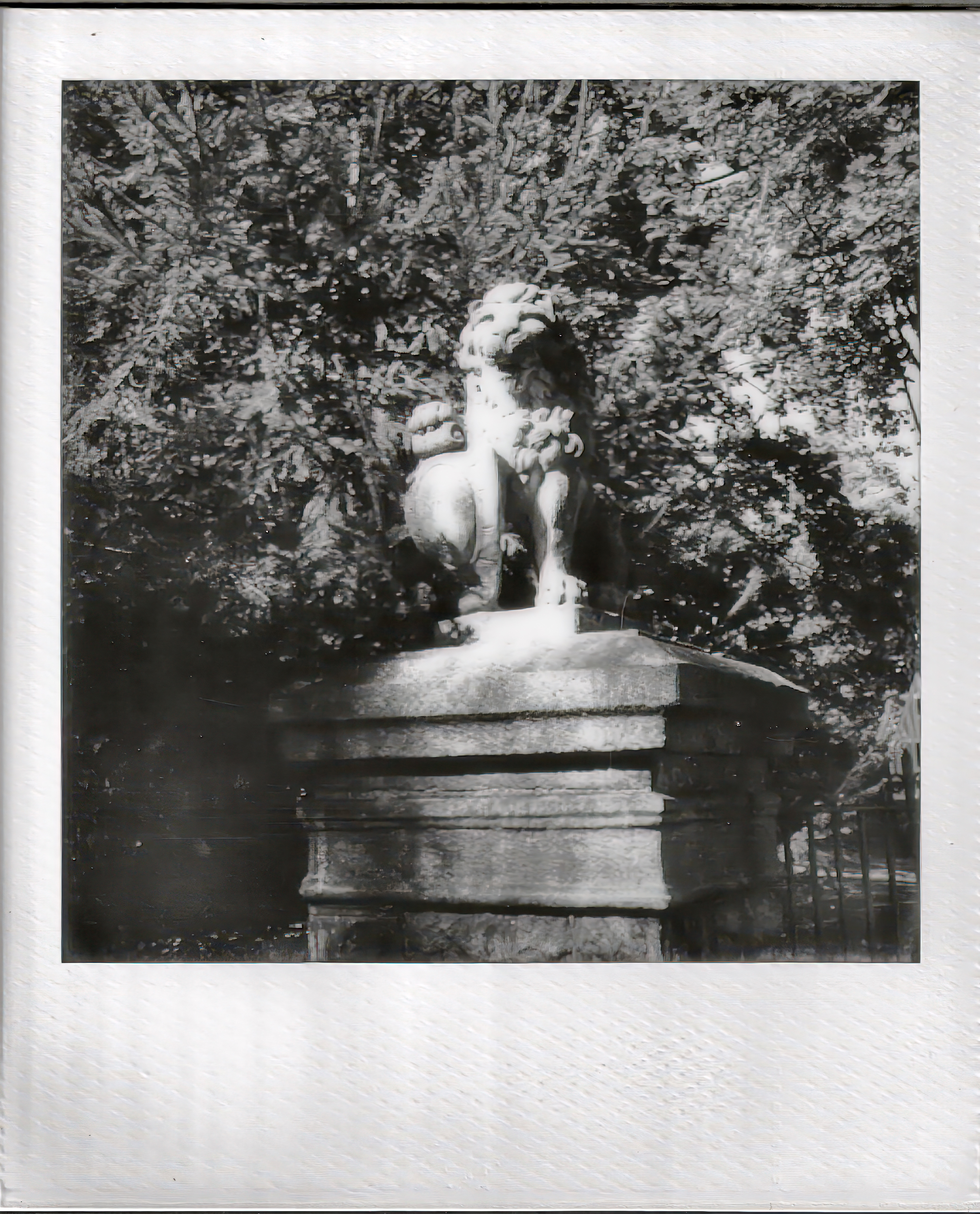
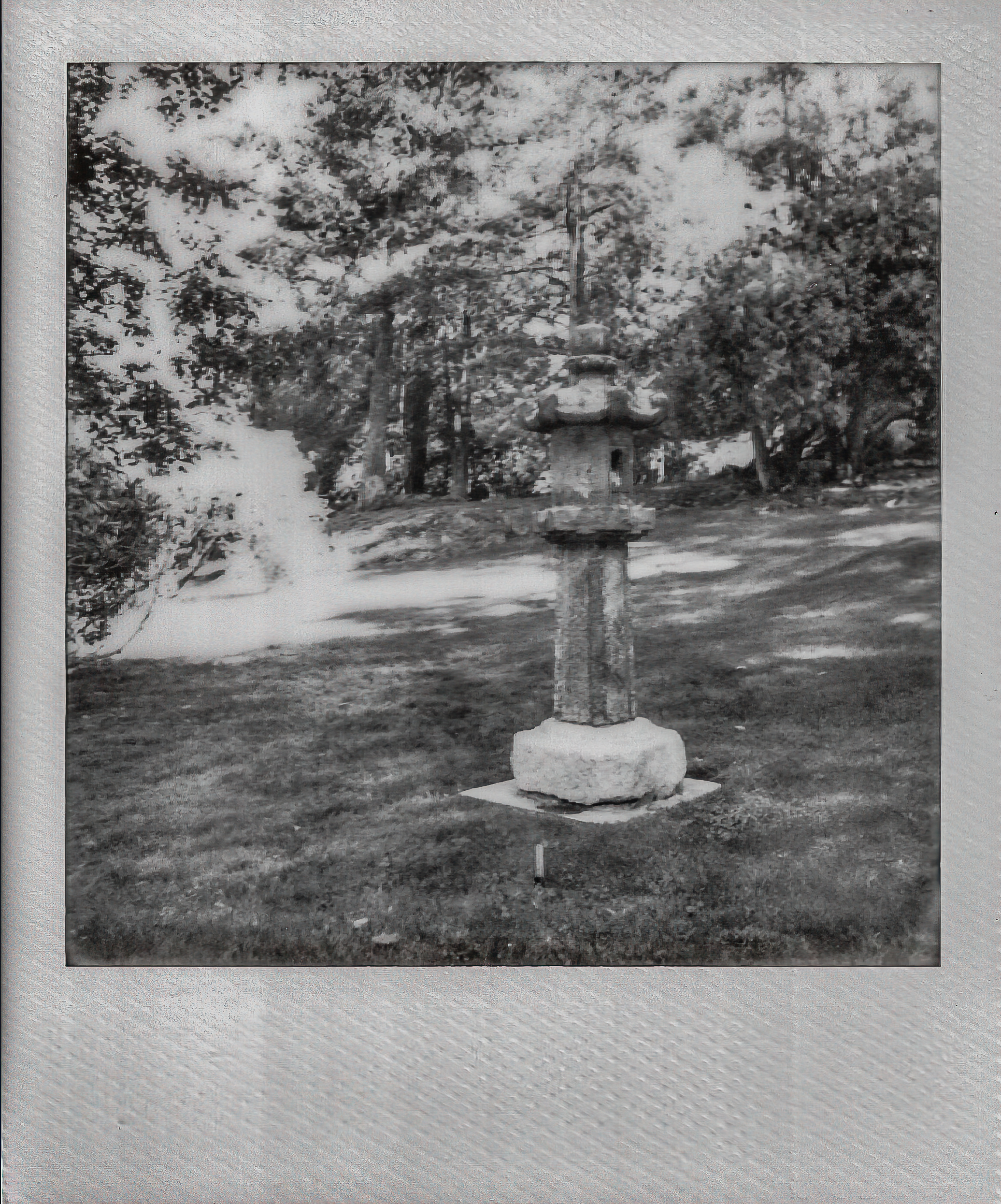
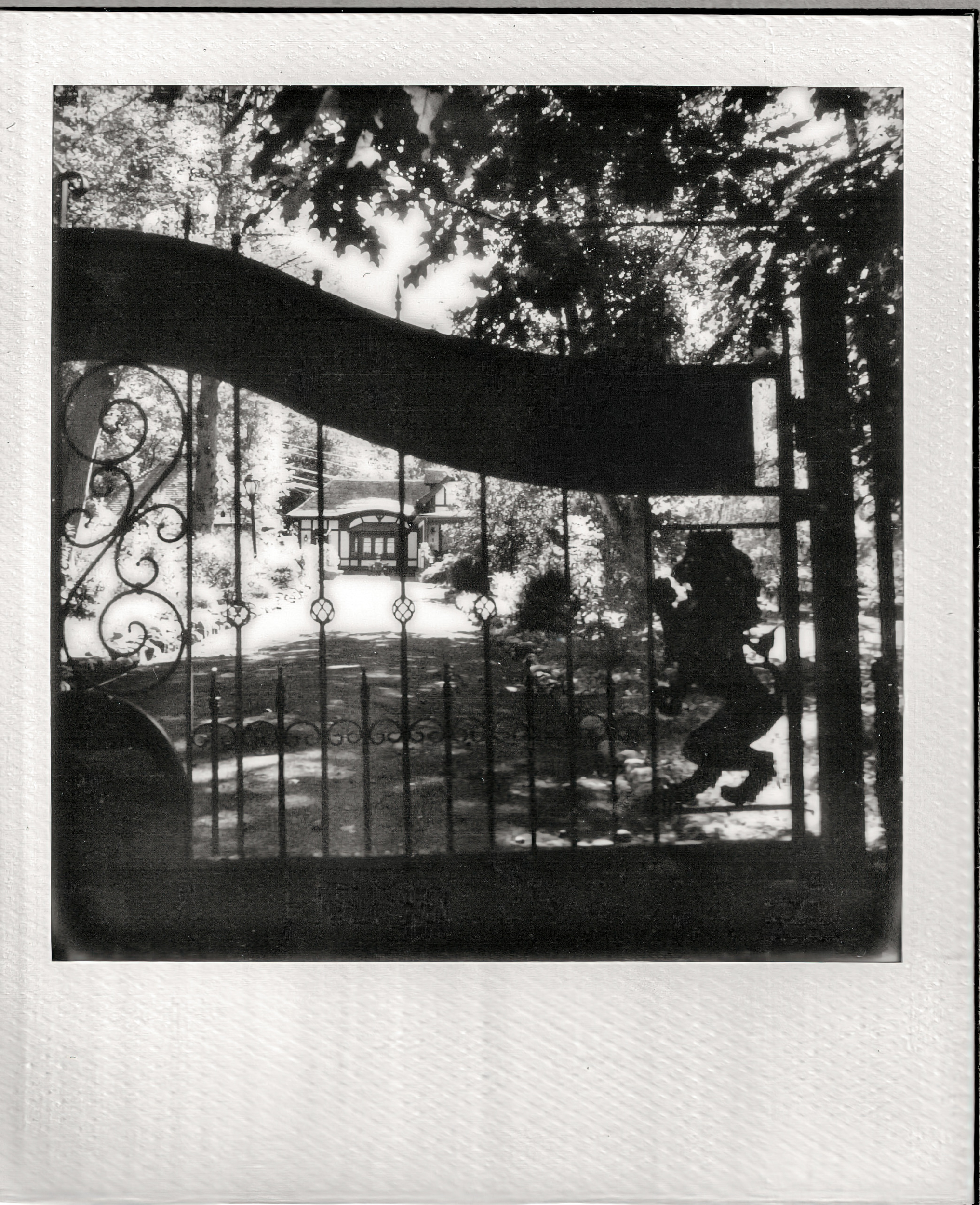
Taken with a Polaroid I-2
Do you collect classic cameras? Would you like to?

If so, then I recently came across some resources that you might appreciate.

They’re to be found on an interesting YouTube channel called: Amateur Photographer TV. The channel contains videos from Amateur Photographer, a UK based journal that claims to be the world’s longest running consumer photography magazine. ‘AP’ has been published weekly in the UK since 1884 and has been the bible for both amateur and professional photo-enthusiasts around the world for generations, helping millions of photographers to improve their skills. AP features the latest news, in-depth and unbiased equipment reviews, interviews with the world’s leading photographers, and tutorials on everything from analogue photography to the latest digital photography techniques.

Some of the recent videos on classic cameras include:

The channel has quite a few more videos on classic cameras, and even more on other aspects of photography.

A New Camera

If you read this blog, you will no doubt know of my frustration with trying to take pictures of birds. My problems arise from two factors: 1) Not possessing the right gear for taking bird pictures; and 2) Not being able to find birds to take pictures of. This post will mostly focus on the first of these.

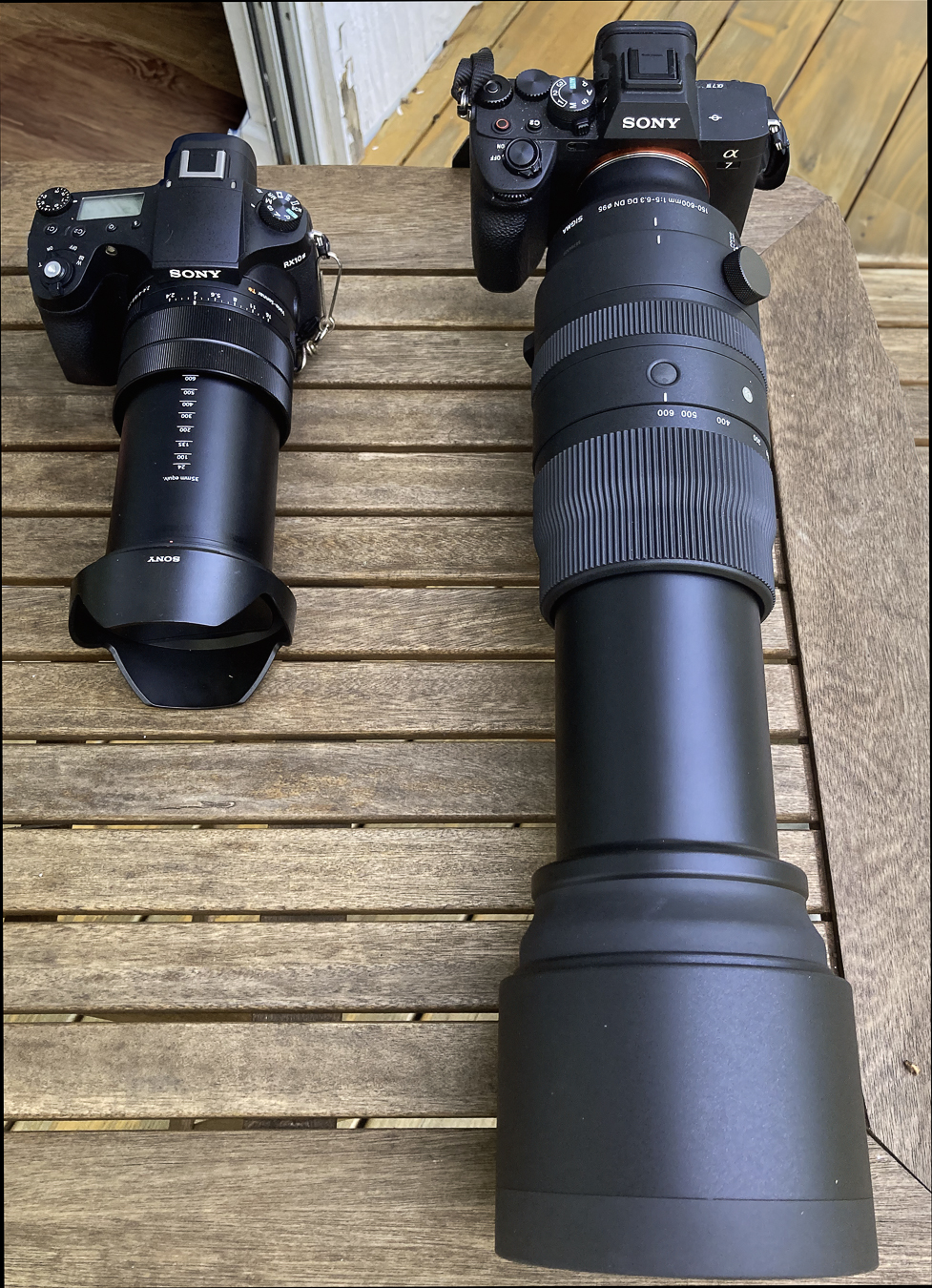
I realized that to take pictures of birds I needed a camera capable of decent image quality, fast autofocus, good tracking, and a decent burst mode. I would also need very long focal length lens. So, a couple of years ago I bought a Sony A7IV with a SIGMA 150-600mm F5-6.3 DG DN OS Sports. This combination did indeed meet my criteria, and I got a number of decent photographs using it

The problem was that the combination of camera and lens was large, and very heavy. If I were to go out specifically to take pictures of birds (i.e. If I expected to go somewhere where I was fairly sure I would get pictures) I would take this camera/lens combination. However, I’m 72 years old and lugging this combination for long periods of time (e.g. during a photowalk) when I wasn’t sure of getting something was just too exhausting for me. Below see the difference between the two when full extended to 600mm.

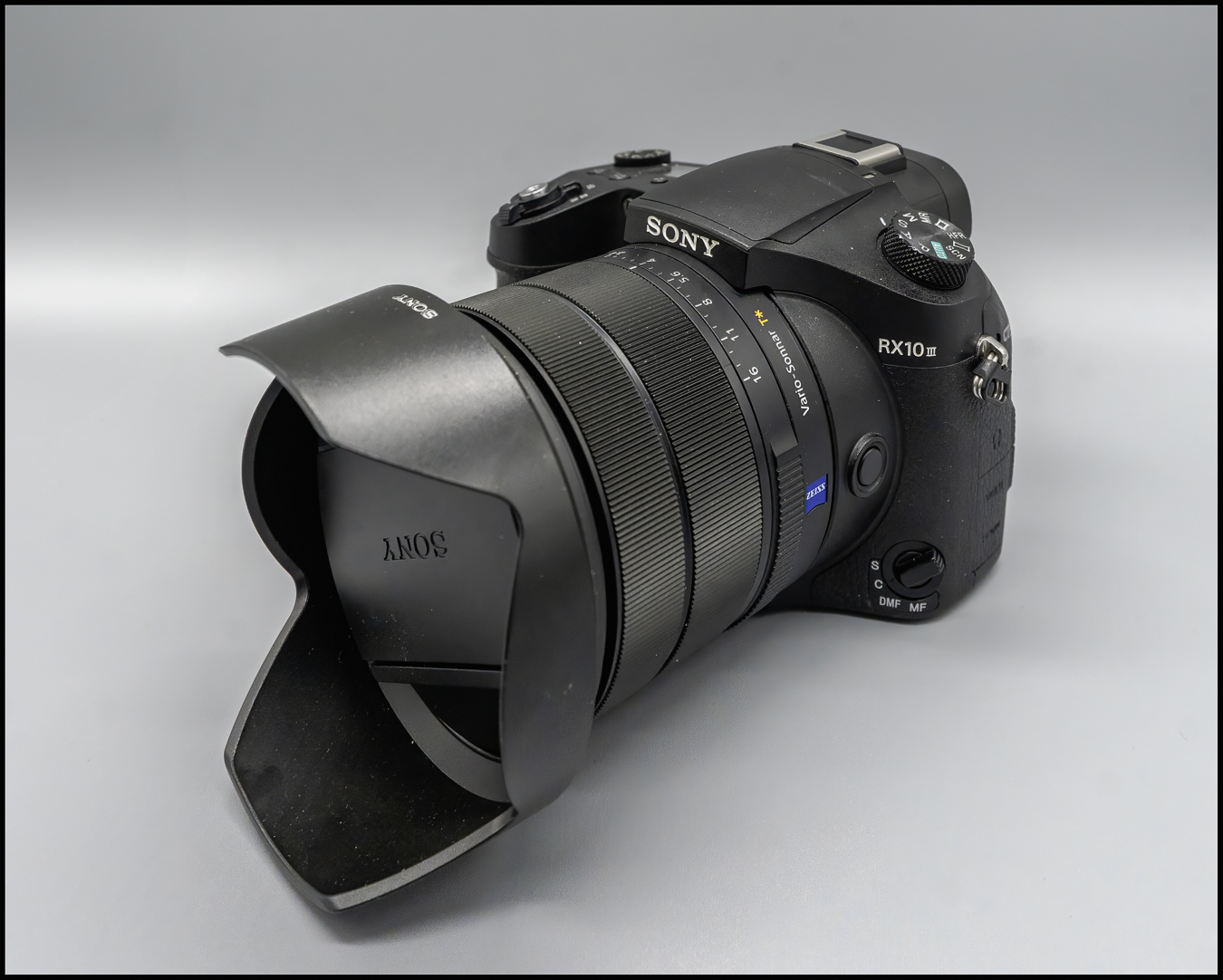
So, I looked for something smaller and lighter and came across the Sony RX10 M3. There’s a good review of it here. It seemed to meet most of my criteria. So even though it was quite expensive I bought one. Since it only had a 1-inch sensor rather than the full frame sensor on my A7IV I expected some loss of image quality, but I was pleasantly surprised at how good the images looked. The 24-600mm is truly remarkable and it’s so pleasant not to be carrying around and changing multiple lenses.

Unfortunately, the above-mentioned review was not the one I read. I read this one. Lured by a lower price, and excited to get on with the purchase I failed to notice that I had ordered the Model III rather than the Model IV. I realized soon (but not soon enough that I could return it) that the review of the Model III criticized the autofocus: the very thing that I wanted most. I still like the camera a lot for the reasons mentioned above, but if your interest is in birding or fast action this isn’t the camera for you.

So, what did I do? Well, I bought the Model IV of course. I still have the Model III. I’ll probably sell it or give it to one of my grandchildren one of these days.

For some pictures taken with this camera see here.

Taken with a Sony A7IV and Sony FE 24mm f2.8 G.

A Tale of Two Cameras


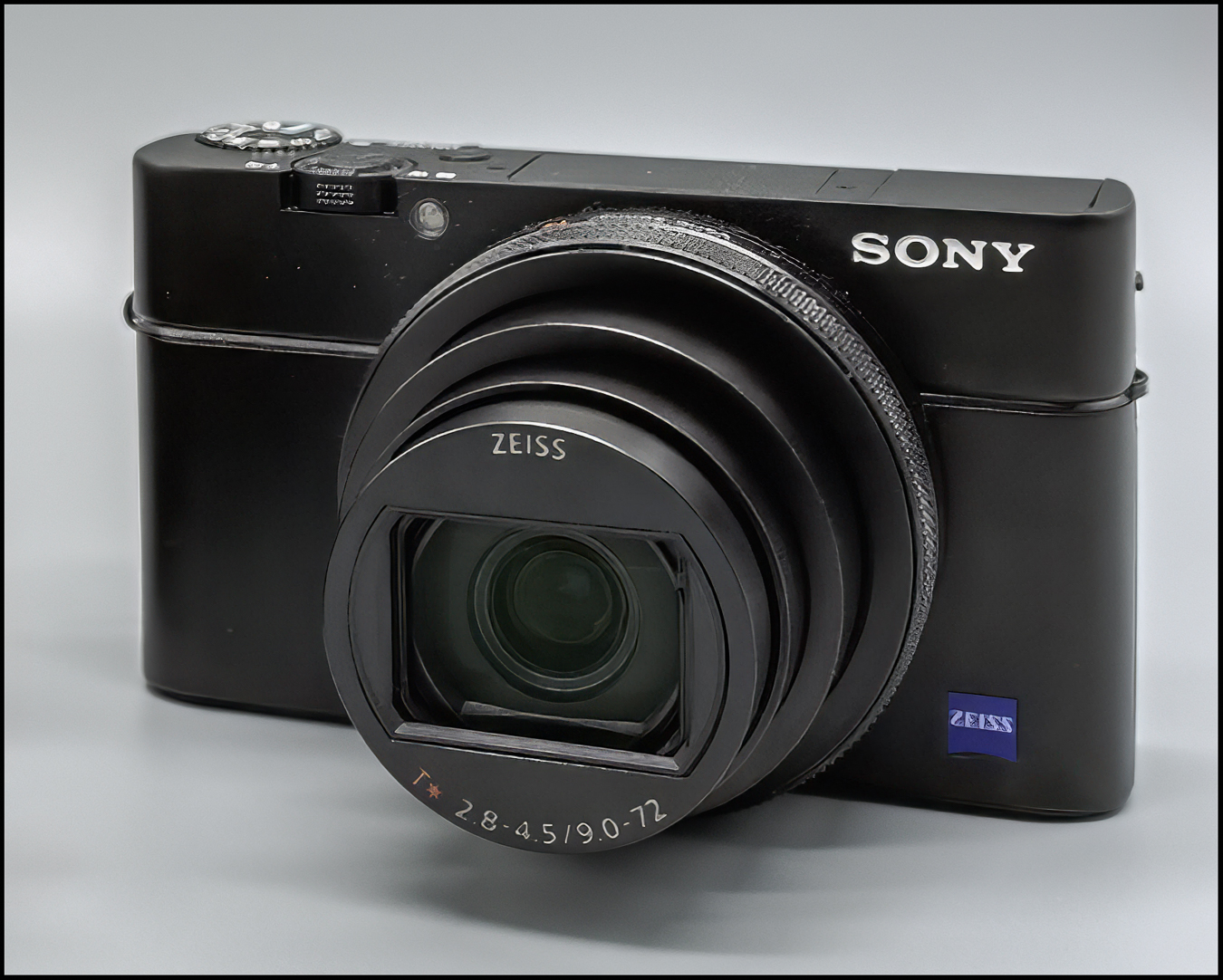
My grandson is now living in New York. He recently came out for a visit. His entire family would be going to the Philippines over Christmas/New Year, and he wanted a small, very portable camera that he could use while travelling. I only had one camera that fit the bill: My trusty eight-year-old Sony RX100 M3.

Although it was a bit of a sacrifice I gave it to him.

I then immediately ordered the most recent version: a Sony RX100 MVII. So not so much of a sacrifice after all. For a review of this camera see here. So far I’ve been very pleased with it.

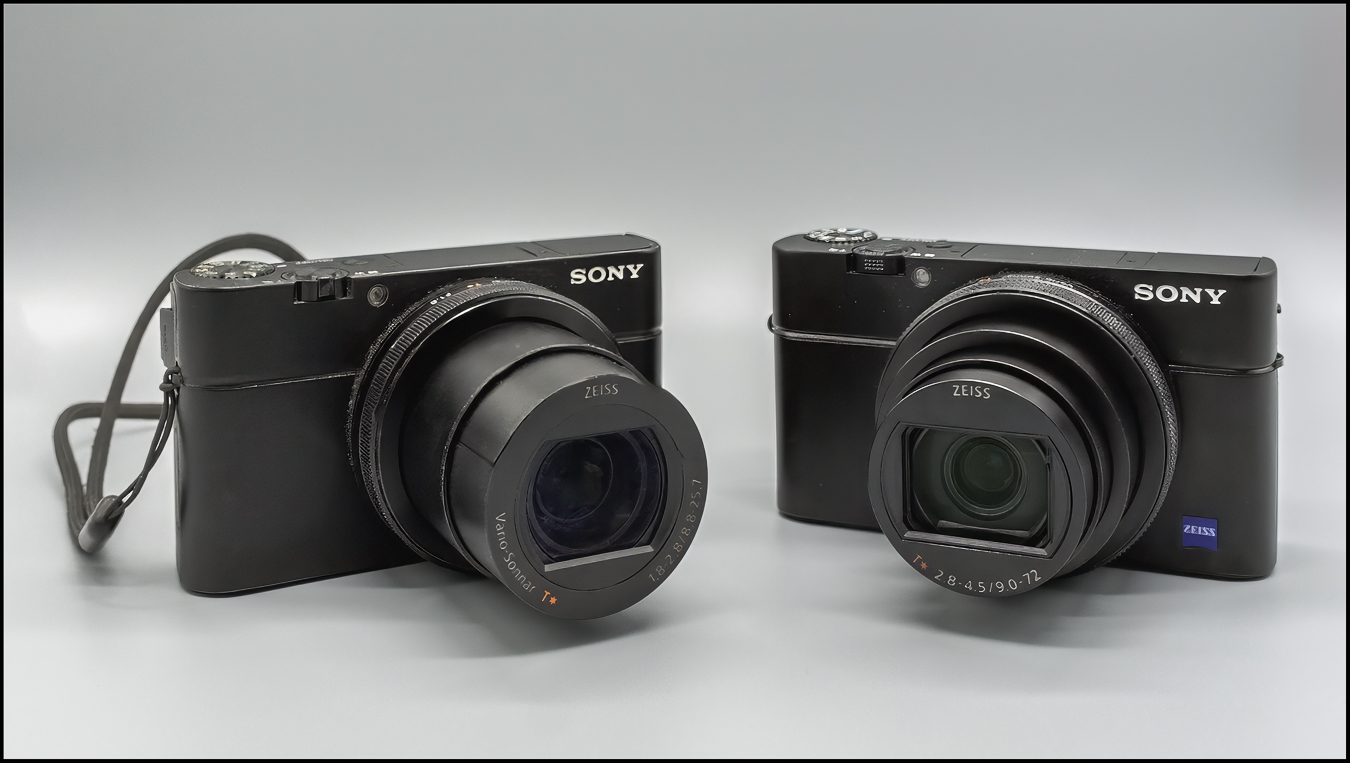
Below: the two cameras. On left the Sony RX100 M3 and on the right the Sony RX100 MVII

Taken with a Fuji X-E3 and Sigma 18-50mm f2.8

Another New/Old Camera

From time to time someone, finding out that I collect cameras, gives me either an old film or digital camera. I’m happy to take whatever they give to me. I like to try them out, see what kind of pictures I can get from them etc.

This happened recently when a friend gave me a bunch of cameras, both film and digital. I’ve mentioned this in an earlier post: See Another newly acquired camera. In that post I described my experience with one of the cameras (A Sony DSC-H50). This post deals with the second digital camera I received.

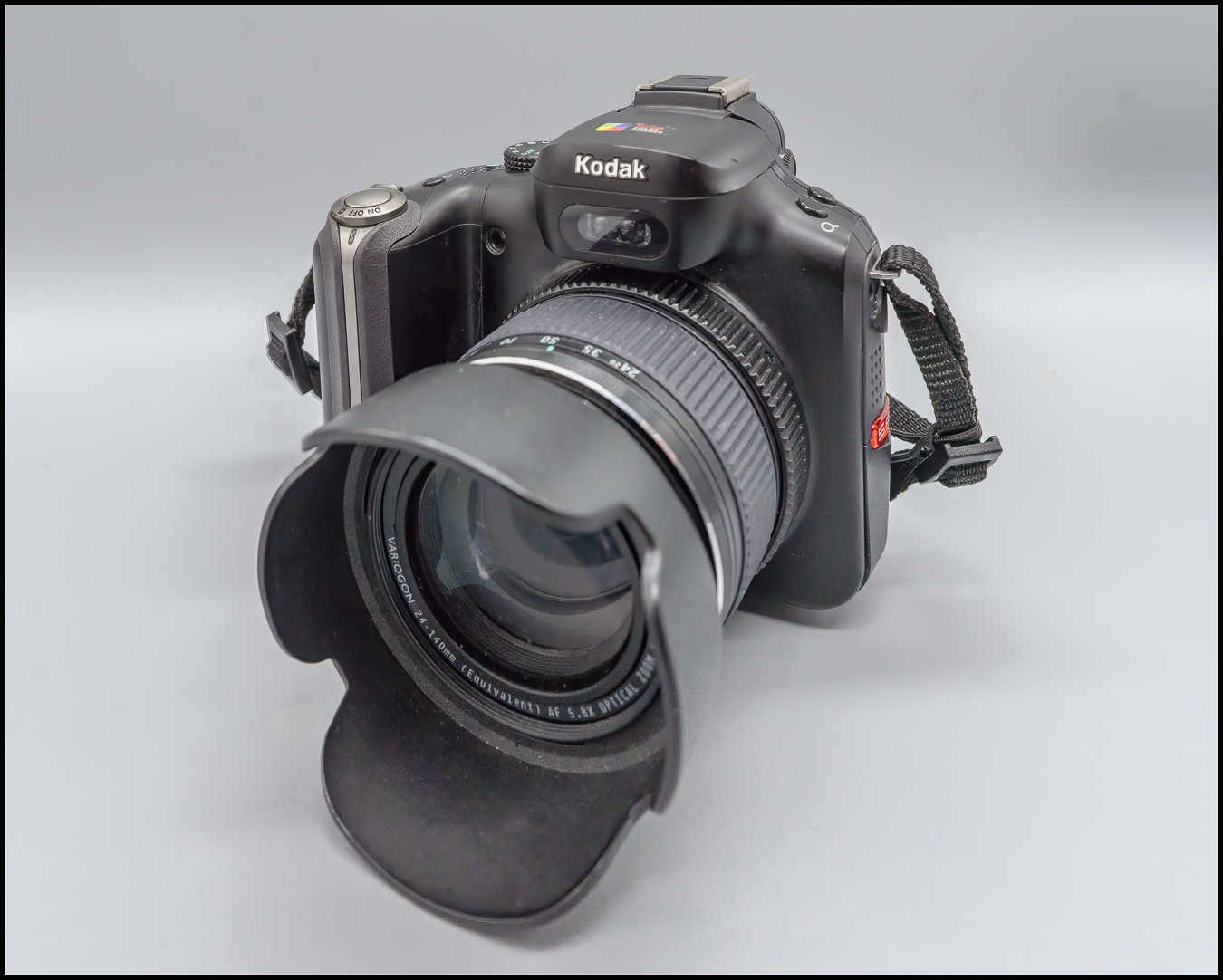
It’s a Kodak P880. I was particularly pleased with this camera because it has a Kodak CCD sensor. There are essentially two main types of sensors: CMOS and CCD (For an explanation of the differences see here). Newer cameras use CMOS sensors, newer ones CCD. The older CCD sensors are prized for the colors they produce, and the more film like pictures they produce. Among the CCD sensors, those made by Kodak are deemed to be the best of all. So, I was keen to try it to see if this was true.

Here are some features:

  • 8.3-megapixel CCD (8.0 million active pixels) delivering image resolutions as high as 3,264 x 2,448 pixels.
  • Electronic optical viewfinder (EVF).
  • 2.5-inch color hybrid LCD monitor.
  • 5.8x optical zoom lens, equivalent to a 24-140mm lens on a 35mm camera.
  • 1.4x or 2x digital zoom.
  • 25-point autofocus area, with Center-weighted and Multi-pattern modes.
  • Auto, Program AE, Shutter Priority, Aperture Priority, and Manual exposure modes, plus Scene (8 options), Flower, Landscape, and Portrait modes.
  • Shutter speeds from 1/4,000 to 16 seconds. (Limited to 1/2 second max in all but M & S modes.)
  • Sensitivity equivalents from ISO 50 to 1,600.
  • 25-zone Selectable metering system, as well as conventional Center-Weighted, Multi-Pattern, and Center-Spot metering systems.
  • User adjustable White Balance setting with eight modes, including a manual option and three optional presets.
  • Auto Exposure Bracketing.
  • Built-in pop-up flash with five modes and flash compensation adjustment.
  • Hot shoe for connecting external flash unit, as well as a threaded PC sync socket for electronic flash.
  • Burst and Time Lapse shooting modes.
  • Color, sharpness, and contrast adjustments, plus black & white and sepia options.
  • Custom exposure mode for saving user settings.
  • Two Self-timer modes.
  • Movie mode with sound.
  • RAW, TIFF, and JPEG image file formats, with three JPEG compression settings.
  • 32MB internal memory.
  • Images stored on SD/MMC card.
  • USB cable for connecting to printers and computers.
  • Video cable included for connecting to a television set.
  • Power supplied by rechargeable Li-Ion battery pack (charger included) or optional AC adapter.
  • PictBridge compatibility.
  • Compatible with Kodak EasyShare camera and printer docks (dock insert included).
  • Kodak EasyShare interface software included on CD-ROM.

Of course it’s an old (2006 vintage) camera. Here are some of the things I didn’t like

  • Autofocus takes a while to lock on.
  • Flares badly when pointed in the direction of a light source.
  • Takes a long time to save RAW files (the only ones I tried).
  • Burst modes terrible by today’s standards.
  • Low light performance poor.
  • Limited ISO by today’s standards.
  • Found the Macro mode difficult/impossible to understand.
  • Screen was small by today’s standards.
  • Both EVF and screen were difficult/almost impossible to read in bright light.
  • Battery life (at least for my copy) was poor.
  • Whenever I took the battery out, I had to set the date and time. I imagine this because the camera is so old that the internal battery has died.

But despite all of the above I found that I really liked the camera. It’s small, light, maybe plasticky but feels solid, it has a good grip for my sized hands, and I found the 24-140mm equivalent zoom lens to be very useful, the images were very clean, and as mentioned above the colors were bright and quite film like.

For a complete review from when it first came out see here.

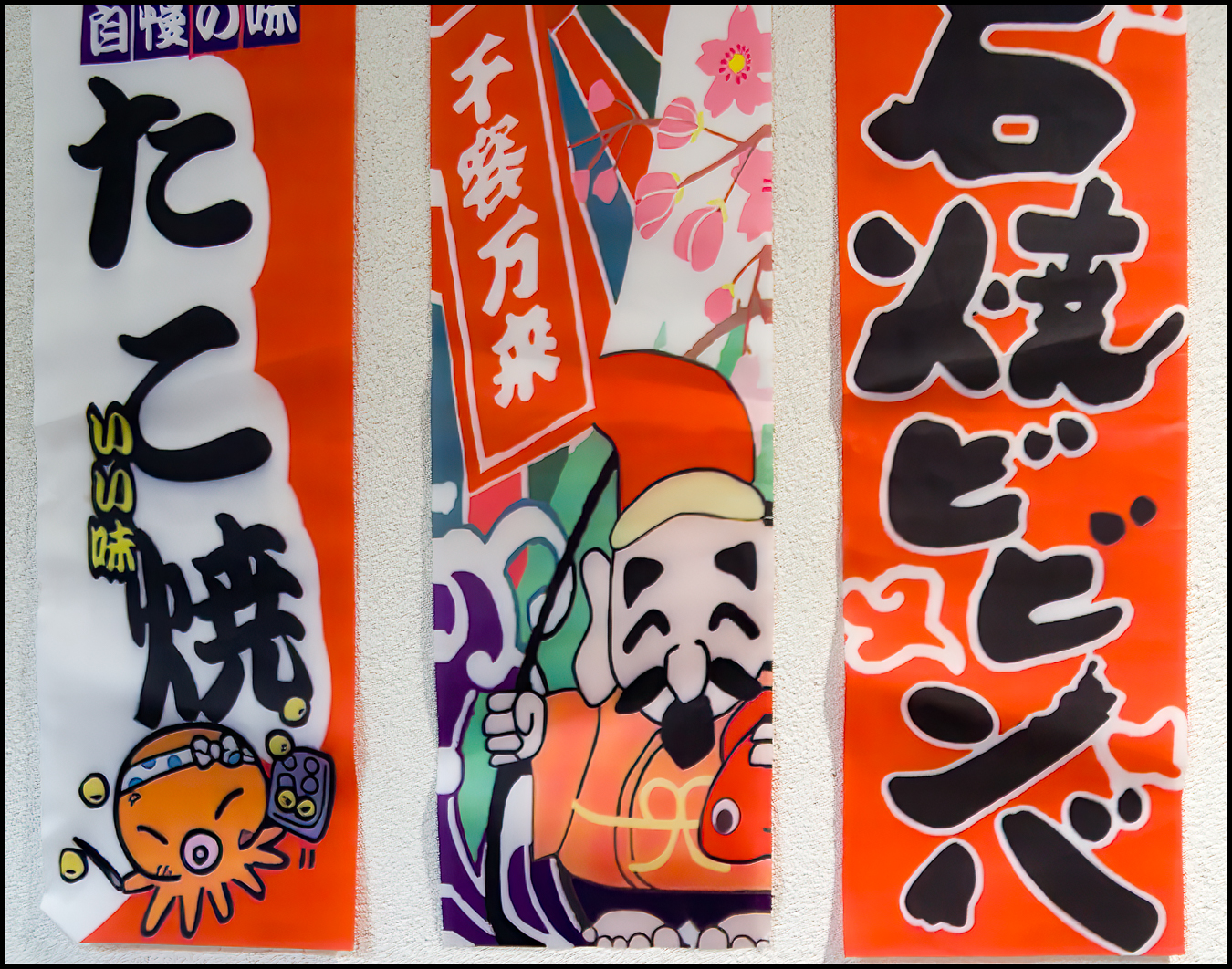
Below find some pictures I took using this camera. For more see here.