In earlier posts I’ve mentioned that I’ve been looking for a focus for my photography. The conventional wisdom seems to be that you should photograph things which you are “passionate” about and I’ve struggled to discover what that is. I’m interested in a lot of different things, but not really “passionate” about any of them (I’m British after all and and they tend to knock “passion” out of us at an early age).
I do know what kinds of photography I’m not much interested in: anything involving people (moreover I’m never sure about the legality of using the people photographs I take, and I’m aware that nowadays many people do not like their picture to be taken); wildlife photography (this would interest me, but I think I lack the patience and the expensive gear that seems to be required); sports photography (I never go to live sports events and rarely watch sports even on TV).
I’ve also had a few false starts. I once thought I was interested in landscape photography and I guess I still am to a certain extent, but it’s not something that I get really enthusiastic about. I continue to have an interest in old, preferably ruined buildings, but they can be hard to find.
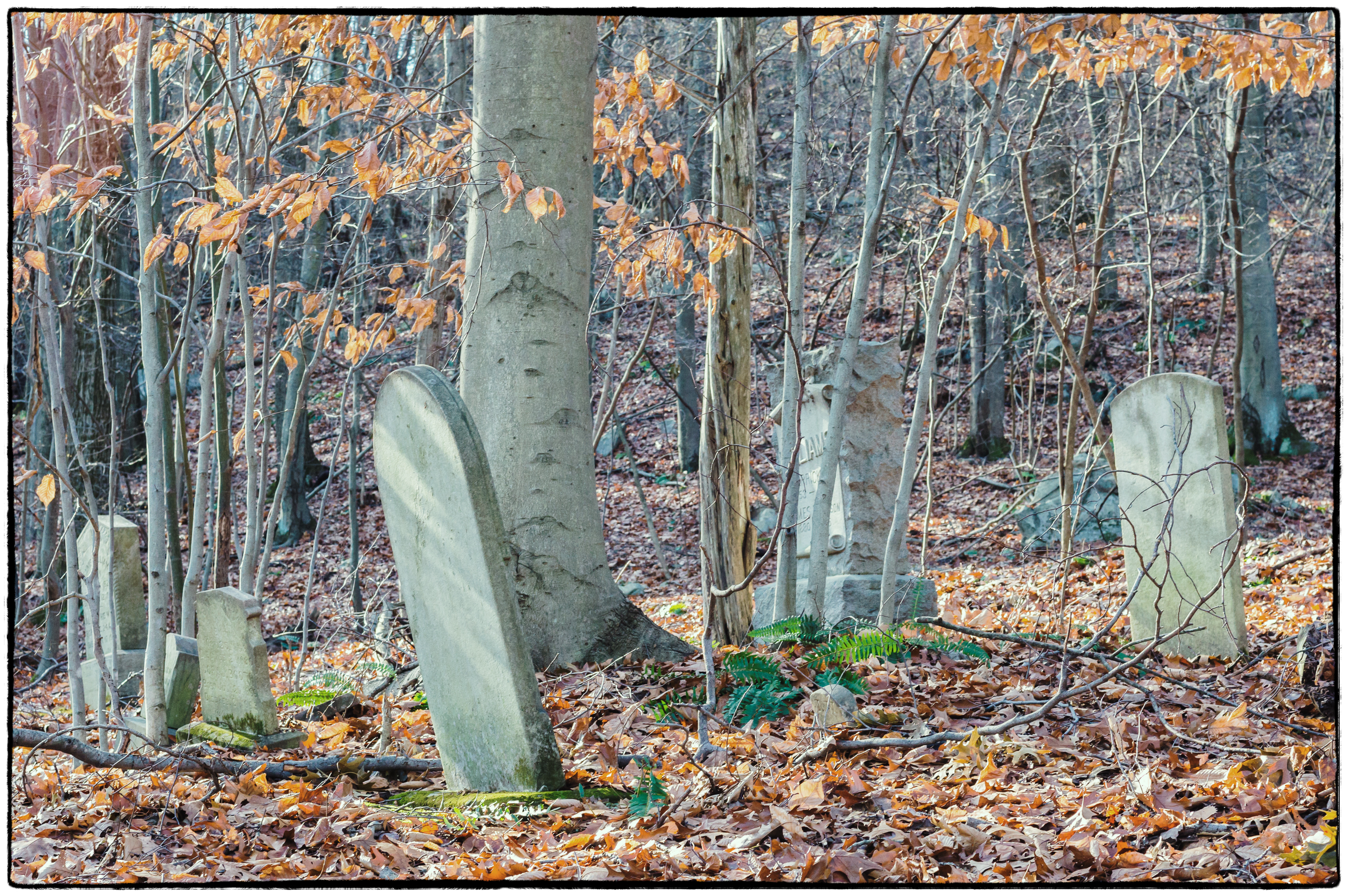
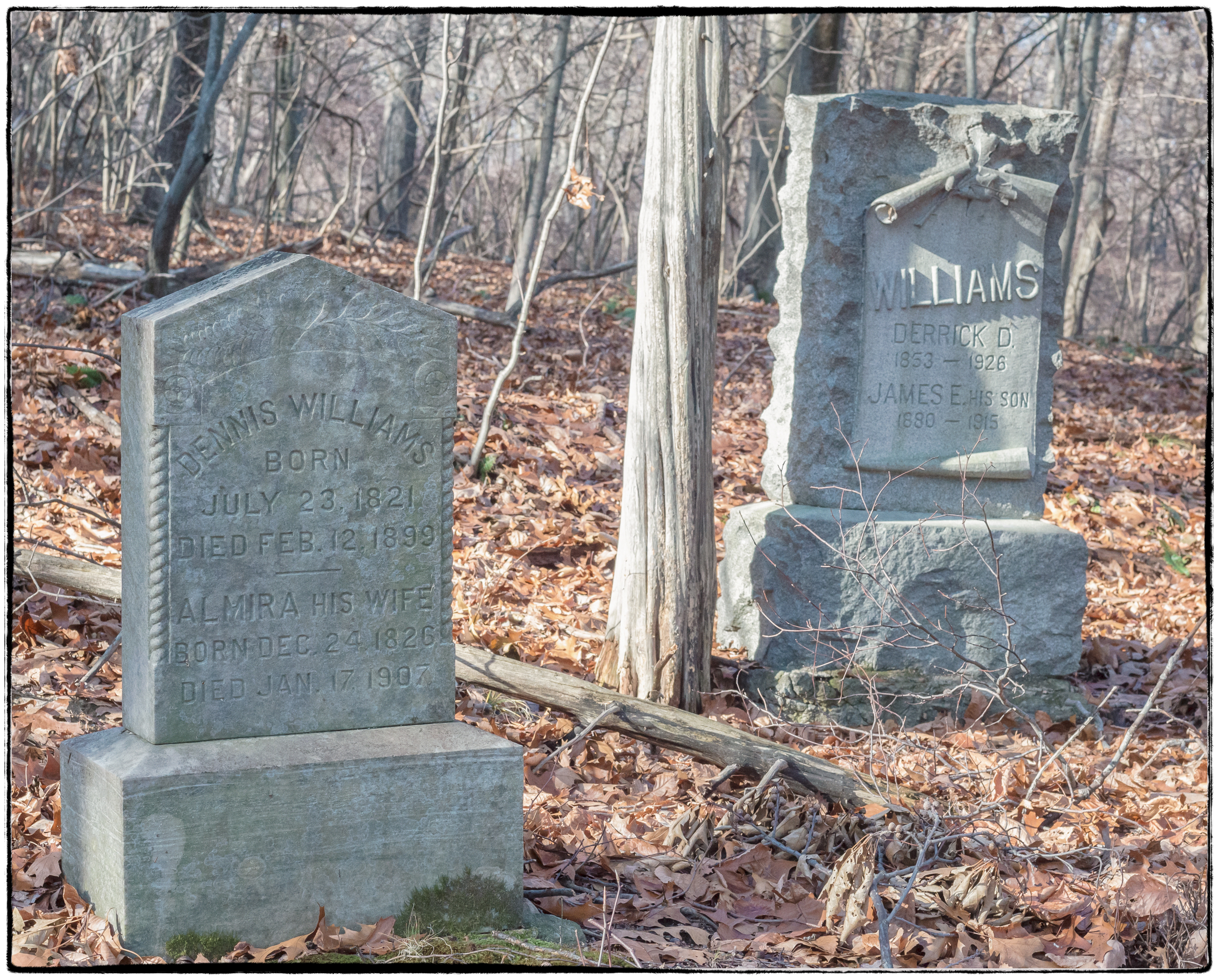
Recently, however, I noticed that I take a lot of pictures of cemeteries. As I’ve mentioned before it’s not because of an obsession with death. Quite the contrary. When I take I pictures in cemeteries I rarely (if ever) think about the people who are buried there. To me cemeteries are pleasant, tranquil places with interesting architecture; picturesque statuary; and beautiful trees, shrubs, plants and flowers. The only time I think of the people buried there is when there is an interesting story behind one of the gravestones or mausoleums.
Could it be that cemeteries are my “passion”? In a recent post (How I found my passion in life) Eric Kim states: “But honestly in today’s world, we use the word ‘passion’ and ‘enthusiasm’ interchangeably. So let’s continue, assuming you want to find your passion or what you are enthusiastic about.” This sounds about right to me. I don’t jump up in the morning thinking I’ve absolutely got to go and take pictures of a cemetery. However, a trip to the two large cemeteries (Greenwood in Brooklyn, and Woodlawn in the Bronx) in New York City that I haven’t yet visited does make my heart beat a little faster. We may go to visit our daughter in Europe later this year and I’m really excited about the possibility of getting to Père Lachaise Cemetery in Paris.
In their excellent book: “On being a photographer” Bill Jay and David Hurn identify the following as the “basic principles of subject selection”:
Is it visual? You can safely eliminate such fascinating (to you) topics as existential philosophy or the Old Testament or the existence of intelligent life on other planets.
Is it practical? You can cut out topics which are difficult or impossible to photograph at your convenience on a regular basis. For example, if I were a photographer of limited means living in, say, Denver, I would have to eliminate the topic of Japanese pagodas, at least as far as photography is concerned. Or I would cut out an interest in famous film stars — the subject must be not only practical but continually accessible.
Is it a subject about which I know enough? Eliminate those subjects about which you are ignorant, at least until you have conducted a good deal of research into the topic. For example, you are not contributing anything to the issue of urban poverty by wandering back streets and snatching pictures of derelicts in doorways. That’s exploitation, not exploration.
Is it interesting to others? This is a tricky one, but it is worth asking yourself: if you have several remaining topics all of which are equally fascinating, which one is interesting to others? This is tricky only in that it ignores the issue of your intended audience, which might be a small, specialized one, and the issue of pandering to public appeal.
How does my cemetery idea stack up against these criteria?
Is it visual?. Absolutely!
Is it practical?. Definitely! There are lots of them around: small, medium and large; old and new etc.
Is it a subject about which I know enough?. Yes. I already know quite a lot about cemeteries, their history and symbology and my knowledge continues to grow.
Is it interesting to others?. As Jay and Hurn point out “this is a tricky one”. Many people (including my wife) don’t like cemeteries and don’t like to be reminded of death. However, judging by the number of books, websites, blogs etc. related to cemeteries there are also quite a few people who have an interest. In any case I take pictures largely for myself not for other people.
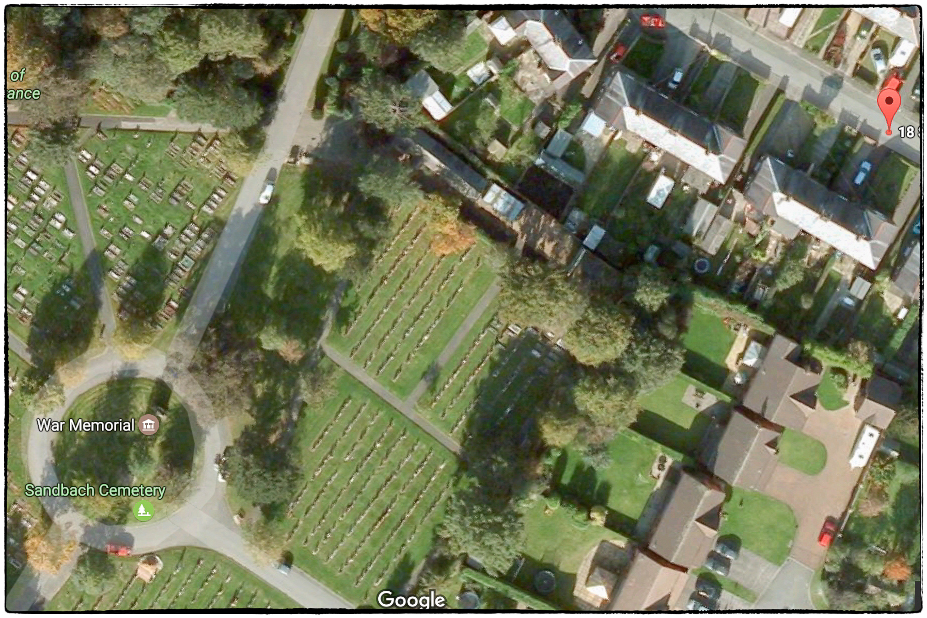
While thinking about this post I started to wonder where this interest in cemeteries might have come from and then it hit me: I grew up right next to one. The picture at the top of this post is an aerial view of Sandbach cemetery in the town where I grew up. In the top right corner you’ll see a red marker, which shows the house were I lived from birth to about 8 years old. I have few memories of my early childhood, but I feel sure that a curious child would certainly have explored this area. I certainly remember walking past the entrance many times.