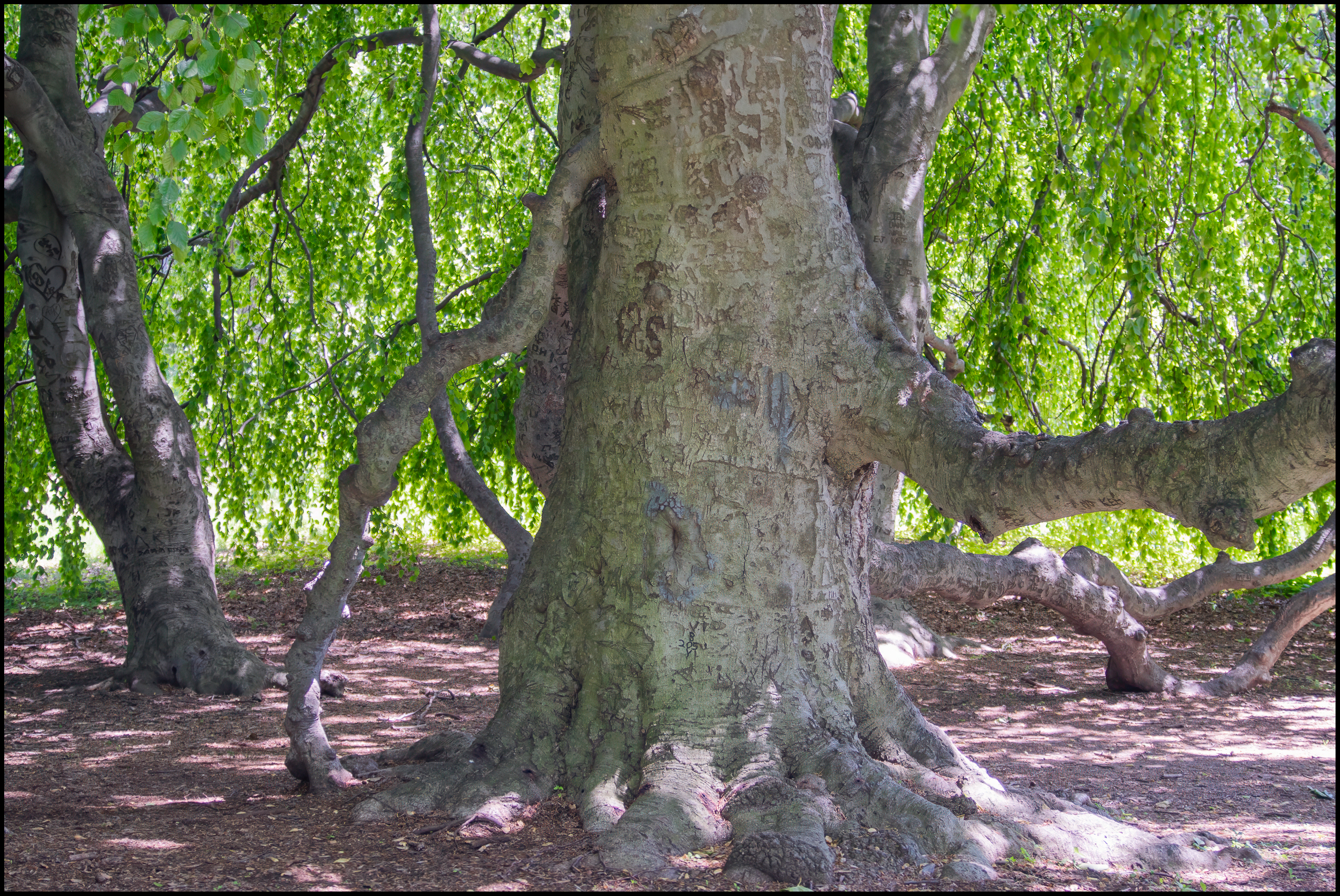
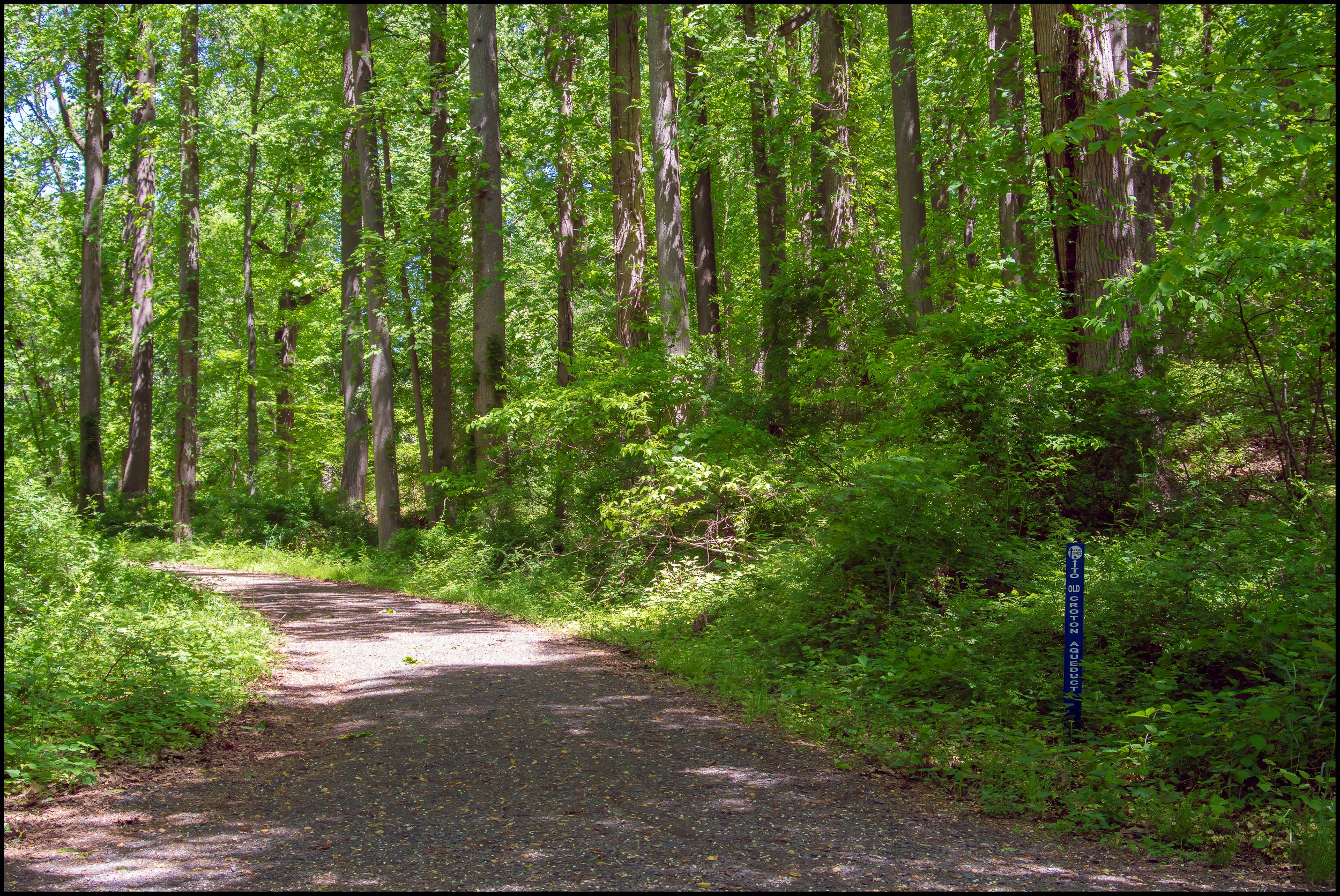
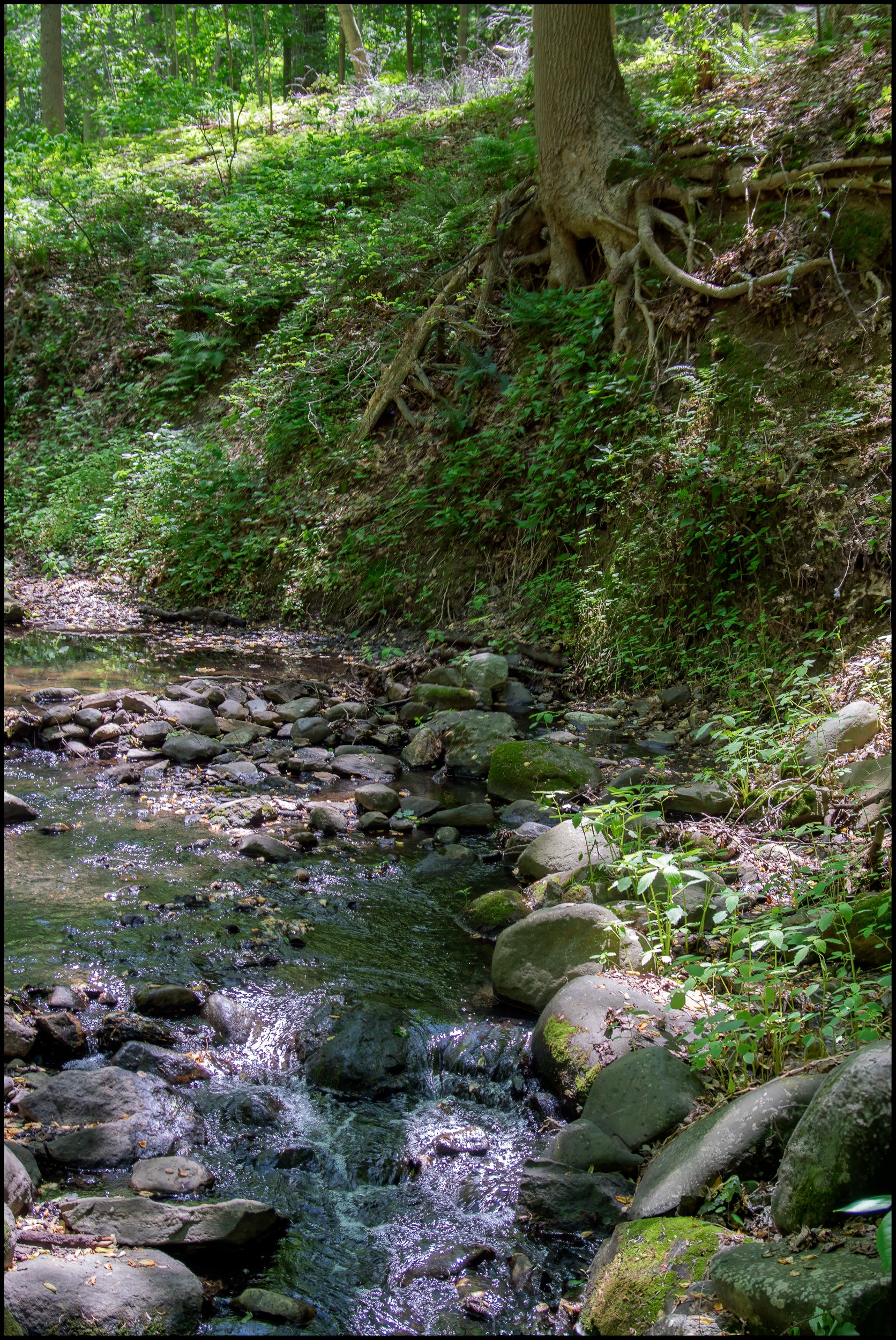
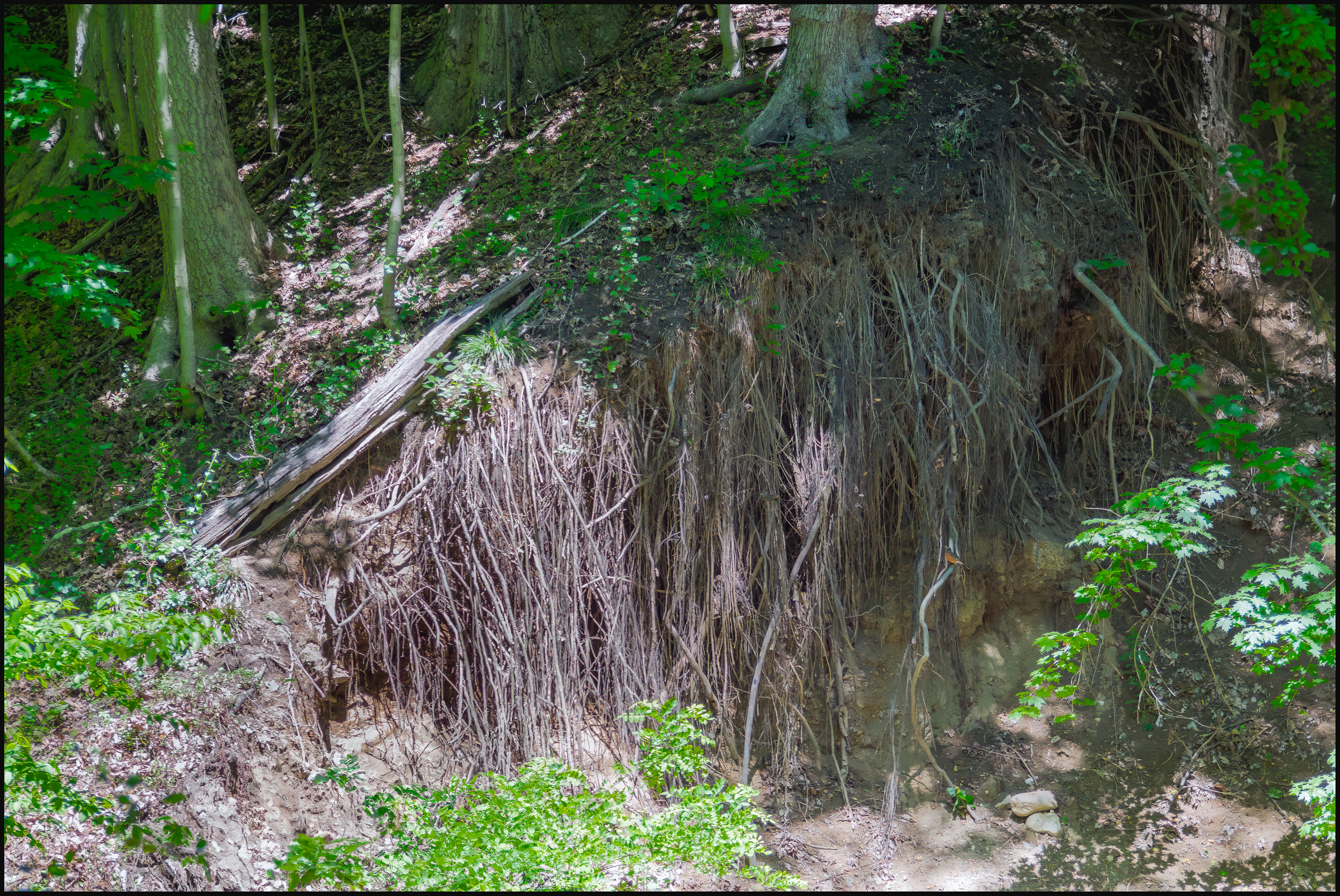
First went to Rockwood Hall in 2011 and I’ve been back many times.
According to Wikipedia:
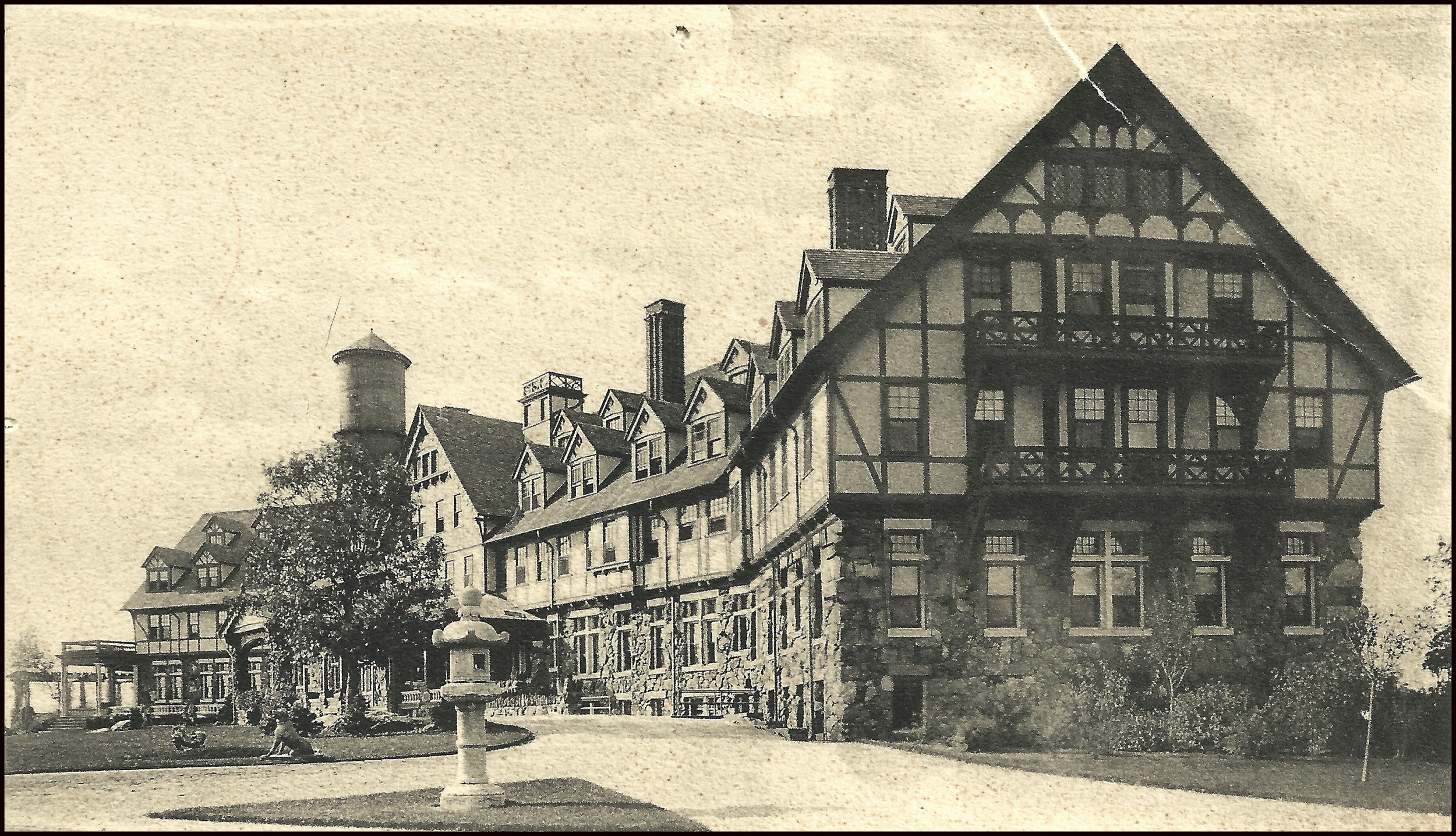
Rockwood Hall was a Gilded Age mansion in Mount Pleasant, New York, on the Hudson River. It was best known as the home of William Rockefeller, brother of John D. Rockefeller. Both brothers were co-founders of the Standard Oil Company. Other owners of the house or property included Alexander Slidell MacKenzie, William Henry Aspinwall, and Lloyd Aspinwall. The property was once up to 1,000 acres (400 ha) in size; the mansion at its height had 204 rooms, making it the second-largest private house in the U.S. at the time, only behind the Biltmore mansion in North Carolina. The estate is currently an 88-acre (36 ha) section of the Rockefeller State Park Preserve.
Among the first people to live on the property was Alexander Slidell Mackenzie, who lived there from 1840 to 1848. Edwin Bartlett, a wealthy merchant, subsequently purchased the site and hired Gervase Wheeler to design a house on the property, which was constructed in 1849. By 1860, Bartlett sold the house to William Henry Aspinwall, who lived there until 1875; his son Lloyd lived at the house until 1886. William Rockefeller purchased the estate and likely extensively renovated the house and property, hiring the firm Carrère and Hastings for interior renovations. Rockefeller died there in 1922, and his heirs sold it to investors, who turned the house and property into Rockwood Hall Country Club. The club became bankrupt in 1936, after which it became the Washington Irving Country Club. By 1940, the property lay empty again, so its owner John D. Rockefeller Jr. had most of the property’s buildings razed, including the mansion. In late 1946, the Rockwood Hall property was proposed for the location of the United Nations headquarters. John Jr.’s son Laurance Rockefeller sold some of the property to IBM in 1970. IBM’s property was later bought by New York Life, followed by Regeneron Pharmaceuticals, the current owner. The remaining property was sold to New York State at a significantly reduced price to become parkland within Rockefeller State Park.
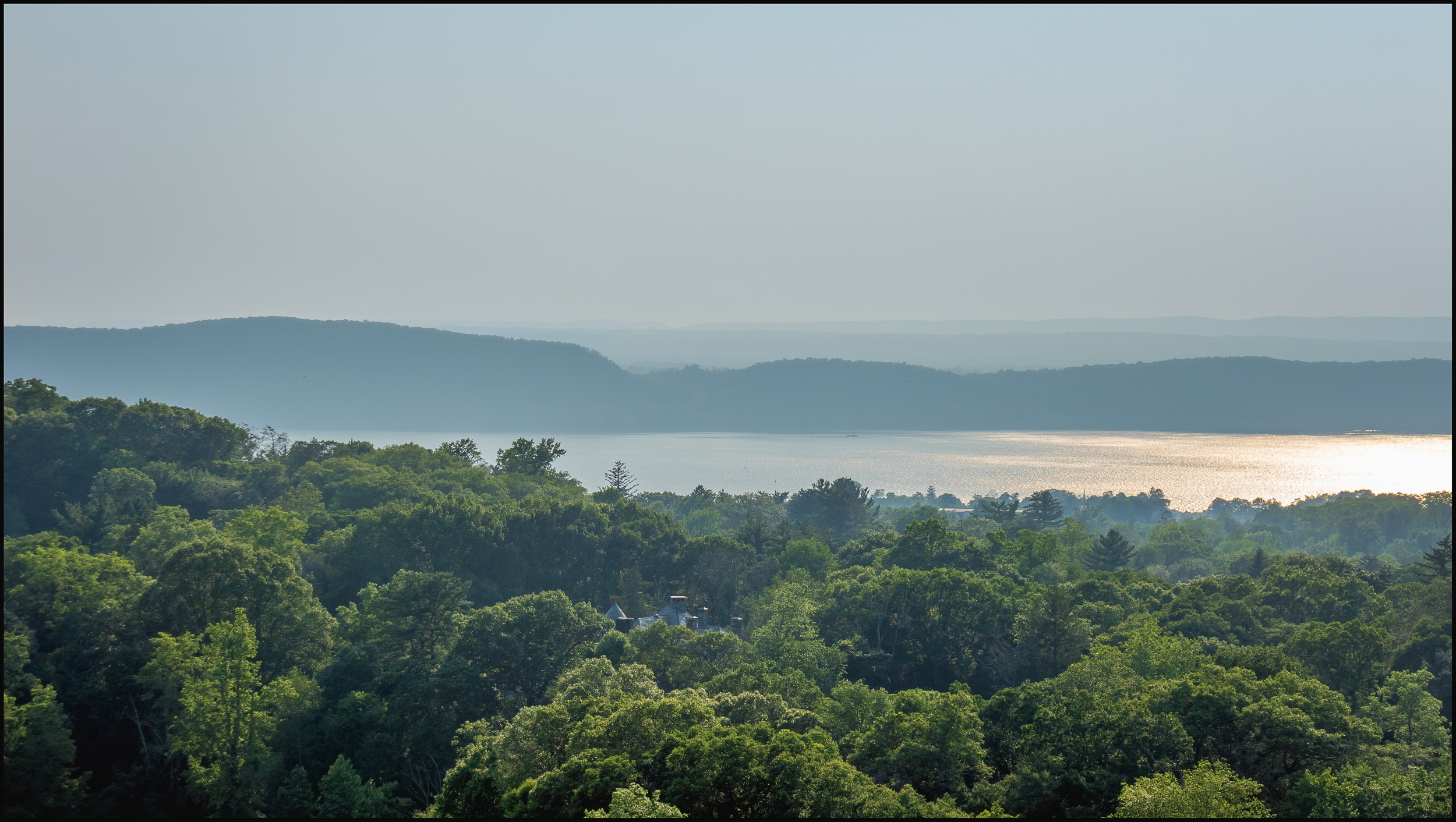
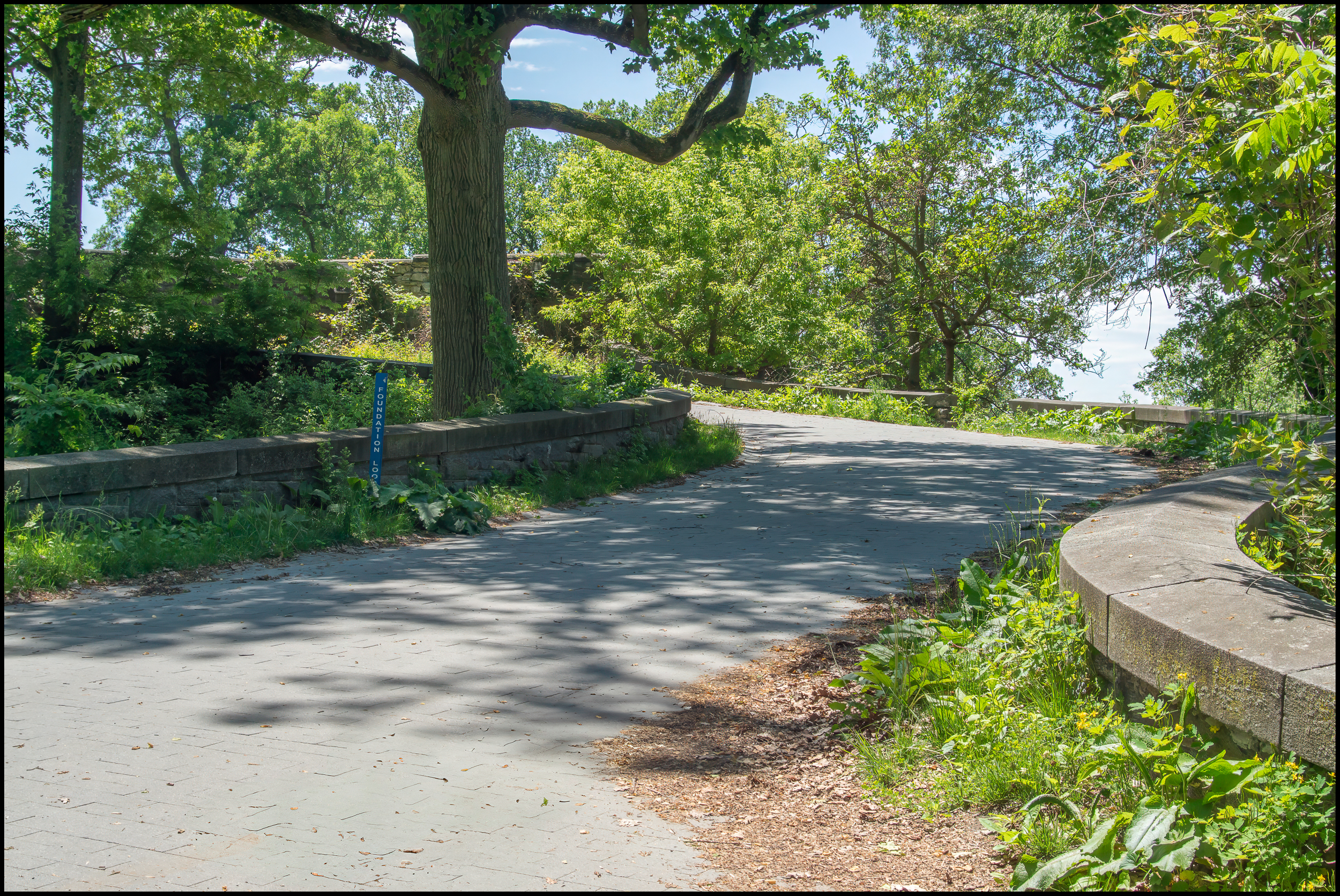
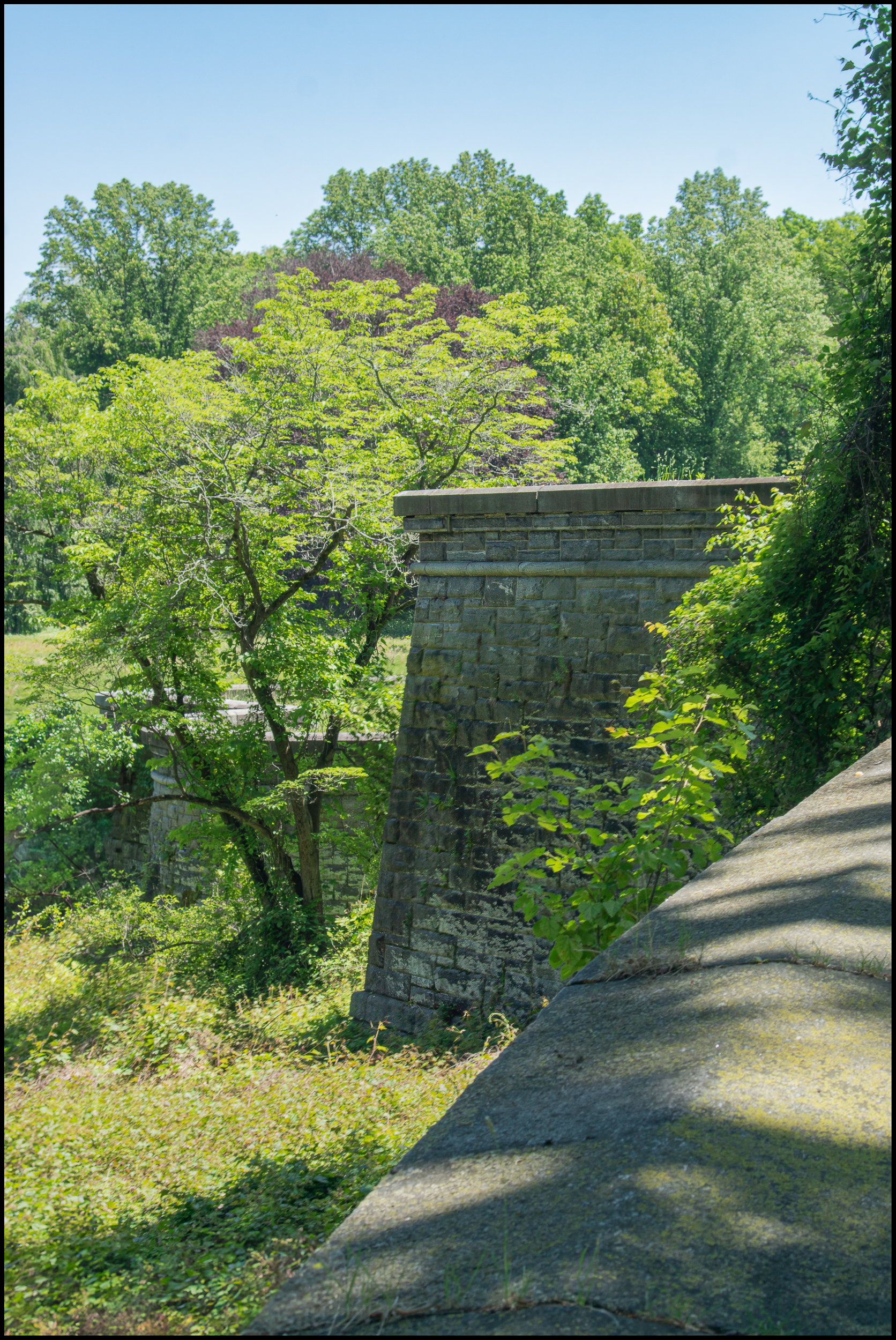
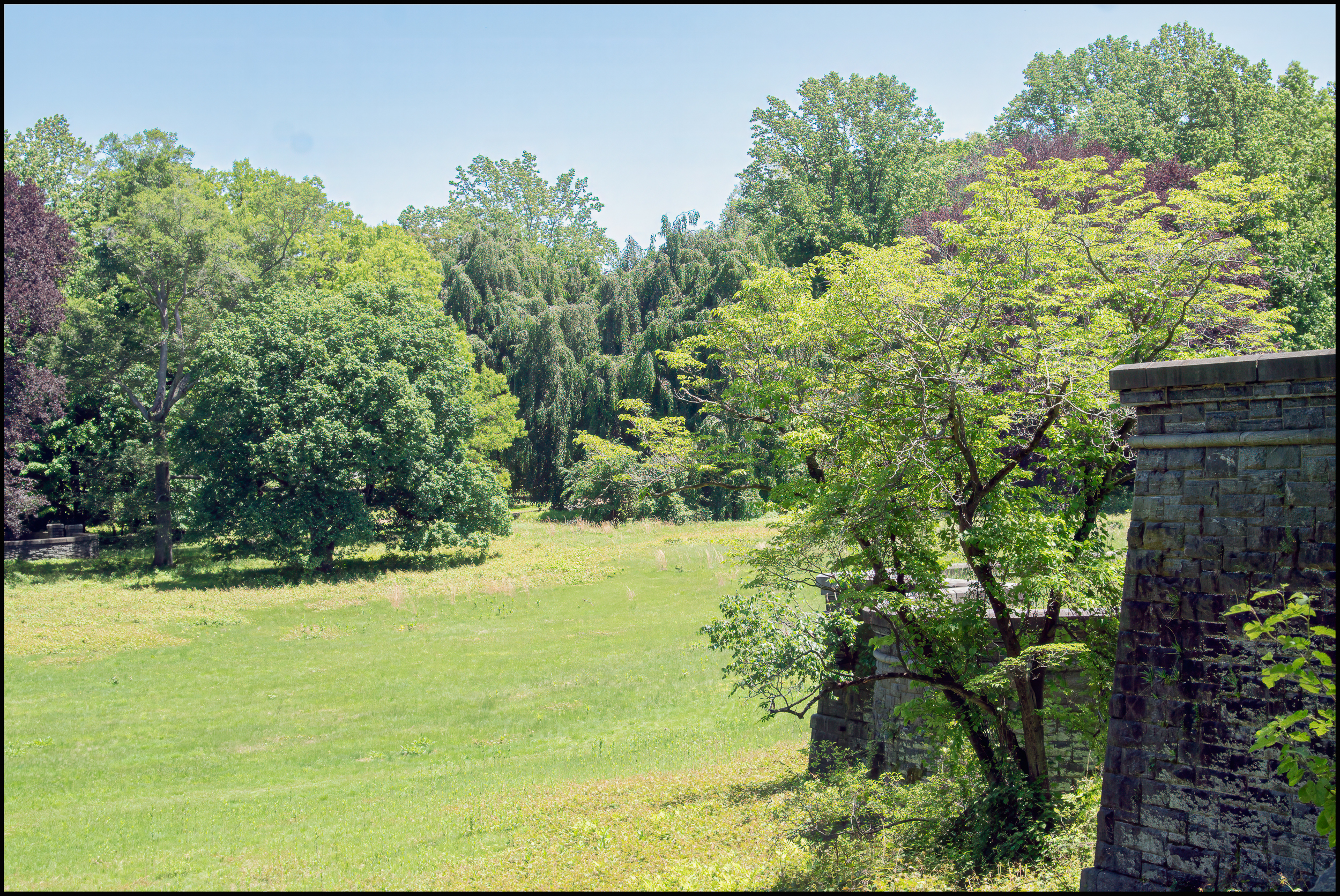
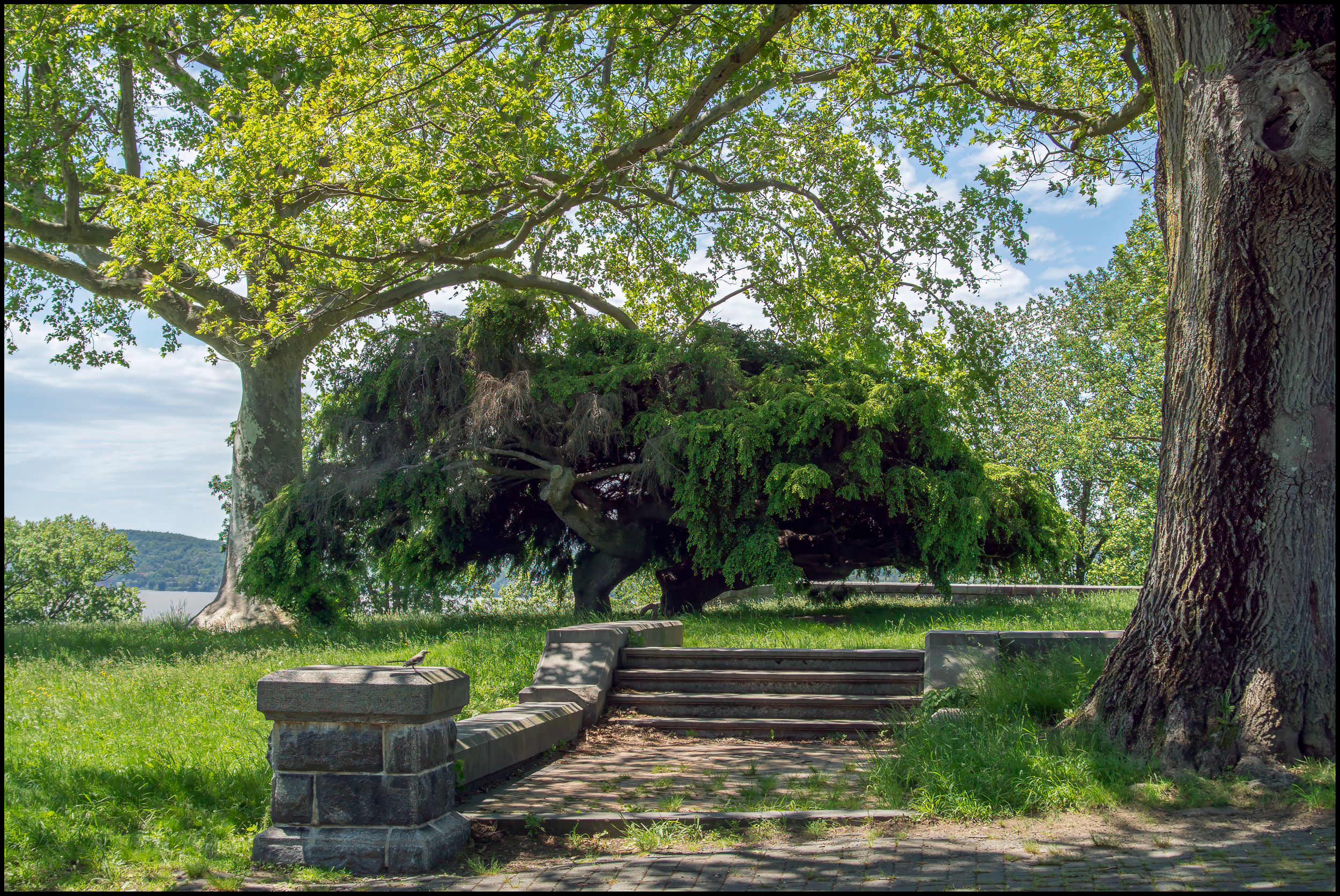
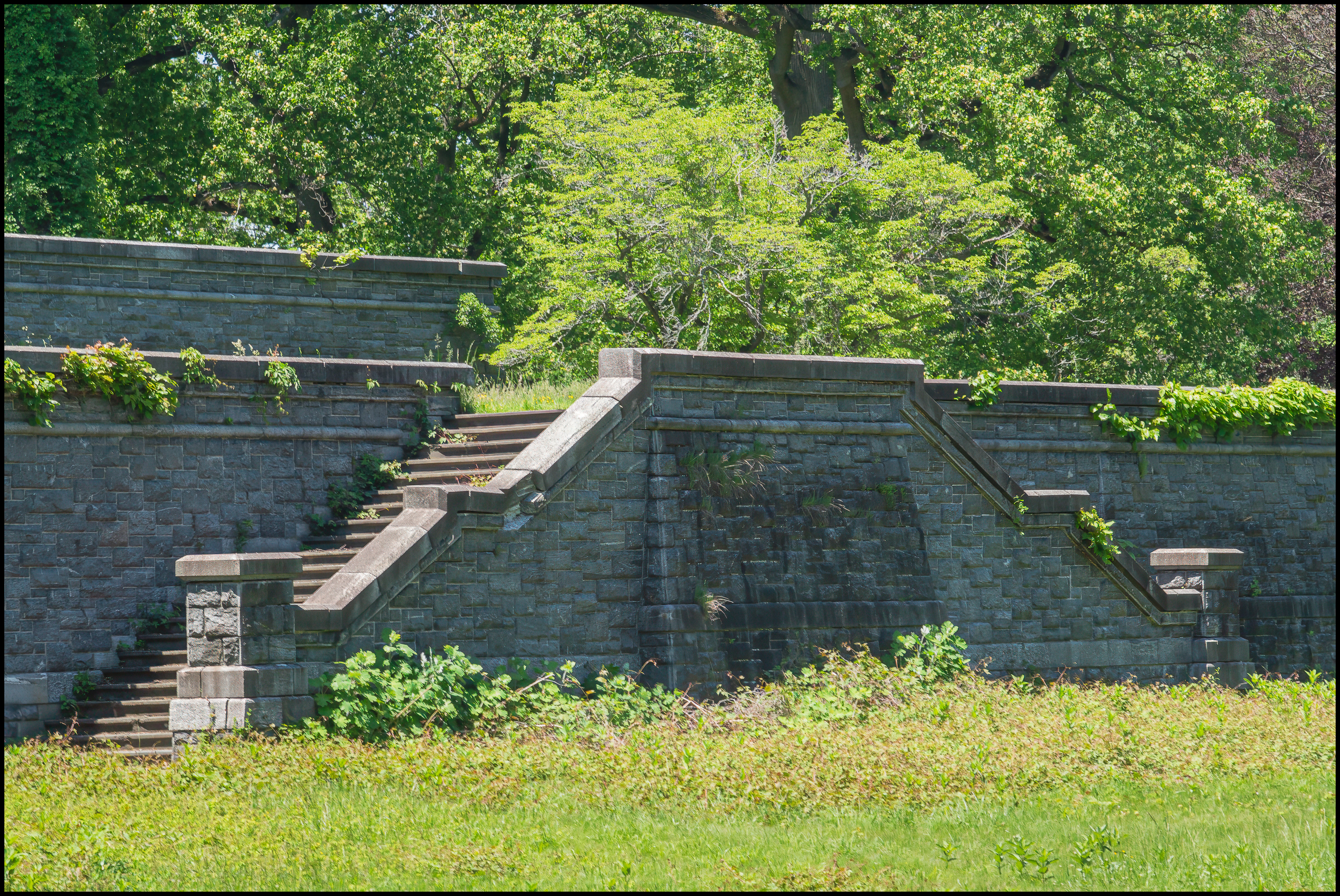
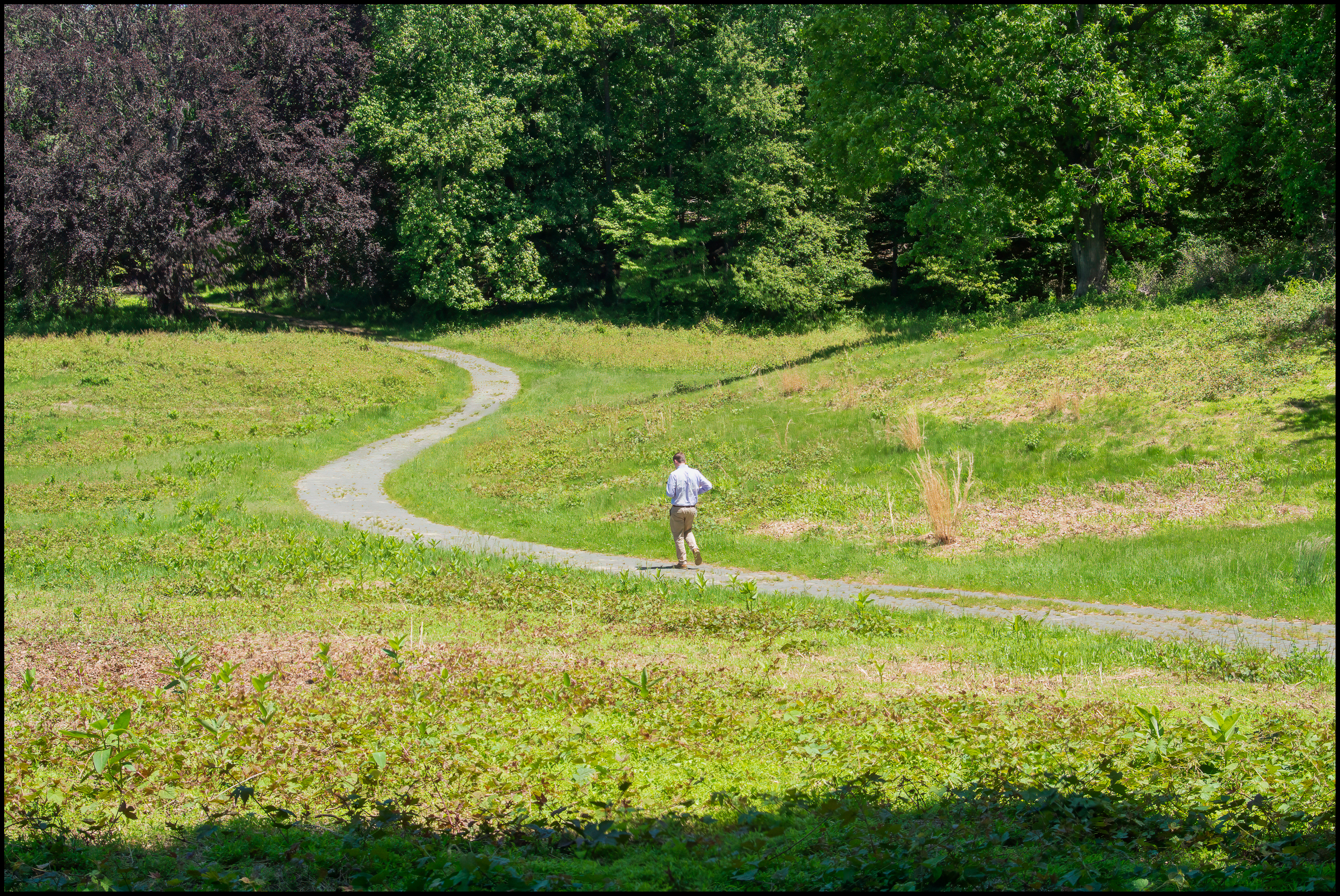
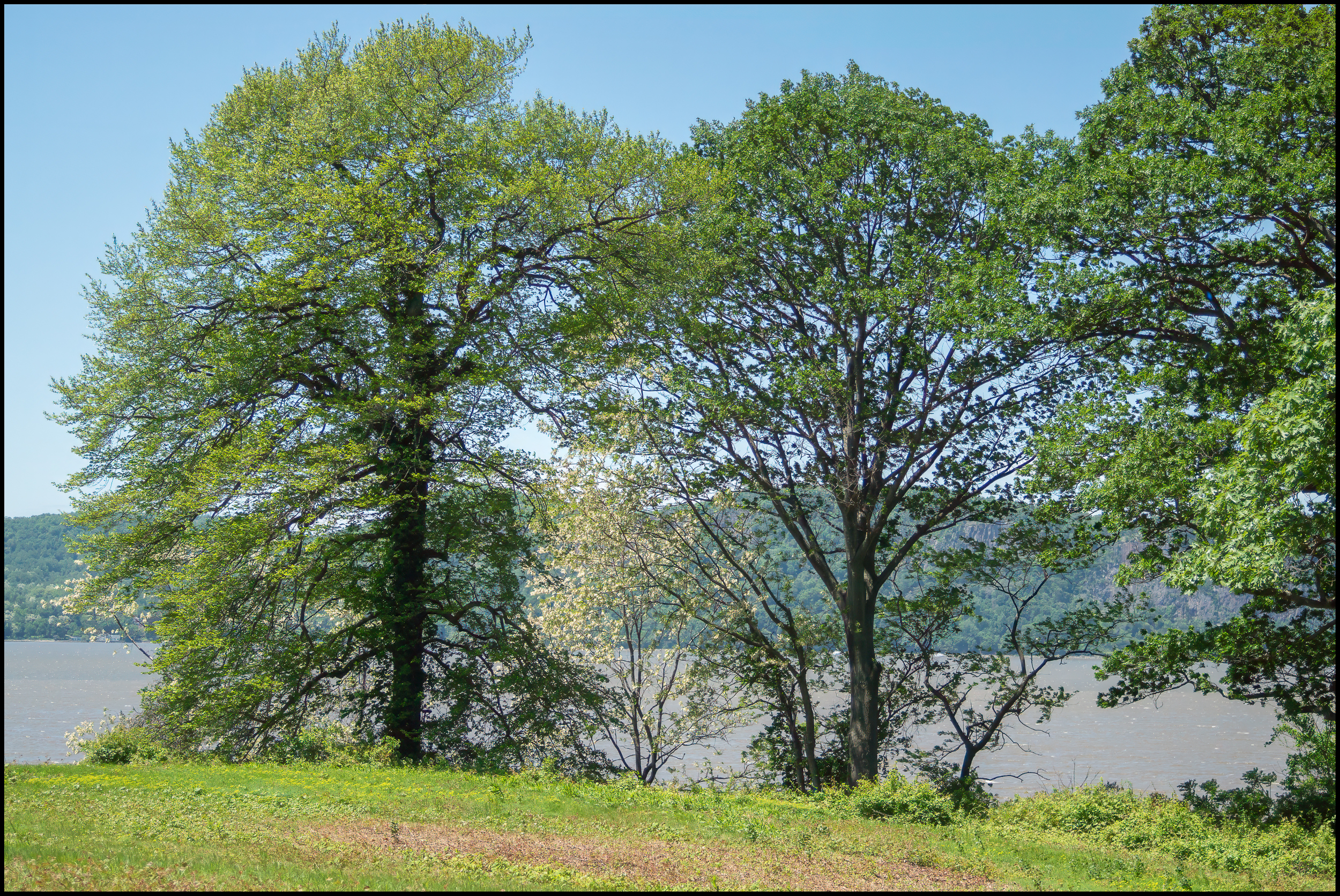
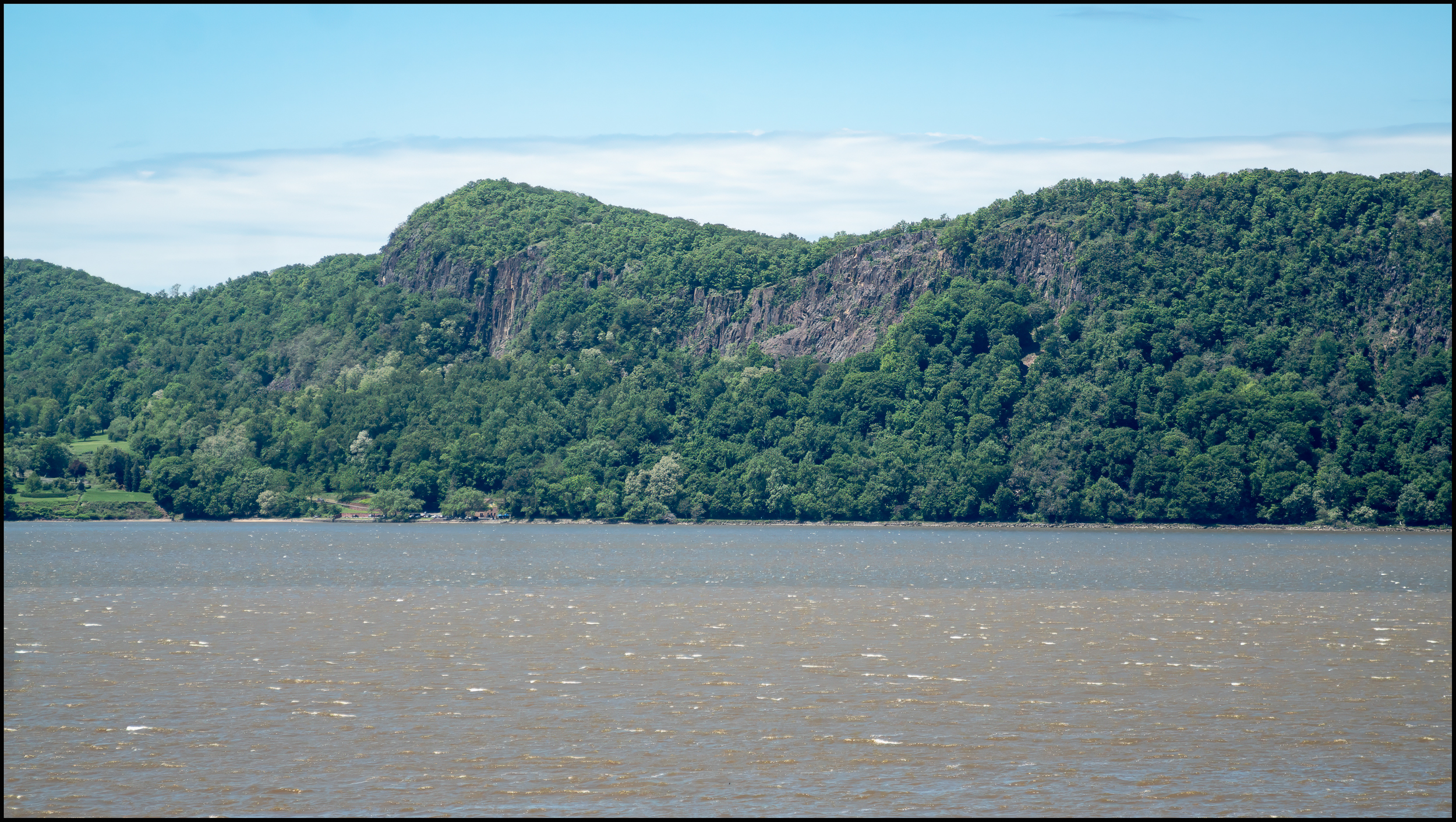
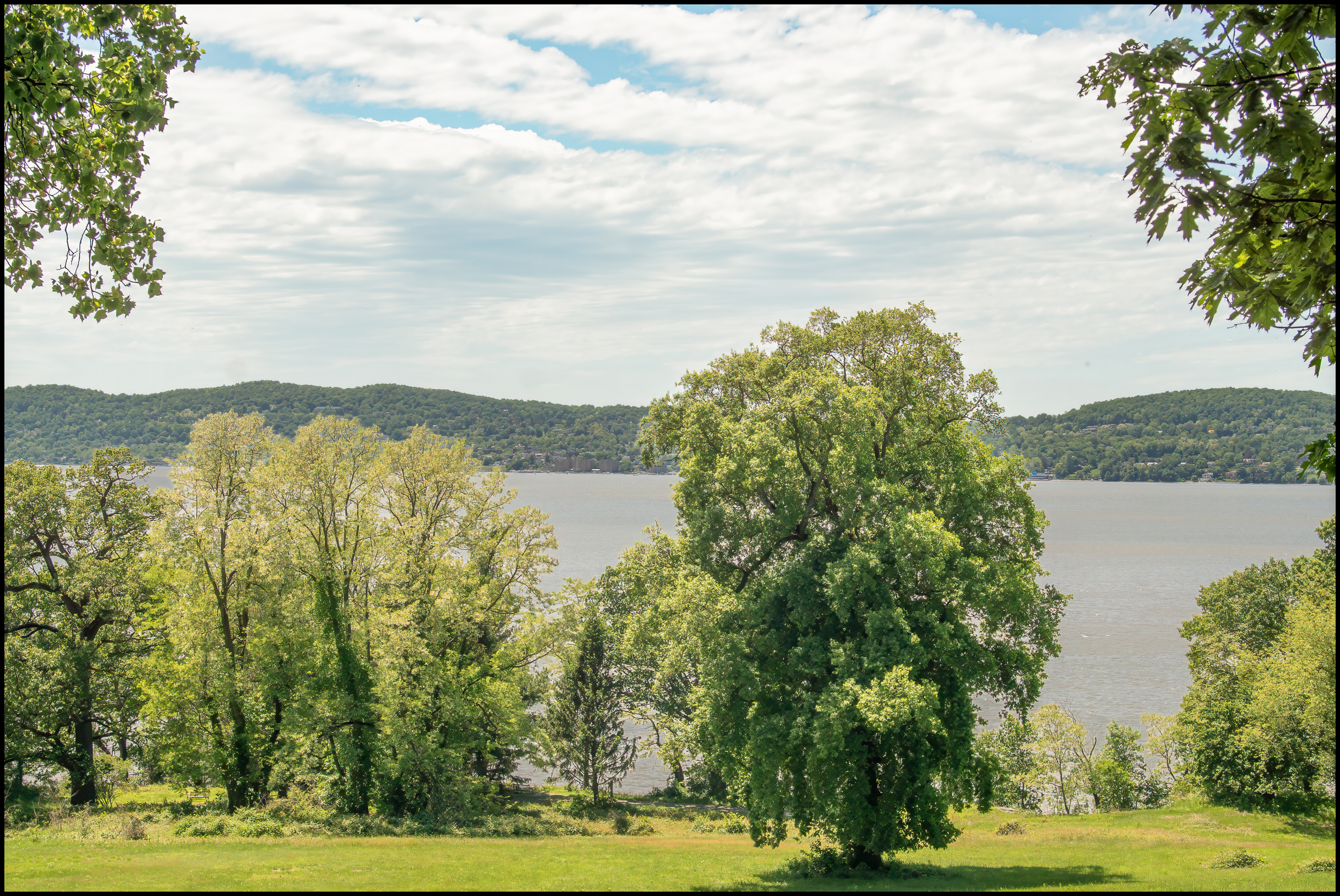
Once described as “The most magnificent residence on the Hudson” all that remains are a number of walking trails, some beautiful old trees, spectacular views of the Hudson River, and the impressive, but somehow sad stone foundations.
Taken with a Sony A77II and Minolta 35-105 f3.5-4.5.