Battle of Pines Bridge Revisited – Overview

A while back I went with my friend Ken for lunch and to check out some local Revolutionary War history. The time we went to take a look at a couple of sites related to the Battle of Pines Bridge.

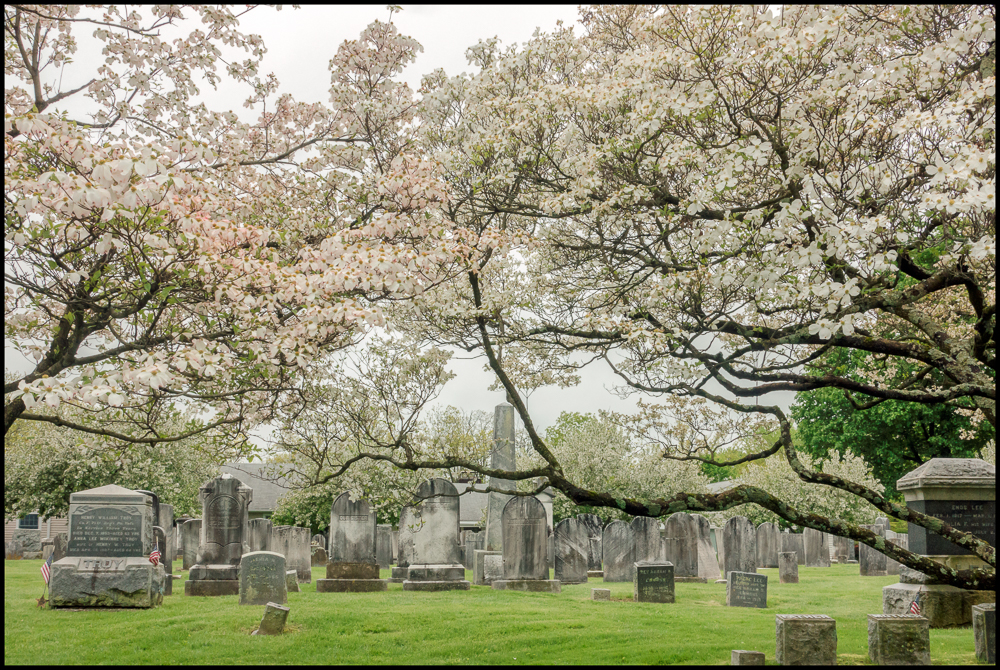
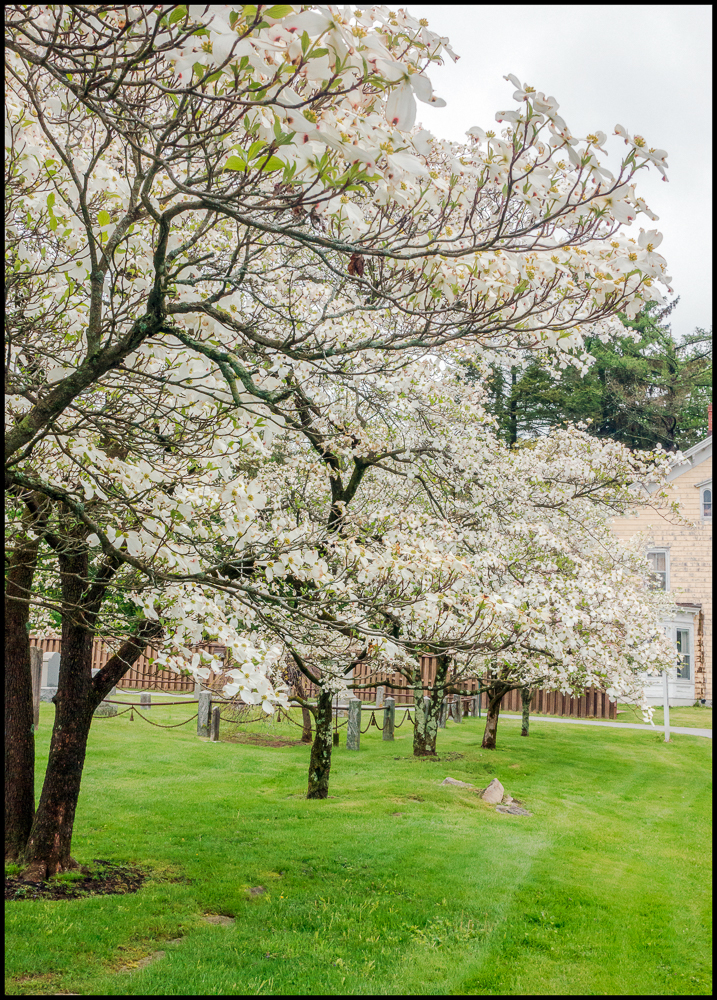
Our first stop was at cemetery of the First Presbyterian Church of Yorktown where there are two monuments, and where some of those who died in the battle are buried. Above and below a couple of views of the cemetery and it’s spectacular flowering trees.

After that we had a very pleasant lunch at Barnwood Grill in Granite Springs.

I’d seen all of the others places on our itinerary before, but I was keen to seen the one thing I hadn’t yet seen: the new Pines Bridge Battle Memorial.

Our final stop took us to the site of the battle itself.

Taken with a Sony RX100M3.

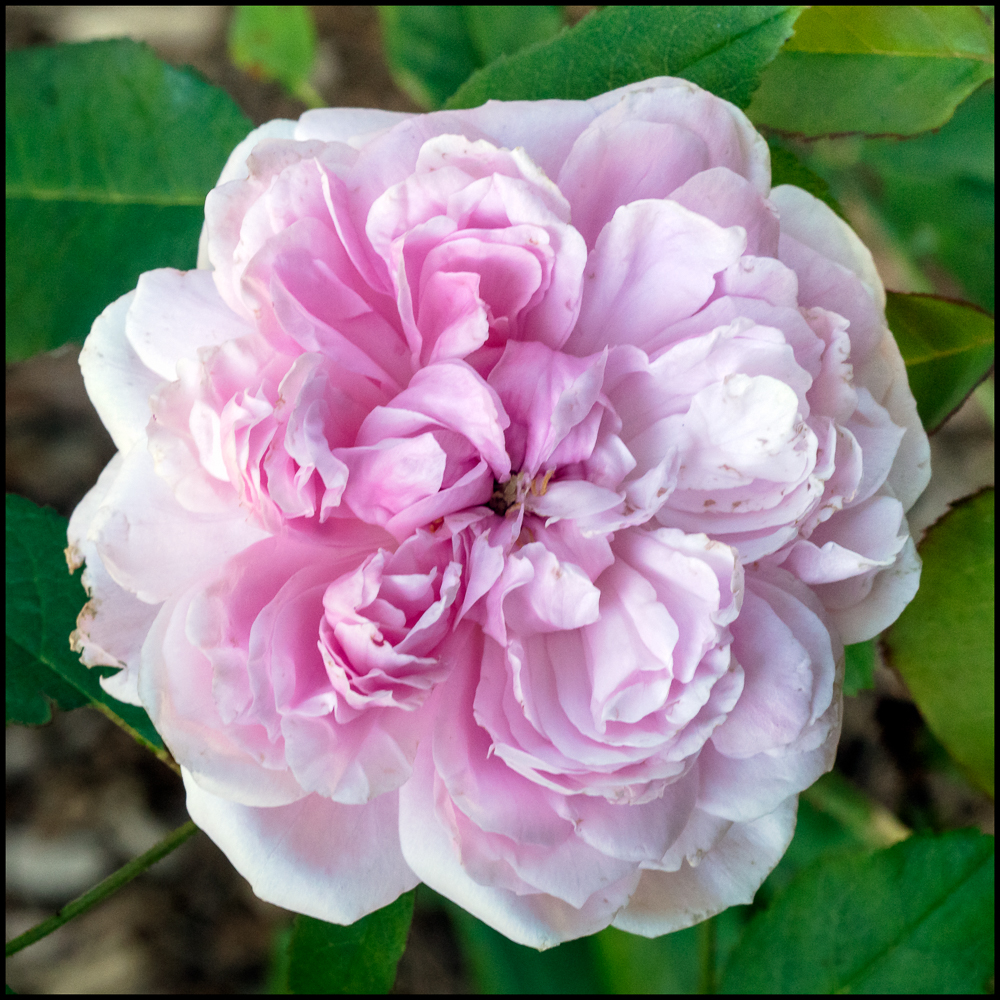
David Austin Roses 43 – Jacques Cartier

According to the David Austin Site:

Very similar to ‘Comte de Chambord’ with more perfect blooms, but not such a regular repeat flowerer. It bears large, shapely rosettes, each with a button eye at the centre, and has the same clear, rich pink colouring, fading a little with age. There is a very strong, rich fragrance. The growth is compact and erect with light green Damask foliage. Very healthy, tough and reliable.

Presumably named after Jacques Cartier, the famous explorer.

Taken with a Sony A77II and Minolta Maxxum AF 50mm f2.8 Macro.

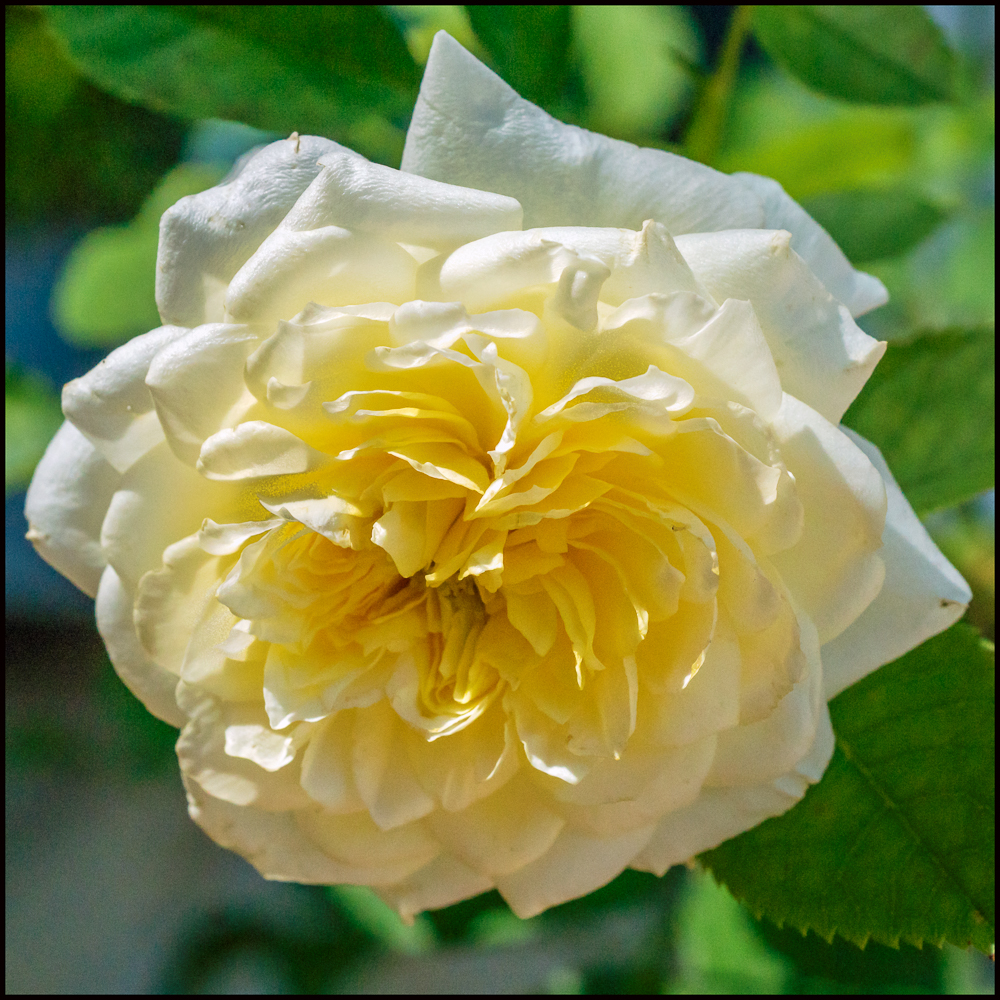
David Austin Roses 42 – The Pilgrim

According to the David Austin Site:

‘The Pilgrim’ has some of the most perfectly formed blooms. The buds open to reveal many petalled cups, which eventually open out to form quite large, evenly shaped, flat rosettes. The colour is a very attractive shade of yellow, the petals paling slightly towards the edges, giving a softness of colour that is very rare among yellow roses. The flowers are produced freely and repeat well. They have a fine fragrance, which is a perfect balance of tea and English myrrh. Its delicate charm makes it ideal for cutting for arrangements in the home.

Named after the pilgrims in Chaucer’s Canterbury Tales.

Taken with a Sony A77II and Minolta Maxxum AF 50mm f2.8 Macro.

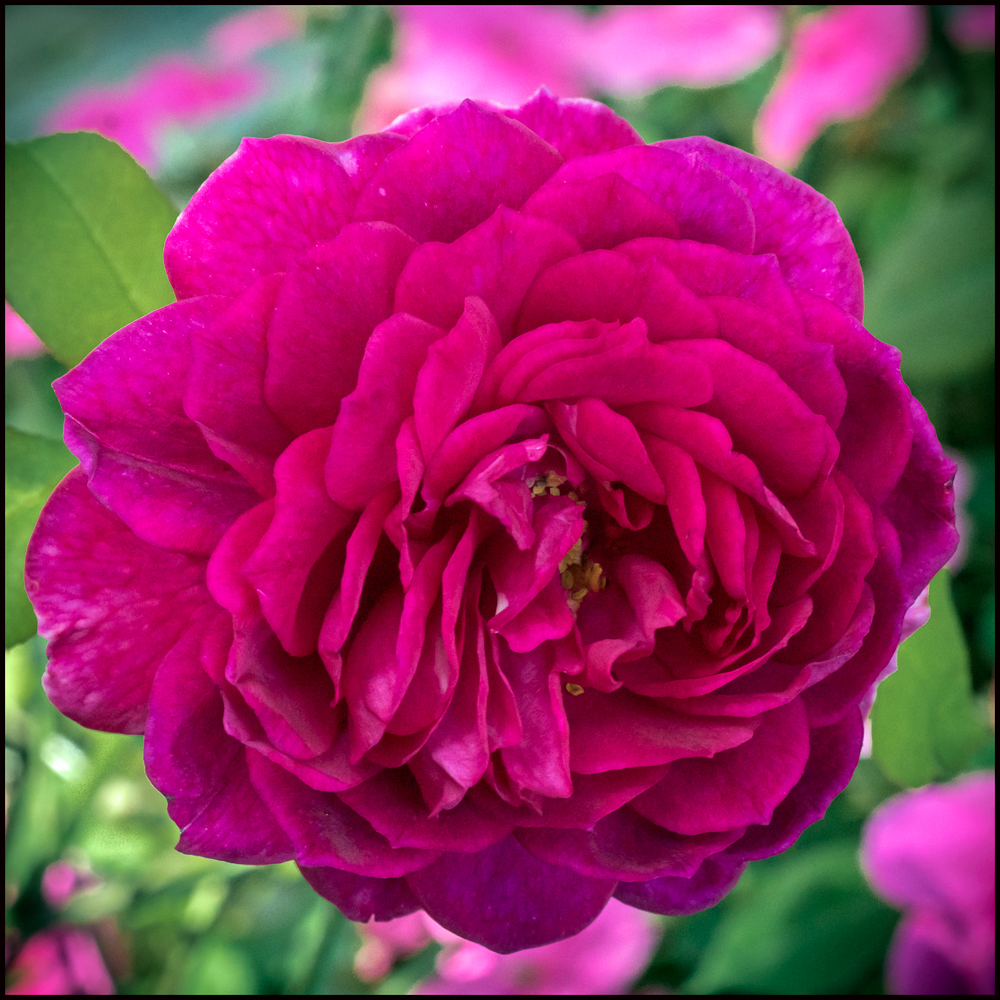
David Austin Roses 41 – Young Lycidas

According to the David Austin Site:

This is a variety of classic Old Rose beauty. The flowers are quite large and deeply cupped even when fully open; the many petals arranged in a charming, rather informal way. Their colour is new to English Roses; a blend of very deep magenta, pink and red – the outer petals tending towards light purple – although this is in contrast to the outside of the petals, which are quite silvery in appearance. The flowers nod gracefully and are produced singly or in small groups on vigorous stems. There is a delicious fragrance that changes markedly with the age of the flower, starting as a pure tea scent and changing to a blend of tea and Old Rose, with intriguing hints of cedar wood.

We were asked by The Friends of Milton’s Cottage to name this rose to mark the 400th anniversary of the birth of the poet John Milton. ‘Lycidas’ is one of the finest short poems in the English language. Interestingly, it was Milton who introduced the word ‘fragrance’ into the English language.

Taken with a Sony A77II and Minolta Maxxum AF 50mm f2.8 Macro.