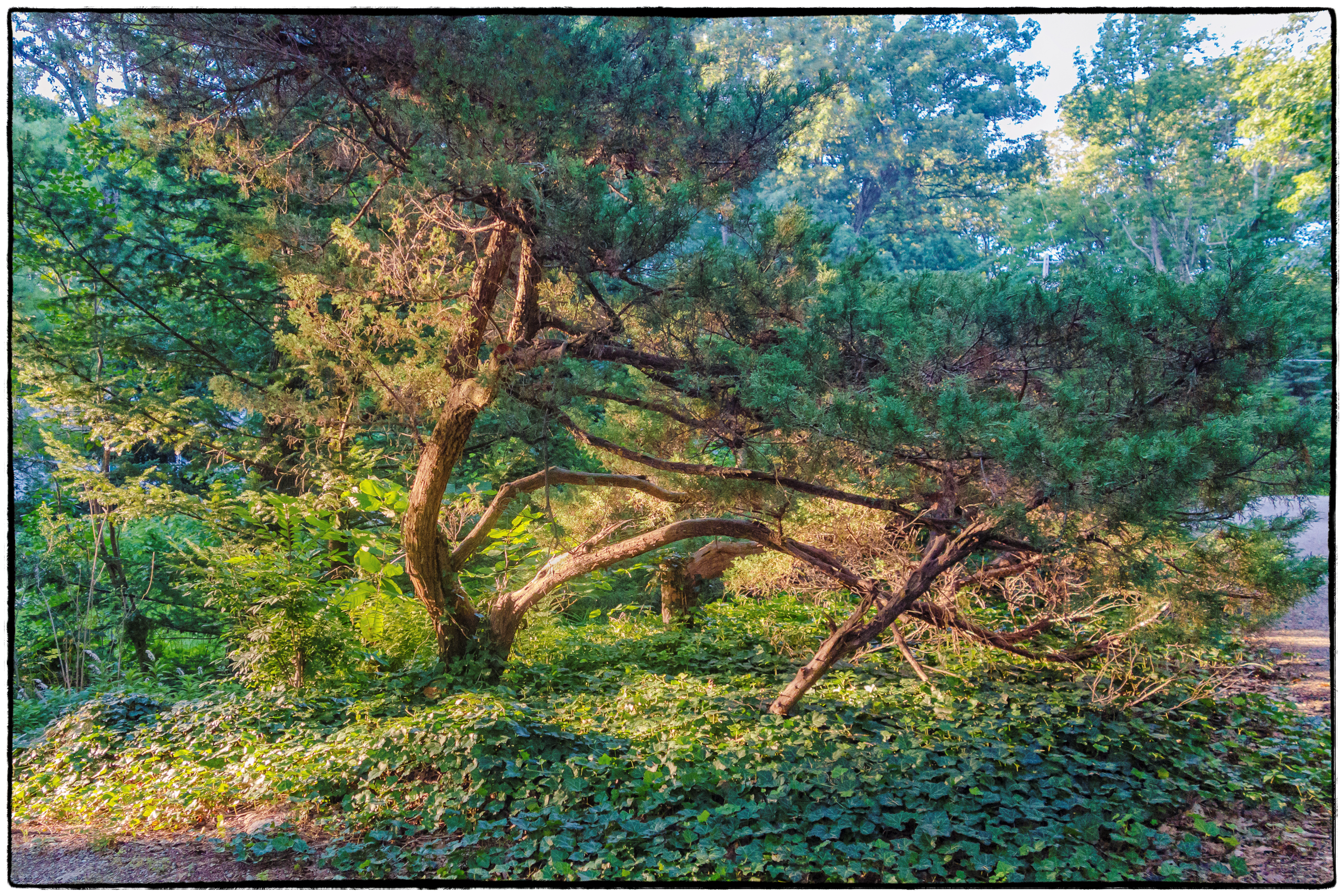
Juniper at dusk

I made this picture around 7:00pm on July 26, 2016. The roads around the lake were mostly covered in shadow, but the odd beam of light shone through from time to time – in this case picking out this juniper.

I’m not fond of junipers. When we got our house in Briarcliff Manor we inherited a number of overgrown junipers. I believe that once they get beyond a certain point there’s no way back for an overgrown juniper. All you can do is cut them down. So that’s what I did and not only did I cut them down I also dug out the roots. And very hard work it was too.

Fast forward 18 years and we acquired out lake house and lo and behold we inherited another bunch of overgrown junipers. This time I cut them down, but I’m now older and I didn’t have the will (or I suspect the strength) to dig out the roots.

This one is in a neighbors garden and no matter what the merits of junipers are I loved the light and lovely colors in this shot.
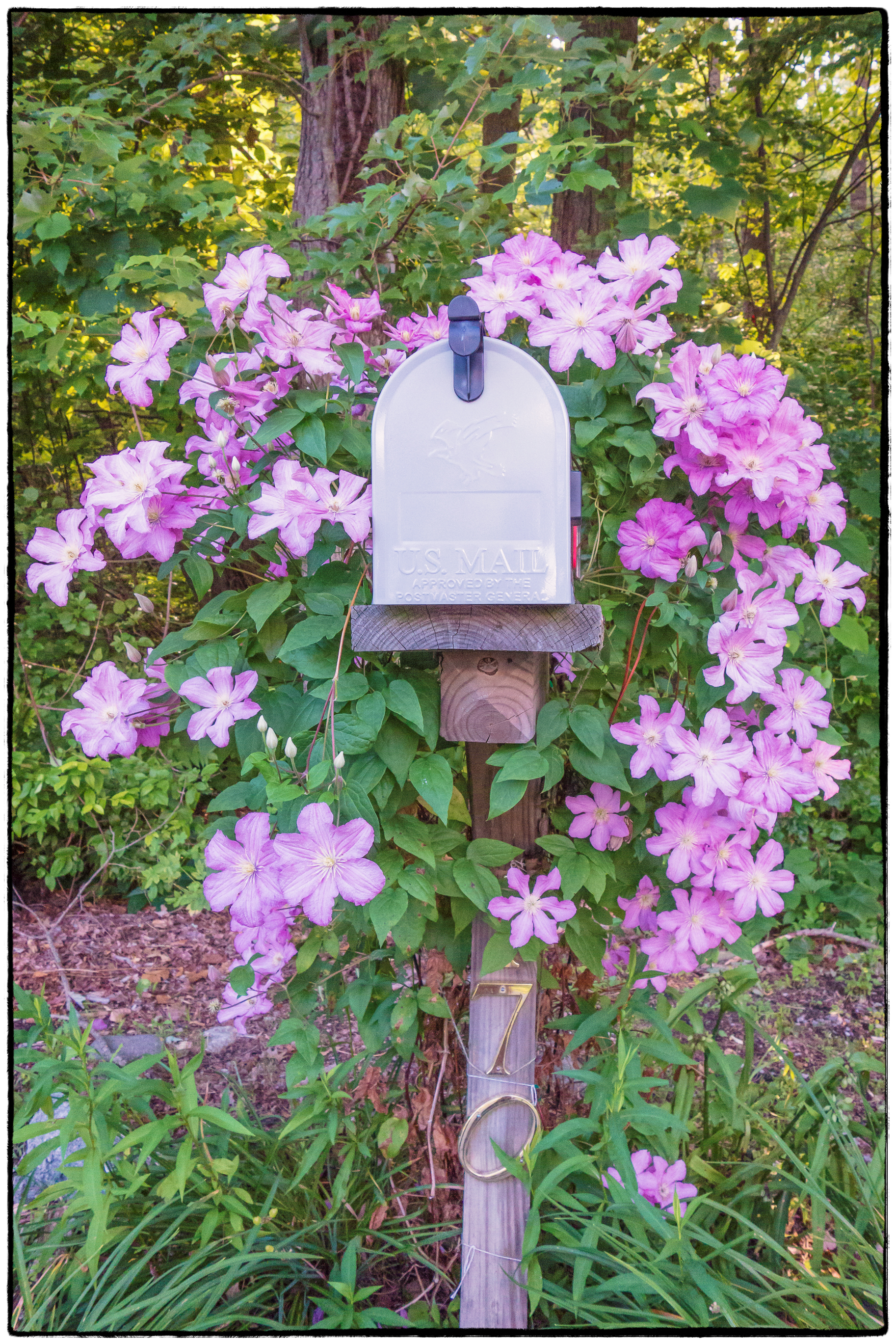
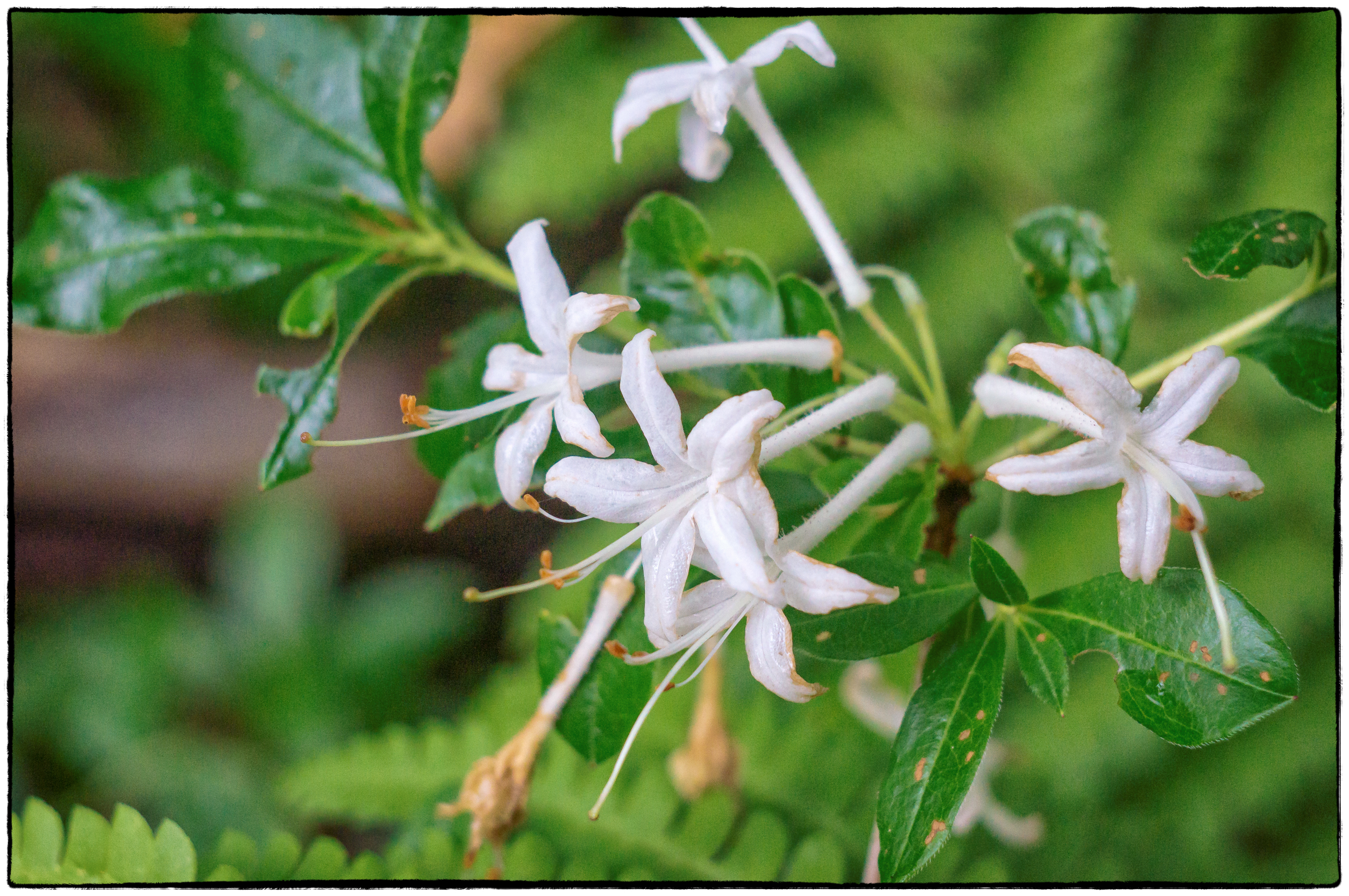
By the roadside 8: Unknown flower

Another picture in the “By the roadside” series. I have no idea what this flower is, and my efforts to find out have so far led to nothing. I suspect that it’s not a wildflower as it’s the only example I’ve seen during my walks around the lake (I’ve seen multiple examples of all of the others in the series). I believe it’s probably a cultivated flower of some kind, a seed having been blown from the garden to the side of the road where it’s flourished. It’s a very attractive flower though.

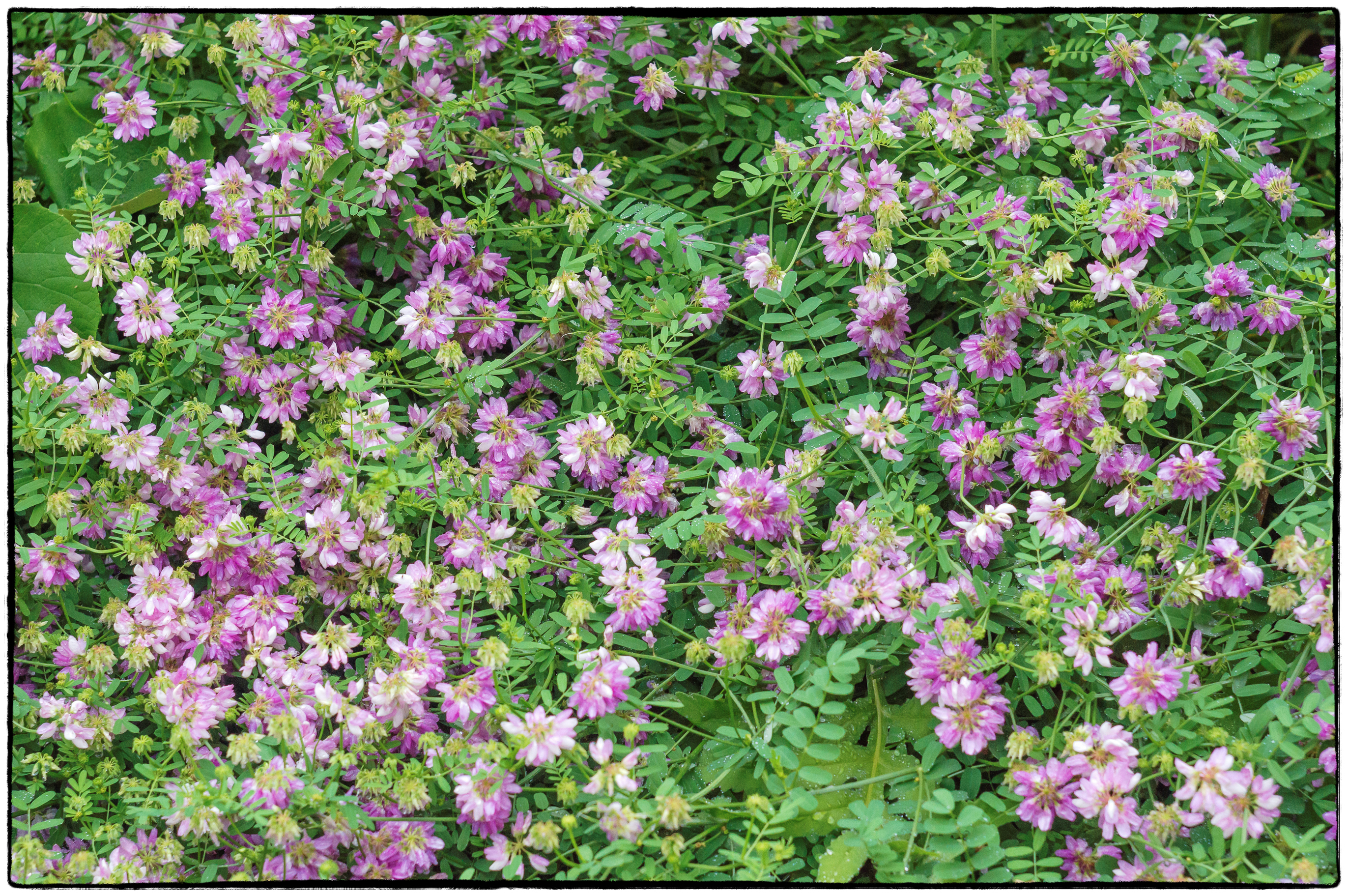
By the roadside 7: Securigera varia

Or at least that’s what I think it is. Continuing the ‘By the roadside’ series. According to Wikipedia:

Securigera varia (synonym Coronilla varia), commonly known as crownvetch or purple crown vetch, is a low-growing legume vine. It is native to Africa, Asia and Europe and is commonly used throughout the United States and Canada for erosion control, roadside planting and soil rehabilitation. It has become an invasive species in many states of the US.

Crownvetch grows 1 to 2 feet tall and bears small clusters of 1/2-inch pink and white flowers from early summer to late fall. The variety Penngift produces mounds of pink flowers. Crownvetch is a tough, aggressive spreading plant that will crowd out its neighbors in a show garden but is well suited to a sunny bank, where it will grow for decades with little to no fertilizing, mowing, or weeding since the thick foliage prevents weeds from growing amongst it. Its deep, tenacious, complex root system and thick, fern-like leaves provide excellent erosion control where it is used as a ground cover. However, this legume has a very long germination period of about 6 months and does not create full coverage until two or three years later.

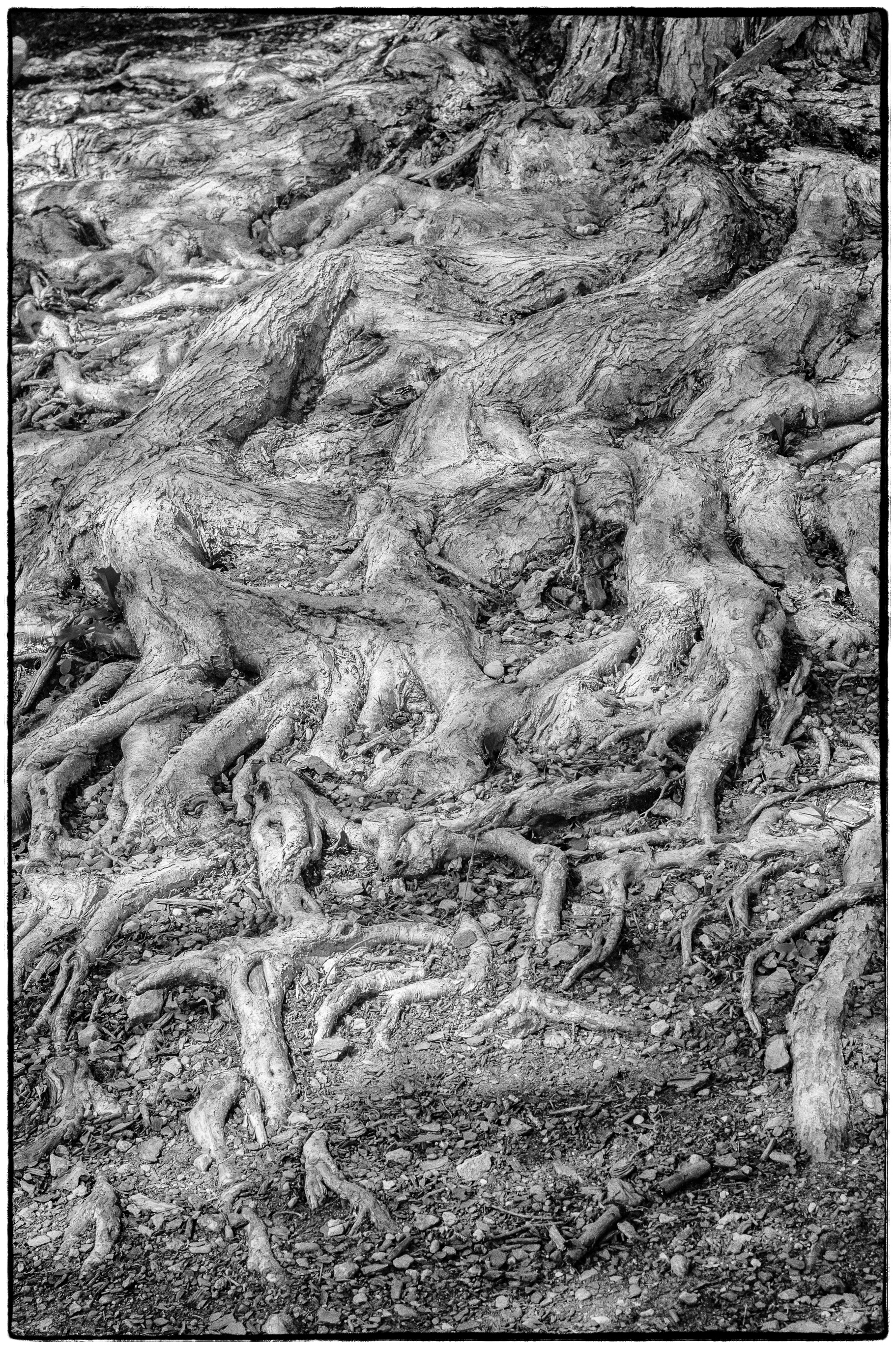
Tree roots

I’ve posted pictures of tree roots before, most notably in:

Tree Roots (at Little Stony Point)
Tree Roots (at Roaring Brook Lane)
Wasteland off the lake (last picture)
A few black and whites from the West Point Foundry Preserve (fifth picture)
Rock Formations (last picture)

Here are some more. I like their gnarled appearance and the way they seem to reach out towards you – almost like tentacles. If you stayed in one place for long enough they’d get you eventually too (I’ve seen tree roots growing through stone in the temples at Angkor Wat and check out the last link above). Of course you’d have turned to bleached bones long before this happened.