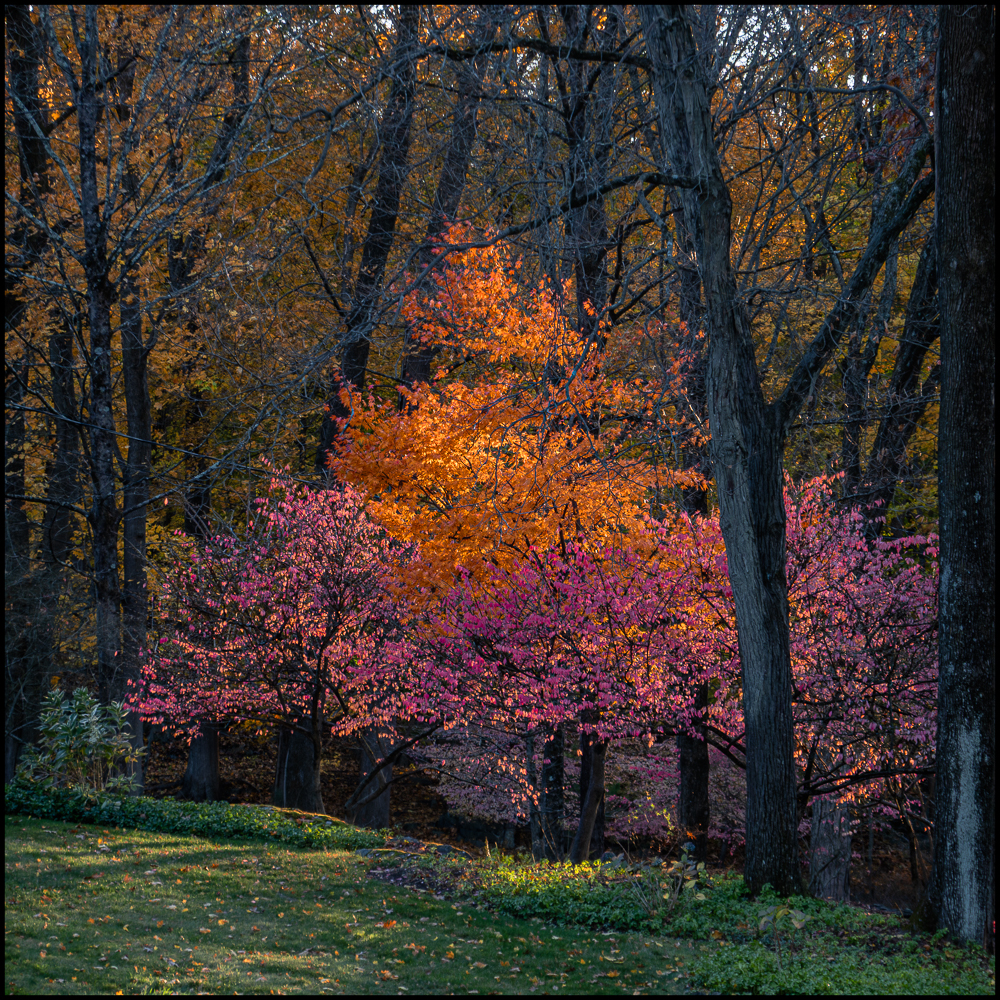
I really didn’t intend to take any more fall foliage pictures. But then in the distance a saw the sun picking out these brightly colored leaves against a dark background. And I couldn’t resist.
Taken with a Sony RX100 MVII
Photographs and thoughts on photography and camera collecting

I really didn’t intend to take any more fall foliage pictures. But then in the distance a saw the sun picking out these brightly colored leaves against a dark background. And I couldn’t resist.
Taken with a Sony RX100 MVII
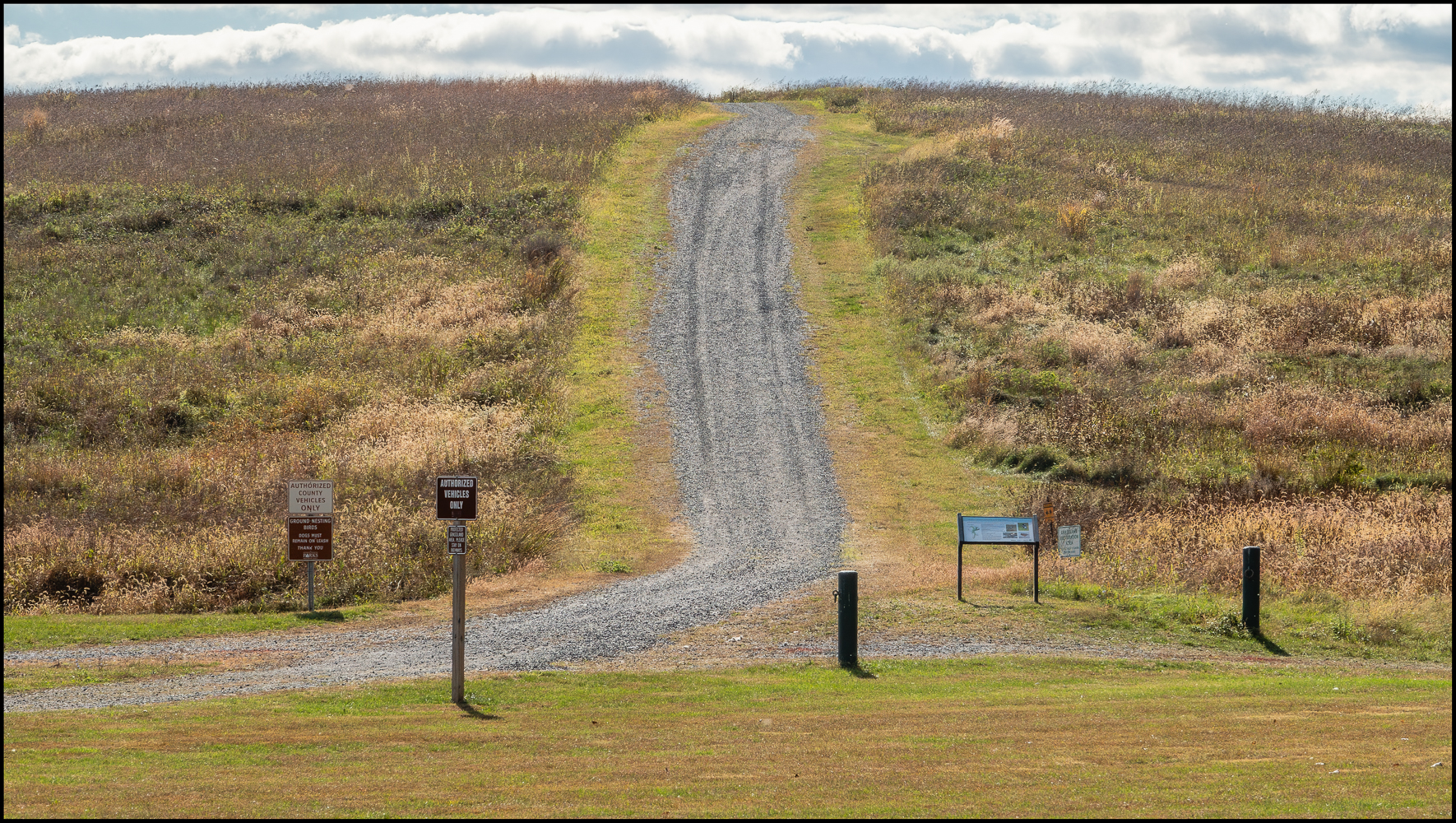
At various times in its history Croton Point has been the site of a significant Revolutionary War event; the home of a magnificent mansion; the location of a brickworks and a winery. There was once even a small town or village (now long gone) on the point, built to house the workers at the various businesses. Today it’s a spot for walkers, campers, swimmers and the like. It’s also the venue for a well-known annual Music Festival: Clearwater’s Great Hudson River Revival.
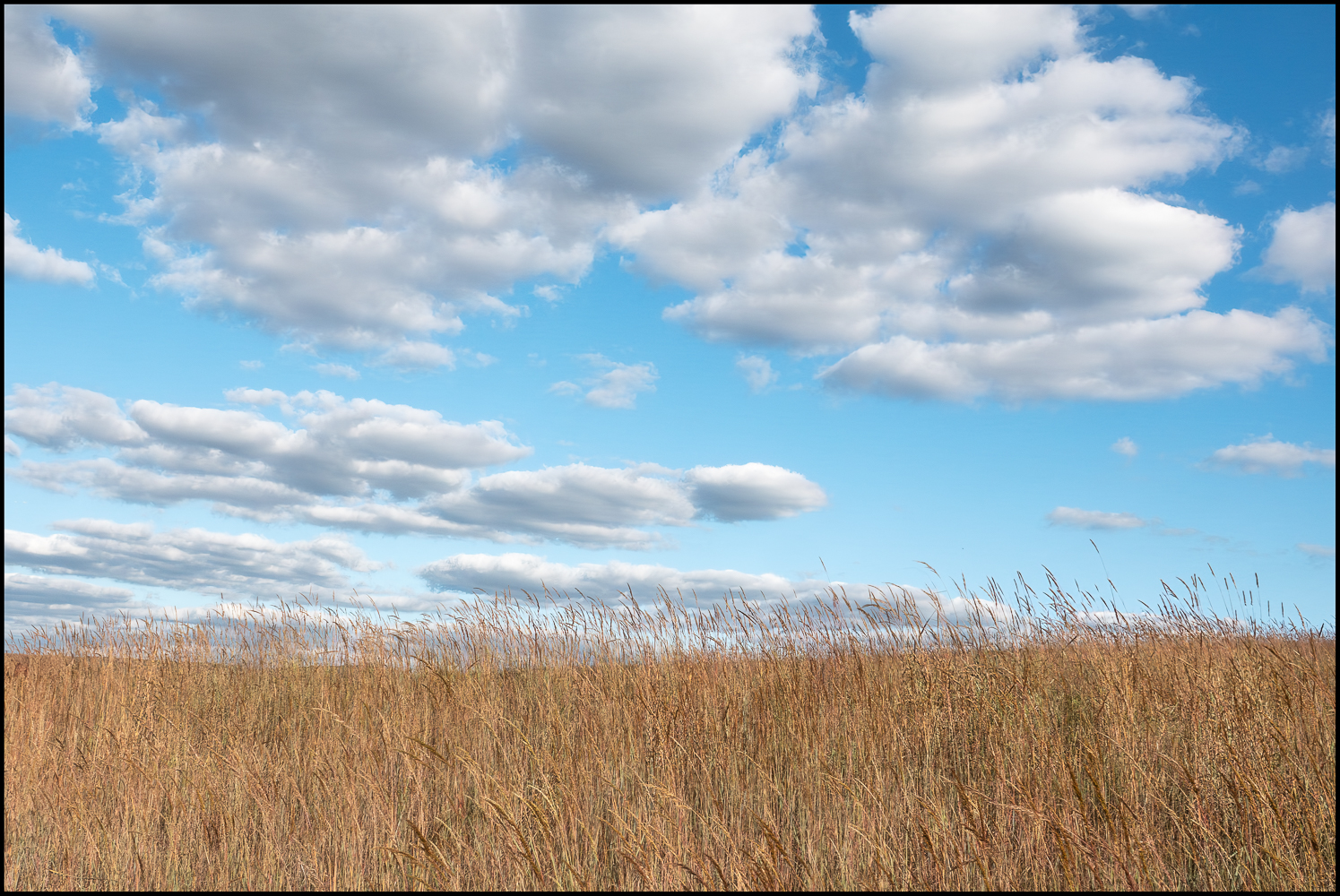
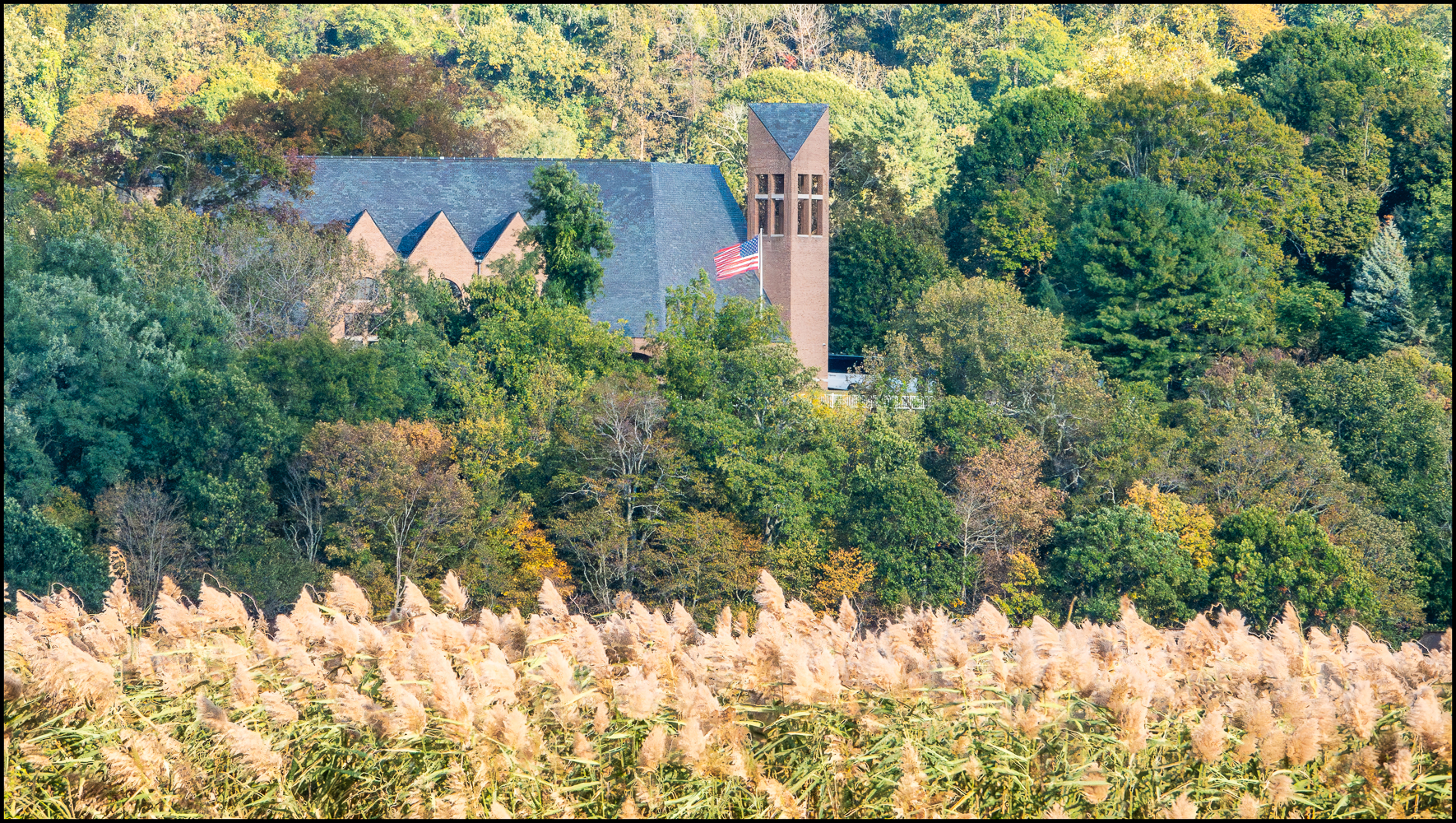
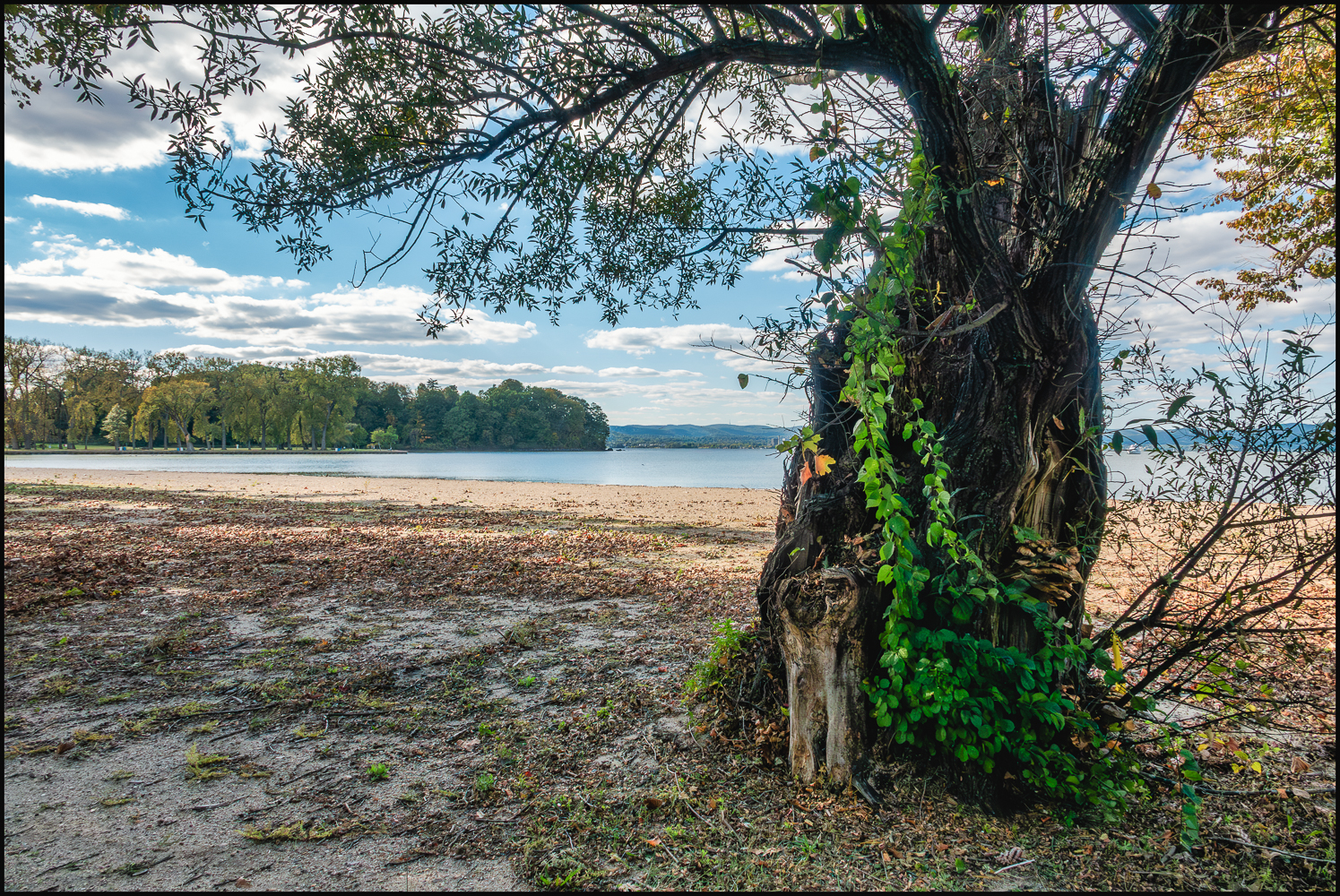
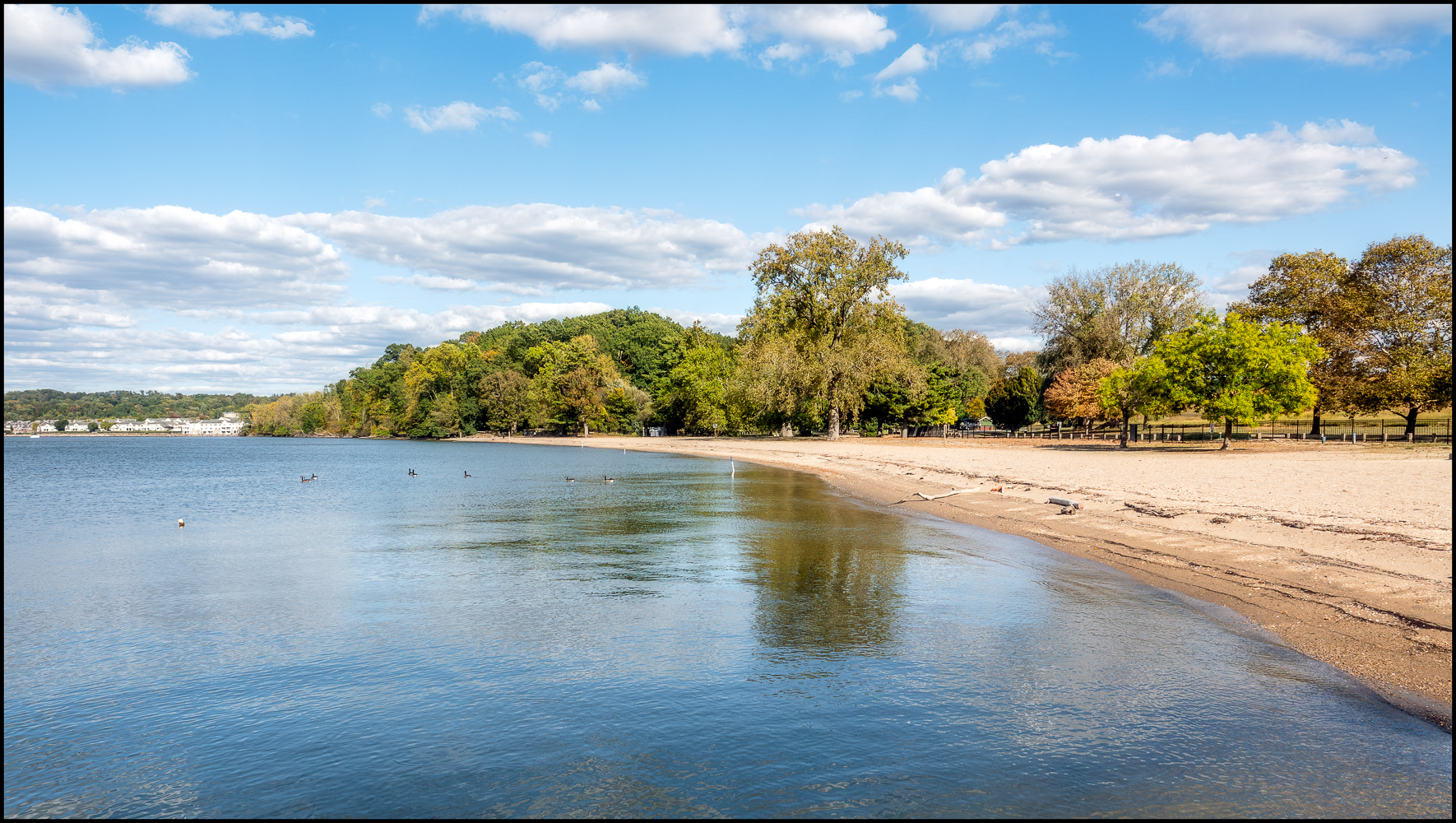
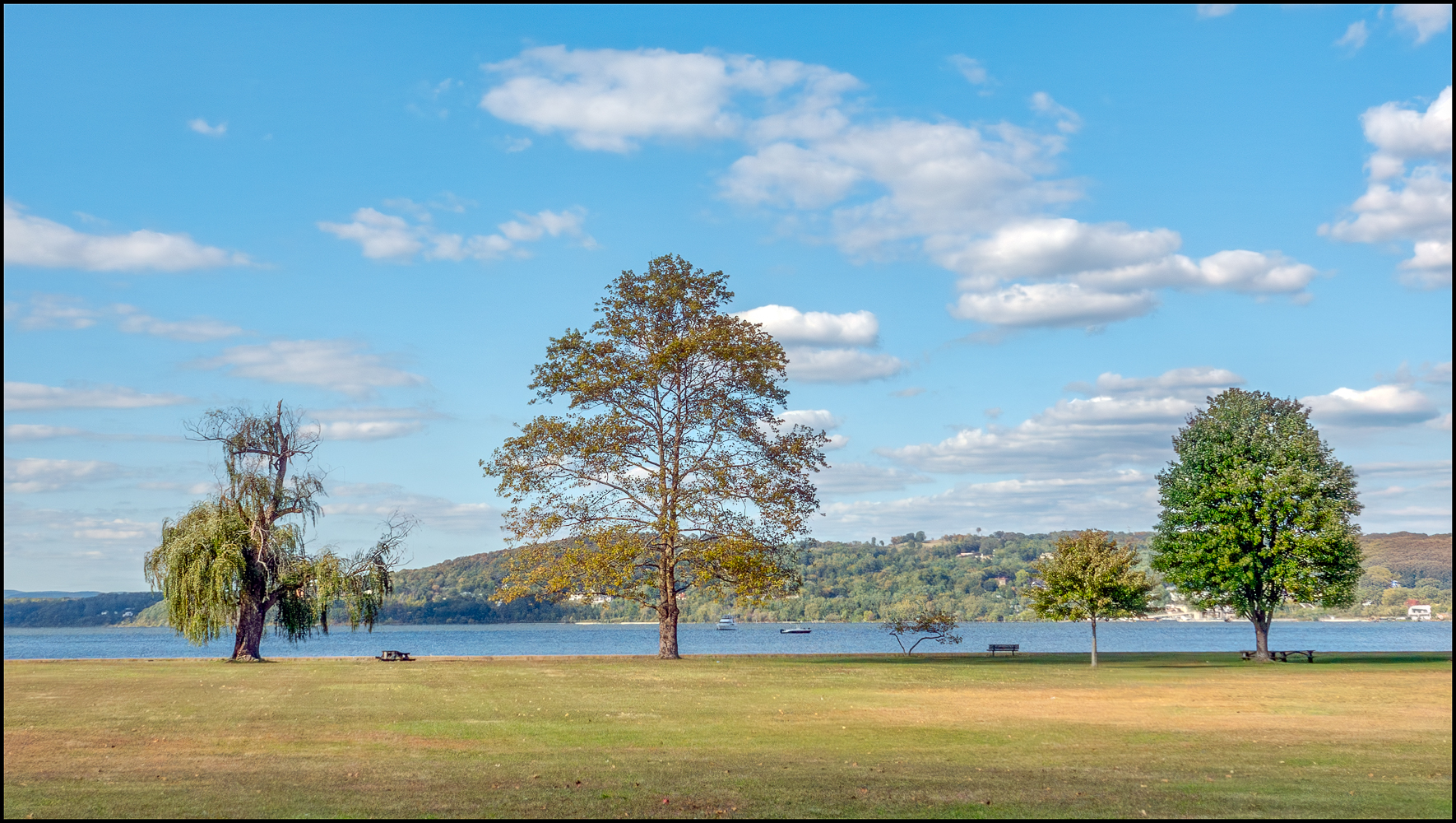
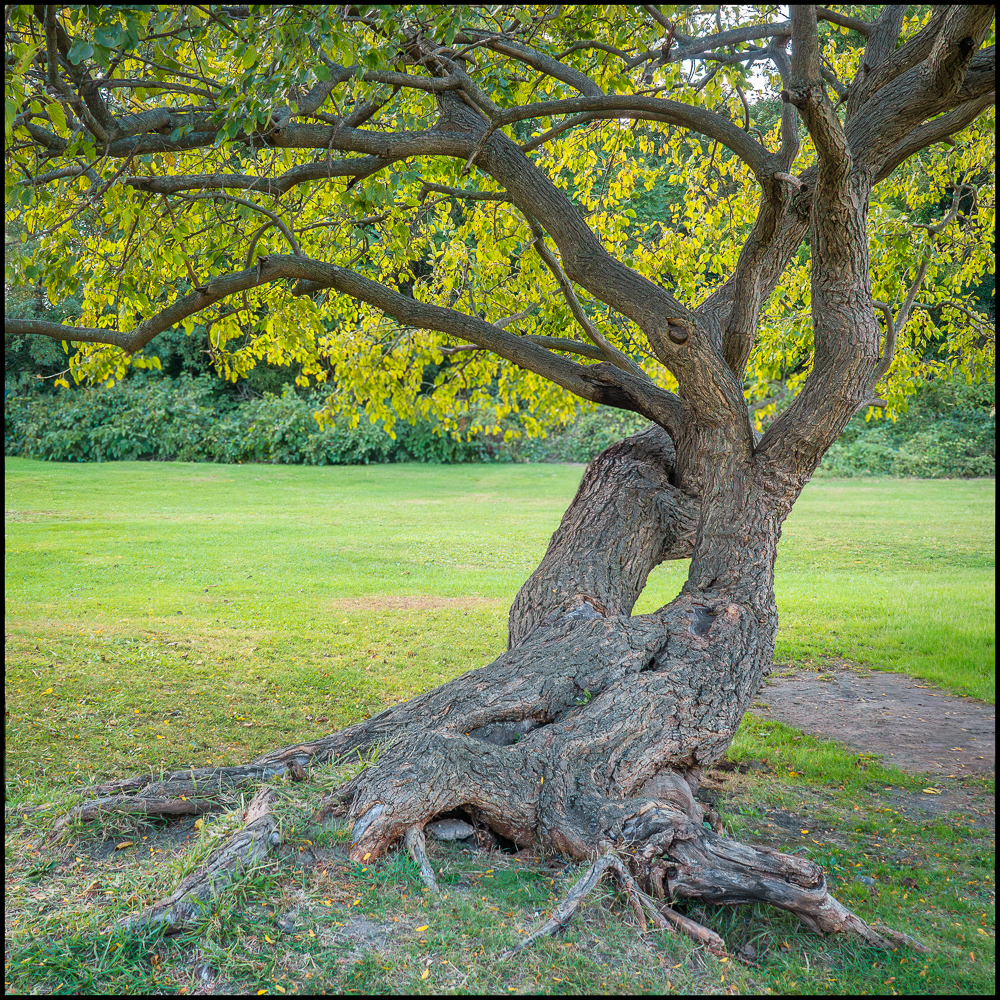
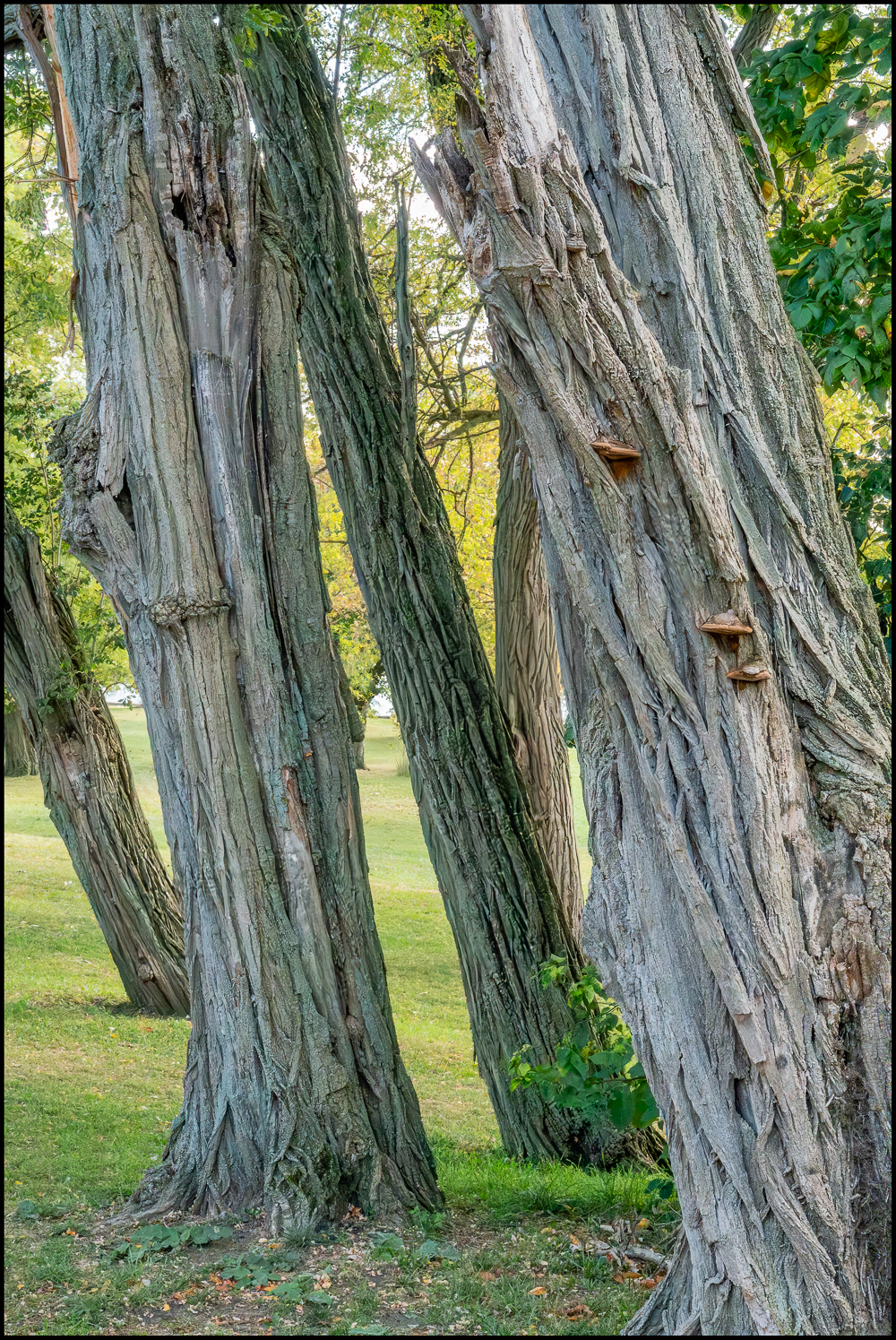
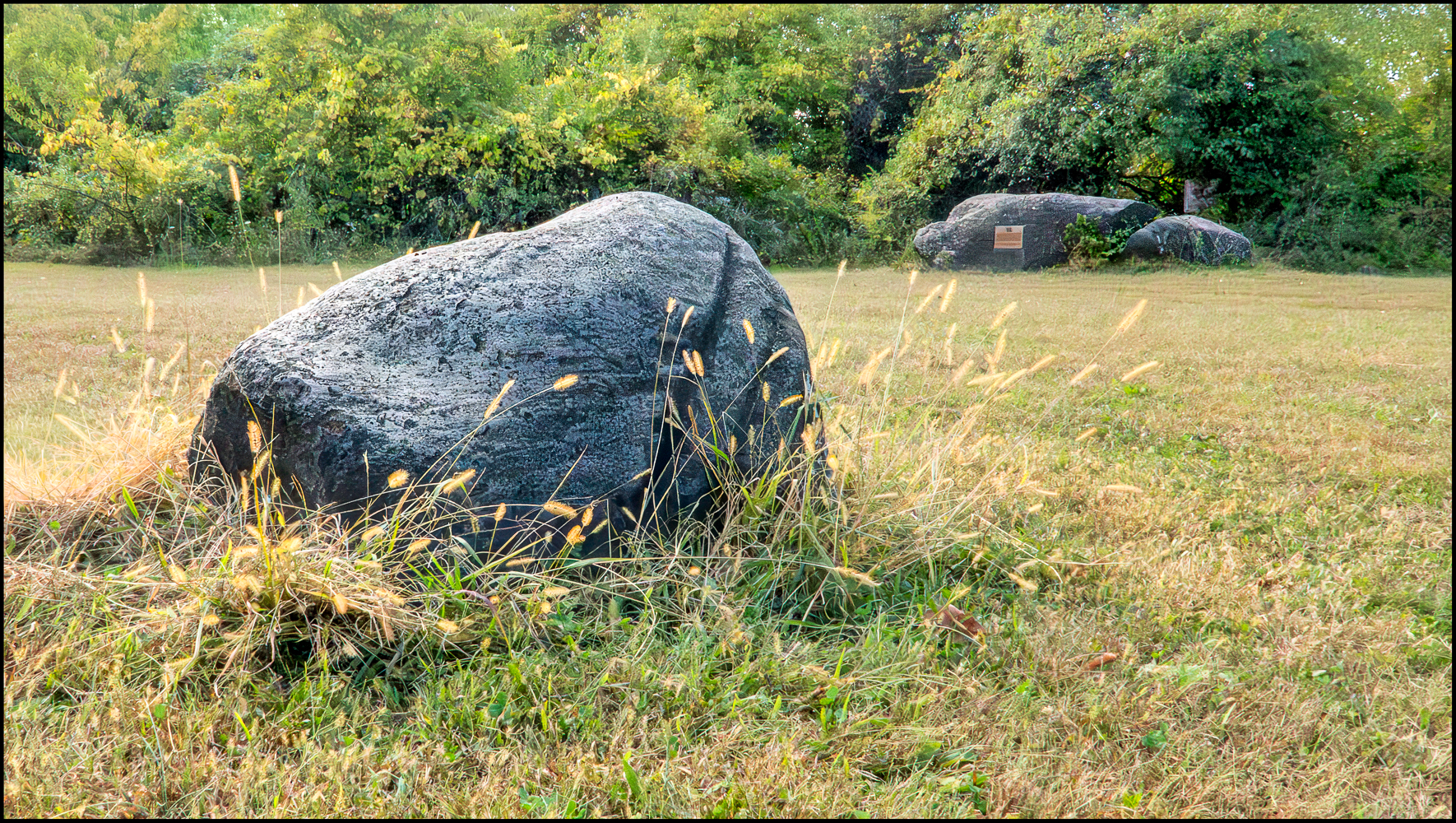
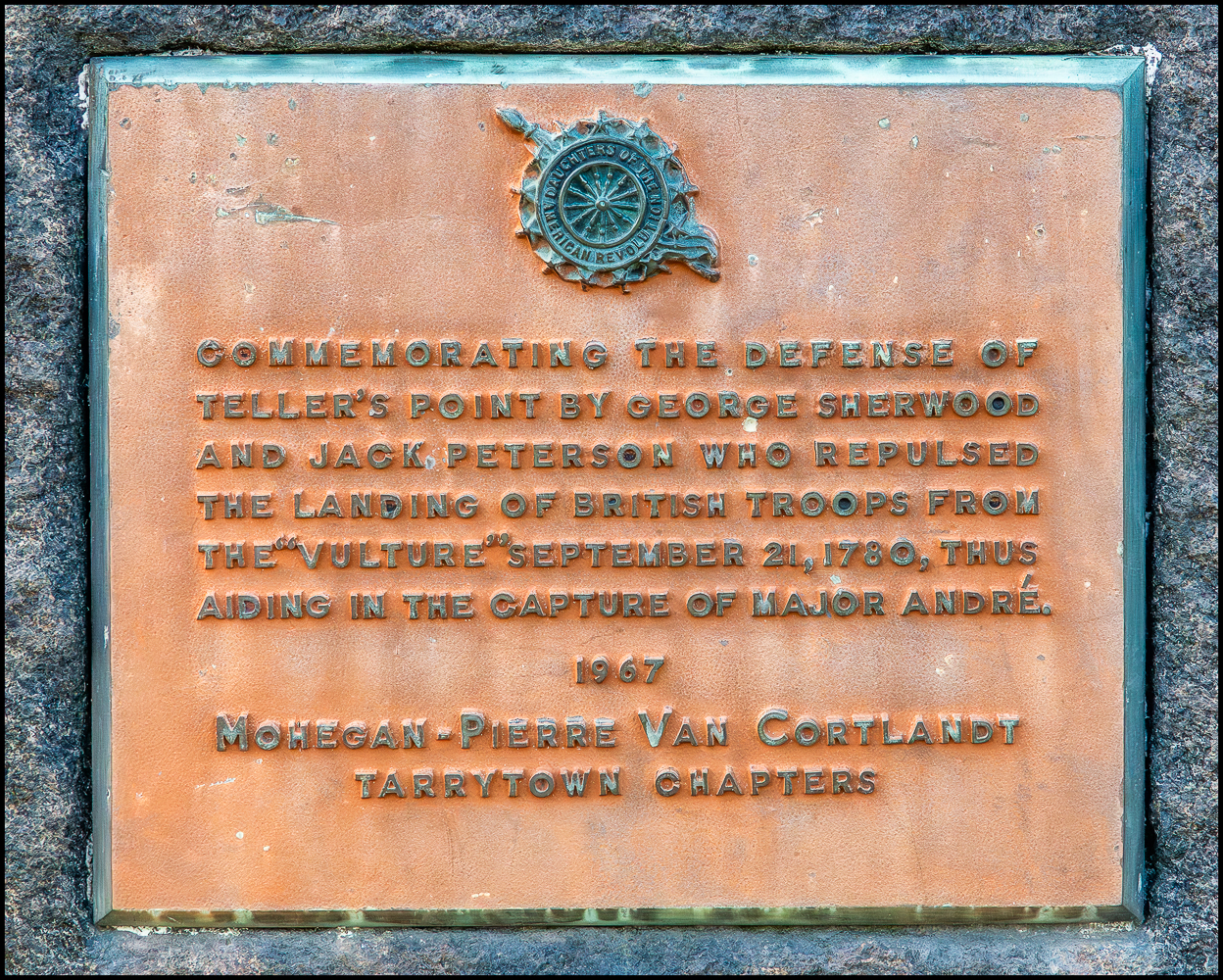
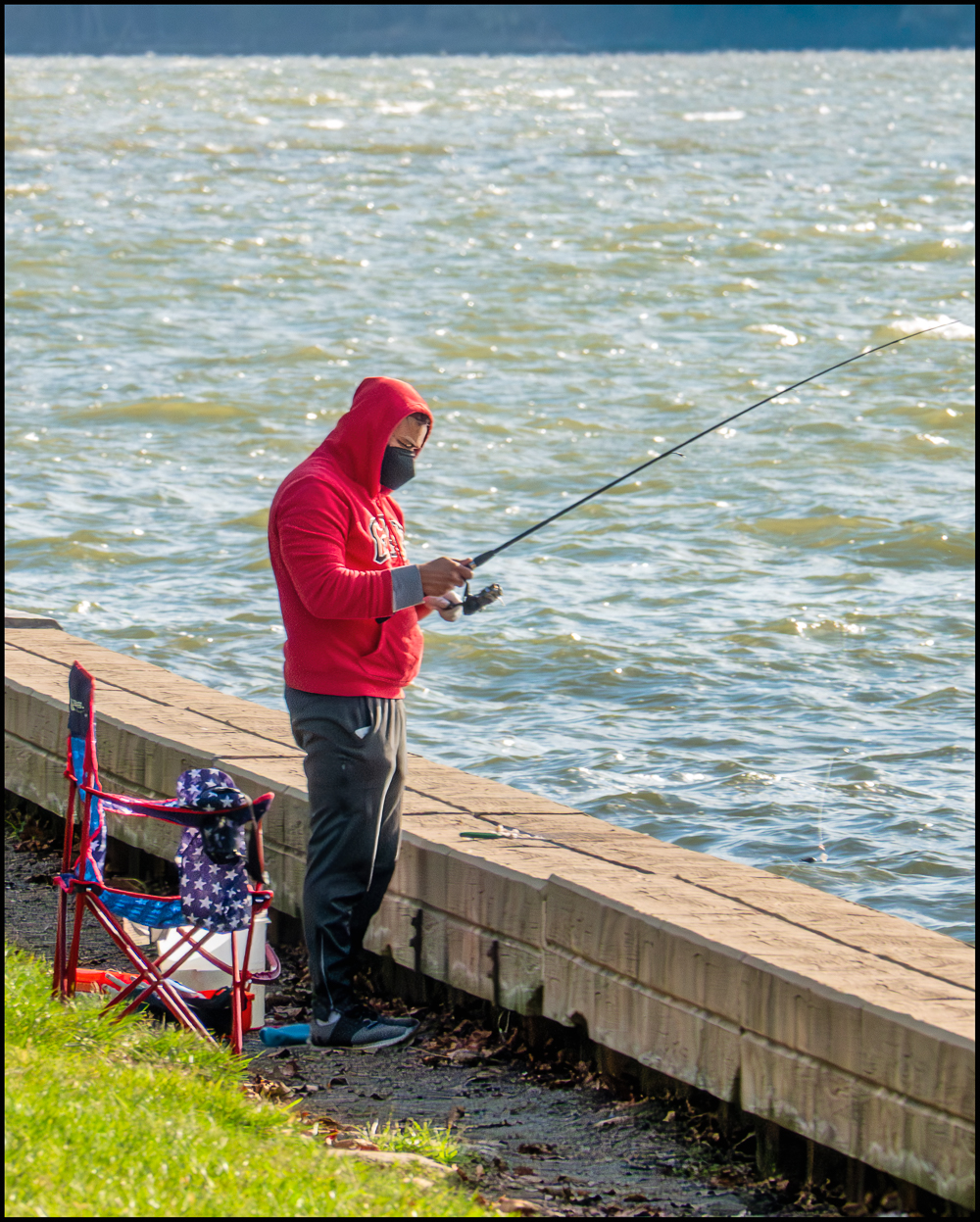
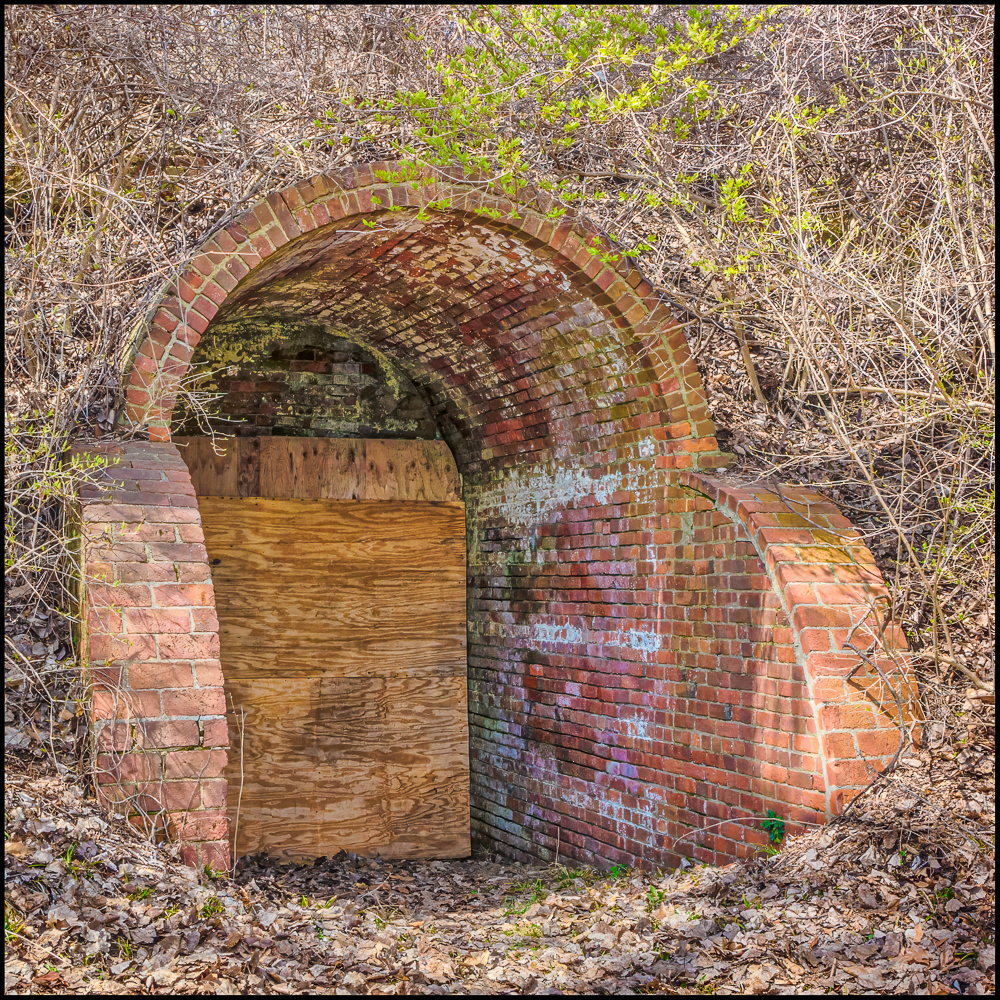
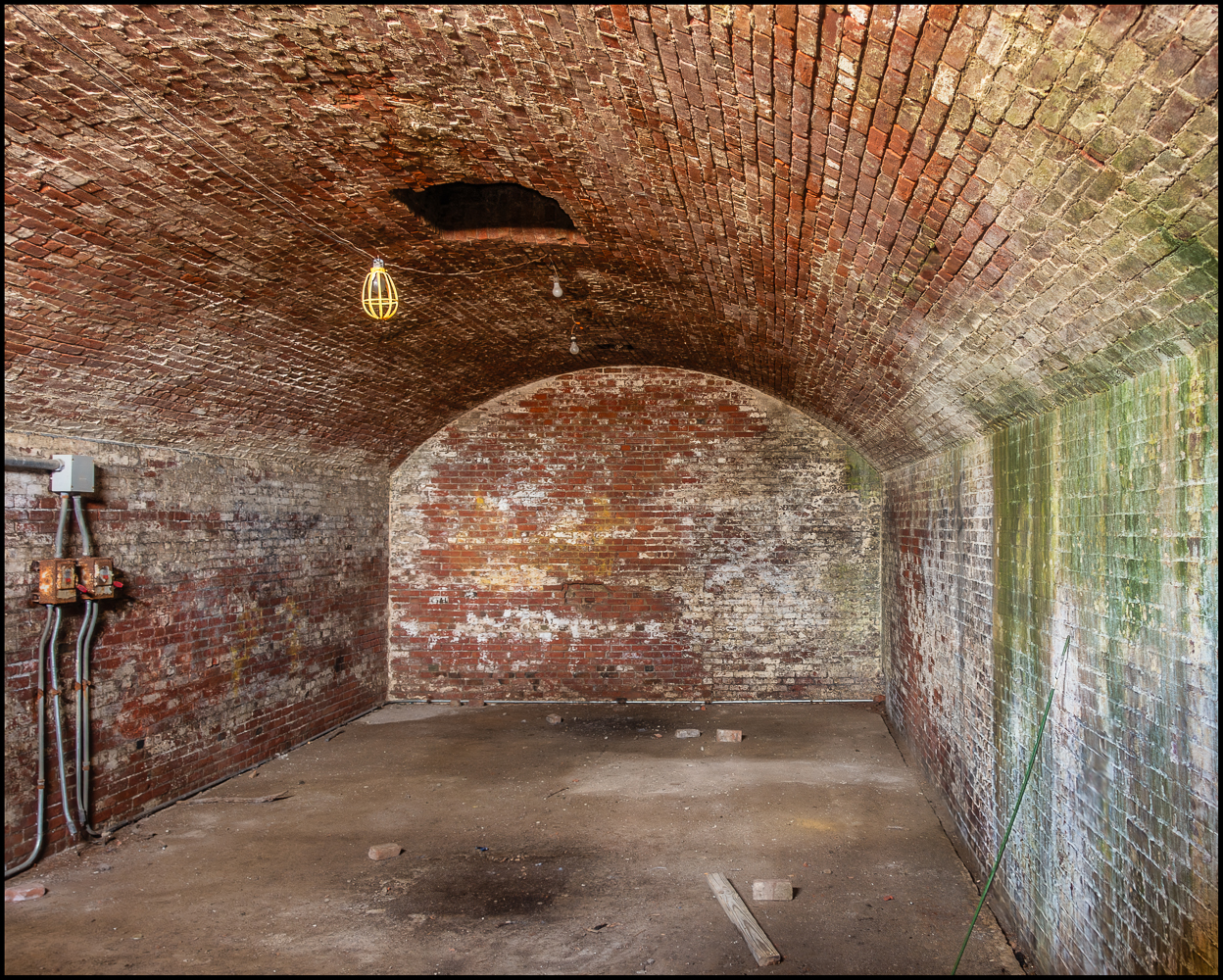
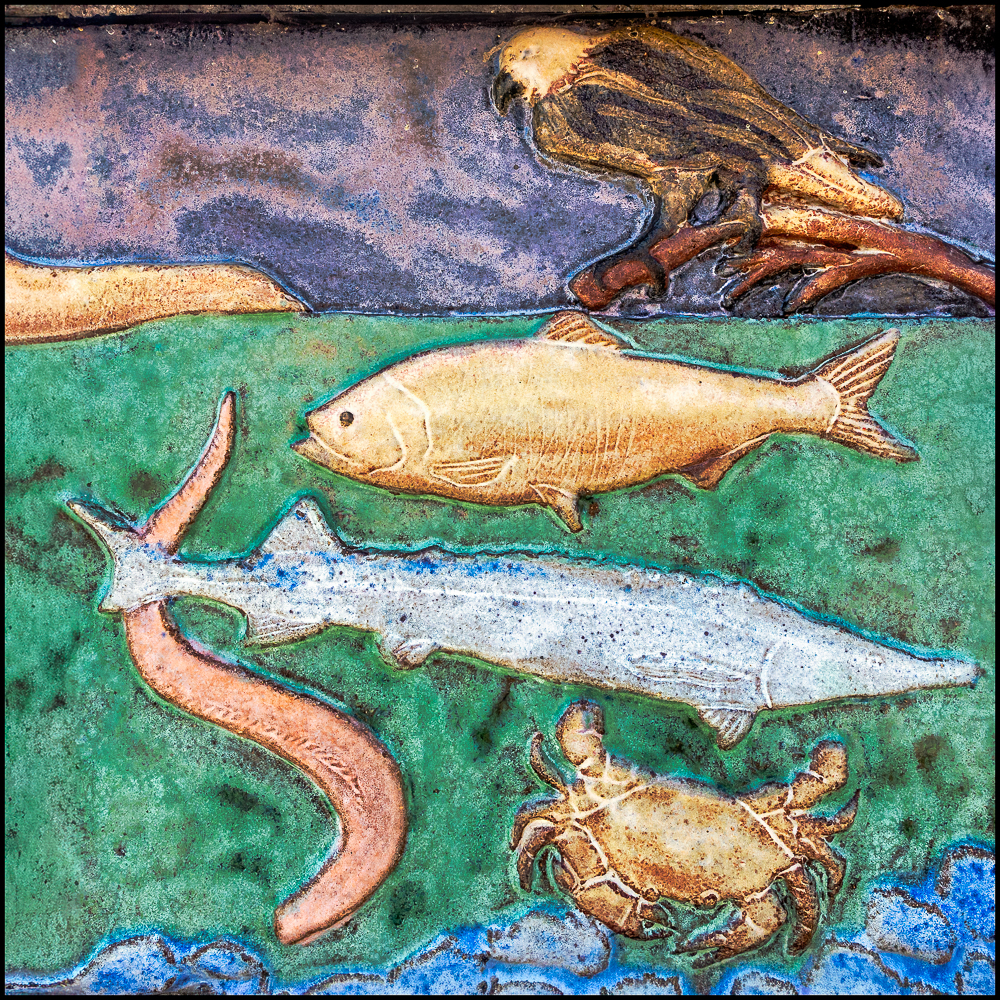
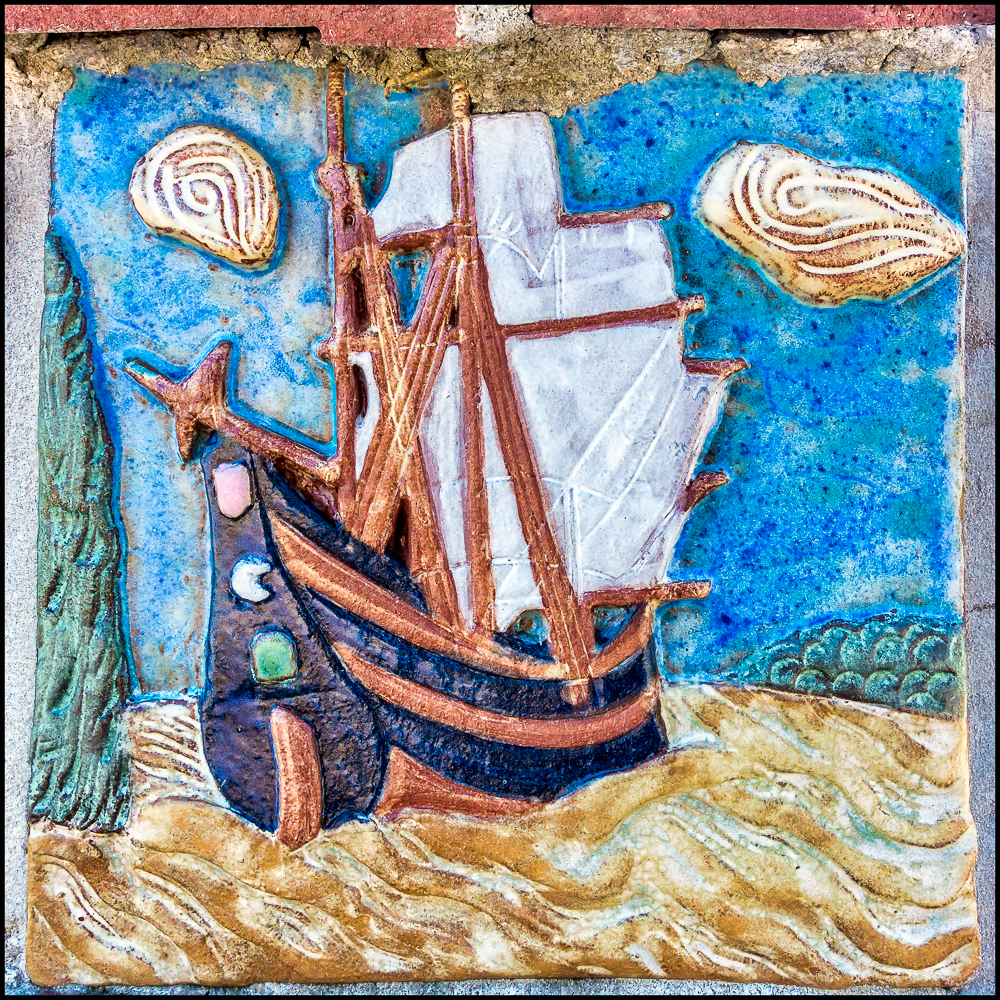
Taken with a Sony RX10IV
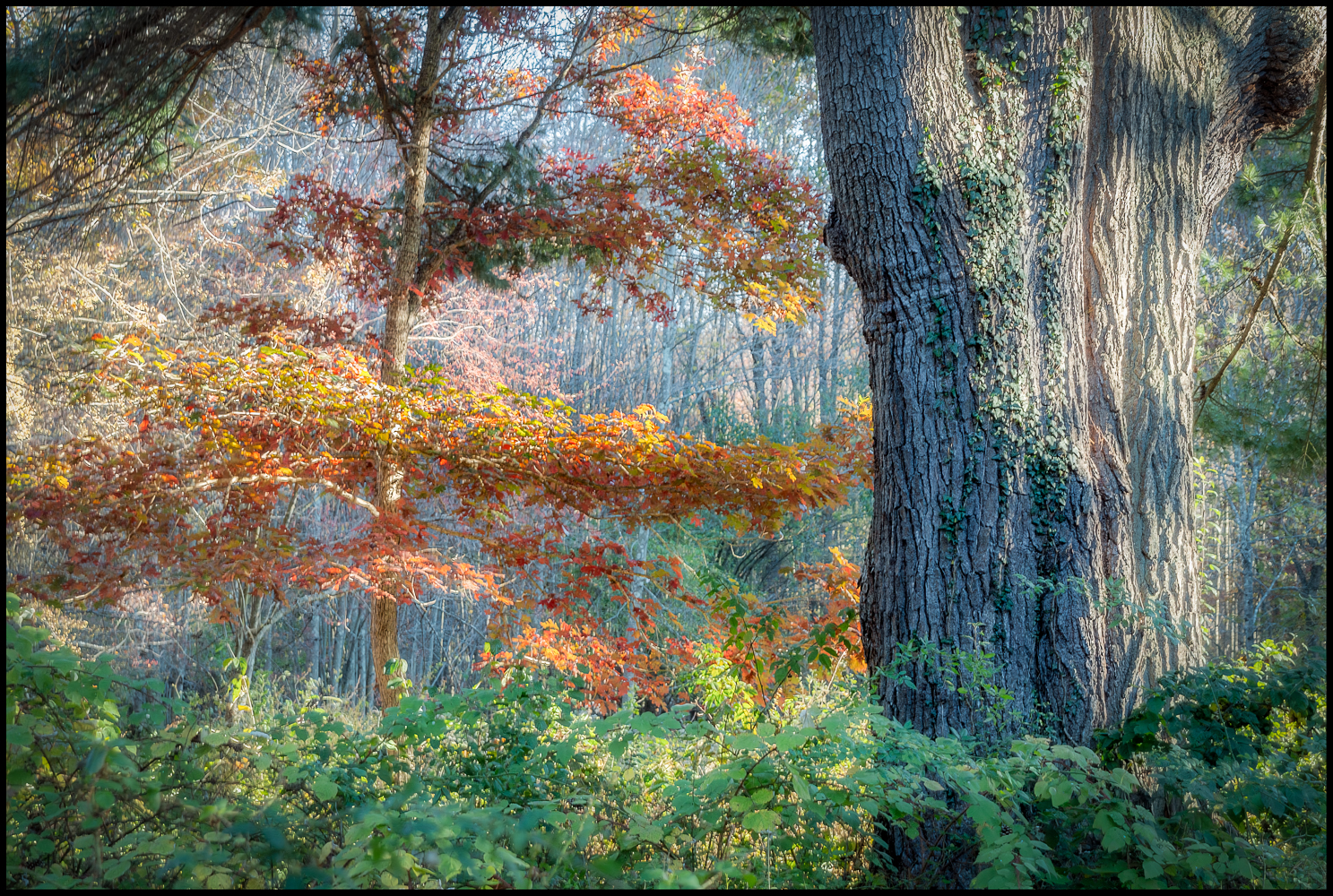
I know I said I wouldn’t be taking pictures of the Fall foliage this year, but I went for a walk in some nearby woodland the other day and I couldn’t resist the fall foliage. Sorry!
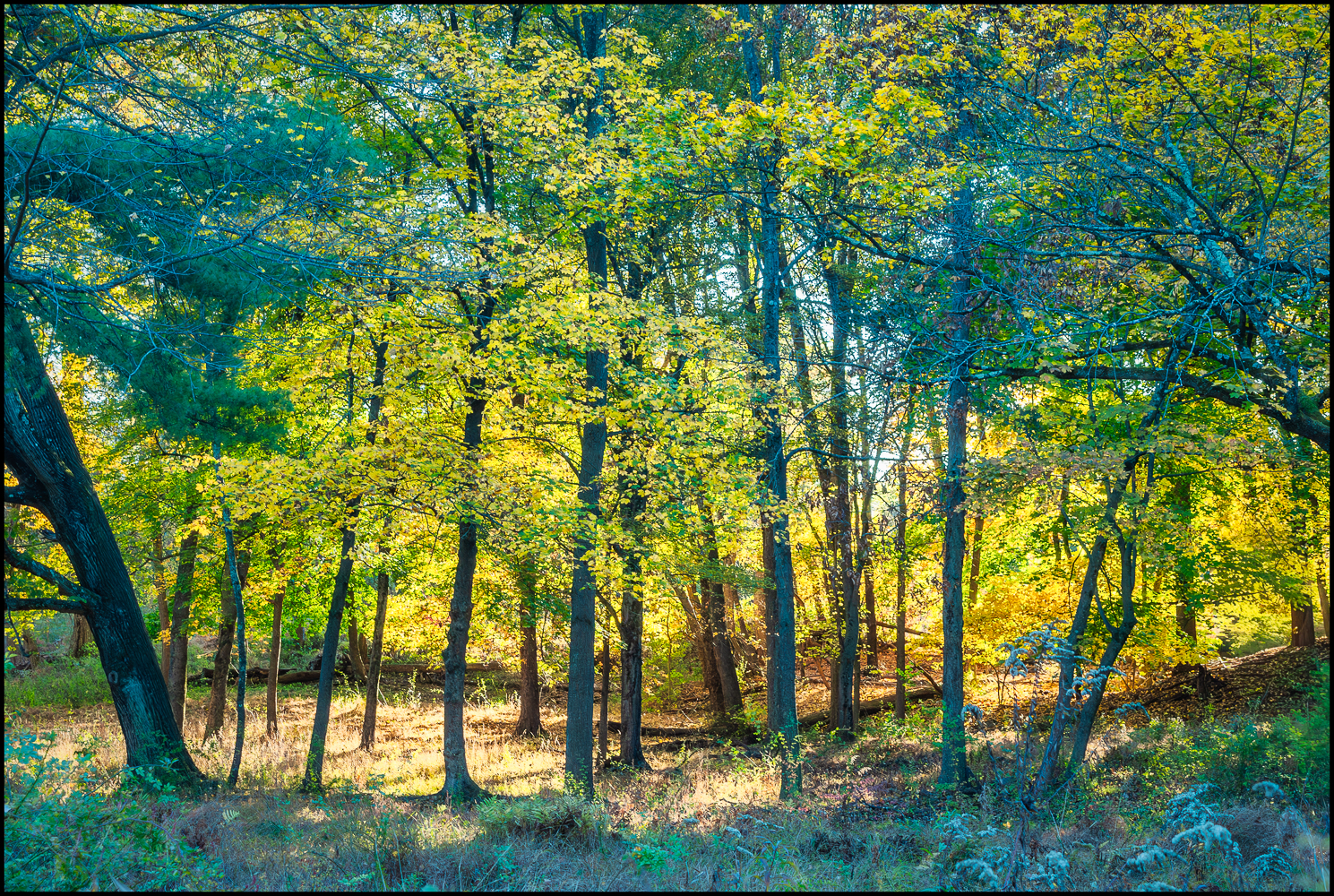
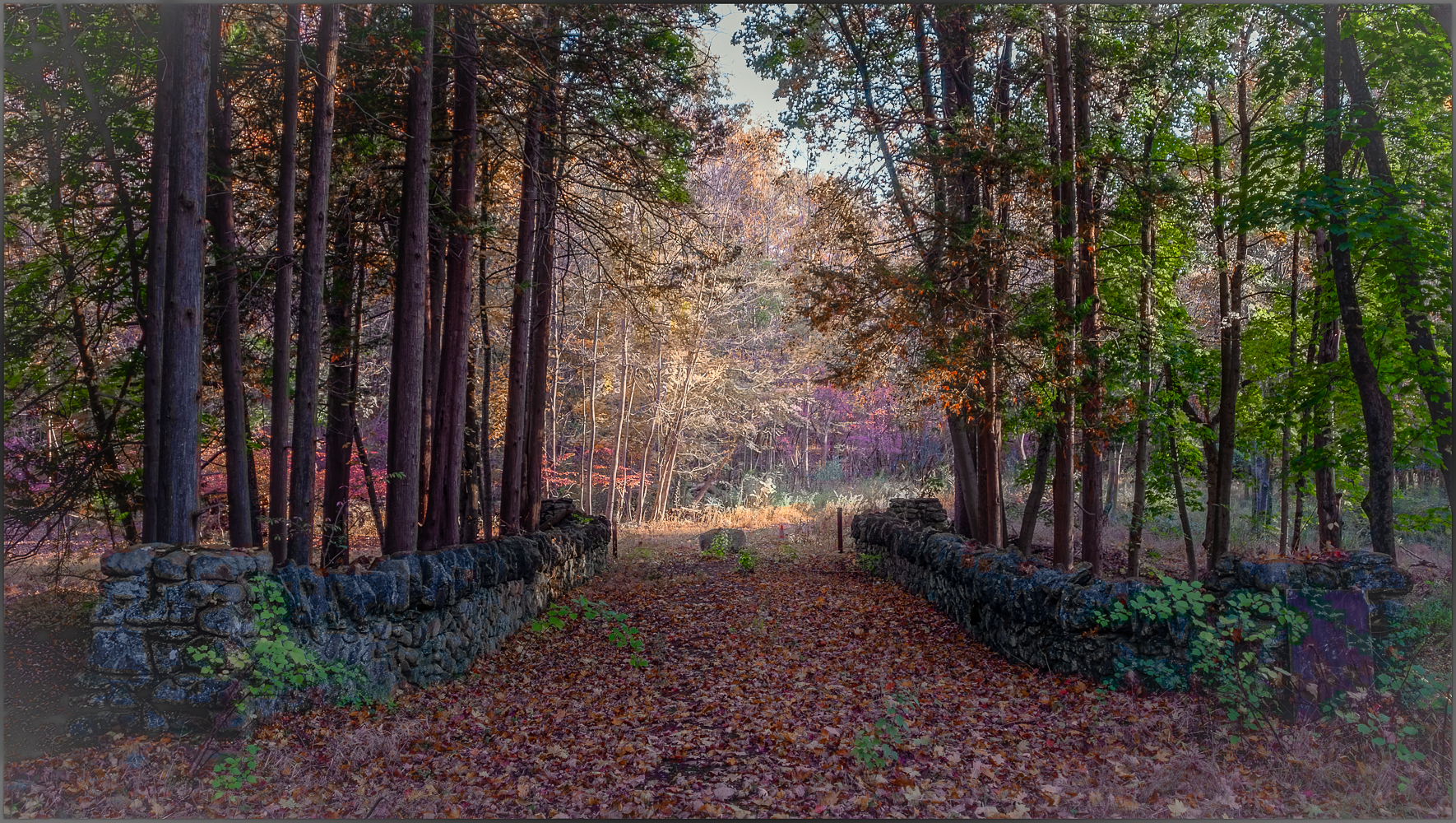
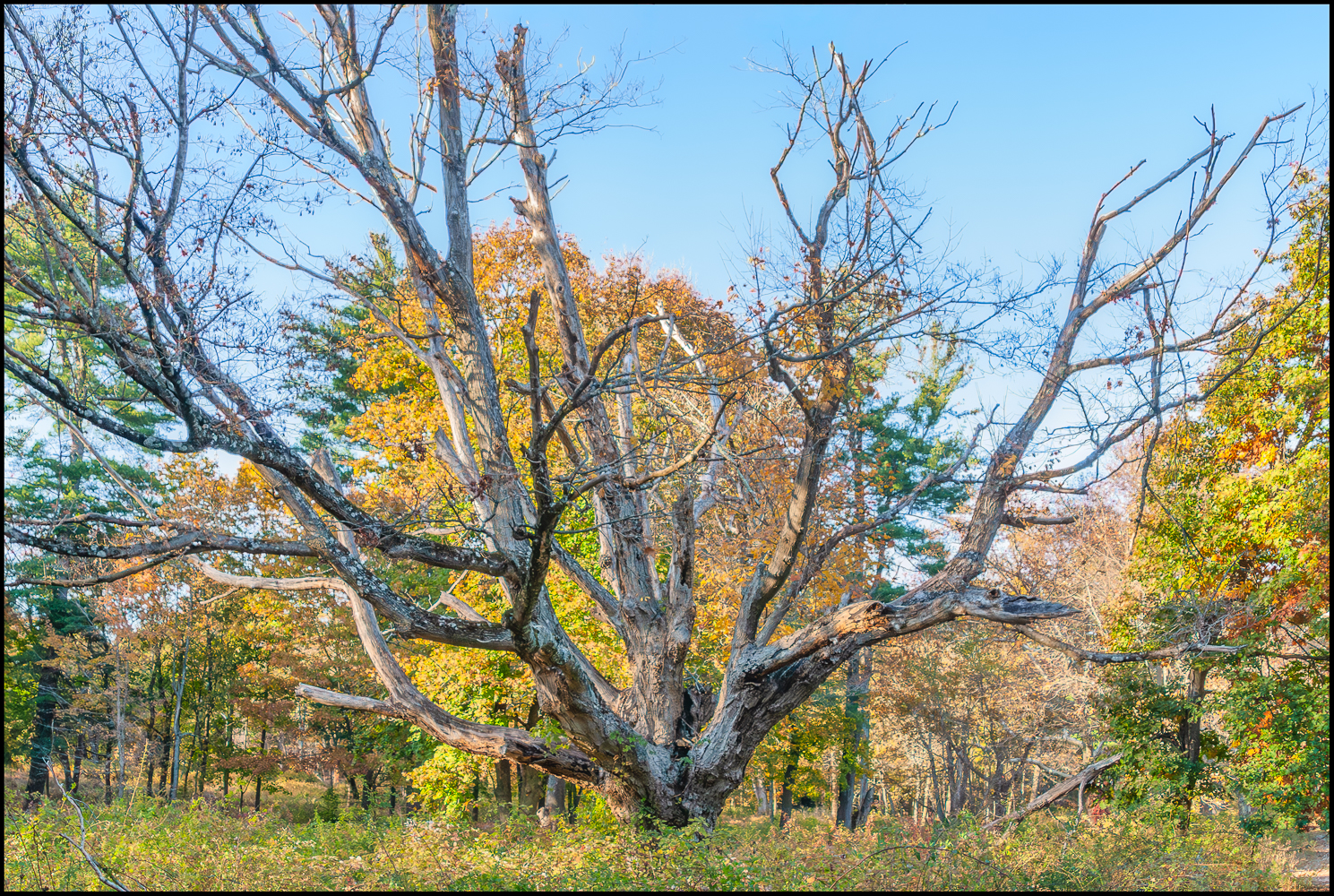
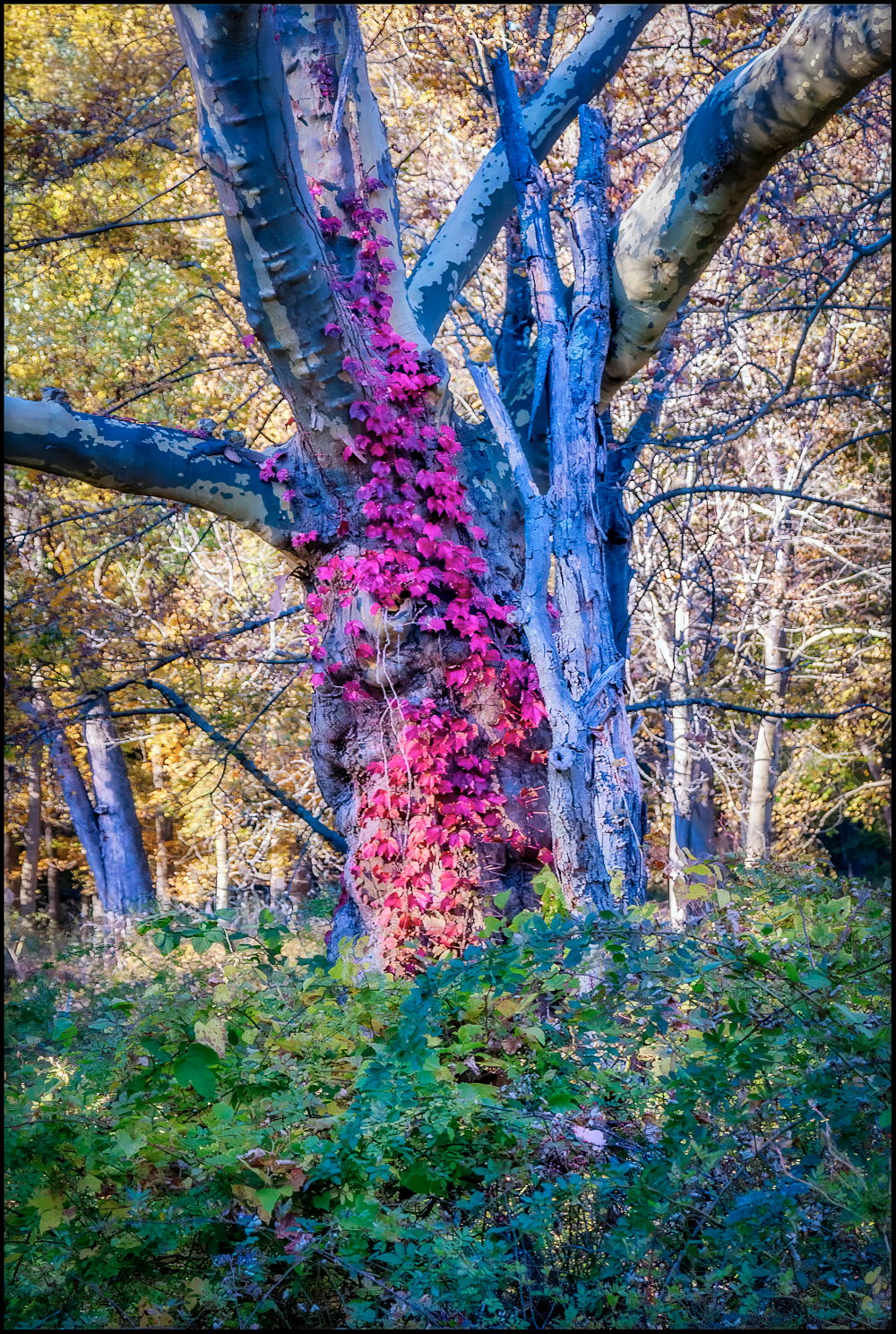
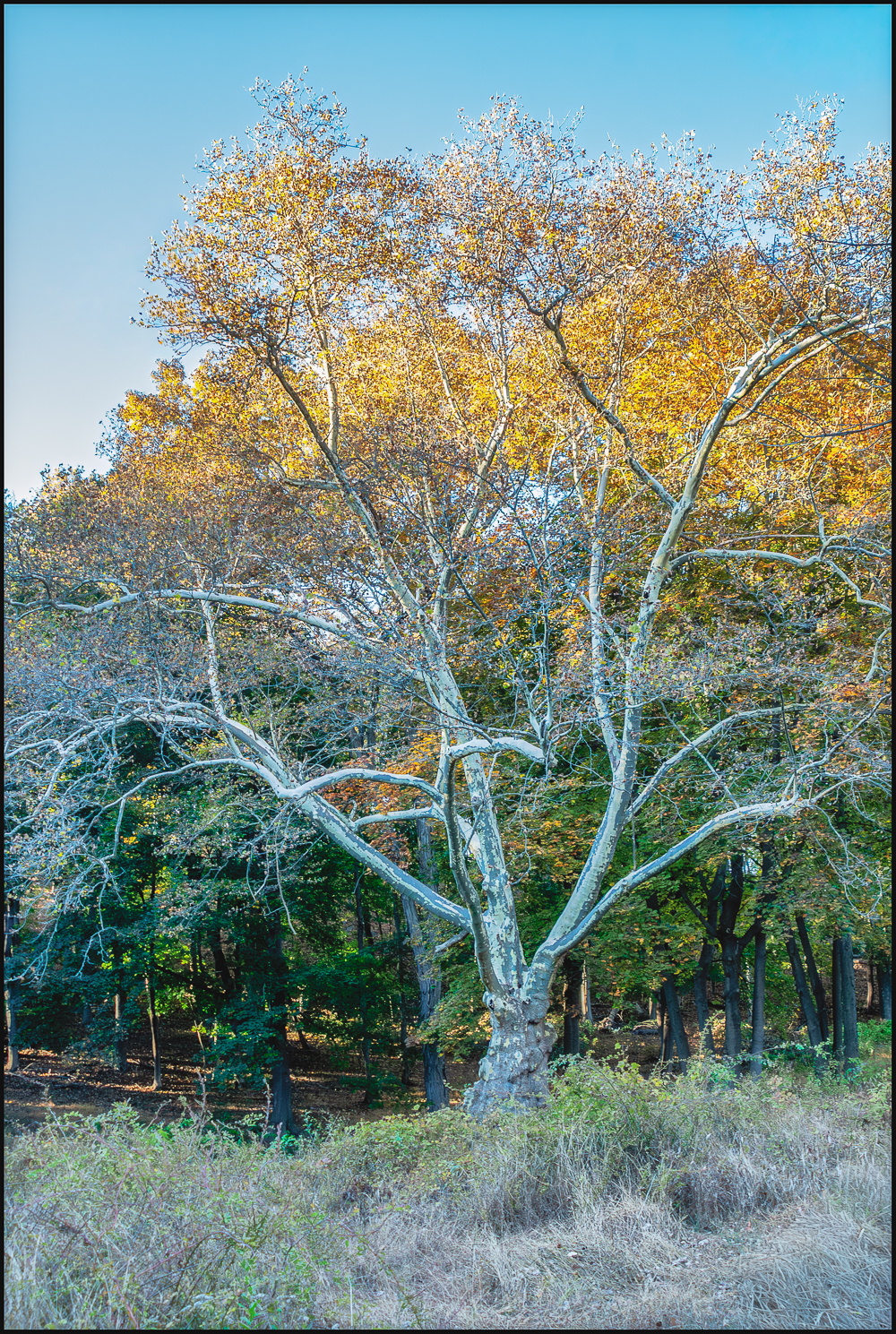
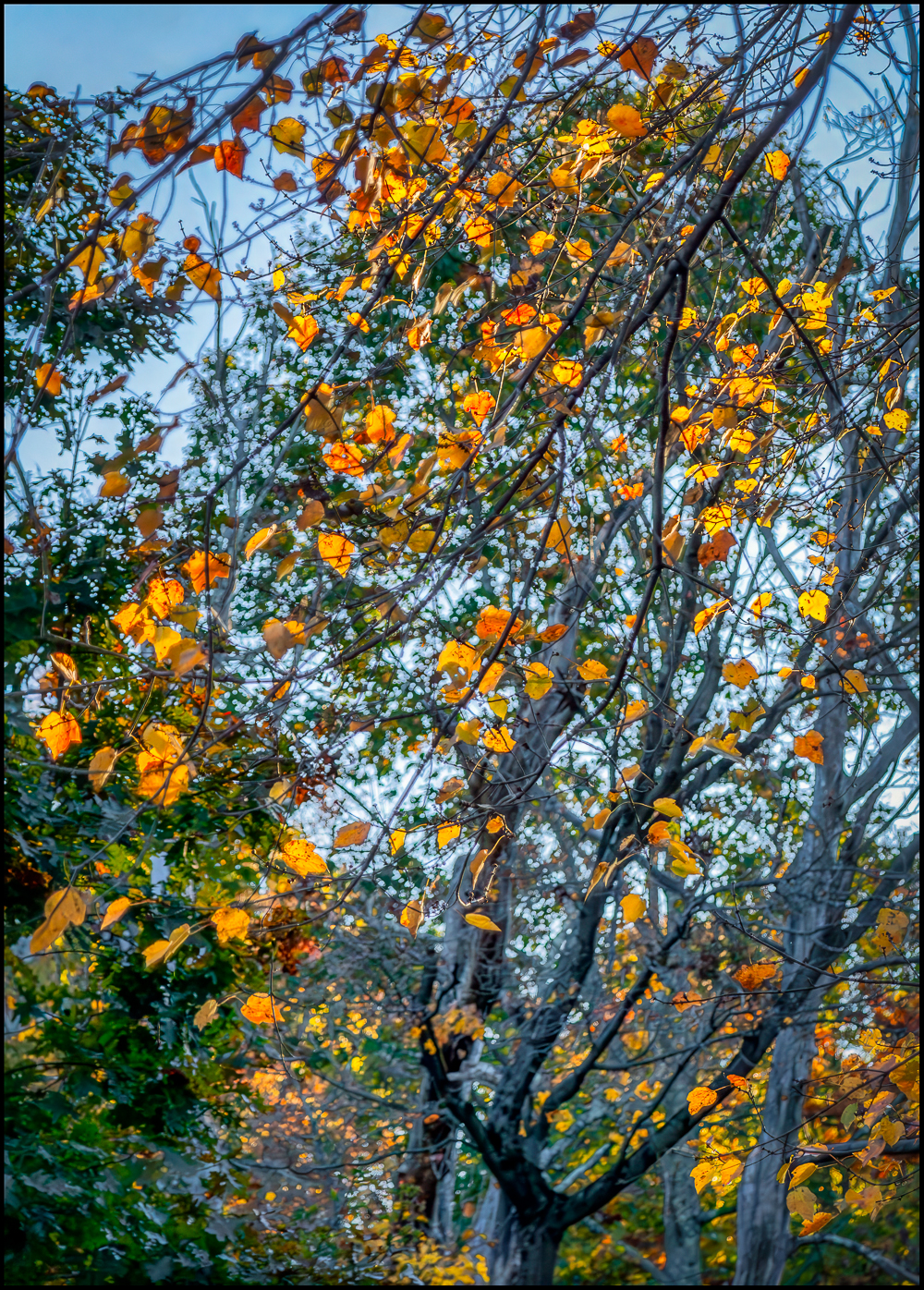
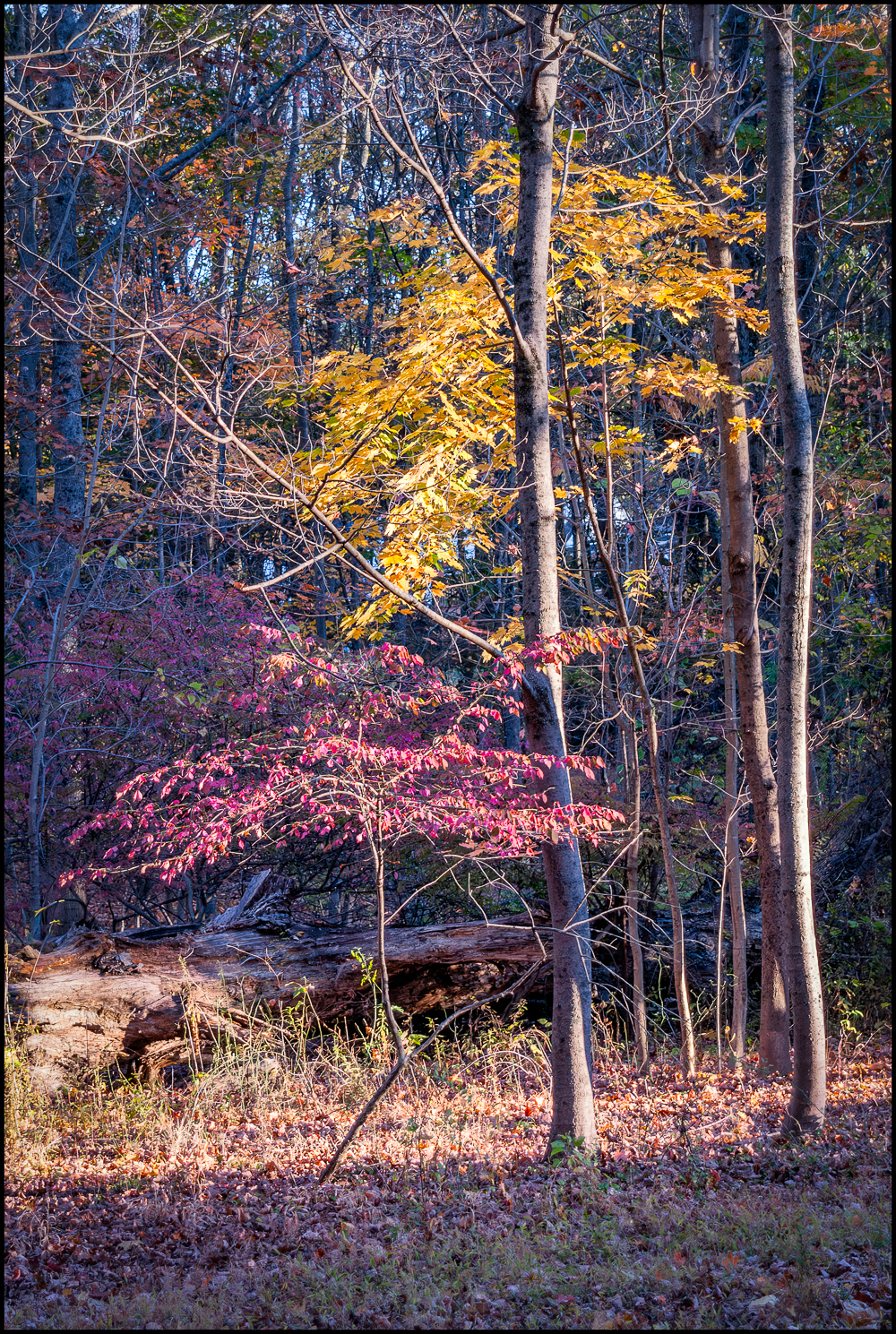
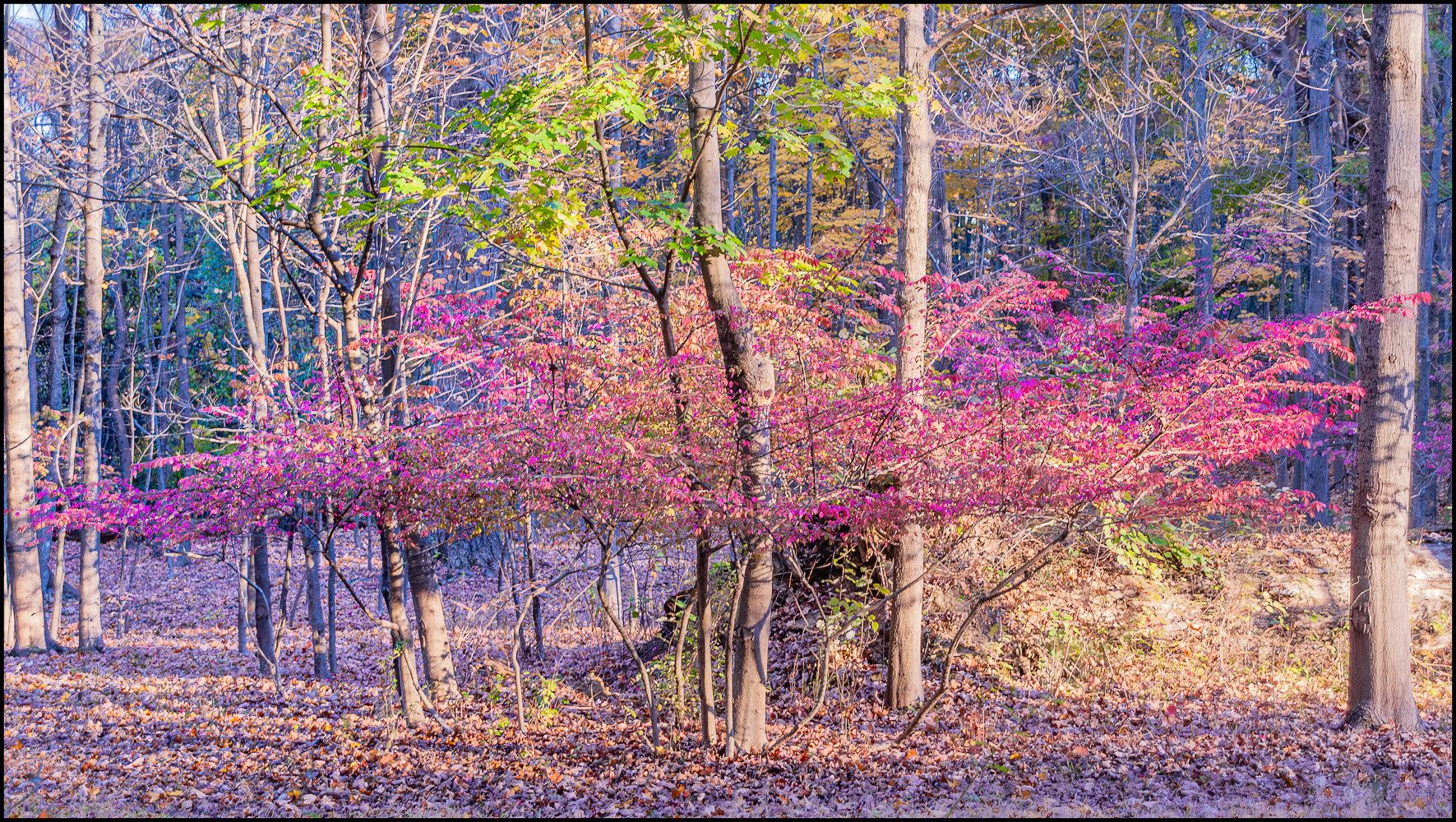
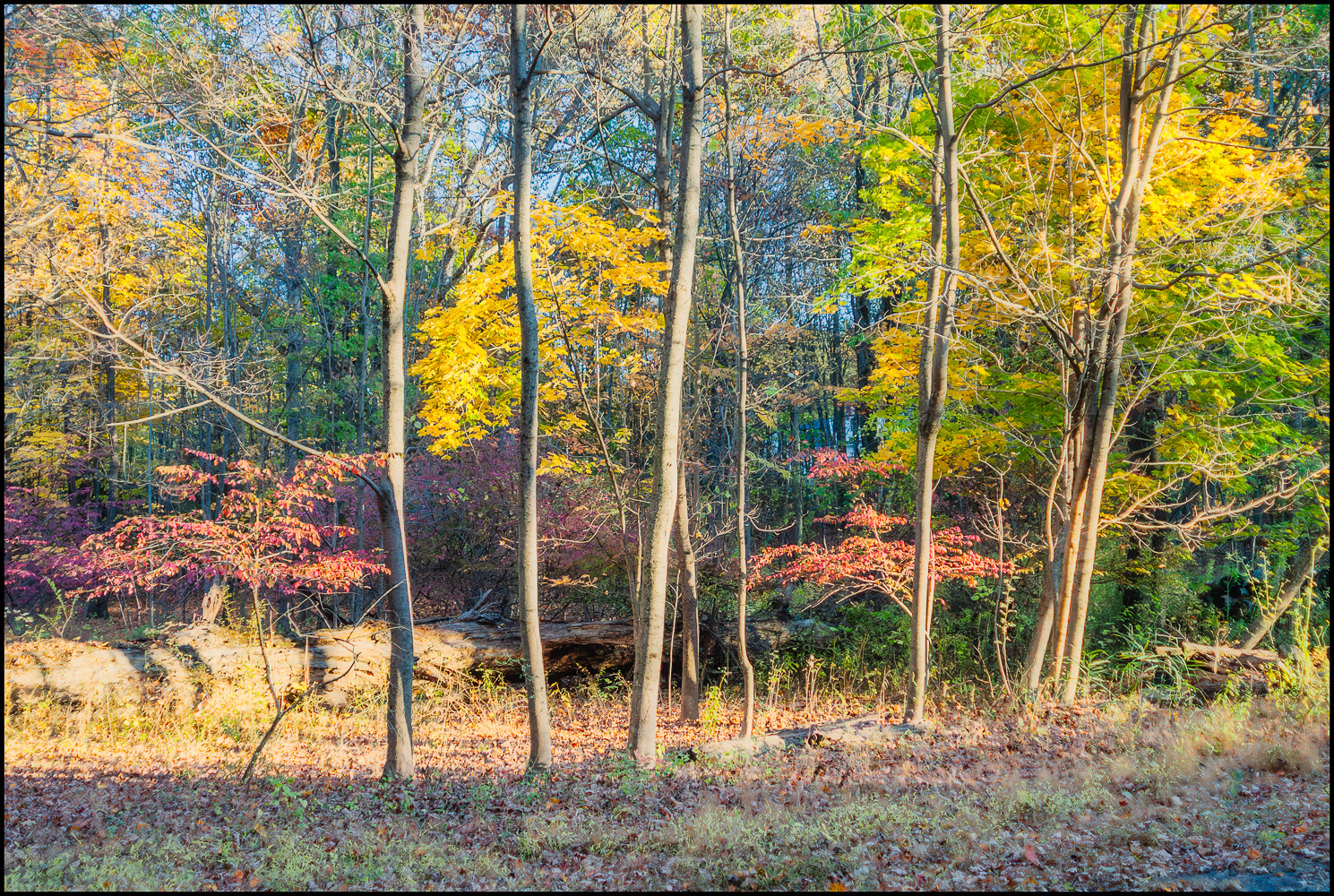
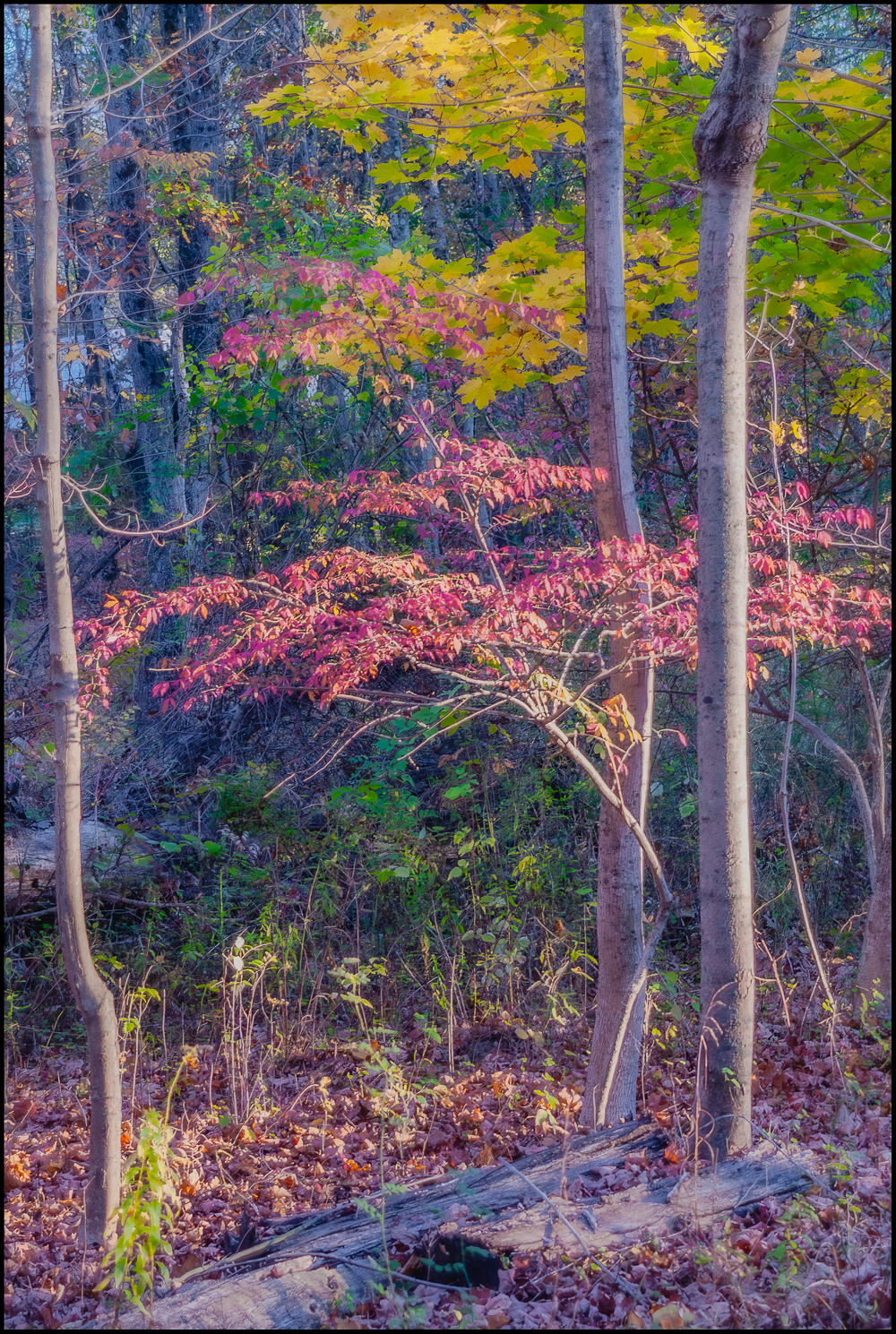
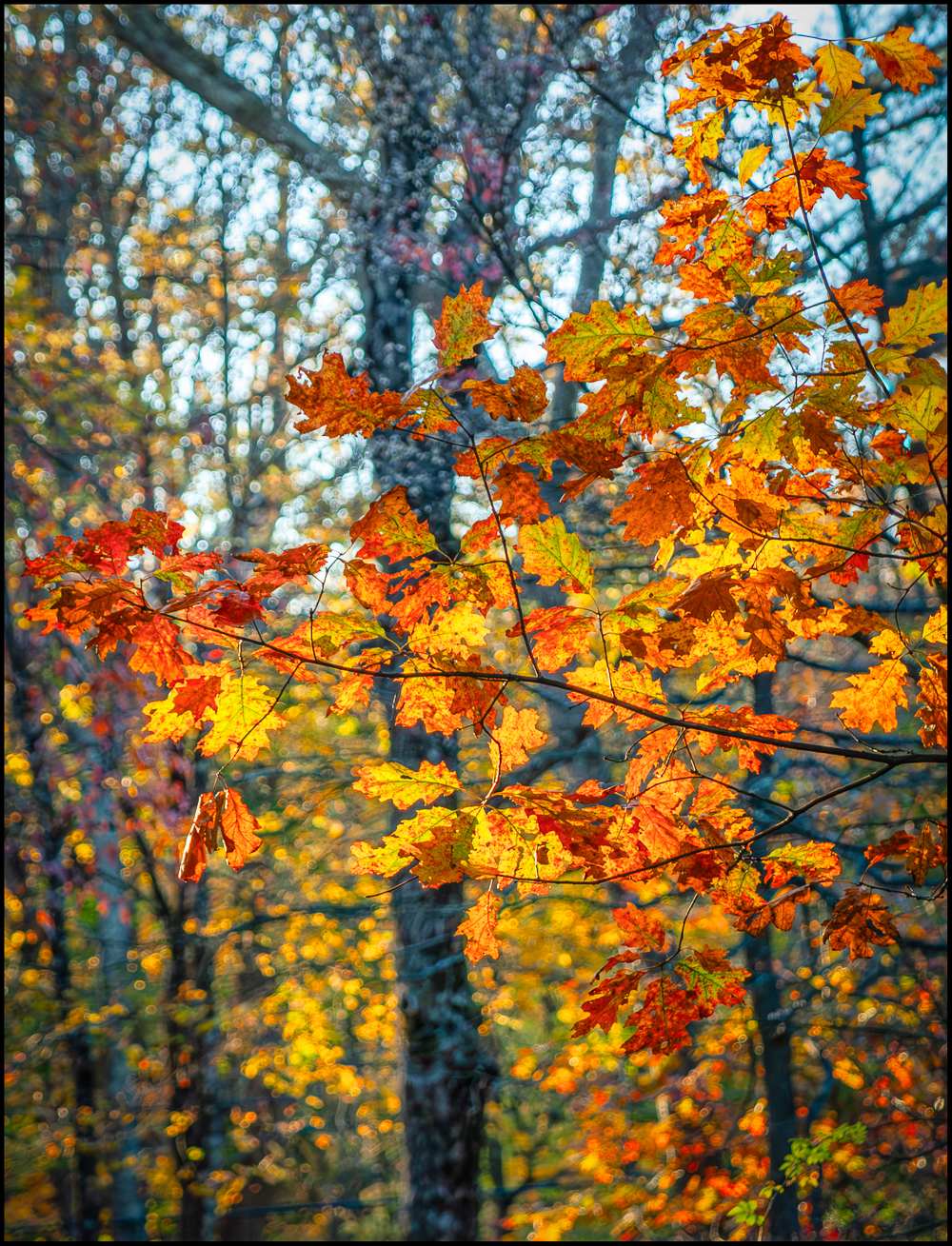
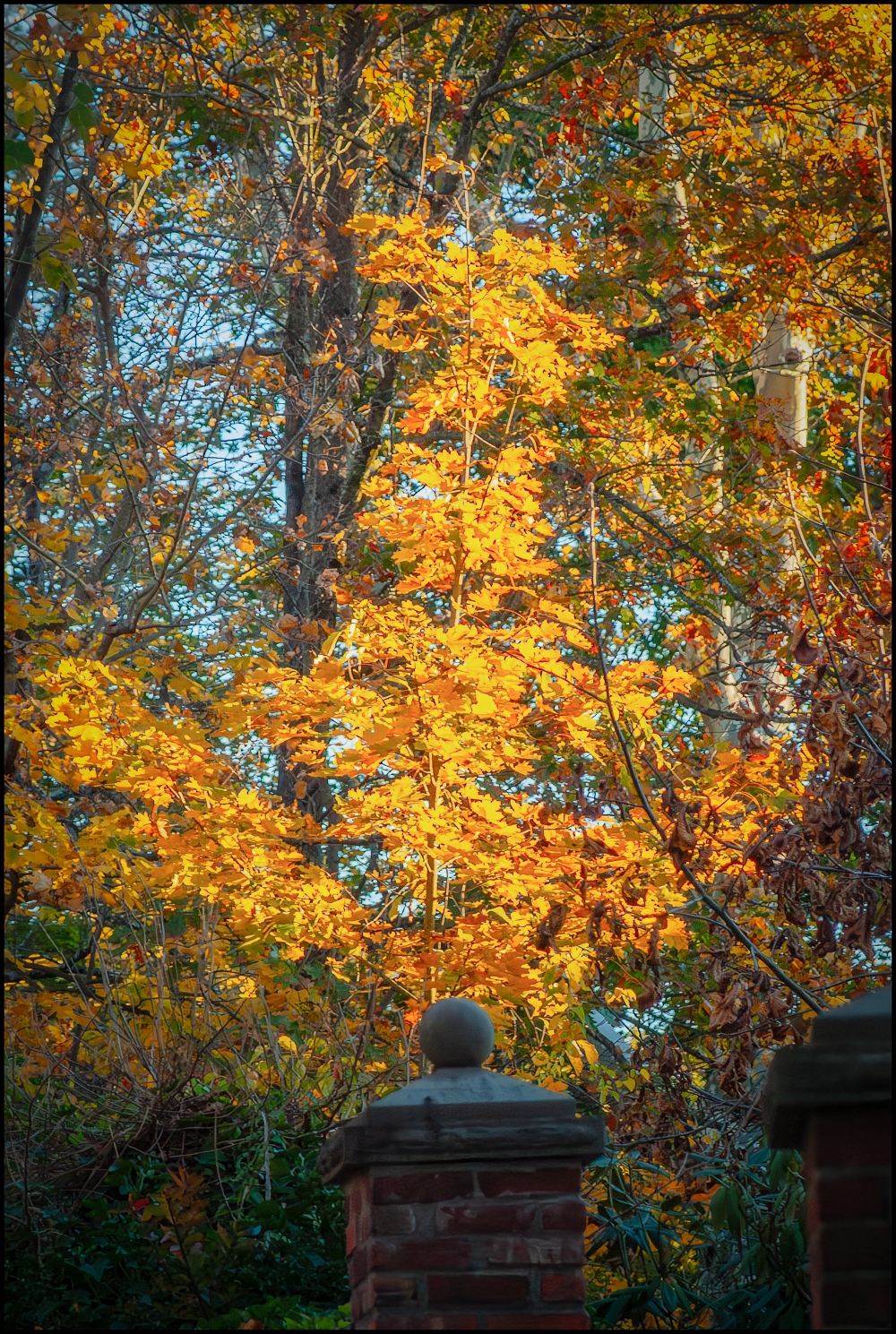
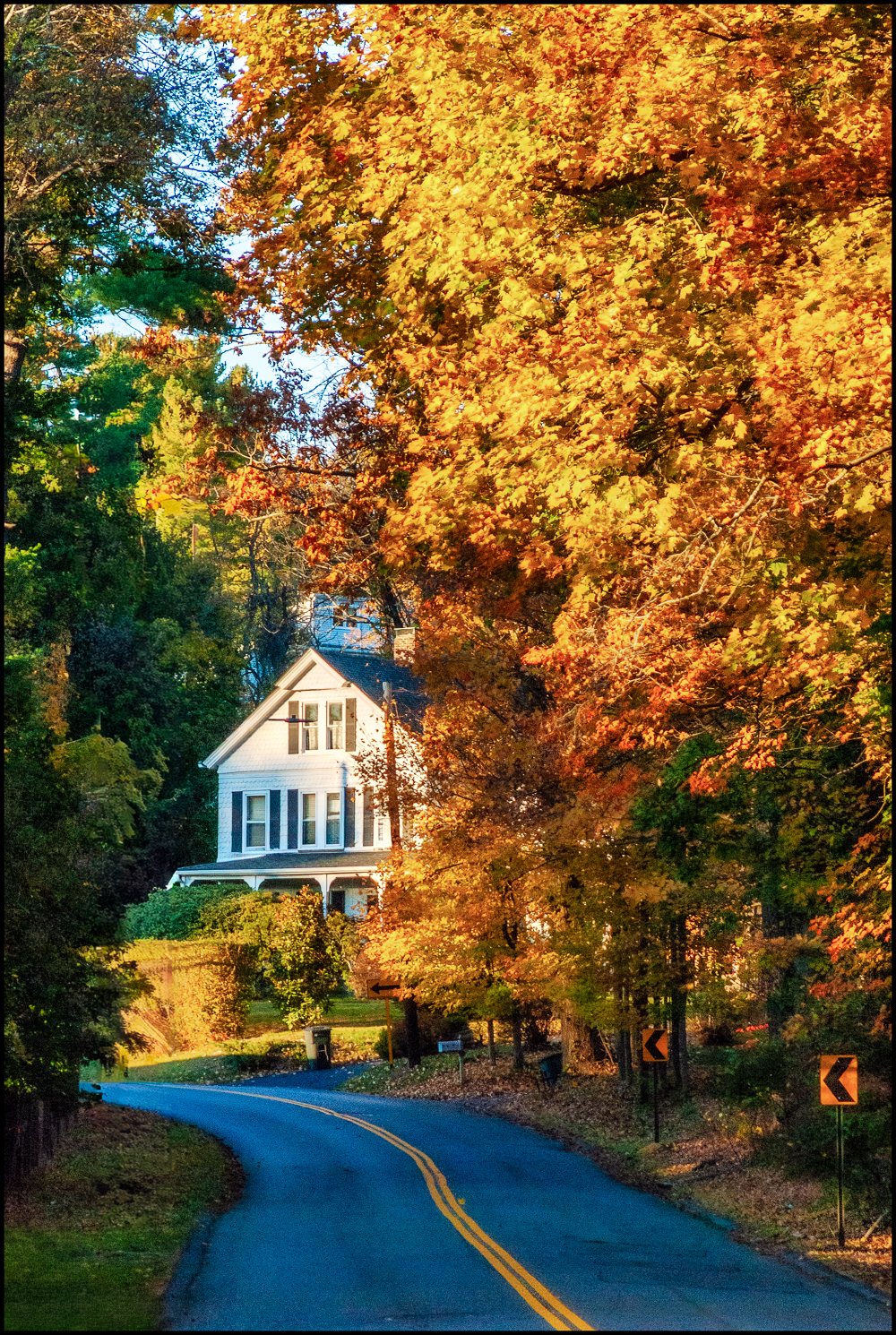
Taken with a Nikon D200 and Nikon AF Nikkor 28-120mm f3.5-5.6
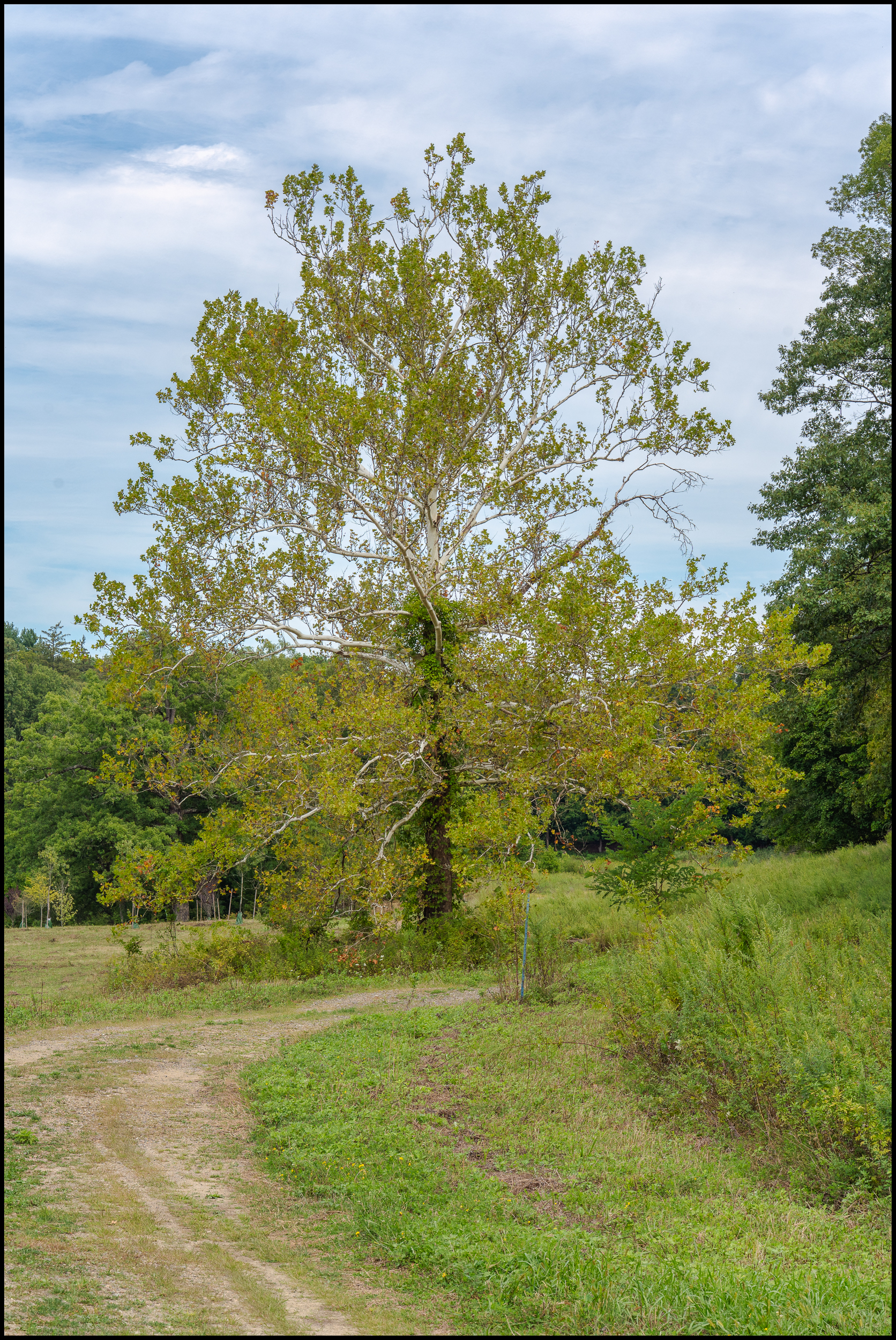
This tree is quite close to my house. I’ve been taking pictures of it for years. When I first came across it, I thought it was dead. Since then I’ve taken pictures from all angles, probably in all seasons, even in silhouette. I’ve glad to see that it’s thriving. I hope the dreaded spotted lanternflies don’t get it.
Taken with a Sony A7IV and Tamron 90mm f2.8 Macro
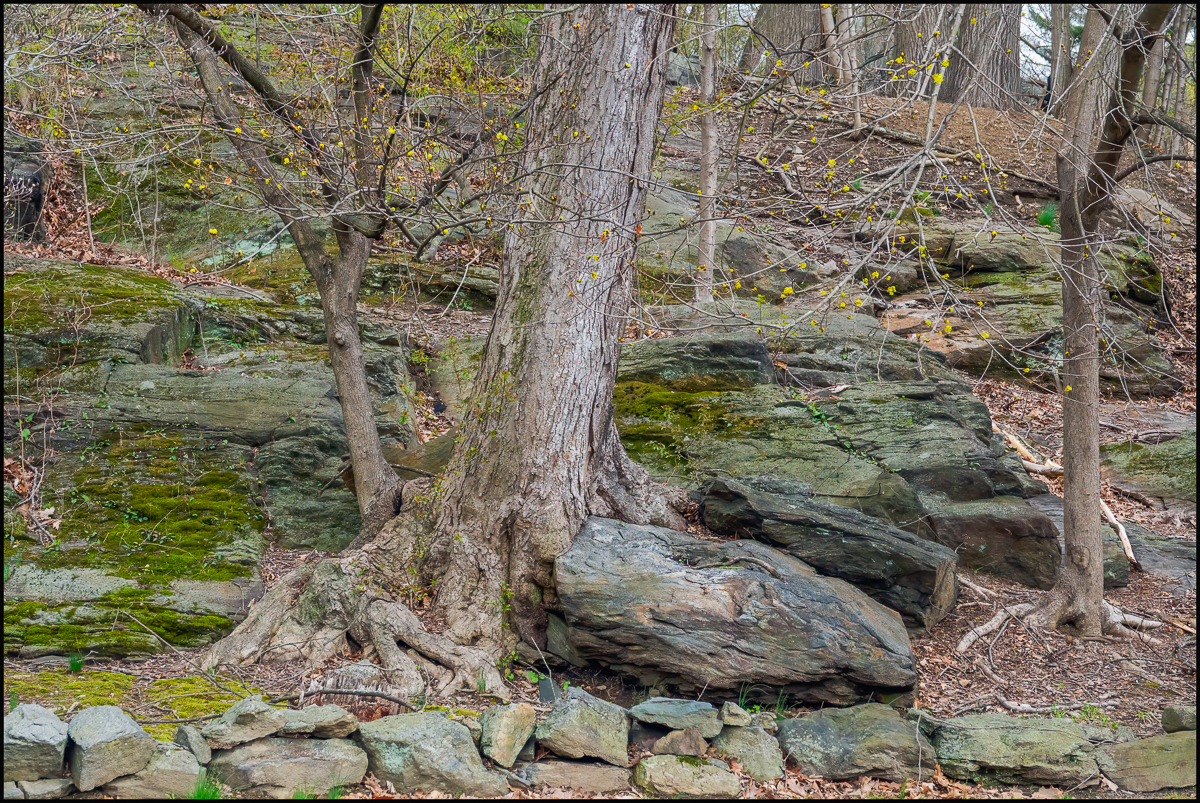
It looks very much as if I’m in the middle of the woods somewhere, but actually I took this from a suburban road near my house.
Taken with a Sony RX100 IV.