A Visit to Boston – Day Two – Bus Tour

This was our only full day in Boston, so we decided to take a bus tour. We caught the bus opposite our hotel, and just in front of the Boston Garden.

The Boston Garden was an arena in Boston, Massachusetts. Designed by boxing promoter Tex Rickard, who also built the third iteration of New York’s Madison Square Garden, it opened on November 17, 1928, as “Boston Madison Square Garden” (later shortened to just “Boston Garden”) and outlived its original namesake by 30 years. It was above North Station, a train station which was originally a hub for the Boston and Maine Railroad and is now a hub for MBTA Commuter Rail and Amtrak trains.

The Garden hosted home games for the Boston Bruins of the National Hockey League (NHL) and the Boston Celtics of the National Basketball Association (NBA), as well as rock concerts, amateur sports, boxing and professional wrestling matches, circuses, and ice shows. It was also used as an exposition hall for political rallies such as the speech by John F. Kennedy in November 1960. Boston Garden was demolished in 1998, three years after the completion of its successor arena, TD Garden.(Wikipedia).

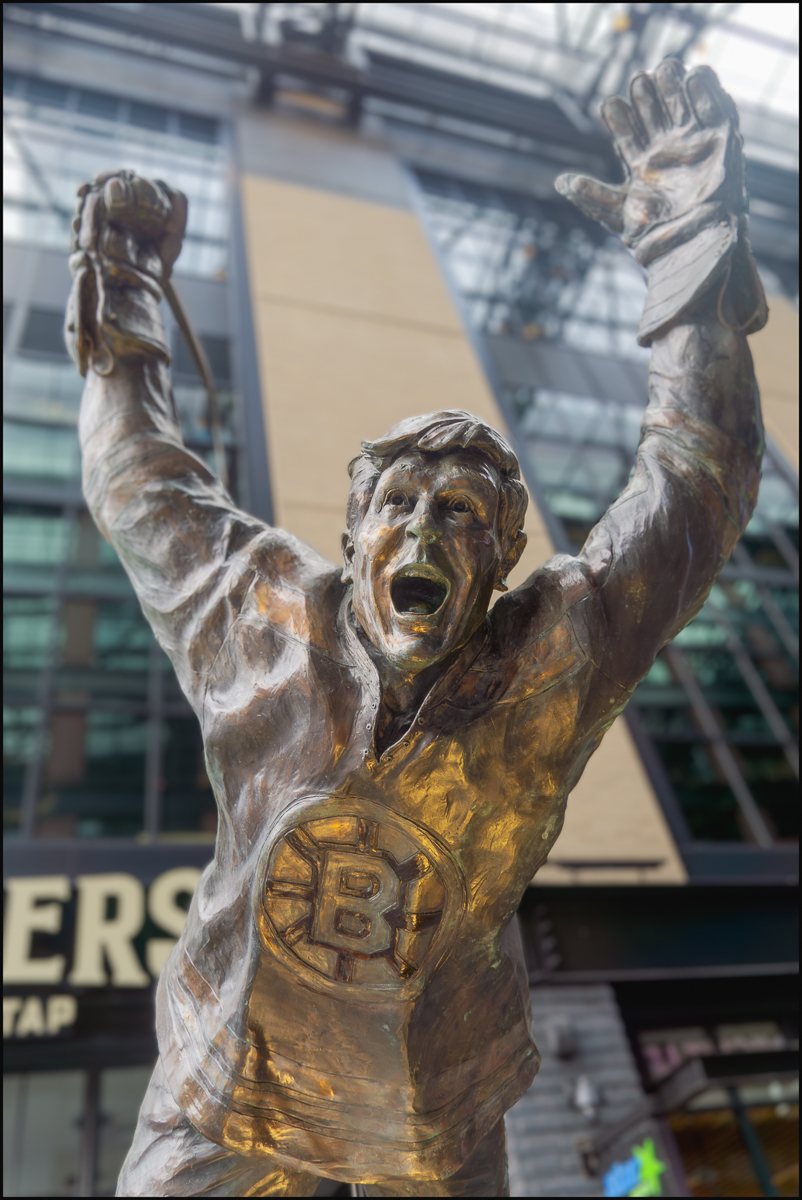
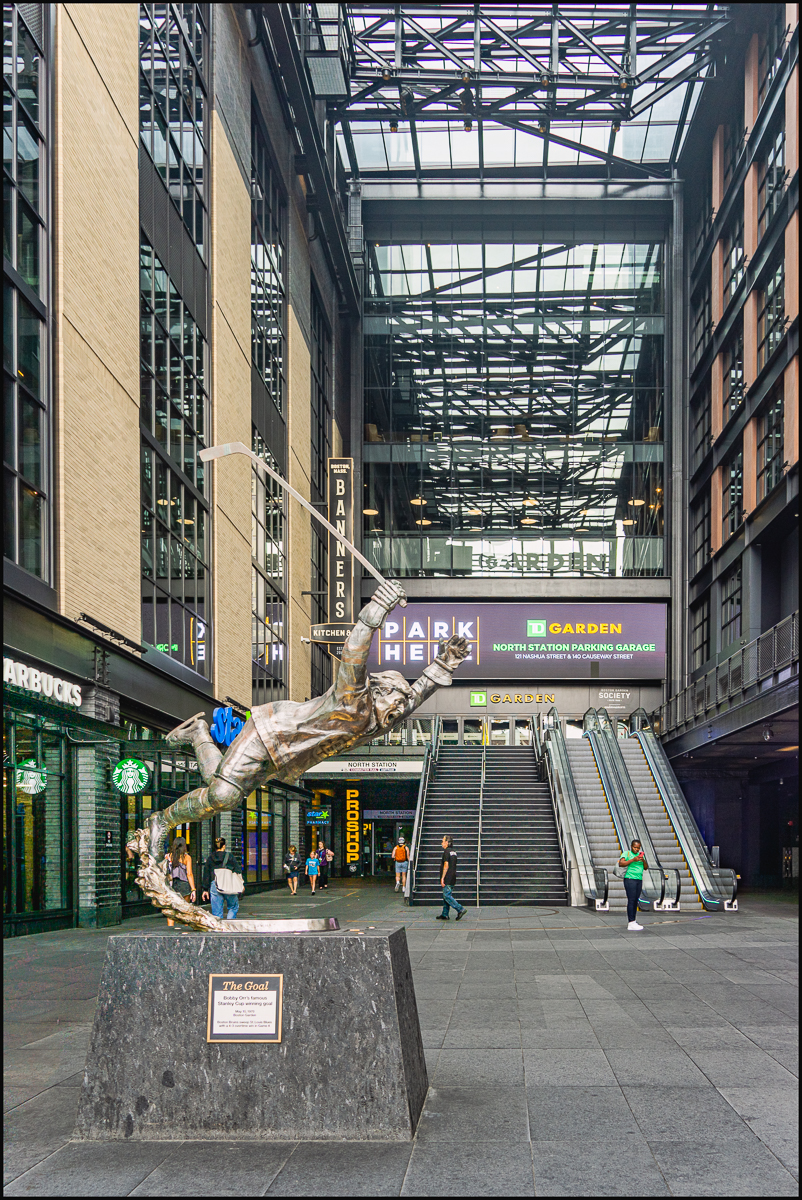
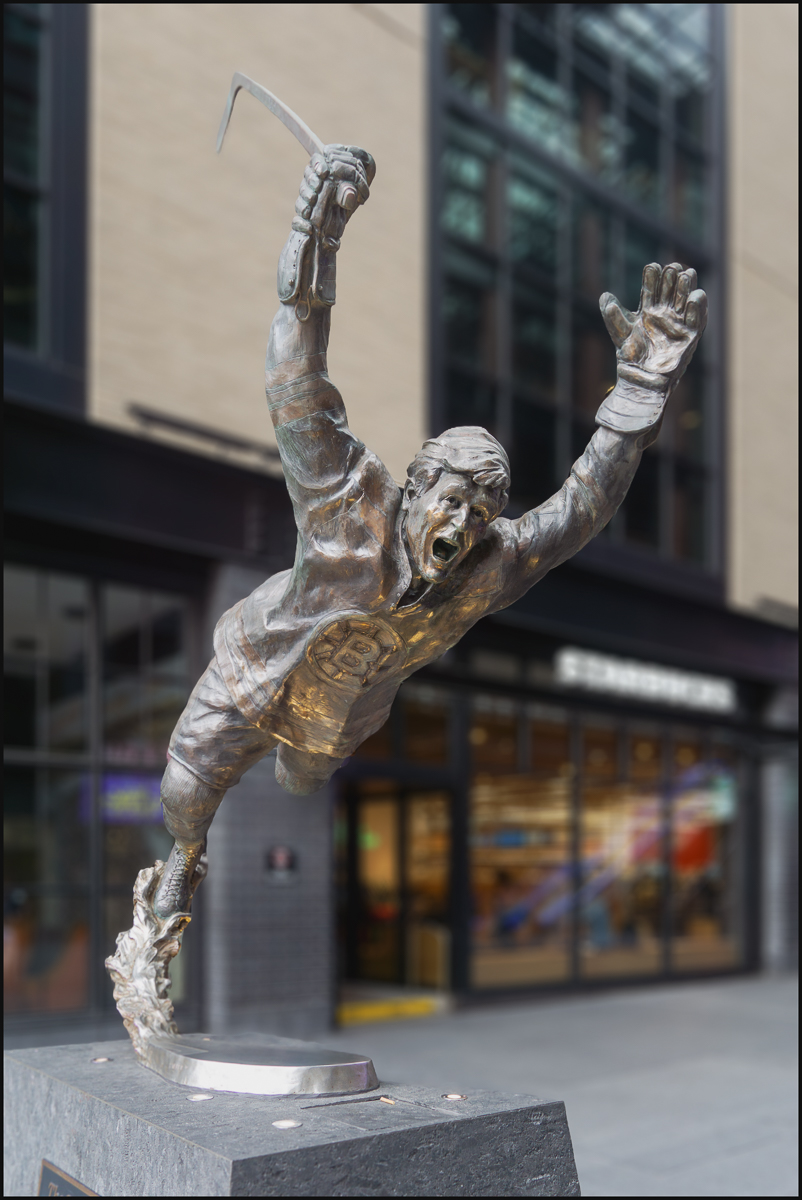
While waiting for the bus I spotted this statue and went over to take some pictures. A sign on the statue read:

The Goal. Bobby Orr’s famous Stanley Cup winning goal. May 10, 1970, Boston Garden. Boston Bruins sweep St. Louis Blues with a 4-3 overtime win in Game 4.

The “goal” in question was one of the most famous goals scored in hockey history and one that gave Boston its first Stanley Cup since 1941. The goal came from a pass from teammate Derek Sanderson at the 40-second mark of the first overtime period in the fourth game, helping to complete a sweep of the St. Louis Blues. According to Orr:

If it had gone by me, it’s a two-on-one, so I got a little lucky there, but Derek gave me a great pass and when I got the pass I was moving across. As I skated across, Glenn had to move across the crease and had to open his pads a little. I was really trying to get the puck on net, and I did. As I went across, Glenn’s legs opened. I looked back, and I saw it go in, so I jumped.

Orr, tripped after scoring “The Goal”, went flying across the ice. The subsequent photograph by Ray Lussier of a horizontal Orr flying through the air, his arms raised in victory – he had been tripped by Blues’ defenceman Noel Picard after scoring the goal – has become one of the most famous and recognized hockey images of all time—and today is highlighted in the opening sequence of the Canadian Broadcasting Corporation’s Hockey Night in Canada telecasts.

The statue is An 800-pound (360 kg) bronze statue of Bobby Orr. The sculpture was designed by Harry Weber and unveiled on May 10, 2010.


Taken with a Sony A6000 and 18-135mm f3.5-5.6 OSS.

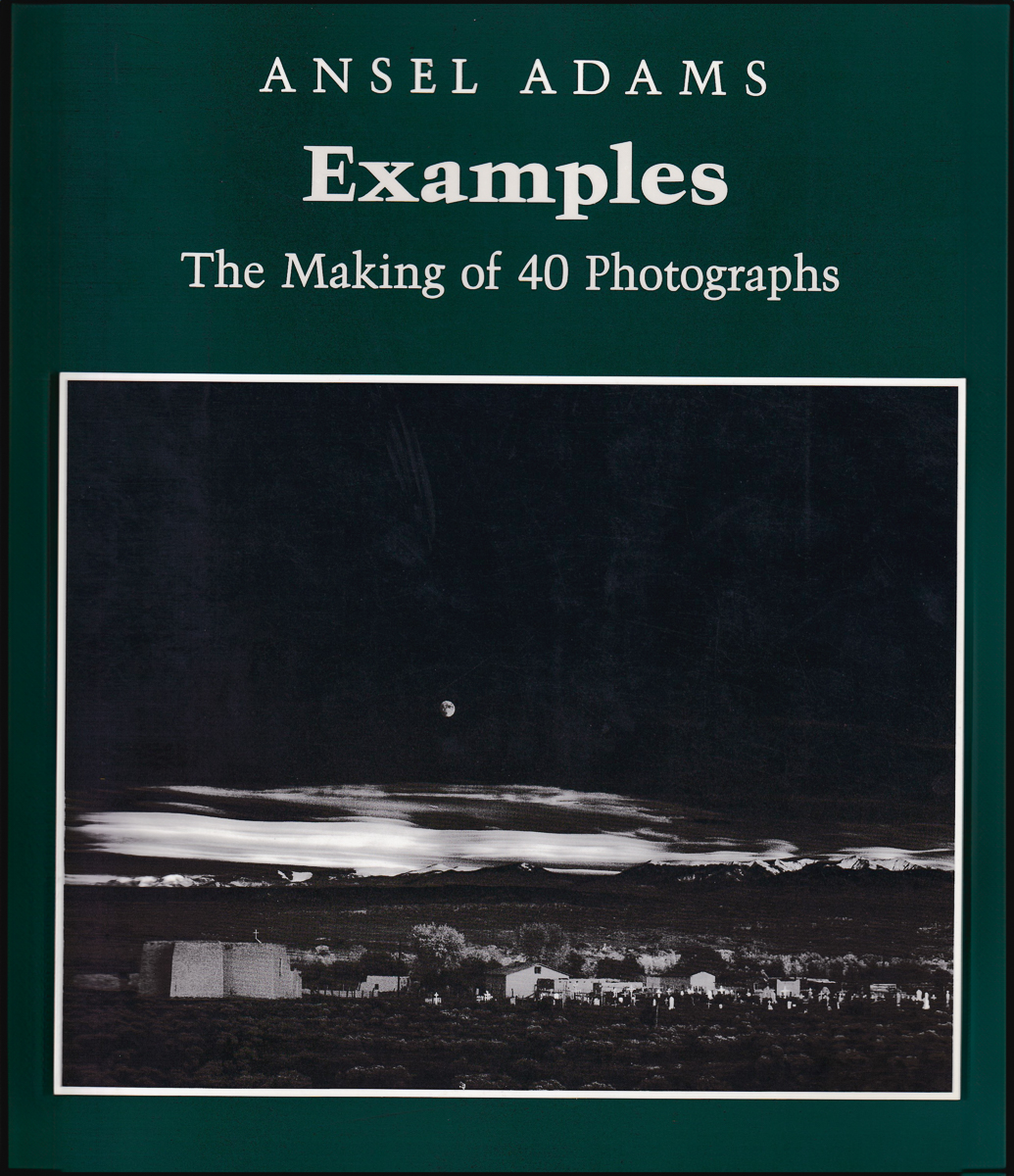
Ansel Adams. Examples. The Making of 40 Photographs

I bought this book a long time ago and loved it. Unfortunately, we had a seriously water leak in the house and this was one of the items that was destroyed during the flood. When this happened, I vowed to replace it quicky. And them promptly forgot.

Recently, while looking for something else on eBay I came across a used copy of the book in very good condition and at a very reasonable price. It didn’t take me long to place the order.

Amazon describes it as follows:

A MASTER CLASS WITH AMERICA’S MOST CELEBRATED PHOTOGRAPHER

“How did you make this photograph?”

This is a question that Ansel Adams was asked repeatedly throughout his lifetime. In Examples: The Making of 40 Photographs, Adams shares the circumstances surrounding the creation of many of his most celebrated images. Each classic photograph is superbly reproduced and accompanied by an entertaining and informative narrative that combines his own reminiscences of people and places with precise recall of technical details and aesthetic considerations.

Readers will be fascinated by the personal side of the text, which includes a great deal of history and anecdote, including appearances by Alfred Stieglitz, Georgia O’Keeffe, Edward Weston, and other notable figures such as Edwin Land of Polaroid. Pondering these essays conjures the sense of standing by Adams’ side during some of the most pivotal and profound creative moments of his life in photography—a master class with the legendary artist.

The specific technical information on camera and lens, filters, exposure times, developing, and printing provided in each example illustrates his approach and methods, and will help amateurs and professionals alike to advance their photography. Through this case study approach, Adams’ philosophy of craft and creativity unfolds; his credos of visualization, image management, and the Zone System are demonstrated; and the colorful story of a lifetime devoted to photography is revealed.

I couldn’t agree more. At times, when it gets into technical commentary on the zone system I was a bit at a loss. But, it’s great to get some insight it what’s going on in the mind of a famous photographer when a great photograph is being taken.

Interesting video

Back in April I posted about a photographer, whose work I generally respect, but who seems to have a strong aversion to people who use phone cameras (See: A rant). He seems to feel that you can’t be a ‘real’ photographer if you use a an iPhone. In another post (See:You’re a photographer. You’re not a Photographer) I noted that I don’t feel that the quality of your photograph depends on the tool you use.

So I think that this guy should take a look at the above video, which contains some amazing photographs taken with an iPhone.

His website can be found at Eric Mencher Photography.

Still more postcards – this time by Ansel Adams


I recently posted about Cornelia Cotton and her wonderful used book store/gallery in Croton-on-Hudson (See: Cornelia). While there I bought an Ansel Adams Yosemite National Park Postcard Folio Book.

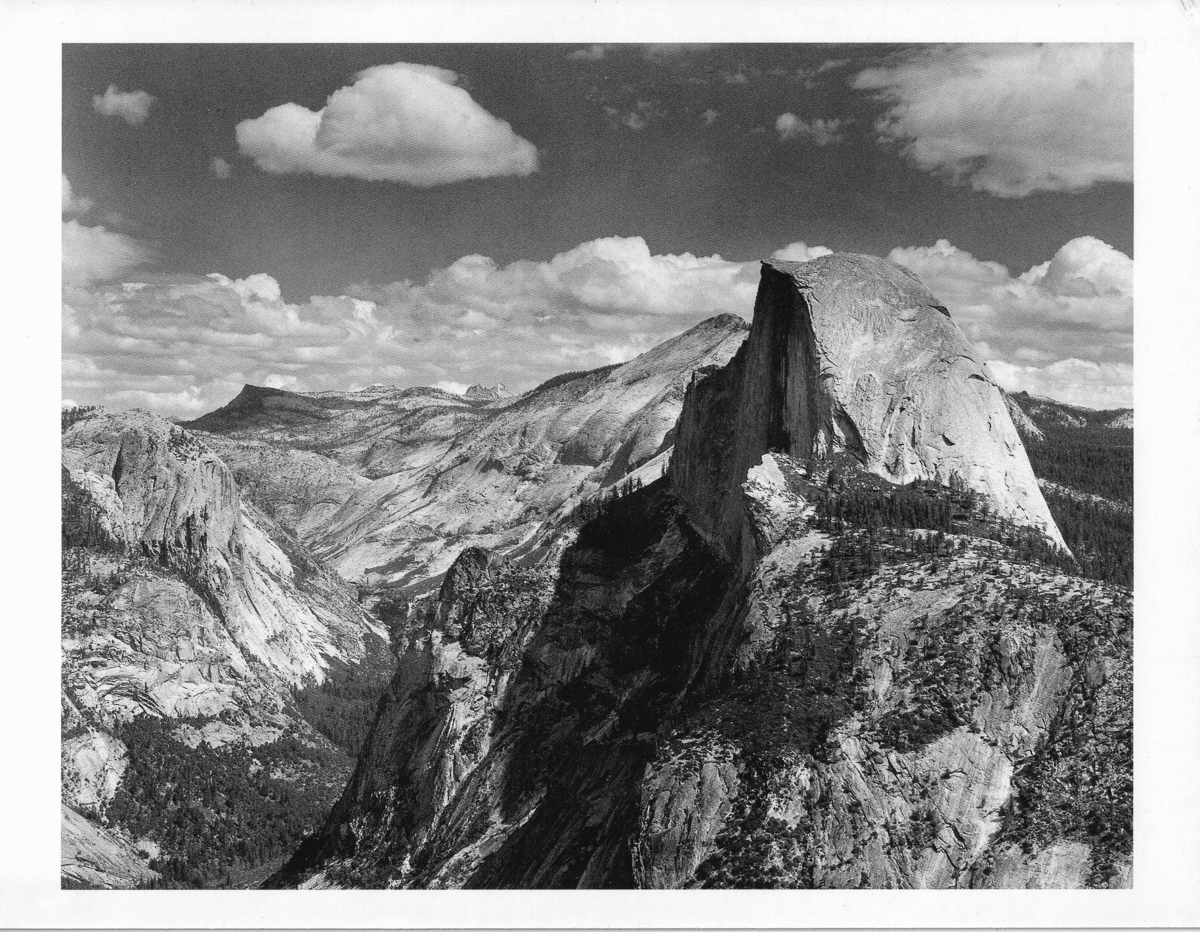
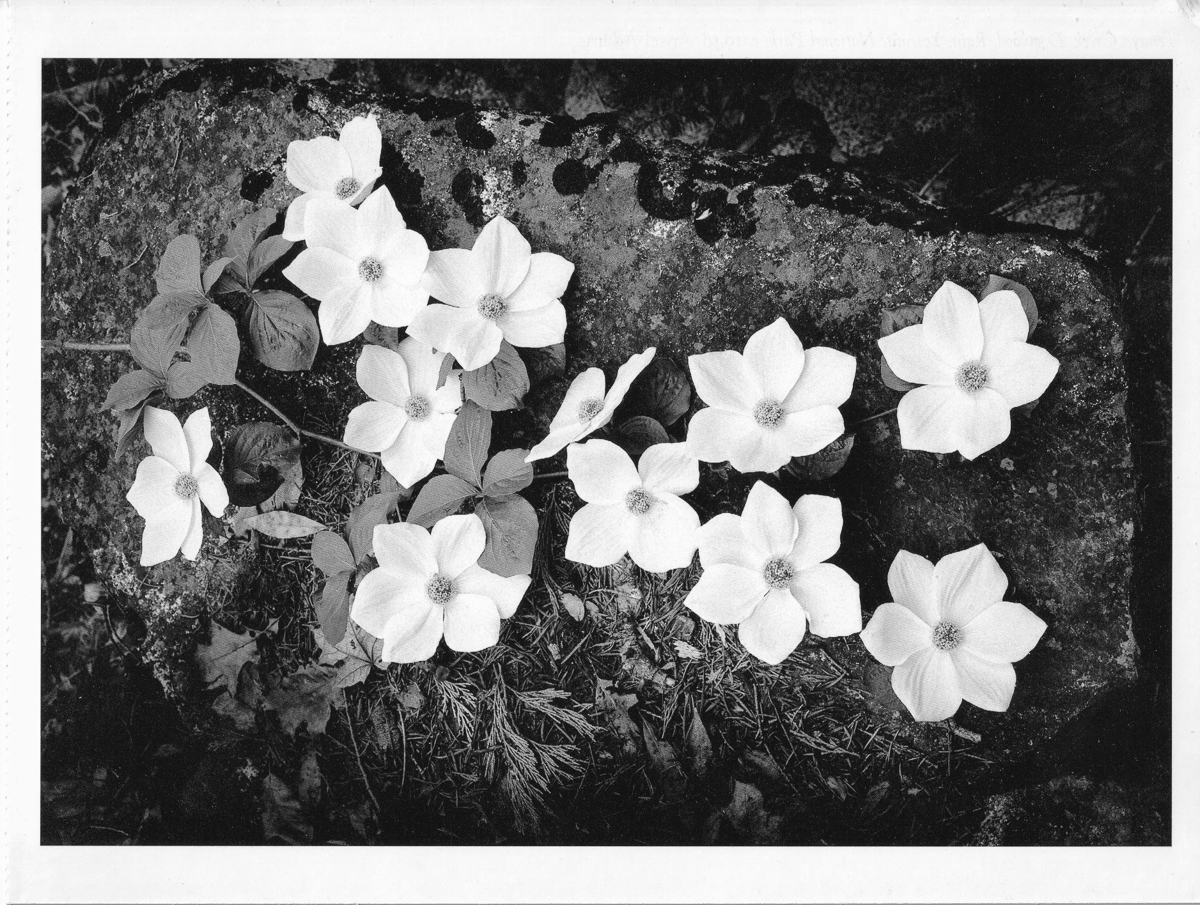
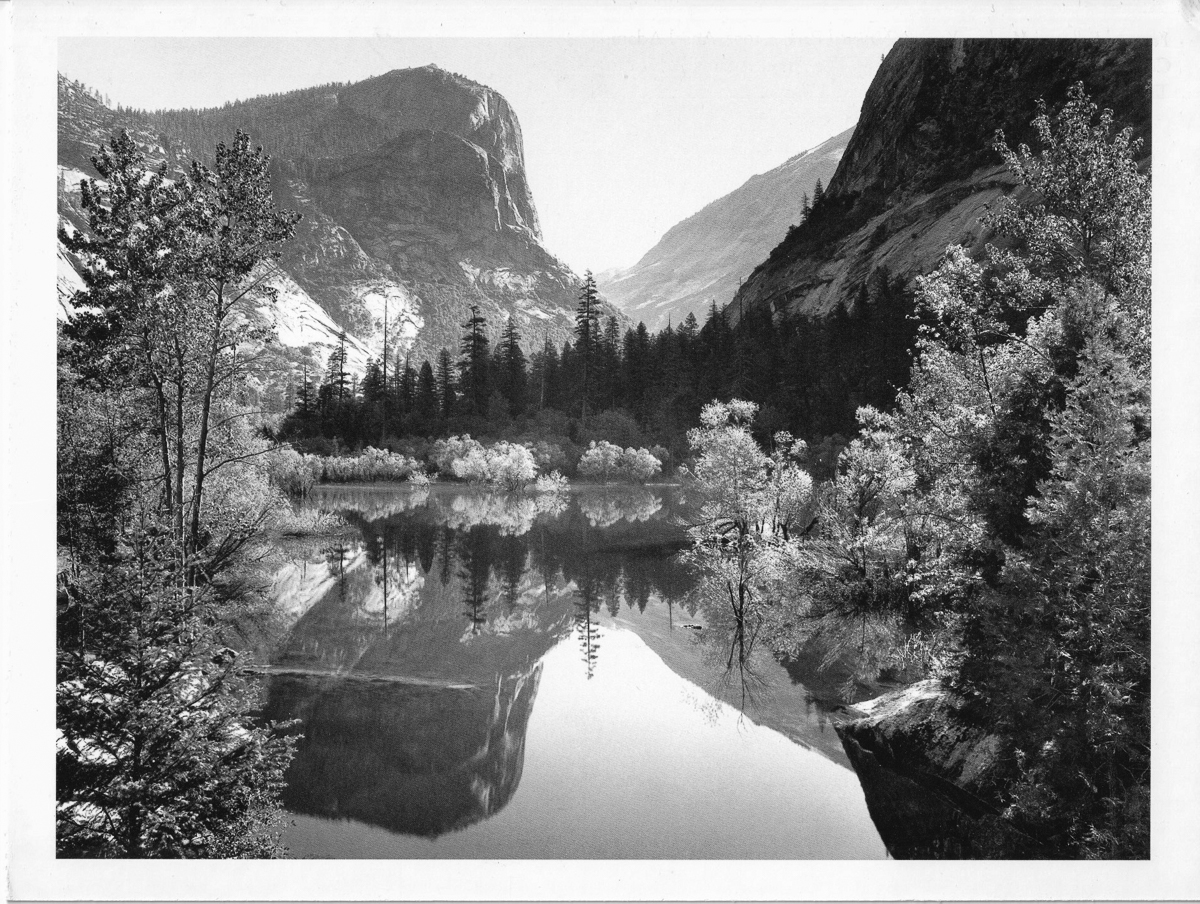
It consists of 25 postcards (23 photographs, a title page, and an introduction). I think there were supposed to be more. The title page mentions “Front Cover Photograph: Clearing Winter Storm, Yosemite National Park, California, 1944″ and “Back Cover Photograph: Ansel Adams by Mimi Jacobs” (Mimi Jacobs took a number of photographs of Adams. Since I don’t know which one was included in this collection I can’t provide a link), both of which seem to be missing. I’ve included five images here to give you a feel for what they’re like. Of course my low resolution scans from my cheap, poor quality scanner don’t come close to doing justice to the the postcards themselves.

My interest in photography started around 1978 when my wife gave me a brand new Minolta Hi-Matic 7sII. Maybe I mentioned that I would like a camera? Maybe she just thought it would be a good idea? Little did she know what a monster she was unleashing. Not long before, an Ansel Adams print (Moonrise, Hernandez, New Mexico) had sold for what then seemed to be the astonishing amount of $71,500 (the same print sold for $609,600 in 2006 and the current most expensive photograph is Le Violon d’Ingres (1924) by Man Ray, which sold in 2022 for $12,400,000). Around that time a friend lent me one of Adams’s books (I believe it was “The Camera“). With my new found enthusiasm for photography I wanted to be Ansel Adams, to make those lovely black and white photographs. Over the years my interest for landscape photography has waned a bit. I live in the rather picturesque Hudson Valley so I still take plenty of landscape pictures, but my photographic interests have broadened to include street photography, macro photography, nature photography etc. I still like black and white photography though and to me he’s still the master of that.

Curiously, while I was working on these images ended up temporarily in a folder, which also contained ten black and white pictures I’d taken of the New Croton Dam. Of course they weren’t anywhere near as good as the Adams photographs. But I was pleased to see that they didn’t look that bad either – at least as seen in low resolution on screen. I’m sure that Adams prints would blow anything I could produce out of the water.


Half Dome and Clouds, Yosemite Park, c.1968, Ansel Adams.


Merced River, Cliffs, Autumn, Yosemite National Park, 1939, Ansel Adams.


Fern Spring, Dusk, Yosemite National Park, c.1961, Ansel Adams.


Dogwood, Yosemite National Park, 1938, Ansel Adams.


Mirror Lake, Mount Watkins, Spring, Yosemite National Park, 1935, Ansel Adams.

The complete set Copyright 1996 by the Trustees of the Ansel Adams Publishing Rights Trust. Published by Little, Brown and Company.

The Making of “Exiles”

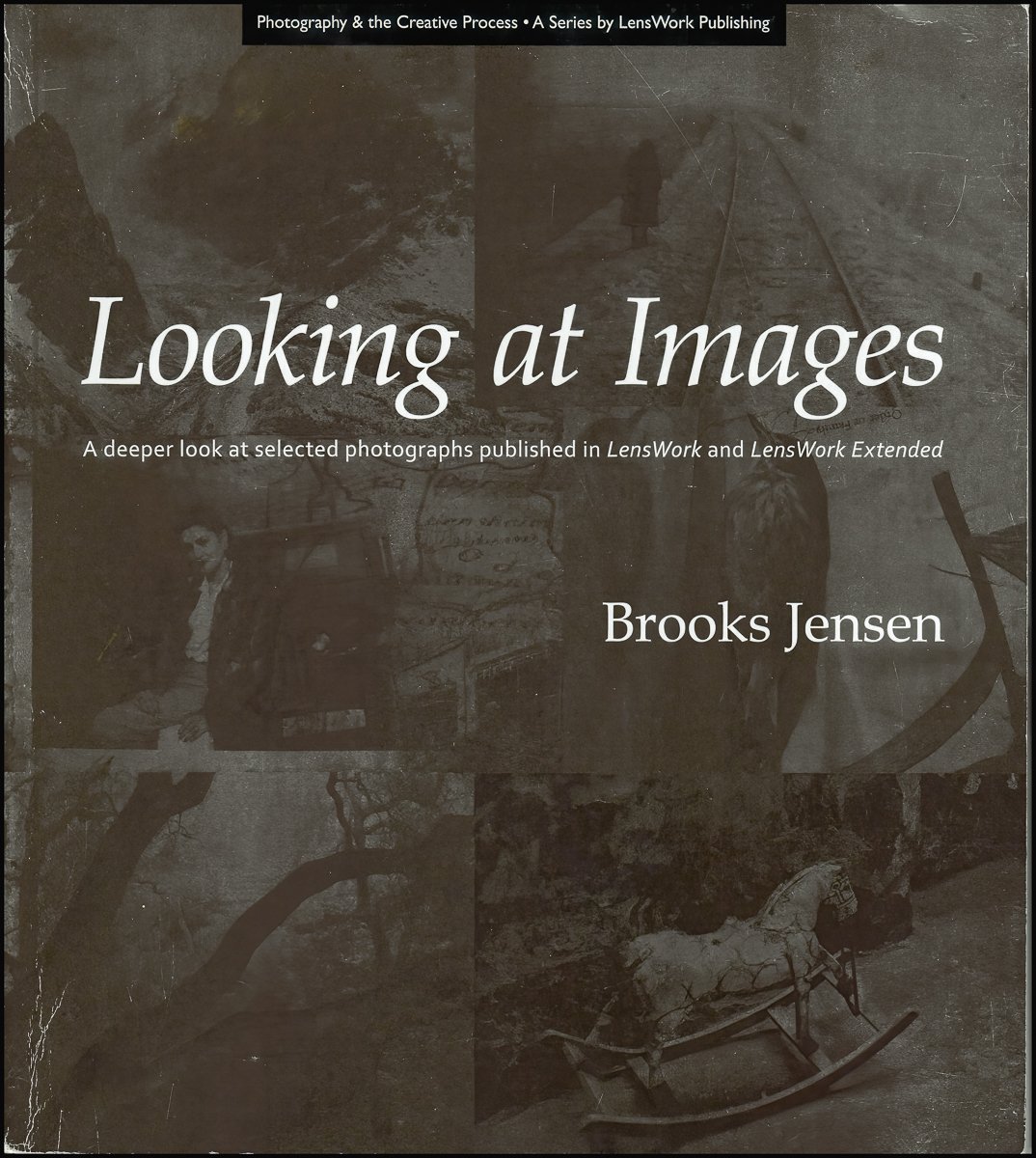
This is the kind of book that makes me want to give up photography. The images are just so far beyond anything I’d ever be able to make.

I subscribe to many photography-related YouTube channels. T. Hopper‘s is one of the more interesting. She recently posted a video on Joseph Koudelka. Other than the famous picture of the arm, the watch and Prague, and that he was a Magnum photographer I didn’t know much about him. Since I don’t need much of an excuse to buy a photobook I immediately went online to buy one. This is what I came up with.

At the moment I’m so blown away by this book that I’m at a loss for words, so I’ll content myself with merely copying what Amazon has to say about it. Later, when I’ve had more time to absorb it I may come back with some thoughts of my own.

“Koudelka’s unsentimental, stark, brooding, intensely human imagery reflects his own spirit, the very essence of an exile who is at home wherever his wandering body finds haven in the night.”–Cornell Capa

In 1988, Josef Koudelka published what was to become one of his most famous and canonical series: Exiles. These gorgeously austere black-and-white images described the travels and everyday life of the peoples he encountered while roaming Europe. Josef Koudelka: The Making of Exiles is an exploration of the genesis and the making of this photographic journey.

Enhanced by numerous photographs that have never been published―in particular the photographer’s self-portraits―and captions by Koudelka, it includes numerous archival documents (such as reproductions of his travel journals), thumbnail reproductions of the book’s layout, an introduction by curator Clément Chéroux and an essay by photo-historian Michel Frizot, who spent hours interviewing Koudelka.

Josef Koudelka was born in Moravia in 1938. Initially an aeronautic engineer, he launched full time into photography in the late sixties. In 1968, he photographed the Soviet invasion of Czechoslovakia, publishing the results under the pseudonym P.P. (Prague Photographer). Koudelka left Czechoslovakia in 1970 and was briefly stateless before obtaining political asylum in England. Shortly afterwards, he joined Magnum Photos. In 1975 he published Gypsies. Koudelka has exhibited at the MoMA and at the International Centre of Photography in New York, at the Hayward Gallery in London, the Stedelijk Museum in Amsterdam and the Palais de Tokyo in Paris.