Churchyard – First Presbyterian Church, Mahopac NY

We’ve had a number of gloomy, rainy days recently and today was no exception. I needed to get out, however briefly so after shopping for groceries I had a ride around to see what I could find. Two earlier posts: Abandoned House on Route 6N and Three Red Barns also came from this excursion.

This is the churchyard of the First Presbyterian Church in Mahopac. According to its website:

First Presbyterian Church was established in 1784 when the area was still part of the Town of Southeast in Dutchess County. The church filed incorporation papers with the State of New York in 1806 – we are proudly celebrating the bicentennial this year. This congregation is affiliated with the Presbyterian Church, USA, and is a part of the Synod of the Northeast and the Presbytery of the Hudson River.


Chinese Garden – Lasdon Park and Arboretum

Top of one of the arch/gateways.

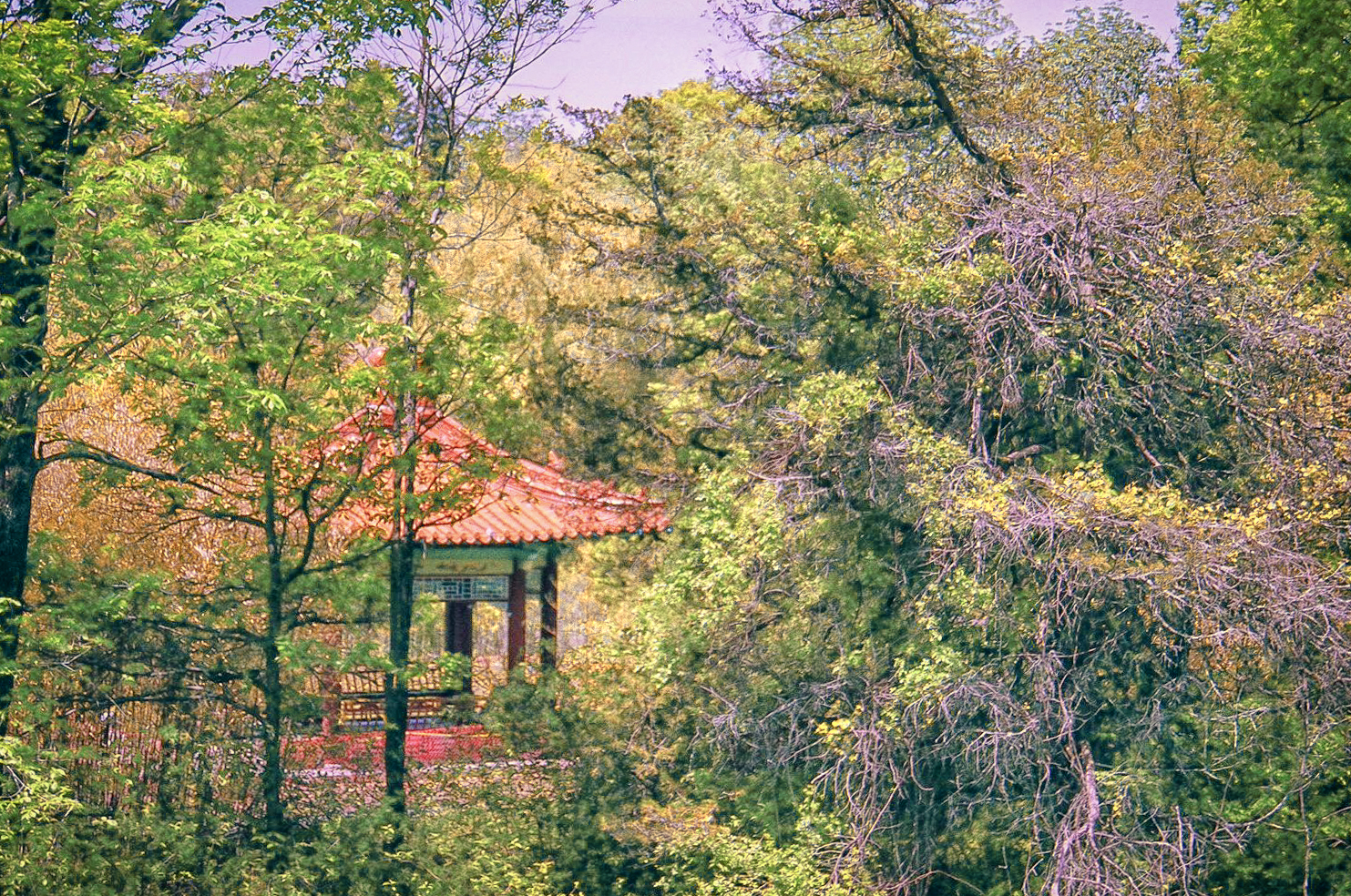
We went with some friends to an antique show held on the grounds of the Lasdon Park and Arboretum. While the ladies when around the antiques show I went for a walk with my friend Ken. I’d heard that there was a Chinese Garden somewhere and I hoped to find it. The Lasdon Park website describes the Chinese Garden as follows:

In 1997 the County became a sister city with Jinzhou in China. A Chinese delegation came to the park and lived here that summer to construct an ornate pavilion and along with the help of the Parks Department, developed a garden surrounding the pond near the western end of the park. While the pavilion is quite aesthetic it is challenged by climate. Every 5 years or so we must restore much of the paint and wood work at the pavilion.

In an earlier post I mentioned that some other friends had given me some old cameras. I had one of them with me: A Canon Eos Elan IIe with 28-80mm Zoom Lens and I was keen to try it. I had a slight problem, but I’ll talk about that in a post on the camera itself. Here are some pictures. Since I didn’t know how well the camera was working I only had low resolution scans done.

Bamboo.

Another arch/gateway.

Distant Pavilion.

Closer view of the Pavilion.

Closeup of the Pavilion.

Planting Time

We’re members of the local garden club and every year those who run it ask for volunteers to help plant at ‘Two bridges park’ near the beginning of Lake Shore Road and my wife volunteered. This year the girl scouts turned up in force to help with the planting.

The two pictures below show some of the girl scouts at work. The shots are actually of reflections in the stream that passes through the park. They’ve been flipped to make them look as if they’re the right way up. I like both of them. The first seems to show more activity, while in the second they seem more ‘at rest’.

Incidentally the scouts have been doing a wonderful job around the lake. In addition to the work of the girl scouts the eagle scouts constructed a new seating area, with gravel paths, a new bridge (which they built themselves) and a picnic area complete with picnic table. Well done to all of scouts (both male and female) who contributed to this!


Orange Mill Historic District: Algonquin Park Newburgh

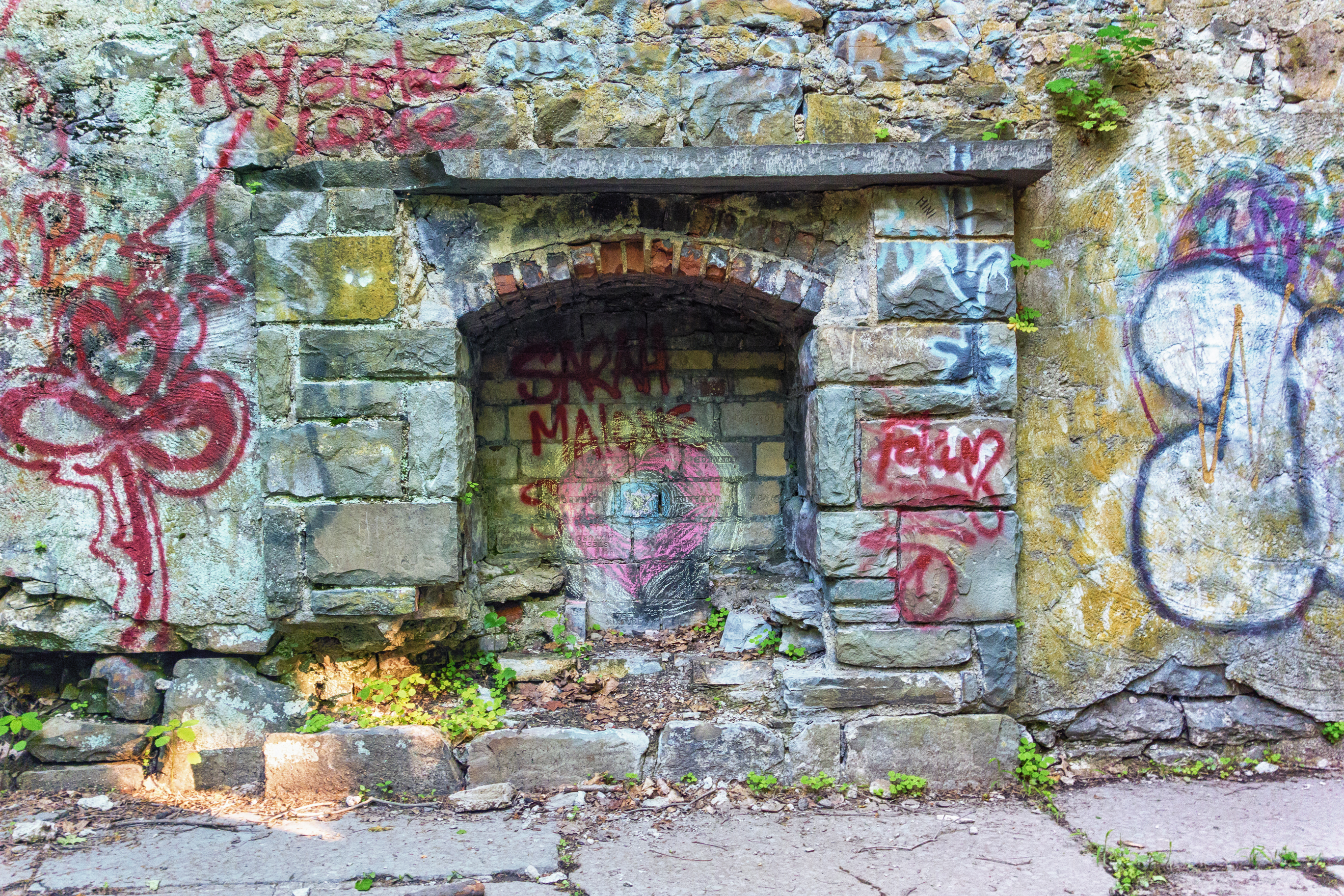
No it’s not somewhere a hobbit might live. It’s the former main powder mill building.

According to Wikipedia:

The Orange Mill Historic District…takes its name from the old gunpowder mill complex, built by Asa Taylor in 1816 and operated by the Laflin & Rand Powder Company after 1869. It is located along the unnamed Orange Lake outlet brook which flows through the park just above its outlet at Quassaick Creek.

While it primarily produced powder for local residents’ use in hunting and shooting sports, during the Civil War the Union Army procured some higher quality material. In the years before that conflict, local historian Edward Ruttenber claimed the mills were “the most complete and extensive works in the country” when they were under the ownership of a man named Daniel Rodgers.

After production stopped in the early 20th century, developers began building on houses on some of the property. Col. Frederic Adrian Delano (1863–1953), uncle of future President Franklin Delano Roosevelt, purchased the remaining land, which included the core of the manufacturing operation, for use as a public park.

Today the historic district includes 14 of these buildings which formerly were the core of the manufacturing operation as contributing properties. It was designed to incorporate the old buildings as an essential feature, and many of the roofless stone structures still stand next to the park’s barbecue pits and picnic grounds. It is today the only remaining 19th-century gunpowder production facility in New York. It was added to the National Register of Historic Places in 1997.